Buy here, pay here means you can buy a car and make payments directly at the dealership instead of going to a bank. It's often for people who might not have good credit.
The Jeep Recon is a new electric SUV that Jeep is making, designed for people who love to go off-road. It's exciting because it shows that Jeep is moving towards electric cars while still keeping their adventurous spirit.
The Toyota Tacoma is a smaller truck that many people use for work or outdoor activities. It's known for being tough and able to handle rough roads, which is why it's a favorite among truck lovers.
Retail means selling cars to regular people, while wholesale is selling cars in large quantities to other businesses. Knowing how these work can help you find good deals.
A trim package is like a version of a car that comes with different features and styles. Some versions are more popular than others, which can affect how much people want to buy them.
The engine transmission combo is the specific type of engine and the way it sends power to the wheels. This pairing can make a car faster or more efficient, which is why some combinations are more desirable than others.
LIVE
Our repo percentage went up slightly. We're still under 18%. It's fine with me.
But I'm quicker to repo than I was. There's probably several accounts,
more than several, that we could have saved that I didn't. Just because I knew what we were doing.
It's better for me to pull it out of circulation, turn it into cash at this point in my dealership
where, you know, two years ago I would have saved that deal and figured it out. But that's
something that you have to wrap your mind around. As an operating buy here, pay here dealer,
stability of your portfolio should be key, right? I don't want to lose accounts. I want to keep it
even or grow a little bit, depending on where your cash is. And so stability is all that comes
in a matter. When you're winding down, cash is all that matters.
Hello and welcome to the independent dealer podcast. We are live, live and alive, Luke.
I'm glad to be alive, Joe. Yeah. Yeah. I think about death daily, dude. It's weird.
I think mortality is like very scary at this age, man. Everything hurts,
falling apart, my body's wrecked. Just counting down the days until I can retire like you and
just be done. Man, I think I'm working more now than I was when I was just in the dealership.
Traveling, that's all. Boy, I want to ask that because I texted you the other day
and you were out freaking gallimant and around playing in someone else's dealership doing
something. And I said, Luke, it's tax time. What in the world? Is it weird to not be like in the
dealership in January, just like all hands on deck, batting down the hatches? It is because
January tax season is so quick. It is sometimes it starts January 15th or January 20th or maybe
it doesn't start until February 15th. And then it's 45 days, all hands on deck. And
you don't have any time to do anything in those 45 days. But the preparation for those 45 days
last probably 120 days. And so, especially at the end of the year, it gets so tough with
collections and all that. Collections have been tough for sure in the last 90 days. But
me not having to do what I normally do during that time is helpful. But created more work for
myself by not working in my dealership. Yeah, I can tell you what, right now the last like just
five days has been just batches crazy around here, you know, between buying cars and trying to make
sure I'm stocked up for tax time and having to let a salesman go and just the drama of year-end
financials and then freaking 20 group homework is ridiculous. I don't know. I gotta have a
conversation with him about that. But if you guys don't know, about a year ago, Luke announced
that he was transitioning and getting out of the Buy Here Pay Here industry. So if you go back to
episode 375, 371, I think, you'll see the whole backstory. But what I wanted to do was drill
Luke with some questions on how it goes and how the process has met his expectations or
exceeded his expectations as far as winding down a Buy Here Pay Here portfolio. Some of the
pain points, the headaches, the things he saw coming, the things he didn't see coming because
for those of you that are in Buy Here Pay Here or even retail dealerships, there does come a day
where you may want to get out. And whether that's a transition and, you know, you're gonna give that
to your son or your daughter or whether you're gonna sell the dealership or whether you're just
gonna wind it down and shut the doors, sell the portfolio, whatever it is. So few people get to
that point on their own out of choice. We know a handful of dealers that shut their doors,
but what is it like when that happens? So Luke, give us an update as far as where you started
the year and where you're at now 12 months later. Yeah. So when we shut, well, we made this decision
in October of 24 that we were gonna finance cars until December 31st and then we were gonna
shut off that portion and collect the portfolio out. And my idea was to, hey, we're gonna try to
retail some cars and I will walk through that, but really just trying to retail repos for, you
know, more than they would bring at the auction, right? Just to move the repos out because the
repos are gonna come in one way or another. Stay open because if you don't stay open, it
doesn't look like you're doing something, then you're not, people aren't gonna pay you kind of
is the way it goes. And so I knew, I knew that going in, but so I forecasted out this is what
it's gonna look like. This is how many accounts we're gonna have each, each month. This is how
much we should collect. And luckily, so what I forecasted last year was that the close of business
on December of 25, we would have 562 accounts. Well, Jeff, I'm a pretty good forecaster or pretty
good forecaster. We had 579 accounts at the end of business in December. So either we didn't
have as many payoffs as I thought, we didn't have as many trades as I thought,
something skewed the number just to hear about, but not much, not much.
You may have not accounted for. I know you talked about some of the people you had to get back into
cars, you know, because they had a CPI claim or they, they wrecked or the engine blew up. And so
those are kind of ones where it's like, Oh yeah, I didn't account for the fact that I would actually
churn more buy here, pay here back into buy here just to save. Yeah. We actually did 27 of those,
Jeff. And so, so the number, the number essentially is within 10 if you account for those. So,
so yeah, I didn't really, I didn't take that into account because I didn't think about it. And
honestly, if I was working in the dealership every day and I was winding my portfolio down,
I would do a lot more of this because you could structure the loans to meet your end date. If
you know what I'm saying, if you, if you forecasted that your business is going to be open for 36 months,
either way, you can structure buy here, pay here loans to end in 36 months. It's not that big a
deal. And, and the buy here, pay here loans don't typically make it to the end anyway.
Yeah. So, so it's not a big deal to structure that. And I kind of went into doing that. And then
I just didn't have, I just didn't want to do it anymore. And so we, we stopped doing it. We'll
do one here and there, but at this point moving forward, I don't think we'll ever do another
buy here, pay here or do. Yeah. And super easy. I mean, either you structure to end in 36 months
or your close date, or you just hand them the title at the end of that. If they made it that far,
they might two or three grand left to pay off, just hand them the title and be done with it.
Because I get that you could have those people that just kind of perpetually,
you know, rewrite a loan because you're trying to keep things alive. Now, if you had shut your
doors and you weren't operating as a dealership, you would have a lot. And you talked about that
way. I think that's the worst scenario to either, even if you sell your accounts to another
servicer, it just changes the whole dynamic, the whole vibe, working with the customers,
having them still come in the door, seeing that still business as usual, that's all they see.
Yeah. So I think keeping staying open is a pretty crucial component to getting the most
dollars out of the portfolio. It's crucial. And we actually collected, compared to what I
forecasted, we collected another month's worth of payments, which worked out pretty good for us
this past year. So hey guys, just to jump in and talk about Buckeye risk services. They've been one
of our sponsors forever. They're great to the industry. They're one of your sponsors. You
don't even know it. Every time you go to a convention or something like that, they're there helping
out. Isn't that right, Jeff? Yeah, absolutely. I have not seen a company so willing to get behind
the dealers from an education, from a support standpoint. I mean, there's a handful that we
see in our sphere that are very active and always have our back, but Buckeye really sets the standard.
So when you're looking for a reinsurance company, if you've decided it's time to get into it,
you've got to call the guys and girls over at Buckeye. I promise you will not regret it.
Yeah, reinsurance, forced savings account, wealth building, tax playing, all these things go
together. So call Buckeye. Have you ever thought about trying to encourage them to refi?
It's part of your strategy eventually to say, hey, you know, I'm going to come in here and we're
going to pull your credit again and we're going to get you approved with a bank or credit union
or a subprime and I'm going to get bought out and try to accelerate a bunch of those.
That's a good idea. I don't have to hand the discount, but you could say, hey,
let me help you get placed at a lower interest rate with this lender.
If our F&I department was where it could be, then I might would try that, but we just,
it's just not worth it to me. I think if I got down to a certain amount of accounts,
I might just sell the rest of them and just be done with it, but maybe not. I don't know.
We're not there yet. Retail wise, I mean, we had, retail is a different animal, Jeff.
For sure. And if I was in the office every day and really getting into the nitty gritty of this,
I could do it. I don't want to do it. I mean, that's it. I was hoping we started out the year with
the guy who's, he went on to a new car store, but I really thought he was the guy to do it.
And I still believe him. And I think he's a friend of mine. We text all the time. And
I was hoping he'd stay. He didn't stay. And so about halfway through the year,
we had to make a transition and now a guy's been with us forever is kind of in charge of sales.
He's figured out a lot of things since the other guy left.
He's really good in a lot of things. And he's a good sales guy. We just haven't made it click yet.
And I don't know why. It's probably me. I mean, honestly, it's probably me. But I was hoping
that they would just take and run with it. And I hadn't, it just hadn't happened yet,
but it's still early. It might happen. I don't know. Not you. It's me. It's not you. It's me.
But we ended up selling 15 cars a month for 2025. I mean, a lot of dealers out there would love
love that, you know, in a not trying phase. And our back, I mean, our front end gross on those
were $2,200. So it kind of fits into what I hear other dealers talk about. Yeah, I just wish the
numbers were more advertising in this space in the retail space is ridiculous. And I'm just going
to say that. And and we've talked about that before. These these third party sites are garbage.
They are so bad. But are they needed though? I mean, when you say that, is it you have to be
on arbitrator cars and cars.com? You have to be all you have to be all one of them. Okay.
The leads that come in are I don't even why would you go and ask about something and then
never respond back again? Like those like things blow my mind. It's saying with Facebook marketplace,
Facebook marketplace is is probably the best out of all of them, Jeff. I mean, honestly,
it's probably it's free and it's the best. And so but you have to be very consistent and you have
to be willing to to respond to everybody who says is the car available? That's the car available.
Is the car available? It's car available. You know, and you have to deal with it every day.
Recon's different, Jeff. In the buy here, pay here stays, you want to recon that car to the tip top,
right? Because you don't want it coming back all the time. Retail's different. Because the
over recon, there's no money to be made. If you under recon, you're going to get a bad name.
So where is that fine line? Then you have to be willing to have salespeople that are educated
enough on the product they're selling to say the reason this car is $1,000 less than every other
car in the market is because it needs X, Y and Z. So don't come back in here after you drive it
and say I want a discount for X, Y and Z because I'm telling you right now the windshield's busted.
You can see it. I'm not replacing it. So these are the things that you kind of
have to figure out. And I think it takes a lot of time and a lot of patience. And honestly,
I have got enough business either. I've got enough business doing everything else that
I don't care. No time and no patience. Well, this sounds like a really,
really skewed case study then. It's not a skewed study because of this.
If you weren't like me and had other balls in the air and you were someone who really
enjoyed buying your pay here and you enjoyed your community and you wanted to just sit in the
office all day, this is the way to do it. I have the blueprint and I think I could teach somebody
the blueprint, but it's not for me. Yeah. When you say that, I think of a couple of things.
Did you have you pivoted in your inventory at all? Yeah. I assume you're not carrying
buy here pay here anymore. So the only buy here pay here type cars that we have out there are our
repos that are coming back. And my buy here pay here car was a lot different than most people's
buy here pay here car. So we hear they're a bit nicer to begin with. Yeah. So when they come back
in at repos, we're retailing those cars for between $12,000 and $6,000. So it's a really
good price car that people really need. And so we have those now where we didn't have them before
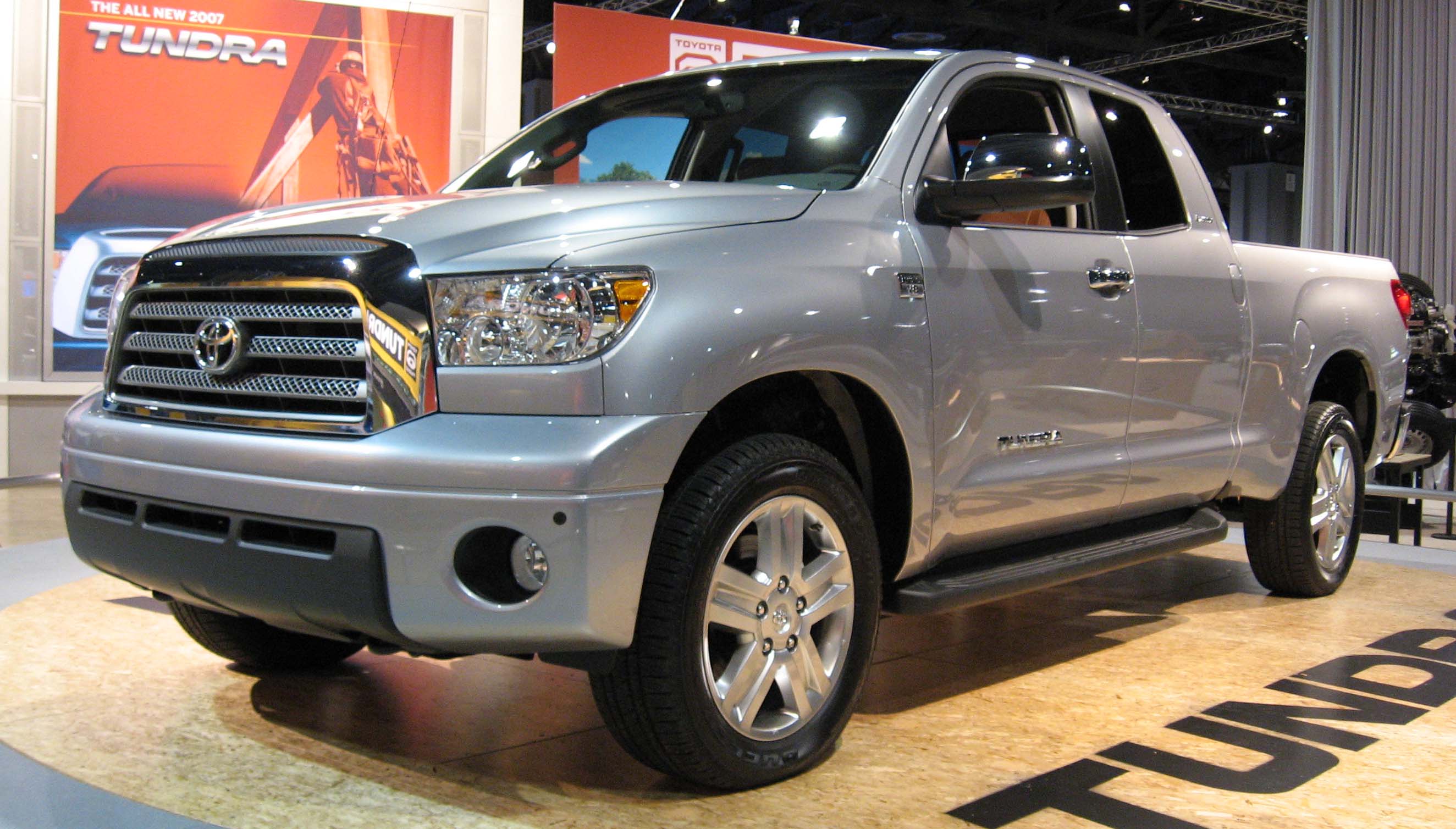
and we moved upscale a little bit carrying Toyota forerunners, Tundras, and being really
specific about Tundras, Tacomas and forerunners and what sells and what does it sell. And I still
haven't figured that out. The truck or forerunner that you buy things going to sell it immediately,
it sits forever. And there's no margin in those things, unfortunately. Yeah. Yeah, you pay so
much for them. There's nothing left. There's nothing left. And so that's part of I guess that's
the one thing I've found in the retail space from the little bit that I've done is it does,
there are little niches. So there's these little like, and sometimes they're just phases of car
cycles where retail and wholesale is a large enough spread that it makes sense to buy that car.
I couldn't do this, I don't think at a large scale dealership because I couldn't do 100 a month
and find those little niches. But right now, I found little niches where it's like, whoa,
I actually bought that car. I can get them cheap. There's a huge demand for them and there's a
decent margin. I'm going to go buy another one. I'm going to go buy another one. I'm going to go
buy another one, right? And you can do areas. I don't want to compete on Toyota Tacomas. I don't
want to compete on Honda Accords or Off-Lease, where I see these guys bidding and they're just
planning on bringing it home and making $500 and hoping they sell another 1500 to back end.
Like that to me is, that just seems like brain damage and way too much risk unless you're a
high volume. Yeah, you can find niches, but niches, you can't make a business out of niche.
For sure. It's a site project. That's right. And I will say that
there's so much education to know, hey, why did somebody not buy that car? Well, because
it didn't have this exact trim package that everybody wants or that color was slightly off
and nobody wants that color. And you're like, what? Yeah, it's just brain damage. But when
you know the inverse of that, then you've got maybe a slight advantage or you're like, oh,
this is actually an in-demand model year because of the engine transmission combo.
That's right. People that know are looking for this and they won't pay a premium. Now,
on the wholesale market, maybe the seller doesn't know that this is a unique car. It hasn't hit
the masses yet. And so you're getting it at wholesale value because it's dragged down by
all the other ones. But it's actually a better vehicle because it's this certain combo for sure.
Yeah. So there's a lot of education. The education side of inventory for retail dealers
is so much larger than the education side of inventory in Buy or Pay Here. Buy or Pay Here
customers, not customers, dealers know that the longevity of a car, how good is it going to be
in 100,000 miles from where it is right now, is really what matters. It's not really
anything more than that. When you can find that a car is very reliable and customers like it,
that's where you make your money about your pay here. You don't make it because everybody likes
the car because it could be crap. You know what I mean? And so you have nuances between that too.
There are. We've talked to dealers who, they go out and buy the undesirable cars that no one
else wants because they have a solution. They figured out how to fix the timing chain issues
really, really cheap or they can do an engine swap on the Kia Thetas and they're buying them in
bulk and doing a ton of them. Now a car that everyone thought was crap and no one wants to
touch, this guy's making a ton of money on because he's found riches in those little trashpipes.
That's a really good spot to be in. So I think as a Buy Here, Pay Here, it is still tough because,
yes, what you think is a good Buy Here, Pay Here car, the other guy might not think is a
good Buy Here, Pay Here car, but it seems to work for you in your market with your mechanics.
No, I think that's right. I just think it's easier to figure out maybe. And maybe I just
say that because I've been doing Buy Here, Pay Here for 40 years and I get it. So that's probably
me. What else have you seen that was a surprise over the last year that maybe is a little different
or you weren't expecting and now it's like, oh, okay, this is easier or harder than I thought it
was going to be? Our repo rate has been consistent. Now I know everybody's repo rate has gone up
dramatically in 2025. I believe that's the case that the dealers I've been into, I've seen that,
I've seen the severity of charge-offs continue to climb. Our severity has stayed pretty solid
compared to 23-24 numbers. Our repo percentage went up slightly. We're still under 18%, which is fine
with me. But I'm quicker to repo than I was. There's probably several accounts, more than
several that we could have saved that I didn't, just because I knew what we were doing. It's
better for me to pull it out of circulation, turn it into cash at this point in my dealership,
where two years ago I would have saved that deal and figured it out. But that's something that
you have to wrap your mind around. As an operating buy here, pay here dealer, stability of your portfolio
should be key. I don't want to lose accounts. I want to keep it even or grow a little bit,
depending on where your cash is. Stability is all that comes into matter. When you're winding down
cash is all that matters. Who cares if you lose the account because you can turn into cash? Cash
is probably going to be better now than it will be later, if you understand what I'm saying,
especially with a guesser that might repo anyway. Yeah. It's almost less about the future cash flow
and more about the cash protect. How do I recover as much cash now as possible? That might mean
yanking the car while it's still worth something, as opposed to waiting until it's a five-dollar
metal. Because you could yank it today and turn it into $8,500 in cash, right? Or you could yank
it six months from now and it'd be worth $4,000 in cash and you only collect another two grand.
So you have to weigh those decisions every time you look at a pass through account though.
Yeah, absolutely. A real quick break to make sure you guys know about Blitzpay. It's who I use to
take all the payments at my buy here, pay here dealership. We've been with them for almost three
years now and it is absolutely amazing. It's great. Yeah. The product is so simple, even an idiot like
me can use it. But even when my collector's out and I'm just taking a phone call here or there,
no matter where I am, I can log into Blitzpay and I can take that payment. I can see the
customer texting in and say, hey, can you run this? Or whatever's going on, it's always on top of it.
And the money's in the bank almost the next day and that is, to me, so important.
And the support is great. If we do have a chargeback or a dispute, we get an email that says,
hey, this is dispute and then their team goes to work to help us resolve it. They don't
just dump it back on your table with some random notification or email that you barely ever see
like my previous processors. Yeah, it's so helpful. And a lot of times it's because our
customers did something wrong, but when it's not, they'll fight to the end with you and get that
money back in your account. Yeah. So give them a call, the guys and girls over at Blitzpay,
great partner to have, definitely an essential tool to have if you're a buy here, pay here dealer.
I find that really interesting. What point do you think coming this,
like growing forward this year, do you expect it to stay the same? Like,
do you anticipate kind of the same general scale? Like, what are you forecasting, I guess?
Yeah, this year's gonna be different. I'd still think our, I think the collections will level
out. And the reason I believe that collections will level out is we bought a very seasoned portfolio
two and a half years ago and those things just don't charge off. I mean, they don't. And so
I think, I thought it would have already leveled off, but then December happened.
December was a, the largest repossession, the largest repossession
month we'd ever had. Yeah. I mean, it was huge. And so
I think it will, I really believe they kind of leveled out before then, but it hadn't.
I think this year will level out. Okay. So you anticipate to, you kind of got some of the bad
stuff out of the way, cleaned out some of the crap. Now, from an economy standpoint,
obviously, when I look back and think people say 2025 was worse than before,
some of that's immigration stuff, some of that's kind of like people being stretched too thin,
finally giving up. Now, repos severity, I understand. I can completely relate to that.
My severity of repos was extreme, coming, you know, repoing COVID, post COVID type cars
and just taking, just being slaughtered on them as far as what their ACV was. So,
once that works through the system, then yes, maybe 2026 severity won't be quite as harsh
as it was in 25. All right. Who knows? I kind of thought 25 would level that out, but I tell you
this, the rough car, everybody's talking about, oh, car prices are still high. A rough repo is not.
It's still, they're not bringing crap and it's causing, it's causing worse and worse charge
loss. And unfortunately, these, these cars that you paid so much for, it surprises me when I look
at accounts that are two and a half and three years old, Jeff, and they still owe $10,000. I'm
like, how in the heck does that person still owe $10,000? And you feel terrible for them.
But unfortunately, that's what the market was demanding at that point to buy the car. And so,
it's not our fault. It's simple economics, it's capitalism and, but we're going to be the one
stuck with it, right? Because the charge office is going to continue to come and there's so many,
I really believe this, there are so many subprime 10 to $15,000 receivables out there that are worth
$1,000. I think it's, I think it's millions of them. You think a lot of dealers portfolios are
underwater or, I guess, under collateralized, let's say, because if you were to fair mark to
market that portfolio, you would be, be in trouble. You'd be in trouble. And, and sometimes you have
to weigh that decision, Jeff. All right, this customer has had this car all this time. It's
not worth anything, can't be. They've already put 100,000 miles on it for when they bought it.
Oh man, you just keep collecting and praying. Yeah, yeah, I've definitely had the ones where
I just don't want to repo, you know, oh my goodness, they owe this much and they're late,
we need to pick this up. No, no, please don't, please don't. Don't want that collateral. Once
we pay $500 and then shipping, it would be better off if we just take a couple payments
and just, just try to get anything out of them at this point. Absolutely. Do you see that happening
more in 26? Like what do you see from that, you know, are lenders struggling? Do you think we're
going to lose more by here, pay here dealerships and their notes are going to get called due,
you know, kind of everyone's worried about the dirty subprime and trichlor and what else is,
you know, I think in the full mine type deal. I think, yes, the longer the short of it. There,
there are many dealers that it's just getting tougher and tougher. Expenses are still kind of
out of whack for some dealers that they got to, they got to rain that in, but really the problem is
the charge off rate and they were already 60% in debt and the charge off keep coming
and there's just no way to unwind that quick enough. You can't out, you can't outsell it
and many dealers try to do that and you're just putting bad paper back out there.
It's hard. It's just really hard and once you get that spiral, that, you know, that,
that death spiral of debt, it's hard and I hate it for dealers out there, but it's going to continue
until, until it's not, until some people take, some capital allocators take some
big, big charge offs and they can't take the charge off because they're getting money from
other places too. Yeah. You want, you talk about affordability and it's like, yeah, we all want
an affordable car again. We just don't want it right away because that becomes very painful for
our portfolio. So an inflationary situation or wholesale prices going up is very helpful for
us buy, here, pay, here's who don't want to take these massive severity losses on repos.
We want to be able to repo a car like we did back in 2021 and actually have made money on,
right? You know, 22, you pick up a car and you're like, oh, I only lost $1,000 on that. That's a
great gig. Now we're losing six and seven and $8,000 on things when we repo them and that's,
that's not fun at all. So that sucks. You want it to be affordable, but at the same time, yeah,
good running on the markets would actually be very helpful to keep some of these dealers afloat.
That's for sure. And the other thing I noticed by doing retail, Jeff, is how bad people's credit
are. I mean, do you feel like that's still skewed by your market, your brand, your position?
I think it is. I think I think that coming to you thinking you're the buy, here, pay, here guy and
so the other thing I've learned, it's really hard to switch brand. If you've been a certain brand
like Godwin Motors has been for 40 years in the market, that every every advertisement that we did
was buy, here, pay, here. We found out it's you, not your credit. It was just over and over and it's
lodging people's brains. And so when they walk in, the first thing they say is how much down on that
car, right? And to, to switch that, that narrative is hard. It probably takes years, something I'm
willing to do to go from being a brand of buy, here, pay, here to a brand of retail.
You probably would need to change your name. Probably smart. Yeah, it'd be a quick way to do it.
Change your name, change your color schemes. There's a lot of things you'd have to do, I think,
but you could do it quicker than what I'm willing to do it. But then again, it might damage your
portfolio. So I don't know the right answer there. But switching, that's it. Switching's hard.
There's a lot of bad credit in, in our area. The people that you, people that you find out,
what's weird is people that we find out for years and they pay us perfectly every time you,
you, you send them to a bank and the bank is like, absolutely not. Bam. You're like, well,
this person has never missed a payment with me. But you know what they do a lot of times? And it's,
this is terrible. They co-sign for people. And that person doesn't pay and it just slaughters
the credit, man. And yeah, we've seen that. And it's just, it's sad. And I know why they do it,
but it's, oh man, that credit, that, the credit profiles are getting worse. So some problems
here to stay. Yep. You realize why we do what we do in the buy, here, pay, here industry, right?
There is a need. Yeah. And still a lot of lenders that won't touch a handful of customers. Cool.
Luke, anything else in closing? No, man. I tell you, it's, I, you know, I like being around
dealers. I like once they're dealerships. I like helping them. But I'm glad, well, not but. I'm
glad I'm not the one on the hook for all the credit. Yeah. Yeah. It's always a little bit
exciting to be the guy on the other side of the fence. And you're kind of like, oh yeah, that's,
that's going to be a long, that's going to be a long hard slog there for you guys. But I'll help
where I can. And I'm going to, I'm going to help you get through it as painless as possible. But
I'm going to tell you what to do. It's up to you to do it. Yeah. Yeah, that's for sure. Cool, Luke.
About this episode
Winding down a Buy Here Pay Here portfolio presents unique challenges, as discussed by Luke and Joe. They explore the importance of cash flow and repo management, sharing insights on how to navigate the current market dynamics. Luke reflects on his transition away from the Buy Here Pay Here model, addressing the realities of collections, repossession rates, and the impact of economic conditions on dealer portfolios. The conversation also touches on retail strategies, inventory management, and the difficulties of changing consumer perceptions in a long-established business.
Winding down a Buy Here Pay Here portfolio sounds simple until you’re actually in it. In this episode of The Independent Dealer Podcast, Jeff sits down with Luke to talk through the real-world process of intentionally winding down a BHPH operation. Not from a theory standpoint. From lived experience. They dig into what happens after you stop originating deals, why staying open matters more than most dealers realize, and how your mindset has to shift from portfolio stability to cash recovery. Luke shares what surprised him most over the last 12 months, how repo strategy changes during an exit, and why retail isn’t the easy backup plan many dealers think it is. This conversation also covers charge-offs, repo severity, underwater receivables, branding challenges when transitioning away from Buy Here Pay Here, and what today’s credit environment means for independent dealers thinking about their next move. If you’re a Buy Here Pay Here dealer considering an exit, a wind-down, or simply trying to protect your portfolio in today’s market, this episode will give you a clearer picture of what to expect.Support the businesses that support the podcast Buckeye Risk Services Reinsurance, tax planning, and long-term wealth strategies built specifically for independent dealers. BlytzPay Buy Here Pay Here payment processing with fast funding, text-to-pay, and real dealer-focused support. Ituran GPS GPS and payment technology for BHPH and retail dealerships focused on asset protection, recovery tools, and customer management.Follow & Connect Website: www.theindependentdealer.com
Email: [email protected] Facebook Group: @independentautogroup Luke Godwin: @lukegodwin Jeff Watson: /sendtojeffw Like, subscribe, and share this episode with another dealer who needs a fresh perspective.