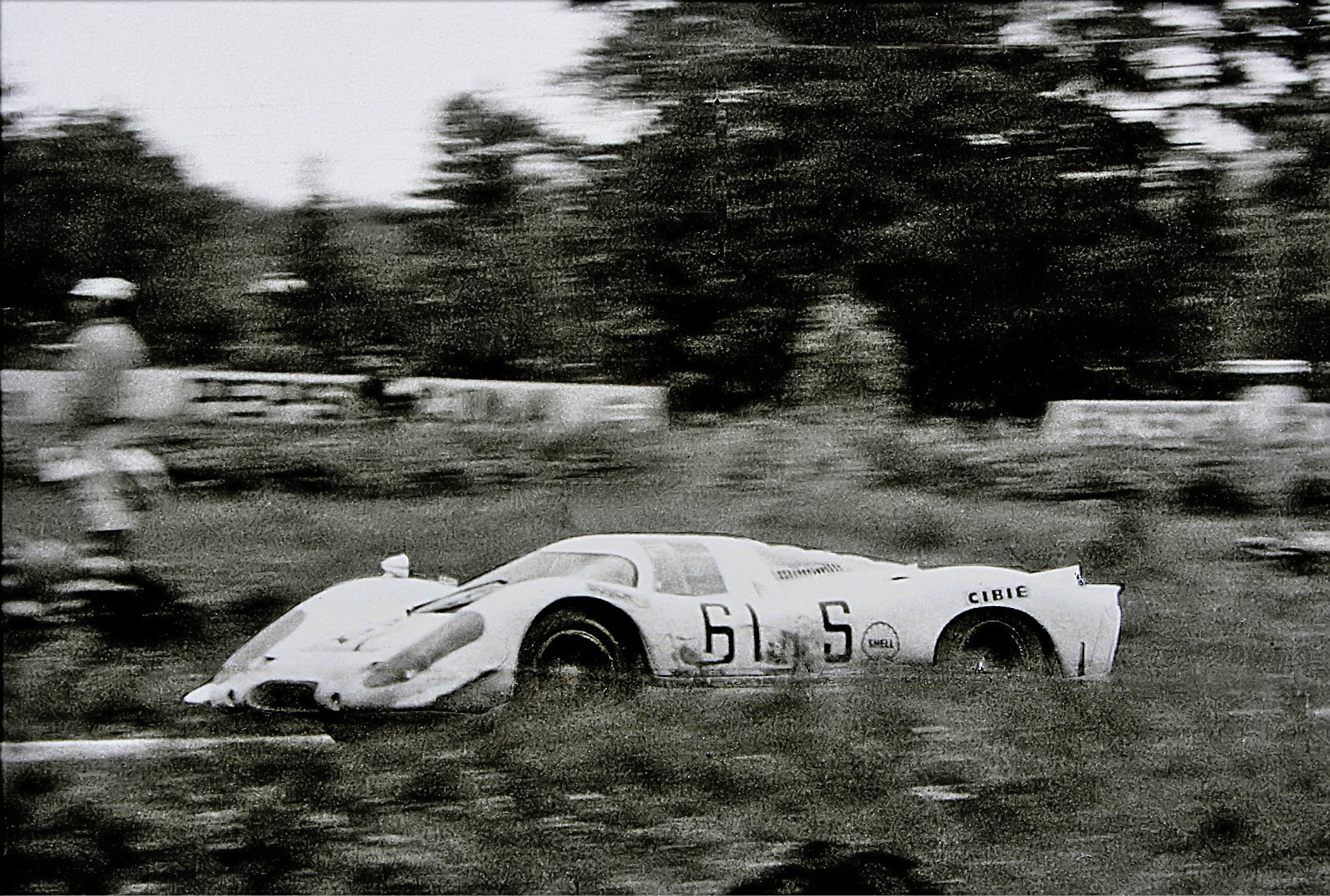
The Porsche 917 is a very famous race car from the late 1960s. It was built to compete in long-distance racing events. People still talk about it because it’s a major part of racing history.
They’re trying to show race cars the way they were back when they actually competed. That means the setup and driving feel as close as possible to the original era, so you get the real sights and sounds.
Term
prepared exactly as they would have been driven back in the day
They mean the car is set up like it was when it raced originally. The goal is that it drives and sounds like the real historical version, not like a modernized one.
Daytona is a major motorsports location known for fast, high-profile races. They’re using it as an example of the real racing atmosphere they’re trying to recreate.
Monaco is famous for a very challenging Formula 1 race on narrow streets. It’s another example of the “real racing” vibe they want visitors to experience.
The Shelby Cobra is a famous old sports car from the 1960s. It’s known for being very fast and for its racing background. Collectors talk about it because it’s one of the most iconic performance cars of its time.
The Chevrolet Corvette is a sports car made in the U.S. It’s famous for being fast and for having a strong history in racing. Some versions are especially sought after by collectors because they were made for track use.
“Short wheelbase” means the car’s front and rear are closer together. That can make it feel quicker to turn, but it may feel less planted at very high speeds.
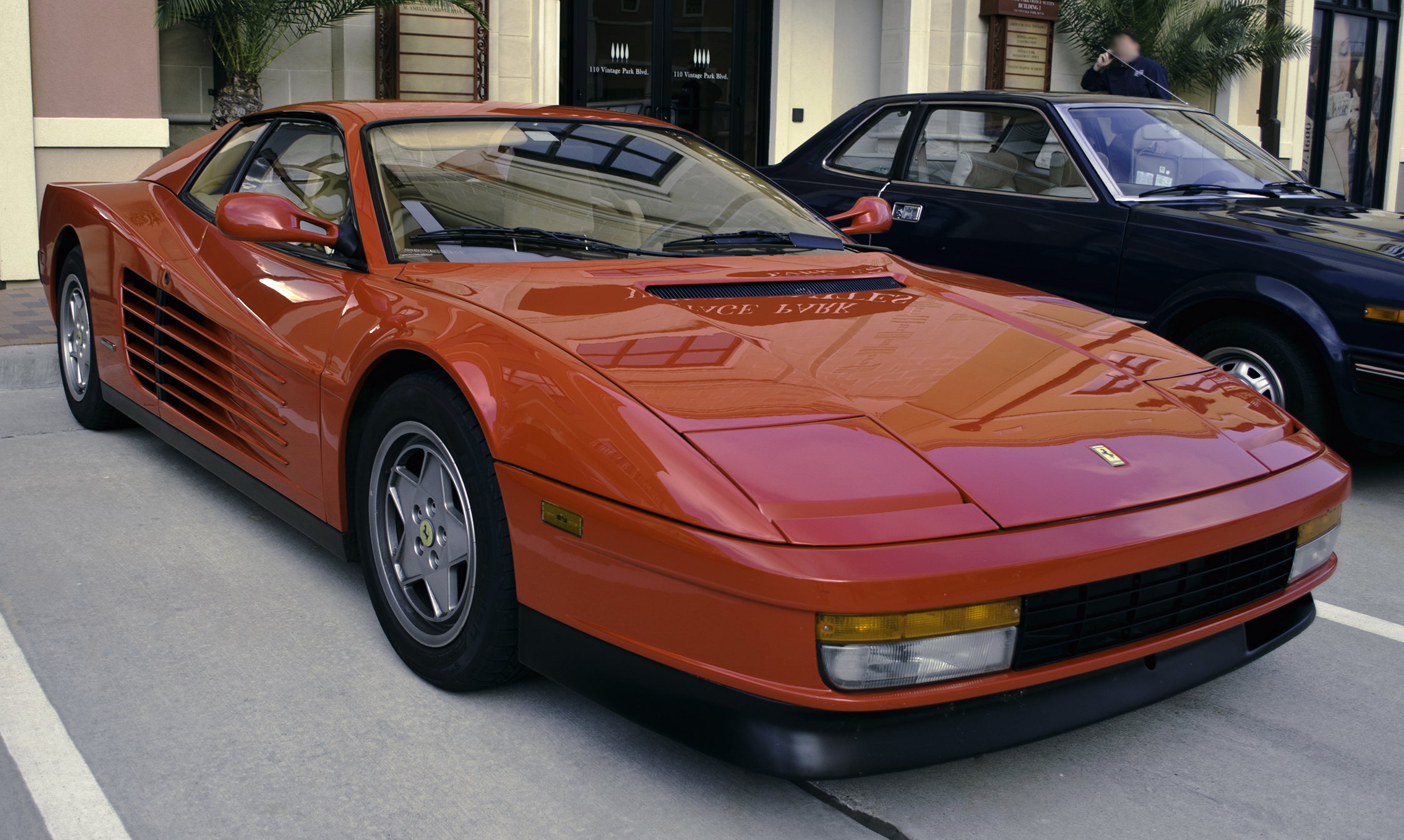
The Ferrari Testarossa is a mid-engine sports car made in the 1980s. It’s known for its very recognizable look and for being a high-performance car. Collectors may talk about different versions because they can be different in configuration.
“Putting cars on track” means taking privately owned cars to a closed racing circuit for driving at speed. For collector events, it’s a way to experience the cars dynamically rather than just viewing them.
Concept
private collectors
Private collectors are people who own special cars at home rather than in a public place. The big deal is that their cars are usually not on display unless they decide to share them.
“GTLM” is a racing class for faster, more performance-focused sports cars that compete in endurance events. It’s meant for cars that can race for a long time, not just a quick burst.
Term
turn 11 driver's lounge
“Turn 11 driver’s lounge” is a comfortable area near a specific part of the track where people can relax and eat or socialize during the event.
This is a 1969 Ford Mustang called the Boss 302, tied to the Trans Am racing series. People love it because the engine revs hard and the car feels very intense compared to normal cars.
Car
Ferrari Testarosa
The Ferrari Testarosa is a classic Ferrari supercar from the 1980s. It’s remembered for its bold, recognizable look—especially the rear “wing” styling.
Car
Gordon Murray T.50
The Gordon Murray T.50 is a newer supercar from Gordon Murray. People get excited about it because it’s a limited, special-feeling car designed to be fun and engaging to drive.
The Gordon Murray Automotive T.50 is a modern supercar made by a company founded by Gordon Murray. It’s designed to be a special, high-performance car rather than a normal daily vehicle. People pay attention to it because it’s limited and gets shown at events.
The 2016 Ford GT is a special Ford supercar that was made to race long distances. The big deal here is that it went to Le Mans and helped Ford win in 2016.
The Nürburgring is a very famous race track in Germany. It’s known for being tough, so if a car sets a record there, it’s a big deal and suggests the car is genuinely fast.
“Petrol-powered” just means the car runs on gasoline. The speaker is pointing out that this car uses a traditional fuel instead of being electric or hybrid.
This phrase means cars are increasingly becoming electric and using more automation to help drive. The hosts are saying some younger drivers miss the older, more hands-on mechanical feel.
A manual shift means you choose the gears yourself, usually with a clutch and a gear lever. It makes the driving feel more connected because the car isn’t deciding the gear for you.
Paddle shifters are little levers behind the steering wheel that let you change gears without moving a gear stick. They’re designed to make shifting quicker and easier while you stay focused on driving.
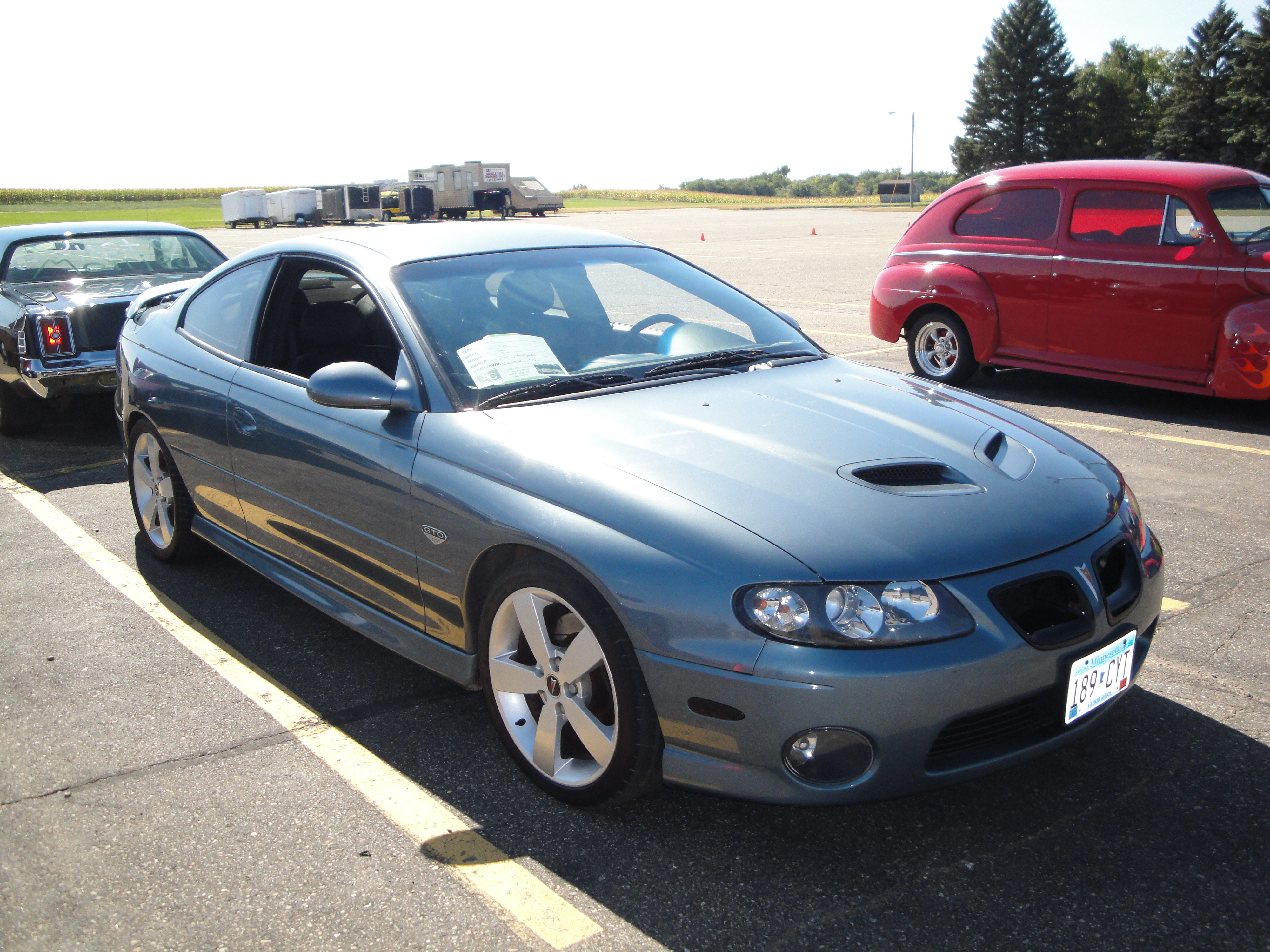
The Pontiac GTO is a famous older American muscle car. Here, the host mentions a 1966 one because he tried using it to teach someone how to drive a manual (stick shift).
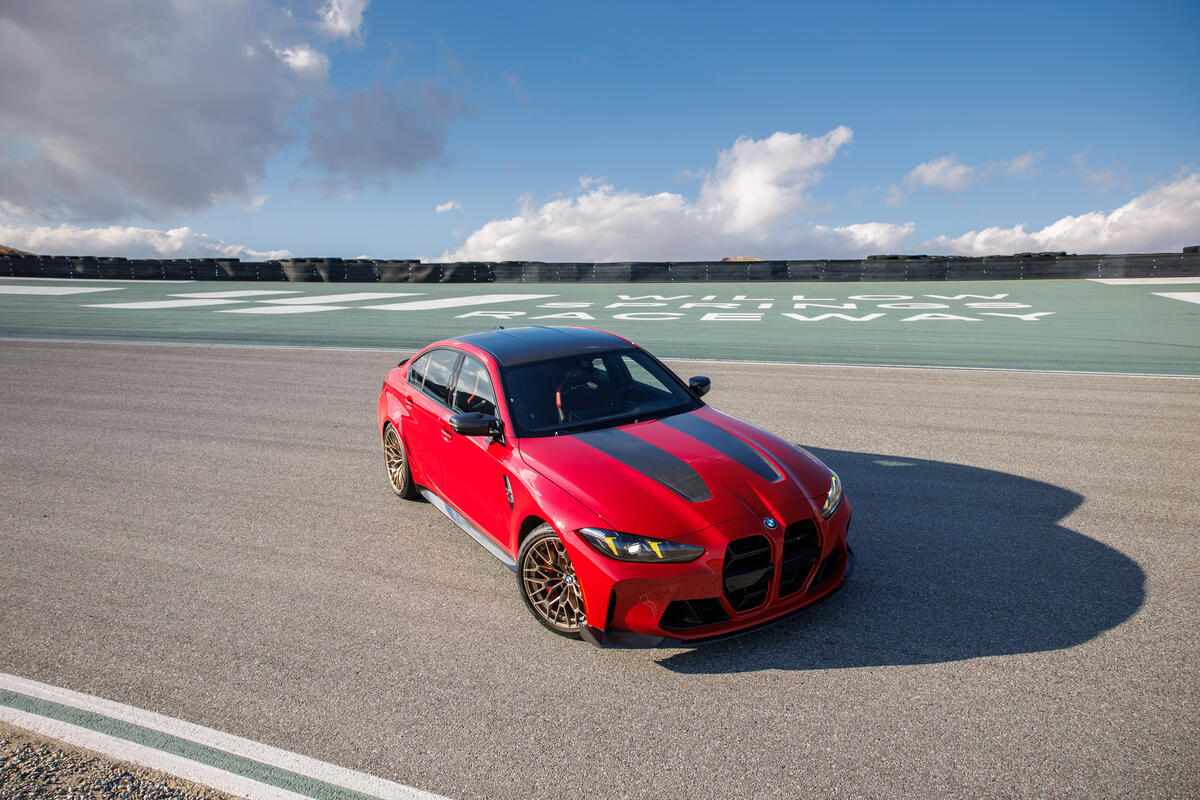
“Stick shift” is the everyday term for a manual transmission, where the driver uses a clutch pedal and gear lever to select gears. Learning it involves coordinating clutch engagement and throttle so the engine speed matches the selected gear.
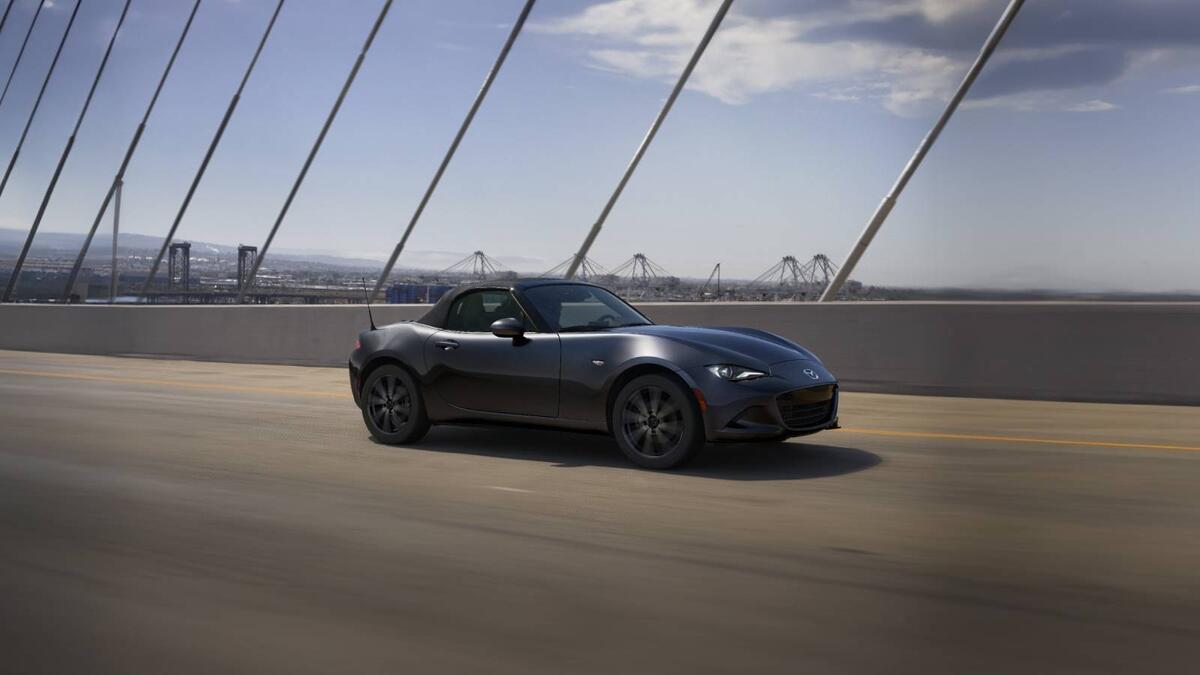
The Mazda MX-5 (Miata) is a small two-seat roadster. It’s made to be easy to drive and fun around corners. Many people like it because it’s not complicated compared with bigger sports cars.
Duesenberg was a famous old luxury car brand. The host is talking about how people sometimes compare the look of the “Chitty Chitty Bang Bang” car to a real Duesenberg.
Magnesium is a lightweight metal that has been used in automotive components to save weight. The speaker notes a downside: magnesium can be problematic when it catches fire, which is why it’s not as common as steel or aluminum for many structural uses.
Disc brakes slow the car by squeezing pads against a spinning metal disc. They tend to work better when you brake a lot because they handle heat more effectively than older drum brakes.
Drum brakes slow the car using shoes that press against the inside of a drum. They were widely used, but disc brakes usually stay more consistent when you brake hard or often.
The Toyota Corolla is a very common, practical car. The point here is that today’s regular cars are much better engineered than older cars, even if the older ones were considered advanced for their time.
Car
Maserati 250F
The Maserati 250F is a famous old race car from the 1950s. It’s the kind of car collectors and racing fans really chase because it’s historically important and built for competition.
The “nose” is the front part of the car’s body. On a race car, it’s shaped to help the air flow the right way, and keeping the original piece is a big deal for authenticity.
Term
Bonneco
“Bonneco” sounds like the name of a race location. In this story, it’s where the person says they got the original front piece from the car.
The Porsche 959 is a rare, high-performance sports car made in the 1980s. It’s known for being an advanced, special model rather than a common production car. Collectors talk about it because there weren’t many made.
The Pontiac Firebird is a famous American muscle car. This host says his first car was a 1968 Firebird.
Term
Earthshifter
“Earthshifter” is a slang-style name for a shifter setup. The host is basically saying the car had the kind of shifting feel people wanted back in 1968.
LIVE
If you're a collector, you already understand stewardship.
Preserving what matters, planning ahead,
and passing things on the right way.
That's exactly how Peristyle Wealth approaches
financial planning.
As the Ferrari Club of America's
official wealth management partner,
they help avid collectors who value resilience
and attention to detail.
And the founder, John Suarez, is active in the community.
I've judged one of his cars before
and I see him at events all over the country.
To learn more, go to peristylewealth.com.
Peristyle Wealth Advisory Services
offer through New Edge Advisors, LLC,
a registered investment advisor.
Every garage is a mirror of the mind that builds it.
The garage becomes a quiet dialogue
between who you are and what you craft.
A garage is where work becomes meditation and solace,
where mechanical truth becomes mental clarity.
Some people go to offices, some go to mountains,
others go to garages.
At Metron Garage, we build for people who do all three.
Give us a call to get started.
If you own a collector car, you already know
it deserves more than a standard insurance policy.
NCM Insurance specializes in agreed value coverage
designed specifically for classic collector
and enthusiast vehicles.
From weekend drivers to serious collectors,
they understand how these cars are used, stored,
and protected.
To learn more about protecting your collector car
the right way, visit ncminsurance.com,
coverage built for the cars you care about.
Every car in your garage tells a story, where it's been,
how it's been maintained, and what makes it truly yours.
Carport gives you a simple digital garage
to document, organize, and manage your vehicles
all in one place.
Track service history, store important records,
and keep your collection dialed in with confidence.
From your daily driver to your dream car,
Carport keeps everything in order
so you're always ready for the road.
And best of all, it's free to use and is 100% private.
To learn more, go to carport.app.
Okay, I'm very excited on this episode
of the collector car podcast,
because I am headed out to one of the most amazing events
in the country for cars, Velocity Invitational,
and I am thrilled to have the founder of the event,
Jeff O'Neill, on the collector car podcast.
Jeff Buddy, how are you doing today?
Greg, I'm doing great, nice to be here.
Yeah, no, I really appreciate that.
I cannot tell you how excited I am about this.
I've been on your website.
I've been looking at everything.
I remember a couple of years ago,
just getting inundated with these amazing shots
of like Porsche 917s and Ferrari GTLs,
like the real deal, crazy cars running shoulder to shoulder
on the racetrack, and I'm so excited to see it in person.
So if you would, for folks that maybe aren't interested
or know about this event,
tell us a little bit about it and how you got it started.
Yeah, great, well, I've always loved cars.
I love racing, I love historic cars.
Since I was a kid, I've tried to buy a few
of the Dinky Toys I had when I was a kid,
and as growing up, we never had,
we had a handful of cars,
but nothing was a Dinky Toy back in the day.
So I've been able to collect a handful of those.
But the reason we started Velocity really,
honestly, was there was not a place
to really take your family, showcase amazing cars,
line them up as if they would have raced in period.
So one of the fundamental aspects of Velocity is,
it is a 100% authentic race cars that raced in period.
They have to be prepared exactly
as they would have been driven back in the day.
And one of our goals has always been,
see it, smell it, hear it.
And we want people to run these cars
so people can see as they would have run at Le Mans
or Daytona or wherever, Charlotte, you name it, Monaco.
And then I wanted a venue where collectors
could safely bring their cars, show them,
and then the spectators can come right up to them.
And we don't put ropes around anything.
You get to come, you get to talk to the drivers.
As we progressed, we've added,
we have Yuki Sonoda coming this year
as our F1 representative.
So it'll be super fun to have.
We'll put him on the track
and a few little cars here and there.
And we have all kinds of racing.
Yeah, that's really amazing.
So it's that Sonomo Raceway.
It's actually Friday, May 29th.
So a week from tomorrow as this is released
and goes throughout the weekend.
And I love the family aspect of it.
I mean, there's kids all over your website.
You can camp, there's family packages,
there's couples packages,
there's kids are like five bucks to get into this race.
So I mean, what was it that you just said,
you know what, I want to not do a car show.
I want to do a cultural event.
Like, is it just the family aspect of it?
Well, it's a little bit of everything, Greg.
I mean, when we start, when I started it,
what I really, and no offense to the other races
around the country, the historic races,
but what really bothered me was you couldn't bring
your wife or your girlfriend or your kids
and have a super entertaining experience.
And I wanted, I'm in the wine business.
So I love wine, I love good food.
And I thought there was more to the world
than just hot dogs.
And then, you know, some guy, you know, changing the oil,
you know, right in the middle of the paddock.
So we wanted kids to learn about cars.
We wanted them to understand how they were organized
by class, by engine size.
So when you come to Velocity, you get to see,
first of all, you get to see them lined up inside a tent
with a story about every car, why they're together.
And then I wanted to add this aspect where
you could chill out, you could have a glass of wine,
you could watch the races from beautiful deck on turn two.
So that was the whole idea.
I just felt you couldn't bring your family to these events.
It was either hot and, you know, not enough food or water
or wine or beer or what have you.
So I was trying to bring it all together,
but I will tell you, I mean, I took a lot of cues
from the Goodwood operation,
which I visited 25 years ago, might've been 30 years ago.
I was in London on business and back in those days,
you know, I was young enough.
You thought, well, hell, I might as well stay another day.
And I took the train to Goodwood
and I was just blown away by what Charles March
had done down there.
Well, it seems like you're the right guy for it
because you have the connections
in the hospitality wine world, right?
And then you're a car guy
and it seems like you've got the example from Goodwood,
which I have not been to you
and that is definitely on my bucket list.
So is anyone dressing in period yet at this event?
No, we haven't forced anybody to dress in period.
I've thought about, you must come with a collared shirt,
but I decided we won't enforce that this year.
Right, right.
Well, I know I think, you know,
once you have a couple more years
and people are just all excited about it,
you can probably get them to dress in their 50s British garb
if it's for some British cars racing around the track
or, you know, 60s would be hilarious,
would be a lot of fun with Shelby's and Cobra's
and, you know, Grand Sport Corvettes
running around the track.
Now, how are you able to get these amazing cars?
I think that's probably the biggest challenge you have
because, you know, if you have a Corvette Grand Sport
or any of the cars I just mentioned,
you're inundated with requests to be at different car shows.
So how, that's something that really stuck in my brain
was just the level of cars that were at past events.
So how are you able to do that?
Well, it's super interesting when we did our first,
I think our first Velocity Invitational was 2019.
And I was super worried about
how are we gonna get all these great cars?
So I called every collector that I knew, you know,
some of them I knew kind of well, some of them not so well.
And I just asked them and I said, look, you know,
we want these cars and we wanted a curated exhibition.
So, you know, for example, this year, we've got, you know,
two of the rarest Ferrari GTOs, both will be racing.
We've got two short wheel bases.
We've got two Testarosa's, you know, all from, you know, 1957.
That's all I need.
I need those six cars.
I'm done, I'm there.
And then, you know, at the end of the day,
they're just great folks.
And I have this, you know, philosophy
that you never actually own these amazing cars.
We're caretakers for a period of time
and it's our obligation to let people see them.
And our preference is that they go on track
and we'd like it if they're willing to race them.
Not everybody is willing to race their, you know,
$65 million for a GTO.
But I just happen to have the two
that are willing to bring them and put them on the track.
So it's super exciting.
But, you know, I've been supported by incredible collectors
and I refer to them, I love these guys
because they love showing their cars, you know,
versus, you know, having a private garage
where people, you know, can sit around
with their other pals and drink scotch.
That's not my thing.
My ambition is that we continue to bring great cars
from private collectors that people rarely get to see.
You know, it's funny to say that
because there really are different breeds of collectors.
There's some that are super private, nobody sees them.
There's some that are shared on a private, intimate level.
And then there are some that want their cars
to be shared with the world and they're extremely generous.
You know, they're putting into a lot of time
and express not only to race the cars,
but to ship the cars, to have them there.
And I love what you're doing and engaging the family
because, you know, as well as I do, you know,
unless your significant other is on board
with what you're doing and your passion, you know,
it's not always as fun, you know,
as you want to be walking lockstep, you know,
so if there is this cultural event happening
around a car show and there's stuff for kids to do
and there's stuff, you know, kids that can sit in the cars,
they can, like you said, hear the cars fire up.
Same go racing around the racetrack.
That really puts that seed in for a future enthusiast,
doesn't it?
It really does and look, we have a little bit,
we have something for everybody, right?
If you want to get, you know, involved in,
you want to look at stock cars,
we've got a historic stock car race.
If you want, you know, to understand, you know,
what Le Mans cars were in the 70s and 80s,
we've got a GTLM race.
If you want to, you know, if you're in love
with 60s Ferraris, we've got plenty of those.
So, you know, there's a little bit of something
for everybody, but I think what's most important
is, you know, your significant other.
You know, I think they all love to come,
the kids love to come, you know, they may not want
to be out there all the time looking at the cars.
So, we created these spaces for a little retreat,
come, you know, tasting in the wine pavilion
or stop and have lunch in the turn 11 driver's lounge.
So, there's all kinds of places to,
because I know not everybody loves the sound of 1969 boss,
302 Trans Am car, which as you know has-
How's that possible?
I know, it is, it's hard to understand how somebody
could not appreciate that, but I will tell you
a very funny story about I had a media guy with me
and then I love, you know, I take eyes out
in my Pernelli Jones Mustang and we did one lap
and normally I, you know, I go thumbs up, thumbs down,
do you want to go for another lap?
And he's thumbs down and I'm just like,
how can you be a media guy loving cars
and want to have a thumbs down?
I pull in and he said to me, he said,
I've never been in a car that violent in my life.
And if you haven't been in one of those,
I'll take you for a spin.
I'm all there, I'm a boss through two guys,
I'm a Shelby Mustang Club of American judge.
So, I am all about that.
Oh, perfect.
You know, I will tell you though,
he may not have liked the experience it,
but he'll never forget it.
He will never forget.
I think he was a white knuckle passenger on that ride.
Yeah, well, so what you're doing
aligns perfectly with what I'm doing.
So, I don't know if you've seen it or not,
but I got the enthusiast guide to collect your cars
and your folks have been nice enough
to allow me to do a signing out there.
Now I must warn everybody,
every event I've gone to you so far,
granted, I only have like two cases at a time,
but I sell out every time.
And so, I only have about two cases
to bring out there to you guys,
but I think they'll probably go pretty quick,
but I'm just thrilled to be able to share it at an event
in which you're trying to share our love
for collected cars with everyone else.
Now, you mentioned some iconic cars there,
those six I said, that's enough for me to come out there.
Two for our GTS, two short wheelbase, two Testarosa's.
Looking back, what has been your favorite car
over the years?
If you can pick one that has,
or experience that has come to Velocity Invitational,
and which car for this year,
maybe that you're looking forward to the most?
Well, you know, boy,
that's like picking your favorite child, right?
You might have one, but you don't dare say it.
You know, I don't have a favorite car.
I mean, look, I mean, we think it's fantastic
when you can put a Ferrari GTO out there at speed.
Obviously, the Testarosa's are legendary
with the wings on them.
I mean, they're spectacular, but, you know, today,
I think the next generation behind us,
or maybe two generations or, yeah,
two generations behind us, you know,
I think they appreciate the newer stuff.
So we've got four of the Gordon Murray,
the new T-50's coming, you know,
they'll be on display.
Hopefully, we might have six, we're not sure yet,
but we'll, you know, and we'll put them on the track.
DeLara has got a new race car that they built called
a DeLara XPX, so, sorry, EXP,
and we've got two of the EXPs coming,
and they will be on track,
and they will be available for interested parties
to come ride, so they will be super fun,
super high performance, and then on the luxury side,
you know, obviously, we're gonna have Lamborghinis
and McLarens, and we've got one of the,
we've got the first Aston Martin, the Valhalla coming,
100% carbon fiber, super cool car,
so everything from, you know, race cars to show cars
to hypercars, so, yeah, we've got a lot,
but I guess if I had to pick one this weekend,
I have one of the 2016 Ford GT
that they took to Le Mans to go back and beat Ferrari
back in 2016 when they went 50 years on from the 66th race,
and so we'll be running that as well,
and that's, so we've got some pretty cool stuff out there.
Actually, we're gonna have two of them on track,
two of the five cars, two of the five Le Mans cars
from 2016 will be racing at Velocity.
Wow, I was just at another car show
where they had the 66 Ford GT that won Le Mans,
and I told my wife, I'm like, that, in my opinion,
is the most significant Ford car ever,
as you know, everybody can argue a couple different ones,
but to me, that's it, and you can make the easy argument
that that new Ford GT 2016 is the most significant
modern Ford that exists, right?
That is absolutely right.
And then the latest iteration of that car
just broke the record at the Nurburgring.
So, yeah, I mean, it is a, for a gas,
100% gas, a petrol-powered car,
so yeah, yeah, these cars are super cool.
They're fun, what makes Velocity great.
It brings the kids, they can come,
they can see the cars, they can get up close,
they can touch the wing,
they can, you know, they can hear it, see it, smell it,
talk about it, so super cool.
What's the oldest era that will be represented there?
Boy, we're gonna go way back.
We've got cars from 19, 10, 12,
they won't, they'll be doing exhibition driving,
but those are super fun, particularly,
the kids are always intrigued
because it kind of, it sort of looks like, you know,
chitty, chitty, chitty bang bang hits the racetrack,
and the guys that run these really old cars,
they're just a wonderful group of ladies and gentlemen,
they're willing to bring them all,
they're just super interesting cars to run,
but difficult to run, for sure.
Yeah, and they're just so interesting
because they don't operate like to taste cars at all,
and I'm finding the more we go electrified and autonomous,
the more the younger generation wants to go back
to the mechanical aspect of cars,
which is really cool to see, you know.
Yeah, no, I think not only are they going back
to, you know, the mechanical, you know,
a lot of these, you know, like the T-50s have a manual shift,
right?
Right.
They don't have paddle shifters,
and, you know, this was Gordon Murray, you know,
trying to create the next super car
that's super fun to drive.
Yeah, you know, it's funny, I have some,
one of the reasons I wrote a book about, you know,
getting the next generation engaged is the fact
that I have two or three, you know,
nieces and nephews that are becoming of driving age,
and I foolishly tried to teach my nephew
how to drive stick shift in my unrestored
66 Pontiac GTO, thankfully nothing was damaged,
and then my brother-in-law, he wanted me out my help,
so we bought a, I think it's a 2006 BMW M3,
and that's the car he's going to teach him how to drive on,
and like two weeks later, he's like,
ah, I might have to get a Miata.
You know, there's just not that inchy level point,
you know, to teach people how to drive stick.
Heaven for you, do you have a teenager learning
on a T-50, right?
Yeah, yeah, well, I gotta tell you,
the Miata is the absolute perfect car to teach somebody.
Yeah, yeah, and I need to go back to your
Chitty Chitty Bang Bang comment,
because I always shuddered when I would hear that sometimes
from my wife or somebody else,
saying, oh, that's a Chitty Chitty Bang Bang car,
and it's a Duesenberg or something,
you know, it's got the flowing fenders and everything.
Well, actually, I looked it up,
and the original Chitty Chitty Bang Bang in the novel
was a 1930 Mercedes-Benz,
so it's not as insulting as it might seem.
Ah, ah, yeah, yeah, well, yeah, the intent was,
wasn't really to be insulting,
it was sort of to bring back this, you know,
this nostalgia of that period.
Yeah, the era.
Yeah, just, you know, cars were put together,
it was an amazing period, right?
When, you know, tires were a new thing, right?
I mean, you know, that's only 15 years on,
10 years on from Orstron Carriages,
so that transition of, you know,
I mean, one of the things that we try to do at Velocity
really is to demonstrate the evolution of speed.
So, right, when you think about tire evolution,
I mean, to me, it's just fascinating what's happened,
you know, over the last 100 years,
and then you think about the metals that are used
and the evolution from steel to aluminum
and then to carbon fiber, and, you know,
in between there was magnesium,
which of course, when it got fire, it wasn't so great.
And then you have fuel, right?
So, you know, you had, you know, methanol,
and originally, you know, it had oil and gas and methanol,
and now you've got hybrids,
so you've got, you know, this incredible evolution,
and one of the things I kind of remind everybody
that, you know, the automotive racing
is what has created, you know, what makes cars great today,
and I mean, disc brakes in, you know, around 1960.
I mean, it was revolutionary going from drum brakes
to disc brakes, so all of these little steps,
and then hybrid recovery and all of that stuff
that's used on F1 and, you know, Formula E
and all of that, you know, to me is absolutely fascinating.
And the cars today that everybody gets to drive on the road,
I mean, a Toyota Corolla obviously outperformed,
you know, anything from 1955, right?
So it was just, it's just, you know,
when you grab all this new technology,
it's just fascinating.
Yeah, yeah, that's amazing.
Well, let's see, so the best website
is VelocityInvitational.com, is that correct?
Correct.
And I'll have all these links in the description
of this podcast so they can just click
and get signed up for this event.
All right, well, let's talk about some of your passion
for cars.
Let's start with the body work
on the back of your office here.
What is hanging from the back of your office?
So the first car I ever bought was a Maserati 250F, 1957.
I had the Dinky Toy as a child.
I wanted to get into racing, and at a certain point,
I said, look, you better figure out
how to get one of those cars.
So I went on the hunt for,
well, actually, I just said to myself,
you either have to have a 250F or a D-type Jag,
and go find it.
And so I found the 250F, which I bought
and I've raced for almost 20 years now.
And that guy called me and he said,
you know, I actually was at a race in Bonneco
and I have the original nose off your car.
So the hanging from the wall is the nose
off of my 1957 Maserati 250F.
Wow, now is that aluminum, magnesium?
Aluminum.
Aluminum, okay.
Yeah, yeah, yeah, yeah, aluminum.
Yeah, that's incredible.
So now what's that, what else is in the garage
that maybe isn't considered a race car,
maybe a street car?
You know, I don't have too many street cars.
I have 59 Porsche Cabriolet, you know,
they made 1200 after,
it was really the follow-on after the Speedster.
So that is a Mycin Blue, you know,
which is the baby blue, completely original,
believe it or not, my dad bought that car in 1959.
Oh my goodness, you never hear that anymore.
It kept it, it it.
And so I have that.
Anyway, a couple of other fun little things.
I really don't have too many road cars.
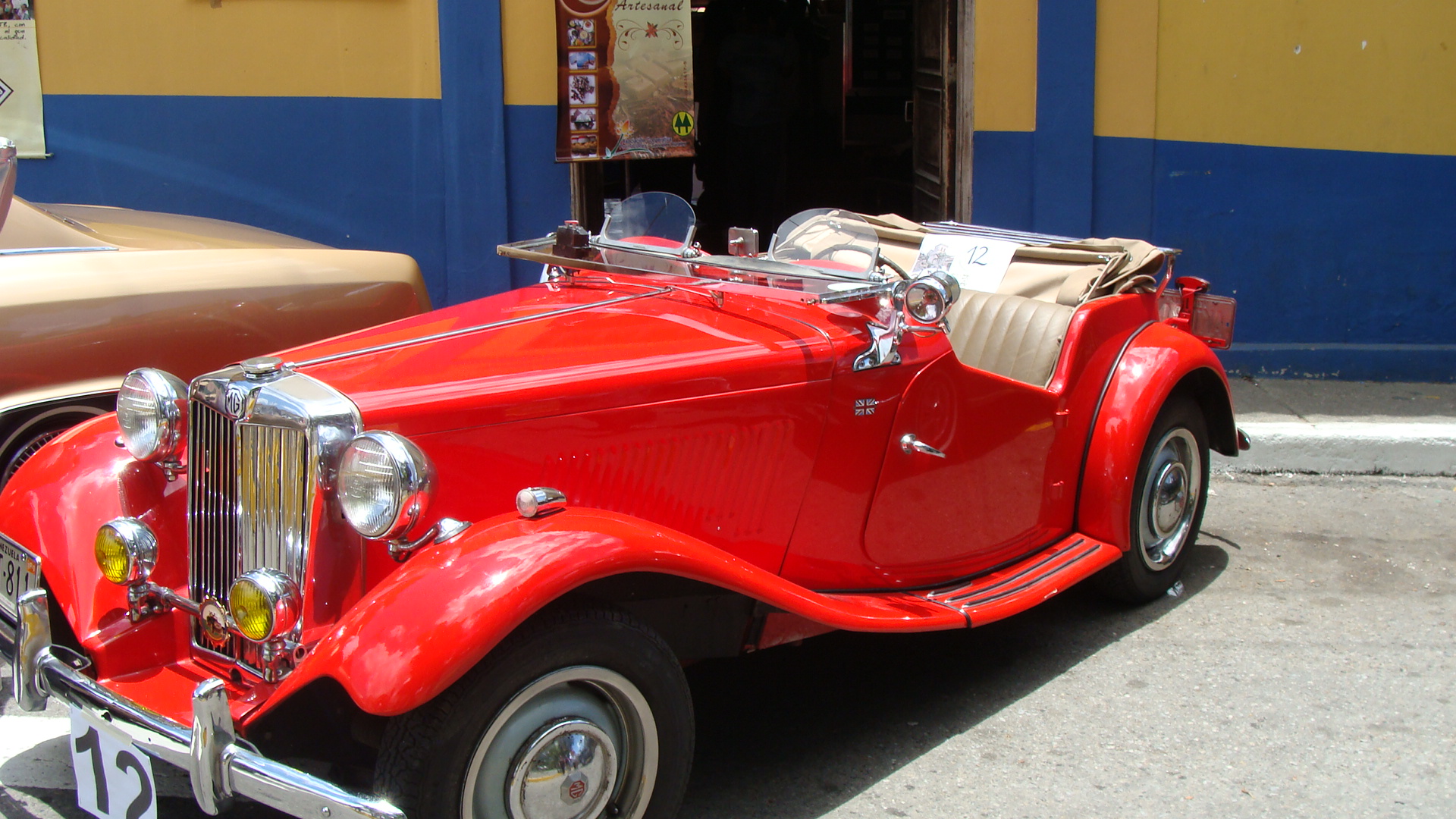
MGTD 1952.
68 Firebird, which is my first car.
Convertible 400, you know,
Earthshifter of, you know, all the stuff
that was important in 1968.
Wow, okay, now what year would you have gotten that
as your first car?
1972, probably.
Oh, so it was fairly new.
Yeah, that's awesome.
Yeah, it was fairly new.
Yeah, yeah, yeah, yeah.
How many tickets that first year of ownership?
Probably quite a few, you know, quite a few, you know,
you know, giving a, you know, 16 year old Firebird 400
convertible, you thought you were pretty cool back then.
Well, I'm glad you're still here.
Yeah, I know, there's a couple of stories I'll leave out.
Yeah, we can talk about those this weekend
over a glass of wine.
How about that?
Yeah, yeah, perfect, perfect.
Well, thanks, Jeff, for being on the Clicture Car Podcast.
I'm really looking forward to this event.
Looking forward to meeting you in person
and spending the time at the racetrack.
Terrific, Greg, look forward to seeing you.
About this episode
Velocity Invitational takes center stage as the hosts welcome founder Jeff O’Neill and preview a Sonoma Raceway weekend built around period-authentic racing. The cars are curated and organized by class and engine size, with family-friendly pricing, camping, and even an F1 representative (Yuki Sonoda). Along the way, the conversation connects the thrill of iconic machinery—Ferrari GTOs, Testarosas, and a 2016 Ford GT—to broader collector stewardship, including agreed-value insurance and a digital “garage” for tracking service history.
This week on the Collector Car Podcast, I sit down with Jeff O'Neill to discuss how he transformed a passion for motorsports, wine, hospitality, and historic racing into one of the most exciting automotive events in the country: Velocity Invitational.
Jeff shares the behind-the-scenes story of launching the event, the challenges of creating a world-class experience from scratch, and his vision for blending historic race cars, modern hypercars, fine dining, wine, and luxury lifestyle experiences into one unforgettable weekend.
We also discuss:
The inspiration behind Velocity Invitational
Building an event that appeals to both hardcore enthusiasts and newcomers
Historic racing and the future of car culture
What makes a truly great automotive experience
Favorite moments and standout cars from past events
The importance of hospitality and atmosphere
Where the event is headed next
If you love collector cars, motorsports, luxury experiences, or the stories behind ambitious automotive ventures, this is an episode you will not want to miss.
The Collector Car Podcast features expert interviews, great collections, and market insights. With 25+ years of experience, Greg helps enthusiasts navigate the collector car world with confidence.