
420: Creating Velocity Invitational and America's Ultimate Automotive Weekend
About this episode
Velocity Invitational takes center stage as the hosts welcome founder Jeff O’Neill and preview a Sonoma Raceway weekend built around period-authentic racing. The cars are curated and organized by class and engine size, with family-friendly pricing, camping, and even an F1 representative (Yuki Sonoda). Along the way, the conversation connects the thrill of iconic machinery—Ferrari GTOs, Testarosas, and a 2016 Ford GT—to broader collector stewardship, including agreed-value insurance and a digital “garage” for tracking service history.
This week on the Collector Car Podcast, I sit down with Jeff O'Neill to discuss how he transformed a passion for motorsports, wine, hospitality, and historic racing into one of the most exciting automotive events in the country: Velocity Invitational.
Jeff shares the behind-the-scenes story of launching the event, the challenges of creating a world-class experience from scratch, and his vision for blending historic race cars, modern hypercars, fine dining, wine, and luxury lifestyle experiences into one unforgettable weekend.
We also discuss:
- The inspiration behind Velocity Invitational
- Building an event that appeals to both hardcore enthusiasts and newcomers
- Historic racing and the future of car culture
- What makes a truly great automotive experience
- Favorite moments and standout cars from past events
- The importance of hospitality and atmosphere
- Where the event is headed next
If you love collector cars, motorsports, luxury experiences, or the stories behind ambitious automotive ventures, this is an episode you will not want to miss.
Learn more at: https://www.sonomaraceway.com/events/velocity-invitational/ & https://www.viavelocity.com/
#CollectorCarPodcast #VelocityInvitational #JeffONeill #HistoricRacing #CollectorCars #Motorsports #CarCulture #LuxuryLifestyle #RaceCars #VintageRacing #AutomotivePodcast #CarCollectors #Hypercars #MotorsportLifestyle #TheCollectorCarPodcast
Need help buying or selling your collector car?
Contact Greg at [email protected] or [email protected].
🚗 Book Launch: The Enthusiast's Guide to Collector Cars
Learn more and upcoming events: https://enthusiastsguide.thecollectorcarpodcast.com/
New episodes drop every Thursday. Listen on your favorite podcast platform.
#collectorcars #thecollectorcarpodcast #classiccars #podcast
ABOUT
The Collector Car Podcast features expert interviews, great collections, and market insights.
With 25+ years of experience, Greg helps enthusiasts navigate the collector car world with confidence.
LISTEN
Apple: https://podcasts.apple.com/us/podcast/the-collector-car-podcast/id1460713022
Audible: https://www.audible.com/pd/The-Collector-Car-Podcast-Podcast/B08JJNDPB6
Amazon Music: https://music.amazon.com/podcasts/d2066df3-7acc-4c84-af8d-c76d29989ccb/the-collector-car-podcast
Pandora: https://www.pandora.com/podcast/the-collector-car-podcast/PC:26514
FOLLOW
Facebook: https://www.facebook.com/TheCollectorCarPodcast
Instagram: https://www.instagram.com/thecollectorcarpodcast/
Velocity Invitational
"...in the country for cars, Velocity Invitational, and I am thrilled to have the founder of the event, Jeff O'Neill, on the collector car podcast..."
Velocity Invitational is the event they’re talking about. It’s a big collector-car gathering where special cars get to run on a racetrack.
Velocity Invitational is the collector-car event the hosts are discussing, centered on bringing notable cars to a track setting. The conversation frames it as a major U.S. gathering where historic and high-profile cars run in close proximity.
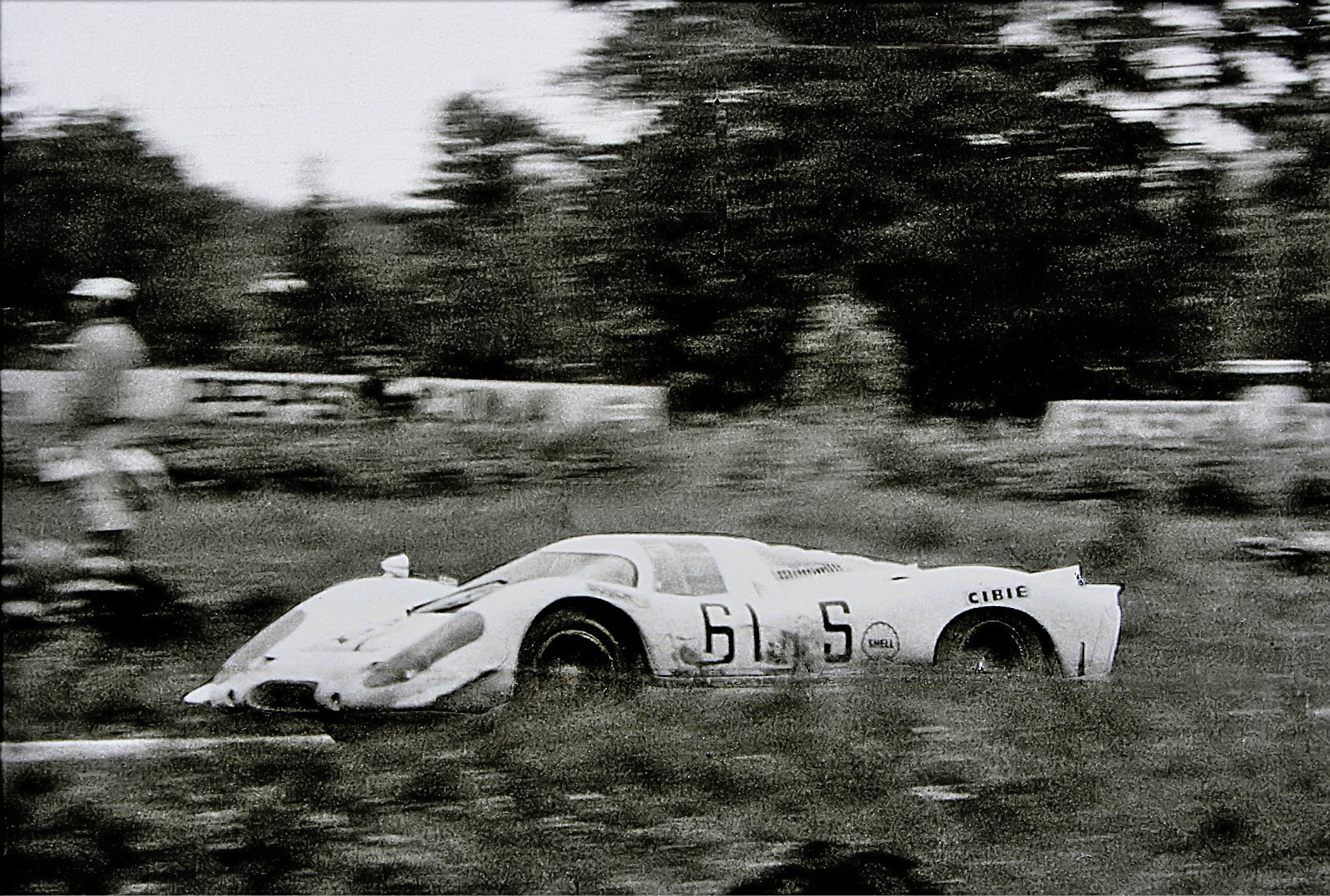
Porsche 917
"...nundated with these amazing shots of like Porsche 917s and Ferrari GTLs, like the real deal, crazy cars ..."
The Porsche 917 is a very famous race car from the late 1960s. It was built to compete in long-distance racing events. People still talk about it because it’s a major part of racing history.
The Porsche 917 is a historic race car from the late 1960s that became one of the most important endurance racers ever built. It’s discussed because it represents the peak of prototype racing technology and because surviving examples are extremely significant. The podcast’s mention of “amazing shots” fits its reputation as a true motorsport icon.
100% authentic race cars that raced in period
"So one of the fundamental aspects of Velocity is, it is a 100% authentic race cars that raced in period. They have to be prepared exactly as they would have been driven back in the day."
They’re trying to show race cars the way they were back when they actually competed. That means the setup and driving feel as close as possible to the original era, so you get the real sights and sounds.
This describes an event philosophy focused on period-correct race cars—cars prepared to match how they were driven and set up when they originally raced. The idea is that the experience should be authentic in sight, sound, and operation, not just a modern recreation.
prepared exactly as they would have been driven back in the day
"They have to be prepared exactly as they would have been driven back in the day. And one of our goals has always been, see it, smell it, hear it."
They mean the car is set up like it was when it raced originally. The goal is that it drives and sounds like the real historical version, not like a modernized one.
“Period-correct preparation” implies the car is set up with the same kinds of components, settings, and operating characteristics used in its original racing era. In practice, that can include matching tires, brake setup, fueling/engine configuration, and other details that affect how the car behaves.
Le Mans
"So people can see as they would have run at Le Mans or Daytona or wherever, Charlotte, you name it, Monaco."
Le Mans is one of the most famous endurance races in the world—cars race for a full day. It’s a big reference point for “real race” authenticity.
Le Mans refers to the famous 24-hour endurance race in France, known for long-duration racing where reliability and pit strategy matter as much as outright speed. Mentioning it signals the event’s focus on authentic race conditions and period-correct running.
Daytona
"So people can see as they would have run at Le Mans or Daytona or wherever, Charlotte, you name it, Monaco."
Daytona is a major motorsports location known for fast, high-profile races. They’re using it as an example of the real racing atmosphere they’re trying to recreate.
Daytona is shorthand for the Daytona racing venues in Florida, strongly associated with high-speed stock-car and endurance-style racing events. In this context, it’s used to describe the kinds of period race environments the organizers want to emulate.
Monaco
"So people can see as they would have run at Le Mans or Daytona or wherever, Charlotte, you name it, Monaco."
Monaco is famous for a very challenging Formula 1 race on narrow streets. It’s another example of the “real racing” vibe they want visitors to experience.
Monaco typically refers to the Monaco Grand Prix, a Formula 1 race famous for tight street circuits and high driver skill. Mentioning Monaco reinforces that the event aims to reflect authentic racing culture across different eras and disciplines.
F1
"As we progressed, we've added, we have Yuki Sonoda coming this year as our F1 representative. So it'll be super fun to have."
F1 stands for Formula 1, the top level of open-wheel racing. They’re saying they’ll have a current F1 driver involved in the event.
F1 is Formula 1, the top tier of open-wheel racing. Calling Yuki Sonoda their “F1 representative” signals they’re bringing in a current professional from the highest level of that motorsport.

Shelby Cobra
"or, you know, 60s would be hilarious, would be a lot of fun with Shelby's and Cobra's and, you know, Grand Sport Corvettes"
The Shelby Cobra is a famous old sports car from the 1960s. It’s known for being very fast and for its racing background. Collectors talk about it because it’s one of the most iconic performance cars of its time.
The Shelby Cobra is a legendary 1960s sports car known for its powerful engine and dramatic racing reputation. It’s often referenced in collector conversations because it represents a high-performance era and is strongly tied to motorsport history. Mentioning it alongside other track icons highlights its status as a “real deal” classic.

Chevrolet Corvette
"...h Shelby's and Cobra's and, you know, Grand Sport Corvettes running around the track."
The Chevrolet Corvette is a sports car made in the U.S. It’s famous for being fast and for having a strong history in racing. Some versions are especially sought after by collectors because they were made for track use.
The Chevrolet Corvette is a long-running American sports car known for its performance and racing heritage. In collector-car conversations, it often comes up because certain variants—like Grand Sport models—were built to compete on track and are visually and historically significant. That’s why it’s mentioned alongside other legendary race cars and track stories.
curated exhibition
"we want these cars and we wanted a curated exhibition. So, you know, for example, this year, we've got, you know, two of the rarest Ferrari GTOs, both will be racing."
A “curated exhibition” is basically a carefully chosen display. Instead of random cars, the organizers pick cars that fit a theme or story.
A “curated exhibition” means the event is intentionally assembled around a specific theme or selection criteria, rather than simply displaying whatever cars are available. In collector-car events, curation often focuses on rarity, historical significance, and how the cars relate to each other.
short wheel bases
"So, you know, for example, this year, we've got, you know, two of the rarest Ferrari GTOs, both will be racing. We've got two short wheel bases."
“Short wheelbase” means the car’s front and rear are closer together. That can make it feel quicker to turn, but it may feel less planted at very high speeds.
“Short wheelbase” describes a vehicle with a smaller distance between the front and rear axles. Shorter wheelbases generally make a car feel more agile and responsive in tight corners, but they can also make it less stable at high speeds compared to longer-wheelbase cars.
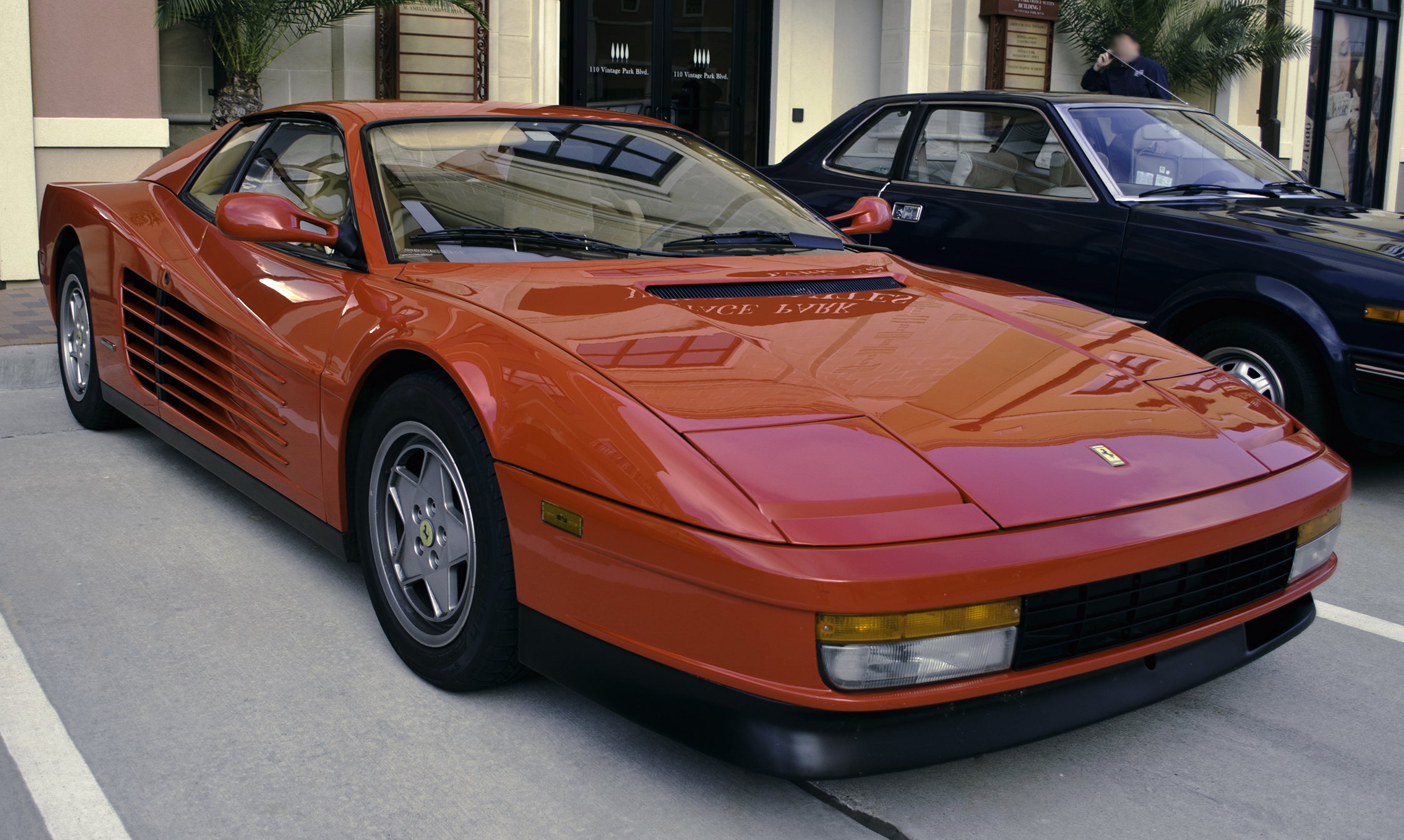
Testarossa Testarosas
"We've got two short wheel bases. We've got two Testarosa's, you know, all from, you know, 1957. That's all I need."
The Ferrari Testarossa is a mid-engine sports car made in the 1980s. It’s known for its very recognizable look and for being a high-performance car. Collectors may talk about different versions because they can be different in configuration.
The Testarossa refers to the Ferrari Testarossa, a distinctive mid-engine sports car from the 1980s. It’s known for its bold styling and for being a recognizable “supercar” of its era. In a collector context, multiple examples—like different short-wheelbase cars—are notable because they’re tied to specific production and configuration details.
putting cars on track
"And our preference is that they go on track... [521.2s] and we'd like it if they're willing to race them."
“Putting cars on track” means taking privately owned cars to a closed racing circuit for driving at speed. For collector events, it’s a way to experience the cars dynamically rather than just viewing them.
private collectors
"I've been supported by incredible collectors... [555.7s] My ambition is that we continue to bring great cars [559.4s] from private collectors that people rarely get to see."
Private collectors are people who own special cars at home rather than in a public place. The big deal is that their cars are usually not on display unless they decide to share them.
“Private collectors” are enthusiasts who own cars outside of museums or public dealerships, often keeping them in personal collections. In collector-car events, the key point is access: these cars are rarely seen unless the owner chooses to bring them out.
GTLM race
"If you want, you know, to understand, you know, what Le Mans cars were in the 70s and 80s, [632.5s] we've got a GTLM race. [634.5s] If you want, you know, if you're in love"
“GTLM” is a racing class for faster, more performance-focused sports cars that compete in endurance events. It’s meant for cars that can race for a long time, not just a quick burst.
GTLM refers to the Grand Touring Le Mans class, a category of race cars built for endurance events. In practice, it’s where you’ll see performance “GT” cars competing under rules designed for long races rather than short sprints.
turn 11 driver's lounge
"or stop and have lunch in the turn 11 driver's lounge. So, there's all kinds of places to,"
“Turn 11 driver’s lounge” is a comfortable area near a specific part of the track where people can relax and eat or socialize during the event.
A “driver’s lounge” at a specific corner (here, “turn 11”) is a trackside hospitality area designed for drivers and guests during events. It’s a way to watch or participate without being out in the open all day.

1969 boss 302 Trans Am
"because I know not everybody loves the sound of 1969 boss, 302 Trans Am car, which as you know has-"
This is a 1969 Ford Mustang called the Boss 302, tied to the Trans Am racing series. People love it because the engine revs hard and the car feels very intense compared to normal cars.
The 1969 Boss 302 Trans Am is a classic Ford Mustang variant built for Trans Am racing heritage, powered by Ford’s 302 cubic-inch V8. It’s especially known for its high-revving character and the way it delivers performance that feels “violent” compared with typical road cars.

Ferrari Testarosa
"Obviously, the Testarosa's are legendary with the wings on them. They're spectacular, but, you know, today,"
The Ferrari Testarosa is a classic Ferrari supercar from the 1980s. It’s remembered for its bold, recognizable look—especially the rear “wing” styling.
The Ferrari Testarosa is a mid-engine 1980s supercar known for its distinctive side strakes and iconic styling. It’s also famous for the way its “wing” style rear deck/engine cover design stands out in motion and at car events.

Gordon Murray T.50
"So we've got four of the Gordon Murray, the new T-50's coming, you know,"
The Gordon Murray T.50 is a newer supercar from Gordon Murray. People get excited about it because it’s a limited, special-feeling car designed to be fun and engaging to drive.
The Gordon Murray T.50 is a modern supercar built around Gordon Murray’s lightweight, driver-focused design philosophy. It’s notable in collector circles because it’s a limited-production, track-capable machine that’s meant to feel special rather than just be fast.

Gordon T50S
"So we've got four of the Gordon Murray, the new T-50's coming, you know, they'll be on display."
The Gordon Murray Automotive T.50 is a modern supercar made by a company founded by Gordon Murray. It’s designed to be a special, high-performance car rather than a normal daily vehicle. People pay attention to it because it’s limited and gets shown at events.
The Gordon Murray Automotive T.50 is a modern, high-performance supercar built by Gordon Murray Automotive. It’s often discussed because it’s a purpose-built, enthusiast-focused car and because early production cars are highly anticipated. The podcast mentions it as being on display, which fits how collectors and events highlight new, limited-run cars.

Aston Martin Valhalla
"and we've got one of the, we've got the first Aston Martin, the Valhalla coming, 100% carbon fiber, super cool car"
The Aston Martin Valhalla is a high-end supercar. They’re calling out that it’s made entirely with carbon fiber, which helps it stay light and strong.
The Aston Martin Valhalla is a modern supercar built around a lightweight, high-performance carbon-fiber structure. In this segment, the hosts highlight it as “100% carbon fiber,” which points to an emphasis on stiffness and weight savings for track-capable performance.

2016 Ford GT
"if I had to pick one this weekend, I have one of the 2016 Ford GT that they took to Le Mans to go back and beat Ferrari back in 2016"
The 2016 Ford GT is a special Ford supercar that was made to race long distances. The big deal here is that it went to Le Mans and helped Ford win in 2016.
The 2016 Ford GT is a track-focused supercar built for endurance racing, best known for its Le Mans success. The hosts connect it to Ford’s 2016 Le Mans win, emphasizing its racing pedigree and why it matters for an event that’s putting cars on track.
Nürburgring
"And then the latest iteration of that car just broke the record at the Nurburgring."
The Nürburgring is a very famous race track in Germany. It’s known for being tough, so if a car sets a record there, it’s a big deal and suggests the car is genuinely fast.
The Nürburgring is a famous German race circuit known for being extremely demanding, so breaking records there is treated as a serious performance benchmark. When a car “breaks the record” at the Nürburgring, it usually means it set a faster lap time than previous cars in a comparable configuration.
petrol-powered
"so, yeah, I mean, it is a, for a gas, 100% gas, a petrol-powered car,"
“Petrol-powered” just means the car runs on gasoline. The speaker is pointing out that this car uses a traditional fuel instead of being electric or hybrid.
“Petrol-powered” means the car uses gasoline (petrol) as its fuel, typically with an internal-combustion engine. In modern discussions, it’s often contrasted with electric or hybrid powertrains to highlight the car’s traditional engine-based performance focus.
electrified and autonomous
"I'm finding the more we go electrified and autonomous, [1040.8s] the more the younger generation wants to go back [1042.6s] to the mechanical aspect of cars,"
This phrase means cars are increasingly becoming electric and using more automation to help drive. The hosts are saying some younger drivers miss the older, more hands-on mechanical feel.
“Electrified and autonomous” refers to cars moving toward electric powertrains and automated driving features. The hosts are contrasting that trend with a growing interest in older, more mechanical cars because they provide a more direct, driver-driven experience.
manual shift
"a lot of these, you know, like the T-50s have a manual shift, [1057.2s] right? [1057.7s] Right."
A manual shift means you choose the gears yourself, usually with a clutch and a gear lever. It makes the driving feel more connected because the car isn’t deciding the gear for you.
A manual shift means the driver selects gears using a clutch and gear lever (or a similar manual mechanism), rather than letting the car automatically choose gears. In enthusiast cars, this typically increases driver involvement and can make throttle and gear timing feel more direct.
paddle shifters
"They don't have paddle shifters, [1060.2s] and, you know, this was Gordon Murray, you know,"
Paddle shifters are little levers behind the steering wheel that let you change gears without moving a gear stick. They’re designed to make shifting quicker and easier while you stay focused on driving.
Paddle shifters are controls mounted behind (or near) the steering wheel that let the driver change gears without using a traditional gear lever. They’re common in modern performance cars because they make gear changes faster and easier while keeping both hands on the wheel.
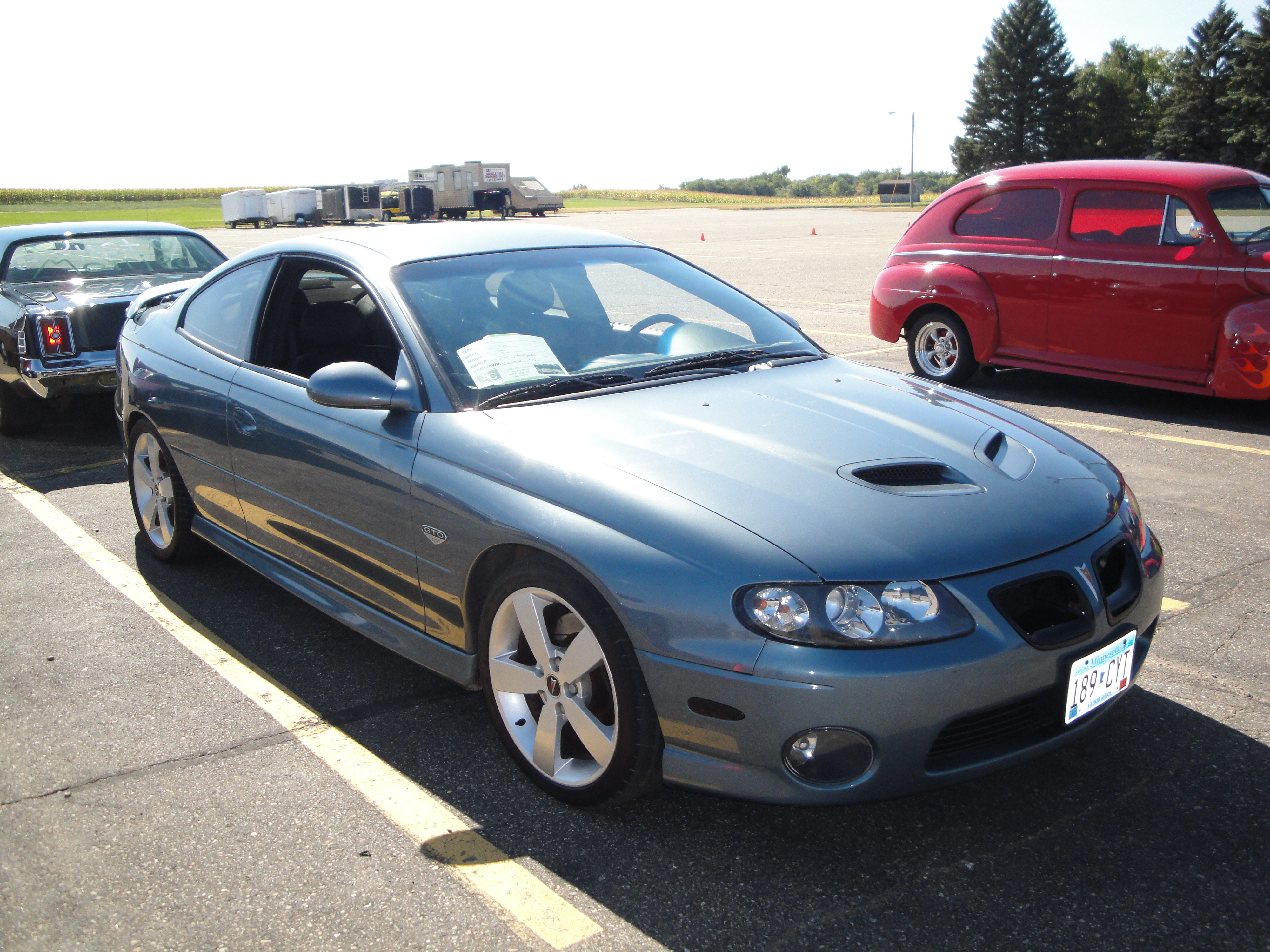
66 Pontiac GTO
"I foolishly tried to teach my nephew how to drive stick shift in my unrestored 66 Pontiac GTO, thankfully nothing was damaged"
The Pontiac GTO is a famous older American muscle car. Here, the host mentions a 1966 one because he tried using it to teach someone how to drive a manual (stick shift).
The Pontiac GTO is a classic American muscle car, and the 1966 version is especially iconic for its role in the “GTO” nameplate’s early popularity. In this segment, it’s notable because the host tried teaching a nephew to drive a manual transmission in an unrestored 1966 Pontiac GTO.
stick shift
"I foolishly tried to teach my nephew how to drive stick shift in my unrestored 66 Pontiac GTO"
“Stick shift” is the everyday term for a manual transmission, where the driver uses a clutch pedal and gear lever to select gears. Learning it involves coordinating clutch engagement and throttle so the engine speed matches the selected gear.
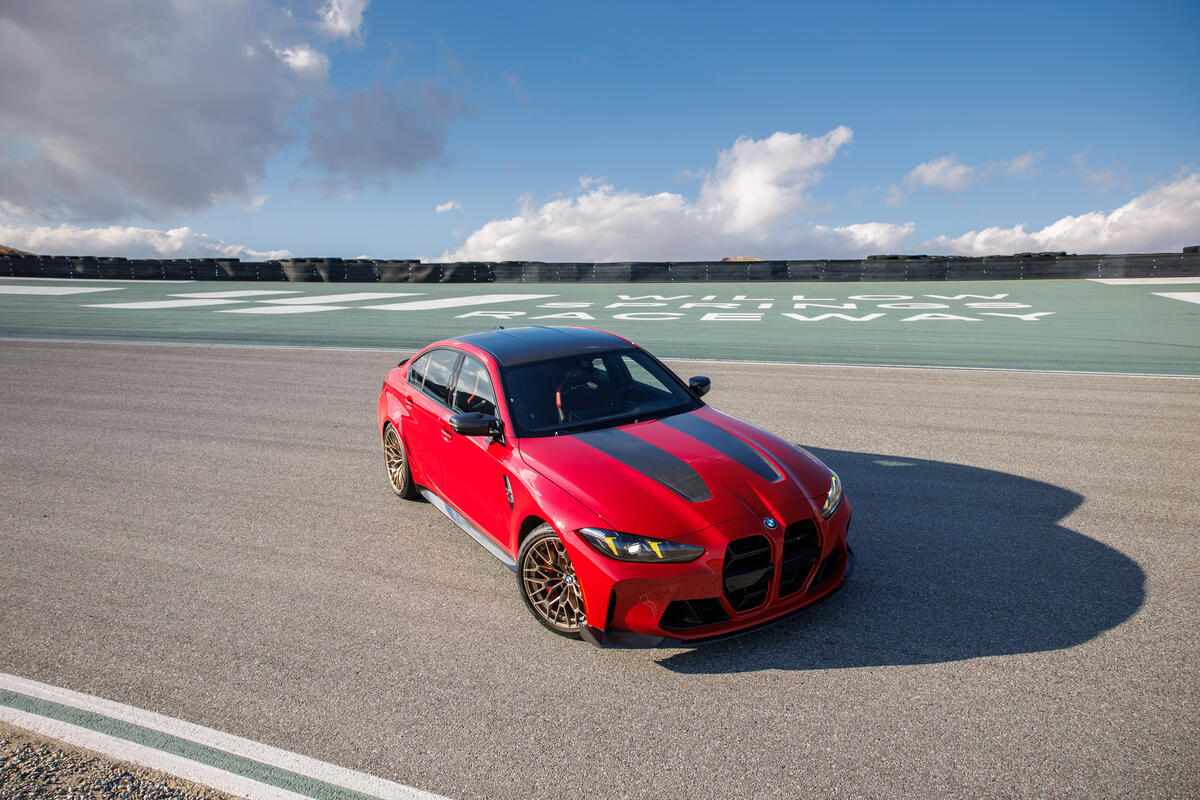
2006 BMW M3
"so we bought a, I think it's a 2006 BMW M3, and that's the car he's going to teach him how to drive on"
The BMW M3 is BMW’s sporty performance model. The host says they picked a 2006 BMW M3 as the car to teach someone how to drive a manual.
The BMW M3 is BMW’s performance-focused “M” model, and the 2006 M3 is known for being a driver’s car with a manual-transmission option. In the segment, the host says they bought a 2006 BMW M3 so it could be the teaching car for learning stick shift.
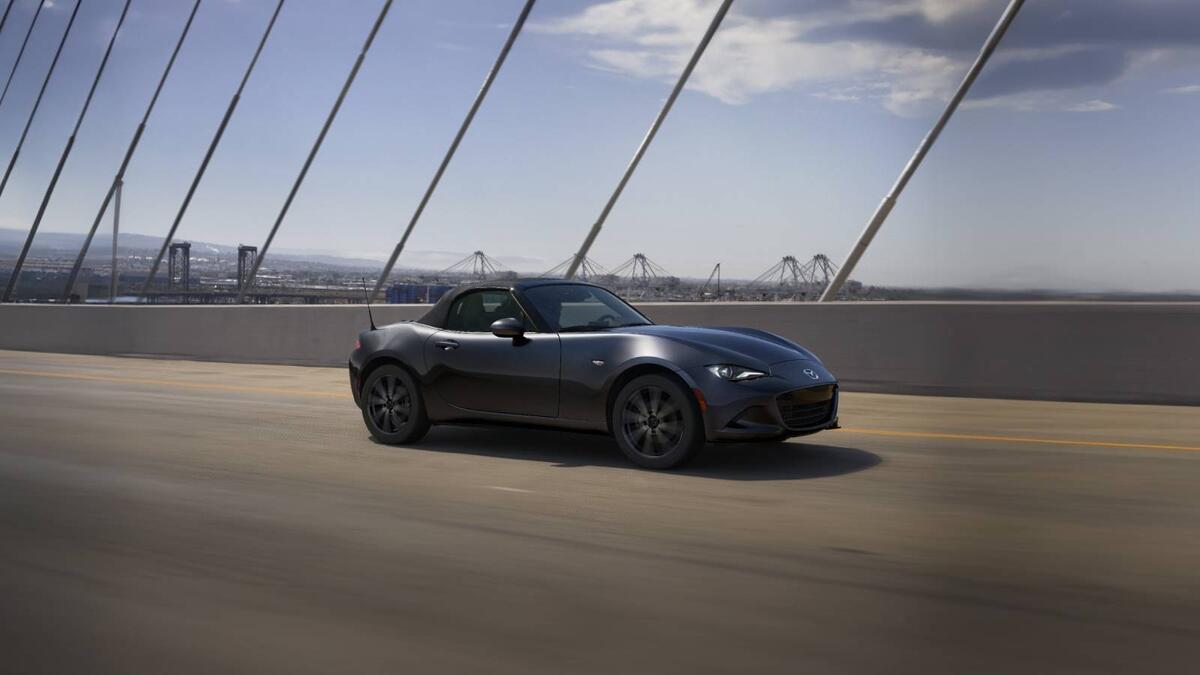
Mazda MX-5 / Miata
"...weeks later, he's like, ah, I might have to get a Miata. You know, there's just not that inchy level poin..."
The Mazda MX-5 (Miata) is a small two-seat roadster. It’s made to be easy to drive and fun around corners. Many people like it because it’s not complicated compared with bigger sports cars.
The Mazda MX-5, commonly called the Miata, is a lightweight, driver-focused roadster designed for fun handling rather than straight-line speed. It’s frequently discussed in enthusiast circles because it’s relatively simple, easy to enjoy, and has a strong community for maintenance and upgrades. That’s why it can come up when someone is considering a practical “small car” option for driving.
Duesenberg
"saying, oh, that's a Chitty Chitty Bang Bang car, and it's a Duesenberg or something, you know, it's got the flowing fenders and everything."
Duesenberg was a famous old luxury car brand. The host is talking about how people sometimes compare the look of the “Chitty Chitty Bang Bang” car to a real Duesenberg.
Duesenberg is a luxury car brand best known for early-20th-century American “supercar” status and distinctive styling. In the segment, the host mentions people calling a “Chitty Chitty Bang Bang” car a Duesenberg, linking the movie’s famous look to a real marque.
tire evolution
"[1167.2s] So, right, when you think about tire evolution, [1169.5s] I mean, to me, it's just fascinating what's happened, [1172.1s] you know, over the last 100 years,"
They’re talking about how tires have improved over the years. Better tires help a car grip the road and handle more confidently.
“Tire evolution” refers to how tire technology has changed over time—materials, construction, and tread design. Those improvements affect grip, ride quality, and how effectively a car can use engine power.
carbon fiber
"[1173.6s] and then you think about the metals that are used [1176.4s] and the evolution from steel to aluminum [1180.2s] and then to carbon fiber, and, you know,"
Carbon fiber is a very light, strong material used in some cars. It helps make the car lighter without making it weak.
Carbon fiber is a lightweight composite material used in modern cars to reduce weight while maintaining strength. It’s especially valued in performance and racing applications where weight savings can improve acceleration and handling.
magnesium
"[1180.2s] and then to carbon fiber, and, you know, [1182.6s] in between there was magnesium, [1184.0s] which of course, when it got fire, it wasn't so great."
Magnesium is a lightweight metal that has been used in automotive components to save weight. The speaker notes a downside: magnesium can be problematic when it catches fire, which is why it’s not as common as steel or aluminum for many structural uses.
methanol
"So, you know, you had, you know, methanol, and originally, you know, it had oil and gas and methanol"
Methanol is a type of racing fuel. It burns differently than regular gasoline, so race teams can tune the engine and fuel system around it.
Methanol is a liquid fuel that can be used in racing engines. It has different combustion characteristics than gasoline, and it’s often discussed in motorsport because it can enable specific engine tuning strategies and fuel-system setups.
disc brakes
"and I mean, disc brakes in, you know, around 1960. I mean, it was revolutionary going from drum brakes to disc brakes"
Disc brakes slow the car by squeezing pads against a spinning metal disc. They tend to work better when you brake a lot because they handle heat more effectively than older drum brakes.
Disc brakes use brake pads clamping onto a rotating disc to slow the vehicle. Compared with drum brakes, discs generally handle repeated braking better because they shed heat more effectively, which matters for performance driving and racing.
drum brakes
"I mean, it was revolutionary going from drum brakes to disc brakes"
Drum brakes slow the car using shoes that press against the inside of a drum. They were widely used, but disc brakes usually stay more consistent when you brake hard or often.
Drum brakes use brake shoes that press outward against the inside of a drum to create friction. They were common for decades, but disc brakes typically offer more consistent performance under heavy or repeated braking due to better heat management.
hybrid recovery
"and then hybrid recovery and all of that stuff that's used on F1 and, you know, Formula E"
It’s a system that “gets energy back” when you slow down. Instead of wasting that energy, the car stores it and uses it again to help drive later.
“Hybrid recovery” refers to energy-recovery systems that capture energy that would otherwise be wasted during braking or deceleration. In practice, this recovered energy is stored (often in a battery) and then reused to help propel the car later, improving efficiency and sometimes performance.
Formula E
"that's used on F1 and, you know, Formula E"
Formula E is a racing series for electric cars. It focuses heavily on how batteries are managed and how energy is used efficiently during races.
Formula E is an all-electric racing series that emphasizes efficiency, battery management, and energy usage strategies. Mentioning hybrid recovery alongside Formula E highlights how motorsport has driven improvements in how electric powertrains store and deploy energy.

Toyota Corolla
"And the cars today that everybody gets to drive on the road, I mean, a Toyota Corolla obviously outperformed, you know, anything from 1955, right?"
The Toyota Corolla is a very common, practical car. The point here is that today’s regular cars are much better engineered than older cars, even if the older ones were considered advanced for their time.
The Toyota Corolla is a long-running compact car line known for being widely available and practical. In this segment, it’s used as an example of how modern everyday cars can outperform much older vehicles thanks to accumulated engineering improvements.

Maserati 250F
"So the first car I ever bought was a Maserati 250F, 1957. ... So the hanging from the wall is the nose off of my 1957 Maserati 250F."
The Maserati 250F is a famous old race car from the 1950s. It’s the kind of car collectors and racing fans really chase because it’s historically important and built for competition.
The Maserati 250F is a classic 1950s Formula 1 race car known for its lightweight, purpose-built design and its place in the early history of modern Grand Prix racing. In this segment, the host ties it to a personal racing story and even points out a specific original body part from the car.

Jaguar Dtype
"you either have to have a 250F or a D-type Jag, and go find it."
A “D-type Jag” is a famous Jaguar race car from the 1950s. It’s known for being very competitive and historically important in endurance racing.
The “D-type Jag” refers to the Jaguar D-Type, a legendary mid-1950s sports-racing car famous for its aerodynamic shape and Le Mans success. The speaker mentions it as an alternative to the Maserati 250F when deciding what kind of classic race car to pursue.
original nose
"and he said, you know, I actually was at a race in Bonneco and I have the original nose off your car. So the hanging from the wall is the nose off of my 1957 Maserati 250F."
The “nose” is the front part of the car’s body. On a race car, it’s shaped to help the air flow the right way, and keeping the original piece is a big deal for authenticity.
The “nose” is the front bodywork section of an open-wheel race car, shaped to manage airflow around the front end. On a Maserati 250F, having the original nose matters because period-correct bodywork is part of what makes the car historically authentic and valuable to collectors.
Bonneco
"and he said, you know, I actually was at a race in Bonneco and I have the original nose off your car."
“Bonneco” sounds like the name of a race location. In this story, it’s where the person says they got the original front piece from the car.
“Bonneco” appears to be a race location name, referenced as the place where the speaker encountered someone who had the original nose off the car. Because the transcript doesn’t provide more context, it’s best treated as a specific event/venue name rather than a technical automotive term.
aluminum
"Wow, now is that aluminum, magnesium? Aluminum. Aluminum, okay."
Aluminum is a light metal. Using it on a race car helps keep the car lighter, which can make it feel quicker and easier to handle.
Aluminum is a lightweight metal commonly used in race-car bodywork and structures because it reduces mass compared with steel. In period racing cars like the Maserati 250F, aluminum body panels help improve responsiveness and handling by lowering weight at the front and overall.

Porsche 59 Porsche
"...u know, I don't have too many street cars. I have 59 Porsche Cabriolet, you know, they made 1200 after,"
The Porsche 959 is a rare, high-performance sports car made in the 1980s. It’s known for being an advanced, special model rather than a common production car. Collectors talk about it because there weren’t many made.
The Porsche 959 is a highly significant performance Porsche from the 1980s, known for advanced engineering and its role as a benchmark supercar of its time. It’s frequently discussed in collector circles because it was produced in limited numbers and is strongly tied to motorsport and technology history. The podcast’s mention of a specific number of cars underscores how rare and desirable it is.
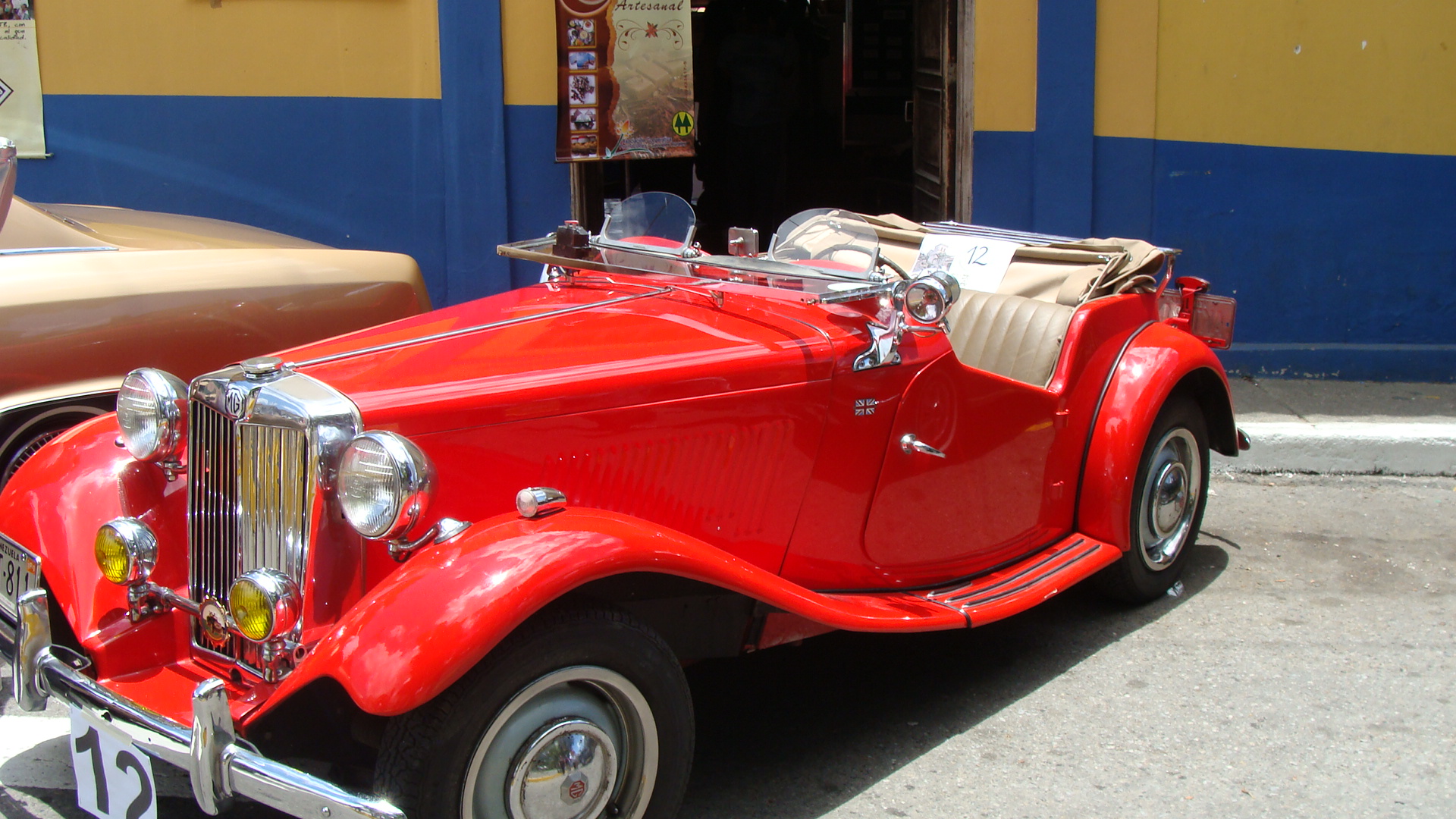
MGTD 1952
"Anyway, a couple of other fun little things. I really don't have too many road cars. MGTD 1952."
The MG TD is a classic British two-seat roadster from the early 1950s. The host is mentioning a 1952 example as part of his collection.
The MG TD is a classic British roadster from the early 1950s, known for its simple, lightweight design and enthusiast-friendly ownership. In this segment, the host specifically calls out a 1952 MG TD as one of the garage cars.

Pontiac Firebird
"MGTD 1952. 68 Firebird, which is my first car. Convertible 400, you know, Earthshifter of, you know, all the stuff that was important in 1968."
The Pontiac Firebird is a famous American muscle car. This host says his first car was a 1968 Firebird.
The Pontiac Firebird is a classic American muscle-car platform, and the host is referencing a 1968 model as his first car. That era Firebird is especially collectible because it sits in the peak period of late-1960s performance styling and V8 culture.
Earthshifter
"Convertible 400, you know, Earthshifter of, you know, all the stuff that was important in 1968."
“Earthshifter” is a slang-style name for a shifter setup. The host is basically saying the car had the kind of shifting feel people wanted back in 1968.
“Earthshifter” is a nickname for a transmission/shift setup associated with GM muscle-era cars, referring to a quick, driver-focused shifter feel. In this context, the host is using it to describe what mattered in 1968—how the car shifted and drove.
Request an Explanation
Heard something you'd like explained? We'll add it to this episode.
Sign in to request explanations for terms you heard.
Want to learn more?
Browse our glossary for plain-English explanations of automotive terms, jargon, and concepts.
Help improve this episode
See something that's not quite right? Our annotations are AI-generated and can sometimes miss the mark. Click the flag icon on any annotation to suggest a correction.