Parts inventory means having a collection of car parts ready to use. This helps mechanics fix cars faster because they don't have to wait to order parts.
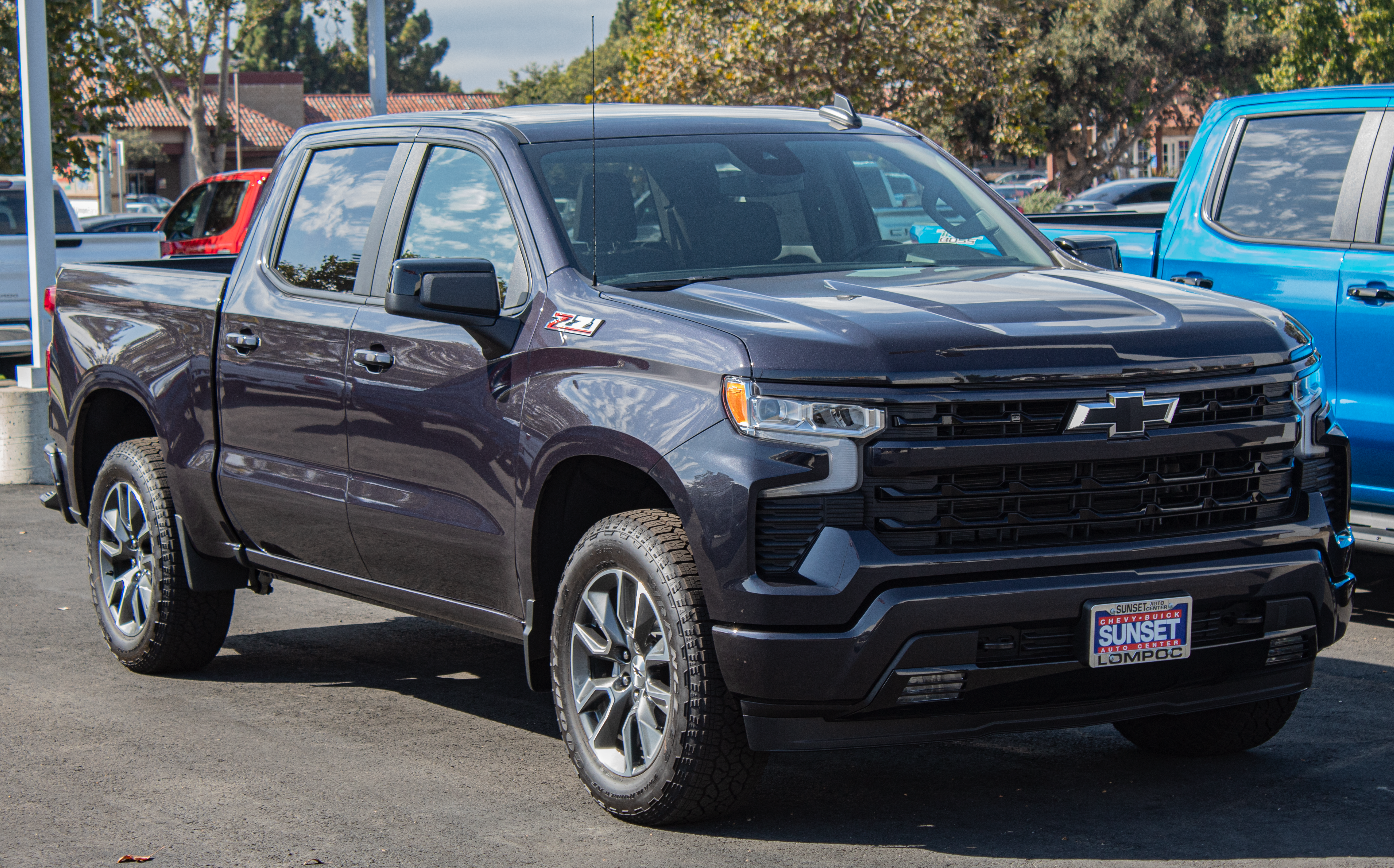
The Chevrolet Silverado is a big pickup truck. Some older ones have problems with their transmission, which is the part that helps the truck change gears.
The Chevrolet Tahoe is a big SUV. Like the Silverado truck, some older Tahoes have problems with their transmission, which helps the vehicle change gears.
Fix and flip means buying a car that needs work, fixing it, and then selling it to make money. It's like fixing something broken and selling it for more than you paid.
These are car dealers who let you buy a car and pay them back directly, instead of going through a bank. They usually sell used cars and help people who might not get loans elsewhere.
Wholesale price is what a dealer pays to get a car or part before fixing it and selling it to someone else. It's usually cheaper than what you pay at a store.
The Hyundai Sonata is a comfortable car that many people use for everyday driving. The 2011 version is a bit older but still has good features and is easy to fix if it gets damaged in the front. People might talk about it when they need to replace parts after an accident.
A warranty is like a promise from the seller that if your car breaks or has problems within a certain time, they will fix it for you without extra cost.
But you guys have, you found that niche where you figured out the engines.
Well, yeah, our philosophy or our model is like, all vehicles have common problems, right?
Yeah, 100. Name the year-making model. I'll tell you the common problem behind it.
So we figure if every vehicle has a common problem, why not just buy it with the problem
already existing? Love that. And Trumpets said, I'll open you got one without the problem, like I do.
That's it. So buy it with the problem existing, bank on our ability to fix it better, quicker,
you know, more efficiently, cost savings than anyone else. And then now you got a car that's on
the note, you don't have to worry about the car. Yeah, I mean, because you can buy a really nice
200,000 mile car, let's just say or 80,000 mile car with a bad engine and put a new engine in it.
And it should, in theory, run for another 150,000 miles and run the note.
That's correct. In theory. In theory.
Depend on the vehicle. Okay. All right. How, if I was a dealer out there and I wanted to start
doing this, how do I go about buying a car that already has that known issue? Because I've done
this with a few models like Silverados or Tahoe's. I'm not buying them unless they have bad
transmissions, right? Because I know that I'm going to have to put one in it. That's right.
And these are maximums. If I can find one with a bad transmission, I'm going to buy it because
I know I can put a transmission in it. That's right. How do you focus on that?
Yeah, I'd say reverse engineer it. So there's a market price on every single part, right?
So find out how to be below market on that specific part. Like you said, the Chevy transmission,
most people are spending between 32, 50 and 3650 to rebuild that transmission, right? If you can
find that transmission for 1500 bucks, 1800 bucks, and then, you know, have your shop do it yourself,
calls for probably nine hours at a tech, you're paying 25 hours an hour. Now you're in that same
vehicle. Everyone else is paying 3650 to rebuild the transmission. You're in at about two grand.
So now just off of what it is, you got a $1,650 spread plus you bought it inoperable. So you
probably have another $1,500 to $2,000 spread there. So now everyone else is in their car,
$14,000 when it hits the front lot. And you're in it probably $11,000, but you have all the major
issues already fixed. That's interesting that you can increase margin. I didn't even think about
that. It's a fix and flip. They're building equity in the car, sweat equity. So it takes a
large shop operation too. I mean, talk to us about that. When you have, how many mechanics do
you have working on this? Because this is a dedication. It's not like I could just do that
with my current shop setup, because I don't have builders. I don't have heavy line guys
that can just crank. What additional commitment was that for you to be able to do this? You got
guys that are only doing a specific engine five times a day? That's a good question. I think
number one, you know, especially when you're home growing and buy here, pay here,
a lot of times the shop comes last. So in that being said, how you get to where you got is
typically outsource vendors. So really honing in on those relationships. And as you grow and scale,
it's like, oh man, you got 35 lifts here. You got six and a half acres. We still have outsource vendors.
Wow. And we have vendors that even have, we have the space that we've brought in on site to be able
to help us. So I have a guy who specializes in engine rebuilds. So his name's Angel. Do we do
a bunch of them? No. But when we pull an engine, if it just has low compression and it only needs
the heads, we're going to do the heads. If it needs a complete rebuild, we'll scrap it and we'll move
on to the next. But I would say honing in on your vendors, making sure you're curating that
relationship constantly. And then the next step from that is having the same tech work on the
same car. And that leads us into the economies of scale. When you talk about, okay, I've got guys
that are specializing in this, now they're beating the book consistently. So I'm becoming more
efficient there. But also from a part standpoint, when I can buy, you know, 20 engine blocks at a
time, I can get a deal. Or when I can buy 20, you know, transmissions or some of these guys,
they'll cut your deal when you're doing bulk, right? Yeah. Yeah. I think a common thing that buy
here, pay here dealers forget is that they, they're not just in the finance business. They're in the
car business, right? And part of the car business is a whole another world called the wholesale
world, right? So a lot of times buy here, pay here dealers, they skip the wholesale part,
they go straight into buying a depreciating asset at retail value. And then they expect it to have
a high recovery rate down at the end, where if you are actually in the car business, you buy
it at wholesale price, you fix it, you make that wholesale margin, then you make your retail margin,
then you make your APR. And that's how you make money. Yeah, I like that. You're right, because
we were been talking about margin compression here lately. And this is a way to get it back.
It's interesting that philosophy. So there's a whole another ball of wax here that we hadn't
talked about. And that's inventorying all this. There, I mean, is there a software that you use,
or is it just old fashioned writing it down every time one comes in? This is what I have.
Yeah, that's a good question. So I mean, really, I'm not in the parts business. Okay. Meaning I
have six and a half acres, I have all these parts cars. So it depends on how deep you want to go.
For us, we have engines inventory in a spreadsheet. And it all comes into a CPI total loss chat. So
when a car gets total loss or cosmetic manager memo, you go ahead and takes pictures, puts it
in the total loss chat. And then from there, I go ahead and I inventory that engine into my
spreadsheet. And then Nick, he's here somewhere, but Nicholas Wheeler, he sits here on the back end
and he will take these parts and you'll post them online for sale. So not only are we, you know,
scavenging our own parts for us, we're sitting here driving additional revenue. I think last
month we did, you know, just shy of $20,000 in part sales. Wow. I thought you would have just
thrown away your sense of the scrap yard. That's it. And that's a, I mean, it was about
plat or recovery rate or helping out your, your reassurance coming, recovering that money,
because you and I know if we send most of these cars to auction, I mean, they're going to bring
between $500,000. Yeah. But there's so many good parts. That's correct. So like you, you're
itching CPI here. So most of the cars we see here are probably CPI losses. Is that the case? Yeah,
about 95% of them are CPI losses. And how many CPI claims are you getting a month, do you think?
Man, less than 20, but more than five for sure. Yeah. So most of your CPI is total loss or
50% of them. I mean, half we fix half are total loss. And so then you, you have parts where you
can fix your CPI cars too. That is correct. Yeah. You do a lot of body work on those then.
Are you looking mostly mechanical to build a value or will you buy something that's completely
wrecked or buy back that CPI that's lost the front end and rebuild it? Yeah, that's a good question.
A lot of times, so when we evaluate CPIs, it's based on what we have. So for example, if I have a
11 Sonata that smashed from the front end and I have an 11 Sonata that was smashed from the
back end, I'm probably against a super glue out. I'm going to build the car. Yeah, I'm going to
build the car. And also we look at a certified body shop on site too. Yeah, we do. We're car
star certified. So, you know, we're collision insurance repair facility. It's been very helpful
as well. But even then it's like 75% of our cars don't go through car star. They go through our
in-house, you know, which is just a call to mom and pot is two guys, a painter and a body guy
that are just hammering in there doing fenders, bumpers, knocking it out and moving on.
We do want to make money on the reinsurance side as well. So having this to help when those CPI
claims come in can drastically drastically reduce the cost of your CPI claim ratio. Yeah.
Yeah, it's a large investment though. And that's when my brain starts turning that's like,
when you look at all these moving parts that these guys have invested in making it work,
you know, parts guys and tracking and having the space and keeping the inventory just even from
a cash, even a scrap standpoint, you're keeping a lot of cash on hand here. But if you're producing
20,000 a month selling parts, yeah, and that adds up quick. Yeah, that's great. But you have one
guy doing it. So you guys have made the commitment and that's really commendable. How do you keep
from hoarding? What is that line? What do you mean? Yeah, when you crush.
Hey, sorry to break into real quick, but make sure you guys know about Buck Guy,
longtime, awesome sponsor of the podcast and who I use for all my reinsurance products.
I can't thank them enough for teaching me so much about reinsurance over the years and coming
up with new products and new ways to get my portfolio secured. My customers have options
of warranties and service contracts, gap. I think it's just been great, Jeff. It's absolutely been
a great way for me to build wealth, put away some money. So if you are a buy here, pay here,
lease here, pay here or retail dealer, it works for all dealers. You can set up a reinsurance
company. You can ensure your own stop giving money to those third party providers that aren't
going to cover your stuff anyways. Keep it in house, call the guys and girls over at Buck
Guy risk services and get set up ASAP. So we are targeting buying a lot of 19 and 20s right now.
So our parts inventory on them are not there yet. Exactly. Exactly. So when we get a 19 model that
needs a front end, I'm going to spend two grand on parts just sourcing that front end. So I know,
for example, this car we bought a week and a half ago. This was out of Mannheim, Mannheim Dallas,
and it was a complete car. It's not now. It was a complete car in up 190,000 miles,
and we bought it for 1700 bucks with fees. So we buy this car, we slap it onto the ticket
of the car we're reconditioning. That's interesting. Like, because I would have never
thought of that. Like, instead of just piecing part here to part there, because that's probably
what I would have done. I said, okay, we've got this, we're going to charge 500 for the fender,
500 for the door. But you just say, you know what, we're just going to put the entire car
on the recon ticket. I like that. It's simple. And then you're in house money. So now this is a free
car. Anything we saw off it, just free money. And if you, if y'all could see this, if you're
watching on YouTube, they stole the front fender and the doors on this side and then put the other
ones back on, which I kind of like that. Ah, yeah. If you have any other cars here and you can see
what you've already used. That's right. And honestly, those doors aren't that bad. If you,
had to use those at some point, you could, but you don't need them. So when you bought it with
a bad motor, how did you decide not to just get a motor for it? That's a good question. That'd be
my problem. It's like, I bought it with a bad motor and I wanted all the body panels, but now when
it shows up, I'm like, well, maybe I should just put a motor in this. So it was really clean. Actually,
it had the entire front end. This was a complete car. And when it came in, we don't always just
assume it's a bad motor. We get a technician out and we verify what is wrong with the motor,
right? Cause if it's just timing on these Hyundai's and Kia's, it's a $400 job. So for this car,
being 190,000 miles, the book on it has really came down massively. So you've taken that big
book hit. So for me, yes, I could put $3,000 with the motor, the labor behind it and getting
it retail ready. So I could put three grand in a 190,000 mile unit, or I can sit here and I can
just basically start fresh with a 60, 70, 80,000 mile, 19 model. That's correct. That's correct.
The high mileage. I see that. Yeah. Yeah. It was not worth throwing. We have kind of a limit where
you say, Hey, if I get a CPI or a repo or a claim that's close to 200, that's just not sellable.
Nobody wants it. I mean, if we can fix it for under a thousand bucks, I don't care if it has
220. If we put a new engine in it already and I can fix it for under a thousand dollars, I'm
going to get a thousand dollars down on the car. So again, I'm playing with house money. Listen,
let's talk about that. How do you know that other than looking back at your tickets,
that you put an engine in that car? Yes. All the engines are stamped. So we do rebuild some. The
ones that are rebuilt, they're stamped with the name Larry on it. And most of them we buy new,
and the new ones have just a manufacturer day on the side. And you know that and you look at it.
Oh, well, we put this one in 2023, 2021, 2024 says the date on it. And it's good to go. That's it.
And then you can look at your original purchase, see how many miles it had,
see how many miles it has now, because it was a new engine. Some of our customers drive 100,000
miles in two years. And don't do an oil change. Yeah, exactly. Have you had the new blocks come
back with the same failure rate or close to? No, no, no, no. I've heard those rumors that...
Do we have issues? Yeah, of course we have issues. In terms of a new block, they come back because
customer neglect is why they come back. You know, if we put a hundred engines in,
are we going to have issues with a hundred? Maybe one. Maybe one. One to two from the jump.
On those, just send them back to manufacturer, get new ones. Yeah. So now you have plenty of
extra parts, see? Yeah. Like you mentioned, the interior of this is still spotless. So you could,
instead of a heavy detail, or if you like someone, you know, like how to murder or how to baby in
the backseat, you don't got to clean that up. You just come over here, grab the backseat,
toss it in. And then upholstery too, because you could get one in that's got to rip in,
you just rip this seat out, but then you went in. I mean, that's a suit.
Well, I want to talk to, you know, you're unique because of your location, right? This works really
well because you have, I don't know, a hundred thousand cars for sale at any one time within a,
you know, a hundred mile radius for you. Yeah. Is that so key to this puzzle that you can just
like, oh, I need a 2019 with a good front end. I can jump on and within a week or two, I can find
one. Yeah, I think what's more important than that is your lot size, right? I think the first thing
you got to evaluate is how much space do I have myself? Because if you don't have all the space,
then you're having to break them down as soon as they come in. And then you're having to shelve them,
inventory them, takes a lot more effort, a lot more organization. They get that done. So, and then,
yeah, the second thing in terms of having Mannheim Dallas, Mary's Auto auction, Metro Alliance,
you know, Mannheim, Fort Worth, you have all these options. Like you said, a hundred thousand,
you know, cars within a reach. Houston right here too. That's right. San Antonio, Austin,
you got all these options. So, yeah, it does make it helpful, absolutely. But I still don't think it
should deter a buy here, pay here dealer from zooming in on two or three making models, you know,
because your inventory is going to stack up. But even if you can't do the junk, you're still gonna,
you know, your efficiencies that no one wants working on. That's correct. That's correct. Having
the tax work on the same cars over and over and over and over. And you know, in the South, where I
am, there's plenty of land. Like you can go, yeah, we always talk about how cheap land is in
Columbia, Ohio, Carolina compared to Georgia and St. George's, each all. It's, you can always go buy
a little acre or two of land and stick cars on it if you wanted to do it. And even a step further
than that, if you have a good relationship with an auction in your area that you're buying a lot from
and you're liquidating all your inventory from, like America's, at one point, we have 40 cars
sitting at lot five in America's and not selling them, just sitting, keeping them there. And you
know, I have the inventory list. Yeah, of course, you know, we're selling, we're doing so much
business with that. That's right. He's correct. And so we forget about that with our vendors sometimes.
Sometimes we can, we can reach out and they'll ask them for something that they don't typically do,
but they'll do it because we're doing sweatshirt. Yeah, volume definitely helps. That's yeah, sure.
For sure. Hey guys, real quick to jump in and make sure you know about a new exciting sponsor here,
a supporter of the podcast and a supporter of all independent activities, to be honest with you,
Adiron GPS. Adiron GPS, they have really, really great products. I've used them before.
They're wonderful. They don't break if you install them right, right? All that good stuff.
But like you said, a big sponsor of the industry with Buy Here Pay Here United and they're at
every conference, Jeff. So make sure you're using the best possible GPS on the market and that's
Yep. Give them a call. Go to our website for more information. Mitch, so let's talk about someone
like me. I'm a small dealer. I don't have a ton of space. What are you doing to like inventory
high dollar things? Like if I identified my makes and models and I say, Hey, yeah, I really,
really, I'm going to stick with these cars, but do you do stuff to like rip out the high dollar
you stuff quick and like not have a sitting rod or like, what are you doing with those?
Yeah, identify common problems, right? So as we talked earlier, honey and Kia, the transmissions
are good. So why sit here and take up valuable space? If I don't have it yet, a transmission
where on a Hyundai and Kia, you got dual lock actuator problems like crazy. They're
130 bucks online. You know, in every single car, you got four of them. Take them out. That's small.
You can put it on a shelf, you know, and you identify that they've worked before you take
them out. Yeah, if the vehicle's running and driving, but typically our CPIs come in and
they weren't on the street lawn. So, you know, we just, we just recondition the car. So we're
going to move with the expectation that it's ready to go. Yeah. And you pull those out and you
show them in a, in a stores like this, right? Yeah. Yeah. We can show them, you know, for us,
we have the space. So like we put all of our doors right there behind us. So all those doors are
complete doors, you know, so when we need a door, we'll just go grab it. Yeah. Grab a door that
matches. Is it the same color? Like, I mean, even that, right? It usually is. It usually is. They
made about four colors and that's Kia's and Kia's. But you could rob, you could rob like an actuator
or a window motor out of those two all day. Yeah. And have them. But, but if I'm a smaller guy,
I'm not stockpiling 50 doors, I might just decide, Hey, I'm going to go to the scrap yard for my
doors when I need them, but I'm going to keep these el actuators. I'm going to keep the ignition
switches. I'm going to keep headlights, tail lights. Like that's, that's really, I don't even think
about headlights, tail lights, man. I send those out with my scrap part. And you're talking about
a hundred to $150 sometimes for headlights. Oh man, more, more. It's college and HIDs. We're
spending 600 bucks. So yeah, it's interesting. I got a couple of that. So if you just have it
sitting there, you go, off you go. And then, you know, you're talking about buying engines. Yep.
You, you've got a stack of brand new engines today. We do. We do. I mean, that's gotta be
convenient. It is. It's nice having the space to be able to store engines, you know, because when
you buy in bulk and get that discount, get the discount and the time saving. I mean, like,
yeah, you have to wait. Cause if I ordered this, if I could order this engine from Hyundai,
it's going to probably take five days to get it. Yep. And then that's hard days out of recon
that, that just wasted. That's right. And then ties up a lift space for five days, or you're
pushing it out, putting the rims and tires back on, and it just becomes a headache. So for us,
yeah, you know, we monitor what we buy, monitor what we have in our inventory. You know, our rule
of thumb is pull it before you grab a new one. So if we have one out there, you spend the extra
time and go and grab it out of a car. And then if you guys, if we went to the far bay, you'd see
we got parts cars over there that are on lifts. We have open lifts that we just car comes in,
we yank the engine, we'll leave it there for a couple of days so we can start to do car pairing.
So vehicles on a lift, it's up, take everything. While it's there, we're always building
Hyundai's and Kia's, start grabbing the parts you need. But once you already know you're gonna need.
That's correct. Wow. That's so interesting. You have one tech that is just for disassembly?
No, no, our techs at this point, when they're building a car, our, our diet tech looks at
the vehicle when they're originally diagnosing it, and they have our junk parts list. So if they see
we have that junk parts, they'll put it on the ticket, grab from junk. So we won't even order
that part. So now when it comes to the build tech, and they're going to build the car,
the build car goes in, they see grabbed from junk, they go out to junk, they identify the car,
they grab the parts, and they come and build their car. The same tech is who's recounted.
How are you protecting the high dollar stuff from being sold off? You know,
like that's kind of like when you, when you talked about your guy who's posted them online,
it seems like he starts, I don't know how he's incentivized, but when he starts identifying
like, dude, I know these are going to sell quick on eBay, like I'm going to grab those the second
they come in so that I can pad my stats and make it look good. That's a good question. That's a
good question. So we kind of found that in our cats over the years, catalytic converters, they,
they did go off. They disappeared. Oh yeah. And then you were like, we just did a cat's run.
So we did last 60 days anytime. So when a vehicle, it's the shelf life is over. We've taken all the
parts it's done. We have a gentleman named Steven who comes, he picks up the car and he gives us
$200 for the car. Plus he brings me back any doors and tires that I mark. So he'll, he'll get it to
his lot. He'll go ahead and take off the doors, take off the tires, bring them back and then he
gives me 200 bucks. With that, you know, we now, when he picks up that car here, we cut off the
cat immediately. So in 60 days, we did a cat run, I think on Monday of this week and we got $5,069.
Yeah. Like that's a big deal. Cats are, are super valuable. Yeah. We kind of do sort of like that.
If we identify a car that's going to be, is CBiato or something. First thing we do is pull the battery,
pull the cat. Sometimes the batteries decay, right? Yeah. I was like, well, aren't you,
it's, I just thought about that. How may are y'all able to source a lot of tires
from, from this type of situation? Oh yeah, absolutely. So I mean, we got tires stacked up
right there as well. But yeah, when vehicles go out, we like to leave the tires on the car
until it's nearing the time to pull the engine. And then once we pull the engine,
I just take everything off. So yeah, we'll take rims and tires, the same thing with the
diagtech. Diagtech realizes we have a full set in junk. When they do the ticket, they'll say,
hey, pull from junk. Is there any way for you to kind of put a number on
how much you're saving in recon a year by using your parts compared to going to AutoZone or
wherever to get parts? Yeah. So just on our average reconditioning cost of our repos and new
units is dropped about $650 per par since we really started going crazy at this.
Let's call it 600 car. Y'all are selling 80 cars a month. Yeah. Call it 80, call it 90.
Use an even number, 100 cars a month using that $60,000 just on recycling your parts
in your cars. And that's not even the cost savings on engines or on the front end,
which is the wholesale size. $700,000 a year. Yeah. That's a big number. Yeah.
Yeah. And it's a big commitment that they do. Let's think about property because
we thought about that earlier. If we could save $700,000 a year, we could buy a pretty
decent piece of property and finance it over 10 years to actually build something like this door.
Yeah. Having it adjacent, obviously, is so crucial or when you're right here,
you walk down, you see what's there. I would think if it's across town, you're going to lose some of
those efficiencies. But if you had the opportunity to grab a half acre or acre next door, I mean,
jeez, that'd be a great way to go, man. Mitch, before we wrap up, I think it's a great segue,
man. What's going on here? Give us your FannyPak, your man purse tips for the podcast.
Man, I've been rocking a FannyPak since 2013 when I'm in car business. Oh, gee.
You put a lot of keys in a FannyPak. I mean, here's the thing. This is dressed up for me,
believe it or not. Okay. I put on my boots in suits today to hang out with y'all.
So typically, I'm a basketball shorts and actually a lot of the team makes fun because
they're usually pretty up here. They're little short shorts. So if you are a street wearer guy
and you sit in a car, all your stuff falls off. Everything falls off, man. I lost cell phones,
keys. Oh, man. I'm trying to figure out what car I got on. Oh, man. There you go. So for me,
I keep chapstick at all times. I keep my keys, right? I keep an OBD scanner at all times as well
so I can scan. See what's going on with my cars. Flostics. If you walk around the property, you'll
see flostics. And then I got no strips. You're getting stuffy out here. I get Texas Dima Alec.
Holy jeez, that takes it so fanny pack. Wall it with the passport.
She got to leave the country? You never know. You never know, dude. I'm ready to leave it all
time. I've never met a gentleman that carries his passport with him 24 seven. Awesome. That's
a cash. Stacks of cash, man. At any time he finds a key on the side of the road, he's going to
make the cash offer. Take it with you. That's it. That's it. That's it. Thanks for your time.
That's fun. That's fun. Yeah. Yeah, so much fun to be on. Appreciate it.
About this episode
Mitch from Auto Cave shares his unique buy-here-pay-here dealership model focused on purchasing vehicles with known issues, primarily Hyundai and Kia models, to fix them efficiently and increase profit margins. By maintaining a large parts inventory from around 100 junk cars and specializing technicians on specific repairs, they reduce costs and turnaround times. The discussion covers the importance of wholesale buying, vendor relationships, in-house repairs, and parts sales, highlighting how this approach helps overcome margin compression and improves reinsurance claim management.
In this episode of the Independent Dealer Podcast, hosts Jeff Watson and Luke Godwin tour The Auto Cave in Dallas, Texas with Mitchell Briggs — a buy here pay here operation built around a focused inventory strategy, an on-site parts yard, and a relentless pursuit of margin. If you have ever felt squeezed on recon costs, this episode will change the way you think about your buy box.
What You'll Learn:
Why zeroing in on Hyundai and Kia transforms shop efficiency and parts availability
How to reverse-engineer a lower cost basis by buying cars with known problems
How Mitchell generated nearly $20,000 in parts sales in a single month from cars he would have otherwise scrapped
How The Auto Cave cut average recon costs by $650 per car — and what that means at 80-100 units a month
How smaller dealers can apply this model without seven acres and 35 lifts
Key Takeaways:
Every make and model has a known common problem — buy it with that problem and fix it cheaper than anyone else
Catalytic converters, door lock actuators, headlights, taillights, and engines are where the money hides in your scrap cars
The BHPH dealer who masters the car side of the business wins on every layer: wholesale margin, retail margin, and APR