51: Alpina becomes peak BMW, Australian EX60 pricing and Citroën goes back to basics
The Hook Turn Podcast
51: Alpina becomes peak BMW, Australian EX60 pricing and Citroën goes back to basicsThe Hook Turn Podcast · May 25, 2026
Annotations will appear as you listen
0:00
39:27
Car
BMW Vision Alpina Coupe
This is a BMW concept car that’s styled and tuned with Alpina’s philosophy. Alpina takes BMWs and aims for a mix of faster driving and more comfort, like a long-distance cruiser rather than a track-only machine.
BMW M is BMW’s performance division. It tends to make cars feel more aggressive and track-ready, and in this episode they’re contrasted with Alpina’s more comfortable grand-touring style.
Grand touring is about making a car comfortable for long trips. It usually means a smoother ride and nicer interior, not a setup that’s only meant for the track.
The Alpina B3 GT is a special Alpina version of the BMW 3 Series. It’s meant to feel more like a comfortable long-distance car while still being quicker and more upscale than a standard model.
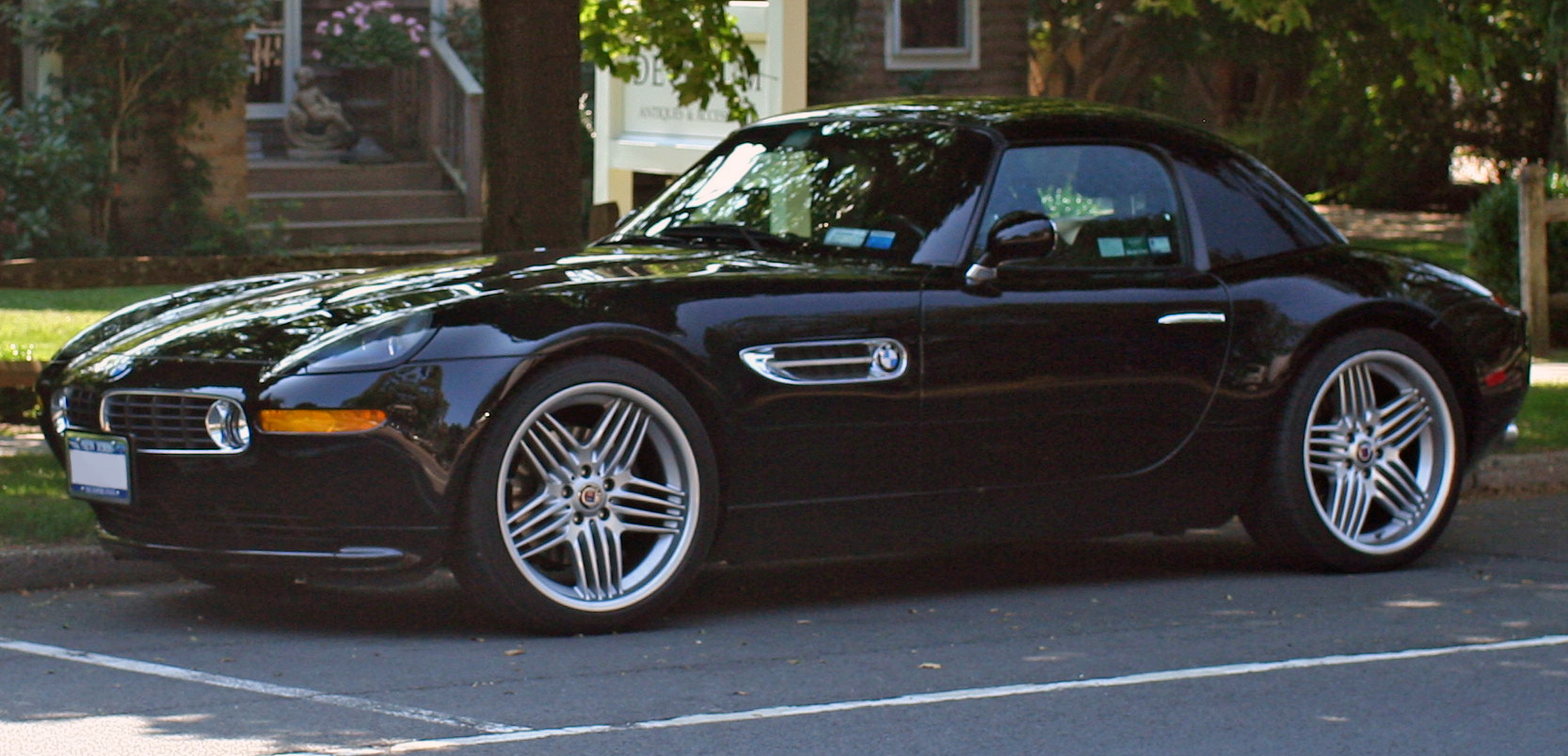
The BMW Z8 Roadster is a famous BMW convertible. Alpina made its own version of it, and the host is pointing to it as an example of Alpina upgrading a standout BMW into a more luxury-and-performance oriented package.
The BMW 5 Series is a larger, more comfortable BMW than the 3 Series. The podcast mentions special Alpina versions, which are modified versions of the 5 Series. They’re brought up because they’re a notable way to make the same basic car feel different.
The Alpina Z8 is a modified version of BMW’s Z8 roadster. Alpina takes the original car and tunes it to feel more refined and special. The podcast mentions it because it’s considered an impressive, high-end roadster.
“Fully in-house brand” means BMW is taking Alpina under its own management. Instead of Alpina acting like an outside modifier, BMW will treat it as an official part of its lineup and planning.
Rolls-Royce is the most luxury-focused brand in the comparison. The hosts are saying Alpina will sit between BMW and Rolls-Royce in terms of how fancy and exclusive it’s meant to feel.
“Badging” is the car’s branding—logos and model/trim labels on the outside. The hosts say the Alpina will still look like a BMW in terms of branding, but with more unique touches.
Car
Alpina vision coupé
The Alpina vision coupé is a show-car concept that hints at what Alpina’s next design direction could be. The hosts say it’s meant to be a classy, long-distance grand touring-style two-door, and it may influence a future production car.
A V8 is a type of engine with eight cylinders arranged in a V shape. The point here is that the car is expected to use a traditional engine (V8) instead of being fully electric.
“Kidney grilles” is what car people call BMW’s signature front grille shape. This episode is comparing how big or small that grille looks on different BMW models.
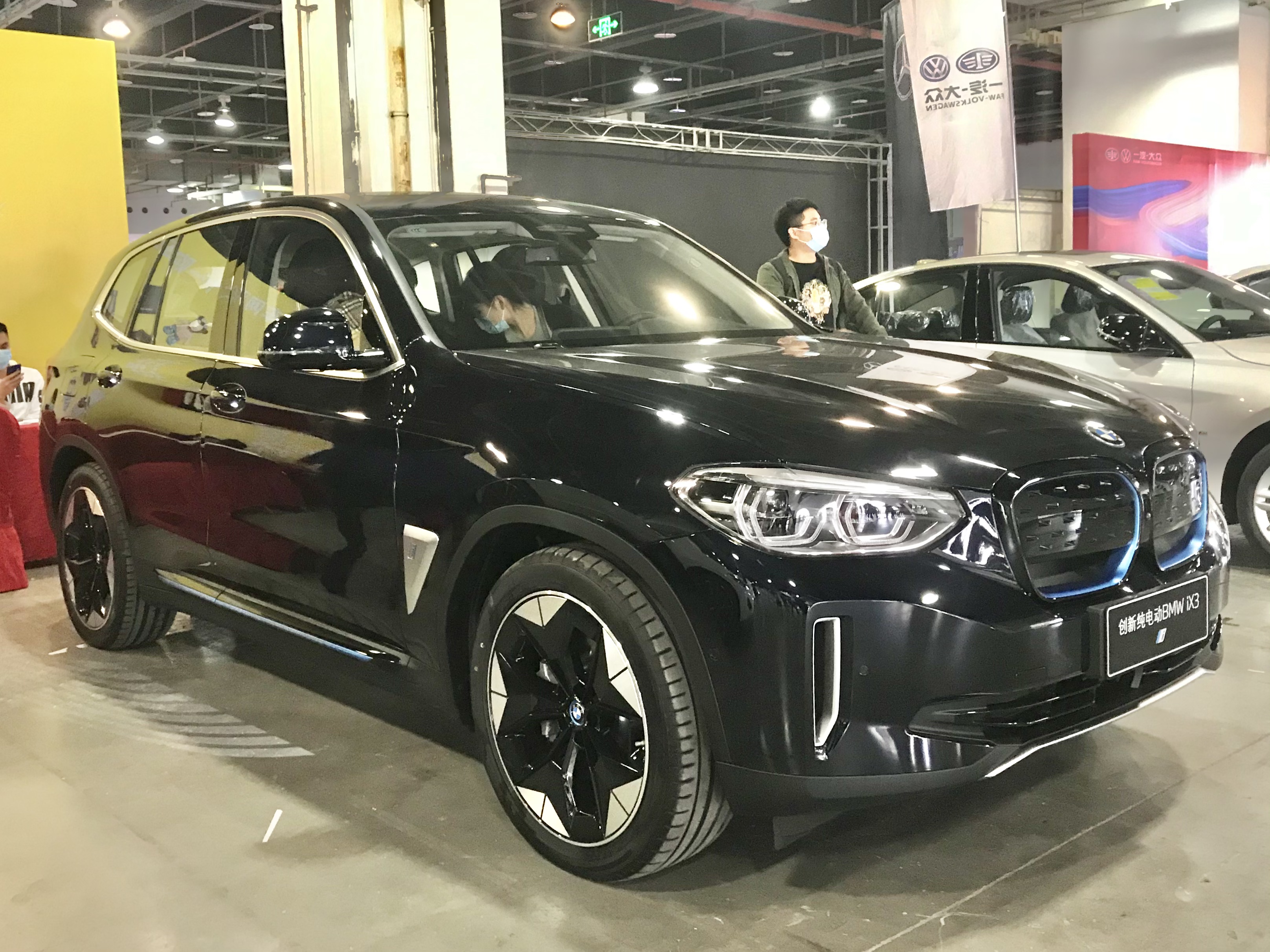
The iX3 (G08) is an electric SUV made by BMW. The podcast talks about it in the context of how BMW changed the look of the front grille on newer electric models. It’s included to show the design evolution from earlier EVs.
The BMW XM is BMW’s big, high-performance SUV. The hosts mention it because it has a very bold front grille that’s larger than what they’re describing for this other car.
The Hofmeister kink is a BMW design detail in the side of the car. It’s a little bend/crease near the back window that makes BMWs look instantly recognizable.
Neue Klasse architecture is BMW’s next “car design foundation.” It affects how the cabin and screens are laid out, so it’s a big clue about what the next generation of BMWs will feel like inside.
BMW Neue Klasse is BMW’s plan for a new generation of car design and technology. The podcast mentions it includes things like a display for the passenger and a more modern, wide “eye” look. It’s brought up because it’s what BMW is building its next cars around.
This refers to BMW’s new infotainment system—basically the big screen-and-controls setup. The idea is to put the interface in a more driver-friendly, modern layout.
A “spiritual successor” means “the next one that feels like the same idea,” even if it’s not an official direct replacement. The host is guessing this new Alpina/BMW concept might take over the 8 Series’ role.
A concept car is like a preview of what a future production car could look like. The host is saying this one seems close to something you might actually buy.
This is a top-tier luxury version of Mercedes’ SL roadster. “Maybach” generally means it’s aimed at maximum comfort and upscale features compared with a regular SL.
They’re talking about the Volvo EX60, an upcoming Volvo electric vehicle. The big complaint is that so many functions are controlled through the touchscreen, and there aren’t normal physical buttons for things like the air vents.
The BMW iX3 is an electric SUV from BMW. It’s meant to give you the space and driving position of an X3, but with an electric powertrain. The podcast mentions it when comparing different BMW electric models.
A touchscreen is the main screen you use to control the car instead of buttons. Some people like it, but it can be annoying if you have to tap around for basic things like air vents.
Physical air vent controls are the real knobs or buttons for the heater/AC airflow. If they’re missing, you usually have to use the screen instead, which can be slower and more distracting.
The Zeekr 7X is an electric car. The podcast mentions it as a serious option that could compete with other EVs. The main idea is that it’s meant to be a strong choice in its category.
Polestar four is an electric car the hosts are comparing to another EV. They say it’s built on a different “platform,” and even though both use advanced high-voltage tech, they think Polestar’s driver-assist features are better tuned.
“800-volt” refers to how the car’s battery and charging system is wired electrically. In general, higher-voltage EVs can charge faster and deliver power more efficiently than lower-voltage designs.
ADAS stands for driver-assist tech. It’s the stuff that can help with things like staying in the lane or keeping distance from the car ahead, and the hosts say the software calibration can feel noticeably better in one car than another.
Here, “tuning” means setting up the driver-assist software so it behaves a certain way. Even if two cars have similar features, the one with better tuning can feel smoother and less annoying.
Adaptive cruise control is cruise control that “keeps distance.” It automatically slows your car down if the vehicle in front gets closer, and then speeds back up when the road opens.
They’re saying you can’t always tell the difference from specs alone. You should drive both cars yourself because the driving feel and cabin layout can be noticeably different.
A “platform” is the car’s basic build and layout. If two cars use different platforms, they can drive and fit differently, so it’s worth comparing them by driving them.
Air suspension is a suspension system that uses air bags instead of metal springs. It can raise or lower the car and usually makes the ride feel smoother over rough roads.
Ride height is the distance between the vehicle’s body and the ground. The hosts say the cross country variant would have a slightly higher ride height, which typically helps with rough roads and clearance.
Adaptive suspension is a suspension system that can adjust how stiff or soft the ride feels. The idea is to make the car comfortable when you want it, but still controlled when you drive more aggressively.
Range anxiety is the stress of wondering if your electric car has enough battery to finish your trip. The hosts are basically saying that after a certain point, more range doesn’t really change real-world life much.
“Fast charging” is when an EV battery is charged quickly at a charger station. The host is basically saying that if you have to stop to charge a lot, the trip becomes less convenient.
“0 to 100” is a simple test of how fast a car can speed up from a standstill to 100 km/h. The point here is that a fast number on paper doesn’t automatically mean the car is better in everyday life.
“Real world range” means how far the EV is likely to go in normal driving, not just in ideal testing. The host is saying the longer-range version matters most for frequent long trips.
“Ultra trim” means the car’s higher equipment version—what features it includes. Here, the host is saying both versions have basically the same features, so the choice comes down to range and speed.
The Volvo XC60 is one of Volvo’s most popular SUVs. The hosts are saying the EX60 would likely attract people who already own an XC60 as their next upgrade.
The Volvo EX30 is another Volvo EV. The hosts are saying it has had big software problems, which is something people will worry about when considering newer EVs.
NVH is a car term for how quiet and smooth the ride feels. It’s about unwanted noise, shaking/vibration, and how rough or harsh the experience feels.
Term
wing grip door handle
The “wing grip door handle” is a special-looking door handle design. They’re saying some people like it, but others don’t, and there’s also a manual backup inside if the normal operation isn’t working.
EV SUVs are electric versions of family-style, higher-riding cars. The hosts are saying people are already buying them, including more expensive “luxury” ones.
Citroën is a French car brand. The hosts say it stopped selling cars in Australia around 2023–2024, and that’s why the later EV comeback news is notable.
Car
Citroen 2CV
The Citroën 2CV is a famous old French car that became a symbol of affordable, everyday motoring. The hosts say Citroën is bringing it back as an electric car, using the original’s reputation for being tough enough for rough countryside roads.
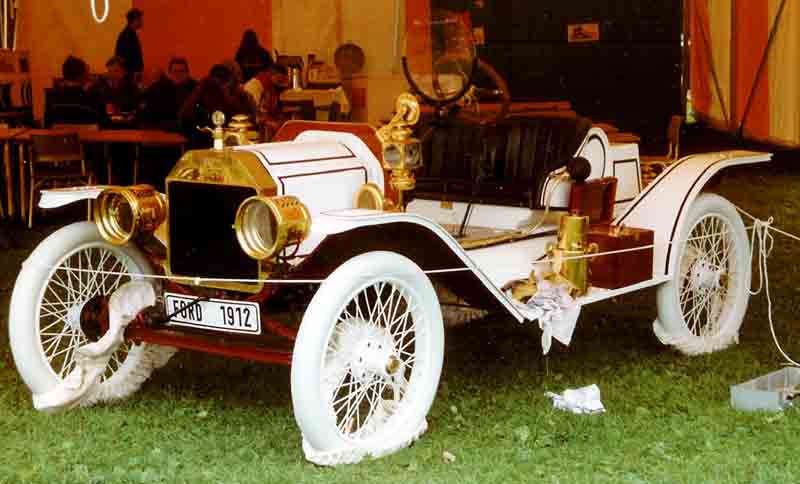
The Ford Model T is mentioned as a famous early car that helped make cars affordable and common in the US. The hosts use it to explain why the Citroën 2CV was similarly important in France.
A teaser image is a sneak preview that shows just enough to hint at what’s coming. It’s often vague on purpose, and then journalists use it to guess the final look.
CGI means computer-made pictures. In car news, it’s often used to create a “best guess” image of what a new vehicle could look like before official photos are released.
The 5 E-Tech Electric is Renault’s electric car based on the “5” name. The podcast mentions it alongside other small Renault models to show how Renault is building compact EVs. It’s basically a modern electric car carrying a known badge.
The Ford Capri is a car name that Ford is reusing for a new electric vehicle in the UK. The podcast mentions it to illustrate that older, well-known model names are being applied to EVs. It’s basically a new electric car carrying a familiar badge.
Topic
EV pricing and market fit (Australia vs Europe)
They’re talking about why electric cars might sell better in Europe than in Australia. Their main point is that Europeans often drive shorter distances, which suits EVs better.
Charging infrastructure just means the places you can charge an EV. If there are lots of chargers and they’re easy to use, it becomes almost as convenient to drive an EV as a regular petrol car.
EV uptake means how quickly EVs are being adopted by regular drivers. The host is saying people are more likely to switch to EVs when charging is easy and the day-to-day experience is simple.
The Renault Twingo is a little city car. In this segment, the host is talking about the electric version and how its interior design was debated—whether it should be generic or have a unique look inspired by the original car.
“EV skeptics” just means people who are doubtful about electric cars. The host is saying the Renault 5 EV was so appealing that it convinced even those doubtful people.
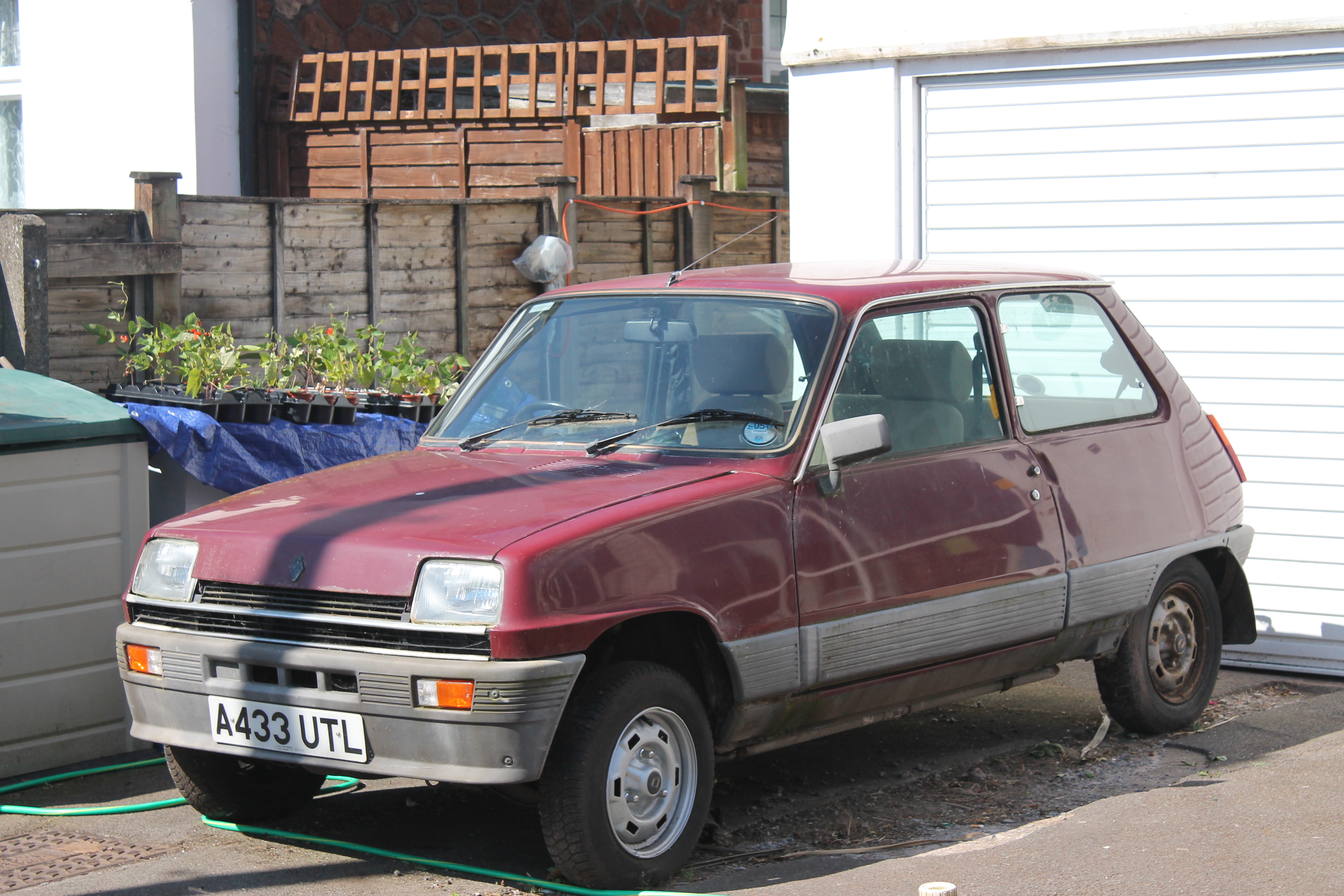
The Renault 5 is a small car model name that’s been around for a long time. In the podcast, it’s mentioned as a comparison point for newer small cars and EVs. The key idea is that the “5” name is being used to connect old and new models.
This is about how well the car can deal with rough roads—like dirt tracks or bumpy surfaces. The host is curious whether the new Citroën 2CV will still be good on that kind of terrain, like the old one was.
LIVE
Hello, everyone, and welcome to another episode of the Hookturn podcast with my excellent friend,
Sandbib Ahmed. And how are you today, Sandbib?
I'm very good. We've got a variety of topics we're going to be talking about today.
Some two, well, one very affordable car, one reasonably affordable car, and one not so affordable
car, but definitely something that there's a lot to talk about even still.
Yeah, I think the cool thing about this week's episode is one of the cars is actually not an
electric vehicle. So we've been talking quite a bit in the last few episodes about EVs and hybrids,
and there's been many, many new EVs that have come out. But this model that we're talking about,
one of this in this week's episode is actually not, yeah, it's actually a completely different
segment. It's not an electric vehicle. So maybe we should start off with this car first.
So we're talking about the all new BMW Vision Alpina Coupe. So just for context, Alpina has
sort of been basically like a sports luxury, semi-independent of sports luxury offshoot of
BMW. So BMW has M, which is their out-and-out performance brand. But on a much smaller scale,
they also had Alpina. So Alpina was actually founded by the Boven sheep, I think, how do I
pronounce it? Boven, B-O-V-E-N. Boven sheep and family. So my apologies for my pronunciation.
So the Boven sheep and family, and they started Alpina as like an independent brand that would
take BMW's increase their performance, but also increase their luxury. So rather than having that
same track orientation that BMW M cost it, it was more focused towards the GT side. So increased
luxury and increased performance. So they would have more luxurious interiors, higher leather
quality. So they would do things like lavalina leather and increase the engine performance as
well. And not be so firm as to be a track-only car like BMW's full-fat M cars are, but be suitable
for comfortable grand touring on your long road trip. So that's more for like intended for cross
continental journeys. So some of the previous Alpina models, they had the B3 GT, which was
based on the BMW 3 series, like a top-end version of that. They had an Alpina version of BMW's iconic
Z8 as well, or Z8 Roadster, which was an incredible car. They've had Alpina versions of the BMW 5
series, the 7 series. And yeah, more recently, what has happened is that BMW has bought Alpina
and made it as a fully in-house brand. So they've bought it under, they bought it from the Boven,
Boven Sieben family, and they've made it as an in-house brand completely. And they've decided
to position it sort of as above BMW, but below Rolls-Royce. So in the BMW stable of brands,
you have many as their entry-level sort of brand, then you have BMW as their premium brand.
And now Alpina is going to be in between BMW and Rolls-Royce. So it'll be based on
BMW models, and it'll still have the BMW badging, but it will have a lot more personalization,
and higher quality materials, maybe some more unique designs as well, but below the
ultra-luxury Rolls-Royce brand. So the Alpina vision coupé is their first sort of
signifier as to the design direction of where they're thinking the Alpina brand will go. So it's
this luxurious two-door, grand touring coupé. And this is not going to be a production model,
although a version of it might become a production model. But what are your initial
thoughts on the design? And because I think that's the most important thing with where they're
signifying that the Alpina mark might go in the future. It's interesting because if you look at
the Alpinas of the past, they did look on the outside too distinguishable from the BMWs they
were based on, but that was actually part of the appeal. Like there were sort of these cars that
if you knew, you knew sort of cars where someone who didn't know cars would be like, oh, that's a
normal BMW. And then someone who knew cars would be like, no, that's not just a normal BMW. Whereas
this obviously, ever since BMW has taken it more internal rather than just as a aftermarket sort
of thing, it's now, it's got its own design direction. But I'd be curious to see where
those customers that bought Alpinas because specifically it was like this understated luxury
where yes, I mean, people see BMW and they're like, it's a BMW, but they didn't think more of it.
The people that sort of bought it because, you know, it didn't look extra flashy,
whether they'll be interested in these sorts of cars. So that will be another interesting one.
As far as design goes, it's still a concept, I suspect it'll be toned down for the final release,
but it's quite a good looking car, obviously. It's definitely a car that the target market for
these, which will be often, often, I mean, I have to imagine given the size of this car,
a lot of the people who are in this car are not really maybe even going to drive it,
they'll be possibly even chauffeur around in it. So yeah, but that would be the biggest thing where
people who like, are they trying to attract new customer base with these cars? Or are they trying
to basically get like, get their existing people who bought Alpenes into this thing?
The other thing is, as you said, it's interesting that they didn't make it an EV
and they have just said it's going to be a V8. Again, possibly because the customer base they
have suspected will not really be interested in an EV possibly. So yeah, the interior is actually
relatively understated for a new car, I would say. It's not too big on the screens. I mean,
it's obviously big on the screens, but compared to, you know, what we're seeing from Mercedes
and stuff, it practically looks like there's no screens at all. And yeah, otherwise, it'll be
like, we're probably not really going to see it. And if we ever did, it'll be something,
you know, astronomical in terms of price. But it's good to see that, you know, luxury cars are not
just going to be big, massive SUVs and that these companies are realizing that, hey, there is going
to be a market for non SUV luxury cars. Yeah. I think on the design, it looks stunning in my
opinion. Like I love the design, noting it is a concept and yes, it will likely be turned down. So
they have like from the front, they've kept the large grille. So with the some of the Neuer
class models, especially the i3 and the ix3, they've turned down the kidney grills quite a bit.
But this one, they've still kept the large grills. However, it is in proportion. So I think with,
like especially models like the BMW XM and the M3 and the M4, they had those huge oversized grills.
This still has and the pre-facelift seven series as well, they had these huge oversized grills. But
this one, it does have those big grills, but it seems to be more in proportion with the rest of
the car. So it looks good despite the huge grills. I think the, I think from, I would have to say,
the highlights of the design, the side profile and the rear are the real highlights for me. Like
it's a very classically styled two door coupé. It has those, I think it has these huge 23 inch alloy
wheels. And they're sort of the traditional Alpina multi spoke designs as well. So Alpina is known
for that. I think it's like a 2019 or 20 spoke wheel design. And they've kept that they've just
made the wheel a little bit bigger. So it has that same luxurious vibe. I really love the tail
as well has like these two horizontal elements, which sort of create like a pseudo L shape,
which is sort of that iconic BMW design trade as well. It has that Hofmeister kink or the kink,
so to speak. The interior looks to be very heavily borrowed from the new facelifted seven series.
So it has a passenger display, has the Neue Klasse architecture there with the panoramic eye drive
and the 17.9 inch central infotainment display that's sort of trapezoidal and like slanted towards
the driver as well. So those are sort of the Neue Klasse design traits on the interior. But
yeah, definitely looks like a stunning design. It's interesting that it's they've confirmed it's
like V8. So we'll see whether there's going to be like a hybrid version as well. I personally think
that maybe what might happen is this is like a spiritual successor to the BMW 8 series. So
they might discontinue the 8 series coupé and replace it with this. Maybe there there will be
like a standard BMW version and then this will be like a top end Alpina model, although this might
just maybe the coupé is just also an exclusively Alpina as well. So we don't quite know what they're
going to be doing there with that one, but it definitely looks stunning and I hope they keep
like the fundamental proportions and the fundamental sort of design elements because
it is a concept. It is like a vision Alpina, but it does look like semi production ready with
a bit of tweaking. And I've said this before, but my gauge of how production ready a car is,
is to look at how they've designed the wing mirrors. So this car on the positive, it does have wing
mirrors, but on the negative, they're very small, they're narrow and they're sort of like very wide
and they're not like production style wing mirrors. Like production wing mirrors would
be much larger than this car, than this car's wing mirrors. So that's sort of a sign of how
production ready it might be. So it's maybe 70, 70% there, I think for a production model. Definitely
a stunning design though. And I'm looking forward to, I reckon we will see this in Australia and
might be around the $300,000, $350,000 mark, but I think we'll see it on sale in Australia. BMW
knows that we have a very high proportion of M models and yes, this isn't an M model, but
I think Aussies love that top end sort of BMWs in the Australian market. So I'll be excited to see
it on the road. Maybe it might be towards 2028, 2029 when we see the production model.
Okay, Samu, did you have anything else to say about this car? Would you buy a production model
over like, I guess, what would be the spiritual competitor? Maybe like a Bentley or Continental
or something like that? There would definitely be something that's unique on the roads, which a lot
I don't know. V8, I'd want it at least to be hybrid simply because of the reality of the situation
that we're in, but who knows. But yeah, it's good to see that they're still investing in new
cars that are new, like new combustion engine cars basically, and that premium brands don't
think that they're dead, even though especially premium European brands don't think that they're
dead and that there's still a small feature in it. Obviously, quite niche future.
Yeah, I think I can see this car actually thinking about a little bit more. I can see this car going
head to head with like the Mercedes-Maybach SL or something like that. Like that's probably
its most direct rival from a fellow German brand. Okay, look, we might move on to our next topic,
which is Australian pricing and specifications for the Volvo EX60. So we've talked at a little bit
of length, maybe not the same amount of, we haven't formed over this car to the extent that we have
over the BMW iX3 and the i3, but we have discussed the EX60 in a previous episode. And you know,
as a Volvo owner and generally somebody who really likes their sort of approach to Scandinavian
design, I'm a big fan of this car, like I love the design, the interior looks amazing. I mean,
I am a bit annoyed that they that they've still decided to put almost everything on the touchscreen.
That's quite frustrating. That's the main negative point and there's no physical air vent controls,
which is very disappointing. But the overall interior architecture, it looks amazing. I love the
design on the outside as well. And we finally had a bit of a further details provided about
Australian pricing and specifications. So there's going to be two models that are sold initially
in Australia. There's going to be the P6 Railroad Drive, which will have 620 kilometers of range
on the WLTP cycle. And I believe that's from an 84 kilowatt hour net battery pack,
275 kilowatts of power, 480 Newton meters of torque and 0 to 100 kilometers in 5.9 seconds.
And that will be sold from 86, 990 before on-road costs. And then we'll have the P10
AWD, which is significantly more powerful. So that's 375 kilowatts of power, 710 Newton meters
of torque, 0 to 100 kilometers an hour and 4.6 seconds. That will be 101, 990 before on-road
costs. And we are, interestingly, in Australia, we are getting both specifications, both battery
sizes and the ultra trim level. So there's no plus model announced as yet. And so that will be the
top of the range model. So we'll get the Bowers and Wilkins Sound System Standard,
a bunch of other features as well. We'll get either the Nordico or the Napa Leather in the P10 standard.
Yeah, we'll get most of the top-end features, heated seats. It's basically fully loaded,
that's standard in Australia. So Sandbin, there's 86, 990 and 101, 990 before on-road costs. Are you
impressed or surprised or is this more expensive than you were thinking?
I think it's line ball with what the expectations are. But funnily enough, I think it's the biggest
competition is within, because honestly, the Zika 7X, yes, it might not have the same
to the absolute same quality, but you would probably for about 70, and that's for the mid-spec
long range version, you'd get pretty much everything this car has for a fair bit less money.
So I would be probably more considering that than this. Yes, like I said, Zika's not a Volvo,
and I'm sure that this car will have some luxury features, but Zika's for 800 volts architecture
as well. So it's not like it's back in terms of the technology. Otherwise, as you said,
the design is good, but very, very touchscreen heavy. It's got less buttons than even like
Chinese easy to do, right? So they're often criticized. Yes, it runs on obviously very
sophisticated software, Google integration, apparently some brand new digital ecosystem will
come with Gemini. Yes, that's far with Gemini built in, I believe. Yeah, exactly. But yeah,
anyone with Android order can now get Gemini, but yes, if that's a selling point, it's okay,
I guess. But yeah, so to that end, what are you, just a bit of Zika, do you think?
Yeah, it's interesting. I think the Zika is definitely a consideration, like there's a
little bit of risk of cannibalization, but I think Volvo, I feel like Volvo has a very loyal
and Polestar as well has options. Yeah, I think the Polestar four is a bit of a different beast.
Yeah. Yeah, I think this is like, I mean, technically, that this is on a different platform.
So it's on spa three, which is a different platform than the Zika seven X or even though both are
like 800 volt architectures. And I believe Volvo definitely has more range, like even the P 10.
I think even the piece, I think both the P six and the P 10 probably have more range than the
Zika. But yeah, I feel like this car is more for like, you know, if you trust the Volvo brand
and you really love the design, like if you have to be a fan of the design to buy the Volvo over
the Zika seven X. And I mean, for me personally, I am because I just love the, you know, love the
fact that you can get it in that beige interior trim. And I love the, you know, it seems very calm,
like apart from the potentially frustrating touchscreen. I love that, you know, you have the
natural wood trim on the dashboard and the incredible sound system and, and all of that and
the comfortable seats and that type of stuff. So yeah, it's it is definitely more luxurious than
the Zika, I think. But is it really that much more expensive luxurious? Because from what I
understand, the Zika is also quite luxurious. It more or less is in many ways a proper luxury
car. It's not like trying to even pretend to be one. Yeah. Most reviews say it's as luxurious as
pretty much anything. Yeah, I think you definitely have to maybe like look at it back to back,
cross shop it. I think the other thing that's probably better in this car than the Zika is
maybe the tuning of the ADAS systems, because this is still this Volvo, despite have potentially
having some similarities with the Zika and being from the same sort of corporate group is built in
Sweden, designed and made in Europe as well. So I think the driver assistance systems would be
tuned quite a bit better than the Zika, which is still Chinese made and, you know, there have been
complaints with the Zika's, you know, driver assistance systems. So I think this is probably
superior in that respect. So to the extent that you use those systems and you rely on, you know,
adaptive cruise control and those things, this is probably superior in those those aspects.
Yeah, I mean, it depends like, you know, Volvo, it depends on how much you believe in that brand
reputation and safety and all those things. Like I'm sure the Zika is a very safe car by
any stretch as well. So it's not like this is the Volvo is safe and the Zika is unsafe. It's
nothing like that. Both are very safe cars. It's more like, you know, you want something with the
European brand and a little bit more prestige, so to speak, a little bit more heritage and you
love the Volvo brand, then you go for this and you love the design.
That if the design speaks to you, then you'll go for this car. And if it, if you don't care too
much, then maybe the Zika is a solid choice as well. And yes, you are, you are saving at least
like maybe 20, 15, 20 grand minimum with the Zika. And you're getting pretty much 95% of the same
car for what I understand.
Well, yeah, I don't know if I put it as high as 95%. I would say maybe 85% to 85%.
But that's my, my opinion. But I think it's definitely like, I think what, what I would say
it's, as with every car buying advice I give, like it's not just sitting inside, I think you'd
have to test drive both of them. And then maybe because they're on different platforms technically,
you, you might have to test drive them and see if you notice any differences in,
in the driving and the, and the interior and, and sitting inside as well.
It's what you said. I think the real reason is if you're like, I want to offer
more so than any practical thing about all this, it's going to be better because real,
the reality is a lot of most people are not going to really tell the difference between,
you know, a Zika in like, they might tell some differences, but in terms of driving,
I doubt on Sydney's roads or on Melbourne's roads, it will make much more difference.
But yeah, yeah, yeah. I mean, the other thing to note is that the P12 is still,
that switches the flagship specification with the 810 kilometers of range, that is
not officially confirmed for Australia yet. It's under consideration. So maybe they might,
it might depend on how well the P6 and the P10 do. Maybe they might decide if they do really well,
we'll introduce the P12, but no, I would love to see the P12 in Australia because that has the
810 kilometers of range that's even exceeding the BMW IX3. So that's,
I think you'll be cool to see that kind of the cross country versions are also,
also under consideration. So the cross country, the main difference there is that it has air
suspension. So that's probably the price and it has a slightly higher ride height. So the,
I think the main reason to be honest, why you'd buy the cross countries, if you wanted something
that's even more comfortable, like the P10 comes with the adaptive suspension, but the
cross country will have air suspension, which is even supposed to be even more comfortable and,
and sort of more of a causating ride. So those two variants are still under consideration.
So we've given that the BMW IX3 already has 800 kilometers of range and is 109,990. Where would
you say that a hypothetical P12 being priced in Australia? It would have to be still a bit,
I don't know, it would have to be like, it can't really exceed the IX3 surely, because at that
point, no one's really caring too much about that extra range. People are like, I want to be,
I want the new BMW IX3. Yeah. So I don't know, because really with range, and when you already
realize it, for like, once you get to 5,600 kilometers, pretty much enough, because
everyone's going to have a warbox. It's not like anyone buying these SUVs, they're not going to
have a warbox. So, and, and at some point you're like, okay, yes, it's got a lot of range, but
you're always reassuring yourself by, for no real reason. It's like, yeah. It's like, I mean,
the only hypothetical situation is like, if you frequently drive from Sydney to Melbourne,
or the other way around, back, and you're like, I want you. Anyone who's affording
these cars is flying business class. Well, no one is really doing the drive. It's like, well,
maybe you spend so much money on this car that you're like, I want to make the most use of it,
and I want to drive everywhere. And anyway, but yeah. And even if you were doing that, there's
a million different fast charges in between that. Exactly. I think it would be more like,
I want to have that comfort, and I only want to like literally charge, stop once for charging. And
I want to get there. I want to get to my destination in Sydney, or Melbourne, depending on which way
you're driving. I want to get to my destination with plenty of range still to spare, then maybe
make sense. Like if you're to get the P12, or if you're like, you know, because like the other
difference between the P12 and the P10 is the performance, but the P10 is like for a family
SUV, it's plenty fast enough. Like 4.6 seconds is still very, very fast. The P12 can do it in 3.9,
which is like 0.7 seconds faster. But that's not really like, I mean, that's, you don't need
a family SUV to be that fast. And the Chinese SUVs have told us the 0 to 100s for electric cars
is meaningless. Like you can get a Chinese SUV that does those, and no one's going to be like,
yes, my Chinese SUV does that. Therefore, it's super cool. Yeah, exactly. It's like,
it's like really like the main selling point between the P10 and the P12 is the extra, you know,
real world P10 range might be, you know, 550, 560 on the motorway. And the P12 might be more towards
the 700, you know, 750 kilometer mark. So if that's a big factor for you, if you're frequently,
you're either driving up to Sydney, if you're in Melbourne, or you're going along the Great
Ocean Road, and you're on the way to Adelaide, or you're going, you know, or something like that,
then maybe you might want to get the P12. But otherwise, I think for like, I feel like for
like 90, 95% of the people, the P10 is like more than, more than enough. And I think the, I mean,
I believe the features are pretty much the same between the two, apart from the performance.
So they're both ultra trim as well. Yeah, but I feel like the P12 pricing, if they decide to bring
it here, like, it can't be much too much more than the BMW iX3, like that's, you know, it would have
to be not more than like $110, $112,000. Because that's, at that point, you, there's, there's like
a 5, 10 kilometer difference in range, that's not significant enough to pay a couple of thousand
dollars extra for it. Great. Okay. Look, anything else I have on this car? Yeah, I mean, like,
there will be a market for it. As you said, you're the people that would have originally bought an
XC60. Absolutely. I could see them upgrading to one of these. It's basically almost like,
literally, I would just be targeting existing XC60 owners, or even XC90 owners really,
and be like, Hey, you know, this, you've got your next car here. Yeah, exactly. Yeah. Yeah. I think
the XC60 is of always biggest seller by quite a big margin. So that would be the XC40 or maybe
no, no, I think XC60, like lifetime has had way more, more sales than XC40.
I mean, globally, I don't know, Australia Volvo is like a bit of a minnow.
I've heard that the EX30 has had major software issues, at least, hopefully.
Yes. Yes. And actually, that leads me just to also mention that the pricing, the Australian
pricing and specifications dropped at the same time the reviews came out, the first sort of drive,
the press launch reviews. So if you Google Volvo EX60 on YouTube or on Google, you can read and
watch many of those reviews. I think most of them have been very, very positive, like some of the
key points. I've seen a few and some of the key points that people have, that have stood out for
people is just like the general refinement. So people are saying that it's very quiet,
very quiet car, very harsh, incredible NVH, the noise vibration harshness, like a quieter than the
BMW iX3, which sort of, yeah, is aligned to Volvo's brand ethos. I think BMW iX3 is probably
still a little bit better in the actual technology and the tuning of the driver assistance systems,
but the other thing that people are saying is that the interior quality is probably a step
up from the iX3. So they're very impressed by the material quality, like soft touch materials
everywhere, soft seat backs as well. So the interior quality at least is a little bit better than the
iX3 and potentially the GLC electric too. So yeah, and the other point of controversy, of course,
has been the wing grip door handle. So yes, there's a manual override on the inside, but that's a
little bit of an interesting design feature. I personally like it, but that's subject to
looking at it in person. So yeah, so any anything else before we move on to our next topic?
No, like I said, it's relatively a safe car for Volvo. So I think that, you know, as I said,
it will have a market absolutely. We're already seeing the market for EV SUVs, even luxury ones
rising. The Zika 7X did really well in last month's feedback. So, you know, and again, that is a bit
different because that one, even though it's expensive, it's seen as value for money in a luxury
like literally, like if you read the reviews, it's like $70,000, but you're getting the
features and luxury of a $100,000 car. Now, that's probably an exaggeration, but
it's probably not too far off the truth because even the reviews say it's pretty great.
Yeah, I mean, I did sit inside a Zika 7X during the Melbourne Motor Show and yeah,
the interior quality is very good. I haven't yet a chance to drive it or spend a huge amount of
time in one, but superficially, at least the materials they use are nice. I mean, the design of
the car is like a typical Chinese car, like to touchscreen base, but I mean, so is the Volvo
EX. Yeah, exactly. So, yeah, so, you know, that's not much of a point in the Volvo's favor or the
Zika's favor for that matter. Okay, look, let's move on to our final topic, which is another
electric car, but this is actually quite fascinating. So Citroen, which is a French brand that
actually pulled out of Australia, when was it? Was it 2023 or 2024?
Something like that. They were probably selling cars in 2024, but yes, I believe, yeah, I mean, yeah.
So potentially, yeah, so 2020, I think 2024, they probably pulled out of the Australian market,
unfortunately, but they've announced an icon that is being reborn as an electric car,
which is the Citroen 2CV. So just for context, basically, the Citroen 2CV was to France,
what the Ford Model T was to the US. So it was really the car that sort of got France moving,
like it's a very mass market car, extremely affordable, like I think it was like, was it
post-war, was it after World War II or was it? Probably after World War II, yeah.
Yeah, actually, let me, we should, let me check that.
But the very famous thing, it had to carry eggs across the field without breaking them?
Yes, that's right. So it was known famously for its, you know, it was a very rugged car.
It was designed for like to traverse, you know, there's rough French farmland and
two sandwich points. One of the testing when they're developing the 2CV,
it had to have a suspension that was soft enough to carry like a dozen eggs or so without,
without any of them cracking. So yeah, that was, that was the sort of design, not design,
but the one of the engineering objectives of the 2CV. It was sold from, I was just reading,
sold from 1948 all the way to 1993. It had a huge, huge, you know, lifespan and
always known as the basics car that got the French, you know, post-war, devastated French
population back into motorings. And yeah, Citroen are announcing a spiritual successor. Again,
they're anticipating it will cost around 15,000 euros. So that's, I think in terms of
converting it to Australian dollars, that's probably going to be around like 25,000 AUD,
maybe a little bit less than that. But yeah, so it's going to be one of Europe's cheapest
electric vehicles. We don't have too many details about the range or the power or anything like
that. Apart from the only factor, the only, what we do know is they've released a shadowy sort of
teaser image. And then a lot of these media publications like AutoCar and AutoExpressive
come out with some renderings, CGI sort of renderings based on that teaser image.
So it looks like it will have like that same retro design. So similar in a similar vein to how
the new Renault 5. And the Renault Twingo as well. Yes, the Renault Twingo as well sort of borrowed
from their spiritual ancestors. So yeah, Sam, I don't see this car being sold in Australia,
but given Citroen isn't, you know, selling cars in Australia anymore. But where do you think this,
you know, do you think this car has the chops to compete with the Renault 5 and like the Fiat
electric Panda as well? I first find it interesting how some of these brands are
leveraging old nameplates on the EVs, Ford's doing with the Capri in the UK. Obviously Renault's
doing with the Twingo and the Renault 5, not Citroen's doing with the 2CV. It almost feels
like a way for it because EVs in the European Union, they're not as big of a, like they're not
as tough to sell compared to in Australia. Naturally speaking, EVs are very suited to the kind of
driving that most Europeans would do, which is a significantly shorter distances. And more
critically than just shorter distances, they've just got much better charging infrastructure
than we do here in Australia, which basically means that it's just as easy driving an EV around as it
is driving a petrol car around, which is really always the main thing when you're trying to get a,
you know, higher EV uptake. So to that extent, it's quite good. And yeah, I'm curious to see
what the full interior is like. Famously with the Renault Twingo, the electric one, they were
actually thinking of putting in, because we never talked about the Twingo, I think. But I was reading
that the people, like the management Renault, just wanted them, even if the exterior was unique,
they wanted to stick in a very standard Renault interior. But then the designers actually fought
to have a unique interior that paid homage to the original Twingo inside the new Twingo, right?
So I'll be curious to see if Citroen does the same. Is there going to be like a reference or like,
is it going to take inspiration from, so to speak, the interior along with the exterior of the original
2CV, like they did with the new Twingo EV? Or will they just be like to cut costs? Like,
I just stick in a generic Citroen, like, you know, just pull the interior of one of their other cars
and just stick it in there to save costs. So that would be the other interesting thing.
But yes, it's good to see that like EVs are perfect for this sort of application, right?
Where people are not, you know, not doing massive distances. They just want a small
runabout car. There's nothing better than what you need for an EV. It reminds me of
like the BYD-R01 and stuff. Obviously, that's the closest thing we're going to get here to a
super affordable EV. And for lots of people, that's probably going to be enough. Like people who,
you know, they don't see, they just, like, they don't drive very long distances,
they just drive here to here. These sorts of cars are pretty much all that's really needed
for a lot of them. You know, they, more or less, they're still 2026 cars. They'll have pretty much
every safety feature on the sun, broadly speaking. And, you know, and even luxury-wise, I mean,
sure, like, it'll have enough that, like, it'll have a touchscreen that I'm sure will be still
reasonably sized. And really a part, like, you don't really need much more than that in this sort
of price bracket. So yeah, it's good to see. You'll be curious to see what the final product is.
And, like, I don't think it'll be the same hit that the Renault 5 is, because from what I understand,
Renault 5 drives really well. It looks really cool. It's also not cheap, cheap, like this
two EVs seems to be. So it's still got that appeal of, you know, being relatively tech-forward,
while still relatively affordable. So I don't think it'll hit the same, like, wow, like the Renault
5 EV, where it's apparently converted people who didn't even like EVs to an EV, one of those
sorts of cars. Like, everyone who drives is like, wow, this is really cool. Like, even if they were
EV skeptics, or like, this is like a cool car. So I don't think this two CV will have that same
effect. But at the price that Citroen are planning to sell it at, it doesn't need to. The price will
mean that it will sell itself. But just like how BYD with the Adder 1 have sort of been like, okay,
here's quite a, like for a brand new car, you really can't get more affordable than
what the BYD Adder 1 is to people. And it's selling reasonably well. Like,
usually the expensive ones still sell a bit more. But yeah.
Yeah. I mean, yeah, I'm curious to see how they design, what the designers, the final designers
like, like the teaser, I mean, it looks good. You can definitely see the design cues from the,
you know, original two CV. But I do think, yeah, I feel like this car is more positioned as a
Twingo, Renault Twingo competitor right at the bottom end of the European market compared to
like a direct Renault 5 rival. But let's, let's see, let's see how they go. And
like, excellent is more broadly and Citroen, they've had their struggles recently, like this,
I feel like they've sort of been eclipsed by Renault from a brand perspective. Renault has
done really well over the last couple of years with some knockout cars, the Renault 5, the Renault
4, the Twingo, even some of the larger models like the Scenic are doing, you know, seem to be doing
reasonably well in the European market. So let's see if Citroen can fight back with this two CV.
And, and, you know, I want to see how off-road capabilities as well, because famously, the
original two CV could, could have had a little bit of off-road capability just along those rough
gravel roads and soft suspension and so on. So yeah, that would actually be a very unique selling
point as well. Like a cheap EV that can do some light off-roading, that would like, that would
extremely unique selling point, you know, like obviously not, you wouldn't expect to do heavy
duty stuff, but obviously as you said, even if we can do some light off-roading, that would,
like that would automatically raise it above, you know, most of the EVs where they're not,
like there are EVs known for off-roading, but they're always in a totally different price
budget. Exactly, yeah. Okay, look, I think we might end it there for this week's episode of
the Hooktun podcast. So once again, thank you very much for listening to us. Please remember
to like, subscribe, please give us five stars if you enjoyed the podcast and this week's episode.
And we'll look forward to talking to you next week. Thanks so much. Bye.
About this episode
Alpina gets framed as BMW’s peak performance-luxury alternative to BMW M, with a GT-focused approach and a design future hinted by the Alpina Vision Coupé. The discussion then pivots to Australia: Volvo EX60 pricing and touchscreen-heavy controls, alongside EV comparisons involving 800-volt tech and ADAS tuning. The hosts finish with Citroën’s return to basics—its 2CV reborn as an electric “spiritual successor,” aiming for around 15,000 euros and leaning on soft-suspension heritage for light off-road charm.
In this week's episode of The Hook Turn Podcast, we discuss BMW's relaunch of the Alpina brand with the stunning new Vision Alpina Coupe. We also cover Australian pricing for the gorgeous new EX60, and French stalwart Citroën going back to basics with an EV reinterpretation of its iconic 2CV.