Novated leasing is a way to pay for a car through your job, often using pre-tax money. The host is saying it can work really well for electric cars, depending on your situation.
Car
Skoda peak
Skoda’s new flagship electric SUV is called the PEAQ. It’s meant to be a big, high-end EV with room for either 5 or 7 passengers.
The Hyundai Ioniq 5 is an electric SUV, meaning it runs on electricity instead of gasoline. The podcast mentions it while talking about several electric SUVs and how they compare. It’s included because it’s one of Hyundai’s main EV models.
The Volkswagen ID. Buzz is an electric van. The podcast brings it up alongside other ID models to show it’s part of Volkswagen’s electric lineup. It’s basically a bigger, people-carrying EV.
Gross battery capacity is the total energy in the battery. Not all of it is usable for driving, so usable capacity can be smaller than the headline number.
The 91 kWh battery is how much energy the EV can store. More stored energy usually means more potential range, but the actual distance depends on how you drive.
Dual-motor means the EV has two electric motors. That can help the car accelerate harder and manage grip better, especially on slippery or uneven roads.
WLTP is a standardized test that car makers use to estimate how far an electric car can go on a charge. Real-world driving usually gives a shorter range than the test number.
Real-world range is how far the car really goes in day-to-day driving. It’s often less than the official test range because real conditions are harder on the battery.
“Tech deck face” is a fancy name for how the car hides its safety sensors and cameras behind one styled front panel. It’s mostly about the look, not a mechanical change.
Driver assistance systems are safety features that help the driver using sensors and cameras. They can warn you or help steer/brake in certain situations, but they don’t replace the driver.
Cameras are used to “see” the road for safety features. The car uses what the camera detects to help with things like lane guidance and collision warnings.
LED matrix headlights are advanced headlights made from many small LED lights. They can adjust the beam so you get better visibility without blinding other drivers.
MEB is Volkswagen Group’s “shared EV building system.” It helps different brands make electric cars with similar underlying parts, which can affect how the car is laid out and what components it uses.
Drum brakes are a type of braking system where the braking parts press against the inside of a drum. Many people see them as less “premium” than disc brakes, especially on newer, higher-end cars.
“Thor’s hammer” is Volvo’s distinctive headlight/lighting look. The hosts mention it to compare Volvo’s recognizable front design with the Skoda’s different (but sometimes similar) styling cues.
The ES90 is mentioned as another large electric SUV idea that’s related to the EX90. The podcast is basically saying it’s aiming for a similar “big Volvo EV” type of approach. It’s included because it fits into the same lineup direction.
The Kia EV9 is a large electric SUV. The podcast mentions it because it’s seen as a major competitor to other big electric SUVs. It’s the kind of vehicle people consider when they want an EV with lots of space.
Term
FEVs
FEVs is just a shorthand the host is using for electric vehicles. They’re talking about EVs from different brands and how they compare on price.
A “seven-seat” car is built to fit up to seven people. The important detail is whether the back row is comfortable enough for adults, or if it’s really only meant for kids.
“Top spec” means the most fully equipped version of a car. In this conversation, the host is saying the best EV range and features are usually found on the highest trim.
The Fiat 600 is being talked about with a focus on how far it can drive on a charge. The podcast mentions that a range in the “600s” won’t stay impressive for long. That’s about EV driving distance, not the car’s size or style.
“800 volt” is an EV design that helps the car charge faster. With higher voltage, the charger can push more power efficiently, so you can often get more range added in less time.
Car
Skoda Kodiak
The Skoda Kodiak is a bigger Skoda SUV. In this discussion, it’s brought up because it also uses special rotary controls for climate settings like temperature and fan speed.
The Skoda Superb is a roomy Skoda family car. Here it’s mentioned because it used a special set of rotary controls for things like temperature and fan speed.
“Smart dials” are Skoda’s special knobs in the cabin used to adjust settings like the cabin temperature and fan speed. Instead of only buttons or a touchscreen, you turn these dials to make changes.
The Skoda Kodiaq is a bigger family SUV. The podcast mentions it while talking about other Skoda models and some of the features they offer. It’s included because it’s one of Skoda’s main larger vehicles.
“Physical climate controls” means the car has real knobs or buttons for heating and air conditioning. That can be easier to use than touchscreen menus, especially when you’re driving.
Ambient lighting is the soft, background light inside the car. Here, it changes color to match the cabin temperature setting—red when you’re warming things up and blue when you’re cooling them down.
The infotainment display is the car’s main screen for things like maps, music, and settings. The host is saying this car’s screen layout looks similar to Volvo’s big-screen electric cars.
Portrait-oriented means the car’s main screen is shaped like a tall phone, not a wide tablet. The host is saying that screen shape is similar to Volvo’s, which can change how you view maps and menus.
The Volvo EX90 is Volvo’s big electric SUV. The host mentions it because its screen layout is similar to what you’ll see in the car they’re discussing.
Android Automotive is the car’s built-in Google-based software system for the dashboard screen. It can include things like Google Maps and lets you use apps such as YouTube through the car.
13.6 inches is the size of the car’s main screen. Bigger screens can make maps and menus easier to read, and the host is comparing it to Volvo’s setup.
Infotainment is the car’s screen and software for things like music, navigation, and connecting your phone. It’s basically the “tech center” inside the car.
Connected services are the online features that rely on the car being able to talk to the internet and a phone app. The discussion is about whether those features are offered in Australia yet.
Cupra is a Volkswagen Group brand that makes sportier cars. Here it’s mentioned because some of its cars don’t get the same connected features in Australia.
Preheating means turning the car’s heat on before you drive, so it’s comfortable when you get in. On electric cars, it’s often done while the car is plugged in so you don’t drain the battery as much.
Tesla is a company that makes electric cars. The host is comparing Tesla’s app features to what other brands offer, saying most brands can do this now.
A third-party solution means using an outside company’s service instead of building it in-house. The host is saying it can only do limited things compared with a fully integrated system.
They’re talking about the car’s climate system. The point is that the limited setup can’t remotely adjust the cabin temperature the way a fully integrated connected system could.
The Hyundai Ioniq 9 is an electric SUV. The podcast mentions it because someone is comparing it to another large electric SUV (the EV9) when thinking about what to buy. It’s being discussed as a big EV option.
Reverse exporting means sending goods back the other way—here, cars made in America being sold in Japan. It’s unusual because Japan usually exports cars to the US, not the other way around.
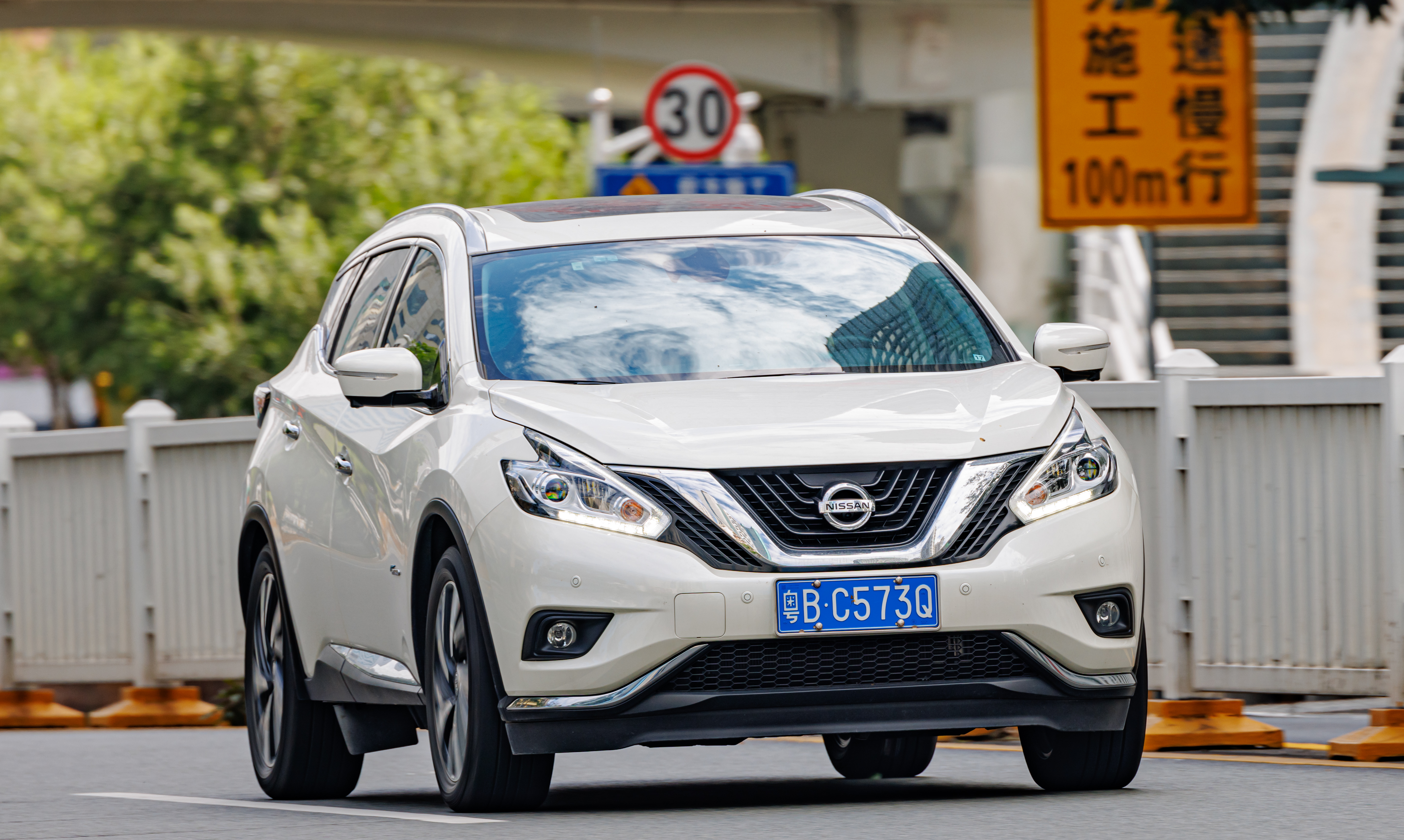
The Nissan Murano is a larger SUV/crossover made for the US market. In this discussion, they’re saying it’s also being sold in Japan because of a trade deal that allows some American-made cars to be imported there.
The Tesla Semi is an electric truck meant for hauling goods. The podcast mentions it because it’s presented as a premium kind of truck, not just a basic work vehicle. It’s designed for commercial use, like moving freight.
Left-hand drive means the steering wheel is on the left side of the car. The host is saying some cars are shipped to Japan already set up for left-hand driving, then adjusted a bit to comply with local rules.
This means the car’s body parts (like doors and panels) might not line up perfectly. You might notice uneven gaps or parts that don’t sit quite right.
Concept
Japanese built car
They’re using “Japanese built car” to mean a car made in Japan. The discussion is about whether those cars are less likely to have small quality problems.
The host is talking about a government agreement between Japan and the US. They’re saying it can affect what cars get sold and what compromises manufacturers have to make.
“Gray imports” are cars that get sold in a country through unofficial routes, not the normal dealer network. That can mean you might not get the same warranty or support you’d expect from an officially sold car.
“K cars” are small cars made for Japan’s rules and city streets. They’re easier to drive and park in tight spaces, and they often cost less to own than bigger cars.
“Developed markets” means wealthier countries with more established car manufacturing. The host is saying that in those countries, car quality should be more consistent from place to place.
“Developing markets” means countries where car production and quality systems may be less standardized than in richer countries. The host is arguing that cars made for those regions might not have the same quality consistency.
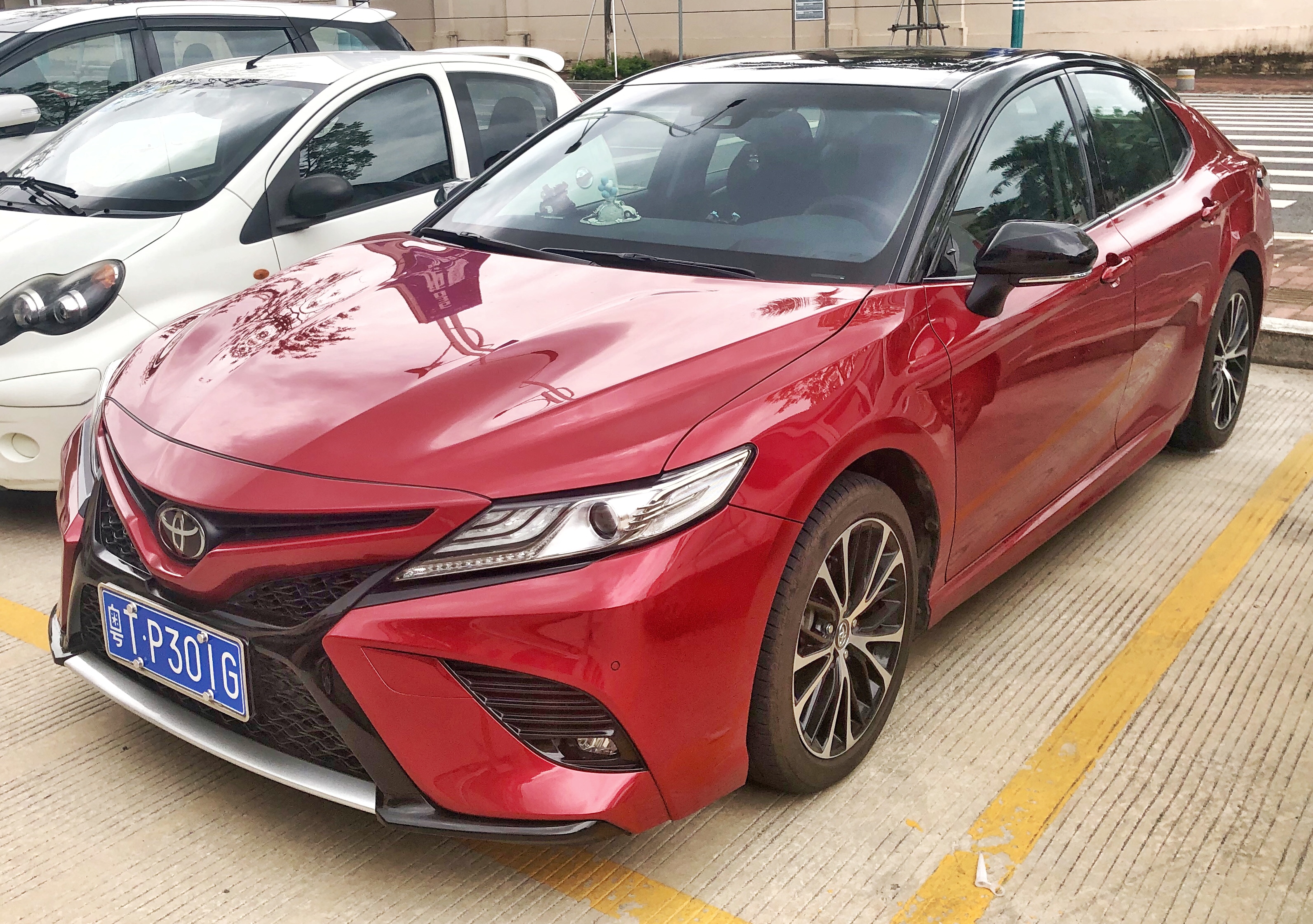
The Toyota Camry is a regular family car (a sedan) that’s meant for everyday driving. The podcast mentions it because it’s been built in Australia. That’s about where the car is made, not a change to how it drives.
The Toyota Corolla is being mentioned as an example of a “typical” Toyota model. The point is that the host expects the car to be built to the same standard regardless of where it’s made.
Panel gaps are the lines of space you can see between car body parts, like the door and the fender. If they’re even and consistent, it usually means the car was assembled carefully.
Paint quality is how good the car’s paint job looks and how well it’s applied. Better paint quality usually means fewer visible defects and more consistent finishing from car to car.
Manufacturing defects are problems that happen during building the car—like dents or other mistakes. The host is saying a brand should keep these problems rare and consistent across models.
QDR is Toyota’s way of talking about what they prioritize: quality, durability, and reliability. It basically means they try to build cars that are well-made, last a long time, and don’t break down easily.
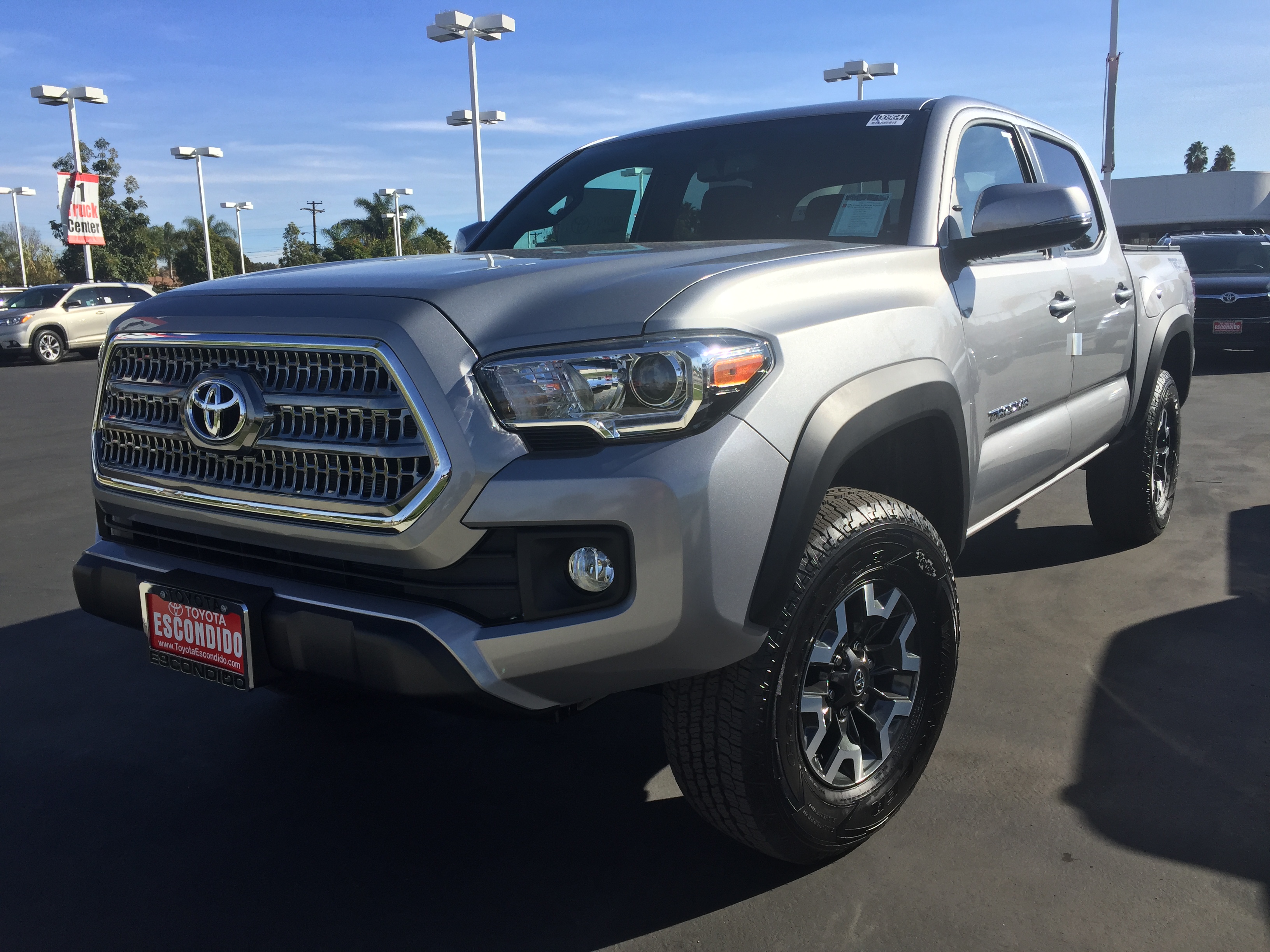
The Toyota Tacoma is a midsize pickup truck positioned below the full-size Tundra in Toyota’s lineup. The host mentions it in the context of US-market trucks and quality-control expectations, implying that US-built versions may show more minor cosmetic/finish issues than Japanese-market cars.
“Thinner paint” means the car’s paint layer is applied in a thinner coat than usual. That can make the surface less durable and more prone to showing small defects.
“Dust particles” are tiny bits of debris that can get into the paint while it’s being applied. When that happens, the finish can end up with small specks or bumps.
The Honda Jazz is a small, practical Honda that’s popular for being roomy for its size. Here, the hosts talk about how Jazz cars made in different countries were thought to feel like different quality levels.
The Honda Civic is a small everyday car. The podcast mentions it because it’s part of Honda’s lineup and people often know it. It’s being referenced in a conversation about Honda models.
Concept
Japanese production vs overseas-market production quality
They’re talking about a common belief: cars made for the Japanese market might be built with stricter quality expectations than cars made for export. The claim is that the same model can feel “better finished” depending on where it’s produced and who it’s meant for.
In this context, “remanufactured” refers to taking an existing vehicle (or major components) and rebuilding it to a like-new standard, rather than producing a brand-new model from scratch. The hosts are contrasting a purpose-built right-hand-drive approach with a remanufactured/converted supply chain.
Aftermarket just means non-factory add-ons made by other companies. In this case, it’s an extra screen system you can install to add features like phone integration to an older SUV.
Apple CarPlay lets you connect your iPhone to the car and use certain apps on the car’s screen. It’s a common upgrade path for older cars that don’t have modern infotainment.
They’re talking about not just what the car costs to buy, but what it costs to keep running. With older cars, repairs and upkeep can add up quickly.
Concept
casting maintenance
The point is that an older car might be cheap to buy, but it can cost more to maintain over time. So you have to budget for repairs and upkeep, not just the sticker price.
“Pre-owned market” just means the used-car market. The host is saying some car brands are worth more when you sell them later, so you have to spend differently when buying used.
“Hold their value” means the car doesn’t drop in price as fast as other cars. So when you buy used, the Toyota might cost more because it’s easier to sell later for a good price.
Active safety features are the car’s “help you avoid accidents” systems. They watch what’s happening around you and can step in to slow down or steer if needed.
The Honda CR-V is a popular SUV that’s meant to be practical for everyday life. Here, the host is saying they like it because it’s a good choice if you want something reliable and usable for a family.
Term
third party tablet
A third-party tablet refers to an aftermarket device added to the car’s dashboard area to provide modern infotainment. Here, the host is describing using a tablet to integrate into the dash so it can run smartphone-style apps instead of relying only on the original head unit.
The Subaru Forester is a common Japanese SUV. The host is using it as an example of a car that can last a long time and keep running well if you look after it.
Total cost of ownership means what a car really costs you over time. It includes things like the price you lose when you sell it later, plus ongoing costs like servicing and insurance.
Maintenance costs are what you spend to keep the car running properly over time. The host is saying Japanese cars can be cheaper to maintain because they’re easier to service.
Insurance costs are the money you pay each year (or month) to have your car covered. The host is saying that, for these cars, insurance tends to be relatively low too.
This is a 2012 BMW X1, a small luxury SUV. “sDrive” means it drives the front wheels, and “18i” is the model’s engine/power version. The host is talking about it as a cheaper used-car pick.
iDrive is BMW’s built-in screen and controls for things like navigation and media. On an older BMW, the navigation system may still work, but the maps can be old.
A manual handbrake is the classic parking brake lever you pull up to hold the car. Some newer cars use a button instead, so this one is the traditional style.
Electric seats use motors to adjust the driver and/or passenger seat position. In this case, the host notes electric front seats, which is a convenience feature compared with cars that require manual adjustment.
They’re warning that if you take the car to a dealership for servicing, it can get expensive. The point is to factor those higher costs into your total budget for owning the car.
DSG is a special kind of automatic transmission used by Volkswagen. It uses two clutches to change gears fast, but some versions have had reliability problems, so the host is saying this car avoids that risk.
LIVE
Hello, everyone, and welcome to another episode of the Hooktown
podcast with my friend, Sanvib Ahmed. How are you tonight, Sanvib?
I'm doing quite well. We've got a wide range of interesting
topics, not necessarily about a specific car across all the
topics, but still some general things to talk about, plus
another car sales challenge, which we haven't actually done in
a while, I feel.
Yeah, we haven't done a car sales challenge in a while. And
this is, I think we're on a bit of a streak where we're not
talking about a Chinese vehicle. This is like, what the
second episode in a row or the third episode in a row?
We were going to and then we stopped it out for a bit.
Yeah, exactly.
We were going to talk about the 40, but then we're like, this is
so like banal that there's literally nothing to say. It's
like, there is so little to say it's not.
Yeah, I mean, we were going to talk about the 40 and that was
going to be like, you know, look, here we go again, another
another Chinese SUV. And we had a look at it. It's just like, I
can't imagine a more dull car to talk about. Like, yeah, and I
think that says, there's like literally like, I mean, like
anyway, like without getting into the into the huge number of
details, but like, I bet we've, this brand has like, no, nothing
really to differentiate itself from any other Chinese EV brand.
And given it's much less established and really nobody
knows much about it. I don't know why you buy a four thing
over, you know, a GAC or or any other.
I mean, even GAC is super near, but yes, yeah, I mean, like a
cherry, like it's really not that much cheaper or anything.
Funnily enough today, I actually went to a cherry dealership
with a colleague because he's looking to get a new car for his
budget. But yeah, but his budget is quite low. So we had a look
at the Tigo four. Yeah. And it's a, I mean, for 24K feels, we
didn't test drive, we just sat in it. I mean, it felt okay. I
mean, he's coming from an extremely old car. So someone
coming from an extremely old car, it would probably feel like a
pretty big upgrade.
Yeah. Okay. And you didn't take him to or take them to a BYD
showroom?
No, no, it's beyond his budget. His budget is like, well, yeah,
that's why it's a cherry to a full budget. Like at most, maybe
30K, like that's stretching it really 20 something K.
Okay, well, I mean, I think I would look at the used market.
Yeah, he said he'd also look at us. Yeah. But he also wants to
do novated leasing. So.
Oh, really? Okay. Yeah. So that's why.
Interesting. Okay. Anyway, that's I mean, yeah, it's
interesting because novated leasing, I feel is really good for
electric vehicles, because there's other. But anyway, yeah, we
don't know their financial situation. So, so we'll get
on to the three topics, which is one of them actually is
unfortunately, a confirmation of perhaps some of our worst
automotive fears, especially with differences in quality. So
we'll touch on that. That's our second topic. But our first
topic is the all new Skoda peak. And that's peak spelled with a Q
at the end. So PEA Q. So this is basically Skoda's new flagship
electric SUV, and they're trying to push up market with this
car. So this is like a full size EV SUV, it can come in five
seats or seven seats are really trying to take on, you know,
models, like the even like the Volvo EX 90, the Hyundai Ioniq
nine, the Kia EV nine, a lot of those like big, full size
luxury electric SUVs. It is still built on the MEB
architecture. So that's the same fundamental architecture that
underpins models like the ENYAC, the L, the LROC, I believe as
well. And other other models in the Volkswagen group like the
Volkswagen ID three, ID four, and so on. So it's, it still
use the consequence of that is that it still uses an 400 bolt
architecture. It comes in two battery sizes. And these are, I
will flag here that these are gross battery options, gross
battery capacities, not net. So this is the total size of the
battery rather than the usable size. So you have a 63 kilowatt
hour battery and a 91 kilowatt hour battery gross. So the 63
kilowatt hour battery, I believe will provide a range of
around 460 kilometers on the WLTP cycle. And that's where we'll
drive. See, there'll be single motor, where we'll drive. And
then you have a 91 kilowatt hour battery, which is available
also in where we'll drive single motor or we'll drive dual
motor. And I think they will both provide a range of around 600
kilometers on the WLTP cycle. So that cycle, as we know, is a
little bit optimistic. I think real world range is probably for
the smaller battery going to be in the region of 350 to 400
kilometers. And for the larger battery will be in the region of
maybe 500 kilometers, 450 to 500 kilometers. So yeah, I think
the main talking points here are really with the design. I really
like the exterior design. It has, you know, it has a bit of like
a bit of a, what's called ice calling a little bit of a curve
with the tail. So it's almost like a, it reminds me vaguely of
the Ioniq nine, because the tail of that car, it sort of curves
downwards a little bit. So it's not just a flat sort of box, it
does. And it has this like the red three quarter panel is like
has a contrast panel, and it looks almost like a almost like
a sail to a degree. So interesting design, it has the
new modern and solid design language. And that's sort of, and
what they're calling the tech deck face at the front. So what
that means, it's a little bit of marketing jargon for the fact
that all of the sensors at the front, so like all of the
driver assistance systems, and, and so on, and the cameras and
everything are all sort of camouflaged in one sort of black
piece of plastic, which also forms a bit of like a faux grill
to, and has led matrix headlights. Yeah. And I think maybe
there's a little bit more to talk about with the interior. But
before I go on to that, one thing to note with the exterior is
that, as with all MEB platforms, I believe that the, the brakes
at the rear are still drum brakes, which is quite
disappointing for what is positioned to be a more luxurious,
more luxurious, electric SUV. Sandbip, did you want to, did
you have any comments on the exterior design or the, or
maybe you had some comments on the interior design, which I
might build on?
Weird enough, the interior design was feels like Volvo is.
Yeah. Weird way. Yeah. Yeah. So even parts of the exterior
design, but in the opposite way that Volvo uses the T sort of
parts rather than in the rear?
Yeah. Do you mean the Thor's hammer? Yeah.
Yeah. That's right. Yeah. And the, yeah, that's, I mean, I
think Volvo at the, at the front, they have their Thor's hammer
design signature, which they, which, of course, the Skoda
doesn't have, but yeah, in the rear, I guess with the Skoda,
you could argue if we say the rear lights do look a little bit
like of a T shape, but I suppose, but yeah, yeah, more of a
vertical T than a horizontal T like the Volvo. But yeah.
But certainly the interior? Yes. I was like, this really feels
Volvo-esque. Yeah. Especially the EX90 and the ES90.
Yeah. So which if you're going to copy
anything, you're, there isn't too much better to copy. It feels
like, yes, it's a Skoda, but really, it's there going to be
one of their flagships. So it really is like going to be a
more luxury-esque car, which makes sense. Like most, like
mainstream, most mainstream German brands like Volkswagen,
like Skoda, etc. Usually the top spec cars are usually almost
like, you're almost getting like the BMW Mercedes Volvo sort of
luxury without just the brand in front. But otherwise, you're
kind of getting everything else. And this feels like that. It
will be interesting to see where it's priced in Australia
because you've already alluded to the fact one of its main
competition will be something like the EV9 will be its biggest
competition, I think. In terms of a large SUV EV from another
brand, like no one's going to cross shop this with like, I
noticed some of the Chinese brands have FEVs in that price
range, not even in the price range, but expensive FEVs like
the BYDC Line 8 and the Cherry Tigo 9, which are like 60, well,
in BYDC Line 8 case, it's about 70K. But really, anyone who's
looking at this sort of car probably isn't necessarily going
to be cross shopping this with a Chinese brand, they could
potentially cross shop this with an EV9. So I would get this
over an EV9. I think the design of both exterior and interior
is just a bit more premium looking, at least from the
photos. Obviously, you'd have to sit in both of them. You're
actually see exactly what it's like. But I think in, I think
certainly the interior of the Skoda feels a bit more special.
Also, from what I understand, Skoda hasn't forgotten its
practicality roots. So basically, it does seem like the rear two
seats are actually genuinely adults can find them comfortable
and they're not like child only seats, like a lot of seven seats
as well. Yes, you've got seven seats, but really the rear two
are only under 10 year olds. And yeah, so it's and the range,
at least for the top spec is pretty competitive. It's not
that again, the problem with these cars is that while 600 plus
for the top spec is good, no question, it's quite good. The
reality is, is that when you've got cars like the IH3 doing
significantly more than that, for not much more money, and in a
couple of years, you're going to see like a lot of brands offering
first of to 800, 900 kilometers of range. Even a range in the
600s will fill out of date soon. And like I suspect, even if the
Chinese cars are selling similar things in the 60 something
k's, this will at least be in the 70 to 80 k. They can't really
go beyond that, because then they'd be competing too closely
with the BMWs, the Volvo, etc. So they do need to be careful,
slightly higher than the Chinese brands, but not they can't go
near the actual luxury brands. But for whatever market there is
for a seven seat EV, this will definitely be a top pick. And it
doesn't really have too much competition as we just said.
Yeah, I mean, I think the Ioniq nine and the EV nine are like
into the six figure marks in the top like,
in the top spec. Yeah, so I mean, I can, I can imagine the top
end model like I think this car should start below six figures,
but but I can imagine like a highly specified version going,
you know, like into the $110,000 mark.
But then the thing is, I would argue in Australia,
yeah, they probably have much more veteran premium. Like I feel
like in Australia, people are actually more willing to spend
more money on a key on a Hyundai than a Skoda.
Okay, yeah. Yeah, I don't think in Australia, Skoda has that same
reputation. Yeah, I think if I was going to spend a lot of money,
I would actually put more money down on a Kia or a Hyundai.
And I think the other thing is that the both the Kia and Hyundai
use 800 volt architectures as well. So they have much faster
charging speeds. Yeah. And all of the other sort of benefits. I
think the performance is probably and the range is probably, I
mean, similar, but the charging speed will be will be a bit
better. Yeah, I think just on the interior as well, I wanted to
touch on yes, it does have the all the Skoda practicality
features like the umbrella in the door as well. And the other
interesting thing is that we saw in the Skoda Superb and also
the new Skoda Kodiak, I believe they had what they called the
smart dials, which was the rotary controls to change like the
temperature and the fan speed and so on. This doesn't have the
smart dials per se, but it does the interesting thing is that it
does have physical climate controls. And it's a very
interesting application because it sort of has these three
toggle switches at the bottom and you can move them, you can
push them up, you can push them down. One of them is for the fan
speed and the other two are for the temperature on the driver
side and the front passenger side. And they have a nice
integration of the ambient light. So when you push it up, it
will the ambient lighting goes red for warm and then when you
push it down to reduce the temperature, ambient lighting
goes blue for cool. So I think that's a really interesting
interpretation. And the other thing I just touched on, we
mentioned that the infotainment display because it's like a
large portrait oriented system, it resembles the Volvo EX90 and
the Volvo ES90. So that's Volvo's flagship electric SUV and
sedan respectively. And this is I believe the first
implementation on an MEB platform vehicle that uses Android
automotive as well. So that's actually another similarity to
the Volvo system. They both use Android automotive so they have
the inbuilt Google Maps and the Android, I believe they have
access to the Google Play Store and YouTube and all those apps
that you can download. So I think once there's more sort of in
depth reviews from the Australian media and the European
media, it'll be interesting to see how the two infotainment
systems compare just because of the same screen orientation in
terms of their both portrait similar screen sizes. I think
this one is 13.6 inch and the instrument cluster is actually
a bit larger than the Volvo EX90 and the ES90. Like it's a full
10 inches and the Volvo systems are more smaller and they're
just like a little bit slimmer as well. So it'll be interesting
to see how the infotainment systems compare between the two
because they both have the same basis of being rooted in
Android. Yeah, but I think the interior does look really nice.
Like it has soft touch materials everywhere, really good
implementation of ambient lighting as well across the
door trims and the front dashboard. But I think, yeah,
pricing will be key. And I think to Sambib's point, Skoda just
doesn't have the same sort of brand cache. And the other
interesting consideration in Sambib you might be able to touch
on this a little bit as well is whether those connected
services will will actually come to Australia. So we've seen
in terms of like a lot of the MEB vehicles like the ID line
up the other Skoda models and even like the Kupra models like
the I think it's like what the Kupra Taviskin, they don't have
the connected services like they don't have the app based
connectivity because Volkswagen hasn't been able to whatever
reason hasn't been able to roll that out in the Australian
market. And Sambib, do you have any thoughts on that? Whether
we'll see maybe they'll have the maybe with this one, they'll
finally resolve those issues or or you think I doubt this is
going to be the car. I doubt they're going to do it for a
Skoda. If they're going to do it, they'll do it for a readup.
It's funny because now owning an electric car with connected
services. Yes, it's quite handy though. To be honest, I don't
necessarily use it as much as and I suspect that's a thing
Yeah, I suspect as most the main thing I like is having the
ability to unlock the phone with my along the car with my
phone. That is something that's very cool. Otherwise, the app
the only thing I do is when I'm charging the car when I'm at
home, I can just monitor the progress of how it's charging
for my phone, which is cool. Yes, it can do all the stuff like
again, you know, you can preheat the car on turn on the AC
but I've never really used it. And I mean, I'm like, simply
because by the time I'm remembering to use it, I probably
already walking towards the car anyway, sort of thing. I'm
simply not thinking about the car that much when I'm going about
my day. But still, for the prices that these cars are
charging, they should be offering. It's just, and this
isn't some brand new technology, you're being well from 2018
at this. We're not talking like this isn't some super
revolutionary technology that
day one essentially. Yeah, Tesla has added since day one, we're
not talking about some super revolutionary technology that
oh my gosh, it's so difficult to implement pretty much every
brand has had their app together. And for the W and their sort of
subsidiary is not to offer it. When they obviously have it just
like in Europe and stuff, again, maybe not necessarily on its
own a deal breaker, but when you're expecting the prices that
they're expecting, certainly not something that can be excused.
Yeah, I think I agree. And I will flag that I think Volkswagen in
Australia has tried to come up with a third party solution, but
that's a bit crap, like, frankly, like, I think you can't you can
only do very limited things, you can't change the air
conditioning, I think it just like, it's good for you can sort
of track where the car the location of the car and a few
other things. But yeah, it's a it's a shame that I'm not
entirely sure why Volkswagen is struggling so much with
offering this when you have a lot of other brands who who are
less established than Volkswagen in the Australian market have
been offering it for a while, like all the Chinese brands have
it, you know, Tesla has had it for ages, I think even like
Toyota have connected services now even in their Nordic
electric vehicles. So that's a bit quite quite disappointing
from a Volkswagen perspective. Okay, Sandra, did you have
anything else to talk about with this particular model?
No, until we really get the local pricing, that will really be
the only other thing to talk about. And we obviously haven't
got that quite yet. Otherwise, it's it's cool to see that
Skoda is like doing some interesting stuff in terms of
its interior design, especially with its like, I suspect it will
trickle down to its slightly cheaper models over the next few
years as well. So and yeah, and it's good to see as well that
they're that's what we've been talking over the past few weeks
that they're not just sticking like they have got a screen but
at least it's in a slightly more tasteful way than even what
Audi is doing or Mercedes is doing. Yeah.
Yeah. So would it be fair to say that, you know, if you had to
upgrade from your BYD, this car has piqued your interest?
Maybe I mean, I'd probably look at a few options. I'd probably
sit in this an EV9 and an IONIQ 9. But yeah, hypothetically,
yeah, sure. I certainly would not complain about it.
Fair enough. Okay. On that terrible pun, we might move on to
our second topic, which is American made cars being sold in
Japan. So I think we're all familiar. You know, I mean, most
of our audience is based in Australia, but I think we're all
like vaguely familiar that the Japanese brands have a huge
presence in the US market, especially the big three, so
Teodohonda, Nissan, and, you know, coming out of deals that
Donald Trump had has made with Japan. One of those part of
the deal was reverse exporting. So we're all, you know, Japan
has been exporting cars from Japan to the US for, you know,
ages, but they've hardly ever imported cars from America to
be sold in Japan. So there's sort of two essentially key
models, one from Teodoh and one from Nissan that are being
built in the American market and then being sold in Japan as
part of this deal that the American and Japanese governments
have signed. So from the Nissan perspective, that's the Nissan
Murano. So this is like a large SUV. In Australia, we had the
original generation. And I think this is what the third
generation Nissan Murano, essentially, like a midsize
SUV, I think in Nissan's US lineup, it is positioned as a
sort of semi premium offering with a bit of a focus on style
and like a larger size model. And that's being sold, built in
the US, sold in Japan. And then the other model, quite
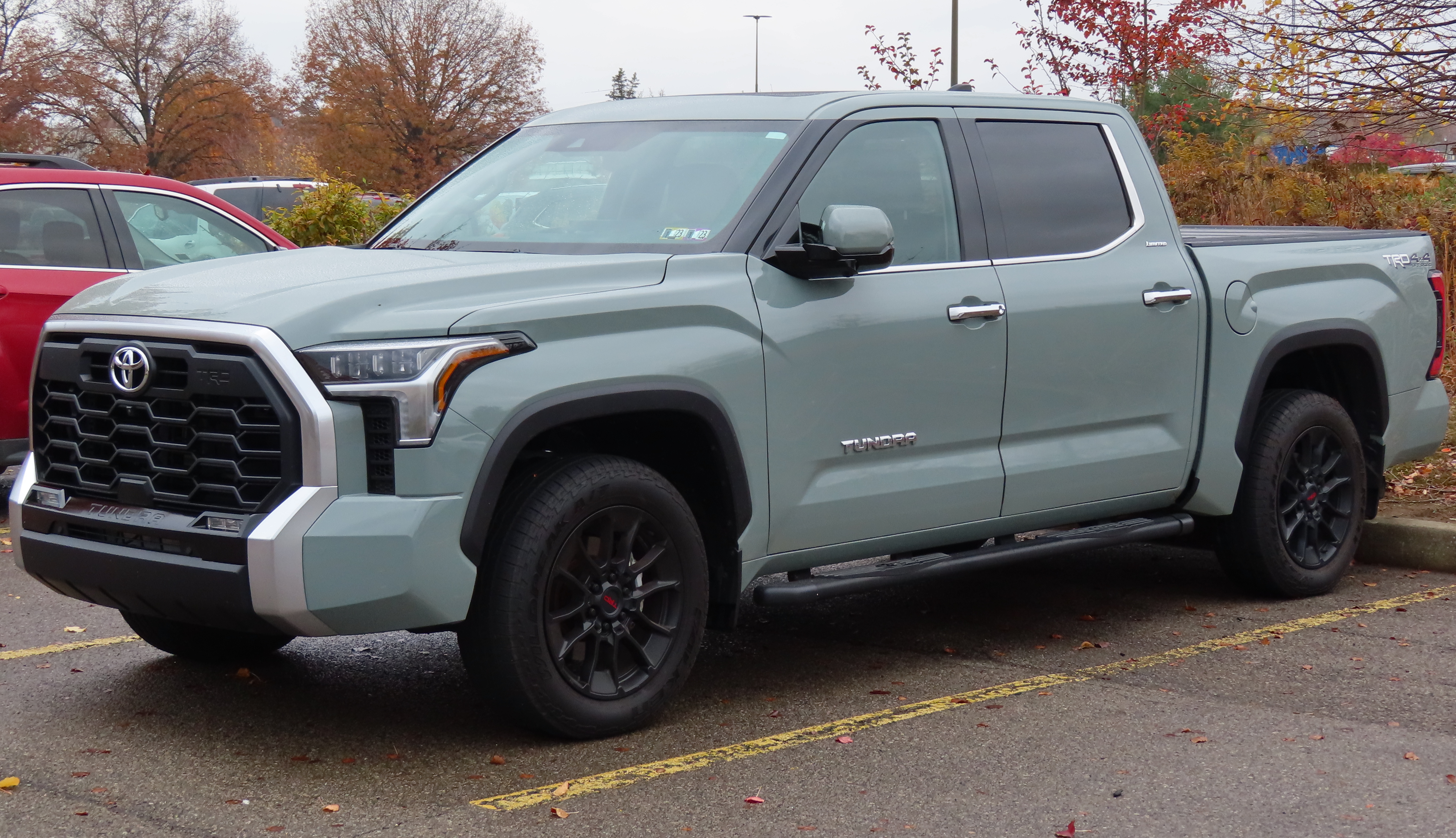
interestingly enough, is the Teodoh Tundra. So that is, you
know, Teodoh's full size pickup or Ute, as we say in Australia,
that is built in the US and also being sold in Japan. Now, the
interesting thing is, some of our listeners might know that
Japan, like Australia, is also a right hand drive country. In
Japan, however, it's not a, it's more of like a custom than a
hard regulation, like it is in Australia. So you'll often see
low volume models, like super cars and so on, being sold in
Japan in left hand drive, like it's not banned there, so to
speak. It's just that the domestic Japanese manufacturers
are so dominant. And they sell vehicles in right hand drive. So
it's a, it's a very, you know, right hand drive vehicles are
by far the biggest proportion of models in Japan. However, these
two cars are being sold in left hand drive, despite being, you
know, Teodoh and Nissan, they're not being converted before
they're being sold in Japan. They're just, you know, literally
shipped to Japan. They've had some minor modifications being to
comply with the Japanese regulatory requirements, and then
they're being sold as left hand drive models in Japan. So
that's, that's an interesting tidbit in and of its own. Sam,
did you want to come, do you want to touch on the main issue
though, which is the quality problems that they've flagged?
Well, they have said that it's not like it's anything major in
terms of quality. They said that there could be some paint
issues, some possible small alignment issues with the
panels. We're not talking big things, right? We're not talking
things that, and this is also more, not a guarantee. It's not
like they're saying you definitely, they just say
that it's a possibility compared to a Japanese built car that you
could encounter that there's also, in fact, in most cases, I
imagine, they'd be perfectly fine. Because it's not like
Americans build cars in a hazard way or something. I'm sure
they build them to an extremely good standard. It's not like
they're just slacking together panels and they're just doing a
rush job or something. No, that's not what they're doing. So, so
it is so it's more of a warning, but it is interesting that, you
know, obviously, it's interesting that in this case, first, why
they're obviously having to accept it, they're having to
accept it because of the trade deal that Japan signed with the
US, which basically is forcing them to accept these sorts of
cars. But it's funny, because it almost feels like I'm wanting
potential Japanese customers about this. It almost feels like
they don't want to sell these cars necessarily. It's like
they're doing because they have to. Because like I said, and
like I said earlier, really, these issues are not big deals. I
imagine in 99% of the time, they would be perfectly built.
They're just saying that it's a slightly, maybe with the Japan
Japanese built car, there's a 0.01% chance, this one is a 0.001
percent chance of there being an issue if that makes sense. But
they're saying that, hey, just be warned. Yeah, so I think it's
almost like they have no interest in actually selling these
and then that's why they're sort of doing this. And also, I guess
to get ahead of any potential complaints. But to be fair, I
mean, I don't know this for sure, but I have to imagine that any
person living in Japan who's buying an American built car is
probably buying it like with the full knowledge almost that
like it's probably not going to be like people who do gray
imports as well. It's not like when anyone who does a gray
import doesn't necessarily expect the same quality either, I
would imagine. So maybe it's the same for Japanese people who
are buying these American built cars. It makes a novelty that
it's an American built car that's attracting them to these
Yeah, I definitely think that your point about this car like
Japan, Toyota and Nissan in Japan really being forced to sell
this car in the Japanese market is like a bit of a there is
some definitely some credence on it because like the Tundra in
particular is way too big. Like it's it's huge on Australian
roads. And in Japan, where the roads are like really, like
really narrow, like they have K cars which are entire class of
models specifically designed to accommodate for the fact that
Japanese roads are really, really narrow and you have limited
parking space and and so on. Like I can't imagine anybody
seriously, you know, driving a Tundra through busy, like Tokyo
CBD or busy streets in Tokyo, like that's insane.
And also, I'd imagine like the tax, like the costs to like
register these cars just because of how huge there would be,
you know, frankly, ginormous, like you would be you'd have to
be extremely wealthy to even find a to be able to afford to run
this run these two cars in Japan and let alone find like a
suitable parking parking spot. But to the point about quality, I
think it's like, you'd expect especially in developed markets
like maybe okay, developing markets like India, you know,
China, not not so much China to the same degree, but India,
South America, Latin America, in particular, you know, Africa,
you'd expect maybe those sort of like second, second and third
world markets to the other global south, sort of, sort of
speak, maybe the cars there are built to different quality
standards, but in like first world markets and developed
markets, like, you know, Europe, the US, Japan, Australia,
and so on. You know, you would expect like the quality
standards to be consistent globally, like, you know, I mean,
they take the Camry, for example, Camry has been built in
Australia at, you know, ages ago, I mean, by ages, I mean, 10
years ago, effectively, it's been built in the US and it's been
built in Japan. Now, I would be, you know, as a buyer, who
wouldn't be sort of in the have the nitty gritty and ins and
outs of production quality differences across different
Toyota factories based on their location, like I would, I think
as a consumer, it would be a fair assumption to make that if it
has a Toyota badge on it, and it's the same model, it would,
you know, it would have the same quality standard, regardless
of where it's built and regardless of where it's being
sold and more broadly, like not just across the model, even
across like the lineup, like a Toyota Corolla should have the
same quality, like the, and I'm not talking about the interior
materials and the, you know, and the quality of the, you know,
how soft touch that is and how luxurious it is. What I'm talking
about is the build quality with things like panel gaps, paint
quality, so on. I would expect all theaters to be, you know,
level of manufacturing defects, dents and those sorts of things.
I would expect those to be very consistent across the entire
model lineup, like a Toyota badge means it, especially with
Toyota, because, you know, they're all about what they're
called QDR, which is quality, durability and reliability. So I
think it would be a fair assumption to make that a brand
like Toyota, which is known for its quality and stands really
like a huge part of the brand value, like what you're buying
when you're buying a Toyota is quality and reliability. So you
would expect that to be very consistent. So yes, even though it
is, you know, ostensibly minor issues, it is, honestly, I am a
little bit disappointed. And this is something that I had had a
fear of, like it was, I think it was a little bit implied that,
you know, some of these models, the US market tundra, and, you
know, the Tacoma, which is sort of sits small, is one size
under, one size below the tundra, but also designed for a
designed and manufactured in the US for a US audience, you know,
they'd be maybe there's not as not they don't have that same
level of last detail that they pay attention to as Japanese
market cars. But this sort of note is sort of confirms it. And
in the Toyota's case, they and I'm talking a lot about Toyota
because used to work there in the Australian office, but, you
know, they put this note around, there might be dense, which is
quite disappointing, the thinner paint, there might be some
other like minor like dust particles and so on in the defects.
And I think Nissan has a similar fundamentally similar note
that they've put it with the Murano. But yeah, it's really
quite disappointing. And it just goes to show that, that
actually, there's this there's been this implied rumor that,
you know, Japanese made Toyota is a better quality than the US
made ones. And it was never officially confirmed by Toyota
but this sort of unofficially, but but really officially
confirms it like it doesn't directly say that Japanese made
Toyota is a better quality. But it says that it in a roundabout
way by saying that the American made Toyota is a worse
quality. So I think that's really disappointing. And I
think just to talk about Honda actually, because then if you
remember the time when Honda was selling like, they switched
from like with the jazz actually, when when Honda was selling
the jazz and this is before the agency model, they had the and
this is going back back also maybe 10 years, might actually
maybe 15 years, they had the Honda Jazz. That was being
sourced from from Thailand. But then for the second generation,
the vibe and the vibe s because of what happened with the, I
think they had some issues with sourcing it from that and they
switched to Japanese production. And then the people were
saying that all the Japanese production, Honda Jazz is better
quality than the dye, thymate Honda Jazz. And they had that
with the Civic as well. You might vaguely remember.
Yeah, I do remember the Honda Jazz being sourced from Thailand.
Yeah, yeah. And then for a bit, they sourced it from Japan.
And people were like, I think the Japanese made one is a little
bit, is a little bit better than the thymate one. And yeah,
this sort of like, obviously, we're not talking about Honda
here, but sort of confirms this like broader, like trend where
like, I think Japanese consumers have slightly higher
expectations than and when Japanese car manufacturers
produce models in Japan for the Japanese market, they finish
them to a little bit of a higher standard than when they sell
it in overseas market. So just goes to show that, yeah, there
is actually some truth to that rumor, unfortunately, because I
think nobody would say no to higher quality vehicles. So it's
a little bit disappointing. I mean, at the end of the day,
yes, it isn't a huge issue. I think, Sam, what's also
interesting just in terms of the tundra is that Toyota in
Australia spent a huge amount of money reengineering the tundra
for right hand drive to be sold in Australia. So I'm a bit
surprised that they aren't sort of selling the walk inshore
remanufactured tundra that is being sold in Australia in
Japan, because that would be, I would feel like that would be
more suitable for the Japanese market, right? Because that's
actually right hand drive. Do you have any thoughts?
I think, yeah, so wait, so these cars are being sold, like
is also being sold because Japan themselves don't make cars
similar?
Yeah, yes, I think so. But like, I mean, I feel like even our
remanufactured quote unquote, or converted tundra, which is
converted from left hand drive to right hand drive, like that is
still being built in America and then exported to Australia,
where it's being converted to right hand drive, like they could
then export the right hand drive model to Japan, which would be
more suitable for the Japanese market, but maybe it's a little
bit more of a roundabout way, and it'll be probably, it'll be a
lot more expensive as well, because you're sort of exporting
it, you know, you're doing it in three steps rather than, or
rather than two where you're just selling, well, really one
step where you're just literally just selling it directly to
the Japanese market without having any changes. So yeah,
maybe that's the reason why, but I find that an interesting
point as well. So yeah, just in terms of Japan still being
right hand drive, and there is an option for a right hand drive
tundra to be sold in Japan, but Toyota globally for or Toyota
Japan for whatever reason, didn't decide to take it up, take up
that offer. Yeah. Anyway, Sam, did you have any further
thoughts on this topic? American made cars?
I'm sure that there will be a market in Japan, similar to how
there's a market for great import cars from Japan here in
Australia, as I said earlier, I'm sure for whatever reason,
there are Japanese people living in Japan who are like want like
the idea. Yeah, yeah, exactly. So lots of Japanese car
enthusiasts in Western countries, I'm sure there are American
car enthusiasts in Japan as well. So I mean, they've got the
money and the means they will have now an option that they
didn't have before.
Yeah. And I think it's just important to note the size of
the Japanese car market. Like, of course, it's smaller than the
US market, but it's still a huge market like Japan has a, you
know, population of more than 100 million. It's a very developed
country. Yes, they have obviously they have a lot of other
public transport options, but vehicle the Japanese domestic
vehicle market is still like significantly of a very
significant size. So in, in percentage terms, even if like
the there's like half a percent of these models, you know, they
make up in terms of sales, they make up maybe half a percent of
Toyota's new car, or Toyota Japan's new car sales, like and
same with Nissan, even if it makes up half a percent. In
absolute numbers, that's still probably a significant amount.
And probably, you know, from a business perspective, maybe
like supports the business case versus if they tried to like it
will be they'll probably sell more tendras in Japan just because
of how big the Japanese market is compared to how many tendras
that sell in Australia, even though maybe proportionally, they'll
have said sell more tendras in Australia, compared to the
overall vehicle lineup in the Australian market. So I might
have put that in a slightly confusing way. But because of the
size of the market, there's a viable business opportunity,
most likely for these models to be sold in Japan. Okay, look, on
that note, we might move on to our final topic. And, Sanif, did
you want to talk about this, the car sales?
So it's interesting, because we often think that, okay, most
people have a reasonable budget for their cars, say 15 or
something. Okay, but obviously, there are lots of families who
have multiple children who don't necessarily have the money to
spend even $15,000 on car, yet they always still need, you
know, reasonably sized car, again, if they've got multiple
children have to take them to school and other activities. So
we're curious, if we only had a budget of $10,000, what family
SUV would we buy? Because this is actually one of the most
realistic car sales challenges we've done. I'm very sure there
are so many people around that literally have a $10,000 budget
who are looking for a family SUV, right? And thankfully,
obviously, while we have to go much, much older, but because
the SUV has been around for quite a long time, they're actually
surprisingly quite a few options for SUVs under 10,000. Yes,
like I said, you have to go much older, but nowadays, even if
you get a late 2000s model SUV, you can get an aftermarket sort
of tablet that will install happily into the car dashboard
that will do Android Auto and Apple CarPlay for you. And for
most people, that's enough, really. If you get if you do
that, pay a few hundred bucks extra, and you've got your
modern day infotainment right there.
Or you just have a fancy phone mount.
Yeah, or just have a fancy phone. Yeah, exactly. So when I was
thinking about this challenge, I was like, okay, under that price
range, one of the people that lots of one of the things that a
lot of people are thinking about is not just the initial
purchase costs, but how much will it cost me afterwards?
Because one of the problems with buying an old car, that's
sure, they're cheaper front, but then casting maintenance and
often, when a car is cheaper front, then you find you're
spending more than the value of cars, just trying to keep the
keep it on the road. Right? So I was like, think to myself,
okay, we want a practical car that is reliable, that actually
does like it doesn't look ugly and doesn't look terribly out
of date in any way. And so I thought, well, the problem with
Toyota is, as we know, the pre-owned market actually hold
their value too well. So in this budget, I was like, if I go for
a Toyota, I'll probably have to go for like something like in the
mid 2000s, as in like a 2005 sort of model, right? So I was
like, I want something a bit newer than a 2005 model, because
while a late 2000s model might not have the active safety
features that we now get in any, any literally any car, it will
at least have the these like, okay, passive safety features
like airbag protection, etc. So to that end, I was like, okay,
what car? Now, weird enough with the Honda CR-V, which is what
I picked, I'm always weird enough kind of always liked it. I
remember when I was in primary school, one of my neighbors
owned one. And as I always liked the design event since then,
this would have been the first generation, no, sorry, the
second, the one that I liked, that my nose and when I was
primary school, the second generation, when the first
generation one looked quite ugly, the second generation one,
they made it look a lot nicer. And so I was like, since then,
I've always and even now the current generation CR-V is like
one of the best options if you need a seven seat SUV for a
reasonable price tag, it's got a very contemporary but not too
techy in the interior. So if that was like something you're
looking for, it's a very good option. And so I was like, okay,
let's look at a Honda CR-V. What options are there? So I found
a great 2008 model Honda CR-V done 150,000 kilometers, which
for a Japanese car, and according to the ad, it was
maintained well, is nothing basically really, you get all
the practicalities of, you know, a 2008 car, because 2008
while it's old, it's not so old, but you know, they didn't
know like, like I said, a lot of the basic passive safety
features are there. The interior still holds up okay, and we
know we see it's got a display and stuff, but otherwise, it's
not terrible. And Honda interiors of that time are actually
not too bad either. And as I said, if you're really keen, you
can just take, just install a third party tablet that will
integrate nicely into the dash and that will give you Android
order and Apple CarPlay. According to the ad, it's got
received very regular service history or automatic
transmission. It's apparently even got a dashcam, I mean, that
they've installed that comes with it.
Well, okay.
Yeah, so I want to say, yeah, I would probably check this out.
Okay. And yeah, I think it's definitely a solid like it's a
safe choice. Like, you know, at the end of the day, look, it's
150,000 kilometers. Yes, it's a significant amount. But Japanese
cars, as long as you maintain them well, they can easily go
for, you know, more than 200,000 kilometers very, very
comfortably. And I remember my actually my this isn't a CRV,
but my mom had a Subaru Forester, and we had that car for
ages. And that had been in so many different bingles and, you
know, maintained, you know, not even like, I mean, yes, we
serviced it, but it's not like we serviced it every time at the
Subaru dealership and we're charged an outrageous amount
for it. And that had no reliability problems really at all,
like it was just chugged along fine, wasn't the most fuel
efficient. But yeah, that's sort of by the by, at least for that
car. But yes, you are getting reliability. And the other thing
is that you don't have to take this to an under dealership
to service it because it's Japanese, it's a simple, simple
mechanicals, you can, you know, go down to Bridgestone, select
your local mechanic, and they can, I think I'm sure they'll be
able to maintain it very, very well. So yeah, definitely a safe,
safe option. And look, the total cost of ownership when you
account for things like depreciation, as Sam was saying,
the maintenance costs, insurance costs will likely to be, you
know, quite, quite low because at the end of the day, it's a safe
sort of Japanese car from a Japanese brand from a very, you
know, established Honda is everybody knows Honda CRV. So
yeah, don't have too much more to say on that. So look, I might
talk a little bit about my car. And I went, you know, slightly
left field, I was like, you know, I was like, you know, what if
you want it a little bit of, you know, badge, what if you are a
little bit of a badge snob? So speak. So the car that I've
chosen is a 2012 BMW X1 S drive 18i. It's a 2012 model. It's
available from a private sale in Victoria, I believe this one is,
you know, in the Eastern suburbs. It's for $8,900. So yeah,
and it's done so quite a bit significant amount below the 10k
cap that we set ourselves. And it's only done 124,000 kilometers,
which is, I think for, you know, what is it almost like a 15
year old car, maybe 14 year old car is quite, quite decent, like
that's not a super high kilometers. Looks like it's in very
good condition. It has, you know, BMW's iDrive system. So it has
inbuilt satellite navigation, albeit it'll be very old by now,
but it has all of the, you know, it has, it still has a manual
handbrake, but it has the, you know, it has the BMW badge, it
has, I'm just having a look at the first has electric seats,
front drivers and passengers, which is pretty cool. You know,
physical controls, no air vents in the back, which is a bit
disappointing. You would expect a family SUV these days to have
have that. Yeah, but I think it's a solid, solid option, two
keys. Now look, you do have with BMWs, of course, what the
problem is that if you take this car to a dealership from a
surfacing perspective, they'll charge you an arm and a leg,
they'll easily charge you, you know, 78 $900 for a
service. So this is the risk that you're taking. My suggestion
would be look, it's not a Volkswagen, it doesn't have
those DSG problems. It's not a diesel, which is good because
diesel models, if you're driving short distances, they can start
having issues with buildup with their, what do they call it,
the diesel particulate filter. So often with diesel cars, you
you're going to have to drive it a long distance every once in a
while just for that DPF to burn off all the soot and the filters
and for the car to be sort of functioning normally. Because
this is a petrol car, it has a, it does have a conventional
automatic, doesn't have any fancy DSG, dual-car transmission or
anything, or anything like that. And the engine is also, if I
look at the engine specifications, it's a standard, it's a
two-liter four-cylinder engine. I don't even think it's, I'm
just checking whether it's turbocharged. I don't, I don't
actually think it's even turbocharged. So it's, it's just
110 kilowatts of power, 200 newton-views of torque. Maybe it
is, I think, with that level of torque, it's probably, car
cells is saying it's aspirated, but I wouldn't be surprised if
it's a turbocharged engine. But I think it's a fairly, like
reliable for competitors, European rivals, Volkswagen, Audi,
Mercedes, it's probably the most reliable option that you, that
you'll find. Sam, did you have any thoughts on this car?
Look, it's one of those things where someone under $10,000, I
mean, if you're in that budget, you're probably not necessarily
looking at a W, because as I said, a lot of people in that
budget range are probably looking at not just up front
cars, but also a little bit of luxury, Sam. A little bit of
luxury, but you know what, I find that these sorts of cars,
you mentioned it's got iDrive, I find that these sorts of cars
with the technology that might have been revolutionary then,
but outdated now actually feel more dated than cars with a more
classic interior, like the CR-V would have. Like, you know, so
I feel like those that I drive because it's basically
worthless in 2026, but actually feel more, more dated than the
CR-V's interior. So to that extent, I would actually say
that the CR-V's interior would be much better. And we said
family SUV, now the reality is the iX one is also a small
SUV, sorry, not the iX one, the iX one is a small SUV. So it's
not really also that practical compared to what a CR-V would
be, which would have an incredible amount.
Similar size mostly, like the iX three or would be
a little bit larger.
iX three would be a similar size, but not the iX one.
Okay, yeah, all right, okay. Maybe it's a bit smaller, but
yeah, yeah. I mean, it still has five seats, just to confirm.
And I just wanted to talk about, I'm just having a look at
reading through the description. It has heated seats, a sunroof,
and quote unquote, Bluetooth music streaming. Now, I don't know
how well that Bluetooth music streaming will work, but I think
the heated seats and the sunroof, they're cool features,
especially the heated seats. I think that's a nice luxury
feature to have just because, especially if you're in Victoria
and you're in Melbourne, or actually in Canberra and you're
in cold winter's day, it's really nice to have heated seats.
And I speak from experience having lived in both currently
living in Melbourne and having lived in Canberra for two years
as well. Yeah, look, I take your points around what you're
saying about the classic interior. It is definitely a
riskier option than the CR-V. No doubt about that.
But for something a little bit different, has a little bit
of class, not your bog standard. Here we go, another Japanese
brand. This is something a tad different. Yeah, it's nice.
And I'd take a little bit of a gamble and just to have a
little bit of variety in life. Yeah.
Yeah, no, I agree. I think it depends why you want a family
SUV or why you want an SUV. Some people want an SUV, not
necessarily because they're using it to ferry multiple
children around. But hell, they might not even have children,
but they just like the space. In that case, a BMW would be a
great option. So I guess if you're looking for a family SUV
because you've got like three kids that you need to ferry around,
okay, that's then you'd probably, the CR-V would be a much
smaller choice. But if you're someone who's just looking for
an SUV just for the ride out and for a bit of extra space,
you don't have children and stuff, then actually, yes, the
X1 could be a really, really good option. Yeah.
Okay, look, I think we might end it there for this week's episode
of the Hooktown Podcast. Thank you so much for listening to us.
Please remember to like, subscribe and review. We're on Spotify,
Apple Podcast, Amazon Podcast, iHeartRadio, whatever sort of
platform you use, we are on it. So we'll talk to you next week.
Thanks so much. Bye.
About this episode
Skoda’s all-new PEAQ takes centre stage, with the hosts unpacking its MEB underpinnings, 400-volt setup, gross battery figures, and why WLTP range can feel optimistic. They compare its family practicality and premium feel against mainstream EV rivals like the Kia EV9, plus talk connected services, Android Automotive, and charging/controls. The conversation then pivots to a $10,000 Carsales-style SUV challenge and used-car budgeting, before circling back to Toyota quality concerns and how trade deals and market expectations shape what buyers get.
In this week's episode of The Hook Turn Podcast, we discuss the launch of Skoda's all new flagship EV SUV, the Peaq, and whether it has the chops to take on rivals from the Kia EV9 and Hyundai Ioniq 9, to the Volvo EX90. We also discuss Toyota and Nissan warning Japanese customers that the imported Tundra and Murano may not be up to scratch with a range of minor defects. Finally, we have another iteration of the Carsales challenge. This time, family SUVs under $10k.