
55: Skoda Peaqs our interest, Toyota quality concerns confirmed and a $10k Carsales challenge
About this episode
Skoda’s all-new PEAQ takes centre stage, with the hosts unpacking its MEB underpinnings, 400-volt setup, gross battery figures, and why WLTP range can feel optimistic. They compare its family practicality and premium feel against mainstream EV rivals like the Kia EV9, plus talk connected services, Android Automotive, and charging/controls. The conversation then pivots to a $10,000 Carsales-style SUV challenge and used-car budgeting, before circling back to Toyota quality concerns and how trade deals and market expectations shape what buyers get.
In this week's episode of The Hook Turn Podcast, we discuss the launch of Skoda's all new flagship EV SUV, the Peaq, and whether it has the chops to take on rivals from the Kia EV9 and Hyundai Ioniq 9, to the Volvo EX90. We also discuss Toyota and Nissan warning Japanese customers that the imported Tundra and Murano may not be up to scratch with a range of minor defects. Finally, we have another iteration of the Carsales challenge. This time, family SUVs under $10k.
Enjoy listening to us? Please like and subscribe!
Show notes:
-Skoda Peaq: https://www.carexpert.com.au/car-news/2027-skoda-peaq-electric-family-suv-revealed-as-the-peak-of-czech-brands-lineup
-Toyota and Nissan quality concerns: https://www.motor1.com/news/799581/toyota-nissan-us-import-models-poor-quality/
novated leasing
"But he also wants to do novated leasing. So. Oh, really? Okay. Yeah. So that's why. Interesting. Okay. Anyway, that's I mean, yeah, it's interesting because novated leasing, I feel is really good for electric vehicles, because there's other."
Novated leasing is a way to pay for a car through your job, often using pre-tax money. The host is saying it can work really well for electric cars, depending on your situation.
Novated leasing is an arrangement (common in Australia) where an employer effectively pays for a vehicle lease using pre-tax income, and the employee can take over the lease costs. The speaker argues it can be especially beneficial for electric vehicles because of the way costs and incentives can line up.
Skoda peak
"But our first topic is the all new Skoda peak. And that's peak spelled with a Q at the end. So PEA Q. So this is basically Skoda's new flagship electric SUV..."
Skoda’s new flagship electric SUV is called the PEAQ. It’s meant to be a big, high-end EV with room for either 5 or 7 passengers.
The Skoda peak (spelled with a Q at the end as “PEAQ”) is Skoda’s new flagship electric SUV. It’s positioned as a full-size, multi-seat EV aimed at the same buyer as other large luxury electric SUVs.

Hyundai Ioniq
"..., models, like the even like the Volvo EX 90, the Hyundai Ioniq nine, the Kia EV nine, a lot of those like big, f..."
The Hyundai Ioniq 5 is an electric SUV, meaning it runs on electricity instead of gasoline. The podcast mentions it while talking about several electric SUVs and how they compare. It’s included because it’s one of Hyundai’s main EV models.
The Hyundai Ioniq 5 is an electric SUV from Hyundai, known for being part of the brand’s EV lineup. It’s brought up in a group of larger, modern electric vehicles, which is why it’s relevant to conversations about how EVs are evolving in size and design. In this podcast context, it’s included among other big EVs being compared or discussed together.
MEB architecture
"It is still built on the MEB architecture. So that's the same fundamental architecture that underpins models like the ENYAC, the L, the LROC..."
MEB is Volkswagen Group’s electric-car “platform.” Think of it as the shared design underneath that helps different EVs be built more efficiently.
MEB architecture is Volkswagen Group’s dedicated electric-vehicle platform. It defines the car’s core layout (where the battery goes, how the drivetrain is packaged, and structural design), which is why many EVs from the VW group share similar underpinnings.

Volkswagen Id
"...her other models in the Volkswagen group like the Volkswagen ID three, ID four, and so on. So it's, it still use ..."
The Volkswagen ID. Buzz is an electric van. The podcast brings it up alongside other ID models to show it’s part of Volkswagen’s electric lineup. It’s basically a bigger, people-carrying EV.
The Volkswagen ID. Buzz is an electric van based on Volkswagen’s ID electric vehicle platform. It’s mentioned in the context of other ID models in the Volkswagen group, highlighting how the lineup shares technology and design direction. That’s why it comes up when discussing the brand’s broader EV strategy.
400 bolt architecture
"So it still uses an 400 bolt architecture. It comes in two battery sizes."
The “400-volt” setup is how the car’s electrical system is designed. It can help the EV charge faster and use electricity more efficiently.
A “400-volt” EV architecture refers to the electrical system voltage used to power the motor(s) and charge the battery. Higher-voltage systems can enable faster charging and more efficient power delivery than lower-voltage setups.
gross battery capacities
"And these are, I will flag here that these are gross battery options, gross battery capacities, not net. So this is the total size of the battery rather than the usable size."
Gross battery capacity is the total energy in the battery. Not all of it is usable for driving, so usable capacity can be smaller than the headline number.
“Gross battery capacity” is the total battery energy stored, as measured by the manufacturer, rather than the smaller amount that’s actually usable. Using gross numbers can make the battery look larger than what you can practically draw from it.
91 kilowatt hour battery
"then you have a 91 kilowatt hour battery, which is available"
The 91 kWh battery is how much energy the EV can store. More stored energy usually means more potential range, but the actual distance depends on how you drive.
Battery capacity, measured in kilowatt-hours (kWh), indicates how much electrical energy the EV can store. A larger kWh battery generally supports longer range, though real results still depend on efficiency and driving conditions.
single motor
"also in where we'll drive single motor or we'll drive dual motor."
Single-motor means the EV has one electric motor doing the work. It can be simpler than having two motors, and it changes how the car delivers power.
A single-motor EV uses one electric motor to drive the wheels, typically simplifying the drivetrain and reducing complexity. Compared with dual-motor setups, it may offer less traction control flexibility and different acceleration/handling characteristics.
dual motor
"where we'll drive single motor or we'll drive dual motor."
Dual-motor means the EV has two electric motors. That can help the car accelerate harder and manage grip better, especially on slippery or uneven roads.
A dual-motor EV uses two electric motors, often allowing independent control of front and rear (or left/right) drive. This can improve acceleration and traction, and it enables more advanced torque distribution strategies for stability and handling.
WLTP cycle
"And I think they will both provide a range of around 600 kilometers on the WLTP cycle. So that cycle, as we know, is a little bit optimistic."
WLTP is a standardized test that car makers use to estimate how far an electric car can go on a charge. Real-world driving usually gives a shorter range than the test number.
WLTP (Worldwide Harmonised Light Vehicles Test Procedure) is the standardized lab test used to estimate an electric car’s range and fuel economy. Because it’s run under controlled conditions, it often looks more optimistic than what you’ll see in everyday driving.
real world range
"I think real world range is probably for the smaller battery going to be in the region of 350 to 400 kilometers."
Real-world range is how far the car really goes in day-to-day driving. It’s often less than the official test range because real conditions are harder on the battery.
Real-world range is the distance an EV actually achieves in typical driving conditions, which can differ from lab test results. Factors like speed, temperature, elevation, driving style, and battery state of charge can all reduce range versus WLTP-style estimates.
tech deck face
"and what they're calling the tech deck face at the front. So what that means, it's a little bit of marketing jargon for the fact that all of the sensors at the front..."
“Tech deck face” is a fancy name for how the car hides its safety sensors and cameras behind one styled front panel. It’s mostly about the look, not a mechanical change.
“Tech deck face” is marketing language for a front-end design that visually integrates driver-assistance sensors and cameras into a single, styled panel. The goal is to hide the sensor hardware in a cohesive look rather than showing separate sensor housings.
driver assistance systems
"all of the sensors at the front, so like all of the driver assistance systems, and, and so on, and the cameras and"
Driver assistance systems are safety features that help the driver using sensors and cameras. They can warn you or help steer/brake in certain situations, but they don’t replace the driver.
Driver assistance systems are semi-automated safety and convenience features that use sensors (cameras, radar, etc.) to help with tasks like lane keeping, adaptive cruise control, and collision avoidance. They’re not full self-driving, but they can intervene or assist to reduce risk.
cameras
"and the cameras and everything are all sort of camouflaged in one sort of black piece of plastic"
Cameras are used to “see” the road for safety features. The car uses what the camera detects to help with things like lane guidance and collision warnings.
In modern EVs, cameras are part of the sensor suite used for driver assistance. They help the car detect lane markings, vehicles, pedestrians, and traffic signs so the software can support functions like lane centering and collision warnings.
led matrix headlights
"which also forms a bit of like a faux grill to, and has led matrix headlights."
LED matrix headlights are advanced headlights made from many small LED lights. They can adjust the beam so you get better visibility without blinding other drivers.
LED matrix headlights use many individually controlled LED segments to shape the light beam. That allows features like adaptive high-beam control—brightening the road while automatically avoiding glare to oncoming traffic.
MEB platforms
"one thing to note with the exterior is that, as with all MEB platforms, I believe that the, the brakes at the rear are still drum brakes"
MEB is Volkswagen Group’s “shared EV building system.” It helps different brands make electric cars with similar underlying parts, which can affect how the car is laid out and what components it uses.
MEB (Modularer E-Antriebsbaukasten) is Volkswagen Group’s modular electric-vehicle platform. It’s designed to standardize EV components and packaging across many different brands and body styles, which can influence things like weight distribution and even brake hardware choices.
drum brakes
"I believe that the, the brakes at the rear are still drum brakes, which is quite disappointing for what is positioned to be a more luxurious, more luxurious, electric SUV."
Drum brakes are a type of braking system where the braking parts press against the inside of a drum. Many people see them as less “premium” than disc brakes, especially on newer, higher-end cars.
Drum brakes use brake shoes inside a rotating drum to slow the vehicle. Compared with disc brakes, they’re often perceived as less premium and can be less effective at repeated hard stops because they tend to shed heat differently.
Thor's hammer
"Do you mean the Thor's hammer? Yeah. That's right. Yeah. And the, yeah, that's, I mean, I think Volvo at the, at the front, they have their Thor's hammer design signature"
“Thor’s hammer” is Volvo’s distinctive headlight/lighting look. The hosts mention it to compare Volvo’s recognizable front design with the Skoda’s different (but sometimes similar) styling cues.
“Thor’s hammer” is Volvo’s lighting design signature—an angular, hammer-like shape used in the front headlights and DRLs. It’s a recognizable brand design cue, and the hosts compare it to Skoda’s lighting shapes to explain why the Skoda feels less like Volvo up front but more similar in the cabin.

ES90
"...ls Volvo-esque. Yeah. Especially the EX90 and the ES90. Yeah. So which if you're going to copy"
The ES90 is mentioned as another large electric SUV idea that’s related to the EX90. The podcast is basically saying it’s aiming for a similar “big Volvo EV” type of approach. It’s included because it fits into the same lineup direction.
The ES90 is referenced alongside the Volvo EX90 as part of a Volvo-style approach to large electric SUVs. In the podcast, the point is that the ES90 is meant to be similar in concept or direction to the EX90, especially in terms of being a big, family-oriented EV. It’s brought up because it’s part of the same broader product plan.
EV9
"because you've already alluded to the fact one of its main competition will be something like the EV9 will be its biggest competition, I think."
They’re using “EV9” as the name of the Kia electric SUV they expect the Skoda to be compared with. It’s the main benchmark in the same category.
In this context, “EV9” is used as a shorthand for the Kia EV9, a large SUV electric vehicle. It’s the reference point for what the Skoda flagship is expected to compete against in Australia.

Kia EV9
"...f its main competition will be something like the EV9 will be its biggest competition, I think. In term..."
The Kia EV9 is a large electric SUV. The podcast mentions it because it’s seen as a major competitor to other big electric SUVs. It’s the kind of vehicle people consider when they want an EV with lots of space.
The Kia EV9 is a large electric SUV designed to compete directly in the “big EV” space. In the podcast, it’s specifically called out as the biggest competition for another model being discussed, which highlights its role as a benchmark for size, practicality, and EV appeal. That’s why it’s mentioned as a key rival.
FEVs
"I noticed some of the Chinese brands have FEVs in that price range, not even in the price range, but expensive FEVs like"
FEVs is just a shorthand the host is using for electric vehicles. They’re talking about EVs from different brands and how they compare on price.
FEVs here is being used as shorthand for electric vehicles (EVs). The host is contrasting mainstream EVs with Chinese-brand EVs that sit in similar price ranges.
seven seats
"they're not like child only seats, like a lot of seven seats as well. Yes, you've got seven seats, but really the rear two are only under 10 year olds."
A “seven-seat” car is built to fit up to seven people. The important detail is whether the back row is comfortable enough for adults, or if it’s really only meant for kids.
A “seven-seat” vehicle is designed to carry up to seven passengers, usually with a third-row bench. In EVs and larger family cars, the key question is whether the last row is truly usable for adults or only for children.
top spec
"And yeah, so it's and the range, at least for the top spec is pretty competitive. It's not that again, the problem with these cars is that while 600 plus for the top spec is good"
“Top spec” means the most fully equipped version of a car. In this conversation, the host is saying the best EV range and features are usually found on the highest trim.
“Top spec” refers to the highest trim level of a model, typically with the most equipment and often the best performance or efficiency. Here, the host is specifically talking about range and competitiveness in the top-trim configuration.

Fiat 600
"...800, 900 kilometers of range. Even a range in the 600s will fill out of date soon. And like I suspect, e..."
The Fiat 600 is being talked about with a focus on how far it can drive on a charge. The podcast mentions that a range in the “600s” won’t stay impressive for long. That’s about EV driving distance, not the car’s size or style.
The Fiat 600 is discussed in terms of its electric range expectations, with the podcast mentioning figures in the “600s” as a sign of how quickly range talk is moving. That makes it relevant because range is one of the biggest decision factors for EV buyers. In this context, the Fiat 600 is being used to illustrate how EV capability targets are changing.
800 volt architectures
"And I think the other thing is that the both the Kia and Hyundai use 800 volt architectures as well. So they have much faster charging speeds."
“800 volt” is an EV design that helps the car charge faster. With higher voltage, the charger can push more power efficiently, so you can often get more range added in less time.
“800 volt architectures” refers to an electric-vehicle electrical system designed around a higher-voltage battery/inverter setup. Higher voltage can reduce current for the same power, which enables faster charging and typically better charging performance on compatible fast chargers.

Skoda Kodiak
"And the other interesting thing is that we saw in the Skoda Superb and also the new Skoda Kodiak, I believe they had what they called the smart dials, which was the rotary controls to change like the temperature and the fan speed and so on."
The Skoda Kodiak is a bigger Skoda SUV. In this discussion, it’s brought up because it also uses special rotary controls for climate settings like temperature and fan speed.
The Skoda Kodiak is Skoda’s larger SUV positioned above the smaller Karoq/Kamiq in the lineup. The hosts mention it alongside the Superb to point out Skoda’s use of “smart dials” (rotary climate controls) in that interior design language.

Skoda Superb
"And the other interesting thing is that we saw in the Skoda Superb and also the new Skoda Kodiak, I believe they had what they called the smart dials, which was the rotary controls to change like the temperature and the fan speed and so on."
The Skoda Superb is a roomy Skoda family car. Here it’s mentioned because it used a special set of rotary controls for things like temperature and fan speed.
The Skoda Superb is Skoda’s large family sedan/wagon that’s known for practical space and feature-rich interiors. In this segment, it’s referenced as a place where Skoda introduced a specific control concept (“smart dials”) for climate and fan settings.
smart dials
"we saw in the Skoda Superb and also the new Skoda Kodiak, I believe they had what they called the smart dials, which was the rotary controls to change like the temperature and the fan speed and so on."
“Smart dials” are Skoda’s special knobs in the cabin used to adjust settings like the cabin temperature and fan speed. Instead of only buttons or a touchscreen, you turn these dials to make changes.
“Smart dials” here means Skoda’s rotary control interface used to adjust functions like climate temperature and fan speed. It’s a named, specific interior control approach rather than a generic “dial” feature.

Kodiaq Skoda Kodiak
"... that we saw in the Skoda Superb and also the new Skoda Kodiak, I believe they had what they called the smart di..."
The Skoda Kodiaq is a bigger family SUV. The podcast mentions it while talking about other Skoda models and some of the features they offer. It’s included because it’s one of Skoda’s main larger vehicles.
The Skoda Kodiaq is a larger family SUV, and the podcast connects it to other Skoda models like the Superb while also mentioning a “new Kodiak” (spelled in the transcript as Kodiak). It’s brought up in the context of features and technology, specifically referencing something called “smart di…” which suggests discussion of driver-assistance or infotainment-related tech. That’s why it appears: it’s a key example of Skoda’s larger SUV offering.
physical climate controls
"This doesn't have the smart dials per se, but it does the interesting thing is that it does have physical climate controls."
“Physical climate controls” means the car has real knobs or buttons for heating and air conditioning. That can be easier to use than touchscreen menus, especially when you’re driving.
“Physical climate controls” means the car uses real buttons/knobs (not just touchscreens) to manage heating, cooling, and fan speed. This matters because it can make temperature changes quicker and easier while driving.
ambient light
"And they have a nice integration of the ambient light. So when you push it up, it will the ambient lighting goes red for warm and then when you push it down to reduce the temperature, ambient lighting goes blue for cool."
Ambient lighting is the soft, background light inside the car. Here, it changes color to match the cabin temperature setting—red when you’re warming things up and blue when you’re cooling them down.
Ambient lighting is the cabin’s indirect, low-glare light that’s used to set mood rather than illuminate controls. In this segment, the host describes a temperature-linked color scheme: red for warmer settings and blue for cooler settings.
infotainment display
"we mentioned that the infotainment display because it's like a large portrait oriented system, it resembles the Volvo EX90 and the Volvo ES90."
The infotainment display is the car’s main screen for things like maps, music, and settings. The host is saying this car’s screen layout looks similar to Volvo’s big-screen electric cars.
An infotainment display is the car’s main touchscreen interface for media, navigation, phone integration, and vehicle settings. The host compares the Skoda’s portrait-oriented screen layout to Volvo’s EX90 and ES90 to set expectations for how the UI and screen real estate will feel.
portrait oriented system
"we mentioned that the infotainment display because it's like a large portrait oriented system, it resembles the Volvo EX90 and the Volvo ES90."
Portrait-oriented means the car’s main screen is shaped like a tall phone, not a wide tablet. The host is saying that screen shape is similar to Volvo’s, which can change how you view maps and menus.
A portrait-oriented infotainment layout means the main touchscreen is taller than it is wide, similar to a smartphone. The host uses this orientation to compare the Skoda’s screen experience to Volvo’s EX90/ES90, emphasizing how screen shape affects usability and information layout.

Volvo EX90
"it resembles the Volvo EX90 and the Volvo ES90. So that's Volvo's flagship electric SUV and sedan respectively."
The Volvo EX90 is Volvo’s big electric SUV. The host mentions it because its screen layout is similar to what you’ll see in the car they’re discussing.
The Volvo EX90 is Volvo’s flagship electric SUV, known for its large, portrait-oriented infotainment setup and advanced software features. In this segment, it’s used as a reference point for how the Skoda’s screen layout and user experience may compare.
Volvo ES90
"it resembles the Volvo EX90 and the Volvo ES90. So that's Volvo's flagship electric SUV and sedan respectively."
The Volvo ES90 is Volvo’s electric sedan. The host brings it up because its big portrait screen and software features are part of the comparison.
The Volvo ES90 is Volvo’s flagship electric sedan, highlighted here mainly for its infotainment and software approach. The host uses it alongside the EX90 to argue that the Skoda’s portrait screen and app ecosystem may feel similar.
Android automotive
"They both use Android automotive so they have the inbuilt Google Maps and the Android, I believe they have access to the Google Play Store and YouTube and all those apps that you can download."
Android Automotive is the car’s built-in Google-based software system for the dashboard screen. It can include things like Google Maps and lets you use apps such as YouTube through the car.
Android Automotive is Google’s in-car operating system that powers the vehicle’s infotainment, enabling app-like functionality directly in the dashboard. The host notes it brings built-in Google Maps and access to the Google Play Store and apps like YouTube, which can significantly shape day-to-day usability.
13.6 inch
"I think this one is 13.6 inch and the instrument cluster is actually a bit larger than the Volvo EX90 and the ES90."
13.6 inches is the size of the car’s main screen. Bigger screens can make maps and menus easier to read, and the host is comparing it to Volvo’s setup.
Screen size in inches is a common way to describe how much display area the infotainment system provides. Here, the host specifically calls out a 13.6-inch screen and compares it to Volvo’s cluster size to set expectations for visual presence in the cabin.
infotainment systems
"So it'll be interesting to see how the infotainment systems compare between the two"
Infotainment is the car’s screen and software for things like music, navigation, and connecting your phone. It’s basically the “tech center” inside the car.
Infotainment systems are the car’s in-dash tech for media, navigation, and phone/voice integration. In modern EVs and tech-focused cars, they’re often a major part of the user experience because they control maps, audio, and connectivity features.
brand cache
"Skoda just doesn't have the same sort of brand cache."
“Brand cache” means how much people value the brand’s reputation. A brand with more cache can sometimes sell for more because buyers want that name.
“Brand cache” is the perceived prestige or desirability a brand has with buyers. In pricing discussions, a brand with more cache can often command higher demand even if the underlying tech is similar.
connected services
"whether those connected services will will actually come to Australia... they don't have the connected services like they don't have the app based connectivity"
Connected services are the online features that rely on the car being able to talk to the internet and a phone app. The discussion is about whether those features are offered in Australia yet.
Connected services are the cloud/network features that let a car communicate for functions like remote app control, live traffic, and other internet-based capabilities. The segment focuses on whether those services are actually available in Australia for certain Volkswagen Group EVs.
Kupra
"and even like the Kupra models like the I think it's like what the Kupra Taviskin, they don't have the connected services"
Cupra is a Volkswagen Group brand that makes sportier cars. Here it’s mentioned because some of its cars don’t get the same connected features in Australia.
Cupra (spoken here as “Kupra”) is Volkswagen Group’s performance-focused brand. In this context, it’s mentioned to highlight that some Cupra models also lack the same connected services/app connectivity in Australia.
preheat the car
"you can preheat the car on turn on the AC [1050.5s] but I've never really used it."
Preheating means turning the car’s heat on before you drive, so it’s comfortable when you get in. On electric cars, it’s often done while the car is plugged in so you don’t drain the battery as much.
“Preheat the car” refers to warming the cabin (and sometimes the battery) before you get in, usually using the vehicle’s heater while it’s still plugged in. On EVs, this can improve comfort and reduce the amount of battery energy used once you start driving.
Tesla
"Yeah, Tesla has added since day one, we're [1081.8s] not talking about some super revolutionary technology"
Tesla is a company that makes electric cars. The host is comparing Tesla’s app features to what other brands offer, saying most brands can do this now.
Tesla is an EV-focused automaker known for early and widely used smartphone app features like remote charging control and climate preconditioning. In this segment, the host uses Tesla as a benchmark for how common these app functions have become across brands.
third party solution
"Yeah, I think I agree. And I will flag that I think Volkswagen in Australia has tried to come up with a third party solution..."
A third-party solution means using an outside company’s service instead of building it in-house. The host is saying it can only do limited things compared with a fully integrated system.
A “third party solution” here means Volkswagen relying on an external provider rather than delivering the feature directly itself. The host argues this approach is limited—useful for certain tracking/location-style use cases, but not a full replacement for deeper vehicle integration.
air conditioning
"you can't you can only do very limited things, you can't change the air conditioning, I think it just like..."
They’re talking about the car’s climate system. The point is that the limited setup can’t remotely adjust the cabin temperature the way a fully integrated connected system could.
In this context, “air conditioning” is being used as an example of deeper remote-control integration. The host says you can’t change the air conditioning with the limited third-party setup, implying the system can’t control cabin climate remotely.
Toyota
"I think even like Toyota have connected services now even in their Nordic electric vehicles."
Toyota is a car brand. They’re saying Toyota already offers connected services in some of its electric vehicles, even in Nordic markets.
Toyota is mentioned as having connected services, including in its Nordic electric vehicles. The point is that Toyota is already offering the kind of connected functionality Volkswagen is struggling to match.

Hyundai Ioniq 9
"...w options. I'd probably sit in this an EV9 and an IONIQ 9. But yeah, hypothetically, yeah, sure. I certainl..."
The Hyundai Ioniq 9 is an electric SUV. The podcast mentions it because someone is comparing it to another large electric SUV (the EV9) when thinking about what to buy. It’s being discussed as a big EV option.
The Hyundai Ioniq 9 is discussed as an EV option that would be considered alongside the EV9, implying it’s aimed at the same general buyer who wants a larger electric SUV. In the podcast, it’s part of a comparison set of big electric vehicles, which is why it’s mentioned in the context of choosing between models. The focus is on positioning and how it fits into the lineup of large EVs.
reverse exporting
"One of those part of [1267.1s] the deal was reverse exporting. So we're all, you know, Japan [1279.2s] has been exporting cars from Japan to the US for, you know, [1283.9s] ages, but they've hardly ever imported cars from America to [1289.4s] be sold in Japan."
Reverse exporting means sending goods back the other way—here, cars made in America being sold in Japan. It’s unusual because Japan usually exports cars to the US, not the other way around.
Reverse exporting is when a country exports products back into a market that normally imports from it—in this case, American-made cars being imported into Japan. The hosts use it to explain how US–Japan trade deals can change which countries’ cars end up sold in each other’s domestic markets.
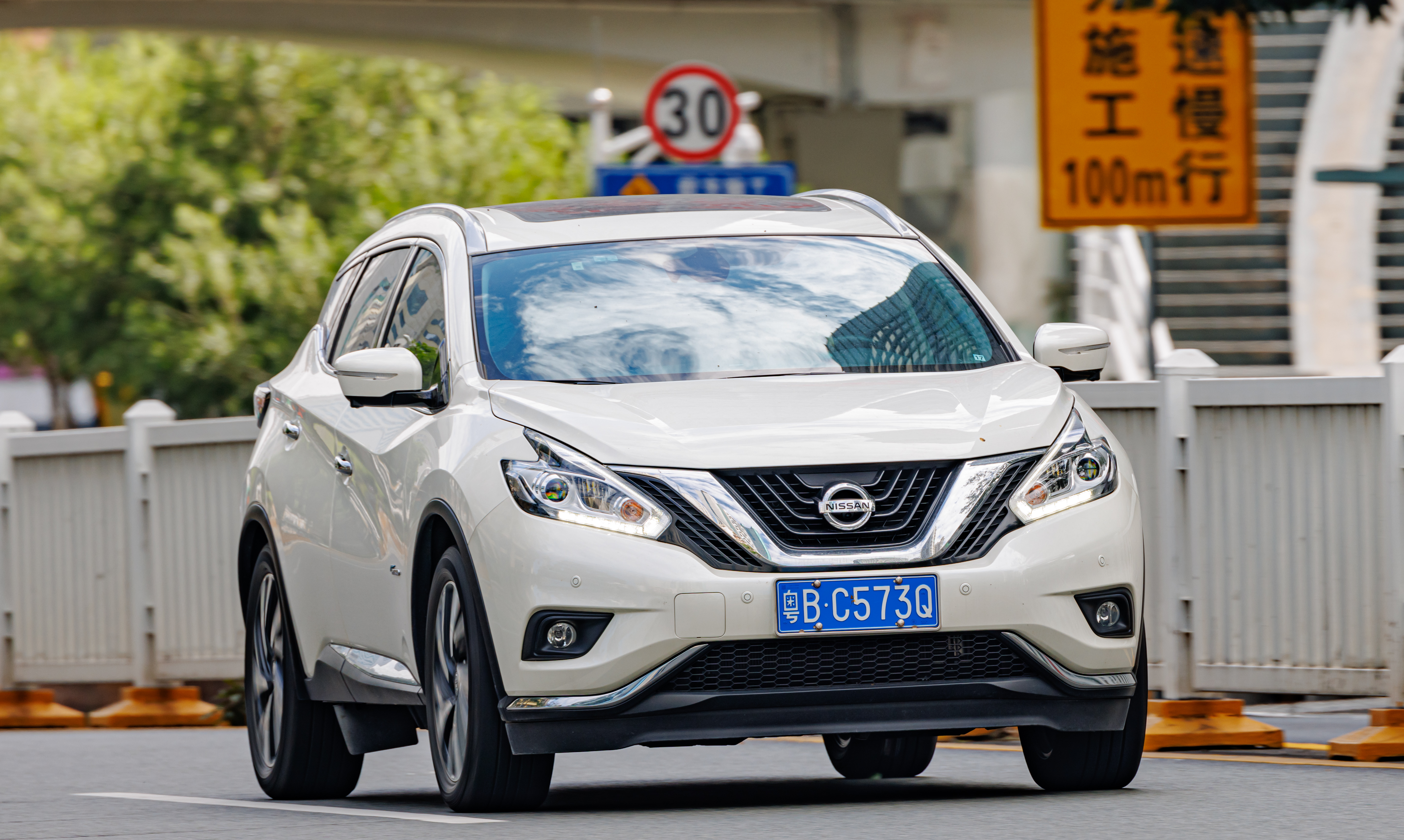
Nissan Murano
"So from the Nissan perspective, that's the Nissan [1314.4s] Murano. So this is like a large SUV. In Australia, we had the"
The Nissan Murano is a larger SUV/crossover made for the US market. In this discussion, they’re saying it’s also being sold in Japan because of a trade deal that allows some American-made cars to be imported there.
The Nissan Murano is a midsize crossover SUV built on a North American production footprint for the US market. In this segment, it’s brought up as one of the key “reverse exported” models being sold in Japan as part of US–Japan trade arrangements.

Tesla Semi
"...Nissan's US lineup, it is positioned as a sort of semi premium offering with a bit of a focus on style a..."
The Tesla Semi is an electric truck meant for hauling goods. The podcast mentions it because it’s presented as a premium kind of truck, not just a basic work vehicle. It’s designed for commercial use, like moving freight.
The Tesla Semi is an electric heavy-duty truck intended for long-haul freight. It’s discussed in the context of how it’s positioned in the market—specifically as a “semi premium” offering with an emphasis on style and presentation. That’s why it comes up: it’s not just about being electric, but also about how Tesla frames the truck as a premium product.
left hand drive
"However, these two cars are being sold in left hand drive, despite being, you know, Teodoh and Nissan, they're not being converted before they're being sold in Japan. They're just, you know, literally shipped to Japan."
Left-hand drive means the steering wheel is on the left side of the car. The host is saying some cars are shipped to Japan already set up for left-hand driving, then adjusted a bit to comply with local rules.
Left-hand drive (LHD) means the steering wheel is on the left side of the vehicle. In this segment, the host explains that some low-volume models are shipped to Japan as LHD and then receive minor modifications to meet Japanese regulatory requirements.
paint issues
"They said that there could be some paint issues, some possible small alignment issues with the panels."
“Paint issues” means the car’s outer paint job might have defects. That could be things like uneven color or coating that doesn’t stick well.
“Paint issues” refers to problems with the car’s exterior coating—things like uneven color, poor adhesion, or clear-coat defects. These can show up as peeling, bubbling, or visible texture differences after delivery or over time.
alignment issues with the panels
"They said that there could be some paint issues, some possible small alignment issues with the panels."
This means the car’s body parts (like doors and panels) might not line up perfectly. You might notice uneven gaps or parts that don’t sit quite right.
“Alignment issues with the panels” means the body panels aren’t fitted perfectly—so panel gaps may be uneven or doors/hoods may not sit flush. It’s usually a build-quality and assembly fitment concern rather than a major mechanical failure.
Japanese built car
"it's a possibility compared to a Japanese built car that you could encounter that there's also, in fact, in most cases, I imagine, they'd be perfectly fine."
They’re using “Japanese built car” to mean a car made in Japan. The discussion is about whether those cars are less likely to have small quality problems.
“Japanese built car” is used as a shorthand for cars manufactured in Japan, contrasted with other countries’ production. In this context, it’s about perceived build quality and the likelihood of encountering fit/finish problems.
trade deal that Japan signed with the US
"they're having to accept it because of the trade deal that Japan signed with the US, which basically is forcing them to accept these sorts of cars."
The host is talking about a government agreement between Japan and the US. They’re saying it can affect what cars get sold and what compromises manufacturers have to make.
This refers to a government trade agreement between Japan and the US that can change how cars are produced and sold. The host is arguing it’s “forcing” acceptance of certain cars or production outcomes, linking policy to what consumers end up getting.
gray imports
"It's not like when anyone who does a gray imports as well. It's not like when anyone who does a gray imports doesn't necessarily expect the same quality either, I would imagine."
“Gray imports” are cars that get sold in a country through unofficial routes, not the normal dealer network. That can mean you might not get the same warranty or support you’d expect from an officially sold car.
“Gray imports” are vehicles brought into a country through unofficial or non-authorized channels, rather than the manufacturer’s normal distribution network. Because they may bypass local warranties, compliance steps, and dealer support, buyers can sometimes see different quality-control expectations or after-sales coverage than with officially imported cars.
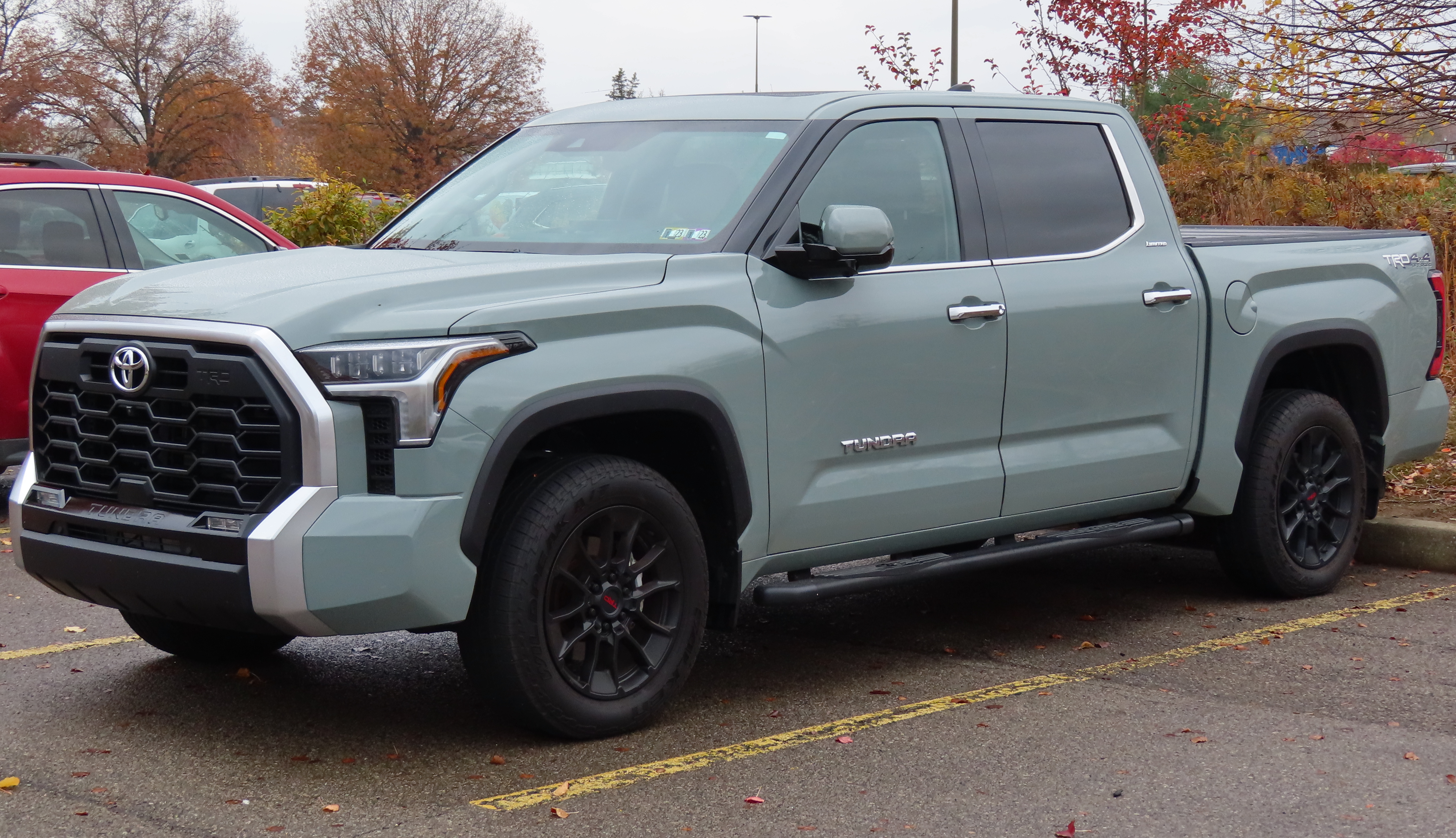
Toyota Tundra
"because like the Tundra in particular is way too big. Like it's it's huge on Australian roads. And in Japan, where the roads are like really, like really narrow, like they have K cars"
The Toyota Tundra is a big pickup truck. In Japan, where roads are often narrow, a truck that size can be harder to use day to day.
The Toyota Tundra is a full-size pickup truck known for being physically large and road- and parking-space demanding. That size becomes a real fitment issue in Japan, where many roads are narrow and the market favors smaller vehicles.
K cars
"And in Japan, where the roads are like really, like really narrow, like they have K cars which are entire class of"
“K cars” are small cars made for Japan’s rules and city streets. They’re easier to drive and park in tight spaces, and they often cost less to own than bigger cars.
“K cars” (kei cars) are a Japanese category of very small, lightly powered vehicles that are regulated by strict size and engine-displacement limits. They’re popular because they’re designed to be practical for narrow streets and often come with favorable taxes and insurance compared with larger cars.
developed markets
"But to the point about quality, I think it's like, you'd expect especially in developed markets like maybe okay, developing markets like India, you know, China, not not so much China to the same degree, but India, South America, Latin America, in particular, you know, Africa,"
“Developed markets” means wealthier countries with more established car manufacturing. The host is saying that in those countries, car quality should be more consistent from place to place.
“Developed markets” refers to countries with mature automotive industries and generally higher, more consistent manufacturing and quality-control expectations. The host’s point is that in places like Europe, the US, Japan, and Australia, you’d expect the same quality standards across regions.
developing markets
"I think it's like, you'd expect especially in developed markets like maybe okay, developing markets like India, you know, China, not not so much China to the same degree, but India, South America, Latin America, in particular, you know, Africa,"
“Developing markets” means countries where car production and quality systems may be less standardized than in richer countries. The host is arguing that cars made for those regions might not have the same quality consistency.
“Developing markets” is a broad label for countries where the automotive supply chain and manufacturing quality systems may not be as tightly controlled as in wealthier regions. The host suggests that cars sold there might be built to different quality standards, compared with Europe, the US, Japan, and Australia.
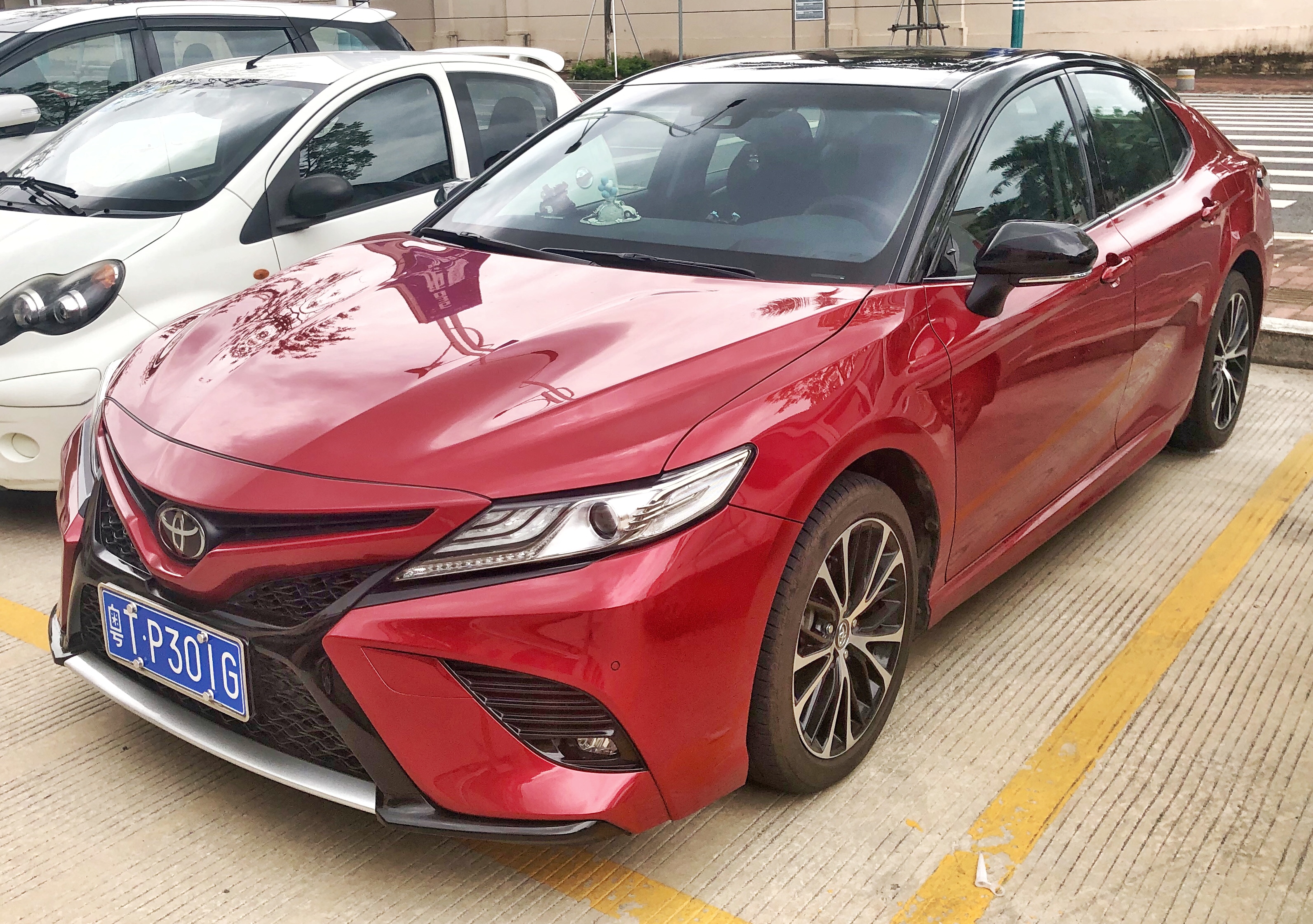
Toyota Camry
"...t globally, like, you know, I mean, they take the Camry, for example, Camry has been built in Australia a..."
The Toyota Camry is a regular family car (a sedan) that’s meant for everyday driving. The podcast mentions it because it’s been built in Australia. That’s about where the car is made, not a change to how it drives.
The Toyota Camry is a mainstream mid-size sedan known for being widely sold and used as a practical daily driver. It’s discussed in the context of where it’s built, including that it has been produced in Australia. That kind of manufacturing detail matters to buyers who follow local production and supply.

Toyota Corolla
"like not just across the model, even across like the lineup, like a Toyota Corolla should have the same quality, like the, and I'm not talking about the interior materials..."
The Toyota Corolla is being mentioned as an example of a “typical” Toyota model. The point is that the host expects the car to be built to the same standard regardless of where it’s made.
The Toyota Corolla is used here as an example of Toyota’s expectation of consistent build quality across the model lineup. The host is arguing that if a car has a Toyota badge, it should meet the same standards—like panel gaps and paint quality—no matter where it’s built.
panel gaps
"What I'm talking about is the build quality with things like panel gaps, paint quality, so on."
Panel gaps are the lines of space you can see between car body parts, like the door and the fender. If they’re even and consistent, it usually means the car was assembled carefully.
Panel gaps are the visible spacing between body panels (like doors, fenders, and hoods). Tight, consistent panel gaps are a sign of good body assembly and manufacturing control, while uneven gaps can indicate misalignment or lower build consistency.
paint quality
"What I'm talking about is the build quality with things like panel gaps, paint quality, so on."
Paint quality is how good the car’s paint job looks and how well it’s applied. Better paint quality usually means fewer visible defects and more consistent finishing from car to car.
Paint quality refers to how well the car’s exterior coating is applied and finished—things like coverage, smoothness, and defect resistance. In a manufacturing context, consistent paint quality suggests stable processes and better control over surface prep and application.
manufacturing defects
"I would expect those to be very consistent across the entire model lineup, like a Toyota badge means it..."
Manufacturing defects are problems that happen during building the car—like dents or other mistakes. The host is saying a brand should keep these problems rare and consistent across models.
Manufacturing defects are flaws introduced during production, such as dents, misalignment, or other issues that shouldn’t be present on a new car. The host’s point is that a brand’s quality system should keep these issues consistent across the lineup.
QDR
"because, you know, they're all about what they're called QDR, which is quality, durability and reliability."
QDR is Toyota’s way of talking about what they prioritize: quality, durability, and reliability. It basically means they try to build cars that are well-made, last a long time, and don’t break down easily.
QDR stands for quality, durability and reliability. In Toyota’s context, it’s a shorthand for the company’s manufacturing and engineering focus—aiming to keep cars consistent and dependable across production and ownership.
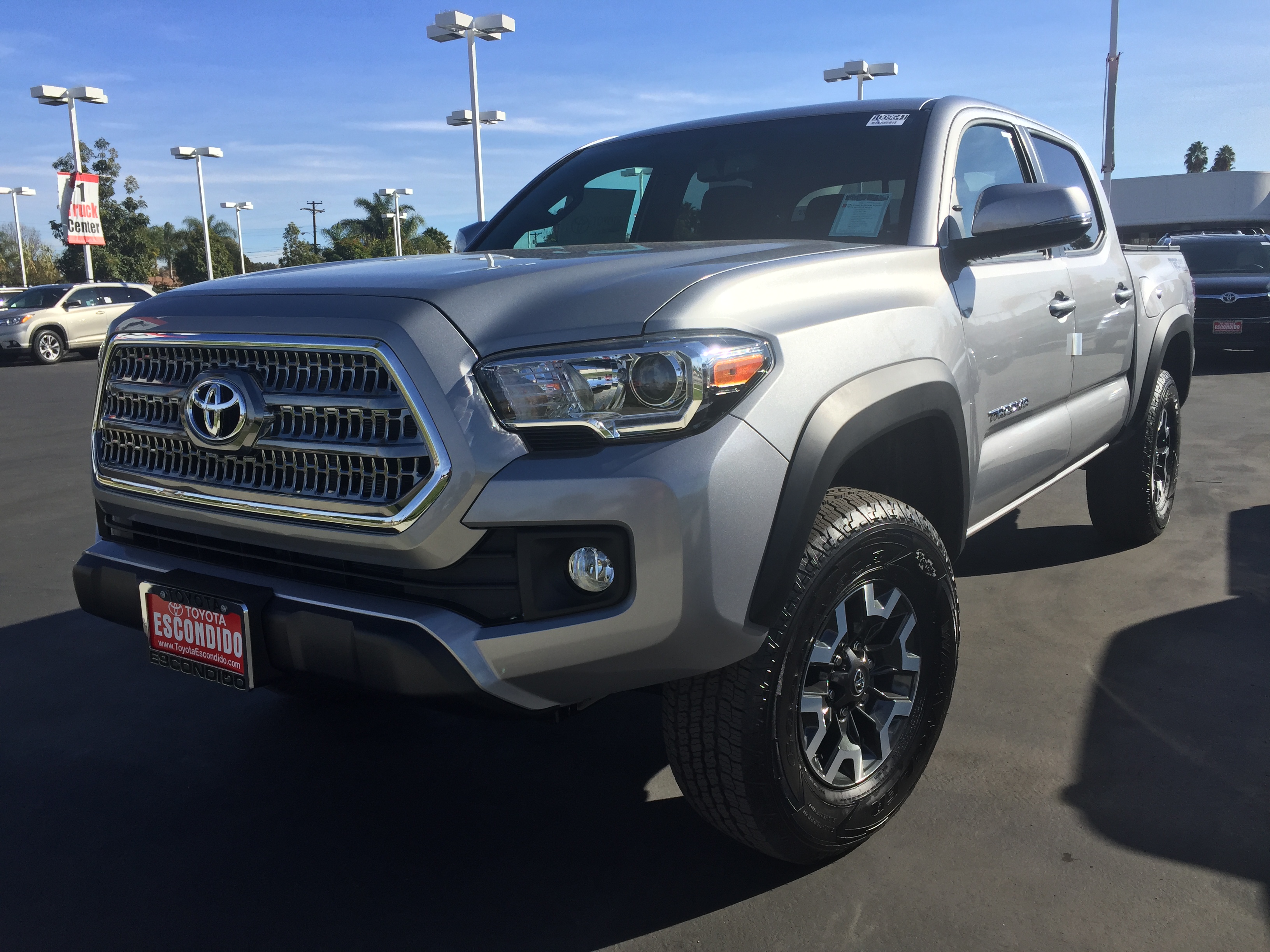
Toyota Tacoma
"the US market tundra, and, you know, the Tacoma, which is sort of sits small, is one size under, one size below the tundra"
The Toyota Tacoma is a midsize pickup truck positioned below the full-size Tundra in Toyota’s lineup. The host mentions it in the context of US-market trucks and quality-control expectations, implying that US-built versions may show more minor cosmetic/finish issues than Japanese-market cars.
thinner paint
"they put this note around, there might be dense, which is quite disappointing, the thinner paint, there might be some other like minor like dust particles and so on in the defects."
“Thinner paint” means the car’s paint layer is applied in a thinner coat than usual. That can make the surface less durable and more prone to showing small defects.
“Thinner paint” refers to a reduced paint-film thickness applied during the vehicle’s finishing process. In automotive quality discussions, thinner paint can correlate with less protection against chips, corrosion, and minor surface defects, and it can make cosmetic issues more noticeable.
dust particles
"the thinner paint, there might be some other like minor like dust particles and so on in the defects."
“Dust particles” are tiny bits of debris that can get into the paint while it’s being applied. When that happens, the finish can end up with small specks or bumps.
“Dust particles” in paint defects refers to contamination that lands on the wet paint during spraying or curing. That can create small imperfections in the finish (often visible as specks or bumps), which is why it’s discussed as a quality-control issue rather than a normal cosmetic variation.

Honda Jazz
"And I think just to talk about Honda actually, because then if you remember the time when Honda was selling like, they switched from like with the jazz actually... That was being sourced from from Thailand. But then for the second generation... they switched to Japanese production."
The Honda Jazz is a small, practical Honda that’s popular for being roomy for its size. Here, the hosts talk about how Jazz cars made in different countries were thought to feel like different quality levels.
The Honda Jazz (a.k.a. Fit in some markets) is known for its practical, space-efficient packaging and reputation for being an easy-to-live-with small car. In this segment, the hosts discuss how Honda Jazz examples sourced from different countries (Thailand vs Japan) were perceived to have different quality outcomes.

Honda Civic
"...e, thymate Honda Jazz. And they had that with the Civic as well. You might vaguely remember. Yeah, I do r..."
The Honda Civic is a small everyday car. The podcast mentions it because it’s part of Honda’s lineup and people often know it. It’s being referenced in a conversation about Honda models.
The Honda Civic is a compact car that’s commonly used as a reference point for mainstream, efficient everyday transportation. In the podcast, it’s mentioned alongside other Honda models, suggesting a discussion about how different models are related or how they’re positioned in the market. That’s why it comes up when talking about the lineup and consumer familiarity.
Japanese production vs overseas-market production quality
"So just goes to show that, yeah, there... I think Japanese consumers have slightly higher expectations than and when Japanese car manufacturers produce models in Japan for the Japanese market, they finish them to a little bit of a higher standard than when they sell it in overseas market."
They’re talking about a common belief: cars made for the Japanese market might be built with stricter quality expectations than cars made for export. The claim is that the same model can feel “better finished” depending on where it’s produced and who it’s meant for.
The hosts are describing a quality-and-spec difference that can happen when a car is built for the Japanese domestic market versus exported markets. The idea is that Japanese consumers may expect tighter quality control, so cars built in Japan for Japan can be finished to a higher standard than the same model sold overseas.
right hand drive
"Toyota in Australia spent a huge amount of money reengineering the tundra for right hand drive to be sold in Australia."
Right-hand drive means the steering wheel is on the right side of the car. It’s needed in countries where cars drive on the left side of the road.
Right-hand drive (RHD) means the steering wheel is on the right side of the vehicle. It’s required in countries that drive on the left, and it often forces changes to the vehicle’s layout (pedals, steering column, wiring, and sometimes production steps).
remanufactured
"So I'm a bit surprised that they aren't sort of selling the walk inshore remanufactured tundra that is being sold in Australia in Japan, because that would be, I would feel like that would be more suitable for the Japanese market, right?"
In this context, “remanufactured” refers to taking an existing vehicle (or major components) and rebuilding it to a like-new standard, rather than producing a brand-new model from scratch. The hosts are contrasting a purpose-built right-hand-drive approach with a remanufactured/converted supply chain.
aftermarket
"nowadays, even if you get a late 2000s model SUV, you can get an aftermarket sort of tablet that will install happily into the car dashboard"
Aftermarket just means non-factory add-ons made by other companies. In this case, it’s an extra screen system you can install to add features like phone integration to an older SUV.
Aftermarket refers to parts or accessories made by companies other than the original vehicle manufacturer. Here, the host is talking about an aftermarket “tablet”/head unit that can be installed into the dashboard to add modern smartphone integration.
Apple CarPlay
"that will do Android Auto and Apple CarPlay for you. And for most people, that's enough, really."
Apple CarPlay lets you connect your iPhone to the car and use certain apps on the car’s screen. It’s a common upgrade path for older cars that don’t have modern infotainment.
Apple CarPlay is Apple’s smartphone integration system that brings compatible iPhone apps—like Maps and music—onto the car’s infotainment display. The host is using it as an example of how older SUVs can be upgraded with aftermarket hardware to get modern usability.
costs afterwards
"I was like, okay, under that price range, one of the people that lots of one of the things that a lot of people are thinking about is not just the initial purchase costs, but how much will it cost me afterwards?"
They’re talking about not just what the car costs to buy, but what it costs to keep running. With older cars, repairs and upkeep can add up quickly.
The host is shifting the discussion from purchase price to total cost of ownership—what you’ll spend after buying the car. For older vehicles, this often includes maintenance and repairs that can outweigh the low upfront cost.
casting maintenance
"they're cheaper front, but then casting maintenance and often, when a car is cheaper front, then you find you're"
The point is that an older car might be cheap to buy, but it can cost more to maintain over time. So you have to budget for repairs and upkeep, not just the sticker price.
The transcript appears to mean “costing maintenance,” emphasizing that older cars may be cheaper upfront but can become expensive once maintenance and repairs start. This is a common budgeting issue in used-car shopping.
pre-owned market
"And so I thought, well, the problem with Toyota is, as we know, the pre-owned market actually hold their value too well."
“Pre-owned market” just means the used-car market. The host is saying some car brands are worth more when you sell them later, so you have to spend differently when buying used.
The pre-owned market is the used-car market—cars that have already been sold once and are resold by dealers or private sellers. In this context, the host is talking about how some brands keep their resale value better than others, which affects what you can afford for a given budget.
hold their value
"the pre-owned market actually hold their value too well."
“Hold their value” means the car doesn’t drop in price as fast as other cars. So when you buy used, the Toyota might cost more because it’s easier to sell later for a good price.
“Hold their value” means a car keeps a higher resale price over time compared to other cars. This matters because if Toyota models hold value strongly, you may need to buy older (or higher-mileage) examples to stay within a budget.
active safety features
"while a late 2000s model might not have the active safety features that we now get in any, any literally any car, it will at least have the these like, okay, passive safety features"
Active safety features are the car’s “help you avoid accidents” systems. They watch what’s happening around you and can step in to slow down or steer if needed.
Active safety features are systems that help prevent crashes in real time—often by detecting hazards and intervening. Examples include automatic emergency braking, lane-keeping assistance, and adaptive cruise control.
passive safety features
"it will at least have the these like, okay, passive safety features like airbag protection, etc."
Passive safety features are the things that protect you if you crash. Airbags are a classic example—they help reduce injuries during an impact.
Passive safety features protect occupants during or after a crash rather than preventing it. The host specifically mentions airbag protection, which is designed to reduce injury severity when impact occurs.

Honda Crv
"Now, weird enough with the Honda CR-V, which is what I picked, I'm always weird enough kind of always liked it."
The Honda CR-V is a popular SUV that’s meant to be practical for everyday life. Here, the host is saying they like it because it’s a good choice if you want something reliable and usable for a family.
The Honda CR-V is a compact-to-midsize SUV known for being practical and family-friendly, with strong mainstream appeal. In this segment, the host is using the Honda CR-V as a “practical, reliable” option and specifically references the second generation as the design they liked, plus the current generation being a top choice when you need a seven-seat SUV.
third party tablet
"you can just take, just install a third party tablet that will integrate nicely into the dash and that will give you Android order and Apple CarPlay."
A third-party tablet refers to an aftermarket device added to the car’s dashboard area to provide modern infotainment. Here, the host is describing using a tablet to integrate into the dash so it can run smartphone-style apps instead of relying only on the original head unit.
automatic transmission
"According to the ad, it's got received very regular service history or automatic transmission."
An automatic transmission changes gears by itself. You don’t have to use a clutch pedal or manually shift gears while driving.
An automatic transmission shifts gears for you, using hydraulic/mechatronic control rather than a clutch pedal and manual gear selection. The host mentions it as part of the ad’s spec, which matters because it affects driving feel and long-term maintenance considerations.
dashcam
"It's apparently even got a dashcam, I mean, that they've installed that comes with it."
A dashcam is a small camera that records what’s happening on the road. It can help if there’s an accident or argument about what happened.
A dashcam is a camera mounted inside the car that records video while you drive. The host notes this one is included, which can be useful for documenting incidents and providing evidence after a crash or dispute.

Subaru Forester
"I remember my actually my this isn't a CRV, but my mom had a Subaru Forester, and we had that car for ages."
The Subaru Forester is a common Japanese SUV. The host is using it as an example of a car that can last a long time and keep running well if you look after it.
The Subaru Forester is a popular Japanese compact SUV known for its practical, durable setup for everyday use. In this segment, the host uses it as an example of a long-lived vehicle that can rack up high mileage with minimal reliability drama when maintained.
Bridgestone
"you can, you know, go down to Bridgestone, select your local mechanic, and they can... maintain it very, very well."
Bridgestone is a well-known tire brand. The host is using it as an example of a place you can go for car-related service without needing a dealership.
Bridgestone is referenced here as a place to go for tires and related service, implying a local option outside a dealership. The host’s point is that you can use independent service providers for routine work.
total cost of ownership
"And look, the total cost of ownership when you account for things like depreciation, as Sam was saying, the maintenance costs, insurance costs will likely to be, you know, quite, quite low..."
Total cost of ownership means what a car really costs you over time. It includes things like the price you lose when you sell it later, plus ongoing costs like servicing and insurance.
Total cost of ownership (TCO) is the big-picture cost of running a car over time, not just the purchase price. Here, the host ties TCO to depreciation, maintenance, and insurance—arguing Japanese brands can come out cheaper overall.
depreciation
"And look, the total cost of ownership when you account for things like depreciation, as Sam was saying, the maintenance costs, insurance costs..."
Depreciation is how much value your car loses over time. If a car holds its value better, it usually costs less to own overall.
Depreciation is the value a car loses as it ages, which strongly affects the “total cost of ownership.” The host includes depreciation alongside maintenance and insurance to argue that the overall ownership cost can stay low.
maintenance costs
"the maintenance costs, insurance costs will likely to be, you know, quite, quite low..."
Maintenance costs are what you spend to keep the car running properly over time. The host is saying Japanese cars can be cheaper to maintain because they’re easier to service.
Maintenance costs are the ongoing expenses to keep a car in good working order, such as servicing and repairs. In this segment, the host argues Japanese cars can keep these costs relatively low because they’re straightforward to maintain.
insurance costs
"the maintenance costs, insurance costs will likely to be, you know, quite, quite low..."
Insurance costs are the money you pay each year (or month) to have your car covered. The host is saying that, for these cars, insurance tends to be relatively low too.
Insurance costs are what you pay to insure the vehicle, typically influenced by factors like repair costs, theft risk, and claim history. The host includes insurance in the total cost of ownership to support the idea that these Japanese cars can be cheaper to run.

2012 BMW X1 S drive 18i
"So the car that I've chosen is a 2012 BMW X1 S drive 18i. It's a 2012 model. It's available from a private sale in Victoria, I believe this one is, you know, in the Eastern suburbs. It's for $8,900."
This is a 2012 BMW X1, a small luxury SUV. “sDrive” means it drives the front wheels, and “18i” is the model’s engine/power version. The host is talking about it as a cheaper used-car pick.
The BMW X1 is a compact luxury SUV, and the 2012 X1 sDrive 18i is the front-wheel-drive variant with BMW’s 1.6-liter class engine (the “18i” denotes the specific power output tier). This particular example is being evaluated as a budget private-sale option in Victoria, with relatively moderate mileage for its age.
iDrive system
"It has, you know, BMW's iDrive system. So it has inbuilt satellite navigation, albeit it'll be very old by now, but it has all of the, you know, it has the BMW badge, it"
iDrive is BMW’s built-in screen and controls for things like navigation and media. On an older BMW, the navigation system may still work, but the maps can be old.
BMW’s iDrive system is the brand’s in-car infotainment interface, typically controlled via a central screen and knob/buttons. In this X1, it includes built-in satellite navigation, though the map data and software can be outdated on older cars.
manual handbrake
"It still has a manual handbrake, but it has the, you know, it has the BMW badge, it"
A manual handbrake is the classic parking brake lever you pull up to hold the car. Some newer cars use a button instead, so this one is the traditional style.
A manual handbrake means the parking brake is operated with a traditional lever rather than an electronic switch. Many newer cars use electronic parking brakes, so a manual setup can feel more straightforward and familiar to some drivers.
electric seats
"I'm just having a look at the first has electric seats, front drivers and passengers, which is pretty cool."
Electric seats use motors to adjust the driver and/or passenger seat position. In this case, the host notes electric front seats, which is a convenience feature compared with cars that require manual adjustment.
service cost risk at a dealership
"Now look, you do have with BMWs, of course, what the problem is that if you take this car to a dealership from a surfacing perspective, they'll charge you an arm and a leg, they'll easily charge you, you know, 78 $900 for a service."
They’re warning that if you take the car to a dealership for servicing, it can get expensive. The point is to factor those higher costs into your total budget for owning the car.
The host is describing a common used-car ownership risk: dealership service pricing can be much higher than independent shops. They cite a specific example of a service quote amount, framing it as a key factor when budgeting for maintenance.
DSG
"would be look, it's not a Volkswagen, it doesn't have those DSG problems. It's not a diesel, which is good because diesel models, if you're driving short distances, they can start having issues..."
DSG is a special kind of automatic transmission used by Volkswagen. It uses two clutches to change gears fast, but some versions have had reliability problems, so the host is saying this car avoids that risk.
DSG stands for "Direct-Shift Gearbox," a type of dual-clutch automatic used widely by Volkswagen Group. It can shift very quickly, but some DSG generations have had reputation for costly issues, which is why the host is contrasting it with this car’s conventional automatic.
Request an Explanation
Heard something you'd like explained? We'll add it to this episode.
Sign in to request explanations for terms you heard.
Want to learn more?
Browse our glossary for plain-English explanations of automotive terms, jargon, and concepts.
Help improve this episode
See something that's not quite right? Our annotations are AI-generated and can sometimes miss the mark. Click the flag icon on any annotation to suggest a correction.