
57: Can the B05 leap past its rivals? Plus, a new era for Silver Taxis and Xpeng reborn?
About this episode
Leap Motor’s B05 hatch is pitched as a serious Golf/Corolla-sized EV rival, backed by Stellantis engineering and tuned on European tracks for a less “soft” feel than many Chinese exports. The hosts compare specs, range, and pricing (two battery options, up to ~482 km WLTP, under $40k) and highlight features like dual screens, a built-in dashcam/camp mode, and smooth ride/quiet cabin claims. They weigh it against the MG4 and BYD Dolphin, debating driving feel, one-pedal behavior, and Australia’s dealership/warranty advantages. The discussion also nods to Xpeng’s “reborn” direction and Silver Taxis’ new era.
In this week's episode of The Hook Turn Podcast, we discuss whether Leapmotor's new B05 EV hatch has enough to vault it past rivals from MG and BYD in the affordable EV segment. We also talk about whether Lexus can keep its hold on the premium rideshare market with the launch of the new ES sedan, now also available as a hybrid and an EV.
Finally, from withheld customer rebates to distributor issues, Xpeng has been beset with ongoing problems since its Australian launch in 2024. Is the refreshed G6 enough to overlook concerns with the brand itself?
Show notes:
- Leapmotor B05: https://www.carexpert.com.au/car-news/2026-leapmotor-b05-price-and-specs
- Lexus ES: https://www.drive.com.au/news/2026-lexus-es-price-and-specs-up-to-9500-dearer-for-hybrid-and-ev-sedan/
- New Xpeng G6: https://www.chasingcars.com.au/news/new-car-prices/wild-charging-speeds-for-new-xpeng-g6-2026-tesla-model-y-and-byd-sealion-7-rival-priced-for-australia/

Audi S6
"...last spoke about a Chinese car a month ago the MG S6 well there you go so we had a what like a three o..."
The Audi S6 is a faster, sportier version of Audi’s larger sedan. It’s designed to feel more powerful than the regular model. The podcast mentions it as one of the cars in the discussion.
The Audi S6 is a performance-oriented version of the Audi A6, typically tuned for stronger acceleration and a sportier driving feel. It’s part of Audi’s higher-performance sedan lineup rather than the standard comfort-focused model. The podcast references it in the context of discussing specific cars and what’s been happening with new models.

Leap Motor B05
"“the first car that we want to talk about this week is a model called the Leap Motor B05 hatch so Leap Motor…”"
The Leap Motor B05 is a small hatchback. The hosts are saying it’s meant to compete with popular compact cars like the Volkswagen Golf and Toyota Corolla—so it’s aimed at everyday buyers, not just enthusiasts.
The Leap Motor B05 is a Chinese-made hatchback positioned as a Volkswagen Golf-sized car. In this episode, the hosts frame it as a direct competitor in the European “C-segment” class, aiming at buyers who cross-shop mainstream compact hatchbacks.
Stellantis
"“it has it's essentially like I believe what is it a joint venture with Stellantis is that correct that's correct and really… Stellantis engineers help engineer Leap Motor cars…”"
Stellantis is a major car company. The hosts say it’s involved with Leap Motor in a partnership, and that engineers from Stellantis help develop the cars.
Stellantis is the large automaker group the hosts link to Leap Motor via a joint venture/partnership. In the episode’s framing, Stellantis engineers help engineer Leap Motor cars, which is presented as a way to transfer European development know-how.
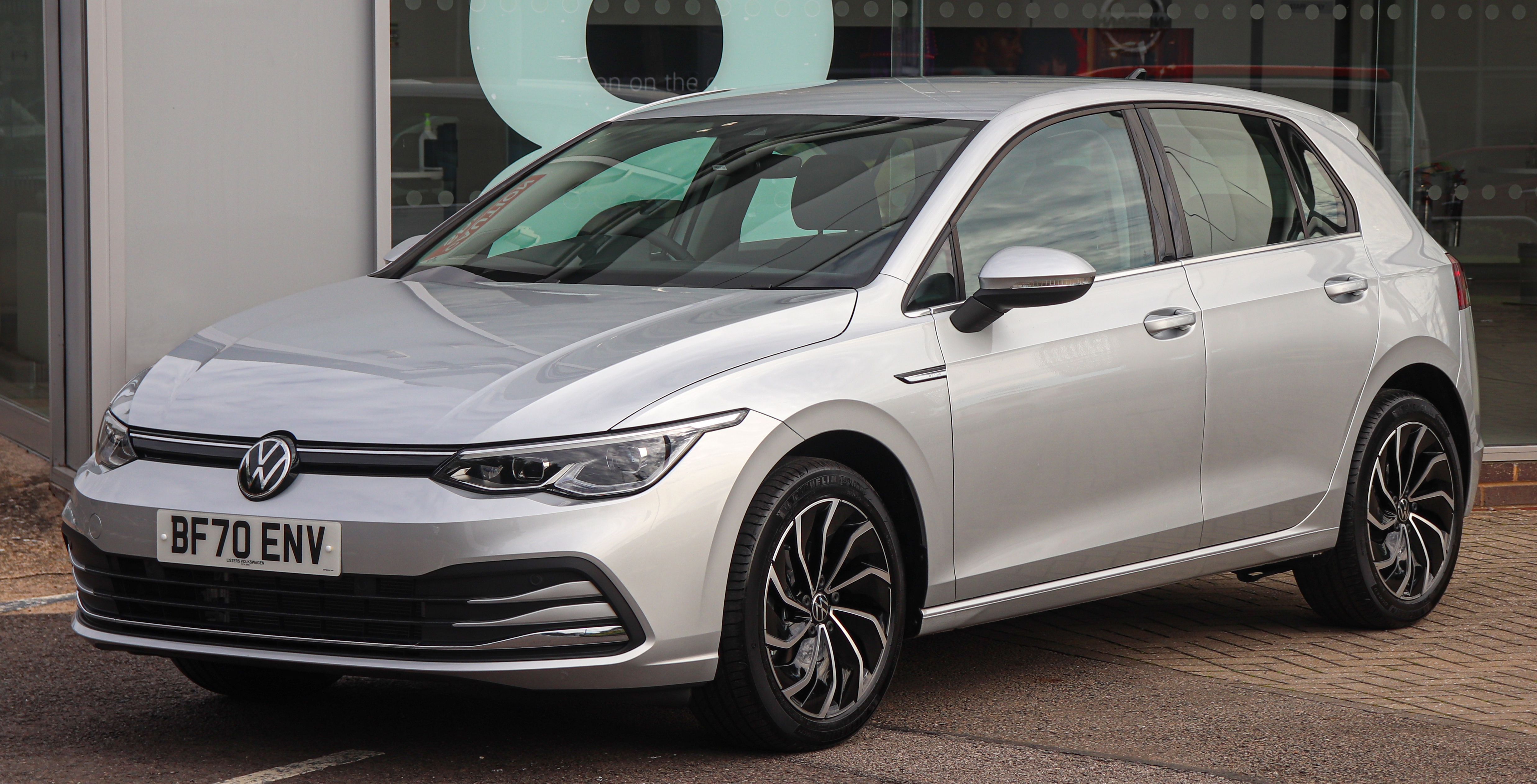
Volkswagen Golf
"“it’s supposed to compete directly with models like it's like a you know Volkswagen Golf-sized hatch…”"
The Volkswagen Golf is a very common compact hatchback. The hosts are using it as a reference point to say the B05 is meant to be about the same size and type of car.
The Volkswagen Golf is used here as a benchmark for the Leap Motor B05’s target size and buyer. The hosts describe the B05 as “Golf-sized,” meaning it’s aimed at the same mainstream compact-hatch market.
C segment
"“so it’s supposed to compete directly with models like it's like a you know Volkswagen Golf-sized hatch so Leap Motor… in the competing in the what the Europeans call the C segment…”"
“C segment” is a European vehicle classification for compact cars. The hosts use it to place the Leap Motor B05 in the same general size/market category as mainstream hatchbacks like the Volkswagen Golf and Toyota Corolla.

Toyota Corolla
"“so Volkswagen Golf Toyota Corolla”"
The Toyota Corolla is a widely sold compact car. The hosts mention it to show the Leap Motor B05 is trying to compete with popular, practical cars people buy for daily driving.
The Toyota Corolla is mentioned as another mainstream compact-car comparison point. By pairing it with the Golf-sized hatch idea, the hosts are signaling the B05’s intended “everyday” market segment rather than a niche performance role.

MG4
"so I would say the MG4 is probably the most direct competitor but yeah it's a Chinese made but Leap Motor are aiming that it's been tuned in Europe... ...to compete with the MG4"
The MG4 is a popular small electric car. Here, the host is saying it’s the main rival that the other EV needs to beat in Australia.
The MG4 is a compact electric hatchback from MG (a Chinese brand). In this segment, the host uses it as the benchmark “direct competitor” for the Leap Motor model they’re discussing, comparing driving feel, specs, and value in Australia.
torque
"in terms of the motor it's 160 kilowatts of power 240 Newton meters of torque so that's actually fairly powerful for this segment"
Torque is the force that helps the car pull away and accelerate. Higher torque usually makes the car feel quicker, especially at lower speeds.
Torque is the twisting force an engine or electric motor produces, and it strongly affects how quickly a car accelerates from low speeds. The host quotes 240 Newton-meters to argue the EV is “fairly powerful for this segment.”
0 to 100 kilometers an hour
"0 to 100 kilometers an hour in 6.7 seconds of pretty quick actually"
This is a simple test of how fast the car can accelerate from a stop to 100 km/h. Faster times generally mean stronger acceleration.
“0 to 100 km/h” is a common acceleration benchmark that measures how quickly a car reaches 100 kilometers per hour from a standstill. The host uses the 6.7-second figure to position the EV as quick for its class.
WLTP cycle
"401 kilometers of range on the WLTP cycle so I think the realistic range is probably going to be around... ...67.1 kilowatt hour battery and a 482 kilometer WLTP range"
WLTP is the official testing standard used to estimate how far an EV can go on a full charge. Your real range in everyday driving can be a bit less than the WLTP figure.
WLTP (Worldwide Harmonised Light Vehicle Test Procedure) is a standardized test method used to estimate an EV’s driving range. Because it’s a lab-based test, real-world range is often lower than the WLTP number the host quotes.
kilowatt hour battery
"the entry level style which is 56.2 kilowatt hour battery with 401 kilometers of range... ...the larger battery which is the design long range... 67.1 kilowatt hour battery"
A kilowatt-hour (kWh) is how much energy the EV battery can store. Bigger kWh usually means you can drive farther before needing to recharge.
A kilowatt-hour (kWh) battery rating measures the energy capacity of the EV’s battery pack. Higher kWh generally means more potential range, which is why the host compares a 56.2 kWh pack to a 67.1 kWh “long range” pack.
drive away
"the base model starts at 35 990 drive away and I believe the high the what is it the design long range is 30 is it 38 990"
“Drive away” is the price you pay to get the car ready and legally on the road. It’s meant to be a more realistic comparison than just the sticker price.
“Drive away” is an Australian pricing term meaning the total purchase price including certain on-road costs, so you can compare what you’ll actually pay to take the car home. The host uses it to frame the EV’s value against rivals like the MG4.
6.7 seconds
"it's apparently quite um right smoothly you mentioned 6.7 seconds is quite like more than fast enough for any kind of regular driving"
This number is about how quickly the car speeds up. The host is saying it’s quick enough that most everyday driving won’t feel slow.
This is a reference to an EV acceleration time (how quickly the car reaches a certain speed, often 0–60 mph or 0–100 km/h depending on the reviewer). The host is arguing that this acceleration is “fast enough” for normal driving.
dash cam
"it's got an inbuilt um dash cam basically so basically like a sentry mode but one of the Chinese EVs don't offer that"
A dash cam is a small camera that records what’s happening around your car. Here they’re saying this EV includes one built in, not something you have to buy separately.
A dash cam is a camera mounted inside the car that records video while you drive. In this segment, the host highlights that the EV includes an in-built dash cam and mentions a related “sentry mode” function.
sentry mode
"it's got an inbuilt um dash cam basically so basically like a sentry mode but one of the Chinese EVs don't offer that so this car has"
Sentry mode is a “watch while parked” feature. If the car senses something happening around it, it can start recording so you have video evidence later.
Sentry mode is a feature on many EVs (and some other cars) that uses cameras and sensors to monitor the vehicle while it’s parked. If something is detected, it can record and save footage to help with evidence.
camp mode
"so this car has you know the camp mode as well which is interesting the size of the car yeah it's got a camp mode as well yeah"
Camp mode is what EVs call a “parked comfort” setting. It helps you use things like climate control while you’re stopped, like when camping or waiting.
Camp mode is an EV function that lets you run certain systems while the car is parked—commonly climate control and power for accessories—so you can stay comfortable without driving. The host is pointing out the car includes this feature.
800 volt
"need a charge once a week right for the sort of people like who just do regular driving you basically need to charge once a week and yeah no 800 volt but really at this price it doesn't matter"
“800 volt” is about how the car’s electrical system is set up for charging. Higher-voltage EVs can often charge faster, but the host says this one still works fine even without that top-tier setup.
800-volt architecture refers to an EV’s high-voltage electrical system designed to support faster charging. The host says the car isn’t an 800V EV, but argues it still charges well enough for the price.
150 volts
"and yeah no 800 volt but really at this price it doesn't matter it still accepts 150 volts up too and that's and in Australia as well I think we've got like"
This is the charging voltage the car can take. The host is saying that even though it’s not an 800V EV, it can still charge at a level that’s practical for normal driving.
150 volts here refers to the charging voltage the car can accept (i.e., it supports charging at up to 150V rather than being an 800V system). The host is using this to argue that charging capability is still adequate for everyday use in Australia.
rear wheel drive
"compared to the direct rear wheel drive MG4 it's uh it's it looks like it's significantly better value as well"
Rear-wheel drive means the back wheels are the ones that get the power. The hosts bring it up to help explain why one car might feel more advanced than the other.
Rear-wheel drive (RWD) means the car’s power goes to the rear wheels. In this segment, the host uses RWD as part of a comparison to argue the Leapmotor package feels more sophisticated than the MG4’s configuration.
front wheel drive
"because I believe the MG4 urban yes is cheaper but that's also front wheel drive it's a less sophisticated car less range as well"
Front-wheel drive means the front wheels do the work of moving the car. The episode uses it to explain why one version may feel simpler and have less range than another.
Front-wheel drive (FWD) means the car’s power goes to the front wheels. The hosts use it to contrast versions of the MG4, arguing that the FWD setup comes with less sophistication and less range than the higher-end alternative they’re comparing against.
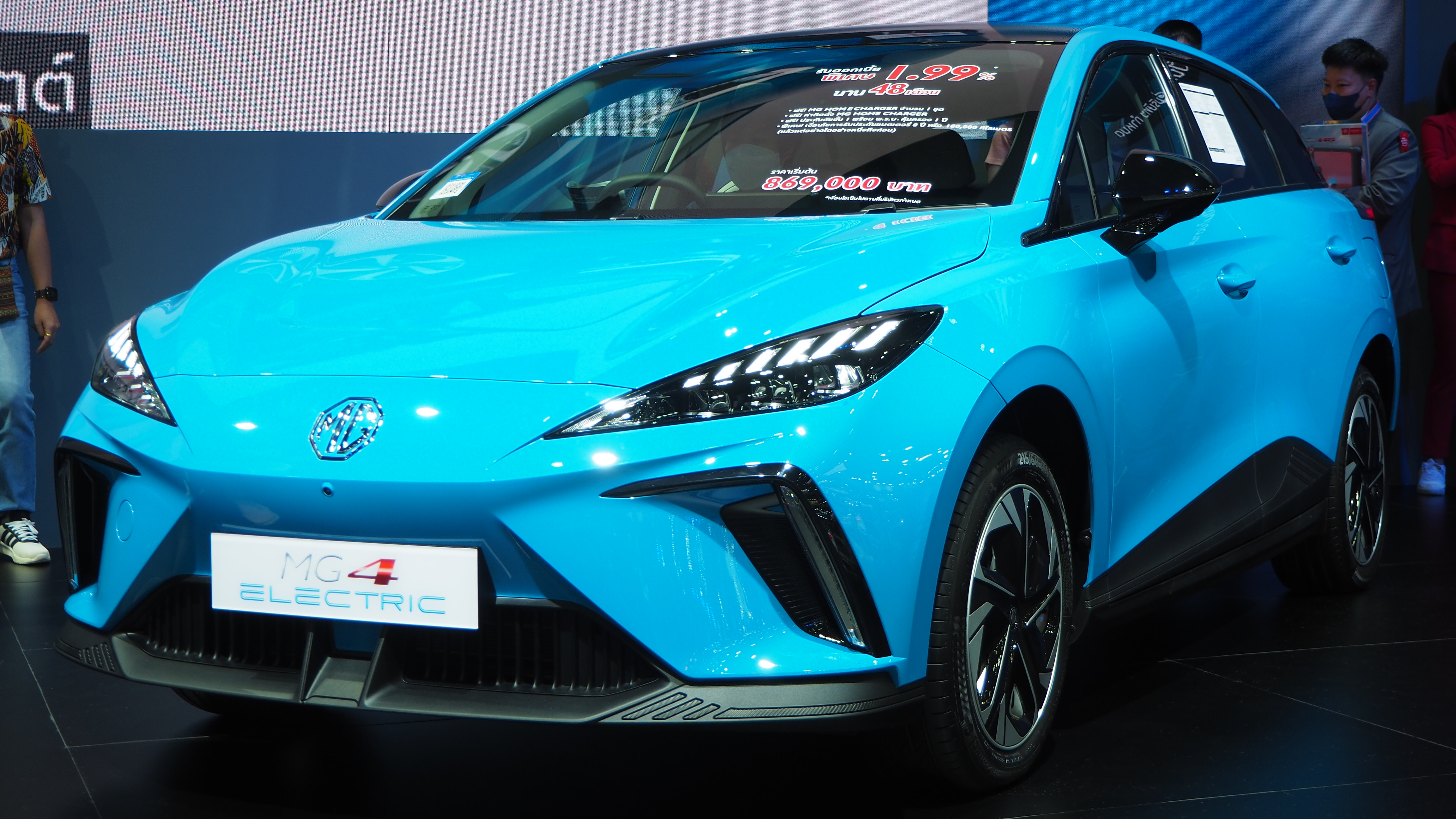
Mg4 Urban
"...cantly better value as well because I believe the MG4 urban yes is cheaper but that's also front wheel drive ..."
The MG4 is an electric hatchback. It’s meant to be good value compared with other electric cars. The podcast also notes it uses front-wheel drive.
The MG4 is an all-electric hatchback positioned as a value-focused EV. In the podcast, it’s discussed as being cheaper and front-wheel drive, which helps define its driving setup and pricing appeal. That makes it relevant when comparing EVs by cost and basic layout.
one pedal drive
"the leap motor also has the full one pedal drive and I don't think that the MG4 has that option so if you want the you know like a Tesla style option where you can release the accelerator and the car will come to a complete stop then maybe this leap motor is the 11 for you"
One-pedal drive means you can drive and slow down using mostly just the accelerator. When you lift your foot, the car slows a lot and can even stop by itself.
One-pedal drive is an EV driving mode where you use the accelerator to both accelerate and slow down. When you lift off, the car provides strong regenerative braking and can bring the vehicle to a complete stop, similar to what many Tesla drivers experience.
physical air conditioning controls
"like it has the physical air conditioning controls and everything ... which I think is a good touch from MG"
Physical air conditioning controls are dedicated knobs/buttons for climate settings instead of relying entirely on touchscreen menus. Enthusiasts often prefer them because they’re quicker to adjust without taking your eyes off the road.
10 year warranty
"I think you get a better warranty like MG has 10 year warranty more easier to find a dealership that you can service the car with etc etc"
A 10-year warranty means the company promises to cover certain repair problems for about ten years. It can make buying less stressful because you’re less exposed to unexpected repair costs.
A 10-year warranty is a long manufacturer-backed coverage period for repairs related to defects (exact terms vary by market and model). In car shopping, longer warranties can reduce ownership risk and make a brand feel more trustworthy.
larger touchscreen
"the technology seems to be a little bit more resolved with the larger touchscreen more sophisticated technology features"
This means the car uses a bigger main screen for things like navigation and media. The host is implying the screen-based tech feels more advanced in the Leapmotor.
A larger touchscreen refers to the main infotainment display size used to control media, navigation, and many vehicle settings. Bigger screens often enable more complex interfaces, but they can also shift climate and driving functions away from physical buttons.

BYD Dolphin
"I would even say I think what's the equivalent BYD standard the what the Dolphin ... BYD Dolphin starts a lot cheaper than I ever remember it starts at 29,990 and the top yeah spec is 36,990 ... the interior looks a lot older"
The BYD Dolphin is an electric hatchback. In this segment it’s the comparison car, with the host quoting the price range and saying it feels less modern inside than the alternatives.
The BYD Dolphin is a compact hatchback EV used here as a benchmark for price and “value” against MG and Leapmotor. The host cites its starting price and top-spec price, then argues its interior and tech feel older or less refined.
top spec
"BYD Dolphin starts ... 29,990 and the top yeah spec is 36,990 ... you can get a top spec BYD Dolphin or roughly the same price as the entry-level leap motor"
“Top spec” is the most fully loaded version of that car model, with the most features. The host is using it to compare pricing fairly between cars.
Top spec means the highest trim level offered for a model, typically with the most features. Comparing “top spec” prices helps shoppers understand how expensive the fully equipped version is relative to competitors.

Lexus ES
"now our next topic is a much [907.1s] more familiar name so Lexus so Lexus has introduced a new ES so um they've revealed this last year [917.4s] but we finally have the Australian pricing and specifications um so the ES just for context is [924.7s] essentially um like their Lexus's version of a Toyota Camry"
The Lexus ES is a comfortable, luxury sedan that’s related in size and role to the Toyota Camry. The big news here is that the new ES is being offered with both hybrid and fully electric options.
The Lexus ES is a mid-size luxury sedan, and the hosts describe it as Lexus’s version of the Toyota Camry. This new generation is notable because it’s positioned to compete with mainstream luxury sedans like the BMW 3 Series and Mercedes-Benz C-Class, while also offering a broader EV/plug-in-style lineup than before.
Australian pricing and specifications
"but we finally have the Australian pricing and specifications um so the ES just for context is [924.7s] essentially um like their Lexus's version of a Toyota Camry"
They’re talking about what the new Lexus ES costs in Australia and what versions/specs you can buy there. Pricing in one country doesn’t always match another, so local numbers matter.
This segment focuses on the local (Australia) pricing and spec details for the new Lexus ES. That’s important because EV and hybrid pricing can vary a lot by market due to taxes, incentives, and trim availability.

Bmw 3
"...designed to compete with everything from like the BMW 3 series Mercedes C class all the way up to you kno..."
The BMW 3 Series is a premium sedan that’s meant to feel sporty and comfortable. It’s a well-known model that many other cars are compared against. In the discussion, it’s used to show what level of car the topic is aiming for.
The BMW 3 Series is a compact executive sedan (and related body styles) that’s designed to compete in the core “premium” performance-and-comfort segment. It’s a common comparison point when discussing rival cars because it represents a mainstream entry level into BMW’s higher-end lineup. The podcast references it as part of the competitive set for other cars.

Mercedes-Benz Eclass
"sort of designed to compete with everything from like the BMW 3 series Mercedes C class all the way up to you know the entry level models of the e-class BMW 5 series and so on um what's interesting with this particular new generation is that it's not just a hybrid"
The Mercedes-Benz E-Class is a luxury sedan. It’s built to be more upscale and comfortable than smaller Mercedes sedans. It’s mentioned to explain the general “class” of car being compared.
The Mercedes-Benz E-Class is a mid-to-upper luxury sedan positioned above smaller Mercedes models. It’s designed to compete across the premium sedan market, including cars that sit near the BMW 5 Series level depending on trim and market. The podcast brings it up to frame where a discussed vehicle fits in the luxury hierarchy.

Bmw 5
"...to you know the entry level models of the e-class BMW 5 series and so on um what's interesting with this ..."
The BMW 5 Series is a more upscale, larger premium sedan than the BMW 3 Series. It’s designed for comfort and a higher level of features. It’s mentioned as a comparison point for where a car sits in the luxury market.
The BMW 5 Series is a mid-size luxury sedan that sits above the 3 Series in BMW’s lineup. It’s often used as a benchmark for comfort, technology, and driving feel in the premium sedan segment. In the podcast, it’s referenced to describe the competitive range that other cars are aiming to match.
hybrid
"what's interesting [954.7s] with this particular new generation is that it's not just a hybrid [958.4s] but it's also offered in as a full battery electric vehicle"
A hybrid uses both a gas engine and an electric motor. It can switch between them to help use less fuel, and in this case the ES is also offered as a fully electric car.
A hybrid vehicle uses more than one energy source—typically an internal combustion engine plus an electric motor/battery—to improve efficiency. In this segment, the Lexus ES is described as being offered not only as a hybrid, but also as a full battery electric vehicle.
full battery electric vehicle
"but it's also offered in as a full battery electric vehicle so it has a wide span of [964.0s] competition"
A full battery electric vehicle (BEV) runs only on electricity stored in a battery pack, with no gasoline engine. The hosts highlight that the new Lexus ES will be offered as a BEV, expanding its competition set against EV sedans.

Tesla Model 3
"it's like competing with it's also competing with models like the Tesla Model 3 [969.7s] to a degree other EV sedans like the Hyundai Ioniq 6"
The Tesla Model 3 is a popular electric sedan. The hosts are saying the Lexus ES is aiming at the same buyers who might otherwise consider the Model 3.
The Tesla Model 3 is a mass-market electric sedan that became a benchmark for EV efficiency, software, and charging ecosystem awareness. The hosts mention it as one of the Lexus ES’s direct EV sedan competitors.

Hyundai Ioniq
"...esla Model 3 to a degree other EV sedans like the Hyundai Ioniq 6 um yeah you know the MG was the IM5 if you're i..."
The Hyundai Ioniq 5 is an electric SUV. It’s made for everyday driving and uses electricity instead of gasoline. It’s mentioned because it competes with other popular electric cars in a similar size class.
The Hyundai Ioniq 5 is an all-electric compact SUV designed around modern styling and efficient daily usability. It’s often discussed as a direct competitor in the EV crossover space, especially against other mainstream electric models. The podcast references it while comparing electric vehicles by size and category.

Hyundai Ioniq 6
"to a degree other EV sedans like the Hyundai Ioniq 6 [969.7s] um yeah you know the MG was the IM5"
The Hyundai Ioniq 6 is an electric sedan. The hosts are grouping it with other EV sedans that the new Lexus ES could be compared against.
The Hyundai Ioniq 6 is an electric sedan known for its aerodynamic shape and efficiency-focused design. It’s included here as part of the Lexus ES’s EV sedan comparison set.

BMW i3 sedan
"and it potentially even like the BMW i3 sedan when that comes to [986.2s] Australia as well so um has a broad sort of base of comparators"
The BMW i3 is BMW’s earlier electric car. The hosts are saying it could also be on the list of EVs people might compare against when it arrives in Australia.
The BMW i3 is a compact electric car that’s known for its distinctive design and early adoption of EV architecture. The hosts mention it as a possible future Australian competitor (they say “when that comes to Australia”).
Lexus ES350H
"on road costs then we have the so that's the ES350H luxury then have the ES350E luxury which is"
This is a Lexus ES model that uses a hybrid setup, meaning it uses both an electric system and a gasoline engine. The hosts are talking about how much it costs compared with other ES versions.
The Lexus ES350H is a Lexus ES sedan variant that uses a hybrid powertrain (the “H” typically indicates hybrid). In this segment, it’s being discussed as part of a pricing ladder for different ES trims, including hybrid and fully electric versions.

Lexus ES350E
"then have the ES350E luxury which is around $77,000 um and then we have the ES500E sports luxury which is $84,000"
This is a Lexus ES trim with a different electrified setup than the hybrid version. The episode is comparing prices across the ES lineup.
The Lexus ES350E is another ES sedan trim in the lineup being priced alongside hybrid and BEV versions. The “E” naming here is being used to distinguish a different electrified configuration from the “H” hybrid variant.
Lexus ES500E
"um and then we have the ES500E sports luxury which is $84,000 and then we also have the ES300H luxury"
This is the top-priced Lexus ES version they mention, and it’s described as a more “sports luxury” spec. The hosts also frame it as part of the fully electric options in the lineup.
The Lexus ES500E is the higher-priced ES trim mentioned here, positioned as a “sports luxury” at about $84,000. In the context of the segment, it’s grouped with the fully electric (BEV) versions, contrasting with the hybrid ES variants.

Lexus ES300H
"and then we also have the ES300H luxury which you can get within enhancement pack for $82,000 so just to sum up there's four sort of specification levels"
This is a Lexus ES hybrid trim. They’re talking about how much it costs both as a base version and with an added options package.
The Lexus ES300H is a hybrid ES trim discussed as part of a multi-level pricing structure. The segment also mentions an “enhancement pack” for the ES300H, which is used to explain how the base hybrid price changes with options.
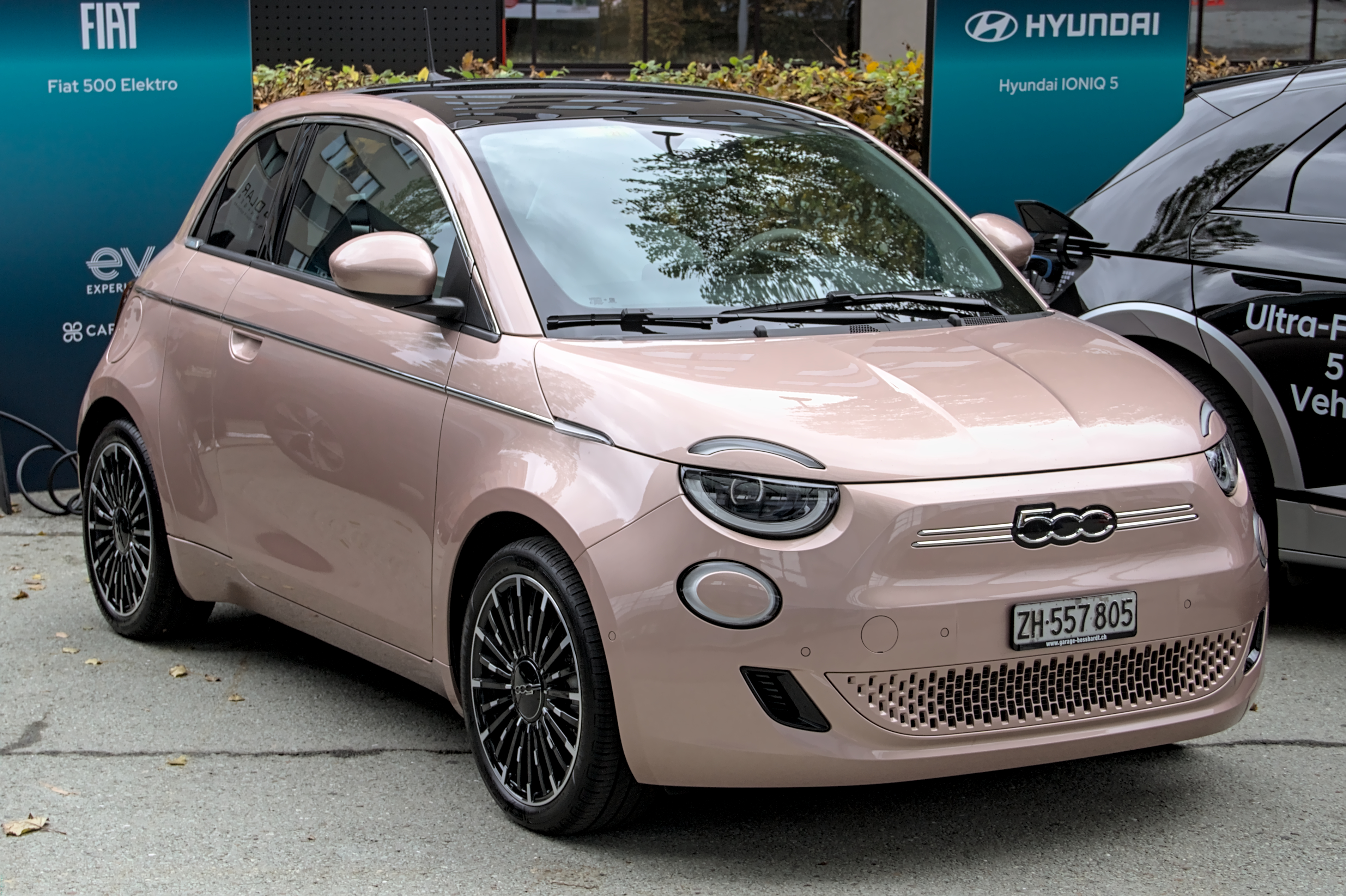
Fiat 500e
"...then you have the 350E sports luxury and then the 500E sports luxury so you have two hybrid specificatio..."
The Fiat 500e is a small electric car based on the Fiat 500. It’s made for easy city driving and uses an electric motor. The podcast mentions it while talking about different versions or trim options.
The Fiat 500e is an all-electric version of the Fiat 500, aimed at buyers who want a small, city-friendly EV. In the podcast context, it’s grouped with other “500E” and “350E” mentions, suggesting a discussion about different trims or related variants. It’s relevant because it represents a compact electric option in the small-car segment.
BEV
"and then the two full BEV or battery electric vehicle specifications at $77,000 and $84,000"
BEV means the car is fully electric—it runs on a battery and an electric motor. The hosts are using it to separate the electric versions from the hybrid ones.
BEV stands for Battery Electric Vehicle, meaning the car is powered only by an electric motor and a high-voltage battery. The segment groups the ES350E and ES500E as the “full BEV” specifications and compares their pricing to the hybrid trims.
battery electric vehicle specifications
"and then the two full BEV or battery electric vehicle specifications at $77,000 and $84,000"
This phrase just means the fully electric versions of the car. They’re being compared by price to the hybrid versions.
“Battery electric vehicle specifications” refers to trim levels where the vehicle is fully electric (not hybrid). In this segment, it’s used to distinguish the ES lineup’s BEV variants and their price points.
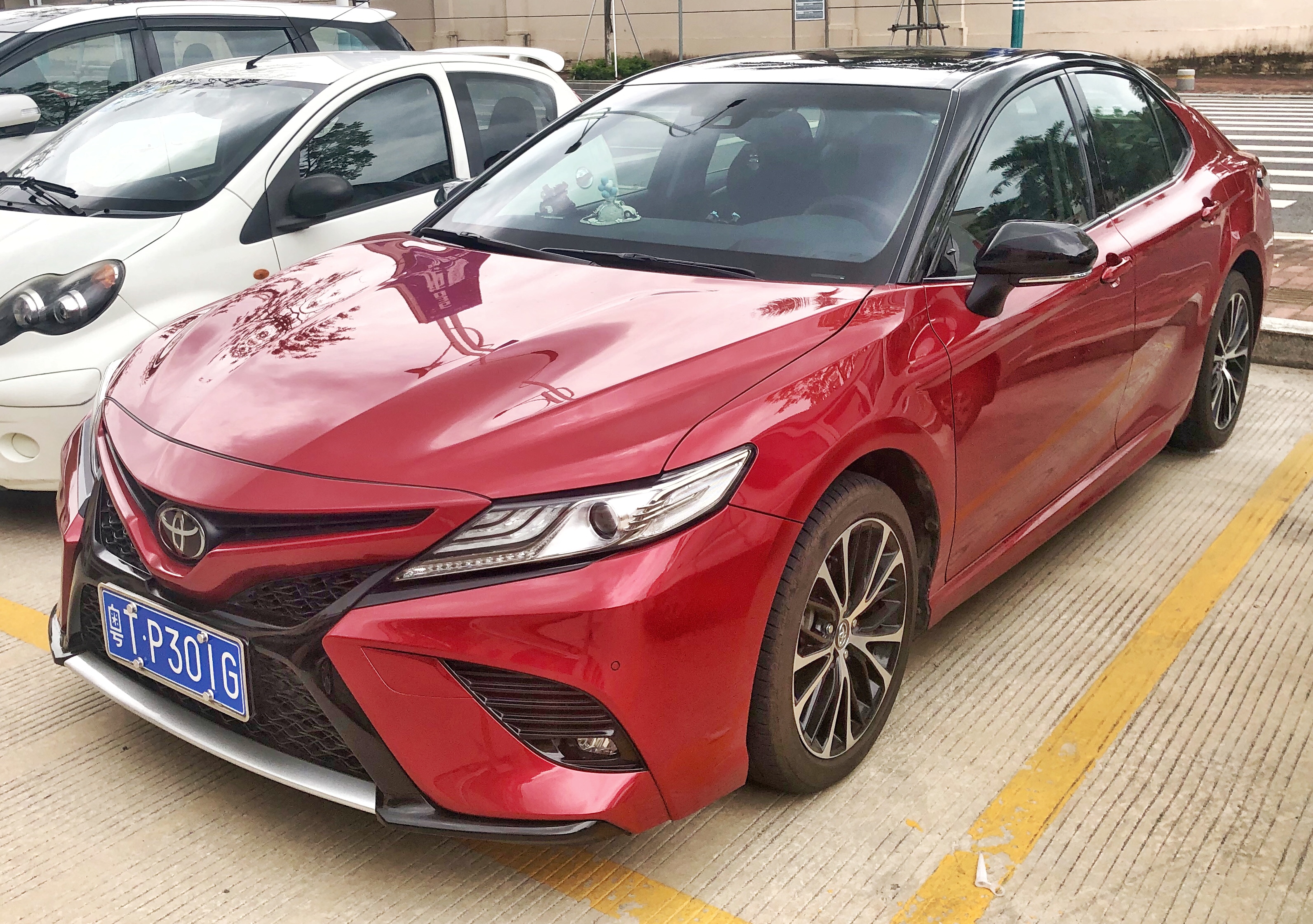
Toyota Camry
"yeah that's right because I just quickly am checking the Toyota Camry pricing the top spec Toyota Camry $60,000"
They bring up the Toyota Camry as a reference point for what buyers might expect to pay. The idea is that Lexus has to price the ES competitively against mainstream Toyota pricing.
The Toyota Camry is used as a benchmark for pricing in the segment. The host compares the top-spec Camry price (about $60,000) to the Lexus ES electrified lineup to explain why Lexus likely couldn’t price it much higher without losing cross-shopping logic.
510 kilometers of range
"but with 510 kilometers of range for that base electric version that's again more than enough for like at this point"
This is the estimated distance the electric car can drive before it needs charging. The host is saying 510 km sounds like enough for most people’s daily driving.
“510 kilometers of range” is the stated driving distance the electric vehicle can travel on a full charge under a specific test standard. The host uses it to argue that the base electric ES version should be practical for everyday use.
full length light rear light bar
"yeah full length light rear light bar uh it's a common design trip of many modern day cars now and I'm sure will look quite good"
A full-length light bar is a long strip of lights across the back of the car. Designers use it to make the car look more modern and easier to recognize.
A full-length rear light bar is a continuous LED taillight strip that spans much of the car’s rear width. It’s become a popular styling cue because it makes the car’s rear signature look modern and more distinctive at night.
giant touchscreen approach
"interior they've gone for the giant touchscreen approach unfortunately like I"
This is when the car’s main controls are mostly done through a big screen instead of lots of buttons. Some people like it for the modern look, but it can also be less convenient while driving.
The “giant touchscreen approach” refers to dashboards where most controls and menus are handled through a large central display, often with fewer physical buttons. It’s a design/UX trend that can look sleek but may change how quickly drivers can operate key functions while moving.

Lexus 300h
"even even on the base 300h and then you when you upgrade to the enhancement pack and the electric models you get the you know incredible Mark Levinson audio system"
They mention the Lexus 300h as the starting model. The point is that even the base version includes a lot of the features you’d expect, rather than making you pay extra for everything.
The Lexus 300h is referenced as a base model that already includes many luxury and tech features without being heavily locked behind options. In Lexus naming, the “h” typically indicates a hybrid powertrain, and the host is using the 300h to argue Lexus keeps its equipment more accessible across trims.
enhancement pack
"even even on the base 300h and then you when you upgrade to the enhancement pack and the electric models you get the you know incredible Mark Levinson audio system"
An enhancement pack is basically a bundle of upgrades you can add to a car. Instead of buying every feature separately, you pay for a package that unlocks more equipment.
An enhancement pack is a bundled trim option that adds higher-end features for an additional price. Here it’s used to explain how Lexus structures equipment levels—some luxury items are included when you move up to the enhancement pack.
Mark Levinson
"and then you when you upgrade to the enhancement pack and the electric models you get the you know incredible Mark Levinson audio system and all of the other luxury features"
Mark Levinson is a well-known premium audio brand. They’re saying some Lexus versions include a high-end sound system from that brand.
Mark Levinson is Lexus’s premium audio brand used for high-end sound systems. When the host says the enhancement pack and electric models include a Mark Levinson audio system, they’re pointing to a specific luxury component rather than generic “better speakers.”

Lexus 500e
"even the when you look at the 500e which is which is $84,000 you're getting a very like you know 252 kilowatts of power all wheel drive it's very quick five and a half seconds as well the range of course is okay 465 kilometers but it does have a very good ac charging speed 22 kilowatts of ac charging"
They’re talking about the Lexus 500e, an electric Lexus. They mention it’s quick, has all-wheel drive, and can charge on AC at a fairly high rate, with a stated driving range of about 465 km.
The Lexus 500e is presented as an all-electric model with strong performance and charging capability. The host highlights key EV specs: 252 kilowatts, all-wheel drive, a 5.5-second 0–60 time claim, and AC charging at 22 kilowatts, plus a stated range of 465 km.
kilowatts
"you're getting a very like you know 252 kilowatts of power all wheel drive it's very quick five and a half seconds as well ... ac charging speed 22 kilowatts of ac charging"
Kilowatts (kW) are a measure of power. They’re using it both for how strong the car’s electric system is and for how fast the battery can charge.
Kilowatts (kW) are a unit of power used for both EV performance (power output) and charging speed (charging power). In this segment, the host uses kilowatts for the Lexus 500e’s 252 kW power and its 22 kW AC charging rate.
all wheel drive
"you're getting a very like you know 252 kilowatts of power all wheel drive it's very quick five and a half seconds as well"
All-wheel drive means the car can send power to all four wheels. That usually helps it grip better, especially in rain or on slippery roads.
All-wheel drive (AWD) means power is sent to both the front and rear axles to improve traction and stability. On EVs like the Lexus 500e discussed here, AWD often helps deliver stronger acceleration and more consistent grip in wet or slippery conditions.
AC charging
"but it does have a very good ac charging speed 22 kilowatts of ac charging which is quite quite quick"
AC charging is the more common way to charge an EV using alternating current. They’re saying this car can charge on AC at 22 kilowatts, which is faster than many typical AC setups.
AC charging is charging an EV using alternating current from a standard charging source, typically slower than DC fast charging. The host specifically calls out 22 kilowatts of AC charging on the Lexus 500e, which indicates a relatively quick home/AC-capable charging rate.
charging station
"when I went on a short road trip in my car and at a charging station there was I think these couple would have at least been in their 70s"
A charging station is where you plug in (or connect) an electric car to add battery power. The host is describing how the steps to manage charging can be tricky at first.
A charging station is the infrastructure used to recharge an EV’s battery. The speaker’s story centers on how the charging process and on-screen prompts can be confusing, especially when stopping or starting a session.

BMW i5
"there was I think these couple would have at least been in their 70s and they were driving absolutely brand new BMW i5 uh yeah the i5 yeah and they couldn't figure out how to stop the charging"
The BMW i5 is an electric version of the BMW 5 Series. The story is about how the charging setup and screen controls were confusing for an older couple, even though the car itself is very modern.
The BMW i5 is BMW’s electric 5 Series, part of the company’s i sub-brand for battery-electric vehicles. The speaker’s anecdote focuses on the i5’s charging interface and infotainment complexity, highlighting how EV tech can be unintuitive for first-time users.

model Y
"my dad has figured out how to use his model Y at least some of the features on that giant touchscreen"
The Tesla Model Y is a battery-electric crossover that’s known for relying heavily on a large touchscreen for most controls. The speaker notes that their dad eventually figured out how to use some features, which is a common learning-curve point for EVs and modern infotainment systems.
remote touch system
"I do feel the interiors lost some of the Lexus distinctiveness like I remember when you know they had their remote touch system with the mouse cursor and it wasn't very well received"
A remote touch system is a special controller you use to move a cursor and control the car’s screen menus. The host is saying Lexus tried this before, and people didn’t like it much.
A remote touch system is an automotive infotainment controller that uses a remote-style input device (often a touchpad or cursor control) to navigate menus on the screen. The speaker says Lexus used this approach before, but it wasn’t well received.

X-Peng G6
"okay look let's move on to our final topic and this is actually something that this brand has had I think in the Australian market it's had ups and downs I think I think that's fair to say but we're talking the model that we're talking about is the X-Peng G6 so"
The Xpeng G6 is an electric car model. Here, the discussion is mostly about how well it’s been selling in Australia and how the company’s distribution setup affected customers.
The X-Peng G6 is an electric vehicle (EV) model from Xpeng, positioned as a modern, tech-forward car. In this segment, the hosts focus on how the G6’s reception in Australia has been affected by distribution and brand momentum rather than its mechanical specs.
distributor model
"one of the reasons is that its distributor model has been a very like odd odd thing so they had initially they went with this third party called True EV"
A distributor model is basically the way a car company sells its cars in a country—who handles showrooms, test drives, and service. The hosts say the way Xpeng set this up in Australia made it harder for customers to try and get support for the cars.
A distributor model describes how a car brand routes sales, service, and inventory through dealers or third-party distributors. Here, the hosts argue that Xpeng’s distributor setup in Australia limited customer access to test drives and servicing, hurting adoption.
True EV
"one of the reasons is that its distributor model has been a very like odd odd thing so they had initially they went with this third party called True EV and they didn't really have many locations in the country where you could actually look at these cars and sort of take them for a test drive or"
True EV is a company involved in selling/distributing Xpeng cars in Australia. The hosts say there was a legal fight about who had the right to sell the Xpeng G6.
True EV is mentioned as a third-party distribution partner for Xpeng vehicles in Australia. The hosts say the factory later took over distribution, which triggered a court battle over distribution rights for the Xpeng G6.
court battle
"now they I think we may have touched on this in an earlier episode but basically True EV the factory has decided to take over the distribution of these cars in Australia and that has caused True EV to be locked in a court battle for with X-Peng proper"
A court battle means two sides are fighting in court. In this case, it’s about who gets to distribute/sell the cars, and the hosts say customers end up being the ones who suffer.
A court battle here refers to legal proceedings over distribution rights between the distributor (True EV) and the manufacturer/brand (Xpeng). The hosts connect the dispute to delays and uncertainty that ultimately harm customers.
Adelaide Ford architecture
"first the fact that it's done with the Adelaide Ford architecture at a reasonable price this car continues it supposedly the first gen"
This phrase means the car’s underlying design platform. It’s basically the “foundation” that helps the company build the car efficiently and fit the battery and electronics in a good way.
“Adelaide Ford architecture” refers to a stated vehicle platform/engineering architecture that the manufacturer claims underpins the refreshed Xpeng G6. In EV terms, “architecture” usually means the shared design of the body structure, battery packaging, and electrical/electronic layout that can affect cost, space, and performance.
480 kilometers
"even the entry range now has a decent decent sort of thing range of 480 kilometers which is quite good on the 18 inch wheels"
“480 kilometers” is how far the EV is claimed to go on a full charge. It’s the kind of number people look at to judge whether the car works for their daily driving and trips.
“480 kilometers” is the stated EV range figure for the entry range version of the refreshed Xpeng G6. Range numbers are typically measured under standardized test cycles, and they matter because they indicate how far you can drive before needing to recharge.
18 inch wheels
"which is quite good on the 18 inch wheels which I imagine most people take"
“18 inch wheels” just means the wheel size. Different wheel sizes can change how the car rides and how efficiently it uses energy, which can affect range.
“18 inch wheels” refers to the wheel diameter on the Xpeng G6. Wheel size can affect ride comfort and efficiency: larger wheels often use lower-profile tires, which can change aerodynamic drag and rolling resistance and therefore influence real-world range.
fastest now charging capacity
"one of the higher spec ones has the fastest now charging capacity of any car it's now just beaten Zika 7x and the charger 451 kW"
This is about how quickly the car can charge at a fast charger. The higher the charging power, the faster it can refill energy—at least until the battery starts limiting the rate.
“Charging capacity” here refers to the maximum DC fast-charging power the car can accept. Higher peak kW generally means faster charging during the portion of the session when the battery and charging system can support that power.
451 kW
"and the charger 451 kW now the reality is as I mentioned it's like only in the single digits"
“451 kW” is how much power the car can take from a fast charger at its best. Even with a big number like this, actual charging speed can vary depending on battery conditions and how full the battery already is.
“451 kW” is the peak fast-charging power figure being cited for the higher-spec version discussed. kW is a measure of charging power; it’s not the same as range, and real charging speed depends on battery temperature, state of charge, and charger behavior.

Dodge Charger
"...y of any car it's now just beaten Zika 7x and the charger 451 kW now the reality is as I mentioned it's lik..."
The Dodge Charger is a performance sedan. It’s built to be fast and exciting to drive, with stronger engine options than a typical family car. The podcast mentions it while talking about performance numbers and comparisons.
The Dodge Charger is a performance-focused sedan that’s known for powerful engine options and a muscle-car heritage. In the podcast context, it’s discussed around a specific performance figure and how it stacks up against other cars. That kind of comparison is typical when evaluating horsepower and acceleration in the performance segment.
mid-sized SUV segment
"to get within this 50 to 60 thousand dollar mid-sized SUV segment yeah"
The “mid-sized SUV segment” is a specific market category for family-sized SUVs, typically larger than compact crossovers but smaller than full-size SUVs. Pricing and specs are benchmarked against other cars in the same segment, which is why the host frames the comparison around $50k–$60k.
real world drive long range
"as well even the the mid spec one is a bit more the g6 real world drive long range is a bit more than say the basic line seven"
They’re talking about how far the car can go in normal driving, not perfect test conditions. That’s what matters for real trips and charging stops.
“Real world drive long range” refers to how far an EV can go in everyday driving conditions, not just under ideal lab testing. It’s used to compare practical range between trims like “mid spec” versus “basic” versions.

MG S6
"between I think the this X-Pang the BYDC line seven which is the car that you have and the MG S6"
MG is a car brand that also sells electric cars. They’re including the MG S6 in a comparison with other similar-priced EVs to see which is best overall.
MG is a Chinese/UK-origin brand that sells EVs in the same mainstream segments as BYD and Xpeng. Here, the MG S6 is named as one of the cars in a three-way comparison, implying the discussion will weigh range and performance against its Chinese rivals.
refresh model
"I was reading that it's not even a the refresh model is not even available to buy anywhere in New South Wales"
A “refresh model” means the same car got updated, usually with small changes like new styling or tech. It’s not a brand-new generation, but it’s newer than the original.
A “refresh model” is a mid-cycle update to an existing car line—typically changes to styling, tech, and sometimes powertrain calibration—without fully replacing the model. The speaker uses it to explain that the updated Xpeng version isn’t widely available yet.
spec the car
"they were like oh you can already spec the car on X-Pang's website I was like wait X-Pang's website then I was because the true EV you can't spec the new G6"
“Spec the car” means picking the options and configuration you want, like the trim and color. It’s basically building your order online to see what you’d get and how much it costs.
To “spec the car” means to configure it—choosing trim, options, and sometimes colors—so you can see pricing and what you’re actually ordering. The speaker contrasts Xpeng’s official site versus a third-party site (run by True EV) where the updated G6 can’t be configured.
purple color
"um so yeah and I will I will also say the purple color for the new refreshed X-Pang is quite impressive it's an additional 1500 bucks"
They mention a special paint color option and say it costs extra. It’s an example of how add-ons can change the total price you end up paying.
The speaker discusses a specific paint color option for the refreshed Xpeng, noting it costs an extra 1,500 bucks. This is a concrete example of how option pricing can affect the out-the-door cost of an EV.
white interior
"like even if you spec out the base X-Pang to give it a really nice um the white interior rather than the basic black"
They’re talking about choosing a white interior option. Like paint, interior choices can add cost to the car’s final price.
The speaker refers to a white interior option as part of configuring the base Xpeng. Interior color/trim choices are common EV option add-ons that can materially change the final price.
on roads 55800
"rather than the basic black plus a special color for the base version it still comes to after on roads 55800 which is an incredibly competitive price"
“On-road” price means what you actually pay after fees like registration are included. It’s the real-world total cost, not just the base price.
“On roads” (often written “on-road”) refers to the total price after adding registration and other government/road-use fees, rather than just the sticker price. The speaker uses it to argue the refreshed Xpeng can land at a highly competitive all-in number.
light gray interior
"it's uh 55,856 and that's again speccing the light gray interior plus a custom color as well"
This just means the car’s cabin is finished in a light gray color. It’s one of the options you can choose when configuring the car.
“Light gray interior” refers to a specific cabin color option for the vehicle. Interior color choices can change the look and perceived value of the car, and they’re often tied to particular trim or configuration packages.
custom color
"it's uh 55,856 and that's again speccing the light gray interior plus a custom color as well"
“Custom color” means choosing a paint color option beyond the basic ones. It can affect the final price of the car.
“Custom color” means the buyer is selecting a non-standard paint option (often an extra-cost exterior paint). In EV shopping, paint and interior combinations are commonly used to explain why two cars with the same model can have different prices.
coming soon
"nearly all the X-Pang even though they're available it says it says coming soon so even the dealers that are their thing are still every single one as far as I can tell say it's coming soon"
“Coming soon” means the dealership or location isn’t open yet. The hosts are using it to show that many Xpeng locations are still not fully available.
“Coming soon” is a dealership/availability status used on listings to indicate that a sales location or service point is not yet open. In this context, it explains why Xpeng’s physical presence is inconsistent across Australian cities.
Request an Explanation
Heard something you'd like explained? We'll add it to this episode.
Sign in to request explanations for terms you heard.
Want to learn more?
Browse our glossary for plain-English explanations of automotive terms, jargon, and concepts.
Help improve this episode
See something that's not quite right? Our annotations are AI-generated and can sometimes miss the mark. Click the flag icon on any annotation to suggest a correction.
1 community members have helped improve this episode.