The episode is probably going to talk about sway bars—parts that help control body roll. It also hints at aerospace-inspired ideas, meaning they’ll compare off-road engineering to how aircraft are designed.
This is the name of the podcast you’re listening to. It’s mainly about 4x4/off-road stuff, so when they mention services or packages, it’s usually related to that community.
They’re talking about Toyota trucks and SUVs. The show is aimed at people who like working on them and taking them off-road, because Toyota has lots of parts and support from other owners.
Billet aluminum is a type of metal part made by cutting it out of a solid block. People like it for off-roading because it can be very strong and accurately made.
PayPal is being used here as the account system for managing subscriptions/tiers. For listeners, this matters because it affects how you cancel or change membership levels tied to the podcast/community.
Company
Morphly Ben
They mention that “Morphly Ben” usually sends the shipping tracking info. So if you’re waiting on a package, that’s who/what typically provides the updates.
They’re talking about trying to film or record content while they’re out driving in the dunes. It’s tricky because you’re moving around a lot, so they’re figuring out how to do it safely and clearly.
A group buy is when multiple people coordinate to purchase the same product together to unlock a better price than buying individually. The hosts mention tiers/requirements (like hitting a percentage threshold) and then collecting emails, quantities, and coordinating payment and shipping.
They’re using a “tiers” system for discounts. Once enough people sign up, the deal gets better—right now they’re saying they’ve already hit the 25% off level.
Car
Divos Light Ranger 500
They’re talking about a specific off-road vehicle called the Divos Light Ranger 500. They’re organizing a group purchase so people can get it for at least 25% off, and they explain how to sign up.
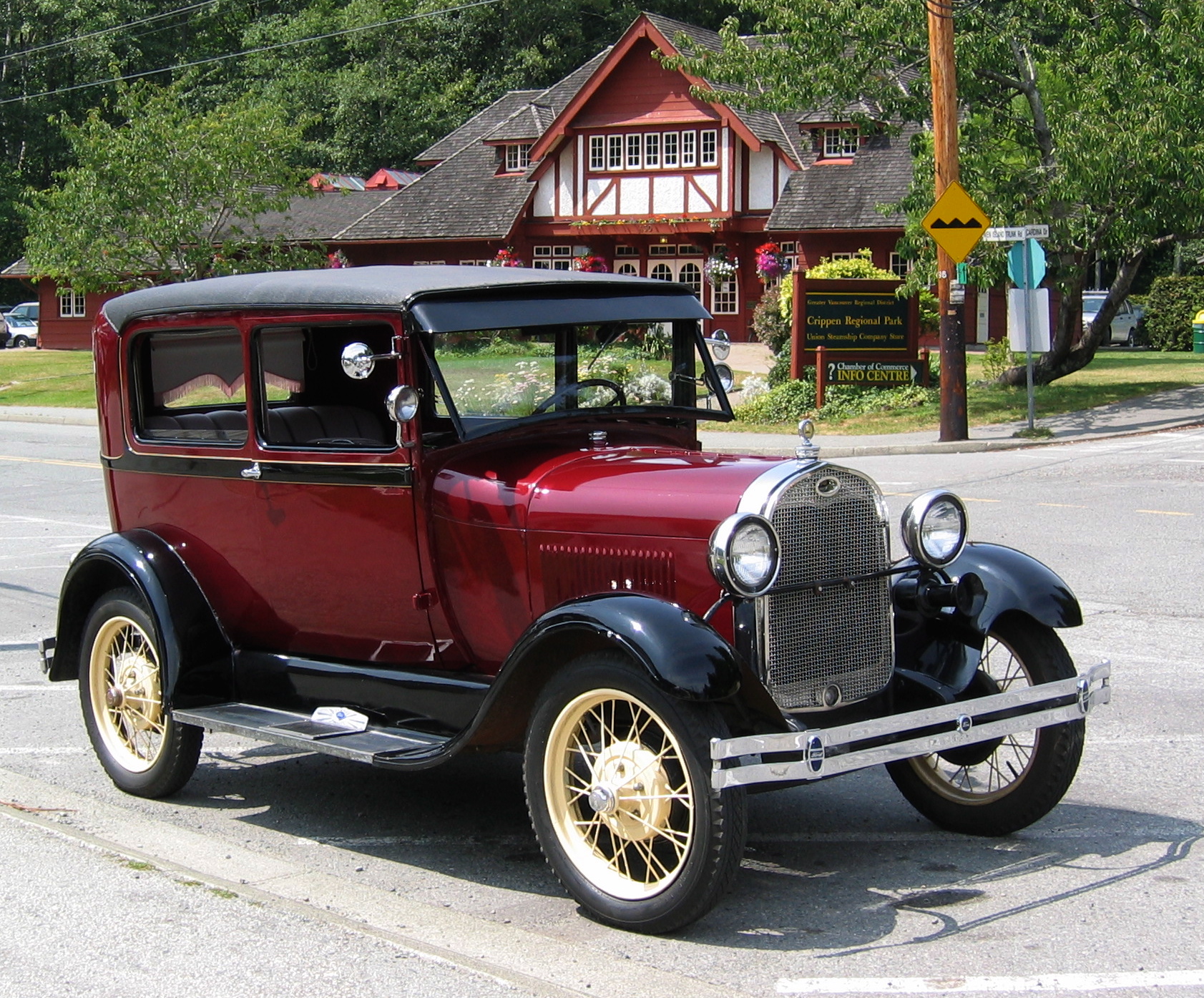
The Ford Ranger is a pickup truck. It’s designed to handle both normal road driving and rougher off-road trails. People often talk about it because it’s a popular truck to modify for 4x4 use.
The Bugatti Divo is an extremely high-performance sports car. It’s made in limited numbers and is designed to be especially good at fast driving. The podcast mention suggests it’s being referenced in a themed way rather than as a typical off-road vehicle.
Four Wheel Underground is a shop/brand the hosts are pointing to for off-road parts. They’re saying they have suspension kits and axle-related stuff for a lot of different trucks and SUVs.
FJ80 is a Toyota Land Cruiser from the 1980s. The point is that the suspension/axle parts being discussed are meant to fit that specific Land Cruiser generation.
Super Duty is Ford’s heavy-duty truck line. When people talk about suspension kits for it, they’re usually talking about trucks that can handle bigger off-road setups.
These are different ways to connect the axle to the frame using link arms. The layout changes how well the truck keeps the tires planted and how it rides when the suspension moves off-road.
Coilovers are shocks with springs built in, and they can be adjusted for how the vehicle rides. “Custom tuned” means the springs and shock settings are chosen to match the truck and how you drive it. That can help the suspension handle bumps and maintain control off-road.
Part
air bumps
Air bumps are like adjustable, air-filled bump stops that cushion the suspension when it hits its limit. They help keep the ride from slamming hard over big bumps. Off-road setups use them to protect the suspension and improve comfort/control.
Skid plates are metal or composite shields under the truck that protect it from rocks. They help prevent expensive damage when you drive over rough ground. They’re especially useful on trails where you can’t always see what’s underneath.
A shock tower is a strong mounting area where the suspension shocks attach. Off-road builds often reinforce these points because the suspension hits harder and more often. Strong shock tower mounting helps keep the suspension working correctly.
A sway bar connects the left and right sides of the suspension so the truck doesn’t lean as much. TK1 makes aftermarket sway bars for off-roading, aiming to keep the vehicle more stable on uneven trails. In this segment, they’re talking about how TK1’s sway bar performs on their 4Runner.
The Toyota 4Runner is a rugged SUV that’s commonly modified for off-roading. Here, the hosts mention their 1994 4Runner as the truck they installed the TK1 sway bar on. The goal is usually to make the vehicle feel more stable and predictable on rough trails.
The Wrangler is a 4x4 SUV made for off-road driving. A sway bar helps reduce side-to-side body movement when turning or driving over rough ground. The podcast mention suggests someone upgraded that part after a trip on the Rubicon trail.
Johnson Valley is mentioned as a nearby off-road area known for wheeling and rock crawling. It’s used to illustrate the region’s long-running off-road activity and competition culture.
Rock crawling competitions are contests where drivers try to climb over rocks slowly and carefully. They highlight the kind of vehicle control and parts that off-road companies build for.
Topic
body armor
Body armor is protective gear for off-road vehicles. It helps shield parts of the vehicle from rocks, branches, and impacts.
Billet parts are made by cutting and shaping metal from a solid chunk. That often means the part can be made stronger and more precise where it matters.
Tool life means how long the cutting tool can keep working before it wears out. Titanium can be harder to machine, so the tools don’t last as long.
Concept
anti-roll bar tuning for off-road vs on-road
Off-road driving is different from street driving: you care more about keeping tires in contact with the ground. Suspension parts like sway bars can be adjusted so the wheels can move more freely when you hit bumps or rocks.
Fox King shocks are off-road suspension parts that help control how the vehicle moves over bumps. Better shocks can make the ride more stable and help tires stay in contact with the ground.
Powder coating is a type of protective paint that’s baked on to make parts tougher. Off-road builders like it because it helps the finish last longer.
Company
rock equipment
They mention a company called “rock equipment” that helped support the racing side of things. The idea is that selling off-road gear helped pay for and promote the racing.
“YJ” is a Jeep Wrangler from a specific generation. Off-roaders often lift it with stronger springs and run bigger tires so it can handle rocks and uneven trails better.
A “35-inch tire” is a big off-road tire size. Bigger tires can help you clear rocks and obstacles, but they can also change how the truck drives and turns, so you often need suspension and setup changes too.
Slow rollovers are when a vehicle tips over at low speed during careful off-roading. It can still be scary because once it starts tipping, it’s hard to stop in time.
Air shocks use air pressure to support the vehicle instead of a metal spring. They can help the suspension stay comfortable and keep the tires planted.
Concept
superstar (bush plane)
They’re saying “superstar” is actually a small bush plane. That’s why they’re talking about air shocks in a way that’s not just about trucks.
The A-pillar is the metal support near the front of the car that helps hold up the windshield area. If you mount heavy suspension parts there, it has to be strong enough to handle the bumps and forces.
“Travel” is how much the shock can extend and compress, and “12 inch travel” means the suspension movement is designed around roughly that range. More travel generally helps a 4x4 maintain tire contact over bumps, but it also requires correct mounting geometry and clearances.
A “special adapter” is custom hardware that lets an off-the-shelf shock fit a different mounting interface. In suspension builds, adapters are often required to match bolt patterns, shaft alignment, and geometry so the shock works correctly through its full travel.
They’re talking about how physically long the shock is—about 55 inches. Because it’s so long, you can’t just bolt it in like a normal off-road shock; you need custom brackets/adapters to make it fit and work.
The segment describes a pivot from a suspension/parts interaction into building an aviation-focused aerospace company. That’s an example of how niche engineering problems can evolve into a broader product and compliance ecosystem (testing, documentation, and safety expectations).
Liability means legal responsibility if something goes wrong. Big companies often avoid certain uses of their products if they think they could be blamed for an accident, even if the idea seems workable.
They’re talking about shock absorbers made out of aluminum. Aluminum is lighter than steel, so the suspension can react faster and feel more controlled.
“G loads” means how hard the forces are compared to normal gravity. During a hard landing, the forces can be many times gravity, so the suspension has to handle that shock.
Ramp rate is how fast the suspension gets stiffer as it compresses. If it ramps up quickly, it helps prevent the suspension from slamming into its limits.
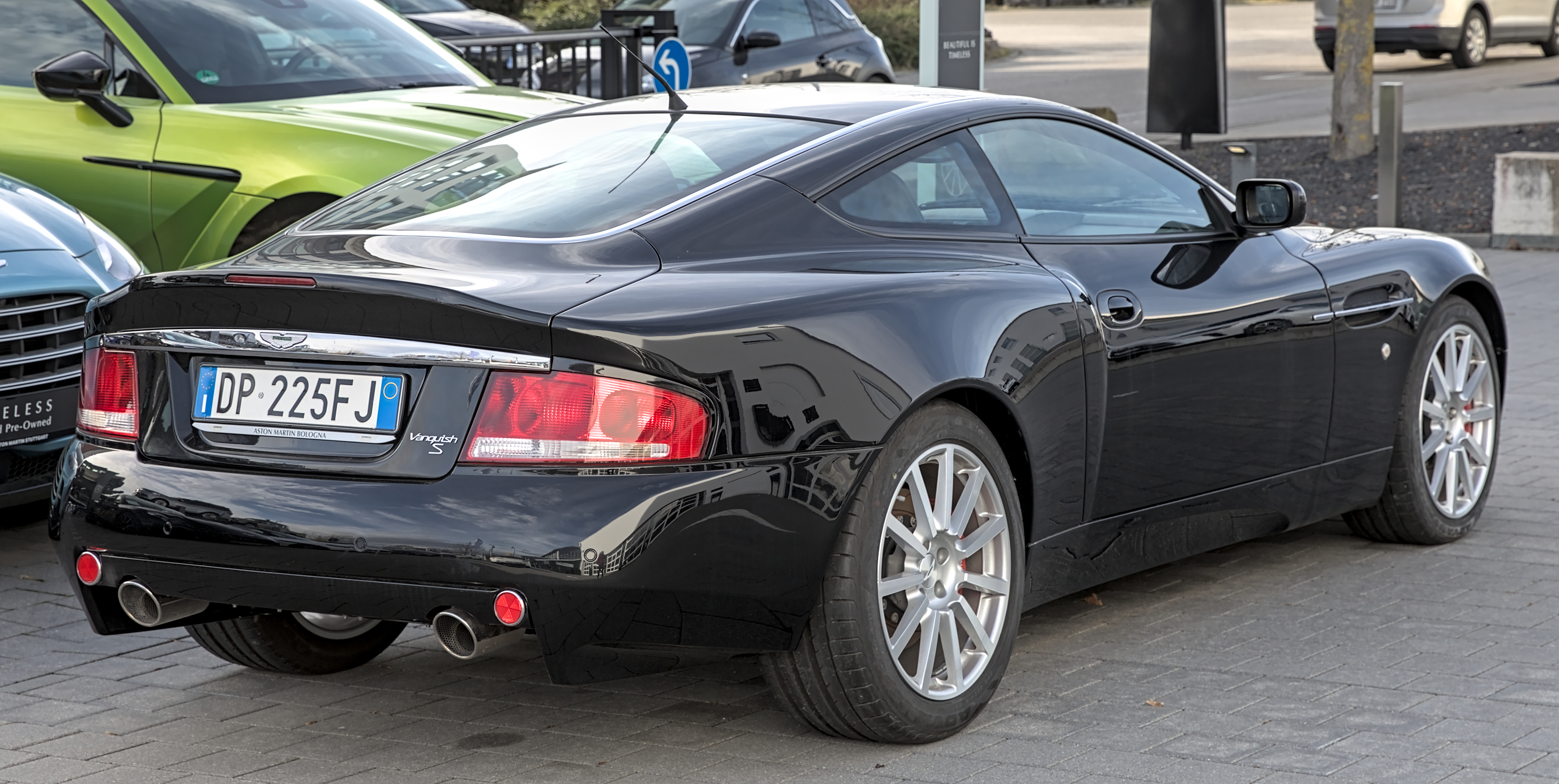
The Aston Martin Vanquish is a luxury sports car. It’s made to be quick and comfortable for longer drives, not just short trips. The podcast mention sounds related to how parts are made or engineered for the car.
Company
vanquish the RC company
They visited an RC company called Vanquish to look at their machine shop. It’s a way to show how machining and fabrication skills transfer across different vehicle types.
They’re touring a machine shop, which is where metal parts get cut and shaped with precision tools. For suspension and engineered parts, that precision matters a lot.
Tolerance is how exact a part has to be. If it’s made with the wrong precision, it might not fit right or it can fail when things get stressed. Better tolerance usually means the part lasts longer and works more reliably.
A mill and a lathe are core machine tools for making metal parts. Lathes are great for spinning workpieces to cut cylindrical shapes, while mills remove material with rotating cutters for flats, pockets, and complex features. Together, they cover a lot of the fabrication needed for custom suspension or drivetrain hardware.
CAD CAM refers to using computer software to design parts (CAD) and then using computers to manufacture them (CAM). In a small shop, having a strong CAD/CAM workflow lets you iterate quickly and produce repeatable parts. It’s especially important for suspension components where geometry and clearances matter.
“Strength and leverage points” refers to how forces flow through a part and where loads are amplified by geometry. In suspension and off-road fabrication, leverage points can determine whether a component bends, cracks, or fails at a specific location. Understanding this helps designers place material and features where they’re needed most.
A radius is a rounded corner instead of a sharp one. Rounded corners help reduce the chance of cracks forming. It’s a small shape change that can make a big difference in durability.
Aluminum can crack more easily at sharp corners because the stress is concentrated there. Smoother transitions (like rounded edges) help the force spread out. That can make the part last longer under repeated bumps and vibration.
A machining program is training for making metal parts with machines. For cars, that precision is important because suspension and other parts have to fit and work correctly.
The host is saying that even with AI, some jobs still need real people doing hands-on work. Trades like machining and repair can’t be fully replaced because they involve physical skills.
A mill is a machine that cuts metal using a spinning tool. It’s used to shape parts accurately so they fit and function properly.
Car
side-by-side
A “side-by-side” is an off-road vehicle with seats next to each other, meant for trails and dirt. It’s usually easier to use off-road than a regular car, and it’s built for fun and utility on rough ground.
Term
AC
They’re talking about air conditioning. It’s basically what keeps the cabin comfortable, so you don’t arrive at camp soaked in sweat. It matters more than you’d think on long off-road days.
Topic
day trip vs camping on the trail
They’re talking about whether they camp overnight or just go for a day. That changes how you plan the route and what you bring. It also affects comfort—like bugs and evening conditions.
A tie rod is part of the steering system that helps move the wheels when you turn the wheel. If it gets bent, steering can feel off or unsafe. That’s why trail builders pay attention to tie rods.
Suspension links are the metal rods that connect parts of the suspension together. They help the wheels move correctly over bumps and rocks. Stronger links can survive trail hits better and keep the suspension working as intended.
Adjustable rod ends are joints you can tweak to set the steering alignment. If something shifts or bends, you can adjust the linkage so the truck still drives straight.
Heat treating is a way to make metal stronger. The shop heats the metal and cools it in a controlled manner so it ends up with the right toughness for the job.
A breaker is a safety switch for electricity. The “150 amp” part tells you how much electrical power that circuit can handle before it trips to prevent damage.
They talk about sway bars being used on lots of different kinds of vehicles—off-road trucks, monster trucks, drift cars, and race cars. The idea is that what works depends on how the vehicle is driven.
OEM products are parts made to fit a vehicle the way the manufacturer intended. The discussion is saying sway bars aren’t just for race trucks—they’re also engineered for regular production cars and SUVs.
A custom profile bar is a sway bar shaped specifically for your vehicle instead of a one-size-fits-all part. The shape changes how stiff it is and how it responds when you drive over bumps or turn.
Forward Underground is mentioned as the source that recommended TK1. In this context, it signals that suspension builders and off-road shops often collaborate—one shop supplies the suspension, another supplies tuned components like sway bars.
Wheel travel is how far your tires can move up and down over bumps. Some people worry sway bars always “steal” that movement, but it depends on the bar’s stiffness and how it’s built. A good off-road setup keeps the tires working the terrain.
Torsion rate is a fancy way of saying “how stiff the sway bar is when it twists.” If it’s stiffer, it will control body lean more, but it can also make the ride feel harsher off-road. Choosing the right torsion rate helps balance stability and suspension freedom.
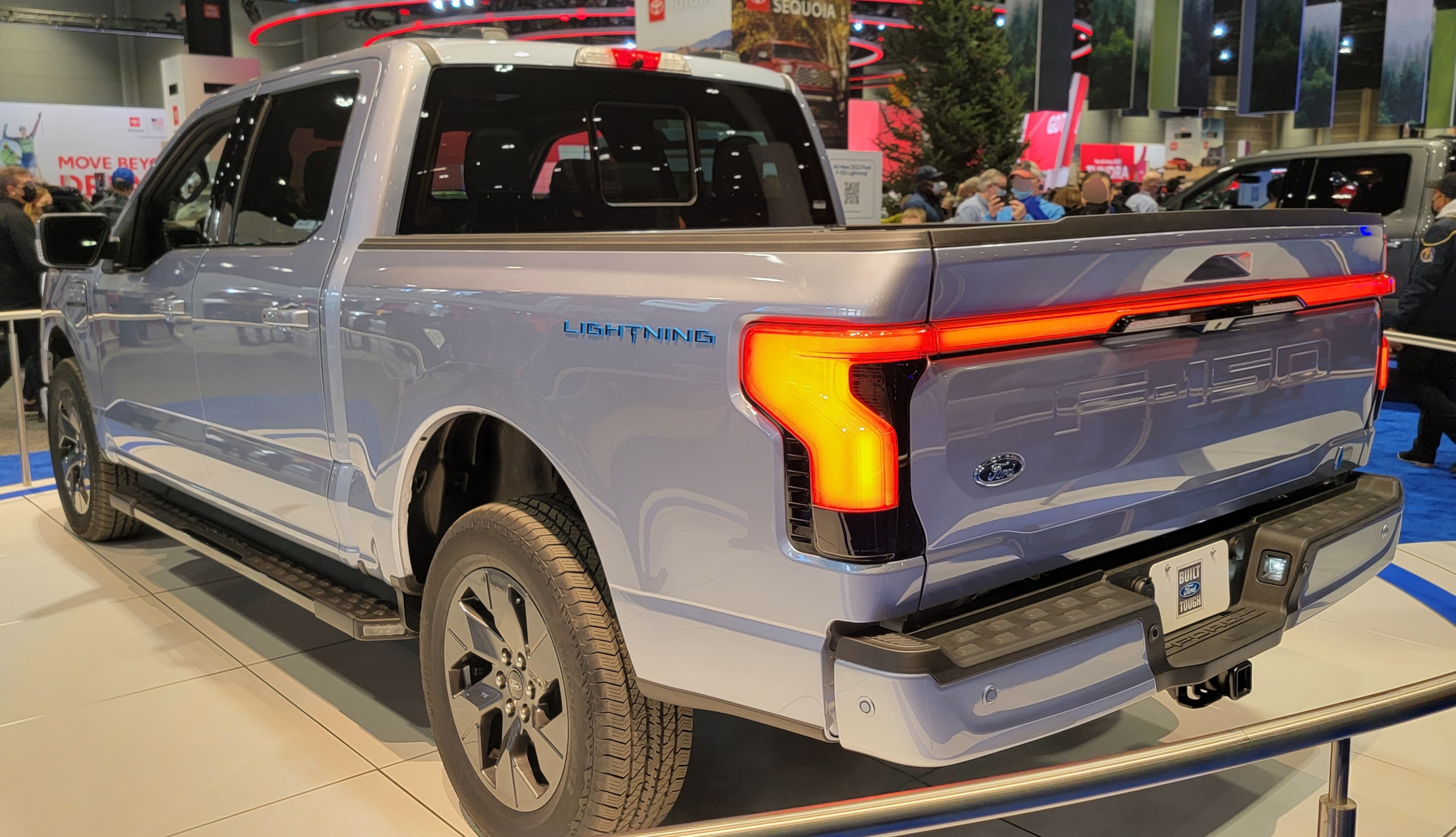
The Ford F-150 is a common pickup truck you’ll see in off-road builds. Here it’s mentioned as a reference point while they’re talking about suspension behavior. The main lesson is about tuning parts like sway bars for off-road use.
A four-link is an off-road suspension setup that uses multiple bars to hold the axle in place while still letting it move. It’s popular because it can be tuned to work well over rough terrain. In the discussion, it’s used to explain why sway bars can behave differently depending on what suspension you start with.
A leaf-sprung rig uses spring packs (stacked metal leaves) to support the vehicle. The host says their past experience with leaf springs influenced their assumption about sway bars. Different suspension designs can make sway bars feel like they affect travel more or less.
Concept
nine inch portals
Portal axles use extra gearing near the wheels to lift the vehicle higher off the ground. The host mentions “nine inch portals” as a type of axle setup and says it changes how much you need to worry about sway bars. It’s basically about how the axle design affects clearance and balance.
Concept
axle perpendicular to the other one
They’re talking about a tough off-road situation where the suspension has to twist a lot. When the axles get to extreme angles, some parts can stop the wheels from moving freely. That’s why tuning things like sway bars matters.
A rear sway bar can change how the whole suspension works, not just the rear. If the front is too stiff from the factory, adding the right rear setup can help the front wheels move more freely over bumps. The goal is better tire contact on uneven ground.
Disconnecting a sway bar is a common off-road method to reduce its influence on wheel travel, allowing more independent suspension movement. The speaker argues that with the right “spec bar” (tuned correctly), you shouldn’t need to disconnect it because it won’t overly limit articulation. This frames sway bar design as a performance solution rather than relying on a disconnect mechanism.
LIVE
Oh, welcome one. Welcome all to the snail trail four by four podcast. If you like going
off roading in Toyotas, wrenching on Toyotas, camping in Toyotas, maybe even poking a little
bit fun in Toyotas. And of course, hearing about how fantastic billet aluminum is in
then this is the podcast for you. That's right ladies and germs. My name is Tyler
joining me for another episode of snail trail four by four podcast is that guy way on the
other side of the room. Mr. Jimmy jet. How you doing over there, man? Good weather's fine
over here. How are you? That's pretty good. It's nice and sunny. I'm under the window.
Yeah. So yeah, I don't I can barely see you more of a silhouette. Oh good. That's perfect.
Yeah. I'm not. I'm not wide enough for you. Yeah. Maybe. Oh, you're the son. Exactly.
They're going to make some crack about me reflecting this side. Anyways, we're over
in a studio L today. I haven't been back here in a while. I haven't been here in a long
time. Yeah. Different room, different studio setup. There's a lot of whiskey there. Yes,
there is and other drinks. Yes, there is. There's some really cool artwork that I'm going
to be distracted looking at instead of staring at you. Yeah. Good old Tay Tay. And then you're
over there, which is kind of weird because I feel like I need to talk louder to reach
to talk to you, but we have the headphones on so true that and I start thinking about
it. I was like, we could be in separate rooms podcasting. We've been in separate houses
podcasting true, but that's not as fun. I don't know. Yeah. I mean, it's sort of like
when we were children and we had like the can and the string almost there. Yeah. Yeah.
But not quite. No, but let's see. We've got a few things to discuss with everybody today
before we jump into the main wonderful fun discussion that we have. Let's see. Where
shall we start? We have a lot of things actually really some smaller things, but some things
that we do need to talk about or about halfway through April now. Yes. So what does that
mean? That means we're in gift box month. We've talked a lot about what that means for
you guys and essentially it means if you want to move around tears this month is typically
one of the two months. That's a really good time to do that at because everything's open
and available right now, just like Jimmy's legs. And so don't shake your head and roll
your eyes at me. Just laughing because it's true. That is true. So anyways, April, everything's
kind of open, makes it nice and easy to move around tears. If you wanted to go up into
the gift box here, go out and leave the gift box here without kind of like losing money,
quote unquote. So all you got to do is go over to our rate four by four and you can sign
up for the new tier that you want to get in on. And then if you want to cancel your old
tier, you need to go into your PayPal account and find your subscriptions area and manage
your subscriptions and cancel the old tier that will be listed under subscriptions on
your PayPal account. So if that's confusing or if you get to do it, we will kind of reach
out to everybody in May. May, I think May or June. I think it's in May where we figure
we can figure out the walls on it. Sorry, the Shandy's come trying to come back up. Thank
you, beer Craig for the request or the information on that. So in May, we will reach out and if
you guys have signed up for multiple tiers, we'll just reach out to you and confirm and
let you know that you're signed up for multiple tiers. And if you want to cancel, it'll give
you an opportunity to remember to go into your PayPal account and cancel that. So that's
going on for April here on gift boxes. Those are going out probably like last month of
April for sorry, last week of April, first week of May, somewhere on there. Yes. So
just keep an eye on your email. Are we going to send out tracking numbers?
I don't know how it normally does it because Morphly Ben usually sends them out. So I don't
know if your software sends out tracking numbers to emails or if that's even in the system.
I'm not sure. Do you give them all the emails for the shipping addresses?
I don't remember if I have in the past or not. Probably not then. Just keep an eye on
a package showing up from snail truffle by four or show up from Morphly then huh probably
watch for some sort of package to show up last week of April, first week of May,
somewhere on there. We'll let you guys know once we ship them. So you have an idea of exact
timing on those. The gift boxes that we're doing are kind of cool. They've got essentially we put
together some goodies for you guys and we'll talk about those probably next week would be my
guess. That way you have a couple of days here to still get in on the gift box here if you really
want to. If you decide that, Hey, is it cool stuff? I wish I got a gift box and I wish I
can get one in October. Yeah. You guys can go ahead and sign up for that before it closes up
at the end of April, but let's see. So that's it's kind of a fun little thing that Jimmy and I
put together. We don't really make any money on it. It's kind of just an extra way to say thank
you to you guys for listening and supporting the podcast. So this one's kind of nice. It's stuff
that you can use over and over and over and over and over and over and over and over and over again
until you get like 15 years down the line and then you're like, okay, I should probably get rid of
these probably. Yeah. That's what your wife will say. Life said it's time. Yeah. So yeah,
that's right. Everybody's getting snail travel by far underwear. No, it's something else. So
thanks Nick for Montana for the idea. Yeah. So let's see for the giveaway this month, we have
two gift boxes to give away. So you'll have two separate winners and you'll, you'll get more of
these if you're already in the gift box here and it's nice to have more of these. So that'll be
coming. We'll announce the winner there first or so probably not until third or so week of May
because we'll be out running around three different states the first half of May. So
true that. Yeah. I didn't quite think that one all the way through. We'll have, we'll have a lot
to keep catch you guys up on the second half of May there. So in the meantime, we do have episodes
scheduled for you guys for the first half of May and we're really excited to see how those turn
out. We don't even know how they're turned out. So I guess Jimmy gets to hear them. Yes, I do.
Don't the listeners don't know what's going on though, which is much fun. So yeah, we're gonna,
we're gonna be releasing episodes to you guys. Even while we're out, we're gonna do some,
some ahead of schedule and we're gonna get some done just to get, make sure that you guys are
still going to get your content and everything to your ear balls, your balls, your balls works
your holes. Yeah. And then we'll be back. I think we're going to try to record some as well while
we're out there. Um, romping around in the dunes, we'll figure out how to get something
recording while we're driving around, I think is going to be kind of fun and challenging.
But we'll definitely try to get some interviews and things while we're out there. So that could
be a good time as well. So yeah, definitely. So we'll get, we'll figure out who wins the gift
box is for the giveaway tier. So as soon as we get back, we can figure that out. Yeah. Let's
say we also have the group by going on. That's right. And we're, so we have surpassed all requirements
already. We're almost to 60 claim the units already. Yes. Last I heard we were just over 30.
No, we're, yeah, we're way up there. Um, yeah. So we're definitely beyond the 25% off tier. So
if you guys, you have till the end of the month, you have another week or so, if you want to get
in for a Divos Light Ranger 500 with at least 25% off, they might give us more because we're
definitely going to be getting, we're bringing more to the table than I think we expected to bring.
So I'm not sure if they're going to give us more off. That wasn't necessarily part of the deal,
but we might inquire about it or something. However, at minimum 25% off a Divos Light Ranger 500,
all you need to do is either tell us that you're interested in one on the Discord and then DM us
your email address or send me an email, uh, jimmy at snail trail four by four dot com.
Tell me how many or how many light rangers you want and I can grab your email from the email. So
that one's super easy. But then at the end of the month, we're going to send them a follow-up email
with everybody's email addresses and quantities. And we're going to figure out how to move forward
with payments and shipping and everything from there. So all we need to know, you don't,
there's no down payment. There's nothing. All we need to know is how many you're interested in.
And I need to get your email address. So it's just that easy. Cool. So yeah, that's pretty
exciting. I didn't realize that 60 of them is a lot. That's a really cool response from the
listeners. And it'll go a really long ways to continuing to get to do some cool stuff with
us in the future. Cool. I think that's any other big announcements. I know we had a
little bit of a long interview today. Yeah. No, nothing really. I think I'll just shout out,
you know, make sure to leave us reviews on Apple podcast to continue the growth of the podcast to
other people and sharing it to other people, leaving us a review goes a long way for the
softwares and the power at B to share the podcast whenever anybody searches for anything off-rooting.
Also, the best way to help the podcast is to just share it yourself, share it with your friends,
share it to people that like off-roading, anybody that's listening to a podcast that
likes off-roading, you know, just tell them about Snail Trail 4x4. And then the last little bit is
the Discord. If you're interested in jumping on the Discord and joining us on some fun chats,
you can do that there. There is a link down in the show notes so you guys can join.
Yep. I think last time I saw we're over 60 people, 64 on Discord.
I think so. Yeah, we're definitely within a week's timeline or a little over a week's timeline. We
jumped up 40 people or something. Yeah, something like that. Already some really fun conversations
going on. So definitely come over to the Discord and check out and hang out and chat with everybody.
All right, that does it. Let's take a quick break here and we'll be right on back with Garrett
from TK1 Racing. And he's going to talk to us today about some really cool stuff that TK1 does
and some background info that Jimmy and I weren't even aware of and some really cool stories. So
we'll take a quick break, grab your favorite drinks. We're having Coors Light Lemonade.
Thank you, Craig, for the recommendation on the Natter days. We're just using Coors Light
instead of Natty Ice, but not bad. I'd give it a seven out of 10. I like it. I like the
Pormos is better, but okay. All right, we will finish up these Coors Light Natter days and
we'll be right on back with Garrett from TK1 Racing. At four wheel underground,
we have something for everyone's 79 through 04 Toyota vehicle. Whether you've got a Chevy Dana
60, 05 and up Super Duty, fabricated, FJ80, or many truck axles, we've got you covered.
Three link, four link, parallel and triangulated suspension kits. We've got you covered under
bed coilover mounts, through bed coilover mounts, trailing arms, cantilevers, custom tuned coilovers,
and air bumps. We've got you covered frames, diffiners, subframes, skid plates, shock towers,
and more to come. Make sure to use coupon code snail trail at four wheel underground.com because
we've got you covered. Oh, welcome back everybody. We're here. Actually, we moved a little bit.
We're no longer in the studio. We're out in the studio. This isn't studio L. We already have a
studio L. What, what studio would this be? Could be studio arrow, arrow. We're out in the,
in actually sitting in an airplane hanger at the moment. And we got Garrett here from TK1,
which we've talked a little bit in the past about TK1. I've got the TK1 sway bar set up on Kermit,
the 94 four runner. I talked to my dad into getting a TK1 sway bar on his truck after our
trip to the Rubicon last, last fall, the end of summer, early fall. And so we were like,
we talked a little bit about TK1 Garrett and we had some listeners say, you guys have to go
interview TK1 because we, as you found out when we were sitting down here, learned that we thought
that TK1 was mainly an aerospace company first and then was like, Oh, we could build this sway bar
crap. And that's totally not the way it is. And we were like, we need to, we need to get the story
behind this. So we got Garrett here today sitting out here in an airplane hanger. Garrett, how the
hell are you, man? I'm pretty good. How much you guys doing pretty good? Yeah. Thanks for having us
out here. Thanks for, thanks for having me a part of this podcast. Yeah, dude. Well, another benefit
to this is we didn't realize actually how close you were to us. Yeah. You know, I live over in
Loomis. He's down in like Sacramento area. You know, it's like, Oh, wait, you're a neighbor.
It wasn't until I ordered my sway bar that it was like, Oh yeah, it'll be shipped and, you know,
the estimation will be there tomorrow. And I was like, what, where the fuck are you guys? I looked,
I was like, Oh, let's just come pick it up. So that's cool to see the companies that are doing
some really cool stuff in the offered industry. Just like how many of those we have around the
Sacramento area. Yeah, definitely. Yeah. So what was like a, why do you think that? Why,
you guys do some really cool stuff in the Sacramento area. Why, why the Sacramento area
do you think is such a conglomerate for really cool off road companies here?
You got a lot of wheeling around here. So everyone knows Rubicon Trail, like that's a staple in the,
you know, in the off road community. It doesn't matter where you're from, you know,
Rubicon Trail. Ford Isis right around the corner too. That's also a pretty fun trail.
You got Barrett. Johnson Valley is not too far away. So there's, there's always been wheeling
here. They had a bunch of rock crawling competitions in the North Cal area. So, and then it's
California. So there's always business. Everyone has a business in California.
So you need to for the tax.
So I think that's why like there's just, there's so much off road activity out in this part of
California that it's, people can have their passion and, you know, kind of work with their passion.
So, you know, start their own companies. If they're making body armor or yeah, body armor,
sway bars or whatever it is that they're doing.
There's a lot of opportunity for off-roading parts manufacturing and R and D is great out here.
That's cool. Tell us a little bit about TK1. So TK1, we, you guys are going to notice we
make a bunch of sway bars. We also make a landing gear for airplanes, maybe mainly off airport
bush planes. We also do some aerospace stuff and just a lot of billet parts for airplanes as well.
Would you guys say that, would you say that you're really, your specialty is billet,
like doing and manipulating aluminum and making these chunks of aluminum into really cool stuff or
Yeah, like we machine all of our own parts in house. We're pretty proud to say that there's not
a single part that we sell that is casted. So it is all, every part that we do is either round bar,
you know, rectangle bar, square bar, tube, something of that nature. It is all billet. So
you know, whether it's steel or aluminum or stainless or even titanium, we do some titanium
stuff too. Are you guys machining titanium? Yeah. How much of the tooling cost for titanium tooling?
It's not as bad as you think. Really? But your tool life is not great.
So you're spending a lot more money on tools just because you have to have four of those
because you're going to go through the one job. Yeah. That's crazy. What is like I'm curious
on titanium. I imagine you might know this the hardness scale of metals. How hard is titanium
compared to aluminum compared to steel? So titanium isn't hard to machine because it's hard.
Titanium is very gummy. So it wants to stick. So titanium is 40% lighter than steel, but it's
not that it's hard. It's super strong, right? But it's not that it's hard that makes it really
hard to machine. It's the fact that it's just gummy and it wants to stick and it doesn't want
to leave that it's parent material. It wants to like almost grind off of that, but it doesn't
grind. It comes off in chips, but it's just it's not fun. It doesn't give up easily. Yeah. Yeah,
it's a fight. Okay. I didn't realize you guys are doing titanium stuff too. That's pretty rad.
So how much of the business is aerospace stuff versus off-road stuff?
It's for aerospace. We're probably about 20% of the business is aerospace. Probably about
30% of the business is off-road because really all of we sell for off-road is just sway bars
at the moment. So probably about 30% of the business is off-road than the last 50% is
general aviation stuff. So did you guys start as aerospace aviation stuff or you guys came
from the off-roading background, right? Yeah. So Tony started rock equipment eons ago.
He said it was only 10 years ago. So it started rock equipment. Rock equipment kind of died in
the in the crash OA started TK1 racing just kind of with the bones and the foundation of rock equipment.
So what was rock equipment then? So we made chassis. Full chassis. Full tube chassis like
single seat, dual seat, rock crawler chassis. Okay. A bunch of it was just like a wholesale,
like almost like a four wheel drive parts too. We just sold a lot of parts too. So
okay, wholesale like Fox King shocks and essentially everything to build cars off of
your chassis. Exactly. Yeah. And that's why you so we met Tony earlier and he was saying that he
went to a bunch of the rock racing back in the day. So he was in his chassis going around promoting
his chassis. Did he have a big old banner of Mountain Dew on the side? He said he was working
with Mountain Dew. Yeah. Oh yeah. There was cars that were powder coated like lime green.
And you know, big old sticker of Mountain Dew and then everywhere he walked just Mountain Dew.
I remember we used to have pallets of Mountain Dew just dropped off at the house. So we'd be
like throwing them out and stuff like that. You'd go do the fair down the Lincoln or the parade
down Lincoln, you're hucking Mountain Dews and people. You can suck your treat in our house,
you get a Mountain Dew, right? That's rad. Okay. So that makes a lot more sense. I thought he was
just loved the sport and he was wanted to go all the competitions, but really it was another level
of promotion for him for the, what, for the, what was it called? Rock, rock equipment, rock
equipment. And so you guys had chassis and then a wholesale kind of store that you were selling
all the products out of. Awesome. Okay. That's pretty cool. That makes a lot more sense because
I was like, there's no, there's, there's can be money to had in, in racing, but typically race
teams run at losses. Yeah. I don't know how, how do you go from running a race team doing 52 weeks
a year on the road with a race team and, and afford all that and, and keep that up and running.
And sounds like rock equipment was the answer there. Yeah. Yeah. The race team is just promoting,
you know what you made? So yeah. Okay. Got it. That makes more sense. Okay. And he started that.
He said when he was 19, was rock equipment essentially? No, he started like racing when he
was, uh, when younger, um, he probably started a rock equipment in the mid nineties, I would say.
Um, so yeah, got in, uh, got out of, uh, trophy trucks, desert racing, stuff like that.
Um, got into rock crawling. That's when rock crawling was starting to take off.
At that point, it was a YJ that you put bigger springs on and, you know,
you could run a 35 inch tire on it and stuff like that. Um, and, uh, and then, um,
I forget what company like started it, but pretty much one company got together and, um,
was like, Hey, have you ever like heard of rock crawling? He's like, yeah,
I go to the Rubicon all the time, you know, take, take the family out there. Um, and he's like,
no, like an actual competition. And, um, and so that was kind of how the competition crawling
got started with him. Um, and, uh, haven't really looked back sent. So was that rich Klein or was
there something before rich Klein and rock crawling comps? I think it was Mountain Dew that
came to him and that wanted to get in one of the promotional, like
to get into rock crawling. So, um, there was, there was, it was getting pretty popular at the
time. So, um, you know, you could get a lot of magazine views being in, you know, crawl magazine
or whatever, whatever magazine was around at that time. So, um,
Did he have that connection from the Baja racing before? Yeah. So, um, and then he retired from
Baja racing, just, uh, too many wrecks, concussions, stuff like that. Um, and
that can happen. Yeah. Especially when you're hauling ass like that. So
was he doing trophy truck stuff or was he doing, uh, class ones or
I think it was a mix of both. Um, this was like when he was racing like that, it was before my
time. Um, but I think it was a mix of both. So
God, you came around. He's like, I need to do something more safer. Yeah.
Yeah. So he got into slow
Rock crawling. Yeah. Slow roll overs. Yeah. When you can, when you can sit in the car and be like,
Oh, this isn't going to be good. Yeah. I'm going to grab the ocean and handle just for one second.
Yeah. Instead of holding onto that steering wheel for dear life. Right. Yeah. Definitely.
Close your eyes and pray. Got it. Okay. So he, uh,
was promoting his own company, hitting all these rock races across the country.
Then the crash of 2008 happened. It really affected the company. Um, and then there was
sort of a spin off of that to our TK one and, uh, just sway bars. Is that? Yes. So we used to,
when TK one kind of first started, we also made like coil overs, air shocks, bump stops. Um,
and they weren't a great shock, but they worked. Um, so we, we made all aluminum. So they're really
light. Um, but again, like they weren't a great shock, but they worked. Um,
then, uh, we get sent a video of a guy flying a, a superstar with some Fox two inch air shocks on
it. What's a superstar? Uh, superstar is a, a bush plane. Okay. Pretty lightweight bush plane.
It's got, um, Fox 2.0 air shocks, which you would consider like an A pillar. So it mounts up on
the A pillar and goes down to the axle of the gear or of the airplane. Um, so, uh,
Fox 2.0, like the off-road air shock, like a 12 inch, like a 12 inch travel air shock.
Okay. Yeah. That they made a special adapter for the top cause the shock is 55 inches long.
So they made, and they screwed a, they double up a body. So that's how you get a shock that's
that long. I have a 12 inch air shock. Um, so we got that a video, um, sent him an email
say like, Hey, I think we can make this better. We could probably definitely be lighter. Um, get a
call back from them, um, sent out a couple of shocks, like the following day for them pretty
much and the rest is history. So we, we still work to that with that company to this day.
Wow. Um, they're, they still sell a bunch of aircraft. Um, and we, we sell, uh, aircraft parts
to a bunch of other, um, manufacturers too. Yeah. What's kind of funny to me is, and I don't know
if this is, if the, the statute of limitations is beyond, we can cut this out if it needs to be, but
um, the, the, the, the bush plane owner reached out to you guys because Fox reached out to him
and said, you can't run those on an airplane. We don't want those on airplanes kind of thing.
And that's when he was like, if you guys, we can do this better, we can get this and make
this thing. And then you built a whole fricking aviation company and aerospace company because
of that interaction, because Fox was like, no, don't do that to our stuff. Yeah,
we don't want the liability. He's an airplane. You're like, that's gotta be a big liability,
right? Um, and, uh, and yeah, I don't know. I don't know exactly how true that is. I don't
know what exactly Fox said to him, um, but I didn't, I 100% understand that Fox is a massive
company. They don't want to, the one thing they don't want as a headline is airplane wrecks,
Fox shocks on it. Like that's not a good headline for him, right? Yeah. Um, but at the same time,
they, uh, this is my, one of my issues with big companies like that is they're so concerned
about liability that they miss opportunities. Yeah. I think, and it's really cool when
people that have some really rad knowledge and skill sets step up and like, I don't know,
fuck that. I can do that. Yeah, we can do that. Let's, let's find a way to do this. And that's
essentially what Tony did. Yeah. Yeah. So like I said, we've been, we've been making aluminum shocks
at this time. Um, so it translates well, aluminum's really light. Um, and now we, we've gone even
further with it, right? So, um, so like we were talking about earlier, like we make a four inch
diameter air shock for airplanes that essentially slam into the ground. They stop flying and just
drop. Um, so the G loads on them and, and we use air because air is adjustable. Air's got an insane
ramp rate. Cause the more you can press air down, it's the, the more your spring rate ramps very
progressive rate. Yeah. Yeah. And, uh, and, um, it's light. So yeah. And that was, that was pretty
cool. When you were like, Oh yeah, we make a four inch body shock. I'm like, what the fuck are you
loading up as a four inch body shock? Like how big of a plane are you on? And you're like, it's
actually like a 6,000 pound drone, but it just drops out of this. That's how they landed is they
drop it. They turn all the power off at 15, 20 feet above ground. I'm like, what? Yeah.
We got an airplane going by. I don't know if you can hear that in the background, big turbo prop
coming by. Yeah. Oh, it's cow fire. Oh, okay. Nice. That's pretty cool. Yeah. Get to watch them
train all day. They'll come out here with like the, the, the Chinook helicopters and practice
like a bucket drops and stuff like that. So it's pretty cool to watch right on top of the shop.
Oh yeah. It's loud. Only when you're on the phone though.
Okay. So cool. So you guys saw an opportunity went after it and that kind of rebuilt and kind
of got things back up and running with the business after the 2008 crash. So you guys still had, you
have a bunch of really cool machining equipment. We got to go over to vanquish the RC company
and see all their machine equipment and it's really like, it's just, it's cool to get to walk
through a machine shop, a machine shop and see what you guys are doing it, how you're using the
equipment and all that. So we got the, we got the tour before sitting down recording. So you
guys had a bunch of machine equipment left over from the 2008 crash or some of it, one of them.
So the, all of the machine stuff in there is actually pretty new. We used to
go to shops and have them machine all of our own products or our parts to like, we'll design it up
kind of be like, Hey, can you make this? We had one shop that made some parts that we're not
within such a good tolerance. And they broke and they tried to wreck a couple of airplanes
and so we're all like, well, how hard can this be? So we went out like literally the,
like the next week went out and bought a little mill and a little lathe, one of the lathes we still
have and started machining our parts. We picked up a kid from the high school, Marcus, you guys
met earlier. He, so when he started working, he was a junior and none of us knew, well, he knew
because he was a high school program for machining, but that was our CAD CAM guy running two brand new
machines was a junior in high school. And so he's transformed into like a stellar CAD CAM guy
that like can almost make anything. And so he's been with us for probably six or seven years now.
Is that just because has he gotten to that point just from working on parts for you guys or are
you guys sending him to like training exercise stuff? He's gone to, I wouldn't say like training
exercise stuff, but like every sales rep that we can get to come through our door to try to
like, how can we approve? Like that's their, their speech, right? Like we, if you buy our product or
use our product, it'll do this better or that better. So it gives him a chance to work with
someone in the industry, try new parts with them, but he's pretty much self taught. So
there's, there's a lot of money involved with that because there's some stuff that
breaks along the way. Like he wouldn't be where he's at without, you know,
breaking a, you know, a couple hundred dollar in mills here and there or drill bits or, you know,
this and that. So it's an expensive learning opportunity, but it's a beneficial one on the flip
side because now he's a better, he has a better understanding of, absolutely, of like mechanics
and probably strength and, you know, leverage points or whatever to get him to where he's at
today to be able to design and build these cool things. Yeah. So it makes him a better
cam guy because he knows, oh, I need to put a radius here. Aluminum likes to crack when
there's a hard edge. So that was a, that was a pretty expensive learning curve. We made a whole
bunch of parts with a sharp corner and, and how everything we do has a bigger radius on it or
something like that. So yeah, that's cool. I'm always, I'm, I'm always amazed at companies
when employees make mistakes and they're like fire them right away. Like no, no, no, no, no,
because you're just going to hire somebody that next person is going to make the same mistake.
Like you keep the people around that you've spent the money on training with the stakes. Now
they're not going to make those mistakes again. If they keep making the mistakes, then yeah,
you let them go. But yeah, we try to like, I mean, no, the besides starting the oldest guy at the
shops, 27. So I was going to say everybody in there is pretty. We have a like a program. We
try to pick as many kids from the high school that we can. So we have a one of the kids that
works there. Now is a high school student. So he's got an internship through the high school
to come work here. That's cool. And so it gets, does the high school then have a pretty good
machining program? Yeah, I would that that seems like you've got a half a dozen machines for a
machining program. And so they do a really good job. That's impressive. Yeah. So that's really
cool that I haven't heard of that many high schools having any kind of machining program,
let alone one at that extensive. And it's definitely based on how things are moving
with AI. I think the trades are really that's going to be one of the only protected markets
that is going to need people hands on stuff. And it's cool to see a high school in the area
with that extensive of machining program. Yeah, that's awesome. And we love it because
obviously we get to pick like the students up off of them and they're not like they know stuff
already. So it's not like we're teaching them from the ground up. So they already have a strong
foundation. They know like how a mill cuts material, how a lathe, you know, it spins apart.
So it's super beneficial to us because there's already time invested and we get to,
we get to almost kind of talk about like the curriculum with the teacher of that program.
Be like, Hey, like, you know, the last couple of years are interns, like they've struggled with
this aspect of it. Can you like focus a little bit more time on this, but they get this aspect
really well. So it's cool to like see how the, when we like kind of like almost try to approve
the curriculum with the teacher, how that translates down to the kids and what they're
learning. Well, it's a real life application too. I think that's one of the big issues in
high school with kids is they're like, how is this going to apply to me later in life? Like,
why do I need to know the certain date of this war in 1812, right? It's like,
and I feel like there's a disconnect there between, you know, some of the theoretical
mathematics that you do in high school, getting into physics, trigonometry, calculus, that kind
of stuff and how it relate in life and machining is one of the things that can absolutely relate
in life. And when you have a company like TK one coming in and being like, they're doing pretty
good here, but we're missing a step here. It's, it helps wire in the curriculum and the teachers
can help train the kids for coming out of high school with this really cool background of
machining. Yeah. Yeah. That's right. I love that relationship. Yeah, it's awesome. So it also
really helps the student because now they're getting act. Well, not only are they getting in
class instruction and some hands on experience, but they come out of high school with actual
physical experience is something that they can put on a resume. And, you know, if they,
maybe they aren't going to work out for you guys or that, you know, they just want to go away
because they're young, right? They can go away and be like, no, I worked in a shop for these periods
of time. I'm not a green person with, you know, this wonderful idea that I just want to work in
a machine shop. It sounds fun. You know, like, no, you're, you actually have hands on experience
and brand the machines, you know, and it helped out. So yeah. So that's good for many people,
right? Yeah. That's awesome. That's really cool. You guys. Yeah. All right. So let's get back into
a little bit off-roading. Obviously you guys, do you still do quite a bit of wheeling? Are you
you and Tony and the family and the guys? How many of the employees there are off-roaders too?
So one's in the process of building their own rig right now. Cool. Three of us have Jeeps and then
one of them has a side-by-side that's right behind you. No Toyotas. No Toyotas. Well, the one that's
building is building a Toyota. So yeah, he's building a Toyota and he's, he's a pretty bad-ass
fabricator, so he's going to build something really, really cool. That's right. But yeah,
like I just went to Rubicon not last weekend, but the week before and that was a trail conditions
right now. This kind of our quote unquote early in the year. It's pretty much exactly what it's
like in June. It's a little bit wet, but it makes it nice too because some of the rocks are a little
slicker. That's dusty. Yeah. That's a big nice thing. Yeah. It was nice. I was like, I don't remember
last time I was at Rubicon and just not drenched in sweat because I got a GYJ. So like AC is not a
thing. I can't go without AC. So it was like nice. I was like, I'm in a t-shirt. Like it's nice. I'm
not sweating. It's not dusty. How's the mosquitoes right now? They were pretty bad.
That's the downside of early season. Yeah. We tried to get off the trail pretty early.
During the day, they were fine, but like as the evening set in, they got pretty bad. So
did you guys camp out there? We just went for a day trip right up day trips. So are you like
going in and out loon? Are you going all the way through? We typically go in and out loon. So
this last time we went to Little Sleuths. Most of the time we tried to go to Buckingback.
Have lunch by the lake and then come back out. Exactly. That's a great day trip.
Yeah. Old Sleuths and Little Sleuths and, you know, Soup Bowl and all the fun obstacles.
Nice. Yeah. I saw that you guys have a tie rod on a Jeep over here that's bent. So
I think you were saying that you can make tie rods and suspension links. You're just not really
into that business, but like, yeah, we'll make it for like the local guys around here. It's not
like a business where we really want to market super hard and ship and, you know, ship across the
country. So that's a ship. I don't know why, but a solid piece of rod is not that cheap to ship.
But so yeah, like all the local guys will make links for and stuff like that.
But it's cool to see that on the Jeep because it shows that you guys are going out and using the
parts that you're making. And so like when it comes to you guys' sway bars that you're really
well known for in the off-road industry, I think it bodes well to show and talk about and talk with
companies that are going out and all the employees are actually using the products too. I think that
speaks volumes for companies in the off-road industry particularly.
Yeah. And the tie rod on the Jeep's bent because it's a piece of 6061. So like the industry standard
for tie rods and links has always been 7075, right? But why has it been 7075? Is it 7075?
Because someone just was like, oh yeah, it's stronger. So this is what we're going to use.
And it turns out like 6061 bends pretty easily, which we figured it would. But like now we have
proof like this is why you're not going to do this out of 6061.
How many trips do you think that took before it bent?
I think the first trip is actually when it bent because he center punched a rock pretty good
with it. So like it broke the steering stabilizer off of it. So I think the first trips when it
broke and then we've just been adjusting the toe. So it keeps it straight even though it
should be a little toeed in. That works. Yeah. So we'll build a new one one day, but
yeah, works for now. Yeah. It drives. That's nice thing about having adjustable rod ends.
Nice. So let's get into a little bit about your sway bars. Let's talk sway bars because that's,
I think when people hear TK1, they think the sway bars in the off-road industry.
What is it about your guys' sway bars that makes them so nice?
I feel like that the quality of the product we put out there, we get, like we said,
we machine everything in house. So we control our tolerances, our finishes,
how everything fits together, how it looks, how it feels. We get to, we get control all that.
And we're constantly changing stuff too, which does suck for the consumer sometimes when he
needs a part that we use three years ago. And we're like, oh yeah, we actually got to make that.
So give us a couple of weeks. But we can control almost everything. Like I said,
the only thing that we don't do in house is heat treat for our sway bars and anodizing.
And heat treats something we love to bring in house. It's just a lot of power, a lot of money.
Creating heat costs a lot of power. Yeah. And that's something we don't have very much of anymore.
Just because we'll clarify that because you have so many cool machines that suck up all the other power.
There isn't available power for you guys. You got to turn off all the machines and
just run the heat treat or the heat treatment. Essentially, yeah, that's what we'd have to do.
If you're on like a 150 amp breaker and we have 200 amps of power running in that shop.
But, and then like we put sway bars on everything from mud trucks to monster trucks to drift cars
to, you know, ultra four 4400 cars to OEM products for, you know, Jeeps and Toyotas and stuff like
that. So we get to see what bars work really well over a wide range of applications. We get to
try new stuff. Like we've been playing with tubular bars now, which is, which is really stiff bar.
There's almost no flux to a tubular bar, but a lot of the road guys like that. Yeah. They want to
really stiff chassis. Yeah. So and like we do custom bars too. It's not like we're going to give you
a custom bar in three days, but there's a little bit of a lead time, but we'll work with like race
teams and stuff like that. Like, Hey, if I want a custom profile bar, yeah, give us like three,
four weeks. We do sway bars probably about every two weeks is when we're studying about just sway
bars to heat treat. So you guys, I will say that was really nice. The first time when I was getting
my four runner built the fab shop said, just call TK one, just give them a call and talk to them about
what sway bar you need. It was also TK. You guys were recommended by forward underground,
which is the suspension I put under the rig. So I was like, okay, I'll give you guys a call.
And I don't know if I talked with you or Tony, but I talked to somebody on the phone about
the weight of the vehicle, how the suspension was being set up, how big the axles were, you know,
what kind of would I use the vehicle for? How much do I load down the vehicle when I'm going on
trips? And you're like, okay, I recommend you being in this range. You can either go at this
sway bar, this way bar, and here's how that's going to impact you. And I was like, cool,
let's go with that one. And it was, it was fantastic 15 minute conversation to be able to
talk about all that and just easily come down to ARB and here's what you'll get out of both of
those. So it was pretty cool. Can we dive into that a little bit? Because this, I think this is
really important for the listeners, but this is also something selfish because I'm in the middle
of a build and I'm going to need a sway bar. So what factors go into a requirements of
a choice for a sway bar for somebody? Like what are people looking for? Or how do you determine
that? So there's a huge misconception with sway bars is one, sway bars limit travel. Two,
I'm going to run a sway bar because my buddy's running a sway bar and I like how his rig works.
So I want that same exact sway bar, even we have completely different rigs. Your sway bar
should be based off of three things or your sway bar like torsion rate should be based off of three
things. What you're using it for, how long your arm is and how wide your bar is. So if you're
running a super, super short bar with a short arm, that's going to be stiffer than a 45-inch bar
with a 20-inch arm just because you have more bar that is able to twist and more leverage on the
arm. So a lot of people will be like, I want to run this bar for this reason. I'm going to be like,
okay, well let's talk about where this is going to go and what you're going to use it for first.
And I'm all like, yeah, you could run that bar. It's going to drive on the road really well,
but it's going to be really, really stiff off road. What is that? Wow. That's an F-150?
That's funny. He pointed his exhaust down at us. He's just going to start driving circles around
right here now. Oh, that's funny. I could have sworn that was like some kind of like older sports car
starting up. I was like, where's the car at? It's just the V8 without a muffler. That's all that
is. So, yeah, our sway bar is based off of how we can fit it and what we're using that sway bar
for. Not because your buddy has one. Yeah, not because I like how this works on my buddy's rig
and he's on these strings, but I'm a four-link. Because I've always had that conception of
sway bars. I've fallen to the first category of sway bars will limit your travel. And so I always
came from a leaf sprung rig, leaf spring background, right? And so explain that because
sway bar is essentially connecting your wheel travel to your chassis so that you don't get
a ton of body roll, but I would imagine you're limiting travel in some way. Yeah. Again,
it depends on the bar that you're using. If you have a bar specced out right for your rig,
long enough arms, a good enough torsion rate, like a soft enough torsion rate, then you should,
there should be absolutely new, no reason you're limiting travel on a comp buggy that's on, you
know, nine inch portals and stuff like that. They have such a low center of gravity anyway,
where they don't really need a sway bar. But yeah, something like that where you can get
an axle pretty much perpendicular to the other one, that would probably limit travel.
But on 95% of the rigs out there, you're not going to limit travel sway bar sway bar is
almost in a sense like forced articulation because it's going to make, if one area of your
suspension is, is drooping out, it's going to, it's going to push pressure on that other side.
Yeah. So, or typically you have a rear sway bar and makes your front work harder, right? And a lot
of, a lot of OEM stuff, a lot of OEM stuff, the front's always really stiff. So you put a rear
sway bar in, it makes your front articulate a lot better. Just because now it has to, right?
Yeah. Okay. I never thought about impacting the front end articulation. So, yeah. So,
so if you have a spec bar, you should never have to disconnect your sway bar. It should always be
on 100% of the time. The dual rate sway bars are a pretty cool thing because you get the best of
how do you make a dual rate sway bar? So we actually do it kind of weird.
I figured it has to be a weird way. We've done dual rate sway bars in the past,
where it's a tubular bar and then your soft bar slides in the center of your tubular bar.
And that works. It's just clunky, ugly, like you need an air solenoid to lock the two bars
together and it works. It's just, it wasn't, I feel like clunky complex. A lot of things can
go wrong and then you got no sway bar. And then it just makes for a super complicated setup.
And a dual torque or a dual torque sway bar is really for an OEM application. So that needs
to be an application that's super easy for people to install. Okay. So we actually make air shocks
for our inlinks. Oh, okay. Interesting. So what it allows us to do is over spring you for a bar.
So we get to run a two stiff of a sway bar and right is where that suspension would,
that sway bar would pick up a tire that shock starts to work. Interesting. So the shock pressure
is adjustable. It's got about two and a half inches per side. Same. Yeah, two and a half inches of
travel per side. And you set the pressure kind of based off your sway bar rate. So that when
you're about to pick up a tire that shock starts to cycle. It also, it also helps a lot with the
nuisance rock. So you're not like, you know, you go over a nuisance rock, it's not trying to slam
that bar or rack that bar. So it makes for a smoother ride too. Cause it's, it helps out a
lot with nuisance rocks and that's smart. That sounds like a way better way to do it than having
air actuated solenoids. It's adjustable. So, so it's, it's, it works out pretty well. There's,
there's some on the Jeep right here. We, a lot of ultra four people are actually starting to run
them too, because it gives them a way to tune their sway bar, run one sway bar and they get to tune
it for like short course or king of the hammers or something like that without swapping the bar
out. They just changed the pressure. How long does it take to tune it? Like, could they, could they
run it or suggest a different pressure in the shock? That's how you tune it? Yeah. Yeah. So it's,
it's got a valve, like a shim stack in it, just like any other air shock on the planet. And then,
and then you can put different pressure in it. So if you want it to be stiffer,
you, you put more pressure on it. If you want the shock to cycle before the bar starts to twist,
do you put 50 pounds of air in it? And then, and then the shock works before the bar ever has to
work. Gotcha. So that'd be great for, especially king of the hammers, where you're doing a desert
lap first, and then you're going into the rocks. You can change the pressure in your little shock
and your sway bar and completely change how it works up for your suspension, the rocks.
Interesting. That's super smart. So it's just like, it's a tune on the fly pretty much, right? So,
so yeah, we, that's cool. We sell a bunch of those things and, and they've worked out for us. And
they're way better than like the, the sway bar inside of another sway bar. It's easy to install
and stuff like that. So it works out really well. Okay. How do you advise people to figure out
what sway bar torsion they need or how do you? Let's talk about Samantha. Yeah, let's look
because you're going to have to do this anyway. I didn't want to make it all about me,
but I mean, if we want to, so he's building a vehicle right now and he's going to need to order
sway bar for it. Yep. Let's go through that process. Sounds good. Okay. All right. I need a
question. So I have a, it's a 93 Toyota pickup single cab that I'm just, I'm using wider Toyota
axles and a linked suspension underneath it. Okay. So like a Tacoma, like the plus five axles
or something similar to that? It's wider than that. It's a T 100 axle. So it's actually plus 10.
Okay. Yeah. And, and then a custom front to match that. And then it's old, it's a, not a Tacoma,
I know you were talking about Tacoma with axle, but it's all, it's a still pickup. It's an older
pickup style. So you start for linking it, I'm assuming or link rear three link front. Okay.
Yep. And what travel shocks are you planning on throwing under that thing? So I'm running
12 inch shocks in the rear on trailing arms, expecting to get 20 to 22 inches of travel.
And then the front, I'm running 14s. And I don't know exactly how much travel it's going to get
yet, but hopefully I'm assuming you want to put a bar in the rear because there's a bunch of space
back there. So there's, there's two ways that we can, we can run a sway bar for that. One is we
could run a softer sway bar that is the in links mount off the axle or we can run a little bit
stiffer of a sway bar with a shorter arm and the in links run off the trailing arm.
So you got to think about it as a shocks. When you put shocks on a trailing arm,
coil overs on a trailing arm, you need to ramp up your spring rate, right?
Yes. Same thing with a bar. We're trying to control
more the same amount of vehicle with less movement of that sway bar. So we need to
increase our torsion rate of our bar. We could do that by going to a bigger diameter sway bar
or shorter arms. So it kind of has to, you know,
pan out to where you put a bar. Are you going to put it behind the axle in front of the axle?
If you put it in front of the axle, you're probably going to put it on the trailing arms.
If you put it behind the axle, it's probably going to go to the axle. Okay. Typically,
if it's going to the axle, you said you're going to try to get 20, 22 inches of travel.
We would typically like to see an arm that long, if not longer. So that would be a pretty long arm
to go back there. Is that rule of thumb? How roughly, how much travel you get is roughly
how long the arm is going to be? Yeah. That's an easy way. It makes for an easy setup.
It doesn't have to be that way, but it makes for a really easy setup when we're trying to explain
the people like this is how you're going to set up your sway bar. And it has to do with,
if you have 22 inches of travel, but you're trying to run a 12-inch arm at full bump,
at full droop, that sway bar arm is going to be almost vertical, right? Sure. So the one thing
that you don't want is to get close to vertical or go completely vertical, because then the sway
bar is going to try to back wrap around and it's going to break a bar. Yeah. That makes sense.
So we don't want to get really anywhere near vertical with the sway bar arms. Then the rate
gets all weird because as you're traveling up, it's not traveling as far as, like it's not
twisting the bar as much either. So you lose torsion in the bar because your ratio in the arm a little
bit. So there's some ways around it. Again, we use Maxflex. If like, say you could only run a 14-inch
arm on a 20-inch travel suspension. Yeah. So we can use the Maxflex to accommodate that because
instead of the arm moving, our in-link collapses because our in-link is a shock. Okay. That makes
sense. So instead of the arm trying to get higher up towards vertical or closer to vertical,
we allow that in-link to collapse. We get more travel out of it. Yep. So yeah. So it really
kind of depends on where you want to put that sway bar. That's either going to be a rock collar
sway bar or an ultra four sway bar. Ideally, if it's off the trailing arms, we run like a 14-inch
arm. If it's off the axle, we run a 20-22-inch arm. Do you rate the torsion of the bar? Like,
there are different levels to those, right? So yeah. So we can change the torsion of the bar
with a heat treat with how the bar is heat treated. All the bars on our shelf are all
heat treated the same way. It's too hard. We have to have too much inventory of sway bars
if we're going to have three different heat treats. And I mean, we make sway bars from 27 inches all
the way to 49 and a half inches and an inch and a half increments. So if we had in four different
sides, well, in four different diameters plus tubular sway bars, plus like we do a rock racer
bar, which is a bar that's unturned, a one-inch bar that's unturned, which is a better street
bar than an off-road bar. So we pretty much have six or seven different variations of sway bars on
the shelf. And if we were going to do all those bars and three different heat treats, that would
be a lot. That's a lot of inventory management. And so you guys control the torsion primarily by
arm length. Arm length and bar kind of diameter. Yeah, the diameter. So every sway bar that we
do pretty much except for tubular bars and the rock racer bars turns. We have a certain profile
that we turn it down to. And that's how we recommend it. If you were going to order a custom bar,
so you already have your bar from us, you're like, this bar is just a little too stiff.
What we would do is we'd turn it down a little more. Yeah. So I don't want to turn down the bar
that's already hardened because one, it sucks. Turning a hard bar sucks. They blow a little
bit in heat treat. So they're not super straight anymore. Not that you'd notice it, but if we
spin it in LA at 2000 RPMs, you'd see it. And if we turn, say we're taking a eighth of an inch
off of it, well, the part of that bar that has the most heat treat out on it is the outside of
that bar. The inside of the bar is not as heat treated as the outside. So we effectively turn
the heat treat off the bar. So it just, it wouldn't work out very well.
Yeah. So it almost brings it back to like a raw material bar at that point.
Yeah. So you got to go and reheat treat it if you can turn it down.
Yeah. And it's just a process. Like I said, we ship sway bars out like every two weeks. So we
just make you a custom bar. I'd be like, run that one for a few more weeks. When we get this one back,
we'll powder coat it, send it to you and go on your way. And that would hopefully be the
correct torsion rate for you to whatever reduced diameter that we deemed that it needed to be
because your previous bar was too stiff, right? Okay. How do you figure out torsion rate then
for people's vehicle applications? Like what diameter bar we want to run?
Yeah. Again, so that's kind of based off of the length of the bar, what they're using it for,
and the length of the arm. So the longer the arm, the softer the bar is going to be
because you have more leverage on it. So like mud trucks, for instance, mud trucks typically
don't have very much travel. They typically run a really short arm and we run a 40 spline bar with
them because they don't really want that much travel. They just want the tires, just keep the
tires on the ground and keep spinning. Yep. Keep the tires in the mud to keep them spinning, right?
So we do like a couple of weird trucks too that have like big 54 inch like monster truck tires
that like pretty much float. We do stuff like that too where it's just, it's called a TUT corp.
So they look like big Unimog things except this guy manufactured them. It's a super cool vehicle,
literally a go anywhere vehicle. And it uses like a little six inch travel air shock. It uses
our 33 inch monster bar. So it's a super short bar that's mounted on the axle and then the arms go
out and then the inlinks are up to the chassis. Okay. And so he gets body roll because he's on
an air shock and so, but he doesn't have that much travel. So we get to use a super stiff bar
that doesn't really, it's not meant to move a whole lot, right? So,
but yeah, your, your torsion ray is pretty much based off of what you're using it for. Are you
going to go bomb the desert 60 miles an hour, 70 miles an hour, or is it just going to see the
road and Rubicon kind of thing and your arm and with the package and your vehicle weight has a
little bit to play with that as well. That's what I was going to ask. How much does a vehicle weight
affect any of this? It affects it quite a bit in a sense that we're trying to control more weight.
But it also depends like bypasses, bypasses have, I've always had notoriously bad body roll
because you have so much free valving and a bypass shock, right? So we, we get down into,
once we started asking more questions and that's what we figure out, okay, what are you running
for shocks? What your vehicle weights, I mean, we've had, we've gotten down in like corner
weights for like certain race cars and stuff like that where, okay, if like this is what bar
we're going to run. So it, it just all depends too on, on the geometry. Some geometry is really
good and some geometry is really bad. So if, are your shocks mounted way in on the chassis, if they
are, then you have a lot of body roll. But the, the, the first things we start off with is what
sway bar length can you fit? What arm length can you fit? Okay. So, because there's no point in
trying to say, oh, you need a 22 inch arm, if you can fit a 14 inch arm, we're just wasting each
other's time at that point, right? So, so that's always the first part of the conversation. Then
we get into the details, okay, how much is this thing weigh? What, what, what kind of suspension
do you have on it? You know, is it running bypasses, a trailing arm, is it stuff like that? And then
we can kind of fine tune the sway bar that you need for that application. Yeah. Okay. Does it matter
if the sway bar is in front of the axle or behind the axle? Nope, not one bit. So that's where it's
convenient to, for you to package it is going to be the best place because you're going to have less
interference, interference with, you know, a track bar mount or wheel wells or, you know,
something like that. I would rather have you guys are making arms that can get around interference
objects. Yeah. But it's still, I don't want the sway bar arm to hit anything. I want to have a
free range of motion. There's, we've done certain applications where we put like a bump pad on
top of the sway bar arm and we're on a bigger in link. So the bump stop hits the top of the sway
bar arm at full bump. Really? Yeah. That's getting pretty popular with packaging for like ultra
force stuff. And it works. There's a lot of tuning that goes into it. Just making sure like all
your angles are right and you're not trying to blow the arm off. Do you have to like have an
overly gusseted arm then to do that? Like you've always used billet arm. So that's like, that's
our bread and butter. Like we haven't sold a steel arm for probably 15 years now. So everything is
billet aluminum. We make arms all the way from six inches all the way like to 26 inches is what we
keep in stock and single shear, double shear. We have the offset spline blocks that you guys
were looking at earlier. And then what we talk about that in just a sec. And then we have our
boomerang arms, which what it essentially is is a drop down arm. So it drops it down about six
inches. It helps clear body mounts and wheel wells. And it's like a pivot point. If you have to pivot
around something. Yeah. That's what's on the Jeep right there. Yep. In the rear of a JK. That's why
we came up with that arm. Really? All right. And what was the offset ones? Cause I think that
was a unique thing that you guys do. I've never seen a sway bar with offset arms like that. Yeah.
So our arms are seven, eight stick aluminum. It's not the easiest thing in the world to bend.
So we get calls from customers. Hey, I need to order another arm. Like I messed mine up and
you know, trying to bend it. Trying to bend it. So we're like, all right, we're just going to make
offset arms. And what we did is we started off with a big chunk of material, like a two by five
inch piece of material and kind of machine the offset into the arm that they took forever to
machine. They weren't the best because everyone needs an offset in a different spot. Right.
And, and they just looked funky. They didn't, they didn't flow very well. They didn't look
like a nice product. They were just kind of clunky, right? So we came up with, well, let's just kick
the arm out at an angle, starting the spine block. So we make spine blocks now that we make for
every size bar that we do, where it kicks the bar out eight degrees. So depending on the length of
the arm, it's going to give you like an inch and a half to on a, on a 26 inch arm, I believe it's
like four inches of kick out. So that's what we use for, you know, if you have to clear bump stops
or track bar amount or shocks, maybe if you just need to get to just to the very outside of that
coil over, so it doesn't hit the coil. So that's what we use. And we've made like some one off ones
at funky angles, like, oh, if someone needs more angles, they need 10 degrees of angle instead of
eight. And that's not something that's on our website just because we don't want it to confuse
people. So like we want people to call us because then it helps us pick a sway bar for them better
and they're not guessing, right? So like it's easier for people to call us and be like, Hey,
this is what I have. This is kind of what I want to do with it. What sway bar should I use?
Because then one, we get to, we know what sway bar we want to run on that. Like we know more
about that sway bar than they do. Just the game that we're in, right? So and it keeps a happy
customer. It sucks when someone specs out a sway bar on their own, they put it on and it doesn't
work. Right? And then we got like, well, why didn't this work? Well, it's a shitty TK1 sway bar.
Yeah, that's a problem. And I'm like, well, you're on a Jeep and you're going, you ran a sway bar
that someone typically desert race with, right? So, so I just want my Jeep to be a trophy truck.
I just want to take it to the dunes. So it allows us to like spec it out for their vehicle and it
keeps them from creating a disaster for themselves almost. So like, yeah, we want people to call
us be like, Hey, like, I'm not a hundred percent sure what bar should I run? Because it's an easy,
it's an easy five, 10 minute conversation to have with them, especially if they mess that sway bar
up for themselves. I'm going to have a 15 minute conversation with them on what we have to do
to fix it. Right? So and then I got to ship parts back and forth and it just, it creates a mess.
Right? So how about, how do you know when you need a sway bar? Is there like a, is there a point?
I mean, I'm on leaf springs with my other crawler and I feel like I should probably have a sway bar
on that one because if it's not really going to limit my travel or it doesn't limit my travel,
it's definitely going to help me for road manners. So like, is there a point when somebody
need or should think about adding a sway bar? Like, what's that point? Pretty much any vehicle
that drives on the road probably needs a sway bar. I'm sure you've driven your rig on the road and
it like, it kind of, it like searches almost, right? It feels like a boat. Yeah. So like, yeah,
a sway bar will 100% help you. Another time you need a sway bar is if you're, if you're wheeling
and you get a little bit of body roll and you kind of start to clench. That's a good time for your
sway bar. And like I said, a sway, like if you have a super, super stiff front end,
like we actually sell a lot of sway bars for like the Lexus GL GX or 460. Yeah.
Those have a insanely stiff front. So we put a sway bar on the rear and it makes the front work
a lot better. Really? Yeah. Okay. So just times like that where, you know, you maybe designed a
3-link or a 4-link system for yourself or maybe you're on A-arm still, like a just a long arm
kit for a Tacoma or something like that, right? Those typically are going to always be a little
bit stiffer off-roading because they want the road manners out of them. So you put a rear sway
bar in that it's going to make that front end work now. Yeah. So because the rear end is going to
be a little bit stiffer, stiffer because a rear end is typically always like your looser kind of
suspension. And same can go if your front end is really soft and your rear end is really stiff,
put a front sway bar on. It's going to make that rear work harder.
Yeah. I've never thought of using sway bars to make the other end of the vehicle work better.
Forced articulation. So if you're going to stiffen or you're going to kind of limit the
articulation of your rear in a sense just by how the body moves, then it's going to force the other
or the work better or work more. Yeah. Work more. So is there an advantage to putting a front sway
bar or rear sway bar for road manners? Like is there or is it sort of like which one's looser
and you want to apply the sway bar in that location? To me, a rear sway bar feels a little
bit looser on the road because your body kind of has to start to go for that rear to kind of do
its job. A front sway bar for me typically drives better on the road. It's just as soon as your
front tires hit, that sway bar is going to start doing what it does. So most like OEM stuff,
we try to fit at least a front sway bar. Packaging sometimes sucks. A lot of trucks,
like three link, it sucks to package a sway bar with three link stuff. The Panhard bar always gets
in the way. The Pitman arm always gets in the way. So sometimes like a rear sway bar is just
what you have to run and it's still going to be a lot better than no sway bar. But to me,
it does feel a little bit looser on the road. It's still going to limit body roll,
but you're going to feel the body start to roll and then you can kind of feel that sway bar.
So that's how it is on mine. I was bad and did not do proper nut and bolt checks on my sway bar
and I'm the arm where the spline block is came loose and I chewed up all the teeth and the
spline block and the teeth on the sway bar were great. But I went to drive it one day and all
of a sudden I was like, whoa, I'm all over the place. What is going on here? I thought I snapped
the sway bar and then when I finally went and looked, I was like, I pulled the arm off to
play around with the sway bar. I'm just dropping everything on my pocket. When I pulled the arm
off, I was like, oh, that's that's what the problem is. And when I put one back on, it was like
night and day I could now I could feel the difference. I've never driven that rig without
a sway bar before on links and it was it's a wild ride and then you add a sway bar and I was like,
this is now why sway bars are so important. Yeah. Yeah. And that's that whole like stripping out
the, the spline block thing is, is a design part of that, that feature, right? So spline blocks
we sell for, I think 70 bucks, a sway bar is depending on the bars, 200 bucks and more. So
we want that's, that's that, that fusible link, right? So we want that to strip out. We don't
want you to strip out a $200 sway bar, especially if it's a custom bar, because it's a four week,
you know, lead time to get a custom bar. We always have spline blocks on the shelf. So
yeah, that was great. I ordered up a new spline blocks. They were ready that day pretty much.
And I had my shipping manager who lives up here. He stopped by for me. So yeah. So
that's just, that's how we want it to work. So if something's going to break, break a cheap part.
So if somebody's interested in a custom bar, what's, how's the generic process for that go?
So we'll, we'll talk about why they need a custom bar. Okay. Are we sure we can't do this with a
bar off the shelf? Like for one, it's easier on my life because now I don't have to track a custom
bar through the whole manufacturing process. And it's easier on their wallet too. Obviously,
like it's more effort for us to make a custom bar so we're in charge of more money for it.
So if we can get a non-custom bar to work, then that's what we're going to try to always do. Because
if anything ever happens to that sway bar, we have another one on the shelf. We're not,
we're not going to keep Joe Schmo's custom bars on the shelf for if anything ever happens to his bar.
Maybe if they're racing, we'll run two of them for them. But, but we're not like, you know,
the average everyday Joe who orders a custom sway bar, like unless he wants to buy two, he gets,
he's not going to get too made that like for future use. So if we need to run a custom bar,
then we'll be like, okay, well, like what platform do we want to start this bar on? By far our most
durable bar is our 40 spline bar. I don't really want to sell you a 40 spline bar unless you actually
need to. So a lot of the race cars, like 44, 4800 cars will run, or, you know, T ones or the spec
trophy cluster on a 35 spline bar or on a custom profile on it. If they, we deem that necessary,
just because that's a super durable bar. That's a, that's a spline that is super consistent and
industry standard. So if something happens, they could throw almost anyone else's arm if they needed
to, or anyone else's bar if they needed to. So it just, it makes it easy because if you're in
inch and a half bar and you know, whatever you're going to, then okay, we'll run an inch and a
quarter 29 spline bar, turned it to whatever profile they need. A lot of people like to run
that for a front bar. Those still have super durable splines. Like you will not strip out the
splines. So it's a, it kind of just depends, but typically I'm not going to take a sway bar
order for a custom order over the, or like online because you need to talk to that person or if
it's a customer that we've dealt with before, then they can email us and be like, Hey, I need a 46
inch bar that's, you know, turned down to 900. Do you keep all the orders on file too? I would
assume. So someone's like, I had a custom order one time. I stripped it out or I just need a spare.
They can just be like, Hey, look up my order from this date and make another one. Yeah,
we keep all that stuff. So like, uh, like your sway bar kit, I can go on, we'll look you up.
I could tell exactly what sway bar you have, what bushings you used, what, like,
if you have aluminum inlinks, I could tell what inlinks you use, what caps you used. If you'd
be like, Hey, I lost a cap. Okay. So I know that way. If you ever need parts, I don't have to play
the cat and mouse game of, okay, what do you have? Well, send me pictures. Yeah. Is it my shop?
Like I'll try to get there this week or it's at my buddy's house. Like I'll try to get there this
week. And so, uh, so like we keep all that stuff on file. Um, just it makes it easy. Yeah.
Nice. Um, what about, I saw, we got to see a little bit of a project in there
around some shocks, shocking. You guys, you guys seem to be really, really good at shocks
over the years. You've gotten good at it. Um, what do you want to talk about that?
Yeah. So like we're, uh, we're, we've made off-road shocks before. Um, it's, it's been something
that we've wanted to get back into. Um, but it's, it's hard to justify like, Oh yeah,
we'll make a $600 off-road shock when that same airplane shocks a lot more money. Um, so we,
we're still at the same point where we can only make so many parts, especially the building we're
in, the power supply that we have, like we can't just be like, Oh yeah, let's just buy another
machine. We would have done that already if we could, right? Um, so like we have to get, um,
um, pretty careful about like what we try to make next because we have to be able to keep up with
it. I don't want to have 50, you know, back orders, um, because then I just have a pissed off
customer who's calling me every day. Um, so it doesn't work out for anyone, right? Um, so yeah,
so we're, we're coming out with like off-road air shocks. Um, and our name to the game for
off-road air shocks is big displacement shafts. Everyone knows that air shocks unload really
easy. Um, especially the more pressure you put in them. So, um, first off, we're just going to make
a air shock. Um, nothing too fancy with it. Um, our air shocks are big displacement, big shafts,
lots of oil in them. So you get a lot of valving out of them. Um, so we make a air shock that's a
three inch body air shock that's a two and a quarter inch shaft. So what would typically if
you run a, uh, if you run say a Fox or a King two, five, and you've got 115 pounds in it,
that air shock might only have 40 pounds in it, which, which wouldn't, that wouldn't be the shock
we'd want to sell you, but that was just for like a comparison kind of thing. Um, typically we'd
like to have a little bit more pressure in that shock. Um, all the air shocks that we do are going
to have IFPs in them. So it separates the oil from the, um, the nitrogen gets rid of, uh,
gets rid of all the foam that you create when you emulsify a shock, right? So, um, that foam
doesn't valve super consistent. That's why if you're an air shock guy, you'll have a completely
different set of shocks at the end of the day when your shocks are hot and they've been cycled a
bunch because now you've, instead of oil, you've got a foam that you're trying to valve with.
Um, so all of our air shocks will have IFPs. Um, and then there's some pretty cool stuff that
we're working with, like live valve, um, to, to run air shocks, um, through and, uh, we'll
probably end up doing an internal bypass and maybe an external bypass air shock here in the
future. That's pretty rad. So, uh, so yeah, so it's, it's super cool. Um, like the, the live valve
air shocks will have a negative spring in them. So adjust an adjustable negative spring in them.
So you can adjust your, uh, pretty much your, your dropout, um, keep it from, um, unloading.
Um, so we're, we're pretty excited to get moving on that. That's a, been a slow process, just
we've been busy with other stuff. Um, I, I test ran a set on my Jeep at Hammers. Um, they worked
okay for a little bit. And then, uh, I think I lost a seal and a couple of them, an internal seal.
And they just did, they didn't work very well at all after that, but that's like, that's part
of the game, right? Like I wasn't expecting them to be a perfect shock. Like right off the bat.
So like we, we know we need to change a couple of different seals that we're going to run. Um,
and, uh, we're just kind of waiting for some machine time to, to make those parts and then
we'll go, you know, hit Rubicon or Ford eyes and try them again until we get it right. So,
nice. Um, so yeah, it's a, it's a fun process. You learn a lot when, you know, when you don't
make a very good product right off the bat. So, um, yeah. So that's cool. I like it. Um,
yeah. Jimmy and I, we want to like sit down and record an episode sometime about R and D,
R and D processes. And what is it? Like what all really goes into R and D? Because I think a lot
of people underestimate how expensive R and D is and how time consuming it is. And how you have
the budget for it. Yeah. And it's, it's cool to hear different businesses, how they do R and D,
because how we do R and D and how you do R and D, uh, more flat might be two completely different
things. And it might be something where you're, I'm like, Oh, I like how you guys do that. Like,
let's try to do that. Like the next time we have a project that we're R and D, you know,
so it's a, it's a cool thing to like listen in on how, how other companies view their R and D
process. So maybe we'll, uh, we'll have you back on. We'll come back up here and talk R and D one
day. Do some destructive testing. Exactly. I'll bring one of my rigs. See what it's tipping
point is. Exactly. And then we'll put a sway bar on and see if it changes. Yeah. That would
actually be kind of fun. Set up the, the tube for the sway bar and the bracketry and everything,
and then go out on a trail and run no sway bar. And then all the way back, like run a sway bar
through there. That'd be a really cool video to be fun. That's something we can totally do.
Well, cool man. Anything else that we were missing that like anything you want to tease
people about other than the off road shock. So you guys might be coming out with
you need a bigger space first. Yeah. We definitely need a bigger space. So bigger space or power.
Yeah. Um, no, not like, we don't have just those shocks for the most part in the off road.
You know, we'd love to get into making some more off road billet parts. So like we have a machine
that we kind of bought with the idea that we'd make billet trailing arms for and stuff like that.
Hasn't really happened. Just haven't had the time to do it. And that's an expensive
piece of material to like try stuff on. Right? If people have like a need for something,
do you take those calls like something completely like say they do really just need a billet trailing
arm? Yeah. Like, I mean, it's got to come with a pretty decent size check to just that's a couple
thousand dollar piece of material, right? Yeah. But yeah, absolutely. Absolutely. We'd love to
do that. There was a 4400 car. Oh, last year, um, that we, he had a steel upper arm and he's like,
I want these out of aluminum. I keep bending them, you know, something like that. And so we made him
upper set of aluminum arms. Nice. Um, so that was super cool. It's fun to do projects like that
because now like we're not doing like the everyday thing that we're making. You learn a lot about
how you can machine something better when you actually have to machine something new, right?
Especially when it's someone else's design criteria, like we're going to make a part
that we know is easy to machine with the tools that we have set up and stuff like that. So when,
when we don't have a part like that, or a part that we have to make with someone else where,
you know, it's got this funky thread. Oh, this hole is a lot deeper than we normally like to make
stuff. Um, it's, it's cool because it forces us to learn new techniques in a machining game.
And so, and that equates like, okay, how can we make a part better that we're selling to our
customers or something like that? So, um, okay. Well, we have a few, uh, ultra four teams that
listen to the podcast and I'm sure would probably have some needs. Yeah, I'm sure. Yeah. Just give
us a call. So, um, other than that, we're, we're making a, a buggy here pretty soon. Actually,
it'll be an electric, one of them will be electric. One of them will be a four cylinder
single motor electric. Yeah. It's actually, there's an atlas with a, with a hyper nine
motor stashed in the corner over there. Stashed in the corner over there. So, uh, so, uh, just when
we get some time, we'll, we'll keep working on that. We'll try to build like an 1,800 pound
electric car with like Tesla batteries and, um, how big of a battery pack are you going to put in
that? Uh, I think we mathed it out and it was like seven batteries. So the goal is to do like
all the Rubicon and back, um, and just have pretty much enough battery to do that. Like it's not,
we're not going to race it or anything. It'll primary just like display. You're going to recharge
at the springs. Yeah. The whole is all the way like, uh, in and back on one charge. So, um, so
it'll be straight into an atlas. Um, we'll see how that goes. That might be breaking a lot of stuff,
but, um, put out a lot of torque, man. Yeah. Uh, so we'll do, uh, that to an IFS front,
just to kind of do something different. So, okay. Um, so we'll see how that goes and
single-seater. Uh, it'll be a tandem seat. So like the airplane right there. So one in front of the
other. So it'll be super narrow. Um, and then the other car that we'll do is going to be like an
IFS front rear engine with a, uh, it'll be like a side by side isk kind of car. And these are just
going to be recreation rigs and not going to go for the comp stuff. No, we'll probably spec the,
the engine, the gas engine went out to, to race. Um, but I don't see it. We'll throw it like a 1930
steel cab on it. Something pretty cool. Um, and, uh, yeah, it'll be like a side by side size car
with a, with a hopped up four cylinder, try to get that thing, like around 450 to 500 horse and
four cylinder using, uh, be an eco tech, probably a two-liter eco tech with a, with a turbo on it.
So, um, big turbo on it and a bunch of fuel and all of that stuff. So, so it'll be fun. It'll be a
fun car to drive. And like the goal is to keep both of those things light. So the electric car,
like I said, we'll try to try to keep around 1800 to 2000 pounds. And, um, the gas car will
probably try to keep like around 2,300 pounds. So just our rocket. Yeah. That's those are
impressive weight goals to keep. So we'll see, uh, like again, a lot of billet parts. So, um,
uh, well you work at the right place to make some really cool billet parts.
We've got some like carbon fiber connections too. So try to do like a carbon fiber dash
and add or something like that to save some weight there, but
well, we'll have to go up. I didn't realize, Jimmy and I both never realized that you guys
were this much into the off-roading side of things. We always thought you guys are aviation
guys. Um, and so we'll, we'll have to go up and make some trips, some day trips on the trails.
Yeah. We do, uh, we do a couple of shop trips, just like Rubicon every year. So we'll have to
see if you guys can tag along for those. Yeah, definitely keep us in mind. We'll, uh,
we'll come out for some of them. So sounds good. Yeah, absolutely. Oh, cool. Sounds like the
aviation pays most of the bills and, uh, um, and then the off-road has always been the hobby and
the love. So it's like you, and maybe I have one more question on that. I'll get into what I was
just saying in a little bit because I, I, I, he does this, I'll prepare you. He does this thing
at the end of an episode where he asks your final words and your final thoughts and just
whatever it is, you know, it can just be whatever. So I already, I already, I know this.
So I already know what mine was and I was just about to lead into it, but so I have one more
question before we get to the end. Um, does TK one mean anything? So, uh, Tony has started the
company, right? Yeah. So, uh, so it started, um, he pretty much changed the name of this company.
He got into a divorce, um, and there was a, there was an argument over who gets the company.
So, okay. So, um, his thing was, well, they can't take a company that doesn't exist yet.
So he closed down rock equipment and started TK one and TK one is Tony Casabasca one.
Okay. So that's, that's how it all started really. Okay. So if it didn't succeed, there would have
been a TK two. It keeps track like that. So that's fun. Cool. Well, um, why don't you tell people
how they can get ahold of you, um, get ahold of TK one and everything and, um, good ways to go about
doing that. Yeah. So we have an online store, uh, TK one racing.com, um, the email list, um,
at office at TK one racing.com, a phone numbers on there. Feel free to give us a call. Um, we'll,
we'll do the best of our abilities to help you guys out. Um, if there's anything that you guys
need, like Tony was talking about it earlier, like we try to not say no to anything, right?
Um, it's not, it's might not always be the cheapest or like, yeah, like we can get to that and,
you know, six weeks, but we try to not say no to anything. So if it's something that you guys
are dreaming up, um, whether it's like billet trailing arms or, or a super fancy sway bar or
something like that or super long sway bar arms or a weird way to mount it or you know,
whatever it is, we try to not say no. I need a billet basketball net. Yeah. I'm sure we could
do that, but uh, have you seen that? Yeah, some company made one. Yeah. God, how much does that
cost from the waste from that chunk of aluminum it started as? Yeah. There's this is kind of off
topic, but we went and toured a machine shop in Texas that used to be in Rockland. Um, so we know
a bunch of the guys at that shop and uh, they're Titans of CNC. Um, they, they pretty much make
a bunch of cool stuff, test machines to their like breaking point. Okay. Like how hard could we push
this machine till it falls apart, right? And so they made a lion's head out of titanium. What? Yeah.
Super cool. And I think they did an eagle out of titanium too. Uh, but they're like, uh,
super cool stuff. So like they're just, they're always trying to do like just Titans of CNC.
Yeah. It could have a social media. Yeah. They have like a huge Instagram following and stuff
like that, but it's like some of the products or they don't really have a product they sell,
but like it's just again, what can we, what can we machine just kind of showing like what this
machine is capable of? Right. And so yeah, they do like a bunch of cool stuff in titanium and
incanel and like just a super hard nasty materials. Um, so it's super cool. Nice. All right. Sorry.
How do people get to help you guys? So, uh, yeah, our website, uh, we have a Facebook,
TK1 racing, um, Instagram, TK1 racing, um, you know, feel free to DM us or message us if through
any of those, um, platforms or again, just our website. So our website will have our email,
our, our number, um, or at Lincoln airport. So, you know, give us a call and you know,
if you, if your local come out and pick up, you know, some parts or just come see what
we're all about. So we'll give you a tour of the shop and all that stuff and, um, and show you
around. So yeah, that's cool. And the phone literally is a cell phone that lives in your
pocket. Yeah, pretty much all time. So people call in, they're going to be getting you.
Yeah. Uh, unless I'm really busy, then I'll pass it off to Tony. Um, but if you're recording a
podcast or something, I get into my phone, that phone would have been ringing 900 times
if it was in my pocket, but as soon as we're done, it won't ring, right? Um, uh, so yeah,
we're, it's a cell phone. So feel free to like send us pictures. Um, FaceTime us. If like, we
tell people all the time, like, all right, just FaceTime us. Like, yeah, that way we can be like,
oh, like, let's get around the corner, kind of see what it looks like, you know. Um, so, uh,
yeah, we want to, we want to help you out to like the best that we can. Um, the happier,
the more that we can do to help you out right now, the happier you're going to be because
the more specific we can get like with a bar, um, or even, you know, shocks in the future or
something like that. So, um, so yeah, it's, it's always easy just to talk in person or even like
emails to it. Those just tend to drag on for a day or two before, before anything kind of gets,
gets wind of before anything happens, you know, but okay. Well, cool. So, uh, if anybody's interested,
has other questions about soy bars, definitely reach out to Garrett here at DK one. Um, if anybody
wants to send questions through us, we can get them over to Garrett as well. Um, maybe somebody
will call in with a voicemail and we can send that over to the cell phone real quick and get
you to send the voice recording back. Pretty cool. Um, so yeah, lots of different fun ways to,
to communicate nowadays. Um, this has been awesome, dude. I never knew that there was that much that
kind of went into sway bars and bill it and, um, getting to walk through and see what you guys are
doing with, with billed aluminum is, it's pretty rad. Yeah. So yeah, that's definitely something
cool. So glad you guys could swing by. Uh, people want to get ahold of us. James, how can they do
that? Yeah, you can hit us up on Instagram. I'm over at snail trail four by four. Tyler watches
over four by four. Toyota Tyler. You can email us Jimmy or Tyler at snail trail four by four.com
or you can phone in, be a part of snail mail our fun little Friday episodes there where you
can leave us a voicemail and that is nine one six, three, four, five, four, seven, four, four.
Sweet. I like it a lot. Um, final words to wrap up the episode. This is what Jimmy was talking
about. Yeah. Jimmy is used to it. So we'll go with him first. What is, what's on your mind?
Yeah. So I was kind of alluding to it earlier, but one of the things I've, I really liked about
what you guys as company is seems to have done is they adapted to the pivot, right? So you guys
were really into off-roading and then this opportunity came to you and you were like,
yeah, we could do that too. And that pivot really moved you guys forward in the industry and gave
you some really interesting opportunities in aviation, but you never left your core,
which is off-roading. It's something that that's what you guys really enjoy. And so you adapted
the pivot and you accepted it, but you still live for the off-roading community. And so I think
that's really cool. Yeah. Yeah. Garrett, final words for everybody out there?
Yeah. If you guys need anything, feel free to reach out to us. We'd be more than happy to,
you know, help you guys try to spec out a sway bar for your rig. I appreciate you guys having me
here today. It's been awesome. I love that you guys are going kind of around local businesses
in the NorCal area. It's super, super cool. And it helps people learn like kind of what's local to
them and all that stuff. So I appreciate that. That's awesome as you guys are doing it, especially
because it takes time out of your day, right? So you guys both own businesses and it's not always
the easiest to find time to do a podcast, especially one that you guys are doing so many
episodes and so successful with. So thank you for what you guys do. Sweet man. I like a lot. And
I got one for you. Okay. I heard they arrested the devil.
How'd you do that? They got him on post session.
Okay. Yeah. That makes sense. I like that one's a good play on words. Yeah.
Do you have one? Yeah. Did you hear about the man who got who ran in front of a bus?
I don't know. Was he tired? He got tired.
About this episode
Garrett from TK1 Racing breaks down how the company went from rock-crawler chassis and off-road parts to aerospace landing-gear and billet machining—then back to what they’re best known for: sway bars. The conversation covers why TK1 machines everything from billet (no cast parts), how titanium and heat-treating factor in, and the real engineering behind sway bar tuning (torsion rate, arm length, geometry, and travel). They also discuss adjustable air-shock concepts, spline-block “fuse” design, and how to choose a bar for your rig without copying a buddy’s setup.
Episode 700 is a milestone — and Jimmy and Tyler marked it by getting off their chairs and going on location. They recorded this one inside an airplane hangar at TK1’s facility in the Lincoln, CA, sitting down with Garrett to finally get the full story on a company they’ve been recommending for years.
Most SnailTrail listeners know TK1 for one thing: sway bars. But the real story is wilder than that. TK1’s founder Tony didn’t start in aerospace — he started in off-road racing, building tube chassis under the Rocky Equipment name. After the 2008 crash hit the racing industry hard, the business pivoted. A bush plane owner who’d tried mounting Fox off-road shocks to his aircraft got denied by Fox over liability concerns — so he called Tony. That conversation launched what would become TK1’s aerospace division. Today, TK1 does everything from billet aluminum sway bars to aviation landing gear shocks to titanium components — all machined in-house, all in Sacramento.
Garrett walks Tyler and Jimmy through what actually makes TK1’s sway bars different: every bar is custom-spec’d for your vehicle, your suspension setup, your use case, and your goals. The conversation gets technical — how diameter and arm length affect torsion rate, how sway bars interact with front-end articulation, why a stiffer rear bar can actually free up your front axle, and how TK1’s pneumatic adjustable sway bar concept would let a King of the Hammers racer change stiffness between the desert lap and the rock section. Tyler shares his own hard-won lesson after a spine block came loose on Kermit and he suddenly understood — from behind the wheel — what sway bars actually do.
Jimmy walks Garrett through Samantha’s build specs to start the process of ordering her sway bar. His setup — a custom link rear, T100 axle, and goals still being dialed in — highlights exactly the kind of conversation TK1 has with every customer before they cut metal.
Beyond sway bars: TK1 is developing its own off-road air shocks (still in R&D, watch this space), building an electric single-motor buggy with a Hyper 9 motor in the shop, and partnering with a local high school machining program to pipeline young fabricators directly into their crew. If you need a custom billet part — trailing arm, tie rod, suspension link — they’ll take that call too.
The episode wraps with a standing invitation: get Jimmy and Tyler on a day trip to Loon Lake, and maybe a future R&D deep-dive episode at the TK1 shop.
SnailTrail4x4 Discord: https://discord.gg/yFyFFkQbuy Come hang out with us on the SnailTrail4x4 Discord — it’s the easiest way to connect with Tyler and Jimmy directly, chat with fellow offroad enthusiasts, and get first access to Group Buys and Treasure Hunt token drops.
Group Buy for the Devos LightRanger 500 We reached out to Devos, and they are in. Here’s how the discount tiers work:
MORRFlate Giveaway at 900 Reviews on Apple Podcast. But our next giveaway is when we reach 800 reviews; we are giving away an OnX Elite Membership. We will also give away an OnX Elite membership when we get to 850. However, when we reach 900 Reviews, we are teaming up with MORRFlate for a $1000 MF Product Giveaway. Go over to Apple Podcasts to leave your review now and become eligible to win. Congratulations to A13XMONT, who won a set of tires from Yokohama Tire!
Call us and leave us a VOICEMAIL!!!
We want to hear from you even more!!! You can call and say whatever you like! Ask a question, leave feedback, correct some information about welding, say how much you hate your Jeep, and wish you had a Toyota! We will air them all, live, on the podcast! +01-916-345-4744. If you have any negative feedback, you can call our negative feedback hotline, 408-800-5169.
4Wheel Underground has all the suspension parts you need to take your off-road rig from leaf springs to a performance suspension system. We just ordered our kits for Kermit and Samantha and are looking forward to getting them. The ordering process was quite simple, and after answering the questionnaire, we ensured we got the correct and best-fitting kits for our vehicles. If you want to level up your suspension game, check out 4Wheel Underground.
SnailTrail4x4 Podcast is brought to you by all of our peeps over at irate4x4! Make sure to stop by and see all of the great perks you get for supporting SnailTrail4x4! Discount Codes, Monthly Give-Always, Gift Boxes, the SnailTrail4x4 Community, and the ST4x4 Treasure Hunt! Thank you to all of those who support us! We couldn’t do it without you guys (and gals!)!
SnailSquad Monthly Giveaway
For the Month of April, we are giving away Gift Boxes. Its Gift Box month and two luck indiviuals will win a one of our gift boxs. These are jam packed with goodies from tools to whiskey smokers. They are always different and always random. If you want a chance to win, sign up for the Giveaway Tier on Irate4x4
Congrats to Roger Lutz on March’s Giveaway. We gave away the new Devos LightRanger500. This little light is jam-packed with features, from red, orange, and white lights to a motion sensor. It would be perfect for inside a tent, under a canopy, or just general use around the vehicle. If you want a chance to win, sign up for the Giveaway Tier on Irate4x4
Listener Discount Codes:
SnailTrail4x4 –SnailTrail15 for 15% off SnailTrail4x4 Merch MORRFlate – snailtraill4x4 to get 10% off MORRFlate Multi Tire Inflation Deflation™ Kits 4WheelUnderground – snailtrail 10% off Ironman 4×4 – snailtrail20 to get 20% off all Ironman 4×4 branded equipment! Sidetracked Offroad – snailtrail4x4 (lowercase) to get 15% off lights and recovery gear Spartan Rope – snailtrail4x4 to get 10% off sitewide Shock Surplus – SNAILTRAIL4x4 to get $25 off any order! Mob Armor – SNAILTRAIL4X4 for 15% off SummerShine Supply – ST4x4 for 10% off Backpacker’s Pantry – Affiliate Link Laminx Protective Films – Use the Link to get 20% off all products (Affiliate Link)