The Hyundai Veloster is a small car that came out in 2012. It has a unique design with one door on one side and two doors on the other, making it easy to get in and out. It's popular for its sporty look and fun driving experience.
The sticker price is the price that the car manufacturer suggests the dealer sell the car for. It's usually displayed on a sticker on the car's window when you see it at a dealership.
When someone pays over sticker, it means they are paying more than the price the manufacturer recommends for the car. This can happen when a car is very popular and hard to find.
Negotiation is when you talk with the car dealer to agree on a price for the car. You might offer a lower price, and they might counter with a higher one until you both agree.
A franchise dealer is a car dealership that sells new cars from a specific brand, like Mazda. They are officially recognized by the car company and can offer special deals and services.
The Porsche 911 GT3 is a fast sports car designed for racing and high performance. It's part of the 911 family, which is famous for its speed and handling.
Car
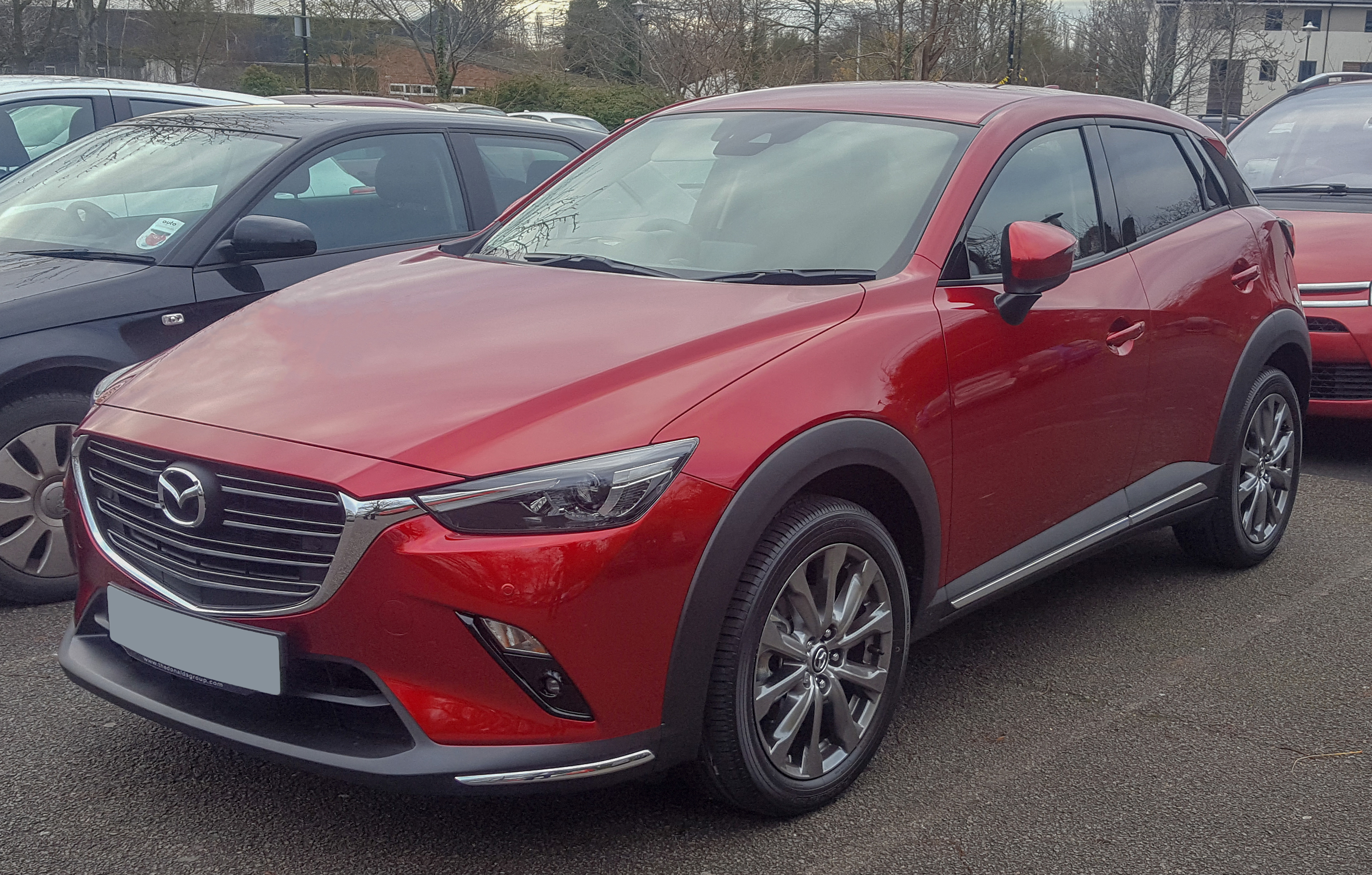
Mazda
Mazda is a car company from Japan that makes different types of cars. They are known for making fun-to-drive cars and have a good reputation for quality.
The Subaru Baja is a small vehicle that looks like a mix between a car and a truck. It's good for driving on different types of roads and has a bed for carrying things.
The Volkswagen Beetle is a small car that many people recognize because of its unique shape. It has been around for a long time and is known for being fun to drive.
A nine-speed manual is a type of car transmission that lets you change gears manually, but it has nine different options to choose from, which can help with performance and fuel efficiency.
The Toyota Camry is a well-known car that many people use for everyday driving. The 2023 version has new features that make it more comfortable and easier to drive.
When you trade in your old car at a dealership, they give you money off the price of the new car. This can help lower how much you have to pay for the new car.
When you trade in your old car, you might pay less tax on the new car because the value of your old car is taken off the price of the new one. This means you save money on taxes.
A dock fee is an extra charge that car dealers add when you buy a car. It's meant to cover paperwork and other costs, but it can also help the dealer make more money.
Dealer profit is the money that car dealerships make when they sell cars. This can come from extra fees or higher prices than what they paid for the car.
Nitrogen in tires is when dealers fill your tires with nitrogen gas instead of regular air. It can help keep the tires inflated longer, but some people think it's not worth the extra cost.
The Mazda 6 MPS is a sportier version of the regular Mazda 6, designed to be faster and more fun to drive. It has a powerful engine and better handling, which makes it a great choice for people who want a family car that feels exciting to drive.
Lifted jeeps are regular Jeep vehicles that have been raised higher off the ground. This makes them better for driving on rough terrain and gives them a tougher look.
Four-wheel drive means that all four wheels of a car can move at the same time, which helps the car grip the road better, especially in bad weather or off-road.
Dealer fees are extra costs that a car dealership might charge when you buy a car. They can include things like paperwork and preparation fees, which can increase the total price you pay.
LIVE
Hey, I promised you on the last episode that we were going to do something different.
Actually picked up my stuff, came out into the field, I'm sitting down here with Craig Westbrook.
It's been a long time friend.
We've known each other 15 or so years.
That's about right.
Yeah, probably 15 years.
Yeah.
He's a used car salesman, kind of.
That's right.
Kind of.
We track a number.
So only believe half of what we talk about tonight, probably his half.
But he owns a little place here in Birmingham called Birmingham Broker.
And I've been wanting to sit down with Craig for a long time and actually get him on the
podcast because as we did a couple of years ago when we had Ed Kvolcheck on the podcast,
Ed was the consultant to automobile dealerships.
Ed explained labor rates and things like that, why things are too expensive.
I kind of want to pick Craig's brain.
We're going to learn a little bit about his car brokering business, which is a little
bit different than trading your car or sending it to auction or he'll explain it more.
And we might dig a little bit deeper, might dig a little bit into new car dealerships
and used car dealerships and advantages of selling a car through Craig, buying a car
through Craig and a couple of the questions I've always had about buying a car or selling
a car through you.
I'm going to do the horrible podcast question.
What made you want to do this?
Why did you want to invest your six dollars in to start a car dealership?
Well, first thing is I just, I love cars.
The second thing is I wanted to take what I love and use it to provide for my family.
I've always loved sales.
That's all I've ever done my entire life from selling chicken dinner tickets for Crescent
Elementary School to selling co-knives through college to working for EBSCO and that's all
I've ever done.
You're like the Chamois guy at one point.
I am like the Chamois guy.
Yes, exactly.
It's just something I'm confident doing is just talking to people when I have
a product that I believe in, of course, pulling wool has never been anything I'm
good at.
I am a product convicted person.
When I have something I'm passionate about, I like for it to be on menus.
If I buy something that I love, I try to convince every friend of mine to buy that exact
same thing because of how much I love it or how useful it is or all that, but anyway,
so I was in real estate and oh wait, first of all, my dad was in the car business.
My dad started a business in 1985 called Euromotion where he gets cars for people.
So kind of at that time, 85, so I was 11 years old, so I've always watched him be around
cool cars and have great relationships with his customers because he's always been kind
of a white glove service guy.
So from the back of my mind, I've always thought I was going to be in the car business
in some capacity or another.
A, because that's what my dad did, but well before that, that's what I was always
passionate about.
I really love cars.
Many of our listeners know I sold cars in the mid-90s for Chrysler dealership too and
people say to me now why don't you go back to selling cars because I absolutely love selling.
It's just, it wasn't a very ethical thing.
They did something and I did something in typical John fashion and basically quit and got
fired in the same breath.
Kind of customer that we were lying to didn't buy their vehicle either.
Fortunately, I'm able to control my environment.
So it's a different scenario.
Like what you're talking about, I worked for a Nissan dealer in Tennessee before I
moved to Birmingham because I had a feeling that I was going to be in the car business
in Birmingham and I wanted to know how not to treat people.
I mean, sincerely, people say that they would rather go to the dentist than go
to the car lot.
Well, why is that?
What makes it, what makes it that bad not only from feeling like you're going to get
taken advantage of but one of the things I realized is just how non-important the customer
seems to be in those environments.
Just watching F&I guys and sales managers take their time and lollygag around and
send me back to try to close the deal and then come back to try to make the deal
better and say, it's just this vicious game that just sucks people's time away.
And I even heard somebody as recently as last week and I had never heard this and
this may be something you've heard of, but they were saying that a lot of the design
behind that is when they spend half their day or three quarters of their day there
and they leave, they feel like that they beat the system, like they stayed and
negotiated as if like the customer really thinks they won.
But who in the world thinks that's what happened?
I tell a story back in 2012 when the Hyundai Velocitor was introduced.
You had one.
I've actually had two.
OK, yeah, I bought one in 2012 when they were I got to win over to
Atlanta and paid $2,000 or $3,000 over sticker.
I negotiated an entire Saturday on this car.
To the point the dealership threw me out.
They got tired of negotiating with me, which I always think was a
that's our accomplishment.
Yes. And I called them on Monday and said, I'll take that last deal.
And they said, no.
And I said, well, I was ready to take it.
And I ended up, typical John went to the owner, got that.
He said, well, you've got it in writing.
We'll give it to you.
And I ended up buying that car under sticker.
But that's one of my wins with the car dealership.
And then my most recent car purchase.
I went into the dealership of the think some of the listeners know I went
into the dealership, I had 20 minutes, literally 20 minutes is all I could.
And I didn't I was looking at cars elsewhere.
And I went in and said, I want to look at this one and this one.
And they showed me the second one, which was this Mazda six with 50,000
miles on it and an extremely good price.
And the salesman worked with me.
I got out of there in 35 minutes with an agreed price went back the next
day with the cashier check, took the car home.
And those are my two best dealership.
I mean, that's impressive.
But was that a was that a franchise dealer that you were able to do a 35
minute deal with mid center Mazda?
That is incredible.
So props to them.
I mean, it was going to be an all cash deal.
And which doesn't believe me, dealerships don't like
because they get the kickback on that financing.
But it was all cash.
The car had been traded on Tuesday.
I was there on Friday.
And like I also said, the salesman I was working with a car max
to Friday off or otherwise, I would have bought a Mazda CX three from him.
But he wasn't there.
So on my way home, I drove by the Mazda dealership and saw what they had.
And this car had recently been traded.
And like I said, the price was exceptional.
But then so much about me, I'm good about talking about me.
Your inventory.
You you cater to let me just be John.
I know you has catering to the who's who of Birmingham.
The movers and the shakers, the people that buy and sell cars, cash.
I mean, when we look out through window here, from where we're recording,
you've got a GT three out there, you've got an Aston and things like that.
But I assume the bulk of your business is every day cars.
Amen. And the every day buyer.
It grabs me because when I was looking for this Mazda,
I never did call you because I don't ask favors of friends.
And you had a Subaru Baja that interested me, but Subaru and a hundred.
And oh, this was recently.
Yeah. OK. 60,000 miles.
Yeah. I bought this Mazda like six weeks ago.
I was actually selling that for our neighbors at Green Garage.
So. So you had that one.
And you you had.
I can't you had a VW Beetle.
Mm hmm.
Your online description was a little off on it
because it had something like a nine speed manual or whatever.
Oh, you've never driven a nine speed manual beetle?
Not not. No.
The new description definitely was wrong.
Yeah. I haven't either.
Because I kind of was telling myself I wanted to buy one of those
to drive it for what my purpose is for work.
And then I could eventually do a Smith Ute pickup truck conversion to it.
But, you know, like I said, by the most dealership one day and that was all.
But it the cars that you get.
This is the challenge I always have.
And I know it exists because we also have all these
title loan places, at least in Alabama, we do.
I know some states their legalities are different.
But how do I?
Well, before I ask that question,
give me a rundown on I have a car I want to sell.
How does the process work?
Do I contact you and you're just going to take anything I have or?
No, I mean, obviously, we need to qualify the car
and qualify the customer and the seller.
But typically what happens is we'll get that cold call during the day.
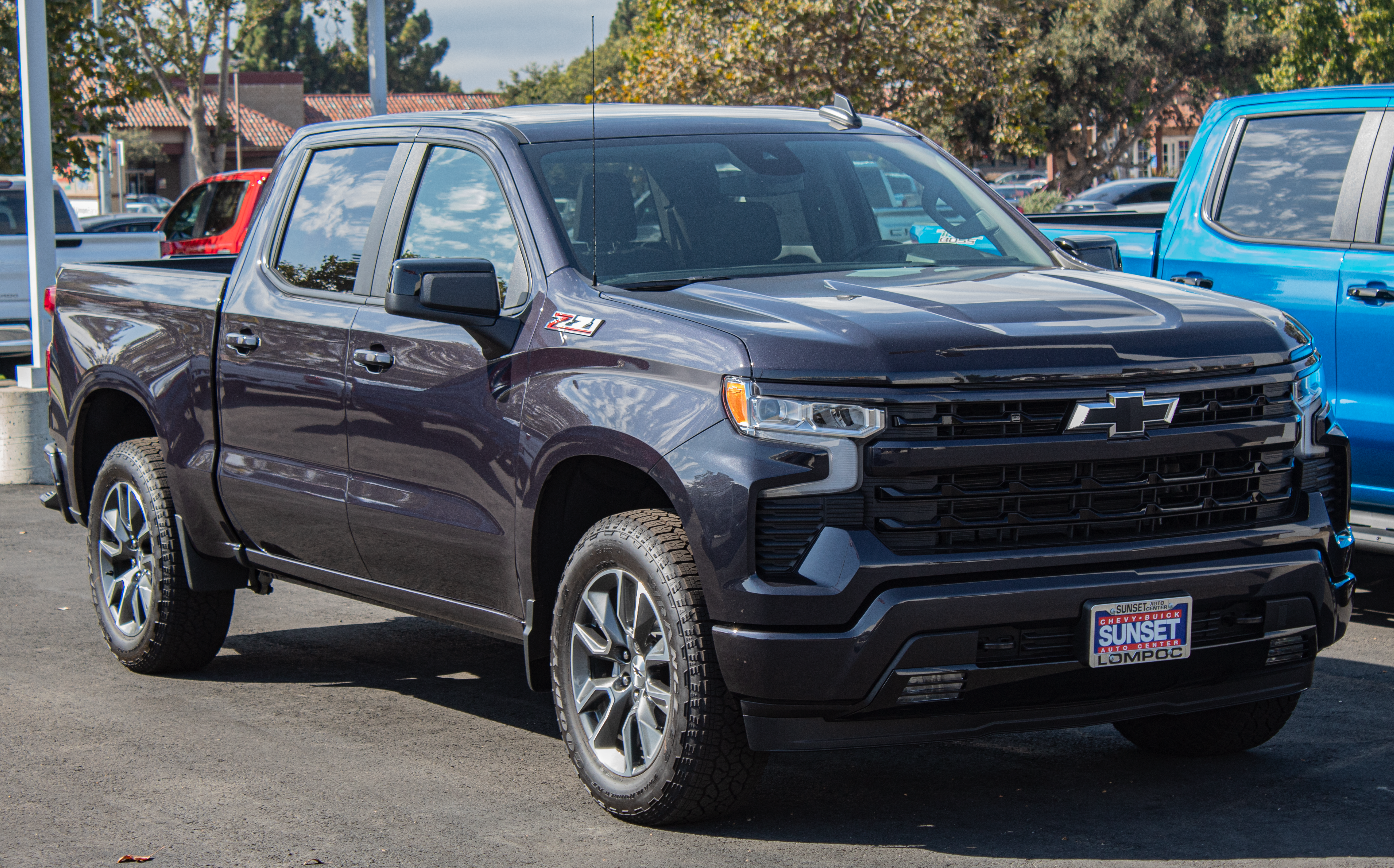
Somebody calling that says they have a 2017 Silverado with 87000 miles
and they want to know how we work.
And the answer to that is, you know, our job is to sell your car for you.
Our job is to net you more money than you would get trading it in.
Our job is to keep strangers and weirdos out of your driveways.
It's just to keep it, keep you a private to keep you from dealing with
marketplace where they want to trade you their old boat and, you know,
see, do and all that.
You know, my job is to make your life easier.
My job is to get the car, get it detailed, make it nicer
and get more money in your pocket.
But, you know, it comes with a fee.
We have three typical fees that we charge.
We have a marketing fee, a detailing fee and a commission.
The first two being passed through charges and the second one,
obviously what we make.
But it starts basically with a 15 to 20 minute appointment
where you bring your vehicle by. I need to see it.
I scan it, you know, I've got a tool on my phone that will give me the car facts,
the history, the guides and all that.
But none of that really matters.
I mean, guides are just guides.
So, you know, the bulk of our time is spent in front of a computer screen
me showing you similar year, similar model, similar equipment,
vehicles where they're priced at and then painting the picture.
This is what I think we need to advertise it at.
This is what I think you should take, you know, expect to take home.
We can start a little higher if that makes you feel better,
because, you know, we don't want to sell the car super fast.
And then everyone thinks we left money on the table.
So typically, we'll start a little bit higher just to just to see.
We don't get any action two weeks.
We drop the price and we get it down to where where it needs to be.
Our sellers trust us and we trust that they're bringing us a good car.
But we look at it over. We make sure it's a good car.
We check the car facts history.
We visual inspector, we look for lights on all that kind of stuff.
And, you know, if it's a pig with lipstick or something,
we're not we're not going to take it on.
I mean, because we're a reputation business.
We're word of mouth and have been for 17, 18 years,
other than a little bit of a little bit, a lot of radio advertising.
We have one radio station we advertise with a lot.
They bring us a lot of cars.
But now we're trying to get into the social media side of things.
And we're already seeing some fruit from that, you know,
in about three weeks time, but typically it's word of mouth.
So we got to make sure we're selling a good product.
We got to make sure we're doing the best we can for our seller.
Say I'm I'm atypical a little bit.
And like I said, I'm familiar with you working with people
that pay cash for their cars and don't believe in financing.
Let's say I've got a.
Two thousand twenty three Camry that I want to unload.
And, you know, I'm not I want to go through you,
but I still have bank note.
Are you able to work with that or do it can't do it?
Oh, absolutely. Absolutely.
It's just one more form when we do the when we do the paperwork.
You know, paperwork is just information about you in the car,
a consignment agreement, a power of attorney.
And in this case, authorization for payoff and demand for title.
This could be the form that we're going to send to whatever bank,
whether it be Toyota, financial or whatever, along with the payoff,
ask them to send the title to us so we can convey it to the purchaser.
And so it's just a little bit of paperwork,
a little bit of extra paperwork and really nothing.
And it takes three, four weeks for them to get me the title.
But it's just as a seller.
I'm not going to notice a difference.
I'm just going to get a check for.
Right. That's right for the difference for your net difference,
whether it be positive or negative.
I mean, if you owe 30 grand on it, we sell it for 25,
which you would have agreed to have done.
We don't sell it for less than what we're asking for
without having a conversation with you.
But now you would bring us a check for the difference
and we'd see to it, you know, send it off, make sure it gets done.
You know, when you owe money on a car,
boy, that makes it hard to sell private party
because just people just don't trust each other anymore.
They don't. So you got it on Marketplace.
You have 30 grand on it.
You know, what's going to give a buyer confidence
that they're going to get the title?
You could hold hands and go and go to FedEx together
and watch it get sent off and hope that the seller brings you them.
It's just it's just complicated.
And that's we see quite a few cars
probably a good percentage of cars are people that do owe money on them
because it is very cumbersome to to deal with all those steps.
For them, for us, I mean, it's just what we do.
And if I bring it to you, I assume, you know, like you said,
we are going to come up and you're going to show me prices.
We're asking prices.
And then you're going to have a very intelligent
or convincing conversation what the selling price is kind of like.
You know, if this car sold for up to $100,000 at Jackson,
that doesn't mean yours is worth up to $100,000.
But you have that conversation about this is what the asking prices are.
This is what the selling prices should be.
You agree to that.
And once that transaction is completed, the money kind of shuffles
and you're probably going to end up with not promising.
I don't want you to I'm not making this not saying Craig is promising you this,
but you're probably going to end up with a few more dollars
that than you would trading the vehicle.
And these are good questions. OK, so.
So much shopping for a car they're thinking about trading in.
A lot of times they come to me with their trade numbers
and I'll tell them to thanks for making me part of your due diligence
in buying the car.
But I'll tell people, you know, because when you trade in a car,
you're also going to get tax savings.
So like here where we are, you know, if you trade in a twenty thousand dollar car.
That's twenty thousand dollars.
That's four point seven five percent tax on twenty thousand dollars
that you're not having to pay on the new car.
So you're bringing in your car, you're telling them about a thousand dollars,
which in this case about a thousand dollars. Yeah, exactly.
So what we do is is is we will look at the entire equation,
especially when they're when they're looking at trading and buying another car.
And I'll show you, I think we list it for this.
I think it realistically sells for this.
I think this is what you get.
Now, let's reverse engineer it.
If they're going to give you X for this on trade
and then you're going to get your tax savings, you know,
and we're like five hundred or a thousand dollars or, you know,
sometimes fifteen hundred dollars difference.
I'll just say you just need to go take the trade.
You know, I mean, I think by the time it's here, by the time it's marketed,
you know, if the market shifting or whatever, and we can't sell it
for the price that we think it's just it's too close.
And, you know, if I guide you into giving me your car to sell,
first of all, I won't do that.
I'm not going to take on your car unless I am.
I can't be positive a hundred percent of the time.
But I have to feel like I'm positive.
I'm not in the game of just getting inventory.
So if I feel like that there's a chance that I'm not going to accomplish
that goal of getting you more, I will tell you to go trade it
because then I will follow it up by saying, bring me the next car.
You know, that's not always the occasion.
Sometimes there's a hungry dealer out there that needs that particular car
on a trade because they've got somebody in the pipeline looking for that car.
So I'm not saying, you know, trade values are always bad.
You know, it just depends on the scenario.
But if I feel like you can do better or equal to what I could do,
trade it in, I 100 percent do not want the car.
Yeah, because there there is, like you said, the tax savings in some states
and some states have a much higher sales tax than what Alabama has
Birmingham area has.
And then, of course, there's your fees on top of it.
So it does have to make there has to be some sort of difference.
So a million percent. Right.
And, you know, I feel like we charge more than a fair commission to make that work.
And on the buyer side, and, you know, how do we make it work?
Well, you know, a buyer comes in, we operate just like any other car dealer.
So someone comes in and they see what they like.
You know, we offer financing.
We take trade-ins, you know, whatever it takes to keep every door open
to getting your car sold.
But on top of that, it's a pretty common place now when you go to buy a car.
You have to pay a dock fee.
I mean, you know, and dealers say, well, that's dealer profit.
You know, that's documentation fee. That's right.
But it is this dealer profit.
In this case, it's dealer profit because I need to charge a buyer a dock fee.
Hey, I'm comfortable doing it because every other freaking dealer does it.
But I use it so that I don't have to charge my seller as much,
you know, to make the math work where to justify the
the spread that you're going to get by by not trading it in and me getting you more.
I'm able to kind of share that cost in the form of a dock fee to a buyer.
Yeah. And like you said, just about every dealer carries a dock fee.
Yeah. So no, but we both have opinions about it.
I don't I'm not fond of it.
I but but you know, but I stop it at the dock fee.
I don't charge you nitrogen and tires and all that other silly stuff.
I figure if everybody else is doing it and it allows me an opportunity
for somebody to pay what they're going to normally pay going at another dealer
and to provide a better benefit for the person I'm selling the car for.
You know, I try to take the approach of the real estate
business because I came from real estate of in Alabama,
what they call the limited consensual dual agency,
where I try to represent a buyer and a seller equally.
You know, if the buyer is getting a great deal,
the seller is getting a great deal.
I'm getting, you know, I'm making what I should earn.
I mean, there's there's nobody losing in the equation.
Sitting here kind of talking some of these numbers and throwing out some
abstracts. And like I said, looking at some of the exotics that you have around here.
And I know you've moved some decent exotics.
But sitting here in November mid November, 20, 25, is when we're recording this
probably still come out November, 20, 25.
Throw out a couple examples of what you might have that the
everyday consumer is going to want or have.
No, the everyday consumer is our real market.
Like we have a reputation of high end cars
because you walk into our building and that's what you see.
Well, that's what you see because that's what needs to be stored inside
because those are the those are the pampered cars.
You know, what you don't see is what's on the sideline.
What you don't see is what is the 40 or 50 cars that are on 6th Avenue
that are our real that's that's it.
I mean, that's that's our bread and butter.
The Toyota Camry's, the Nissan Altima's, the Chevy Silverado's,
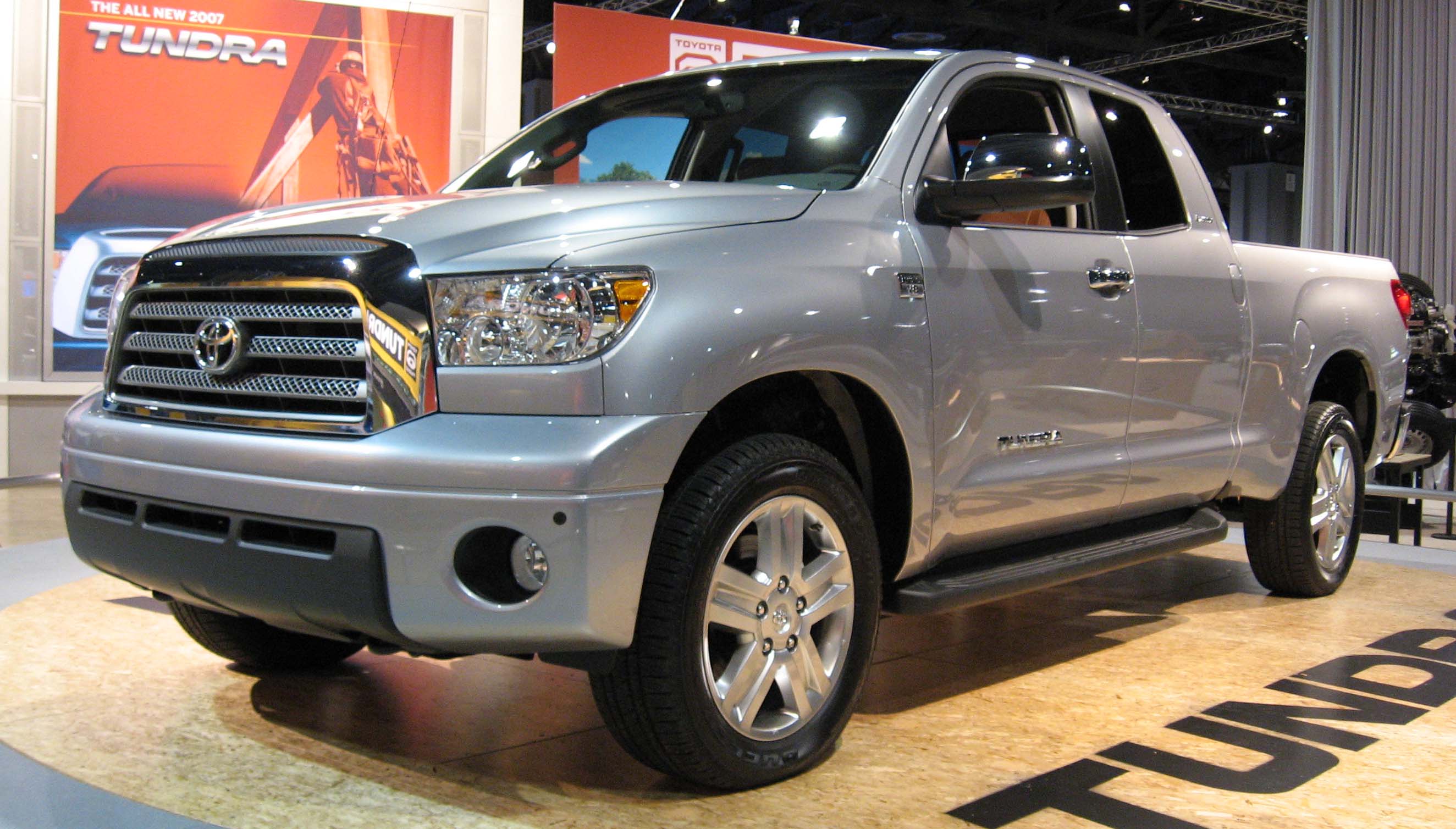
the Ford Expeditions, the Toyota forerunners, the Sequoias, the Tundras.
Like that's that's the business model is the car.
I mean, I could sell 15 Camry's faster than I can sell a McLaren.
You know, I mean, there's just such a small audience.
Now, at the same time, I'm going to do just as good of a job.
I'm going to work just as hard on the McLaren,
but it's going to sit here for quite a while.
You know, it's just such a small audience.
You know, I need something that every time I look out
this window somebody driving by those are the cars that I need
because those are the cars that sell.
I mean, and I'm not turning down the other.
I mean, I got to be delicate, but I don't I don't.
I don't want the reputation of being a high car brand person.
Yes, we carry high car brands.
We we do exotics, we carry the occasional classics.
And I love them and we work hard to sell those.
But that's not what I want my reputation to be is those types of cars.
I want it to be good quality cars.
Cars that local area people have brought us to sell.
Cars that we've looked the owners in the eyes
and we've been able to ask them, you know, why are you selling the car?
Where did you maintain it?
It's not something that has come from an auction house with a mystery.
That's what I want to be known for, you know,
are cars cars with a history.
And if you have a question about a car where you go to a normal car lot
and you ask them, you know, about how a car has been maintained or,
you know, a question that's on the car facts, why does it have a minor?
What happened? You know, you won't get those answers.
But with us, we can pick up the phone.
We can call the seller and we can get those answers.
And I think there's a ton of value for that and a lot of peace of mind for that.
Well, we'll take the Mazda that I said I recently purchased.
This is 2014 Mazda 6 and it was owned by a very elderly couple
that just traded it because they he felt they needed a new car, something reliable.
Turns out, well, this turned out to be a pretty reliable car.
She kind of wanted to keep the car still.
But the salesman told me when they traded the car,
they had a stack like two inches thick of all the service records.
Unfortunately, the next line out of the salesman's mouth is
we had to shred them all because of privacy concerns.
With you, it's a little bit different.
You might you still can't give me all those service records.
But I can. I can.
But but you know, I've got one of those little pin roller pin things
that go over that'll hide the customer name, hide the address, hide the phone number.
I mean, I can I can provide that, but it's not often that we really do.
The one I'm saying is you're able to have that personal connection
with the seller or the previous owner to be able to relay to the buyer.
And you can even say, hey, this person's really interested.
Can we do this or can we do that?
Where with this Mazda, they weren't going to call this previous owner and do anything.
Not a chance.
And you're lucky that they knew the previous owner.
You know, when you're dealing with, you know, 15 salesmen running around
and ironically, my salesman was the guy who took the car.
See, exactly.
So that's a very small example of that working.
But it sounds to me like that experience was fantastic there
getting in and out in 30 minutes, knowing that history and all that.
To be honest, I've always had a pretty good experience with them.
I'll tell you some of the nasty stories, but that dealership.
I haven't bought a lot of cars from them, but I had some good experience.
I think that's fantastic.
And that's that's really what I see out of here.
I don't know what your Google rating is
or your trust pilot rating.
I know you and I've trusted everything you do.
And the people I know and trust trust you to sell cars and you've sold,
you know, they bought cars from you, but you don't only deal in cars.
You do motorcycles and try not to try not to.
OK, so if it's been a good customer, I've helped them out over the years.
But I see motorcycles and things like that just sitting there lingering
and it just is not doing anybody good.
Now, will we maybe morph back into trying that one day?
Possibly, but it's not really been a very good avenue.
But no, I'm glad you've noticed.
And yes, I have. I've sold quite a few, but not not our specialty.
No, we had a brief conversation before we sat down about one.
And, you know, I've seen some of the interesting stuff you've had.
I mean, you haven't for a period of time,
you had a few lifted jeeps and things like that.
So it's stuff that the ordinary dealership
probably would just shuffle off to auction,
but it would be a place that you could come and contact.
It's worth checking out their website, which is behambroker.com.
B.B.H.A.M. Yeah.
And Birminghambroker.com will also get you there at a Ford.
It's worth checking out the site because you do ship cars.
I know I'm assuming I can't say I know.
I'm assuming a lot of your clientele is local,
but you do have the ability to ship or sell
across the country.
If you know. Yeah, we sell them.
We sell them everywhere.
And, you know, the more specialty the car, the odds are,
the further it's going to go away.
But yeah, your your Camrys, Sequoias, Tundras,
most of those are going to end up between Alabama, Tennessee,
Florida, Georgia, Mississippi, kind of right around this area.
Now, some of your interesting full-wheel drives
or kind of workhorse, 250, 350s, a lot of those end up out of state
just because they don't want what's in their market for sale up there.
The ones that have lived through the salt and the snow and all of that,
you know, that a lot of those do end up north.
Let me go to you discuss that you're able to do trades.
You're able to do financing.
You go into a dealership and they're running you
in 14 different places and whatever shuffling.
Is it local banks or are you dealing with?
I guess there's really no such thing as local banks
because Chase is going to finance a car everywhere.
Well, America's first legacy, you know, we use a lot of local credit unions
and then we do use some national banks as well.
And I'm assuming you also offer extended warranties and that
because in the purchasing of my last vehicle,
warranty was an issue for me.
I really wanted something with a little bit of a warranty.
Now I'm questioning why I bought it, but it was an important factor for me.
Sure. Yeah, we offer all of that.
We don't push it, but we offer it.
Well, that's that's different.
Yes, even when I think when the dealer tells you
we're selling you this at cost, they're still getting something out of the deal.
They have electricity. Yeah.
Well, in my case, I actually bought the warranty on a credit card
because they didn't put a credit card fee on it.
So I wrote the jail. Wow.
And then I bought the warranty on the credit card and paid the credit card off
and got my. Yeah, your coins.
Yeah, that makes sense. That's good.
So, you know, it's all it's all playing a game.
Kind of how, you know, I had to cover it a little a little bit or a lot.
What is it?
Well, I bumped into you recently in an event at Barbers and that.
So you are go back to the car guy type thing on this.
You you aren't just a car salesman.
Some of your hobbies revolve around cars or involve cars,
even though I'm not a big believer in make your job, your hobby,
because you'll never work a day in your life.
It's admirable.
And yeah, you're still working.
Yeah, right.
But you so you are you are out there,
but you're not out there as a salesman trying to get clients.
You're out there because you're Craig and you're enjoying.
Enjoying. Yeah.
And enjoying time with my friends and customers and family
and son and daughter, you know, whoever wants to come out there with me.
But that's just I'm ingrained in it.
I mean, you know, as a child, you know, going to road Atlanta
and, you know, going down a couple trips to, you know,
bike week and Daytona and, you know,
and now to have a place like Barbara in our backyard.
It's just we are spoiled rotten.
But I just I find it hard to miss events there
because it's just it's special, you know,
especially for me getting to go to those things with my dad.
And so being able to share it with my friends as well.
And my family, it just I love it.
Yeah, you know, Barbara, things great.
And I'll be honest, you took much better pictures
or your daughter took much better pictures than I did at that event.
So we've stolen a couple of those from there.
There they're my girlfriends because I didn't take the best pictures
because I still walk on eggshells a little bit there
because I don't know what I can get away with and what I can't.
And I used to get away with everything.
So it's I'm still learning my place there as a spectator.
But it's always good to see you come out there.
What other things might you do for the local car community
that they might not think that Birmingham Broker would offer?
Because I did something with you probably in 2019
where we drove to South Alabama and looked at some cars and that.
But are there other things?
I mean, we all think of Birmingham Broker and we've promoted it
as you're a unique car buying and selling experience
as a nice alternative to the dealer or Facebook marketplace
or auctions or eBay or whatever.
But what other things might you offer here?
You know, we talked as we couldn't
accidentally touch the motorcycles.
But are there services you offer or things that you can put together?
Not not entirely.
I mean, I've got, you know, obviously repeat customers
and people I've grown up with and friends that, you know,
if they if they need advice on what body shop to go to
or they smash their bumper, can they get some guidance and help
or they curve their wheels or, you know, like, we'll help them kind of.
We're all good people.
Yeah, we all get those questions.
Yes. But that's basically it is just really kind of helping people.
My number one focus is helping people sell their cars.
And so I try to try to stay in that lane as much as I can.
And you don't have to answer this question.
But actually, I'm not even going to answer the question
because it's a it'd be an odd question.
Yeah, one of these times that I censored myself.
Isn't that interesting?
That makes me want to know what the question is.
But do you find
that I mean, I have loyalty to some dealers in town that I've bought cars,
but, you know, things shift in that.
Do you find that you have a lot of repeat customers in that?
I mean, cars are in every three year of transaction.
So it's not like they're coming to see every week.
But absolutely, absolutely.
Yeah, I've got I've got customers that I've done over 20 sales for them.
I've got a car that was just brought to me last week
from a gentleman in Charleston, and it's my ninth transaction with them.
You know, on the buying and selling side.
Yes, I get a ton of repeat business.
I think that says a lot to who you are and what the business is.
I mean, that's to me, it is that it's not that Google score
or the trust pilot score and that it's the number of people that
come back and trust you.
And you are way more than one person doing that to, you know, dozens,
if not hundreds of people trust you enough to come and work this experience.
I don't know where.
Where I should go from there.
Is there something that I should have asked you?
I hate that question.
Also, no, no, that's a good question.
Trying to kind of think of our of our basis.
I mean, we could talk about growth, maybe a little bit about kind of the
direction we're heading.
I mean, I know we've kind of been the same place for about 17 years.
We are looking at growing as well in some other avenues, potentially,
you know, in the next five or so years, opening a second and third
location outside of the city.
Is that what you're doing with that 40 acres out in Chelsea?
Yes, it's like I'm making up.
I don't know how to say I didn't know that.
Yeah, I'd love that.
But no, you know, we've got a lot of things that there's a lot of
opportunities that we've missed over the years.
And it's it's been by design.
I mean, we've purposely turned down a lot of business
because we didn't feel like we could be effective enough or we were trained
enough or that it might be taking away from a seller and what our main
objective is, but we are going to be moving soon into helping with car
location. We've been turning around, turning it down for years.
And that's mainly because my dad, you know, that's what he has done for years.
I think we're going to we're going to start going into that avenue
of where in discussions on possibly getting into fleet, you know,
maybe going after some of the larger companies here in town.
Or, you know, that deals in a lot of fleet vehicles,
you know, helping them get rid of them when the time's right,
maybe even looking at helping them wholesale avenues.
That's a possibility.
Training people to go out is a and a Salesforce, you know,
to call on all the, you know, conservators and,
you know, attorneys that that deal in the states.
And, you know, there's there's so many avenues that we can go out and get
like for years, they've all just been coming to me, you know, through advertising.
But I think if I was to put boots on the ground,
and that's going to be one of our next stages, too, is but boots on the ground
to go out there and try to acquire cars to sell.
By doing that, you gave me a couple more questions and there's
one will go to the little bit business avenue.
And you so.
You are very strategic with Birmingham Broker and growth and that.
It's not like you're going on Marcus Leon's program and asking him to come
help you so that you can open up 16 franchises.
You've quickly or you've slowly built a reputation to the point now
you're going to be comfortable into expanding or looking into.
Other avenues, which I think says, again, a lot about you,
you're not out to grab every dollar you're there to make sure
the product you offer is a quality product.
What you were saying about expanding into in car location
now is kind of the extra services, the things, you know,
you're not ready to quite do it yet or announce it.
But, you know, if you're looking for a car,
well, but the reason that we're not really ready to announce it
is I just can't drive this point enough.
Our job is to the best we can for the people we're trying to sell their car for.
That most car dealerships do not want consignment.
They hate consignment.
I don't know why, but they do.
Most people that are, you know, if there is a car dealership out there
that offers consignment, there's potential issues there of bait and switch.
You know, your Camry is here so that I can use it to sell my Camry.
You know, we don't win any conflict.
We don't we don't want any.
We don't want our sellers to ever think that we're straying from our mission.
Which is doing the best we can for our seller.
So as we ease into this doing car location,
we have to be very mindful and strategic how we're going to do it.
In the proper training and it's going to need to be a quick transition
from the salesperson that we choose to decide to do this
in to going to from sales to doing this full time.
Like we have to be ready to flip the switch
because I don't want to conflict.
I don't want somebody coming here interested in seeing your Camry
and be like, gosh, I just wish the interior was tan instead of black.
And then I don't want a salesman going, well, hell,
I can probably make more money getting them a car.
So, hey, you know, I can help you find that car you're looking for.
And then I've done a complete disservice to you.
So it's a balancing act of
timing it right because it's going to be it's going to have to be a light switch.
Like whoever we choose or whoever we train to do this,
that's going to be all they're going to be able to do in that category.
Other than other things we might need done around the business,
maybe with social media or, you know, some other avenue.
But I can't have a cross pollination
of anything that's going to take away from our mission.
Core business, buying and selling cars with individuals.
Selling cars for people, not buying.
Yeah, buying is the misconcept, the misused word in my business all the time.
You're like, you actually used a good word in that
explanation there of consigning because it's really what you're doing.
And me with my retail, what I've learned over the years is researching that.
Everybody's even in small retail, you know, I've got that men's oriented gift shop.
Everybody warns you against consignment because that's bad.
That's bad. Well, the buildings I'm in are technically consignment shops.
Yeah. You're consigning your products in that building. Right.
Yeah. So, I mean, it, it worked to me, it works.
And it's, it's a great business model in that there's.
Inventory is a nemesis of everybody.
I think every businessman and consignment to me helps control the outlay of inventory.
You're worried about the selling of the inventory.
The acquisition becomes easier, the better you become at selling.
Now, I forgot, I need to start here and I do carry a pad of paper.
I just need to start using it to write down my notes.
No, that's okay. My brain fogs out in the middle of the conversation a lot.
So, but I don't know where I've got a look here.
You have like so much recording time that you'll hold.
Oh, no, I can record as long as long as I want that.
My audio will do 36 hours.
OK. I just, we just.
I'm going to be pretty tired after about 35.
We need real, real tough because Alabama football.
Oh, that's right.
I really need to be shuffling you out of here.
Oh, that's true.
We got a game and what time is it safe?
Five fifty six, about at the end.
And I think you.
Yeah, five fifty six.
Yeah, we got half an hour.
For me and my damn mechanical watches, I forgot to wind it to the sheets.
So I think we've touched a lot on Birmingham Broker in that.
If any of this isn't a normal, no driving gloves.
Normally we live stream in that, but I thought this was one
that we should sit down and talk and kind of have a little bit of conversation.
I wanted to get out of the studio for a change.
If any of the listeners have questions,
you know, feel free to email producer at no driving gloves dot com
or driving gloves at gmail dot com and let us know.
Feel free to comment on the videos or podcasts.
This is audio and video.
It'll go out.
Well, I'm going to ask you a question.
What what do you think your audience can pull?
From just a podcast like this with you and I here,
do you think that I've provided information that's valuable to your listening
audience that doesn't make it seem like a friend helping another friend
with their marketing pitch?
I mean, like do you feel like that the direction of your questions
are helping to provide an informative listening experience for them?
Or I think that goes back to reputations.
You're very solid on your reputation with the car buying public and your consignors.
No driving gloves has been around for since mid 2017.
And we have a reputation of telling it like it is.
I have insulted and say Adam Corolla multiple times on this
or Matt Farah multiple times on this.
But Matt Farah has also been a guest on the podcast.
I have done podcasting editing for Adam Corolla's company.
So it's when I say something, it's I think my listeners believe
that I'm I'm not here shilling anything because I don't need to be shilling anything.
I doing this because I have honest questions and I'm trying to provide
answers that somebody can get without having to ask the question
because my experience people are afraid to ask the question.
And with this podcast and the shorts and the
chapters and things, you could get into this podcast.
And I think I would like to consign a car with Birmingham Broker
or whatever consignment dealer is in your local area.
And we're able to answer some of those questions.
Now, your answers and your business practices may not apply to all consigning dealers,
but it gives them the ability to find this episode
and answer a lot of questions.
And it gives you the ability to take this episode and kind of share it and say,
hey, this is an explanation of what I do in a very concise thing.
That was my angle.
And, you know, I mean, I've loved these questions,
but I love that this is going to be a platform for me to use to explain things to
because these are these are questions that the normal person just wouldn't ask.
They're not flipping questions, shallow questions.
In shorts, they're not going to know we've known each other.
I say that at the beginning to be honest with the listeners.
Again, that's the honesty thing.
I could have sat down here and said, oh, this is Greg Westbroker,
Birmingham Brokers, and we're going to talk about consigning.
But anytime that I've had a guest on, then I've had a relationship with
or a friendship with or I've known outside of the interview space.
I always disclose it, whether it be Randy Popes, whether it be Bert Levy,
whether any of those people I have a relationship with, and we're going to say it.
If I don't and I don't say it,
they know that I'm having a person on to discuss their book or discuss their activity.
Yeah.
So it's it's just something that I think you build up that trust.
And, you know, I've never never done anything that, you know,
I like listeners and I like downloads,
but I've never done anything cheesy or deceptive.
I mean, if I do AI stuff with this, I have to do I have to disclose it.
And I feel I'm going to disclose to you to the listener that I know you.
Yeah, sure. Sure.
Well, good, man, just, you know, I'm curious.
I don't really understand the podcast world.
I've thoroughly enjoyed just sitting down and chatting.
I mean, it's, you know, going into something like this
instinctually or for me, I think I'm going to be nervous or babbling or not
really knowing how to do it, you know, like bumbling, you know, just, I don't know,
it's it's really you create a comfortable setting.
And I don't know, I've enjoyed it.
Yeah, that's what podcasting is.
And I do it because I enjoy it.
I would like no driving gloves to produce some income.
But this has always been a platform for me to experiment with podcasting,
experiment with my editing skills, experiment with things.
And I've had some other podcasts that have generated income.
And I've had, again, a lot of consulting and editing work on the side.
But that's because of the knowledge I've learned through no driving gloves.
Fantastic. This has been good.
So we're going to go ahead and wrap it up.
And hopefully you did get some value out of this podcast.
Again, give a complete plug for Birmingham Broker.
Where do we find you?
You mean whatever you want out there in the podcast sphere?
Well, we have a Facebook page, Birmingham Broker.
We have a TikTok and Instagram, you know, the socials of Birmingham Broker
dot com or be him broker dot com.
That's simple enough.
And when you say, you know, no driving gloves, you know where to find us,
you know where the episodes are, go to no driving gloves dot com.
Links to all the socials are there, any place that you want to subscribe.
All the video podcasts, all the audio podcasts are there.
And as usual now.
It's time to get off your ass.
Go burn some gas because John is out.
About this episode
Craig Westbrook, owner of Birmingham Broker, shares insights into his unique car brokering business, which offers a different approach to selling vehicles compared to traditional dealerships. He discusses the advantages of using a broker, including personalized service and potentially higher sale prices. The conversation also touches on the challenges of selling cars privately, the importance of customer trust, and the future growth plans for Birmingham Broker. Listeners will gain valuable knowledge about the car selling process and the benefits of working with a broker.
Looking for a way to sell your car that isn't Facebook or a dealer? No Driving Gloves sits down with Craig Westbrook owner of Brminghm Broker. We discuss what a broker can do for you, how the procedure works, the advantages, and the disadvantages.