A recall is when a car company admits there’s a problem that could be unsafe. They fix it for free, and owners should check whether their car is included.
They’re talking about a 1968 Chevrolet Chevelle SS, which is a sportier version of the car. “Droptop” means it’s a convertible—so the roof comes off.
Term
SS
“SS” is a badge that usually means the car is a sportier, more performance-focused version. On older Chevelles, it often came with better engines or upgrades than the standard models.
“Original motor” means the engine is the same one the car originally came with. Collectors usually prefer this because it keeps the car more authentic.
“Number matching” means the car’s important parts have the same identifying numbers as they did when it was built. Buyers like it because it usually means the car is more original and worth more.
The interior color is what the cabin looks like. Collectors often care because certain color combinations are more desirable or more “factory correct.”
Hurricane Harvey was a huge storm that flooded a lot of places. If a car was involved, it usually means it got damaged by water and may have needed repairs or rebuilding.
A no-reserve auction means there’s no “minimum price” the seller will accept. If people bid, the car sells to the highest bidder—even if the price ends up lower than expected.
That means the car gets taken apart almost completely, all the way down to the frame. It’s a big, thorough restoration that lets you fix hidden damage instead of just repainting the outside.
“Numbers matching” means the car still has the original big parts that match the records. People care because it usually means the car hasn’t been heavily swapped or rebuilt with different parts.
“A-body” is a GM category for a group of cars built on the same basic platform. Cars in the same group often share parts, so restorations and repairs can be easier.
General Motors is the big automaker behind brands like Chevrolet, Pontiac, and Oldsmobile. They used internal platform groupings, which can make it easier to find compatible parts.
A carburetor is how an older engine mixes fuel and air. A “four-barrel” carb has more than one opening for airflow, which can help the engine breathe better.
Dual headlights means the car has two headlight units instead of one in the front lighting setup. It’s a visual clue people use to identify the car’s year or trim.
A manifold is a set of passages that moves gases to and from the engine. Depending on which one it is, it either helps get air/fuel into the engine or helps send exhaust gases out.
A classic car is an older car that people keep because they love it—maybe for its style or history. Here, the person is saying they only started getting into that hobby later on.
A Buick Skylark Grand Sport is a classic American car, usually associated with the older “muscle car” style. The speaker is saying this specific Buick was the one that got damaged.
Lowriders are cars that are lowered a lot and usually have custom suspension so they can move in a distinctive way. People also tend to customize the look a lot.
A cruise-in is a car meet where drivers gather and then cruise around together, often moving between multiple parking areas. The “parking lot cruise” description here highlights that it’s less about one static show field and more about a rolling route.
A parking lot cruise is when car people meet and drive between different parking areas. It feels like a moving car show rather than one place everyone stays.
The aftermarket is where you buy extra parts for your car—like upgrades that aren’t included from the factory. When it grows, more people can modify cars and make them faster or more personal.
A Mecum no-reserve Chevelle SS story turns into a dream-convertible win for Charlie Domain, who details the car’s 396, number-matching status, black/white bench-seat oddity (Chevrolet allegedly sourced a Buick seat), and its spotless, low-drama ownership after Hurricane Harvey. The hosts also cover racing and automotive history, from big-block horsepower wars to how the Clean Air Act reshaped performance. News includes Honda pausing its Prologue EV plans and a Hyundai fraud ruling tied to Theta II engine recalls.
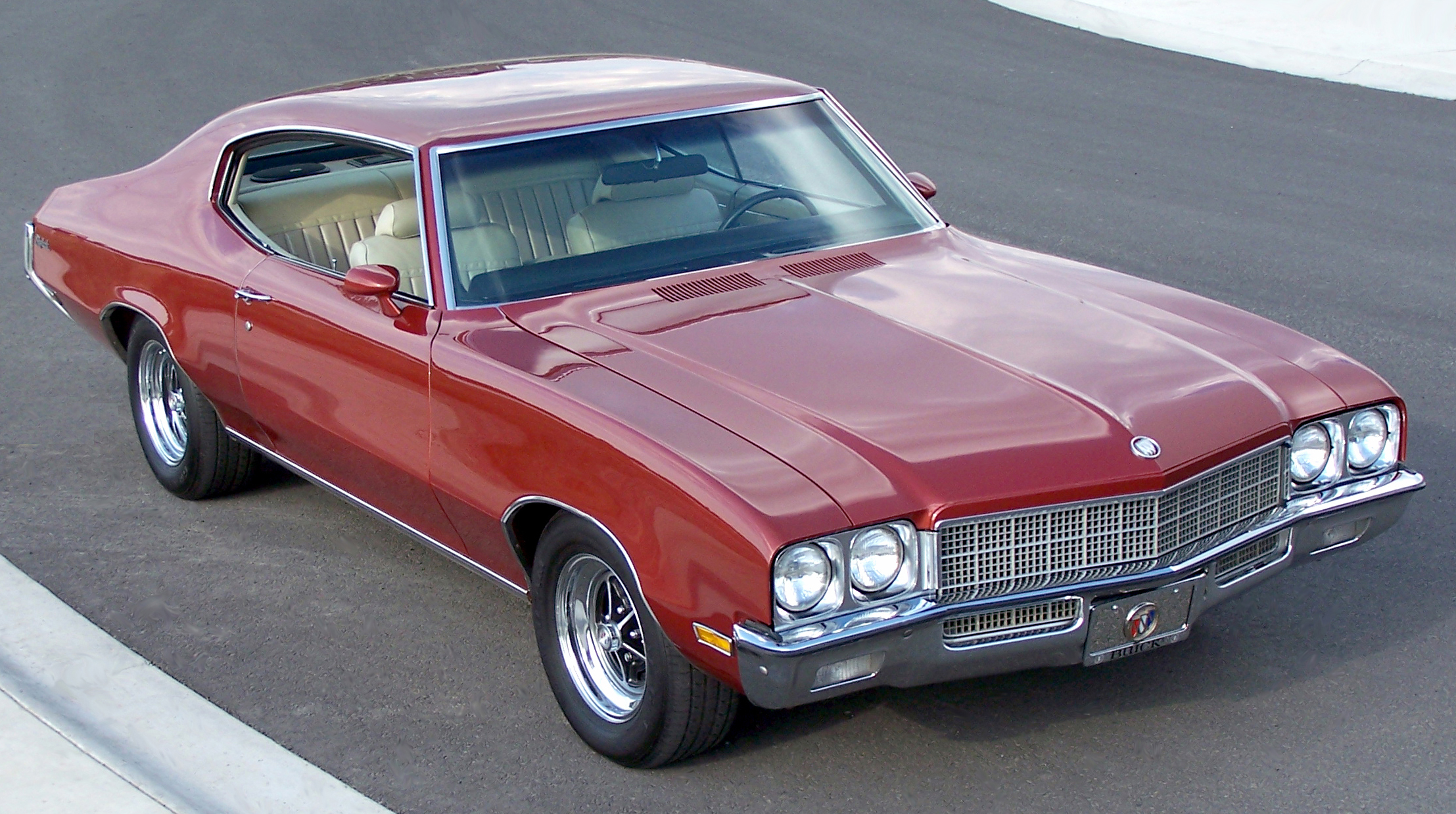
A flood can wipe out a classic car in minutes, but it can also set up a comeback you never saw coming. From the Lupe' Tortilla Tailpipes and Tacos cruise-in in Beaumont, we sit down with Charlie Domain and his white 1968 Chevelle SS convertible, a numbers-matching 396 big block that looks as clean underneath as it does in the sun. Charlie walks us through how he found it, how he cares for it, and why a black-and-white muscle car still stops people mid-conversation at a car show.
The best part is the origin story. Charlie lost a Buick Skylark GS to Hurricane Harvey, then took a friend’s advice to get out of the house and head to the Mecum auction. He targeted a no-reserve Chevelle, landed it for $42,000 plus fees, and realized the final paperwork was being signed with a check that matched what he’d just been paid for the flooded car. We also dig into the details that spark real debate in the classic car world: Baldwin decals that hint at dealer-era performance culture, an automatic column-shift setup, optic lighting, and a bench seat mystery that points across the street to Buick.
Then we zoom out to everything else car people care about. We run through the racing calendar with NHRA, NASCAR at Darlington, IndyCar, and Formula 1 schedule updates.
“This Week in Auto History” connects Ford’s moving assembly line to the explosion of car culture, then tracks big-block milestones and the Clean Air Act’s impact on muscle cars before efficient icons like the Honda Civic took off.
We finish with straight automotive news: Honda’s shifting EV plans around the Prologue and a Hyundai engine recall lawsuit that shows how costly recall decisions can get.
Subscribe, share this with a fellow car nerd, and leave a review so more people can find the show. What’s the best classic car comeback story you’ve ever seen?
Disclaimer: This post contains affiliate links. If you make a purchase, I may receive a commission at no extra cost to you.
---- ----- Want more In Wheel Time car talk any time?
In Wheel Time is now available on Audacy!
Just go to Audacy.com/InWheelTime where ever you are. ----- ----- Be sure to subscribe on your favorite podcast provider for the next episode of In Wheel Time Podcast and check out our live multiplatform broadcast every Saturday, 10a - 12nCT simulcasting on Audacy, YouTube, Facebook, Twitter, Twitch and InWheelTime.com.
In Wheel Time Podcast can be heard on you mobile device from providers such as:
Apple Podcasts, Amazon Music Podcast, Spotify, SiriusXM Podcast, iHeartRadio podcast, TuneIn + Alexa, Podcast Addict, Castro, Castbox, YouTube Podcast and more on your mobile device.
Follow InWheelTime.com for the latest updates!
Twitter: https://twitter.com/InWheelTime
Instagram: https://www.instagram.com/inwheeltime/
https://www.youtube.com/inwheeltime
https://www.Facebook.com/InWheelTime
For more information about In Wheel Time Podcast, email us at