The Ford Bronco is an SUV built for driving on rough roads and trails. The podcast mentions an older Bronco, which is the kind of vehicle people often talk about when discussing maintenance and older parts. It’s known for being tough and capable off-road.
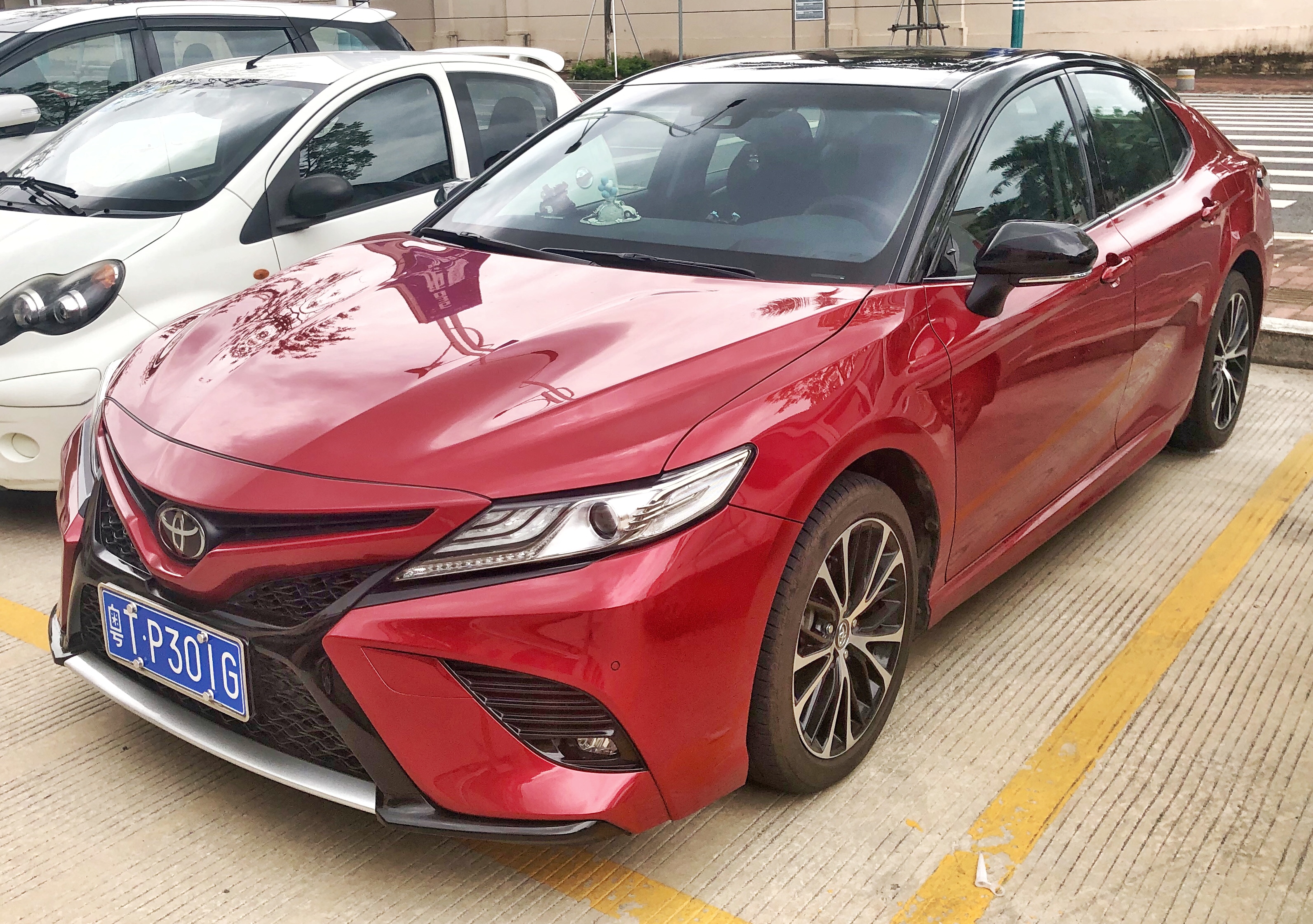
The Toyota Camry is a regular everyday car (a sedan) meant for commuting and family use. People talk about it a lot because it’s designed to be dependable. The podcast just references it as a car example.
“Lug-centric” means the wheel is centered by the studs/lugs that stick out of the hub. If the wheel isn’t made for that specific stud setup, it may not fit or may not sit correctly.
A wheel can be centered by a snug fit on the hub. If it doesn’t have that center “guide,” then the studs/bolts have to do the centering instead. That can make fitment more finicky.
A countersunk screw head sits flush in its hole. If it’s not countersunk, the head sticks out and can interfere with parts trying to mount flat—like a wheel. That’s what happened here.
Rotors are the metal discs in a disc-brake system. During brake work, they can be held in place with small screws. If those screws stick out, they can get in the way when you try to mount a wheel.
Phillips head screws use a cross-shaped drive (the Phillips pattern) and are common on various service hardware. Here, the host is describing the specific screw type that was protruding and interfering with wheel seating. The important takeaway is not the brand of screw, but that the protruding heads prevented a flush wheel fit.
“Mag lug” is a nickname for a specific style of wheel lug used with some aftermarket wheels. It usually has a different shape than the more familiar cone-style lugs. The wheel and lug have to match so the wheel sits flush and secure.
When you “bleed” brakes, you’re basically getting trapped air out of the brake fluid lines. That helps the brakes feel firm and work properly after you’ve changed parts.
The caliper is the part that squeezes the brake pads against the spinning brake rotor. A “caliper setup” describes what kind of caliper it is and how it applies pressure.
The Ford Mustang is a sports car made by Ford. It’s built to be fun to drive, with more power than a typical everyday car. In the podcast, it’s mentioned as a comparison for something similar.
The “cluster” is the dashboard panel with the gauges. If you swap in a used one and the gauges stay dead, it usually points to an electrical or compatibility issue.
The fuel gauge tells you how much gas is left. If it doesn’t work, it’s often because the sensor in the tank or the wiring isn’t sending the right signal.
A printed circuit board is the electronic “wiring board” inside a device. If it’s damaged or swapped incorrectly, some lights (like the gauge cluster) may not work.
Jetting is how the carburetor is adjusted to get the right amount of fuel. If it’s not set right, the car may be difficult to start or may hesitate when you press the gas.
Accelerator jets are the carburetor’s “extra fuel” parts for quick throttle changes. If they don’t deliver enough fuel, the car can hesitate or stumble when you press the gas.
An O2 sensor checks what’s coming out of the exhaust to see if the engine is getting the right fuel/air mix. It helps you figure out whether the mixture is too rich or too lean.
An exhaust leak is when exhaust gases escape from a crack or loose connection. It can make the car louder and may mess with how the engine sensors read what’s happening.
The Infiniti G20 is a smaller luxury car. The podcast mentions it because the owner is still working on fixing it and tracking how long a part or solution lasted. It’s being discussed in the context of repairs and maintenance.
They’re using an electrical meter to measure how much resistance the sensor shows. They test it at different temperatures to see if the sensor’s readings make sense.
Spade connectors are plug-on electrical connections. If they’re loose, the car may not get the right signal from a sensor, which can cause weird behavior and warning lights.
A pigtail connector is a small replacement wiring piece with the right plug. It lets you fix a sensor connection without replacing all the wiring in the car.
Coolant is the fluid that keeps the engine from overheating. If you lose coolant during a repair, it can cause temperature problems and may indicate a leak.
It’s a temperature sensor that tells the car how hot the engine oil area is. If it’s wrong, the car may raise the idle speed because it thinks the engine is hotter than it really is.
High idle means the engine is idling faster than it should when you’re stopped. Here, the car seems to do it because it thinks the engine is too hot (or something is wrong).
The “check engine” light means the car found a problem and saved information about it. If it turns back on, the fix may not have fully solved the issue.
Term
laptop
They’re talking about using a computer with a scan tool to read what the car’s error codes say. That way you can figure out what sensor or system is causing the light.
A harness is the car’s wiring bundle that connects sensors to the computer. If sensors keep failing quickly, it can mean the wiring is shorting or sending bad voltage to them.
They took the car to a place where drifting happens, which is harder on the car than normal driving. That context can explain why problems show up when you push it.
Hot start means restarting right after the engine has been running and is still warm. If it struggles both when cold and when hot, it suggests a bigger underlying problem than just temperature.
Durilast is a replacement-part brand sold by AutoZone. Here, they’re saying one sensor brand worked better because it matched the expected temperature readings.
The sensor has screw threads that need to grab enough to sit correctly. If the new sensor’s threads are too short, it may not seal and can leak or read incorrectly.
Ground is the electrical “return path” that lets the sensor work. If the sensor is supposed to ground through the engine but it doesn’t, it can read wrong or not work at all.
A two-wire sensor has just two electrical connections. The way it’s wired affects how it gets its electrical “return” (ground) and how the car reads it.
The “check engine” light comes on when the car’s computer finds a problem. It can be something like a sensor that’s reading wrong, and the car may adjust how it runs to protect itself.
The thermostat is a valve that helps control engine temperature. When the engine is cold it slows coolant flow, and when it warms up it lets coolant circulate normally.
Failsafe mode is a protective strategy where the ECU limits or standardizes engine operation when it can’t trust sensor data. The goal is to keep the engine running safely—often by using conservative settings like higher idle/RPM or default fuel/air targets.
Fuel injection is how the car delivers fuel to the engine. When the engine is cold, it usually needs extra fuel to run smoothly; when it’s hot, it needs less.
Back probing is a way to test a wire or sensor signal while the connector is still plugged in. A technician measures voltage to see if the sensor is working the way the service manual says it should.
ECU means the car’s main computer. It reads sensor data and tells the car what to do. If something electrical is acting up, mechanics may remove it to check the wiring.
The Audi S7 is a luxury car that’s tuned to be faster and more performance-focused than a standard model. The podcast mentions it as a project car someone might want to take on. That usually means it may need work or upgrades to be sorted out.
A door check is the hinge-side mechanism that controls how far a door can open and helps hold it in place. When the door check is broken, the door may not stay properly positioned, and repairs can be more involved than simple cosmetic fixes.
They’re describing the car’s drivetrain: it has a 5-cylinder engine and an automatic transmission, and it’s not turbocharged. The idea is that this setup is straightforward and works well for winter driving.
They bring up the Volvo 240 as an older model that ran for a long time. The point is that it’s part of Volvo’s reputation for making cars that last, especially for winter driving.
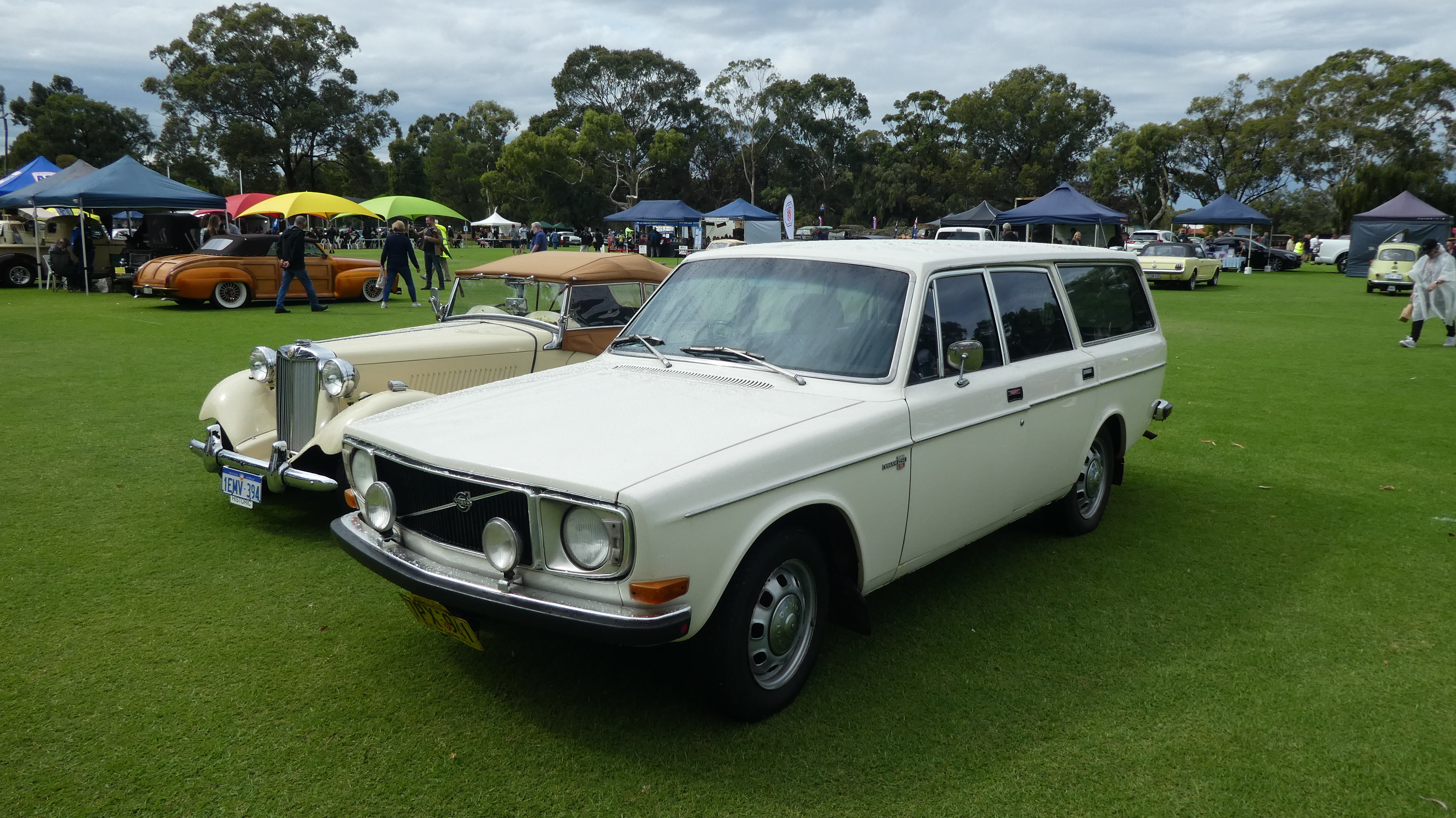
They mention the Volvo 140 as an older Volvo from the late 1960s into the early 1970s. It’s part of their story about how Volvo models evolved over time but kept a reputation for lasting a long time.
They mention the Volvo 850 as one of the generations in Volvo’s long-running lineup. The key takeaway is that it came out in the early-to-mid 1990s and shares the same basic platform as the later S70.
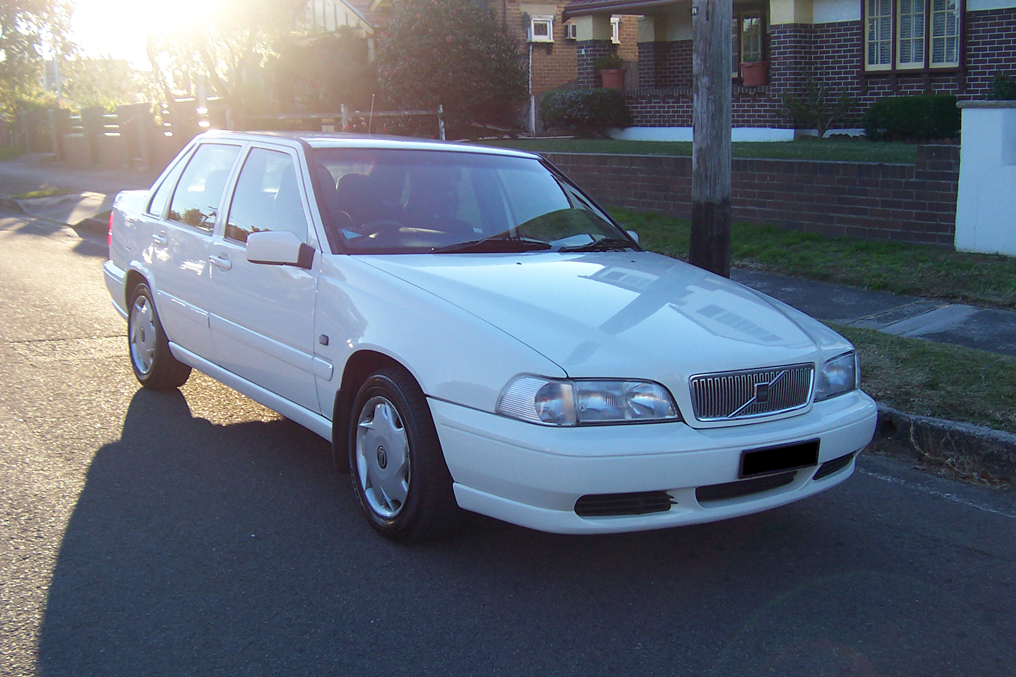
They’re talking about the Volvo S70, which is basically the next version after the 850. Same general platform, but it got a redesign/facelift so the outside looks more rounded.
They’re talking about special discount pricing for employees and their families. It means the family could buy Volvos for less than most people would pay.
Control arms are parts that connect the wheel to the car’s body so the wheel can move smoothly. Upper and lower control arms work together to keep the wheel positioned correctly as the suspension travels.
Tie rods are the parts that connect the steering system to the wheels. When you turn the wheel, tie rods move the steering linkage so the wheels point where you want.
Hex head hardware just means the screws/bolts have a hex-shaped tip (like an Allen key). It’s usually easier to tighten and less annoying than Phillips screws.
Turn buckles are adjustable rods with threads on both ends. By turning them, you can make the suspension link longer or shorter to help the car handle the way you want.
Preload is how much the spring is already squeezed before the car’s weight is on it. More preload usually makes the suspension feel stiffer right away.
Tamiya is a well-known company that makes RC cars and model kits. People like them because the kits are detailed and there are lots of parts and guides available.
A gyro is a small electronic helper that senses when the RC car is turning the wrong way and automatically helps correct it. The goal is to make the car easier to drive and more stable.
A servo is the motor that moves parts on an RC car, like the steering. A “servo setup” means how those motors are configured and adjusted so the car reacts the way you want.
Term
mbo1 conversion
A conversion is when you modify an RC car to turn it into a different version using extra parts. That usually means you may need to adjust things like the suspension so it drives right.
Suspension is what helps the wheels move over bumps and keeps the tires planted. If you make it softer or stiffer, the RC car will handle differently over rough ground and in turns.
This is a clear top coat that has sparkly metal particles mixed into it. It changes how shiny and deep the finish looks, and it matters because RC bodies are painted from the inside.
Term
lame flake
“Lame flake” sounds like a specific paint name people say/pronounce differently. They’re basically correcting the label/spelling so you buy the right paint.
The Mazda RX-7 is a sports car known for a special engine design. In this segment, it’s used as an example of how paint layers can make yellow look brighter.
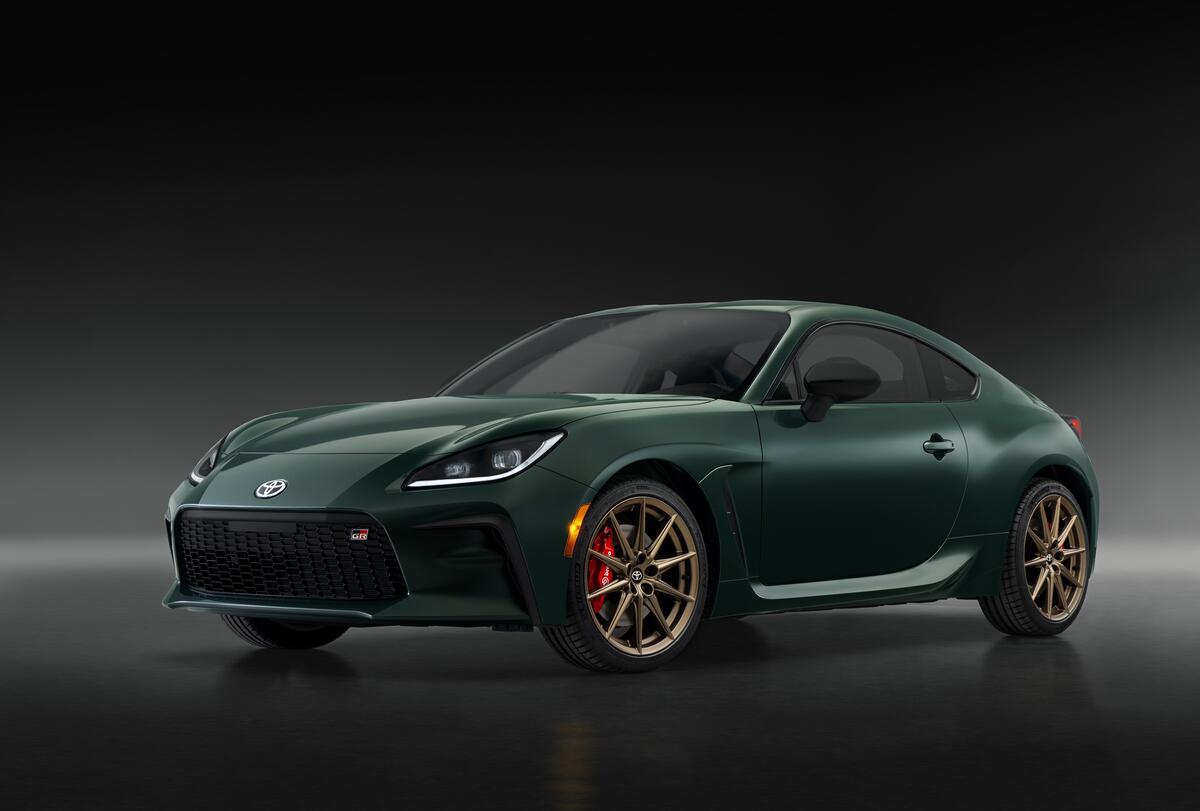
The Toyota GR 86 is a small sports car. It’s made to feel responsive and fun when you drive it, especially on twisty roads. The podcast mentions a green one as part of a color or car setup conversation.
NLA means the item isn’t available anymore. It’s basically “discontinued” or “hard to get.”
Term
static model car building
It means building scale model cars that are just for display, not driving. The host is saying that practice with details and finishing helps them make the real thing look better too.
Concept
scale aspect
They’re talking about making it look right in the exact proportions for a model’s scale. Instead of just painting and slapping on stickers, they want more realistic detail.
Michigan is where the last race was held. The host is saying it was a chaotic race with lots of incidents.
Term
rec fest
It’s slang meaning the race had a lot of crashes and wrecks. The host is describing it as a very incident-filled event.
LIVE
1000 cars sir you have a thousand cars I don't think I'd attempt to try this
stunt or we owe this horsepower to Uncle Sam's too big a car like I put my beer belly on
it yeah you can't immediately tell somebody how many cars you have you'll
really give those up at a yuppie something to think about stay on the bar
don't go off the bar with your Bronco 1980 Volvo horns what's right man's
coolant he's like oh I thought I'd be small it's for a small car and oh yeah
but it's still an automatic transmission they're never gonna be light
it's definitely gonna have to crash starting off with Brad by another car
that's the West you know is this a Nigerian oil print I also wish you drove
a tan Camry anyways that's a very horrible podcast content very inside
John they'd love to be driven hard
do auto off topic what's up Brad much Andrew what's going on with you oh just
things sort of working on project car stuff kind of not working on project car
stuff it is what it is right yeah I haven't touched a car so there you go
all right podcast over bye yeah have a nice day been nice talking to you happy
Friday everybody listens on Friday morning no I did I did a little bit last
weekend in the Volvo we actually got rolled out of the garage clutch works
first and second sorry first and reverse work at least that brake pillow stays
firm I swapped on the wheels I have with the tires those are interesting wheels
they're lug centric like the lugs have huge shoulders on them so they fit into
the weight yeah they fit into the wheel that's what centers a wheel is the lug
so it's got studs it's not a it doesn't have a lug bolts it's got studs but the
lugs have a super long like three inch shoulder that goes into the wheel that's
what supports the wheel so you have to buy wheels specifically designed for that
no the wheels are designed that way they have special lugs that came with them
when I bought these wheels my brain has it backwards so yes you're correct yeah
for some reason my brain was thinking of the studs not the lugs and I was very
confused but yes I've dealt with many cars with lug centric wheels okay I've never
had them that's first for me usually yeah that's a standard style on older
aftermarket wheels like a lot of 70s 80s stuff is like that because it has no
there's no hub for the wheel to ride on so yep and I actually had to take surprisingly
they were still in there the screws that hold on the rotors to the hub were still in there
but they're not countersunk so they stay proud of the face of the rotor so or the hub
so I was like trying to put the wheel on the first one I was like this is not sitting flat
this is weird and I took it off and realized that the it's like Phillips head screws were just
sticking out I was like oh well you technically don't need those so I took them out and then they
set a flush and on the steel wheels that were on there somebody had the rear lugs on backwards
both rear wheels it's so common yeah but it's so common that people do it I don't know why
but all not not just one all all five on each wheel yeah it's bizarre just decide to do it
the other way and it's not obvious I guess I don't know I think it's obvious that the wheel has a
cone to it the lead has a matching cone yeah because otherwise the rear steel wheels are all
galled up from the lugs being on there wrong and eventually yeah you can have lugs that way yeah
yeah so the other word sometimes that you'll hear for a lug centric lug is a standard mag lug
because that used to be the standard like craig or american racing they all use that style
all like the wheels of my colt have that same style lug on them and so it's when you buy them you buy
them as a mag lug and that's uh the terminology that I'm familiar with anyway see I never dealt
with that so I didn't know that it's a long deep shank and there's no cone on it but there's probably
a built-in like washer there is yeah right yeah yeah same as the colt a couple of them are funky
so I'm gonna have to run a tap in them or something or get new ones um so like a couple wheels only
have like three lugs on them so enough to move it around the yard but you're not driving the
guy very far no and it's uh so it's I think it's really at the point where it does just need to
be driven to figure out what else it needs yep the most part um the rear brake seemed a little
thin I should order brakes for it front seemed okay but maybe I'll just do l4 because whatever
I gotta bleed in anyways you were showing pictures of the caliper setup it's pretty
pretty beefy brake setup for the car it looks like yeah it is that there are dual pistons
in the front uh fixed caliper so which I think I've read that yeah a lot of vintage racers of
that era would steal the brakes off ovos because they're beefier and then um yeah just tidy up
under the dash and really how does the twin piston work does it have a crossover pipe
yes okay so it's probably very similar to the ones in the Mustang we just did
yeah I actually think it's it might be four in the front it's twin in the rear but um yeah
I've got the temp sensor in there so I've got the aftermarket temp gauge that was working great
right in the middle car is not running hot it's perfect um I tried two different
used clusters I had I got off ebay one was very adamant that it was tested and working
plug them in both gauges before I changed the aftermarket sensor both gauges are still dead
no fuel gauge no temp gauge nothing kind of frustrating gonna figure out that fuel gauge
situation so maybe the sander in the tank is no good
I've had good luck with senders in tanks by just dousing the whole thing in
not rust mark the other one
yep the name is casing right now but the gel stuff that I've recommended in the past
it just dunked the whole sensor in there and it cleans it up that's what I did for the
staring on one the worst right now well you know when you have a car that you can't get parts for
you can get senders for this car though that's very expensive
yeah this this car actually has parts available for it which is interesting so yeah I keep
forgetting that I keep forgetting you're not working on a Mitsubishi kander this is a weird
time about past history yeah it's nice to be able to just go oh there's a there's a vulva
specialty parts supplier and I can just get most everything from them
it's uh yeah I got to look at into like one of the clusters lit up and then I moved the bulbs
over to my original cluster and it doesn't light up so I'm like all right I gotta figure that out
I might have like switched the circuit boards in the back because it's like a printed circuit board
maybe because my original cluster is actually still in nicer shape than these other two that I got
so I'd rather use it because the the lettering's brighter it's got the chrome trim around it so
just one more little thing to figure out I hope
and then the car is hard to start too so I get we gotta figure out the jetting
because everybody's like take those cold start valves off because they leak gas
so you don't have those to work with they're basically a tiny carburetor on the weathers
that works like a it's not really a choke it's just a tiny internal carburetor for cold start
but everybody's like you don't need those you can just pump it a couple times and then it'll
fire off and it doesn't really do that so I mean how long does it take to fire up
it is very very hard to forget it's also your first carbureted car
you know it is it is really hard to start much harder than it should be
like like several minutes of cranking to get it to start that's not right
so every every carbureted car I've had I mean and every one's different you learn the process like
the white pickup truck I get in that and I pump the gas four times crank it for a few seconds
pump the gas two times crank it again and then usually put my foot to the floor and crank it
as far as right up so but that's just the process that that truck has like every every car has a
different process yeah it seems to be pumping gas from the tank but maybe the accelerator jets are
not big enough I don't know it's got a little stumble in the progression too so it's again
it's like one of those things you just need to drive it to figure out what it needs for jetting
and now you have that O2 sensor in there too you can really
figure out exactly what's going on yeah it's idling really well at a really good mixture but
um yeah trying to get it to start is a is a bit of a struggle so
to figure that out and plus I'm waiting on the other filter which is annoying air filter
but it's mostly there it's it's a lot farther along than it was last summer so
yeah I saw pictures of it rolled outside the garage which is huge yeah I just got that project
fatigue it's like kind of over it but I feel you I would I would tell you two weeks ago I figured
out the exhaust leak on the steering on guess who hasn't fixed it so I get it yeah sometimes you
gotta take a break you step back and do some other things and not deal with that one thing like
I haven't fixed the air conditioning again because that freaked me out and I haven't fixed that
exhaust leak that I found so this is what it is the car isn't going anywhere there's no deadline
like we always say you don't need to work on Monday so you'll be fine yeah um so I was like well
I'm not going to make it to the Marblehead cruising with that so I'm going to take the
glont again because I haven't fixed the G20 yet um so the glont last like year and a half has been
having trouble with the coolant temp sensors for whatever reason I don't understand yet um
I got a brand new one it's from it's facet I got it from rock auto it's because strangely they don't
even sell the NTKs anymore I bought like the last ones they had so I had a brand new NTK in a box
and a brand new facet in the box and I took my meter and hot water and the thermometer from the
kitchen and I had them both in 180 degree water looking at the uh coordinate source manual with
the resistances should be and the facet one was closer and more accurate seeming than the NTK one
and then to get to like 32 degrees I just put them each on an ice cube and you know the resistance
goes up when they're cold and the NTK one would get got to the point where it's supposed to and
then kept getting higher I was like that's not good and the facet one got to where it should be
and stabilized so I was like well I guess the NTKs are crap I don't know it's kind of annoying
because I thought those were the factory ones and I think the factory one's not made anymore
because I would have bought an OEM one I can I should double check I know the knock sensors are no
longer made so that's annoying but um you know I was like well nine times out of 10 it's these
sensors and the last time I swapped it I put a new connector on it because I just had spade connectors
and they seemed kind of loose so I was like I'll I'll put a new pigtail connector on it I bought
it from I forget where it is there's some guy that does all the Mitsubishi pigtails
and I am 99% sure that I did not switch the wires because I was paying attention to it and had
I got the wires correct on it uh swapped it out because I've done it multiple times now it only
takes like five minutes for me to do it and I don't lose much coolant it's a very easy one
yeah swapped it out started the car up before the car was even up to temp the idle came down
to 800 where it should be once it figured out that it just started and like got the mixture right
as like sweet that was it uh so I let idle for a little bit it was great for like 10 minutes
come back later gonna go to the car show driving over through Salem almost through Marblehead
cars running great I'm like this car is running better than it's run in a year and a half
it's like not super high idle because the the thing that drives me crazy it's it's it's two because
it has a lot of exhaust is that it when the sump sensor is bad it defaults it just says okay the
engine is hot and I'm just gonna assume it's hot and so it just defaults to running a high idle
to protect itself it's super annoying because it's like 1500 1200 rpm it's just idling super high
sure um so then it's driving great it's idle and low and it's stop lights and stuff and like
perfect you halfway over there the check engine comes back on like well I don't have the laptop
to check it but I'm like it's probably the sensor uh so I haven't checked it yet I'm assuming it's the
what it's for because uh suddenly the idle comes up it's like 1200 again
uh but it's otherwise running really really well it's just like really confusing that these
temp sensors are dying like instantly so makes you wonder if there's a short somewhere in that
harness yeah I don't know where it's weird and then last night I took it to the drift
track I pull out the driveway uh and literally get down the street like four houses and the light
comes on I'm like all right so it's like definitely bad like something's wrong yeah and then I went
to get gas in it and almost wouldn't restart like so it's super hard to cold start super hard to hot
start yeah and and those are both uh usually a dead indicator of a temp sensor so it's it's
insanely frustrating because it like we've talked about a bunch of times on these Mitsubishi's it
makes the cars almost undriveable yeah I mean it was only two months ago I was fighting with the
temp sensors in the Darion so it's the same part number so it's not like it's a yeah a unique
experience and I wound up the one I wound up going with was the AutoZone brand whatever that brand is
Durilast or whatever um it's the one that had the closest readings to what was supposed to be
and the NTK one that I bought wouldn't even properly sit in there because the
threads weren't long enough that's weird because the NTK one I have is identical to the one
the other one I I have to wonder if mine was miss boxed it must have been because it threaded in
but it didn't have enough threads to seat so it just would leak yeah so I even the one that I took
out of there I had a decent amount of PTFE tape Teflon tape on there I actually left this one the
first like half of the threads are just raw threads and I just put it at the top so they'd make sure
that even though it's two wires make sure that if it needed to ground it is grounding right it's still
messed up so yeah I don't think it needs to ground because it's a two-wire sensor so I don't think
that plugging it in makes the ground and mine has PTFE tape on it works fine and it has like
I use that I had a whole roll of the it's kind of like extra thick and it's petroleum
resilient resistant yeah it's the yellow PTFE tape yeah so and mine works with that on it so
it's doused it's covered yeah so the one in the Volvo is a single wire so it has to ground
through the block so I made sure that's only that's because it's only for the sensor I mean for the
lamp yeah exactly the sensor you know the word I'm looking for gauge thank you only for the gauge
so that's the same in Mitsubishi because the Mitsubishi ones have two sensors one for the
computer and one for the gauge and the gauge single wire single wire so the gauge is perp it's
actually it's not even the middle it's to the left of the middle it's actually cool like the car
is not running hot it's running cool like it's nice maybe it's it's Swedish so I'm not surprised
it's to the left it's very progressive no I'm talking about the Mitsubishi oh and and yeah I've
got it was 85 it's probably 85 when we left for the show last night pretty humid and cars running
not hot at all it's like right where it should be I mean I've got a little rain down there yeah
the cars always run good temperatures well driving all the way to Atlanta yeah but there was a while
in like 21 22 it was running hot it was being weird and then but it could have been this cool
intense sensor being weird it wasn't till recently it actually started giving me check engine lights for
it um it's just very strange well interesting with the cool attempt sensor though is that it's
not going to affect the actual running of the engine because the thermostat is mechanical and
the no it does affect the running the engine because oh the fan yeah no it affects the mixture
that's how the fuel injection works yeah yeah that's the bad issue let me let me rephrase that
it's going to affect the running of the engine it's not going to affect the temperature of the
engine much unless it's really running poorly yeah so no that's what I meant to say excuse me yeah
it messes up the mixture and like I said the computer doesn't know what it should be so it
defaults to just okay we're going to want to failsafe mode and it runs a higher rpm to a
to just to circulate coolant right but the fans run off of the other temp sensor correct
well they run off that one I think they run off that one okay I don't know for or no no I'm sorry
they do not that has a temp sensor that is in the radiator there's another temp sensor
yeah now I'm remembering it again because I've swapped that fan a couple times because at one
point it stopped working so I have a new one in there and yes that runs off there's a temp
sensor in the bottom of the radiator so the two wire one in the when you're talking about right now
is just for the ECU yeah it's in the gooseneck with the thermostat it's just for the ECU that's
all it does place in a stereo yep is to tell the fuel injection how hot the engine is to adjust the
mixture okay so if it's cold it gives you more fuel if it's hot it gives you less fuel to start
you need less yeah so yeah now it does whatever it wants so yeah um so just just being annoying
so now the next steps are be there is from the factory service manual tells you how much voltage
you should have at the back of the connector at certain temperatures you have to back probe that
connector check that I'm gonna have to pull the ECU down from the passion side firewall area and
actually like disconnect everything and trace the wires and see if they have like some silly
high resistance or something so yeah it's just gonna take like a few hours of probing things
and uh it's just annoying that's all but yeah exactly and if you have a Mitsubishi you should
probably have some spare temp sensors in glovebox yeah it's just one of those failure points
it won't leave you stranded it'll just leave you annoyed yeah and then you know we set up
I want to fix the brakes so my mom's beetle we're gonna set it up on the lift
it's hot outside I gotta move it I gotta roll the window down and I literally went to turn the
the crank and it literally just broke off my hand it's like cool I love that
wasn't even like these old cars just being cranky literally not cranky yeah lack of crank
broke off like a lack of cranky crank crank well that sucks but that at least again
much like the Volvo is an easy car to get parts for so oh yeah I'm sure it's 10 bucks for a handle
yeah it's just annoying it's more than 20 I'd be shocked yeah it's just that like old 70s pot
metal it just fell off my hand oh the car is 50 years old so we'll cut some slack unacceptable
how dare that crank window break I couldn't have warranty claim yeah I don't build them like they
used to the crank windows and my new beetle don't last that long yeah uh so that's all my project
are updates yeah I was gonna I was hoping I was gonna have a surprise go ahead sorry I interrupted
you like a jerk no I said you know down to its updates stasis well I'm at stasis I thought I was
gonna have a surprise like last time and be like oh yeah I did this oh yeah I did that but I was like
racking my brain to what I've done in the past week since last recording and it's all been
in one-tenth scale so I have not actually done anything there was a baby in the family born
and there's been NBA finals basketball going on and I've been building an RC drift car and
it's been 110 degrees so I just haven't done anything
that's what we're at that's fair yeah I needed I really needed a week of no car stuff just because
I've been going strong since you know end of last year to get the stereo and ready and working on
and then you know help help and nail me here and there with the Mustang and
other stuff I've been doing so uh the only project car stuff I have and this is I guess
tangentially project car related but I did promise that last week that by recording this week the
Mercur would be live for sale on cars and bids uh and uh it is so as of I think it was around
11 a.m this morning 11 a.m pacific time this morning the car went uh went live it is live so
if you want america go bid on it bid now bid often um I guess bid as much as you're comfortable
paying is what I should say the car's been up for a day um some quick stats it is currently
sitting at $3100 already so oh that's I checked like an hour ago and it wasn't at that high yet
yep it's a no reserve auction so the highest bid will take it so if it gets no more bids between
now and next thursday then 3100 bucks is the price I genuinely hope that's not the case I need a
few more to break even but uh we'll see what happens so a few more a lot more that is what it is
but there's 874 people have watched it I have seen it 101 have actively clicked watching it
so and there's been 1234566 bids already in the first I don't know six hours
so a bunch of comments getting some activity and we'll see what happens but there's a couple hundred
pictures or so maybe 190 pictures and five or six videos if you go down the listing
it's a cold start video and some driving videos from inside and outside the car big thanks to
Naomi for helping me film those but uh I'm excited excitedly nervous I've never personally sold a car
on auction I've been involved with a few and I know that we talked about when you sold your
infinity on auction um I helped our our friend sell his 65 66 Mustang on auction a few years ago
so and obviously I worked for one of the online auction companies for quite a few years so I'm not
not unfamiliar with it just it's always one of those things that when you're selling your own
thing you get a little bit extra nervous especially because I went no reserve so
so if you want one go bid on it for your sake I hope it's cheap for my sake I hope it's not so
but yeah to end tomorrow it would be 3100 bucks no I think you'll do all right
I think so I mean to get to that number on day one I think it's probably a good sign
I bet I'm gonna say 10-2 really yeah okay I was I was going to guess no I'm not gonna say anything
because I don't want to put numbers out there all right it's it's not far off from that number
reserve I was thinking or hoping I guess um but I guess we'll see I also because I know it took you
about a month to get it all through the process right uh it does take a while it took a while to
get my cue up so I actually did the for bring a trailer I because I got I have titles in hand now
for the other cars that belong to my grandfather I have the I submitted the 2008 Cadillac so I can
get on okay because I don't want that car hanging around because it's just one it's in a way yeah
two it's too nice and I don't want something to happen to it I want it out of here
and the longer it sits the more chance of a something bad happening so let's get rid of it
yeah um so yeah hopefully they accept that and then uh you know I can actually talk to a human
about it because it was you know they ask you all the information and they ask for a picture of the
title and basically I put like a little short blurb it's like you know I'm selling this for the
estate like I can just explain more of it via email I have all the paper it says I can sell it so
because it's like not my name is not the same we don't have the same last name so
right it took me I don't know it was three or four emails in before I got to a person
um yeah but that was better than the haggardy one where I never got to a person
yeah which is why I didn't go with haggardy so yeah my uh my auction guys Cody Kilgore I think
his last name is um so he's actually a human person with a name so that's good
plus I want to um I gotta forget when I can have a chance to get pictures of it
and we'll be out uh visiting you guys in a week so I'll deal with it when I come back
but I want to at least get it submitted and started get the process started yeah my
mine took probably about a month uh some of that was my own doing um
I didn't have all the pictures they requested even though I thought I did
and I'd add pictures and add this and then there was a a conversation about the mileage
um yeah which I'll say on here I'm sure I'll have to deal with it on there
the title says 83 or 84,000 and the car is 83,000 um but there was just a clerical error
if you look at the original title it had like 81 or 82,000 on it and I've driven it
1,000 to 2,000 miles and then but whoever entered my title information at the MVD
when I registered the car must have flipped numbers around because they registered as 84,000
so it screwed everything up but it's listed as the 84,000 because that's on the title so
yeah so a big deal at the end of the day just an annoying mistake that somebody made and I
didn't catch so yeah I guess yeah I mean it's only a thousand more than if somebody just drives
it then it doesn't matter like oh 100 it won't matter in the future but it's one of those things
that somebody will look at and be like how come it says that when you bought it three years ago
it had 84,000 and now it has 83,000 what games are you playing it's like I'm not playing any games
I'm just somebody made a mistake in order to get it fixed it requires way more work and time than
I want to put into it so yeah and again we're talking about you know a car that's less than
$20,000 we're not talking about a blue chip collectible car here so it is what it is I'm not gonna
I'm not gonna stress over it and I can explain it away it's a reasonable explanation
everything lines up with the car facts otherwise so it'll be a blip on the radar in the future
but I'm genuinely excited I'm happy to have it in a condition where I'm comfortable selling it and
I'm excited to see who winds up with it and what happens with it
so it's the kind of car that I'm not nervous about selling as far as like somebody's gonna buy it and
ruin it I feel like it's kind of car that somebody who has a small collection will probably put in
their small collection so we'll see what happens and it's gonna open up cash flow for some very
exciting things that will be coming down the bike and will be excellent excellent excellent
auto off-topic content for years to come I think so
you know what it is but I'm holding back on most people so we shall see actually there's two things
but that's beside the point actually so if anybody locally wants a project car
S7 EVOLVO have I got it for you I'll give you a good deal yeah absolutely and my project car is a
very loose term here the guy runs the drives fine oh yeah it runs the drives fine it needs any tires
and maybe just just maintenance yeah some maintenance and I'm just not what is the asking price on that
car sir uh I was gonna put it up for like 2500 bucks and uh see where that see where people offer me
because that's a whole AC uh yeah it should work yeah I believe it still works it's got a
door check that's broken uh the sheet metal is ripped uh so that can't be fixed easily you can be
he's got a welded little section that's not easily fixed uh for most people um so what door is it
it's the driver's side door the one that gets used the most okay it's got the mismatch ish
passenger uh driver's side rear door because it got hit there and we just swapped the door
um had no other damage other than the door we got hit well parked uh hit and run it was annoying
so and that's a five cylinder non turbo automatic five cylinder non turbo automatic
it's a good car great winter car for someone around here yeah that car will run forever
yes those were so like you had my the 140 which was like 66 to 74
then you had the 240 which was like 74 to 93 which is crazy um and then
there's a small overlap of during 93 when they came out those 850s which I forget what the chassis
code is for them but the 850 ran from 93 to 97 and then these s70s ran from 98 to 04 maybe or 03
and they're all the same platform as 850 through it s70 is the same it just got facelifted in
98 to a more rounded body style it's a p something p 50 p 60 that was the chassis
the 80 maybe um but they put a lot of 991.2 no yeah they put a lot of effort into them and
they're like a really well built car other great cars if if that car was a manual transmission
car I would be telling you not to sell it and I would buy it when I sell them or core just drive it
yeah so if I needed a winter beater for some reason which I don't I would use it
yep um but yeah no it's an excellent car and your grandfather maintained the crap out of it
over the years on top of it so it's still it's a 2000 with 70s there's like 75 or 77,000 miles on it
if that yeah it's a good car yeah for sure you know it since new I was like I kind of forgot
that he bought it new it's like open the title and you know the title has the mileage on the
odometer when the car was sold and it was like five 28 miles is like okay okay I was like oh yeah
purchased December 18th 2000 your studs yes excellent yep from the local Volvo dealer here
local Volvo lore
yeah he had uh let's see actually he had
my parents had a early 240 that they sold to him that was yellow that thing rotted away eventually
he replaced that in the late 80s with a used 740 and 86 740 from studs which became your first car
yep because he replaced that in the year 2000 with this 70 uh because at the time my dad worked
for a company called Prevo whose parent company was Volvo so they gave employee deals on like friend
like family deals on sure Volvo so they bought it at a really good price back of the day
yeah that's probably why your mom had that 850 glt wagon do it is yep so yeah
there's always a family of all those so yeah and he's had and he had that till he drove it
right up until he got sick and then he passed away so yeah it's a good car
so anyways yeah that's it I have no real updates on car stuff Andrew other than I have a car for
sale but yeah I have been going hard in the paint on RC stuff yeah so I actually finally
after being lost in colorado for a week and a half just got my box of goodies today to finish
my drift car because I think the plan is you're going to bring your drift car with you when you
come here and we're going to go to a couple of drift tracks so we need to get mine done so soon
we're done recording I'm going to take this box of parts outside and start installing electronics
because I finished the chassis for my yokomo rd 2.0 drift RC car so
and I must say they are very neat chassis's because they are
quite literally just a scaled down real car a lot of the suspension parts are very similar
you know it's a combination of like very modern things and very old things on real cars combined
into one toy car yeah so like I was showing Naomi like the whole front suspension and steering
setup because it's like lifted directly out of her 68 Mustang that she just put together
like upper and lower control arms knuckle in the middle inner and outer tie rods and center like
it's very much car so it was super neat to like to put that together and just kind of go through it
and after years of building the Tamiya cars which are are wonderful but they're not as
prototypical to a real car and this is very much real car style so it was very neat to build
and I'm very excited to get it done and driving so hopefully soon well like yeah like a Tamiya
chassis feels like it has more plastic there's more stuff to it sure and these are more like
stripped down purposeful just for drifting so yeah it's a very it's very simple but also somehow
more complicated so yeah I do like that the entire thing is put together with like 1.5 and 2 millimeter
yes the hex head yeah hex hex head hardware there's no Phillips hardware in the whole car
yeah that's super cool that's modern and that's the number one complaint that most people have
now of Tamiya stuff in 2026 is like why don't they just switch to hex head stuff because you have
self tappers with hex heads so it's so much easier to put everything together nothing
there's no no issues with anything it's just an easier build so I enjoyed that a lot I also
enjoyed that it comes with or came with adjustable turn buckles for all the control arms everything
on that kit isn't adjustable out of the box which is nice even though it's all plastic everything is
adjustable yeah no it's super cool you can do a lot with that without even buying any mods for it
yeah well I noticed that there's multiple different holes for mounting the shocks and
mounting the different parts for different you know steering angles and acumen and camber and
all kinds of stuff and then even the the coilish the shocks are little adjustable coilovers that
you can adjust the ride height with so super neat you can adjust the ride height and the preload
a little bit so the preload yeah so yeah I'll bring my little alignment rack and my scales and
we'll set you up but I haven't messed with any of the I haven't moved the shock locations at all in
that car it's all the stock stuff the only thing I've done I've messed with is the alignment
I've changed front rear camber and front rear and the front toe the rear toe is fixed you can't
adjust it but you just run the the factory setting is pretty pretty much spot on because it's like
negative one or negative one and a half but you really don't want more than that
the rear I know it's super neat it's been super super fun to build and it just was it was a very
satisfying build like I wouldn't recommend it for your first RC car build just because it's a little
some things that you might like stumble on you probably be fine if you have some mechanical
experience but having built you know a bunch of Tamiya cars over the past few years it it was
pretty easy to build so I enjoyed it and I'm going to enjoy the rest of it because now I get to
the fun part of building and detailing the body and setting up electronics and making it work
yep yeah I was running mine last night I'm not going to mess with it because I'm going to take it
out there I was like not making any adjustments it's running fine just going to run it as is
I've got some different I've got a different gyro and servo setup I want to try but I'm not going to
try yet and I've just been messing with the other stuff the mbo1 conversion with the eagle racing
stuff needs to be a little bit softer in the suspension but and I painted the body which is a
an AMIata which is pretty cool and I was corrected that color I used I used a metal
flake uh it's basically like a base coat top coat it's it's weird because you're painting the
inside of the plastic you're doing the reverse order it would be a clear with flake in it if
you're doing a normal car but since you're doing a rc body which is clear it's clear with flake in
it but it goes in the inside first I I missed there's a little apostrophe apostrophe on it I was
corrected last night it's not lame flake it's lame lame yeah yeah which I think is an old is that an
hot rotting term maybe I don't know yeah I just love me was how it was pronounced
I missed I didn't see the apostrophe in there so curious
well mostly it's written incorrectly without it it's written lame spray yeah it's called lame
yeah everybody's everybody look at it even Tammy you say lame spray yeah I'm not gonna do that on
mine I'm gonna do a very simple paint job for mine because I have not painted beyond the black
buggy body for the hornet I haven't painted an rc body in a long time so I'm just gonna do a simple
paint job but I picked up a first gen Celica notchback body to do on mine so I have a the
Tamiya is it mustard yellow or camel yellow it's like a dark 70s yellow I think will look
super nice on an old Celica so that's my plan later tonight is to trim his body up get her
every paint yeah quite excited yeah I backed it with brilliant blue which I realize now that I
see them on the shelf is the same as the blockhead buggy the hot shot too it's the same color I
didn't realize it that's okay and then just like two coats of blue and two coats of white
and it's actually one of my better paint jobs already so pretty happy with that
excellent yeah I have I have white to back the yellow with so yeah that's definitely key
yeah white for lighter colors or if you want to make the yellow look darker than use black so
basically the way because you're painting is you can kind of control the way the
the paint looks at the end by picking your back in color like the 180 I did
it's red but I backed it with black so the red looks much darker it looks like more like a 90s
Nissan red yeah well maybe I'll take some of the scrap plastic from cutting the wheel wheels out
and try it both ways and see if it looks better yeah so I have a can of black as well
so I actually bought this paint to do the Bronco for the off-road truck but I think it'll look good
on this car too so this way yeah yeah I'm excited I'm excited to get it done I'm excited to get some
laps in and I'm excited to have you come out here and help me set it up and try some drift
racks so I have not done it here yet I've only still run that drift course that one night with
you when I was in Massachusetts so yeah I'm very inexperienced so that like the rx7 the
yellow rx7 I've done that was backed with white over the yellow so that makes the yellow really
bright and then the green gr86 I have on my already car is backed with black to make it look a little
darker so and I'm curious to see how that thinner Kyosho line tape looks in your car
because I have the 0.7 you said you had to get the 0.5
0.5 yeah 0.7 is NLA
no longer available really that's what it looks like yeah oh I bought two rolls of it maybe
about the last two weird and the brand I bought is not Kyosho because Kyosho's next size they had was
0.3 but abc hobby is the 0.5 oh interesting all right I'm curious to see how that looks that
might think it was abc hobby because I feel like the 0.7 looks a little thick sometimes but other
times it looks really good I don't know people are like well cars look really good I'm like
I don't think you I just it definitely helps to add the lines like it definitely adds some depth
I think that having a background in static model car building is helpful in the situation
yeah because it's you know I mean I get it a lot of guys will just spray the body
maybe throw the decals on it if that and then it just kind of or they'll just run it
and like definitely lack some depth and if that's what you're into great but we're into it because
we like the scale aspect of it so we want it to be more scale
anyway that's going on NASCAR real quick did you watch the race last week
yeah I I mean I was I was busy working on stuff so I kind of fast forwarded through most of the
stages but caught a good majority of it I mean again apparently Hamlin just likes to go to the
back to win the race like yeah apparently what rents rents and repeats in the week before
yeah wild now and now this week's Pocono which is kind of crazy they're in Pocono and then
they're going to be in San Diego which is seems wild like like why not do a race that's a little
closer in between as a Michigan to Poconos not too far no and it's one of Hamlin's better tracks
as Pocono so we'll see how this goes because the Teotas again have been really really fast
and I don't know there's trying to think like some notable stuff here
Michigan was another it was another rec fest like it was it was crazy amount of graduates
a very fast track I mean that early rec and Conor Zilch like man
yeah he just first nine laps he spun twice yeah oh man and then like the first spun it was like
alright and the second spin he just wrecked the car like dude yeah um and then I think not
it'll be second place next week because he does yeah yeah I think not too long after that was the
the wreck uh maybe it was the restart for his stuff I don't know I can't remember there's so many
wrecks but everybody blamed on Hosevar but really looks like it probably is more of a recent incident
or Larson it was Larson checking up I think yeah they explained it it looks like they were trying to
chase get in front of him and he checked up the bottom row which it's like
if you're three or four cars back and the green flag drops and your spotter's like go go go of
course you're gonna go right that's a race like why aren't you going fast that's why
Hosevar was like did somebody miss a shift and I don't think even if you kind of contact with
was it John Haranima checking in front of him was the 43 I don't remember who he hit but I I don't
think he really I don't think he really turned him I think he just brushed him and I think him
the car getting in the car the car that was in front of Hosevar getting in the car in front of
him is what made him turn my guess is what what turned him is because Hosevar saw the car slowing
down he made a dive to the bottom the car slowed down more than he expected he tapped the back
bumper of the car in front of him while that car was probably accelerating and then the car was
accelerating and then came off the gas which already upset the car so a tiny little brush from the
back probably did spin him not Hosevar's fault not at all not Hosevar's car Hosevar's car I think
did cause it but I wouldn't blame it on Hosevar because he was just evicting a circuit not like
everybody that was doing it everybody was blaming him like he like drove through everyone it's like
no he didn't drive through everyone everybody slowed down for some reason what do you want now it's
I think it was caused by Lars since slowing down if you're four cars back you cannot see
in those cars you cannot see beyond the car in front of you put yourself in traffic put yourself
in traffic and then put your bumper on their bumper and then see how many cars as you can see
yeah and the green flag drops in your race what do you do you go fast yeah and bumping
off a restart is normal and you're expecting yeah doing a little push and you're expecting other
people to go fast you're in a race and when you don't okay weird so that's interesting they tried
to find audio from either the nine or the five to see if that was like a planned move but if it was
they didn't say anything obvious so no even though it probably was and then there was another crash
later in the race which was insanely wild when chase Elliott's car got a little bit loose and he
chased up the track and he hit the side of Christopher Bell's car and just Christopher Bell hit the wall
at a speed that was incredibly dangerous and it was 20 years ago he'd be dead so 100 amazing amazing
impact and even what they've looked at afterwards the telemetry that was the hardest hit they've
ever had in a next-gen car yeah yeah it was frightening because it was uh he got bumped
and so the nine sent him into the wall and then the nine chased him up and hit him again
yeah and that's what they were like that's the dangerous part like the first hit the car takes
it all but the second hit all the absorption is gone yep um yeah that was scary uh and uh
I guess he fractured his wrist so okay he's he's cleared for a Pocono to drive and obviously chase
Elliott felt bad about the situation it was obviously he did and he immediately walked over
to his car and gave him a hug and apologized but it was not intentional it was like you can't
it was very much that an accident it was a car got away from chase and he just uh
you know bell unfortunately was on the outside of him maybe if he wasn't there as much as he could
yeah maybe chase could have caught it but otherwise maybe chase would have gone
nose in the wall or backed in the wall but and uh other than that um hamlin decided to make the end
of the race uh boring I guess he just like the long run was incredible he won by 11 seconds yeah
so he did he did pull he qualified in the poll but then there's some sort of repairs they had to do
and that's why he had to start from the back again it wasn't it you didn't need a new a new
transmission or something had to be replaced or you know the transmission or steering gear one of
the other had to replace check that transmission something going on with that yeah yeah illegal
final drive yeah but nonetheless an 11 second victory is pretty much unheard of so yeah well
he knows he's gonna get smoked of course so he's trying to pack on some points is that
yeah well yeah because um reddick got wrecked in that uh you know eliot post of our or uh
post of our lost in the post of our mess up or whatever so yeah he cut the points to 50 points
about 50 points or so yeah so which is still enough to sneeze at but it was a hundred point
read before the race but we'll see because reddick's been better on road courses uh sure and then you
get I know scg was hoping to have a better results than crashing out uh so he can keep
his points going because he's he was currently in the top 16 I don't know if he still is I think
winning it at San Diego so that should be interesting we'll see excited excited to check
that out uh Shane is in 14th so he's still in the top 16 still in there yeah oh you know it was
crazy at the beginning of this race that Tyler reddick won his first stage of the entire year
yeah really like weird wins yeah yeah I guess they don't cut the last stage of the stage
win it's a race win so right weird that was also unaware of that yeah but it means at least he got
some points yeah but it's interesting how far off uh like the two other trackhouse cars have fallen
and the two other Hendrick cars like and as far as like Chevy's it's really just like it's been like
Elliot Larson the Spire cars and then all the Toyotas are doing really well even the legacy
cars are actually running well so yeah interesting yeah I think the 43 finish second yeah better
check them Toyotas for illegal motors yeah the 43 finish second which is
Eric Jones yes pretty sure and then usually Wallace finished Wallace finished third so
it was good it was a good good result for well other than Tyler crashing out it was a good result
for join 311 so hey guys the successful Ty Gibbs hate watch yes if you do watch NASCAR at all you
don't follow the NASCAR memes on instagram you should because they are big anti-tygibs and
every time he fails they post about another successful Ty Gibbs hate watch so
top top tier meme account
anyway yes 43 is Eric Jones I was correct so
all right sweet I think that's good sir that'll do it all right no uh no kooky
craigs craigs don't tell me this week but some people got them so they got them or almost got
them last week so I'm still I'm still mad I didn't get 944 so yeah that was very much on purpose
of me to do that to you I'll never let it go I'll never get over it
yeah we'll do again soon but um anyway
right where can they find you uh the internet okay uh instagram tsi ss 350 uh sometimes scale
autocast that's really been it lately um actually you know what I'm gonna plug our buddy's um forum
site the gearhead project I've been posting there again lately with a few friends okay so uh go
ahead and post over there and check that page out too it's uh the gearheadproject.com I think
I should have looked that up before I said it out loud but I'm sure well google search the
gearhead project it'll come up uh the gear the gearheadproject.com yes okay so well you can
also message us and get access to the discord and then um if you're local here uh next show that's
coming up for Marblehead cruise in will be in July they do it once a month it's a really good show
a really good location over by the beach in Marblehead so it's super fun because it's a
tuesday afternoon and luckily the last two couple months on that random sort of second
tuesday it's been really nice outside so you think garbage weekends you might as well take
advantage of a nice tuesday exactly um I am erasing on instagram and uh threads if you want
then we've got a lot of topic on his scram and threads but mostly on instagram
anything else in my car yeah go check out brad's listing for the mercure it's on
you've got it linked on your socials so it's on my instagram page on the
check out my link in bio yeah exactly all right as always keep cars analog and aim for the roses
About this episode
The hosts start with Volvo project-car troubleshooting, from clutch behavior after rolling the car out of the garage to diagnosing coolant temp sensors by measuring resistance in hot water. They dig into why lug-centric wheels don’t seat flush—especially when rotor screws aren’t countersunk—and then pivot to brake and gauge issues. Later, they compare sensor brands and wiring/grounding differences, and explain how bad temperature inputs can push the ECU into failsafe high idle. The episode also includes RC drift/build talk and a quick NASCAR segment.
Andrew got the Volvo to move under its own power and it's another week of it being painfully close to being done enough to drive. Meanwhile Andrew is continuing to chase the Coolant temp issue in the Galant, classic Mitsubishi issue. Brad has the Merkur listed on Cars and Bids. We talk some R/C with Scale Auto Cast and then discuss a little NASCAR.
Please Rate, review and subscribe to the podcast on your favorite listening platform.
Comments, Questions, complaints; email us at [email protected]
Join the Discord, message us on the socials for a link.