
AAH #677 - Why Legacy OEMs Lack the Mindset to Develop Tomorrow's Cars
Autoline After Hours · Jan 5, 2024
Annotations will appear as you listen
0:00
63:03

Car
Toyota Prius
Car
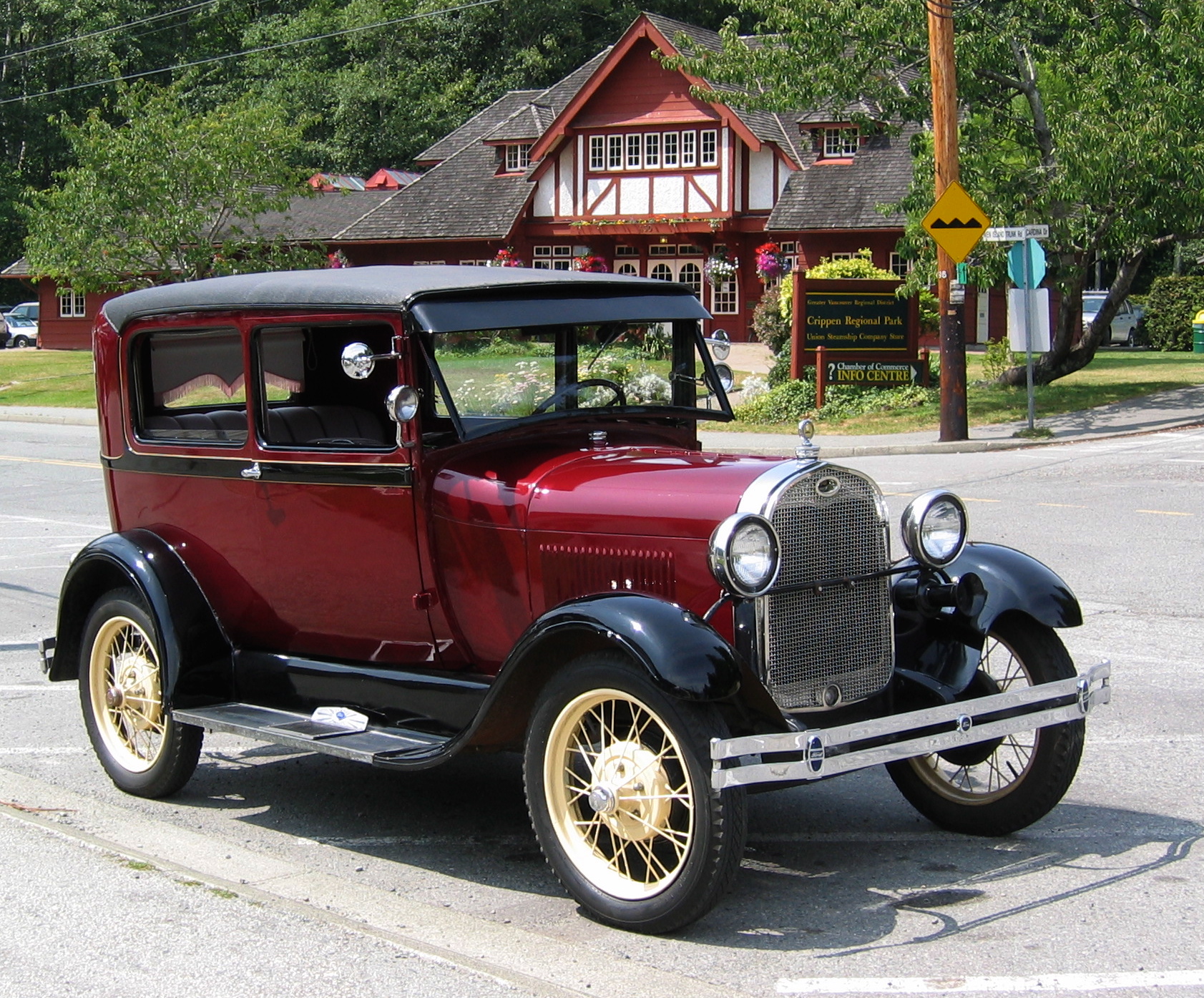
Ford Super
Car
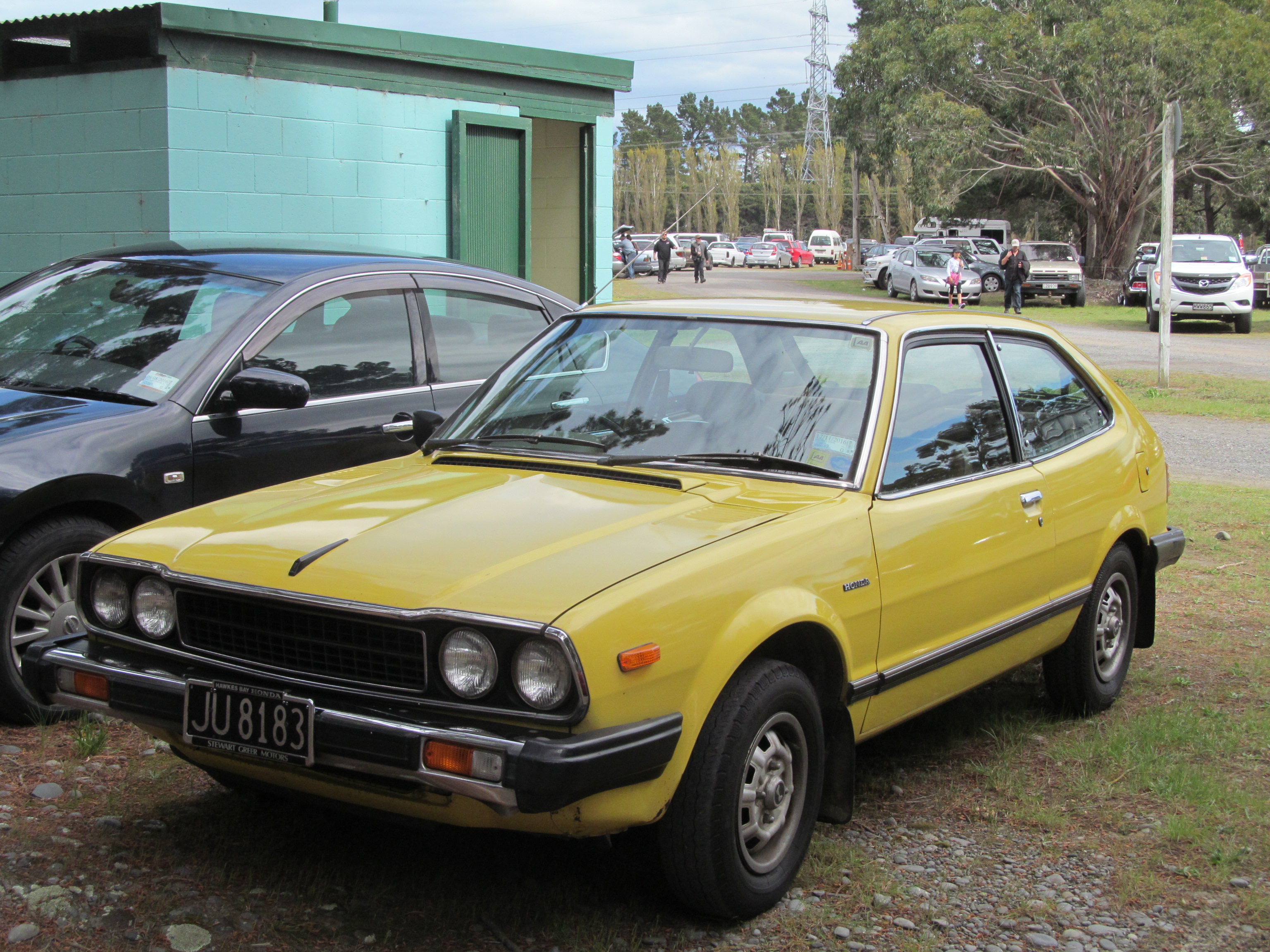
Honda Accord


Car
Hyundai Kona

Car
Hyundai Genesis

Car
Ford Ranger

Car
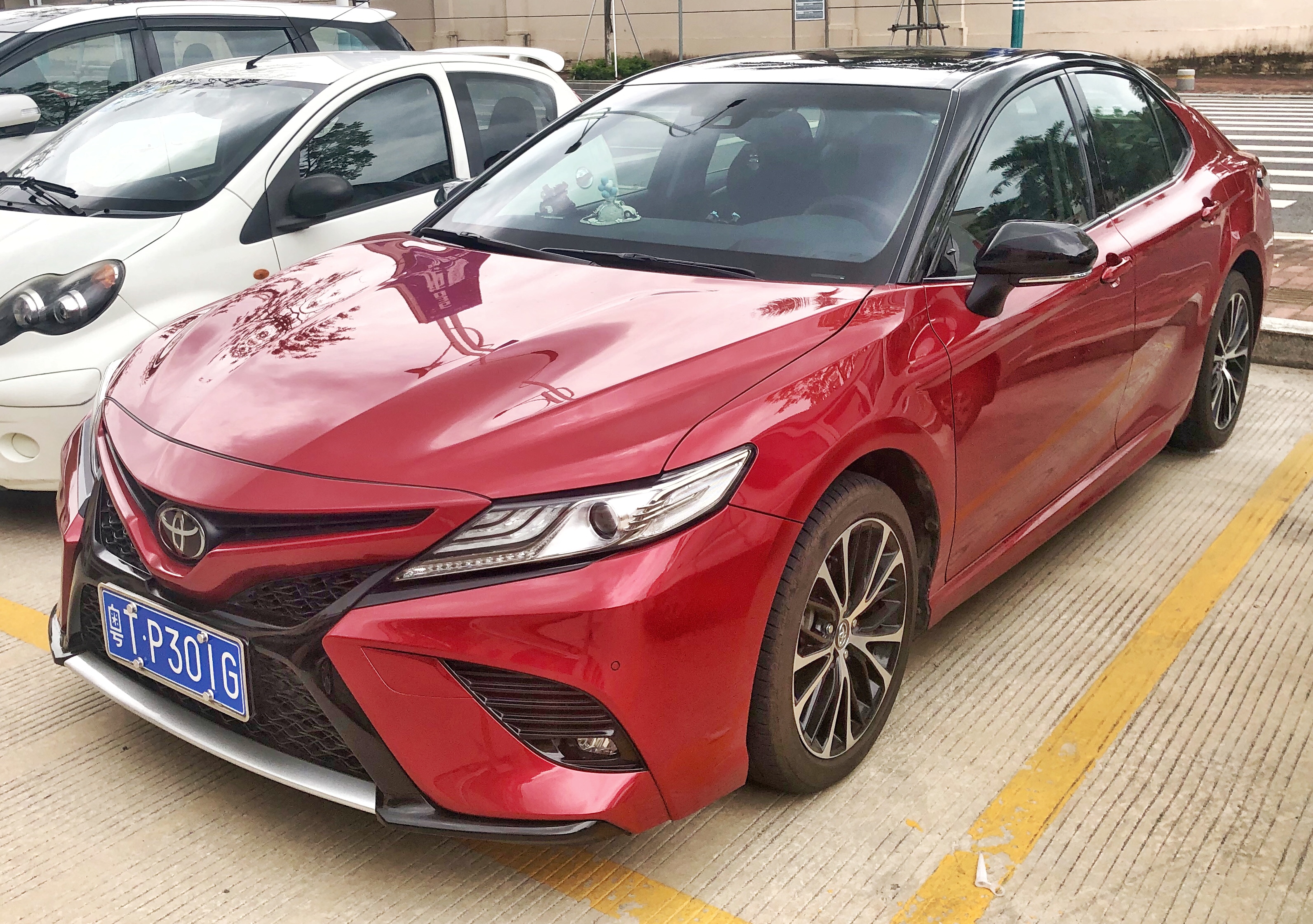
Toyota Camry

Car
Chevrolet Volt

Car
Tesla Model

Car
Ford Edge
LIVE
Out online. After Hours is brought to you by bridge Stone Tires Solutions for
your journey. Hey, everybody, welcome to Auto Line after Ours. We
got a very interesting show coming up. You're gonna learn a lot. But
Gary, maybe we want to kick off with the latest nactoy news because both you and I and and while we got to introduce Sam if we're going to talk about him to Sam Abuel Samid from Guide House Insights is also a juror.
Right, yep, I'm a juror. I'm also host to the Wheelbarings
podcast and do some writing for Forbes. So anyway, all three of us
voted on the North American Car the Year, Truck of the Year, Utility of the Year. What do you make of it? Augary, So,
for those who don't know, the car of the Year is the Toyota Prius in Prius Prime. The truck of the Year is the Ford Super Duty,
and the or the utility of the Year is the Kia EV nine. So
let's talk about who they be. So, you know, we start out
with what I don't know, a list of like fifty sixty fifty six I believe, and we whittled it down to the three top cars. So the
other the priest one, the Honda Accord was on the list. In the
Ionic six, the Hundai Ionic six was on the list. So then in
terms of trucks, it was the Chevrolet Colorado in the Chevrolet Silverado EV.
And in terms of utilities it was the Hyundai Kona and the Genesis Electrified GV seventy eight seventy seventy okyah. So you know what was very interesting to me
is that, Okay, if you look at the car category, so we have Toyota, Honda, Hyundai, you look at the utility category, you have Genesis, Hyundai, Kia, and you look at the truck category you have Chevrolet and Ford. Yeah. Okay, so it's almost as though the
traditional industry is really really focusing on trucks to you know, we know that they've they've pretty much abandoned cars. I mean, when you say traditional industry,
you're saying the Detroit automakers, correct, and so so they're like, we can't make money on cars. And meanwhile, you know, you've got
the likes of Toyota and Honda and Hondai and Kia saying we think we can make money on cars. And apparently they are because I don't think that they're
doing this out of the goodness of their hearts, right, you know.
And then it's even surprising in utility category, which you know, historically has been a strength of the traditional industry, and you end up having again, you know, the three Korean companies that are the ones, and and and the other interesting thing is is that they were all three evs in that category.
Well, to be fair, in the utility one of the three was a late edition because Volvo withdrew the EX thirty, So it was going to be the Kia and the Genesis and the Volvo X thirty, right, because that one's going to be running late for its launch of Volvo withdrew it at the last minute. That's why the Kona was in there. But still,
yeah, I mean, you're you're right, I mean they they the Hyundai Motor Group, those three brands have gone from nothing a decade ago in utilities to really being an incredibly strong force in that segment. Totally agree. In
fact, if you look at the nactoy winners over I'm going to say the last decade, I'll bet the Hyundai group, including Kya and Genesis probably the series and it's because of their product cadence. You know, right now,
okay Ford had Super Duty, right, what else did it have? Zero?
Yeah? Well, you know, I mean they the Ranger. The
Ranger would have been a candidate except it got its launch got delayed to the strike. So you know that's going to be coming out in the next couple
of months. And you know, there wasn't a lot in terms of utilities
from the domestic brands this year. But that's what I'm getting at. You
know, they go through this feast and famine, this this trough and peak of a product cycle, whereas the hunting group Toyota is also very good at this a steady drumbeat of something new almost every single year, yeah, or you know, every every few months. I mean, I know for for
several years they were going through a period of like twenty four to seven they called it, I think where they had like seven new models in twenty every twenty four months, you know, so about every quarter, every every four to six months, they would have at least one new product, pretty very consistently. Well, we got we got to bring in our guests here because
because I want to ask you something. This is Mark Wakefield, who is
the enemy to get this right. Global cod Leader Automotive and Industrial Practice for
Alex Partners. So you guys had done some research earlier this year and you
were looking at the new energy vehicles out of China and you were saying that those guys have a cadence that is just it's just like blowing everyone out of the water. So talk to us about that. I mean, one of
the things that struck us was, Yeah, the refresh rate of evs in China is one point something years, incredibly low. The then refresh rate of
the Chinese brands was about I think it was three to four, and then the three and then the the foreign brands in China was four point something and so you know, like it's been for a hundred years, the fresher vehicle gets interest and you know, one point something yet one point two I think it was something like that. You might go three there you go. Well,
the other there's so many Chinese automakers, I mean literally every single day there's a new model or trim line getting introduced, and some companies like Julie keep launching new brands. Yeah, so the Jili group, you know,
Lincoln Co. And numerous others. The freshness is there, and so when
people go in they feel something is new, it feel something is connected in with the latest of whatever the electronics are and really focused on not just an entertainment but also safety systems and other ones. I think we had a stat
about it. So you said that the Chinese NEV companies bring new technology,
quick to market, styling and content, price, customer ecosystem. And then
you know the natural comparison that everybody thinks about it is like called Tesla, and you guys point out that, well, you know, in twenty ten, Tesla a new technology e the innovation, direct to consumer sales and service and a good customer experience, which is good, but compared to what the Chinese companies are doing. And then John, this gets to your point exactly
of this this whole thing of product cadence. Yeah, it's actually the Hyundai
group that looks the closest to those Chinese Chinese brands if you look on where they're putting their PD money and their styling focus, the customer focus that they do to it versus the you know, obsession of ride and handling with some automakers that no longer matters as much. And so I was even trying to
make the point of where where is the focus and how are they prioritizing what they do, because they they're basically setting a milestone we will launch at this time, rather than saying, you know, the will not serve fries before their time approach to you know, let's make sure it passes all the tests and even if it's six months or a year longer. The crazy thing is
the Hunting Group has gotten clabored in China, probably the worst of any foreign automaker. They're struggling to try to come back right now, but I don't
know. There's political reasons and a whole bunch of other things that went on
there. I mean, there's some domestics from here that have been hit pretty
hard. All the foreigners. I'm just saying that the Hunting Group got hit
up quality hard. That's been an interesting shift I think in the last couple
of years is really a shift toward more I mean, for a long time, particularly European brands, the premium brands were doing really well in China, and there's been a real distinct shift away from foreign brands to the domestic brands.
Well, you don't need to feel like you don't need to buy an Outia six anymore to feel like you're somebody there. And actually there's some negatives
about doing that, there's some dictims that were given out, but you don't feel like you're making a compromise to have a neo or to have you know, a Chinese brand, a premium Chinese brand, and that wasn't the case five years ago, and it's it's the case now. So it's it's more
catch up for the foreign automakers in China now. Well, I was at
DIA in Munich class fall and I had a chance to try out the Zekra one, the Chapong P seven and we'll see there's a third one probably dyd uh. No, I didn't didn't try to get a chance to try out.
I did try it. I did drive the Lotus Electra, which is
built in China, and yeah, and checked out, you know, some others checked out. I did sit in the buy D seal and these are
all really incredibly impressive cars for the money, yeah, I mean for the money. I remember when the when the Chinese carmakers first came to the Detroit
Auto Show in the two thousands, and it was literally a joke and these these cars, you know, at least you know from the way they drive, the way they look inside, the way they're styled, they are competitive with anything in the world today. Even more than that, I would say
all the Chinese automakers ran to the Western world. I'll throw Japan and South
Korea into that, you know, to get the expertise and design, engineering, styling. You know. Now it's the other way around. Now it's
going to be the West, including Japan, South Korea, running to China for the latest technology mark you know, given given your in industrial part of of of your your remit. So you know John's point about getting stuff from
the West to so to what extent did the Chinese companies get the wherewithal to do what they're doing today from the joint ventures that they had with the likes of Audi and Volkswagen and you know the brands that that they said, okay, you've you've got to bring your stuff here and we're going to own half the company. I think this is a significant portion of it. A significant
amount now is more from hiring the right people and in the right environment where there's an intense push to win and you feel like you're a shark in the open ocean instead of you know, one of three in a protected pond.
You know, if you're a shark in the open ocean, you really need to fight. And so this sense in these companies is just at a different
pace of competition and acceptance of risk and focus of what matters because it's a matter of survival. Mark what changed though, because you're right, I mean,
the Chinese learned a lot from traditional foreign automakers how to bang metal, how to you know, weld metal, how to do combustion engines and the like. But they're beyond all that right now, and we'll get into it
in a minute. Here they're on the bleeding edge of all the electronic technology.
Was it them joining forces with Chinese tech companies? Was it them hiring
tech people? How did the switch happen? It's in a couple of ways.
I mean, it happens by the focus of the Chinese consumer on the entertainment and on the electronics instead of on the ride and handling and the quietness at you know, sixty five miles an hour, less of irrelevant thing.
The driving dynamics is just less of irrelevant things, sure, because they're mostly in stop and go traffic thirty five miles an hour, and so who cares about and the high end ones are driven, you're driven instead of the driver, and so you have time to focus on some of the entertainment things.
And so you see, you know, Western companies like the BMW I seven with its massive screen, you know, it's laser focused on the Chinese market.
And so it's now Western companies taking the tips from what's going on in that market. Whereas you used to maybe look at California and say, what's
going on there will happen in the broader market in five or ten years.
Now, generally what's going on in the Tier one cities and China is what is going to spread to the world in terms of what matters to a consumer.
But is it conceivable that a customer in Detroit, or in Baltimore or in Los Angeles would say, Gee, I really don't care so much about ride and handling because I just don't because the screen is going to be fascinating me rather than any characteristic of the vehicle as vehicle. I mean, I
just wonder whether the context with which the Chinese companies have been able to rise up due to the situation of congestion and lots of traffic and lots of people, and therefore they're getting the right solution for that, but not necessarily the right solution for or even in Europe. I mean well, I mean,
let's not forget. They spent in the last I don't know how many years,
five or six years, six or seven times more than the US has spent on incentives for electrification. They've been able to move faster to electrification.
It's been heavily supported, and then it's sort of moved from stick and carrot over time, and now it's a bit more stick than carrot. But if
you sum up both pieces is it's massively amount more money. And it's allowed
them to focus on electric vehicles and not focus on ic driven vehicles. These
primarily ice vehicles. And you even see the companies that were calling themselves hybrid
companies. And we're going to you know, do a Toyota kind of when
actually we're going to accelerate our EV stuff and move a little heavily there PHVs will be you know, emphasize the EV part. Pe can be the silent
at the beginning, we'll call it an n EV and very supported by the government to try to leave prog and try to move towards this so very very supportive national government and local governments, which of course had each of their champions to support these along versus Europe, which was sort of all all stick and now in the IRA some carrot, but generally more stick oriented in the US.
So it's not just the company, it's also the environment in which they're operating under and which you know, in no uncertain terms, the Chinese governments would prefer Chinese brands to succeed well. And you know, to your point
about you know, the environment a lot. You know, the use case
they're being so different than it is here. You know, you don't have
as much long distance driving and so on. There's also a lot more adoption
of lower cost, shorter range evs than we're ever likely to see here, you know, and that has really helped overall adoption. I mean, we
talk about a lot of these, you know, much more premium feeling EV's, but you know, when you look at the actual sales numbers, the big volumes are in these low cost evs like Ruling Many, Ruling Many exactly, you know, four or five thousand bucks, holy moly. Yeah,
But you know, to your question about you know, whether Americans you know, would be willing to go down that path, I would say, arguably that's always been the case here. I mean, you look, you know,
for twenty five years, the Toyta Camry was the best selling car in America. And it's not because it was exciting or had great ride in handling.
It was you know, it was reliable and you know, did what customers wanted it to do. And you know, I think there's no reason
to believe that that's going to change. I mean, you know, people
aren't necessarily buying big trucks or SUVs because they're exciting to drive. So this
raises the point. So you know, Mark, you're saying that car companies
that focus on doing things that are more appealing to the customer are probably going to be more successful. So if we take this ride in handling so so
basically, like John is the only person who worries about ride and handling, and everybody else would say, you know what, that would be nice to have, but I'd prefer to have something else. I'd prefer to have better
seats or a bigger screen or what have you. Yeah, no ex tears,
styling and tears styling, fotainment are the ones that are winning in China, it's the ones that will win here. Generally is a differ market,
bigger distances, bigger vehicles. You don't want to be driving in the canyon,
the pickup trucks and such. But yeah, it's it's it's changed.
And you'll never hear an engineer from a traditional company say I don't want this vehicle to handle as good as the last one. That will never come out
of the mouth of any chief engineer's Europe and Germany here in the US, and it permeates how they focus on the vehicle, and they believe that there's sort of a you know, an effect that sort of overflows down from people like John saying this is the best riding vehicle ever. But there is a
mass middle market that is a bit more pragmatic about how they're buying things.
And you see that in the numbers. You see that and RAB four numbers
and other. I would even argue that at least in the US market,
they don't pay enough attention to the consumer because I remember you probably all remember the days the sixties, the seventies, the big boulevard ride of American Sedans.
They rode fantastic. They didn't handle well, but they rode fantastic.
And I would argue that's actually what the vast majority of Americans want, a nice riding car, not necessarily something that can pull point eight point nine to one g on the skid pad. They don't care about that. I do,
but they don't. And in fact, I would argue that the automakers,
to your point, Mark, they spend way too much time trying to please the enthusiast media. They want the enthusiast media to gush about their cars,
and so I think they've taken the focus out of regular every day you know, Joe and Jane America, who would just like a nice riding car.
I would say, except for pickups. I mean, in the US,
each of the three companies, those pickup teams are laser focused. I
would totally agree with that, and that customer likes the body on frame jiggle going down the road to them. That also, but also the features and
capabilities of those trucks, tolling, capability to payload, the understanding of the customer though of those teams is exceptional. I totally agree, and I would
set you know, typical pickup buyers aside from I mean, they're a class, and to themselves a big class. But I would argue that if if
somebody went out and developed whether it's a family SUV, mid size, full size with the boulevard ride. Some come close with the adaptive suspensions actually,
but I think the public would go crazy over something. Look at Alexis LS
when it launched, wasn't a nurber Gring Bomber was more reliable than a Mercedes, and you know, got fantastic following. And I think Lincoln tried to
do that years ago with the sort of pivoted a bit that way with going yeah, no, I like that a lot, and I stick with it enough. Okay, but so let me throw a monkey wrench into this.
So let's go back to Hyundaikia. So with let's say ten twelve years ago,
they were roundly criticized for having crap ride and handling. What did they
do? They hired Albert Bermann from BMW, the man who created M and
he was suddenly given all kinds of authority and power within that organization to make sure that their their platforms and structures ride and handling were outstanding. And now
we're sitting here talking about what a great company Hndaika is. Yeah, and
it goes back. I would say it's it's it's Beerman as well as the
stylist that they hired and Peter Schreier. Peter, Hey, you know everybody
says our cars are bland and boring. Go get Peter Boom. He transformed
them, right. So handling matter for the EV six is it just?
I mean you could you could have put an Aston Martin brand on a badge on that people wouldn't have known the difference from right and the EV nine that just won the award last year. Yeah, So I mean just think about
that. So, so here's Kia who who wins you know, the Utility
of the Year award two years running. You know, not only you know,
with utility, but an electric utility. I mean, well, you
know, part of it is the Hunting Group is not as focused on profits, to say the Detroit three are, you know, comparatively speaking, they don't make nearly as much money on a per unit basis as as the others, and so they're sacrificing profitability right now to have this incredible product, cadence that takes a lot of investment to do yep, Yes, the old Bob Block strategy of trying to set it and then get your profit later. And
yeah, I mean to be fair. You know, Hyundai Motor Group is
also part of a much larger conglomerate within Kia or within within Korea, I should say. You know that is in all kinds of businesses, so you
know they can afford to to, you know, subsidize some things for a while while while they're generating using cash cows from other areas. And to a
smaller degree, you say, seeing the same thing here with the domestic automakers, you know, for using the F series to subsidize the rest of the company. But you know, Kia's Hundi Motor Group just does that on a
much larger scale, shipbuilding, steelmaking, all kinds of things. Right,
Yeah, I suspect there's a lot of profit pressure with him. Oh yeah,
for the motor company to do well. But Mark, let's talk about
software defined vehicles because you just did a big survey all over the world.
Uh, this weekend, Sam, you're going to Cees, right, I'm going to see You're going to see Yes, You're going to see. Yes.
Gary, you're sitting right, think about riding handling. Yeah, it's
a smart guy in this group. But anyway, I am getting a barage
and probably you guys are too. Of companies saying, oh, come visit
our booth at CEES and I swear to God, nine out of the ten invites I've got, they're saying, come see what we're doing with software defined vehicles SDV. This SDV, that SDV the other thing. You've just done
this big survey. I want to get into it. But first, what
is a software defined vehicle? Sam? I'm going to ask you that too,
because everybody seems to have a different definition. So I would define a
software defined vehicle. Well, it's defined in the name software defined, but
that has decoupled software from hardware in its development and in its its life cycle management, and the features and functionality are primarily controlled and driven and selected by the software, not by hard coded hardware. And then it's modifiable post manufacturer,
meaning you can update it. You can update it hopefully by OTAs.
Now we had OTAs in the past into various little systems, into the entertainment or something updates your maps. But this is you know, all access to
to a system. Generally it means central compute, non zonal compute. We'll
get into that int right, But there's different flavors of that. Yeah,
but it's it's just taking it from a software divided from the hardware, focus on the features being activated through the software, and hardware lives as it as it does in a launch and leave type of way. The software evolves and
lives over time and is its own PD cycle and ongoing cycle, enabling lots of things which people sort of mush the definition into. If you've got you
know, features you can turn on and subscribe, that's you know, that's really the peripher The core is changing it from a V cycle. Traditional hardware
defined this vehicle will do all of this, and I'm going to define it now and it forevermore will do this. To a there is hardware and software
changes how it personalizes to you, how it operates, how it learns, how it develops, how it can be updated, how you can add or remove features through the life of the vehicle, which brings those of the revenue streams and those are the personalization satisfactions. So probably a longer version than I
that's okay, but anything to add SAM, Yeah, I would just say you know, obviously software is not a new thing in the auto industry.
We've been doing it for fifty years. You know, I spent seventeen years
of my career working on it, you know, but in a much different form than what we're doing today. You know what I worked on, you
know what, what until we came up with this idea of the software defined vehicle in the last decade was more better described as the software enabled vehicle.
You know, where we had we were adding electronics, electronic control systems, so like for example, you worked on AB, I worked on ABS, so right, but also the software was very tightly coupled with the hardware.
And you know, every feature had its own compute platform, its own ECU, and its own software that was tightly coupled for that and the way it was architected. Basically, once you ship it, it was not it was
non trivial to change it, and you generally did not have any over provisioning of hardware, particularly on the compute side, so that you could change the feature set during the lifespan of the car. Once it was out in the
field, the software you shipped, unless there was some kind of major bug or recall compliance issue, did not change until that car went out of service.
Now, as you said, you know, decoupling the software from the hardware with a different kind of electronic architecture, going from that distributed compute architecture that we've had for fifty years to more centralized architecture so that it is more easily updateable. And also another key part of this is the idea of an
abstraction layer where the soft the functions are not written to a specific piece of hardware, but to use API's programming interfaces in that abstraction layer, and then you can change the underlying hardware or change the software independently of each other.
And now you know, over the life of the vehicle, you've got enough headroom in there in that compute that you can add new features, update features.
You can change the user interface of the infotainment system. You can you
can improve the improve the brakes, right right, all kinds of things that you can do with it. You can have features enabled on demand, US
power, get more range, whatever. So So, without getting too far
in the weeds here, distraction layers. Okay, So I mean, so,
to what extent was the software enabled vehicle basically defined by the fact that OEMs were saying, you know what, ASEX, Application specific integrated circuits are really cheap. So if we put the code on those things, we can
we can we can make well. I mean basically, what we had in
the nineteen seventies we had we didn't have chips like an Nvidia or in or Qualcom snap Dragon rode. We had very low power processors that and so we
did what we could with them up until the last decade. Now, all
of a sudden, we have these very high high performance processors that are able to run in a vehicle and we can do things we weren't able to do.
So we're taking the opportunity to re architect the entire EE architecture electrical, so the hardware. I mean, I think that the guys like in Nvidia,
in Qualcomm deserve a lot of credit for this, because you couldn't have the software defined vehicle unless you had this capability that they're bringing to the market that allow you to do all of these different things through through software that you couldn't do systems on chips. Multiple cores, I mean right now there's core
hopping. You get do an up update and you'd say, okay, I'm
going to put my av or my aid ass stuff is now taking too much.
I need to use some of this other core And you know, the the update to the vehicle actually changes are the application runs on the vehicle now, And I mean in the past, there were probably when you were doing it, everything was very focused on that ECU and it would for forever more stay on that ECU, that application, and there was very limited communication between them. And in fact, there was a terror of connecting things like infotainment
into the canvas that could control you have brake controllers and the serious stuff of the car connected. And we've seen some of the risks of that, you
know, going back to twenty fifteen, you know the famous jeppack, and there was a similar hack on on Star prior to that, which was not really publicized, you know, because you you had these connections that nobody thought would ever be exploited, and somebody figured out how to get from that infotainment system through the connectivity system down to some of these safety critical systems. So
Tessel was the first one to do a software defined vehicle would yeah, and they did that in twenty ten, twenty twelve, I guess twenty to watch a lot of less. Okay, so now we're twenty twenty four and none
of the other legacies have yet caught up right to I mean dependent, I mean a full software They to the extensive Tesla, not to the extent of Tesla. And part of that is is a conservatism too, It's not a
I don't know how to do it, right? Is that right? I
wonder if they were even aware. Oh yeah, I mean what do you
think, Sam? No? Going back, you know, prior to the
production launch of the Chevy Volt, GM was testing over the air updates of the propulsion system, you know, being able to update the powertrains, three parts of modem they could do. But they well, you had you had
the on star system in there, and you know, to download a software update and update the vehicle remotely. And they were able to do it,
but it wasn't reliable enough. They didn't feel confident enough that they wouldn't,
you know, in too many cases brick the vehicle and then have it have to have it towed in, and so they opted not to implement it, but they did test it. I mean, this is not a new concept.
Back in the late nineteen nineties, my colleagues and I you know, I was working at trule was probably it was TRW yet at the time.
But you know, we joked about the idea of being able to remotely update software, you know, and this is before vehicles had connectivity in them, you know, you know, being able to sit by the side of the road and change somebody's brake parameters as they drove by. But you know,
so it's it's not a new concept. It's just that the hardware, the
enabling technology didn't really it wasn't cost effective and affordable and power efficient enough.
Or was it cheaper to do it the other way? Well, it was,
that was absolutely cheaper. I mean, it could have been done in
the nineteen nineties or early two thousands, but it would have been extraordinarily expensive.
And the connectivity, the wireless connectivity wasn't there. You didn't have the
bandwidth to do it reliably. Hey, time out, We've got to take
a quick commercial break. I'm going to come back. I want to continue
this conversation because this is very interesting. Tesla kicked it off. What next,
but first a word from her sponsor, how do you breach don't tire stop shorter? On what roads? Is their hydro track technology? That you
don't have to know how the science works, just where the brain is.
What really matters is they're bridged out. All right, we're back talking about
STV software defined vehicles. So Mark, I mean, you guys laid it
all out in your survey. You talk to what like one hundred and eighty
executives all around the world in the industry, suppliers, OEMs, blah blah blah, and they are all saying stvs are going to be the norm in the next four years. Do you think they'll pull it off. Yeah,
I think they'll pull it off because that's it's fundamental in the architectures. Now.
The danger is it's conservatism creeps in and things get dumbed down to the lowest common denominator and they don't take the risk of Okay, I want this to connect into all of the electronics of the vehicle, and they say, well, actually, let's only have it touch these these things. And those
designs can really come back to hunt in three or five years time when they go, oh, I would love to be able to update that break controller or you know, do a flappy door Christmas light being surprised in delight that takes no time to do. But compared to you know, battery algorithm management,
I got to believe the payoff for STVS is huge. Just from a
recall standpoint. Oh you know, well, Tesla has a recall or I
do some keystrokes, it's all done. Everybody else has got to tell all
their customers to go to the dealer. And as you know, what is
the twenty five percent of people will never bring their car in or a recall, no matter what, no matter how dangerous they're told it's going to they don't care. No, there's still a lot of cars running around out there
with Tacata airbag inflators that haven't been updated. Yes, no, there's and
there's probably people that didn't get there, you know sinc one update with comblutely remember wherever they all had to go into one of the uspees just from a warranty recall alone, not warranty, but recall. Save a billion bucks a
year past the business case, we're doing it right, So we're past the do I or don't I anything? It's how do you go about it?
How do you partner the right way? Because you're no longer this value chain
where the OEM is at the top saying telling everyone what to do and everyone must expose all their code to the OEM, and it's no black boxes.
You now have to deal with an ecosystem where there are seriously competent players that you're not going to get all the access into, and you have to find a way to work with rather than this sort of the king makes all the all the choices thing. But that's that's a big challenge, the level of
reach and fundamentalness of saying no, I'm going to scrap my electrical architecture and go holistically to this new approach. I'm going to build in enough headroom into
the hardware, into how I architect, into the screens, into other things so that I'm saving lots of room for the future, even though I don't know what it'll be used for. That's really important. And then getting good
edge compute on things like cameras and radars and other things that you can't afford to be sending that much data through the whole car and up through the OTA, so you have to have so take if we take the Tesla model as the baseline, yep, okay, then we look at what traditional automakers are doing. So are you suggesting that their plan is more incremental, so they
would not have an entirely software defined vehicle, but they would have portions of what they do being software defined. They've struggled to date with really going all
in on it because there is still an electronics hardware orientation to set the hardware to do a certain thing versus to leave, you know, multiple times the headroom to be able to develop something in the future. So there has been
a lot of limitations of what's gone on now and then some learning to do as well. I think I mentioned yesterday about the sort of handshakes that have
to go on between systems. That works perfectly fine once the vehicle is launched,
but in the product development phase it's a disaster of everybody having to release new code every two days or three days, and so the cybersecurity methods that they've taken instead of relying on the software approach to things, relying on a hardware access points and other things and handshakes between ECUs is driving or has driven a frustrating experience for many of the automakers and some serious delays. Something else
to keep in mind is that yes, you're going to save a lot of money on warranty costs ideally at least, but you're also adding a lot of costs up front. You know, this this hardware, this electronic hardware,
is compute hardware adds a significant amount of cost compared to those low power micro controllers that we've been using for thirty forty fifty years. You know, an
video orn or a Snapdragon ride or snap Dragon cockpit chip are a lot more expensive than those micro controllers. But they can go more. They can,
they can, they can, they can do more. But you know,
you're also adding things like automotive ethernet, you know, and there's a lot there's a lot of addition, a lot of extra hardware costs even compared to some of those things, there's some balances. And then you know, if
you're doing software defined and now you have to think about, Okay, how much is it going to cost me to do these software changes over the life of a vehicle, you know, over the ten, fifteen, twenty year life of a vehicle. You know, it's always been in the you know,
for one hundred and thirty years design, develop and build a vehicle once it drives off the dealer. Lot aside from those service parts and any compliance
recalls. You're no longer doing development on that vehicle once once it has gone
to launch and it's being built. Now you are continuously developing that that software
could be a big payoff to that right now, you can sell services and features to your used car fleet, yes, assuming that consumers will pay for them. And that's a problem that we're seeing more in other areas of it's
got a subscription subscription fatigue. You know, people are getting tired of getting
nickel and dimes. So I had some interesting facts about that. And you
know, you guys in your presentation yesterday, talked about the smart phone effect hation of the vehicle. That was your colleague, not you, but give
you credit for this. So I mean, so, the average annual churn
rate for software as a service is thirty two to fifty percent. Mobile apps
on average have a twenty five percent retention rate. If you look at the
streaming services that people are paying money for, stars lose the sixty seven percent of their people every year. The best one is Netflix at thirty one percent.
And so to your point, and you guys even had some numbers on this. Automakers, any given model they lose fifty percent of their customers every
year anywhere, right, So I'm just want to go out the big payoff because at Sam's point that people are not all that keen on well they're paying constantly. There's a huge payoff just in the vehicle. The vehicles are a
better experience for the consumer bar none, you know, the ability to adjust how the battery, how full I want the battery to want w to maintain this battery forever? Am I just going to use it for three years and
it's gone? How do I want to? You know, in a Tesla
you can say I want all the torque and power on this wheel. You
know, you can do all sorts of things that you could never do in a vehicle that was hardware to find and it was all coupled that you you have the expectation you've built into consumers of you're going to get something new and it's going to continue to develop, and that's worth something to people. Clearly,
testa owners are valuing the idea. They get excited about the new features
that come out, even if it's just okay, the lines came on my reverse thing. Now, hey something new, and usually it's some little entertaining
thing, but it's still something new that brings us surprise and delight and those little things that up to a different experience. Except that you know, at
least so far for Tesla, aside from you know, the subscription for FSD and enhanced autopilot, most of that stuff customers aren't paying for. They're not
a continuing basis. And that's where the problem comes in. If you can't
convince the customers to keep paying for it. You talked about churn, and
that's that's a big problem. If you can't get the customer to continue to
subscribe to these features month after year after year after year over the life of the car. Then but you still have to put in the development time time
to develop it and validate it, distribute that, deploy that software. You
know, now you've got you've added a whole bunch of new costs in the development cycle. You've taken out of the warranty process. But you've added costs
of the development cycle, and I think it out of warranty. But yeah,
way, oh no, I absolutely I hear what you're saying. But
you guys, in your survey, you found out some stuff about what people would pay for extra services and features, right, actually shocked me that of the car buyers actually preferred certain features that were not in a base vehicle.
So as long as it's not I'm going to charge you and then charge you again. If it's true, he sat to BMW is a perfect example.
Even some people do want the ability to choose heated seats later as long as they don't feel like they're being charged for it upfront, And forty one percent actually preferred to be able to subscribe later in a one time or a subscription basis to a feature rather than have it paid up front and enabled upfront.
But there lies the problem. Though, If BMW decides from model year twenty
twenty three to twenty twenty four, I'm going to heated seats are going to become a feature. That's great if they reduce the price of the car that
you bought, you paid for by four hundred dollars up front, but that's not what they've done so far. And if manufacturers have to put build in
this hardware into one hundred percent of their vehicles to enable software defined but they're not getting the they're not getting enough people to actually sign up for it, that they can't reduce the the purchase price. If the purchase price keeps,
the transaction price keep going up and they have to pay for these features month after month on top of that, then it's not a great value proposition.
And do customers understand that? Not really? Ok? Yeah, it's more
of a sense of am I being ripped off or am I getting the option to do it later? And so they'll compare with others. But it's a
shocking amount of people that are actually preferring the non abusive true And I mean I would I would love that if the car was ten thousand dollars cheaper up front, but that's not likely. Well, but these guys, to your
credit, I mean, you guys found that by twenty thirty, there would be like one hundred and ninety one billion dollars spent by people on revenue on doing these things. And that's a lot, and seventy one billion of that
are from people who are doing subscriptions for one time use. Yeah. So
I mean that's some real, real money. It's real money, and it's
really up. It is available to them because it's most of the automakers have
these plans. They're eventually going to get into marketplaces. Tesla will likely do
it too of an app marketplace, you know, kind of like an Xbox.
You know, you're instead of used to get it was normal to get buy the disc and your kid would put that in, and you know no one buys those disks anymore. You know, we're moving to that world and
there's loss SR So what's the desk? Yeah, so it's buy not for
defined vehicles. It's being tried into by certain features, still fairly conservative.
There really isn't a good example of a well functioning app store, in part because the scale of the amount of vehicles out there isn't attractive compared to an iPhone or an Android. But it's coming, and it's it's the pathway into
getting the subscription revenues and to allow maybe not a reduction in price, but comparative of value. So if I'm looking at a vehicle as a consumer that
does this and one that doesn't do this, is the one that does this cheaper to buy than the one I'm comparing to not did the last year's vehicle.
I didn't by last year's vehicle. So it's more about what's available to
me at the moment than it is about does the automaker go down. Now,
if one automaker simply says I'm going to put everything in every vehicle, I'm going to you know, lose money for ten years to do this and then bring it along, that's a different story. That's likely there's going to
be a gain theoretic cooperate, cooperate in this because everyone does want the revenue, wants that one hundred and ninety billion. So one of the things you
guys looked at in your in your survey was you looked at car companies, tech companies in Tier one suppliers fires and there seemed to be a diversity of opinion on when we'd have a software to find vehicle, what would be included into software to find vehicle, what would be the nature of the software would be prietary or open? I mean, just talk to us a little about
what you found there. Well, it's interesting because it really shows the position
of each of them. They all have different motivations too. But if you
I tried to juxtapose the when do they think those are really coming on mass with how prepared are you? And it's interesting the people who said, well,
you know, these are I define a software vehicle as this very advanced thing that can be can be totally decoupled and is activated over the air and touches every vehicle system. Those people who responded were more likely the tech companies,
and we're more likely to say those are you know, three to four plus years out. Suppliers on the other hand, were saying, oh,
no, it's here. Now you're software, it's on the vehicle. It's
defining the function, so you know it is what it is, it's here.
So depending on how they answered, it was also those two questions, they were kind of connecting themselves. But the real juxta juxtaposition between them was
how the automakers were focused on safety, security, basic functionality and handling.
Let's just make this work, well, more of like systems engineering, like let's just make this work, whereas the tech companies are saying, oh, look at these great things, and you can personalize, you can do all these things. And then the tier ones, some of them very advanced,
but we survey at a number of them, so more than just the top ones with tens of thousands of software engineers. They were concerned and they were
feeling behind and unprepared, and there's a risk that they get commoditized in this because the when you decouple the hardware just is that it gets down to a standardization almost and you get value away from these my special sauce the tier ones are afraid of that. The automakers are terribly afraid of not having the IP
and the control of these things. But that isn't really how this is likely
to play out, because they're going to be forced by competitive nature into more standardization of the especially the entertainment pieces and OTA and connectivity pieces. But just
think of the way software is generally. It doesn't work for one tier one
to have ten different software teams to deal with the ten different automakers, right, And we're seeing that already now with more and more OEMs adopting Android Automotive with Google Automotive Services as their the core of their their entertainment system. They're
putting different skins on it, but under that that superficial graphical layer, everything running underneath that is exactly the same on a Volvo, on a Pollstar, on a Honda, on a GM soon on Forward vehicles, Nissan vehicles, Reno and Europe and even Portie. You know, when they launched the Macon
is going to have Android Automotive in there, so that that kind of standardization to some degree I think is essential because there I don't think there aren't there's the expertise, enough expertise, you know, for everybody to do this.
And clearly the auto industry has demonstrated over the last fifteen years that they don't have the expertise to design infotainment systems from scratch on their own, you know, so you know, picking standard pieces and just skinning them is probably a much better solution. Where does this all go from this standpoint? You know,
right now, on all the discrete components in a vehicle, the suppliers write the software. Tesla pretty much writes all of its own software, right,
I mean most pretty much. Ford says it wants to do the same
thing. Is it going to be able to do that? Does it even
have the resources to be able to write all the software for everything? I've
had suppliers tell me they can say whatever they want, but they're still going to need us because they just don't have the capability to do it all on their own. Mark, What do you how do you think it's going to
play out? I think they have a challenge. They're trying to higher up
and trying to change those bringing in some some very good people that are thinking that way, and they really do need to bring in new thinking to it.
It's not an old thinking that we'll be able to be easily transferred into being able to be effective in this new world. But I still see the
desire to control and have the IP and have everyone open all code to them as real limitations on their ability to get the best product out there for a customer. And it may again be that sort of the Chinese OEM is having
that fear of of survival that forces them to go as fast as possible.
I'm glad you raise the trust. Where do the Chinese stand in terms of
software to find vehicles in some of the new EV companies pretty well alone?
Like what Neo, Yeah, Neo's app is better than Tesla's. I mean
it's in the ability to control into a vehicle is high. So no,
there there is by d where do they stand. They've taken a different approach.
The entertainment is excellent, the controls of the vehicle is a little more traditional. So Mark, is it a cultural challenge more than a technical challenge
for some of the traditional automakers to make the moves that they need to make.
I mean, you can bring in all the guys from Silicon Value you want, but if you don't listen to them or sufficiently empower them, and your mindset is more mechanical, then I think the mechanic there's less mechanical mindset.
It's more like we were saying about the decoupling of hardware, not just being flashed on and it's wherever there instead actually having a completely different timescale going on development and it's totally separated from the electronics hardware on the vehicle. That's
difficult because it takes a full architecture at once, and it's a sept that you have to look at it from a holistic point of view, not just any individual feature, but the entire that entire, incredibly complex system. You
know, when you when you put in all the pieces that make a vehicle go it, that is a really complex software and hardware stack. And to
your to what you were saying earlier about from your survey about the difference in mindset from you know, people from the tech industry versus tier ones versus OEMs.
You know. I was actually just before I came here, I was
having lunch with a friend who took a buyout from GM last year and we were talking about, you know, what was going on within GM, and you know, there there's the they've been all the automakers have been recruiting a lot of people from the tech industry, and one of the challenges is, you know, the idea of what constitutes a minimum viable product, you know, and that idea of you know, the safety mindset from the traditional auto industry people versus moving fast and breaking things from the tech Endtry and finding the
balance in between those, you know, moving faster, but also making sure that what you ship is safe and for safe you know, when you're doing ot as on safety critical systems, that is really important. Look at the
Tesla recall over the last few weeks. They Tesla has shipped out at least
five or six different revisions of that O t A in the last two or three weeks since that recall started. Because they keep breaking things. They change
things, and they're breaking things and that's causing a problem for for the customers.
So you know, yeah, you can do it fast, but you you know, it's more important to do it right. At least you know,
the threshold for what quant qualifies as minimum viability for something, you know, for two or three ton vehicle that can move at one hundred miles an hour potentially, you know, is very different from an app that runs on your phone. You want the breaks to work, Yes, I do on
the radio, and the break stop working. I think there is a spectrum
here of this saying yesterday, if your app or your phone doesn't work, it's not a real disaster. And went into this it's an annoyance. If
you know, a plant doesn't work, on the other end, it's a really big problem. And an automotive vehicle is somewhere in between. A few
people die and not a ton of people die. That goes wrong, but
people die. So it's not a smartphone. And so there is a reasonability
to exactly what you're saying. But there's also a a hangover from the the
electronics of old and a lack of a willingness to look at the functionality versus the requirement. Yeah, I mean we need we need some some real cultural
change in the traditional automotive mindset, but without losing the good parts of it.
Yeah. And and the same thing goes from the other side. The
people coming in from tech into automotive need a cultural change, you know, they want to preserve the good parts and finding that balance is really really hard.
And as we've seen, you know, with the Stop Sale and the Blazer, you know, largely because of software problems, and we've seen software problems on all of GM's new evs that it's it's not an easy thing, you know, and and carry out at Volkswagen is another example. Volvo and
Pollstar had to delay the launch of their new evs by more than six months because of software issues. So so where where does EVS fit into this?
Is it a subset? Is it It's it's not really a subset. It's
it's better, if more usefulness in an EV then than in an icy vehicle, in part because of the electronic control you can do versus the actuators and sensors on an IC and the engine are just are not oriented towards being able to control and adapt electrons. But it's it's sort of two different things.
I would say, here's my question, what does software defined vehicles enable from a product development standpoint? Is it going to speed it up? And you
know we see Tesla do design changes on the fly like we've never seen in this industry, not in my time, and so does software find vehicles enable that faster PD more design changes on the fly. It does, in part
because you don't have to get it absolutely perfect and tuned in. When I
say perfect not unsafe, but I mean it doesn't have to be perfectly tuned in when it's shipped, because you have the ability to change it later and you're going to be You're staffed up to continually improve and develop an architecture that lives across multiple platforms and multiple programs. But think of that enormity, right.
We used to not even change power trains and bodies at the same time because everyone's terear fight of like two new things at the same time. And
this is everything new and it has to orient into a new new bird once you get over the hump. Right when when when I left engineering in two
thousand and seven, at that point, you know, typically four to six months before job one software had to be done. It was locked. No
more changes. Anything that changed after that date was something that came the following
model year. So now you know you can you know, and then from
job one to the time you're delivering cars to customers, you know you've probably got another six to eight weeks at a minimum, uh and maybe more.
And so you're looking at you know, six to nine months. You know,
in between when the software was locked in and when customers see it now you can potentially be delivering an OTA update, you know, five minutes before a customer drives off the lot and then continuing after that. So yeah,
absolutely, you know it allows you more time to do more and make make more changes and continue. And so it doesn't have to be one hundred percent
finished. You know it can be. You can have the basics of it
there obviously, the safety part, but you know you can continue to update that and refine it over time. I've been involved in launches that the software
wasn't finished and they built the vehicles and flash and odad them before they were okay to sell. So I mean, it's happening now. But it allows
you, because you've got so much personalization, so much ability to change the features through electronics and over the year remotely. It allows you to even change
what it means to be fast cycling and changing because the physical you know, your facia isn't updated every two years, maybe, but if your entertainment is the thing you're staring at, every day. It feels like something new and
something's different, similar to what you'd have used to do with stripes and faces.
But you have to have processes and place in your development and validation process to make sure that when you know, when you make those fast changes, that before it gets deployed, that you haven't broken something. You know,
you have to have good regression testing, You have to have a lot of governance in place to make sure that you aren't breaking things as you're trying to fix things. But this is where you look at startups and looking at other
not startups anymore, but newer automakers doing virtual and AI driven testing to a degree that the tradicial automakers are not remotely doing, and it's enabling them to have confidence instead of just getting miles on vehicles or getting experiences in hill tests.
It's they're actually able to get a high level of confidence before anything's actually ever been tried. So what your your sense of what a vehicle in twenty
thirty that will be fully software to fined cost to the consumer. I mean,
is this going to be something that is going to be like you know, evs are you know, generally kind of twenty thousand bucks more than an ice vehicle. I mean, is this going to be on top of that?
I mean the main cost factor is a battery going forward. It's not
you know this the SDV nature and then the hardware being put on. But
if you're putting you know, a a three thousand dollars piece of hardware on and you're only using one thousand dollars of it now because you're planning to use all three thousand in five years time, that's a tougher decision now then it will be in twenty thirty because right now you really don't have a line of sight to what features and functionality you're going to be able to charge for on that. You're basically laying the platform of it to be able to do those
changes later and do those optimizations later and decide whether you want to be I won't name the automakers, but one automaker that wants to charge for a faster power and another one that just simply gives it to you and says we're developing and we're making it better and they hope that people will see that in their brand and in their vehicle and want to buy another one. The other one
wants to make a buck today and it's hoping that everywhere else will do the same. They won't look mercenarily about it, but both of them are putting
in the functionality in the today's vehicle to be able to do that, and so they're building it a head. Now, the cost of that changes,
and one of the reasons why everyone wants to go into these more recurring revenue streams is because when you decouple the software, it's now ongoing and forever, not forever, but you say seven year life cycle, I'm going to support this vehicle, and it costs money to have those developers developing those So you want to do it across an architecture, across a bunch of vehicles, and have enough vehicles out there that it makes sense to have the teams continuing develop but you hope that that gets offset by the subscription and post purchase revenues and
actually more than offset become very profitable by doing that. Hey, look,
we could go on a lot longer and we're going to have to come back and do this again. I think AI is the next topic. But I
as I started off the show saying we're going to get inundated at CEES with STV, this, that and the other thing. So I hope all of
you that have tuned in picked up a few things because you're going to read a lot next week about software defined vehicles. Anyway, Mark Wakefield, thanks
so much for coming on the show. Sam always good to have you here,
and Gary thank you. Well, just not next week. We're going
to be off next week because I'm going to be in Vegas, but the week after that we'll be back. I'll online. After Hours is brought to
you by bridge Stone Tires Solutions for your Journey
About this episode
A deep dive into the challenges faced by legacy OEMs in adapting to the rapidly changing automotive landscape, particularly in the realm of electric vehicles and software-defined vehicles (SDVs). The discussion features insights from industry experts, including Sam Abuel Samid and Mark Wakefield, who analyze the recent North American Car of the Year awards and the competitive edge of companies like Hyundai and Chinese automakers. The episode highlights the importance of product cadence, consumer preferences, and the need for a cultural shift within traditional automakers to embrace innovation and technology.
Original notes
TOPIC: Software Defined Vehicle PANEL: Mark Wakefield, Alix Partners; Sam Abuelsamid, Guidehouse Insights; Gary Vasilash, on Automotive; John McElroy, Autoline.tv
Autoline After Hours
Autoline
0:00
63:03