
Annotations will appear as you listen
0:00
68:27




LIVE
I'll online After Hours is brought to you by bridge Stone Tires Solutions for your Journey. All right, Gary, we're going to learn something about software on
today's show. We are absolutely going to learn something. We're gonna learn a
lot about a lot beyond software. We don't learn about changes that companies need
to make if they want to be competitive, and they really didn't need to need to make a lot of changes, I think. So we've got Scott
Tobin from a company called Envorso. Did I say that right? We got
Keith Notton back from Bloomberg and great to have both of you guys here.
Thanks for having it. Thanks John Envorso elevator pitch. Well, that's a
good one. Uh. The genesis of Envorso was really this whole inflection point
moving to the software defined vehicle. But not only that, I mean every
kind of traditional hardware company you can think of is moving to being coming more or software defined. And you know, I think Tesla started the software to
find vehicle back in twenty twelve, if I'm my memory's right, and I think the real inflection point in the industry came later in the late twenty teens, and everybody's now working on it. So our founder Adrian Belfour kind of
saw this opportunity to say, hey, how can we bring West Coast tech know how and combine it with you know, the core software skills of the auto industry, which are strong in some elements, whereas the West Coast guys bring other elements and get one to one to equal three. So at Vorso
we started this company to go help mainly Midwest industrials move their progress and their capabilities in software and particularly around software to find vehicles or products, you know, much more quickly, make fewer mistakes, get the lessons learned, and also learn how to integrate the talent that they need to bring in from other industries. Well, clearly the industry needs this kind of help. Everybody struggling
on it got why did I mean you mentioned it? So Toyo or Tesla
came out with it in twenty twelve. They came out with it then they
were obviously working on it before that. Why has it taken the end of
the rest of the industry more than a decade to move on this. Yeah,
Well one the quick answer is it's really hard. And Tesla's you know,
I've got more respect all the respect in the world for Tesla and Elon and all the great things he's done. But you know, they got away
with a few mistakes that the traditional guys wouldn't have got away with. But
like I said, the modelsque came out in twelve and by about the twenty, you know, the late teens, it kind of was viewed as a success, and they had to start the industry had to start moving toward this, this software defined vehicle. The other thing I would say, and we
should talk about, so what's what's out there now? If you mean you
need to get the software defined vehicle, what's out there now? And that's
a distributed right control network. And there's so much resource to manage a distributed
network. You know, it's not easy to just cut off working on that
and and walk over to what you really need to do in SDV. It
needs to be done, John. It's not a boy to be competitive.
I think it's for survival because if you continue to grow this one hundred ECU can networked multiple branches of software nearly hundreds of millions of lines of code, it just you're going to fall over. It's just not sustainable. Not to
mention that you don't have the resources for it and all the resources that's sucking away from developing new products. So I think they're having a hard time.
You know, the startups have done it well because they've got to start from screen, right, but no legacy, nothing to haul along with limited product lineup, no technical debt. I'm not saying it's still hard. I compliment
them too, but they work one hundred percent focused on that. Now,
there's other shortfalls the startups have that we can talk about too, but that's in essence. Well, I think we should point out to the audience that
you spent twenty five years at Ford, so you're not some guy who's from from the West coast twenty nine and a half actually, and you know, so you know you were you. I think we all met you there when
you were at Ford, and your last assignment was basically leading product development and engineering at Lincoln when the brand was undergoing huge changes. So, I mean,
you know what it is to develop a vehicle. So when you're talking
about software to find vehicles, you've had a lot of skin in the game.
Yeah, I mean I've been blessed. I've had had a great career.
I loved my time at Ford, and Lincoln and uh and you know, worked and we were just talking about it. You know, I was
in Germany for a while. I was in England for a while. I
was in Japan working with Mazda, who I have a ton of respect for.
So yeah, lots of but that's but coming back to Vorso, what we did is we went out and got a handful of guys that have deep automotive knowledge. I'm probably done a couple of hundred vehicle programs between us,
and then brought in some some really truly amazing software expertise. I mean,
I'm talking the guy that that that founded Xbox. We've got the the Ludo
Howdick my Cto was prior to this was the vice president of AI for Meta.
I mean, these are not These are the really the truly strong software leaders who have come together to say, hey, how can we help people move more quickly with higher quality, with the right tools and processes and the right talent. What's their interest to come to automotive? You know that's a
Actually I get the question off, well, how did you do that?
You know, how did you get those guys to come together? And I'd
love to say I'm charming and persuasive, but I'm not really. We kind
of got it started and then they recruited themselves. So these are guys that
had end gals by the way, that have had their careers, they've done big things, they've they've been well compensated, and now they genuinely just want to work on cool stuff and you know, bringing this software to find you know, bringing the kind of the we should talk about what the West Coast guys do well and what the automotive guys do well, because they're not the same, and they're both important and they both have to compromise with each other to make it work. But yeah, so they it kind of perpetuated stuff
and we have a crazy good lineup of people and they're not they're not consultants who studied other people doing it. They're the team that did it. And
that's what you know, I try to tell our clients, these are the guys that did it. Let them come in and help you. They've made
the mistakes. You know, there's an old say. My son's football coach
always said, it's great to learn by your mistakes, but it's even better to learn by somebody else's mistakes. So Scott I had my first ride in
the cyber Truck this week, and there's lots of things you can nitpick about the cyber Truck, but boy, it's screen is next level. You know,
It's like nothing you see on any other car. While some of the
leading high quality, legacy name brands still have screens blanking out as you drive down the road, this thing is I'd love to just watch foot on it.
It's so beautiful, and you can move the vehicle around, you can do everything. Why are they still so far out in front? Well,
you know that because they've got that whole software defined vehicle. They've got the
we haven't talked about kind of what is the software defined vehicle, but one of the things is it's it's frankly actually less complex. You know, it
sounds counterintuitive, doesn't it. But so with that nailed, they've been able
to to perfect the IVY, the in vehicle entertainment, which is just a part of software defined vehicle. That's just one one subset. But yeah,
you know, and and you know those they're very software rentated, and that in the software industry is what really leads in screens and and but the camera images were sharper everything about it was better. They're processing that quicker, faster,
more efficiently. So what is the software to find vehicle? Okay,
well I kind of have Sorry, it's going to be long, but I have a five kind of five point answer to that. But because I hear
that quit. In fact, we were at Essay this week and that question
was asked a number of times, and there's lots of different answers, and none of them we're wrong. But I think the complete answers. First of
all, you decouple the software from the hardware, and I think that's probably everybody knows that, and in the name. The second thing is, so
you decouple the two. So the herd the software. Right now, a
module comes into the plant, the software is burned onto it. You put
the module the car. You can network it together. So this would be
like a window switch or somewhat. There's an abstraction layer. That set decouples
the uh, the hardware or the software from from kind of from most of the It decouples the application software from the rest of the system. Then then
the software. The second criteria is the software defines the experience, right the
software is what the customer is interacting with it. It defines the customer experience,
and that's what you know, that's what he you know, keys talking about. Gosh, you know, the camera was better, the screen was
so clear. You know. That's the software defining that, you know,
and the hardware helps you know, obviously doesn't. The car doesn't run without
hardware, but decoupled defining the experience. Then it's updateable, it's alive,
it doesn't leave the dealership, and it's done. Like you know, back
in the day, you'd leave the dealership it was done, or you'd bring that thing the dealer, tear it apart, pull that model out I talked about, and put a new one in at great expense, And that was the only way you could change software. So this can be updateable, it
can be updatable, it could be upgradeable. Hopefully you're just adding features and
making it more awesome. But we all know that sometimes you have to fix
things that went wrong too right, and then there's the whole revenue stream that can come right. You can offer things that people might even want to pay
for. And that's a discussion on in of itself. Actually, I just
have the story out today about Ford Pro for Ford's commercial year, they've had a great success selling software. They have a half million customers already for that.
But the dream seemed to be a few years ago that retail consumers would be ordering their Starbucks and their pizzas and we'd just be doing commerce from the car, and it was this all in one utopia that we would ride around in that has not been realized. Yeah why not? Why does it work
on the commercial end consumer end? Yeah? Yeah, I think I think
that, Yeah, that that's probably one I'm not an expert in, but I would argue that that people don't want to feel like they're paying for something they should have had anyway, right, I mean, Tesla does do it.
They offer upgrades and features that you know, some of them were very I think some of them were two thousand dollars. Well FSD it was up
to fifteen brand. It's down from that now. But you know, Keith,
I think part of it is if I can do something on my phone, I'm not going to do it in my car, or I'm not gonna pay to do it in my car. Right, So, if automakers want
people to subscribe for some sort of service in their car, it's got to be something that only the car can offer that's my opinion. I agree.
You know, if it's going to be done on your phone, I don't think the automakers have a chance in selling subscription. But the commercial guys need
like telematic, they do, you know, they need things that the the consumer don't. But yeah, I mean I think that's a that's a that's
a great question. I agree. I do think though, let's keep uh.
Once you get that, it's kind of like one of those things that you know, the old days before we work even work with computers as engineers.
You know, give it. Don't make him prove he needs a computer.
Give them one and he'll you'll discover all these awesome things you can do.
I think once we get an STV in place, then more more better ideas will come out on how to drive revenue. Well perfect, So does
it only to three? By the way, Oh yeah, let's hear the
next two, but no, just to finish it. Like I said,
But you know, the next one I think is really important, and it goes back, is you got to build this member. I talked about the
decoupled layer. It's a live it's being it's changing, it's defining the customer
experience. But you got to build it on a simple, an efficient,
stable set of hardware, and that one hundred plus number of ECUs I talked about, that's unsustainable. It's almost unmanageable. I kind of equate it that
you can you can cut your grass with a pair of scissors. You can
do it, but it just is not a good way to go. Right,
So get a lawn, more right, get a you know, this is where you come into, you know, design a couple of CPUs, you know, you know, CPUs, zonals, domain controllers. I don't
know the right number. It's there is no right answer, depends on your
on your situation, but it's some somewhere at less than ten probably or twelve.
So you're you're talking about what in what I've heard talked about in the industry, zonal centralized computing. Yeah, it's the I call it the architecture.
It's the zonals, exactly zonal. It's a couple of CPUs that are
talking to zonal controllers, maybe a domain controller if you want to have maybe a domain controller for eight ass or something like that. But the point is
it's this now much more simplified, and you can then update that that enables those updates. You've got one hundred modules you got to chase around for to
try it to update through a can. It's not a war, it's not
physically possible. I got war stories on that that we've we tried to do
and sometimes we succeeded. The things you hear about today a lot of times
they're updating iv I and things like that. So so you got to build
it on a stable set of hardware. And then the last, the last
is just that. Then there's data, right, you've got access to and
I know all the sensitivities around data. That's a whole separate show, probably,
John. But but the good news is, you know, Ludo Howdick
the colleague I mentioned that came from Meta He said, yeah, the automotive guys, he said, I think they're actually farther behind in data than they are software. And you didn't mean that critically, he said. They like
data. They see it as a means to an end. He said,
but but the Amazons and the Apples, these mega companies, they data is a religion. He said. It's what everything serves. That's the words he
used. He said, it's how they grew to know their customers better than
their customers know themselves, and it's and it's how they you know, just made more and more value for their customers. I mean they're using data for
the customers in a good way and so anyway, So but this software defined vehicle now enables you. Whether you like to do it and how you like
to use it is you're still to be determined, but at least now you can't. How do you think that increasing data flow will affect actually automotive design?
You know, decided to delete their automatic self parking feature because people weren't using it, and they got that from the data. So how does that
what's that written? Large? I think, yeah, the data then informs
the design. So so that example, I'm very familiar with it. They
used they used the data to say, hey, how many people are using this feature? And they were finding out not very many, So we're giving
it away and it's a bad decision. I wouldn't have been nicer to know
that before you've engineered and launched it, you know. So they saved a
few bucks, but they say variable cost a year and a half down the road or two years around the road. They could have saved it up front.
So how did the software defined vehicle allow that to happen, though, I mean, how would you be able to predict consumer behavior that you know, I guess I'm not saying you know in that example, but you'd have if you have this rich leverage data source, you kind of know what people will use and you know you can research it. But I'll give you an
example. When these launched the next version of Windows, they had like a
six the thousand person pilot fleet, you know, group of people out there that they would send them prototype out to and they buy keystroke. They actually
knew what functions did these people actually use and which not, and they tested it like that. And now that'd be difficult more difficult to do with the
car. You can't give sixty thousand people a car to drive around, but
something too, you know, simulators research. But that's what that's what he
was saying, is that you know, your example was was they're doing that, and they're also trying to do predictive maintenance. Those are kind of the
two that I've seen that are really, you know, really valuable. But
there's there's I think a lot of more customer insight and you know, Doug Field spoke this morning. I went down to see him at at the See
show, and you know, he talked about kind of designing inside out.
You know, instead of doing this linear boy would make a clay, we stick a screen and then the screen gets sourced and then eventually a coder starts to starts to do software. He said, no, no, the software
has to be talked about while we're building the clay, right or even before or yeah, yeah, probably before. So why has everybody struggled with this?
You know, we've seen you know, I'll pick on a few companies here. Volkswagen started this software group called Carryad. Oh my gosh, has
it been a disaster for them. Looks like they're starting to put it together
now. General Motors has had all kinds of problems launching its evs that is
all software related. And I just mentioned those two. But as you know,
everybody's struggling with this. And it seems to me, particularly for the
legacies, is they still have a legacy mindset of how you do product development PD and software doesn't fit into it that way. Yeah. I mean,
before I answer the question that it's even you know, the PD guys have that, but there's member, there's all these other you know, within traditional guys less of the startups. And because we work with the silicon chip guys
and the startups and the and the OEMs, we have a pretty good view and the tier ones we have a pretty good view of who's doing, what works, and what hurdles they're hitting. But in these big companies, I
can tell you firsthand because of my experience these other there's there's a whole purchasing machine you have to get through. There's a whole finance management machine. Hr.
I mean, it's just it's really hard. Firstly, stvs are hard.
You know, I make them sounds. Oh yeah, throw a couple
CPUs in and some zonals and snap your fingers and abstraction layer and it's done.
It's really hard, and I think they're struggling for a couple of reasons.
And what we try to try to advocate is, you know, break it down first, got to look at your talent and your people, right, and this where you can talk about bringing in some of this not that there's core software guys in the industry that are brilliant, and they're particularly brilliant around regulation and safety. And you know, we're putting our children in these
cars. You know, they they deserve our appsolute firm regard for safety,
no question, and these guys are great at that, right. But the
tech industry brings this rapid innovation, this really strong platform with abstraction abstracted properly and the ability to seamlessly update through time and data and their data pros right.
So if you can put the two of those together, make one plus one equal three, that's the guys that are going to win. That's what
we try to advocate. So that's talent. Then there's tools, just like
you guys are all probably in one hundred assembly plants or more. Right,
there's a software factory and it has to run, and it has to run efficiently and has to be put together just like a real a real assembly plant.
It can't have a bunch of spur lines shooting off the side. You
can't not know what partsica and you have to test, and you have to test repeatedly. You know, they can launch a version of Windows every six
weeks. You know, you've got to have it, you know how often?
How soon does how long does it take for new developer to release code?
Is your test coverage on your code? You know? Those are the
processed tool chain pieces do you who's really checking code in the gethub? You
know, is ten percent of your team checking code in to get hub?
If that's true, you're in trouble. You know, ninety percent of your
team should be checked. You know, that means you got more checkers and
trackers than you got doers, which is kind of a chronic issue in the industry. Right. I talked to one guy that's truly a software genius out
in Silicon Valley, German guy actually, and his message to Detroit. I
think Detroit is a euphemism for all legacies, right, so we say West Coast Detroit. But so he said, stop all this outsourcing to low cost
countries. He said, you're not getting your money's worth out of it.
He said, essentially, what you want are my words, not his software studs who really know, and you pay them a million bucks each because what you're going to get out of it is much better than all this offshoring stuff that you're going to have to go back and fix. The other thing he
said, and I'd like to at your response to both of these was he said, Uh, the way Detroit does it, I e legacies is they read eye it all software and then they assemble it all together and start testing and then start finding problems. And he says, that's the wrong way at
the end of every day. Yes, you put everything together that you've done
and you start testing right then and there, and you find the bugs mediately.
So what do you think software studs do it in slices? He's a
thousand everything you just said it a thousand percent right. In fact, So
here's you know, I came out of the industry, right, so this is what my my my West Coast tech team has taught me. You know,
the traditional knowledge was, you know, if I got ten engineers, I can do this much, and if I got fifteen engineers, I can do fifty percent more. Right. That was kind of our mechanical engineering,
and it wasn't far off. Right in the software industry. If you can
get what they call it ten x guy, you know, you'd rather have the you'd have the rather have the right ten software guys than the wrong hundred software guys. In fact, I'll tell a story out to Cees. This
is years ago, and back then we were talking about a digital Owner's Manual.
And I won't say who I was with because I don't want to get anybody in trouble. But but we're talking to the potential supplier. And we
were in some suite. You've been there, John and Cees. We wanted
a prototype and I said, well, how long you think it'll take to get a prototype? And he said, well, he said, one guy
thirty days. Yeah, about a month we'll get prototype. Well, our
jaws drop one guy thirty days. You know, I mean in our budgeting
process that we've never had one. And he looks at us. He says,
well, I could put two guys on it, but then it would take two months. Yeah, so that's your your guy's point. So so
get them pay them. I mean there's some again I won't name names,
but there's some of these support organizations who said, no, here's the limit for what you can pay a developer. That's the rule. That is the
thickest thinking ever, right, you know, get the right people. In
fact, we have an vorso we have our own to have team internally, and I've learned this lesson I've got now I have a team since Ludo came on board. It's half the size, and it does not ten times as
much, probably fifty times as much, is it? I wonder though,
Is it just personnel, Because you know your former employer has been the most recalled automaker in the last three years. Quality seems to be an issue.
They just had sixty thousand f one fifties parked around Detroit because it turned out to be a software glitch. Is software introducing a whole new, very difficult
stream of quality problems, just as the industry maybe figured out fit and finish over the last several decades. Is this our new fit and finish bugaboo?
Firstly, I want to say my former employer is awesome, by the way, I want to make that noted. No, the well, yeah,
but that's why you got to move to SDV. The answer is yes,
software, But so the numbers, right, if you want to go to awards. My colleague Todd Warren just recently wrote two articles on your very question.
And so last year, I think fifteen percent of the recalls six about six million units were affected by software recalls, and about sixty percent of those had to go to the dealer, right, And I think the biggest one was the Tesla Autopilot one. I think there was how many vehicles were that
two million? Yep? Two million? So yeah, So there's a huge,
a huge issue around quality. But I would argue that that with the
software defined vehicle, you're going to improve quality because one you can over theere update it. It's simple, it's less of a monster. But this whole
you know, I didn't hate your second point, John, which is, you know, submit your code every day, run your simulator, get you if you got those disciplines, those recalls a good down. But the way
that the architectures architected now it's really a lot harder to It's cut in the grass with the scissors. You know, you can do it, but it's
a lot harder. So I think I'm optimistic about the industry's ability here.
It's slow, but I think from a quality perspective, software is going to be you know, it's always gonna be problematic. And you know, there
was somebody what software guys say, you know, the traditional US traditional guys would say, when you're gonna give me bug free software? And the software
guy's just that there is no bug free software. There's no such thing.
But you got to hold the line like a like a like a crazy man on the safety and stuff and push their limits on the other stuff. Scott,
you mentioned when we buy a car, we're basically buying hardware, right.
So when we're doing development, so let's say Keith is the guy who's in charge of infotainment, and John does chassis, and I do HVAC and you do safety. Right, So we're each going to be developing something,
and when we're developing these things, we're each going to have our own ECUs that are that are part of this, right, So how does the development change such that software plays a bigger role and at what point does it play that role? Yeah? I think that's another thing Doug mentioned this morning was
if you're not careful, you'll see the ORG chart in your product. I
love that. Yeah, and we've used that expression too, and it's it's
it's in. That's kind of because I think in the scenario you just describe
would be the old architecture, right, everybody's got their own ACU. Because
that's what it was, is that I was a vehicle line director for years and a supplier come in and say, hey, look, I want to show you this. God look at it. And I don't know headlight aiming
or blind spot monitoring or air auto air refresh we were talking about and I said yeah, I want that, and let's do it, and my customer would love that. But then in they come with their own their own module,
their own sensors, their own software, often black box, and you just you can't get and because I think what your meaning is, how do you integrate this agile development synergistically as as you build the software and that that is the magic and that's what can help you with you know, it's hard, it really is. But I think you know, obviously, you know,
I could get down in the weeds on specifications and you know, understanding customer. First, start with the customer always, you know, what's the
feature got to do? And then and then work your way back. But
yeah, there's too much siloed work. And it's not just siloed, I
mean and not that's not people unwilling to work together. It's you know,
it's literally outsourced to Bosh or Dell fire somebody, and they're they're doing it and there it's their proprietary code and they hand it to you. Jim Farley
talked about this. You know that that you know, I don't even I
can't even see some of the code, let alone write it, write it all. So they need to bring more of it in house. And that's
a debate on how how much that. I know, I know there's some
benchmarks. One startup believes like kind of everything controlled by the CPU we want
to do and then some of the peripheral stuff we can outsource. That's not
a bad logic, but it's not the only logic. But I thing I
did I answer your question? Well, but I mean, isn't the status
quo basically that there are these independent silos in that people come together at some point point in the development program and then they say, okay, now my unit has to talk to your unit, who has to talk to his unit and so on. I mean, but if you're doing the tool chain right,
you're all checking that software every night in and it's running through the simulator and the test code comes out, you know where you disconnects are, and then you go work on those and then tomorrow you do it again and you get that. It's called continuous development. But that's the ideal, right,
So that's the solution. No, that's not what happens necessarily in some places
today. That's that's why there's help needed. And yeah, it's and it's
not again, it's I don't think it's anybody ill willed. It's just they're
working on what they work on. They don't know what the other guy's working
on. And then they bring it together on a hardware and loop bench or
at TT prototype and by then it's you know, in fact, here here's another great advantage of software defined vehicle. Not very long ago, they'd say
six months for a job one, you're dropping that. We're dropping pencils on
the software because we're going to start building. And you you know, so
not only do you lose the six months from final engineering judgment to job one, you lose the two to three months from job one to okay to ship.
Right, there's nine months of really good engineer. And in the in
the electronics world, you have two generations of products gone in and out and we're we got your you know, then if you come up with something, say oh that's going to be at the model year, you know, software defined vehicle, you get a buildable, safe product and the developers continue develop during that whole time span. Think about Think about that, that's almost another
twenty five percent of program time. Or you could take it out of the
back end and start those guys later. I wonder you gave that good example
earlier about Microsoft testing out its latest you know, OS on sixty thousand people.
I mean, isn't that what Elon does with beta FSD? So is
there is that where the industry should eventually go testing out new software on its user could Yeah, it could be the only risk reward there. Well,
the only constraint is that if you know, you couldn't add a feature that required hardware. But if you were doing software only driven feature, yeah you
could. You could have a I mean, how many Chevy enthusiasts or Mustang
enthusiasts or Corvette enthusiast are out there that would just love to sign up to say, yeah, give me the early and I'll give you write your whole letter back on it, right, I mean yeah, so I think the answer is, yeah, why not? The only thing is if it was
a hardware you know a lot of times, you know, some of the bigger changes you need a piece of hard work how you pillot those would have to think so well. And with f SD there was obviously a safety component.
Yeah, yeah, absolutely, we're good. Hey, look, we
got to take a quick commercial break and we'll be back and talking more about news in the industry. But first a shout out to our great sponsor,
Bridgestone. When the piece and quiet of your morning commute is as comforting as
your morning machiato, that's what really matters. Bridge down tarnzo Evy tires,
Less noise for more quiet comfort. All right, we're back. So,
mister Vassilash, I'm sure you've got some topics you'd like us to dive into.
Well, since we've last been on, Tesla made the announcement that it's going to be trimming a significant number of people from its uh it's it's staff around the world. We've been talking a lot about Tesla, and so Scott,
if you can, I mean, how does a company eliminate ten percent of its people and still work? I mean, so you know, if
you're back at company X and one out of ten guys is gone, I mean, how do you do that? And just to put a real number
to that, Tesla's one hundred and forty thousand people, So fourteen thousand people out the door. Ten percent sounds low when you think of it the retails,
but fourteen thousand people and then maybe even higher than that. And to
put that in perspective, Rivian's total employment is sixteen thousand, right, So that's alos like sending an entire Rivian company out the door. Why when you
say it like that, it's righting, Yeah, this is your question.
But if you know, Elon explained what he did when he bought you said X but Twitter, right, you know, because fifty percent of the people were actually working on what you want them to anyway, So that was easy, Right. How do you do in a place, I mean, Tesla
seems like a pretty efficient company already. Uh, it's it's tough choices and
I think I think using the tools right, getting broader, more efficient use of tools and and getting more of those ten X guys we talked about would be how I would approach it. But yeah, that's a that's a big
number. That's all. When you say, like a whole rivan walking out
of Tesla, that's that really puts it. It puts it in perspective.
And it wasn't just you know, the ten percent, the fourteen thousand.
They lost a couple of key execs too, who resigned. We don't know
why. Drew Baglino, who's been you know, one of the key guys
at the company. You know, Uh. Now, look, you know
he's probably made a hundred million dollars off the stock and everything like that and may have just decided, you know what, going to put my feet up.
But it makes you wonder what's going on inside. Well, and of
course there is speculation that seems to increasingly appear accurate that model to the chp ev is, at least on ice struggling and so you know, maybe that's how you get rid of fourteen thousand people. How many do you have working
on that? Yeah, you hate, you hate to take it out of
the product plan though, but yeah, that is the other way. But
another executive from a different startup who left, you know, just on your theory and the executives. I talked to him and he said, I love
the company. It's been the dream job. He goes, but I haven't
seen my wife in two years. Yeah, you know, I mean,
if they work, it works like dogs sub human levels, I mean, and seriously that was his He I just can't, you know, I mean, I'd love to do more, but I have to go. Well,
the foe mentioned Ribbean announced one percent cut today, correct, and in February that was a ten percent cut, right, you know, So I wonder, so, Keith, do you think that some of the guys around here are going to say, hmm, if these companies are able to cut this many people, maybe we should start thinking about that. I actually think just
the opposite. If I'm Ford and I'm trying to develop my own competitor for
cheap Chinese evs, and I see that Tesla just let go all the people that were doing that task at Tesla, I'd hire as many of those people as I could and put send them out to California where Ford's doing It's Cheap ev and have them go to work. They have less than one hundred people
working on that right now. They need more. I would be I'd be
snapping up resumes quickly on all these Tesla That's a lot of talent on the street. But you know, remember what's driving all these price cuts. They're
not hitting their revenue right, which means they've got to cut costs some way to meet the guidance that they gave to Wall Street. So it's all financially
driven. It wasn't like all of a sudden these companies have said, you
know, we got too many people. And it's interesting how it's flipped.
John So being evy only was a virtue, right, because that was the future. Yeah, Now being ev only is a vice because you have nowhere
else to turn other than draconian cuts. Right. You have no hybrids,
you have no ice vehicles that make money for you. If you're Rivian especially,
you have nothing that makes money for you. Well, and the early
adopters who were Jones and for an ev are kind of got their choices and having at them. So that's slowing down. There is definitely it's it's going
to come back. I think there's definitely a place for EV's and they're going
to succeed. I firmly believe that, but totally agree, you know,
and I keep saying in three years, we're going to have next generation everything, next generation generation platforms, next generation batteries, there's going to be charging public charging stations all over the place. Yeah, John macklroy techno optimists.
Yes, yes, he is, all right. So Keith mentioned in passing
the Irvine, California skunk works that Ford has, which John also loves very much. And okay, so let me put it to you, and let's
ask this in the context of traditional not in terms of Ford, just in terms of what you know of the industry, the traditional players in the industry.
So someone comes up with an idea that is as revolutionary as Tesla's unboxed approach to manufacturing, which can you know, reduce the footprint of a plant by forty percent or more and save tons of money? Culturally, is there
a willingness to change as much as they need to change in order to keep pace with Chinese manufacturers as well as with Tesla, as well as with some of the ev startups. I don't think they have a choice. That doesn't
mean they'll do it right. But you hit a couple, you hit on
a couple of little things. I would I would I think the concept of
taking a team like I think actually, if I was a traditional OEM and I and I wanted to do an STV, I would I would create a separate, standalone team that that you know, with someone I trust running it, they can tap on the rest of the company. But they don't,
you know, they don't get interfered with, and they don't get this distraction.
And I think, like, so that's the benefit we talked about with the startups right as far as the cultural change and the fear of of of the Chinese. It's very legitimate. I mean, the stuff the Chinese are
making and the price points are impressive, and so I think some approach like that. I mean they tried it with Sadder and how many years ago and
it failed. But I think an approach like that isn't isn't a bad idea,
And there may be some consolidation is another way some of these. I
don't think all these name plates will be around in five years. You know,
I could name some, but go for it. Well, you know
who they are. I mean there's there's there's you know, there's Lucid,
there's Rivia, and there's Tesla, There's there's Canoe, there's whomever. You
know is a fair day, Yeah, I mean will all of them be around in five years? I don't know. I think Tesla will, they
will? They will? And when when? With the charger score, I
mean that just cemented. That was a brilliant move to get to get the
industries and the chargers. But yeah, they got to change, they got
to win, and you know, there may be some protections that help them with time, but yeah, we got it. We got to be globally
competitive, period. And how do the Chinese do it? How can BYD
have a sub ten thousand dollars seagull which John did a great How it can't just be labor costs. Right, it's not just labor costs. God,
it's more than that. Right. Yeah, I would only process. I
would only be speculating. But I did work a fair amount in China.
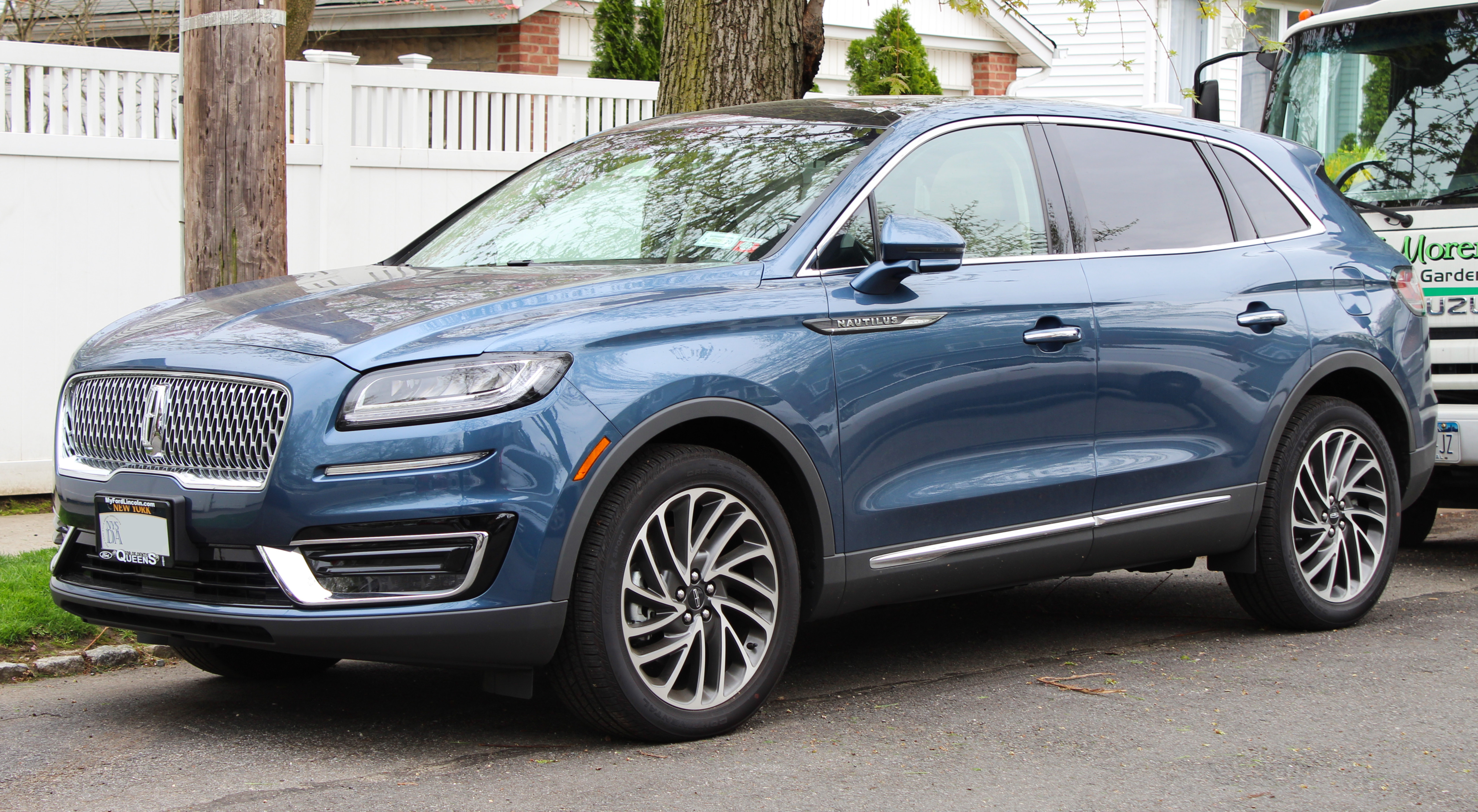
And you know, back to we talked about the engineers are very good, and they're and they work, they work like dogs, but they're they're crazy fast. Well, your Nautilus is a Chinese ev What did you learn through
that process? I didn't do that project. I didn't. I'm five years
out, so I have to give my my success or the credit for that.
So but we we did. You know, we learned a lot over
there. And it wasn't just full products. There was a lot of a
lot of entertainment stuff that that that was learned. But it's yeah, there's
there's scary fast but but you know, I mean it's nothing new. They
got, they got a supply base. They do have labor labors. Labor
works long and hard, and it's cheaper, and they're innovative, they're smart, and they have some sometimes on scrupulous methods as to gain competitive advantage.
One thing I heard about B by D two is that it's got essentially two engineering teams that work twelve hour shifts, so twelve hours twelve hours. It's
drama cycle. And I learned this from suppliers who were trying to do business
with them, and they told me, we can't keep up with these guys.
No, it don't underestimate that. It's it's a huge resource benefit,
but that doesn't explain the peace cost, right right, because your point was ten thousand dollars really right? So I mean I wrote a piece myself,
a thought piece on evs not very long ago, and one of the things I talked about, and it was, you know, the precious metals that we need in the mining and the whole concept of ev and the the environmental benefit is I think there is an environmental benefit, but it might not be all what we think it is when you look at how many minds. But
you know, where are the precious metals coming from? You know, the
Chinese have a handle on graph height, for example, and they're restricting it.
They're restricting the export of it. So it's a little bit about who's
got the metal. Because the battery and an av the battery cost is the
is the is the elephant in the room, right, Yeah. And one
other thing about by D it's very vertically integrated, even more vertically integrated than Tesla is. Yeah, so, which means huge cap ax up front,
right, But then you don't have to, hey, your suppliers anything that gratefully and they get a lot of state help. I was just going to
say, let's not leave the Chinese government. They want win. That's a
part I want to win, and they and they pay for it, you know. And you think about a Volkswagen was long very vertically integrated making everything
and you know, fuel tanks and whatnot. And Toyota too. Toyota's fairly
vertically integrated. But Volkswagen didn't do as good a job on that. And
we're highly right criticis well, like I said, it takes huge capital investments.
I mean, if you're taking your seats and your headlamps and your your bumper moldings and your glass and you got to pay for that, right now, your point is brilliant because if you can put the capital in up front, you know, fully accounted. You know, we don't know what that
ten thousand is right, then they could be variable or is it fully accounted?
Right? So, so just to put some numbers on it. You
know, GM and Ford spend about eight billion dollars a year Capex, U Volkswagen, Stalantis they're paying, they're playing twelve billion a year Capex BYD's doing nineteen billion. Last year was nineteen billion, so huge amount of You can
always trade variable cost for investment. So with with with cheap labor, high
tech, borro technology and unlimited capital investment. Yeah, you can make up
and engineers who work around the clock. Right. Well, you know Keith
mentioned earlier, you know the portfolio, the power training portfolio, and good part of your career you're working in power training. Do you see that it's
advantageous for companies to be able to offer ic plugins, regular hybrids, and perhaps electric vehicles. Oh, I mean that was Keith's point, right,
But I mean absolutely right now for sure. I mean, you know,
and I my person, it's only a personal opinion that you know there's going to be ice vehicles around longer than all of us, you know, don't don't kid yourself. But and that's not a bad that's okay. I still
think that majority of the fleet, but especially the small car fleet can move.
But yeah, having a variety of choices. I mean hybrids, we
always talked about those as you know, they're inefficient. I mean we really
think about it. Yeah, you're building in two power trains, and you
give up a lot of interior package to do it, and wait and so on, but you get rid of range anxiety and and you you do deliver some degree of electric the benefits of electrification. So for now, I think
PEVs are really good. And yeah, the good old fashioned ice is going
to continue to roll, but I think we can, especially you know, the commercial truck space and places like that. I mean there's some of the
heavy truck guys that are putting CNNG engines on board to charge battery, running the truck on battery with charge by CNG engines. That's an interesting solution.
I mean the irony is we were doing uh what am I thinking of LPG sorry, propane and CNG. You know what back in the nineties and there
were damn good cars were and propane's dirt cheap. It is, Yeah,
it's petroleum based, but only by ten you know, it's way less.
So there are solutions in there that you know, like Doug Field talked about autonomy for example today and they talked about L four and L five and why did you kind of settle back to L three? And he's like, well,
you know, do you want the perfect solution in twenty years or do you want a really good solution next year? Right? And I think that,
you know, as we transition to electrification, if we can be a little rational about it, we can get there. But edicting things, edicting
customer preferences is not going to work. But here's something over my skis on
that one. Well, but no, to that point though, the thinking
eighteen months ago when Ford had its investor day was we specialize in big.
That's what we do well. So we're going to electrify three row SUVs.
We're going to electrify pickup trucks. We're going to electrify big because that's what
we do. But guess what. That takes a big battery, which costs
a lot of money, which never gets you to a price point that mass market can afford. That's right. So now they've won aided and said,
no, you know what we do small, We're going to do that really well. So it feels to me, like Detroit still like figured out where
they fit in in the EV future. Yeah, well, I would say
it goes beyond Detroit. I mean, you know, this is true pretty
much the world over, with the exception of China probably, but you know, EV sales just took a nose dive in Europe last month, and I think everyone's struggling with this. And you know, it kind of is like
if you go back six seven years ago, the outlook for autonomous vehicles was like right around the corner, everyone's going to have it, and then to get those last two percent of edge cases was like, Wow, this is really hard to do. I still believe it's coming, it just hasn't come
as fast. Same with EV's you go back a year and a half two
years ago, Wow, everyone wants an EV, and the industry invested accordingly, while it invested too much really and they ran out of early adopters pretty much. And I still think there will be a resurgence, but it's going
to take a few years to get there. But to your point, Keith,
thinking about it, you know, I'm not disagreeing with the point by any means, but the way you think about it is if a guy's buying a ninety you know, eighty thousand dollars suv and you tell him it's one hundred and twenty thousand. He might say that's a lot more money now,
but I'll buy it, but down at the twenty thousand if you make it thirty now, all of a sudden, you just priced yourself out of somebody's budget. And so you know, that's why some of the products you see
are at the high end, because they can deliver the attributes, and the attributes are worth the revenue. So that's I said, this customer demand has
to be there and the cost has to come down, which means we got to get tests the show ponies for rich people. Yeah, that's right,
that's right to get mass mass adoption. Absolutely. Well, you know what's
what's a model three go for? I want to say right now, and
I know there will be people in the chat room, increase thirty seven thousand something like that, thirty five to thirty seven thousand. I think they've got
the price down. This is before any you know, tax rebate credits,
and the maquis is knowing, well, what do you think is the is the point price point at which the small car EV can can start to It doesn't have to be it doesn't have to be twenty five thousand. That seems
incredibly loaded. I think thirty. But there is actually a BYD you know,
mid size suv that sells for about thirty one thousand in Australia and it's very well equipped. That seems like an ideal car for the United States that
would go, that would work. You know, it's not just cheap,
right, it's got to be an ev that meets what people want. You
know. So like people complain, well, there's no affordable cars anymore,
Well, yeah there are. There's a lot of affordable cars, but they're
not the cars that most people want to buy, except for the Maverick.
You know, Mavericks off to the races. But that isn't like hot cable,
very affordable exactly right, So you can do affordable and desirable on the same package. Look, you can buy a Nissan versaar could under twenty thousand
dollars. It doesn't sell very well because that's not the kind of car most
people I want. Well, the Maverick hit on a lot of needs for
people, not just wants, but needs. Well. Of the perennial best
selling car. The camera they announced today the pricing now the VEXT generation camera
will be all hybrid. And you know, we talk on this show a
lot about the importance of scale. Okay, so the new camera base model
hybrid will start at twenty eight four hundred dollars, which is four hundred dollars cheaper than the outgoing and outgoing and arguably I just tossed another powertrain in there for you for less well, I mean, and arguably the thing is is that you have you know, you don't have to make different flavors. You're
making hybrids, right, That's it, right, So you get the skiff, the complexity comes out right, so you know, to the point of an affordable car that people want. Well, you know, it seems to
me that Toyd has been doing that for some time now. Toyta got crucified
for a leaning so heavily into hybrids and not into pure evs. They look
clever now, they sure do, don't they. Yeah, And that's been
not a new trend for Toyleta. They've been doing that for twenty years of
course. But the thing we should talk about is the charging. How many
of you have spent time in a public charging station I have that is a you know, I spend some time out in Cassa Ground in Arizona, and I believe it or not, it's kind of funny. The Walmart has the
charging bank, and all the BMW's and Tesla's and Rabians are pulling into the Walmart charge and you know, three of the two half the chargers don't work, and then people are fighting over the other half and it takes too long, and so there's a lot to be sorted out on that, a lot.
I'm not sure where all the funding went, but it didn't actually make very many charge I can tell you that. Well. We just ran a
report today that there's one fast charging station in the United States right now for every fifteen gas stations. So that's starting to get to be a ratio.
That's that's going to be very manageable. And like I keep saying, in
three years, I believe that the picture is going to change dramatically. Have
you been to a BUCkies. I have not. We don't have any of
them Michigan to my knowledge. Oh you got to go to a Bucky's that
you just need. I've heard all about it. Oh, my lord,
And I just look at this row. I mean there's I don't never counted
them, but there's easily one hundred fuel pumps in a row. Not to
mention you can go to the bakery and do one hundred other things. But
that's the kind of thing you need to electrify. It is something like that.
And they're at all the main points down I seventy five once you get south of Ohio, by the way. But it's an incredible thought. But
if you also then go do the math on the power required, it's astounding.
It's a small city. It will be a small city. I have
a front We have an advisor and a versus board that that ran hotel the Chinese group and now runs they just changed their name. But they do electric
electric charging stations. And he said they put a station in the in the
mall, and he said the station used more power than the entire mall.
Just to give you an idea. So you can't just put the you know,
you go out to the dealer out in the middle of Kansas and say put in a EV charger. That is no trivial task or cheap task.
Yeah. Yeah, well he told me it's about one point six million if
you have the power there, but if you have to get the utility to bring the power down, it could be millions more. And then you have
to commit to buy in the power once they bring it, and then you need cars, then you need then they probably a lot of beef jerky and slurping advertise. Some of the sandwiches are big yet. But that's why evs
are not going to catch on in those rural regions. Are more more regions.
I mean, it's very obvious where edes are catching on, and that's why the utilities are hyper focused on this. They know all these issues.
In fact, I saw a presentation from EPRE, the Electric uh Power Research Institute. They've developed a simulation of the United States where they can see real
time electric use by state, by county, by city, and so just by looking at this simulation, they can see exactly where they've got to put in electric chargers for eedes and then figure out the substations and everything else that goes on with it. And I think it's a brilliant tool that's been created
here. And so the point I'm making is, yeah, the grid is
not ready for everyone to go electric, but guess what, it's not going to go all electric overnight, it's going to there's still a decade and a half. You need a strategy. Somebody has the energy department. We need
an energy policy that has a strategy. But I'll tell you what the biggest
thing that they they talked about permitting and regulation. They said, that is
the biggest problem. The technology. We know how to do this, but
to get the permits and go through government regulations, not not federal necessarily, but but state and local. They said, that's the nightmare that they're dealing
with. Even the I've heard also even just the on the ground license electricians,
you know, commercial to handle it. You can do the work is
a real you know, because it's all over the place, you know.
So Scott does it. Does a software defined vehicle need to be an electric
vehicle? Absolutely not. No. That was talked about at the conference this
morning too, which is really interesting. Now all the benefits we talked about
would apply to ICE. However, there was a point made I thought was
quite clever, which was it's even more beneficial to an EV because an EV, by its very nature is digitally controlled the electric motors, and so your your ban, your your precision of control with the software on an EV is better than the you know, the chemistry and combustion that goes on with an ICE. But still the issue we talked about with the current architecture and ICE
unsustainable. You got to move to STV. Where's this going to leave suppliers
because as you know, they give the black boxes with all the software that they've developed. And now if you listen to what Doug Field is saying there,
it's just going to be build a spec and ship. You don't have
to do anything else, build a print. Well, it's an interesting phenomenon
because because some of that work's being kind of sucked out of the tier one to the OEM. But then you've got the Googles and the Android that are
kind of sucking content out of the OEM to the cloud and to the tech industry. So there's you know, the head of software for for BMW,
I can't remember his name right now, but he was talking about a partnership between the silic can you know, because they're putting software on their chips too, right, the NVIDIAs and the Qualcomms of the world, you know, phenomenal companies, the you know, the cloud companies, the Azors and the you know, a W s and the tier ones have to all work together to you know, with the OEM to deliver that. But yet it's an
interest. It'll be an interesting fologe. And I don't know the answer to
where this leaves the tears because you know, how much uh of a payment does BOSH get for every can in every single vehicle. I mean, potentially
that's all going to go away, right. I think the suppliers would say,
we'll see, Well, that's what they are saying. I've talked to
some of them and and they're you know, they're skeptical and it will take a while, but but yeah, that's it. And they can point to
battery production. Remember, we're going to vertically integrate everything. We're going to
get mineral minds, right, We're going to get it all in house.
And now it's the strategy. But the big ones like BOSH, I think
that they can do full full systems. I know some programs in defense that
they do, and they'll still do that. You know, they'll be based,
they'll be the owner of this of the STV in those applications. But
the landscape's going to change. I think it's a decade over the next decade.
Well, I would say that transition will happen, but where it lands will be interesting. How much of this is predicated on you know, we
were talking earlier about people willing to pay for something, and so it seemed to me that okay, if I haven't software defined vehicle, and it's like my phone. Okay, so my phone is periodically getting new updates to the
apps that are on it, right and buy and large. I pay nothing
for these things. They just show up. But it seemed to me that
the car companies are going to want something for that. They're not going to
say, well, we'll just send him stuff and his car will be more modern. This will mean he won't need to buy a new one, which
is certainly not in their best interests. So so how does the willingness of
the consumer to pay for updates make software divine equals a reality? I think
that's a dimension. But again I don't I mean that there's a huge revenue
opportunity. But we you know, we talked earlier about you know, who
are they are you going to because you might just say, well, wait a minute, I bought this car, and you know that that's just SI.
I think if it's a truly incremental new thing that you never had before.
Or let's say you want high res audio right like you're you know, I worked with I had the privilege of working with the Neil Young and he came in and we talked about He said, you know, the artists are very you know when you put this music on your phone that the artist's true intent doesn't come through. And you know, so these audio files who are
passionate about it. And if you offered that, you said, hey,
for another ninety ninety nine a month or I don't know, dollar ninety nine a month, you could have high res. They might pay it. But
are you coming to say, yeah, well, you know your cars are ten faster and zer a sixty. No, I don't think so, but
I still don't. The value of STV is in that whole red actually of
complexity, quality, brand reputation, update ability too. You know. So
even if that didn't pay, but I think it can, you'd still want to go there. So what else you got? Gary? News wise?
Basically that's it. But we've got we've got Keith here. He knows all
about things that are going on. Well, I guess yeah. We talked
a little bit earlier and it's kind of permeated the conversation about the EV slowdown.
But how long will we be in this EV winter? Do you think,
Scott, what what will what will trigger finally mass adoption? Well,
there's a you know, obviously I don't know, because if I did, we'd I'd have all kinds of things to do. But no, I just
kidding the the uh you know. For example, I don't know if you
guys read the article, Hurts sold off a third of their fleet and the reason they did it was because, you know, the upkeep and the expense was was was kind of becoming unmanageable. And I think, you know,
I think it is just what you said. I think it's a bit of
a winner. You know, how we go, the pendulum swings. Everybody's
all in, it's the newest, hottest thing. It's come back a bit.
It'll swing back the other way, as John keeps saying, in three years the tackle all cycle. But you know, the industry is pulling out.
We just talked about it. The big OEMs are pulling investment out,
and the startups are taking headcount out, so they're investing less. You know,
the big battery plants are slowing down. So I think I think the
key will be the second half of this year because when you look at you know, products coming from General motors, from Honda Electric Vehicles I'm talking about, that's when I expect the pendulum to start to swing back fast time.
Well, I'm not saying it's going to go back to the rate that we saw a year and a half ago, but you know, remember one point one million evy were sold in the US last That's a significant amount. Now
the question is what's it going to be this year. It's it going to
be one point three million, one point five million, one point seven million.
Those are the ranges of estimates that I've seen. And even if it's
at the low one one point three million, I mean one point one last year, one point three million this year, there's still market demand out what's the star these days? John, I don't track star right now. They're
talking fifteen to eight fifteen point eight million once. I think EV's cracked like
ten percent. But will they Well they were seven point eight last year,
and there are now analysts saying that Tesla will sell fewer cars this year than it did last year. And if Tesla sells fewer cars this year, there
are fewer ev CITs for sure, States, there's still more than three quarters of the market. So as goes Tesla in the United States, so goes
to the US CPV market. Well, and I think the first half this
year is going to be real slow, but I believe when you see all this new product coming in in the second half of the year, that's when I think we're going to see the rate of increase start growing again. You
know, one that's a watcher is Hyundai because they really have done some very smart EV's and they were talking this week about how their view of things are.
Whatever your view of Kia and Hyundai has been in the past doesn't matter.
Clean slate on evs. You know, we can redefine ourselves with our
EV's and they haven't gone well, they have gone with Jenna's some high end, but they are aiming more middle of the market. Well not completely.
You know, if pre COVID you had said to me, you know, in just a few years, key will Kia will be selling sixty thousand dollars fifty thousand dollars cars and people lining up to buy them, I would have said, you're nuts, But they are and they viewed this ev move to really boost their image. Just parallels between Hyundai Group and bid go. Hire
some fabulous European designers and have them come and design your cars and make them look beautiful, give them beautiful interiors, still price them like we've been pricing them, or maybe a little bit higher but not much, still undercutting the competition. And they come, well, you know so and and now they
just feel like they have this opportunity with electrified vehicles to you know, blaze a new path for themselves. Is it true? I read that even Europe,
which surprised me that said that Europe would could be a target for the Chinese already is yeah, they're in there as well, and already is in fact. You know, look, the Chinese are taking over the world,
really automotive world, and we don't see it in this country because things are tight between the US or you know, tense, I should say, between the US and China. But I mean go to Latin America. Chinese cars
are everywhere. Go to you know, Africa, the Middle East and now
increasingly Europe. And that's why you're hearing a growing chorus of voices in Europe
saying, hey, we got to stop these guys. But it's going to
be hard to do because the Chinese are talking about investing in Europe, building plants in Europe. You know what have we reported Italy and Spain are soon
going to have Chinese automakers building cars in there, and it's going to be very difficult for governments to say no to that kind of investment in the jobs.
Yeah, we work a little bit with the Saudi Wealth Funder or you know, not work with but but have some connections. And they were telling
me that the Crown Prince has one hundred year plan you know for the I mean, and he's in year twelve of one hundred year plan. And when
you can think on that kind of a level, you know, so if things go south for them for five or six years, as long as it's good in twenty then I'm fine, right, I mean, think about the quarterly profit mindset we have, so I get My point is I think the Chinese, with China first, they're out there expanding and they don't have to make big money doing it. They're willing to take the hit to gain the
share, to gain the presence, to gain the brand acceptance. You know,
you guys know, the first the Japanese cars, then the Korean cars.
The Chinese are right behind them, So I think, you know, those kind of long term strategies are always going to be successful compared to some of this very tactical stuff. And the Chinese evs struggled for years. I
mean, they started this whole push fifteen years ago and they did not have a lot of success in the early years. But then when Tesla came to
China, that sort of changed their worldview, and suddenly they're building wonderful electric vehicles that were desirable. I'm all for long term thinking, but we don't
know what's going to happen next year, and you know, so I think it's good to have a long term plan one hundred years. I mean,
come on, you know, did people in nineteen twenty four figure out where we should be by this point, you know, one hundred years ago?
Oh no, they didn't even want them to, right, So I take these hundred year plans, even fifty year plans, you know, with a grain of salt for sure, A ten year plan, you bet, I think you can have a pretty good idea of where things are going. But
look what's happened with AV investment and EV investment. In just the last twelve
months, it's gone, you know, completely upside down. And so I
think you need a mixture of the both. You need that you know,
quick response kind of agility to go which way the market's going. But I
do agree you need to have a longer term view. But my pushback is,
I bet you the Chinese aren't slowing down their EV investment. No,
I know, they're full, their foot is on the gas, no coming correct. But then we get back to the government sixties and yeah, that's
right. You know, low cost loans, you know, free land,
a whole bunch of other things where you don't have to worry about the bottom line. Odd because look, if you look at a lot of Chinese companies,
the only way that they're surviving is government handouts. And that's you know,
largely with uh, you know, the large city governments, because they need those jobs. And so the other thing forcing them to is they have
huge overcapacity in China, right, so they have got to have a very robust export strategy, and they do, and they do, and that's but that's bringing them even faster to our shores. Well, a lot of those
companies even have state ownership, right, at least if not, but think about it. Get to your point, Keeth. This year Germany will build
around four million vehicles. This year, China will export six million, so
they're exporting fifty percent more than Germany can produce. That's a lot up from
practically nothing five years ago. Correct, that's right, incredible. It is
hell of a business to be in, uh, which is why we have these shows you to try to figure out where's this going and and what the people in the industry need to be thinking about, and what should be on their horizon, where where should they be going? Because you know, just
to stick your head in the sand and not talk about these things is going to leave you in a lot of trouble. Yeah, and so are your
clients talking about these same sorts of things? Is this the focus? You
know? Yes, some of them are. They're very keenly aware of the
Chinese threat without a doubt, not, you know, some of the tier ones and some of the other not automotive less so, but absolutely it's it's it's a it's a concern. Yeah. Is it hair on fire concern?
Or is it a no faces before? No, it's not casual, but
it's not hair on fire it's a it's a it's a we're going to have some challenging times ahead and we got to we gotta rise to the occasion.
And Scott, do you feel like that? I mean, I mean,
the Chinese have been trying to dominate Evis, as I said, for a very long time. But you feel like we've really seen a step change in
the awareness of this in the last I don't know, eighteen months. Oh,
I think so. Yeah. But you know, you guys tell me,
you know we had these same There was a book written I was in MBA school, that's how long ago was. It was a book called the
Japan That Can say No Right, And we have these same hair on fire.
You know, the Japanese are taking over the world, and today we sit and they're our strongest ally and trade partner, and they make good products, and we came to be it seemed to be copathetic, even commercially, not just so are we gonna be doing the same with China? I don't
know. I hope, so, I hope, so, I hope.
You know, we're trying to get along famously in our grade. That's not
We're right, but you have to But I would say the Japanese were never well, they were never unfair to this degree, and how how they approached the commercial work, you know, but you know, time will tell, that's right. Hey, look we got to wrap this up, but Scott,
thanks so much for coming on, Thanks for having me. Yeah,
and Keith always good to have you on it. And Gary, you and
I will do this again next week. Next week, merk Masters, Merrick
Masters, We're going to talk a lot about the UAW because we'll know the Volkswagen vote by then, and uh and where this is all going. I
want to thank all of you for having tuned in. I'll online After Hours
is brought to you by bridge Stone Tires Solutions for your Journey
About this episode
The discussion dives into the challenges automakers face in adapting to software-defined vehicles (SDVs). Guests Scott Tobin from Envorso and Keith Notton from Bloomberg explore why traditional manufacturers struggle with software integration compared to agile startups like Tesla. They highlight the importance of decoupling software from hardware, the need for efficient development processes, and the role of data in enhancing vehicle design. The episode also touches on the competitive landscape, including the rise of Chinese EV manufacturers and the evolving consumer expectations in the automotive market.
Original notes
TOPIC: Helping Legacies w/ Software PANEL: Scott Tobin, Envorso; Keith Naughton, Bloomberg; Gary Vasilash, shinymetalboxes.net; John McElroy, Autoline.tv
Autoline After Hours
Autoline
0:00
68:27