AC Tutorial Part Two: 5 things destroying Your Vehicle's Air Conditioning System
Car Connection Workshop
AC Tutorial Part Two: 5 things destroying Your Vehicle's Air Conditioning SystemCar Connection Workshop · May 21, 2026
Annotations will appear as you listen
0:00
42:53
Car
1983 Toyota short box pickup four-wheel drive
It’s an older Toyota truck from 1983 with four-wheel drive, which helps it grip better when roads are slippery or rough. The “short box” just describes the truck bed length.
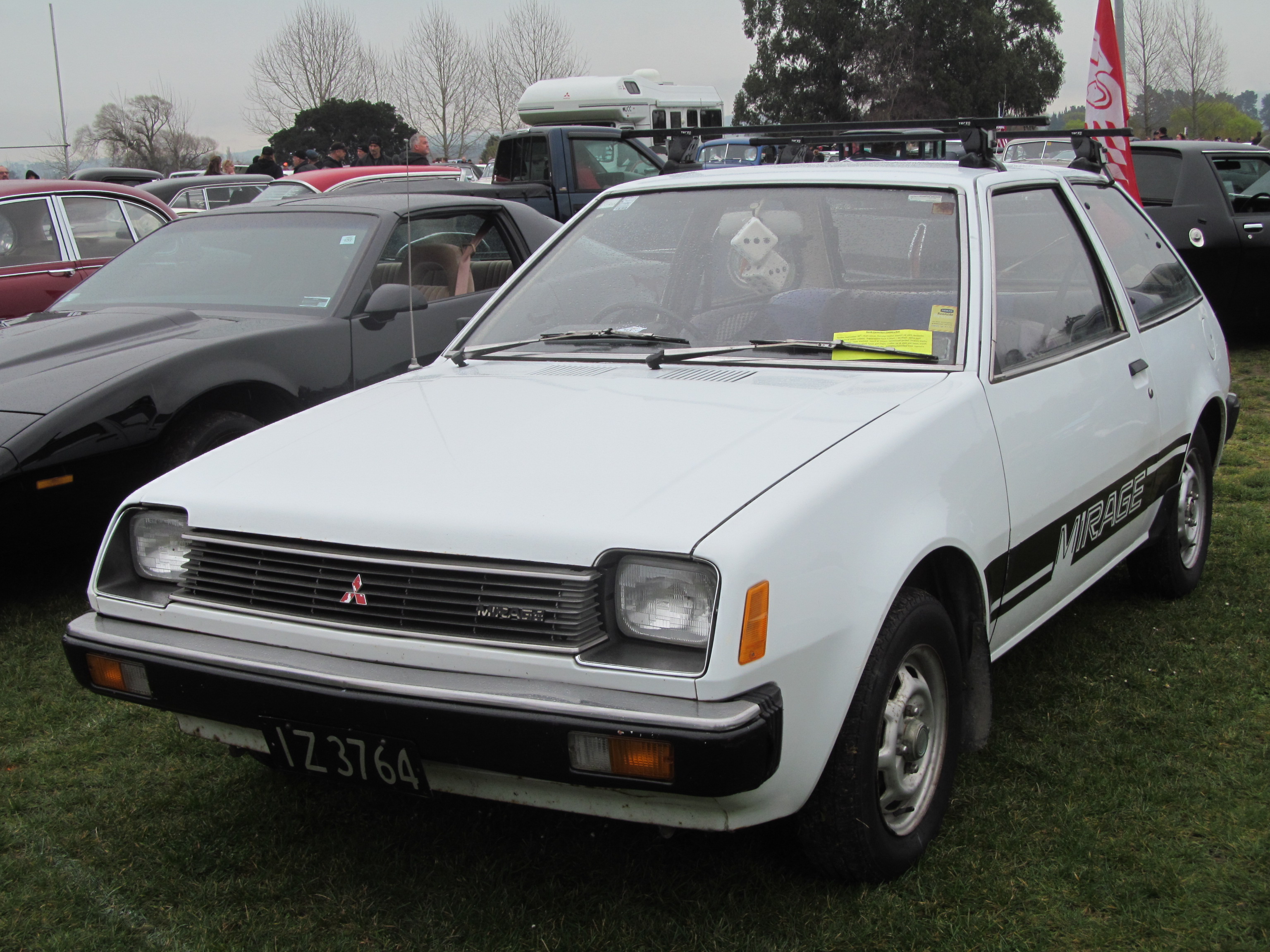
The Mitsubishi Mirage is a small car designed to be affordable to buy and cheaper to run. In some places, the “Mirage” name has also been used for other Mitsubishi vehicles, so people can mix up which one they mean. That’s why it might be mentioned when someone is trying to remember a specific vehicle.
Your car’s AC compressor is the part that makes the air conditioning system actually work. It pressurizes the refrigerant, and if it’s run when it shouldn’t be, it can wear out or break.
Head pressure is the high pressure side of the AC system. If the AC isn’t turned off the right way, that pressure can stay too high and put extra stress on the parts that keep it running.
Term
ac techs
“AC techs” are mechanics who work specifically on car air conditioning. After a compressor failure, they have to clean out the system properly so it doesn’t keep getting clogged or damaged.
The AC compressor is the part that pressurizes and moves the refrigerant. If it fails badly, it can break apart and send metal bits through the whole AC system, which then needs major cleaning.
The condenser is the AC part that releases heat outside the car. If the compressor breaks and sends metal through the system, the condenser can get contaminated too.
The evaporator core is the part inside the car that makes the air feel cold. If metal debris gets stuck inside it, cleaning may not fix it and the core may need to be replaced.
The accumulator is a part in the AC lines that helps keep the refrigerant properly controlled before it goes to the compressor. It also helps dry the system by trapping moisture.
The expansion valve controls how much refrigerant goes into the part of the AC that cools the cabin. If it gets clogged or damaged by debris, the AC won’t cool properly.
The orifice tube is a tiny restriction in the AC line that controls how much refrigerant flows. If metal debris gets in there, it can clog and stop the AC from working right.
Part
the lines themselves
The A/C lines are the hoses that move refrigerant through the system. The point here is that the system needs time to settle—otherwise the pressure in those lines can stay too high and cause problems.
Concept
abusing the car
“Abusing the car” here is being used to describe driving habits that stress systems—specifically the A/C—by turning things off abruptly and not letting pressures stabilize. The underlying idea is that harsh usage can increase wear and contribute to failures in sensitive components like the compressor and refrigerant lines.
Line pressure is the refrigerant pressure inside the AC lines. Excess pressure increases stress on seals, O-rings, and gaskets, which can lead to leaks and refrigerant loss.
Manifold gauges are special tools a technician hooks up to your car’s A/C to read the pressures. The numbers help them figure out if the A/C is working correctly or if something is going wrong.
Your A/C has two pressure zones. The high-pressure side is the part where the refrigerant is pushed through the system, and checking it helps diagnose problems.
Your A/C also has a low-pressure side. Checking low pressure helps a technician tell if the system has enough refrigerant and is circulating it properly.
Evacuating the A/C system means pulling out unwanted air and moisture before adding refrigerant again. That helps the A/C work correctly and reduces the chance of problems later.
Recharging means adding refrigerant back into the A/C. If you don’t, the system may not cool well because it’s not properly filled.
LIVE
Good morning Niagara. You're tuned in to car connection where the coffee's hot.
Tools are ready. Talk is always tuned up. I'm your host dial MotorMouth Jenkins
coming to you straight from the car connection workshop where we always mix
a little humor a little know-how and a whole lot of horsepower. Here it's not
just about fixing cars, it's about keeping you rolling and saving you money,
giving you the confidence to understand what's under that hood of yours. From
the classics to the commuters, the weird noises and those what the heck moments
we've got you covered. So grab your coffee, sit back, join the crew because this
is car connection your Monday through Saturday morning pit stop for stories,
smarts, few good laughs and I'm Nile MotorMouth Jenkins. We're going to shift
into drive this morning so if you're just shifting into drive and
scooting through the drive through double check your order. We're almost at
the weekend. Remember tomorrow is reminder. Fun Friday. So your questions
have to be in by noon so if you have a automotive related question you need to
get that into me at MotorMouth.Jenkins at gmail.com. I'll put that in the
description of the podcast as well as you'll also find it in the description.
All the contacting information for us in the description boxes for our YouTube
videos and also our podcast. So you can find us just about anywhere if you head
to our website carconnectionbusinessnetwork.com where we source local
businesses that I can vet and put my stamp of approval on. You can connect
with them on the homepage or website as well as our program partners are there.
Just click on their logo. It opens their profile page and you can meet them and
thank you for supporting them. That means a great deal to us. We're only
able to bring four program sponsors from radio with us back in November to
keep us going here and convert our radio broadcast for the last 31 years over
into full digital. So we are well on our way now and we couldn't have done it
without our program partners. So just to let you know how important they are.
They're keeping us supported and keep the lights on and keep things rolling. So
thank you for supporting them in turn by giving them your business. So thank
you so so much for that. Without them we wouldn't have been able to pull this
off because when you start a YouTube channel they don't just throw money at
you. You have to earn your way from the ground up its commitment its consistency
and one term that I've learned in 31 years on radio is continuity continuity.
People need to know you're going to be there when you say you're going to be
there. It reminds me of showing up for work for somebody. They always seem to
notice when you were you know that one time late but most of the time you were
there always early be like Jenkins you're late. Well thanks for noticing. Where
were you at 12 30 last night when I was running reports probably in your little
comforter. Yes and I was on my way home 90 minutes. Just say but thank you for
noticing that I was late. So don't be late this morning. Grab your morning
beverage and your snack. Double check it. We're getting close the weekend. You
know things start to close down a little bit. So check that out. We'll have our
morning swiggy in just a moment. So if you're just grabbing on to us for the
very first time on to our podcast where you're going to be heading into season
three very soon. So all our podcasters can be found on our YouTube channel. We
make that really easy for you as well how to connect with us. So there's many
ways for you to connect with us now and engage our car connection business
network website has everything that you'd need to connect with us and follow
with us and check out the repair work that we do on our YouTube channel that
teaches you five things always what it is where it is how it works how you
broke it. Oh I mean how I broke and what you could have learned to prevent it
that expenditure. Correct. So if your interest is learning how to keep your
vehicle longer and keep that engine transmission running smoothly for as
many years as you want saving you time money and perhaps even a few bloody
knuckles you're in the right place. Our YouTube channel is going to teach you
all the basic fundamentals on how to take care of your automobile. We have a
full page on our website now dedicated to our car connection fleet maintenance
system. It's available to you there to purchase. It's not a million dollars.
It's less than a million but more than a dollar but all of that information is
on that page. Check out our fleet maintenance system which will help you
to keep your vehicle as long as you like because here's what I know and have
for 44 years as a service tech I'm still very much hands-on in the industry and
on the shop floor which you'd see in our in our YouTube videos and don't forget
to subscribe you know we're bringing that number down we're down to about 89%
are subscribed many of you are enjoying the videos but check to make sure you're
subscribed because that's what helps us to get pushed out to bigger audiences and
that's where we need to go in order to get monetized and then we're going to
be able to afford buying parts for widows single bombs and those are going
through a difficult time get their vehicle in here get it fixed videotape it
and show you what we're doing how we do it and it turns the whole thing around so
thank you for doing that if you want to support the channel whether it be our
YouTube channel or the podcast you can buy Skippy and I a coffee we now have our
full profile page up on buy me a coffee dot com forward slash motormouth Nio and
that is also in the description you can give us a little or give us a lot but
whatever you do we are blessed by it we thank you so so much for doing that so
everything you need you'll need and to find to connect with us is and to follow
with us is on our our car connection business network page so top right
hand corner and you'll see all of platforms including our online store our
podcast is on Spotify Apple Amazon pod bean and also wherever you are pulling
your podcast from just type in the search bar car connection workshop you'll
find us just like that so just about ready to head into season 3 temperatures
are coming up we're going to be able to roll out our 30-day fuel savings
challenge so if you're just learning from us the first time how about putting a
hundred dollars off to the side every month in fuel savings would you like to
do that I just bought some fuel the other day and I had to kneel down for
a moment and catch my breath because I don't run anything on regular fuel because
you get better fuel economy out of premium fuel we'll talk about that a
little bit because it's true you go further on premium fuel than you can on
regular and a lot of vehicles run better and will last longer on premium and the
reason is three letters BTU you have to know not BTO BTU so we're gonna learn
about that because it's important because when when you don't know what you
don't know then you don't have because if you knew it you knew you'd have it to
know it not do it means you never knew it in the first place jeepers I think it's
time for our morning beverage don't you and we always have to give thanks for
program partners and once in a while we know we get a head pop up like a marmoset
that doesn't like the fact that we you know videos don't start on time we're
giving promos for our program partners well gee whiz if we could have your
address folks then we'll send you the invoice for the the time that and then
the money that's required to do the podcast and to do the YouTube channel
and Facebook and Instagram and run the whole package and edit and do the whole
nine yards we'd be glad to send you the invoice yeah right crickets yeah our
program partners are the reason you get this part this program and our YouTube
channel for free that's the way it works it works that way in radio 31 years let
me tell you without program partners and sponsors you hear this
crickets so get over it and get over yourself too at the same time if you
haven't got a minute or two then you know what I can fix your car but I can't
fix your life I just you know I can't do it I just can't do it so thank you to
our program partners city auto sales and leasing our certified financial
planners Tony Miele Larry T troll 50 years experience and Niagara block the
Grimo family been absolutely amazing and supportive of us so we give thanks and
total freedom addiction campuses Darien Center New York down in Florida as well
and also out west and Alberta Sydney are sorry Sydney Manitoba helping those
who have addictions when they've made that decision that today is the day they
have a place they can get to and get that new life and through our online
merch store when you purchase merch motormouth merch all the proceeds go to
total freedom addiction campuses to help those that are ready for that life
change and say goodbye to the addiction we want to be able to help and support
them to get there so thank you to all of you who understand that that when we
work together you me and Skippy we can make things happen and make a
difference in the world that we live in and thank you to all the ladies and
fellas donating their time and serving at Crystal Ridge Dream Center serving
men women children meals love and hope changing lives one at a time in the
Niagara region in our very own backyard this week Tuesday they fed over 200
meals out the door and Fridays we they'll do the same thing they don't get
any government funding so whatever you could do to help them they would really
really appreciate it for every $25 donation tax receipt can be forwarded to
you so do what you can when you can however you can it makes a difference I
just want to give them a little shout out this morning because they do have a
fundraiser coming up if you are into vinyl vinyl records they have their second
charity record show coming up on Saturday May the 30th and it's 9 a.m. to 1 a.m. no
1 p.m. not 1 a.m. join them for a charity record show with multiple vendors
featuring vinyl records CD cassettes and even ultrasonic record cleaning the
admissions two bucks they have a silent auction going on charity barbecue door
giveaways vinyl CDs cassettes collectibles 45s LPs music memorabilia and
more that's at 385 Derby Road Crystal Beach just click on their logo on our
homepage and you'll be able to find their website as well and get all the rest of
the details that's creeping up very very quickly so that's Saturday May the 30th
11 a.m. to 1 p.m. it's the second annual so it was I didn't get there last year
but I will certainly get there this year to see what's going on there and check
that out so any support you can give to the nonprofit faith-based organizations
that we have tied in with for decades now would be very very much appreciated
today's topic is day two we're breaking out how to work your vehicles air
conditioning system so yesterday if you missed it I did a tutorial air conditioning
tutorial and today I decided we're going to break it out and we'll start with the
do's and don'ts because that's most important so when it comes to the five
things what it is where it is how you broke it no it's what it is where it is
how it works how it broke and what could you you have known and understood a
little better to how to take care of your automobile and the functions that are
within it so with that let's have our morning swiggy brought to you by all of
our program partners because without them we simply would not be here so let's
thank you to our program partners and on 321 it's time for our morning
swiggy together ready 321
just ordered another large local honey it is really good those bees are doing their stuff
mm-hmm you ever wonder where honey comes from I don't think I really want to know
what to be honest somebody said I think it's bee poop what no way it's not bee poop well I think
they they like eat the you know the stuff from the flowers and then I go thanks there
there's a visual for you well let's get our morning weather again let's thank
say thank you to our program partners because without them for those who
complain that commercials run before movies and during movies and stuff like that
we'll pray for you absolutely because without advertising and marketing and program partners
and sponsors there'd be no hockey no baseball no car racing etc etc etc just saying
all right here's what we got for today more better than yesterday but it turned out to be
pretty good in the south shores of Lake Erie we were scheduled for some more of that r a i n but
it did not happen it was drooling in the morning when I did curb day yesterday but we we made it
pass that and we got some sunshine and kind of cleared up but here's what we got for today
along the south shores of Lake Erie and into the Niagara region Niagara Falls we have the nice one
just saying uh yesterday we topped out at 63 degrees today we're going to top out at 61
with zero participation it's currently 44 degrees now and cloudy wind is making it feel
colder about 42 partly cloudy conditions from 10 a.m to 11 a.m with mostly sunny conditions
expected around 11 a.m this morning so today's temperature range 44 degrees to 61 it's going
to feel more like 37 to 57 degrees with that cooler wind coming in off the lackey exactly
well you know at least we don't have to put the flippers on today speaking of flippers
I'm going to be snorkeled up scuba mask flippers and pool noodle and rubber ducks in the dunk tank
I'm officially been voluntold by skippy our videographer that I'm going in Stevensville's
spring fest that's Saturday June the 6th I will be the goon I will be in the lagoon
I will be in the dunk tank officially helping to fundraise for the community so that's going
to be Saturday June the 6th which marks our very first fundraising event I'm working on
bringing mole out there with me so that you can have a look at him he's a 1983 that's right
so if you you want to know if you can own an older automobile that's still mobile
and healthy and yeah it does need a few parts once in a while some maintenance mo is a 1983
short box Toyota four-wheel drive that I bought when I was 22 years old and the interest rate was
17.93% you idiot exactly I had to have it I was you know you ever had one of those things
where you had you just you know you can't sleep you can't eat you just can't function till you get
that thing that you're you're on the hunt for like you are on it like axle on a donut and that's
creepy don't take it away that's bad you might get you know you might have a birthmark extra
for that yeah 1983 169,000 original kilometers only 500 of them ever made in the entire world
and they were only released to certain Toyota dealerships this one I found in the newspaper
I missed the first one which was a limited 500 only edition that was I think it was 1982
yes it was 82 1982 Toyota short box pickup four-wheel drive it was called the Mirage
and I missed one and then I was really kind of cheesed off I forgot all about it and then the
Mojave came out so Mo is number 222 out of 500 and I'm working on bringing them out to the
Springfest because I can load all my gear in the back of them and show up and have some fun with you
in Stevensville Ontario Canada you can check us also out on Stevensville on the web.ca we are
placed there by Skippy our videographer has set us up as a local automotive expert so that's where
she sneaks in reels and bloopers and outtakes I know it because I have checked yeah so come out
and see us that's Saturday June the 6th and you'll be at once you get into Stevensville you'll find
us yeah just follow the crowd because it's quite crazy there's so much for the kids to do there's
music food vendors auctions all kinds of stuff there'll be a ton of vendors there as well and you
can just make it a fantastic day there's food there's beverage there is a pancake breakfast
early in the morning I think it starts at 88 till 10 30 I think it is right next door
there's a little church next door they always do the fireman's pancake breakfast apparently
supposed to be over the top says Skippy so she says come hungry I'll buy you some pancakes
and then you get to be the goon in the pool so the things you do for love right I think I've
heard that before well let's jump into our topic I actually have five things again for you to learn
this morning the second part to air conditioning and I have done this program before so if anybody
checks that out yes back in the winter we talked about it a little bit and the podcasts are loaded
up to our youtube channel every single day so you go into our youtube channel from our home page
just carconnectionbusinessnetwork.com ccbusnet.com and just hit the link bang you can do a search
motormouth Jenkins you'll find us car connection workshop car connection we're we're we're out there
yeah sometimes I'm really out there if you know what I'm saying so this morning I thought the best
way to kick off was instead of jumping right into how how to for you to how know how to
use it properly yeah I got that out that I thought there's things that you're already doing that you
shouldn't be doing that cause breakage I thought let's let's start there and tomorrow morning we'll
hit the here's how you use your vehicles air conditioning system properly and prevent it from
breaking down and costing you buckebox because I'm telling you I'm looking at air conditioning parts
right now and the prices are astronomical you don't even want to go there let me tell you this
if you don't have a budget to blow out your air conditioning about two or 3000 bucks
then you're probably going to have 460 air conditioning this year that's four windows
down 60 kilometers an hour 460 or if you're in the US that could be miles per hour I don't know
so that's how that's going to work air conditioning components sort of have gone through the roof
like everything else and the other issue that happens is availability because they don't do a run
of air conditioning parts and pieces all year round because if you know like Canada we have
different weather right we're not sunny and warm all year round so that's where the parts go
is where the sun is so by the time we in here in Canada the the north country by the time we get
summer a lot of the parts are already gone to the warmer climates Arizona Georgia Florida etc
that's the word today ectocetera ectocetera ectocetera so ectocetera back to the do's and don'ts
here we go you're ready we're going to light it up because we got to get out of here on time today
otherwise they've threatened me within an inch of my life by shutting off my coffee maker can you
believe that the what is going on in this world all right number one is how to use it properly
well we need to start with the basics first how did we break it in the first place how does that
happen how is it that the compressor blows up for the third time how is it that your condensers
got holes in it again and it's leaking what's going on right exactly here we go number one
i give you number one but that's actually not number one it's like one a maybe this could be one b
here here's what every one of you do if i were to watch you i would see you do this
you're cool and chilling in your vehicle and you get where you're going and you just shut the car off
yep that's what you do you just shut it off and you don't even turn it off turn off the air
conditioning you just shut the car off then there's the other ones of you that do this
you pull in and you just turn the fan motor off
but it's really the air conditioning really isn't off it's still engaged
so when you get in and you turn the key the system is still running unless the fan off switch
does shut off the air conditioner but if you have a separate button for that and that button is
still in the on position guess what the compressor is still being told to engage so when you climb
into that car and you put the key in or the fob or press the button or you don't do the hokey pokey
turn yourself around and and clap your hands behind your back of your head to get the car running
whatever program your car is on the kill switch we're going to talk about that soon i've been
following that one for you because it's a very interesting kind of thing that you know the
government's already looking at already implementing in the united states of americae just so you know
we're in canada but we're pretty close right and things skip the border i'm keeping an eye on that
for us i'm on it let's just let you know the kill switch uh not the buzz kill switch but
it could be buzzkill but we'll find our way around it and you better bet your bippy so anyhow
you leave that ac switch in the on position even though the fan is off the ac is still on okay
just so you know unless that ac button is in the off position when you crank that engine over the
compressor is cranking over too not a good idea chaching
yeah till time that's going to cost you that one so we got to break these habits first
before i share with you tomorrow how to use your vehicle's air conditioning wisely properly
safely and protecting your bank account because if you love your air conditioning like i do on
those hot hazy days i love to have the windows down and i really enjoy a sunroof but you know what
when it's hot and sticky yeah i don't want to feel like i'm rolled in a pillsbury weiner wrap
with my clothing i gotta peel it off with a potato peeler to get your clothes off
you know what i'm saying it's not fun so we don't just do that
turn the ignition off everything shuts down the air conditioning was running running max ac
all the way to wherever you're going because that is going to be an instant air conditioning
buzz kill for you chaching it's coming just keep doing it because you're gonna blow the
compressor right out of the system you're gonna kill it it's only going to take that procedure
that you've developed for so long and it may be no one's told you how to use your vehicle's
air conditioning system the same applies for your home if you're one of these people with
air conditioning it's on it's off off on off you're gonna blow that thing up
it's not designed to do that it needs to be shut down and turned on properly
exactly so that's what we're covering so please don't just shut the ignition off or shut the fan
off and leave the ac button on so that when you get in the vehicle and you restart it everything
comes alive all at once that's a really bad habit that you gotta break number three here's what
happens when you do that i'm gonna explain you something lucy it creates head pressure that
means there's pressure on the ac compressor that should not be there when you shut it down
and what happens then is you continue every time you do that you weaken the internal organs of the
air conditioning compressor which is a bucke buck component that's the best way i can tell you
and the labor and everything else because when the compressor explodes it fills the entire system
with shrapnel and we as ac techs we got to take your whole air conditioning system apart and get
every little metal particle out of it before we can even run the system again ever sound like a lot
of work you bet your bippy it is remember when i said at the beginning of the show
2,500 to 3 grand that's problem if that procedure has to take place because the compressor detonated
inside filled your entire air conditioning system all the hoses pipes tubes orphuses
and condenser and evaporator with shrapnel all of that the lines need to all come off be flushed
out the condenser scrap the evaporator core scrap because we can't get all the metal particles out
they're trapped in there it's not going to happen no matter how much ac flush we put through it
that's not going to come out the accumulator remember i talked about that yesterday that's
the little device that has a decosin bag in it that just like when electronics are packed your
computer would have come in a box with a decosin bag collecting the moisture away from the electronics
that's what the accumulator does in your ac system so it has a big bag inside it filled with
ceramic pellets that draw out the moisture in the refrigerant that too has to be replaced
so when the compressor detonates and blows itself to pieces inside because you've constantly put
head pressure on that on that compressor and the ac compressor to explain it in easier terms is
an air conditioning motor that's what it does it's a motor that rotates and moves the refrigerant
through all the lines hoses evaporator core condenser and the high pressure low pressure lines
through the accumulator the orifice tube the expansion valve through it those are all the
components everything i just spelled it out to you so all that stuff has to be cleaned of any
metal part metal particle whatsoever before it can be reissued into the ac system sound like a lot
of work sound like a lot of money too yes it is that's where you're going to say honey we're not
having air conditioning this year and you're going to lose it yeah especially if it's a hot summer
like last year june july and august it was hotter than a pepper sprout okay next so that's how you
blow up your your vehicle's ac compressor uh where we at where we had spanky 1233
number three line pressure that happens as well hear that person that just pulls in shuts off the
ignition get the heck out of dodge get to where you're going because your schedule sucks that's
the problem there that's where you gotta that's where the fix comes in fellas and fellas that's
where the fix comes in is fixing your schedule so you're not driving like a maniac rushing here
and there that's how accidents happen is you really got to take a look at your life and i don't
do that yeah i i tried that in the shop i'd always have to say you know when husband and wife were
standing there arguing i had how the car is going to get fixed and paid for and i'm waiting for an
answer what are we doing time is money here i finally used to have to say this
and say it is with with much love is i possibly could is am i fixing your car today
or am i giving you counseling and fixing your schedule either way i'm 65 dollars an
hour to run my shop so if we're gonna be a while i gotta get going let you sort it out i gotta get
on to another car and get working and how do you say that in as much love as you can as that
argument is going on i saw it all the time and it would make my heart absolutely
break that you know their lives are messed up and we're all messed up one way or another right
we're all works in progress but you gotta decide to fix your schedule and that's what it's all about
if your life is that busy um you gotta fix your schedule you gotta get things under control and
get the pressure off just like gotta get the pressure off the the head of the a c compressor
and the lines themselves we gotta let the system do this ready deep breath in
and out
that's what it needs to do so when you just turn it off it's like you and me taking a great big
air intake ready on 321 and hold it as long as you possibly can
it's something's gonna happen right you're gonna see all this and pass out
okay let it out that's what the system doesn't like so when you just shut off that ignition
key and pile out of the car and run for the punch clock or wherever you're going because you're
running behind you know that's costing you money it's because you're abusing the car
and again these things that i'm talking about are maybe things that you were never taught
but cost you money so we need to make sure we're not keeping the ac compressor under pressure
when you turn that system off incorrectly and line pressure that creates leakage everywhere
so all seals all rings gaskets it puts too much pressure on those areas and your ac system develops
leaks and if we fix a leak over here you could get one over there and i like to say if i fix the
taps in the basement honey on your laundry tubs and the bathroom sink starts leaking upstairs i
wasn't there and the kitchen is leaking and dripping i wasn't there there's lots of different
connections when it comes to plumbing in your house again applies to air conditioning there's a lot
of connections wherever there's a line there's multiple connections and gaskets and little
o-rings and keeping the system under pressure and not allowing it to exhale puts a lot of pressure
on those connections and that's where you're going to cost yourself repair money and there's
multiple again multiple connections that all have the same opportunity to leak and you lose your
refrigerant and now you have ac system down okay quickly here uh number four if your cabin filter
if your vehicle is equipped with a cabin filter and it hasn't been looked at changed or cared about
we got to get it out of there and get a fresh one in there so that your blower fan is not going to
burn out prematurely because you have a restricted filter think of it as a furnace filter in your
home question there do you want to damage your heat exchanger and crack it because it can't get
enough airflow to cool it down after the furnace shuts off cha-ching you might as well buy a new
stinking furnace if the heat exchanger is cracked and now it's furnace down also if you can't get
enough airflow and the fan is blowing hard into a restricted filter you're you could end up blowing
out the blower cha-ching so furnaces whether you're on air conditioning or heating there's do's and
don'ts there too and it works just like your car isn't that interesting because your vehicle's ac
system is pretty much identical to what's in your house what runs your fridge freezer
the components are pretty much all the same the system works pretty much all the same so
if there's a restricted filter you're going to possibly do so you will you will do damage it's
not possibly it it's it's not if it's when when the damage comes that could have been prevented
remember the five things what it is where it is how it works how you broke it i mean how it broke
and what you could learn to save yourself money that's all learn some basics that's what our youtube
channel is all about in here on the podcast i'm teaching you the basics to save you money so if
that's of interest you are pulled over and parked in the right spot and number five we wrap up with
this even though the air conditioning system is working listen to me carefully folks
even though the system is working perfectly don't fix it if it ain't broke doesn't apply here
just like your furnace at home it's a great idea to have the furnace guy that you trust to come in
review everything and make sure things are okey dokey before you turn on your your home's air
conditioning system and do some damage that's what i'm talking about on this one
you want your tech your ac tech to get on it put our man let's let's get our manifold gauges on
there check the pressures high pressure low pressure we can also determine the health of the ac
compressor if you're you've been killing it or not if it's almost dead or ready to die uh there
indicators on our gauges that will tell us uh compressor has some damage
number two if everything looks groovy baby yeah uh we're still going to at that point i've got my
gauge set set up every two years you want to evacuate the air conditioning system get all the old
refrigerant out of there it does decay it does break down it is not ready i'm gonna smash the glass
here it's not maintenance free ouch oops ah what no way yeah the what no way guy he's got a great
channel yeah that's a great saying what no way exactly that's what's going to happen
is if you don't evac and recharge it you might as well not change your motor oil
just leave it in there what the heck everything's maintenance free right to the talking heads
everything's maintenance free not in this shop it isn't have one vehicle that needs uh this year
it's evac and recharge it's not out yet it's coming out june the first it'll be here june the first
yeah orange crush the kids just love her to pieces let me tell you yeah you have to come out and see
she's a she is a looker seriously she is a looker and the kids just they're just they
they go gaga and we let them have their picture in there and usually the mother's first kid you
not can i get my picture in there of course you can't you can tell all your friends that you wanted
at a at a spring fest sure why not or wherever so you gotta have some fun but i hope you're getting
some nuggets send me an email once in a while let me know you're appreciating it and don't forget
to like share follow and um subscribe we'd really appreciate it we're almost at 500 subscribers
we need to get to a thousand folks so if you can hit that subscribe button and help us out
that would push us over the top we've got the hours and we need we now have to achieve subscribers
and the videos are being watched and i know you're enjoying them just do us a favor
make sure you are subscribed and take care of all your favorite youtube influencers by doing
the very very very same thing just do those little things that don't cost you a single penny
that help us to get where we need to go to be able to bring you more and content
because it takes time effort energy and money to do anything on this planet so have yourself a
fantastic day we will wrap up the air conditioning series tomorrow with the do's i'm gonna teach you
the right way to operate your vehicles air conditioning system that you may have never
even been told before but i will tell you and leave you with this mileage does not matter
maintenance does get that and keep it mileage does not matter maintenance does it's that simple
we'll see you tomorrow morning for another more motor mouth morning drive make it a great day
drive safe enjoy the sunshine the heat will come back let's be ready for it and know how to take
better care of our vehicles air conditioning system to what save some time effort energy and money
and maybe a few bloody knuckles as well at the same time so we'll see you tomorrow morning
you can find everything to connect with us on our website at ccbusnet.com that's car connection
businessnetwork.com and we'll see you bright and early 8 a.m tomorrow remember happy healthy
motoring peace patience and kindness always we'll see in the next one bye for now
About this episode
Day two of the Car Connection Workshop A/C tutorial zeroes in on “the five things” that can damage a vehicle’s air conditioning system. The hosts warn about expensive repairs and limited parts availability, then get practical about common misuse—like leaving the A/C button on so the compressor keeps engaging, creating head pressure and stressing components. They also explain how compressor failure can contaminate the whole system, and how restricted airflow from a neglected cabin filter can overwork the blower and crack the heat exchanger.
In today's podcast, we continue our AC tutorial series with Part two and cover the things drivers are doing that quietly destroy their vehicle's air conditioning system.
We break down why shutting the AC system off improperly can create dangerous head pressure and damage your compressor, how line pressure contributes to leaks, why a plugged cabin filter can burn out your blower motor, and why "don't fix it if it ain't broke" is one of the worst attitudes when it comes to automotive air conditioning maintenance.
We also discuss why proper evacuation and recharge service matters, how clean refrigerant protects the inside of your system from corrosion and debris, and why maintenance always matters more than mileage.
If your AC isn't cooling properly, smells musty, cycles oddly, or you simply want it to last longer and avoid expensive repairs, this episode is packed with practical information every driver should know.
Enjoying our podcast and videos, you'd like to support our channel, here's how,
go to. ☕️: buymeacoffee.com/motormouthnile any amount you give is so appreciated friends, ❤️ Skippy & Motormouth.
Merch available in our online store at: ccbusnet.com all proceeds go to Total Freedom Addiction Campuses Canada & USA, we're helping those ready to knock out their addiction for good get there🚗 join our crew on the ride to help those struggling with addiction. Your support is appreciated❤️
Your Help is Needed to grow our channels here's how, simply: Like , Share, Follow, Subscribe, Leave a Comment, Ring the notification bell so you don't miss our new videos 👍
More Episodes and....project Details & Links are available at Car Connection Business network .com (ccbusnet.com) you'll find everything on our home page if you'd like to follow the build & repair work we do & connect with our program partners, click their logo to meet them, Thank You for supporting them also👍 Nile Motormouth Jenkins.