AD #4223 - BMW Vs. Lexus: 2025 U.S. Luxury Car Sales Rankings; CATL Sodium-Ion Batteries: Pivot From Lithium; California EV Incentives: CARB
Autoline Daily
AD #4223 - BMW Vs. Lexus: 2025 U.S. Luxury Car Sales Rankings; CATL Sodium-Ion Batteries: Pivot From Lithium; California EV Incentives: CARBAutoline Daily · Jan 30, 2026
Sodium ion batteries are a type of battery that uses sodium instead of lithium. Sodium is more common and cheaper, making these batteries a potentially better option for the environment and cost.
Audi is a brand from Germany that makes luxury cars. They have been having some trouble selling cars in the U.S. because of extra costs from importing them.
Zero emission goals are plans to stop cars from producing harmful gases that pollute the air. This usually means making more electric cars that don't use gas or diesel.
An EV incentive program is a way for the government to give money back to people who buy electric cars. This helps more people afford these cleaner vehicles.
Critical mineral supply chains are the ways that important materials needed for making electric car batteries and other technologies are collected and shared.
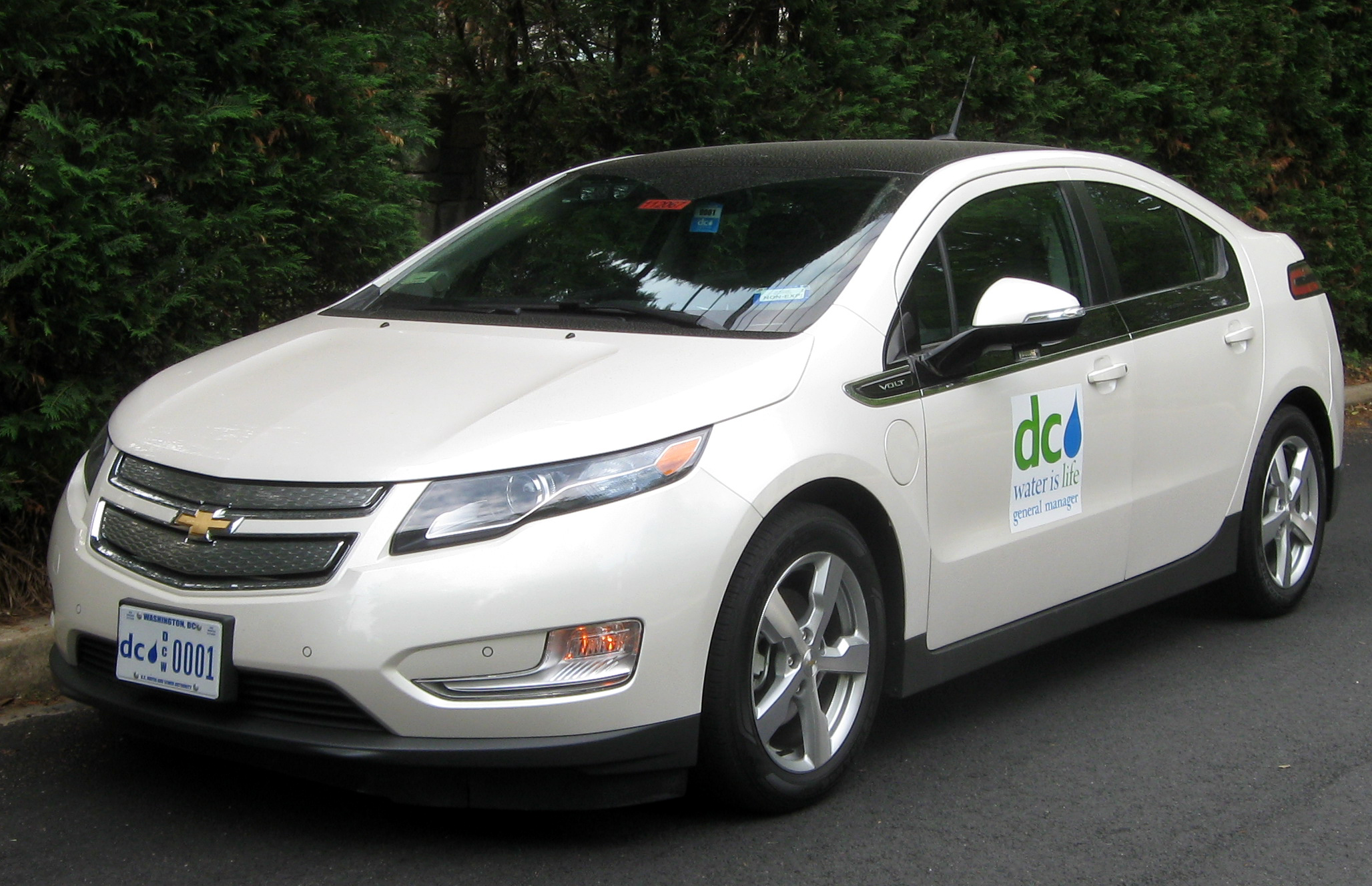
The Chevrolet Volt is a car that can run on electricity and gasoline. This means you can charge it at home and drive on electric power for short distances, but if you need to go further, it has a regular gas engine that kicks in, so you don’t have to worry about running out of power.
A robotaxi is a self-driving taxi that picks you up and takes you where you want to go without needing a driver. It's like a regular taxi, but it drives itself.
Level four driving means that the car can drive itself without needing a human to take control, but only in certain situations or areas. It's a step towards fully self-driving cars.
Nvidia is a tech company that makes powerful computer chips, which help cars drive themselves and improve safety features. They're involved in making cars smarter and more capable.
LIVE
Speaker 1: This is Outoline Daily, the show dedicated to enthusiasts of the global automotive industry. CTL, the world's biggest battery maker,
is developing sodium ion batteries. At first they were used
for commercial vehicles, but now CTL says they're going into passenger cars too. One reason why it's pushing into sodium
batteries is that the price of lithium carbonate, which is the material that gets processed to make lithium batteries, has shot up. Carboncredits dot com reports that lithium carbonate prices
in China went up fifty seven percent from July to November of last year, and since then they jumped another seventy percent to more than twenty thousand dollars per metric ton.
Lithium accounts for twenty to twenty five percent of the cost of a battery, and with the price fluctuating wildly, it's no surprise that COTL is so interested in sodium batteries since they don't use any lithium and sodium is a much more abundant resource. And here's something that got
past us. Last year, Cadillac outsold Audi in the US market,
moving into fourth position amongst luxury brands. One of Audi's
problems is that it imports all of its vehicles to the US, so they've all been hit with tariffs, and yet Audi's Works Council in Germany is dead set against the company building a US assembly plant. There's been rumors
that Audi might assemble vehicles and Scouts plant in South Carolina, but there's a problem with that too. Scout wants to
bypass VW dealers and sell vehicles directly to consumers. It
claims that it's a completely separate company from VW and so those dealer franchise agreements do not apply to it.
But if Scout starts building Audi's in its factory and those vehicles are sold through franchised Audi dealers, then it weakens Scout's legal standing. Here's our autoline insight. We probably
won't hear any plans for Audi to make cars in the US until Scout's legal battle has been settled one way or the other. Speaking of luxury car sales in
the US, do you know how the different brands stack up against each other. Well, here's the latest. BMW took
the top spot last year, selling over three hundred and eighty eight thousand cars, in SUVs. Lexis was in second place,
not too far behind Mercedes trails quite a ways behind them, and then there's a big drop to Cadillac, followed by Audi and then Acura in Volvo Lincoln came in. I
had a Genesis which had the biggest percentage gained, while Infinity fell further behind the Detroit. Three automakers are meeting
with regulators from the California Air Resources Board this week to discuss the state's regulations for greenhouse gas emissions. California
is trying to move forward with its zero emission goals after Congress revoked its waiver to set its own own emission standards and on top of the Trump administration weakening fuel economy rules and eliminating financial penalties for missing targets.
Next week, California will reveal details for a two hundred million dollar ev incentive program to help offset the elimination of the seventy five hundred dollars federal ev tax credit.
And we think it's a good idea for automakers to keep in touch with regulators because at some point democrats will regain power, and that way automakers won't be blindsided by policy changes.
Speaker 2: At CSP. We work with OEM engineers across the country
on their journeys to lighter, safer, and more eco friendly vehicles.
Learn more at THECSP dot com.
Speaker 1: Canada is slowly reducing its reliance on US car companies.
Earlier this month, Canada reached a deal to slash Terrace one Evy Imports, and now Bloomberg reports that it signed a nine binding agreement with South Korea to bring Korean car manufacturing to Canada. It's part of a broader industrial
cooperation that would see the two countries also collaborate on critical mineral supply chains, clean energy transition, and energy security.
Hondai and Kia currently don't build vehicles in Canada, but they sell a combined two hundred and twenty thousand cars a year in the country, and perhaps Hyundai and Kia could take over General Motors CAMI plant in Ontario, which has been idled since October and faces an uncertain future.
Besides the Detroit Three, Toyota and Honda also build vehicles in Canada, and another manufacturing news Stillantis is delaying the reopening of its Belvitere plant in Illinois. The plant closed
in twenty twenty three. But last October, the automaker announced
plans to invest more than six hundred million dollars to retool the facility and hire thirty three hundred workers to start building the Jeep Compass in twenty twenty seven and the Jeep Cherokee in twenty twenty eight. But the president
of UAW Local twelve sixty eight, which represents the plant, says Stilantis is delaying the start of production seven months until mid twenty twenty eight, citing discussions between the union and executives as well as documents from the automaker. But
Stillantis disputes that and says its plans haven't changed. However,
the delay has the union concerned because its current labor contract is set to expire in April of twenty twenty eight before it says, Stilantis will reopen the Belvidere plant, and the union is worried Stilantis won't follow through on the reopening and use the plant as a bargaining chip in its next contract negotiations. Here's the new Mercedes S class,
which we first reported on a little over a week ago.
While the styling is not that much different, the company claims more than fifty percent of the car is newly developed, updated, or refined. That includes things like the new operating system,
which features a more powerful computer and enables broader OTA update capabilities, driver assistance, and a host of features through the new standard display, which merges the passenger and center screens under one piece of glass. The new S class
is offered in short and long wheelbase versions, and thanks to a forty eight volt starter generator on every gas and diesel setup, the luxury sedan is technically only available as a hybrid now. It also offers a PHEV that
gets an estimated WLTPEV only range of about one hundred kilometers or roughly sixty miles. There's a ton of other
upgrades we could go through, but a couple we find interesting are heated seat belts for the front passengers that feature thin filaments integrated into them, and smart headlamps that not only adapt to other road users, but can also project icy road warnings or a light carpet so you know where the vehicle is aimed down a narrow street.
Orders for the new S class are open now and in Germany, prices start at over one hundred and twenty one thousand euros, including the vat speaking of. When we
first reported on the new S class, we also reported that CEO Ola Collenius claim the Luxury Saedan is ready for Level four driving, while it turns out the automaker is using the Sedan to launch a luxury robotaxi service around the world. Mercedes is working with Nvidia for the
system's hardware, which includes redundancies for the steering, breaking, compute and power supply, and it's working with Nvidia and Chinese av company Momenta for the software. Mercedes has signed partnerships
with mobility providers Uber and Lumo, the latter of which we'll start testing Abu dhab Me later this year with the hope of launching in that market first, then followed by other locations after. So it looks like Loocid is
getting some competition in the luxury robotaxi space. But that
brings us to the end of today's show. Thanks for
tuning in, and I hope that you have a great weekend.
Speaker 3: Auto Line Daily is brought to you by alex Partners.
When it really matters CSP, the Composites Solution Partner, Intrepid Control Systems, over the Air Engineering boost your game and thanks to the following YouTube and Patreon members.
Speaker 4: We help businesses respond decisively to their most critical challenges, from urgent performance improvement to enterprise wide transformation. We work
across the full value chain in automotive and in an industrials, helping clients navigate disruption, drive innovation, and unlock sustainable growth.
ALEX Partners when it really.
Speaker 5: Matters developing today's vehicles. Issues can happen in an instant.
When's the best time to solve a problem The minute you know you have one? Meet wireless neoviicloud. You're secure
off the shelf solution empowering real time collaboration for quick resolution.
With wireless neov Cloud, your team can prevent issues before they can escalate. Driver communication, data and remote diagnostics to
analyze and resolve your problems using OTA, allowing your executives oversight throughout the process. Wireless neofy Cloud your vehicle updates
solution in production and on the road. Intrepid control systems
driven by your data.
Speaker 3: WARDS is the industry leader for news, data and analysis.
That's why companies across the globe subscribe to our premium service.
Maybe even your own log in for subscriber access now check your company's intranet for details, and rely on wardsauto dot com to keep you informed.
About this episode
A deep dive into the competitive landscape of luxury car sales reveals BMW leading the pack, with Lexus and Mercedes trailing closely. The episode also explores CATL's shift to sodium-ion batteries, a response to skyrocketing lithium prices. Additionally, California's upcoming EV incentives and regulatory discussions are highlighted, alongside the challenges faced by Audi in the U.S. market. The new Mercedes S-Class is showcased, featuring significant technological upgrades and plans for a luxury robotaxi service, marking a shift in the luxury automotive sector.
- Lithium Pricing Crisis Pushes CATL To Accelerate Sodium-Ion Car Batteries - The Scout Standoff: Why Audi Is Stuck in Import Limbo - Luxury Leaderboard: BMW Keeps the Crown, Cadillac Climbs the Ranks - Detroit Three Meet with CARB as California Launches $200M EV Incentive Program - Canada and South Korea Sign Auto Manufacturing Deal; Could Hyundai Take Over GM’s CAMI Plant? - Stellantis Denies UAW Claims Of 7-Month Delay for Belvidere Jeep Plant - New Mercedes S-Class Debuts with 60-Mile PHEV Range and Advanced L4 Hardware - Mercedes Partners with Nvidia and Uber For L4 S-Class Robotaxi Service