BYD
BYD is a Chinese automaker expanding rapidly in Europe, and the segment highlights its effort to join ACEA for more influence. It also mentions BYD plans to mass-produce vehicles at a plant in Hungary, signaling a major manufacturing push.
ACEA
ACEA is a group that speaks for car companies in Europe. If a new automaker joins, it gets more of a voice in how rules and policies get shaped.
Microsoft
Microsoft is working with a carmaker to help build and improve the software and data systems behind modern vehicles. The goal is to make development and updates faster and smarter.
predictive maintenance and testing
Predictive maintenance means using data to guess when something might break before it actually does. That helps the car company test and fix issues earlier.
vehicle-to-grid (V2G)
V2G means your EV can act like a small power source for the electric grid. Instead of only charging, the car can also send energy back when the grid wants it.
home bidirectional charging package
This is a set of equipment you install at home so your EV can both charge and (in some cases) share energy. It includes the charger plus the tools needed to measure and manage that energy.
Intrepid
Intrepid makes tools that help car companies test and connect vehicle systems. It also supports collecting data and pushing updates remotely so cars can be validated for production.
Fox Con
Fox Con is described as helping build the underlying platform for this new EV startup. The episode doesn’t go deep into what that platform includes.
BMW
BMW is providing some parts under a licensing arrangement. That helps the new EV startup use existing, already-developed technology.
Hyundai Group
The Hyundai Group is involved as a supplier for the EV’s powertrain. That means they’re providing the main drivetrain components that make the car move.
Saudi Private Investment Fund
The Saudi Private Investment Fund is funding this EV startup. Big EV projects usually need major money up front, and this is the source mentioned in the segment.

Ford Mustang GTD
They mention a Mustang GTD as another high-performance Ford being compared on track speed. It’s part of the lap-time “who’s fastest” discussion.
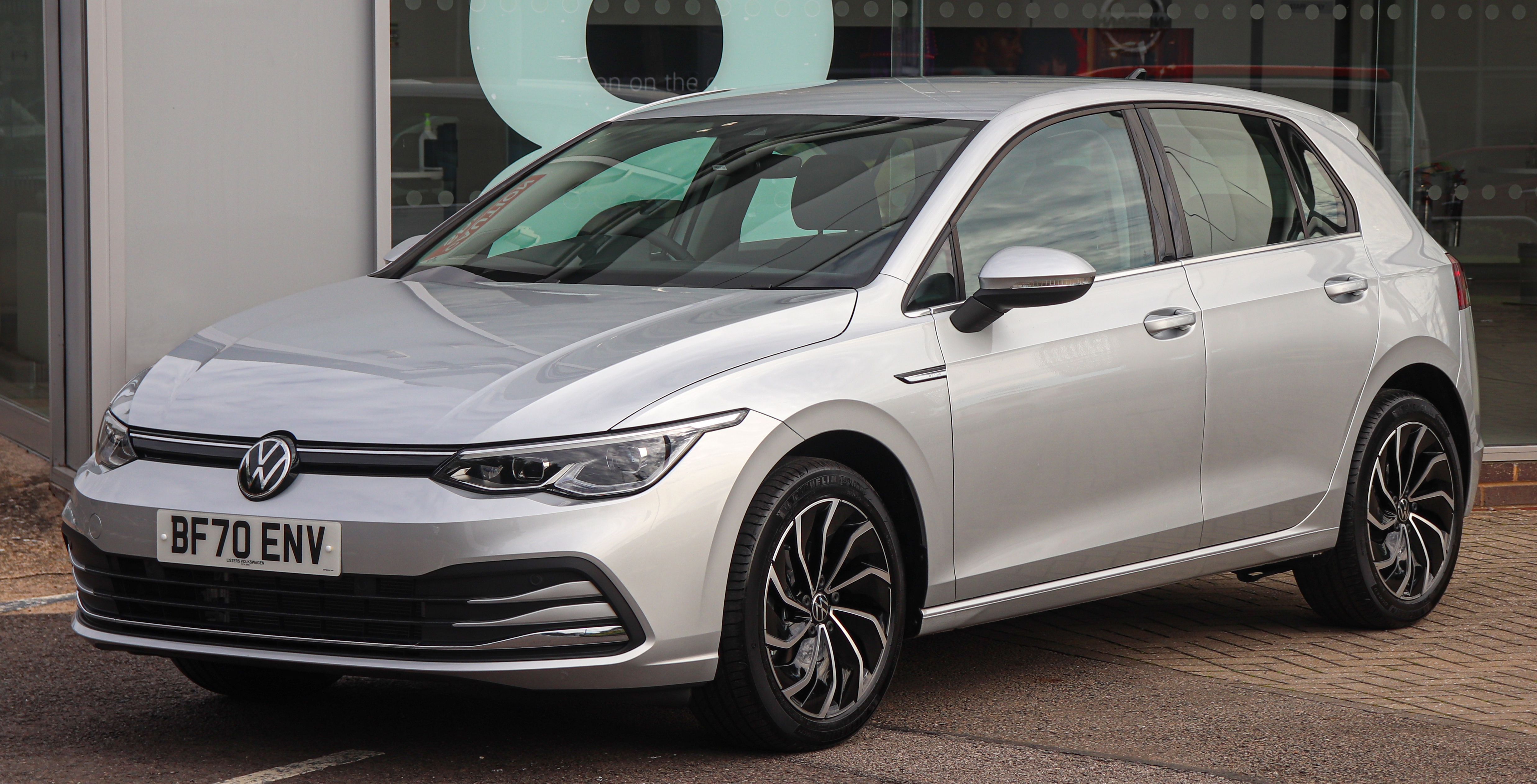
Golf Gtd
The Golf is a compact car model that comes in different versions. In the podcast, it’s mentioned because a particular version is being compared on a race track, focusing on how fast it can go. The key point is the performance difference measured by track time.

Chevrolet Corvette
They’re talking about a high-performance Corvette that went really fast around the Nürburgring. The discussion uses it as a benchmark for other cars’ lap times.

Ford GTD
They’re talking about Ford’s GTD and how it improved its Nürburgring lap time. It’s basically an example of a race-track development process.
magnesium wheels
Magnesium wheels are lighter than many other wheel materials. Being lighter helps the car handle better because the suspension has an easier time controlling the wheels.
lighter damper system
The damper system controls how the car moves over bumps. Making it lighter can help the car react faster and feel more controlled.
carbon bucket seats
These are lightweight, race-style seats made to hold you securely. They can reduce weight and help you stay in place when driving aggressively.
Linamar
Linamar is a company that makes parts for other automakers. The hosts talk about its stock because news and tariffs can change how investors view its future.
forging, casting, hydroforming and machining
They’re describing different ways to make metal parts. Some methods shape the metal, and machining is used to make the final part precise.
tariffs on components made from steel, aluminum, and copper
Tariffs are extra taxes on certain materials. If cars or parts use steel, aluminum, or copper, tariffs can make them more expensive and change business outlooks.
warranty and recall costs
Warranty and recall costs refer to the money automakers spend to fix defects after sale and to address safety issues. The segment says a future video will cover how these costs have added up across the industry, including EV startups.