AD #4321 - UAW Attacks GM Over Co-Bots; CATL Profit Tops 7 China OEMs; NHTSA Wants Plasma in EMT Trucks
About this episode
GM’s Detroit EV plant is adding cobots to boost efficiency, but the UAW is pushing back, turning the automation story into a labor fight. The show also flags how EVs are getting heavier and how China’s battery supply chain is reshaping profits. On the regulatory front, NHTSA is working toward a national autonomous-vehicle standard. Then comes a safety headline: NHTSA wants EMT trucks equipped with blood and plasma for transfusions at crash scenes.
profit margins
"Automakers are caught up in a vicious price war that's crippled their profit margins. But that's at the retail level."
Profit margin is how much profit a company makes compared to what it sells for. The host is saying the price cuts are squeezing that margin for car makers.
Profit margin is how much money a company keeps after covering costs, expressed as a percentage of revenue. In the segment, the point is that the EV price war is compressing automakers’ margins, while some suppliers can maintain profitability.
price war
"Automakers are caught up in a vicious price war that's crippled their profit margins. But that's at the retail level."
A price war is when companies lower prices to try to sell more. The downside is it can make it harder to make money on each vehicle.
A price war is when companies aggressively cut prices to win market share, often squeezing profits. Here, the host says automakers are in a price war that’s hurting their profit margins, while suppliers with critical, in-demand products can still charge more.
curb weight
"There's growing concern in China over evs becoming bigger and heavier. The average curb weight of evs is now up twenty eight percent compared to twenty twenty."
Curb weight is basically the car’s weight when it’s ready to drive, without people or extra stuff inside. The host is saying EVs are getting heavier than before.
Curb weight is the weight of a vehicle as it sits ready to drive, including standard fluids and equipment, but without passengers or cargo. The segment uses curb weight to argue EVs are getting heavier, which can affect road wear, efficiency, and energy use.
cobots
"General Motors is trying to make one of its EV plants more efficient by adding cobots to the operations, but it's getting an earful from the UAW. Automotive News reports that GM added fifty cobots to its Factory zero plant in Detroit, which triggered the president of UAW Local twenty two, which represents the plant, to say he is disgusted by it."
Cobots are robots that are built to work with people in the same workplace. They usually do repetitive jobs that are boring or hard on workers’ bodies.
Cobots are collaborative robots designed to work alongside human employees rather than replacing them in a fully automated setup. In factories, they’re often used for repetitive tasks that are ergonomically tiring or require consistent handling.
collaborative robot
"Cobot stands for collaborative robot. They work alongside human employees and generally handled repetitive tasks that are ergonomically tiring."
A collaborative robot is a robot that’s designed to be safe to use near people. Instead of taking over everything, it helps with specific tasks.
A collaborative robot (cobot) is a robot engineered to share workspace with humans safely. The key idea is that it’s meant to assist workers—often with repetitive tasks—while humans handle the rest of the work.
Factory zero plant in Detroit
"Automotive News reports that GM added fifty cobots to its Factory zero plant in Detroit, which triggered the president of UAW Local twenty two, which represents the plant, to say he is disgusted by it."
Factory Zero is GM’s EV factory effort. Here it’s specifically in Detroit, and the union is reacting to new robots being added there.
Factory Zero is GM’s EV-focused manufacturing initiative, and this segment places it in Detroit. The location matters because it ties the automation debate (cobots) to a specific union-represented workforce and production site.
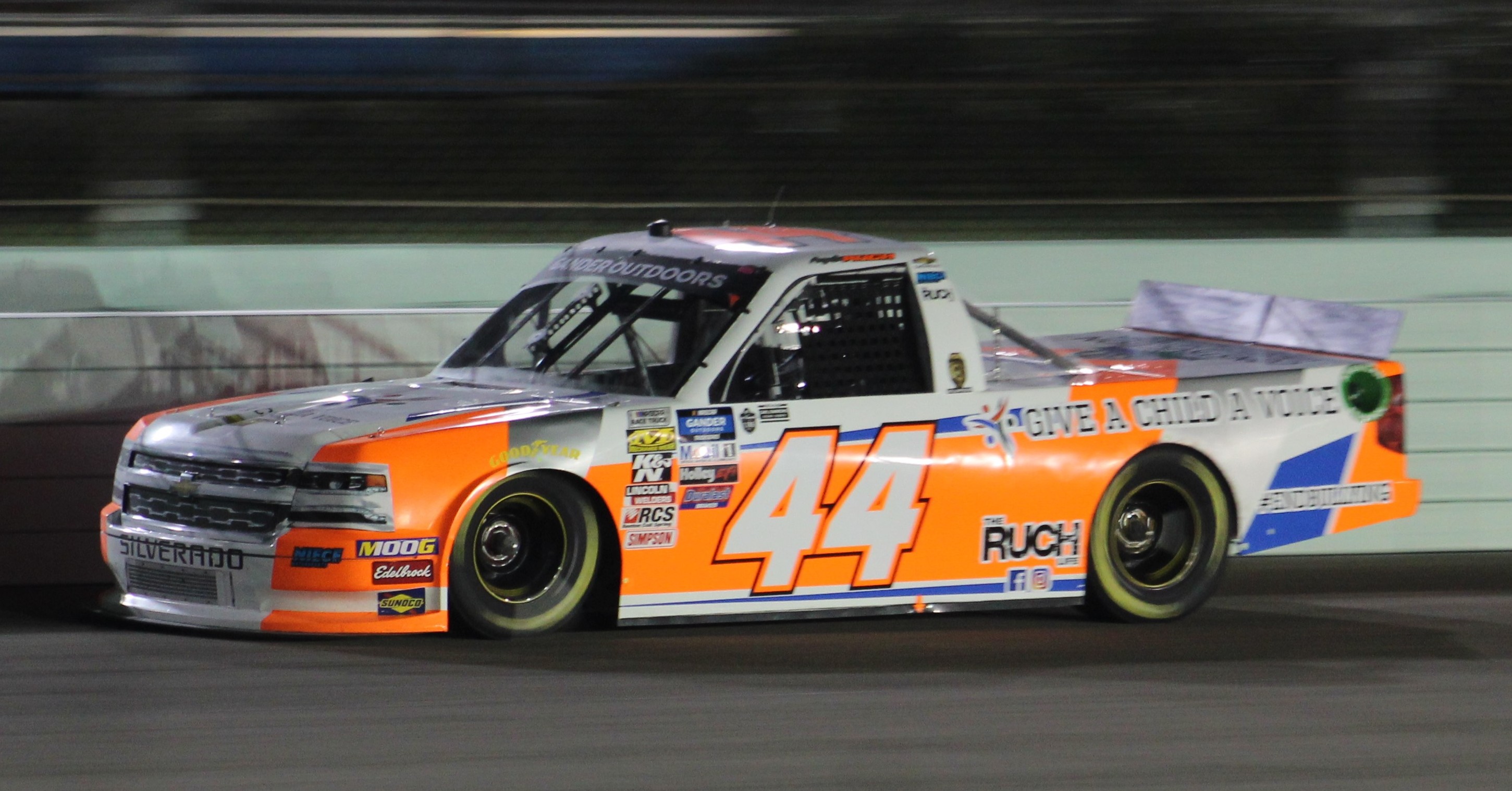
Chevrolet Silverado
"...zero makes the electric versions of the Chevrolet Silverado and gmccra pickups, the Cadillac Escalade IQ, and..."
The Chevrolet Silverado is a large pickup truck made by GM. People use it for hauling and towing, but it can also be a normal everyday vehicle. The podcast mentions it because GM is planning electric versions of this truck line too.
The Chevrolet Silverado is GM’s full-size pickup truck line, known for being offered in many configurations for work and everyday driving. It’s a common topic in discussions about GM’s truck lineup because it anchors both traditional gas models and the company’s move toward electric pickup variants. That’s why it comes up when the podcast talks about which nameplates are getting electric versions.

Cadillac Escalade
"...vrolet Silverado and gmccra pickups, the Cadillac Escalade IQ, and the Hummer suv and pickup. GM only sold f..."
The Cadillac Escalade is a big luxury SUV made by Cadillac. It’s designed to be comfortable and spacious, especially for families or people who want a high-end interior. The podcast brings it up because there’s also an electric version planned or discussed under the Escalade name.
The Cadillac Escalade is Cadillac’s full-size luxury SUV, positioned as a flagship vehicle with a focus on comfort, space, and upscale features. It’s discussed in the context of GM’s broader lineup strategy because the podcast references an electric Escalade variant (“Escalade IQ”), showing how the model name is evolving. That makes it relevant when talking about which GM brands and vehicles are moving to electrification.
Center for Automotive Research
"The Center for Automotive Research in ann Arbor puts on the management briefing seminars every year. We were there this week, and while there's far too many details to report of what was said, here's a couple of bullet points."
The Center for Automotive Research is a group that studies the auto industry and holds briefings. The host is saying it had some important points about how subsidies affect competition.
The Center for Automotive Research is an automotive-focused research organization that hosts industry briefings. In this segment, it’s referenced as providing management briefing seminars where the host says there were key points about subsidies and competitiveness.
RFQ or request for quote
"hundred thousand dollars in people time to answer just one RFQ or request for quote from an automaker."
An RFQ is when a company asks suppliers to give a price for a specific thing. It’s more than a casual quote—suppliers often have to do real work to figure out the right cost and specs.
An RFQ (request for quote) is a formal document a buyer sends to suppliers asking them to price a specific product or service. In automotive, it’s a common step in sourcing parts or software, and it can require significant engineering and compliance work to respond accurately.
autonomous vehicles
"Nitze is working on coming out with a national standard for autonomous vehicles which will supersede the mishmash of state regulations that currently exists. And you know, speaking of autonomous vehicles, that's going to be the top out of line."
Autonomous vehicles are cars that can drive themselves using cameras, sensors, and software. The big issue is that different places may have different rules, so a national standard could make things simpler.
Autonomous vehicles (AVs) are cars that can drive with little or no human input by using sensors, software, and control systems. The transcript also highlights that regulation is fragmented by state, which is why a national standard is being discussed.
USMCA
"The US auto industry needs the USMCA to be cost competitive, and if President Trump's pull out of the trade agreement, then the US will not be able to compete with China"
USMCA is a trade agreement between the U.S., Mexico, and Canada. It affects how easily and cheaply car parts can cross borders, which can change how competitive automakers are.
USMCA is the United States–Mexico–Canada Agreement, a trade deal that sets rules for how cars and parts move across North America. The point here is that the auto industry’s costs and competitiveness can be affected if the agreement changes or is withdrawn.
General Motors
"Larry Burns back on the show talking about his vision of how avs are going to change the world... The former head of R and D at General Motors"
General Motors is a big car company. In this segment, it’s mentioned because a former GM research leader is coming on to talk about self-driving technology.
General Motors (GM) is a major automaker and one of the companies heavily involved in vehicle technology development, including autonomous driving efforts. The transcript ties GM to a guest who previously led GM R&D and has long advocated for AVs.
blood and plasma
"NITZA... is working on a whipping EMT trucks with blood and plasma so they can do transfusions right at the scene of the accident."
Plasma is part of blood that helps keep the body working and helps with clotting. The idea is to have it available in ambulances so doctors can start transfusions right away at the crash site.
Plasma is the liquid portion of blood that contains proteins used in clotting and maintaining circulation. The transcript’s idea is to carry blood/plasma in EMT trucks so transfusions can happen immediately, addressing deaths from severe bleeding before reaching the hospital.
National Highway Traffic Safety Administration
"But the good news is that NITZA, the National Highway Traffic Safety Administration, is working on a whipping EMT trucks with blood and plasma"
NHTSA is a U.S. government agency focused on vehicle and road safety. In this segment, they’re working on ways to help injured people immediately after crashes.
The National Highway Traffic Safety Administration (NHTSA) is the U.S. agency responsible for vehicle safety rules and crash-related safety initiatives. Here, it’s described as working on an emergency-medical concept for EMT trucks to improve outcomes at accident scenes.
Request an Explanation
Heard something you'd like explained? We'll add it to this episode.
Sign in to request explanations for terms you heard.
Want to learn more?
Browse our glossary for plain-English explanations of automotive terms, jargon, and concepts.
Help improve this episode
See something that's not quite right? Our annotations are AI-generated and can sometimes miss the mark. Click the flag icon on any annotation to suggest a correction.