
Tesla
Tesla is a company that makes mostly electric cars. Here they’re talking about Tesla’s quarterly results and how money spent on advanced tech affects how much profit the company makes.
AI, robotics and autonomy
They’re talking about advanced computer systems (AI), machines that can automate tasks (robotics), and technology aimed at driving with less human input (autonomy). The point is that Tesla is spending a lot on it, which can reduce profit in the short term.
emission credits
Emission credits are like government-approved “paper allowances” related to pollution limits. If a company doesn’t meet targets, it can buy credits from others, and if it does well, it can sell credits—so changes in enforcement can affect revenue.
Hundai
Hyundai is a car company. They’re discussing Hyundai’s sales and profits, and how problems getting parts, higher material costs, and stronger competition hurt earnings.
battery electric vehicles
Battery electric vehicles are fully electric cars that run on a battery instead of gasoline. In this report, BEVs are growing fast and make up a big share of Europe’s sales.
plug and hybrid sales
Plug-in hybrids are cars that can run on electricity, but they also have a gas engine. You can charge them like an EV, and the host is saying these sales are rising too.
Intrepid
Intrepid is a tech company that helps car makers test and verify vehicles before they go into production. They use software tools to find problems and confirm cars are ready to be built and sold.
diagnostic trouble codes
Diagnostic trouble codes are error messages a car’s computer saves when something goes wrong. Mechanics and software tools can read them to figure out what system is having trouble.
non-compliant vehicles
Non-compliant vehicles are cars that don’t meet required rules or standards. Here, the idea is that software and testing can flag which cars need to be fixed before they’re cleared for production.
fleet testing
Fleet testing means testing many cars as a group to make sure they all work correctly. The host is saying the approach is becoming more software and data based.
joint venture
A joint venture is when two companies team up to run a project together. The episode says Ford and Geely are partnering to build cars in a shared manufacturing setup.
retooling
Retooling means changing a factory so it can build different cars. The episode says the Valencia plant has to be updated because it will start producing new models, including electric SUVs.

Ford Bronco
The Ford Bronco is an SUV made for off-road driving, like dirt roads and rough trails. The podcast is saying Ford plans to build a new version soon, and it also mentions a new type of crossover that uses multiple energy sources. This is important because it suggests the Bronco lineup will change with newer technology.

Ford Escape
The Ford Escape is a compact SUV meant for everyday driving. The podcast says Europe’s version of it (called the Couga) will still be made, even though other parts of the lineup are changing. That matters because it affects which models you can buy depending on where you live.
platform
A platform is the shared foundation a car is built on. The episode says the new Bronco crossover will use a Geely platform, meaning it shares key parts with other vehicles built on the same base.
connected vehicles
Connected vehicles are cars that can communicate using wireless networks. The episode says a U.S. bill would restrict sales of certain connected cars if the company has enough Chinese ownership.
fifteen percent rule
This is a legal cutoff number: if a company is more than 15% owned by certain Chinese entities, it could be affected by the proposed ban. The episode says Mercedes would fall under that threshold based on ownership stakes.
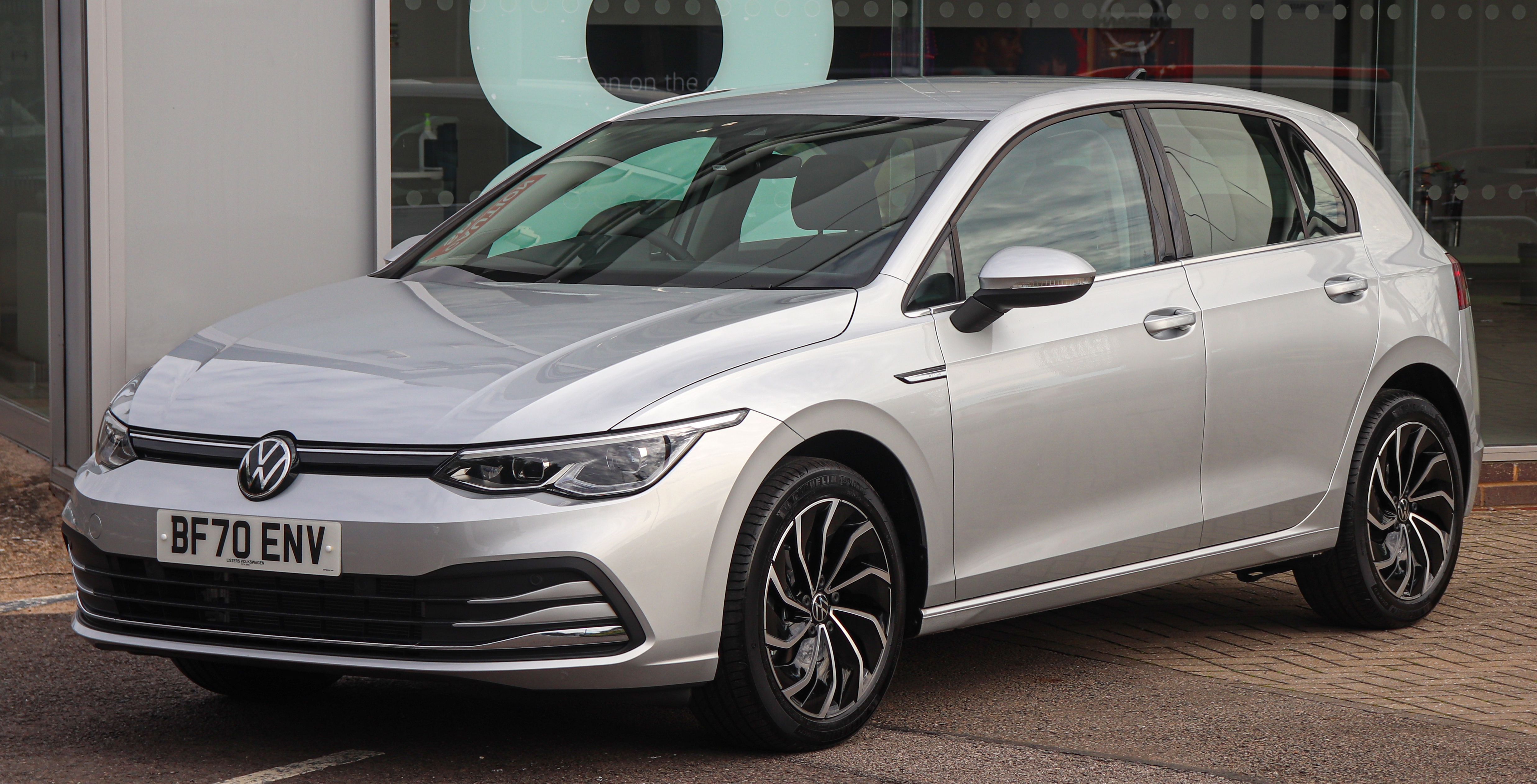
Volkswagen Gli
The Volkswagen Golf is a compact car that’s been sold for many years for regular everyday use. The podcast is talking about who has ownership stakes in the company and leadership roles. Those details can matter because they can affect how the car is developed and produced.
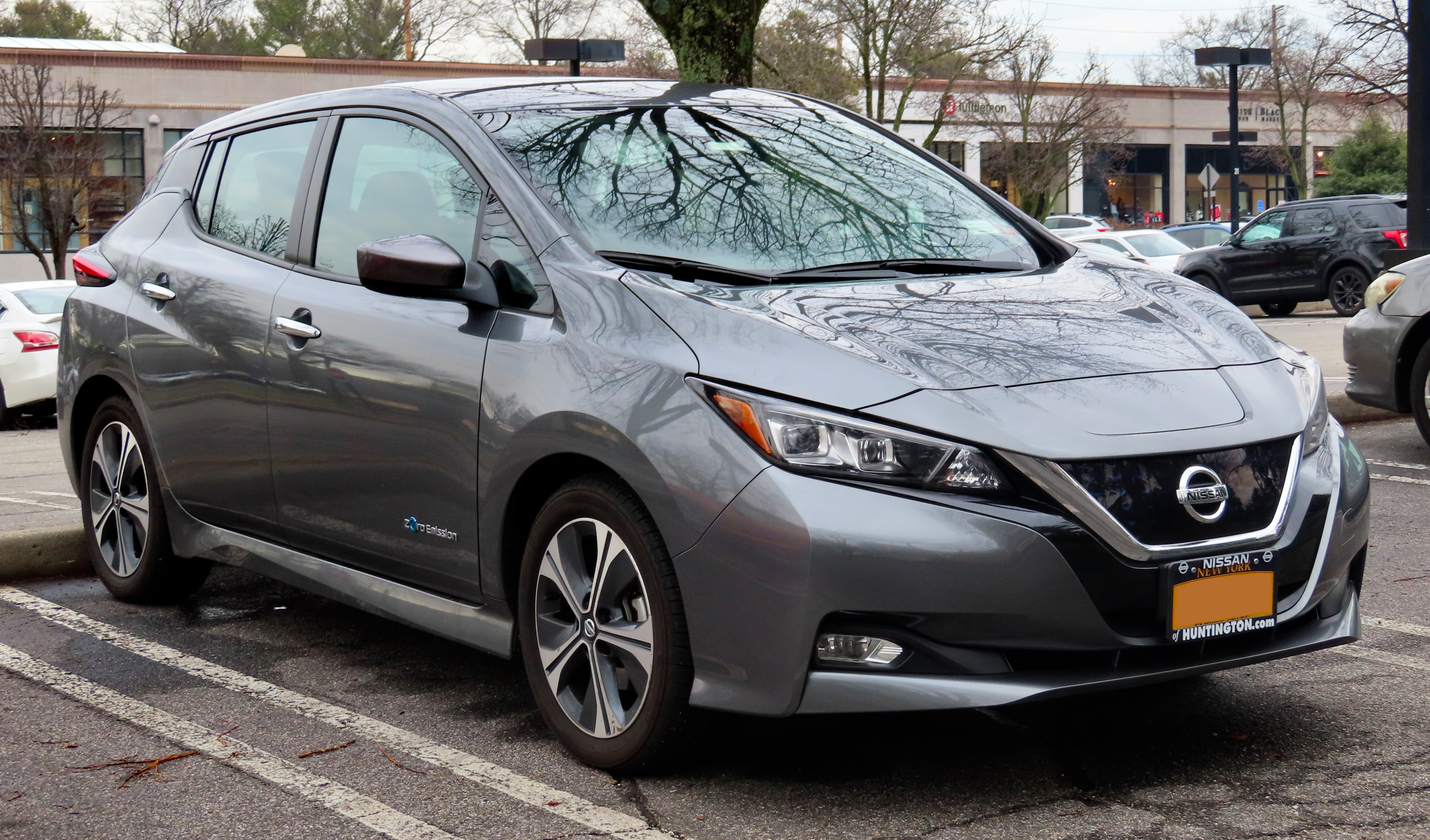
Nissan Leaf
The Nissan Leaf is an electric car that uses batteries and an electric motor instead of a gas engine. The podcast mentions a Nismo version, which uses the same main battery and motor setup but is set up to feel more sporty. So it’s still an electric Leaf, just with different tuning.
kilowatt hour battery
A kilowatt-hour battery rating tells you how much energy the electric car’s battery can store. The episode mentions two battery sizes (52 kWh and 75 kWh) as options for the Leaf.
upgraded suspension
Suspension upgrades change how the car rides and handles over bumps and during cornering. The episode says the Nismo Leaf gets stiffer/updated suspension parts to make steering feel more responsive.
stabilizers
Stabilizers help keep the car flatter when you turn. The episode says the Nismo Leaf uses stabilizers to improve how the car responds when steering.
bushings
Bushings are the soft mounts that connect suspension parts. If they’re upgraded, the suspension can feel tighter and more precise, which helps steering response.