Go-karts are small race cars people use to learn driving and racing. They’re popular for getting started because they’re relatively simple and fun to drive fast on a track.
A lawn mower engine is the kind of small motor used in lawn mowers. In a go-kart, it usually means the kart is more basic and not built for high-end racing performance.
Term
LSB cart
“LSB cart” sounds like a nickname or shorthand for a particular kind of basic go-kart. In this conversation, it’s being used to say it was a starter-level kart.
Most cars use a 12-volt electrical system to run the electronics. The episode is discussing how that setup is being reconsidered as cars add more electrical features.
A 24-volt system means the car runs on higher electrical voltage than the usual 12 volts. That can let the car use lighter wiring while still powering all the electronics.
Here, “fiber” means fiber-optic wiring. It’s a way for the car’s computers to send data quickly and reliably, especially as the car gets more electronic.
A fuel line is the part that carries gas from the gas tank to the engine. If you change it for racing, it can change how reliably the engine gets fuel.
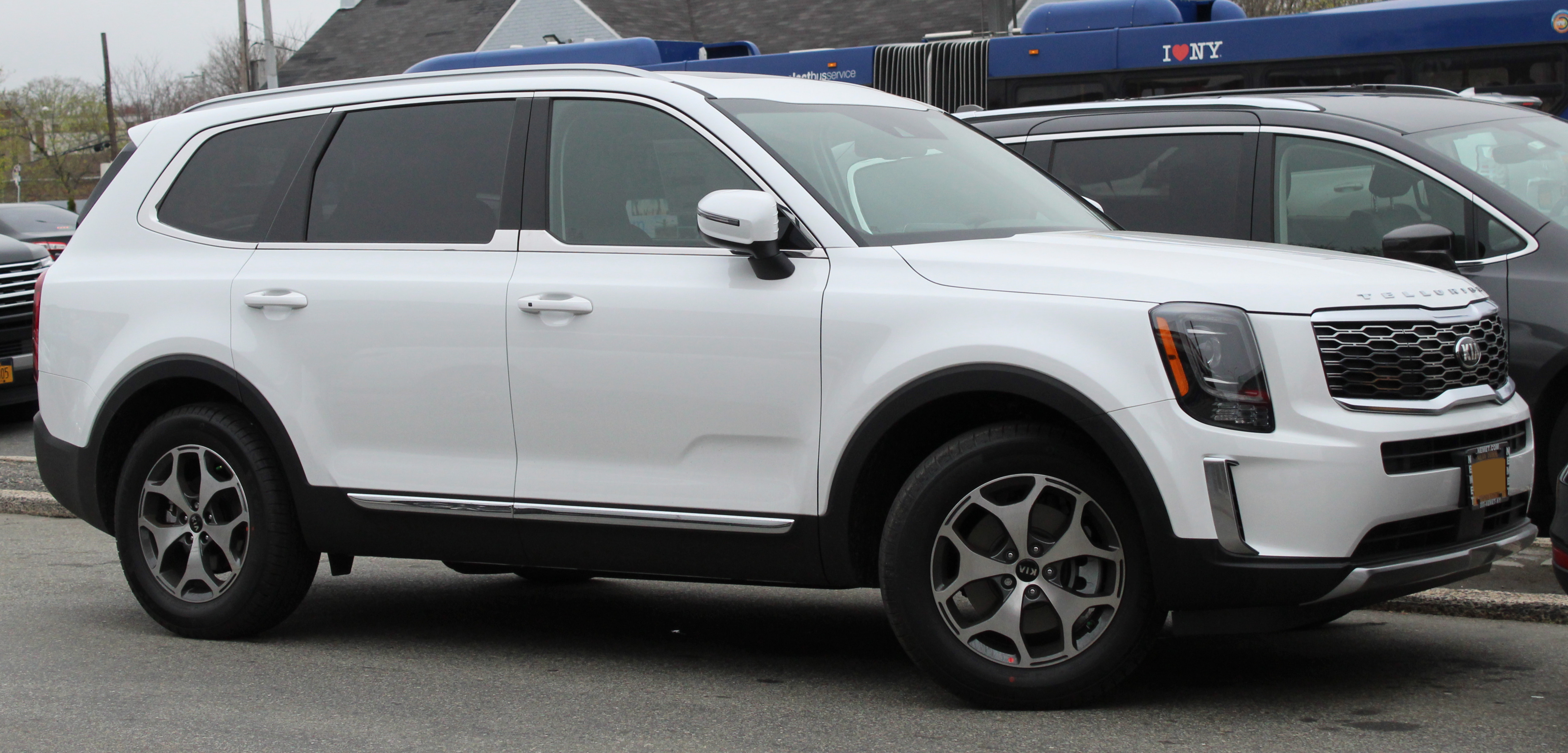
The Kia Telluride is a family SUV with three rows of seats. For 2027, Kia redesigned it from the ground up, and the host talks about the new look and the space inside.
A trim package is a set of features grouped together into a specific version of the same car. Higher trims usually add more equipment compared to the base versions.
Wheelbase is the distance between the front and rear wheels. A longer wheelbase often means more room inside, like extra legroom for passengers in the back.
The third row is the extra row of seats behind the main back seats. It helps fit more people, but it can take away room for luggage.
Term
literturbo
A turbo is a device that helps the engine make more power. It squeezes more air into the engine so it can feel stronger, even if the engine is smaller.
This is the car’s automatic gear system with eight different gear ratios. It’s designed to help the engine run efficiently, but how smoothly it shifts can affect how the car feels.
Tow rating is the maximum amount of weight the car is rated to tow safely. It’s based on the car’s overall ability to handle towing, not just the engine.
Off-road tires are built to grip better on dirt and gravel. They usually have deeper tread and sturdier sidewalls so they handle rough roads more safely.
The pole winner is the driver who qualifies fastest and starts at the very front. Starting first can help because you avoid getting stuck in traffic right away.
Wind can mess with how the car stays stable at speed. If it gets too strong, officials may stop the session for safety.
Concept
short shoot between one and two or three and four
On an oval track, there are straight sections where cars go fastest. Drivers pay attention to flags there because wind can change how the car feels and handles.
Tariffs are extra taxes on imported products. If parts or cars cost more to bring in, companies often try to build more of them inside the country to avoid those added costs.
The Jeep Compass is a compact SUV. The hosts are talking about where it’s built—Stellantis plans to move production to the U.S. to help with import costs and trade rules.
The Jeep Cherokee is an SUV model. The episode says its production is planned to move to the U.S., which can be tied to reducing taxes on imported vehicles and parts.
USMCA is a trade deal between the U.S., Mexico, and Canada. It includes rules about how much of a car (or parts) must be made in North America to get lower import taxes.
A carve-out is an exception to a rule. The episode is saying some car and parts imports can get special treatment under USMCA, instead of paying the full tariff.
Andrew Chapman’s path from go-karts to stock-car racing gets unpacked, starting with a lawn-mower-style Briggs and Stratton setup and moving through spec divisions and ARCA. They talk ARCA track details like a half-mile, 14-degree banked oval, plus car power around 700 horsepower, and how teams communicate to tune cars on track. The show also pivots into modern vehicle tech (ECUs, 12- to 24-volt systems, fiber wiring) and a 2027 Kia Telluride review, then broadens to Indy 500 traditions and auto trade/tariffs.
A college class gets interrupted by one of the best calls a young driver can receive: “Can you race this weekend?” We sit down with Andrew Chapman, a newly 21-year-old ARCA driver, and trace the line from a bare-bones go-kart setup to real stock car results. He shares how he got connected with a team owner, what it takes to earn trust quickly, and why being ready matters as much as raw speed when opportunities show up with almost no notice.
We also dig into Chapman’s other lane: electrical engineering. Cars are turning into rolling computer networks, and racing is already obsessed with data, sensors, and communication between driver and crew. We talk about how technical fluency can keep a career moving even when rides change, and why engineering can open doors across motorsports, from setup and diagnostics to inspection and safety roles.
Then Don delivers a full new car review of the redesigned 2027 Kia Telluride, including the trim walk, the Telluride X-Pro SX Prestige AWD experience, interior tech highlights, pricing, competitors, and the big question of whether a 2.5-liter turbo four feels like enough for a large three-row SUV. Jeff rounds things out with the true origin of the Indy 500 milk tradition, followed by a clear-eyed look at automotive tariffs, supply chain complexity, and the USMCA review that could reshape North American production decisions.
Subscribe for more real-world car reviews, racing stories, and smart automotive talk, then share this with a friend and leave a quick rating and review. What part of the show do you want us to go deeper on next?
Disclaimer: This post contains affiliate links. If you make a purchase, I may receive a commission at no extra cost to you.
---- ----- Want more In Wheel Time car talk any time?
In Wheel Time is now available on Audacy!
Just go to Audacy.com/InWheelTime where ever you are. ----- ----- Be sure to subscribe on your favorite podcast provider for the next episode of In Wheel Time Podcast and check out our live multiplatform broadcast every Saturday, 10a - 12nCT simulcasting on Audacy, YouTube, Facebook, Twitter, Twitch and InWheelTime.com.
In Wheel Time Podcast can be heard on you mobile device from providers such as:
Apple Podcasts, Amazon Music Podcast, Spotify, SiriusXM Podcast, iHeartRadio podcast, TuneIn + Alexa, Podcast Addict, Castro, Castbox, YouTube Podcast and more on your mobile device.
Follow InWheelTime.com for the latest updates!
Twitter: https://twitter.com/InWheelTime
Instagram: https://www.instagram.com/inwheeltime/
https://www.youtube.com/inwheeltime
https://www.Facebook.com/InWheelTime
For more information about In Wheel Time Podcast, email us at