
spark plug replacement
Spark plugs are small parts that help your gas engine ignite the fuel. If they get worn out, the engine can run rough or not start as well, so replacing them at the right time helps keep things smooth.
flush my coolant
Coolant helps your engine stay cool and protects it from corrosion. A coolant flush means you remove the old coolant and replace it so the system keeps working properly, not just a quick top-off.
cooling systems
Your cooling system is what keeps the engine from overheating. Flushing it helps keep the coolant clean so it can do its job effectively.
brake fluid
Brake fluid is the fluid that makes your brakes work when you press the pedal. If it gets old or contaminated, it can make braking feel weaker or less responsive.
330 seconds of an inch
Tread depth is how much rubber is left on the tire. The host is saying that when the tread gets down to about 3/32 of an inch, it’s usually time to replace the tires because they won’t grip as well, especially in rain.
tire pressure
Tire pressure is how much air is in your tires. If it’s too low, the tire can wear unevenly, especially on the outside edges, and it can also affect handling.
uneven tire wear
Uneven tire wear means one part of the tire is wearing out faster than the rest. That can be caused by things like incorrect tire pressure, and it’s a sign you should check your setup so the tires last longer and handle safely.
air pressure
Air pressure is how much air is in your tires. If it’s too high or too low, the tire doesn’t sit on the road correctly, leading to uneven wear and steering/pulling problems.
four-wheel alignment
A four wheel alignment is when a shop checks and adjusts the angles of all four wheels. It helps the car drive straight and reduces uneven tire wear.
front end alignment
Alignment is how the shop sets your front wheels so they’re pointing straight. If it’s wrong, your tires wear unevenly and the car can drift or pull to one side.
circumference
Tire circumference is basically how far the tire “goes around” in one rotation. A new tire is thicker, so it can rotate differently than an older worn tire.
differential
The differential is part of the drivetrain that lets the two driven wheels spin at slightly different speeds. If one tire is newer and effectively “rolls” differently than the others, it can make that system work harder.
all season tires
All-season tires are made to handle a mix of weather—warm days, rain, and some cold. They’re not as specialized as summer-only or winter-only tires, but they’re a good “one set for most people” option.

Ford Mustang
The Ford Mustang is a sports car that’s built for fun driving, usually with strong acceleration. When people mention it in tire discussions, it’s because the car can use the tires more aggressively than everyday vehicles. Good tires help it stay stable and grip the road.
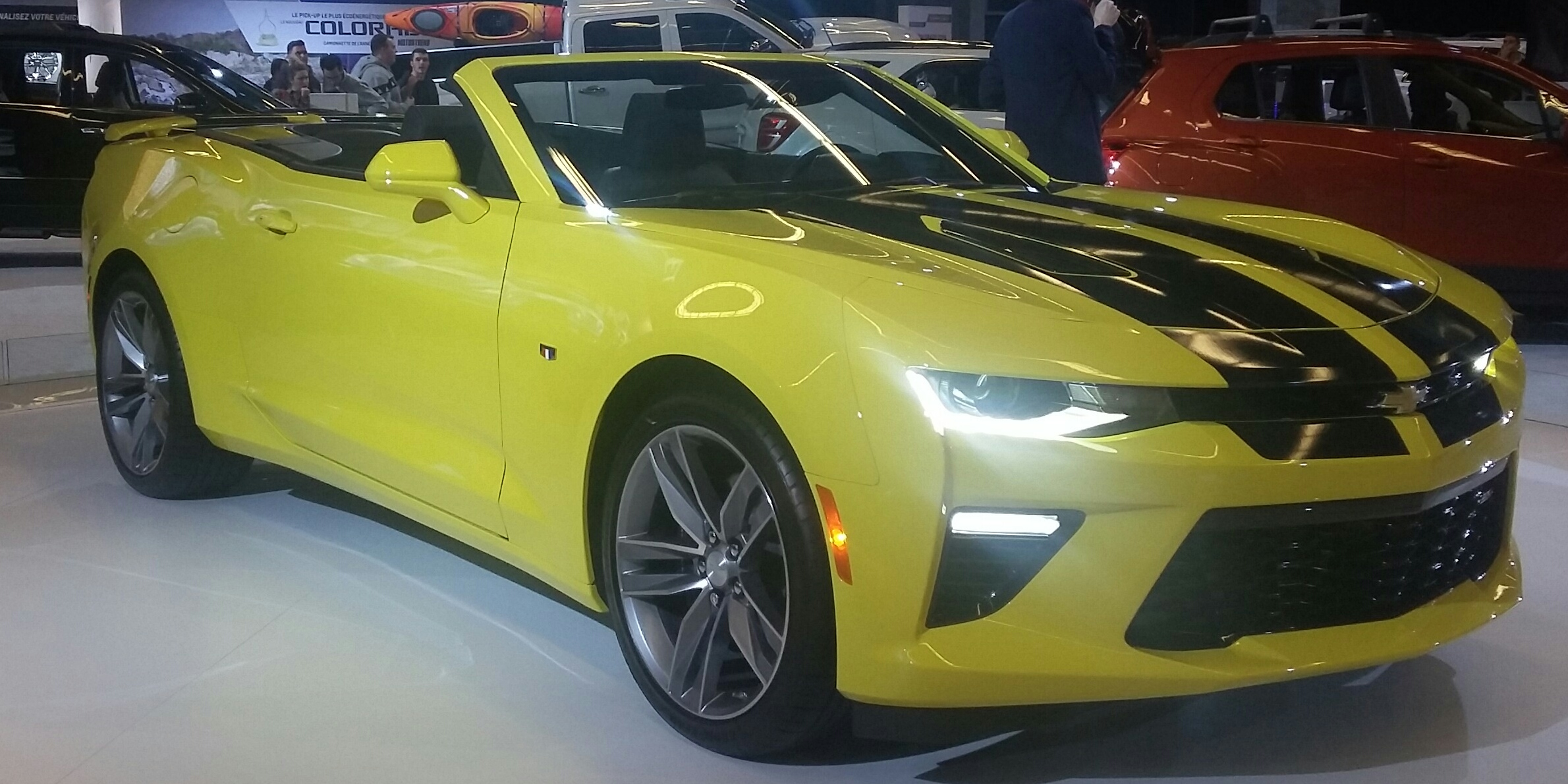
Chevrolet Camaro
The Chevrolet Camaro is a sports car made for driving fast and handling well. People talk about it when discussing tires because it can put more stress on the tires than a normal car. The right tires help it grip the road better.

Chevrolet Corvette
The Chevrolet Corvette is a sports car built to go fast and handle sharply. Because it’s made for performance, it usually needs tires that can grip well and handle higher-speed driving. That’s why it’s often mentioned when talking about tire requirements for sports cars.
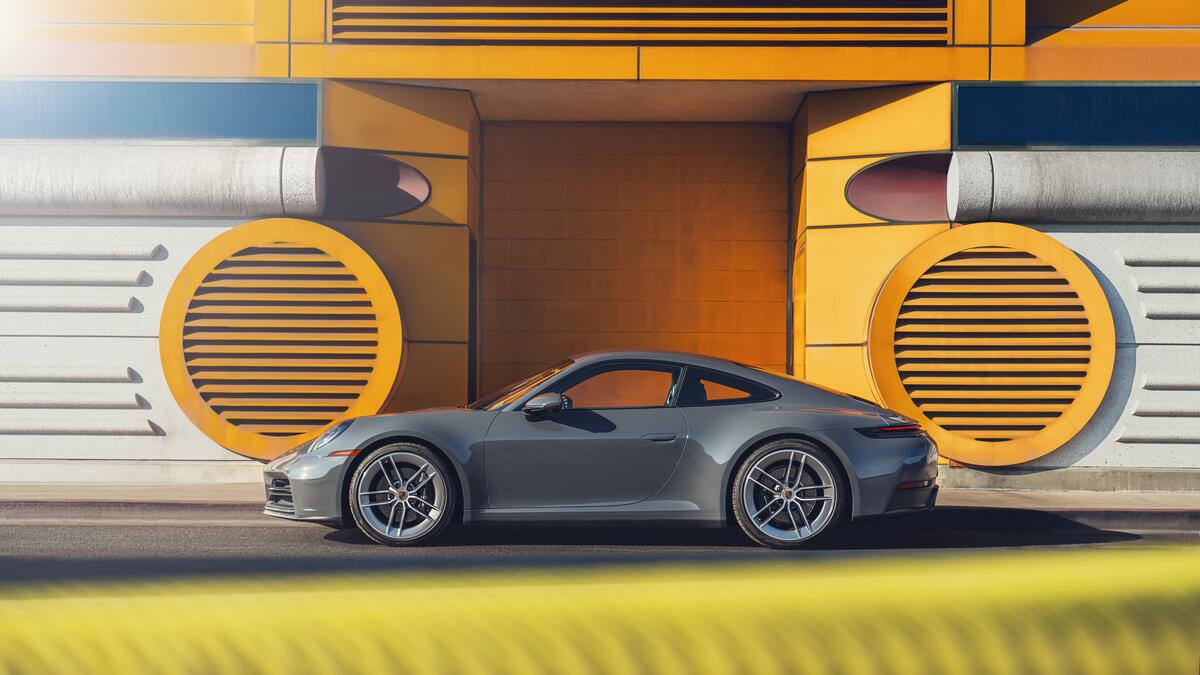
Porsche 911
The Porsche 911 is a famous sports car. Here it’s just being used as an example of a car that would more likely use sport-style tires meant for warmer weather, not winter conditions.
all terrain tires
All-terrain tires are designed for both regular driving and rougher off-road stuff like dirt or gravel. They usually have more aggressive tread so they can grip better when the road isn’t smooth.
four wheel drive vehicles only
Four-wheel drive helps a vehicle get traction by sending power to all four wheels. The host is connecting that to all-terrain tires because those tires are meant for rougher roads and off-road use.
wear sensor
A wear sensor is a built-in warning that tells you your brake pads are getting too thin. When the pads wear down enough, the sensor starts making a squealing or chirping sound so you know to get the brakes checked.
brake rotor
The brake rotor is the spinning metal disc behind your wheel. When you press the brake pedal, the pads squeeze onto it to slow the car down.
new pads
Brake pads are the parts that press against the brake rotor to stop the car. If they wear down too much, the brakes won’t work as well and they can start squealing.
rotors turned
Turning rotors means resurfacing them so the brake pads can contact evenly again. Shops can only do this if the rotor isn’t too worn down.
O'Reilly's
O'Reilly's is a store that sells car parts. The host is saying that buying cheaper brake parts there (instead of the right factory-spec ones) can cause brake squeal.
Advanced Auto Parts
Advanced Auto Parts is another store that sells car parts. The point being made is that cheaper brake pads from places like this can squeal if they’re not the right type for the car.
OEM pads
OEM pads are the brake pads that match what the car was originally designed to use. The host is saying that using the correct factory-spec pads helps prevent brake squeal and ensures proper braking feel.
cold cranking amp ability
Cold cranking amps is a measure of how strong your battery is at starting the car when it’s cold outside. If the battery gets old, it may not have enough starting power, so the engine may crank slowly or not start at first.
charging and discharging
A battery cycle is basically: it gets charged up, then you use it to start the car and run electronics, and then it gets charged again. Repeating that over and over wears the battery out.
weak battery
A weak battery can’t supply enough power to start the engine. You might notice the car won’t start right away, or it cranks slowly, and then it may start after a moment.
jump starting
Jump starting is when you use jumper cables to borrow power from another car so yours can start. If you connect the cables wrong, you can damage the car’s electrical system.
jumper cables
Jumper cables are the thick wires you use to connect two cars’ batteries. Using cables that are too thin can make it harder to transfer enough power to start the car.
new engine
A “new engine” can sometimes use a little oil at first. That can be normal during break-in, but if it’s excessive it may point to a problem.
oil in 1000 miles
Some car makers say it’s okay if an engine uses a little oil over time. The important part is whether the amount is within what the manufacturer allows and whether it’s increasing.
engine may die
If an engine is burning or losing too much oil, it can eventually cause major damage. Low oil means less lubrication, and that can lead to the engine failing.
engine overheating
Engine overheating happens when the cooling system can’t keep the engine temperature under control. It’s dangerous because sustained high temperatures can warp parts and cause major failures.
antifreeze
Antifreeze is mixed into coolant so it doesn’t freeze in cold weather and also helps protect the cooling system. If it’s old or contaminated, it can stop working well.
overflow tank
The overflow tank is a small reservoir that holds extra coolant. Looking at it can tell you if the coolant looks healthy or if it’s time to service the cooling system.
flushed
A coolant flush means draining out old coolant and putting in new coolant. If the coolant looks dirty or discolored, a flush can help the cooling system work better.
blown head gasket
A head gasket is a seal that keeps coolant and engine gases separated. If it fails, the engine can overheat and the repair can be expensive.
timing can be off
Engine timing is when the spark happens inside the engine. If it’s not set correctly, the engine can burn fuel less efficiently and run hotter.
small leak
A small drip can be an early warning sign. If you ignore it, the leak can get worse and cause bigger problems later.
transmission hesitation
It means your car doesn’t respond right away when it should shift or move smoothly. One common reason is low fluid or a leak.
transmission fluid
Transmission fluid is the fluid that keeps the transmission working correctly and helps it shift. If it’s low, shifting can feel delayed or rough.
refrigerant
Refrigerant is what your AC uses to move heat out of the car. If there isn’t enough of it, the air won’t get cold.
AC leak
An AC leak means the refrigerant is escaping. Without refrigerant, the AC can’t cool, and it often needs both a fix and a refill.
recharge your own AC
Recharging your AC means adding refrigerant so it can cool again. But if there’s a leak, it’ll lose refrigerant and the AC won’t stay cold.
coolant protection
Coolant protection is how cold your car’s antifreeze can handle without freezing. If it’s rated for a very low temperature, your engine is less likely to get damaged in winter.
premium fuel
Premium gas is a higher-grade fuel that some cars ask for. If your car doesn’t require it, you can usually use regular instead and save money.

Nissan Armada
The Nissan Armada is a big SUV. The host is talking about what gas it should use and says their Armada runs regular unleaded without knocking sounds.
regular unleaded
Regular unleaded is the cheaper gas most cars can use. The host is saying their car runs it fine—no knocking sounds and no engine harm.
spark knock
Spark knock is when the fuel burns the wrong way inside the engine, often making a pinging or rattling sound. If it happens a lot, it can stress the engine, which is why the right fuel matters.
middle grade gas
“Middle grade” is gas that costs more than regular but less than premium. If your car doesn’t need it, you’re often just paying extra for no real gain.
check engine light
The check engine light is a warning that something in the engine or emissions system may be wrong. You usually need a scan tool to figure out what the code means.
engine diagnostics
Engine diagnostics means using tools to read what the car is complaining about. Instead of guessing, a technician checks the stored codes to find the real cause.
wiring
Vehicle wiring is the bundle of electrical cables that connects the car’s computers and sensors. If it gets damaged, the car can act weird or stop working, and fixing it can be a big job.

Ford F150
The Ford F-150 is a popular full-size pickup truck. Here, the host describes a problem where a rat chewed through the truck’s wiring, which forced the vehicle to be taken apart to fix it.
dash is out
“Dash is out” means the dashboard was removed. That usually happens when the problem is hidden behind it, so the repair takes a lot more time.
Comprehensive insurance
Comprehensive insurance helps pay for damage that isn’t from a crash. That can include things like theft, vandalism, or animals chewing wires.
speedometer
The speedometer is the instrument that displays vehicle speed to the driver. Its reading is tied to wheel rotation, so changing tire size can make the speedometer inaccurate unless it’s recalibrated.
aftermarket chips
Aftermarket chips are non-factory electronic modules used to alter or reprogram vehicle control behavior. Here, they’re described as being able to reprogram the speedometer to match the new tire size.
OBD port
The OBD port (On-Board Diagnostics port) is the standardized connector used to communicate with a vehicle’s computer for diagnostics and some programming functions. The host says the reprogramming device must stay plugged in for it to register the correct speed.
wheel diameter
Wheel diameter (and the related circumference) determines how far the vehicle travels per wheel rotation. If you increase tire size, the wheel turns fewer times per mile, so the car’s speed calculation can be off unless the system is recalibrated.
direct fuel injection
Direct fuel injection means the car sprays fuel right into the engine’s combustion area, not earlier in the intake. It helps the engine run more efficiently, and it can change how fast the engine warms up.
oil pan
The oil pan is where the engine oil collects at the bottom of the engine. When the car has been sitting, the oil drains there, so a short warm-up helps oil get back up to the moving parts.
valve train
The valve train is the mechanism that controls when the engine’s valves open and close. It needs oil to lubricate it, so letting oil circulate for a short time helps protect those parts when the engine is cold.
rocker arms
Rocker arms are parts that help move the valves by transferring motion from the camshaft. They need oil lubrication, so a brief warm-up helps ensure they’re protected before you drive hard.
overhead camshaft
An overhead camshaft is a cam located in the top part of the engine (the cylinder head). Since it’s up high, it needs oil to reach it quickly so the valve parts don’t run dry.