
digital retailing
Digital retailing means buying and configuring a car online instead of doing everything in person. It can include things like payment estimates and trade-in info.
RET1 Fusion
RET1 Fusion is a tool dealers use to help customers shop for cars online. It’s meant to make the buying process quicker by letting people estimate payments and see options digitally.
Sony Honda Mobility
Sony Honda Mobility is a partnership company between Sony and Honda. The episode says they’re reducing their EV efforts and shifting people back to other work.
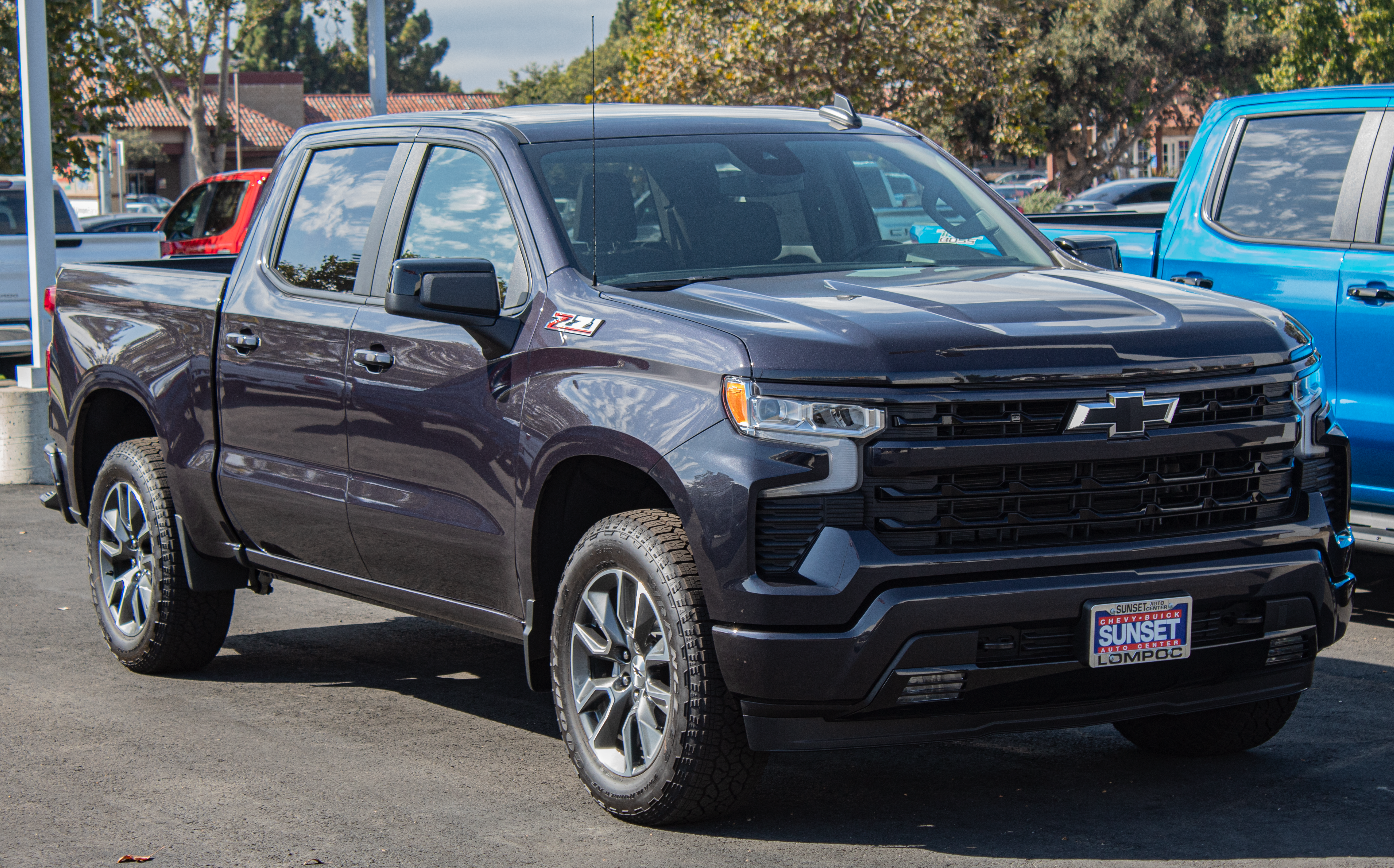
Chevrolet Silverado
The Chevrolet Silverado is one of GM’s main pickup trucks. The update schedule is being pushed back from 2028 to later, according to the hosts.

Gmc Sierra
The GMC Sierra is a big pickup truck. The hosts say GM is pushing back updated versions that were originally expected around 2028.
plug-in hybrids
A plug-in hybrid is part electric and part gas. You can charge it from a plug, so you can drive on electricity for shorter trips before the gas engine helps out.

Ford Orion
The Ford Orion refers to a new vehicle platform being built at Ford’s Orion plant. It’s designed to support new engines, including plug-in hybrid versions that can run on electricity for short trips and also use gas. This matters because it affects what kinds of future cars can be made there.
extended-range EV technology
This is an electric car idea where you still drive like an EV, but a small gas engine can make electricity when the battery is low. That can help you go farther without charging as often.
driver assist tech
Driver assist tech is software that helps you drive, like keeping you in your lane or slowing down to avoid a crash. It’s not the same as fully self-driving, but it can reduce workload for the driver.
dealer councils
A dealer council is a group of car dealers working together. The segment says a memo warned dealers to watch contract language that could limit their ability to organize.
CADA
CADA is referenced as the organization issuing a memo to Canadian dealers about franchise/dealer rights and contract language. In this segment, it’s central to the discussion of how dealer groups may be affected by factory-owned store strategies.
BYD
BYD is a company that makes electric vehicles and batteries. The hosts say BYD is preparing to sell cars in Canada soon.
Geely
Geely is a Chinese automaker involved in EV development and global expansion. Here, it’s mentioned as one of the companies building Canadian sales networks with potential late-year launches.
Cherry
“Cherry” is mentioned as another Chinese automaker trying to sell cars in Canada. It’s probably referring to Chery, which is known for expanding into new markets.
next-gen electric trucks
This means the next wave of fully electric trucks a company plans to build. If they delay it, it usually means they don’t think the market (or rules) is ready yet, or they need more time to make the plan work.
Factory Zero
“Factory Zero” is GM’s branded name for a Detroit-area EV production facility meant to symbolize the company’s electric future. The segment describes operational setbacks—shutdowns, layoffs, and concerns about product readiness—showing how factory strategy can change when EV timelines slip.
hybridize
“Hybridize” means switching from fully electric to a mix of electric and gas (or adding a hybrid option). The idea is to keep the factory productive even if the fully electric plan is taking longer.
Route 1 Fusion
Route 1 Fusion is software dealerships pay for to help people shop for cars online. It’s meant to make the process clearer and faster, including estimating your trade-in value and setting up appointments.
digital retail solution
Digital retailing means buying steps that used to happen only in the dealership now happen online. The goal is to help shoppers understand pricing and trade-in value sooner, so they can decide faster.
trade and valuation feature
This feature helps estimate what your current car might be worth as a trade-in. The idea is that if you know the rough value and how it affects your payment, you can make decisions faster.
online to in-store transition
The “online to in-store transition” is the handoff from digital shopping to a dealership visit. The segment frames software features (like trade valuation and scheduling) as ways to make that handoff smoother and reduce friction that can slow down deal progress.
appointment scheduling
Appointment scheduling lets customers pick a time to come in without calling around. It helps the dealership and customer line up faster.
pre-qualification tools
Pre-qualification is an early step where the dealership (or its software) estimates what kind of financing or payment you might qualify for. It helps you understand payments sooner instead of waiting until you’re in the store.
credit-based payment options
This means the system estimates what your monthly payment could be based on your credit. It’s meant to give you a clearer idea of payments before you visit the dealership.
Subaru
Subaru is a car brand. The hosts mention it because Amazon is expanding which brands are available through its online car-selling platform.
Mazda
Mazda is a car brand. The segment mentions it as Amazon adds more brands to its online car-selling platform.
Jeep
Jeep is named as one of the automaker brands being added to Amazon’s vehicle-selling platform. This is relevant to listeners because it indicates the platform’s growing brand coverage beyond the initial Hyundai partnership.
Chevy
Chevy is short for Chevrolet. The hosts mention it because Amazon is adding more car brands to its online car-selling program.
Roarman Automotive Group
Roarman Automotive Group is a group of car dealerships. In this story, they’re using Amazon to put their cars online and reach more buyers.
Amazon dealer storefronts for used and new inventory
They explain how dealers can put their inventory on Amazon, starting with used cars and then expanding to new cars. The timing and rollout matter because it determines which locations and brands are live when.
Kia
Kia is another car brand mentioned in the segment. The dealership group says it launched Kia stores on Amazon for new models.
Hyundai
Hyundai is the car brand mentioned here. The dealership group says it added Hyundai stores on Amazon for new models, not just used cars.
early adopter vs late adopter
The hosts discuss the idea of adopting a new sales channel early versus waiting until it’s proven. In this case, the guest says they prefer to vet new programs first, then join once there’s more structure and marketing support.
lead handoff
A “lead handoff” is when an online inquiry or checkout-started customer is transferred from a platform (here, Amazon Autos) to a dealer so the dealer can continue the sale process. The segment emphasizes that reps are “hands-on” to ensure leads are acknowledged and availability is confirmed before moving forward.
matchback
Matchback is a way to connect what someone did online with what they did later in real life. In this case, it would show whether people who looked at a car online ended up going to the dealership.
attribution
Attribution means figuring out what actually led to the sale—like whether the customer came because of the online listing. They’re saying they don’t fully know that yet for people who browse online and then go to the dealer.
Amazon Autos
Amazon Autos is an online marketplace where car dealers can list cars for sale. The big question is whether enough people actually use it to buy cars, not just view listings.
impressions
Impressions are basically how many times people’s screens show the listings. Lots of impressions mean people are seeing the cars, but it doesn’t guarantee sales.
consumer adoption of a new buying model
The segment frames success as not just traffic, but consumer adoption—whether shoppers are willing to change how they buy cars. Even with strong site activity (impressions), sales depend on customers embracing the new workflow.
checkout process
The checkout process is the steps a buyer goes through to finish the purchase online. If it’s easy and fast, more people are likely to complete the sale.
subscription based
Subscription-based just means paying regularly (like monthly or yearly) to use a service. Here, the dealership is trying to understand whether Amazon’s help would cost money over time and how that cost would be justified.
third-party platforms
A third-party platform is a website that helps bring car shoppers to a dealership. Instead of the dealer doing everything themselves, the platform helps with leads, and the dealer then checks whether it’s profitable.
likecars.com
They’re comparing Amazon’s possible deal to what dealerships already pay for on other car-shopping websites. The idea is that this wouldn’t be totally new—dealers would likely measure results the same way.
ROI
ROI just means “are we getting our money back?” The dealership wants to know if paying for or using Amazon’s platform leads to more sales and repeat visits that justify the cost.
data ownership / consumer profile data
They’re talking about who controls the customer information. If Amazon holds the customer profile, the dealership may worry about losing control of marketing and targeting—even if the dealer still handles the sale.
record keeper of sales
They’re saying Amazon may hold some customer information, but the dealership still keeps the official sales records. That’s important because it helps the dealer prove what happened and continue selling and servicing the same customer later.
third-party marketing provider
A third-party marketing provider is a company that helps you advertise, but it’s not your own dealership. Dealers pay them to get ads in front of customers, and those services usually track what people do online.
Google is being used as an example of where dealers pay for ads. The key point is that ad platforms track user behavior so ads can be targeted more effectively.
data of the consumer
They’re saying these platforms keep information about what shoppers do online. That helps the platform show more relevant ads and experiences to each customer.
omnichannel experience
Omnichannel just means the buying experience works smoothly across different places. For example, you can browse online and then continue easily with the dealer without starting over.
online car retail platforms
Online car retail platforms are websites/apps where you can shop for cars like you would for other products online. The big change is that dealers have to compete with that convenience and delivery experience.
Carvana
Carvana is a company that sells cars mostly through an online process. People can buy a car without going to a dealership first, and it gets delivered.
CarMax
CarMax is a big used-car seller that also lets you shop online. The point here is that customers can buy and get cars delivered without relying only on a traditional dealership visit.