
Neue Class EV platform
BMW is talking about a new “base” for future electric cars. Think of it like a new EV architecture meant to make building cars cheaper and easier at scale.
EV market resets
When they say the EV market is “resetting,” they mean the rules are changing—like fewer people buying EVs than expected, or prices and competition shifting. Automakers then have to adjust their plans.
Supply chain disruptions
If a factory can’t get one important part, it may have to stop building cars. That’s what supply chain disruption means—things don’t arrive when they’re supposed to.
NAFTA
NAFTA was the older trade deal between the U.S., Mexico, and Canada. Even though it was replaced, people still use the term when talking about how cross-border parts and cars are handled.
aluminum
Aluminum is a common lightweight metal used in cars. If there isn’t enough available, carmakers can’t build parts on schedule.
resin
Resin is basically a type of plastic used to make car parts. If resin supply tightens, factories may not be able to produce those plastic components in time.
production line shutdown
If one key part doesn’t show up, the whole assembly process can stop. That’s why missing parts can cause big delays.
Denso
Denso is a company that supplies parts to carmakers. If parts or materials get disrupted, Denso can lose money because its deliveries and production get affected too.
USMCA trade deal
USMCA is a trade agreement between the U.S., Mexico, and Canada. Car companies depend on it because it can change the cost and rules for shipping parts and selling cars.
affordable models
Affordable cars are the cheaper models that sell in high volume. If costs rise because of trade rules or missing parts, those cheaper cars can become too expensive to make.
Volkswagen's production playbook
They’re saying Volkswagen’s old way of doing things (design in one place, ship everywhere) isn’t working as well anymore. The world is getting more complicated for shipping and costs.
Localization
Localization is when a company builds more of its cars (or key parts) closer to where they’re sold. For automakers, that can mean fewer shipping problems and better pricing.

Volkswagen Passat
They’re saying the Chattanooga factory started by making the Volkswagen Passat. Later, the factory shifted to other models, which is common when companies change what they want to sell.

Volkswagen Atlas
They’re pointing out that Volkswagen now builds the Volkswagen Atlas in Chattanooga. That’s an example of how factories can switch to different models over time.
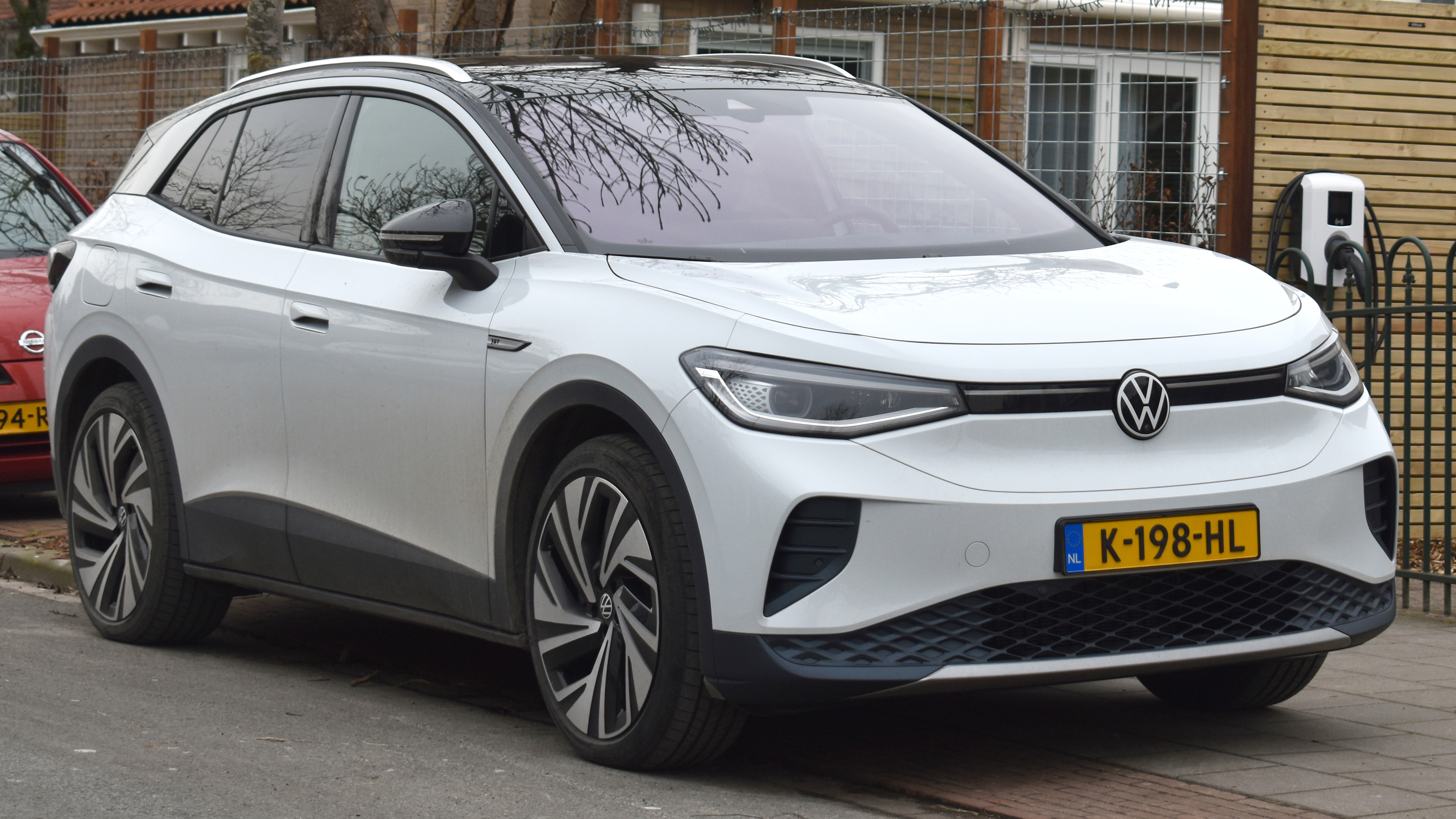
Volkswagen Id4
ID.4 is Volkswagen’s electric SUV. They’re saying production of the ID.4 in Chattanooga is ending, which changes what cars that plant will make next.
Audi
Audi is the brand they think would benefit most. The reason is that Audi currently brings in all its cars instead of building them in the U.S., so making them locally could help.
Imports vs. local production
They’re comparing two ways of getting cars to customers: importing them or building them locally. Local building can make things more reliable and sometimes cheaper.
local US production
Local US production means the cars are made in the U.S. instead of shipped in from overseas. That can help dealers get cars faster and can reduce costs for the company.

Neue Class
Neue Class is BMW’s next big EV “foundation” (platform). It’s basically the new design and engineering base that future BMW electric cars will use, and the timing matters because it has to be ready before deliveries can start.
EV demand resets
They’re saying EV demand is changing—some places are buying more or less than expected. When that happens, car companies have to rethink timing and planning so they don’t build too many (or too few) cars.
active rollout
“Active rollout” means the new technology is no longer just in planning—it’s being put into cars that customers can buy. It usually happens in steps, not all at once.

iX3 (G08)
The BMW iX3 (G08) is an electric SUV from BMW. Instead of using gasoline, it runs on electricity from a battery. The podcast is talking about when this electric model was first introduced and when customers started receiving it.

BMW 7 Series
The BMW 7 Series is BMW’s top, luxury sedan. BMW sells it with different kinds of power—gas, plug-in hybrid, and electric—so different buyers can get the same overall feel and features, just with different technology under the hood.
plug-in hybrid
A plug-in hybrid is a car that uses both gas and electricity. You can charge it from a plug, and it can still run on gas when the battery runs low.
EV
EV means electric vehicle. It runs on electricity from a battery instead of using a gas engine as the main power source.
technology openness
“Technology openness” means customers can pick the type of powertrain they want. The idea is you shouldn’t have to give up the car’s overall feel just because you choose gas, hybrid, or electric.
spreading development energy too thin
The concern is that making lots of different versions of the same car—gas, hybrid, and electric—might make it harder for engineers to focus. The speaker says they don’t see it as a problem because different countries want different kinds of cars.
EV adoption in the 18-90% range vs 5% range
They’re saying EV popularity isn’t the same everywhere. Some countries buy lots of electric cars, while others buy very few, so BMW needs different powertrain options to match local demand.

BMW 3 Series
The BMW 3 Series is one of BMW’s most important model lines and is referenced here as part of BMW’s “roots” in sedans. The discussion uses it to frame why BMW still sees a future for large sedans even as SUVs dominate market share.

BMW 5 Series
The BMW 5 Series is a mid-size luxury sedan. It’s mentioned to show that BMW has built a lot of its reputation on sedans for decades.
subscription offerings
A subscription offering means you pay for certain car features over time. In this case, BMW includes the software/service suite for a few years, then you can choose to keep paying to use it.
level three
“Level three” refers to SAE driving automation levels, where the car can handle driving tasks under certain conditions and the driver may not need to continuously monitor. The speaker says BMW has never had “level three” in deployment, contrasting it with the company’s current assisted-driving capabilities.
Highway Assistant Plus
Highway Assistant Plus is a highway driving help feature from BMW. It’s designed to take over some tasks so you don’t have to constantly interact with the car, but it’s not the same as full automation where you can fully disengage.
theater screen
The “theater screen” is a screen for the back seats that folds down like a TV. BMW is saying it’s improved so passengers can use it more easily and connect their own devices.
panoramic eyedrive
BMW’s “panoramic iDrive” is a big display that stretches across the front of the car near the windshield. Instead of just one small screen, it shows information in a more immersive way so it’s easier to see while driving.
CarPlay
CarPlay lets you use your iPhone through the car’s screen and controls. It’s one way to get apps like maps and music into the BMW without switching entirely to BMW’s own system.
Android Auto
Android Auto lets you connect an Android phone to the car so you can use apps on the car’s screen. BMW is saying it still supports this even as it builds its own deeper, car-integrated tech.
native infotainment
Native infotainment is the car’s own built-in tech and apps. The advantage is it can use information from the car itself—like battery status—to give better guidance than a phone-only setup.
smartphone mirroring
Smartphone mirroring is when your phone’s screen/apps show up on the car display. BMW is saying that’s helpful, but their native system can do more because it can “talk” to the car directly.
vehicle data streams for EV routing and charging
For electric cars, the best navigation isn’t just “where to go”—it also needs to know how full the battery is and when you’ll need charging. BMW is arguing that their connected system can use car data to plan charging and routing better.
battery preconditioning (warming up the battery before charging)
Before charging, some EVs warm up the battery so it’s ready to take power. That can help the charging go faster and feel more consistent.
charging station
A charging station is where you plug your electric car in to add battery energy. The car can plan the trip so you stop at the right place and don’t arrive with too little charge.
Beijing Auto Show
The Beijing Auto Show is a major event where automakers and suppliers showcase new models, technologies, and branding strategies. In this segment, it’s used as a lens to discuss how Chinese automakers are positioning themselves.

G-Class Gwagon
A “G-Wagon copy” means another car tries to look like the Mercedes-Benz G-Class. They’re saying some companies used to copy the style, but now they’re making their own designs.