Towing means pulling something heavy behind your vehicle, like a trailer. This makes the vehicle use more power and go less far before needing a recharge.
The Honda Accord is a popular car that many people trust because it doesn’t use too much gas and lasts a long time. It’s a good choice for everyday driving.
The BMW iX is a fancy electric SUV that’s comfortable and has lots of smart technology. It doesn’t use gas and is made for people who want a luxury electric car.
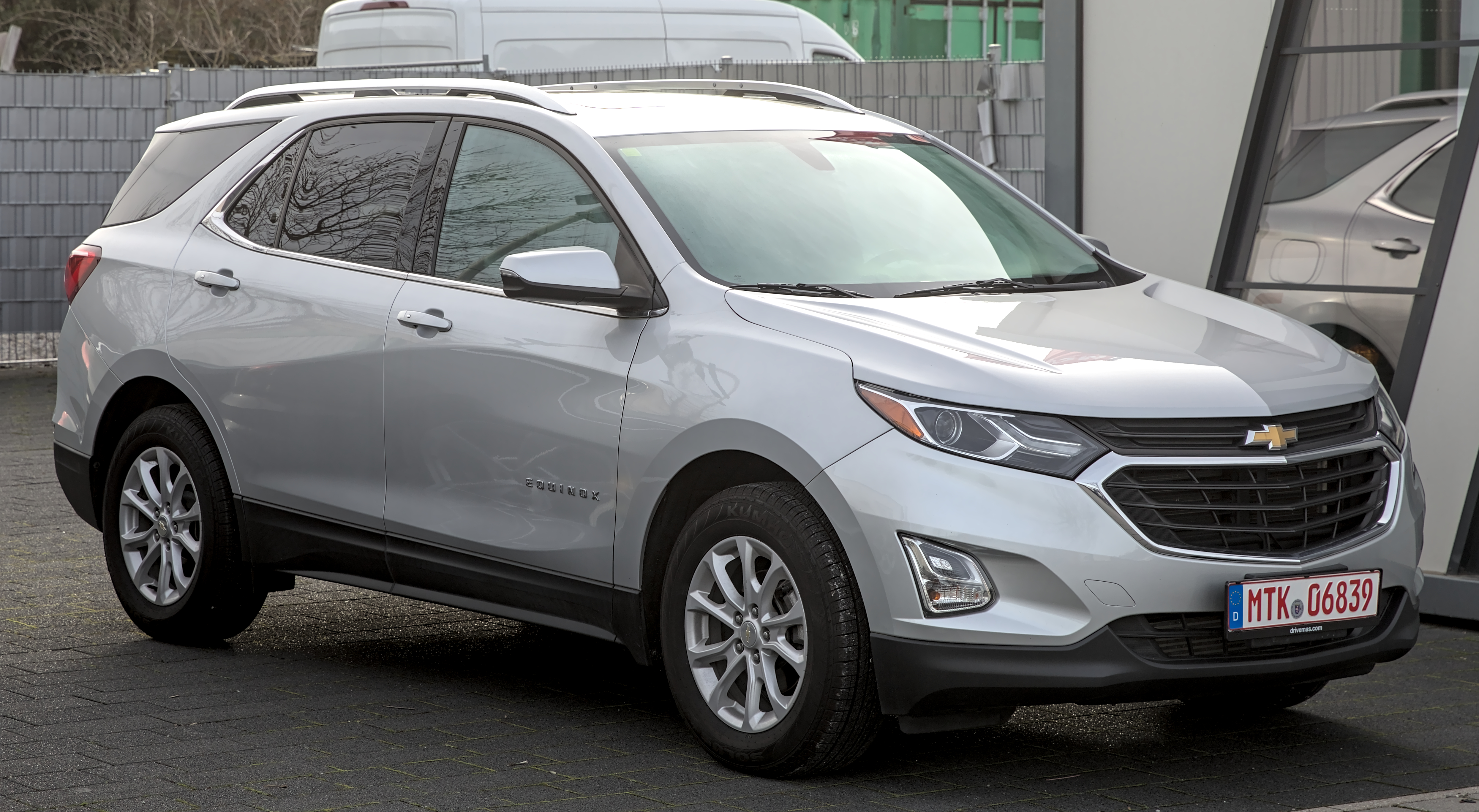
The Chevrolet Equinox is a small SUV that’s easy to drive and good for families. The new electric version doesn’t use gas and is better for the environment.
The Tesla Model 3 is a small electric car that goes far on a single charge and has lots of cool features. It’s one of the most popular electric cars today.
The Ford Mustang Mach-E is a new electric SUV that uses batteries instead of gas. It has gotten better over time, with fewer problems and better service from dealers.
Fixing electric cars is different from fixing gas cars because they have batteries and electric motors. Mechanics and dealers have had to learn how to work on these new parts.
Convenience charging means plugging your electric car into a charger you find while you're out, like at a store or restaurant, to add some battery power.
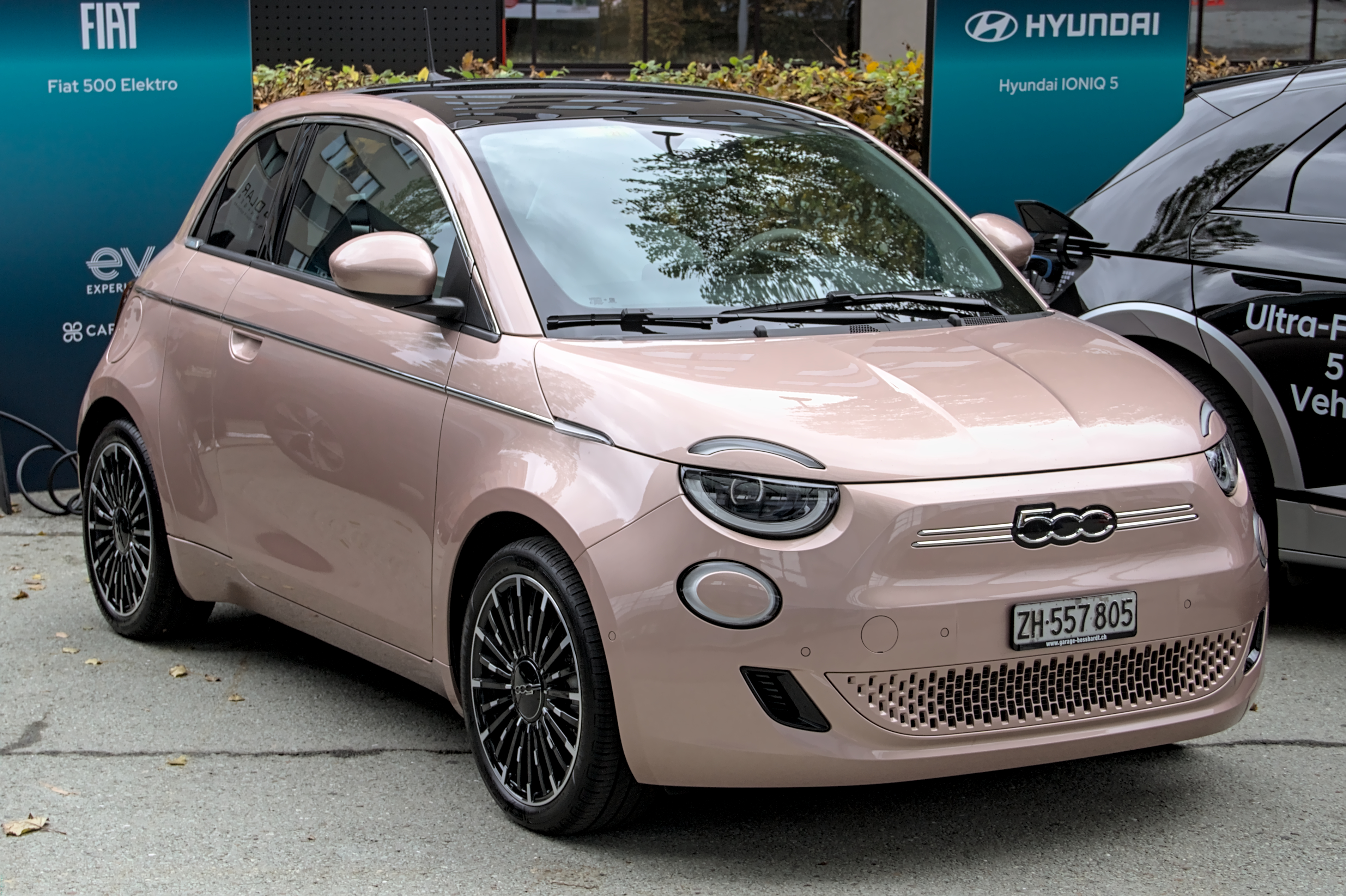
The Fiat 500E is a small car that runs only on electricity, so it needs to be charged like a phone and can only go a certain distance before needing more power.
Charging stops are when you stop driving your electric car to plug it in and get more battery power, sometimes using that time to rest or do other things.
Tire studs are little metal pieces that stick out of winter tires to help the car grip icy roads better. They can make a clicking noise when driving on dry roads.
A concussion is when your brain gets hurt because of a hard hit to your head, which can happen in car crashes. It can make you feel dizzy or confused and is important to take seriously.
IndyCar racing is a type of car race where special fast cars race on big tracks, sometimes going very fast on oval tracks or twisty road courses. It's different from NASCAR because the cars look different and race in different styles.
The Pontiac Grand Prix is a type of car made by Pontiac. It was popular for being comfortable and a bit sporty. People have been buying and driving these cars for many years.
A daily driver is a car that someone uses every day to get around, like going to work or running errands. It's a car you can count on to be ready whenever you need it.
LIVE
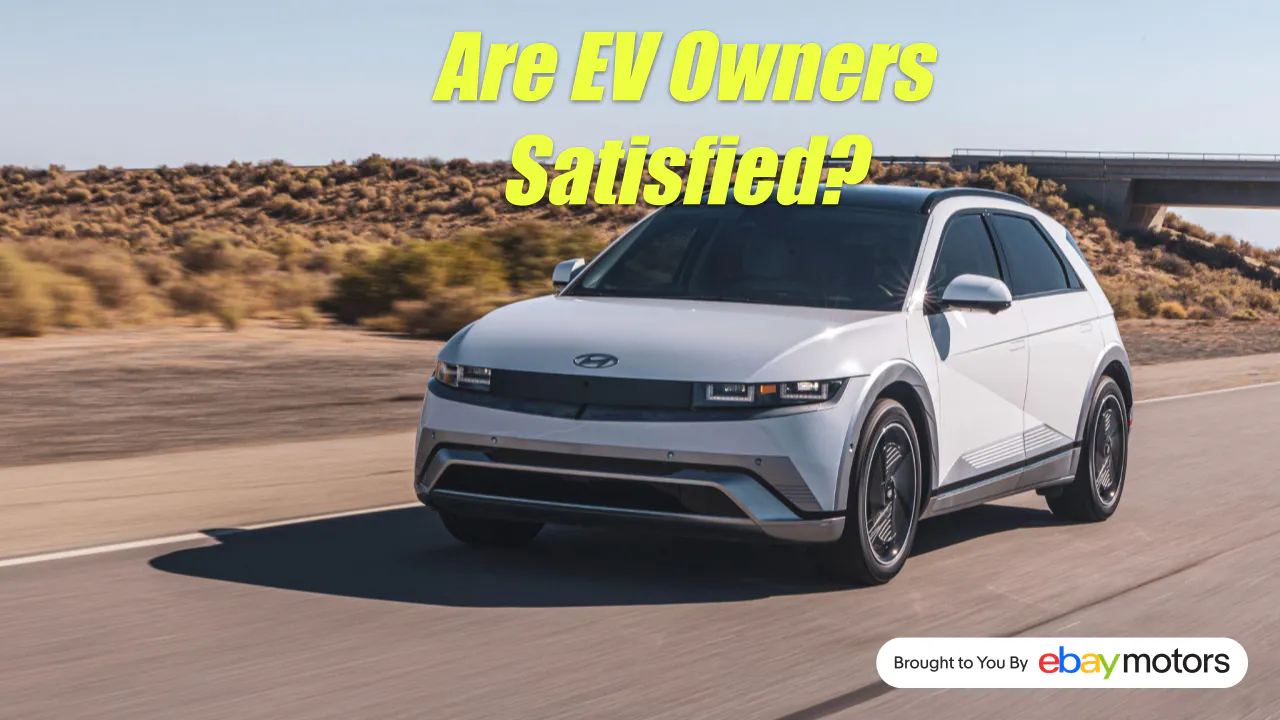
Hello, and welcome to the Truthbox Cars podcast. I'm Tim Ealy, the managing editor, and this
week we talk EV ownership, NASCAR in Texas, winner tires, and more. We visit with Brent
Gruber from JD Power about EV ownership satisfaction. T-Tech contributor Matthew Guy talks about
the tires, and we recap NASCAR at Kota. But first, we're from our sponsor, eBay Motors.
This message comes from eBay. The worst part about loving cars might just be buying them,
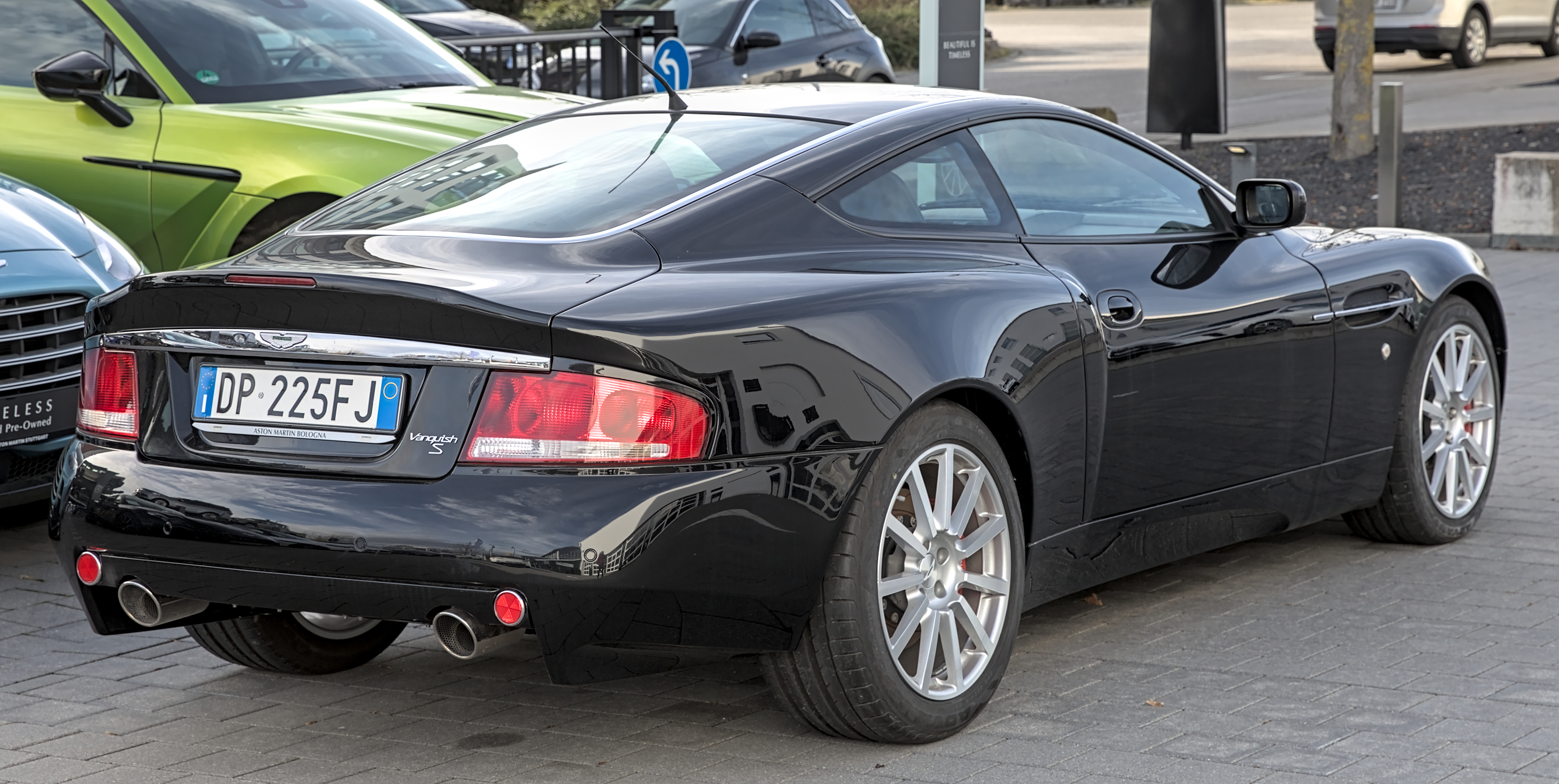
and all the parts. From Toyotas to Aston Martins, eBay has thousands of cars,
and the largest online selection of vehicle parts and accessories. eBay, things people love.
This week on the Truthbox Cars podcast, we're talking with Brent Gruber from JD Power. He is
the executive director of electric vehicle practice. Did I get your last name pronounced
right and your title correct, Brent? You did. That's right. Thank you. Awesome. We're talking
today about JD Power looking at EV owner satisfaction improving, even as regulatory and
incentive, I'm kind of paraphrasing and press release here, even as regulatory and incentive
uncertainties create challenges. We know, and we just recently chatted with another analyst
in the industry about the lack of the EV tax credit going away. We want to go a little
more holistic than just EV tax credit on this one. We're going to go take a look with Brent
here on what's happening with EV. Brent, walk us through what you've seen to start.
Sure. Well, first of all, thank you for having me on the show, Tim. Really appreciate it.
There's certainly no shortage of volatility within the EV space. As you mentioned,
the tax credit has gone away. It's changed things considerably, but I think there's some silver
lining that we're seeing in all of the customer feedback that we're getting. We survey thousands
of electric vehicle owners and prospective owners throughout the course of the year. From an owner
perspective, we're seeing that satisfaction is at an all-time high. Electric vehicle ownership is
on the upward trend. These people are certainly enjoying these vehicles. There's one thing that
the tax credit was really good at doing, and that was getting people into electric vehicles who may
not have considered them otherwise. Once they got into those vehicles, they found that they really
liked them. So satisfaction is at a peak right now. Why is that? Why is satisfaction, you said
people like them, but why are they liking them? Is it not needing to get gas? Is it the
relatively quiet operation of most EVs? Is it instant torque? Is it something to do with
something else in the market? Is it maybe something that doesn't even have to do with
an electric vehicle? Maybe it's just because they're new cars. Can you shine a spotlight on that?
Sure. Yeah. It's all of those things you mentioned and more. Another thing that we saw
with the tax credit being in place is moving more towards mainstream consumers. In the early days
of electric vehicles, we saw a lot of early adopters. Then as we progressed, we started to see
more mainstream-type consumers come into the fold. A lot of those consumers had hesitations
with electric vehicles around the range. You hear a lot about range anxiety and concerns about
public charging and the availability of public charging. There were some very real concerns
there by consumers. What we found is when people got into those products, the real-world experience
didn't really match what their expectation was going in. They're pleasantly surprised.
They love the idea of reduced maintenance. They love the idea of not having to go to a gas station.
Those performance characteristics that you mentioned, that it's quiet, the acceleration,
a lot of times these products are at the forefront of automotive technology as well.
They're very feature-laden products. Consumers really like that aspect of it.
Yeah. That makes sense. I'm trying to figure out how to phrase this. You're saying consumers
like EVs, they find out that they like them more than they thought. How much of that is the second
or third? Someone who owns a second or third EV and how much of it is someone who is in their
first EV and really just figuring out that, hey, it's not so bad. Yeah. Well, one thing we do find,
and we've seen this consistently throughout the six years now that we've done this study,
is that once somebody does get into an electric vehicle, there's a very high likelihood
that they'll consider purchasing another one. There's a pretty sizable percentage of people
who have previously owned EVs, but the vast majority are actually first-time
electric vehicle owners. Another byproduct of that tax credit was getting a lot of first-time
owners into the EV fold. Those consumers that have those high levels of satisfaction,
it's really this surprise and delight with those products largely among those first-time owners.
Yeah. One thing you mentioned in your study as well is ownership experience and being educated
on what EVs are and how to live with them and that sort of thing. Has that changed? I think
early on in the adoption of EVs and even the adoption of hybrids and extended range electric
vehicles like the Longong now, Chevrolet, Vault or some plug-in hybrids, I think there was a lot of
hand-ringing on our side of the business, whether journalists and analysts especially,
thinking that maybe dealers weren't doing a nice job, a very good job to explain to consumers
how EVs work. They weren't really trying to sell them. They weren't trying to sell them,
because they want to sell cars, but they weren't trying to educate their customers. They were
just like, hey, this is whatever. This is the best car for our dealership to make profit off of
trying to get out the door. Sounds like you're seeing some more education on the dealer end
or maybe from the OEMs or maybe even from people like myself or yourself who are trying to inform
consumers via news media or press releases on the analyst side. How has consumer education of EVs
improved? Yeah. Great question. I'm glad you brought this up. From a dealer or manufacturer
perspective, it really hasn't improved. Surprisingly, these years that have passed
since EVs became mainstream product, the education component from the dealer side really
hasn't improved. In fact, going from last year to just this year alone, we saw this increase in
the percentage of EV buyers who said that they didn't receive any education from their dealer
representative at the point of purchase. Now it's 41% last year was 37%. So a really high
percentage of people who said that they didn't receive any education. But there's an abundance
of information that's out there in addition to existing EV owners who help educate prospective
EV owners. I'm sure we've all had friends or family members who've considered buying electric
vehicle and were able to convey the value, the benefits of those products to them. And so there's
a lot of education that's occurring from friends and family as well as additional sources. Like you
said, analyst, lots of online articles. There's certainly an abundance of education. Unfortunately,
we do still see a considerable gap on the dealer side though. Okay. Yeah. That makes sense. You
kind of touched on it already, but we still talk about as an industry, we still talk about lack of
charging infrastructure, like a fast charging people who live people like myself who live in
multi unit buildings who can't charge easily in their garage. I had to have a garage, but the
charging is not allowed. Just because it's an over I don't know why I think it's because it's an
older building. But and for me, the near fast chargers, I'm in a pretty urbanally dense part
of Chicago and I can find a fast charger. There's a lot near me, but not all of them work very well.
So that's obviously been an issue. I know range anxiety is becoming less of an issue as newer EVs
have increased ranges. But again, you still run into trying to find a charger in a rural area,
sometimes on a road trip. MSRP's are still high across the board, both for EVs and just cars in
general. There's obviously other things that are concerned that are a concern that may prevent
someone from buying EV. But how are EV buyers kind of dealing with this? It sounds like that people
are kind of adjusting in whether it's buying a charger at home or or something else like that.
They're just kind of or maybe they just have a second car and ice car second car, but it sounds
like they're adjusting okay. Yeah. Yeah, I think that's a fair statement. They're definitely adjusting.
You know, those like I mentioned, those range anxiety issues, the charging issues, those are all
valid concerns. But you know, when people buy these products and live with them throughout their
daily lives, they realize that they're really not as much of an impediment as they had anticipated
going into it. And when we looked at the satisfaction scores for this current year versus last year,
some of the biggest improvements we saw were in the battery technology and then the charging
infrastructure side. So as you mentioned, ranges are increasing, batteries are becoming more efficient.
You know, so the bigger range is certainly helps with the range anxiety. And you know, consistently
we've seen in another study of ours that the biggest deterrence for new vehicle shoppers
to consider purchasing an electric vehicle is this perception that public charging isn't readily
available. And in this ownership study, that was one of the biggest areas of improvement,
the availability of public charging skyrocketed this year. And we have another study, we do a
public charging specific study, and we've seen considerable improvements in that study as well.
So chargers are going in the ground at an increasing rate, you know, they're building out
public charging infrastructure, it's becoming more reliable. The reliability rate for public
charging is at its highest rate ever since we began measuring that six years ago. So there's
a lot of positive signs on the charging side, for sure. Yeah, and I was thinking about this too,
as you were answering, I can't speak for everybody, nobody can, of course, but
you, if you live in a suburban or urban area with either accessible home charging or a fair
amount of fast chargers nearby, and those fast chargers tend to work, which is always, you know,
can be dubious at times, assuming they're working as planned, I think, you know,
most of your driving can be done without worrying about range anxiety, I think really at the end of
the day, range anxiety is going to start only really only really start sneaking in if you have
long commutes, or a lot of road trips, and even then, it's really going to depend on where you're
going, because if you're going places that don't have easy charging, then yeah, it'll be concern.
But if you're driving, you know, across your metro area and back, you probably don't need to worry
about the way you did 10 years ago. Absolutely. Yeah, I think, you know, something that really
stands out when you look at some of these EV owner numbers is just the high rate of home
charging that occurs, right. So about 82% of regular charging occurs in the home environment.
In those instances where consumers do charge in public, it's not really all that frequent.
It's typically road trips, or like you said, you know, maybe long commutes or whatnot. And,
supportive of those instances, you know, there's certain use cases where you see, you know, the
range dropped considerably. Right now, there's a lot of options for electric pickup trucks,
right. And, you know, people are using those to tow, we find that a very high percentage,
about 30% of those electric pickup truck owners use those vehicles to tow on a pretty regular
basis. And that depletes the range pretty quickly. And so, you know, on a use case perspective,
there are certain things that require a lot more range. But the typical average general use
is very conducive to the ranges that you see in these electric vehicles. We figured that
based on a typical average use, you're looking at about five days on average between complete charges.
Wow, that's not that far off of, I don't own a car anymore, because I have access to test cars on a
frequent enough basis. And I also work from home, so I'm not filling, you know, most test cars roll
through my garage without needing to get gas, or electric, or even recharge when it's an EV. I usually
don't, I don't normally put enough miles, even, I put enough miles on to get a review, which can be
anywhere from 60 to a couple hundred. But that's usually not enough to require a refill of a gas
tank or, or recharge an EV depends on the car, of course, obviously. But when I was still working
in an office and still own my own vehicle, and I had a fairly fuel efficient, for the time,
late nineties, Honda Accord, you know, was probably getting around 300, 330 miles to a tank, depending
on the traffic conditions, that sort of thing, anywhere between 280 to 320, depending on the
type of driving I was doing. And so that would be about a week to 10 days. So now you're telling me
of five days, between charges, that's, that's fairly close. I mean, I would say a lot of people
get gas every week, probably, and I think, depending on their cars range and MPGs, and I think a lot
of other people are around 10 days. So you're halfway there on the best fuel engine, or excuse me,
best internal combustion engines, and I don't know, almost all the way there on some of the lower end
stuff. So that's got to be, that's got to be a big change. It's pretty impressive.
Yeah, we're definitely seeing that steady increase in the ranges. And in fact, you know,
there's a pretty sizable percentage of consumers out there who have relatively short commutes,
where a plug-in hybrid electric vehicle might be sufficient for them, right? Those typically have
electric ranges of give or take around 30 miles. You know, for the average American, you know,
their commute is short enough to where even something like that could be a viable option for
them. But, you know, on the full electric side, the battery electric side, you know, these ranges
are averaging close to 300. So it's, it's a, it's a pretty sizable number that's comparable with,
to your point, a lot of these internal combustion power vehicles that are out there.
Yeah, with that, we'll take a quick break for a word from our sponsors, and then we'll come back
to talk about individual vehicles that you, that are part of this study.
This week on the Fifth About Cars podcast, our guest is Brent Gruber from JD Power, and we're
talking EVs, and especially EV, EV ownership, you know, kind of how EV owners feel about their
vehicle's owner satisfaction in a time when the tightest turn to, I don't want to say the tightest
turn fully against EVs, but the regulatory environment is more challenging for EVs than it
was a year ago. And also, also the, the idea of just, you know, the market changes and there's
been some pullback on EVs. So with that, we've been kind of looking at EV owner satisfaction.
And we want to look now at individual vehicles. So looks like you guys over at JD Power, Brent
have the BMW iX highest overall, and the BMW i4 and Rivian, excuse me, Rivian R1S, and then
those are kind of a, in the premium segment, and then you're looking at more mass market in the
Hyundai iNX6, which I totally get. That's a very good car. And the Kia EV6 as well as the
Chevrolet Equinox EV, which I don't think I've driven yet. So why do these models stand out?
What do they do that got them such a high score? Yeah, so first and foremost, we do award the
highest performing products within two categories, those being the premium products and the mass
market products. And in the JD Power world right now, we consider Tesla to be a premium brand.
And so the Tesla Model 3 was the highest ranked product in the premium segment this year. And
it was the highest scoring overall. And in the mass market segment, the Ford Mustang Mach-E
won the award in that segment. But a number of high performing products in both of those
categories from, like you said, BMW, Kia, Hyundai, all of those brands have some high
performing, better than average performing products. And when we look at the performance
of those products in particular, and see why they perform so well, there's a number of things that
really stand out. You know, in the case of Tesla, they do have that substantial charging network,
the Tesla Supercharger network that's still an advantage for Tesla, despite the fact that it's
now open to non Tesla owners, there are still some advantages there for the Tesla owner. And so
that's that's a key contributor to high satisfaction with Tesla models. There's been some significant
improvements in the quality of the Tesla products in the past couple years. The battery ranges are
continuing to improve. And so that really kind of stands out for those those Tesla models. And
then the Ford Mustang Mach-E really big quality improvements year over year. So some some solid
efforts and improvement on the quality side. And Ford has done a really good job of servicing
that product as well. That's another area that stands out in the early iterations of this study.
We saw manufacturers having challenges with serving servicing these electric vehicles,
you know, it's really new to a lot of dealers. But those dealers have adjusted consumers,
you know, have a considerable amount of trust in their dealer when servicing
those electric vehicles now. And that's an area that Ford has really made considerable gains. And
one of the reasons why the Mach-E rated so well. But there's a couple other common themes when you
look at all of these top products, driving enjoyment, right? People love to drive these
products, the quietness like you mentioned earlier, the acceleration, that instant acceleration,
the features, the technology that really stands out. And there's a value proposition
with some of these products as well. So reduced maintenance, avoiding the fuel the gas stations.
And then I think there's there's a cost of convenience that's factored into that as well.
So again, not having to go to the gas station saves you time. It's really convenient for you
the owners to just kind of jump in their fully charged vehicle in the morning and go, you know,
precondition it so the cabin is warmed up or cooled down, whatever you need. There's a convenience
that electric vehicles offered that ice vehicles just simply can't compete with. And so that that
cost of ownership is a key differentiator for some of these products as well. What are some
vehicles that didn't score? Actually, before I ask that question, I want to say I'm not surprised
that all the I'm going to tutorialize a little bit here. I'm not at all surprised at the INE6 and
the EV6 doing well. Those are those are two really good cars. The INE6 had the first time I drove
on already had pretty good pretty good range compared to its competition. And it's a very good
very fun vehicle to drive. And it's kind of cool looking too. So all right, got that out of the
way. Now I'm going to ask my question. What vehicles did not do so well? What EVs didn't do
so well on this on this study here? So on the mass market side, some of the GM products didn't
bear all that well this year and their platform mates. So in this case, the Honda Prologue, which
is a shared platform with the Chevy Blazer. Those were the two lowest performing products
within that segment. There were some quality issues there with those products. And on the
premium side, at the bottom of the rankings there, the Audi Q6 and the Rivian R1T,
similar to what we saw on the mass market side, there were some some quality issues with with
some of those products. Okay. Yeah. And then just switching back to a more generic question,
you mentioned just a few seconds ago, the convenience of charging at home. How many buyers,
how many EV buyers, excuse me, are charging at home every night and how many are kind of pushing
until the car is low? You know, that's the one difference between, I think, EV buyers and gas
buyers. Very few gas car owners or hybrid owners are going to put gas in their vehicle every night,
unless they actually, or unless they absolutely have to, like there's a fleet reason or something,
you know, maybe it's being used for deliveries or they own a corporate, excuse me, drive a
corporate vehicle, it has to be refilled. Most people who own it, at least in my experience,
and I think this is pretty universal, everyone pushes their car until it's down about a quarter
tank or less, and maybe some people to go where a quarter tank, some go when the low fuel light
pops on, some push as far as they can, and until the risking actually literally pushing the car
into the gas station. That's because most of us have to drive a little bit to a gas station.
You know, the nearest gas station to me is not far, it's a few blocks, but it's not as convenient
as my garage would be, right? And that's the case with just about everybody. But if you live in the
suburbs, you may have to drive five or 10 minutes to get to get gas. If you have an EV, obviously,
you can charge at home in your home garage, which might be for most people is right there,
unless you're in a communal apartment situation, which even then it's probably
still more convenient than a gas station. So how many people are actually charging overnight?
And how many are saying, well, you know, for whatever reason, maybe they're afraid it will
degrade the battery or maybe it's a convenience thing, maybe it's just they forget, maybe it's
just they want to like, you know, try and save a little energy. How many are charging overnight
and how many are waiting until they're at 20%, 10%, 5%? Yeah. So, you know, what we find is that
typically consumers are plugging in regardless of where their battery ranges at. So it's like
people on their cell phones almost. Right. Exactly. Exactly. Yep. You come home,
you pull in the garage or you pull in the driveway, pull up to the street, whatever,
and you plug in. And so, you know, oftentimes people will start with a full range in the morning,
you know, depending on their driving distances. But like I was saying before, you know, 82% of
electric vehicle owners are charging very frequently at home. And, you know, that's oftentimes just
plugging right in, you know, when you get home. That convenience of just charging up overnight,
just like you would your cell phone, like you mentioned. Especially if you know you're not
going anywhere that night. Like I know some people come and go, but if you come home from work or the
grocery store and it's seven, eight o'clock at night, and you're like, okay, well, I'm going to
make dinner and watch TV and if I have children, I may have to put them to bed. You might not go
anywhere that night or you might not plan on leaving the house again, you know. So that's
pretty easy to do. I know with my cell phone, I could probably go two nights without charging,
at least one night, maybe two without charging. It's a relatively new iPhone,
only about a year and a half old, I think. And, you know, those batteries do do great over time,
but I could, you know, the other night, a couple weeks ago, I forgot to charge it and went to bed
with like 65 or 70% and woke up with like 40% or 50%. It didn't even burn that much overnight.
There have been, sometimes I forget to charge it and it only moves a few percent. It really depends
on how many notifications I get overnight from news alerts and things like that. So I could,
in theory, not plug in for a couple of days, but I plug in every night just how to have it.
So I imagine EV buyers may be doing the same thing.
Exactly. Yeah. I mean, you know, these, like I said, these cars could go days without needing a
charge, but when you have access to home charging, it's so convenient to do so that they will just
plug in automatically, take advantage of that. Or, you know, in some instances, we see a lot of EV
owners do what I call convenience charging in public where, you know, maybe you're at a restaurant
or you're at a shopping center and there happens to be a charger there. And so you'll,
you'll top off while you're there that that convenience charge occurs in public as well.
But for the most part, you know, people are just plugging in overnight, whether they need to or
not. It's, you know, keeps the battery topped off. Let's expand that convenience charging a little
bit. So it's like you roll into a Panera bread or a Starbucks or something and there's a charger
and maybe it's free or really low cost and it's a fast charger and it's near,
it's a short walk from where you're going to park. You're at 75% but you charge just because
you're there. People do that. Yeah, absolutely. Yeah, you're right. There's a lot of level two
charging. So in the public charging domain, there's faster DC fast charging and then there's slower
level two charging. And level two charging is really that convenience type charging where
it's oftentimes free or significantly reduced cost. And so, you know, if they're at the coffee
shop and they're spending some time there, it's easy to just plug in, take advantage of that and
top off and a lot of consumers do that. I gotta say it makes sense to me. If you're going in for
lunch, that's going to be even a fast food lunch, eaten by yourself when you're in a hurry is probably
still 15 minutes, right? So, and for a lot of people, it's probably closer to 20, 30 minutes.
So, you're probably getting close to a full charge or especially if you have a 20 minute
charger, you know, some cars go from 10% to 80% 20 minutes. So, you probably, you might be even
getting more than you need. That's a very interesting way of, you know, as someone who tests cars,
I still not really fully live with an EV yet just because like I said, sometimes they don't have
enough miles in a week to really need to charge an EV. And even when I do need to charge them,
it's only one time in that week that I have the car, right? Once, maybe twice. If I put a lot
of miles on a vehicle, maybe have a short road trip or something. And so, or in oftentimes,
maybe I'm charging far from home and I'm charging near my house, I don't have the normal
day-by-day experience. So, I'm still kind of learning how people do this because
it's different obviously than driving a nice car. I never would have thought, you know,
when I owned my own car, I never would have thought, well, unless I'm on a road trip,
you know, a road trip you might try and combine using the bathroom and getting food just to
save time. But I never would have thought in the past, hey, I'm going to Panera Bread for Dinner
because that's what I want. And there's a gas station across the street. I'm just going to,
and I only need a quarter tank of gas. I'm going to put a quarter tank in there and I'll walk to
Panera and eat and let my car sit. And first of all, gas pumps way too fast for that. And second of
all, you know, almost no one with an ice engine thinks that way. So, it's a little interesting
to see people with EVs do that. Yep. Yeah, it is a little bit different behavior and that's part
of that learning curve for people who have never owned an electric vehicle before. When you start
combining some of these things, you start to realize how charging can be quite convenient when
you're pairing it with, you know, spending some time at the coffee shop or even let's say you're
on a road trip and you're depleting much of your battery range, you know, you pair it with a food
stop or a stop for the restrooms, right? It's convenient to pair those things up together to
take advantage of that because to your point, there's a lot of chargers out there now that can
charge up most of these electric vehicles in a pretty short amount of time. So, you know,
you talk about maybe a half hour give or take for a fast charge with a lot of these vehicles
versus, you know, what is it? Maybe 10 minutes for a gas station stop.
So, it's really not that much longer and then when you pair some of those things together,
like I said, eating, rest stop, you know, restrooms, whatever, you know, it really does kind of add
to the convenience of these products. Yeah, I ran into something like that. You, not quite,
it wasn't last year or the year before, driving from a press event in such rules counts in back
of Chicago. I was in a Fiat 500E. The event was about 150 miles from my house. The range in the
Fiat closer to about 100, 120 if you really stretch it. So, I needed to charge and I found a,
with some help from somebody who knew the area better than I do, found a Meyer store in suburban
Milwaukee and I was able to buy some stuff, some snacks for the rest of the drive with some stuff
I needed for the house anyway and just kind of ran into the store and spent 10 or 14 minutes in there
and then kind of took a little mini nap for the rest of the time for charging. And, you know,
at first I was annoyed like, oh man, I can't just go straight home. I have to stop and spend at
least half an hour charging. But on the other hand, I made the most out of it. Like I said,
I went into the store and bought some stuff I needed and stuff like that. So, you know, there is kind
of trying to make the best out of a different situation as opposed to, you know, a nice car.
So, I see what you're talking about there and now we only have a couple more minutes left. So,
before I let you go, Brett, I wanted to just ask you if there's anything we didn't cover
that you wanted to talk about. You've got about three or four minutes to kind of go over that.
Yeah. So, one thing I did want to expand on when I talked about higher satisfaction this year with
these products, you know, there's a lot of really great products that are out there on the market.
You know, we talked about a few of these models, but there's a whole host of them
that satisfaction is really high. What I'm really particularly encouraged by is the fact that
with the tax credit in place, when it was in place, it brought a lot of people into the EV fold
who leased those products. So, if you look at it before the tax credit, lease rates were really
low for electric vehicles and then it went up to about 60% when the tax credit was in place.
So, a lot of those people are going to be coming back over the next couple years as their leases
expire. And what that means is there's going to be a lot of newer, low mileage, really good EV
products coming out there. So, one thing we talk about in the auto space a lot lately is affordability.
Vehicles are really expensive. And so, if your listeners are interested in electric vehicles
and maybe they think that these prices are pretty high right now, just wait a little bit. There's
going to be a lot of really good off lease vehicles coming back that are going to be
much more affordable and, you know, a greater opportunity to get people into the EV fold.
Excellent. Excellent. That's great to know. So, again, we are, we, excuse me, we have been with
Brent Gruber from JD Power here on the TTAC podcast. And Brent is the, I already, I'm going to,
such a long title, I'm going to get this wrong. The executive director of EV planning.
The EV practice. EV practice. I was close. Okay. At JD Power. Brent, thank you so much for your
time here, here this week. Really appreciate it. Thanks again for having me on the show, Tim.
This message comes from EV. The worst part about loving cars might just be buying them.
And all the parts. From Toyotas to Aston Martins, eBay has thousands of cars. And the largest
online selection of vehicle parts and accessories. eBay, things people love.
If you like what you hear on the TTAC podcast, please go ahead and leave us a review. You can
also find us online at TTAC.com, that is T-T-A-C dot com, or the truth about cars all spelled out
dot com. We are your home for car reviews, car news, opinions, and so, so much more.
Here in the truth about cars podcast, we talk every week about the stuff that we use in our homes,
in our cars, and on our cars. The cleaning products, tools, aftermarket products, seasonal
products, that sort of thing. And as always, we have TTAC contributor, Matthew Guy with us.
Matthew, how are you doing? Hey, it's a good day. How are you doing, Tim? Yeah, we're going to talk
about, I'm doing well. We're going to talk about one thing that it's probably ending for this time
of year, although not quite. Depending on where you live, you probably still have a few more months
or at least a few more weeks of snow to deal with. And then, of course, you can plan ahead for next
year. So, we're going to talk about winter tires that are studded, right? Yeah, studded winter tires,
and one particular type of studded winter tire in particular that I tried earlier this week.
And if anyone, you know, was unfamiliar, we had a bit of a chat about this just before the show
started that. In some places, studded tires simply aren't allowed because of, you know,
sometimes those tires can do damage to the roads. I'm raising my hand over here. I don't
believe they're illegal on my state. Yeah, right. And you're in the Chicago area,
and there's definitely some places, even in Canada and Southern Ontario, for example,
you're not allowed to have them for all these different reasons. But studs can have a benefit,
for sure, in certain circumstances. If you think about stuff that's hard packed snow,
if you're thinking about services where there's a lot of ice, studs have traditionally been either
added to the tire after by someone at a grad, right? So, they show up unstudied, and then someone in a
grad uses a special tool. It almost looks like a, almost looks like something that you would use to
like a rivet gun, the bang, bang, bang, bang, bang, all of these studs into a tire. And
traditionally, you know, those metal studs have stuck out a little bit. As soon as you get on
the road, they're going to be really noisy, they're going to tear up the road a little bit,
and probably impact fuel economy even more than a set of winter tires already do. But the ones
that I was trying earlier this week, they're from a tire brand called Nokia, Nokia and tires,
and their sub brand of winter tires, Hackapalita, is a really, I've always found, I've run those
for the last couple of years, my own cars, and I found that they've been, you know, right at the
top in terms of traction, in terms of the lack of noise, in terms of their performance. So,
what Nokia has done with this new Hackapalita 01 tire is they've added another layer of rubber
underneath the, where the studs would normally lie. So, you look at a tire and you see the
treads, and then most everyone knows that there's different compounds in that tread.
And so the rubber is made up of a witch's brew of different very proprietary materials that the
tire companies won't let you know what they are. But this new compound that is baked into this
particular Hackapalita 01 tire allows the studs, when the temperatures warm up a little bit,
as they sometimes do in the middle of winter, and all of a sudden you find you're driving on bare
pavement, that compound allows the studs to sink in to the tire just a little bit, just enough so
that they're no longer popped out as much. Okay. And traveling over, you know, a bare road surface,
and you get that click, click, click. And when the, when the intent behind the tire, they can't,
they don't call it retractable studs, because I guess that would bring forth images of James
Bond pressing the button in his ass and vanquish, right? And studs pop out. So it's not like that.
It is very analog. And I think it's a very smart way to do it, because that's always been, as you
said, at the, at the top of the show, one of the knocks against stud atars is the damage that they
can do to roads. And this is designed to prevent that. And I was trying them on different surfaces
there on Monday and Tuesday, I was trying them, you know, in winter conditions, and they performed
just like a winter tire, like there was nothing that was given up in terms of traction that you
would expect if you're trying to mitigate studs on a winter tire. I've tried other studded tires
that have attempted to address this, and they usually do so by fitting smaller studs, or studs
that don't stick out quite as far. And of course, that's a trade off, right? That's going to impact
negatively the level of grip that you have. But these tires with that extra compound, that
extra compound is about 3.5 millimeters thick. It allows it acts like a cushion, I guess, for lack
of a better term. And if you can imagine, as the tire has warmed up and is pressing into
an immovable surface, like bare pavement, it presses those studs in, the studs sink in a little
bit, they're no longer clacking against the road, they're up and out of the way. But when the tire
is cold, the surfaces, you know, ice or hard packed snow, the studs are out and ready to work.
So I thought it was super cool. It's really, really well done. It's the type of tire that
is definitely a premium tire, for sure. Wait to see what the price is going to be like on these
sorts of things, probably 5% or 10% more than a Hackapolita that is on sale right now, which is
already a premium tire. But I really was impressed with what I saw earlier this week, and I thought
it would be good for our viewers and our listeners to learn about it too.
Yeah, yeah, for sure. Anything else you want to talk about when it comes to winter tires? I know
safety is not really much of an issue. Well, obviously installing and not installing tires,
making sure the tires aren't worn, but I think those are kind of things that are
go without saying. Anything else you haven't covered yet that you want to kind of talk about?
Well, I mean, it's just if you do live in Snowbelt and we are getting towards the end of this,
depending on where you are, where I live, there's still plenty of white stuff on the ground.
It looks like a record producer's office outside my window right now.
Yeah, I got you. I got you. You know what I'm saying? I do.
Yes, but always install, I don't care if you've got a front wheel drive or a rear wheel drive
or side wheel drive, install four winter tires. If you're going to do it, install four,
just because it adds predictability to the grip. So in terms of safety, that's what I would
recommend. Install four, save up. I know it's a lot of money, but it's a really good investment.
It's safer. It's more predictable on bad road conditions. And I think it's something that
if you can do it, make sure to get four winter tires for sure.
Yeah. And you know, this podcast will go live in early March, but you know,
if depending on where you live, there's still going to be plenty of snow between now and April
or even May. Here in the Midwest is known to snow in April and even May. Now, again, I believe
I could be wrong, but I believe that studded tires and tire chains are illegal in my state. But
you know, just a few weeks ago, there was a buzzard in California that took some took some lives
in Tahoe with an avalanche and other parts of other parts of the mountains. People are chaining
up their tires in like in like Big Bear Lake and Tahoe stuff like that. So, you know, winter is not
over yet. It's raining here as we record this, but snow could still happen here in Chicago. I've
even seen snow in May. It's rare, but it does happen. So that's a way of saying, obviously,
and again, obviously where I live, you're not allowed to have these types of tires. But
if you do live in a place where these types of tires are legal, they may be necessary as late
as April or May, depending on where, where you live and how the winter goes. So if you have invested
yet, you still have time. That's what I'm trying to say. And if you, and even if you,
even if the weather turns better for the rest of the spring, the rest of late winter and the rest
of the spring, and we're not in spring yet, of course, even if the weather turns better, you
still going to want to plan out for next year. So with that, Matthew, I think we can go ahead and
close the segment on winter tires that are studded. Anything else to add? Nope, that's great.
Thanks for talking about this, Tim. All right. Well, thanks for talking about studded tires here
and stuff we use on the Truth About Cars podcast.
Just about every week on the Truth About Cars podcast, we were talking NASCAR and
NASCAR's last race was at the Circuit of the Americas in Austin, Texas, a road course designed
for F1 and modified to better accommodate NASCAR and modified again this year, second year in a
row to shorten the course a little, or imagine for it shortened or lengthened the course,
but it definitely, it cut off the course of it. So there were fewer corners. So I guess it did
shorten it. But the main thing I think was to get the cars in front of the fans more. So we'll
discuss that and more with Matthew Guy. Matthew, how are you doing today? Hey, doing great, Tim.
Yeah, that voice you hear is CTAC contributor Matthew Guy and he's got his thoughts on the
race. I'm going to start with mine and we'll get to Matthew in just a moment. But so my thoughts
are pretty simple, pretty obvious. I think anyone who watched the race, Tyler Redick dominating
for his third win in a row, which is NASCAR history, the first driver ever to win the first
races of the season. And we had talked last week, kind of previewing the race a little bit.
And I think Matthew and I had discussed that Redick is one of the guys who does well on
road courses and had a chance to win. And I believe we did mention his name if we didn't,
let's just pretend we did. Yeah, he was, he was very good and good all day. Shane Ben-Gisburgen,
who I thought was just as good for whatever reason, maybe his car didn't quite have enough power or
he didn't time things right in the passing zones. He he had a chance at his six straight
road course win, which I believe it also includes the street courses in Chicago or the street course
in Chicago. I think NASCAR qualifies a street course as a road course. I know they qualify
the Roval and Charlotte that way. So Shane would have had six straight wins and tracks where you
turn both right and left. And he came close. I forget what lap it was off top of my head. It was
probably five or six to go, middle of the track or middle of the lap, excuse me. He had a shot
at a pass and he he made a run in the corner and just didn't quite get there and ran out of room
and had a had a break. And then from there, Redick kind of pulled away. And I don't think Shane had
a realistic shot after that, if I recall correctly. Yeah, Redick was just dominant. And I had mixed
feelings about that. I love road course racing as our usual listeners would would know I've
talked about ad nauseam. But I had mixed feelings. It was nice to see history and I have no
no beef with Tyler Redick. I don't think he's a bad person or controversial driver or anything
like that. He seems easy to root for. But at the same time would have been cool to see Shane
Wengelsberg and win another one and kind of show these have the New Zealanders show these
American drivers how to turn left and right and how to use the brake and clutch correctly.
Or in this case, really just the break because they did show some foot cams and
the drivers don't really need the clutch to shift. I think the sequential transmissions
they may have to coming in and out of the pits, but they don't have to in the road course because
they were a lot of they were all left foot braking. And you can watch I think it was
Christopher Bell who had a foot cam on him. I can't remember which driver about halfway through
the race and Fox had him on for a quarter of a lap or half a lap at the camera on his feet.
And he was kind of left foot braking going into the braking zones and
blipping the throttle to his right foot, but he didn't really touch the clutch. So anyway,
that was a long way. We could talk more about footwork in a minute, but footwork is important
in these road courses. But yeah, it was just a pretty clean race too. I don't recall a lot of
yellows. You know, a few cars were off the track here and there turn one is always chaotic. I
believe I believe there was a early incident on turn one. I can't I cannot remember top top my head,
but most of the day was pretty clean racing. And when a car did spin or get knocked off course,
they typically got back on track right away. New for this year were some interior tire barriers
that kept cars from cutting the the ss too much and worry about track track limits. And I thought
for sure one of them would get hit. I don't think one was hit all day, maybe clipped
possibly, but I don't think one was hit. I was waiting for a driver to either get either get
pushed by a competitor into one or to dismiss, judge it and hit one, but that did not happen. So
it was overall a clean race. I again, happy for Redick a little set for Van Gosbergen,
a little set for a couple other guys who had shots and then just didn't quite have the
the power in the end or didn't have the right spot in the end. And again, road course racing,
very cool, especially at that track, elevation changes. The track is basically three different
sections. Again, watching the driver's footwork and and just being impressed that they can do that,
I'm not sure I could do that so well. If it were me, you know, so it's a whole it was just a whole
really cool experience. It was a long race, I will say that longer than road course races usually are.
Even without the yellows, it was still kind of a three and a half, three hour race. And so
I think part of that was just, you know, stage breaks. There are obviously stage breaks and then
you have a slow parade around along around them, you know, a longer course than usual.
So that was probably the only complaint I have was the race was a little bit long. But behind
that, I want to hear your thoughts, Matthew. Yeah. And it was turning left and right this early in
the season is not something that always happens in the NASCAR. Yeah, right. So heading to the
Circuit of the Americas at this stage is pretty unique. And the fact that the Mintala Reddick
and the 45 team got it done three times in a row, as you mentioned, but as you also said,
it was on three completely different tracks, right? You had the super speedway of Daytona,
the almost now, I feel super speedway of hot land. I think you're right. Yeah, right. And then with
Circuit of the Americas. So in this three completely different, different three completely
different tracks. And so shooting for four in a row, headed to Phoenix, that's not an easy thing
in the world to do. I'm looking at a article here from motorsport.com where they list some of the
drivers who have won four in a row in the past, a couple that you're not going to be any surprised
to hear Jeff Gordon and Jimmy Jones, right? But then you've also got Mark Martin and I forgot
about Mr. September, Harry Gantt in 1991, won every race in September. Yeah, I wasn't following
that script back then. Yeah, right. And so, and then of course, Dale Earnhardt, Dale Waltrip. So
you know, Tala Reddick is, you know, the name, you know, his name is now being tossed around with
these types of drivers because there's still a huge task ahead to win four in a row. Don't forget
that if memory serves me right, that the 20 team won three in a row just last year, right? So they
had, and then they ended up 12th, I think, in Vegas. So Phoenix is still a good news track for
Reddick because it is more of a, if any race is straightforward, no race is straightforward, but
it's not quite as much of a wild card as Talladega or something like that, right?
Right. Especially drafting tracks, road courses, same things like that. So I mean,
if he has the pace, he's going to be a threat. And I don't think he's won at Phoenix. I'm going to
go out on a limb here. Our listeners can correct me, but I'm going to say he has not won at Phoenix
yet with definitely top fives, but he hasn't won yet. So, and I don't think he did very well last
year, but last year was a winless season for the 45 teams. I do think, you know, that there is a
shot here at four in a row, something that we'll be talking about next week if it happens big time.
So, but as for the race itself, you asked me about the race and I started talking about something
else completely. No, no, that's the general context with Talladeg's run of history matters. So
that's not cool. I loved as well. A lot of the pictures you see of Reddick and 43 teams are
holding up three fingers, right? But it's, you know, the last three on their hand. And that's
because when Jordan, right? When Michael Jordan won three in a row with the Bulls, that's one of
the famous pictures, right? He's holding his hand that way. So I love that callback because, I mean,
as a kid of the 90s, right? I mean, everyone loved the Bulls because they were successful,
right? Between the run from 91 to 93. Every one of the fans of the team is AB, yes.
You're right, exactly. And so I think that that's, I think that's a really cool, I think that was
just a really cool, really cool callback to those sorts of things. And I mean, Ross Chastain,
you know, he won stage one, if I remember correctly, but then he lost a wheel. He did.
Right, he lost a wheel. And two of his team members, right, two of the pit crew have been
suspended through the next two races. Oh, I hadn't heard that. Yeah, yeah. For that infraction.
And then SVG coming home in second, which, you know, but that final 18 lap green flag run, like
you said, there wasn't, you know, too much in the way of, in the way of cautions. They're running to
the, running to the, yeah, let me just clarify that. The last wheel by Chastain was the only one.
That was the only one. Okay. Yeah, according to NASCAR's recap. I got you. And yeah, and
you know, he, he was SVG was definitely, you know, harrying the race winner. He,
of Reddick, but Reddick did gradually pull away. So he has the card. He has the skill. It's not like
a win is still a win. Even if you, you know, whole fast and fierce thing,
inch or a mile still to win, but Reddick was pulling away at the end of the race. I do feel that.
So it was, the, the, the actual, it was almost a four second lead at the end, but that was deceptively
large, I think to use a term there from, from Jaysky.com. Deceptively large four second
gap there at the, at the beginning, winning margin was over four seconds. But Tyler got it
done, man. I mean, it was just, he was really good. Carr was good, the whole team. But this
cements the conspiracy theorists that something's going on because, you know, they won the
lawsuit against, or in effectively won the lawsuit against NASCAR and now have been
dominating for the first three races. So I love reading those things. They're all nonsense.
Right. All of, all of the conspiracy theories, but it's a, it's a, it's a hoot to read what
some people think about that. But yeah, they must be nonsense. I have not read them, but
if, if there was a, if there was ever a sport that was almost impossible to rig, I think
it would be, even, right? Short of putting the bigger engine in, right? You can cheat.
Sort of a driver intentionally slowing down, you know, which would be pretty noticeable.
But yeah, it was interesting race. I wanted to tell a few things too that I was reminded of
just looking at the recap that I had forgotten about. So the, the chest stain was the only
on track incident yellow. So obviously there were two other yellow stage breaks. So
you know, you always, there's always going to be two yellows in every race as long as they
are stage racing, right? So, so he had the two yellows for the stage breaks, plus the,
the lost wheel from Chastain. There was, I thought there was turn one chaos and there was, I remember
now that was Connor Zillich was, and Shane Van Gisburg and his old car, the 88. And it's not
the actual start of the race, but he did, well, you know what, I can't remember what lap it was,
but he did spin in turn one at one point and came back to be fourth on the racer's final
restart. And then he later had some contact with Austin Syndrick and hit Zane Smith in that
awesome spin again, but neither one of those brought out of caution and Zillich did finish
14. So he recovered him pretty well. So the rookie is doing fairly well. And I don't think
either one of those incidents was his fault. I think the turn one spin was too many cars.
Trying to go for the same spot, which we see just about every year at that track
with that way that turn one is going uphill. And then kind of, I don't know how to do,
I don't know the degrees off the top of my head, but it's more than 90 degrees, I think.
And then. So good. And I've not, I've never been to that track and I've never driven that track,
certainly, but it's bucket list things. I want to experience that turn one going uphill and then
hook right to the left. I would love to too. I've never, sometimes automotive journalists get the
chance to drive it on press events. I have not yet driven it. I have been in the facility,
but it was such a long time ago. It was still under construction. When I was there, we did a
tour and the track was, the path was laid out, but it was still dirt at that time. And so this
had to be 20, shoot, 2011 or 2012, something like that. It was a press event and they threw a tour
of the facility in with, with the event, but it was not, not finished yet. It hadn't even been
paved yet. So I've seen it up close, but a very long time ago with, without grandstands, without
bathrooms, without concession stands. So I would also like to drive that track and see how that,
how it handled that first turn. It seems intimidating, but with 30 or however many cars
started the race, all diving for a position, you're going to get spins. And, and like I said
earlier, all the spins this year, except for track staying, losing the wheel, none of them led to
yellows. Everyone, everyone got going without, without causing a safety issue as other cars came
around. So there were no need for full course yellow and most of the spins didn't see any debris
flying for cars. Didn't see sheet metal or parts flying for cars. I don't think anyone really hit
a wall or if they hit a wall, they didn't hit hard enough to do much damage, at least not the kind
of damage that caused the yellow. So very clean race, like I said, and then I think the other
things that worth noting a little bit was just, it was warm in Texas. And I believe they said it was
in the 80s ambient temperature. So it's a track temperature, according to NASCAR, 109, 190 degrees
outside of the race, we always know the track is always a little hotter than the outside temperature.
And so we had a couple of guys who had some medical issues. AJ Allmendinger was seen on the
ground and later on a structure after the race. If you watch the post race, I watched a few minutes
of it. He was on a structure because his cool shirt failed. And for those who don't know,
drivers have the chance to get water during pit stops. I believe they can get water during the
race too. And then they have some driver, I don't believe every driver wears them when it's hot.
I think I'm not 100% sure who chooses to wear them who doesn't, but they have what they call a cool
shirt where you can kind of keep drivers cool because these cars don't have air conditioning,
right? It would just weigh too much and weight slows race cars down. So they don't have air conditioning.
So they get hot. You're in a fire suit that's a flavor tartan suit that covers every inch of your
skin plus a helmet and a Nomex underwear to also be fire retardant or flame retardant. And then,
I believe the helmets now have cooling fans. You see the connectors when the
drivers got out of the cars, but still it's pretty hot. So Almond Dinger had a heat illness and
then Alex Bowman had to stop after 70 laps. He was replaced by a backup driver, Matt Snyder.
Bowman was just, it was due to illness. So I don't know if that was heat related or something else.
Maybe he was fighting the flu or a bad cold or something. You know, illness to the point of
maybe you needed to physically be near a bathroom or maybe just couldn't cast a, you know,
it's hard enough to cast a driving on the free load. You got a cold imagine trying to cast a
racing at mass car level a cup speeds when you've got a cold. And yes, it's a road course. And yes,
some of the corners you slow down to 35, 40 miles an hour. And it doesn't sound that fast, but it's
fast for those corners in those cars. Speed is relative, right? And they're still hitting,
you know, triple digits easily on the straightaways. So imagine, imagine trying to fight a serious
illness and drive. And I don't know, again, if Alex Bowman was bailing the flu, if it was heat
related, you know, it may have been something where he was already sick for he got in the car
and tried to battle through it. It may have been something where he felt okay, getting in the car,
and then it kind of got to him. So who knows, but he did finish. So two things with that.
The first is the cool suits. I remember first when they were, I don't know, invented or at least
one of the first people to wear them, I believe it was Mark Martin, and get this, it failed partway
through the race. So dude was literally boiling in his suit, because that water was not cooling off,
right? Yeah, you're right, that can boil at times. Yeah. Can you imagine, right? I mean, dude was,
it's like, it's like being put in a pop. So I mean, just absolutely bonkers. But then on the whole
flip side of that, sometimes you'll read things, you know, people, you know, criticizing drivers
getting out of the car. But I think that's smart. And it's a lot safer these days than it was. Because
I mean, you had drivers running really hurt. I mean, you talk about, I mean, Ricky Rod in,
I don't remember what year it was, it was in the 80s, for sure. I mean, he raced with his eyes taped
open. Because other than that, they would have swelled shut right after a wreck from his first
start. Oh, I didn't know that. Yeah. From from from from the week prior, right? That was the wreck
that he says, I don't, he said, I'm fine with that wrecks. I don't remember it. Blacked out,
right? He said the wreck was fine. But that type of stuff, you know, bowman's choice to get out of
the car. And then the other driver, I failed to remember. Thank you, choosing to get out of the
car because they're hot. That not only does it make it safer on the track, but it extends, you
know, the drivers chances of driving more. I mean, you think about all the concussions that some of
our favorite drivers have endured over the years and just tried to shake off, right? You know,
being tall, never. And it's the image thing, absolutely with NASCAR. And, you know, all those
concussions that some of our favorite drivers have had that have taken them out of the high
field, taken them out of the seat pretty early. Yeah. So those two drivers making that decision,
that's a, that's a big deal. And I want to put a point on that as it's not a bad thing.
Yeah, no, it's not. I wasn't saying it was. And I think, no, no, I know you want to put some,
no, no, no, I know, I know, you know that I wasn't, but I think we're on the same page here. But
I think Almond Digger did finish the race though. I'm not quite 100% certain. I believe he did
finish. I think, I think Bowman is the only one who didn't finish. And just digging a little further,
it looks like, you know, I'm not quite sure if this particular website is trustworthy. I've never
heard of it before, but it's a sports oriented website. And they said the Kyle Larson and Ryan
Priest also had talked about feeling unwell. So I assume it was over the radio. And they indicate
that Bowman was a heat thing. So excuse me. So it sounds like Bowman was also dealing with the
heat. And it sounds like some cool shirts are failing or cool suits, excuse me,
cool shirt, cool suit, either way, those both interchangeable terms. So it sounds like other
drivers have failures too. So I don't want to make too big of a thing of it, but it's a little bit
frustrating if cool suits are failing from among multiple drivers. They might need to
do some tweaking to make sure they work. Whoever, whoever company provides them might need to
do some tweaking to make sure they work. But beyond that, I agree with you, that's a good thing
if it drivers don't try and tough it out too much. And again, I think I'm a digger did finish,
but you know, I'm fine with Bowman throwing in the towel and saying, hey, I can't, you know,
what if he causes a major erect because he's makes a dumb decision because he's ill, you know,
it's better for the sport to have a driver pull off and say, hey, you know what, I feel sick,
I can't drive it at the speeds, because we don't ask how requires the minimum speed to be on track,
right? Even on a road course, you have to be fast enough to not pause pose a danger to the rest
of the field. If you're too slow, you're going to pose a danger. So, you know, having Bowman come
off the court track, and he's having a rough year, the poor guy, but you know, it's still early. So
it's still a chance for him to, to get some points back. But Matthew, we are just about out of time.
Is there anything else you want to add? No, looking, looking ahead to Phoenix, that's going to be,
you know, if you, if the 45 does pull off the rare four Pete, it's going to be a,
well, dominating the conversation next week on our podcast for sure. Reading here on motorsport.com,
it's been 19 years since NASCAR last saw a driver win four consecutive points paying cup races. So
that's cool stuff. Yeah. And we have the desert double next week, which was, I don't want to sound
like a show for Fox, but for those of you who do follow both IndyCar and I watched most of the,
I think I watched the whole thing. I watched the, the IndyCar, yeah, I did, because I caught the
start. I watched the IndyCar Grand Prix in St. Pete on Fox beforehand, although I kind of checked
out halfway through because once again, Alex Plow was dominating by so much, there was not any drama,
and it was also a pretty clean race, a couple of yellows, but nothing, not too many. I think
there was really only one major round track incident where a guy just turned wrong and
another guy lost a wheel. I believe it was the, I believe it was Scott Dixon, the veteran, but
you know, for those who both, who watch both IndyCar and NASCAR, and I try to, obviously,
the races are up against each other sometimes. Sometimes you're hitting the remote and going
back and forth during commercial breaks or cautions, but I appreciate IndyCar racing. I'm
not, I'm a fan of it. I'm not a hardcore fan, but I do try and watch as many races as possible.
I watched Indy500. I like watching when they're at my favorite racetrack, which is Road America.
I like watching when they're at Laguna Seca, because Laguna Seca is beautiful. I watch,
I watch IndyCar probably three fourths the races, I would guess. So for your NASCAR fan,
who also likes Indy, now you've got Saturday and Sunday to, and you don't have to worry about
watching one or the other. That was actually nice this past Sunday, too. I was able to watch
the IndyCar race on Fox. Then without even changing the channel, a half hour or an hour
after the IndyCar race ends, we have NASCAR. So one thing about having the both in the same
network is we might get more of this, where one is a little earlier in the day than the other,
and they roll into. So you get a full day of racing, or you have a situation where one races
Saturday and one races Sunday, and you can watch both without having to DVR one or without having
to go back and forth on your remote. So that's pretty nice. And I think that I'll make Phoenix
a little more extra special, being able to watch both those races. So with that, though, we are
just about out of time. So Matthew, thank you so much for your time. And to our listeners, thank you
for tuning in for the NASCAR segment here in the People with Car's Podcast. Matthew, thank you.
Good stuff. Thank you. The cars you'll find in the eBay are just different. They come with a story
that you can't wait to share. Like this 1973 Dodge Charger on eBay that has been tucked away
in an Arizona barn for over 40 years. Only 55,000 miles and somehow in great running order.
It even has a rare sunroof. Suddenly, a car that was hidden for decades is being delivered in just
a few clicks with eBay's secure purchase. All the paperwork handled. There are thousands of cars
in eBay from unique finds like the Pontiac Grand Prix, S.J. to daily drivers. And now,
with a new way to buy them, eBay Things People Love.
That's all for this week's Truth About Cars Podcast. I'm Tim Bealy, the managing editor,
and you can find us for every year podcast. You can also find us online at ttac.com.
That's ttac.com or the truth about cars all spelled out.com. We thank Brent Gruber and
Matthew Guy for their time, and we thank Matt Poskey for editing. We also thank eBay Motors
for sponsoring us. Most of all, we thank you for listening. We'll see you next time.
About this episode
Brent Gruber from JD Power shares insights on electric vehicle (EV) owner satisfaction, highlighting that satisfaction is at an all-time high despite challenges like the loss of tax credits and charging infrastructure concerns. Most EV owners are first-timers who are pleasantly surprised by the benefits such as reduced maintenance, quiet operation, and instant torque. While dealer education on EVs remains lacking, consumers increasingly rely on friends, family, and online resources. Improvements in battery technology and public charging availability are easing range anxiety, especially for urban and suburban drivers who mostly charge at home.
Hello and welcome to the Truth About Cars podcast! This week we talk EV ownership, NASCAR in Texas, winter tires, and more.
We visit with Brent Gruber from J.D. Power about EV ownership satisfaction. TTAC contributor Matthew Guy talks studded tires, and we recap NASCAR at COTA.
That’s all for this week’s The Truth About Cars podcast!
We thank Brent Gruber and Matthew Guy for their time, and we thank Matt Posky for editing. We also thank eBay Motors for sponsoring. Most of all, we thank you for listening!
We’ll see you next time!