
Auction Surprises And Sedan Returns
About this episode
Auction results kick things off with a few head-scratching prices, then the conversation shifts to why sedans may be getting another look as buyers face higher new-car prices and changing tastes. The hosts also debate sedan practicality versus SUVs, including aging-friendly features and manual-transmission fatigue. Later, the show digs into service trends, where quick-lube shops are taking share from dealerships as OEM-paid maintenance and pricing pressure reshape the oil-change business.
A $5,500 Cadillac Fleetwood. A $39,900 Pontiac Catalina convertible. A clean 2007 GMC bringing nearly $20K. We jump into the week’s most eyebrow-raising Hemmings sold results and talk through what those numbers say about the collector car market right now, from big-body comfort cruisers to classics that keep climbing. If you’ve been wondering what your project is really worth or what it’ll cost to buy your next toy, these comps are the kind of reality check you can actually use.
Then we get into the bigger automotive news story that’s starting to feel real again: sedans. With average new car transaction prices pushing past $50,000 and fuel economy rules reshaping how vehicles are categorized, automakers are looking hard at the “underserved” car buyer. We talk GM rumors of a Buick sedan tied to the next Cadillac CT5 and Chevy Camaro platform, Stellantis floating a new car under $30K, Ford’s “never say never” posture, and even Infiniti and Mitsubishi signaling a return to four-door options. We also bring it home with the day-to-day side of the debate: do you truly need an SUV, or do you just need a smart, comfortable sedan?
We wrap with our Texas cruise-in and events calendar, plus a blunt look at why dealership service departments are losing ground to quick lube shops, even when some newer vehicles come with “free” maintenance. If you care about value, convenience, and keeping your ride in shape, you’ll want to hear this part.
Subscribe for more award-winning car talk, share this with a friend who’s shopping for a car, and leave a review so more drivers can find us. What would you buy next: sedan, SUV, or something weird and imported?
Be sure to subscribe for more In Wheel Time Car Talk!
The Lupe' Tortilla RestaurantsLupe Tortilla in Katy, Texas
Gulf Coast Auto Shield
Paint protection, tint, and more!
Disclaimer: This post contains affiliate links. If you make a purchase, I may receive a commission at no extra cost to you.
---- -----
Want more In Wheel Time car talk any time?
In Wheel Time is now available on Audacy!
Just go to Audacy.com/InWheelTime where ever you are.
----- -----
Be sure to subscribe on your favorite podcast provider for the next episode of In Wheel Time Podcast and check out our live multiplatform broadcast every Saturday, 10a - 12nCT simulcasting on Audacy, YouTube, Facebook, Twitter, Twitch and InWheelTime.com.
In Wheel Time Podcast can be heard on you mobile device from providers such as:
Apple Podcasts, Amazon Music Podcast, Spotify, SiriusXM Podcast, iHeartRadio podcast, TuneIn + Alexa, Podcast Addict, Castro, Castbox, YouTube Podcast and more on your mobile device.
Follow InWheelTime.com for the latest updates!
Twitter: https://twitter.com/InWheelTime
Instagram: https://www.instagram.com/inwheeltime/
https://www.youtube.com/inwheeltime
https://www.Facebook.com/InWheelTime
For more information about In Wheel Time Podcast, email us at
[email protected]

Suzuki Wagon R
"[130.6s] Is that weird car that your son bought? [132.4s] Is it still in there? [133.4s] It is. [134.2s] What is that thing? [135.8s] It's a uh Suzuki Wagon R. [139.9s] Righthanddrive."
A Suzuki Wagon R is a small Japanese car designed to fit a lot of room inside. It’s the kind of car that’s easy to park and drive in crowded areas.
The Suzuki Wagon R is a small, boxy kei car from Suzuki that’s popular in Japan. It’s known for maximizing interior space in a compact footprint, which is why you’ll often see them in places with tight parking and narrow streets.
Righthanddrive
"[135.8s] It's a uh Suzuki Wagon R. [139.9s] Righthanddrive."
Right-hand drive means the steering wheel is on the right side of the car. That’s typical in countries where cars drive on the left.
Right-hand drive means the steering wheel is on the right side of the car, so the driver sits closer to the curb in countries where traffic flows on the left. It’s common in Japan, the UK, Australia, and other left-driving regions.
three-cylinder
"[146.5s] Onecylinderinit? [147.5s] Three-cylinder. [149.0s] Athree-cylinder. [150.3s] Topsoundsabout85miles."
A three-cylinder engine is an engine with three “power chambers.” It’s commonly used to help a car use less gas, but how good it is depends on the car and how you drive.
A three-cylinder engine has three combustion cylinders instead of the more common four or six. It’s often used to improve fuel economy and reduce engine weight, though real-world efficiency depends heavily on gearing, vehicle weight, and driving conditions.

Chevy Trax
"Butbutyouknowwhat? [163.0s] TheChevyTraxhasathree-cylinderinit,butIdon'tthinkitgets50milestoagallon. [168.1s] Well,thereyougo."
The Chevrolet Trax is a small SUV. They’re talking about the kind of engine it has (a three-cylinder) and whether it can still get good gas mileage.
The Chevrolet Trax is a compact crossover SUV. In this segment, they’re discussing its engine configuration—specifically that it uses a three-cylinder engine—and how that affects fuel economy expectations.
after 25 years
"[176.7s] Yeah,soit'sover25yearsold. [178.6s] Sportmodel. [179.3s] Yeah,soyou'reabletoimportthoseafter25years."
They’re talking about a rule that depends on how old a vehicle is—around 25 years old. Once a car is that age, it may become easier or legal to import.
The hosts are referencing an import/eligibility rule tied to vehicle age—here, being able to import vehicles after they’re older than about 25 years. These rules vary by country and can affect what vehicles are legal to bring in and register.

Cadillac Fleetwood
"So our first car up this morning is a 1988 Cadillac Fleetwood. Now we're talking about a big car here, but it's a it's a sharp-looking car with square headlights."
A Cadillac Fleetwood is a big, old-school luxury car. This one is a 1988 model, and the hosts point out styling details like the square headlights and a special roof design called a landau roof.
The Cadillac Fleetwood is a full-size luxury sedan/land-yacht line from Cadillac. In this segment, they’re specifically talking about a 1988 Fleetwood, described as a large car with distinctive square headlights and a landau roof.
blackwalls
"Look at that beauty. But somebody put black walls on that. Now they're probably getting ready to bit out."
“Blackwalls” means the tire’s side lettering/edge is all black. It’s basically the opposite of the older “whitewall” tire look.
“Blackwalls” refers to tires with a black sidewall (as opposed to whitewall tires, which have a white band on the outer edge). In classic-car circles, tire sidewall styling is often changed to match the car’s original look or a desired period-correct appearance.
landau roof
"And it's got the landau roof. That's all right, too, because that’s that’s a brome."
A landau roof is a fancy-looking roof design where the back part of the roof is styled to stand out. It’s a classic luxury feature you’ll see on older cars.
A landau roof is a two-tone roof style where the rear portion is visually “dropped” or accented, often creating a contrasting panel effect. It’s a classic luxury styling cue commonly seen on older American cars.

1963 Pontiac Catalina
"[328.8s] Yeah,that'sright. [328.8s] 1963PontiacCatalina. [331.3s] Howmuchdiditsellfor?"
This is a classic Pontiac from 1963. People collect it because it’s a very recognizable “old-school” American car with styling from that era.
The Pontiac Catalina is a full-size car from Pontiac’s lineup. The 1963 model is part of the early-1960s “A-body”/full-size era styling that collectors often chase for its classic look and period-correct details.
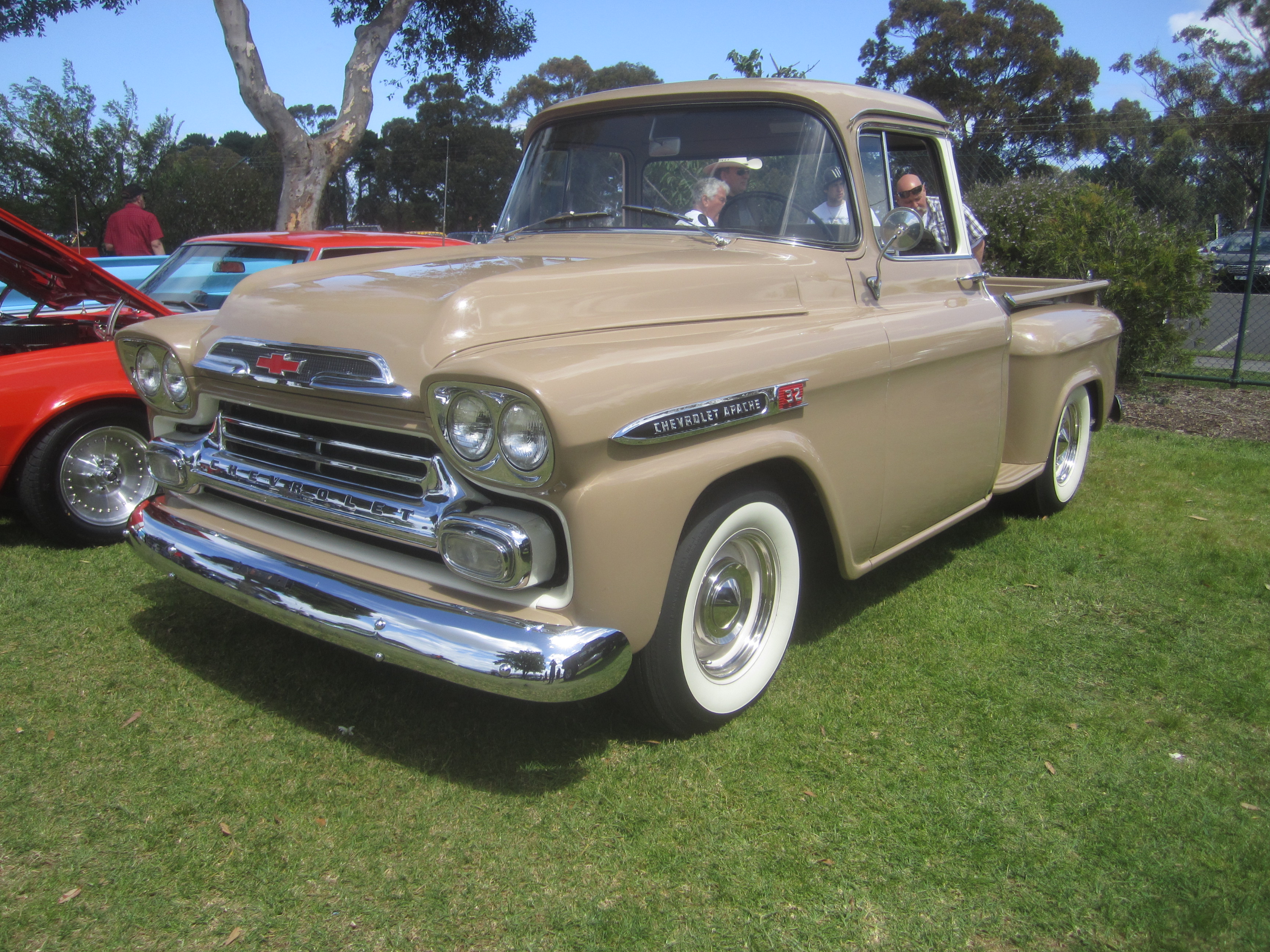
1961 Chevrolet Apache
"[404.7s] A1961ChevroletApache. [409.0s] There'sthatgreenagain. [411.7s] A61ChevyApache. [413.8s] Now,thisiswhatwecalledastepside,notafleetside."
This is a Chevrolet pickup truck called the Apache. They’re talking about a 1961 one and what makes that specific truck (and its shape) interesting to buyers.
The Chevrolet Apache is a full-size pickup line from Chevrolet. In this segment, the hosts are discussing a 1961 example and how its body style affects value and desirability at auction.
stepside
"[413.8s] Now,thisiswhatwecalledastepside,notafleetside. [417.6s] Thefleetsidewassmooth. [419.4s] Thestepside,Idon'tknowwhyanybodyboughtthosethings,buttheydid."
A “stepside” pickup has a bed shape that sticks out around the wheel area, making the sides look more stepped. It’s a styling difference from other bed designs.
“Stepside” describes a pickup bed design where the wheel wells protrude outward, creating a more sculpted, “stepped” look. It’s often contrasted with “fleetside,” which has smoother, more integrated bed sides.
fleetside
"[413.8s] Now,thisiswhatwecalledastepside,notafleetside. [417.6s] Thefleetsidewassmooth. [419.4s] Thestepside,Idon'tknowwhyanybodyboughtthosethings,buttheydid."
A “fleetside” pickup bed looks smoother along the sides, with the wheel area blending in more. They mention it to contrast with the more “stepped” bed style.
“Fleetside” refers to a pickup bed with smoother, more continuous sides and less pronounced wheel-well bulging. In the segment, it’s used as the visual opposite of “stepside.”
V8
"[445.2s] It'saprettynicedrive. [447.3s] Well,youknow,itmightnotbeaV8. [449.2s] Itmightbeastraightsix. [451.4s] No,it'sit'sgotaV8."
A V8 is an engine with eight cylinders. They’re arguing about what kind of engine this truck has—whether it’s a V8 or something else.
A V8 is an engine with eight cylinders arranged in a “V” shape. The hosts are debating whether the truck has a V8 or a different engine layout, and they conclude it does have a V8.
straight six
"[449.2s] Itmightbeastraightsix. [451.4s] No,it'sit'sgotaV8. [453.4s] Howdoyouknow?"
A “straight six” is an engine with six cylinders lined up in a row. They bring it up as a guess for the truck’s engine, then switch to saying it’s actually a V8.
A “straight six” (inline-six) engine has six cylinders arranged in a single line. The hosts mention it as a possibility before correcting themselves and saying the truck has a V8.

1957 Chevrolet Bel Air
"Okay,nextup,a1957ChevroletBelAirfour-door. [468.6s] Hardtop. [469.8s] It'sahardtop."
This is a classic 1957 Chevrolet called the Bel Air. It’s being discussed as a four-door “hardtop,” meaning it’s designed to look like a coupe roofline even though it has four doors.
The 1957 Chevrolet Bel Air is a full-size Chevrolet from the late-1950s, known for its classic styling and “American” sedan/coupe proportions. In this segment it’s specifically described as a four-door hardtop, which affects how the body is built and how the roofline looks.
hardtop
"[468.6s] Hardtop. [469.8s] It'sahardtop. [471.2s] Yeah. [471.8s] Four-doorhardtop."
A “hardtop” is a car body style that’s meant to look like a coupe. Even with four doors, it’s designed so the roof and window area look more open, with less of the usual pillar structure.
A “hardtop” is a body style where the side windows and roofline are designed to look like a coupe, typically without a fixed B-pillar between the front and rear doors. That usually gives a more open, airy look and a different feel than a conventional sedan with a full pillar structure.
Studebaker E7
"[508.6s] A1955StudebakerE7. [514.8s] WetalkedabouttheStudebakernotthatlongagoonthisshow. [517.6s] 55StudebakerE7."
Studebaker E7 is an older Studebaker vehicle from the 1950s. The hosts are talking about one they saw at auction and how it has a V8 engine, even though it’s not a modern car.
The Studebaker E7 is a mid-1950s Studebaker model associated with the brand’s truck and commercial-vehicle lineup. In this segment, the hosts discuss it as an auction find and focus on its big, old-school styling and V8 power.
pickup trucks
"[521.8s] AnduhStudebakermadepickuptrucksforaveryshortperiodoftime. [525.9s] Andumitkindofhasanautomobilelooktoit. [529.7s] Itdoesbehonestwithyou."
Pickup trucks are cars with an open cargo bed in the back. They’re built for hauling things, and the hosts are pointing out Studebaker made them briefly.
Pickup trucks are light-duty vehicles designed to carry cargo in an open bed behind the cab. The hosts mention that Studebaker made pickup trucks for a short period, which is notable because it’s a different kind of vehicle than many people associate with the brand.
manual transmission
"It'sgotamanualtransmissioninit. Convertible. Prettyslicklooking."
A manual transmission is the kind of car where you shift gears yourself. You use a clutch pedal and a stick, instead of the car shifting automatically.
A manual transmission means the driver selects gears using a clutch pedal and a gear shifter. Enthusiasts often prefer it because it can feel more engaging and gives more direct control over engine speed.
Convertible
"manualtransmissioninit. Convertible. Prettyslicklooking."
A convertible is a car with a roof you can open up. It’s meant for driving with the top down, and that can make it more desirable (and sometimes more expensive) than the same model with a fixed roof.
A convertible is a car with a roof that can be folded down, usually into the trunk area. It changes how the car is used and can affect structure, weight, and sometimes pricing at auction.
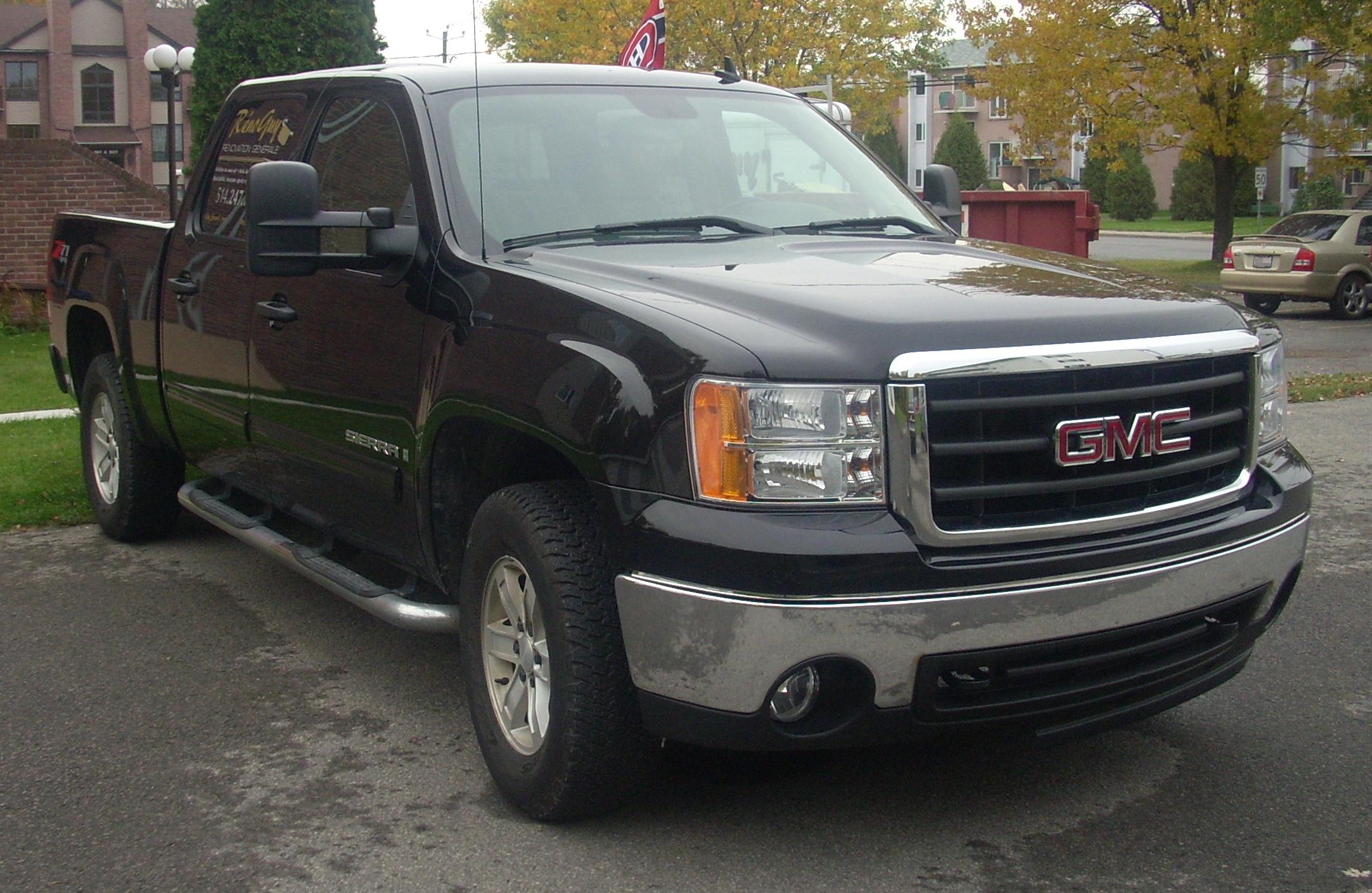
2007 GMC 1500
"Allright,nextup,a2007GMC1500. Itlooksextremelyclean. Itlooksextremelystock. 07GMC1500. Half-tonpickuptruck. Andthisisthefour-doorversion."
The 2007 GMC 1500 is a common-size pickup truck. It’s the “half-ton” class, meaning it’s built for everyday hauling and towing without being a heavy-duty truck.
The 2007 GMC 1500 is a half-ton pickup truck in GMC’s light-duty lineup. “1500” typically indicates the truck’s class and payload/towing capability relative to heavier-duty models.
extremely stock
"Itlooksextremelyclean. Itlooksextremelystock. 07GMC1500."
“Stock” means the truck is basically as it came from the factory, not heavily modified. Buyers often like that because it’s original and easier to understand what they’re getting.
“Stock” means the vehicle is largely unmodified from how it left the factory. In auction settings, “extremely stock” often signals originality, which can help preserve value for buyers who want a car that hasn’t been customized.
Half-ton pickup truck
"07GMC1500. Half-tonpickuptruck. Andthisisthefour-doorversion."
“Half-ton” is a common label for a mid-size pickup class. It usually means it’s meant for normal hauling and towing, not the heaviest-duty jobs.
“Half-ton” is a traditional way to describe light-duty pickup capability, roughly tied to payload class rather than an exact modern measurement. It generally indicates a truck intended for everyday work and moderate towing.
four-door version
"Half-tonpickuptruck. Andthisisthefour-doorversion. Iwanttosay$8,000."
A “four-door” pickup usually means there are two rows of seats and rear passengers get their own doors. It’s more practical than a two-door setup if you carry people often.
A “four-door” pickup typically refers to the crew cab layout, which has two full rows of seats and four passenger doors. This is often preferred for family use because rear-seat access is easier.
Detroit 3
"TheDetroit3andsomeotherautomakersthatlargelywalkedawayfromsedansduringthestampedetoSUVsandcrossoversarethinkingaboutstagingacarcomeback."
“Detroit 3” means the big three old-school car companies from the Detroit area. They’re being discussed here because they’ve been focusing more on SUVs and crossovers than sedans.
“Detroit 3” refers to the three major legacy automakers based in the Detroit area: General Motors, Ford, and Stellantis (formerly Chrysler). In this context, the hosts are saying these companies largely moved away from sedans toward SUVs and crossovers.
SUVs and crossovers
"TheDetroit3andsomeotherautomakersthatlargelywalkedawayfromsedansduringthestampedetoSUVsandcrossoversarethinkingaboutstagingacarcomeback."
These are the two types of bigger, higher-riding vehicles people have been buying instead of sedans. The show is using them as the reason sedans fell out of favor.
SUVs and crossovers are two popular vehicle categories that have pulled demand away from sedans. Crossovers are typically built on car-like platforms and are often marketed as more practical or easier to live with, while SUVs are usually body-on-frame or more truck-based in feel.
fueleconomyrulesthatwouldcategorizecrossoversascarsinsteadoflighttrucks
"Soaringvehiclepricesandproposedfueleconomyrulesthatwouldcategorizecrossoversascarsinsteadoflighttrucks,arehelpingsedanslooktraattractiveagain."
They’re talking about government rules that decide how different types of cars are counted for fuel-economy requirements. If crossovers are treated differently, it can change what automakers find it profitable to sell.
The segment is referencing proposed fuel-economy/regulatory rules that would change how crossovers are classified for compliance purposes. That classification affects what targets automakers must meet, which can influence whether companies choose to build sedans versus crossovers.
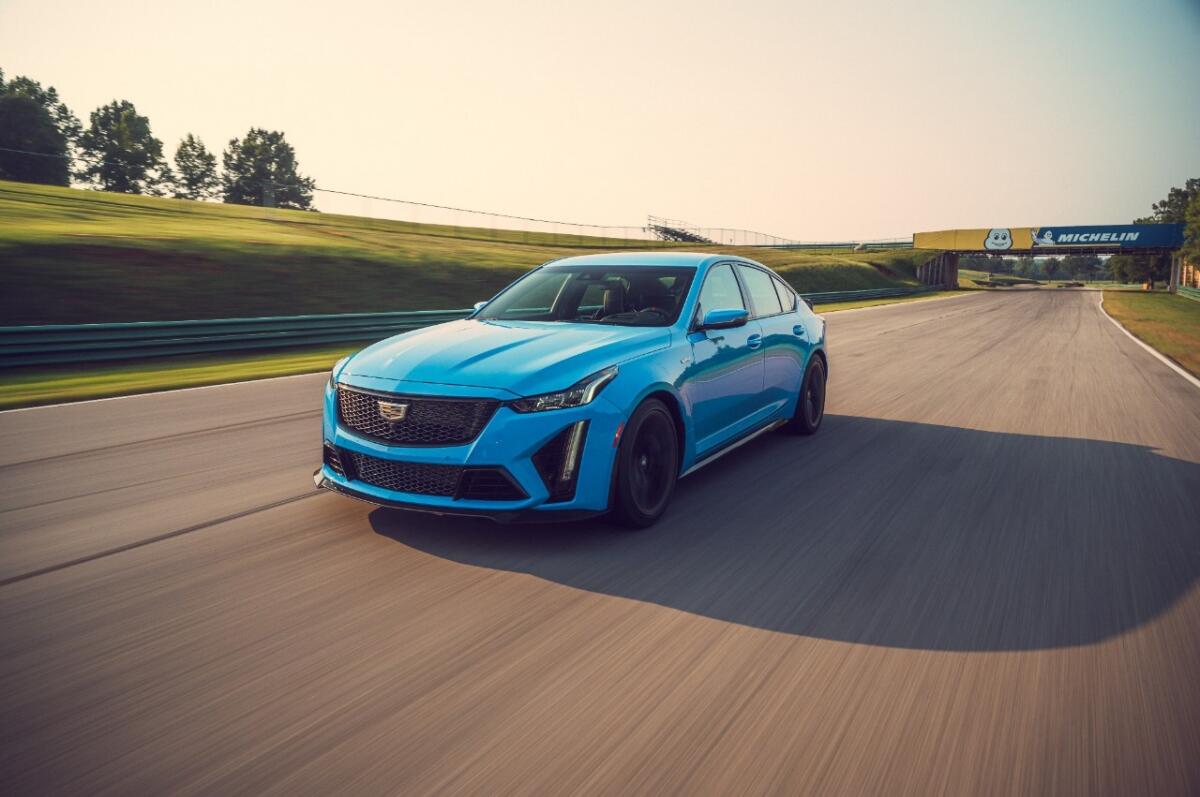
Cadillac CT5
"GeneralMotorsplanstointroduceaBuicksedanbuiltonthesameplatformasthenextgenerationCadillacCT5andChevyCamaro."
The Cadillac CT5 is a luxury mid-size sedan. Here it’s mentioned because Cadillac’s next version shares the same underlying design as other upcoming cars.
The Cadillac CT5 is a midsize luxury sedan. In this segment, it’s referenced as the basis for a shared platform with a planned Buick sedan, which is a common strategy to lower costs and streamline engineering.
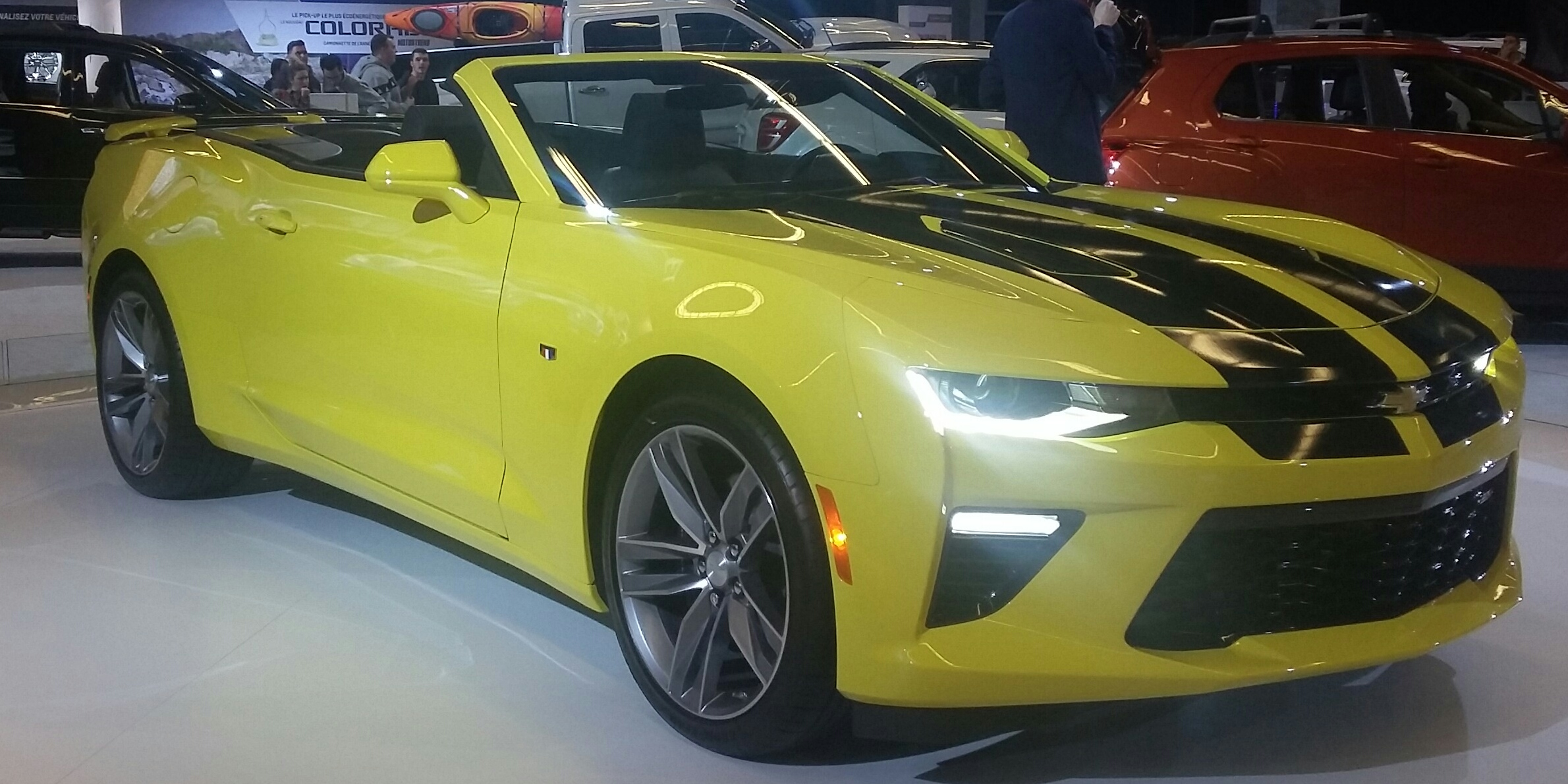
ChevyCamaro
"GeneralMotorsplanstointroduceaBuicksedanbuiltonthesameplatformasthenextgenerationCadillacCT5andChevyCamaro."
The Chevrolet Camaro is a sporty car model. The hosts bring it up because GM plans to use the same basic platform approach across multiple models.
The Chevrolet Camaro is a performance-oriented coupe/convertible that’s also used here as a platform-sharing reference point. The key point is that GM is using the same underlying platform strategy across different vehicle types.
crossovercrazewasfueledbyrelativelylowgasolineprices
"Thecrossovercrazewasfueledbyrelativelylowgasolinepricesandconsumers'desireformorespaceandrideheightthanatraditionalsedancouldoffer."
They’re saying people bought more crossovers because gas was cheaper. When fuel costs are lower, it’s easier to justify vehicles that typically don’t get as good mileage as sedans.
The “crossover craze” refers to the period when buyers shifted heavily toward crossovers. The segment attributes part of that shift to relatively low gasoline prices, which makes less fuel-efficient vehicles feel more affordable to run.
ride height
"Thecrossovercrazewasfueledbyrelativelylowgasolinepricesandconsumers'desireformorespaceandrideheightthanatraditionalsedancouldoffer."
Ride height is how high the car sits off the ground. The hosts are saying some buyers preferred that higher seating position compared with a typical sedan.
Ride height is the distance between the ground and the vehicle’s body. The segment suggests consumers wanted more ride height than a traditional sedan offers, which is often perceived as easier entry/exit and better road visibility.
Alex Partners
"AccordingtoMarkWakefield,globalautomotivemarketleadatAlexPartners."
Alex Partners is an automotive research/analysis firm. The hosts are citing an analyst there to back up their point about where sedan demand might be headed.
Alex Partners is referenced as a “global automotive market lead,” meaning an industry analyst role. The segment uses the person’s perspective to support the idea that sedans are becoming underserved as transaction prices rise.
SP Global Mobility
"Lastyearutilitiesaccountedfor58%ofthenewvehiclemarket,outsellingsedansbyabout3to1,accordingtoSPGlobalMobility."
S&P Global Mobility is a company that collects and analyzes car-market data. In this segment, they’re being used as the source for the sales numbers comparing sedans to SUVs/crossovers.
S&P Global Mobility is a market research and data provider that tracks vehicle sales and industry trends. Here it’s cited for statistics about how “utilities” (SUVs/crossovers) outsold sedans in the new-vehicle market.
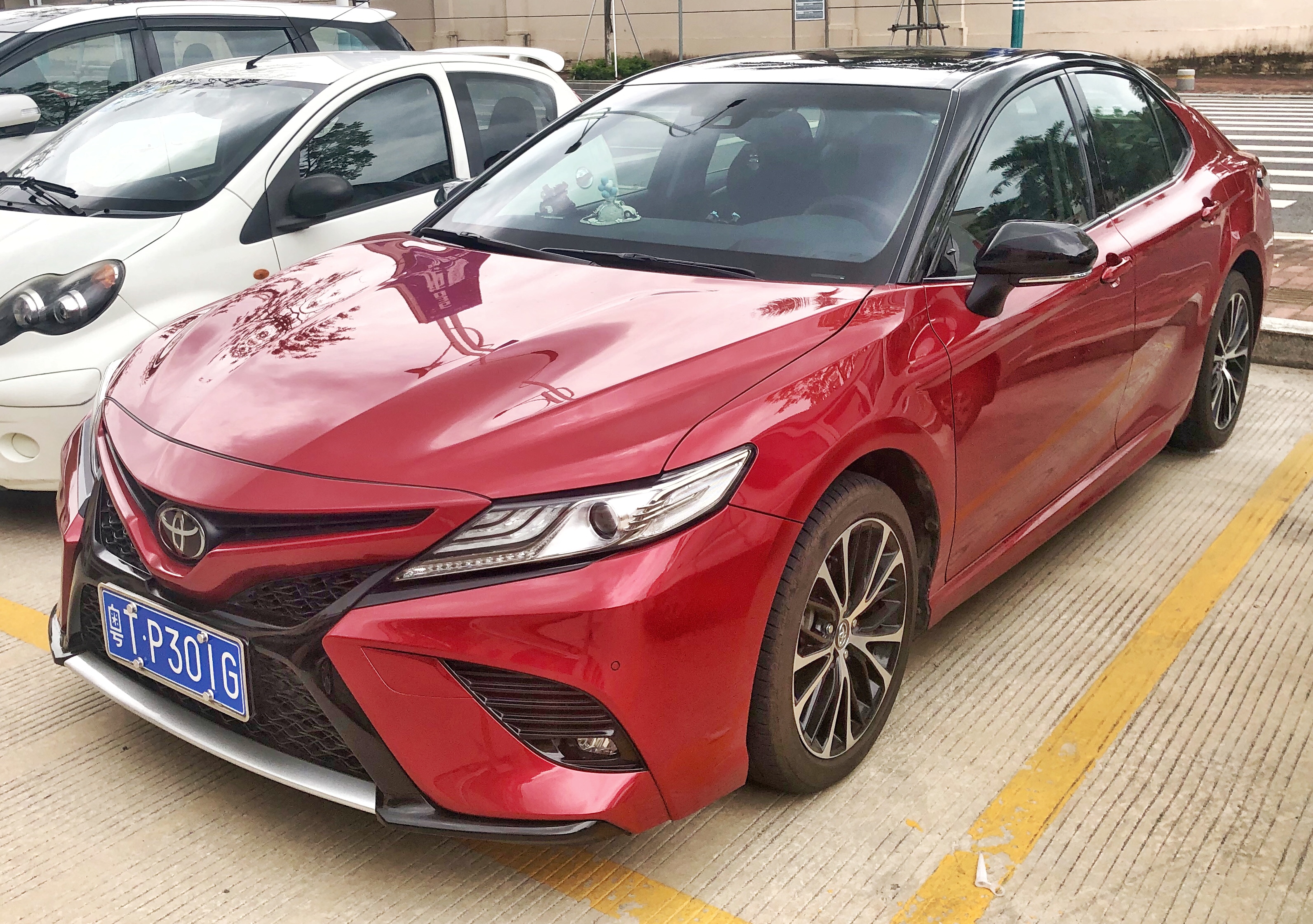
Toyota Camry
"Toyotasold78,000CamrysedansfromJanuarythroughMarch,up11%fromthefirstquarterof25."
The Toyota Camry is a common family sedan from Toyota. The hosts mention it because it’s selling well, even while more people are buying SUVs.
The Toyota Camry is a midsize sedan that’s been one of the U.S. market’s most popular family cars for decades. In this segment, it’s used as an example of how sedan sales are still happening even as the market shifts toward crossovers and SUVs.
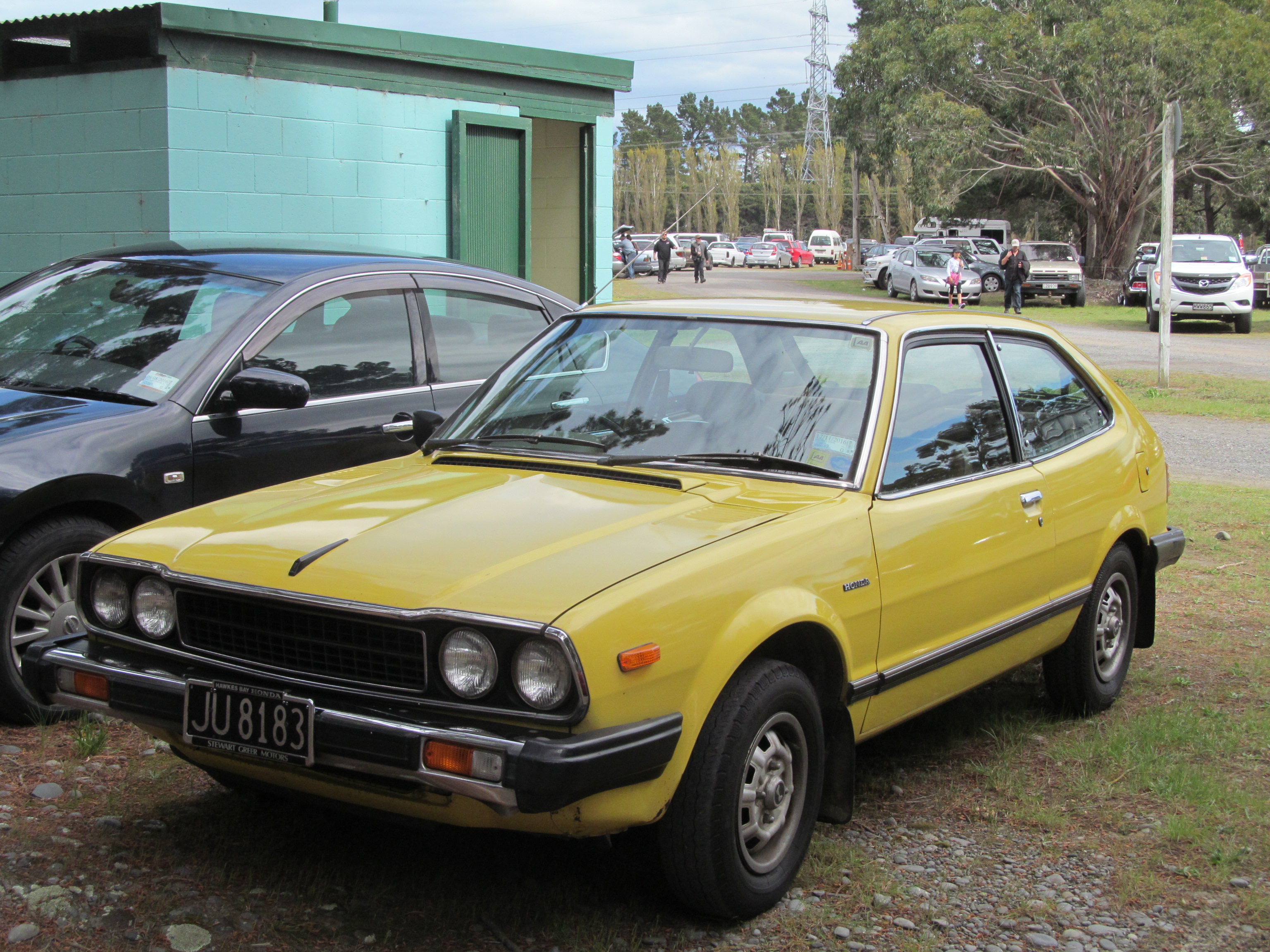
Honda Accord
"Hondasold37accord37,000Accords,up22%,andsalesoftheKiaK5rose19%to18,800."
The Honda Accord is a popular Honda sedan. In this discussion, it’s mentioned as another sedan that’s still selling despite the SUV trend.
The Honda Accord is a long-running midsize sedan known for strong value and broad appeal. Here, it’s part of the comparison showing that sedans like the Accord can still sell well, even as overall sedan market share declines.

Kia K5
"Hondasold37accord37,000Accords,up22%,andsalesoftheKiaK5rose19%to18,800."
The Kia K5 is Kia’s midsize sedan. The hosts bring it up to show that sedans aren’t all disappearing—some models are still gaining sales.
The Kia K5 is Kia’s midsize sedan offering, positioned as a more affordable alternative to higher-priced sedans. The segment uses it alongside the Camry and Accord to show that multiple sedans are competing for buyers in the same price band.

Toyota RAV4
"Inthefirstquarter,sincethelate2017modelyear,thattheCamrywasToyota'snumberoneseller,toppingtheRAV4crossover."
The Toyota RAV4 is a popular Toyota SUV/crossover. The hosts mention it because it’s usually a top seller, and the Camry briefly beat it.
The Toyota RAV4 is a compact crossover/SUV that’s often one of Toyota’s top-selling vehicles. In this segment, it’s used as the benchmark that the Camry topped, highlighting how sedans and crossovers trade places in sales leadership.

Nissan Rogue
"Mydaughterthatownsaumrogueislookingtobuyanothervehicle."
The Nissan Rogue is a Nissan SUV. The host brings it up because the daughter currently drives one and is considering what to buy next.
The Nissan Rogue is a compact SUV that’s commonly chosen for family use and daily commuting. The speaker references it as the current vehicle of their daughter, then discusses whether she should switch to a sedan when her lease ends.
lease is upon this
"Okay. [864.3s] Umbecausetheleaseisuponthis. [866.2s] AndItoldher,Isaid,youknowwhat?"
A lease is like renting a car for a few years under a contract. When the lease is ending, you usually have to return the car or decide on a new one.
A lease is a contract where you pay to use a car for a set period, usually with mileage limits, and then you return it or buy it at the end. Saying the lease is “upon” this implies the lease term is ending soon, which is why the daughter is shopping for a replacement vehicle.
radius of view
"SUVs,yousithigherupinthevehicle,youhaveabetterradiusofview."
“Radius of view” just means how much you can see around you while driving. Because SUVs sit higher, drivers often have an easier time seeing what’s going on around the car.
“Radius of view” refers to how much of the road and surroundings you can see from the driver’s seat. SUVs typically sit higher than sedans, which can improve visibility for spotting traffic, pedestrians, and obstacles.
station wagon
"It'skindoflikeintheolddayswiththestationwagonthatproceedsdownrightstufflikethat. [911.7s] Butsee,that'sgonna..."
A station wagon is like a car with extra space behind the back seats. It’s usually more practical for carrying stuff than a regular sedan.
A station wagon is a passenger car with an extended roofline and cargo area behind the rear seats. It’s often associated with more practical interior space than a typical sedan or hatchback.
ski port
"...anditopensupallthewaytotheright,andthey'vegottheski,theskiport,thelittlearms,allthatstuff. [921.8s] ButuhIjustwentthroughaadeal..."
A ski port is a pass-through opening between the back seats and the trunk. It’s handy for carrying long items without cluttering the passenger area.
A ski port (often called a ski hatch) is an opening between the rear seat area and the trunk/cargo space. It lets you pass long items through without moving them through the cabin, improving practicality and keeping the interior cleaner.
sedan
"Butyoualsohavetorememberthenewersedans,thebackseatsyoucouldfolddownanditopensupallthewaytotheright,andthey'vegottheski,theskiport,..."
A sedan is a common type of car with a separate trunk in the back. It usually has four doors and seats for a family.
A sedan is a passenger car body style with a separate trunk, typically two rows of seats, and four doors. In this segment, the hosts are discussing how modern sedans are being marketed as sporty-looking while still being practical for families.
two-door
"...didnotwouldnotevenconsideratwo-door. [935.4s] Hadtobeasedan,andbutyouknow..."
Two-door means there are only two doors total per side. It can be less convenient for getting in and out of the back seats.
Two-door cars have one pair of doors per side, typically with less rear-seat access than four-door models. The hosts mention that the buyers they’re talking about prefer four-door vehicles for practicality.
SUVs sleeker
"Well,they'remakingSUVssleeker,slopeinthebacktomakethemlookmorelikeasedan,butthey'reSUV. [975.1s] Right,andbutthey'reconsideredSUVwhenyougotoregister..."
They’re talking about SUVs being shaped to look smoother and more like sedans. Even if it looks more like a sedan, it’s still considered an SUV.
This refers to a styling trend where SUVs get more streamlined, sedan-like proportions (for example, a more sloped rear). The key point is that the vehicle can look like a sedan but is still an SUV by classification.
under 30 grand
"Itwell,whatalsouhmademethinkisthatthey'regonnathey'regonnahavecarsforunder30grand. [996.3s] Wherearetheygonnabuythem?"
“Under 30 grand” just means a car price below about $30,000. It’s the budget the hosts are using to talk about what cars people will shop for.
“Under 30 grand” is shorthand for a budget threshold of roughly $30,000 for purchasing a car. The hosts connect this affordability target to where buyers might shop and what kinds of vehicles they’ll consider.
Ford
"Wherearetheygonnabuythem? [997.1s] FromFord? [998.7s] No,becauseit'llberecalled."
Ford is a major automotive brand discussed here as a potential source of cars under the stated budget. The host’s question implies the buyer might not be limited to Ford for their purchase.
Mars
"Wouldyouconsiderasedan,Mars? [1005.9s] Absolutely. [1006.7s] UhIdon'tthinkIwouldgoback..."
“Mars” doesn’t clearly match a well-known car brand in this context. The transcript likely has a mis-transcription, so the exact brand may be unclear.
“Mars” appears to be a mishearing or placeholder for a car brand name in the transcript. Without clearer context, it’s not possible to reliably identify which brand was intended.
Corvette
"...IjustthinkIwouldgobacktoatwo-doorunlessitwaslikeaCorvetteorsomethingveryspecialized... [1016.8s] Right."
The Corvette is a sports car from Chevrolet. Here it’s mentioned as an exception—something two-door that might be worth considering.
The Corvette is a sports car model line from Chevrolet, referenced as an example of a two-door car that could still make sense to the buyer. The host contrasts it with the general preference for four-door vehicles.
pre-owned
"Get an nice pre-owned, uh, CT5, CTCT. Do they make a four anymore? Uh I don't know, but whatever."
“Pre-owned” just means the car isn’t brand new—it’s already been owned before. They’re talking about buying one that’s a few years old with moderate miles.
“Pre-owned” means the car has been previously owned and is being sold again, rather than bought new from the factory. In this context, the speaker is aiming for a used CT5 within a certain age and mileage range.
V badges
"Let me know. I can get you some V badges. I know you can get the V badges. I don't need that either."
They’re talking about the little name badges on the car that indicate a higher-performance version. They’re saying they don’t care about having those badges.
“V badges” refers to the model badging that identifies a performance trim or variant within a brand’s lineup (commonly associated with higher-performance versions). Here, the speaker is saying they don’t need the car to have those specific performance-identifying stickers/badges.
six-cylinder
"You don't even have to have a VA, just get an ice uh six-cylinder in a Cadillac."
A “six-cylinder” engine means the engine has six combustion chambers. It often feels smoother and easier to live with than smaller engines, which is why the speaker brings it up.
“Six-cylinder” refers to an engine with six cylinders, which typically provides smoother power delivery than smaller engines. In this context, it’s being used as a practical alternative to chasing extreme horsepower.
four-cylinder
"Or a four-cylinder with a turtle. Yeah, you're not going to be a good one."
A “four-cylinder” engine has four cylinders. It’s often the smaller, more efficient option, and the speaker is saying you don’t necessarily need a huge engine to enjoy the car.
“Four-cylinder” means an engine with four cylinders, usually chosen for better fuel economy and lower cost. The speaker is arguing that even a smaller engine can be “good” depending on how it’s set up.
GM
"And GM makes a good one, I will say that. They also make Buicks, so there you go."
GM is short for General Motors, a major car company that makes cars under several brands. The speaker is talking about what GM (and its brands) do well and what they don’t make anymore.
GM stands for General Motors, the large automaker that owns multiple brands like Chevrolet, Buick, and Cadillac. The speaker credits GM with making a “good one,” while also noting that the company doesn’t make a sedan anymore on that basis.
Buicks
"And GM makes a good one, I will say that. They also make Buicks, so there you go."
Buick is a car brand. The speaker is basically saying GM also makes Buicks, so it’s not just one type of car company.
Buick is a brand owned by General Motors (GM), positioned as a comfort- and style-focused alternative within the GM lineup. In the segment, it’s used to reinforce the point that GM controls multiple brands.
TempleMaltonMotors
"IthinkGeorgeisgoingtobeatthisone. TempleMaltonMotors,monthlycruiseinatBold,andthat'sBoldRepublicBrewingCompanyinTemple,Texasat7060StoneHollowDrive. Thatgoesfrom11to2."
This sounds like a local car business that’s putting on the cruise. They’re connected to the event details the hosts are sharing.
TempleMaltonMotors appears to be the organizing or sponsoring business behind the monthly cruise. In the segment, it’s tied to a specific event location and schedule.
NorthsideMustangandKatieCruisers
"Again,uhtrophieswillbeawardedforthetop10Fords,top10Chevyvehicles,selectedbyNorthsideMustangandKatieCruisers. Whereisit?"
They mention a local group that picks which cars win the trophies. It’s part of how the event decides the winners.
This is referenced as the group that selects the trophy winners. It’s mentioned as part of the event’s judging/selection process for the top Ford and Chevy vehicles.
restomod
"Uhparticipants are encouraged to bring their classic cars, hotrods, ratrods, restomod, musclecars, or custom cruisers."
A restomod is an older car that’s been updated with newer parts. It’s meant to feel like a classic, but drive more like a modern car.
A restomod is a car that keeps the classic body or styling but gets modern upgrades underneath—often things like better brakes, suspension, fuel injection, or a more reliable drivetrain. The goal is to make an older car easier to drive while preserving its original vibe.
hotrods
"Uhparticipants are encouraged to bring their classic cars, hotrods, ratrods, restomod, musclecars, or custom cruisers."
Hot rods are older cars that people modify to make them look cool and drive fast. It’s usually a custom project rather than a stock car.
Hot rods are typically older cars modified for a more aggressive, performance-focused style and driving feel. They’re often associated with engine swaps, custom bodywork, and a “build it for fun” culture.
musclecars
"Uhparticipants are encouraged to bring their classic cars, hotrods, ratrods, restomod, musclecars, or custom cruisers."
Muscle cars are performance cars built to go fast, especially in a straight line. They’re usually known for powerful engines.
Muscle cars are American performance cars known for big engines and strong acceleration, especially from the 1960s–1970s era. In modern conversations, the term can also be used more broadly for cars built with a similar “straight-line” focus.
ratrods
"Uhparticipants are encouraged to bring their classic cars, hotrods, ratrods, restomod, musclecars, or custom cruisers."
Ratrods are cars that look rough on purpose. People build them for personality and style, not for a showroom-perfect finish.
Ratrods are modified cars that lean into a rough, worn-in aesthetic—sometimes with intentionally “unfinished” or beat-up styling. The emphasis is often on creativity and character rather than perfect restoration.
custom cruisers
"Uhparticipants are encouraged to bring their classic cars, hotrods, ratrods, restomod, musclecars, or custom cruisers."
Custom cruisers are cars people customize mainly for cruising around and showing at car events. They’re usually more about style and vibe than racing.
Custom cruisers are personalized, style-focused cars built for relaxed driving and showing off at meets. They often prioritize appearance, comfort, and unique details over track-focused performance.
Quick Lube shops
"Dealership service departments are losing customers to Quick Lubes shops, and pricing strategy is largely to blame... QuickLubes are whateverybody should be worried about... Driving factor, sending more customersto QuickLube Shops is price, he said."
Quick-lube shops are places that do routine services quickly—most commonly oil changes. The hosts are saying these shops are pulling customers away from dealerships, mainly because they’re cheaper.
Quick-lube shops are fast-service businesses focused on routine maintenance tasks like oil changes, often with shorter wait times and standardized pricing. The episode discusses them taking market share from dealership service departments, largely driven by price and convenience.
pricing strategy
"Dealership service departments are losing customers to Quick Lubes shops, and pricing strategy is largely to blame... Driving factor, sending more customers to QuickLube Shops is price, he said."
Pricing strategy is basically how a business decides what to charge and what discounts or offers to use. The podcast is saying dealerships are being undercut on price by quick-lube shops.
Pricing strategy refers to how a business sets prices and structures deals to attract customers and compete. In this episode, it’s presented as a major reason dealership service departments are losing customers to quick-lube shops.
Ducker Carlisle
"Dealership service departments are losing customers to Quick Lubes shops, and pricing strategy is largely to blame, according to new data from global research and consulting from Ducker Carlisle. ... All gain market share from January of 25 to January 26, primarily at the expense of dealerships, according to Ducker Carlisle."
Ducker Carlisle is a company that studies the auto industry and publishes reports. Here, they’re being used as the “source” for the numbers comparing dealerships to quick-lube shops.
Ducker Carlisle is a research and consulting firm that produces industry data used by dealerships, suppliers, and service providers. In this segment, they’re cited as the source for claims about dealership vs quick-lube performance and market share.
market share
"All gain market share from January of 25 to January 26, primarily at the expense of dealerships... Only way quicklubeshopscangrow is to take market share from someone else."
Market share means “how much of the business” a shop type is getting compared to others. The hosts are saying quick-lube shops are taking a bigger slice of customers than dealerships.
Market share is the portion of total sales or customers in a market that a company (or type of business) captures. Here, the segment claims quick-lube shops are gaining market share at the expense of dealerships.
oil changes
"Uh since the average driver gets two oil changesayear... it's particularly striking that uh quick lubes are getting more business. Quicklubeshops' growing share of oil changes should alarm dealerships..."
An oil change is when the old engine oil is drained and replaced with fresh oil. The podcast is using how often people get oil changes to explain which type of shop is gaining customers.
An oil change is scheduled maintenance where the engine oil is replaced and the oil filter is typically serviced as well. The segment uses oil-change volume as a key indicator of where customers are spending their service dollars.
free maintenance paid for by the OEM
"Quicklubeshops' growingshare ofoil changes should alarm dealerships becauseahigh percentage of new vehicleshavemaintenance paid for by the manufacturer for some period of time. Almost every vehicle zero to two years of age has free maintenance paid for by the OEM."
OEM just means the car’s maker. Some new cars include a free maintenance period, so for a while the owner doesn’t have to pay for routine service—often making it easier for dealerships to keep customers.
The OEM (original equipment manufacturer) is the company that built the vehicle. Many new cars include a limited period of “free maintenance,” meaning scheduled service is covered for a set time or mileage, which can strongly influence where owners choose to get service.
quick lane
"Actually,Fordstartedthequicklanes. Rememberthefatthefastlanes? Thefixyeah,quicklanesiswhattheycalledthem. Buttothatpoint,yes,you'regettingalittlebitbetterbuy,alittlebitbetterdeal,butyou'requicker."
A “quick lane” is a faster line at a dealership for common services. Instead of waiting a long time, you get in, get the basic work done quickly, and leave.
A “quick lane” is an express service lane at a dealership designed to speed up routine work like oil changes. The idea is faster in-and-out service so more customers can be processed during the day.
Bugatti
"Youmayhavealesserhourlyrate,nottheelevenhundreddollarslikeuhBugatti,butthestandardrateisalittleless,andtheydon'tmakealotonoilchanges."
Bugatti is a luxury supercar brand. They’re mentioned as an example of how expensive service can be for very high-end cars.
Bugatti is referenced as an example of an ultra-premium brand with very high service costs. The speaker uses it to contrast quick-lane pricing with what you might pay for exotic cars.
Gulf Coast AutoShield
"Getridofthoseterribleautomatedcarwashscratches. GulfCoastAutoShieldisyoursavethepaintcompany. JohnGrayandhisteamofdetailingexpertscanhelpyourcarsfinishwithoutafullrepaint."
Gulf Coast AutoShield is a business that sells car protection and detailing services. They’re pitching products to help protect your paint and glass so you don’t need a full repaint.
Gulf Coast AutoShield is the company being promoted for paint protection and detailing services. The ad claims they can help protect a car’s finish without requiring a full repaint, and they also mention related products like window tint and windshield protection.
automated car wash scratches
"Getridofthoseterribleautomatedcarwashscratches. GulfCoastAutoShieldisyoursavethepaintcompany."
Automated car washes can sometimes leave scratches or swirl marks on your paint. The ad is saying their protection helps reduce that kind of damage.
“Automated car wash scratches” refers to swirls and surface damage that can occur when a car is cleaned by mechanical brushes or contact systems. These can degrade paint appearance and may require correction or protection to prevent worsening.
window tint
"Searchingforrealexpertsinwindowtintorwindshieldprotection,GulfCoastAutoShield. Dashcams,radardetectors,GulfCoastAutoShield."
Window tint is a thin film put on your car’s windows. It can help with sun glare and heat, and it can also make the car feel more private.
Window tint is a film applied to glass to reduce heat and glare and improve privacy. It’s often discussed alongside windshield protection because both are common “after delivery” protection products.
windshield protection
"Searchingforrealexpertsinwindowtintorwindshieldprotection,GulfCoastAutoShield. Dashcams,radardetectors,GulfCoastAutoShield."
Windshield protection is something you put on your windshield to help it stay cleaner and easier to see through. It can also help water bead up instead of spreading.
Windshield protection refers to products or treatments applied to the windshield to help repel water and reduce damage from road grime and minor impacts. It’s commonly marketed as improving visibility and making the glass easier to clean.
dashcams
"Dashcams,radardetectors,GulfCoastAutoShield. Gotanewcar? Getitprotectedassoonasyoutakedelivery."
A dashcam is a small camera that records what’s happening while you drive. It can help if there’s an accident or someone disputes what happened.
A dashcam is a camera mounted inside a vehicle that records driving footage. People use them for documentation in crashes or disputes and for capturing evidence of incidents.
radar detectors
"Dashcams,radardetectors,GulfCoastAutoShield. Gotanewcar? Getitprotectedassoonasyoutakedelivery."
A radar detector alerts you when it senses police radar signals. It’s meant to warn you about speed enforcement.
Radar detectors are devices that alert drivers to radar signals used by law enforcement for speed measurement. They’re often discussed alongside dashcams as part of a “protection” or driver-assist accessory package.
gcautoshield.com
"[1685.8s] GulfCoastAutoShieldiseasytogetto,locatedjustsouthoftheSouthwestFreewayontheSamHoustonParkway. [1691.6s] GulfCoastAutoShield,fullserviceluxurycarcaretodayandonlineatgcautoshield.com. [1699.0s] Giftgivingshouldbemeaningful,andwehaveanidea."
This is the company’s website address. It’s there so you can look them up and find information online.
This is the website domain for GulfCoastAutoShield. It’s included as a direct call-to-action for listeners who want to learn more or book services online.
In Wheel Time app
"[1749.5s] Whenyou'researchingforaward-winningcartalk,youcanfindtheInWheelTimeCarTalkShow24-7ontheInWheelTimeappandwebsite. [1757.5s] Grabapodcastfromyourfavoritepodcaststore. [1760.1s] WevideostreamorliveshoweverySaturday,10tonoon,onFacebook,YouTube,andInWheelTime.com."
They’re telling you where to listen using their app. It’s about the show, not about car mechanics.
The hosts mention the In Wheel Time app as a way to access their car talk content. This is a platform-related reference rather than a technical automotive concept.
Request an Explanation
Heard something you'd like explained? We'll add it to this episode.
Sign in to request explanations for terms you heard.
Want to learn more?
Browse our glossary for plain-English explanations of automotive terms, jargon, and concepts.
Help improve this episode
See something that's not quite right? Our annotations are AI-generated and can sometimes miss the mark. Click the flag icon on any annotation to suggest a correction.