

Suzuki Wagon R
A Suzuki Wagon R is a small Japanese car designed to fit a lot of room inside. It’s the kind of car that’s easy to park and drive in crowded areas.
Righthanddrive
Right-hand drive means the steering wheel is on the right side of the car. That’s typical in countries where cars drive on the left.
three-cylinder
A three-cylinder engine is an engine with three “power chambers.” It’s commonly used to help a car use less gas, but how good it is depends on the car and how you drive.

Chevy Trax
The Chevrolet Trax is a small SUV. They’re talking about the kind of engine it has (a three-cylinder) and whether it can still get good gas mileage.
after 25 years
They’re talking about a rule that depends on how old a vehicle is—around 25 years old. Once a car is that age, it may become easier or legal to import.

Cadillac Fleetwood
A Cadillac Fleetwood is a big, old-school luxury car. This one is a 1988 model, and the hosts point out styling details like the square headlights and a special roof design called a landau roof.
blackwalls
“Blackwalls” means the tire’s side lettering/edge is all black. It’s basically the opposite of the older “whitewall” tire look.
landau roof
A landau roof is a fancy-looking roof design where the back part of the roof is styled to stand out. It’s a classic luxury feature you’ll see on older cars.

1963 Pontiac Catalina
This is a classic Pontiac from 1963. People collect it because it’s a very recognizable “old-school” American car with styling from that era.
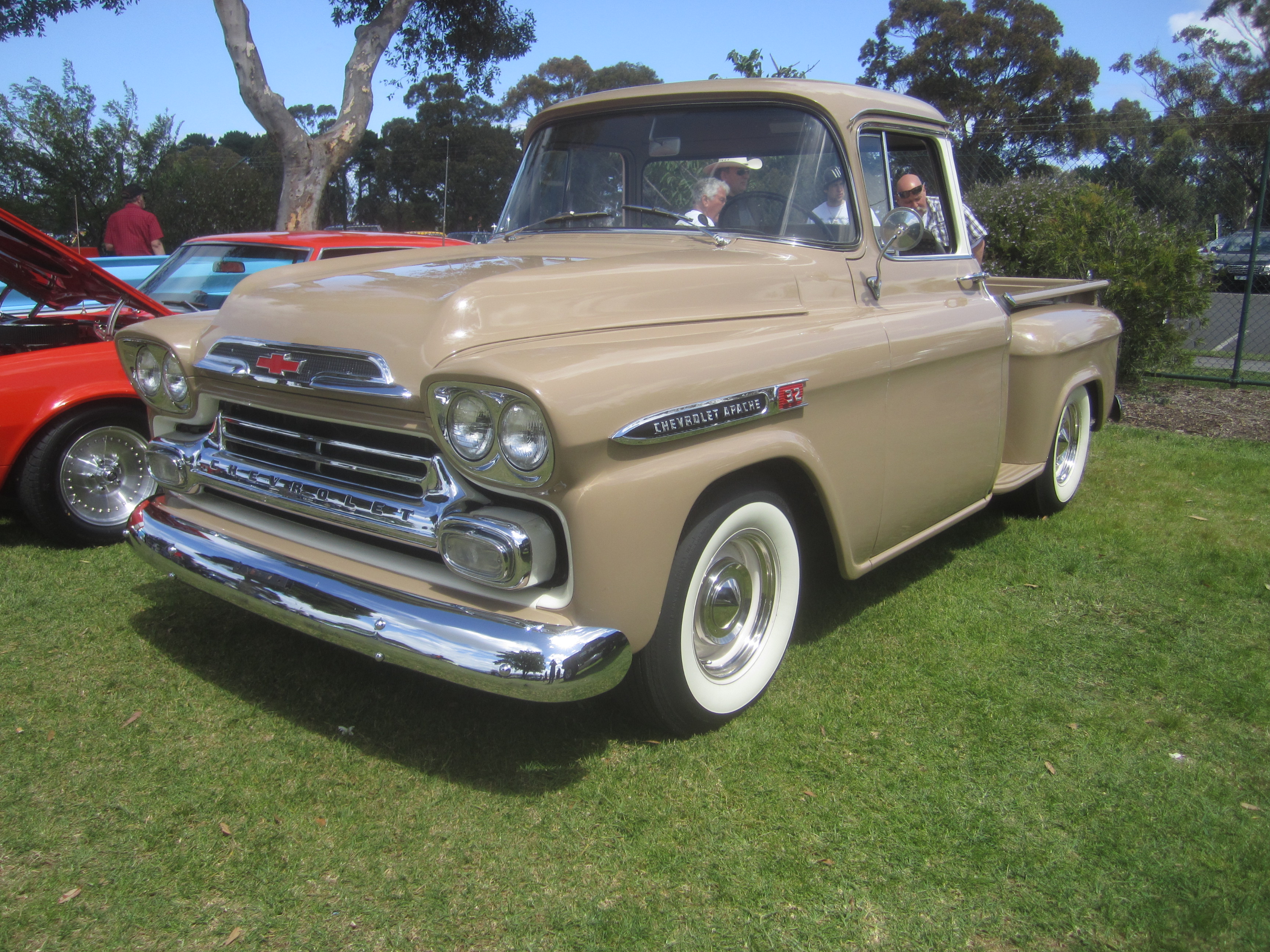
1961 Chevrolet Apache
This is a Chevrolet pickup truck called the Apache. They’re talking about a 1961 one and what makes that specific truck (and its shape) interesting to buyers.
stepside
A “stepside” pickup has a bed shape that sticks out around the wheel area, making the sides look more stepped. It’s a styling difference from other bed designs.
fleetside
A “fleetside” pickup bed looks smoother along the sides, with the wheel area blending in more. They mention it to contrast with the more “stepped” bed style.
V8
A V8 is an engine with eight cylinders. They’re arguing about what kind of engine this truck has—whether it’s a V8 or something else.
straight six
A “straight six” is an engine with six cylinders lined up in a row. They bring it up as a guess for the truck’s engine, then switch to saying it’s actually a V8.

1957 Chevrolet Bel Air
This is a classic 1957 Chevrolet called the Bel Air. It’s being discussed as a four-door “hardtop,” meaning it’s designed to look like a coupe roofline even though it has four doors.
hardtop
A “hardtop” is a car body style that’s meant to look like a coupe. Even with four doors, it’s designed so the roof and window area look more open, with less of the usual pillar structure.
Studebaker E7
Studebaker E7 is an older Studebaker vehicle from the 1950s. The hosts are talking about one they saw at auction and how it has a V8 engine, even though it’s not a modern car.
pickup trucks
Pickup trucks are cars with an open cargo bed in the back. They’re built for hauling things, and the hosts are pointing out Studebaker made them briefly.
manual transmission
A manual transmission is the kind of car where you shift gears yourself. You use a clutch pedal and a stick, instead of the car shifting automatically.
Convertible
A convertible is a car with a roof you can open up. It’s meant for driving with the top down, and that can make it more desirable (and sometimes more expensive) than the same model with a fixed roof.
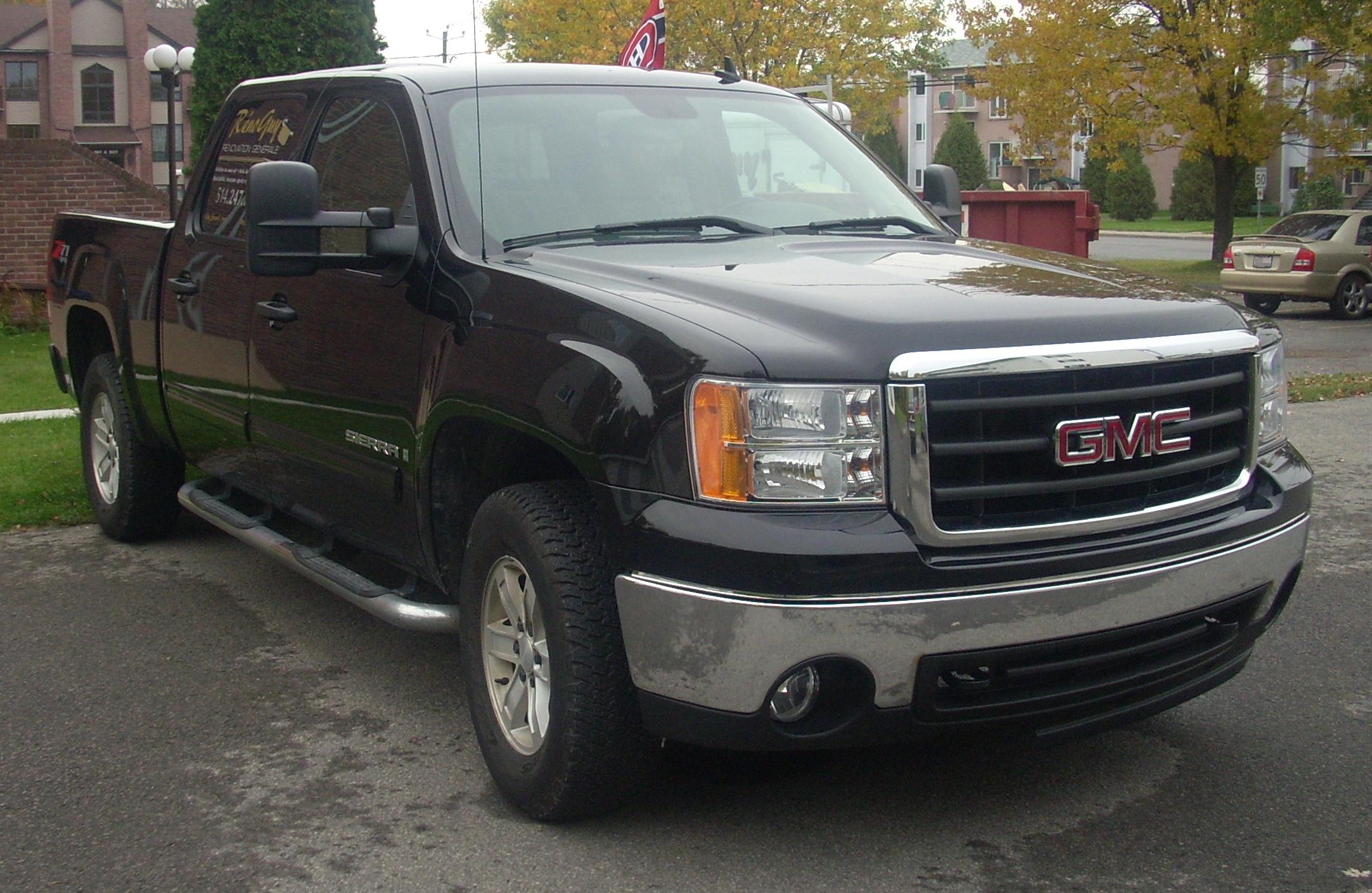
2007 GMC 1500
The 2007 GMC 1500 is a common-size pickup truck. It’s the “half-ton” class, meaning it’s built for everyday hauling and towing without being a heavy-duty truck.
extremely stock
“Stock” means the truck is basically as it came from the factory, not heavily modified. Buyers often like that because it’s original and easier to understand what they’re getting.
Half-ton pickup truck
“Half-ton” is a common label for a mid-size pickup class. It usually means it’s meant for normal hauling and towing, not the heaviest-duty jobs.
four-door version
A “four-door” pickup usually means there are two rows of seats and rear passengers get their own doors. It’s more practical than a two-door setup if you carry people often.
Detroit 3
“Detroit 3” means the big three old-school car companies from the Detroit area. They’re being discussed here because they’ve been focusing more on SUVs and crossovers than sedans.
SUVs and crossovers
These are the two types of bigger, higher-riding vehicles people have been buying instead of sedans. The show is using them as the reason sedans fell out of favor.
fueleconomyrulesthatwouldcategorizecrossoversascarsinsteadoflighttrucks
They’re talking about government rules that decide how different types of cars are counted for fuel-economy requirements. If crossovers are treated differently, it can change what automakers find it profitable to sell.
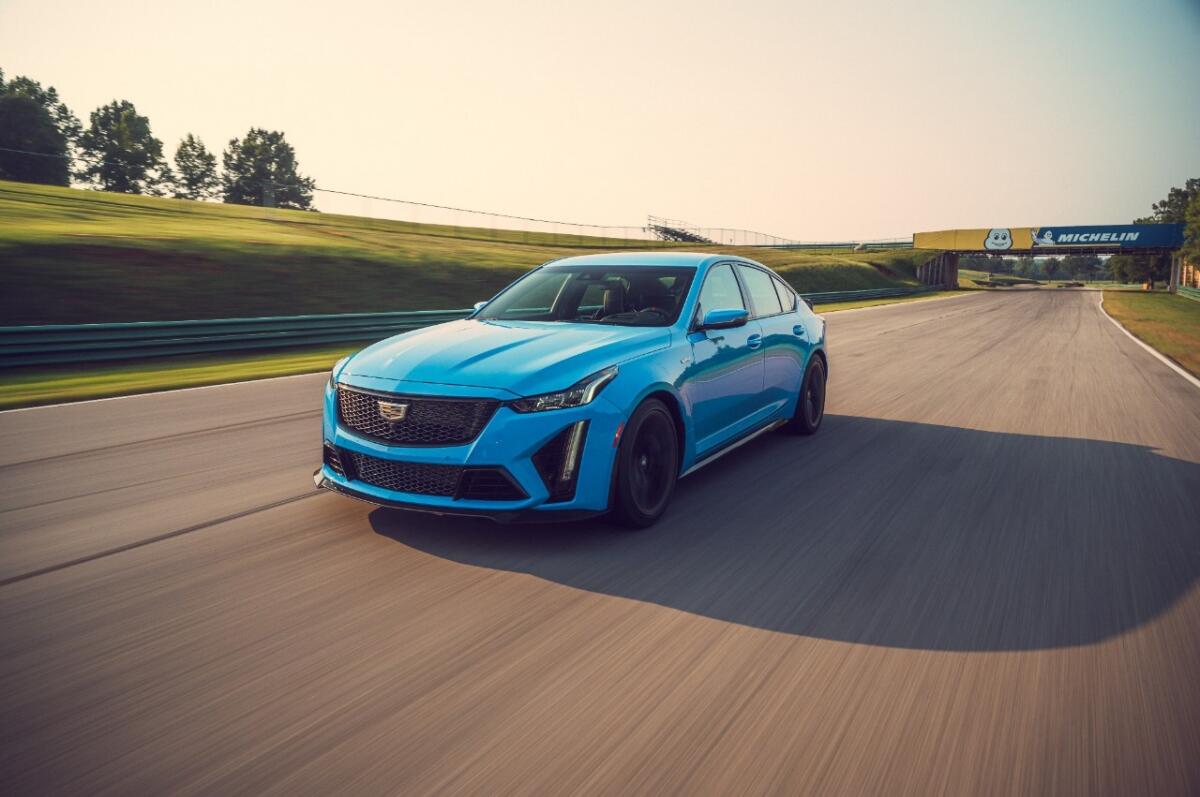
Cadillac CT5
The Cadillac CT5 is a luxury mid-size sedan. Here it’s mentioned because Cadillac’s next version shares the same underlying design as other upcoming cars.
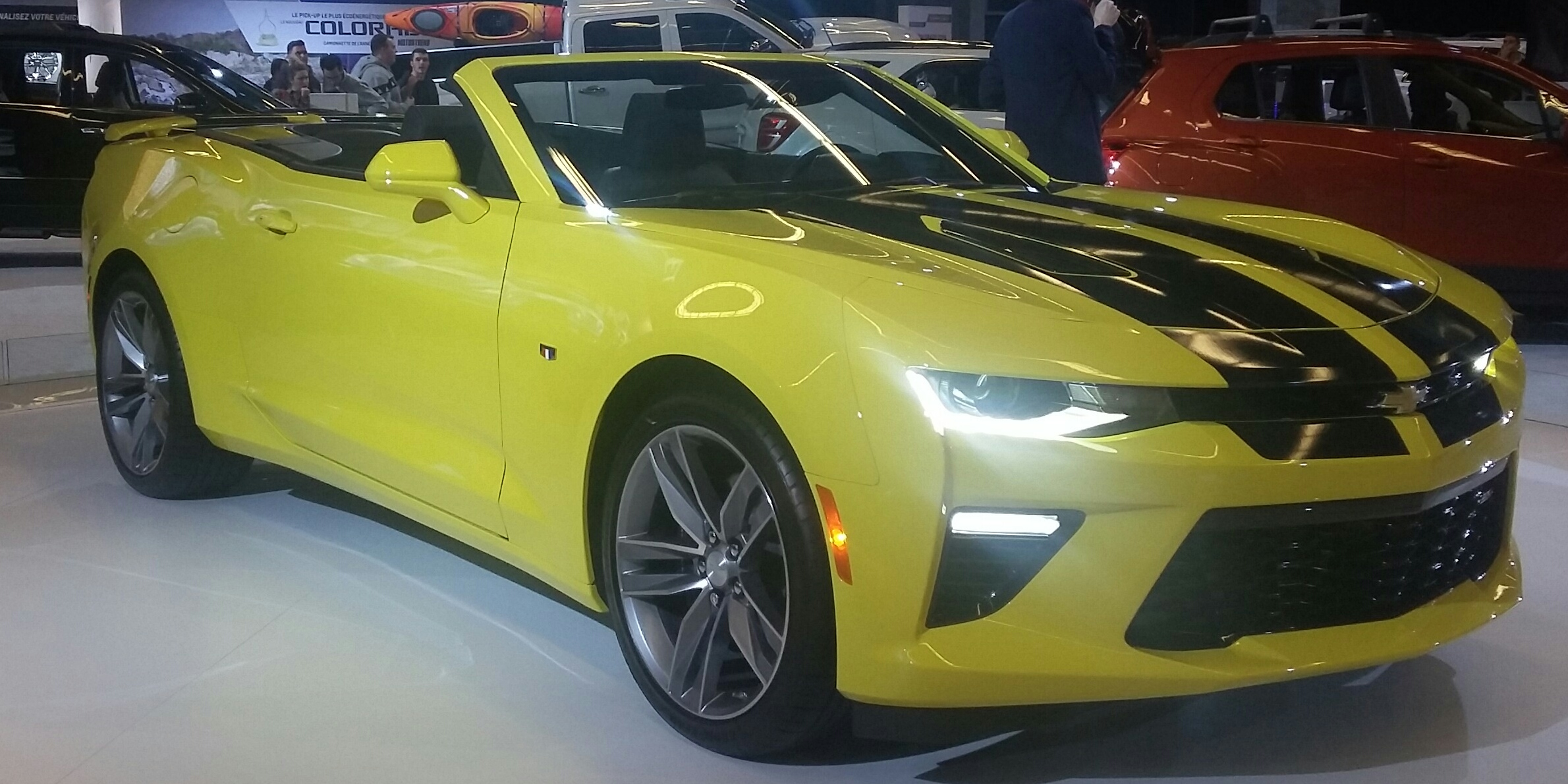
ChevyCamaro
The Chevrolet Camaro is a sporty car model. The hosts bring it up because GM plans to use the same basic platform approach across multiple models.
crossovercrazewasfueledbyrelativelylowgasolineprices
They’re saying people bought more crossovers because gas was cheaper. When fuel costs are lower, it’s easier to justify vehicles that typically don’t get as good mileage as sedans.
ride height
Ride height is how high the car sits off the ground. The hosts are saying some buyers preferred that higher seating position compared with a typical sedan.
Alex Partners
Alex Partners is an automotive research/analysis firm. The hosts are citing an analyst there to back up their point about where sedan demand might be headed.
SP Global Mobility
S&P Global Mobility is a company that collects and analyzes car-market data. In this segment, they’re being used as the source for the sales numbers comparing sedans to SUVs/crossovers.
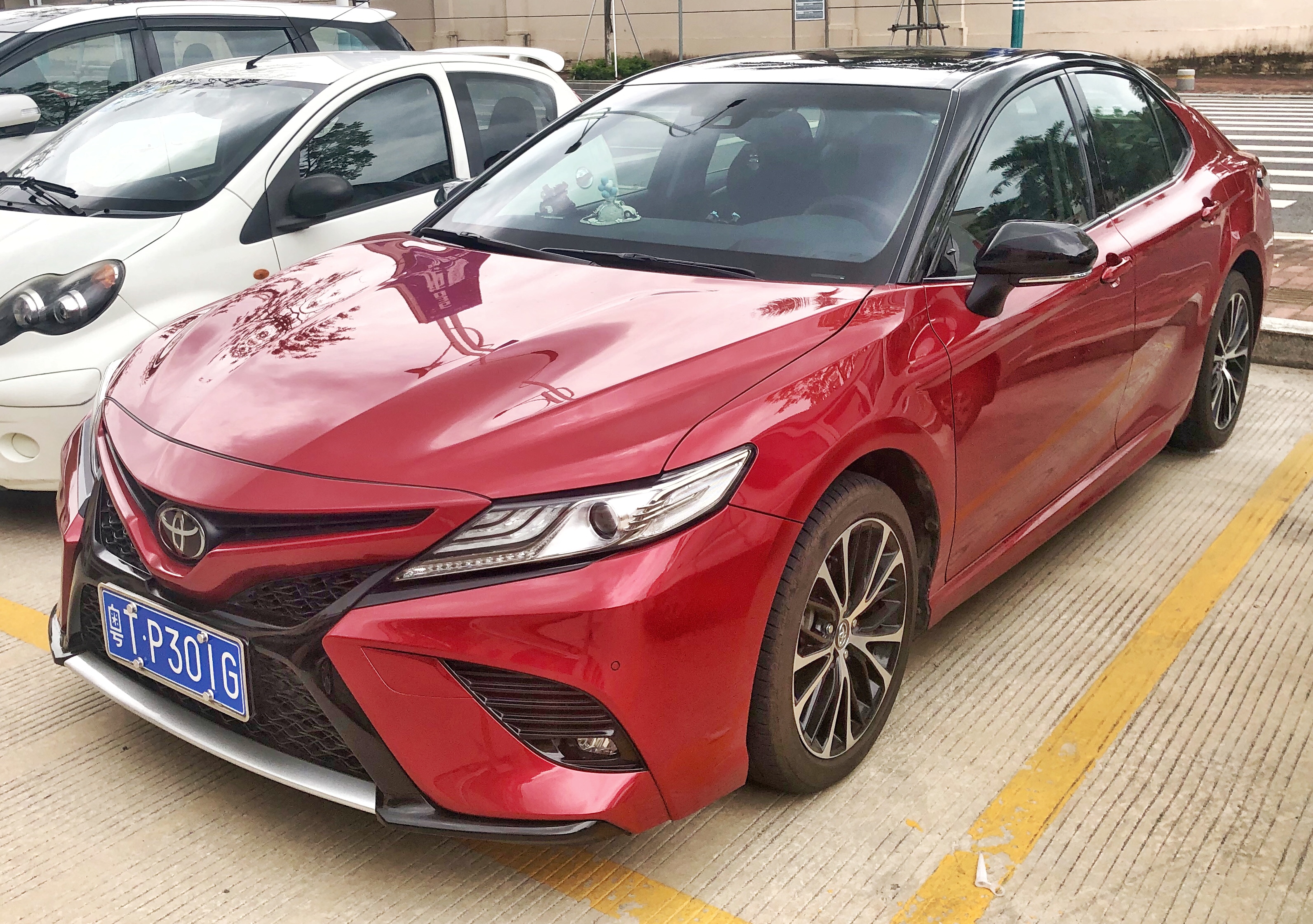
Toyota Camry
The Toyota Camry is a common family sedan from Toyota. The hosts mention it because it’s selling well, even while more people are buying SUVs.
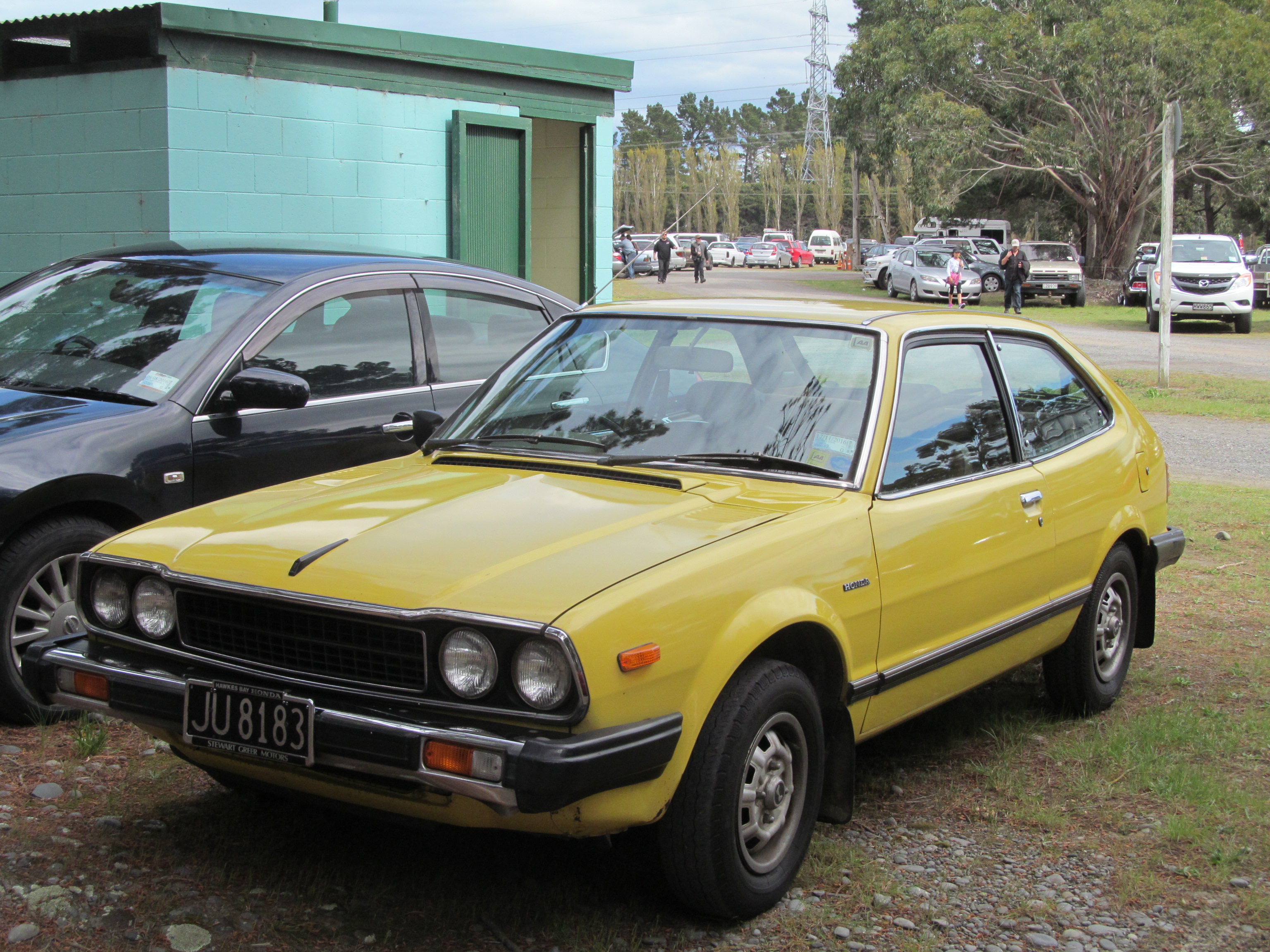
Honda Accord
The Honda Accord is a popular Honda sedan. In this discussion, it’s mentioned as another sedan that’s still selling despite the SUV trend.

Kia K5
The Kia K5 is Kia’s midsize sedan. The hosts bring it up to show that sedans aren’t all disappearing—some models are still gaining sales.

Toyota RAV4
The Toyota RAV4 is a popular Toyota SUV/crossover. The hosts mention it because it’s usually a top seller, and the Camry briefly beat it.

Nissan Rogue
The Nissan Rogue is a Nissan SUV. The host brings it up because the daughter currently drives one and is considering what to buy next.
lease is upon this
A lease is like renting a car for a few years under a contract. When the lease is ending, you usually have to return the car or decide on a new one.
radius of view
“Radius of view” just means how much you can see around you while driving. Because SUVs sit higher, drivers often have an easier time seeing what’s going on around the car.
station wagon
A station wagon is like a car with extra space behind the back seats. It’s usually more practical for carrying stuff than a regular sedan.
ski port
A ski port is a pass-through opening between the back seats and the trunk. It’s handy for carrying long items without cluttering the passenger area.
sedan
A sedan is a common type of car with a separate trunk in the back. It usually has four doors and seats for a family.
two-door
Two-door means there are only two doors total per side. It can be less convenient for getting in and out of the back seats.
SUVs sleeker
They’re talking about SUVs being shaped to look smoother and more like sedans. Even if it looks more like a sedan, it’s still considered an SUV.
under 30 grand
“Under 30 grand” just means a car price below about $30,000. It’s the budget the hosts are using to talk about what cars people will shop for.
Ford
Ford is a major automotive brand discussed here as a potential source of cars under the stated budget. The host’s question implies the buyer might not be limited to Ford for their purchase.
Mars
“Mars” doesn’t clearly match a well-known car brand in this context. The transcript likely has a mis-transcription, so the exact brand may be unclear.
Corvette
The Corvette is a sports car from Chevrolet. Here it’s mentioned as an exception—something two-door that might be worth considering.
pre-owned
“Pre-owned” just means the car isn’t brand new—it’s already been owned before. They’re talking about buying one that’s a few years old with moderate miles.
V badges
They’re talking about the little name badges on the car that indicate a higher-performance version. They’re saying they don’t care about having those badges.
six-cylinder
A “six-cylinder” engine means the engine has six combustion chambers. It often feels smoother and easier to live with than smaller engines, which is why the speaker brings it up.
four-cylinder
A “four-cylinder” engine has four cylinders. It’s often the smaller, more efficient option, and the speaker is saying you don’t necessarily need a huge engine to enjoy the car.
GM
GM is short for General Motors, a major car company that makes cars under several brands. The speaker is talking about what GM (and its brands) do well and what they don’t make anymore.
Buicks
Buick is a car brand. The speaker is basically saying GM also makes Buicks, so it’s not just one type of car company.
TempleMaltonMotors
This sounds like a local car business that’s putting on the cruise. They’re connected to the event details the hosts are sharing.
NorthsideMustangandKatieCruisers
They mention a local group that picks which cars win the trophies. It’s part of how the event decides the winners.
restomod
A restomod is an older car that’s been updated with newer parts. It’s meant to feel like a classic, but drive more like a modern car.
hotrods
Hot rods are older cars that people modify to make them look cool and drive fast. It’s usually a custom project rather than a stock car.
musclecars
Muscle cars are performance cars built to go fast, especially in a straight line. They’re usually known for powerful engines.
ratrods
Ratrods are cars that look rough on purpose. People build them for personality and style, not for a showroom-perfect finish.
custom cruisers
Custom cruisers are cars people customize mainly for cruising around and showing at car events. They’re usually more about style and vibe than racing.
Quick Lube shops
Quick-lube shops are places that do routine services quickly—most commonly oil changes. The hosts are saying these shops are pulling customers away from dealerships, mainly because they’re cheaper.
pricing strategy
Pricing strategy is basically how a business decides what to charge and what discounts or offers to use. The podcast is saying dealerships are being undercut on price by quick-lube shops.
Ducker Carlisle
Ducker Carlisle is a company that studies the auto industry and publishes reports. Here, they’re being used as the “source” for the numbers comparing dealerships to quick-lube shops.
market share
Market share means “how much of the business” a shop type is getting compared to others. The hosts are saying quick-lube shops are taking a bigger slice of customers than dealerships.
oil changes
An oil change is when the old engine oil is drained and replaced with fresh oil. The podcast is using how often people get oil changes to explain which type of shop is gaining customers.
free maintenance paid for by the OEM
OEM just means the car’s maker. Some new cars include a free maintenance period, so for a while the owner doesn’t have to pay for routine service—often making it easier for dealerships to keep customers.
quick lane
A “quick lane” is a faster line at a dealership for common services. Instead of waiting a long time, you get in, get the basic work done quickly, and leave.
Bugatti
Bugatti is a luxury supercar brand. They’re mentioned as an example of how expensive service can be for very high-end cars.
Gulf Coast AutoShield
Gulf Coast AutoShield is a business that sells car protection and detailing services. They’re pitching products to help protect your paint and glass so you don’t need a full repaint.
automated car wash scratches
Automated car washes can sometimes leave scratches or swirl marks on your paint. The ad is saying their protection helps reduce that kind of damage.
window tint
Window tint is a thin film put on your car’s windows. It can help with sun glare and heat, and it can also make the car feel more private.
windshield protection
Windshield protection is something you put on your windshield to help it stay cleaner and easier to see through. It can also help water bead up instead of spreading.
dashcams
A dashcam is a small camera that records what’s happening while you drive. It can help if there’s an accident or someone disputes what happened.
radar detectors
A radar detector alerts you when it senses police radar signals. It’s meant to warn you about speed enforcement.
gcautoshield.com
This is the company’s website address. It’s there so you can look them up and find information online.
In Wheel Time app
They’re telling you where to listen using their app. It’s about the show, not about car mechanics.