“07” sounds like a model name for a car that someone has seen in Melbourne. The podcast is mentioning it because it’s new enough to be noteworthy. Without more details, it’s best understood as an upcoming or recently spotted vehicle.
An electric vehicle is a car that runs mainly on electricity from a battery. The hosts are also comparing it to hybrid cars when talking about sales percentages.
A plug-in hybrid is part electric and part gas. You can charge it by plugging it in, and then it can run on electricity for a while before switching to gas.
The BMW X5 is a large family-style SUV made by BMW. It’s designed to carry people comfortably and still feel sporty to drive. The podcast brings it up because it’s selling well recently.
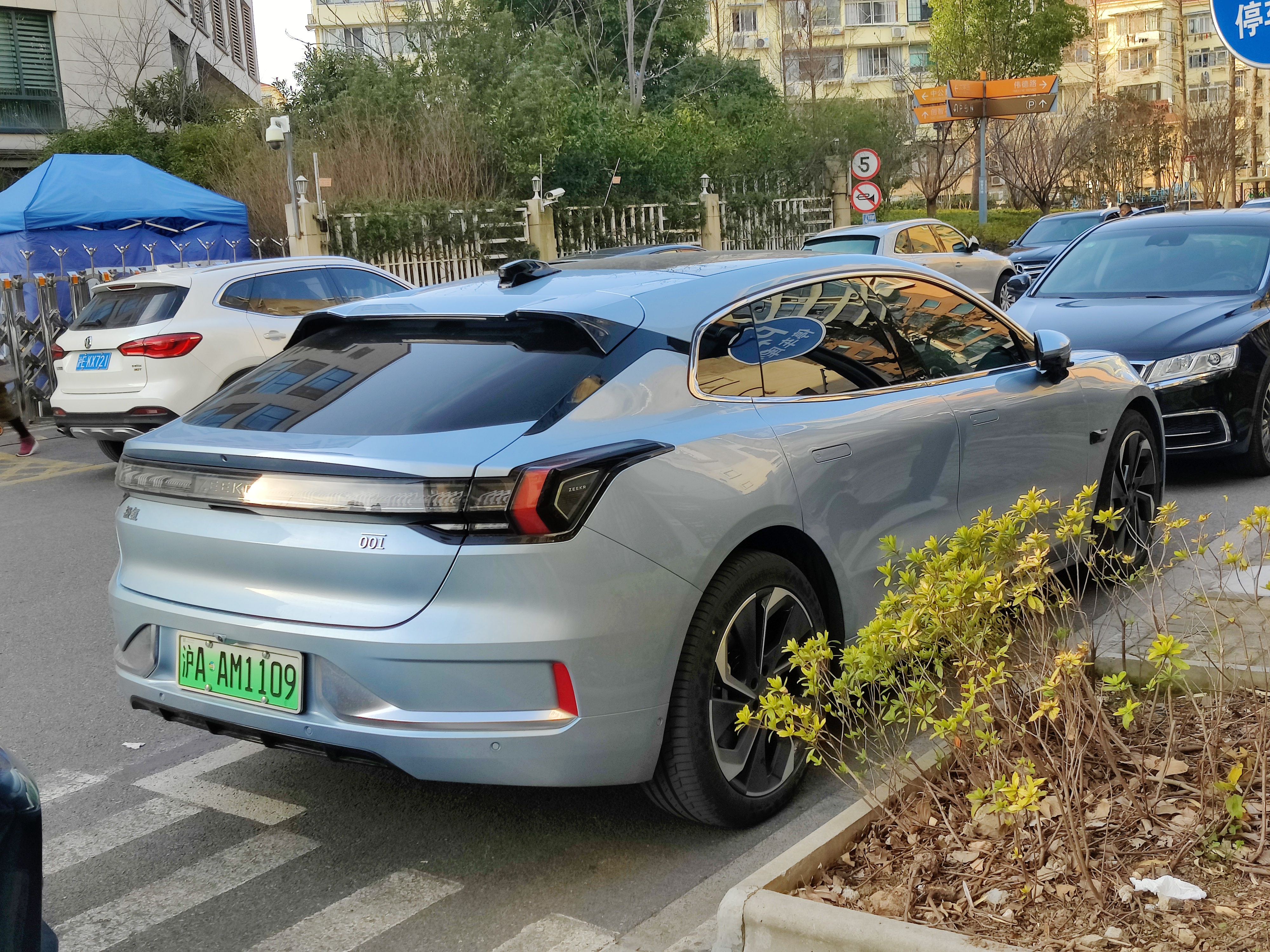
The Zeekr 7X is an electric SUV. The podcast talks about how many have been delivered, which is a way to show whether people are buying it. It’s being mentioned because delivery numbers look strong.
Blade Battery 2.0 is BYD’s newer battery design. It’s meant to be safer and to help the car perform better, especially around charging and heat management.
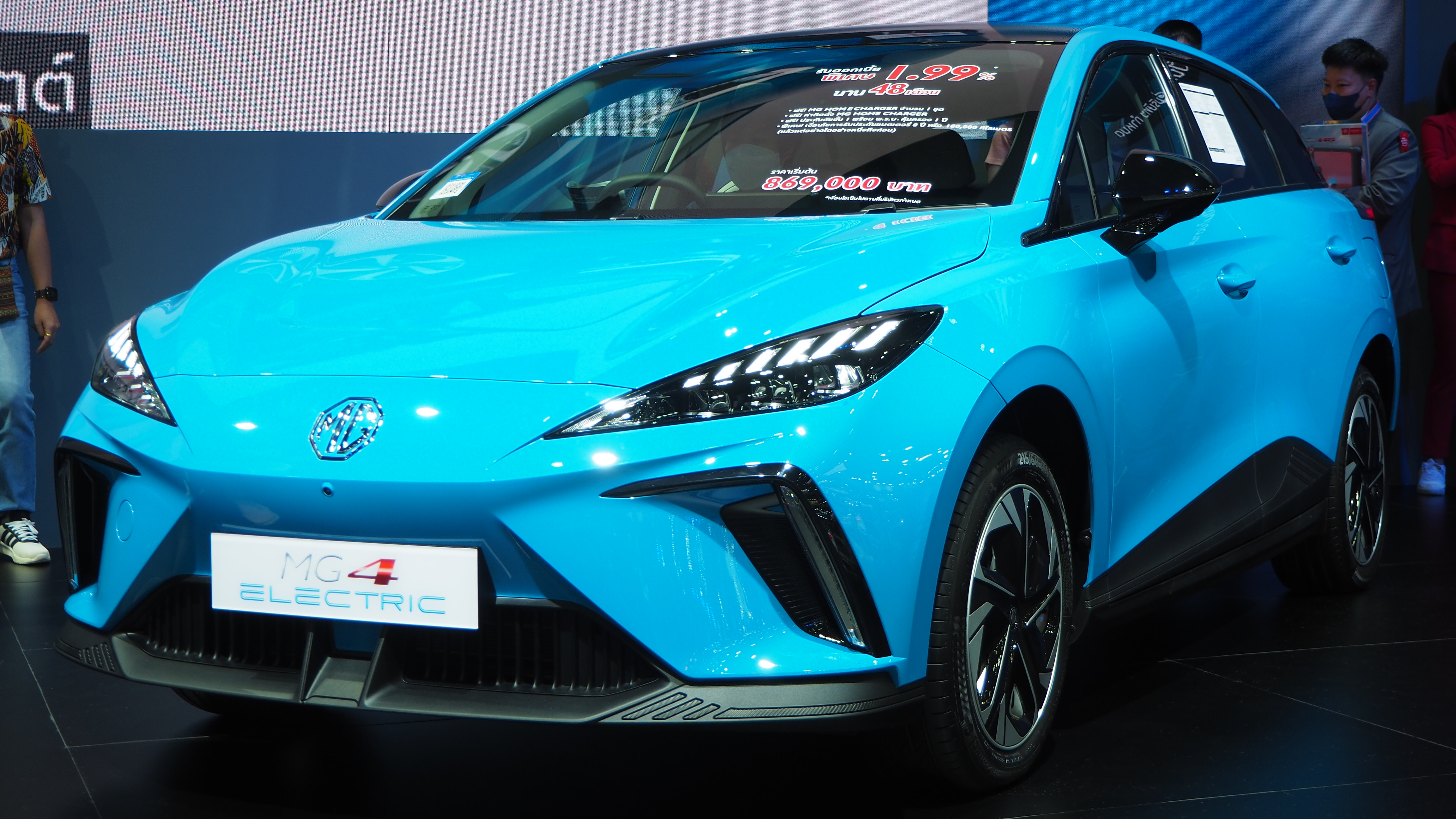
MG4 is an electric hatchback. The hosts are talking about two versions of it—an older one and a newer one—and they mention rear-wheel drive for the newer version. That’s important because it can change how the car drives and how efficient it is.
The Tesla Model Y is an electric SUV. The hosts mention it because it’s been one of the top-selling EVs, and they’re comparing how close other EVs are getting to Tesla’s sales.
Geely is an automaker behind a lot of EV activity. The hosts mention it because EV brands connected to Geely are taking market share and competing with Tesla and BYD.
Concept
medium SUV over 65 thousand Australian dollars
They’re talking about a specific sales category: medium-size SUVs priced above 65,000 Australian dollars. It’s a way to see which EVs are most popular among buyers shopping in that price range.
Satisfied demand means how many people who want an EV can actually buy one because there’s enough stock. If dealers “can’t get enough EVs,” satisfied demand is limited.
The Aion V is an electric car model. The podcast mentions it because the speakers haven’t seen it yet and are expecting to check it out later. It’s included as part of the EV options people are watching for.
“Space Wagon” sounds like a name people use for a particular vehicle. The podcast is describing how it looks, focusing on its styling rather than performance details. It’s being mentioned because it stands out visually.
True EV is mentioned as the company handling Xpeng cars in Australia. That kind of distributor can influence how easy it is to buy and get support for the cars.
Concept
EVs are the hot thing at the moment
They’re saying EVs are very popular right now, so if something goes wrong at the wrong time, it can hurt sales and trust more than usual.
Xpeng is an electric-car brand. The hosts are talking about whether Xpeng will keep growing in Australia and what kind of offers it may need to get people to buy again.
The Ford Ranger is a pickup truck made by Ford. People buy it for hauling, towing, and general rugged use. The podcast mentions it as a well-known model that many buyers recognize.
They’re talking about how the car’s computer driving features are getting better. They compare the feel to Tesla’s FSD, meaning the car can do more of the driving than before. It’s basically about how “smart” the car feels while you’re driving.
FSD stands for “Full Self-Driving,” which is a Tesla term for advanced driving-assist features. The speaker is saying the Xpeng experience felt similar to that kind of advanced, hands-off driving behavior. It’s a comparison point for how capable the system feels.
Fringe benefit tax is a tax on perks your employer gives you (like a company car). If the government changes the EV rules, it can lower the tax cost, which can lower what you end up paying.
Luxury car tax is an extra tax that can apply to expensive cars once they pass a certain price limit. Here, they’re saying the EV tax discounts depend on whether the car is above or below those price cutoffs.
A novated lease is a way to pay for a car through your employer, usually with money taken out of your pay before tax. The hosts are saying if you set it up before a deadline, you may keep the better EV tax treatment afterward.
“Hardware four” is a newer computer inside the Tesla. In this discussion, it’s the computer generation that’s needed to run the most advanced FSD features.
Tesla uses different generations of computers inside the car to run its driving software. The podcast is saying the older computer generation (“hardware three”) can’t do the top FSD features yet.
The Tesla Model S is an electric car that runs on batteries instead of petrol. Tesla can update parts of the car’s features over time with software changes. The podcast is talking about how different versions of the Model S have had different hardware and updates.
On-road costs are the fees you pay after the car’s base price so you can actually register it and drive it. That’s why the final price is usually more than the advertised number.
A compact SUV segment just means the “small SUV” category of cars. The hosts are comparing what’s available and how much it costs so they can judge which brands are offering the best value.
The Suzuki Vitara is a compact SUV. In this discussion, it’s the “yardstick” they use to judge whether other cars are priced fairly in the same size class.
This refers to the idea that some buyers will pay extra for a familiar, established brand name rather than a newer or less-recognized one. The hosts argue Suzuki can charge more because some customers are hesitant to buy “unknown” Chinese brands, even when the newer cars may be better priced.
Term
end cap safety rating
This is about how the car does in crash testing. The hosts are saying the car didn’t score as well as some other EVs, which makes it harder to convince people to buy it.
The e Vitara is an electric SUV version of the Vitara. In the podcast, they mention it got a four-star safety rating instead of five. That’s why it’s being discussed—people want to know how safe it is.
Term
four-star car
A “four-star” safety rating is a simple score that comes from crash tests. The hosts are saying it’s harder to sell a car when it doesn’t get the top score.
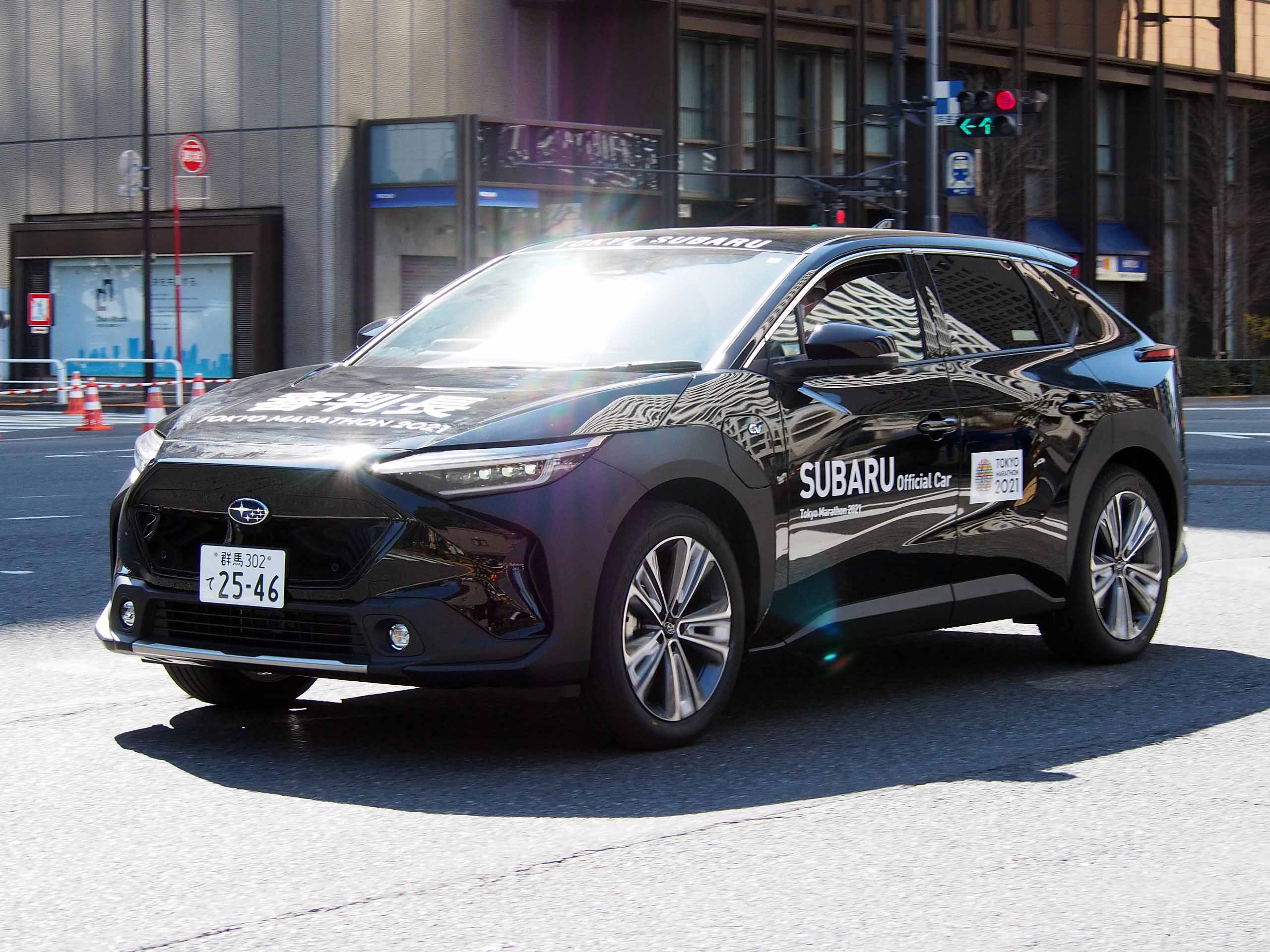
The Subaru Solterra is an electric SUV made by Subaru. It’s designed for families and everyday driving, but with an electric motor instead of petrol. The podcast mentions it because Subaru is planning more EV models.
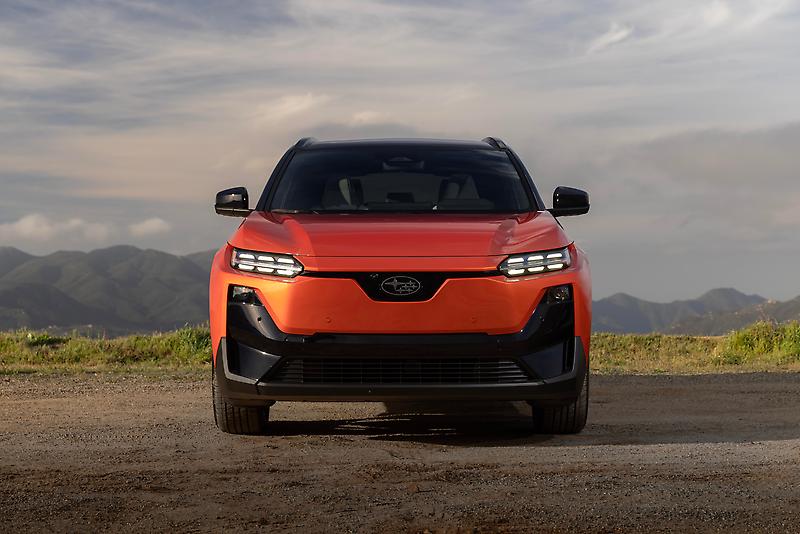
The Subaru Uncharted is a new Subaru model that the podcast says is coming. They describe it as smaller than some other options. It’s mentioned because Subaru is planning more vehicles for buyers.
A “compliance car” is basically a car a company brings in to satisfy government rules. The host is implying it might be offered more to meet requirements than to sell lots of them.
“Driveaway” means the price you pay so you can drive the car off the lot legally. It’s the all-in price after the required registration and taxes are included.
GWM is the car company they reached out to. They’re hoping to get a media/press credential so they can review the EV.
Car
GWM Aura
The GWM Aura is an EV model from GWM. In this segment, they’re talking about how the previous Aura drove and how well it sold, as a clue for how the next one could do.
De-badging is when you remove the little nameplates/badges on a car. The hosts are joking about removing the original badges and putting Porsche ones on instead.
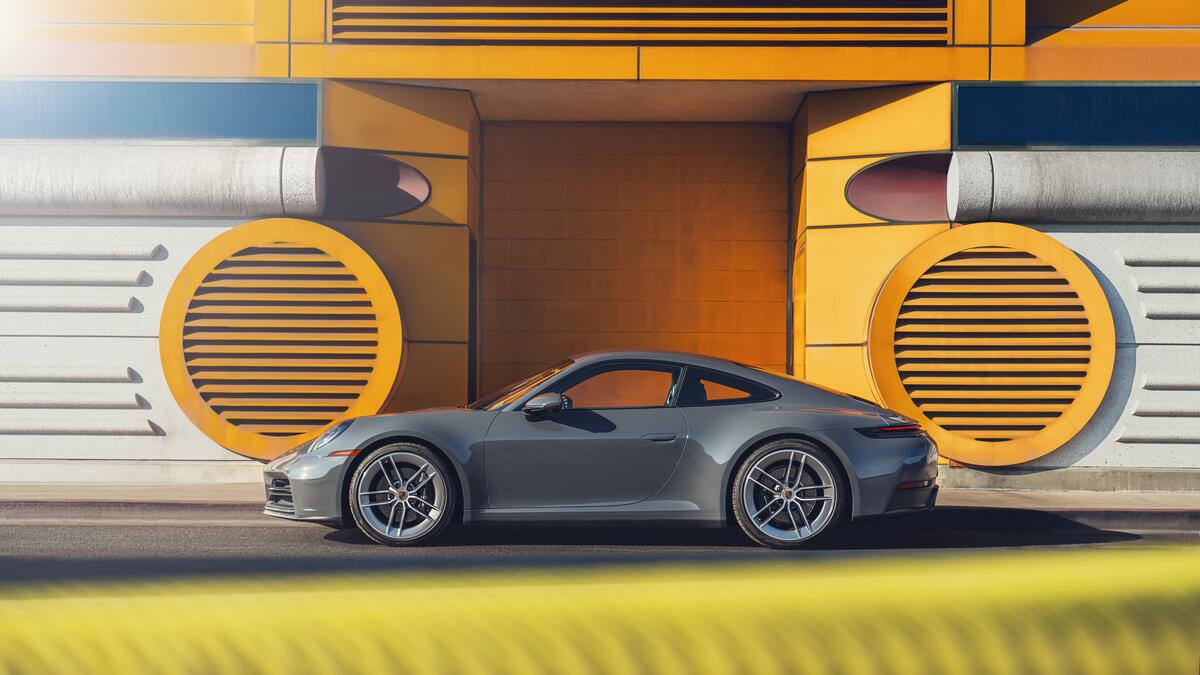
The Porsche Macan is a compact luxury SUV. It’s designed to feel sporty and comfortable, like other Porsche vehicles. The podcast brings it up mainly because it’s associated with a higher price point.
The Saturn Aura is a mid-size car. The podcast talks about it because it apparently sold well in the past. It’s being used as a reference point for thinking about future sales.
Topic
SUV vs hatchback buyer shift
They’re talking about how more people are buying SUVs now, while hatchbacks aren’t as popular. They connect that to how EV sales are going.
The Volkswagen ID. Buzz is an electric van. It comes in versions for carrying cargo and versions for passengers, and the host is comparing another van to that setup.
ADR approval means the vehicle meets Australia’s official safety and emissions rules. If a bus is ADR approved, it’s been cleared to operate legally on Australian roads.
Volgren is a company that builds the bus bodies used by bus operators. Here, they’re mentioned as making electric buses using BYD parts like the chassis and batteries.
Brand
Ventura
Ventura is a bus operator in Australia that runs routes using buses provided by manufacturers/bodybuilders. The segment mentions Ventura in the context of electric bus adoption, implying the operator is deploying electric vehicles on specific routes.
The Volkswagen Bus is a larger vehicle meant to carry people and sometimes cargo. It’s often used like a people-mover rather than a regular small car. The podcast mentions it because it fits into the broader category of buses and commercial vehicles.
That “42 kilowatt hour” number is how much energy is stored in the EV’s battery. More stored energy usually helps the car go farther before it needs charging.
CATL is a big company that makes EV batteries. The hosts are saying CATL is part of the Avatar setup to help provide the battery/charging technology behind these cars.
Term
autonomous driving systems
Autonomous driving systems are the tech that helps a car steer, detect obstacles, and handle parts of driving on its own. The hosts are saying Huawei provides that kind of self-driving technology for these cars.
“10 to 97 percent” is a charging test that starts with the battery at 10% and charges it up to 97%. It’s used to compare how fast different EVs can charge in a realistic range.
State of charge just means how full the battery is, shown as a percent. Charging speed can change depending on whether the battery is nearly empty or nearly full.
They’re talking about a feature where you can order food using the car’s screen, then go pick it up at the restaurant. It’s an example of cars acting like connected devices, not just transportation.
The Dodge Charger is a car that’s built for performance and quick driving. In the podcast, it comes up in a charging-related discussion, which is why it’s being mentioned in this EV-focused episode. The key point is that it’s a performance model from Dodge.
The Porsche Panamera is a luxury four-door car made by Porsche. It’s designed to be comfortable for daily driving while still feeling sporty. The podcast mentions it because new vehicles being discussed resemble the Panamera in style.
The Yangwang U9 is an electric car designed for very high performance. The podcast says people are placing orders and that it may be coming to Australia. It’s included because it’s a notable new EV entering the market.
“Drive on three wheels” refers to a stunt maneuver where the car intentionally has only three wheels providing traction while the remaining wheel is lifted. For an EV hypercar like the Yangwang U9, this requires precise torque distribution and stability control to keep the car balanced and prevent a spin or tip.
The Zeekr 009 is an electric vehicle designed to carry multiple passengers. The podcast mentions it while talking about how some EVs are being marketed as very advanced and feature-heavy. It’s included because it’s a prominent example of that kind of EV.
Xiaomi is best known for electronics, but it’s also working on cars. The episode is talking about the teams inside Xiaomi that build and design their vehicle products.
Right-hand drive markets are countries where cars are built with the steering wheel on the right side (like Australia). For EV makers, this affects vehicle design, homologation/approval, and how quickly models can be sold locally.
A hypercar is like a supercar on steroids—an extremely fast, high-end, often limited-run car. The point here is that some Chinese EV brands want to compete with the most elite performance cars.
They’re talking about Chinese EV companies trying to get involved with Formula 1. The idea is that racing helps brands prove technology and gain attention worldwide.
They’re describing deals where buying a house can come with a free electric car. That matters because it can make EVs easier to afford for people who are already spending a lot on housing.
LIVE
You
Hey everyone, I'm Tom and this is Joe. Hello. Welcome to let me move it just a little bit. There we go
Camera's not quite in position. There we go. We've got it. I'm very sorry. Yeah, just a very short headphone cord today
But um, yeah, it's been a while. I know it's been a while guys
So thanks for joining us tonight. It is Wednesday the 6th of May 2026
It feels like it's been ages since we've seen you guys on the show, but thanks for joining us tonight
Let's let's welcome our guests as always our co-host. I should say we'll start with Riz. Hello Riz. How are we?
Yeah going well Tom. Good to see both of you
Excellent welcome back as well from China. I trust you had a good trip. Ni hao ma way back
Let's say hello to Roland, which we haven't seen in a while as well. Hey Roland. How's things?
Hello, good. Thanks. How is everyone? Oh too bad. What's about Roland from zap YouTube channel?
Have you been over the April Eastern school holiday period?
Good I
Genuinely tuned out a little bit. I went overseas for a family holiday. Nothing car related unfortunately
But I went somewhere where there was no EVs believe it or not. Oh zero. No
Zero my goodness and top
Yes, cold right at home. Oh
Well, sometimes a break is good, right? Just get away from it all get out of the bubble and then back refresh. I'm sure
Yep, looking forward to tonight
We've got a lot to chat about we've missed out on weeks weeks of good news. So yeah, stay tuned everyone
Let's say hello to some of our regulars this evening. You've joined us early. Hello JJ J neti from Queensland
It looks like she is
Yes, putting in the new harness for the Tesla supercharger compatibility. Well done and hello mother from the snowy mountains has joined us early
Hello mark from Hamilton, Victoria. Hello Murray from Western Sydney
Hello Lewis from Brisbane
Hello HK from Perth and
Yes, hello everyone for joining us nice and early as well. Yes, HK. There is an avatar 07 spotted in Melbourne
So we'll talk about that later on so hang tight for that one and hello EV as yes. Hello, ludicrous feeders. We've missed this
We certainly have we missed you guys as well. So good to be back
Alrighty well speaking of which let's let's chat about the sales figures for
April 2026, which was another record risk, I believe
Record percentage wise but not the highest month for sales. That was last month
So yeah, we've got 16.4
Percent of all vehicles sold were electric fully electric
And I think if you add hybrids into it sort of plug-in hybrids, it sort of increases that to about 25%
So depending on who you talk to
Electric vehicle council will tell you quarter of all our vehicles are electric
But only 16.4 percent up
But you know the plug-in hybrid tail is also growing in popularity
after of course the fuel price is where they've been they've sort of come down a drop past a pump the other day and it was sort of
Petrol unleaded was under a dollar 80. It was a while since I've seen that
But if you you know add the excise to it, which is currently off
Then you're still looking at over $2 and diesel is still well above $2. So people are flocking into
You know car dealers particularly wanting electric cars
Yes, might be a bit of eye of the storm I guess with petrol prices
So it's not all smooth sailing unfortunately
But yeah, I mean look it's still a record percentage share
Let's let's take a win when we see one 16.46 percent as your article says there is
And some if we look if we sort of drill down into the actual
Figures car by car, you'll see that in terms of raw numbers
BY2C line 7 is leading the pack this month or last month
I should say and gle x5 having a really good month over a 200 sales, which is great to see
And Zika 7x celebrating well a thousand Zika's delivered
But almost a thousand Zika 7x is delivered for the month of April, which is great
There weren't a lot of Zika X's so because they're waiting on the new
Refresh which was launched at the Melbourne Motor Show in April to those vehicles to be delivered
But and you know Tesla had their sort of the quieter first month of the quarter
Expecting sort of big things in in May
And yeah Kia, I think they're doing relatively well
Biggest month for motor jku. I was in China. Thanks to cherry and
They've got a lot of interesting product coming and yeah the motor jku j5 of course doing really well and then you know a
hat-trick of BYD's
321 in the same order
You know all getting over 500 sales and batter to another three getting over 600 a bit
I guess
Still need to dive a bit deeper into what's going on with the
Addo 3 Evo as they call it or what happened at the Beijing auto show they unveiled their
Addo 3 with
The latest and greatest blade battery 2.0 with you know flash driving technology
so
Not sure when Evo will land when the flash charging stuff will come probably 18 months away for the flash charging but
Good to see mg4
Up there over 500
Of them. So what I love about this sort of list like March April now is now we're starting to really get into mainstream
so we're seeing like
models that weren't too popular like hatchbacks
starting to make quite a bit of a comeback
and
Yeah, I think the list is looking good
Now the mg4 is the mg4 urban and the old mg4, right? Yeah
And that will continue to be sold that way at the melbourne motor show they unveiled
What they call the new
old mg4 so the rear wheel drive
So that's I think wishes it will be a mixture
I see that they've completely pretty much run out of the old mg4 as of the end of March
Um, so I suspect this will be the urban and
The new old mg4 if that makes sense
Yep. Yep. Yeah, I like the fact that uh, the driven's got this very detailed list now. So you're seeing brands like, uh, you know
What is it like the um depal is done to shop there? I know it's a fair way down, but um, it's good to see that sort of selling
Few vw is also selling there. So look, I think whatever stock is available people are just snapping it up because you know
EVs are
Just the way to go at the moment given what we've discussed with the fuel pricing and the war, of course
Even more expensive ones too like the volver and the polster. Yep, exactly. Yep
Yeah, it's definitely I think it's it's really good to see that the mixture of cars, right? That's quite good
even heard us up there just under
mg4 with the vz4x and the new you know the new vz4x
Tech wise is at least competitive
So we we just reviewed that car. It's on the members only part of the channel
So it will drop fully tomorrow. It's yeah, you'll see what we think about it, but you're right
It's a bit more compelling now at least there's a decent price drop
Well compared to the previous vz4x
You're right. It is it is borderline competitive now. So
Anyway, you see what we think when you watch the video
Yeah, look, it's it's good. Good to see the numbers up and if you look at year to date
The tesla model y is still
500 sales ahead of bydc line seven, but there's not much in it. I must say so. Yeah, it's great to see
Other brands taking it to byd and tesla exactly. Yeah, gily zika, of course
If if riz. Thanks cherry then joy and I will thank gily and zika for taking us
Overseas that was fun. It was a good trip and check out our videos, of course if you want to see what we've got up to
So yeah
Segway to that is of course zika, which we touched on just briefly that they delivered a thousand cars in a single month
Which is great to see for a may relatively new brand honestly
So that's it's quite an achievement for the local team here in australia. Well done
And zika asked me also to put this slide up the fact that they are now the best well last month
They were the best selling medium suv over 65
thousand australian dollars
So for that very discreet category zika is and hold on
Good work. It's like when they say it's the largest in the southern hemisphere, isn't it?
No, let's not discount that it's it's pretty good. They've done very well zika seven. It is a lovely company
Honestly, they're beating the model y and and you know, that's sort of been the like top selling. Yeah, it's always a benchmark here
And are you guys starting to see more in your neighborhood because certainly where we are certainly certainly almost seven x's driving around
Yep, I'm starting. I'm definitely starting to see a lot
Nowhere near as many sea lion sevens though and of course teslas
I'm quite confident that in the hills teslas are still outnumbered outnumbering every other brand but
Sea lion sevens are up there and seven x's
Starting to like every day if I drive out. I'm quite confident. I'll see at least
One or 27 x's
Yeah
Yeah, can you guys have a guess of how many tesla model y's they are in the country?
I was working on a bit of that stuff today playing with some data
Take a guess. Let me cheat a bit. I look at your article and say how many eds have been sold year to date. Let's see
Like 40 something thousand, right?
Uh, yeah, 30 30
Oh, maybe 40. Yeah, yeah 40. Yeah, okay. Well, should we say half of that is tesla model y or that is that too much?
It's 20,000 too much
well
I don't think so because what I know you have to account for byd as well
Yeah, but they're true
I'll say 15,000
So that's for just this year
Year to date. Yeah, year to date. What about total in the country?
Like ever
How many are on the road today?
tesla model y's
there is
378,000 battery electric cars on the road
Out of those 370,000 how many do we think are tesla model y's?
It's gotta be a huge chunk. Yeah, I reckon
Like
40% of them. Yeah, I'd say pretty close. I was gonna say third so like 100,000 120,000 close there
But it's about 80 80 9,000 now
89,000 model what's that as a percent my brain can't function. It's like 25. Yeah, yeah, that's huge
It's
It goes to sure no wonder we see them everywhere and
Yeah, sevens and zika seven x might be
The next big thing coming up
Based on those numbers how they're catching up. I think it will
And with the model yl coming as well, I think it'll just explode. I think the next few months. So
No, it should be good. Um, I'll just put up a comment here from uh, you see darryl here
I see a zika seven x in his driver every day. Well done
big flex
Yeah, and someone
Tristan's saying I know someone who works for scota. They say they can't get enough stock of EVs. That's great
That's really good news. Isn't it the satisfied demand
Um, it's good. I think we've got a scota all right coming up on the channel
So stay tuned for that looking forward to see what they've got up to
Uh, yeah, still none of us for gac ion v and ut. Well, hopefully next month is we'll see
Yeah, and yes tazzy agreed vw id 4 uh seeing that on the road as well feel those two just good
Seven x is a lovely drive with switch the windows won't count too intuitive. Some of them are like that
You think it's you're pressing down, but it goes up. Yeah, I agree
Uh, the big call guys roll on it is I know and joy got seven gt, right? How will it be priced?
I'm thinking I'm thinking less than seven x. That's that's my wishful thinking
I'm with you. Yep
less
Do you like hope so fingers crossed less
What do you reckon? I don't know enough about like sedans. Yeah
Riz um, I am surprised to say right. Yeah, exactly. That's a good call. Yeah same thing
Um, I think it would be same or slightly more
Purely because in our market the seven x is priced way lower
Than what it is in europe in europe the seven x is priced start from memory. I think about 20% more than a model y
Really here the seven x starts at I I think about a thousand bucks less
Or same I think as the as the model y so if you think about that we're getting a cracking of a deal already
On the seven x and then the bulk of the buyers are actually buying the long range. They're not buying the
entry level anyway
Um, so yes always top spec people
You're telling me and you know, you know what's even better. It's like
Those of those of us that have been on this show for a while, you know, I'm into
Rap music and gangster things and black on black. So black edition is I'm glad that zika has been thinking the right way
Because the black on black is the top edition
And that I think and now I've also heard rumors. That's frankly the managing director's favorite edition of the car as well
So that I think is the top spec smaller wheels
But it looks really really cool. They had one at the melbourne motor show and I think
Tom joy and roland you'll have to try and borrow one. It just it looks pretty cool
Well, we saw one in hong joe with gold rooms
I personally thought it was a bit much a lot of comments on the video go. No, no, we want that car. Don't say it's too much
so
It certainly looked very chariot like with the gold room. So that might be might be a popular choice possible
We'll see but I do like the black the black trim was lovely black car
Uh, no, look, I think on a serious note. I think because we don't have any tariffs
Obviously in australia, we get a get a huge choice and a very good
Price on our EVs, which is which is great. I think it's we're very lucky here in australia
Uh, now
Tess, uh, x-pane missing out. Well, look, I've got some x-pane news actually as well
True, we did release a statement today. So we'll touch on that very shortly. So stay tuned about x-pane
And what's happening in australia?
And just really quickly as well. I just want to show this graphic
That rahul our friend used to be on the stream
Shared with us on x. It looks like australia is doing very well. Just, you know, uh,
month on month at the moment given
Uh, you know, across the across the world what's happening. So we are certainly starting to pick up with EV adoption
Which is great to see compared to our our counterparts in europe
Excellent 115 percent year on year so far 26 to 25
Uh, which is good march 26 versus march 25. No, the y-axis is different for everyone. Yes
It's a bit deceptive, but
We'll take a win. win
Um, okay, so just on true EV. So let's have a look at this. I I'm like a joy to read this. So maybe, um
You will start coughing. I will I'll read that and then you can take over or maybe maybe riz or rollin can read this
Yeah, I was no good at english at school
And now I've ridden over 1500 articles on the driven. So maybe I can I can do a bit
Maybe zoom in a little bit if you can
Take that riz's english teacher. Um, all right. Here we go
So this is a statement that came out of true EV the previous
I don't know about the previous but the distributor the original distributor for x-peng vehicles
And it goes something along the lines of this is from jason clark who was their ceo
Who tom and I have met quite a few times? Um
So dear valued customers i'm writing with an update on recent developments affecting true EV and x-peng in australia
Let me start by apologizing for not contacting you sooner
The background is that true EV was appointed as x-peng exclusive exclusive importer
distributor and retailer in 2024
Since then we've invested significantly to establish the brand locally
Building a national retail and service network supporting customers across the country and laying the foundations for long-term success in the australian market
This was to ensure true EV customers past present and future would get support and service they needed
however
over the past 16 months
changes undertaken by x-peng
Have materially impacted operations resulting in ongoing challenges and uncertainty for true EV
Unfortunately, we've had to attempt to resolve these issues in the federal court
During this period there have been challenges affecting areas such as
vehicle supply
parts availability
and certain processing timelines
We acknowledge that this may have caused inconvenience to some customers
Now what they're going to do our commitment our commitment to you
I can assure you of the following warranties will continue
um to be supported cashback offers are being
Processed as we work through current backlogs
customer support and after-sale service
are a priority
And we're doing everything we can to maintain continuity
the present
True EV remains fully committed to supporting our customers partners and
x-peng brand in australia while the court process is going is ongoing our immediate
who is this one?
uh our
immediate focus is maintaining
service
continuity and improving
um customer outcomes
From now on as we work through the current challenges, we will keep you up to date
We understand your frustration and sincerely appreciate your patience and the trust you have placed in us
Our commitment remains to act with integrity and to do the right thing by the customer at every step
Should you have any questions contact True EV at x-peng at True EV.com to the you find regards Jason Clark CEO of True EV
Thank you. It is well read and I think the main points obviously is the commitment that warranties will still be supported
cashbacks will still be processed
And customer support sales is still there ongoing. So
At least that's some certainty and given that it's in black and white now. So the cashback offer must be warranted or must be processed
so
What do you guys is that is that enough of a reassurance for x-peng current owners and potential buyers? What do you think?
I think so, I mean look it's it's
it's come
a little bit late in the piece, but I think that at least it's
something and it follows what
just over a month ago what x-peng announced
As part of our press release that they'll be continuing to
for supporting customers
so
Yeah, I guess we'll probably see more of
More communication from both sides
Yeah, I mean look personally, I think I think a lot of damage has been done
This will do some way go some way to help
but I think they are certainly gonna have to
Uh, gonna have to do a lot of work in the next six months to a year
And as someone said it's come at a bad time obviously because you know, there's EVs are the hot thing at the moment
People want EVs and this is just not a good time for this to happen. Unfortunately for the brand
So we shall see I mean
Sir Tom, I was just gonna say please if x-peng brand is
Going to stay like they're officially going to grow here
I'm really looking forward to what they're going to offer because they will have to strike up
Fantastic deals for consumers
To bring back confidence and for consumers to actually buy the the brand because I know a lot of people been looking for
For forward to the G9, which is the big SUV and the x9 people move up for like the past two years
And with this he obviously didn't help so I'm looking forward to seeing what they will offer
As first buyers as soon as they decide to launch if that's still what they want to do
and
And joy and I visited
You know x-peng HQ in Guangzhou
We've seen their cars on the shows in China and riz has as well and you know, you'll know that x-peng's a big brand
It's a huge brand over there big campus good cars as Roland said. So yeah, I am the same looking forward to what they can offer
Beijing as well. Sorry riz. Um, you know, you wouldn't know there's anything obviously going on in Australia at the moment when you see
their stand there in Beijing
It's like it's huge. It's like business as usual and
People chasing after like how peng is usual as well like the rock star that he is
It was pretty cool. Wasn't it? I did get
Maybe two minutes at the x-peng stand
And that gx the new
That looks sweet. Hey
Incredible incredible. I guess people say it's a
Ranger over autobiography copy whatever people want to call it but in person
It doesn't feel anything like that. You couldn't they had I think four cars four of these huge gx's
And I couldn't get in one like it was that busy
so
Yeah, great product and
I
And they're so accommodating like the the HQ team. I just want to tell you know our
Viewers and listeners. They're so accommodating. I was there with cherry
Um
And I did happen to find half a day
Just before the Beijing show
And they messaged me saying hey if you're in town and feel free do you want to try out?
I knew the latest and greatest x-peng vla 2.0
And I said, yeah, I took a 20-minute DD and they had everything lined up as soon as I got there
They escorted me to the car and said please take a test drive
And it was pretty good. I was impressed like it's it's it's getting
Really really good very close to what fsd's like in australia
So tech wise product wise the way the cars look
How popular they are in china the pricing?
they are
Really top notch brand and I think that there's
You know this this email may or may not instill confidence in people
But I think the products that have lined up are really cool one other maybe
You know our ev show exclusive
I have spotted
Three
x-peng dealers that weren't there two weeks ago
Currently being set up
Interesting from hq do you reckon I think from hq and I can say this because I have seen
Signs and I one of one of the sides had drove past and I was thinking that
Did not have an x-peng sign the last time I was here
and
It was pretty close to a bonza lounge in melbourne near the airport
so
And I had to do like a google street for you just to see hey
I'm sure there was no x-peng sign there before
So just putting it out there that they are there's stuff happening in the background
Um, and it's happening nationally. So watch this space
Okay, that's very interesting. So anybody who spots those dealers that riz is talking about in victoria. Let us know drop us
Drop us a photo. We'll uh show it next week. Um, but yeah, riz. I just one more thing
I'm surprised I didn't send the flying car to get you from your hotel in beijing seriously
Look from riz just possible anything's possible
But the thing is I think it might have gotten a bit scared with cherry's flying cars, but you have seen at the show
All right, I could have you could have jumped on one of the robots that I was walking around the show as well
Too funny, but yeah, we wish x-peng well, and hopefully this all gets resolved very quickly
Uh, no just quickly. Let's talk about the ev
discount the fringe benefit tax
Now it is getting work. The proposal is for uh from 2027
Uh thing basically over 75 000 to the luxury car tax threshold of 91 000 something like that
Uh will only be discount 25 of the fbt uh full rate
Whereas anything under 75 grand will still enjoy the same benefits as they are now and then from 2029 all cars
All evenings will have only a 25 discount of the fbt
Uh rate so still better than petrol but not as good as it is now at the moment
So that's the first changes in the federal budget coming up very soon
So I reckon guys now is probably a good time to take advantage of the uh
So get in there, uh, but also if you get a novate at least before 2029 it'll carry over after 2029 as well
So
I think 11 quick point here
I think this is this is actually a really good good thing for consumers because what it will
Get manufacturers to do such as those cars like
x9 and
Whatever else if they want to sell them in big numbers
They've got to have a version that falls under 75 grand
So it's I think it's only a good thing for consumers. Correct. That's a new threshold
You like cut off it must be 75 grand otherwise. It's not going to sell. Yep, great point
So watch this space and get in there on the discounts
Okay, now speaking of tesla model yl roland you posted this it looks like yes the first
I think this gentleman was actually the first one in australia. I think there was a follow-up post right
Got his first yl in australia
Queensland yeah
Yeah, so
Should be seeing plenty from now. That was I think last week
Hmm
Can't really tell from the front right? It's you know business up the front party at the back
You have to look it's probably the wheels
That's the wheels is the big giveaway if you're next to it. Yep. It is a big big a bougie and obviously the triple y at the back
And the way to spot these in china is
From far away without looking at the wheels is the gold color if you can find that that's purchased in that special gold
Then
There that's a yl, but I don't from memory. I think it's still exclusive to the yl only
The cosmic silver. Yeah, that's the one. Yeah
Although admittedly half the teslas in china are wrapped anyway, so you can't
Well, I've got hella kitty or whatever on the front
Just a thing to do in china
Um, just stick it with tesla for the time being so yes, so looks like hardware three owners will not be able to achieve
Full unsupervised fsd. That's going to be limited to hardware four and above
But I'm hearing news that fsd light is coming to australia if i'm not wrong
So we'll see
Yeah, i'm not sure what that entails exactly, but I think fsd light in the us is already rolling up as well
Yeah, there was a post by tesla themselves after the after last earnings call where
They were talking about it and also there's obviously some talk about
Upgrading hardware three computers to hardware four and don't know what that rollout looks like, but it is something that
elon mentioned and at the last earnings call so hey at least they can do something about these computers if
The you know, it's like those I think it was hardware two or 2.5
Or 1.5 to 2.5 but model s and x's got those upgrades once
And i'm yet to see any other manufacturer do that
So if one if someone can do it it would be tesla
We'll see hey, yeah, I mean
I don't know it just from this to sentence alone this
Statement alone not too confident with the upgrade, but you never know never know the pretty agile company
They'll watch this space
Um, let's take a few comments from the audience. So just in saying there is an xpang dealer at springwood and also sunshine coast
okay
Tony same on the way back from brisbane today noticed a big xpang sign at springwood
Take those photos guys. Let us know
And matt saying Geely x5 was a shock I can explain it by saying they must have great supply lines
And deliver cars whereas many other companies have backlogs. Look, I think you know, obviously Geely is like like big two in china
Right, you've got or big three possibly at byd Geely cherry gwm. It's one of the big ones. So anyone can do what they can
Um
And how saying use car sales still booming from roscoe which is good. So yeah, I don't think there's many evs left
I would say they're getting snapped up
Um
Yeah, rap still seem very expensive. They are like they're like what 19000 for a rap
How much do you pay for like premium paint though? So you don't get premium paint and then just get a wrap drew white car with a wrap. Yep
Yeah, I think the um red and the cosmic silver paint from water yl is like three and a half ground or something crazy
Yeah, and don't forget that once taxes are included as part of all of that
Yeah, exactly
Um
There goes quave head. There was a saying the spring would expand had its signs and banners down over a couple weeks ago
And now they're back. Okay, interesting. So renewed confidence
interesting
Now, uh, matt has helped us segue to the next segment. Hey team would love to discuss your suzuki
E vatara post no problems at all. Let's do that right now for you. In fact, that's what we do here ludicrous feed
So, um, yeah, good good chance to talk about this. So but all three all four of us went to the suzuki
Launch in fact, let's put this picture up again. Why not? This is us for suzuki launch
last month or two months ago
Great to have all four of us in person. Of course sharing a meal
But uh, yeah, this is they didn't have a price back then so they're kind of like there's no price
But here have a look at the car post your content etc
But this is now the prices rolling posted. Um
Now, actually, let's take this take this down for a sec. So what what did we what do we say guys on your respective content?
What do we say the price was going to be starting from do you remember?
Roland, do you remember?
I remember mine. I said wishful thinking as a consumer. I would like to see the entry spec
in the
low to mid
30s
with a top one at 40
Yes, yep
Do you remember what you said the predicted? I don't remember but I I agree with Roland
That's what that car should be priced at but
I think joy we said what same the same for all I think I remember saying I think it's going to be price small than we think
That's all I remember thinking like because I that sounds familiar. You definitely said that
Yeah, because I think they're going to slap the Japanese premium on it Japanese tax. Um, even though it's not really
Japanese, but yeah, it's not is it? It's like indo chinese or
Indian chinese
It's made in india. It's fusion
It's it's a fusion. Yes. It's a silk road
It's got a byd blade battery. So there's the chinese part of it. I mean, yeah, at least it's got that
So there's the pricing is rolling posted
Uh, so pre-order special 46 990. I'm feeling the pain just reading that
And then post pre-order special 49 990 driveway for the emotion, which is the base entry level
So if we cut them some slack
firstly around the driveway price stuff so
Really what they're saying is 42 grand
plus on-road costs
For the pre-order pricing and maybe 45 grand or 46 grand plus on-road costs
after
The pre-order pricing the issue is
the pre-orders
They're only giving 100 customers
and meanwhile
jku j5
They said a thousand they're up to 2000 to april now
They've got over 6,000 orders and they're saying end of financially
And that's 37 990 drive away that car is
Way better in every way
Um, then what this is, but this is for existing Suzuki customers
I can't see anyone else that would want to buy that
I mean, you know when we all all of us saw that car and all of us know what it's like and
As joy said it's it'd be priced more than what it should be
It's it's crazy. It should be low 30s honestly for what it is
Uh, and the jku you're right like what you know thousands of orders and it shows they're serious, right?
In fact, I might put this up. This is our spreadsheet here. So this is a comparison of
What is available in this compact suv segment?
You can see there is a lot of cars priced below the suzuki ivetara
A lot of good chinese cars. They're right g w m g a c b y d mg jku you name it
Even the zika zika x the new zika x is sub 50
That is a much more premium car
unfortunately
Or a five that was at the at the melbourne motor show like that car 34 grand driver, but it's crazy. Yeah
I mean, I I feel bad you're talking like this
But I think brands like suzuki need to wake up and realize there's you know, there's a lot of competition
And to sell cars like this is the benchmark. I need to hit
So they're just banking on the fact that there are some people out there who just really don't want to buy into an unknown brand
It's like they believe that the suzuki brand
Is worth paying that much more for compared to
like
You know
Obviously with some of the other chinese brands like three years ago. You wouldn't have heard of them
So they're thinking well, it's worth $10,000 to have
A car that has got a name that's been around for longer than three years in this country at least
I don't think it's worth 10,000 but you know, I think I think that's kind of like the thinking behind
That it's worth
Right that I think we also got to see I think that was there now's the new version of that
Which looked like the old version of the car anyway, and that was
From memory 39 or 40 grand drive away. So this had to be more but then how much more is
Yeah, I guess maybe it's like they've got the same strategy as Toyota did when they launched the original bz 4x
Price it at 70 80 grand and then
You know try try and plug it for under 52 dealers or something like that. Yeah as um
Well, yeah, the spreadsheet is um, it's on all our videos. So I'll put in the video description as well
The other thing to consider sorry and I don't think this is going to help when I say this
The car officially had its end cap safety rating
um
Put up I think it was a couple weeks ago and the evitara is a four-star car
It didn't make five stars
That is such a hard sell right when all the Chinese cars getting fives. It's it's really hard like I can't
It's hard to make a compelling argument now
Um, look we're getting the car in a few weeks again
We'll see what we can do to salvage
some credibility
It's a tough sell
I had the car for a week a couple of weeks ago and you know
I think it really is for Suzuki bias like it's
It's very hard to find somebody else that would maybe the all grip addition the the one that's pricier
Maybe there's some all-wheel drive things that people might be interested in but then Subaru has got a quite a few
different models coming up
uh, they've got we've got the solterra. They've got the
Uh trail seeker coming. They've got the uncharted. They've announced as well. That's a smaller sort of
suv coming so
Yeah, I think we'll have offering some Japanese brands as well and I feel that
You know, maybe they don't have much expectation from a volume point of view for this car and it's
And and we as compliance car
That must be at risk like they're not serious about selling this they can't be it must be a compliance
That's all I think I dig off at this stage
We never know cuts might come come financial year. So we'll see
um, maybe it's like the lint
Um chocolate easter bunnies where they put like a ridiculous price
For like two weeks and no one's gonna buy it at a price and then they're like the price has been reduced
And then suddenly it seems like a really good deal. So this might be their ploy
Well, as louis said the counting on those people who expect all EVs just to be more expensive than nice cars, right?
We don't do their research
They think this is what it is. It's supposed to be
Uh, but you should watch our stream. They should watch it every week to know there's there's better options out there
Anyway, all right. Well, we'll wish Suzuki luck. I'll see what happens or review the sales figures with riz and Roland each month
Uh, now a better value car. I think is probably the gwm aura 5 which was launched at the melbourne motor show
Uh last month. So they're asking 33 990 driveway. Now, that's a lot more reasonable for this car and 36 919 new zealand
Uh, and it is one of the more affordable cars, of course at the moment. So now this is replacing the aura hatches on it
The aura is now gone
I don't know actually. I know they've been disqualified. I think I read yeah
All the same, you know, I've read a few articles about it. I think I think so, but
I mean, there'll be second hand ones. I guess it says they're all the same price as its aura hatch predecessor. So I assume
Yeah, I don't know
Yeah, I mean, I've reached out to gwm. Hopefully we can get a press card to review but um, yeah, look the specs look okay
Um, even the old yeah the previous aura drove pretty well, too. I thought what it was
So
It's a Porsche. Yes, it's definitely is definitely is
Sorry joy
All right joy's back
Yes, you're right roland. It really does look like one
It's it's
Sorry, I was gonna say I was just kind of quite one of the comments from many moons ago and
Someone said saying it looks like a Porsche is like saying your girlfriend looks like insert supermodel here. It's not not a bad thing, right?
It's it's every form of flattery. That's why you're supposed to say it the other way around
We meant to say the Porsche looks like
Speaking of which there's huge billboards in Melbourne at the moment with the mccan ev
So I'm not sure what's going on at Porsche, but uh, they've woken up and they're coming back with the vengeance
but I don't know if they can sell uh
You know, what is it 160 50 60 grand for a mccan or 33 grand 34 grand drive away for this
I think I'll do that and just de-badge it and put a Porsche badge on it
Grace I could buy three Suzuki guitars for that kind of Porsche mccan money. That's right
I've de-badged that
Um
Yeah, well, look, this is a serious car a serious buyer. So yep
Looking forward to see how that goes in coming months because the aura sell pretty well, right the previous aura
Yeah, I think it sold a couple of thousand and yeah, this
Everyone wants an SUV, you know the hatchbacks were
A quirky but now we're getting into mainstream buyers as we were looking at the sales numbers
So I think this will sell relatively well
Hmm
Uh, if you come and say don't see a Porsche
Look, I think it looks like an older Porsche 9 11, right?
Maybe not one like modern generation ones. So I'll give it that
Uh, now just moving on. Uh, so we've got the key up pv5
It actually looks a bit like the Verizon. Don't you think? Yeah, uh, yeah the front
At least it doesn't look like look like the Tasman. That's one thing
Nothing looks like a Tasman
It's not going
So they've got this as the uh as the commercial van, which is great
But overseas they've got different variations of it where they actually have it as a people mover
So I know there's nothing confirmed yet
But it might be signs to come if this is already here
It's just about bringing the other ones here
But the people move all still obviously based off this commercial version
But it looks pretty cool though. I like the show
So a bit like the vw id buzz like as a cargo version and then there's a passenger version. Yeah, half the price though
But yeah, this is price
Yeah, I don't think it'd be as good as the Verizon in terms of price, right? It's sort of Korean so they'll probably up the price a little bit
Just guessing
Yeah, but didn't Verizon announce their smaller van? I think it was part of the melbourne motor show was
The v7 e they've just announced and I think it's priced at 50 or 55 grand similar
To the pv5, but remember this is
This is pre fleet price
Imagine what the fleets would be buying it at like this would be like 47 48 grand for fleets
And that's a lot of van for like if we're talking
You know, even even some of the chinese
Brands that are selling vans even ldve deliver
5 I think it is
Or you deliver 7 it's that's close to 55 grand as well from memory
Yeah, exactly and um that's good to see more commercial vehicles in the in the space in the ev space
There's there's a few more buses that are
electric now in our area
What's the bus company denning? I think it is custom denning. Yeah. Yeah
So that is a couple of bus routes in our area that are electric and I've caught the big rate
It's so nice. And do they go quick? They are really accelerating for us
It's nice. We're taking a bus
There was a byd bus that got adr approved maybe about a month ago
So they're coming
excellent
quite a few of them in melbourne
Ventura, I think
Makes another ventura volgren volgren makes them
Down here, which was volvo and grander's bus company and they're using byd chassis and I think byd batteries in some of their builds
so
Yeah, but I guess full-fledged imports of byd product byd trucks like light trucks
Like those coals and woolwest delivery trucks like that
You know
There are bus and truck company. I guess bus company specifically so it'd be really good to see more of their products on our roads as well
Yeah, exactly. Yeah, we're seeing Ikea delivery trucks as well. That's my tender coffee. Excuse me
Okay, I'm back
um
Now, yes, I agree. So necro. These are great final delivery solutions 100% excel streets quieter and cleaner
um, and uh
Question from matt. When do you think the ex2 will come out? So we've been told quarter three from geely straight from the horses mouth
Shouldn't be too far away guys. I reckon two or three months
It's only too long
Sorry, I think it's going on a road show at the moment
Or it's about to go on a road show around certain dealers. So if you're interested
Keep an eye on geely socials. I think they'll have an idea of
When and sort of you know when it's happening
It's been announced. Yeah, they're going around there. I think that if there's probably a couple of cars that we're moving around the different dealers
specific days
So a couple comments on my on our channel
It was launched in south africa cheaper than the ato one in that market
And it's the proton emas in malaysia. They're selling car there as well. So, um, I think it's it's looking pretty promising
for for our market
And it's about to get competition
Yes, cherry's coming with a cherry queue cherry qq qq. Let's have a look at the qq
That's the one confirmed for new zealand riz. Could we be next Australia?
It's definitely coming here. I drove it for all of
five minutes around a track and it is so much fun
It's sort of like driving an ato one which we did in may last year around a closed car park
With cone set up slalom and the rest of it. But this is way more fun because we will drive and it's
just and the interior feels like
it
It shouldn't be like an affordable car. It's it's like the ion ut in some ways like it's
Got a level of slight premiumness to it. But yeah, it's it's um, it's coming
We just don't know the full spec but expect it to have a
42 kilowatt hour battery pack with around 300 kilometers or 310 kilometers of
WLTP range
So pretty similar to the ex2. I think es2 is 40 kilowatt hour. I think so pretty similar and rural drive
That's great. I look more rural drive hatches the better 100%
lots of space and this is based off
If anyone's interested have a look at Wikipedia, but this is based on the early
cherry qq from I don't know over a decade ago
so this is sort of an evolved version that was relaunched last year and it's um
Just gone on sale in china and it's going to be of course going to thailand for sure
On australia and new zealand
That's great really good. Yep, and you know if the ex2 from geely can be priced at
25 let's say being optimistic. Let's hope cherry can do the same, right?
Some big big discounts, especially for early adopters. So fingers crossed
Did they let you drive this on on a tractor is I think you said?
Yeah, it was um
It was a course they had set up
Okay, we did get licenses this time. So that was cool, but we didn't get to drive this on the road, but so plenty of them
You know more more hatchback more choices. I think it's great
Yes, indeed. Yeah, it sounds like a ex2 experience just on a in the car park track. So yeah
Yep, can't wait to test these in australia should be really really good
um
Now let's move on to this because this was spotted in melbourne
Melbourne, this is exciting guys. This is the avatar avatar o7 from parent company changon
Uh, I've had the pleasure of driving the 12 last year
And that was great. So it's a good brand and I think this one could this is an suv the o7
It could compete with model y of course zika 7x
Uh by the sea line seven so looks exciting
Um
This is going to be pretty cool like so for if anyone's interested google up, but I think this article also has
Uh pictures of the you know uncamo
um
avatar products they are the
sexiest cars on chinese or like they're just look incredible in person
um
And they've got wagons. They've got suvs
um
From what I understand
Uh, the avatar brand
Is a combination of three brands coming together
So you have changon who's obviously a manufacturing powerhouse
You have catl
So they actually partnered in as part of this brand to supply the latest and greatest charging tech
I'll touch on catl very quickly
a little later
And then the last one is huawei with the full autonomous aida systems, which is
arguably china's best
um aida system available and
Those three companies have come together to create some pretty incredible cars suvs
sedans and wagons and just
Loaded with so much tech
Um, and while I think catl is very important
Uh, we've heard about the flash charging that byd's got
That they announced in march and at the Beijing show it sort of fell under the radar
But they basically came and um said hold my beer
10 to 97 percent which byd said with their blade battery tech
Was uh nine minutes in normal temperatures. Yes, and I think 12 minutes in minus 30 degree conditions
C atl just over six minutes
10 to 97 percent
So they that's the sort of battery tech that could be coming in cars like avatar
um
If what we see these rumors and the camo that we've seen is true
Then yeah, I think it's really exciting
Six minutes is too too quick. It's too quick for number one. That's like, yeah
You can't get you can't leave the car like you can just check like a couple of emails
watch
Like two instagram reels, you know, that's about it. It's not enough time. Come on
I saw the adopters. That's good. It's yeah, it's good
No, we bank on sitting down have your coffee and all that stuff that we talk about to
Non-believers and say look it's it's you can build it into your trip
But no and the way they were marketing the cars in at the Beijing auto show
They were they showed the women like doing their makeup
So I guess you can touch up your you can't do your makeup in six minutes
But you could touch up your makeup in six minutes. So plan your lipstick or whatever
That's just just just right for touching up your makeup. It now reads back on your 33 big companies joining force
That's like the Avengers of EV
I was gonna say it's when you pick a team like when you pick the perfect team and you like, you know, you pick the
Chang'an avatar. Yeah, like the one from here
I just don't want to pick a particular sport because then I'm yeah
Give myself away. So I'm not gonna go to good color. That's a nice purple. It's nice, right? Yeah
lilac
Bit darker than lilac, isn't it? They're just very cool-looking cars. They're so futuristic. That's a good too. That great
That's like more of a sedan. Is it the same car? Yes sort of uh, no, this would be the sedan equivalent of sport back
Yeah, wow, that's sleek
Okay, well that that's exciting a camo car means
Roland's got to look for 80 yards now. So it's your job my friend
All on it all on it
But if you if I think I think it's a question for the viewers to keep eyes out and
Post up the pictures wherever you see it because I'm quite sure that it's going to end up doing
Doing road trips like up and down the coast for sure. Yep. Definitely. Definitely
Uh, yeah, tony saying looks like you need to ring your coffee ahead
Of charging. Yeah, I think you're too, right?
Well, you know what the
One of the other interesting things like of course in only in china
Where you can order? I think byd neo and a couple of others have partnerships with kfc
You can order your kfc just through the screen of the car and collect it at your local kfc
So that's the sort of stuff that we're talking about at the flash charging side that they've set up next to the b y d hq
They have like a 24 hour touchless coffee shop as well
So you've got an attendant there that can make coffee for you
But it's sort of a convenience store. So if you go there after hours
You can just unlock the whole shop with your phone
And go and collect stuff and pay for it and walk out
And so yeah, I think so very soon
You will be able to just place an order and just pick it up as you sort of you don't go through a drive through
Well in in china, we've done this couple of times. You and I on the high speed rails
You can order food on the train. It'll be delivered to you at the next station
So with this, you know, you could order before you arrive at the station and then someone can drop your coffee in or whatever
In those six minutes that you've got before you go to zoop off again
um
Yeah, it's exciting times exciting times
Six minutes. I wonder how much you add if you drop the temperature like b y d's
Flash charger, right? Did you stick your hand in the b y d stand, riz?
No, no, I think it was like minus 30 degrees or something. Whatever they had set it up. It was it was crazy. I called
I went into that that hole b y d had their own hole
I walked in but then I was just I could not go past the denser z
And that was there that was finally unveiled
And if you got close to it and it was pretty cool four seater
I'm glad they're using a small screen because that's a sports car. You don't need the big screen
um, and then
As far as where I got the next stand was the fun Cheng Bao stand
And just couldn't go past what they had on that stand. I was not expecting it
That is there. I think it's called the s s series
They've launched a whole new series of cars like I thought function bow was all about off-roading
This has the most incredible looking
hypercar of scene
And then they also had two cars that looked a lot like a Porsche Panamera
So they've launched a whole new series
um
But yeah, tom if you can quickly pull that out. Maybe it's there
Which one function bow um, but if you don't function bow
Beijing auto show
You'll see that car. I was just blown away at what they had
Let's have a look. I'll find a four. Here we go. This will be it. Um
That's the car that's the one
Yeah, it's pretty slick. Um
I'll drive it right green perfect. That's it
The lime green the Lambo green
It matches it matches the zapped logo green. Yeah, it's like it was meant to be
It was meant to be
Now there is the question everybody wants to know though is did you come home with the Daniel Craig cut out cardboard?
I'm Denzel. No, I did. I never even got close to the BYD even though I was in the same hall
I could just couldn't get close because there was just so many people around
Um, but yes, I'm I'm sorry. I've let the team down. There was no cardboard
It would have looked a bit awkward grabbing that in one arm and rocking up at the cherry press conference
That's okay. We we saw Daniel everywhere in china like he was on all the billboards
Advertising those denser z9 gt. So he was
Clearly it's working for them now speaking of hypercar actually, uh, we must congratulate, uh, nick politis chairman of the sydney roosters amongst other things that he does
Uh, first, uh order of the yangwang u9 extreme
So it looks like this car is coming to australia in one form or another
For those who don't know this is the jumping car and the car that can drive on three wheels
so
quick quick comment
Um, one chun fu obviously the chairman and founder of uh, b y d
um very humble guy from all accounts
I think nick should be a bit more excited about this and i cannot sense the excitement
Maybe he's got the poker face going on
It looks slightly better there. It's a number one. Be waiting number one
um
Come on. Have you driving? I like it. It's not going to be driven though. It's a shame. Yes
It'll be it'll be showcased at the front of the sydney sydney roosters hq. I'm sure at admore park
Surely what's that an urn?
Must be something significant
Hmm
I have to find out what that is
pot
and
Just another quick point that in the chinese social media when I was there a lot of people were
um, sort of pulling up this little photo of
uh, mr. Chairman of the b y d himself
Apparently, I think it's he has some sort of a tradition of rocking up to these motor shows
in on public transport
So
He rocked up at in the on the Beijing metro to the station and there was like photos of him getting off the metro train
so humble now
Uh, anyway, it was just quite interesting to see and here he is handing over a nearly 3000000 dollar car to nick
Here we are reason is flying car for x-peng joy 9 to zika 009. I mean
We're not at this level. I know right. We're showing off too much right. We're gonna get the metro next time
Uh, no, look, that's good to see we can't wait to see this car in australia. So stay tuned
Uh, now just wrapping up last few things I want to share. So this is uh xiaomi's
Uh lineup or yep product lineup team lineup rng team. Yeah, yeah team. Yeah, it's at the top the rnd and design center team
Yep, so they're pretty much approach people who have had projects with all of those bottom
cars and um
Kitchen equipment or whatever you call it. I'm clearly no chef
But I do recognize that brand. It's ridiculously expensive
Which one?
The bottom left that uh, again, oh, I'll probably butcher the name
Sounds expensive
Okay, well, that's good. A lot of um a lot of european backing behind the brand now, which is good
I just got to get those cars out of the country into australia and other markets. Well, I've got news
Oh, another exclusive. I was lucky enough
To meet someone very high up at xiaomi at their stand
Uh, and they are
2027
will be europe
And early 2028 is likely right hand left. I'm sorry right hand drive markets like ours
Okay, okay
So and at their stand, they also had their new hypercar concept thing
Which just looked once again incredible
So I reckon the next big thing that a lot of these really tech focused chinese car brands are looking at is
supercar hypercar territory
And by d I think is also talking about joining or being part of the f1 in
Some way shape or form and tom and joy. I know you guys are
Quite into your f1 and you probably know a lot more about this, but uh, that's where they're all these brands are heading
I think I read something like that as well. They've got grand ambitions indeed
I'm pretty sure we captured leijun being uh walked out of the xiaomi stand in our video. There was a huge mob like rock star level
Company, I couldn't even see who it was. It was such a big mob
Um following him. I'm sure it was leijun. No one else gets such a reception at xiaomi. So
Yeah, anyway
pretty impressive
Now just quickly wrapping up. So yeah speaking of
Uncharted territory here we go. As Roland said first chinese hypercar the young long u9 joining grand charisma seven. That's a huge achievement actually
so
well done byd
And finally uh now
When you buy a new house, um, you know, sometimes a real estate agent will give you a bottle of wine a hamper
You know, sometimes sometimes even like, I don't know. Maybe a lawnmower. It's just something token, right?
Something just to say welcome to the neighborhood
In 2026 you might get a free ev. You might get a thank you ev for buying a house in sydney. That's how expensive the houses are in sydney now
Uh, this place in new south viles in sydney offering a brand new mg ev urban ad auction
Uh in 10 days time 16th of may
so
Oh
Roland when you shared that I was I was thinking whose house this could possibly be
And i'm thinking maybe the ex ceo of mg in austria peter chow's house. Maybe he's selling one with
One of his investment properties one of his many investment properties
That's his gold watch. He's the mg for urban that he got when he was parting
Um, but yeah, like the mg for how much is it's like 30 35 in the starting? Yeah, something like that draw away
Yeah, it's not an insignificant gift. Come on. I mean
um
Is it enough to entice someone to buy the house though? That's the question
Um, what happened in there? I don't know
Um, it could be a new trend, right? You might be giving away suzuki vitara's
Oh, jeez gwm auras
Yeah, anything goes so
Very interesting way of selling your house
On that note, uh, yeah, let's uh, let's sign off and say thank you to our
regular viewers
Didn't keep an eye on the numbers but 274 viewers at the our mark. It's pretty impressive for our little show
So thanks everyone for just staying this long
Um, and yeah, thanks for watching us on replay and listen to us on podcast wherever you are
And uh, thank you Roland from zapp's youtube channel
Thank you. Thank you
Nice to see you again, and thank you risk. Good to see you as well
And thank you to joy and thank you to our audience who've joined us tonight. Thank you for your contributions and uh, we will
See you next week on ludicrous feed. Thanks very much guys and
Oops, sorry
I will get this right one day. Um
Here we go. Let's put that on stage. There we go. All right. See you guys and uh, see you next week. Ciao
You
About this episode
Australia’s EV market is moving fast, with April 2026 sales hitting 16.4% fully electric and about 25% when plug-in hybrids are included. The hosts connect that momentum to strong demand, tight stock, and shifting buyer preferences, while also comparing Tesla, BYD, Zeekr, MG4, and other newcomers. Alongside market numbers, they dig into charging tech, battery claims, dealer expansion, and policy changes that could shape the next wave of adoption.
Catch up on the latest in Electric Vehicle news from Australia and around the world! Hosted by Tom & Joy Gan of Ludicrous Feed, Riz Akhtar from Carloop and Roland Lam from Zapped