
Australia EV Adoption April 2026: Record 16.5% led by BYD Geely Zeekr
About this episode
Australia’s EV market is moving fast, with April 2026 sales hitting 16.4% fully electric and about 25% when plug-in hybrids are included. The hosts connect that momentum to strong demand, tight stock, and shifting buyer preferences, while also comparing Tesla, BYD, Zeekr, MG4, and other newcomers. Alongside market numbers, they dig into charging tech, battery claims, dealer expansion, and policy changes that could shape the next wave of adoption.
Got a Question or Comment? Send us a Text Message!
Catch up on the latest in Electric Vehicle news from Australia and around the world! Hosted by Tom & Joy Gan of Ludicrous Feed, Riz Akhtar from Carloop and Roland Lam from Zapped
Catch us LIVE on Wednesday nights 8pm Sydney time on YouTube
Contact Ludicrous Feed

07 Avatar 07
"...g us nice and early as well. Yes, HK. There is an avatar 07 spotted in Melbourne So we'll talk about that lat..."
“07” sounds like a model name for a car that someone has seen in Melbourne. The podcast is mentioning it because it’s new enough to be noteworthy. Without more details, it’s best understood as an upcoming or recently spotted vehicle.
The “07” referenced in the podcast appears to be a vehicle model name rather than a full brand/model pairing in the excerpt provided. It’s discussed in the context of being spotted in Melbourne, which suggests it’s a new or upcoming car drawing attention. That makes it relevant as a sign of what’s arriving in the local market.
electric vehicle
"hello EV as yes. Hello, ludicrous feeders ... We've got 16.4 Percent of all vehicles sold were electric fully electric"
An electric vehicle is a car that runs mainly on electricity from a battery. The hosts are also comparing it to hybrid cars when talking about sales percentages.
An electric vehicle (EV) is a car powered primarily by one or more electric motors using energy stored in a battery. In the segment, the hosts distinguish “fully electric” EVs from hybrids when discussing market share.
April 2026 EV sales share in Australia
"Alrighty well speaking of which let's let's chat about the sales figures for April 2026 ... So yeah, we've got 16.4 Percent of all vehicles sold were electric fully electric ... Let's let's take a win when we see one 16.46 percent"
They’re talking about how many electric (and plug-in hybrid) cars were sold in Australia in April 2026, and how that compares to earlier months.
This segment focuses on Australia’s EV adoption metrics for April 2026, including the share of fully electric vehicles and the combined share when plug-in hybrids are included.
plug-in hybrid
"And I think if you add hybrids into it sort of plug-in hybrids, it sort of increases that to about 25% ... But you know the plug-in hybrid tail is also growing in popularity"
A plug-in hybrid is part electric and part gas. You can charge it by plugging it in, and then it can run on electricity for a while before switching to gas.
A plug-in hybrid (PHEV) is a car that can run on both an electric motor and a gasoline engine. It has a battery you can recharge by plugging it in, so it can drive short distances on electricity before the engine takes over.

BMW X5
"...ack this month or last month I should say and gle x5 having a really good month over a 200 sales, whic..."
The BMW X5 is a large family-style SUV made by BMW. It’s designed to carry people comfortably and still feel sporty to drive. The podcast brings it up because it’s selling well recently.
The BMW X5 is a mid-size luxury SUV known for combining everyday practicality with a more premium driving feel. It often comes up in sales and market discussions because it’s a high-volume model in the SUV segment. In the podcast, it’s mentioned in the context of strong recent sales performance.

Zeekr Zika 7X
"...month over a 200 sales, which is great to see And Zika 7x celebrating well a thousand Zika's delivered But ..."
The Zeekr 7X is an electric SUV. The podcast talks about how many have been delivered, which is a way to show whether people are buying it. It’s being mentioned because delivery numbers look strong.
The Zeekr 7X is an electric SUV from Zeekr, and the podcast highlights it in the context of delivery numbers and sales momentum. It’s significant because EV brands often use these early sales milestones to show whether demand is building. The mention of “a thousand” deliveries suggests the model is gaining traction.
Blade Battery 2.0
"they unveiled their Addo 3 with The latest and greatest blade battery 2.0 with you know flash driving technology"
Blade Battery 2.0 is BYD’s newer battery design. It’s meant to be safer and to help the car perform better, especially around charging and heat management.
“Blade Battery 2.0” refers to BYD’s next-generation lithium-iron-phosphate battery pack design. The “blade” layout is intended to improve structural safety and thermal stability, while also supporting better real-world efficiency and charging behavior.
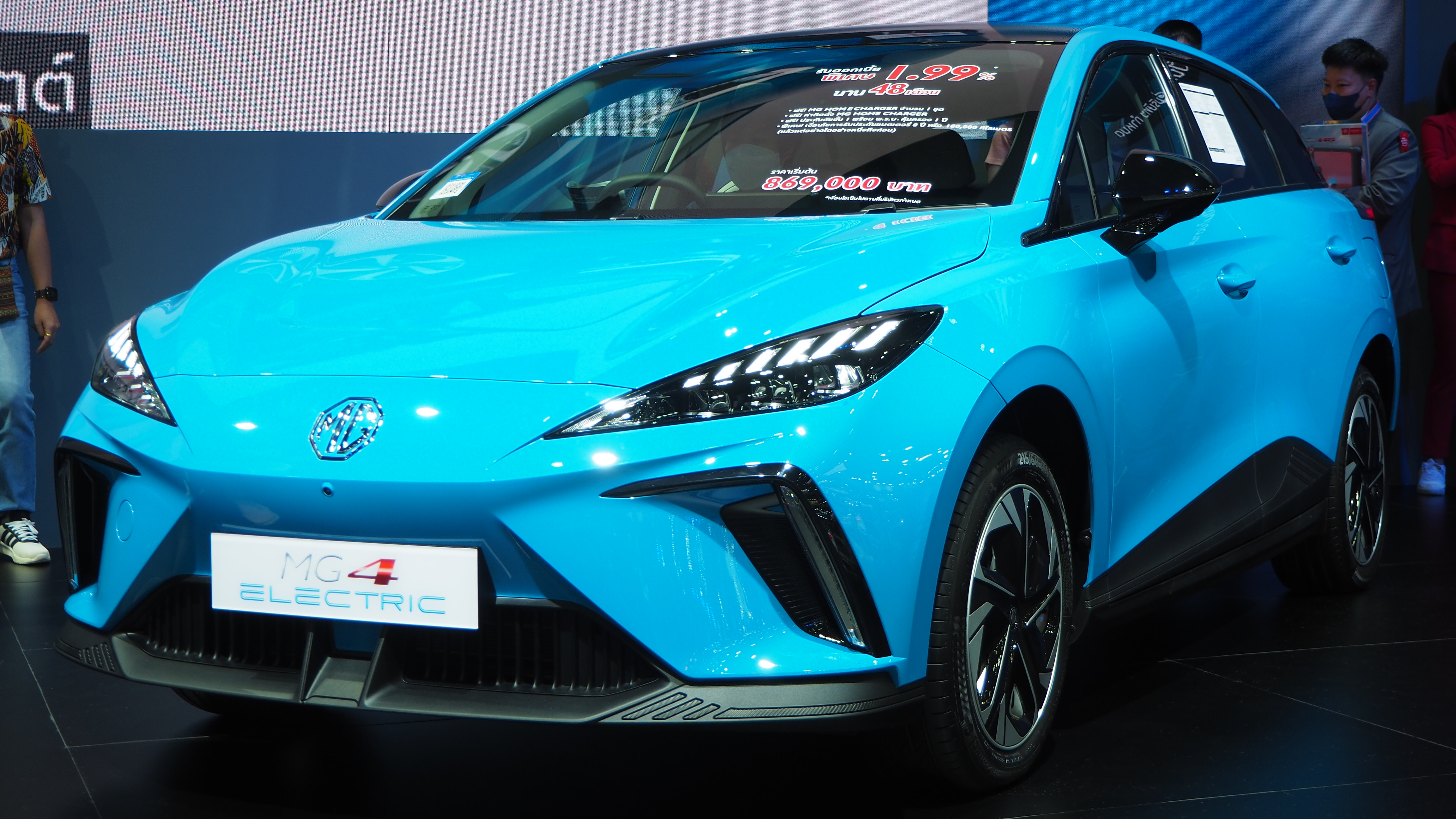
Mg4 Urban
"Now the mg4 is the mg4 urban and the old mg4, right? Yeah And that will continue to be sold that way at the melbourne motor show they unveiled What they call the new old mg4 so the rear wheel drive"
MG4 is an electric hatchback. The hosts are talking about two versions of it—an older one and a newer one—and they mention rear-wheel drive for the newer version. That’s important because it can change how the car drives and how efficient it is.
The MG4 is an electric hatchback from MG (a brand under SAIC). In this segment, the hosts distinguish between the older MG4 and a newer MG4 variant, including a rear-wheel-drive setup for the “new old MG4.” That matters because drivetrain changes can affect feel, efficiency, and how the car competes in the EV market.

Tesla Model Y
"The tesla model y is still 500 sales ahead of bydc line seven, but there's not much in it."
The Tesla Model Y is an electric SUV. The hosts mention it because it’s been one of the top-selling EVs, and they’re comparing how close other EVs are getting to Tesla’s sales.
The Tesla Model Y is a compact electric SUV that’s become a benchmark for EV sales in many markets. In this segment, it’s used as the comparison point for other brands’ growth, showing how close the competition is to Tesla’s lead.
BYD
"The tesla model y is still 500 sales ahead of bydc line seven, but there's not much in it."
BYD is a big EV company. The hosts bring it up because BYD’s sales are getting close to Tesla’s, which means competition is tightening.
BYD is a major Chinese EV and battery manufacturer whose models compete directly with Tesla in global markets. In this segment, BYD is part of the sales comparison that shows how close the leading EV brands are to each other.
Geely
"Other brands taking it to byd and tesla exactly. Yeah, gily zika, of course"
Geely is an automaker behind a lot of EV activity. The hosts mention it because EV brands connected to Geely are taking market share and competing with Tesla and BYD.
Geely is a Chinese automaker that’s heavily involved in EV development and owns multiple EV-related brands. The hosts mention Geely in the context of competition against Tesla and BYD, highlighting how multiple Chinese EV groups are pushing into Australia.
medium SUV over 65 thousand Australian dollars
"They were the best selling medium suv over 65 thousand australian dollars So for that very discreet category zika is"
They’re talking about a specific sales category: medium-size SUVs priced above 65,000 Australian dollars. It’s a way to see which EVs are most popular among buyers shopping in that price range.
This refers to a sales “segment” defined by vehicle type (medium SUV) and a price threshold (over 65,000 AUD). Segmenting like this lets you compare brands fairly within the same buyer budget and use case, rather than across all EVs.
year to date
"So that's for just this year Year to date. Yeah, year to date."
“Year to date” means “from the beginning of this year up to now.” It’s a way to track sales or numbers partway through the year.
“Year to date” (YTD) means totals counted from the start of the current calendar year up to the present point. It’s commonly used in sales reporting so you can compare progress mid-year, rather than looking at full-year results.
battery electric cars
"378,000 battery electric cars on the road. Out of those 370,000 how many do we think are tesla model y's?"
“Battery electric cars” are cars that run only on electricity from a battery. They’re different from hybrids because they don’t use gasoline to drive.
“Battery electric cars” (BEVs) run only on electricity stored in a high-voltage battery. They don’t use gasoline engines, so their “on the road” counts reflect EV adoption rather than hybrid or plug-in hybrid sales.
satisfied demand
"[756.4s] Tristan's saying I know someone who works for scota. They say they can't get enough stock of EVs. That's great [760.1s] That's really good news. Isn't it the satisfied demand [763.1s] Um, it's good."
Satisfied demand means how many people who want an EV can actually buy one because there’s enough stock. If dealers “can’t get enough EVs,” satisfied demand is limited.
Satisfied demand refers to how much customer demand is actually met by available inventory—rather than demand that goes unfilled due to stock shortages. In this segment, it’s used to interpret reports that a retailer can’t get enough EVs.

Aion Gac Ion V
"... they've got up to Uh, yeah, still none of us for gac ion v and ut. Well, hopefully next month is we'll see Y..."
The Aion V is an electric car model. The podcast mentions it because the speakers haven’t seen it yet and are expecting to check it out later. It’s included as part of the EV options people are watching for.
The Aion V is an electric vehicle model discussed in the podcast as part of the broader EV lineup being considered. In the excerpt, the speaker notes that they haven’t seen it yet and hopes to see it in the following month. That indicates it’s a model people are waiting to review or confirm locally.

Space Chariot
"so It certainly looked very chariot like with the gold room. So that might be might b..."
“Space Wagon” sounds like a name people use for a particular vehicle. The podcast is describing how it looks, focusing on its styling rather than performance details. It’s being mentioned because it stands out visually.
“Space Wagon” in the podcast appears to be a nickname or model name associated with a vehicle design that the speaker describes as looking “chariot like.” It’s mentioned alongside visual details (like a “gold room”), suggesting the discussion is about styling and concept-like presentation. That makes it relevant as a talking point for how new EVs are being marketed and designed.
tariffs
"Uh, no, look, I think on a serious note. I think because we don't have any tariffs [932.0s] Obviously in australia, we get a get a huge choice and a very good"
Tariffs are extra taxes on imported products. If a country charges fewer tariffs on EVs, those cars can cost less for buyers there.
Tariffs are taxes a government adds to imported goods. In the EV context, tariffs can raise the final price of cars in a country, so the hosts’ point is that Australia’s lack of tariffs helps keep EV pricing more competitive.
month-on-month (MoM)
"That rahul our friend used to be on the stream... It looks like australia is doing very well. Just, you know, uh, month on month at the moment"
Month-on-month means “compared to the previous month.” It shows short-term changes, but it can be misleading if the chart scale changes.
Month-on-month (MoM) compares performance from one month to the next. In adoption charts, MoM can look dramatic even when the underlying numbers are small, so it’s often paired with YoY for context.
year-on-year (YoY) growth
"Excellent 115 percent year on year so far 26 to 25. Uh, which is good march 26 versus march 25."
Year-on-year means “compared to the same time last year.” It helps you see if EV adoption is getting better or worse over time.
Year-on-year (YoY) growth compares a metric in one month (or period) to the same month in the previous year. It’s commonly used in EV adoption reporting to show whether sales or market share are accelerating or slowing over time.
True EV
"So this is a statement that came out of true EV the previous... the distributor... for x-peng vehicles"
True EV is mentioned as the company handling Xpeng cars in Australia. That kind of distributor can influence how easy it is to buy and get support for the cars.
True EV is referenced as the distributor involved with Xpeng vehicles in Australia. Distributor statements matter because they can affect pricing, availability, service support, and how quickly a brand can scale sales.
EVs are the hot thing at the moment
"Uh, gonna have to do a lot of work in the next six months to a year [1264.8s] but I think they are certainly gonna have to [1264.8s] do a lot of work in the next six months to a year [1269.4s] People want EVs and this is just not a good time for this to happen."
They’re saying EVs are very popular right now, so if something goes wrong at the wrong time, it can hurt sales and trust more than usual.
The hosts are referring to the current surge in consumer interest in electric vehicles (EVs). They argue that the timing of a negative event is especially damaging because demand and attention are high right now.
Xpeng
"Sir Tom, I was just gonna say please if x-peng brand is [1281.2s] Going to stay like they're officially going to grow here [1284.4s] I'm really looking forward to what they're going to offer because they will have to strike up [1288.4s] Fantastic deals for consumers"
Xpeng is an electric-car brand. The hosts are talking about whether Xpeng will keep growing in Australia and what kind of offers it may need to get people to buy again.
Xpeng (XPeng) is an EV brand known for building electric vehicles and software-driven driver-assistance features. In this segment, the hosts discuss whether Xpeng can expand in Australia and what incentives or deals might be needed to rebuild consumer confidence after a difficult period.

Xpeng G9
"I know a lot of people been looking for [1297.0s] For forward to the G9, which is the big SUV and the x9 people move up for like the past two years"
The Xpeng G9 is an electric SUV. The discussion suggests people have been interested in it and waiting to see what Xpeng will do next.
The Xpeng G9 is an electric SUV from Xpeng. The hosts mention it as a model many people have been waiting for, framing it as part of why consumers might consider buying the brand.

Ford Ranger
"Incredible incredible. I guess people say it's a Ranger over autobiography copy whatever people want to c..."
The Ford Ranger is a pickup truck made by Ford. People buy it for hauling, towing, and general rugged use. The podcast mentions it as a well-known model that many buyers recognize.
The Ford Ranger is a popular mid-size pickup truck built for work and everyday use, especially in markets that value towing and durability. It’s frequently discussed because it’s a mainstream choice for buyers who want a capable truck without going to full-size. The podcast references it directly while talking about what people call different trims or variants.
driver-assistance / autonomy-like driving feel
"They escorted me to the car and said please take a test drive [1419.7s] And it was pretty good. I was impressed like it's it's it's getting [1425.2s] Really really good very close to what fsd's like in australia [1428.9s] So tech wise product wise the way the cars look"
They’re talking about how the car’s computer driving features are getting better. They compare the feel to Tesla’s FSD, meaning the car can do more of the driving than before. It’s basically about how “smart” the car feels while you’re driving.
The speaker is describing how the car’s technology is approaching autonomy-like driving, based on their short demo drive. They emphasize that it feels “very close” to FSD, implying smoother or more capable automated driving functions. This is about the user experience of advanced driver-assistance systems, not just styling or hardware.
FSD
"it was pretty good. I was impressed like it's it's it's getting [1425.2s] Really really good very close to what fsd's like in australia [1428.9s] So tech wise product wise the way the cars look"
FSD stands for “Full Self-Driving,” which is a Tesla term for advanced driving-assist features. The speaker is saying the Xpeng experience felt similar to that kind of advanced, hands-off driving behavior. It’s a comparison point for how capable the system feels.
FSD refers to “Full Self-Driving,” a Tesla branding for a suite of driver-assistance features that can handle more of the driving task than basic autopilot. In the transcript, the speaker uses FSD as a benchmark for how close Xpeng’s tech feels in Australia. It’s essentially a shorthand for advanced autonomy-like behavior.
fringe benefit tax
"Uh, no just quickly. Let's talk about the ev [1545.1s] discount the fringe benefit tax [1547.9s] Now it is getting work. The proposal is for uh from 2027"
Fringe benefit tax is a tax on perks your employer gives you (like a company car). If the government changes the EV rules, it can lower the tax cost, which can lower what you end up paying.
In Australia, fringe benefit tax (FBT) is a tax employers pay on certain non-cash benefits provided to employees. For EVs, policy changes can reduce the effective FBT rate, which can make EVs cheaper to access through salary packaging or company car arrangements.
luxury car tax threshold
"Uh thing basically over 75 000 to the luxury car tax threshold of 91 000 something like that [1561.2s] Uh will only be discount 25 of the fbt uh full rate"
Luxury car tax is an extra tax that can apply to expensive cars once they pass a certain price limit. Here, they’re saying the EV tax discounts depend on whether the car is above or below those price cutoffs.
Australia’s luxury car tax (LCT) applies when a vehicle’s value exceeds a set threshold. In this segment, the hosts discuss how EV FBT discounts change around that value cutoff, affecting which EVs get the better tax treatment.
novate
"So get in there, uh, but also if you get a novate at least before 2029 it'll carry over after 2029 as well [1600.0s] So"
A novated lease is a way to pay for a car through your employer, usually with money taken out of your pay before tax. The hosts are saying if you set it up before a deadline, you may keep the better EV tax treatment afterward.
“Novate” refers to entering a novated lease arrangement, where an employer pays the lease costs and the employee repays them via pre-tax salary deductions. The segment suggests timing matters: doing it before a policy change can preserve the EV tax benefits after the change.
hardware four
"That's going to be limited to hardware four and above"
“Hardware four” is a newer computer inside the Tesla. In this discussion, it’s the computer generation that’s needed to run the most advanced FSD features.
“Hardware four” is Tesla’s newer onboard compute generation that’s described here as enabling higher-end FSD functionality. The hosts frame it as the threshold for “unsupervised” FSD capability.
hardware three
"looks like hardware three owners will not be able to achieve Full unsupervised fsd. That's going to be limited to hardware four and above"
Tesla uses different generations of computers inside the car to run its driving software. The podcast is saying the older computer generation (“hardware three”) can’t do the top FSD features yet.
“Hardware three” refers to Tesla’s onboard compute generation used to run advanced driver-assistance software. The segment claims hardware three owners won’t get the highest FSD capability, while hardware four and newer can.

Tesla Model S
"...hink it was hardware two or 2.5 Or 1.5 to 2.5 but model s and x's got those upgrades once And i'm yet to se..."
The Tesla Model S is an electric car that runs on batteries instead of petrol. Tesla can update parts of the car’s features over time with software changes. The podcast is talking about how different versions of the Model S have had different hardware and updates.
The Tesla Model S is a premium electric sedan that’s known for software updates and performance-focused engineering. It’s often discussed because its hardware and features can change over time through updates. The podcast mentions it in the context of different hardware generations and ongoing upgrades.
pre-order pricing
"So pre-order special 46 990... The pre-order pricing the issue is the pre-orders"
Pre-order pricing is a deal you get if you reserve the car early. The hosts are saying the price can change after the initial pre-order period ends.
Pre-order pricing is a promotional price offered to customers who commit before the vehicle is widely available. The segment contrasts pre-order numbers with later pricing, implying the final retail price may be higher once limited early allocations are gone.
drive away
"Really what they're saying is 42 grand plus on-road costs... And that's 37 990 drive away that car is"
“Drive-away” means the total price you pay so the car is ready to drive. It includes the extra registration and fees, not just the advertised price.
“Drive-away” price is the all-in amount you pay for the car to be ready for the road, including government fees and dealer charges. It’s a common way EV pricing is compared in Australia because it removes confusion from base price vs. add-on costs.
on-road costs
"Really what they're saying is 42 grand plus on-road costs. For the pre-order pricing and maybe 45 grand or 46 grand plus on-road costs"
On-road costs are the fees you pay after the car’s base price so you can actually register it and drive it. That’s why the final price is usually more than the advertised number.
On-road costs are the extra expenses added to a car’s advertised price to get it legally and practically ready to drive. In Australia, that typically includes items like registration, stamp duty, and dealer delivery/fees, so the “drive-away” price ends up higher than the sticker price.
compact SUV segment
"So this is a comparison of What is available in this compact suv segment? You can see there is a lot of cars priced below the suzuki ivetara"
A compact SUV segment just means the “small SUV” category of cars. The hosts are comparing what’s available and how much it costs so they can judge which brands are offering the best value.
A compact SUV segment is a market category defined by vehicle size and intended buyer use—small enough for daily driving, but with SUV practicality. The hosts use this segment to compare pricing and availability across multiple brands, arguing that competitors are offering better deals than the Suzuki Vitara.

Suzuki Vitara
"You can see there is a lot of cars priced below the suzuki ivetara A lot of good chinese cars."
The Suzuki Vitara is a compact SUV. In this discussion, it’s the “yardstick” they use to judge whether other cars are priced fairly in the same size class.
The Suzuki Vitara is a compact SUV that’s being used here as a pricing benchmark in a crowded segment. The hosts compare other available models against the Vitara’s price point to argue whether competitors are offering better value.
MG
"A lot of good chinese cars. They're right g w m g a c b y d mg jku you name it"
MG is a car brand from China. They’re mentioned as one of the companies selling cars in this segment at lower prices than the Suzuki Vitara.
MG is a Chinese automotive brand that has become more visible in Australia, particularly with EV and electrified models. In this segment, MG is named as part of the competitive set undercutting the Suzuki Vitara’s price.
unknown brand pricing premium
"So they're just banking on the fact that there are some people out there who just really don't want to buy into an unknown brand ... So they're thinking well, it's worth $10,000 to have A car that has got a name that's been around for longer"
This refers to the idea that some buyers will pay extra for a familiar, established brand name rather than a newer or less-recognized one. The hosts argue Suzuki can charge more because some customers are hesitant to buy “unknown” Chinese brands, even when the newer cars may be better priced.
end cap safety rating
"The other thing to consider sorry and I don't think this is going to help when I say this [2214.3s] The car officially had its end cap safety rating [2217.2s] um [2218.5s] Put up I think it was a couple weeks ago and the evitara is a four-star car"
This is about how the car does in crash testing. The hosts are saying the car didn’t score as well as some other EVs, which makes it harder to convince people to buy it.
An “end cap” safety rating refers to how a vehicle performs in a specific crash test scenario where the front end hits a barrier in a controlled way. In this segment, the hosts use it to explain why the EV’s safety score is a marketing challenge—especially when competitors are earning higher ratings.

Evitara
"... Put up I think it was a couple weeks ago and the evitara is a four-star car It didn't make five stars"
The e Vitara is an electric SUV version of the Vitara. In the podcast, they mention it got a four-star safety rating instead of five. That’s why it’s being discussed—people want to know how safe it is.
The “e Vitara” is an electric version of the Vitara nameplate, referenced in the podcast in connection with safety ratings. The speaker says it received a four-star rating rather than five stars, which is why it’s relevant to buyers comparing EVs. That kind of rating discussion often comes up when evaluating which models are best for safety.
four-star car
"Put up I think it was a couple weeks ago and the evitara is a four-star car [2224.9s] It didn't make five stars [2227.3s] That is such a hard sell right when all the Chinese cars getting fives."
A “four-star” safety rating is a simple score that comes from crash tests. The hosts are saying it’s harder to sell a car when it doesn’t get the top score.
A “four-star” safety rating is a consumer-facing score from crash testing that summarizes how well a vehicle protects occupants in standardized scenarios. In this segment it’s used as a sales argument: a lower star rating can hurt demand when competitors are achieving five stars.
all-wheel drive
"I had the car for a week a couple of weeks ago and you know [2251.4s] I think it really is for Suzuki bias like it's [2255.5s] It's very hard to find somebody else that would maybe the all grip addition the the one that's pricier [2263.3s] Maybe there's some all-wheel drive things that people might be interested in"
All-wheel drive (AWD) means the car can send power to more than just the front or rear wheels. It can help with grip, especially in bad weather.
All-wheel drive (AWD) means power is sent to more than one axle, typically improving traction on slippery or uneven surfaces. The hosts mention AWD as a feature that could attract buyers, especially when comparing EV variants and pricing.
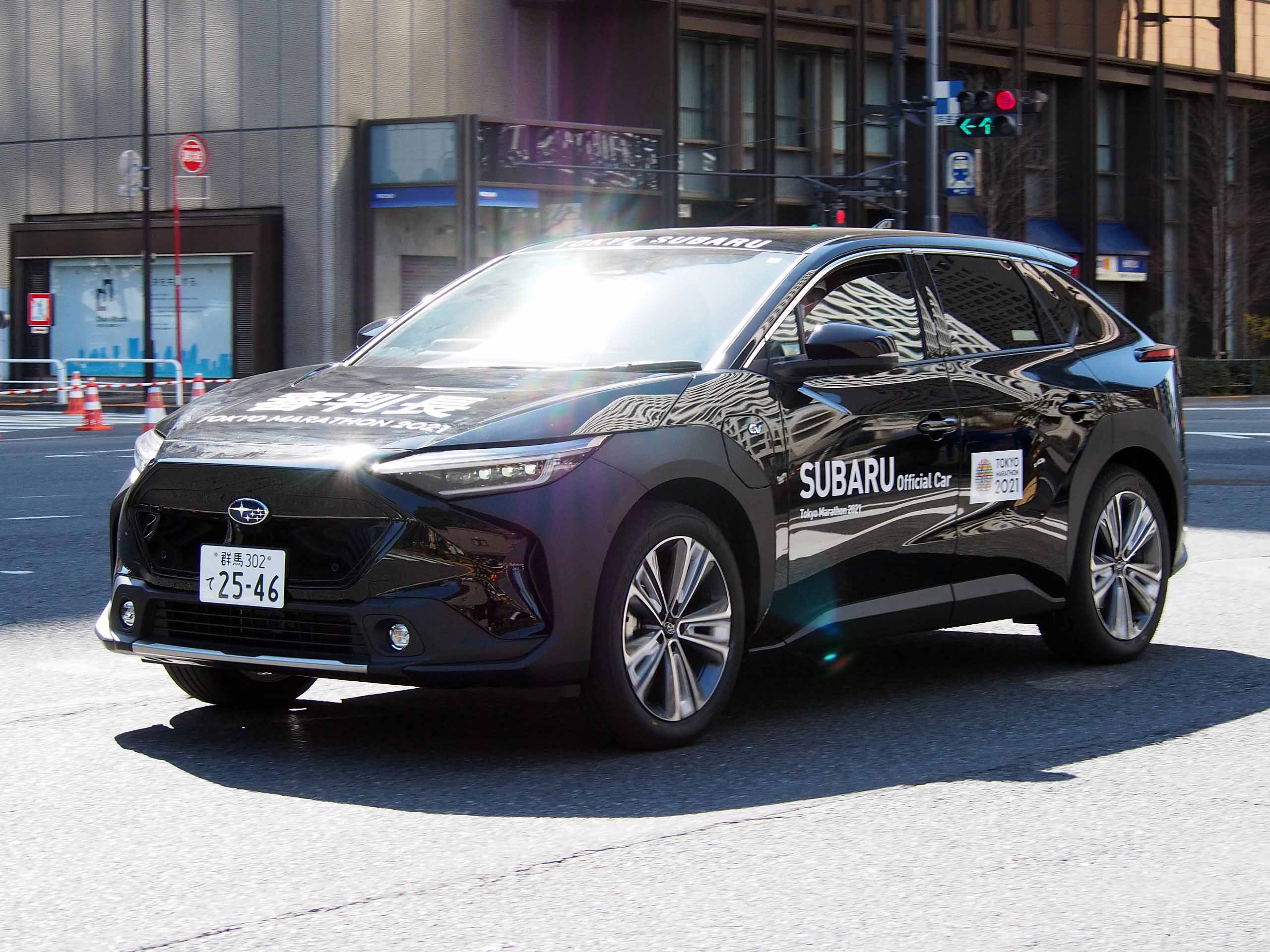
Subaru Solterra
"...nt models coming up uh, they've got we've got the solterra. They've got the Uh trail seeker coming. They've ..."
The Subaru Solterra is an electric SUV made by Subaru. It’s designed for families and everyday driving, but with an electric motor instead of petrol. The podcast mentions it because Subaru is planning more EV models.
The Subaru Solterra is an electric SUV from Subaru, aimed at buyers who want Subaru practicality with an EV powertrain. It’s brought up in the podcast as part of Subaru’s upcoming EV lineup and model expansion. That makes it relevant to discussions about how quickly EV options are growing.
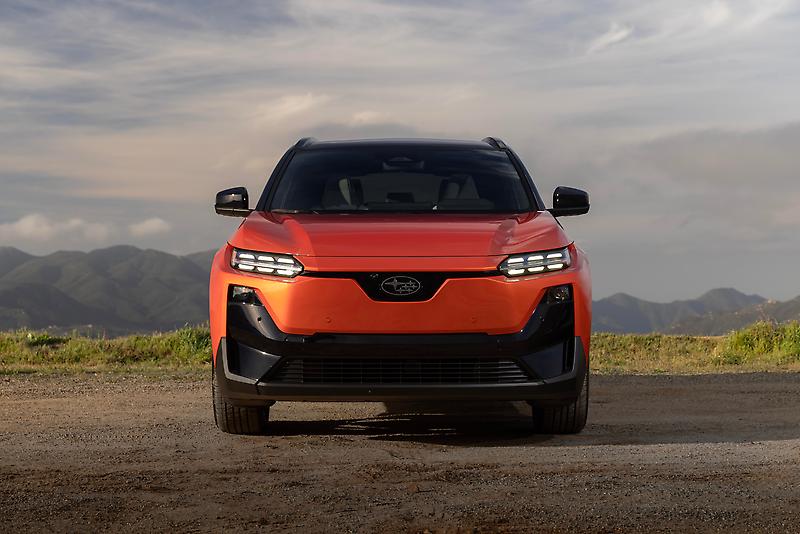
Subaru Uncharted
"...e got the Uh trail seeker coming. They've got the uncharted. They've announced as well. That's a smaller sort..."
The Subaru Uncharted is a new Subaru model that the podcast says is coming. They describe it as smaller than some other options. It’s mentioned because Subaru is planning more vehicles for buyers.
The Subaru Uncharted is mentioned as part of Subaru’s upcoming lineup, described as a smaller sort of model. It’s relevant because new trims or model lines can expand what buyers can choose from within the brand. In the podcast, it’s grouped with other EV-related announcements, suggesting it’s part of Subaru’s broader product planning.
compliance car
"And and we as compliance car [2300.0s] That must be at risk like they're not serious about selling this they can't be it must be a compliance"
A “compliance car” is basically a car a company brings in to satisfy government rules. The host is implying it might be offered more to meet requirements than to sell lots of them.
A “compliance car” is a vehicle brought in mainly to meet regulatory or homologation requirements, rather than to be sold in large numbers. In this segment, the host suggests the manufacturer may not be serious about volume sales and is instead focused on meeting rules.
driveway
"So they're asking 33 990 driveway. Now, that's a lot more reasonable for this car and 36 919 new zealand"
“Driveaway” means the price you pay so you can drive the car off the lot legally. It’s the all-in price after the required registration and taxes are included.
“Driveaway” is shorthand for the total on-road price you can take the car home for, including mandatory registration and taxes. The hosts use it to compare EV pricing in Australia and New Zealand.
GWM
"[2398.3s] Yeah, I mean, I've reached out to gwm. Hopefully we can get a press card to review but um, yeah, look the specs look okay [2404.6s] Um, even the old yeah the previous aura drove pretty well, too."
GWM is the car company they reached out to. They’re hoping to get a media/press credential so they can review the EV.
GWM (Great Wall Motor) is the automaker the hosts contacted to request a press card for an EV review. That “press card” is a common media credential used to access vehicles and information for journalism.

GWM Aura
"[2404.6s] Um, even the old yeah the previous aura drove pretty well, too. I thought what it was ... [2489.3s] Looking forward to see how that goes in coming months because the aura sell pretty well, right the previous aura [2495.1s] Yeah, I think it sold a couple of thousand and yeah, this"
The GWM Aura is an EV model from GWM. In this segment, they’re talking about how the previous Aura drove and how well it sold, as a clue for how the next one could do.
The GWM Aura is an electric vehicle model from GWM (Great Wall Motor), discussed here as a prior-generation car that “drove pretty well” and sold in meaningful numbers. The hosts use it as a reference point for how the next model might perform with buyers.
de-badge
"[2469.9s] You know, what is it 160 50 60 grand for a mccan or 33 grand 34 grand drive away for this [2473.4s] I think I'll do that and just de-badge it and put a Porsche badge on it [2478.0s] Grace I could buy three Suzuki guitars for that kind of Porsche mccan money."
De-badging is when you remove the little nameplates/badges on a car. The hosts are joking about removing the original badges and putting Porsche ones on instead.
De-badging means removing the model/brand badges from a car’s exterior, usually to change how it looks or to avoid advertising the exact trim. In this segment, it’s used as a joke about making a non-Porsche EV look more like a Porsche by swapping badges.

Porsche Mccan
"...I could buy three Suzuki guitars for that kind of Porsche mccan money. That's right I've de-badged that"
The Porsche Macan is a compact luxury SUV. It’s designed to feel sporty and comfortable, like other Porsche vehicles. The podcast brings it up mainly because it’s associated with a higher price point.
The Porsche Macan is a compact luxury SUV known for its sporty driving character and premium interior. It’s mentioned in the podcast as a benchmark for pricing—specifically, the speaker jokes about how much “Macan money” costs. That makes it relevant in a discussion about value and what buyers might consider instead.

Saturn Aura
"...to see how that goes in coming months because the aura sell pretty well, right the previous aura Yeah, I..."
The Saturn Aura is a mid-size car. The podcast talks about it because it apparently sold well in the past. It’s being used as a reference point for thinking about future sales.
The Saturn Aura is a mid-size sedan that the podcast references in the context of how well it sold previously. The speaker suggests it “sell pretty well,” implying it’s being used as a comparison point for what might happen with another model’s sales. That makes it relevant as a historical reference for market expectations.
SUV vs hatchback buyer shift
"[2495.1s] Yeah, I think it sold a couple of thousand and yeah, this [2500.1s] Everyone wants an SUV, you know the hatchbacks were [2503.0s] A quirky but now we're getting into mainstream buyers as we were looking at the sales numbers"
They’re talking about how more people are buying SUVs now, while hatchbacks aren’t as popular. They connect that to how EV sales are going.
The hosts discuss how buyer preferences are shifting toward SUVs, while hatchbacks are described as “quirky” but less dominant in mainstream sales. This is used to interpret EV sales trends.
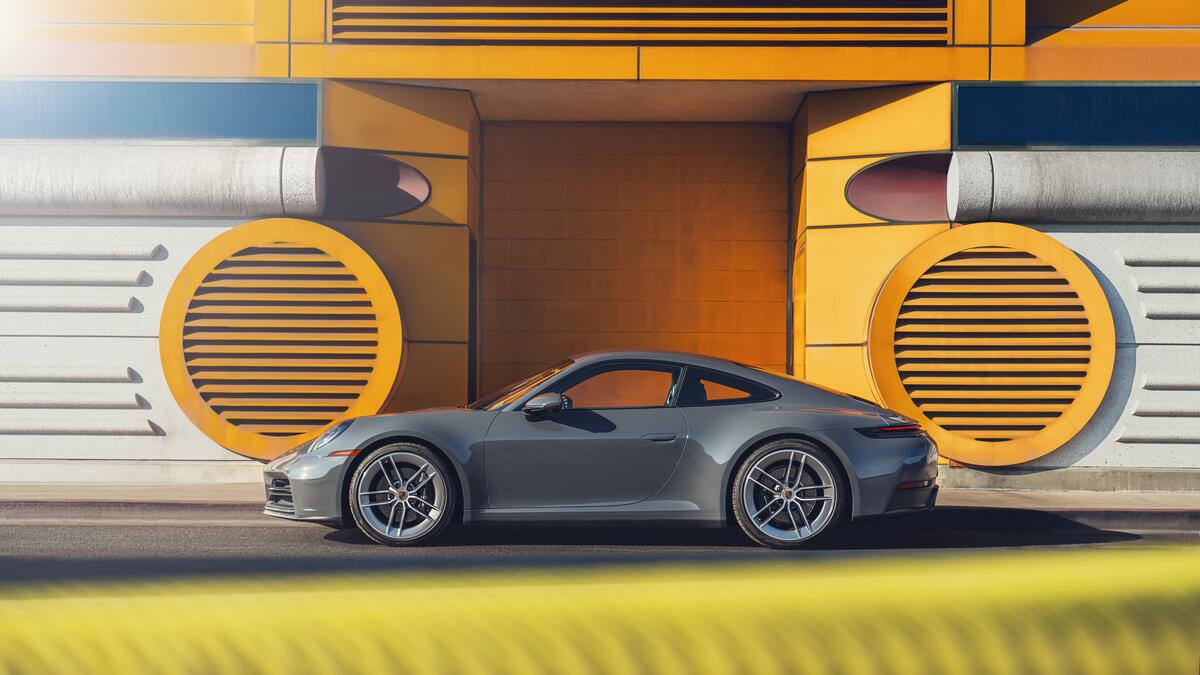
Porsche 911
"Look, I think it looks like an older Porsche 9 11, right? Maybe not one like modern generation ones."
The Porsche 911 is a famous sports car from Porsche. Here, the host is just saying another car looks similar to the older 911 shape.
The Porsche 911 is a rear-engine sports car known for its iconic silhouette and flat-six engine layout. In this segment, the host uses it as a visual reference point for how a different vehicle “looks like” an older 911.

Volkswagen Id Buzz
"So a bit like the vw id buzz like as a cargo version and then there's a passenger version."
The Volkswagen ID. Buzz is an electric van. It comes in versions for carrying cargo and versions for passengers, and the host is comparing another van to that setup.
The Volkswagen ID. Buzz is an electric van built on VW’s ID electric platform, offered in both cargo and passenger configurations. The host compares a different EV van to the ID. Buzz’s “cargo vs passenger” idea, including a price contrast.
pre-fleet price
"But remember this is This is pre fleet price"
“Pre-fleet price” means the price before special discounts for business fleets. Fleet buyers often get better deals than regular retail customers.
“Pre-fleet price” means the list price before any fleet-specific discounts or pricing programs that apply to commercial buyers. Fleet pricing can be lower than what private customers typically pay, so comparing prices without noting this can be misleading.
ADR approved
"There was a byd bus that got adr approved maybe about a month ago So they're coming"
ADR approval means the vehicle meets Australia’s official safety and emissions rules. If a bus is ADR approved, it’s been cleared to operate legally on Australian roads.
In Australia, ADR refers to the Australian Design Rules—government safety and emissions standards for vehicles. Saying a BYD bus was “ADR approved” means it has been certified to meet those regulatory requirements for use on Australian roads.
Volgren
"Ventura, I think Makes another ventura volgren volgren makes them Down here, which was volvo and grander's bus company and they're using byd chassis and I think byd batteries in some of their builds"
Volgren is a company that builds the bus bodies used by bus operators. Here, they’re mentioned as making electric buses using BYD parts like the chassis and batteries.
Volgren is an Australian bus bodybuilder that produces bus “builds” for operators. In this segment, Volgren is described as making buses that use BYD chassis and (possibly) BYD batteries, showing how local manufacturers integrate EV components into complete vehicles.
Ventura
"quite a few of them in melbourne Ventura, I think Makes another ventura volgren volgren makes them"
Ventura is a bus operator in Australia that runs routes using buses provided by manufacturers/bodybuilders. The segment mentions Ventura in the context of electric bus adoption, implying the operator is deploying electric vehicles on specific routes.

Volkswagen Bus
"You know There are bus and truck company. I guess bus company specifical..."
The Volkswagen Bus is a larger vehicle meant to carry people and sometimes cargo. It’s often used like a people-mover rather than a regular small car. The podcast mentions it because it fits into the broader category of buses and commercial vehicles.
The Volkswagen Bus refers to the brand’s well-known people-mover vehicle, typically used for transporting more passengers and cargo. In the podcast excerpt, it’s mentioned alongside bus and truck company context, suggesting a discussion about commercial or fleet use. That makes it relevant when talking about how different vehicle types fit into adoption and usage patterns.
42 kilowatt hour battery pack
"We just don't know the full spec but expect it to have a 42 kilowatt hour battery pack with around 300 kilometers or 310 kilometers of WLTP range"
That “42 kilowatt hour” number is how much energy is stored in the EV’s battery. More stored energy usually helps the car go farther before it needs charging.
A 42 kWh battery pack is the amount of electrical energy the EV’s battery can store. In practice, bigger kWh usually means more potential range, assuming similar efficiency and driving conditions.
WLTP range
"expect it to have a 42 kilowatt hour battery pack with around 300 kilometers or 310 kilometers of WLTP range"
WLTP range is a standardized test estimate of how far an EV can go on a full charge. Your real range may be different in everyday driving.
WLTP range refers to the distance an EV is expected to travel under the Worldwide Harmonized Light Vehicles Test Procedure. It’s a standardized lab test, so real-world range can be lower depending on speed, weather, and driving style.
evolved version that was relaunched last year
"so this is sort of an evolved version that was relaunched last year and it's um"
They’re saying the car was brought back with updates. That usually means improvements without starting from scratch.
A “relaunch” here suggests the same basic model family was refreshed and reintroduced with updates rather than being a completely new design. For EVs, that often means changes to packaging, software, efficiency, and sometimes battery/range targets.
test drive plans in Australia
"Did they let you drive this on on a tractor is I think you said? ... we didn't get to drive this on the road ... can't wait to test these in australia"
They’re talking about how they’ll try these EVs in Australia next. The goal is to see how they feel and perform in local conditions.
This segment focuses on how the hosts will evaluate the EVs locally in Australia after limited driving access. It’s about the practical next step: testing real cars on the right roads and conditions.
Changan
"So for if anyone's interested google up, but I think this article also has Uh pictures of the you know uncamo … So you have changon who's obviously a manufacturing powerhouse"
Changan is the company the hosts say is behind the Avatar brand. They’re describing it as a major automaker that helps make these cars.
Changan is the parent company mentioned as a manufacturing powerhouse behind the Avatar brand. The segment frames Changan as one of the key contributors to the brand’s creation and production capability.
CATL
"So you have changon who's obviously a manufacturing powerhouse You have catl So they actually partnered in as part of this brand to supply the latest and greatest charging tech"
CATL is a big company that makes EV batteries. The hosts are saying CATL is part of the Avatar setup to help provide the battery/charging technology behind these cars.
CATL is a major Chinese battery manufacturer, and the hosts say it’s involved with the Avatar brand to provide advanced charging-related technology. In EV discussions, CATL is especially associated with battery cells and pack supply, which can influence performance and cost.
autonomous driving systems
"And then the last one is huawei with the full autonomous aida systems, which is …"
Autonomous driving systems are the tech that helps a car steer, detect obstacles, and handle parts of driving on its own. The hosts are saying Huawei provides that kind of self-driving technology for these cars.
Autonomous driving systems are the hardware and software stack that enables a car to perceive its environment and perform driving tasks with varying levels of automation. The hosts attribute these systems to Huawei in the Avatar brand partnership, implying a focus on advanced driver-assistance and self-driving capability.
flash charging
"Um, and while I think catl is very important [3022.5s] Uh, we've heard about the flash charging that byd's got"
Flash charging means charging an EV really fast. The idea is you can add a lot of battery power in just a few minutes instead of waiting a long time.
Flash charging is a marketing term for extremely fast EV charging—typically designed to add a large amount of battery percentage in just a few minutes. In this segment, it’s tied to BYD’s announced charging capability and how it performed at the Beijing show.
Beijing auto show marketing
"That they announced in march and at the Beijing show it sort of fell under the radar [3032.9s] But they basically came and um said hold my beer"
They’re talking about how EV technology was shown off and promoted at the Beijing auto show. The hosts also comment on whether people noticed it.
This segment discusses how fast-charging and EV tech were presented and marketed at the Beijing auto show. It includes the idea that BYD’s charging announcement “fell under the radar” and how the hosts interpret the messaging.
10 to 97 percent
"But they basically came and um said hold my beer [3037.1s] 10 to 97 percent which byd said with their blade battery tech"
“10 to 97 percent” is a charging test that starts with the battery at 10% and charges it up to 97%. It’s used to compare how fast different EVs can charge in a realistic range.
“10 to 97 percent” describes a specific charging test window: starting at 10% state of charge and charging up to 97%. It’s a way to compare how quickly different EV battery and charging systems can deliver usable energy under controlled conditions.
blade battery tech
"10 to 97 percent which byd said with their blade battery tech [3042.6s] Was uh nine minutes in normal temperatures."
BYD’s “blade battery” is a type of EV battery design. In this discussion, it’s important because the host says it’s what enables very fast charging.
BYD’s “blade battery” is a battery design intended to improve safety and packaging efficiency. The segment links it directly to BYD’s fast-charging claims, including how quickly the battery can charge in different temperatures.
state of charge
"10 to 97 percent which byd said with their blade battery tech [3042.6s] Was uh nine minutes in normal temperatures."
State of charge just means how full the battery is, shown as a percent. Charging speed can change depending on whether the battery is nearly empty or nearly full.
State of charge (SoC) is the battery’s current energy level, expressed as a percentage. Charging performance is often measured over specific SoC ranges (like 10% to 97%) because batteries charge fastest in certain ranges and slow down as they approach full.
minus 30 degree conditions
"Was uh nine minutes in normal temperatures. Yes, and I think 12 minutes in minus 30 degree conditions [3049.1s] So they basically came and um said hold my beer"
Charging can be slower in extreme cold. The host is pointing out that the claimed fast-charging times still work even at around -30°C.
EV charging speed can drop in very cold weather because battery chemistry and internal resistance change. The segment contrasts “normal temperatures” with “minus 30 degree conditions” to show how fast-charging claims hold up under harsh conditions.
in-car ordering via the car's screen
"[3191.5s] Where you can order? I think byd neo and a couple of others have partnerships with kfc [3196.2s] You can order your kfc just through the screen of the car and collect it at your local kfc"
They’re talking about a feature where you can order food using the car’s screen, then go pick it up at the restaurant. It’s an example of cars acting like connected devices, not just transportation.
The segment describes an EV feature where you can place an order through the car’s infotainment screen and then pick it up at a nearby KFC. This is an example of how some EV ecosystems integrate commerce and services directly into the vehicle interface.

Dodge Charger
"...dd if you drop the temperature like b y d's Flash charger, right? Did you stick your hand in the b y d stan..."
The Dodge Charger is a car that’s built for performance and quick driving. In the podcast, it comes up in a charging-related discussion, which is why it’s being mentioned in this EV-focused episode. The key point is that it’s a performance model from Dodge.
The Dodge Charger is a performance-oriented sedan/coupe-style muscle car that’s known for strong acceleration and a bold design. It’s mentioned in the podcast alongside talk about charging, implying discussion of how it handles charging-related topics or comparisons. That makes it relevant in an EV adoption conversation, even if the Charger is not primarily an EV model.

Porsche Panamera
"...lso had two cars that looked a lot like a Porsche Panamera So they've launched a whole new series"
The Porsche Panamera is a luxury four-door car made by Porsche. It’s designed to be comfortable for daily driving while still feeling sporty. The podcast mentions it because new vehicles being discussed resemble the Panamera in style.
The Porsche Panamera is a luxury performance sedan that blends everyday usability with Porsche-style driving dynamics. It’s significant because it represents Porsche’s move beyond sports cars into a more practical four-door format. The podcast mentions it while discussing the launch of a new series of vehicles that look like the Panamera.

Yangwang U9
"...er things that he does Uh, first, uh order of the yangwang u9 extreme So it looks like this car is coming to au..."
The Yangwang U9 is an electric car designed for very high performance. The podcast says people are placing orders and that it may be coming to Australia. It’s included because it’s a notable new EV entering the market.
The Yangwang U9 is a high-performance electric vehicle that the podcast describes as an “extreme” model. It’s mentioned as being ordered and potentially coming to Australia, which is why it stands out in an EV adoption discussion. The focus is on its arrival and the excitement around its performance positioning.
drive on three wheels
"For those who don't know this is the jumping car and the car that can drive on three wheels [3433.5s] so"
“Drive on three wheels” refers to a stunt maneuver where the car intentionally has only three wheels providing traction while the remaining wheel is lifted. For an EV hypercar like the Yangwang U9, this requires precise torque distribution and stability control to keep the car balanced and prevent a spin or tip.
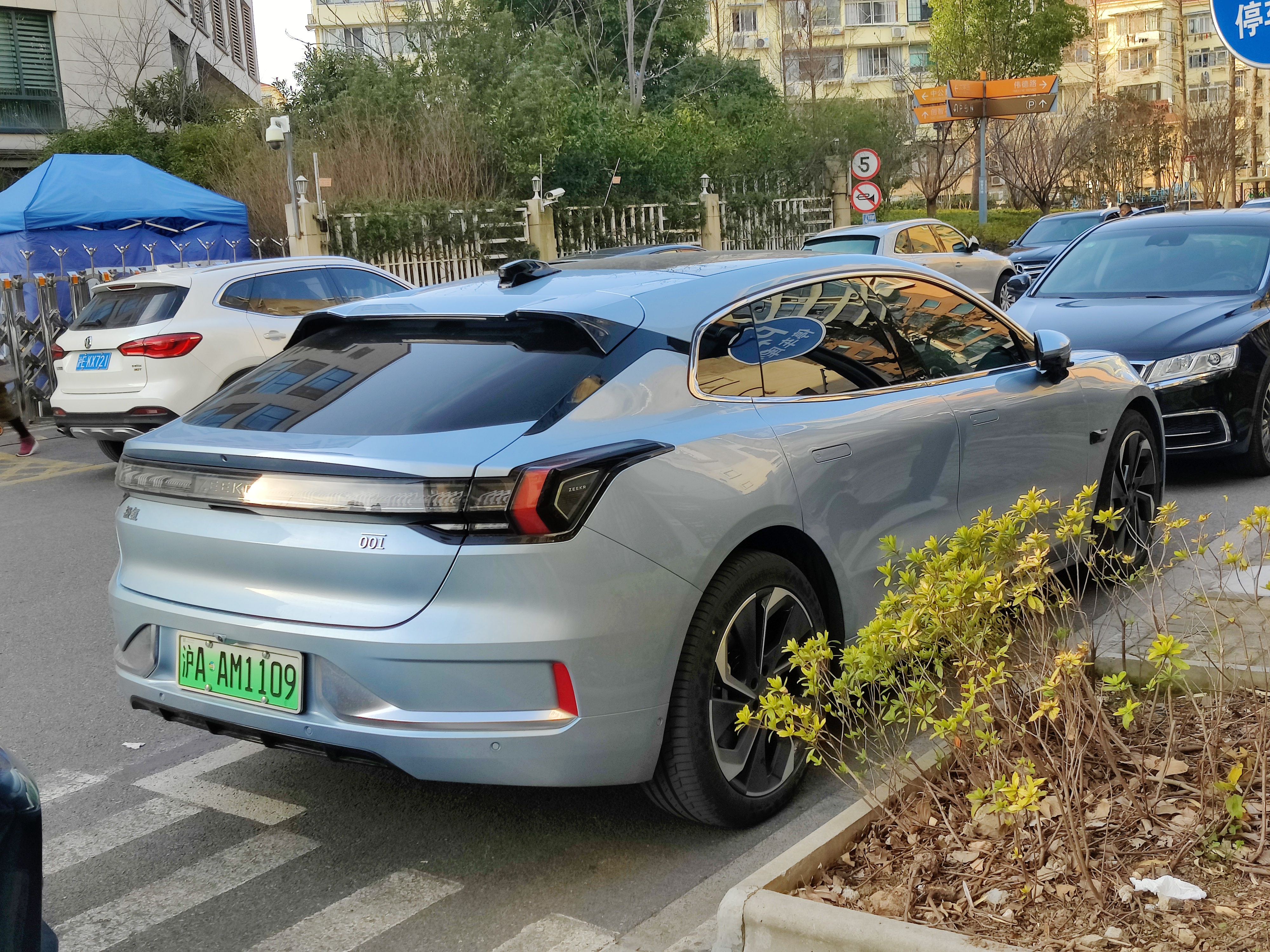
Zeekr Zika 009
"...e we are reason is flying car for x-peng joy 9 to zika 009. I mean We're not at this level. I know right. We..."
The Zeekr 009 is an electric vehicle designed to carry multiple passengers. The podcast mentions it while talking about how some EVs are being marketed as very advanced and feature-heavy. It’s included because it’s a prominent example of that kind of EV.
The Zeekr 009 is an electric people-mover (MPV) that the podcast compares in terms of ambition and scale to other advanced EVs. It’s mentioned in the context of “flying car” style expectations, highlighting how some EVs are marketed as more than just transportation. The podcast’s point is that the Zeekr 009 is part of the wave of big, feature-rich EVs.
Xiaomi
"Uh, now just wrapping up last few things I want to share. So this is uh xiaomi's Uh lineup or yep product lineup team lineup rng team."
Xiaomi is best known for electronics, but it’s also working on cars. The episode is talking about the teams inside Xiaomi that build and design their vehicle products.
Xiaomi is a consumer electronics brand expanding into vehicles, with an EV program organized around research and design teams. When hosts mention Xiaomi’s “product lineup” and internal teams, they’re referring to how the company is structuring its EV development.
right-hand drive markets
"Uh, and they are 2027 will be europe And early 2028 is likely right hand left. I'm sorry right hand drive markets like ours"
Right-hand drive markets are countries where cars are built with the steering wheel on the right side (like Australia). For EV makers, this affects vehicle design, homologation/approval, and how quickly models can be sold locally.
hypercar
"So I reckon the next big thing that a lot of these really tech focused chinese car brands are looking at is [3631.2s] supercar hypercar territory [3633.5s] And by d I think is also talking about joining or being part of the f1 in"
A hypercar is like a supercar on steroids—an extremely fast, high-end, often limited-run car. The point here is that some Chinese EV brands want to compete with the most elite performance cars.
A hypercar is an ultra-high-performance, top-tier supercar category—typically associated with extreme power, advanced aerodynamics, and very limited production. The hosts use it to describe Chinese EV brands aiming beyond mainstream EVs and into the most prestigious performance segment.
F1 involvement by Chinese EV brands
"And by d I think is also talking about joining or being part of the f1 in [3638.1s] Some way shape or form and tom and joy. I know you guys are [3641.7s] Quite into your f1 and you probably know a lot more about this, but uh, that's where they're all these brands are heading"
They’re talking about Chinese EV companies trying to get involved with Formula 1. The idea is that racing helps brands prove technology and gain attention worldwide.
The hosts discuss the idea that Chinese EV brands want to join Formula 1 (F1) in some capacity. This is framed as part of their “grand ambitions” to build global credibility and technology leadership.
EV adoption incentives tied to home buying
"Now just quickly wrapping up. So yeah speaking of [3687.9s] When you buy a new house, um, you know, sometimes a real estate agent will give you a bottle of wine a hamper [3694.5s] You know, sometimes sometimes even like, I don't know. Maybe a lawnmower. It's just something token, right? [3699.7s] Something just to say welcome to the neighborhood [3703.1s] In 2026 you might get a free ev."
They’re describing deals where buying a house can come with a free electric car. That matters because it can make EVs easier to afford for people who are already spending a lot on housing.
The segment describes “welcome” incentives for home buyers—specifically, offering a free EV in 2026 as a marketing perk. This is relevant to EV adoption because it lowers the effective cost barrier for consumers at the moment they’re making a major purchase.
Request an Explanation
Heard something you'd like explained? We'll add it to this episode.
Sign in to request explanations for terms you heard.
Want to learn more?
Browse our glossary for plain-English explanations of automotive terms, jargon, and concepts.
Help improve this episode
See something that's not quite right? Our annotations are AI-generated and can sometimes miss the mark. Click the flag icon on any annotation to suggest a correction.