The Vanquish is a luxury sports car made by Aston Martin. It’s designed to be quick and comfortable for longer drives, not just short trips. The podcast mentions it because people were talking about the newest version.
Rolls-Royce is a luxury car brand. Here they’re talking about how the company makes cars more personal for wealthy customers instead of selling a lot more cars.
“Ultra luxury automakers” means the most expensive car brands. The point here is that instead of selling huge numbers of cars, they make money by offering very personalized options to their existing rich customers.
“Bespoke” here means a car is customized specifically for one customer. It’s not just choosing from a menu—it’s tailoring details to the buyer’s taste.
A “profit center” is something that makes a company a lot of money. In this case, the host is saying the extra-cost custom options are where these luxury brands can earn especially high margins.
Bugatti is a high-end performance and luxury brand, and the segment frames it as moving into dedicated operations for ultra-low-volume customization. The mention is about opening a sub office to handle bespoke orders—similar to what other super-luxury brands are doing.
Lamborghini is a supercar brand. The host says Lamborghini has been doing special customization for a while and even set a target for how much more customized cars would be.
Annual production means how many cars a company plans to make in a year. The host says they’re expanding the factory but not planning to build many more cars—more likely to handle custom orders.
Goodwood is a place in the UK where the company’s factory is. The host says Rolls-Royce is expanding that facility to support its customization business.
Ferrari is a luxury supercar brand. The host mentions it to show how these high-end brands set up client-focused spaces in the same premium neighborhoods.
Naturally aspirated means the engine pulls air in on its own, without a turbo or supercharger. People like it because the response can feel smoother and more straightforward.
A manual transmission is a car gearbox you shift yourself. You use a clutch pedal to change gears, and it can feel more hands-on and engaging than automatic driving.
A V12 is an engine with 12 cylinders arranged in a V shape. It’s usually found in expensive, high-performance cars and is known for a smooth, refined feel.
Here, “analog experience” means the car feels more old-school and physical—like real gauges and controls you operate directly. It’s about getting feedback from the car in a more straightforward, less screen-based way.
A hybrid powertrain uses two kinds of power: a gasoline engine and an electric motor. The idea here is that some buyers might want to go back to a more traditional, non-hybrid setup.
Pebble Beach is a high-profile car show focused on rare and beautiful cars. The host brings it up to explain why people value craftsmanship and design, not just speed.
Concours events are fancy car shows where people display rare cars and judge their design and history. The speaker is using them to explain why old cars can still feel inspiring today.
This is a BMW from the early “02” series era. It’s a small, sporty car that many enthusiasts see as an early version of what BMW later became famous for. The host is saying this was his first car and he spent a lot of time keeping it running.
The Buick Century is a car model made by Buick. It’s been around for a long time, which is why it can come up in historical discussions. In the podcast, it’s referenced as one of the older model names.
Bring a Trailer is a website where people buy and sell cars through auctions. It’s especially popular with car enthusiasts and often features older or unusual cars.
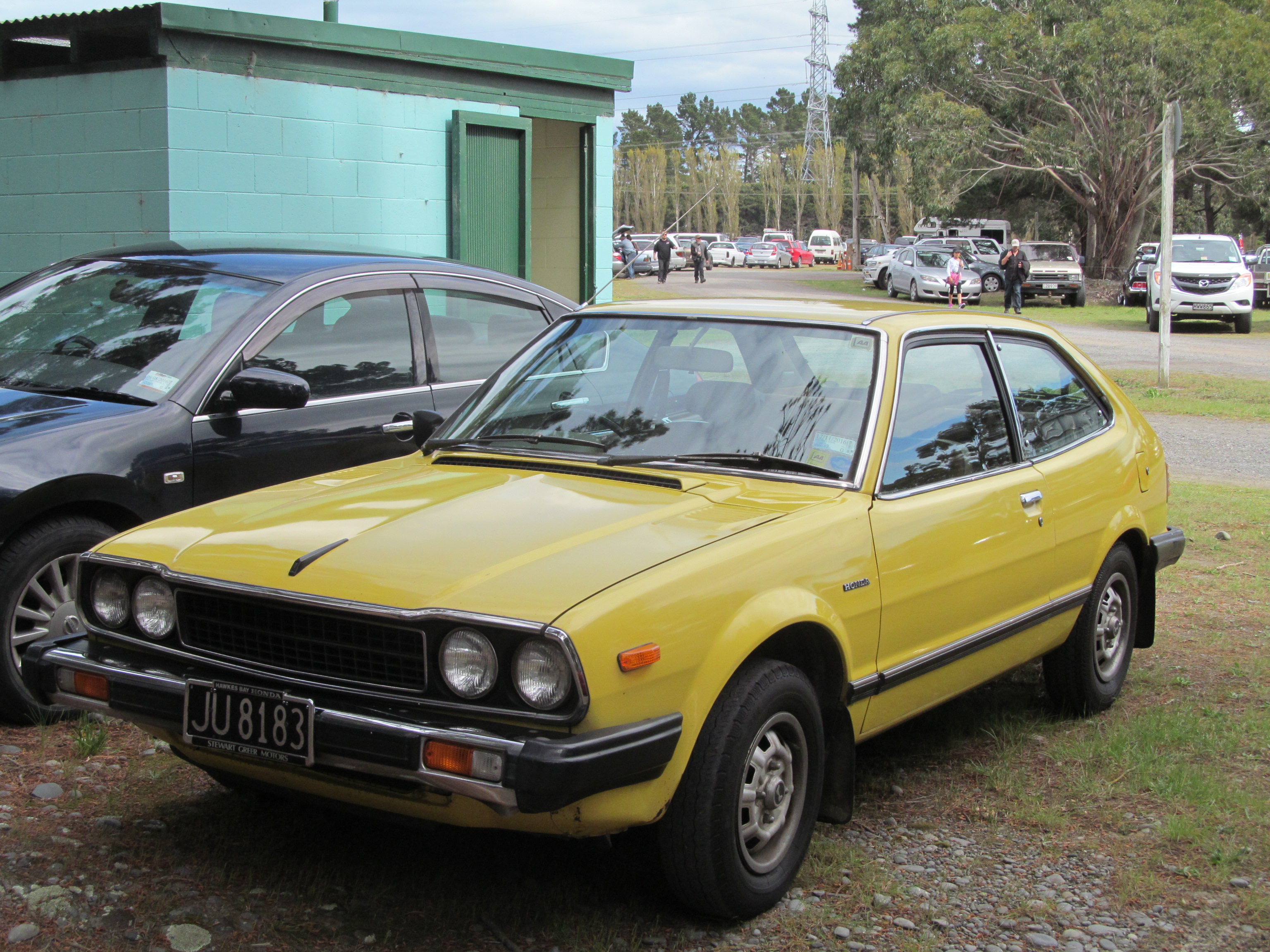
The Honda Accord is a popular everyday car that many people buy for reliability. The host is saying they’ve owned several, including very early versions.
The Range Rover is a large, comfortable SUV made by Land Rover. It’s designed to handle rough roads while still feeling like a luxury car. The podcast mentions it because someone has owned a 1990 version and really likes it.
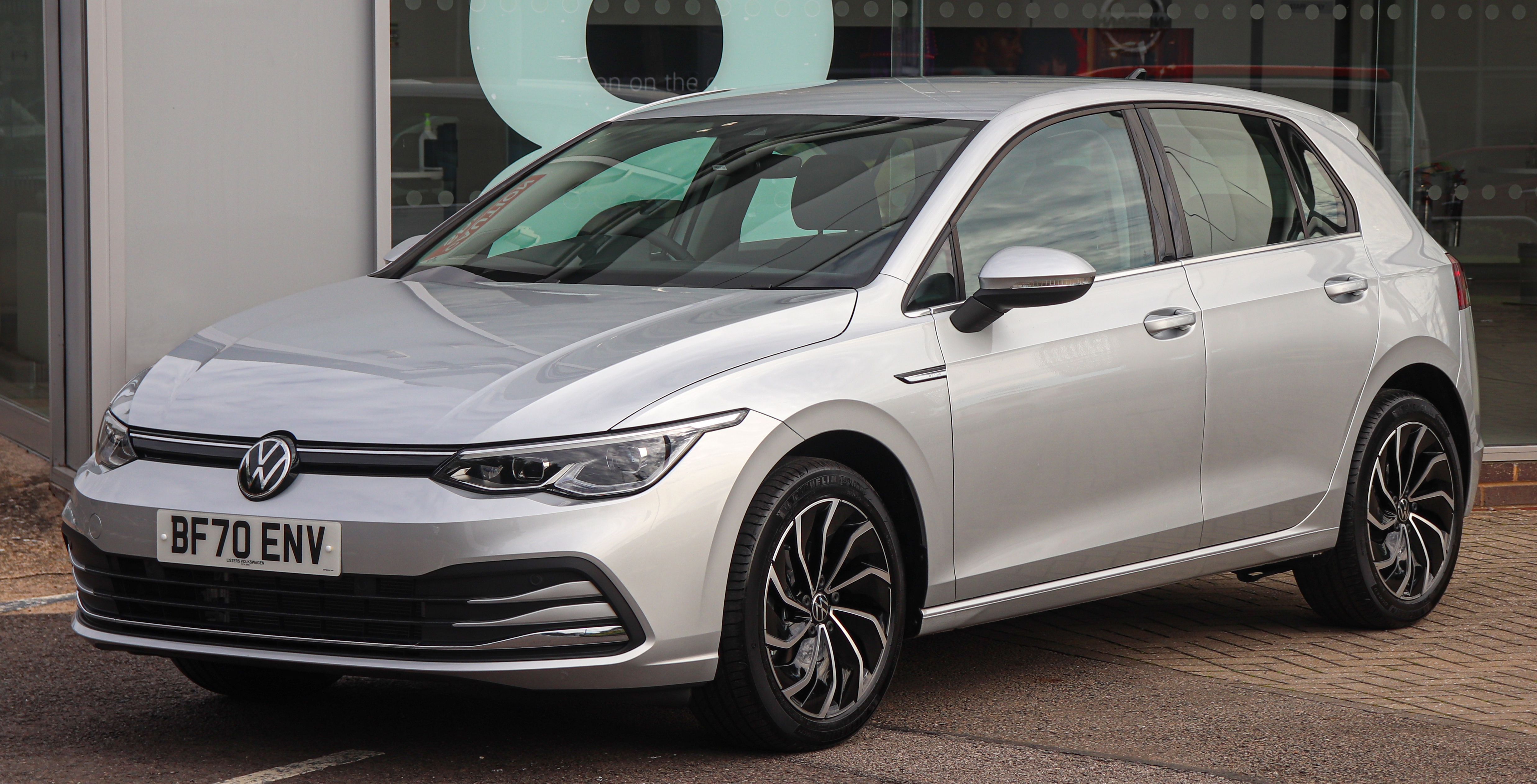
The Volkswagen Golf Alltrack is a wagon version of the Golf. It’s meant for people who want extra space and a more rugged look, and the host uses theirs as a daily driver in manual form.
“Flathead” is a type of older engine. In hot-rod culture, people often mean the classic Ford flathead V8 that’s famous for being a common engine choice for builds.
“Pre-war cars” are cars made before World War II. Collectors like them because they’re from a much older time period and can be rare and interesting to restore.
Petrolicious is a car enthusiast media brand. The host is using it as an example of a site/show that highlights cool collector cars for people who aren’t already deep in the hobby.
The Studebaker Avanti is an older sports car made by Studebaker. It’s known for having a unique look and being a standout classic. The podcast mentions it because the speaker thinks it’s a good car to buy.
“Lead follow” is when one car drives first and another follows to stay together. It’s often used so a crew can film or coordinate the trip, especially if something goes wrong.
EV means electric vehicle—cars that run on electricity from a battery. The speaker is saying they’ve been trying more of these cars recently and liking what they’ve driven.
The BMW i7 is BMW’s big luxury electric sedan. The point here is that its electric power delivery feels smooth and strong, kind of like how a big gas engine (like a V12) feels.
Torque is the force that helps the car pull forward. EVs can deliver it right away, so the car feels like it responds instantly when you press the pedal.
A V12 is a big engine layout known for smooth, effortless acceleration. The hosts are saying EVs can imitate that kind of smooth pull because electric motors deliver power very quickly and smoothly.
NVH is a car’s “feel and sound” quality—how quiet it is, how much it vibrates, and how smooth it feels over rough pavement. Luxury EVs are tested for this so they don’t feel jarring.
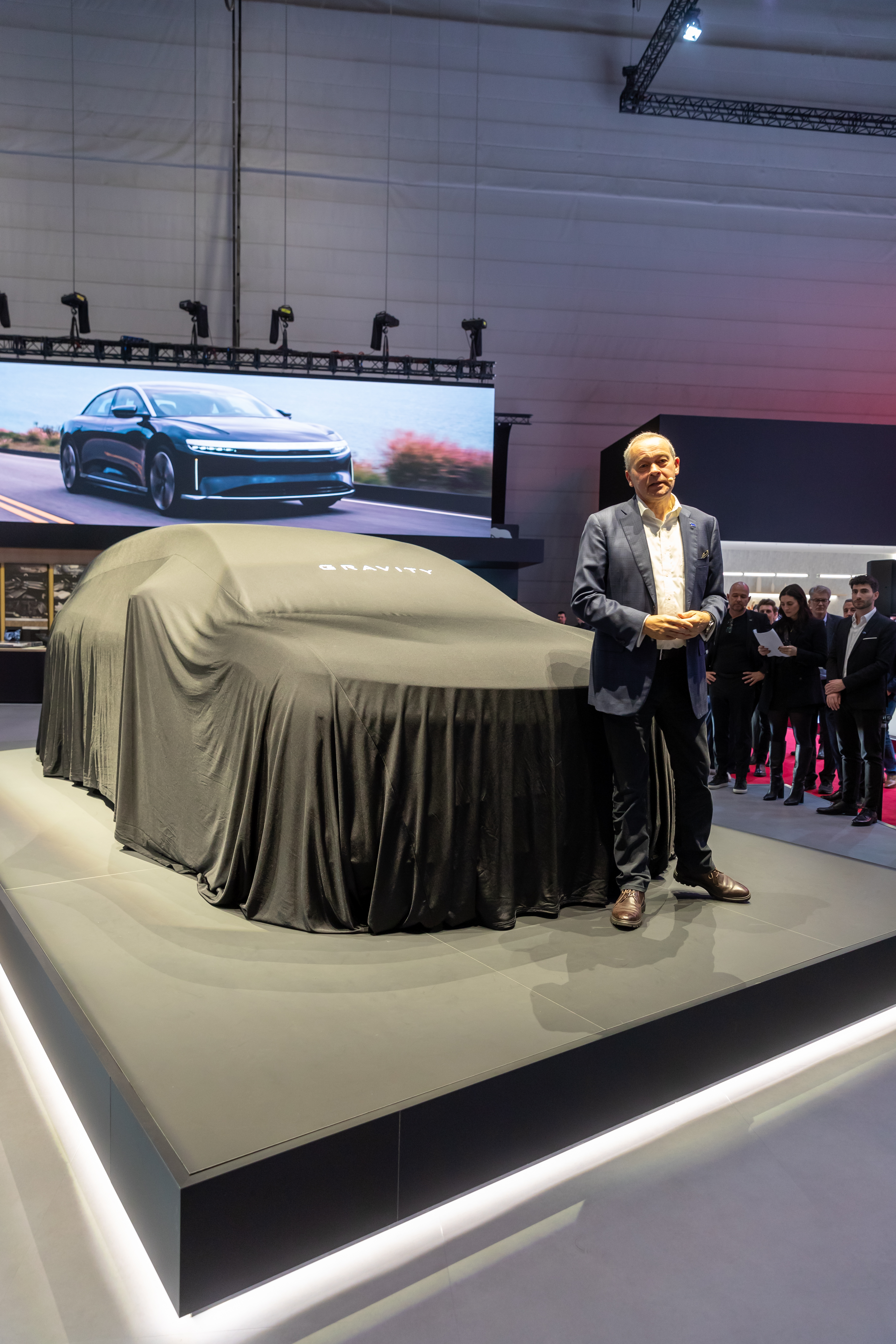
The Lucid Gravity is an electric SUV from Lucid. It’s meant to be a bigger, practical vehicle while still running on electricity. The podcast mentions it because the speaker isn’t sure yet how it’s going in the real world.
EVs are electric cars that run on batteries. The hosts are saying that rules and the market are pushing more people toward EVs, which affects how car companies plan their future cars.
A gasoline engine is the traditional type of engine that burns gas to make power. The hosts are saying Jaguar may not be able to switch back to this kind of engine if their newer designs aren’t set up for it.
An internal combustion engine is the classic engine type that burns fuel inside the engine. The point here is that Jaguar’s newer car designs might not be able to use that traditional engine anymore.
The B-pillar is the metal post between the front and back doors. Saying “no B pillar” means the car’s door area is designed differently, usually for a more open feel and easier entry.
The Jaguar I-Pace is an electric SUV. It’s the kind of EV that helped make electric cars feel more like normal family SUVs, not just niche experiments.
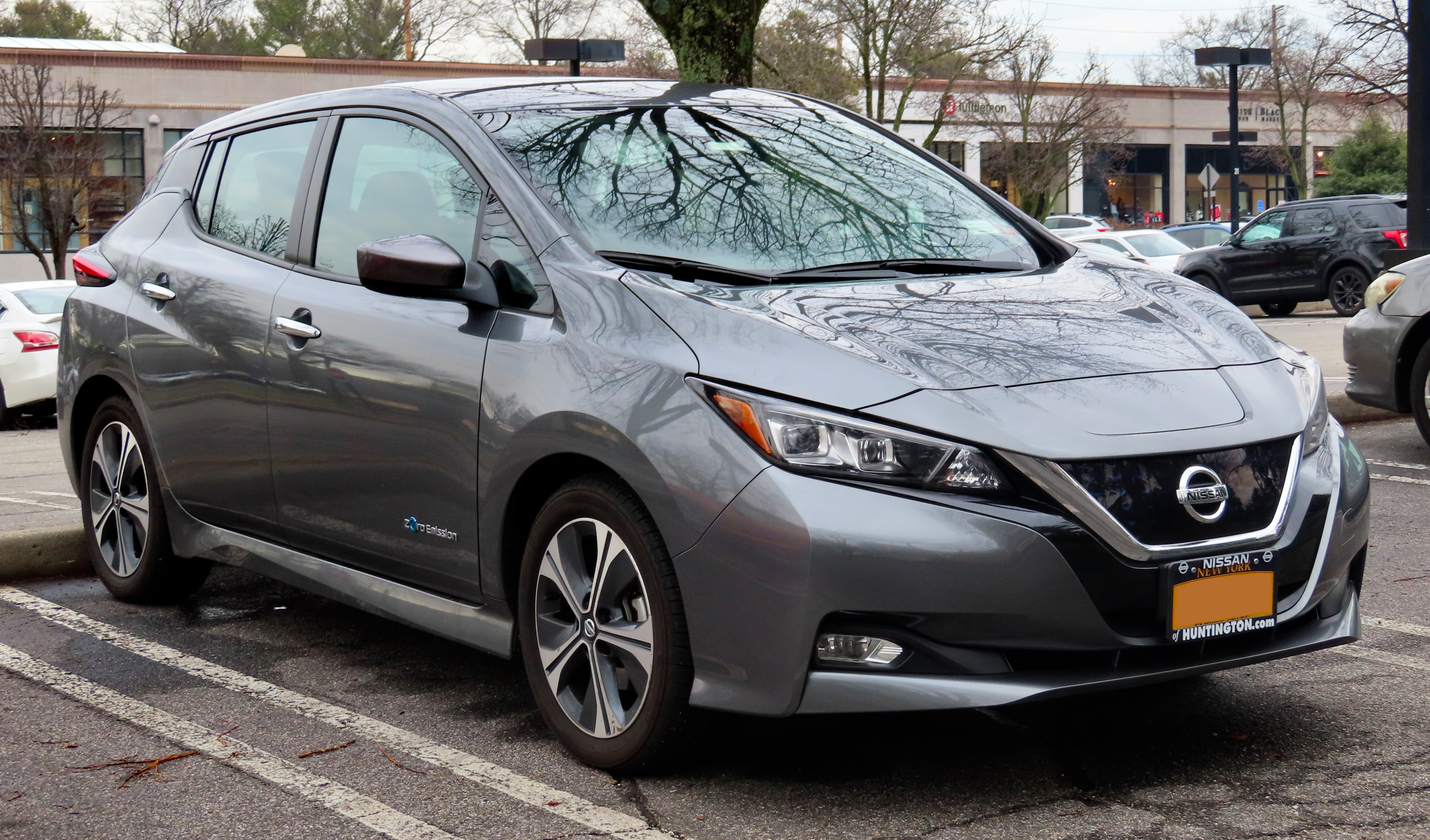
The Nissan Leaf is a popular electric car. The point here is that if gas gets pricey, some people might consider switching from a gas luxury car to an EV like the Leaf.
The BMW M Coupe (E36) is a sporty two-door BMW made for performance driving. It’s based on the BMW 3 Series from the E36 generation. The podcast mentions it because the speaker is hoping to find one.
The Porsche 911 is a famous sports car model. In this conversation it’s used as an example of a car people shop for used, and how hard it can be to find certain colors.
Concept
gray's
“Gray’s” here is shorthand for the long period when neutral colors—especially gray—dominated new-car ordering. The host argues the industry is finally moving away from that “boring” palette, with more buyers choosing color again.
The “residual market” is basically the used-car market. The idea is that some colors are more popular later, so they’re easier to sell and may keep their value better.
Concept
grade rainbow
“Grade rainbow” is the host’s way of describing a time when more people started choosing interesting colors instead of only basic neutrals. It’s about how ordering trends can change over decades.
PPG is a company involved with paints and color systems. The host is saying they saw statistics from a color-related source like PPG about which car colors are selling most.
“Specing” is just customizing a car order. Instead of buying whatever is sitting at the dealership, you pick the options you want (including color and features).
A “monochromatic spec” is when the car is ordered with one main color theme. It can mean the outside and inside look coordinated instead of mixed colors.
The secondary market is the market for cars after they’ve already been sold once—mostly used cars. Prices there can depend on things like color and condition.
The Mustang is a famous Ford sports car. Here it’s mentioned as an example of how a weird or rare-looking paint color can make a collector car more interesting to buyers.
They’re talking about their own Corvette and how the paint color changes the vibe. They compare a loud orange color to quieter colors like white, silver, or black.
“Spec them out” means choosing all the options for a car, like the color and interior. If you choose something very unusual, it can limit who wants to buy it later.
Auction results refer to the prices and outcomes achieved when cars are sold at auction. The hosts mention correlating auction outcomes with the car’s color, implying that certain colors can influence how strongly bidders compete.
LIVE
Bloomberg Audio Studios, Podcasts, radio News. I'm Hannah Elliott and
I'm Matt Miller.
This is Hot Pursuit.
Coming up on today's podcast, we will talk with Brett Burke, a longtime career automotive writer who's one of our favorites.
He basically, anything you've ever written about cars, he's written for that publication.
Would he say, yeah, Yeah, He's written for not just Car and Driver and The Rob Report, but also Vanity Fair, The Wall Street Journal, The New York Times, AARP. And
he's you know what, I don't. I'm not a reader
who sees bylines, which is odd I know as a journalist.
But when I do see Brett Burke as the byeline, then I pay particular attention because I feel like his Even though he writes about cars and he's a car guy for sure, his writing kind of transcends just the automotive. Yeah,
and he makes even without saying it directly, some social commentary or sometimes he just says it directly.
Brett, it can be delightfully caddy, which is great because I read that as honesty, and he is. He will
say what he thinks, which I love. I find it
so refreshing. It also helps that he's got great taste.
He loves to have a good time. He's so nice
and fun to be around. And you know, I get
so tired of being around people who are always on their phones or like slightly unable to have any sort of casual, nice social interaction because they've never had to.
And Brett is not on social media and is just the most delightful human to be around in real life.
Let's get into it, because we did spend an hour talking to Britain at Burke and now you can too, discussing everything from the direction of Jaguar to what color your Lamborghini should be. Here's Brett Burke, dude. I'm so
glad we could get you on.
Yeah.
You know it's cool because I was excited to meet you at this Aston Martin event. I can't remember what
we were there for. I think it might have been
to talk to Laurence Stroll or to see the new Vanquish, or maybe you were there for both things. And that
was in there, that was in their queue, like their customization center, right, and you just wrote a piece, I think for a car and Driver about these incredibly expensive elite exclusive like customization like one offs. And I think
you also just wrote a piece on Lebron also, right, and he has like a special my box that's a one off. Correct, So you focus pretty heavily on this
really custom work.
I do, definitely, I've covered this a lot. I mean,
it's a huge trend in the industry, especially at the ultra high luxury level currently. Actually, before we got on,
was starting writing a story for The New York Times about Rolls Royce and its plans in that in that arena.
So yes, this is a this is an extremely core mission of ultra luxury automakers. They're not, you know, envisioning
enormous growth in the number of ultra high net worth individuals, some growth, but not not enormous growth. And so in
order to capitalize on their existing clients or as I like to say, help separate their existing clients from their money, they are focusing in on extreme customization and really pushing that.
And that can go anywhere from you know, just selecting and custom piping on your seats or you know, embroidery on your headrests two in Rolls Royce's case, you know, commissioning one or few off vehicles. Also you know, we've
seen that on the Car and Driver article that you mentioned was about Bugatti opening a sub office to handle this exact same thing one officer, very few offs, and Lamborghini has been doing it for quite some time, as Ferrari and Acid Martin and these are major profit centers for these companies, according to your own analyst, Michael Deenah I've spoken to a few times for some of these stories.
You know, the profits on these kinds of customization options can be as high as fifty percent or higher. And
so you know, Rolls Royce is currently in the process, this is what this story I'm working on now is about, currently in the process of almost doubling the size of its production facility in Goodwood, but it has no plan to really increase the annual production of vehicles. The focus
of this expansion is really on the customization this spoke area, so you know, all these different options that it can now present to clients. And on top of that, we
see these automakers opening up sort of brand centers for their best clients in various cities around the world. You
mentioned Aston Martins Q shop in Midtown Manhattan, which is right up the street from Ferraris, which is there too.
You know, Rolls Rice has one downtown, as does Lamborghini.
And then a story I did several years ago. You know,
I asked Lamborghini when they were first opening this spot, what was the goal and they said, essentially, the goal was to increase customization on the models that are worked on there by fifty percent. That was a very long
winded answer.
It was a great answer. And I'm so curious to
ask you about what you think this says about the current culture we're in. You know, one of the things
that I love about you is you are very insuscient, and you have great taste, and you're not afraid to say it and point out what you like and what you don't like. And you know, I think i'd be
curious to know your thoughts about with all of this extreme customization and bespoke stuff, what does this say about car buyers today? And do we love it? Do we
hate it? Does it matter?
Yeah? I have a few thoughts about that, as you
might imagine.
I thought you might.
So. First of all, this is not a trend that
exists only in the automotive realm, right, we see this in obviously we've seen this for a long time in fashion with mature right, we've seen it. We've seen it
in an arology right with limited very limited releases. Some watchmakers,
you know, actually buying back old stock or you know, getting getting rid of lesser lines in order to focus solely on the most sort of the highest end, you know, most customized things. Uh. We see it and find jewelry obviously,
and so this is you know, this is uh, this is this is a sort of a universal amongst ultra luxury, in amongst categories and ultra luxury. So that's that's sort
of setting the stage for it. Second, Uh, you know,
there's more billionaires uh than there have ever been before. Uh.
Whether that is a good thing for the world is debatable in my opinion. Uh, it's not because the concentration
of wealth amongst the few has has never never led to particularly positive results for the rest of humanity, as we can see, uh with what's going on in this country currently on many levels. Uh, should being a billionaire
be legal? Uh that's another debate. But you know, I know,
I know that.
You're getting a little ahead of your skis here. By
the way, I had to look up insuscient casually or smugly and different, and this is why we.
Love Brett burlemen.
Yes, so you know, so there there's that question, right, But what we do know about this current these current trends is that these the folks that are doing this are interested in creating something that is very unique to them, individuated to them. Whether that's ego move or a narcissism move,
you know, is again open to debate. But in addition
to sort of know taking their taste and putting it into vehicular form, what they're really buying here, or at least a big part of what they're really buying here is access, right. So this is direct access to designers,
to executives, to you know, the centers of these of these companies, so be that Ferrari with its ultra exclusive nature or Rolls of Vice or any of these other kinds of places. Right, So they get to go behind
the velvet rope, they get to meet directly with heads of design and executives. They're known to these to these
people in these organizations. And you know, this is a
this is an experience, right, the experience of crafting something like this as it is if you're custom designing a home or you know, any other any other kind of product.
This is u you know, an opportunity to engage in a long term process.
These customizations are I mean, especially the way you put it, They're like decal packages, right, They're like piping on the leather or a two tone paint job. And what I
would want to do because I don't care about the access or the exclusivity or even signaling to my neighbors, you know, like how wealthy I am. I care about
having three pedals and naturally aspirated motors and you know, no screens, but like real gauges. So what I want
is to be able to make a product that I think is the best. It wouldn't matter if I did
it with I guess Ferrari or Ford. Are are any
of these like billionaire customers of Bugatti or Q thinking the same way that I am? Or do they just
want everyone to know that like they are Lebron James.
I think both things. So some of these cars like
from Mast and Martin that we've seen recently, you know our you know, manual transmission u V twelve powered vehicles, you know, I think there we're going to see more probably of that as people crave this kind of analog experience that you're alluding to, I would not be surprised to see, uh, you know, manufacturers like Ferrari or Lamborghini, even though they're you know, current power trains have such extraordinary outputs that they're you know, incapable of being handled
by anything by a manual transmission oftentimes. You know, I
could see that happening, you know, sort of retreating back to non hybrid powertrain, a naturally aspirated powertrain and putting that into a vehicle for a limited number of clients.
These vehicles, you know, it involved you know, artisans of the highest caliber working on you know, crazy materials market tree done with like Abaloni and and Mother of Pearl.
You know, they also have they also have a distinctly analog experience in that office. And I'm referring to the
phonograph centup with a simple two channel stereo sound true for sure.
Yeah, there's like a listening bar in there, so you know, I think you know that that whole presses is interesting.
My first entree as a weird precocious, you know, eight or nine year old growing up in suburban Detroit into loving cars was really the you know, cars of the interwar era of the twenties and thirties. So when I
go to an event, you know, a concour event like Emily Islander, Pebble Beach or Villadest or something like that, and those cars are there, that's like thrilling to me, right, And those vehicles during that era, like the cars that we're seeing now that have been preserved from that era, and many of them that were made, especially by the ultra you know, ultra luxury marks like Dusenberger aside of yeah Packer or whatever it might be. Yeah, these were
all one off or few off custom designed. They were
custom designed by you know, by coach builders for individual clients with unique body styles. Uh, and you know, made
that the clients went into their taste and you know, I think their art right like there there is there.
They're as much sculptural art as as the best from from any modern or or past sculptor. You know. So,
you know, does this does it? Are we going to
end up there? You know what I mean? With these vehicles?
Should these things exist or not exist? You know? I
think you know, if we look if we look at uh, look at the field at Pebble Beach, and see the kind of artistry and artists in ship and sort of fascinating forms, uh that really sort of tell the tale of their time. You know, I think, you know, there's
there's reason to believe that that some of these things should be made.
You're listening to our conversation with freelance automotive writer Brett Burke.
We'll be back after this break. Now, let's get back
to our conversation with Brett Burke.
You worked for years as a teacher before any of this.
You are you you do lots of other things. You
have a book about called like I think it's The Gay Uncle's Guide to Parenting, which is incredible. Like you
are you have so much more dimension and depth than all of your byline for Vanity Fair in New York Times and Playboy and all of the greats Bloomberg included.
So even even that is a little bit more eclectic than just Car and Driver and Rockport, right, and you're also in time general Vanity Fair, yes, yeah, but has depth.
So so how did you get here and was it what you expected all along?
Or no? The Hollywood Reporter, we we actually did a
piece on your Hollywood Reporter story.
Really yeah, which.
One about the Beverly Hills Car Club.
Oh yeah, yeah, yeah, that's hilarious. I grew up in Detroit.
No one really in my direct family, strangely enough, was directly involved in the auto industry. I had great access to,
you know, the huge range of vehicular opportunities and vehicular culture.
And I fell in with cars when I was a little kid. You know, it was like very very early on.
I was always a car lover. I had, you know,
like a My first car in high school was in nineteen seventy three BMW two thousand and two. Uh you know,
a little uh sort of sports uh sports sedan precursor to the three series, which you know, I spent all my money keeping running and repairing and uh yeah, just loved loved cars, read but red car magazines throughout that whole time period. When I went away to college at
Oberlin in Ohio.
I oh, great school.
Yeah I was. I had a great experience.
I went to Antioch, So, okay, right on are we were?
We were?
We were like slightly more radical but less thorough right.
Fair enough. Yeah, So I studied creative writing there. I
study fiction writing. I always knew on to be a writer.
Short story writing was my was my true love and remains the passion. And at Oberlin, because of its radicalism
in certain ways, cars weren't exactly a subject matter that was uh, that was on the table for people to discuss.
So I like to say, you know, I came out in college. I was openly gay, but a closet car lover.
I used to hide in the public library and read my car magazines in the public library at Oberlin.
Away from do that is hilarious. That's so very Oberlin. Honestly,
it really was.
And then I continued to follow industry I graduated. I
had a passion for education. I started working in early
childhood when I was in college. As my work study
job at Oberlin, I was worked at a preschool in an early childhood center there. When I graduated, I continued
that interest and eventually went to grad school and got a master's in early childhood education and child development, and ended up running a preschool of my own in the East Village that was a previously existing school had been around since the eighteen nineties. It had been founded as
a settlement house for recent immigran in the late nineteenth century, so it was kind of I think one of the oldest continual operating preschools in the country, very list in New York State, and I sort of, you know, stayed connected to the automotive world, but I never worked you know, I never worked in that realm, and I got out of the classroom, as Hannah referred to. I wrote a
parenting book called The Gamicles Guides to Parenting that was based on my experiences as an outside expert working with lots of kids. There's essentially humorous stories of my friends
and family members failing as parents and me providing bitchy commentary but also very strong, actionable advice. I really stand
by it as a book. I really think it's a
great parenting book. But anyway, when it came out, my
agent was like, you try to get in touch with, you know, people you know in the publishing world, try to write about parenting and child development to get your name out there. That was really kind of my start
in this business was just this like bizarre random meet up with this guy Mike Cogan, who I still praise to this day, is sort of giving me my start, taking a chance on me.
We always remember the person that helped us, Like there's one person yeah, or event right, yes, or events.
Yeah, and then yeah, I just sort of started, you know, it was a lark. You know, I was like, this
is so silly, Like I'm writing the silly car column.
What is your own personal automotive journey been since the two thousand and two? I mean, obviously, as a car writer,
you get to test drive like everything. Yeah, and that's
one of the greatest perks. It's the greatest perk of
the job, least for me. But as a fan of
especially as a fan of the pre war stuff like our thirties, forties, even like hot rods, they're just not around except for, you know, in the sort of billionaire collections.
So how do you How has your journey been with your own cars?
Yeah, that's an interesting question. I was just thinking the
other day as I was cruising bring a trailer, which is something I do with bizarre frequency, or any of the other auction sites, that it may be time for me at some point soon to get you know, an interwar car, a pre war car. But I don't have
one now and I never have, you know, I always have had like just a you know, weird automotive taste.
I've owned on a number of Vinage Volvos from the seventies.
I have had three or four Honda Accords, which are great cars, including some a couple of vintage ones early first generation ones sold one on bring a trailer, actually a couple of years ago, first year or second year car.
Let's see. Currently I have a nineteen ninety range Rover,
which I love. I know my mechanic is one of
my closest friends up here.
That's a problem. That should not be the case.
No, that's the y.
Yeah. My younger brother who's in Detroit and I own
a couple of cars together. We had, up until a
year or so ago, nineteen seventy nine Fiat Spider, but we sold that. We have a nineteen seventy eight Portion
nine twenty eight black on black manual transmiss first year car and very original car. And we also have a
nineteen seventy two SOB ninety five Wagon, which is a bizarre little two door, seven passenger, you know, four powered front real drive, four on the tree station wagon that's been getting some bodywork, paint and bodywork, and it's going to get its interior done and we're going to sell that as well, hopefully this year.
Let me know when you put that up, because I might have some people who are.
Interested wow in an old SOB.
Yeah, not me, but I know a few people who seriously.
Are all of those cars on the East Coast or do you have any I noticed you said in California so much?
Yeah, the SOB of the Porsche are both in Michigan.
The yacht was here, the range rovers here h And I have a you know, I have a Bookswagon Golf all track station Wagon manual transmission as my daily driver.
And then yeah, like you mentioned, in and out of a test car with amazing regularity for the past pretty much eighteen years, almost every week. And uh yeah, so
I'm constantly driving the newest, the latest and greatest and sometimes just you know, odd ball Cotidian you know, mass market cars, just to sort of keep my finger on what's going on out there.
So if you had, if money were no object, would you be more likely to buy a modern car or a classic car? Witch of it, you'd be more on
the class.
I mean, my list of like what I would love for classic cars is you know, probably hundreds of cars long, you know what I mean, It's too long to even get into and it shifts and changes all the time.
Like I'm like, I didn't know.
I wanted, you know, but now I need it.
Yeah, exactly like a sixties Dodge van, you know or whatever.
Like I just you know, things come and go in my in my affection, there's certain categories like I'm not like a huge like pony car guy or muscle car guy.
But every swopping I see stuff and I'm like, you know what I could see myself in that, you know, So it's all over the map. It tends to be
more you know, like European cars from the era in which I grew up. I'm I'm how old am I?
I'm fifty seven, so I'm a child of the seventies and eighties. So there's a lot of stuff from that
time period I'm into. But I also like, you know,
more contemporary stuff from the from the nineties, two thousands, and Yeah, there's like weird cars from the fifties, sixties and then obviously from the twenties and that I'm really into.
And you know, like some of those things I look at now, like especially cars from like the teams, like brassier cars or whatever. No one wants those things, right, Yeah,
maybe there's a maybe there's a role.
Well, I don't think there's a I don't think there's such a public market for I you know, I always find those cars so fascinating, especially since I hear, you know, I read all of Hannah's work that they've fallen out of favor to some extent as kids get into more radwood stuff. But I don't see a place where I
can read more about learn more about trade, you know, buy and sell pre war cars or even like you know, uh, the hot Rods, the thirty two deuce coupe, flathead whatever. Like.
I know that there used to be hot Rod magazine, and I'm sure it still exists in some form or another, but there's no place where like modern normal people can indulge in these things, right, Yeah.
There, I mean there there definitely are, you know, like magazines that are really aimed at the collector car hobby.
Uh that that's that published information about those there they get they can be a little bit inside baseball. I
think for people who are you know, less uh immersed, let's say, yeah, but yeah, you're right that it would be you know, I've long thought it would be interesting to have uh you know, I guess you know, like Petrolicious did something like that for a period of time, right where they're just sort of like, all right, we're gonna bring this stuff to the foreground and sort of you know, showcase some of these super cool vehicles. But yeah,
it's not it's uh, it's less. I think it's it's
definitely less less out there now. I remember interviewing a
guy Retromobile, the French collector cars.
I recommend that.
Yeah, did you went recently a couple of times?
Yeah, yes, and they're going to bring it. They're going
to bring a version to the US next year. Oh wow, Yeah,
I think people everyone should go to that. It's very cool.
Yeah, it's super cool. But he was the editor of
like a magazine in France called like Young Timers, and these are you know, this is these are magazines. Yeah, yeah, exactly,
these are magazines. You know, this is a you know,
more recent modern kind of collectible cars from the eighties and nineties, uh and then early two thousands, so things like that. But yeah, I think, you know, it's been
sort of my mission in certain ways. No one wants
a whole magazine of the kind of stuff that I read about, but it's been my mission to sort of spread this around in various places. And I think even
maybe before Hannah was doing stuff for Bloomberg, I was doing stuff on sort of like why you should buy you know, this nineteen sixties Mercedes, or why you should buy this you know the STUDI Baker Avanti.
You wrote a piece about how as you're like a very old person, how you can go ahead and pass your car along right, let go of it emotionally and physically, And I thought those therapy it was funny that those two kind of meshed so well. You know, it's a
really that's it.
Honestly, is a really big thing. I don't think I've
ever had. And Brett you can speak to this too,
But I don't think I've ever had the amount of response of friends, people on Instagram, people out in the world when they hear I'm writing about inheriting cars, especially like inheriting your dad or granddad's or Grandma's car, how fraught it is. There's a lot of guilt, there's a
lot of tension. I had a couple of people who
wanted to speak to me because they had twenty terrible years of family feuds, but they didn't want to have their name used because they were too they had too much anxiety about like reigniting this family feud over what should happen to the car it is. It's a real thing,
and Brent, maybe you saw that too, but it seems very frau.
Absolutely absolutely. I worked out I had originally pitched this
story to the airp It's one of my regular outlets.
Strangely enough, they like very very certainty stories, and you know, for a while, actually they had this was interesting. They
had an online magazine called The Arrow that was aimed at Gen X men, like, you know, the next generation of ARP members, and I was writing some automotive a bunch of automotive stuff for them for a period of time.
But yeah, now I've sort of graduated into the mainstream of the ARP and this story I had originally pitched it about sort of you know, how to de accession your car collection, essentially, like once you're too old or infirmed to enjoy it or you want to, you know, see other people enjoy it in your family or whatever it might be, you know what to do about it, And we ended up broadening the story. They do these
they do these pieces that are like you know, four or five thousand words like services stories about I did want about like how to shop for an ev, how to clean your car, how to keep your car running forever.
So this one ended up being all about sort of how to de accession your vehicle. So it had a
little bit of information about how to know when it's time to stop driving. You know, I'm not a doctor,
And that's a lot of information about the various steps to take when you want to get rid of a car, whether it's a regular daily driver or it's a collectible.
And but I talked to, you know, like an estates and trusts attorney who specializes in in in you know, in essentially deaccession or helping people figure out how to you know, take their collection and either hand it over to interested or uninterested parties or deal with it in the aftermath. And yeah, it is definitely, it's definitely fraught.
And I think, you know, there's a lot of car collectors who, you know, they don't really have a they don't really have a succession plan for their collection.
From what I hear and from what I see, it seems like the Boomers loved to accumulate. And it's possible
that gen X and the millennials don't have that as deeply ingrained and just accumulating and consumerism. And I mean
maybe we but maybe not. I mean the boomers were
not or like children of the eighties, you know, and so this is a particular well transfer and I'm even thinking of like all these Chris Rouser, who we all know, did a piece about all these other things that are being transferred to like your your mom's china collection or your dad's record collection of thousands of records. We don't
want this stuff, do we, you know, the cars.
Like silver silver, silver serving dishes.
Yes, they're on the record collection. And to take it
down to Jerry's office in the baking district, stereo.
Is it is a really big question. It's like one
of these things you know, are generationally you know, cash, cash and gold, you know what I mean, like everybody, but you know, a lot of these other things, you know, especially things that have been you know, significant, significant scale collections become you know, it can become very very challenging, and it could be you know, we're seeing this already a little bit in the collector car market. It's like,
you know, as the baby boomers age and sell off their collections of cars. Sometimes you know, they're not realizing
the prices that they hope for because there's no one of their generation to buy all the best ones.
Right, I think I haven't read it yet, but you wrote reportedly about the Motor Valley, which is I absolutely love to go to Modena, and there's so much more than cars obviously to do there. But what was your
take when I read your piece on the Motor Valley?
What am I gonna learn?
I mean, I focused a lot on sort of the automotive culture there. You know, there's dozens of private and
public car museums there and they cover or vehicle museums.
There's a lot of motorcycle stuff that goes on there, so there's there's all of that stuff. Right. There's at
least three or four race tracks where you can go and drive, you know, rent, rent and drive exotic vehicles.
There's plenty of places where you can rent and drive exotic vehicles, you know, around around the region. Or you
can hire someone to do a lead follow with you in case your vintage vehicle that you rent breaks down, or you can hire someone to show for you around seem in a vintage vehicle and you could rent these vehicles.
You know, you can rent a Ferrari in In in Modin and a Maranello. Uh, you know from the minute
to the hour or to the day, right like literally for like seven minutes. So it's all of that. It's
all of the manufacturers, museums, it's all the manufacturers histories right looking at mainly you know Maserati, Ferrari, Lamborghini, Pagani, and then you know a Dukati, a few others Dukati. Yeah,
less focused on less it's less focused on motorcycles, just because I'm personally less focused on motorcycles. I don't ride motorcycles.
You're listening to our conversation with freelance automotive writer Brett Burke.
We'll be back after this break. Let's get back to
our conversation with Brett Burke.
The other piece that I really wanted to ask you about that you've worked on recently, Brett, is this piece on Jaguar because I know you, I know you. I
think Matt wanted to ask you about it. We're both
curious because.
You've written a couple of pieces about it.
Really, right, it seems you've seen the latest car in Camo.
Tell me if I'm getting this wrong. You haven't driven
it yet, but you've seen it, and yeah, please enlighten us, tell us everything, the good, the badly.
I mean, you drove it, drove it for Edmunds.
I drove it for inside EV's, and I drove some Binga's vehicles related to it for Edmunds. And I'm also
working on a story for for The Times about Jaguar that will come out sometime in the next few months.
They've relaunched their Wheels section, but it's a kind of a slow roll. So yeah, I mean, hopes are high
for Jaguar internally.
Feel free if you want to scoop yourself, Brett, if you want to give us a snoop here I can say.
I think I can safely say that neither Hannah nor I were really impressed with their ad campaign or their idea, But personally.
I have it was more confusion.
Driving a lot more evs lately and am and have been impressed by a lot of them. But recently I
was in the new BMW I seven and I thought, Wow, this feels like an actual V twelve, Like it really doesn't feel like an EV anymore. And that's what I
noticed you you point out about the jag as well.
At least that's what they're going for.
Yeah, exactly, And I think you know, there's a lot of there's a lot of overlap between sort of V twelve power and electric power, right, it's this sort of instant on endless sense of thrust and torque, very smooth and quiet operation. I mean, obviously there's streaming vates from
Aria and Lamborghini, but if you think about like the big sort of classic thumpy vights from from Jaguar or Apple, current application for Rolls Royce or even Mercedes in their in their highest end luxury vehicles like the my Box.
You know, these are just like monster torque motors, right that just sort of give you this sort of endless sense that you can keep going, you know, put your foot in it and keep going forever kind of. And yeah,
very very very smooth and very very quiet in their operation, or well balanced kind of the most well balanced engine.
So this is what sort of Jaguar is going for in the power delivery for its EV and you know, I think that they have achieved it in an interesting way, right.
It doesn't just it's not just like you know, like some evs where you're you know, you're gonna snap your neck.
There's definitely plenty of thrust, but it also has this sort of sense that there's like more available, you know, as you keep going. So you know, and we drove
the car only around the company's test track right which is connected to its headquarters, and so you know, some of it was on very smooth pavement. Some of it
was on the pavement that they used to test for noise, vibration and harshness and stuff like that. So we got
to experience in a variety of different areas. The styling,
you know, I think will remain controversial. There's certain angles
from which it looks very elegant, I think, and there's certain angles mainly in the front and the rear, where I feel like it still looks a little bit unresolved.
You know, I never understood why loose it also said, hey, let's start with the sedan. That's something nobody wants, like,
why not start with the suv, even if you know purists or journalists, you know.
As they're going for China because China loves a big, big sedan, I.
Guess, I guess.
Yeah, especially because a combination of factors. I think it's like,
you know, this is their heritage. If they launched with
an SUV, what was that? What does that say about
Jaguar's commitment to its heritage, especially with this huge switch that they're doing. I think that SUV will probably follow
relatively quickly on the heels of the sedan, or at least I hope, But you know, the gravity hasn't made great shakes. I don't think for Luca. I haven't looked
at the most recent sales figures in the past month or two. But I mean, I hope that it. I
hope that it helps that company to survive. But this
is you know, the plans that Jaguar made to make this shift happened you know, five years, seven plus years ago.
Right, it's a different universe.
Yeah, things seem to be moving more geometrically in the direction of adoption of evs, and regulation was certainly moving in that direction. Obviously a lot of that has changed,
uh in recent years. But they don't they don't have
the Uh. There's there's not a great financial well that
Jaguar can go to and say, you know what, Uh, maybe this isn't going to work out. We need a
gasoline engine and the designs that they've created are not capable of accommodating uh, you know, an internal combustion engine.
I will say, when you bring up heritage, I see in your piece there's a photo of the new car and Camo next to a really beautiful coop with like no B pillar.
Yeah, that's which XJSA twelve.
There you go. I don't know if that helps their case.
True, you know, it's.
This is exactly, this is exactly. It's like getting your
photo taken next to Cindy Crawford in the nineties. You
don't want to do that.
I well didn't Corsia recently. Put I can't remember like
a nine to seventeen or their homage to a nine to seventeen next to an actual nine seventeen. Remember when
we were at Lama Hannah.
And yes, don't know, Yes, yes I do remember that.
I think I've blocked it momentarily, but I do remember that also a bad decision.
Yeah, So this is a question, right, they have this, I mean, they have this amazing heritage. Obviously, the amazing
heritage that people talk about with Jaguar is from like, you know, the fifties, sixties, seventies, eighties, maybe the early nineties, so it's been a little while since they've had that amazing heritage. So you know, I get the idea that
they needed to do something radical and do something different, and you know, I support the idea of trying you know, trying something radical and trying something different. I hope that
the brand survives. You know, I'm a fan of the
Jaguar brand. I think it's cool and it has been
cool and very innovative, even in more recent incarnations. You know,
if we think about the Ipace or whatever, right, it's just like one of the first mass market you know, luxury SUVs. Electric su used to come out in time.
The f TIPE I thought was great when it came out.
A lot of especially with the super Charge five Leader then it was great. Yeah.
And the xt you know, the most recent Extra, I thought it was a really cool car as well. So
I me know, they've got some they've got some chops.
Whether it makes it or not, I think is a question of you know, the market and our current political situation and gas prices.
Well, although at six figures, no one cares if it's four dollars or seven dollars. A gallon right, correct, And
you're not.
Having as much of an impact on the on the luxury car buy or you know, they're not suddenly I mean yeah, I don't think they're. Probably they're deciding like,
oh maybe I should get the new Nissan Leaf instead of instead of this, you know, this V twelve Mercedes my box because of the price of gas, so it remained should be seen how all of that plays out.
I hope I want to end on referencing another piece that you did, and I'll say that as I look for as I look constantly for used cars to buy from Porsche nine nine sevens to you know, like bmw M seven sixties, I hope and pray to find one that's not black or white or gray. And I don't
understand why the people who option these cars initially were like, oh, let me go with just black, you know, like if they're offering green, why not take green? And also from
the manufacturer perspective, like looking back at the cars that do well on the secondhand market, why not why aren't they all green? Why that? Why is that not OHK
green the base choice, you know, And you wrote a piece on how like we're finally moving away hopefully from Gray's I think it was in the March Car Car and Driver issue. Are we are we gonna make a
break from that boring Well we have seen.
So there's a lot of market forces that sort of obviously lead us down the pathway of these bland colors, right, So dealers buy them to have them on their lot because it's what the majority of people want to buy, because it's a safe choice for the residual market. You know,
when you're getting off lease or when you're offloading it to the second buyer, your taste, you know, not everyone likes green, and these are sort of.
Remade tell that to bring a trailer.
I know.
I know.
What we have seen for the first time in recent decades, since the sort of ascent of these what I like to call the grade rainbow the newsprint spectrum took hold in kind of the eighties and nineties, is a bump increase in the number of people that are ordering cars with colors and a diminished a diminution in certain markets.
It's even in the US market of people buying cars that are just white, silver, gray, and black. And there
were some statistics that I read from one of the color investigators. I can't remember if it was Pantone or
PPG or one of the other outside analysts that said that, you know, green in Europe had overtaken red in terms of uh, you know, in terms of new car sales. UH.
And certainly we've seen a decrease in traditional kinds of reds and blues, even in the US market where those have been the most popular chromatic colors. I think this
also comes down to, you know, during the pandemic, when we had all the supply chain issues and people started ordering cars as opposed to uh buying them off of the dealer's lock because there weren't wasn't available stuff on the dealer's lot. People who could wait would order their
own car. And so we've seen now you know, it's
been a few years, people got accustomed to that day idea of specking their own vehicle the way that they like it. So we've seen a slight uptick I think
in people specing vehicles to a more a less a less monochromatic spec And yeah, as you mentioned, Matt, we definitely see you know, in in the secondary market, at least in the collector car area of the secondary market.
You know, people looking for the vehicles that really enunciate their time period, right, whether that yeah, a Teal Mustang or a Desert Rose seventies Cadillac, you know, a Teal you know, nineties Mustang or nineteen seventies Desert Rose Cadillac or Catillion yellow or whatever. You know, any of these
crazy car colors that existed that really you know, Avocados and bards from the seventies. Yeah, exactly. Yeah, So you know,
we see this, we see these those are the cars that that are the most valuable right on the collector car market. And we see it even with you know,
more recent models that show up on places like Bring a Trailer or some of the other auction sites where it's like, you know, it's not just you know a black S class right, like it's got and maybe the maybe it's the brown one, you know, or something like that.
Brown was having a moment maybe about yes years ago, ten to fifteen years ago. Caffeine.
I think Corvette had a caffeine color, right.
They related it. I've written about Yeah, I've written about
car color trends quite quite a bit over the couple past couple of decades that I've been working on this and yeah, they relate it to a series of different interesting factors. Right we're seeing a rise in purples right now,
and the folks from PPG and Pantone said that it's it's about our interest in space, which I couldn't help but think is about our interest in escaping this planet.
Corvette has a purpole. We can choose purple for Corvette.
I mean some of the supercars on the flip side, like Lamborghini's, I wish someone would just be satisfied putting that Lamborghini in silver, or putting that Lamborghini in like like the Rivelto I had was black on black and it looked awesome. So I do think there are like exceptions. No,
that's this Corvette I had last weekend. I would have
paid money to have it be any White would have been great, Silver would would have been incredible, because I do think if the cup it's a zero one X or z r X one zero one x.
Uh it was orange.
No, No, it was their Sea Bring orange. And the
car already has a massive wing on it, It's got all this arrow. It already was semi embarrassing to drive
to my facial appointment in Largemont. So the fact that
it also is this like nitrous orange. I would have
been really happy if it actually was white or silver or black. So that's the counterpoint.
I had a silver one. I had a silver one
last week, just an e ray, but I and.
That looked phenomenal, phenomenal.
Yeah, yeah, I totally, I totally hear. You know, some
of these cars and this is a self selecting ownership category, right, they self select for people that are a little more as we like to say, extroverted. And so you know,
we end up with a with a quantity of these vehicles and you know, one of the one of the risks that happens. And I'm working on this in a
couple different stories. Now, uh, this might actually be a big,
a good Bloomberg story somewhere downline, if you guys haven't covered it already. Is sort of the secondary market for
these kinds of vehicles if we spec them out to you know, to such an extreme taste point where it's a you know, magenta with a with a with a turquoise interior or something like that. Yeah, if you want
to get rid of your your your Lamborghini, is anyone else going to have that same taste? And so you
know what is that? You know, so I think the
you know, the the color the color thing can swing wildly on various sides of the market.
What's the name of that famous Rolls Royce customer, Michael Michael Michael Fuchs. Yeah, if he ever tries to sell
his collection, he's gonna have a problem.
Right. Well, we we we we even saw this, and
to your point, Brett, we did do a story about literally taking auction results and correlating them to the color of the car, and if it's the right car and the right color, it'll pop for sure.
Yeah. Yeah, so fascinating.
That was Brett Broke. Fascinating conversation. I'm so glad that
I got to talk to him for an hour because I've seen him at various car you know, launches, or as I said, you know, at Aston Marton at the Q Center, but I've never gotten to hang with him.
And I always I always instantly like, like from the first time I saw him, I was like, oh, I want to hang with that dude, And I don't usually think that when I see car automotive journalists, you know.
Same, can't wait till we do our whole episode on that.
We I mean, yes, we could be caddy ourselves.
We love cats meow.
All right, So we have a lot more to talk about.
We're gonna save it because we have so much coming up on this podcast in the next few weeks. We
have Zach Brown coming up after the resurgence of McLaren.
That'll be super fascinating. We have both been driving even
more corvettes.
Yes, and we are purposefully not discussing that now because we're about to pop.
Off on It's killing me. It's killing me not to
talk about the Corvette, but we won't for now. And
we also have wait, I forgot what else we have?
What else are we doing next?
Ken On Bros. Will come on with us to talk
about Villadeste, which is one of the most glorious car shows in the world on Lake Como of George Clooney fame and brod Errow is having one of their auctions there.
So we're going to get like a really good market update on collectibles for the summer from Kenny.
If only I could spend my time attending automotive events like full time just going to Villadeste Retromobile I going to which the Kebblebeach, Goodwood yes, exactly, the revival. Yes,
Amelia Island. You know, various F one races. That's how
you that's how you spend your life, Hannah, that's awesome.
That does it.
For this week's show, Remember to follow and subscribe to Hot Pursuit on Apples, Spotify, and anywhere else you listen.
You can also send us your comments. Email us at
hot Pursuit at Bloomberg dot net.
And check out Hannah's columns and stories on bloomberg dot com and the Bloomberg Business app. Go there for car reviews,
events and stories that you won't find anywhere else. Find
it all at Bloomberg dot com, slash Pursuits, slash Autos.
I'm Matt Miller.
And I'm Hannah Elliott. We'll be back in your podcast
speed again next week
About this episode
Brett Berk, an automotive journalist, talks about how he got hooked on cars early and how his writing blends technical detail with the emotional realities of ownership. The conversation moves from ultra-luxury customization—where margins can be “as high as fifty percent or higher”—to why wealthy buyers value “access” and how “analog” preferences may bring more manual, naturally aspirated V12s back. Berk also discusses deaccessioning collectible cars, plus EV transitions and even how paint color affects resale and auction outcomes.
Matt and Hannah speak with Brett Berk. The longtime car critic and columnist joins the show to dissect the good, bad and ugly of the expensive car market. Plus, why purple and green are in for car colors, Jaguar’s new EV, and the pleasure and pain of inheriting a vehicle.