
Automotive Journalist Brett Berk
About this episode
Brett Berk, an automotive journalist, talks about how he got hooked on cars early and how his writing blends technical detail with the emotional realities of ownership. The conversation moves from ultra-luxury customization—where margins can be “as high as fifty percent or higher”—to why wealthy buyers value “access” and how “analog” preferences may bring more manual, naturally aspirated V12s back. Berk also discusses deaccessioning collectible cars, plus EV transitions and even how paint color affects resale and auction outcomes.
Matt and Hannah speak with Brett Berk. The longtime car critic and columnist joins the show to dissect the good, bad and ugly of the expensive car market. Plus, why purple and green are in for car colors, Jaguar’s new EV, and the pleasure and pain of inheriting a vehicle.
See omnystudio.com/listener for privacy information.

Aston Martin Vanquish
"...been to talk to Laurence Stroll or to see the new Vanquish, or maybe you were there for both things. And tha..."
The Vanquish is a luxury sports car made by Aston Martin. It’s designed to be quick and comfortable for longer drives, not just short trips. The podcast mentions it because people were talking about the newest version.
The Aston Martin Vanquish is a high-performance grand tourer from Aston Martin, built for fast, comfortable long-distance driving. It’s a model that tends to draw attention because it’s closely tied to the brand’s image and engineering focus on performance and design. The podcast references seeing or discussing the new Vanquish, indicating it’s a current topic of interest.
Rolls Royce
"was starting writing a story for The New York Times about Rolls Royce and its plans in that in that arena. ... And so yes, this is an extremely core mission of ultra luxury automakers. ... And so you know, Rolls Royce is currently in the process, this is what this story I'm working on now is about"
Rolls-Royce is a luxury car brand. Here they’re talking about how the company makes cars more personal for wealthy customers instead of selling a lot more cars.
Rolls-Royce is an ultra-luxury car brand known for tailoring cars to individual owners. In this segment, the focus is on how Rolls-Royce uses customization (including interior options and small-batch commissions) as a core strategy rather than expanding overall volume.
ultra luxury automakers
"Actually, before we got on, ... So yes, this is a this is an extremely core mission of ultra luxury automakers. ... they are focusing in on extreme customization and really pushing that."
“Ultra luxury automakers” means the most expensive car brands. The point here is that instead of selling huge numbers of cars, they make money by offering very personalized options to their existing rich customers.
Ultra-luxury automakers are brands positioned at the very top of the market, where growth often comes less from selling dramatically more cars and more from increasing spending per customer. This segment argues they’re using customization and client-focused services to deepen loyalty and capture more revenue from existing wealthy buyers.
bespoke
"And that can go anywhere from you know, just selecting and custom piping on your seats or you know, embroidery on your headrests two in Rolls Royce's case, you know, commissioning one or few off vehicles. ... with all of this extreme customization and bespoke stuff, what does this say about car buyers today?"
“Bespoke” here means a car is customized specifically for one customer. It’s not just choosing from a menu—it’s tailoring details to the buyer’s taste.
Bespoke means made-to-order and tailored specifically for a particular customer, rather than mass-produced with fixed options. In this segment, “bespoke stuff” describes extreme personalization—like custom interior details or commissioning a very small number of cars.
customization options as profit centers
"as Ferrari and Acid Martin and these are major profit centers for these companies, according to your own analyst, Michael Deenah ... You know, the profits on these kinds of customization options can be as high as fifty percent or higher."
A “profit center” is something that makes a company a lot of money. In this case, the host is saying the extra-cost custom options are where these luxury brands can earn especially high margins.
A “profit center” is an area of a business that generates significant profit on its own. Here, the host frames customization programs (bespoke options, small-batch commissions, and dedicated client services) as high-margin revenue sources for luxury automakers.
Bugatti
"we've seen that on the Car and Driver article that you mentioned was about Bugatti opening a sub office to handle this exact same thing one officer, very few offs, and Lamborghini has been doing it for quite some time"
Bugatti is a high-end performance and luxury brand, and the segment frames it as moving into dedicated operations for ultra-low-volume customization. The mention is about opening a sub office to handle bespoke orders—similar to what other super-luxury brands are doing.
Lamborghini
"and Lamborghini has been doing it for quite some time, as Ferrari and Acid Martin and these are major profit centers for these companies ... I asked Lamborghini when they were first opening this spot, what was the goal and they said, essentially, the goal was to increase customization on the models that are worked on there by fifty percent."
Lamborghini is a supercar brand. The host says Lamborghini has been doing special customization for a while and even set a target for how much more customized cars would be.
Lamborghini is a supercar brand that, according to the segment, has long used customization programs and dedicated spaces to increase personalization. The discussion includes a stated goal of boosting customization on cars worked on at its brand location.
annual production
"Rolls Royce is currently in the process, this is what this story I'm working on now is about, currently in the process of almost doubling the size of its production facility in Goodwood, but it has no plan to really increase the annual production of vehicles."
Annual production means how many cars a company plans to make in a year. The host says they’re expanding the factory but not planning to build many more cars—more likely to handle custom orders.
Annual production is the number of vehicles a manufacturer plans to build in a year. The segment notes Rolls-Royce is expanding a production facility but not increasing annual vehicle output, implying the expansion is aimed at supporting more customization work rather than higher volume sales.
Goodwood
"almost doubling the size of its production facility in Goodwood, but it has no plan to really increase the annual production of vehicles."
Goodwood is a place in the UK where the company’s factory is. The host says Rolls-Royce is expanding that facility to support its customization business.
Goodwood is referenced as the location of Rolls-Royce’s production facility expansion. In automotive terms, it’s a known UK automotive/heritage area, and the mention ties the brand’s manufacturing capacity to its customization-focused strategy.
Aston Martins Q shop
"You mentioned Aston Martins Q shop in Midtown Manhattan, which is right up the street from Ferraris, which is there too."
Aston Martin’s Q is their customization service. The idea is that high-end customers can get more personalized options through dedicated locations.
Aston Martin’s Q is a customization program/brand identity for tailoring cars for individual customers. In this segment, it’s used as an example of “brand centers” that serve top clients in major cities.
Ferraris
"You mentioned Aston Martins Q shop in Midtown Manhattan, which is right up the street from Ferraris, which is there too."
Ferrari is a luxury supercar brand. The host mentions it to show how these high-end brands set up client-focused spaces in the same premium neighborhoods.
Ferrari is an ultra-luxury/supercar brand referenced here as having a nearby presence to Aston Martin’s Q shop. The segment uses it to illustrate how multiple luxury brands cluster dedicated client-facing customization or sales spaces in the same high-end areas.
naturally aspirated
"having three pedals and naturally aspirated motors and you know, no screens, but like real gauges."
Naturally aspirated means the engine pulls air in on its own, without a turbo or supercharger. People like it because the response can feel smoother and more straightforward.
Naturally aspirated engines make air flow by drawing it in through the intake without a turbocharger or supercharger. Enthusiasts often prefer them for their linear throttle response and predictable power delivery compared with forced-induction setups.
manual transmission
"So some of these cars like from Mast and Martin that we've seen recently, you know our you know, manual transmission u V twelve powered vehicles"
A manual transmission is a car gearbox you shift yourself. You use a clutch pedal to change gears, and it can feel more hands-on and engaging than automatic driving.
A manual transmission is a gearbox you shift yourself using a clutch pedal and gear lever. In enthusiast circles, it’s often associated with a more “analog” driving feel because the driver directly controls gear selection and engine speed.
V12
"manual transmission u V twelve powered vehicles, you know, I think there we're going to see more probably of that"
A V12 is an engine with 12 cylinders arranged in a V shape. It’s usually found in expensive, high-performance cars and is known for a smooth, refined feel.
A V12 is an engine with 12 cylinders arranged in a “V” shape, typically with two banks of six cylinders. V12s are known for smoothness and high-rev character, which is why they’re common in high-end performance cars.
analog experience
"I would not be surprised to see, uh, you know, manufacturers like Ferrari or Lamborghini, even though they're you know, current power trains have such extraordinary outputs that they're you know, incapable of being handled"
Here, “analog experience” means the car feels more old-school and physical—like real gauges and controls you operate directly. It’s about getting feedback from the car in a more straightforward, less screen-based way.
In this context, “analog experience” means a driving and ownership feel that relies on traditional mechanical controls and physical feedback rather than digital interfaces. The speaker ties it to things like real gauges, manual shifting, and even audio systems that feel more “hands-on.”
hybrid powertrain
"sort of retreating back to non hybrid powertrain, a naturally aspirated powertrain and putting that into a vehicle for a limited number of clients."
A hybrid powertrain uses two kinds of power: a gasoline engine and an electric motor. The idea here is that some buyers might want to go back to a more traditional, non-hybrid setup.
A hybrid powertrain uses both an internal-combustion engine and an electric motor(s) to move the car. The speaker is suggesting a possible shift away from hybrids toward simpler non-hybrid setups for a more traditional feel.
Pebble Beach Concours d'Elegance
"when I go to an event, you know, a concour event like Emily Islander, Pebble Beach or Villadest or something like that, and those cars are there"
Pebble Beach is a high-profile car show focused on rare and beautiful cars. The host brings it up to explain why people value craftsmanship and design, not just speed.
Pebble Beach is a famous concours event where collectors and manufacturers display rare, historically significant, and beautifully restored cars. The speaker uses it as a reference point for why certain “art” cars from the past still matter today.
concours events (Interwar-era cars at shows)
"My first entree ... into loving cars was really the you know, cars of the interwar era of the twenties and thirties. So when I go to an event, you know, a concour event like Emily Islander, Pebble Beach"
Concours events are fancy car shows where people display rare cars and judge their design and history. The speaker is using them to explain why old cars can still feel inspiring today.
The speaker discusses concours culture—events where preserved and coach-built cars are celebrated for design and craftsmanship. They connect interwar-era cars to today’s interest in bespoke, sculptural automotive art.

1973 BMW 2000 and 2
"“My first car in high school was in nineteen seventy three BMW two thousand and two. Uh you know, a little uh sort of sports uh sports sedan precursor to the three series…”"
This is a BMW from the early “02” series era. It’s a small, sporty car that many enthusiasts see as an early version of what BMW later became famous for. The host is saying this was his first car and he spent a lot of time keeping it running.
The 1973 BMW 2000 and 2 is a classic BMW “02” series coupe that’s known for its compact, rear-wheel-drive layout and enthusiast-friendly driving feel. It’s an early BMW model that predates the modern 3 Series but helped establish the brand’s reputation for sporty, driver-focused sedans and coupes.

Buick Century
"... house for recent immigran in the late nineteenth century, so it was kind of I think one of the oldest cont..."
The Buick Century is a car model made by Buick. It’s been around for a long time, which is why it can come up in historical discussions. In the podcast, it’s referenced as one of the older model names.
The Buick Century is a mid-size car line from Buick that has existed for decades, making it a familiar name in American automotive history. It’s mentioned in the podcast in a historical context, likely tied to how long the model name and Buick’s lineup have been around. That longevity is often why it comes up when discussing older vehicles and their backgrounds.
Bring a Trailer
"Yeah, that's an interesting question. I was just thinking the other day as I was cruising bring a trailer, which is something I do with bizarre frequency, or any of the other auction sites..."
Bring a Trailer is a website where people buy and sell cars through auctions. It’s especially popular with car enthusiasts and often features older or unusual cars.
Bring a Trailer is an online auction site focused heavily on enthusiast cars, where buyers and sellers often care about originality and documentation. The host’s mention ties their car-buying habits to a market where vintage and niche vehicles can find the right audience.
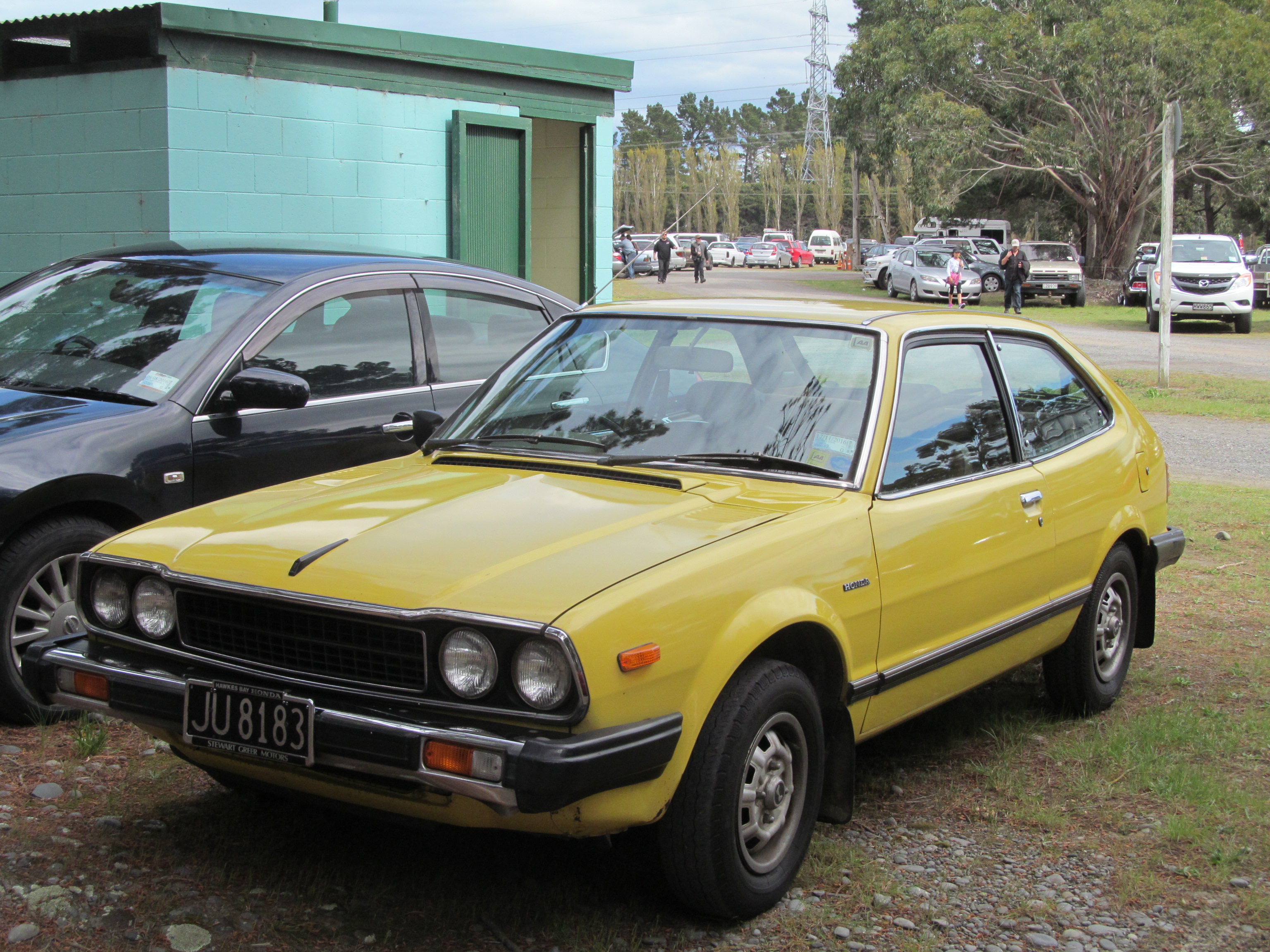
Honda Accord
"I have had three or four Honda Accords, which are great cars, including some a couple of vintage ones early first generation ones sold one on bring a trailer, actually a couple of years ago, first year or second year car."
The Honda Accord is a popular everyday car that many people buy for reliability. The host is saying they’ve owned several, including very early versions.
The Honda Accord is a mainstream midsize sedan known for being practical and durable across generations. The host mentions owning multiple Honda Accords, including early first-generation cars, and even selling one via Bring a Trailer, which highlights the Accord’s long-running enthusiast and collector appeal.

Land Rover Range Rover
"...ar. Let's see. Currently I have a nineteen ninety range Rover, which I love. I know my mechanic is one of"
The Range Rover is a large, comfortable SUV made by Land Rover. It’s designed to handle rough roads while still feeling like a luxury car. The podcast mentions it because someone has owned a 1990 version and really likes it.
The Land Rover Range Rover is a luxury SUV known for its off-road ability and high-end comfort. It often comes up in discussions because owners tend to love the driving feel and capability, but it also has a reputation for being more maintenance-intensive than simpler vehicles. In the podcast context, it’s mentioned through a personal ownership story about a 1990 model.

Fiat Spider
"We had, up until a year or so ago, nineteen seventy nine Fiat Spider, but we sold that."
The Fiat Spider is an older Italian convertible (a roadster). The 1979 one is a vintage version that’s loved for its fun, open-air driving feel.
The Fiat Spider is a small Italian roadster famous for its simple, open-top driving experience and classic styling. The host specifically mentions a 1979 Fiat Spider, which is a popular vintage choice among enthusiasts who like character cars over modern tech.
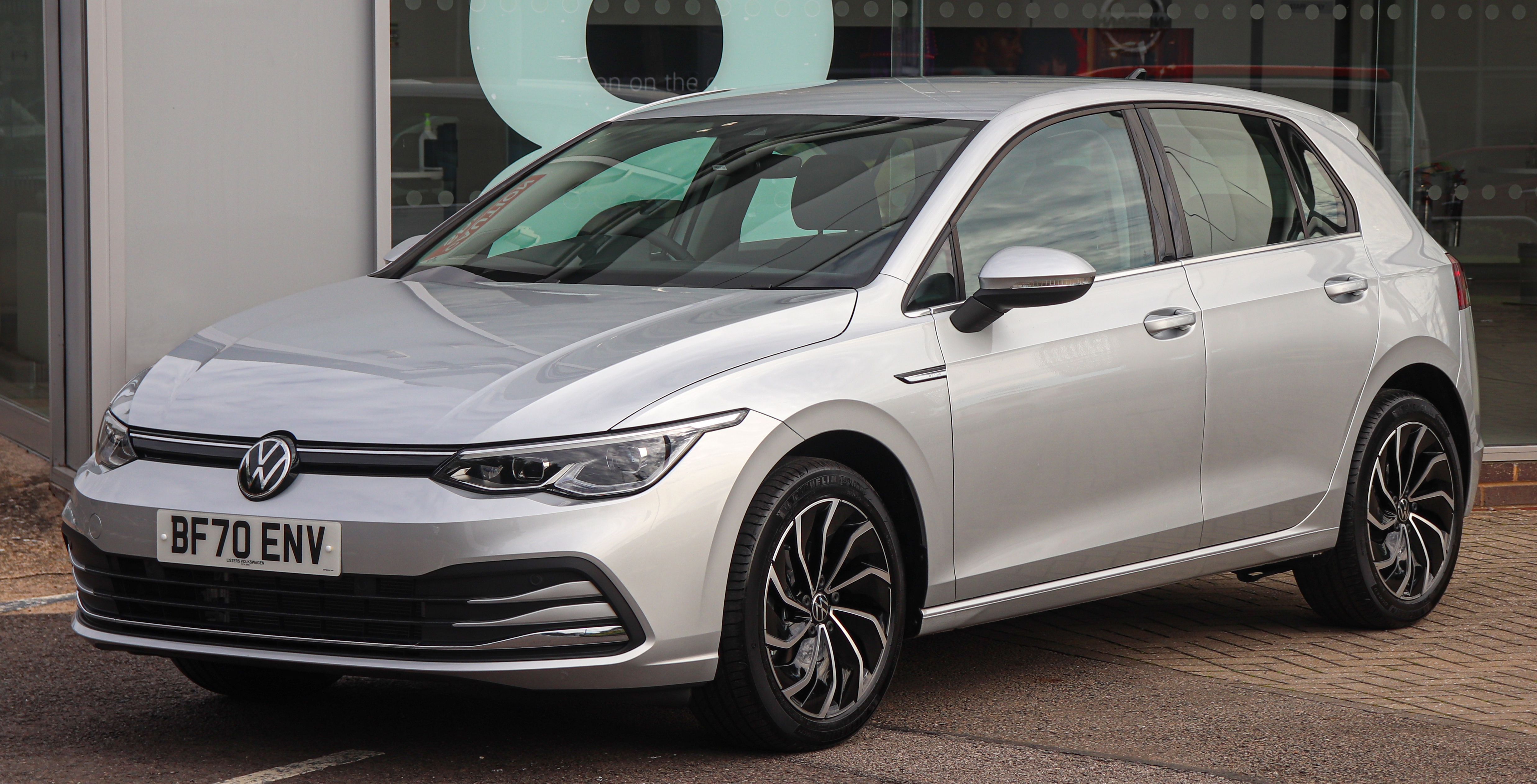
Volkswagen Golf Alltrack
"And I have a you know, I have a Bookswagon Golf all track station Wagon manual transmission as my daily driver."
The Volkswagen Golf Alltrack is a wagon version of the Golf. It’s meant for people who want extra space and a more rugged look, and the host uses theirs as a daily driver in manual form.
The Volkswagen Golf Alltrack is a wagon variant built on the Golf platform, aimed at buyers who want more cargo space and a more rugged, outdoorsy stance than a standard Golf. The host mentions it as a manual-transmission daily driver, which is a specific enthusiast-friendly configuration.
flathead
"I can read more about learn more about trade, you know, buy and sell pre war cars or even like you know, uh, the hot Rods, the thirty two deuce coupe, flathead whatever. Like."
“Flathead” is a type of older engine. In hot-rod culture, people often mean the classic Ford flathead V8 that’s famous for being a common engine choice for builds.
“Flathead” usually refers to a flathead engine design—an older V8 configuration where the valves sit in the engine block rather than in the cylinder head. In hot-rod talk, “flathead” often points to the classic Ford flathead V8 as a popular swap and build base.
hot Rods
"I can read more about learn more about trade, you know, buy and sell pre war cars or even like you know, uh, the hot Rods, the thirty two deuce coupe, flathead whatever. Like."
“Hot rods” are older cars that people modify to make them faster and more fun to drive. It’s a whole hobby and style, not just one specific car model.
“Hot rods” are modified cars—typically older American vehicles—built for driving enjoyment, often with engine upgrades and suspension changes. The term is strongly associated with the street-rod and traditional customization culture.
pre war cars
"I can read more about learn more about trade, you know, buy and sell pre war cars or even like you know, uh, the hot Rods, the thirty two deuce coupe, flathead whatever. Like."
“Pre-war cars” are cars made before World War II. Collectors like them because they’re from a much older time period and can be rare and interesting to restore.
“Pre-war cars” are vehicles produced before World War II. In collector circles, they’re often treated as a distinct category because their engineering, materials, and styling reflect an earlier automotive era, and they can be harder to find and more expensive to restore.
Petrolicious
"I think for people who are you know, less uh immersed, let's say, yeah, but yeah, you're right that it would be you know, I've long thought it would be interesting to have uh you know, like Petrolicious did something like that for a period of time, right where they're just sort of like, all right, we're gonna bring this stuff to the foreground and sort of you know, showcase some of these super cool vehicles."
Petrolicious is a car enthusiast media brand. The host is using it as an example of a site/show that highlights cool collector cars for people who aren’t already deep in the hobby.
Petrolicious is a media brand focused on collector cars and enthusiast storytelling. In the transcript, it’s referenced as an example of a platform that showcased unusual, high-interest vehicles for a wider audience.
Retromobile
"I remember interviewing a guy Retromobile, the French collector cars."
Retromobile is a collector-car event reference. Here it’s mainly mentioned as part of the broader classic-car scene.
Retromobile is discussed as a place/person context for collector cars. In this segment, it functions more like a reference point for the collector-car world than a technical automotive subject.

Studebaker Avanti
"... why you should buy this you know the STUDI Baker Avanti. You wrote a piece about how as you're like a ver..."
The Studebaker Avanti is an older sports car made by Studebaker. It’s known for having a unique look and being a standout classic. The podcast mentions it because the speaker thinks it’s a good car to buy.
The Studebaker Avanti is a classic American sports coupe known for its distinctive styling and its place in Studebaker’s late-era history. It’s a car that often gets discussed by enthusiasts because it’s relatively unique and has a strong identity compared with more common classics. In the podcast context, it’s brought up as a specific recommendation—“why you should buy” it—suggesting the speaker is highlighting its appeal.
lead follow
"Or you can hire someone to do a lead follow with you in case your vintage vehicle that you rent breaks down, or you can hire someone to show for you around seem in a vintage vehicle and you could rent these vehicles."
“Lead follow” is when one car drives first and another follows to stay together. It’s often used so a crew can film or coordinate the trip, especially if something goes wrong.
A “lead follow” is a filming/coverage technique where one vehicle (the lead) drives the route while another vehicle (the follow) stays behind to capture footage or provide coordinated movement. In this segment, it’s described as something you can hire when renting a vintage car in case it breaks down.
Maserati
"It's all of the manufacturers histories right looking at mainly you know Maserati, Ferrari, Lamborghini, Pagani, and then you know a Dukati, a few others Dukati."
Maserati is an Italian brand that makes performance-oriented luxury cars. They mention it alongside other exotic brands in the same list.
Maserati is an Italian automaker best known for luxury performance cars. The hosts include it in a list of exotic manufacturers whose histories are part of the experience being discussed.
Pagani
"It's all of the manufacturers histories right looking at mainly you know Maserati, Ferrari, Lamborghini, Pagani, and then you know a Dukati, a few others Dukati."
Pagani is a luxury supercar brand from Italy. They mention it as one of the exotic brands included in the experience.
Pagani is an Italian supercar brand known for very high-end, boutique performance cars. The segment lists it among the manufacturers whose histories and brands are highlighted in the exotic-vehicle rental/tour experience.
Ducati
"It's all of the manufacturers histories right looking at mainly you know Maserati, Ferrari, Lamborghini, Pagani, and then you know a Dukati, a few others Dukati. Yeah, less focused on less it's less focused on motorcycles, just because I'm personally less focused on motorcycles."
Ducati makes motorcycles. They mention it while talking about exotic brands, and then say the conversation is less focused on bikes.
Ducati is an Italian motorcycle brand known for performance-focused bikes. The segment notes the discussion is less focused on motorcycles, and Ducati is included in the list of manufacturers mentioned.
Jaguar
"The other piece that I really wanted to ask you about that you've worked on recently, Brett, is this piece on Jaguar... They've relaunched their Wheels section, but it's a kind of a slow roll."
Jaguar is a car brand from the UK. They’re talking about Jaguar’s recent updates and how people inside the company feel about them.
Jaguar is a British luxury car brand, and the segment focuses on its recent coverage and internal expectations. The hosts mention a “piece on Jaguar” and that Jaguar has relaunched a section of its site, signaling a renewed push in how it presents products and stories.
EV
"But recently I have it was more confusion. Driving a lot more evs lately and am and have been impressed by a lot of them."
EV means electric vehicle—cars that run on electricity from a battery. The speaker is saying they’ve been trying more of these cars recently and liking what they’ve driven.
EV stands for electric vehicle, meaning the car is powered primarily by an electric motor and a battery rather than a gasoline engine. The host says they’ve been driving a lot more EVs lately and have been impressed by them.

BMW I seven
"was in the new BMW I seven and I thought, Wow, this feels like an actual V twelve, Like it really doesn't feel like an EV anymore."
The BMW i7 is BMW’s big luxury electric sedan. The point here is that its electric power delivery feels smooth and strong, kind of like how a big gas engine (like a V12) feels.
The BMW i7 is BMW’s flagship electric luxury sedan, designed to feel smooth and effortless like a traditional high-end grand tourer. In this segment, the host highlights how its electric drive can mimic the “V12-like” smoothness and strong low-end pull people associate with big internal-combustion engines.
torque
"there's a lot of there's a lot of overlap between sort of V twelve power and electric power, right, it's this sort of instant on endless sense of thrust and torque, very smooth and quiet operation."
Torque is the force that helps the car pull forward. EVs can deliver it right away, so the car feels like it responds instantly when you press the pedal.
Torque is the twisting force an engine or motor produces, and it strongly affects how quickly a car accelerates from low speeds. Electric motors can deliver torque almost instantly, which is why the hosts describe EV thrust as “instant on.”
instant on
"it's this sort of instant on endless sense of thrust and torque, very smooth and quiet operation."
“Instant on” means the car starts pulling almost immediately when you press the accelerator. With EVs, that response is typically very fast.
“Instant on” describes how an EV’s electric motor responds immediately to driver input, producing thrust without the lag typical of many combustion engines. In practice, it means acceleration can feel immediate and continuous rather than building gradually.
V twelve power
"there's a lot of there's a lot of overlap between sort of V twelve power and electric power, right, it's this sort of instant on endless sense of thrust and torque"
A V12 is a big engine layout known for smooth, effortless acceleration. The hosts are saying EVs can imitate that kind of smooth pull because electric motors deliver power very quickly and smoothly.
“V12 power” refers to the driving character associated with a V12 engine: typically strong low-end torque, smoothness, and a refined, continuous pull. The hosts argue that EVs can overlap with that feel because electric motors can deliver torque instantly and smoothly.
noise, vibration and harshness
"Some of it was on the pavement that they used to test for noise, vibration and harshness and stuff like that."
NVH is a car’s “feel and sound” quality—how quiet it is, how much it vibrates, and how smooth it feels over rough pavement. Luxury EVs are tested for this so they don’t feel jarring.
Noise, vibration and harshness (NVH) is the overall measure of how much sound, shaking, and “harshness” a vehicle produces. The segment mentions a test surface used to evaluate NVH, which matters a lot for luxury cars where smoothness and quiet are key.
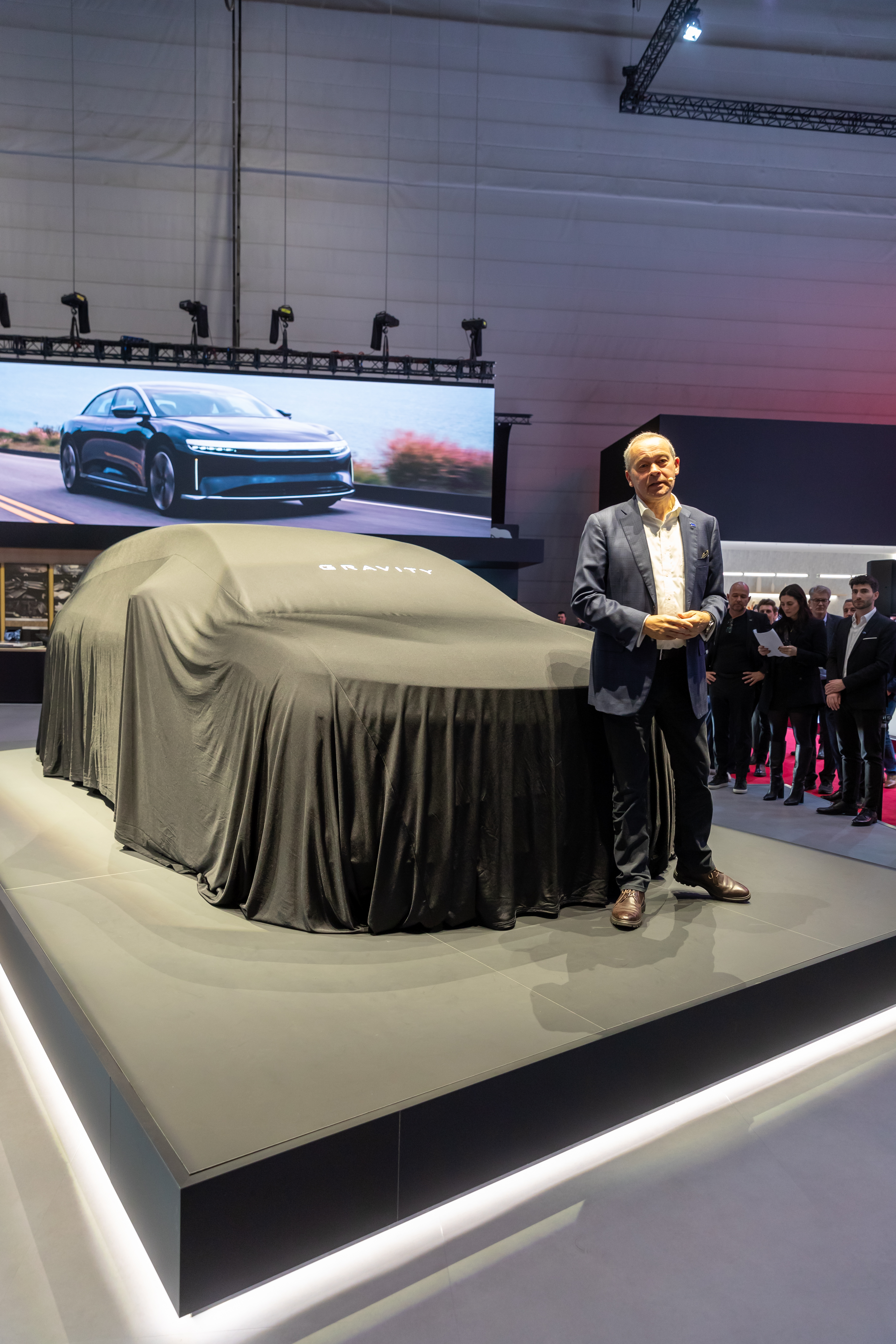
Lucid Gravity
"... the sedan, or at least I hope, But you know, the gravity hasn't made great shakes. I don't think for Luca...."
The Lucid Gravity is an electric SUV from Lucid. It’s meant to be a bigger, practical vehicle while still running on electricity. The podcast mentions it because the speaker isn’t sure yet how it’s going in the real world.
The Lucid Gravity is Lucid’s upcoming or recently introduced electric SUV, positioned as a larger, family-friendly alternative to its sedan lineup. It’s discussed because it represents Lucid’s attempt to expand beyond sedans into a more mainstream vehicle segment. In the podcast context, the speaker questions how well it’s performing or being received so far.
EVs
"[2271.9s] Yeah, things seem to be moving more geometrically in the direction of adoption of evs, and regulation was certainly moving in that direction."
EVs are electric cars that run on batteries. The hosts are saying that rules and the market are pushing more people toward EVs, which affects how car companies plan their future cars.
EVs (electric vehicles) are cars powered primarily by electric motors and rechargeable batteries instead of gasoline combustion. The hosts connect EV adoption to regulation and to Jaguar’s ability (or inability) to pivot its engineering plans.
gasoline engine
"But they don't they don't have [2288.1s] the Uh. There's there's not a great financial well that [2291.9s] Jaguar can go to and say, you know what, Uh, maybe this isn't going to work out. We need a [2297.2s] gasoline engine..."
A gasoline engine is the traditional type of engine that burns gas to make power. The hosts are saying Jaguar may not be able to switch back to this kind of engine if their newer designs aren’t set up for it.
A gasoline engine is an internal combustion engine that burns gasoline to create power. In this segment, it’s used to describe a “fallback” option Jaguar might want—if its newer designs can’t be adapted to combustion powertrains.
internal combustion engine
"We need a [2297.2s] gasoline engine and the designs that they've created are not capable of accommodating uh, you know, an internal combustion engine."
An internal combustion engine is the classic engine type that burns fuel inside the engine. The point here is that Jaguar’s newer car designs might not be able to use that traditional engine anymore.
An internal combustion engine (ICE) is a powertrain where fuel is burned inside the engine to produce motion. The hosts argue Jaguar’s existing designs may not be capable of accommodating an ICE, which would remove a key “plan B” during the EV transition.
B pillar
"I will say, when you bring up heritage, I see in your piece there's a photo of the new car and Camo next to a really beautiful coop with like no B pillar."
The B-pillar is the metal post between the front and back doors. Saying “no B pillar” means the car’s door area is designed differently, usually for a more open feel and easier entry.
The B-pillar is the vertical structural support between the front and rear doors. Mentioning “no B pillar” points to a design that uses a different door/roof structure—often associated with easier access and a more open cabin look.
camo
"I will say, when you bring up heritage, I see in your piece there's a photo of the new car and Camo next to a really beautiful coop with like no B pillar."
“Camo” is the fake-looking wrap or paint used on prototype cars. It helps hide the final design while the car is still being developed.
“Camo” refers to camouflage used on test cars to hide styling details during development. The segment uses it to describe a “new car” photo where the exterior is partially concealed.

Jaguar Ipace
"if we think about the Ipace or whatever, right, it's just like one of the first mass market you know, luxury SUVs. Electric su used to come out in time."
The Jaguar I-Pace is an electric SUV. It’s the kind of EV that helped make electric cars feel more like normal family SUVs, not just niche experiments.
The Jaguar I-Pace is a mass-market luxury electric SUV from Jaguar, known for bringing an all-electric powertrain to mainstream buyers. In discussions like this, it’s often used as an example of early EVs that were still “SUV-shaped” and practical for everyday use.
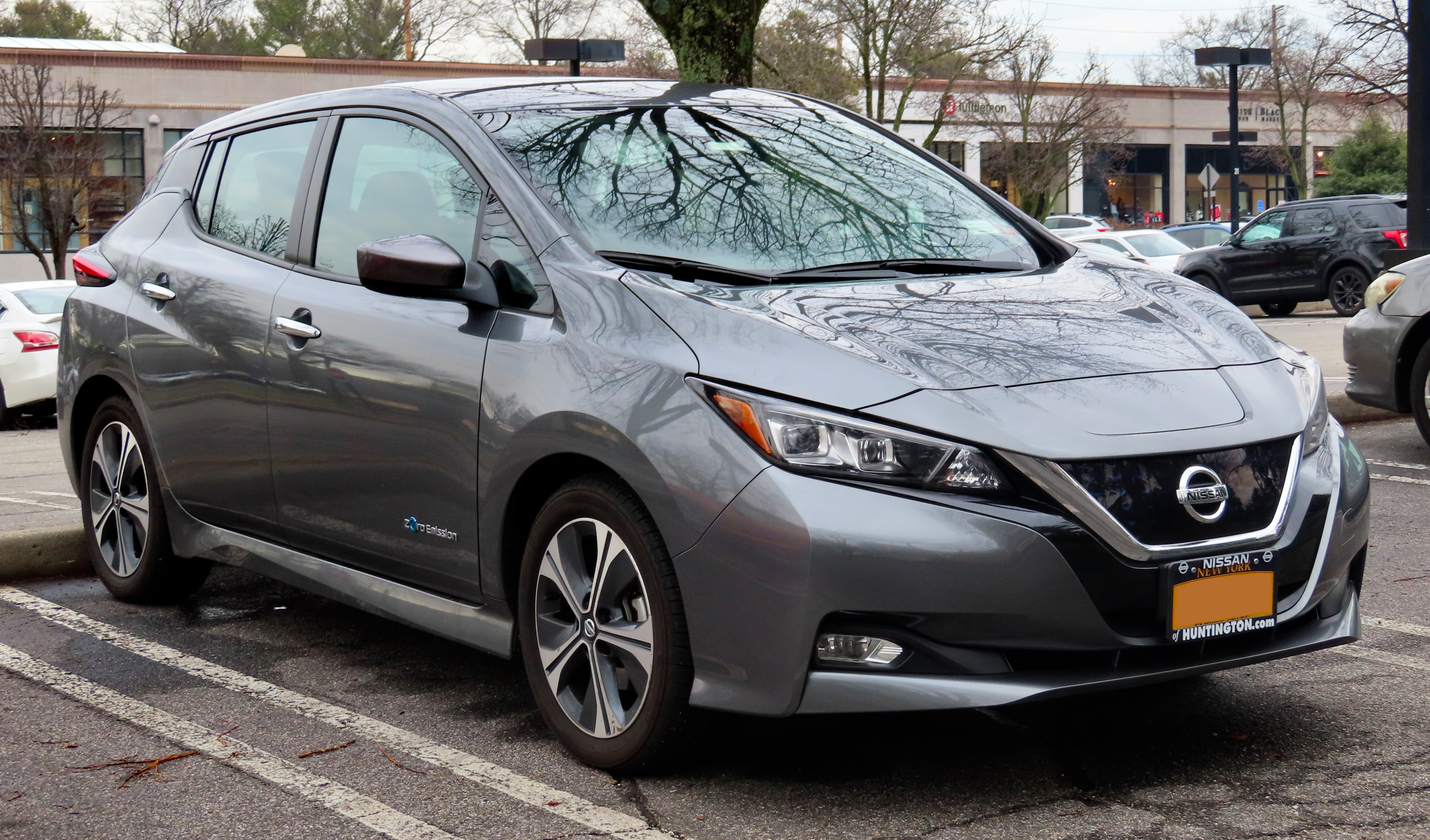
Nissan Leaf
"Probably they're deciding like, oh maybe I should get the new Nissan Leaf instead of instead of this, you know, this V twelve Mercedes my box because of the price of gas, so it remained should be seen how all of that plays out."
The Nissan Leaf is a popular electric car. The point here is that if gas gets pricey, some people might consider switching from a gas luxury car to an EV like the Leaf.
The Nissan Leaf is one of the most widely sold mass-market battery-electric cars, often used as a benchmark for “what people might switch to” when fuel prices rise. In this segment, it’s mentioned as an alternative to a high-end gas-powered luxury car if gasoline gets expensive.

Bmw M
"...y from Porsche nine nine sevens to you know, like bmw M seven sixties, I hope and pray to find one that's..."
The BMW M Coupe (E36) is a sporty two-door BMW made for performance driving. It’s based on the BMW 3 Series from the E36 generation. The podcast mentions it because the speaker is hoping to find one.
The BMW M Coupe (E36) is a performance-focused version of the BMW 3 Series from the E36 generation, built with a distinctive two-door coupe body. It’s often discussed because it’s a relatively rare, enthusiast-oriented model that combines BMW’s M performance character with a compact, lightweight feel. In the podcast, it’s part of a wish-list-style conversation about finding the right car.

Porsche 911
"I hope I want to end on referencing another piece that you did, and I'll say that as I look for as I look constantly for used cars to buy from Porsche nine nine sevens to you know, like bmw M seven sixties, I hope and pray to find one that's not black or white or gray."
The Porsche 911 is a famous sports car model. In this conversation it’s used as an example of a car people shop for used, and how hard it can be to find certain colors.
The Porsche 911 is a long-running sports car line known for its rear-engine layout and strong enthusiast following. Here it’s referenced as a used-car target, specifically “Porsche 911s,” highlighting how color choices affect what buyers can find on the secondhand market.
gray's
"And you wrote a piece on how like we're finally moving away hopefully from Gray's I think it was in the March Car Car and Driver issue. Are we are we gonna make a break from that boring Well we have seen."
“Gray’s” here is shorthand for the long period when neutral colors—especially gray—dominated new-car ordering. The host argues the industry is finally moving away from that “boring” palette, with more buyers choosing color again.
residual market
"So dealers buy them to have them on their lot because it's what the majority of people want to buy, because it's a safe choice for the residual market."
The “residual market” is basically the used-car market. The idea is that some colors are more popular later, so they’re easier to sell and may keep their value better.
The “residual market” refers to what happens after a car is sold new—especially the used-car market where the car’s future value matters. Dealers and manufacturers often choose safer, more popular colors because those colors tend to hold value better when the vehicle is resold.
grade rainbow
"What we have seen for the first time in recent decades, since the sort of ascent of these what I like to call the grade rainbow the newsprint spectrum took hold in kind of the eighties and nineties, is a bump increase in the number of people that are ordering cars with colors"
“Grade rainbow” is the host’s way of describing a time when more people started choosing interesting colors instead of only basic neutrals. It’s about how ordering trends can change over decades.
“Grade rainbow” is the host’s phrase for a shift toward more varied, enthusiast-leaning color choices in car ordering. They connect it to a change in buyer behavior starting in the 1980s and 1990s, and to more recent increases in color diversity.
PPG
"there were some statistics that I read from one of the color investigators. I can't remember if it was Pantone or PPG or one of the other outside analysts that said that, you know, green in Europe had overtaken red"
PPG is a company involved with paints and color systems. The host is saying they saw statistics from a color-related source like PPG about which car colors are selling most.
PPG is a coatings and color-technology company that’s often associated with color standards and industry color research. In this segment, it’s mentioned as one of the sources the host read about for color trends in new-car sales.
specing their own vehicle
"People who could wait would order their [2629.8s] own car. And so we've seen now you know, it's [2632.6s] been a few years, people got accustomed to that day idea of specking their own vehicle the way that they like it."
“Specing” is just customizing a car order. Instead of buying whatever is sitting at the dealership, you pick the options you want (including color and features).
“Specing” means choosing a car’s build options—like trim level, wheels, interior, and paint—so the final car matches your preferences. During the pandemic, supply constraints pushed more buyers toward ordering cars configured to their tastes rather than picking from what dealers had on the lot.
monochromatic spec
"we've seen a slight uptick I think [2639.5s] in people specing vehicles to a more a less a less monochromatic spec And yeah, as you mentioned, Matt, we definitely see you know, in in the secondary market..."
A “monochromatic spec” is when the car is ordered with one main color theme. It can mean the outside and inside look coordinated instead of mixed colors.
A “monochromatic spec” means ordering a car with a mostly single-color theme—often matching exterior paint and interior/trim tones. The host frames it as a trend after buyers became used to customizing orders during the pandemic.
secondary market
"And yeah, as you mentioned, Matt, we definitely see you know, in in the secondary market, at least in the collector car area of the secondary market. [2656.9s] You know, people looking for the vehicles that really enunciate their time period..."
The secondary market is the market for cars after they’ve already been sold once—mostly used cars. Prices there can depend on things like color and condition.
The “secondary market” is where used cars (and sometimes collector cars) are bought and sold after the original sale. In this segment, the host ties color choice to collector demand and auction results on sites like Bring a Trailer, implying certain paint colors can raise resale/auction interest.

Ford Mustang
"You know, people looking for the vehicles that really enunciate their time period, right, whether that yeah, a Teal Mustang or a Desert Rose seventies Cadillac, you know, a Teal you know, nineties Mustang..."
The Mustang is a famous Ford sports car. Here it’s mentioned as an example of how a weird or rare-looking paint color can make a collector car more interesting to buyers.
The “Mustang” is Ford’s iconic pony car, and the segment uses a “teal Mustang” as an example of a distinctive, era-specific paint color that can attract collector interest. In collector circles, unusual period-correct colors can make a car stand out at auctions and raise perceived desirability.

Corvette
"that's this Corvette I had last weekend. I would have [2772.9s] paid money to have it be any White would have been great, Silver would would have been incredible, because I do think if the cup it's a zero one X or z r X one zero one x. [2785.8s] Uh it was orange."
They’re talking about their own Corvette and how the paint color changes the vibe. They compare a loud orange color to quieter colors like white, silver, or black.
The segment shifts to the host’s own Corvette experience, emphasizing how paint color affects the car’s look and even how it feels to drive. They mention a specific “nitrous orange” color and contrast it with more subdued colors like white, silver, or black—showing how personal preference can override market trends.
spec them out
"Is sort of the secondary market for these kinds of vehicles if we spec them out to you know, to such an extreme taste point where it's a you know, magenta with a with a with a turquoise interior or something like that."
“Spec them out” means choosing all the options for a car, like the color and interior. If you choose something very unusual, it can limit who wants to buy it later.
To “spec them out” means to configure a car’s options and features—such as paint color, interior materials, and trim—according to a buyer’s preferences. In this discussion, extreme customization is presented as a risk for resale because fewer buyers will want the exact same combination.
auction results
"we did do a story about literally taking auction results and correlating them to the color of the car, and if it's the right car and the right color, it'll pop for sure."
Auction results refer to the prices and outcomes achieved when cars are sold at auction. The hosts mention correlating auction outcomes with the car’s color, implying that certain colors can influence how strongly bidders compete.
Request an Explanation
Heard something you'd like explained? We'll add it to this episode.
Sign in to request explanations for terms you heard.
Want to learn more?
Browse our glossary for plain-English explanations of automotive terms, jargon, and concepts.
Help improve this episode
See something that's not quite right? Our annotations are AI-generated and can sometimes miss the mark. Click the flag icon on any annotation to suggest a correction.
1 community members have helped improve this episode.