Awards, designers, the 10,000rpm Escort
About this episode
From the AutoCar Awards dinner—held at the Honourable Artillery Company and in partnership with Siemens—to design careers and concept-car “familiarity,” the hosts connect people, ideas, and engineering. Julian Thompson’s influence runs from the first Lotus Elise to Jaguar’s XF, while a Corvette EV concept stays recognisably Corvette. Elsewhere, they marvel at a 10,000 RPM car, debate rally heritage versus road intent with the RS 200, and discuss BMW’s Neuerklasse clean-sheet EV architecture.
In this week's My Week In Cars Steve Cropley and Matt Prior talk more about the Autocar Awards, where they recorded this podcast. The people are the stars this week: CEOs of FIAT, Lamborghini, WATT, and others. Plus there's about the London Concours, the venue at which our awards were held.
The pair also talk your letters and much more besides. For details of a special offer which gives you SIX issues of Autocar for just £6 if you click here.
Hosted on Acast. See acast.com/privacy for more information.
Julian Thompson
"Julian Thompson, design hero. Well, as I think I said in the magazine, he could have won this half a dozen times, I think. He's had such a long and effective career, he started out as a Lotus..."
Julian Thompson is a car designer. In this segment, the host credits him with shaping the look of the first Lotus Elise, helping Jaguar’s design direction with the XF, and later setting up a GM design studio in Europe.
Julian Thompson is a car designer credited here with major design leadership roles across multiple automakers. The host highlights his work on the first Lotus Elise (Mark I), his later influence at Jaguar (including the XF design direction), and then his role setting up a GM design studio in Europe.
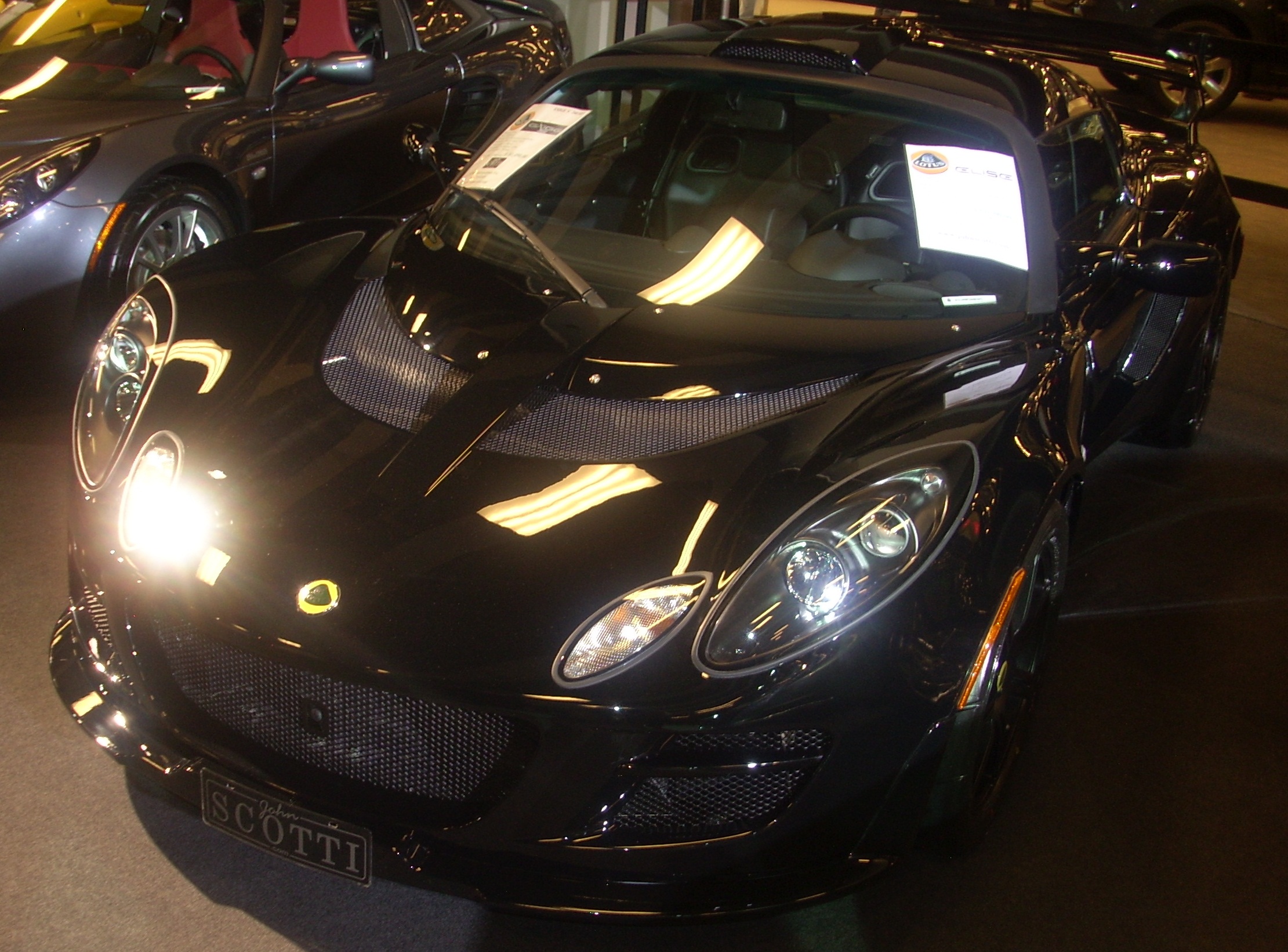
Lotus Elise
"he led the team that designed the very first Lotus Elise, which I think you could argue is still the most, I suppose, the best looking, the Mark I, had two of them myself."
The Lotus Elise is a small, lightweight sports car made by Lotus. The speaker is saying the first Elise was designed by Julian Thompson and is still remembered for looking especially good.
The Lotus Elise is a lightweight, driver-focused sports car that helped define the modern “small and sharp” British roadster formula. In this segment, the host credits Julian Thompson with leading the design of the very first Elise, emphasizing its lasting visual appeal.

Jaguar Mark I
"... still the most, I suppose, the best looking, the Mark I, had two of them myself. Then he went off to work..."
The Jaguar Mark I is an older Jaguar car, built as a traditional four-door saloon. It’s known for its classic styling from that time period. The podcast mentions it because the speaker owned two and remembers it well.
The Jaguar Mark I is a classic Jaguar saloon from the early post-war era, known for its elegant styling and period character. It’s significant to enthusiasts because it represents an important chapter in Jaguar’s history and design language. The podcast reference to owning two suggests the speaker values it personally, likely for its looks and driving experience.

Jaguar XF
"where, they jumped two generations and found a new look for Jaguar with the XF and the family that bred, and then the cars afterwards."
The Jaguar XF is a Jaguar model in the “executive” car class—more of a grown-up sedan than a sports car. The speaker is saying it helped kick off a major new design style for Jaguar.
The Jaguar XF is a mid-size executive sedan/coupe platform that became a key part of Jaguar’s modern design direction. The host credits Julian Thompson’s team with “jumping two generations” to find a new look for Jaguar with the XF and the related family of cars that followed.
General Motors
"and then very soon afterwards, less than six months later, he had a tap on the shoulder from General Motors, who although they had left Europe, they decided that what they needed was a studio in Europe."
General Motors is a big car company that makes cars under several different brand names. Here, the speaker says GM hired Julian Thompson to help create a design studio in Europe.
General Motors (GM) is a major global automaker that owns multiple brands. In this segment, the host says GM reached out to Julian Thompson to set up a European design studio, even though GM had left Europe previously.
Chevrolet
"he selected the 35 people who work there now and they design everything, Hummer, Buick, Chevrolet, all the stuff that GM makes, they have an opportunity to affect the design of all of the GM Marks"
Chevrolet is a major car brand owned by General Motors. The speaker is saying the design team could help influence how Chevrolet vehicles are designed.
Chevrolet is a GM-owned mass-market brand with a wide lineup, from trucks to performance cars. The host is using it as an example of the brands the European design studio could influence under GM’s umbrella.
Hummer
"he selected the 35 people who work there now and they design everything, Hummer, Buick, Chevrolet, all the stuff that GM makes, they have an opportunity to affect the design of all of the GM Marks"
Hummer is a car brand associated with very rugged, off-road vehicles. The speaker is saying the design team could help shape how Hummer cars look.
Hummer is a GM-owned brand known for rugged, off-road-focused vehicles. The host is describing how the European design studio Julian Thompson set up had the chance to influence the design of GM’s various brands, including Hummer.
Buick
"he selected the 35 people who work there now and they design everything, Hummer, Buick, Chevrolet, all the stuff that GM makes, they have an opportunity to affect the design of all of the GM Marks"
Buick is a car brand owned by General Motors. The speaker is saying the design studio could help shape Buick cars too.
Buick is a GM-owned brand that traditionally focuses on comfort-oriented styling and mainstream luxury. The host lists Buick among the brands whose designs the European studio could influence.
advanced design
"I'm interested in the difference in approach with advanced design to normal design, can you be more challenging, can you be more outlandish?"
They’re talking about a more experimental style approach—trying bolder, more future-looking ideas than usual. The key point is balancing “new” with things that still feel familiar to the brand’s fans.
“Advanced design” here refers to a more experimental, future-facing approach to styling and product design compared with “normal” or conventional design. The discussion contrasts how far designers can push novelty while still meeting brand recognition and audience expectations.

Chevrolet Corvette
"...y came to notice first when they proposed a Chevy Corvette, you remember that lovely concept?"
The Chevrolet Corvette is a sports car made by Chevrolet. It’s known for being fast and for having a recognizable look. People talk about it a lot because it’s one of the brand’s most important performance cars.
The Chevrolet Corvette is a long-running American sports car known for its performance and iconic design. In a podcast, it often comes up because it represents a classic “halo” model—something manufacturers use to showcase engineering and styling. The mention of a concept suggests the discussion is about how Corvette ideas evolve into real products.
Corvette Stingray
"It had references to the Corvette Stingray, but nothing like a Corvette Stingray, but you could still see the influences."
The Corvette Stingray is a Corvette version/name that fans recognize. They’re saying the design used familiar Stingray cues so it still looked like a Corvette.
The Corvette Stingray is a specific Corvette nameplate used for certain generations/variants, and it carries strong visual and brand cues. The hosts say the concept had references to the Stingray, meaning it borrowed recognizable design elements to stay “Corvette” even with a different layout.
10,000 RPM
"[312.0s] Have you looked around that as well? [313.4s] I did, yeah. [314.5s] 10,000 RPM, boy. [321.3s] It's that car, you know, the RS 1800, sort of surgically rethought, isn't it, and you"
RPM means how many times the engine spins each minute. “10,000 RPM” means the engine is revving extremely high, which is a hallmark of performance engines built to spin fast.
“RPM” (revolutions per minute) is how fast the engine’s crankshaft spins. Hitting “10,000 RPM” implies a very high-revving powerplant, which usually requires careful valvetrain design, strong engine internals, and a rev range tuned for performance.

RS 200
"because they're not only that car, but a year's time, they're [355.4s] going to do their own version of the RS 200. [357.9s] Remember the four-wheel drive little sort of sub-supercar thing? [363.6s] Yeah, it's a Group B rally car, I was just speaking to Simon, the technical guy there,"
The “RS 200” is discussed as a future model project that’s being planned as a better road car rather than a pure rally weapon. The key point here is that it’s positioned as a reinterpretation of a rally-derived idea—specifically avoiding a Group B rally-car approach while still leveraging the engineering credibility.

RS200
"seems to have his hands full, because they're not only that car, but a year's time, they're going to do their own version of the RS 200. Remember the four-wheel drive little sort of sub-supercar thing?"
The RS200 is a special performance car connected to rally racing. It’s smaller and more focused than a typical road car, with the goal of strong performance. The podcast is mentioning it because they’re talking about making a new version inspired by that idea.
The RS200 is a performance-focused rally-inspired car, known for being a compact, high-output machine built for motorsport use. The podcast context suggests discussion about a future “own version,” implying the RS200 is being used as a reference point for a new project. It’s the kind of car that stands out because it’s tied closely to rally heritage and special engineering.
Group B rally car
"[357.9s] Remember the four-wheel drive little sort of sub-supercar thing? [363.6s] Yeah, it's a Group B rally car, I was just speaking to Simon, the technical guy there, [369.6s] and he said, you know, we're not going to make a Group B rally car, because there's [371.8s] loads of those, but the RS 200 was a rubbish road car, so we're going to make it a good [376.3s] road car."
“Group B” was a high-profile rally racing category known for extremely powerful, lightweight cars and relatively permissive rules. Calling something a “Group B rally car” signals it was designed around rally competition demands—often at the expense of everyday road usability.
serial numbers
"[377.0s] Yeah. [377.3s] And they've got seven, a license to build seven forward models over the next 10 years. [383.9s] Is that because there are seven vacant slots in the, you know, the serial numbers or something? [395.1s] I don't know, because I think they get new serial numbers, and they're [399.5s] all new cars, effectively."
In limited-run or special-build cars, “serial numbers” are unique identifiers used to track each individual vehicle. The discussion suggests the project’s production plan may be tied to how many numbered cars can be built and how they’re allocated over time.
BMW Neuerklasse architecture
"This year, we've given it to the BMW Neuerklasse architecture. Yeah, the engineering team. The engineering team behind that, which is led by a guy called Mike Weichelt, who says,"
BMW’s “Neuerklasse” is basically BMW’s plan for a new kind of electric-car design. It’s the overall blueprint that affects how the battery and powertrain are arranged.
BMW “Neuerklasse” architecture refers to BMW’s next-generation electric vehicle platform strategy—an overall vehicle design framework intended to improve packaging, efficiency, and performance potential for future EVs. The key idea is that the architecture shapes everything from battery placement to drivetrain layout and how the car is built.
clean sheet of paper
"Engineers don't get to do clean sheet of paper things from scratch, you know, but the boss, Oliver Sipser, so phoned him up in 2000 and said, we want you to lead an entirely new electric architecture team, please."
It means starting fresh instead of modifying an old design. In car terms, it usually means engineers build a new system from the ground up.
A “clean sheet of paper” approach means designing something from scratch, without being constrained by the previous generation’s layout, packaging, or legacy engineering decisions. In automotive, it’s often used to describe a ground-up platform or architecture program rather than incremental updates.
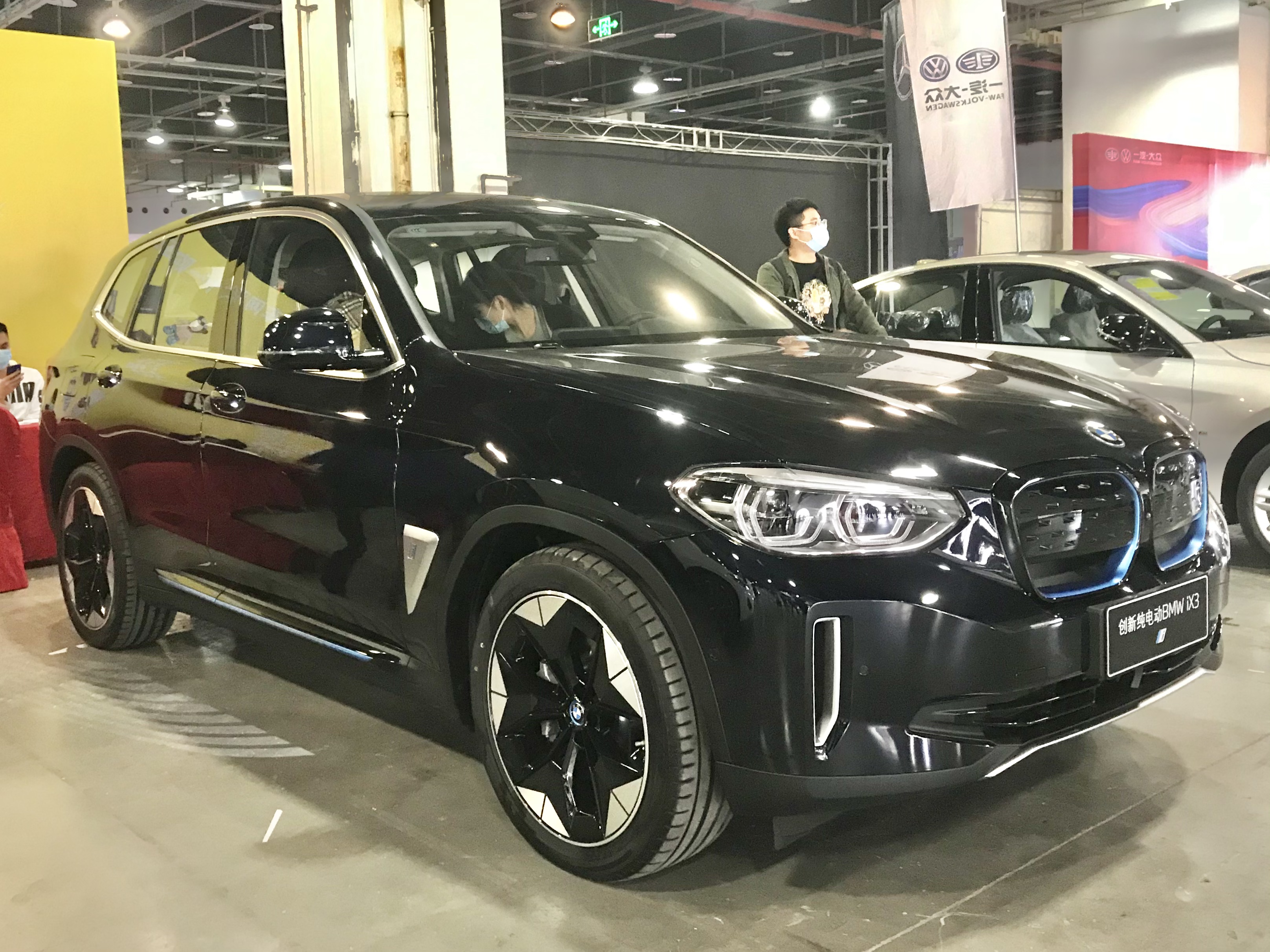
iX3 (G08)
"... did the first drive of the car that was out, the IX3, which is the first car off that platform."
The BMW iX3 is an electric SUV. It’s based on the same general size and idea as an X3, but it runs on electricity. The podcast is mentioning it as an early car from BMW’s new EV platform, which is why it’s notable.
The BMW iX3 (G08) is an electric version of BMW’s X3-sized SUV, built on BMW’s EV-focused platform approach. The podcast notes it as the first car off that platform, which is important because it frames the iX3 as an early example of BMW’s EV engineering direction. That’s why it comes up in a “first drive” style discussion.
a complete rethink
"You know, it was a bit like what we were talking about with previously that there's a suggestion of great days of BMW in the first cars, but clearly it's a complete rethink."
They’re saying BMW didn’t just make small improvements—they changed their approach. It’s like starting over in how they design the car.
“A complete rethink” here means BMW didn’t just update styling or tweak existing engineering—it changed the underlying approach to how the car is conceived. That’s consistent with the discussion of a new electric architecture and a platform-first strategy.
IX3
"Yeah, yeah, I think the, yeah, the road testers gave the IX3 four and a half stars, I think. And the I3 follows, which will be lower and more efficient and sleeker, so should have"
The iX3 is BMW’s electric SUV. It’s the kind of EV that gets judged on how far it can go and how it drives, not just on being electric.
The BMW iX3 is BMW’s electric SUV built around a conventional SUV layout but with an EV powertrain. The discussion of “stars” from road testing and then comparing it to the i3 frames it as an EV that’s evaluated for real-world range and driving feel.

BMW i3
"...e the IX3 four and a half stars, I think. And the I3 follows, which will be lower and more efficient a..."
The BMW i3 is an electric car made by BMW. It’s designed to be efficient and easy to use for everyday driving. The podcast is comparing it with other BMW electric cars, especially regarding efficiency.
The BMW i3 is a compact electric car focused on efficiency and city-friendly driving. It’s often mentioned alongside other BMW electric models because it represents BMW’s earlier approach to EV packaging and range. In the podcast context, it’s being compared in terms of efficiency and positioning within the lineup.
anti-roll bars
"They can soften off the suspension because it's a lower car, so they don't have to have such thick anti-roll bars and so on and so forth."
Anti-roll bars are parts that help stop the car from leaning too much in corners. If a car sits lower, it can often get away with smaller anti-roll bars because it doesn’t roll as easily.
Anti-roll bars (also called sway bars) reduce body roll when a car turns. The host argues that a lower car can use thinner anti-roll bars because it naturally resists rolling, which can change ride and handling balance.
saloon
"Yeah, I like the original saloon proposal because I just happen to like saloons because they're lower and smaller frontal area and all that."
“Saloon” just means a four-door sedan. The idea here is that sedans are usually lower and have less front surface area, which can help them cut through the air more efficiently.
“Saloon” is a British term for a four-door sedan body style. The host links the saloon layout to lower height and smaller frontal area, which can improve aerodynamics and reduce drag compared with taller vehicles like SUVs.
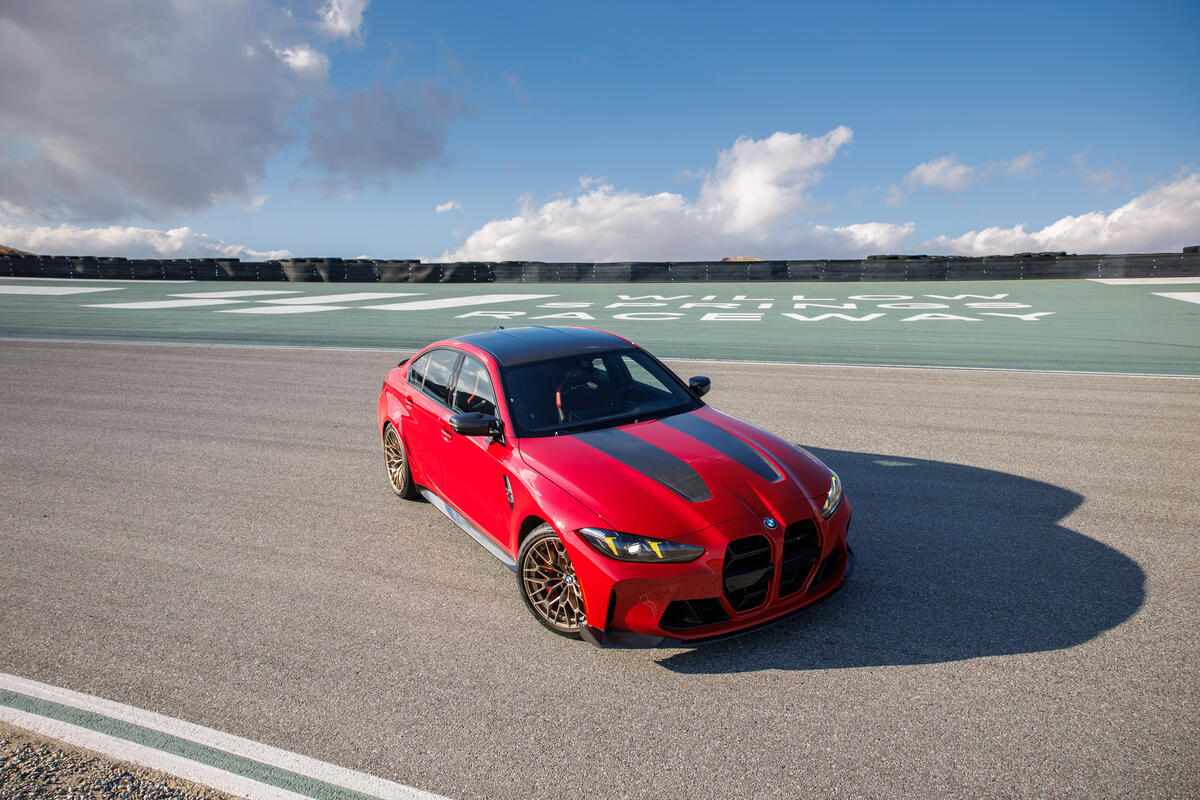
BMW M3 saloon
"Chris Whitehead writes to us to say, I run a 2021 Isle of Man Green BMW M3 saloon. It is a lovely car."
The BMW M3 is a high-performance BMW that’s built to be fun to drive, not just get you from A to B. “Saloon” here means a four-door version, which affects how the car feels compared with a two-door.
The BMW M3 is BMW’s performance flagship, and the “M3” name is tied to a long history of driver-focused handling. In this segment, “saloon” indicates a four-door body style, which changes packaging and weight distribution versus a coupe.
Polestar
"The thing that goes immediately comes into my head would be some sort of Polestar because I'm persuaded by the way they look."
Polestar is an electric-car brand. The speaker is considering it because they like the look and design, not because it’s a direct copy of the BMW M3.
Polestar is an EV brand known for design-led styling and a minimalist interior approach. In this segment, the host mentions Polestar as a potential replacement for an M3 because the speaker is “persuaded by the way they look.”
Max Mussoni
"I've great admirer of Max Mussoni, who was the design director there for a lot of the time, or recent times."
Max Mussoni is mentioned as a key design leader at Polestar. The point is that he helped shape the look of the cars, including the interior and exterior style.
Max Mussoni is credited here as the design director at Polestar for a significant period. That role typically involves shaping the brand’s exterior and interior design language, which matches the segment’s focus on “Scanduigian” (Scandinavian-inspired) styling.
manual
"We'll presume the M3 is a manual for a start. 2021, does they do a manual 2021?"
A manual transmission is a gearbox where the driver selects gears using a clutch pedal and gear lever. Here, they’re discussing whether an M3 can be had with a manual, which matters to enthusiasts because it changes how the car feels and how engaging it is to drive.
depreciation
"I wonder about an Audi RS e-tron GT, whose depreciation may have already, it may have already, as we give the Chris's phrase, lost its shit in depreciation."
Depreciation just means how much a car’s price goes down over time. They’re saying these electric cars might have dropped in price already, so they could be a better buy now.
Depreciation is how quickly a car’s value drops after purchase. In the context of the Audi RS e-tron GT and Porsche Taycan, they’re using it to argue that the used prices may have fallen enough to make these EVs more attractive.

Audi RS e-tron GT
"I wonder about an Audi RS e-tron GT, whose depreciation may have already, it may have already, as we give the Chris's phrase, lost its shit in depreciation."
The Audi RS e-tron GT is a fast electric Audi. In this conversation, they’re talking about how its price may drop after people buy it new, meaning it could be a better deal later.
The Audi RS e-tron GT is an all-electric, high-performance RS model from Audi, built around an electric drivetrain rather than a traditional engine. They’re discussing its depreciation—how much value it loses over time—suggesting it may have already taken a hit in the used market.

Porsche Taycan
"It may have already had some of that stint, and likewise a Porsche Taycan maybe. Yes, I think that's a good solution too. ...I remember thinking, you know, half a mile down the road, this is a Porsche, steers like a Porsche, rides like a Porsche."
The Porsche Taycan is Porsche’s electric car. They say it drives like a Porsche—good steering and a comfortable ride—and that it still feels quick, even in earlier versions.
The Porsche Taycan is Porsche’s all-electric performance sedan, known for feeling “Porsche-like” in steering and ride quality even without an engine. The hosts mention early versions, range limits, and then praise its “poke” (strong acceleration) and build quality, while also noting it could be priced under 50 (likely a used-market target).
Klaus Zelma
"One of our outstanding leaders is Klaus Zelma, Zelma, sorry, of Škoda. Yes, well, we've both interviewed him, haven't we..."
Klaus Zelma is a Škoda executive. The hosts are saying they’ve interviewed him before and that he’s been doing the job for a while.
Klaus Zelma is an executive associated with Škoda, and the hosts discuss interviewing him and his tenure in the role. The mention is more about the conversation’s guest/industry angle than a technical car detail.

Ford Mustang
"racing, aren't they? There's all sort of Mustangs race all around the world, don't they? Yeah, they..."
The Ford Mustang is a sports car from Ford. It’s known for being fun to drive and for having a lot of versions over the years. It’s also a common choice for racing, which is why it comes up in car discussions.
The Ford Mustang is a popular American sports coupe/convertible that’s been produced for decades. It’s frequently discussed because it has a strong racing presence and a huge enthusiast following. In the podcast context, the focus is on how Mustangs show up in motorsport around the world.

Porsche 356
"And when they first showed it off, didn't they show it off with something that looked like a Porsche 356 under the top, but it's got this electric skateboardy architecture."
The Porsche 356 is an old-school Porsche sports car that looks like a classic. Here, the hosts say a new electric concept looks like a Porsche 356 on the outside, but the important stuff underneath is modern electric-car technology.
The Porsche 356 is a classic early Porsche sports car known for its lightweight, air-cooled design and iconic shape. In this segment, it’s used as a visual reference for a concept car body that’s hiding a very different, modern electric “skateboard” architecture underneath.
electric skateboardy architecture
"And when they first showed it off, didn't they show it off with something that looked like a Porsche 356 under the top, but it's got this electric skateboardy architecture."
A “skateboard” architecture is an electric-car layout where the battery and motors are built into a flat base. Then you can put different car shapes on top of that same base.
“Skateboard” architecture is an EV design where the battery pack and drive components are packaged as a flat platform under the floor. That lets automakers build different body styles on top without redesigning the entire powertrain layout.
CES
"And the skateboard recently, actually beginning of the year, took a skateboard to Las Vegas, what's it called, CES, the Consumer Electronics Show, where new cars tend to bob up."
CES is a big tech show in Las Vegas. Car companies sometimes show off new electric-car tech there because it’s where lots of tech news and attention happen.
CES (Consumer Electronics Show) is a major tech trade show in Las Vegas where new consumer technologies are unveiled. Automakers sometimes bring EV and connected-car concepts there because it’s a high-visibility platform for electronics and software-driven features.
hub motors
"And it was, it had used wheel motors, so hub motors knew to cars, and it was sporting a new form of solar state battery."
Hub motors are electric motors built into the wheels. Instead of having a motor far away and sending power through a drivetrain, the motor is right in the wheel.
Hub motors are electric motors built into the wheel hubs, so the motor spins with the wheel rather than using a separate drivetrain. This can simplify packaging and reduce some mechanical complexity, but it also changes how heat and unsprung mass are managed.
solar state battery
"And it was, it had used wheel motors, so hub motors knew to cars, and it was sporting a new form of solar state battery."
They’re talking about a new type of battery they call a “solar state” battery. The takeaway is that it’s presented as a fresh battery idea for an electric vehicle concept.
“Solar state battery” appears to refer to a battery technology described as being related to solar energy or solar-state chemistry/behavior. The key point for listeners is that the segment frames it as a novel battery approach used in the EV “skateboard” concept.
going sideways
"although he's traditional rally man, and you'll find him going sideways on the weekend in his, you know, his Austin Healy Sprite."
“Going sideways” describes oversteer behavior where the car’s rear slips outward relative to the direction of travel. It’s a common enthusiast/rally driving description rather than a specific technical component.

Peugeot 205 GTI
"Or in your 205, GTI. He, his heart is in the modern era."
The Peugeot 205 GTI is a classic sporty hatchback that car fans really like. Here it’s mentioned as part of the same “sports cars are the passion” theme.
The Peugeot 205 GTI is a famous hot hatch from the 1980s/early 1990s, known for its sharp handling and strong enthusiast following. In the segment, it’s name-dropped as another example of the person’s “heart is in sports cars” attitude.
Newquay, Cornwall
"It's not exactly motorsport central, is it, Newquay, Cornwall? No, but he... It's a long way, does that, that doesn't, clearly doesn't bother him?"
Newquay is a town in Cornwall, England. The point here is that it’s not a typical place you’d associate with major motorsport, yet the person still drives like a rally fan.
Newquay is a town in Cornwall, England, known more for coastal scenery than for being a motorsport hub. The hosts use it to highlight that the rally-minded person isn’t based near a famous racing center.
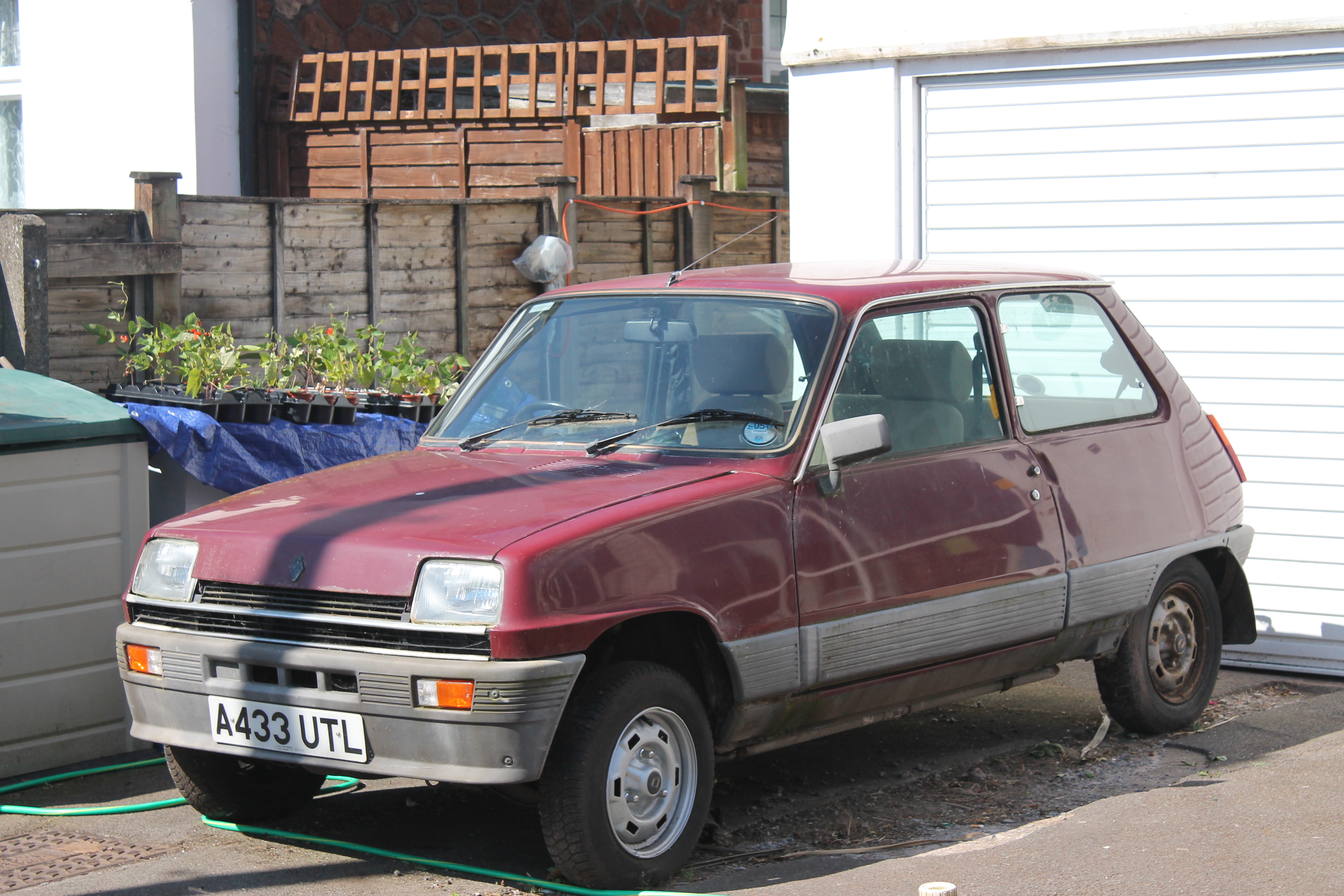
Renault 5
"...e had two go's at it, once in a BMW I4, once in a Renault 5, good. So they're keen, it's just that their clos..."
The Renault 5 is a small car model from Renault. The podcast is talking about a version the speaker drove, and comparing it to another car. It’s mentioned because it’s a compact, everyday-style vehicle with a recognizable name.
The Renault 5 is a compact car with a long history, and the podcast reference suggests the speaker has driven a newer version. It’s often discussed because it brings back a familiar name while updating the car for modern needs. In this episode, it’s being mentioned alongside an i4 drive, implying the conversation is about how it stacks up in real-world driving.

Bmw I4
"...here. In fact, I've had two go's at it, once in a BMW I4, once in a Renault 5, good. So they're keen, it's..."
The BMW i4 is an electric car with four doors. It’s designed to feel like a normal sedan, but powered by electricity. The podcast is referencing it because the speaker has driven it and is comparing it to another car.
The BMW i4 is an electric sedan that blends EV power with a more traditional four-door layout. In the podcast, it’s mentioned because the speaker has driven one and is comparing it with another car, which is useful for understanding how it feels in real use. That kind of “go at it” comment usually points to driving impressions and practicality.
Fiat
"I've been in a group and heard him speak, and he, I mean, he seems to be leading all kinds of good, good work at Fiat, particularly, doesn't he? ... not least Fiat, because Fiat have faced all kinds of difficulties."
Fiat is an Italian car company. The discussion here is about how its leadership has been dealing with big business problems.
Fiat is an Italian automaker that has been part of major corporate restructurings in recent years. In this segment, the host is discussing Fiat leadership and how the company has faced financial and operational challenges.

Fiat Pandas
"...particularly, doesn't he? And I've just had three Fiat Pandas in a row, so I'm, so I'm, yeah, so he's the CEO. ..."
The Fiat Panda is a small car meant for everyday use. People often choose it because it’s practical and simple to drive. In the podcast, it’s mentioned because the speaker has owned several of them in a row.
The Fiat Panda is a small, practical car known for being easy to live with and widely used in everyday driving. The podcast mention of having “three Fiat Pandas in a row” suggests it’s being discussed as a personal ownership choice and a reliable daily option. It also highlights how the Panda fits into a routine rather than being a niche performance car.
Stalantis
"But he is also Chief Marketing Officer for, is it all of the Stalantis brands? ... The large portion of the Stalantis brands, and there are a lot of them."
Stalantis is almost certainly Stellantis, a big car group made from a merger of two companies. The point here is that one person is responsible for marketing across many different car brands.
Stalantis appears to be a transcription error for Stellantis, the multinational automaker formed from a merger of Fiat Chrysler Automobiles and PSA Group. The host is describing how one executive oversees marketing across multiple Stellantis brands.
brink of disaster
"In our intro, it says he has steered companies away from the brink of disaster several times."
“Brink of disaster” just means a company was in serious trouble and could have failed. Here it’s being used to describe how leadership helped prevent a worst-case outcome.
“Brink of disaster” is a business phrase meaning a company is close to severe failure or collapse. In an automotive context, it’s often used to describe periods when automakers face liquidity crises, major losses, or restructuring pressure.
Marchione
"Remember they, in the days of Marchione, when he was in charge of the, or still building the Stalantis, well, what became Stalantis after Tavares got involved as well."
Marchione is Sergio Marchionne, a key Fiat executive. The host is saying Fiat struggled during his time in charge, before the later merger into Stellantis.
Marchione refers to Sergio Marchionne, the longtime Fiat Chrysler executive who led the company through major restructuring efforts. The host ties his era to Fiat’s difficult period before the later formation of Stellantis.
Tavares
"...still building the Stalantis, well, what became Stalantis after Tavares got involved as well."
Tavares is Carlos Tavares, a major auto executive involved with PSA and then Stellantis. The host is connecting his involvement to the merger and the tough times around it.
Tavares refers to Carlos Tavares, the executive associated with PSA and later the leadership of Stellantis after the merger. The host links Tavares’s involvement to the transition into Stellantis and continued challenges.
BYD
"An outstanding UK leader in Orochi, who is heading BYD in the UK, which was, I think is"
BYD is a car company from China that makes electric cars. The host is saying someone is leading BYD’s UK operation.
BYD is a Chinese automaker known for electric vehicles and batteries. The host mentions an “outstanding UK leader” heading BYD in the UK, indicating the segment is also touching on EV-market leadership beyond traditional European brands.

Toyota A90
"Yeah, I'm looking forward to it. And it's a joint venture between Renault and Geely, which has a 90% stake in horse power train, which is then supplying, well, the quote is, everybody is interested, as he says,"
The Toyota Supra is a sports car designed to be quick and fun to drive. The podcast is talking about how it’s made with help from other companies, especially for the engine and related parts. That kind of collaboration can influence how the car performs.
The Toyota Supra is a performance sports car built for driving feel and acceleration. The podcast mention highlights a partnership and powertrain involvement, which matters because it can affect how the car is engineered and what components it uses. That’s why it’s discussed in terms of who supplies the powertrain and how the project is structured.

2025 BMW 7 series
"Hostage on Netflix, the prime minister in the show, played by Siran Jones, was being whisked away from imminent danger in a 2025 BMW 7 series."
The BMW 7 Series is BMW’s big, luxury flagship sedan. It’s the kind of car people use when they want a “serious” official-looking ride—quiet, comfortable, and upscale.
The BMW 7 Series is BMW’s flagship luxury sedan, built to feel quiet, composed, and high-end at highway speeds. In this segment it’s used as a stand-in for a government/royal “limo” role, which fits the 7 Series’ reputation for executive comfort and presence.
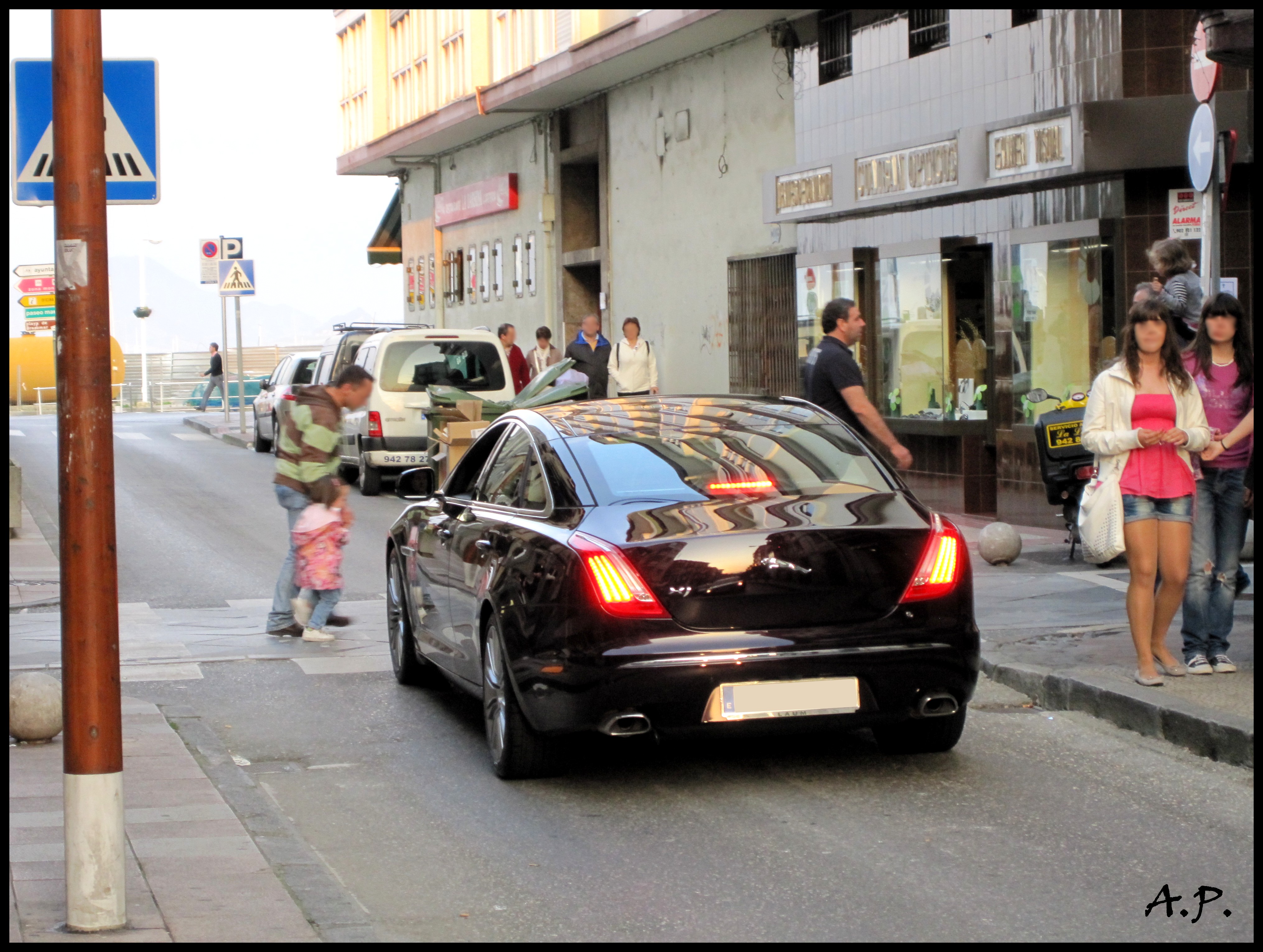
Jaguar Xj
"but not a Jaguar XJ, which I think has been the real life go-to limo for Royal and diplomatic VIPs for ages, if not in some movies and TV shows."
The Jaguar XJ is a classic luxury car from Jaguar. It has a long reputation for being used as an official-looking “limo” for important people.
The Jaguar XJ is a long-running British luxury sedan known for its traditional “executive limo” image. The hosts mention it as the real-life go-to for royal and diplomatic VIPs, highlighting how certain cars become associated with official transport.

Audi A8s
"and so I was there looking out of my top window, clocking the cars that everybody came in, and there were lots of Audi A8s, loads of Bentley Bentaygas,"
The Audi A8 is Audi’s top luxury sedan. It’s the kind of car you often see when people want a high-end, chauffeur-style ride.
The Audi A8 is Audi’s flagship luxury sedan, typically chosen for executive and chauffeur-style use. Here it’s name-dropped as part of the lineup of cars arriving for a royal wedding, reinforcing the A8’s “official transport” vibe.

BMW i7
"the King arrived in a BMW i7, quite similar to the one that I borrowed from the press office a couple of weeks earlier, but not the same car I checked,"
The BMW i7 is BMW’s electric luxury sedan. It’s basically the “big, fancy 7 Series” idea, but powered by electricity instead of a traditional engine.
The BMW i7 is BMW’s electric version of its 7 Series luxury formula, combining a large, executive sedan layout with an EV powertrain. The segment uses it as an example of what VIP transport looks like in the modern era—quiet, smooth, and high-status.

Bentley Bentaygas
"clocking the cars that everybody came in, and there were lots of Audi A8s, loads of Bentley Bentaygas, the King arrived in a BMW i7,"
The Bentley Bentayga is Bentley’s luxury SUV. It’s a very expensive, high-status vehicle—something you’d expect to show up for major VIP events.
The Bentley Bentayga is Bentley’s luxury SUV, known for combining big, upscale comfort with a very high-end, status-focused image. In this segment it’s part of the same VIP arrival mix, showing how Bentayga has become a modern “royal event” car choice.

Rolls-Royce Phantom
"...ate 20s Rolls-Royce, I think it might have been a Phantom 3 or 2, but the thing that struck me watching thi..."
The Rolls-Royce Phantom is a very expensive luxury car. It’s designed to be extremely comfortable, especially for long drives. The podcast is talking about a Phantom version and what stood out about it.
The Rolls-Royce Phantom is the brand’s flagship luxury saloon, built for maximum comfort and refinement. It’s often discussed because it’s a benchmark for high-end motoring and because small details in its design and presence stand out. The podcast mention of a specific Phantom generation suggests the conversation is about what the car looked like and how it came across on screen or in person.

Bentley Flying Spur
"No, it needs a big back door so people can slide gracefully in and out, don't they? Yeah, I think a Bentley Flying Spur would be the thing. They could let it be known that they've come at the right price, maybe run a few second hand ones, why not?"
The Bentley Flying Spur is a luxury sedan meant for very comfortable rear-seat travel. The hosts are saying it would be a better fit for official use because it’s designed for people to get in and out easily from the back.
The Bentley Flying Spur is Bentley’s flagship luxury sedan, designed for chauffeur use with rear-seat space and a grand, “limo-like” feel. The hosts argue it would fit the needs of politicians/royalty—specifically mentioning a big back door for people to slide in and out gracefully—so it’s a direct discussion of why this particular Bentley body style suits official transport.
Stefan Winkleman
"and the big award which is the Isegolis trophy, which is going to Stefan Winkleman of Lamborghini. Yeah, he's done a wonderful job, you could argue, isn't he? Because he's been there a long time,"
Stefan Winkleman is a top Lamborghini executive. The hosts say he’s been doing a great job and is receiving a major award.
Stefan Winkleman is a senior executive at Lamborghini, and the hosts credit him with “a wonderful job” in connection with the Isegolis trophy. The discussion frames his long tenure and leadership as part of why Lamborghini is being recognized.
Isegolis trophy
"Back to the awards in partnership with Siemens, and the big award which is the Isegolis trophy, which is going to Stefan Winkleman of Lamborghini."
The Isegolis trophy is a named award in the automotive world. In this episode, it’s described as the main prize being handed out, with Siemens involved.
The Isegolis trophy is an automotive award mentioned in the episode’s awards segment, presented in partnership with Siemens. The hosts treat it as the “big award,” so it’s a named recognition tied to the industry rather than a generic prize.
Siemens
"Back to the awards in partnership with Siemens, and the big award which is the Isegolis trophy, which is going to Stefan Winkleman of Lamborghini."
Siemens is a big technology company. The hosts mention it because Siemens is partnering on the awards they’re talking about.
Siemens is a major technology company, and the episode notes it as a partner for the awards segment. The mention matters because it signals the event isn’t only about car brands—it also involves industrial/technology stakeholders.

Lamborghini Urus
"Yeah, and he understands the German way of doing things, and he's seen the Urus into production and so on, that's been an extremely successful car, and they're doing well, aren't they?"
The Lamborghini Urus is Lamborghini’s fast SUV. It’s the kind of car that lets people enjoy the Lamborghini brand without needing a low-slung sports car for everyday use.
The Lamborghini Urus is a high-performance SUV from Lamborghini, built to bring the brand’s V8/V6-era performance feel into a more practical daily-driver package. In this segment, it’s used as an example of a successful Lamborghini model that reached production and helped the company grow.
electrification
"And he coped with the electrification issues, I think that there's no electric car, but there's, there are some hybrids, aren't there?"
Electrification means car companies moving toward electric-powered drivetrains. That can include hybrids, plug-in hybrids, or fully electric cars.
Electrification in automotive usually refers to shifting a manufacturer’s lineup toward electric powertrains—ranging from mild hybrids to plug-in hybrids and full battery-electric vehicles. Here, it’s discussed as a challenge that Lamborghini leadership had to manage while deciding how quickly to move away from purely internal-combustion cars.
plug-in hybrids
"Yeah, and he coped with the electrification issues, I think that there's no electric car, but there's, there are some hybrids, aren't there? ... plug-in hybrids are the way to go for them"
Plug-in hybrids are cars that use both gas and electricity. You can charge them like an electric car, but they also have a gas engine for when you need it.
Plug-in hybrids are cars that combine a conventional engine with an electric motor and a battery that can be charged from an external power source. The key point is that they can run on electricity for short trips, while still having an engine for longer drives—often seen as a compromise during the transition to full electrification.
10,000 cars last year
"So 10,000 cars last year, I'm interested to see how many cars is right for a luxury car company, how many is too many?"
They’re talking about how many cars a luxury brand can sell before it stops feeling exclusive. The “10,000” number is used as a rule-of-thumb for that balance.
The discussion uses “10,000 cars” as a rough benchmark for how many units a luxury car company can sell before it risks losing exclusivity. It’s essentially a volume-versus-brand-prestige question, comparing different brands’ strategies and what “too many” might mean.
HNW
"they're always getting that, that annoying statistic, that HNW, high net worth, people are expanding like, you know, breeding like rabbits,"
HNW means “high net worth,” basically a way to say “very wealthy.” The host is using it to talk about who buys expensive cars.
HNW stands for “high net worth,” a shorthand used in finance and marketing for people with substantial wealth. In this discussion, it’s used to explain why luxury brands like Ferrari can keep expanding sales across more markets.
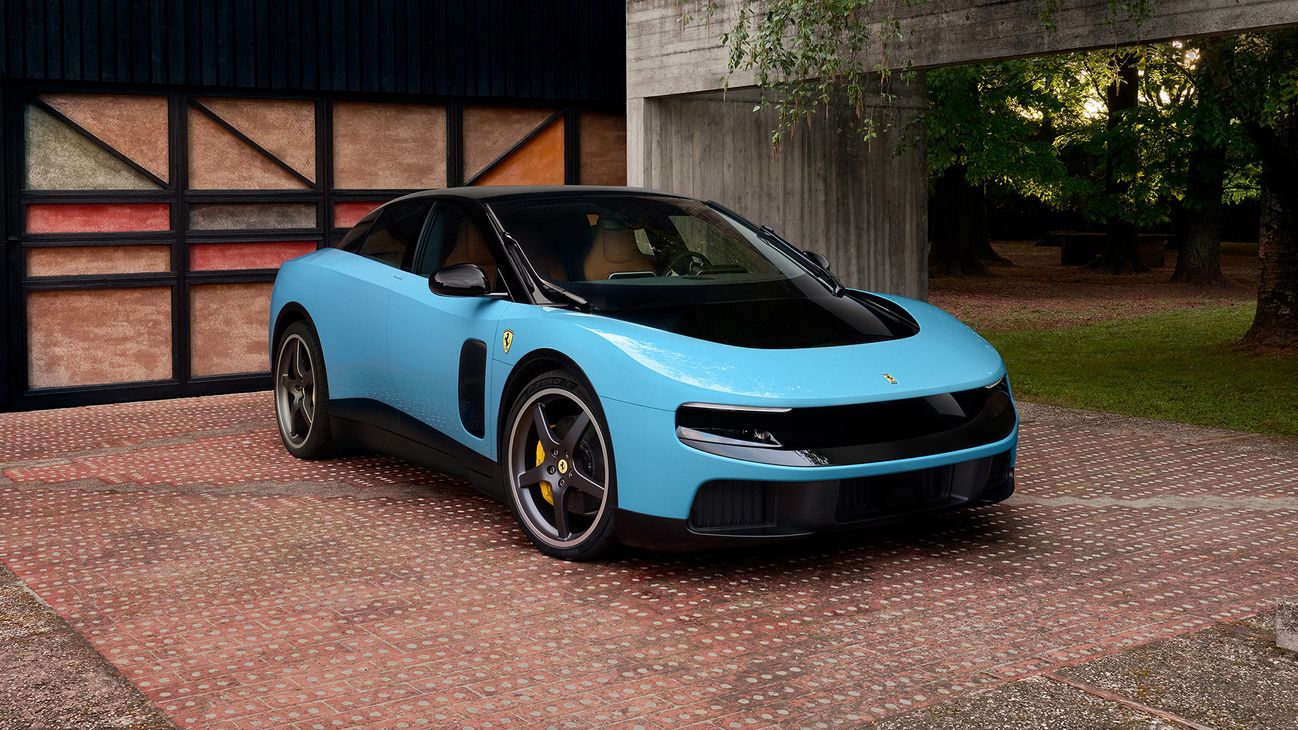
Ferrari Luce
"I think the reaction to the Ferrari Luce electric car seems to be way beyond what is normal for somebody who just doesn't like the look of the car, yeah, it seems to have triggered an extraordinary outrage."
Ferrari Luce is a Ferrari electric car. In this segment, the big point isn’t the specs—it’s that people are reacting to its design with a lot more anger than you’d expect.
Ferrari Luce is a Ferrari-branded electric car that’s being discussed here mainly because of how people react to its looks. The host suggests the backlash is unusually intense for something as simple as “not liking the look,” implying the design has become a flashpoint for broader cultural frustration with modern products.
shrinkflation
"I've used the word before, in shitification, which is, and you know, shrinkflation and the world changing and people's slightly discomfort was,"
Shrinkflation is when the product gets smaller, but the price doesn’t drop. The host is saying people start to notice these gradual changes and get annoyed.
Shrinkflation is when companies keep prices the same (or raise them) but reduce the size or amount of what you get. The host groups it with other “world changing” discomforts to argue that people are more sensitive to perceived value erosion—so they notice when products quietly get worse or smaller.
salami effect
"and things just creep and creep and creep, and it's the sort of salami effect, a little slice goes, but do you notice, another little slice goes, but do you notice,"
The salami effect is the idea that tiny changes don’t seem like much at first, but if you keep taking small slices, you end up with a big loss. The host is using it to explain why people eventually notice gradual declines.
The “salami effect” describes how small, incremental changes can be hard to notice individually, but add up to a big difference over time. Here it’s used as an analogy for how products or value can “creep” downward step by step until people finally react.

Puro Sangue
"If it was an electric Puro Sangue, for example, yeah, it's more interesting than that."
“Puro Sangue” is Ferrari’s SUV. The speaker is joking/imagining what an electric version would be like and whether it would feel more exciting than a plain, unchanging design.
“Puro Sangue” is Ferrari’s name for its SUV model line, and the speaker is imagining an electric version. The point is that an electric SUV could be “more interesting” than another static electric concept, depending on how it’s styled and positioned.
five-spoke wheel
"they've sort of insisted on that five-spoke wheel that just looks a bit weird, but there is a turbine"
They’re talking about a wheel design with five spokes. The point is that the speaker thinks that wheel style doesn’t suit the car’s body shape.
A “five-spoke wheel” describes a wheel design where the rim is divided into five visible spokes. The speaker is using it as a styling critique, saying the chosen wheel design doesn’t match the car’s overall shape.
turbine
"they've sort of insisted on that five-spoke wheel that just looks a bit weird, but there is a turbine"
In this context, “turbine” likely refers to a turbine-style design element or visual feature on the car, not the everyday idea of a generic fan. The speaker is contrasting the wheel styling with another design detail they think is more interesting.
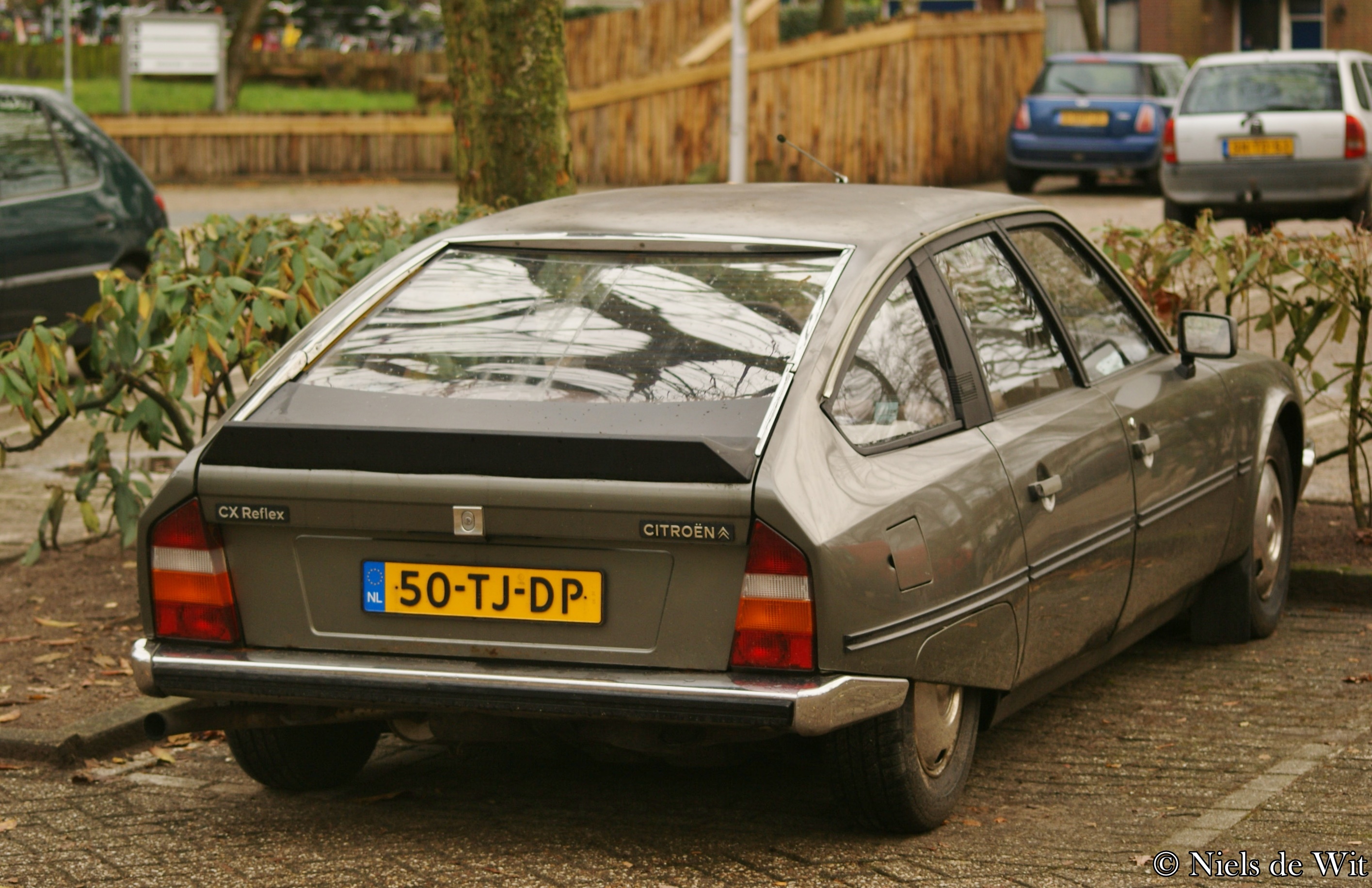
Citroen Cx
"...hey just look the same to me. There's a fantastic Citroen CX Prestige, CX25 Prestige down there that I would l..."
The Citroën CX is an older, comfortable car from Citroën. The podcast is specifically calling out a higher-end version called the CX Prestige. The speaker seems to like how it looks and stands out.
The Citroën CX is a classic executive car known for its distinctive styling and comfort-focused engineering. The podcast mention of a “CX Prestige” and “CX25 Prestige” points to specific higher-trim versions that enthusiasts seek out. It’s discussed here because the speaker is drawn to the car’s look and presence, even if it’s not a modern performance machine.

Citroen CX Prestige
"There's a fantastic Citroen CX Prestige, CX25 Prestige down there that I would like to convey me home, please."
The Citroën CX Prestige is a special, comfort-oriented version of the Citroën CX. People love the CX because it rides in a very smooth, distinctive way for its era.
The Citroën CX Prestige is a luxury-focused version of the Citroën CX, known for its comfort-oriented engineering and distinctive styling. In enthusiast circles, the CX is remembered for its advanced suspension and “floating” ride feel compared with many contemporaries.
Alpha GTA
"There's a beautiful Alpha GTA down there with a lovely Perspex Windows race car."
The Alfa Romeo GTA is a more track-focused version of an Alfa Romeo Giulia. It’s famous for being lighter and more fun to drive than the regular model.
The Alfa Romeo GTA is a lightweight, track-oriented variant of the Alfa Romeo Giulia, built to be faster and more focused than the standard cars. It’s especially known for its strong performance-to-weight character and its place in classic touring-car history.
Perspex Windows
"There's a beautiful Alpha GTA down there with a lovely Perspex Windows race car."
Perspex is a clear plastic material. Race cars sometimes use it instead of glass to save weight and make the window area safer.
“Perspex” is a brand name commonly used for clear acrylic plastic. In race cars, acrylic or plastic windows are sometimes used to save weight and reduce breakage risk compared with traditional glass.

Countache
"Oh, there's a whole clutch of yellow Lamborghinis and Ferraris, and the thing that I liked best was out of that lot was a Countache by a mile. ... as long as it's an early model without the body kit ... LP 400, that's the one."
The Lamborghini Countach is one of the most famous supercars ever made, known for its sharp, futuristic look. The LP 400 is an early version that many fans consider the classic one.
The Lamborghini Countach is an iconic 1970s–1980s supercar famous for its wedge shape and dramatic styling. The host specifically calls out an early LP 400, which is the original Countach variant and is often considered the most “pure” version by enthusiasts.
body kit
"I think it's an absolutely magnificent, just becomes more magnificent that car, as long as it's an early model without the body kit that somebody erroneously fitted."
A body kit is extra exterior parts added to change how a car looks. It can make the car look more aggressive, but if it’s the wrong one it can ruin the original look.
A body kit is aftermarket (or sometimes factory) exterior trim that changes the car’s appearance—often adding bumpers, side skirts, and other aerodynamic panels. Enthusiasts may dislike incorrect kits because they can alter the original proportions and styling cues.

Dodge Charger 500
"There's a magnificent Cadillac, but it wasn't in very good order. So I'd go for the Dodge Charger. Dodge Charger 500, whatever that is."
The Dodge Charger 500 is a Charger variant from the classic muscle-car period. It’s the kind of model name that usually indicates a specific special trim or package from that era.
The Dodge Charger 500 refers to a special Charger variant associated with the late-1960s “500” nameplate. It’s part of the classic American muscle-car era, where trim and performance packages were often marketed with distinctive model names.
Renault 5 turbo
"Let's finish up by talking about this is from your column last week ... There's a Renault 5 turbo made in Lego, and it has passed its... Got to 10,000."
The Renault 5 Turbo is a fast version of the Renault 5. It uses a turbocharged engine, which helps it feel much quicker than a normal small hatchback.
The Renault 5 Turbo is a hot-hatch built around a turbocharged engine, making it a standout performance version of the Renault 5. It’s especially notable because it’s a small, lightweight car that punches above its size, and it has a strong rally/enthusiast reputation.
Request an Explanation
Heard something you'd like explained? We'll add it to this episode.
Sign in to request explanations for terms you heard.
Want to learn more?
Browse our glossary for plain-English explanations of automotive terms, jargon, and concepts.
Help improve this episode
See something that's not quite right? Our annotations are AI-generated and can sometimes miss the mark. Click the flag icon on any annotation to suggest a correction.