
About this episode
A listener’s classic-car show report kicks things off, then the hosts argue about hot-hatch generations, why the Honda S2000 feels wrong at low revs, and why some modern “AMG” hype doesn’t match real handling. The conversation turns practical: rural transport, second-car criteria (bike loading, fast heat), and budget used-car picks like the Skoda Yeti, EVs, and older Subarus. They also weave in car-history daydreams—Mini, DeLorean, and early Porsche—before ending on more Q&A.
In this week’s On The Other Side Of Things question answering show, Jonny and Richard discuss cars you dislike contrary to popular opinion, the ideal pub car, and which car or motorsport event you would visit if you could time travel.
For early, ad-free episodes and extra content go to patreon.com/smithandsniff
To buy merch and tickets to live shows go to smithandsniff.com
Hosted on Acast. See acast.com/privacy for more information.

A112 Abarth A112
"...ks ago, isn't it? Lo and behold, there was a 1979 Abarth A112 being displayed. Nevertheless, my question to you..."
The Abarth A112 is a small car that was made to be quicker and more fun than a normal version of the same basic model. Abarth is known for tuning cars for performance. The podcast is mentioning a specific year because collectors and fans often care about those details.
The Abarth A112 is a small Italian hot hatch built on the Fiat A112 platform, tuned for spirited driving. The podcast references a 1979 Abarth A112 displayed, highlighting its classic status and enthusiast appeal. It’s discussed because it represents a compact, characterful performance car from that era.
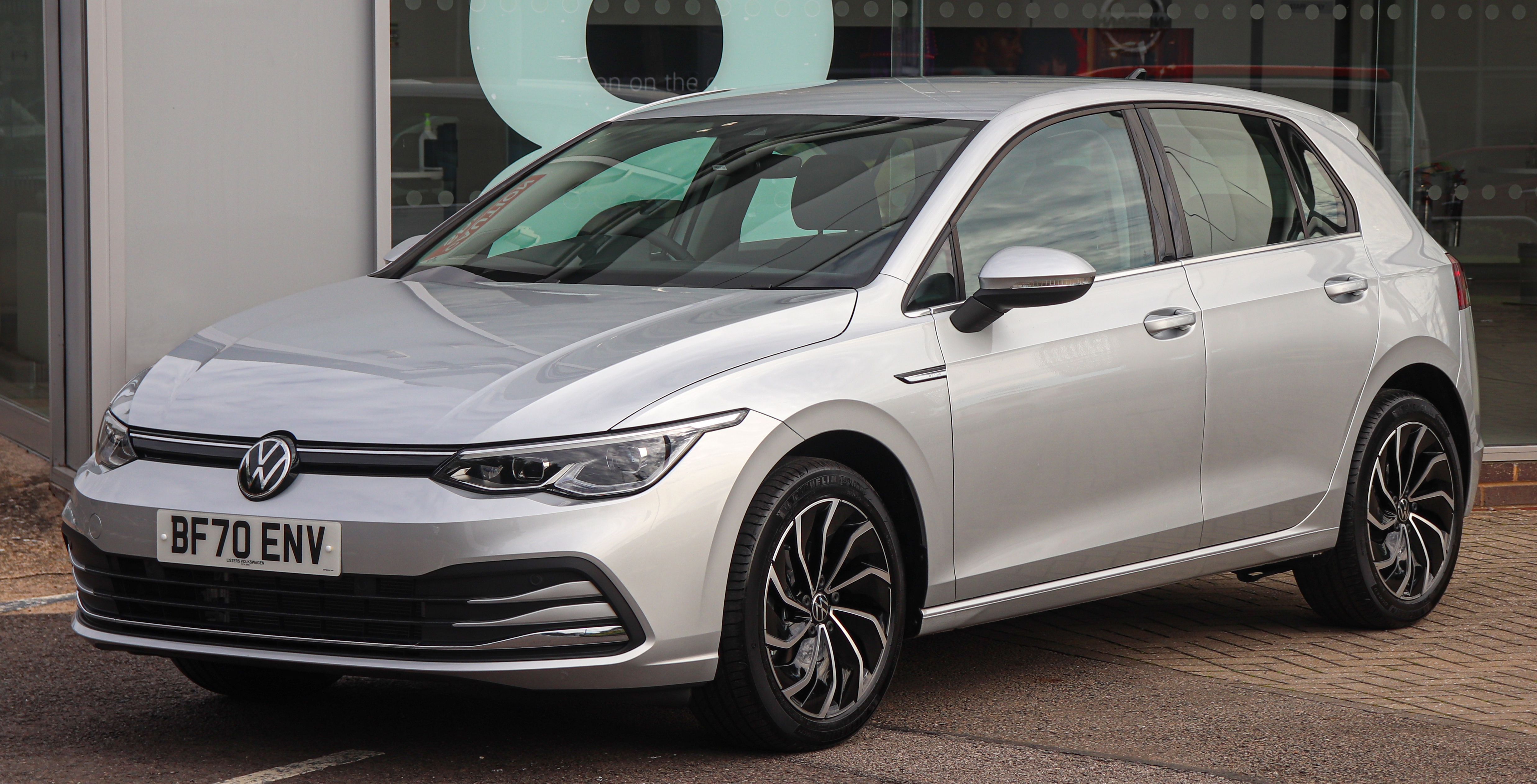
Volkswagen Golf Gti
"For me, I hate the E-Type with its weedy inset rear wheels and the Mark V Golf GTI, ... You're wrong about the Mark V GTI, though. ... It was full of vigor."
The Volkswagen Golf GTI is a sporty compact hatchback. The “Mark V” is one generation of it, and they’re debating whether this version felt strong or kind of weak compared to an earlier one.
The Volkswagen Golf GTI (Mark V) is a hot hatch built around a sporty, front-wheel-drive layout and a reputation for being fun but usable. The hosts argue about whether the Mark V felt “anemic” versus the earlier Mark IV, and they also mention a specific Edition 30 version.

Jaguar Etype
"For me, I hate the E-Type with its weedy inset rear wheels and the Mark V Golf GTI, ... He thinks the E-Type's beautiful, but he thinks in its weird how inboard the track is."
The Jaguar E-Type is a famous old-school British sports car. Here they’re talking about how its rear wheels sit in a way that some people find odd or less “right” looking.
The Jaguar E-Type is a classic British sports car known for its long hood and iconic styling. In this segment, the hosts critique its rear wheel packaging/stance—specifically how the rear wheels sit inboard compared with what some drivers expect.

Ford Fiesta St
"...onfidence inspiring in corners, in contrast to my Fiesta ST, which is a fabulous all-rounder, apart from the ..."
The Ford Fiesta is a small car that’s easy to drive and park. Some versions, like the Fiesta ST, are tuned to feel more sporty. The podcast is saying it works well overall, especially compared with another car they’re talking about.
The Ford Fiesta is a compact car that’s offered in many trims, including performance-focused versions like the Fiesta ST. In the podcast, it’s praised as a “fabulous all-rounder,” with the speaker contrasting it against another car’s behavior in corners. That kind of comparison is common because the Fiesta is often discussed for its balance and everyday usability.
inboard
"Nick says, my question to you is, what cars do you dislike, contrary to popular opinion? ... He thinks the E-Type's beautiful, but he thinks in its weird how inboard the track is."
“Inboard” means pushed toward the middle of the car. They’re saying the E-Type’s wheels sit in a way that looks or feels unusual compared to other cars.
“Inboard” describes how far a wheel/tire sits toward the centerline of the car. In this context, the hosts are criticizing the E-Type’s rear wheel placement/track width feel—how “inboard” the rear wheels appear.
M4
"And bizarrely, I was actually stuck in some traffic on the M4 a couple of days ago, ... and a Mark V GTI driven by an older couple would have kept passing me and me passing them."
The M4 is a big highway/motorway in the UK. The host mentions it because they saw the car while stuck in traffic there.
The M4 is a major motorway in the UK, commonly used for longer-distance commuting and traffic. The host references being stuck in traffic on the M4 to set up the real-world sighting of the Edition 30 GTI.

Honda S2000
"I've never understood the S2000 Honda. [225.0s] I think the... [228.8s] It doesn't have any torque, which when they were new, [231.9s] it irritated the living shit out of me."
The Honda S2000 is a sporty Honda roadster that’s famous for revving high and feeling very “driver” oriented. The speaker is saying it doesn’t pull strongly at low engine speeds, so you have to keep it in lower gears and rev it more to enjoy it.
The Honda S2000 is a lightweight, rear-wheel-drive roadster known for its high-revving engine and sharp, driver-focused feel. In this segment, the host criticizes it for lacking low-end "torque," which makes it feel less flexible in everyday driving unless you keep the revs up.
torque
"It doesn't have any torque, which when they were new, [231.9s] it irritated the living shit out of me. [234.2s] So you've got to drive it."
Torque is the engine’s “pulling power.” If a car has low torque, it can feel weak when you’re not revving the engine high, so you often need lower gears or more throttle to get moving.
Torque is the twisting force an engine produces, and it strongly affects how quickly a car accelerates at low speeds. The speaker’s complaint is that the S2000 doesn’t deliver enough low-end torque, so it feels frustrating unless driven aggressively.
too low gear
"You seemingly drive it like a fake policeman everywhere in a too low gear. [239.6s] Slightly too low gear, yeah."
A “too low gear” is when you’re in a gear that’s lower than you really need for your speed. That makes the engine spin faster than it should, which can be necessary in some cars to make them feel lively.
“Too low gear” means the transmission gear is lower than ideal for the current speed, which can force the engine to run at higher RPM than necessary. The speaker suggests the S2000’s character encourages this kind of driving to keep it feeling responsive.
swap ends
"I thought it was just always trying to swap ends, [251.8s] and it just didn't feel very friendly and interesting."
“Swap ends” is a way of saying the car’s back end gets loose and swings around. The speaker is saying the S2000 felt like it wanted to rotate in a way that didn’t feel comfortable or predictable.
“Swap ends” is a colloquial way to describe oversteer where the car’s rear swings out and the car rotates so the front and rear effectively trade places. The speaker says the S2000 felt like it was constantly trying to do that, making it feel less stable and less friendly.

Mini Classic Mini
"...s my prejudice. And I don't particularly like the classic Mini, which I know people will spit and hate me for,"
The classic Mini is a small car with a very recognizable shape and layout. People often have strong opinions about it—either they love it or they don’t. The podcast is mentioning the classic Mini because the speaker is explaining their own preference.
The “classic Mini” refers to the original Mini-era small car, known for its compact size and distinctive design. The podcast notes a personal dislike for the classic Mini, which highlights how strongly people can feel about the car’s look, feel, and driving character. It’s a common subject in car discussions because the Mini has a huge fan base and a very recognizable identity.

Imp Hilman Imp
"I'm sorry. I'd rather have an auto Bianchi or a Hilman Imp or many other small cars,"
The Hillman Imp is a very small older car. It’s known for being light and easy to drive because it’s compact. The podcast is saying they’d rather have a small car like that than some other options mentioned.
The “Imp” refers to the Hillman Imp, a small British car known for being lightweight and compact. The podcast mentions it as an alternative to other small cars, which suggests they’re discussing what makes a small car appealing—like simplicity, size, and character. It’s a classic choice for enthusiasts who like quirky, older compact vehicles.
NSU Prince Sprint
"like an NSU Prince Sprint or whatever they call it. [321.7s] I would, I like those,"
The NSU Prince Sprint is an older small German car. It’s the sort of obscure, compact classic that people like when they’re talking about the charm of tiny cars.
The NSU Prince Sprint is a small German car associated with the “Prince” line, known for being a compact, practical microcar-era vehicle. It’s the kind of old, niche European small car enthusiasts bring up when they’re contrasting with modern big luxury SUVs.

Mercedes-Benz AMG One
"...t don't get it. Like, they're sort of amusing the AMG ones, I mean. They're kind of amusing and interesting,"
The AMG One is a very extreme Mercedes-AMG supercar meant for maximum performance. It’s built to showcase advanced technology and how fast it can be. The podcast is basically saying it’s an unusual, interesting kind of Mercedes.
The Mercedes-Benz AMG One is a high-performance, technology-focused supercar built by Mercedes-AMG. It’s notable because it’s designed around advanced engineering and is meant to feel like a serious performance machine rather than a conventional luxury car. The podcast calls the AMG One “amusing” and “interesting,” which fits how people often react to cars that are more about engineering spectacle than practicality.

Mercedes G-class
"And I think Mercedes could make that car better, but then it wouldn't feel like a G-class, so they don't."
The Mercedes G-class is a famous, rugged luxury SUV with a very recognizable, old-school look. The point here is that Mercedes could make it better in some ways, but they keep it the way it is so it still feels like a G-class.
The Mercedes G-class (often called the G-Wagen) is a boxy, off-road-focused luxury SUV known for its rugged, truck-like design and heritage. In this segment, the hosts discuss how Mercedes could improve certain details, but chooses not to because it would change the car’s distinctive G-class feel.

Audi RSs
"I think the problem with Audi RSs, and to a point now, BMWs,"
Audi’s “RS” models are the high-performance versions of certain Audis. Here, the hosts are about to talk about why they think Audi’s RS cars may not be what they want.
“RS” is Audi’s performance trim designation, and “Audi RSs” refers to their higher-output, sport-tuned models. The hosts are setting up a critique of Audi’s RS lineup and how it fits (or doesn’t) with their preferences.

Audi Rs
"They're 10 to 15-year-old version. I looked at an Audi RS for the other day, and I can never remember the B..."
The RS e-tron GT is an electric Audi designed for fast, sporty driving. It’s meant to be comfortable for longer trips while still feeling quick. The podcast is bringing it up in the context of how people talk about different versions over time.
The Audi RS e-tron GT is a high-performance electric grand tourer, built to deliver sports-car acceleration with electric power. The podcast mentions “10 to 15-year-old version,” which suggests they’re talking about older examples or the way people compare different generations. It’s a relevant topic because electric performance cars are still relatively new compared with traditional sports cars.
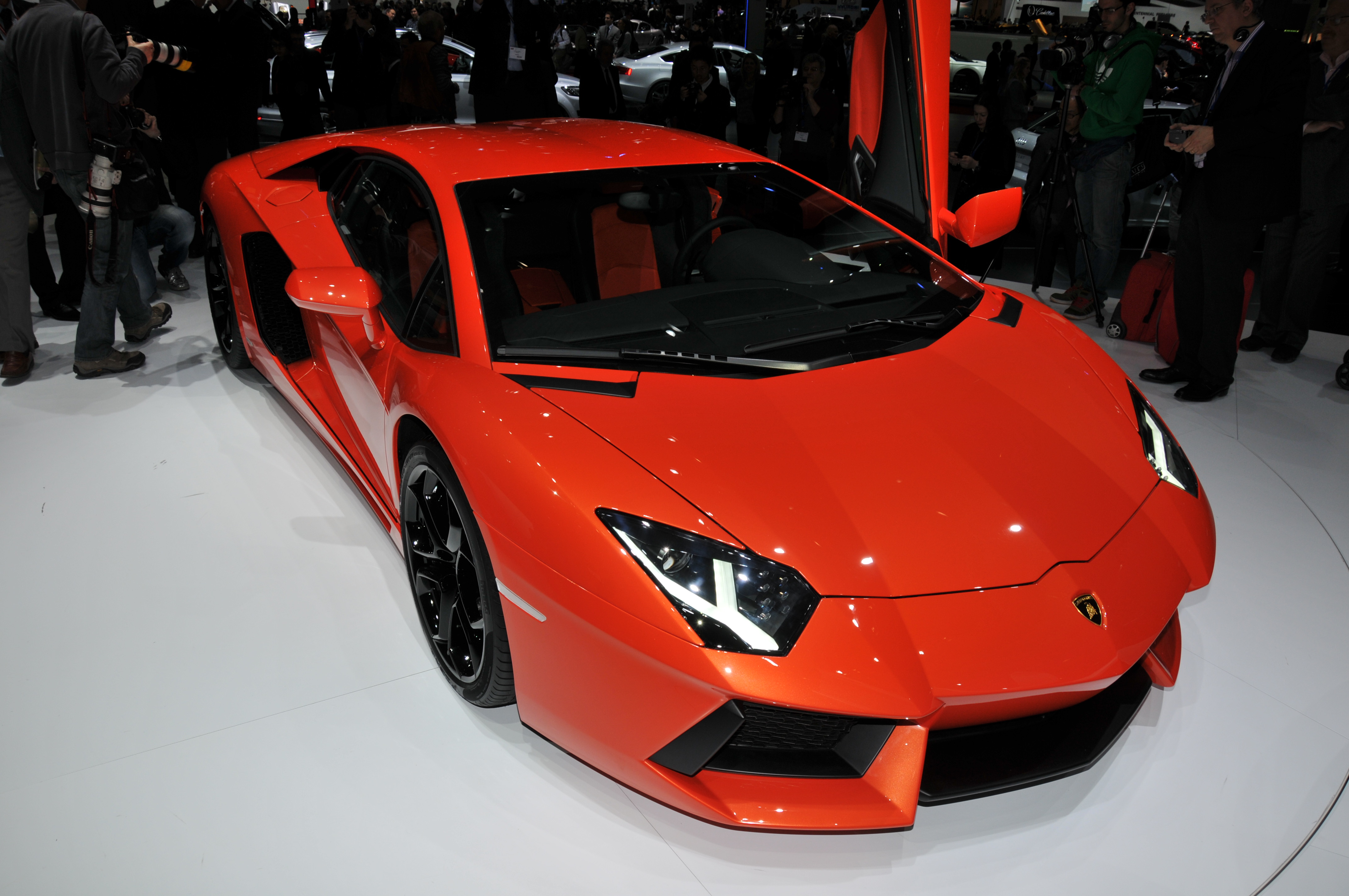
Lamborghini Aventador
"[488.2s] another car that I don't like, [489.8s] and I think probably a lot of people do, [491.4s] but perhaps that's because they haven't had the chance [493.1s] to drive one, is the Lamborghini Aventador. ... [541.1s] At the time, I think it was rightly about it, [542.9s] the best way to enjoy an Aventador is from another car."
The Lamborghini Aventador is a very loud, high-power supercar with a big V12 engine. Here, the hosts are saying the car’s gearbox/transmission felt bad to drive, which made the whole experience less fun.
The Lamborghini Aventador is a flagship supercar known for its dramatic styling and high-output V12 character. In this segment, the hosts focus on how its transmission behavior can feel harsh or unpredictable, which strongly affects how enjoyable it is day-to-day.
single-clutch thing
"[510.3s] I remember the gearbox being aggressive, [512.0s] really aggressive. [513.0s] Yeah, but in a way, it was a single-clutch thing. [518.4s] Back in the day, I drove a Merci Lago,"
A “single-clutch” gearbox uses one clutch to transfer power from the engine to the transmission. The host is basically saying it can make the car feel jerky or intense when it changes gears.
A “single-clutch” transmission uses one clutch to connect the engine to the gearbox. That can make shifts feel more abrupt or “aggressive” compared with dual-clutch setups, which can pre-select the next gear for smoother transitions.

McLaren W1
"…I'd forgotten it even existed is the other week, [585.8s] the reviews of the McLaren W1 came out, [588.5s] and I genuinely went, [589.4s] oh, God, I've completely forgotten about that. [592.4s] And here it is,"
The McLaren W1 is a very expensive, top-tier supercar from McLaren. People pay attention to it when reviews come out, because it’s meant to be a “big deal” car.
The McLaren W1 is a modern supercar from McLaren that’s designed to be an ultra-high-end, halo-level flagship. It’s notable because it’s the kind of car enthusiasts track closely through reviews and early impressions, even if some people don’t end up caring about it personally.

Allegro Austin Allegros
"and I'm apologising because everyone has their opinion. Come on, I like Austin Allegro's. Don't listen to me."
The Allegro is an older British car that was made for everyday family use. People often have very different opinions about it—some love it and some don’t. The podcast is mentioning it because the speaker is defending their liking for the car.
The Austin Allegro is a British-built family car from the 1970s and early 1980s, known for its distinctive styling and strong opinions from owners and fans. The podcast includes a light apology while saying they like the Allegro, which reflects how polarizing it can be. It’s discussed because it’s a memorable part of classic British motoring history.

Skoda Yeti
"is a [852.6s] Skoda Yeti. [855.3s] Oh, yeah, they are. [856.7s] I think you could get a bike with a [858.7s] seat down."
The Skoda Yeti is a small SUV/crossover that’s popular because it’s surprisingly practical. The hosts mention it can fit bikes easily, but they also warn that rust—especially on the suspension—can be an issue.
The Skoda Yeti is a compact crossover/SUV known for being practical and roomy for its size. In this segment, the hosts talk about its “cult” following, its ability to fit two bicycles, and a common ownership concern: rust, especially around the suspension.
engine was gutless
"because she thought the engine was [869.4s] gutless. It was one of the 1.2s. [874.7s] But there's [875.7s] no denying how capacious [877.7s] it was."
“Gutless” just means the engine doesn’t feel strong—like it doesn’t accelerate very well. In this case, the host is saying the Yeti’s smaller 1.2-liter engine felt a bit too weak for them.
“Gutless” is enthusiast slang meaning the engine feels weak and doesn’t provide strong acceleration or responsiveness. Here it’s tied to the Skoda Yeti being the 1.2-liter version, which can feel underpowered compared with larger engines.
suspension rust
"They rust. Be carefully [886.1s] rust. [889.9s] Specifically the suspension rust."
Suspension rust means the metal parts that help the car handle bumps are corroding. That can become a safety issue and can also make repairs harder and more expensive later.
Suspension rust refers to corrosion on the suspension components (like control arms, links, and mounting points) that can affect ride quality and safety. If it’s advanced, it can also make suspension parts difficult to service or replace.
wishbones
"They're notorious for rusting, so I know this sounds a bit weird, but when you replace things like wishbones, actually rust-proof them."
Wishbones are parts of the suspension that hold the wheel in the right position as the car moves. If they rust badly, replacing them can make the car handle properly again.
Wishbones are suspension control arms shaped like a “Y” or “A” that locate the wheel and control its movement. They’re a common rust-prone part on older cars, so replacing them can restore safe suspension geometry.

Yeti
"OK, well, the cheapest Yeti I can see here is $1,750 for a petrol Yeti. Yes, OK. If John was prepared to spend a bit more, there's a bright red one here for three grand."
The Škoda Yeti is a small SUV. Here they’re discussing how much used ones cost and what you might pay depending on the car and condition.
The Škoda Yeti is a compact SUV/crossover known for being practical and relatively affordable. In this segment, they’re talking about buying one on a budget and comparing specific price points for petrol Yeti examples.
EV
"[992.8s] It just costs you buttons to do that [995.6s] in an EV. If you can charge at home [997.2s] that's a bit heavy I suppose."
EV just means an electric car. Instead of using petrol, it runs on electricity stored in a battery, and the host is talking about how convenient it is if you can charge it at home.
EV stands for electric vehicle, meaning the car is powered by an electric motor and a battery rather than a gasoline engine. In this segment, the host is discussing the cost and practicality of using an EV for short trips, especially if you can charge at home.
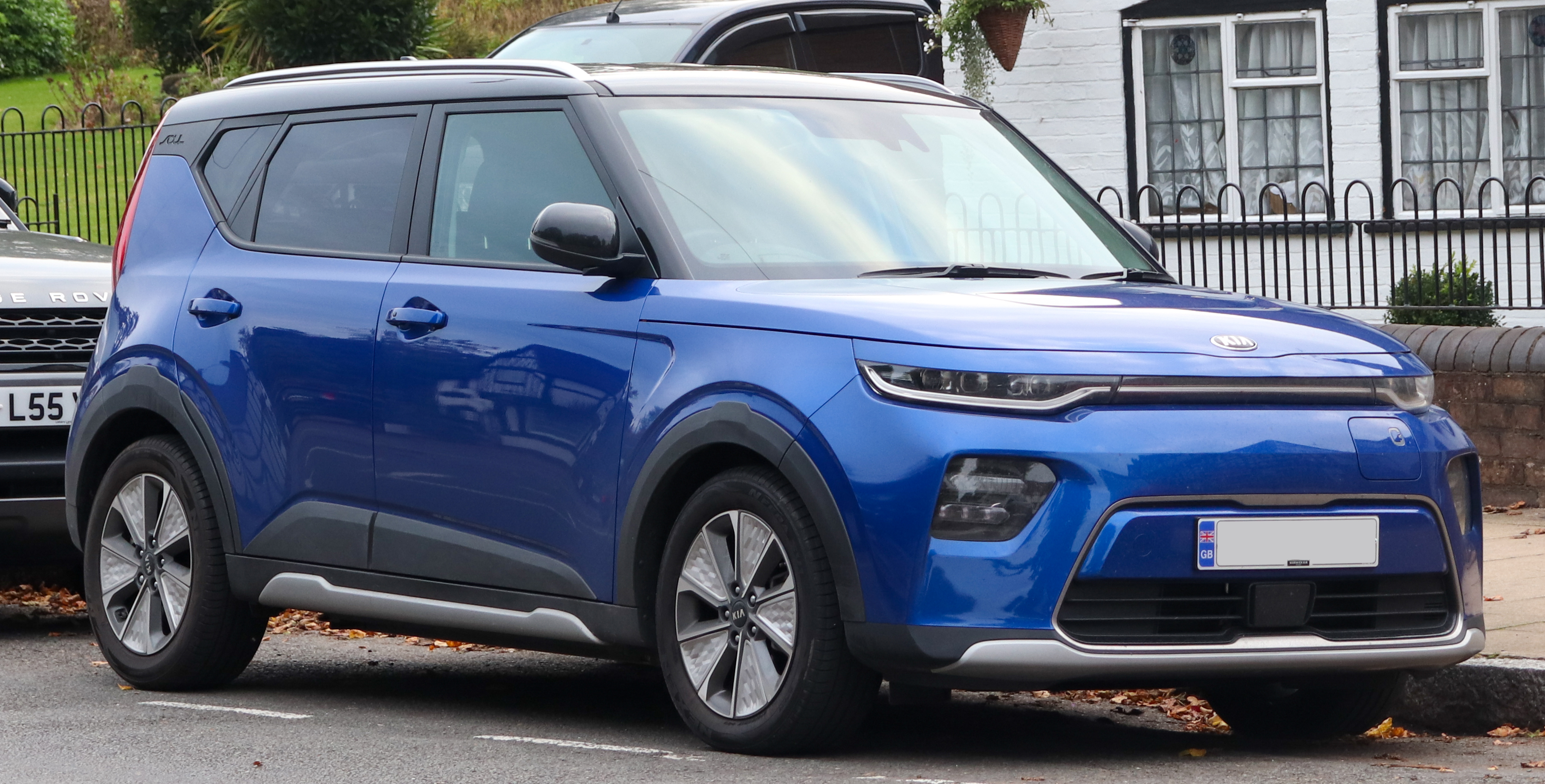
Kia Soul EV
"[1003.8s] Here's the thing. [1005.4s] Kia Soul EV [1006.7s] where are they up to? [1008.9s] I had one of those for a year [1011.0s] and you can definitely get bikes in those"
This is Kia’s electric version of the Soul. The hosts are talking about how practical it is for everyday errands—like carrying a bike—because the interior space is easy to use.
The Kia Soul EV is an electric version of the Kia Soul, built around a practical, boxy shape. In this segment, it’s being discussed for real-world usability—specifically how easily you can fit a bike inside and still use it as a daily runabout.

Zoe
"[1011.0s] and you can definitely get bikes in those [1013.0s] and I had a Zoe for a year [1014.6s] and you can definitely get a bike in it. [1016.2s] Zoe's got a huge boot with the seats down. [1018.9s] Huge."
The Renault Zoe is an electric car. The point being made is that it has a big trunk (especially with the seats folded) so it’s practical for hauling things like a bike.
The Renault Zoe is a compact electric car known for packaging that leaves usable space for cargo. Here, the host highlights that it has a large boot when the seats are down, which matters for carrying items like bikes.
salvage car
"[1022.4s] In fact, this could be good territory [1024.3s] to recommend getting [1025.7s] a salvage car [1027.8s] because you can have something like a Kia Soul [1030.5s] with a gashed front wing [1033.5s] or sometimes [1034.4s] a bumper that's slightly hanging off"
A salvage car is one that was badly damaged and the insurance company decided it wasn’t worth fixing at the time. The host is saying you might still find a salvage EV where the damage is mostly cosmetic, so it can be a cheaper way to get a practical electric car.
A salvage car is a vehicle that’s been written off by an insurer due to damage or cost of repair, then later sold for rebuilding or parts. The host is suggesting that, for certain EVs like the Kia Soul, you might find a salvage example with cosmetic damage (e.g., a front wing or bumper) while still getting a usable car.

Subaru Outback
"I'm thinking maybe Subaru Outback, older one you can get them for under £1,500 that's manual or auto full time four wheel drive"
The Subaru Outback is a rugged car that’s designed to handle bad weather and rough roads. Here, the host is saying older Outbacks can be a budget-friendly choice if you want to tow things and go camping.
The Subaru Outback is a wagon/SUV-style crossover built around Subaru’s all-weather capability, typically using a boxer engine and standard all-wheel drive. In this segment, it’s being suggested as a practical platform for towing and outdoor use because older examples can be bought cheaply.
full-time four-wheel drive
"that's manual or auto full time four wheel drive often come with the tow bar"
“Full-time four-wheel drive” means the car is always driving all four wheels. That usually helps it grip better on wet, snowy, or muddy roads—useful if you’re going off the beaten path.
Full-time four-wheel drive (4WD) means power is sent to all four wheels continuously, rather than only when traction is needed. That can help with stability and grip in slippery conditions, and it’s often paired with towing setups on older vehicles.
tow bar
"full time four wheel drive often come with the tow bar so if you want to do some, I don't know,"
A tow bar is the hitch that lets you attach a trailer to your car. If you want to tow camping gear or other stuff, you typically need one.
A tow bar is the hitch hardware that allows a vehicle to tow a trailer. It’s commonly installed on cars intended for camping or hauling gear, and it’s relevant here because the host is talking about trailer work.

Honda Element
"“Oh, my Honda Element was amazing [1147.0s] at that incredible level.”"
The Honda Element is a Honda that’s famous for being really practical inside. It’s the kind of car where you can fold the seats down and load bulky stuff like bikes more easily than most cars.
The Honda Element is known for its super-practical, boxy interior and flexible cargo setup. In this segment, it’s praised for making it easy to load a bike with the seats down and the cargo area configured for real-world use.
JDM
"“I was thinking JDM and I'm thinking [1153.5s] Alphards”"
JDM stands for Japanese Domestic Market. It refers to cars that were originally sold in Japan, and enthusiasts often associate JDM models with specific trims, right-hand-drive layouts, and different equipment than what was sold elsewhere.

Toyota Alphard
"“I was thinking JDM and I'm thinking [1153.5s] Alphards [1155.8s] because they're petrol”"
The Toyota Alphard is a big Japanese family van. The hosts are talking about it because it’s spacious and can be set up to carry bulky items like bikes, and they’re also discussing older ones as a cheaper way in.
The Toyota Alphard is a large Japanese minivan that’s popular for being roomy and unusual compared with typical European family vans. Here it’s discussed as a practical option for carrying bikes, and the hosts also mention buying older Alphards as a budget entry point.
petrol
"“because they're petrol [1157.8s] they're certainly”"
“Petrol” is the UK term for gasoline, meaning these Alphards are discussed as internal-combustion vehicles rather than hybrids or EVs. In this context, it’s part of the reason they’re being considered as a “car future” alternative to electrification.
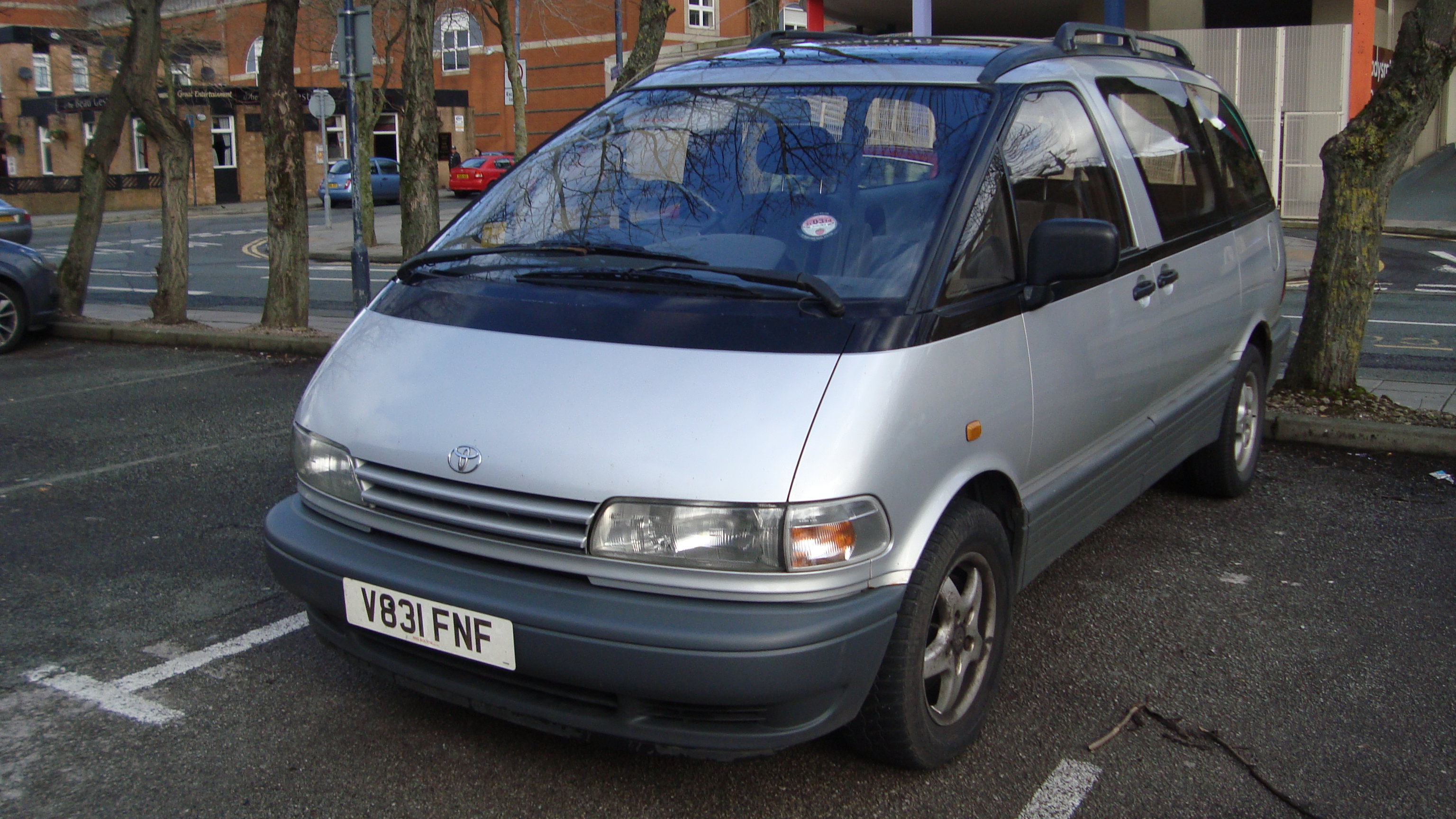
Toyota Previa
"...et into more recent Alphards What about a naughty Previa we've talked about Prevs before"
The Toyota Previa is a minivan designed to carry people and luggage comfortably. When someone says “naughty Previa,” they usually mean a version that’s more fun or different than the typical family-focused one. It’s still fundamentally a practical people-carrier.
The Toyota Previa is a people-moving minivan that’s known for practicality and flexible seating. The podcast mentions a “naughty Previa,” implying a more unusual or enthusiast-leaning take on the model. That makes it a talking point because it’s not typically the first vehicle people associate with excitement, even though certain versions can be.

Toyota RAV4
"Paul is a fan of early first generation Toyota RAV4s which you can get in 3 and 5 door and the thing about those RAV4s is they've got really jazzy 90s interiors"
The Toyota RAV4 is a small SUV from Toyota. Here they’re describing the early, first-generation ones—especially the older 3- and 5-door versions—and why the shape makes them useful for hauling when you fold the seats down.
The Toyota RAV4 is Toyota’s compact SUV that helped popularize the “small SUV” idea. In this segment, they’re talking about early first-generation RAV4s, including 3- and 5-door versions, and how the boxy rear makes them handy for carrying stuff with the seats down.
RAV4 search
"we should do a little RAV4 search but cap it at 2001"
They’re talking about how to search for an older RAV4 and what kind of deals you might find.
The hosts discuss doing a targeted used-car search for an older Toyota RAV4, including where to look and what price range to expect. This is a practical buyer-focused segment rather than a technical deep dive.
cap it at 2001
"but cap it at 2001 I don't know what the, is that what it is"
They mean “don’t look past the year 2001.” It’s a way to narrow the search to older cars from a certain time period.
“Cap it at 2001” means setting an upper limit on the model year when searching for a used car. Enthusiasts do this to target a particular generation or to avoid later cars with different specs, rust profiles, or electronics.
three door
"what about Mark 1 Freelander [1311.3s] with the [1312.2s] three door with the removable roof"
“Three door” means there are fewer doors for getting in and out—usually two side doors and then the back hatch. It’s a layout you’ll see on some older SUVs and it can feel more compact.
A “three-door” layout means the vehicle has two side doors plus a rear hatch/tailgate, rather than four side doors. It’s a common way to describe older compact SUVs and makes the cabin feel more “sporty” and less like a family wagon.
removable roof
"with the [1312.2s] three door with the removable roof [1314.3s] Yes"
A removable roof means you can take the roof off the car. That turns it into an open-air vehicle for better fresh-air and “outdoors” vibes.
A removable roof is a body design where the top section can be taken off to convert the vehicle into an open-air configuration. On some SUVs, this is similar in spirit to a convertible, but it’s often more rugged and outdoors-focused.

Mark 1 Freelander
"and he worked on [1335.6s] the Mark 1 Freelander [1336.6s] and he [1339.0s] one of like really earlier"
The Land Rover Freelander is an older 4x4 SUV. Here they’re talking about the first version (Mark 1) and how it can still work as a real four-wheel-drive car instead of being changed to drive only the front wheels.
The Land Rover Freelander (Mark 1) is an early-generation compact SUV built around a traditional 4x4 layout. In this segment, the key point is that the Mark 1 Freelander can be set up as a true four-wheel-drive daily, rather than being converted to front-wheel drive.
reduction gear
"you know a lot of people because the reduction gear thing [1368.1s] fails so people just take it off [1369.6s] and have a front wheel drive Freelander"
A reduction gear is a set of gears that makes the drivetrain “geared down” for more control and pulling power at low speeds. If it fails, the car may not be able to run its proper 4x4 system anymore.
A reduction gear is a gearing stage (typically in the transfer case) that provides low-range gearing for off-road control and torque multiplication. The host is saying that when this reduction-gear setup fails, owners sometimes remove it, which can leave the Freelander operating like a front-wheel-drive vehicle.
special edition
"[1387.8s] Oh my gosh a yellow one [1389.4s] Callahari Special Edition [1391.1s] Yeah for about two and a half grand"
A “Special Edition” is a version of a car that comes with a particular set of extras or a unique look. It’s usually meant to feel different from the regular model.
A “Special Edition” is a named production variant that typically adds specific styling, equipment, or color themes compared with the standard model. In this case, the hosts are referring to the “Callahari Special Edition” as a distinct package you can search for when shopping.
barn find
"[1429.1s] Johnny arrives at a barn find [1435.9s] shoot expecting to see an example of"
A “barn find” is a car that’s been sitting in storage for years. People get excited because it might be rare or original, but it usually needs repairs before it can drive again.
A “barn find” is a car that’s been stored away for a long time—often neglected—before being discovered and restored. Enthusiasts love them because they can preserve original parts and history, but they also often need significant work to become roadworthy again.

Delorean DMC-12
"[1435.9s] shoot expecting to see an example of [1437.9s] Dunn Murray's notorious stainless steel abomination the DeLorean [1440.1s] Steady on Mike"
The DeLorean is a weird-looking sports car from the 1980s that’s famous for its stainless-steel body. It’s also the car from the “Back to the Future” movies, so people recognize it instantly.
The DeLorean is a famous sports car best known for its stainless-steel body panels and its pop-culture tie-in to the movie “Back to the Future.” In real-world terms, it’s a distinctive, low-volume 1980s car that stands out visually even among other 1980s oddballs.
flux capacitor
"[1454.2s] gentleman's literature [1454.2s] and getting the car out [1455.2s] plugs are removed, bores lubed, spark check, fuel introduced [1458.0s] and the flux capacitor [1460.1s] is switched on"
The “flux capacitor” is a made-up part from the “Back to the Future” movies. It’s not something you’d find in a real car—here it’s just part of the time-travel story.
The “flux capacitor” is a fictional device from “Back to the Future” that’s portrayed as enabling time travel. In the transcript it’s treated like a real component being “switched on,” but it doesn’t exist as an actual automotive technology.
spark check
"[1454.2s] and getting the car out [1455.2s] plugs are removed, bores lubed, spark check, fuel introduced [1458.0s] and the flux capacitor"
A “spark check” means verifying the ignition system is actually making spark at the spark plugs. It’s a quick way to see if the engine has the basic electrical ignition it needs to start.
A “spark check” is a diagnostic step where you confirm the ignition system can produce spark at the plugs. It’s commonly used when reviving an engine that’s been sitting, to verify the basics before attempting to run it.
plugs are removed
"[1454.2s] and getting the car out [1455.2s] plugs are removed, bores lubed, spark check, fuel introduced [1458.0s] and the flux capacitor"
Taking out the spark plugs lets you inspect them and helps with starting/diagnosing an engine. It’s often part of getting an older engine ready to run again.
Removing spark plugs is a common procedure during engine diagnostics or when preparing an engine that hasn’t run in a while. It allows inspection and makes it easier to perform tests like checking for spark or relieving cylinder conditions.
bores lubed
"[1454.2s] and getting the car out [1455.2s] plugs are removed, bores lubed, spark check, fuel introduced [1458.0s] and the flux capacitor"
“Bores lubed” means adding lubrication inside the cylinders. If an engine has been sitting, this can help prevent extra wear when you first try to turn it over.
“Bores lubed” refers to lubricating the cylinder bores (the inside surfaces where the pistons move). This is often done when an engine has been sitting to reduce dry friction and help protect components during initial cranking.
Derek Bell
"and I got to see five time in a month [1534.5s] winner Derek Bell because he was competing [1536.6s] in an Astra one year"
Derek Bell is a famous race car driver from the UK. Here, the host is saying he was competing in a car called an Astra during one year.
Derek Bell is a well-known British racing driver with a long career in endurance racing. In this segment, he’s mentioned as a “five time in a month winner,” and the host links him to competing in an Astra “one year.”

Opel Astra
"winner Derek Bell because he was competing in an Astra one year but so not that because"
The Opel Astra is a compact car meant for normal driving. The podcast mentions it in a racing context, because someone like Derek Bell drove an Astra in competition. That’s why it’s being brought up beyond just being a regular car.
The Opel Astra is a compact car that’s been used in various forms of motorsport and everyday driving. The podcast references Derek Bell competing in an Astra, which points to the car’s racing pedigree and how it can be more than just a regular commuter. That kind of mention usually comes up when discussing which cars were genuinely competitive in their era.
product development director
"including [1601.2s] a guy called Rob Oldaker [1602.9s] who was the product development director"
A “product development director” is a senior manager who oversees how a new car gets planned and built. They help coordinate the people working on the design and engineering work.
A “product development director” is a senior role responsible for guiding how a vehicle is designed and engineered before it reaches production. In an automotive context, this often includes coordinating teams across engineering, design, and manufacturing planning.
MG Rover
"who was the product development director [1605.9s] at MG Rover [1607.7s] a fascinating bloke but I was talking to him"
MG Rover was the UK automotive company that owned the MG brand and produced cars under the MG and Rover nameplates. The host mentions it because Rob Oldaker’s role there connects him to the development of MG-era vehicles.
Longbridge
"and he was working at Longbridge [1624.4s] I said you didn't work with this agonist did you"
Longbridge is the famous MG Rover/Rover production site in the UK, historically associated with large-scale car manufacturing. Mentioning it places the guest’s career in the context of UK mass car production.
Andre Citroen
"just go back to [1641.2s] hang out with Andre Citroen [1643.0s] or something as he kind of went [1644.3s] let's make it front wheel drive"
André Citroën was an early car maker in France who helped influence how cars were built and marketed. The hosts mention him here because they’re talking about early design choices like front-wheel drive.
André Citroën was a French automotive pioneer who helped shape early car manufacturing and branding. In this segment, the hosts reference him while discussing Citroën’s early engineering direction, including the push toward front-wheel drive.
front wheel drive
"or something as he kind of went [1644.3s] let's make it front wheel drive [1647.2s] I don't speak French very well"
Front-wheel drive means the front wheels do the work of moving the car. It can change how the car feels and handles compared with cars where the rear wheels drive.
Front-wheel drive (FWD) means the engine’s power is sent to the front wheels to propel the car. Compared with rear-wheel drive, FWD packaging and traction characteristics can feel different, which is why early decisions like this were notable when carmakers were experimenting with layouts.

Porsche 356
"the launch of the [1657.3s] 356 Porsche would be interesting [1658.9s] because that was their first product [1661.6s] just to see whether"
The Porsche 356 was the first car Porsche made for customers. It matters because it’s the start of Porsche as a company, so the hosts are using its launch to talk about how people responded at the beginning.
The Porsche 356 is Porsche’s first production model and is historically important as the brand’s origin story. The hosts call out its launch because it was their first product, making it a useful reference point for how people initially reacted to the idea of a new Porsche.

Porsche 911
"... lot of prejudice initially and the same with the 911 I guess now knowing what we know"
The Porsche 911 is a sports car made by Porsche that’s been around for a very long time. People often have strong opinions about it, especially when new versions come out. The podcast is touching on how those opinions can shift once you understand the car better.
The Porsche 911 is a long-running sports car famous for its rear-engine layout and evolution over many generations. The podcast references “prejudice” around the 911, which often comes up when discussing how opinions change as people learn more about a specific version or its engineering. It’s a car that’s frequently debated because each generation brings meaningful updates while keeping the core formula.
front wheel driving things
"explaining ... what it was like and how it's front wheel driving things"
Front-wheel drive means the front wheels are the ones that push the car forward. It can change how the car steers and feels compared to cars where the back wheels do the pushing.
Front-wheel drive (FWD) means the engine’s power is sent to the front wheels to propel the car. That layout affects how the car handles and how it feels to drive compared with rear-wheel drive.
John DeLorean
"the unveil at the factory of the DeLorean with John DeLorean"
John DeLorean was the person who helped create the DeLorean car company. When people talk about the DeLorean’s big introduction, they often mention him because he was the driving force behind it.
John DeLorean was the automotive executive and entrepreneur behind the DeLorean brand. He’s directly tied to the DMC-12’s launch story, which is why his name comes up when people talk about the car’s unveiling.
butterfly effect
"or in doing so is this kind of butterfly effect [1753.5s] that would have catastrophic consequences"
The butterfly effect means tiny changes can lead to big, unexpected results. In stories about changing the past, it’s the reason one small action could completely change everything that happens next.
The butterfly effect is the idea that very small changes early on can snowball into huge, unpredictable outcomes later. In time-travel stories, it’s used to argue that altering one event could cause catastrophic changes to the future.
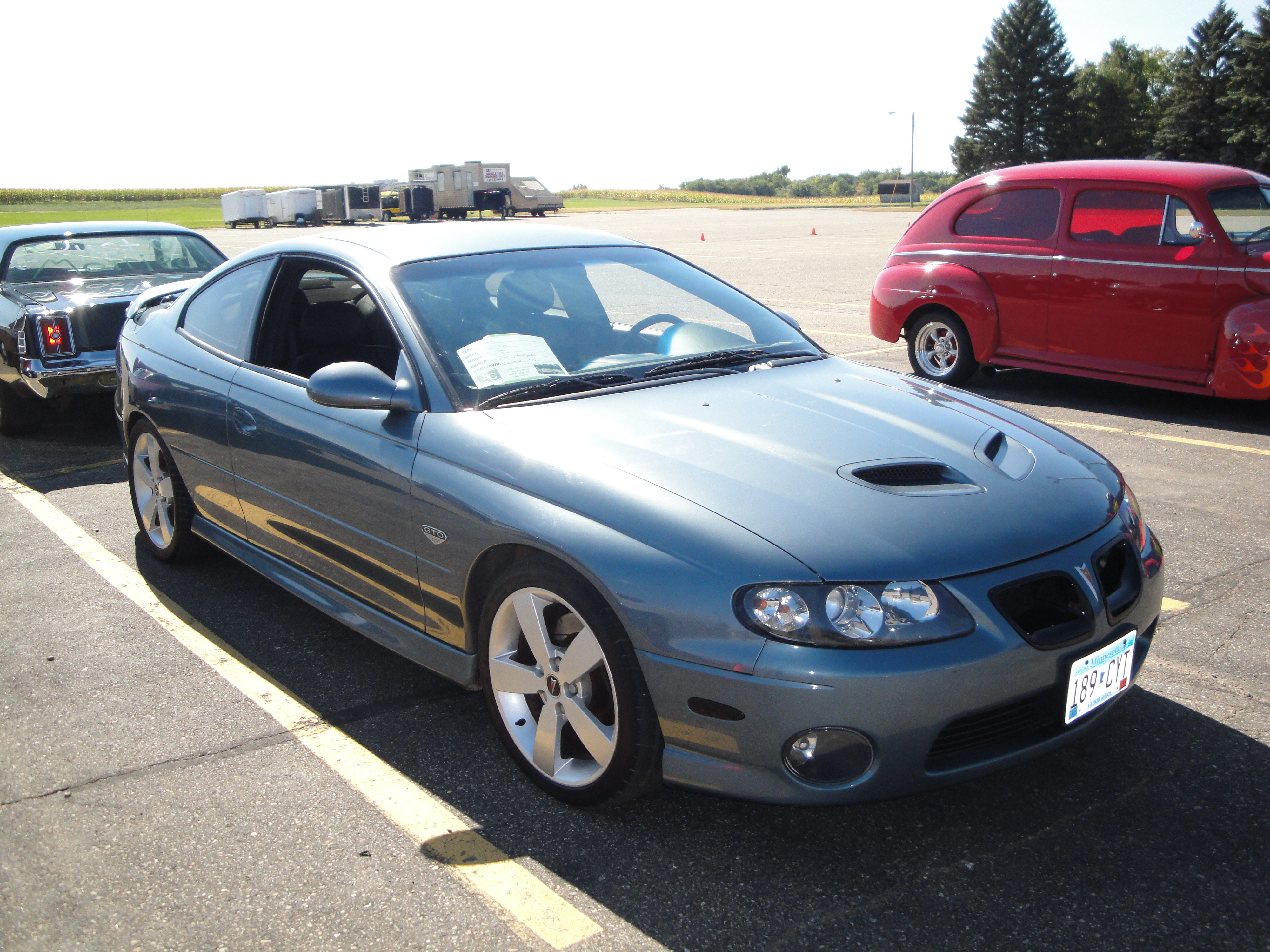
Pontiac Gto
"let's talk about the Pontiac GTO in a minute but first if you get invited to a hotel room"
The Pontiac GTO is a famous old American performance car. People call it a “muscle car” because it was built to be fast, usually with a strong V8 engine, and it became a big deal in car history.
The Pontiac GTO is a classic American muscle car model from Pontiac, best known for helping popularize the “muscle car” formula: a powerful V8 in a relatively affordable, mass-market package. It’s often discussed as a key name in the history of performance cars in the U.S.
Request an Explanation
Heard something you'd like explained? We'll add it to this episode.
Sign in to request explanations for terms you heard.
Want to learn more?
Browse our glossary for plain-English explanations of automotive terms, jargon, and concepts.
Help improve this episode
See something that's not quite right? Our annotations are AI-generated and can sometimes miss the mark. Click the flag icon on any annotation to suggest a correction.