Gold leaf is super-thin gold material you apply to a surface. People use it for fancy decorative details because it catches light in a way that looks premium.
The Datsun 240Z is a famous old sports car from the early 1970s. Here it’s mentioned because someone painted a striking sign-style graphic on it, which is the kind of artwork the guest does.
BRE refers to the racing livery associated with British Racing Enterprises, a team known for its distinctive red-and-blue-on-white scheme. When someone says “classic BRE,” they’re pointing to that recognizable motorsport graphic style that’s being recreated on the car.
They used Windex before painting, and that’s a problem because it has ammonia in it. Ammonia can stop paint from sticking correctly, so the design can peel off.
Ammonia is a chemical ingredient that can leave residues or react with surface treatments. In this context, the host says it can “mess with vinyl” and also cause problems when prepping for paint.
This is a tire meant to work year-round, but with better grip and handling than regular everyday tires. It’s built to feel more confident in both dry driving and wet or slick conditions.
They’re talking about traction—how well the tire can keep the car from slipping. A performance tire is usually made to give better grip, especially when you’re turning or braking.
That means the tire is covered for a certain amount of driving—55,000 miles. If the tire fails in a covered way, the company will handle it according to the warranty rules.
They’re talking about Nokia as the tire brand/company that stands behind the tire if something happens. The point is that the brand offers a protection or replacement deal.
Pothole protection is a tire damage coverage program aimed at common impacts like hitting a pothole. The idea is to reduce the cost and hassle if the tire gets damaged and can’t be repaired.
Pin stripers are artists who paint those thin decorative stripes on vehicles. They often use small brushes and special hand techniques to keep the lines steady.
“One Shot” is a paint product people use for lettering and graphics. The host is saying it’s been the standard for a very long time, and older versions were heavier and could cover in fewer coats.
A dune buggy is a small off-road vehicle designed for driving on sand and uneven ground. People often customize them with special paint and graphics, especially if they’re recreating or paying tribute to older race-style cars. The podcast is likely talking about that look and the history behind it.
Paint thinner is a chemical solvent used to mix paint or clean up. It can smell strongly and irritate or harm you if you breathe the fumes, so you need good airflow and a respirator.
A respirator is like a mask that filters harmful air before you breathe it. It helps protect you when you’re working with fumes or dust from paints and solvents.
R-12 is an old type of refrigerant used in car air conditioning. The host uses it as an example of something that’s now rare, so people hunt for it when they find it.
Car
Pontiac Torino
Pontiac was a car brand that made performance vehicles. In racing history, Pontiac cars and race cars show up in older competitions. The podcast likely brings it up because it’s connected to those historic race builds.
They’re talking about how long the graphics/paint job lasts. In their view, hand-painted work can stay visible for decades, while other methods often get redone sooner.
Taillights are the lights at the back of the car. If someone is painting or applying graphics, they usually have to carefully work around them so the lights still work.
A front splitter is a low piece at the front of the car that helps the car’s shape “push down” at speed. On race cars it’s also a big visual cue that the car is built for performance.
Hand painted means the graphics are made with real paint by a person, not applied as a pre-made sticker. People like it because it can show small human details that make it feel more authentic.
Mercedes-Benz is a well-known luxury car brand. Here, the point is that they gave very specific instructions for how the car should look, so the artist didn’t have to guess as much.
Place
their classic center
“Classic Center” refers to Mercedes-Benz’s restoration and classic-car facility where older vehicles are preserved, serviced, and showcased. The speaker mentions visiting it and that it may have moved, tying the discussion to a real brand heritage location.
Formula 1 (F1) is the top tier of open-wheel racing, and it’s referenced as an example where modern race car liveries can be visually complex. The hosts use F1 to illustrate how contemporary branding and artwork often make liveries “wild” compared with simpler, number-centric eras.
Le Mans is a long-distance endurance race that’s very famous in motorsport. They bring it up because race cars there often have lots of graphics and artwork compared with older, simpler liveries.
Endurance racing is racing that lasts a long time, not just a short sprint. The hosts mention it because cars in these events often have more complicated graphics today.
Kerning is how designers fine-tune the spacing between letters. In this context, it matters because race car numbers have to be readable, even when the car is moving fast or viewed from awkward angles.
Term
topography
Here, topography means the shape and contours of the car’s body panels. The graphics have to be placed so they still look right and stay readable on those curved surfaces.
Martini is a brand that sponsored racing. Its colors and logo style became so recognizable that people still use it as a reference for classic race-car looks.
The AMC Javelin is a muscle car made by AMC. It has a distinctive body shape and is often associated with racing-style paint and sponsor graphics. The podcast mentions it because the specific livery and details help identify a particular theme or history.
They’re talking about a sponsor logo—Sunoco/Sonoco—that was used on race cars. Back then, sponsors were painted right on the car, so the livery became part of the car’s look.
Trans-Am is a racing series where cars based on production models compete. It’s also known for lots of sponsor logos on the cars, which is why the livery details matter.
Term
roundals
They’re talking about a specific style of wheels—round, classic-looking rims—that match the racing look. It’s mentioned as part of the car’s overall livery/visual theme.
Firestone is a well-known automotive brand, especially famous for tires. The speaker is listing logos they’ve painted, showing they’re doing detailed, brand-accurate work.
Brand
Kendall
Kendall is a brand that makes motor oil and sponsored racing in the past. The speaker is pointing out they painted a tiny Kendall logo by hand, which shows how detailed this kind of work is.
The Porsche 935 is a famous Porsche race car. Here it’s mentioned as an example of a special collector car that someone might want to change from vinyl graphics to hand-painted graphics.
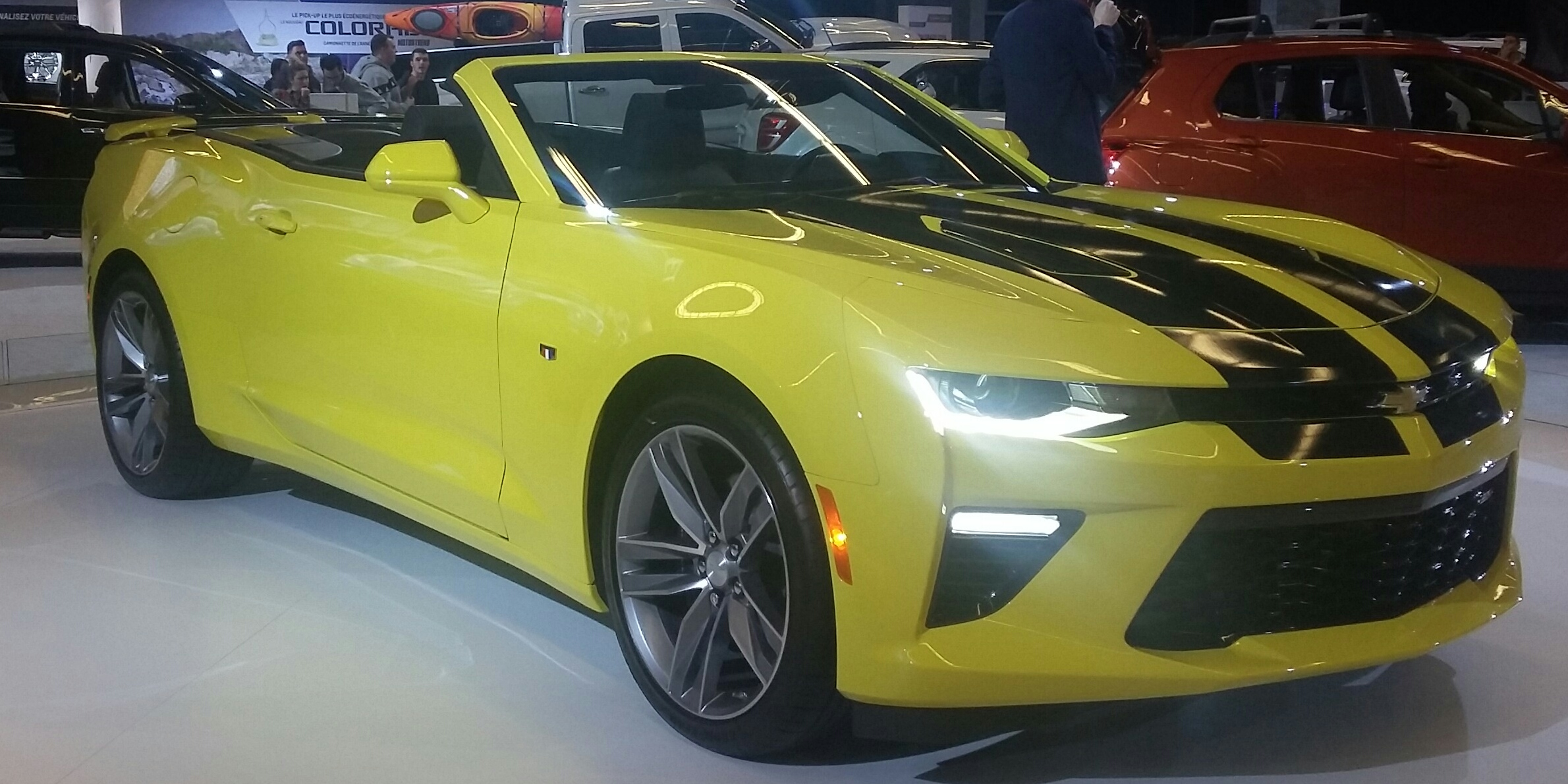
The Chevrolet Camaro is a sporty car made in the U.S. People often customize them with decals or graphics to give the car a specific look. It may be mentioned because it’s a popular car to collect and personalize.
LIVE
And so, I took two or three days painting my friend's truck in my garage, and he called
me up a few hours after he drove it home, and he told me that it flew off.
And I thought he was teasing me.
He's like, no man, it came off like one big sticker just in a chunk.
Lew off.
Mr. Bailey Clayton, man.
Thanks for coming to hang out on the podcast.
It is a pleasure.
Thank you for having me.
You are an incredibly talented man who, uh, from what I could tell is very
diverse in the ability to paint.
One of the things that I noticed was it's not only painting, but it's like gold
leaf and murals and all these things.
But I want to go back a little bit and try and pick your brain and see if you remember.
And you may remember this or not, but the first sign or delivery that you started
to notice, like, when did you start to notice that this sign painting thing was actually a thing?
Oh, wow.
So I'd already been doing some sign painting by the time that I even realized that that
was a thing on vehicles.
And one of the first vehicles that I can recall seeing painted was a Datsun 240Z.
And it was done by this old head sign painter.
And he redid that classic BRE, you know, the red blue on white.
And so I immediately fell in love with it.
I, that was already my dream car for one.
And then it combined the passion of sign painting and kind of was like a light bulb
moment of like, oh, shit, like this is a real thing that is still being done.
And then ultimately it wasn't until I was already doing a few of them that I realized
that it actually had some potential to be a chunk of what I could do.
So did you.
So it's just a hobby.
So how old were you when you pick up this hobby of and what were you painting?
Like, what was the, what was the medium, I guess I should say?
Yeah.
I mean, so at first it was like calligraphy.
I've always been what we'd call a letterhead.
Somebody that just likes to arrange text on paper and draw out custom font and
through school, as you can imagine, your first signature.
When you, when did you first find Bailey?
Probably like a page in my notebook where it was like, yeah, I'm going to figure
out how to make it look nice.
Probably like, yeah, I don't know, 10, 11, 12, something around there.
Okay.
Okay.
Yeah.
Tell me about the Clinton thing.
The what thing?
Calligraphy.
Calligraphy.
Oh, so I think that it probably mostly stemmed from also like a love for graffiti
kind of style, like, uh, orienting text in a way that it could just be a single
name or a single word, um, done in a way that just is like impactful and cool.
And so, um, I would just mess around with different pens.
Um, they make like the brush pens and would see kind of just what looked cool.
And I just loved drawing letters.
I loved making people's names on their own notebooks, like you said.
And it slowly kind of evolved into, um, in every job that I had after high school,
I became the person to do the lettering on maybe the chalkboard or, you know, the
menu for the coffee shop, whatever it be.
So it always had like a very unique kind of hold in my life.
Yeah.
Anytime you go to the, like a restaurant or anything like that, there's always that
chalkboard with like, oh, donuts, you know, this one, this week, bacon top doughnut,
$4.99 and sometimes it's really good.
Yeah.
And sometimes it's like, whoa, for me, I'm, I'm bad.
Like I'm the guy that goes, I'm like, oh, you know, families can have a garage sale.
Whereas the Sharpie and you just kind of like this.
And I've learned that you have, you have to like, exactly.
You have to like scribble it in so you can actually see it when you're driving by.
Um, it is, it's incredible.
I was thinking of like how important signage is.
And I think like of, of all of the things that we all over all course of human history,
what we've all prayed for and asked for is Lord, give me a sign.
Right.
Give me a sign.
Just give me a sign.
What am I supposed to do?
Lord, give me a sign.
Yeah.
Because a sign is something that's telling you what to do.
It's like, go here, do this.
It is like the most quintessential functional direction thing.
Um, what makes, what makes a good sign?
Oh, that's a good question.
Um, well, you're right.
For one, it has to be direction.
And if it's not clear and concise, if it's not laid out in such a way where, you
know, the main text that you want takes priority, like think of like your warning sign.
You don't want to be warned about the thing first.
You want to be warned about warning.
You know, you immediately know what the, the sign is intent is.
Um, and it's funny because that can be done in so many different ways.
It's, uh, the layout and composition, but it's also color and it's the design.
So that's where sign painting does kind of differ from traditional sign work in
that, uh, it's, it's an art.
It's a craft, you know, you're trying to inform people, but you're doing it in an artful way.
Is there, is that when you, when you're doing something for someone and you're
building a sign for them, I mean, obviously you work in cars too.
And I, I know, I know you do some signage and I'm interested in the cars too.
And we'll get there.
But when you discuss like what the direction must be, is it, how do you tell the customer
that, Hey, we need to do this this way.
What is the process of defining that function of what the sign is going to be?
How, how do you work through that with people?
Yeah.
Uh, so funny enough, this is like also a good segue into the cars because I do treat
a lot of the car stuff as just basically a big canvas for signage.
I, in the same way would take a photo of where a sign would go and I mock it up visually
because verbally trying to explain something that is innately a visual piece is really hard
to do.
So I always visualize it.
I mock it up for them, lay out the text on there and we figure out how it actually works,
at least in the two dimensional space of a digital mockup.
And, and that's the best way to communicate with people as visually.
So when you, when you say that a car is a canvas for signage, obviously it can be,
isn't the function different is, I mean, cars can be so emotional.
And I guess signs can too, but when it, when it comes to a car, you operate largely in
like the enthusiast realm, right?
So there's a lot of guys that just wanted to do something, something like that.
What is the message that you're usually trying to get across?
Is it, are you left up that as freewill or is it a direction from the client or how does that work?
I'd say it's usually like a collaborative effort.
Some of the best examples of like full livery that I've had the opportunity to do
is kind of a crossover of the owner's backstory, as well as
like maybe period correct or historically correct livery.
And kind of meshing the two in a way where they get to tell their story,
but it looks like something that would have came out of the 60s or the 70s or whenever
the car was produced. And in a lot of ways, I feel like I'm just a instrument to their imagination
and digesting it in the correct way to where it plays out correctly on the car.
So to learn how to do this and get this messaging correct and get the technique correct,
did you apprentice anywhere? Are you self-taught or how did you learn?
Entirely self-taught and doing the sign painting first allowed me to have the reps
of practice before ever laying a brush on a vehicle. A lot of trial and error, a lot of error.
And you know, sometimes it's even just like the materials and the technical aspect,
like certain chemicals and paint don't mix well. Other times it's layout and composition,
you know, like I can look back at my own work from a year or two years ago and nitpick it
because I've dialed in my eye more. But yeah, it was just a lot of trial and error through
the sign painting route. And I didn't take any classes or any apprenticeship with that either.
And frankly, I didn't know that that was even an option when I started it. I was naive enough to
have not known about that trade to the extent that when I started painting signs, I thought that
I had basically discovered some new service offering. I thought that
I was going to be a millionaire painting signs for grocery stores and coffee shops.
And then slowly discovered like, oh, this is a thing that's been around forever. Of course,
this was how it was done before the days of vinyl. And there's still enough of a need
for that market in today's day and age.
When you say mistakes, you know, what do you mean? What's what are mistakes and what you do?
It's got a I was watching you paint on the Pegasus's Pegasi Pegasus's
Pegasi on that's probably not right on the on the cars. And I go, man,
if he screws up, that's like, just like wipe it off and start all over. Like what is
what are mistakes like? And what were some of the bigger mistakes you make when you first started?
One of the biggest mistakes that I ever made. And thankfully, it was for a friend
that was extremely understanding. It was on his work truck for doing landscaping,
and he wanted his landscaping business name on the side. And it was actually one of the first
trucks vehicles that I had ever painted. And so I thought, Oh, I got to get rid of this grease,
I got to prep the surface. And in my naivete, I wiped it down with Windex glass cleaner.
And Windex is one of the only products that you really should not use before prepping for paint
because it has ammonia in it. Same thing that like kind of messes with vinyl when you get like
your windows tinted, you're told don't use Windex, it'll mess up your tint. Same thing for paint.
And so I took two or three days painting my friend's truck in my garage. And he called me up
a few hours after he drove it home, and he told me that it flew off. And I thought he was teasing
me. He's like, no, man, it came off like one big sticker just in a chunk, flew off. And so I
took a moment to pause. And this was like, you know, the days before chat GPT where you could
just ask like, why isn't this thing working? I had to figure out and go to the old sign forums and
say why like how do I correctly prep a surface for paint. So that was one big trial and error moment
there. FCP Euro is an online retailer of OEM genuine aftermarket and performance parts for
European cars from BMW to Porsche, Volvo, Audi, Volkswagen and more. Their catalog is a one stop
shop with over 275,000 unique products, including expert assembled kits to make shopping simpler.
Whether you're doing a suspension overhaul or an oil change, these kits really take all the
guesswork out of the process. No more wondering if those bolts are one time you stretch bolts,
or if you need a gasket to go with that, just select the kit you need. And you're good to go.
Plus, every product they sell is backed by a lifetime replacement guarantee, even wear items
like wiper blades, brake pads and oil filters. With the opening of their distribution center in Mace
Arizona, FCP Euro is now shipping parts from both coasts, serving most of the country in three days
or less with the free shipping option. We at Overcrest have been working with FCP Euro for
years and can vouch for them. The real people who are passionate about what the Nokia and
tires has officially launched their newest tire, and it's one we're especially excited about.
As is tailor made for the type of driving we like to do here at Overcrest.
It's called the Surpass AS01, and what sets it apart is it's a high performance all season tire.
It's made specifically for drivers who want the most out of their cars,
without sacrificing capability when the roads get slick. We know all too well how unpredictable
the roads can be, whether you're out on one of our rallies, one of your own adventures,
or just running to the grocery store. And let's face it, a car can only perform as well as the
tires it's on. That's why the new Surpass AS01 is so great. It offers the grip of a dedicated
performance tire, but won't leave you stranded if the road or weather gets rough. Not only does it
come with a 55,000 mile warranty, it also offers Nokia and tires pothole protection. If he happened
to damage your tire beyond repair, Nokia will replace it for free. Check it out at nokiantires.com
How many hours down the drain was that? That's an expensive time mistake.
It was, yeah. I mean, I probably had 10 hours, 12 hours in it for a set of truck doors, and
yeah. And it's funny because that same truck, if I were to paint it today, it would probably
take me two or three hours, but that's also part of your sacrifice of learning is getting faster.
Do you wish you would have done like, how do you know and would you have done an apprenticeship?
Or are you glad you learned on your own? You know, I'm glad that I did it my own way because the
resources that are available for sign painting specifically are geared towards that. So they
have one of the last remaining sign programs in the country is actually Los Angeles Trade Tech,
which is maybe a two hour drive from me. And by the time that I found out about it, I was already
doing the sign painting thing full time. So I kind of figured, you know, what's the purpose and
taking so many steps back when I've already been putting in 40 hours a week doing this.
And so I didn't go. And recently with the shift that I've been making towards doing more vehicles
and really focusing on doing those explicitly and only, I realized that there aren't really too
many other sign painters that are prepared for doing vehicles. And it's very similar
technical process. But the the eye that you develop for it, and the familiarity with like
the history of vehicles is something that they don't teach in a sign program. It's geared
towards walls and windows basically. So I'm thankful that I figured it out my own way.
What's that? Or the car's different.
Um, well, for one, it's very three dimensional. And I think that's why I enjoy it so much is because
so often I'll plan something, you know, like I do that digital mockup.
And I'll have them send a side photo of the car or a top photo of the hood. And it's not until I
go to actually paint that I have all of my patterns and my preparation setup, that I start to pin
them on the car with my magnets. And I realize, Oh, this needs to actually sit like this a little
bit because when you're viewing the car from, say one lane over, you know, you got that three
quarter view, it doesn't quite look right if it's positioned there. And when you do a wall or a window,
you're pretty much looking just for dead center, top and bottom, it's it's really cut and dried
straightforward. And the cars there, there's a right way of doing stuff, but you can bend the
rules, you can play into asymmetry. And it just is, it just becomes such a fun canvas.
It almost seems like it's, you're glad that you kind of have to, for all your prep, you still
have to wing it a little bit. Yeah, still have to try when you get there. Yeah, keeps it interesting.
When you think about your toolbox and all the things that use you, I mean, you've got brushes,
chemicals, stuff like that. Walk me through some of the stuff that you use
all the time and why it's important. So first and foremost, the brushes, right?
They're usually made from squirrel hair or synthetic hair. It's super soft. And depending
on the surface that you're painting, you change your brush type, or depending on the type of line
that you're painting, whether it's like a super long kind of pinstripe line, or more of a, maybe
say a letter or a graphic that you're painting, you would use a different brush. So you have your
brushes, that's integral to it. And then you also have hair. I mean, naturally, I had to figure
that out for the first time. Man, my, my hair brushes, I got the squirrel hat here. Let me grab
this squirrel hat and see if I can make some brushes out of it. It does make me sad to every
single time I have to say, I go, yeah, it's either squirrel or synthetic. And unfortunately,
the nice part is that with an oil based paint, you have the ability to clean these brushes forever.
So you will have brushes that last you 20, 30 years of service because it's a natural hair,
and so it lasts longer. So that's kind of one thing that's cool too is you'll have these old
sign painters out of the 50s and 60s that have their kit. The paint and the brushes are still
usable today. So it's kind of like a legacy of the materials being passed on to, which is cool.
Have you ever used those old timers brushes, like tried them out and be like, oh, dang, this,
like, does it feel different? Is there anything different about it? I don't have any part of
my kit, but there's a few painters that I've worked with that have them and it's crazy because the
handle of it will just be caked up and cruddy. And then like the brush brushes and the bristles are
perfectly clean. They taper perfectly or they chisel to perfectly like, and there's something
about the squirrel hair that after you, you almost have to break it in. After you've used it for
like a few hundred hours, it finally starts working nicely. Like you kind of have to get
past the breaking in period before it's a good brush. Man, I'd be sitting on the couch just like
on my hand like this, just like wiggling the lashes back and forth, trying to get them to go.
Oh, yeah, I'm sorry, keep going on the tools and the brushes. Sorry, I got sidetracked there.
I got one other cool piece of my kit that everybody comments on and that you probably
saw. It was the metal bar that you'll see me place my hand on. And we call it a mall stick,
MAHL. And it's kind of always been used for every sort of painting, but typically
media that is slow drying, so oil based. And it allows you to brace your hand on something without
literally putting your finger against the canvas or against, you know, whatever substrate you're
working with, in my case, the vehicles. And it's neat too, because you can actually drag your
finger across this metal pole, and it will make nice straight lines, or you can use it almost
to pivot on. So you place this against the car, and then you pivot. So when I do like the big
race numbers, I'll use that and it gets these nice smooth strokes. But it's also again,
no, no, it's just part of the toolbox. Okay, so it's not like there's other guys that are like,
ah, man, I only use my pinky, I'm the real deal, something like that.
There's there is the pinky down crowd. But those are usually the pin stripers,
because it's a little bit more common with those short brushes that fit into the palm
of your hand like that, to actually brace with your pinky against the canvas. But for sign purposes,
for the livery purposes, the mall stick is considered pretty much as useful as your brush.
What about one shot? It seems like nothing has been able to unseat one shot as like a go to,
right? I mean, that's it. It's like 100 years one shot. That's the pain. What? Yeah, they are.
Well, for the longest time, it was leaded. So it actually had lead in it, I think up until the
70s, which is crazy. What if you get something leaded paint, man, just see what it was like.
That what's it is it different? Does it feel different? Yeah, it's a it's a very heavy
bodied pigment. I did a tribute livery on like a Myers Manx that was originally raced in like
the 70s or something. And the gal that came up with all of the historic recreation of the graphics.
Her dad used to be a sign painter. And so she still had some of his paint on the shelf. And
when I went to go do the project, she brought it to me and said, I want you to use my dad's paint.
And sure enough, it was leaded orange paint. And usually even one shot very good, heavy paint
lasts forever. It still takes like two coats with with oranges and yellows. This stuff,
the old stuff, it was one shot coverage. Literally one shot. Yeah. Yeah.
I wonder, oh man, it's just I guess it's just illegal. I mean, there's probably guys that were
like licking their brush. Yeah, to get out and then they get just lost IQ points
every single time. Yeah, that and the paint thinner is just so bad for you. It's funny
here in California. You wear a respirator. It's as long as you're not working in like a super,
you know, small space like a single car garage would probably be a good
circumstance to have a fan and a respirator. Otherwise it kind of fumes off enough.
So do you go out and find this leaded one shot paint? Is it like something
on is it like R 12 refrigerant where if you see it at like a garage store, you
definitely would buy it because it's super rare. Absolutely. Yeah. If for nothing else,
like the old labels and the old cans are like kind of cool little collectibles to have on the shelf.
Yeah, for sure, man, I'd be all over that leaded. That's that's that's really cool. So like, what
do you what do you look up to? What inspires you when it comes to painting this up to you guys?
Do you look at the guys from the 60s? Do you look at the the old liveries and how they were done?
Dude, there was this car. There was this old this old NASCAR from back. It was a it was a
Torino and it was all it was as a Holmen and Moody built NASCAR and the Holmen and Moody logo
everything was faded. It was Pepsi. It was like a Pepsi livery. Everything it looked like it had
been polished like 26 times and Holmen and Moody was on there and it was all hand painted. And I
was like, it made me go, oh, I want to learn how to do this. Like what it what inspires you? Like
what what do you look up to? Definitely seeing livery that has lasted that long. Like to me,
that's what makes it so special is that there isn't anything else that lasts as long as hand
painted. The vinyl is cool. And that is what so much of today is is vinyl. But the permanency of
paint is what is like is it just is so bold. And that's what is cool that you can still see that
from 2030 40 years ago. And that's the only stuff that you'll see from that long ago because
everything else didn't last or it was, you know, redone or re vinyled, right? But yeah,
I love seeing the photos of like the guys and the paddocks in like the 50s and 60s at the raceways.
You know, the hoods open the mechanics are working on fine tuning the engine. And then the sign
painter is there adding the race number on the side of the car probably, you know, two hours before
the race. That kind of stuff like really, really gets me going. I love that.
I want to talk about permanence in a second, but I want to show you this car first. I found the
pictures of it. You got to this thing is I almost feel like I know which one you're talking about.
We'll see. Is it this one? Is it blue base? Oh, dope. I have seen that one too, though. That is
incredible. This thing is so sick. Yeah, dude, I'm dying to paint a competition proven logo on
that exact positioning. The fender like that, how you'd always see. Oh, man. Yeah. I mean,
this thing was absolutely sick. Look at the details on this, this arrow stuff that they
did cover up the taillights. And yeah, you know, this is period of time where like,
this is a real car. Yeah. Look at that front splitter, man. That's awesome. Like all this,
all this stuff is all hand painted. Like some dude did all this and it's still there.
Yeah. Are these your pictures? Yeah, yeah, they are. That's awesome.
You know what I mean? I mean, I couldn't get away from this car. I went back to this car.
This was at Road America. I went back to this car at least 15, 20 times. I've got video of it,
everything. It's just fantastic. Yeah, that's like all this stuff just, just dope. Yeah.
All right. So, but when we look at this thing, and we talk about permanence, I feel
like we've lost a little bit of this sense of permanence with the way that
liveries are done now. Like, even if you look at like NASCAR and stuff, everything's vinyl,
right? A lot of stuff is vinyl. And, you know, it's easy, right? Vinyl is easy. You just make it
on a computer and you any print out. There's, there's bumper stickers that I've seen that
says drum machines have no soul. I feel like vinyl has no soul. What is your thoughts on
the impermanence of vinyl versus the permanence of what you do?
Yeah, there's something too vinyl that feels very inhuman, I think. And especially when you hold
it side by side to something that's been hand painted, you're able to see the imperfections
of paint. But those imperfections allude to the fact that somebody hand did it, you know,
like you, you almost imagine yourself in, in that person's shoes in that moment,
when they were actually painting it. And then like, it's also kind of like the pursuit of
perfection, like hand painted will never look as cookie cutter, perfect edge as vinyl. But that's,
that's what it does make it special is that you're trying to get it as close to perfect
within human reason. And you feel that when you see it.
Also, there's something from like a brand perspective, I think, for vinyl, that it makes
sense why that shift happened. So much of the sponsorships or contracts that are like year
to year, you know, and so you don't really see anybody committing long term to anything anymore.
Whereas back in the day, it was a longer term relationship. And maybe, maybe it came from
like a smaller scene back then, I don't know why exactly that shift in that culture happened. But
I think it was just the crossroads of the advent of vinyl, sponsors being
shorter term, you know, it just kind of made sense.
Looking for the best app for navigating your next adventure,
look no further than Onyx Offroad. With over 750,000 miles of trails and comprehensive offline maps,
you can explore without worrying about cell service. The app features trail ratings,
detailed information, and a discover tool to help you find trails near you.
Onyx Offroad also includes public and private land boundaries. So you'll always know where you
can legally off road, camp and explore. Want to stay connected? The app features a cell service.
All right, let's take a quick break to talk about our latest sponsor, the Common Gear.
Now the story of your car matters just as much as the machine itself. Every seat,
every late night fix, rally mile, that's your car's identity. But most of us have that history
scattered everywhere. You know, it's in your glove box, it's on social media, it's in a repair
bill that who knows where it went. The Common Gear fixes that it's a platform built by real car
people for car people. It allows you to digitize everything maintenance receipts, build photos,
you know, records, provenance, where it's coming from, where it came from every mile that you log,
every oil change. And it's all organized, all searchable, all in one single place. And if you've
got decades of paperwork perhaps that you bought with a vehicle, guess what? They have a white
glove service, they'll digitize everything for you remotely or on site. You'll hand them chaos,
and they hand you back a complete car history. It adds credibility, it adds value. Think about
if you're going to sell your car, everything now you can show is in one place, has records,
is ready to go. Go to thecommongear.com, make your free account and start building your car's
digital legacy today. Yeah, I also think there must have been some sort of industry shift in,
you know, just people getting just regular signs made for their shop where they sell
whatchamacallits, right? Yeah. And they just needed a new sign. They're like, well,
the sign painter guy is going to take, you know, 10 hours to do this sign is going to cost this
much money. I can just have Joey's vinyl shop print it tomorrow, and then they just hang it up.
Yeah. And if you drive through, and it is one of the things that I dislike the most
about California, is you drive through like Costa Mesa or Long Beach or whatever, and you
look around and it is a blight, an absolute blight of signage. It's all this yellow signs with the
red, sans-serif, whatever font it is, and it's like Chinese food, or a Mercado or whatever,
and it's just these signs, and it's all, it's absolute blight to me because they don't patina
well. They just fade, they fade, they tear, they fall apart, they do not patina well. They just,
they are a victim of entropy in the worst possible way. Whereas, you know, a lot of the signs,
especially, you know, you drive around Minneapolis, and there'll be, you know, these,
and you can kind of look at like, what did that used to say? And it's a whole side,
war story brick building, you're like, looking at it, and it's like somebody's general store or,
or it was grain here, a lot of grain here in Minnesota. The vinyl is truly, truly a blight,
but I think it was just cost and speed, you know?
Yeah, and not only that, but it's like a lot of the businesses that were using vinyl anyways,
they were having to keep up with the times, with their branding. So even if it was at least
somewhat slightly custom, it wasn't just straight Helvetica channel letters, maybe they did a little
bit of their own spin on it. Still, the material isn't going to last more than five to eight years
in the sun out here. And so you end up almost making it necessary to rebrand and, and
change it on a regular basis. Whereas a lot of the old painted stuff, again, your material
isn't just permanent, but now the image of it is permanent, you're willing to say,
I stand behind this brand mark, this Coca Cola sign on the side of my building,
this general store sign on the side of my building for as long as that's going to last.
And it's funny, because a lot of these signs that you probably are familiar with seeing these
ghost signs are remnants of the old industry. And it's kind of it's cool in the way that it
outlasted the business even like that's a testament to how special that process of hand
painting is and even outlasted the business. Yeah, I'm thinking about like that concept of,
you know, you paint your sign for your brand outside, you know, Joey's donuts or whatever.
I'm thinking about Jeff, he's also does painting some nice thing about Jeff and he likes donuts,
something about donuts. So you got Joey's donuts inside this building, and it's Joey's
donuts and the O is a donut, you know, he hand paint, he pays some guy to hand paint that,
and it just stays. Whereas five years down the road, he's got Joey's donut or vinyl sign,
he's going, Oh, maybe I don't want that. Oh, I'm the donut anymore. Maybe I wanted on the jail,
the on the Joey side, so we're going to move the donut over there. And it changed. Yeah,
it accelerates the the the visual change of because people are what I guess you probably
well I might as well just change it. I'm doing the work on paint. I might as well just change it.
Yeah, they lend into each other that way. It's it almost causes like this cast like I feel like
anxious if I start paying attention all the signage and so Cal, it's just it's not it's not good.
I don't know. I don't know what it used to look like, but driving through Austin. I don't know
when you were I mean, you yeah, you were you've been to Austin.
No, I haven't yet. I'm dying to go though, because I've seen some of the signage that's
in there and it looks incredible. You drive around that place and it's and there's like
hand painted signs all over this. I don't know if it was the Mecca of like hand painted signs,
but it's awesome. They're everywhere. And it's such a warm feeling of like it has this human
touch versus this. I don't know if it's because California by nature is very transient. So it's
already is living in a perpetual state of impermanence. I don't know if that's what plays
into it or whatever, but it just always feels kind of unsettled in the way that I'm just visually
accosted by all these because look, the guy that owns the vinyl shop, he's not an artist like like
you. He doesn't think about things of like rules of thirds and golden ratio and colors and all this
stuff. He's not a creative person. He's a well, let's stretch the font on the sign print out.
Here you go. Here's the cheapest cost to be able to do that and it goes out and then that happens
over and again. Yeah, it's funny because as much as you dislike
California, I'm in like the perfect little spot where we have an old town.
Um, my wife's shop that I'm sitting in right now is in like a historically protected center.
We've got buildings here that go back to the 1850s. So we've got like our sweet spots, but
they're they're not dime a dozen here. Like they are really special and to be appreciated for that
because we are surrounded by so much. And I think it's probably just consumerism driven,
you know, like that's a lot of what California is known for is the big brands that start here and
create corporate offices and, you know, wholesale districts and like there's just a
the drive of consumerism probably lends into that a little bit.
Yeah, there's also this, this sense of, you know, if you're a renter,
you're not going to paint the house, right? Yeah, you know, I'm sure. What do you think this is
this kind of off the reservation? But what do you think the solution is when it comes to like
all this signage that's so disconnected from itself with no human touch? Like, is there
is there a social solution to try and fix that problem?
Yeah, I think it's already kind of self evident and like already playing out whether we're pushing
forward or not because of the advent of AI because of, you know, the quick cookie cutter brand logos.
The only way to set yourself apart now is to not use the cheapest option to not just,
you know, mass produce some graphic and throw it on everything. You have to actually be intentional
with everything now. And that is your signage to and that's, that is who I connect with is the
people that are really being thoughtful about what they want to put forward. It's your,
your presentation to the world, basically, like the way that you're going to be perceived is
to some people just this quick moment. And so, yeah, I think that it's already kind of
shifting towards that. And I caught that wave at like the perfect time because there was a huge
period of time that that wasn't the case, it was just put out vinyl graphics. And now people are
kind of coming around to it because it's just so saturated. Yeah, you look around and it's just
there is a, there's a brand for everything. Like everything is like branded, right? Like super
hyper branded, rather than just be like Joe's shoes painted by a guy, you know what he was doing,
which was, which for like a place like a shoe shop or a flower shop or something is fine. Like
for a while there, it got to this point where everything was your website matched your Instagram
and you're all the tiles on your feed were perfect. And you got to the store and it matched what was
on your website and your business cards and the bumper stickers that you have and the labels that
went on, everything was just so crazy. But it almost you could stand apart now by doing something
simple and kind of going back to the roots of like a human made human painted conceived design.
Yeah. Yeah, it's definitely kind of a return to the roots because that's how it used to be. And I
think that maybe the people my age and younger that never got to experience that are craving that.
So when they do see it now for the first time, it's something that they are drawn to.
So in the vein of the vinyl discussion, some painters will, there's all this gray area then.
So if some painters will print out vinyl, put it on the car and then paint. And then there's
people that would probably, there's probably purists, you tell me if I'm wrong, that would say,
oh, you can't do that. You need to use like the little laser thing or like tap or draw it by hand
with a pencil and draw it. Where's the gray area? Or is it just all okay depending on skill level?
What are your thoughts on all that? There's definitely like the purists and the maybe more
liberal, I suppose, if you will. And I find that I kind of fall into the middle zone, like I still
do digital mockups. A lot of people will do pencil mockup only. I still, there's even people that
debate on using tape, you know, for your top and bottom line for straight letter. There are folk
that don't like to use tape even and kudos to them, you know, like that it takes longer to do it that
way. If you've got sturdy enough hands for it, then by all means, but I like to incorporate little
tips, tricks and technology in a way that just aids to the best product. And so the digital
mockups for one, it helps me communicate with client, they know exactly what they're going to get
with like maybe some minor alterations for when I actually play with the design, for instance,
on a car. There's some artistic freedom that comes with that. But for the most part, they know
what they're getting. And then also, I do the large format print of my pattern. And that's what
you'll see me use with my paper. Same thing with the Pegasus, it was just a smaller paper. But it's
a print of it. And then I'm transferring it on there. But ultimately, everything will always be
hand brushed. There's no stenciled edge or vinyl mask that keeps your paint from, you know,
blasting out into an area that you don't want. It always is just going to be
your own skill level that makes sure that it looks good. And I like to do that for the reason that
that's what's going to look best. It's also time efficient. And for a lot of the projects that I've
done, I've done a one to one recreation of a livery. So like for example, I did a project with
Mercedes Benz in Long Beach, their classic center. And they had all of these photos black and white
photos with the exception of one, because it was back in the 60s of this car that had raced in an
Argentinian rally. And they wanted to recreate it to a tee. And part of that was doing it hand
painted. So they commissioned me to take on the project. And I had all of these references, but
only one of them was a perfect side angle view of the car. Most of them were like, you know,
cliff side shot, or a still from a video. It was really hard. It was it felt like doing forensics,
you know, like you're pulling a screenshot and you're trying to cross reference your measurements
and stuff. But ultimately, I had my printout of the graphic that I recreated. And then I made that
in multiple sizes so that when I actually brought it to the car, I had some play with the sizing.
And we did it so well that the the manager there in particular told me that their Germany branch
that did a recreation of it as well is going to be jealous because it's it's perfect. And I think
that's what matters most is using the techniques that will lend to the perfect product.
Yeah, it's interesting that you talk about hand painting on an old car like a livery on an important
car, right? Like an important historically sitting car. Like I'll see cars that are you'll be at
World America or you'll be at Monterey Historics at the track. And you'll be like, Whoa, look at that
935 and it's a real 935. But it's got vinyl on it. And you just go, why didn't you and a lot of
times I think because you know, a lot of these cars had so many different liveries that maybe
people don't want to take the risk and choose the wrong one. They just don't have the balls to
paint it on the car. And I just have to throw it out there. If anybody just have the balls,
do it how it's supposed to be done, hand paint the car.
Yeah, no, it's funny that you say it that way. Because I think that, you know, it might be a
little bit of an ignorance. Like, literally, people don't know that it was hand painted back in the
day. I've actually ran into owners of very historic cars. And they just assume that that's how it was
done back then too. But there's also the elements of noncommittal. And it takes the right kind of
person to be willing to say, I'm committing to this design for forever, you know,
and again, it just goes back to that permanence thing. I think, you know,
it's just some people are afraid of commitment, right? I got I got one more question for you.
This is, this is from Jeff. I'm gonna pull it up on my phone. Jeff wants to know, Jeff Bull,
you know, over Crest. What's the difference between painting as a business and painting as an art form?
That is a good question. The hard hitting questions from Jeff.
I think that when you are doing it for business, you always have the clients
voice in your head, you have their
intentions in mind, right? And so as much as you want to kind of form that into what you might
think is best, you ultimately have to just kind of execute what they want. And it's something that
happens in every business, of course, you know, the professional knows best, but your client is the
one that's paying the bill. So you have to do what they want.
When it's more for a passion project, I think it
lets you experiment a little bit, leaves room for failure. And I think that that failure is
very frequently what ends up polishing the process to get the best result. And so I try to
take time to do my own pieces or, you know, even just like layouts and graphics and
without it necessarily being a actual hand painted element, I will just play around with
stuff that I know won't get used purely for the sake of having fun. And having fun does
sometimes make the best product. Sometimes it also makes one that isn't great, but you can trash
it because it's yours, you know? Yeah, I'm thinking which art is pressure, right? It's,
you know, you start with nothing and you have to come up with everything yourself,
execute yourself, whatever. When you have a client, obviously you've got guidelines. So you can kind
of fall back on, you know, all these are the guidelines, I have to stay within these, but
you also have the pressure of delivering to the client. So both of them have a pressure.
Which one do you prefer? Which one do you like working under? I mean, obviously, one can often
pay more. Yeah, yeah, it's funny because the like livery in particular, Mercedes-Benz was cool
because they had exactly to a T what they wanted that car to look like when it was done. And so I
knew exactly what the expectations were. And in a way it took off some pressure. I almost lean
into more of like the custom route where I am maybe even like a little bit anxious inside of like,
I am trying to execute the client's vision in a way that's artfully done, but still represents them.
And the whole time hoping that they like it and that they're on board with it. So I kind of like
like a middle ground where I'm able to have a little bit of freedom, but I also want them to be happy.
I'm just looking at this. I think this you tell me if I'm wrong, I think this is the Mercedes.
Is it green? Like a blue green? Is it this thing? Yeah, that's the one.
You had a whole you mean you were made a whole thing to stand on top of this car. That's crazy.
This was at their classic center, which if you haven't been is really cool. They they basically
can call. Oh, were you? Yeah, I went there, but I think they've since moved. I tried to go back
there again, but they were closed. I think they moved. They've been in this really neat building
that used to produce I think Boeing airplanes. And so it's a massive building. And it's their
West Coast hub for every brand new Mercedes that gets sent to the United States,
basically West of Texas. And then they also have this classic center where they take on
restoration of old Mercedes. Yeah, this looks cool. I just think about how
how simple that livery is and how cool and impactful it is, because it's so, you know,
you've got the thing on the side, you've got the number. It's just not this. I feel like there's
this thing where liveries now have to be so complicated. If you look at anything like Formula
1 or Le Mans or endurance racing, all the liveries are just wild. And I don't know if this started
in the it must have started in the 80s because you had like Warhol painted on a car, and then you
had all the BMW art cars. And I doubt that when this livery was made on this car, that this guy
was thinking about, Oh, I need to make a culturally impactful thing, right? He's just like, I need to
make the numbers on this thing visible. So when it's upside down somewhere, we can still tell
what car it is, right? Yeah, yeah. It's almost like the utilitarian aspect of it is what shaped
the design in a lot of ways. But because of that, it ends up in with a really unique design still.
You know, there's something about just the numbers alone that is uniquely that era. It's
because because the design had to be so simple, that there was more time put into the topography
and the way that it had to look and the kerning, the space between the text, all this stuff.
Because that's all you had to work with that people take. Or even do you find yourself taking
more time because you have so the design elements that you have to work with are so boiled down
it's so distilled to just typography really? Yeah. Yeah, in a lot of ways, you have to make
sure that like you're crossing your T's dot in your eyes, because the what you're able to compare
it to or what you're able to see is so limited that anybody could pick it apart. One thing that was
really unique about that project was that the manager there that was kind of coordinating
this whole process, he had a pretty high res photo of the door numbers and it showed the
opacity being kind of streaky. And you could even see how many brushstrokes the sign painter took.
So if the letter was this wide, I could see 123 brushstrokes. So he did his outline, and then he
did his fill in one stroke. And so I had to take care to replicate that when I did it. And he was
pretty specific on it. Because again, like you said, it's like there's such a it's boiled down
element, it's not much to look at. So you're going to be able to compare relatively quickly.
And so I mixed the paint with a little bit of my clear coat. And then I chose the brush
dependent on the width of the letter and executed it like to a T. I mean, you hold the two photos
next to each other. And it's like you could overlay them. And it looks like the exact same
placement, size, color, everything. Would you say that meeting your own standards is a big
driver of how you think you need it to be? Yeah, that and my wife's. She she occasionally comes
with me on my projects. And she's an OCD type personality that has always pushed me in my
precision and technical skill. And so when she comes along to see a finished product,
even she'll look at it and go, Oh, this could have been a little bit sharper here or there.
And I go, Oh, usually, right? I mean, yeah, she's caught she's caught me on a few where I'm like,
yeah, my hands were a little. But for the most part, she's she's picking between the 99.9% and
the 100%. Like she really has a good eye for it. Hey, that's good. Someone to keep you honest is
always good. So what's next? What do you want to do next? Like what is the ideal if you could do
anything with what you do and where your talent lies? What would you want to do anything? Oh, man,
I mean, I'm definitely like in the midst of my shift into automotive specifically,
I'm trying to just be known for that. You know, like, I love my history and my past as a sign
painter. And I think that that's what allowed me to have the reps to do this as as work. But
I'm trying to be the guy known for doing like historic livery, maybe historically inspired
livery, you know, where it's not a perfect replica of something, but it's the customer's take on it.
I want to be the photo that, you know, gets me hyped of the guy painting in the paddock.
I got to experience that for the first time last year at Laguna Seika during car week
that the Rolex reunion. And, you know, I was adding just final touches to a project there.
And it was kind of like an emotional moment where I'm like, I'm that guy that I idolized,
you know, like he the good old days are like, not then like, it's still happening right now.
And I'm getting to live it out. So more moments like that would be, you know, in like,
what I get to do with with you guys getting to paint the Pegasus on all of those porches,
that's like my wildest dreams from even a year ago, like this is reality. So just more of that.
What's your favorite livery then? If you had if you had to like redo one or be involved with
one on a big canvas, I just got to be hard. Yeah, that's a hard one.
Um, I really like martini livery, particularly I will for their Porsche connection. I'm also just
really into red, white, blue, which is why it's probably second place to the BRE livery.
And the the Datsun is still to this day probably my dream car. So I would say if if somebody came
to me and said, I will buy a car and you paint it, what car is it going to be? It's going to be
240 260 280 Z with the BRE. I uh, my, my favorite red, white, blue livery is, is this thing,
which you've probably seen this thing around. Um, it's a Donahue javelin. Oh, yep. The Sonoco.
Oh, I love me a Coke bottle javelin. Yeah, that looks great.
I wrote a book. Yeah, big fan of Sonoco too. Yeah, look at this. So dope. It's just so simple too,
right? I mean, just it is. They could they, they must, I mean, good year in Sonoco,
I guess champion SCCA. What's this one on the bottom here? What's that?
Bilstein? Maybe not. It just says, is it just Transam? I think it just says, yeah,
it's just the trans American. Yes, just the trans sticker. So they got free spark plugs
and gas and some tires and they were down the road and they won. Not a bad sponsor set up.
Yeah. If you've still got my Instagram pulled up, um, you should see it's my pinned reel. It's a, uh,
golden, it was the first year Z28 before it was even badged as such that one there.
And so if you're into like that Transam kind of style racing, the livery on this one was pretty
awesome. Set of roundals all the way around. Oh yeah, it's always, yeah, I mean, you see
like the outline there and that's my transfer, but ultimately the brush and, you know, my own
handy work is what keeps it clean. Yeah, so I had the CBA, Firestone, um, one more on there. It was
an oil brand on there too. It was pretty jam packed though. Had quite a bit champion. Oh, pure. It
was pure oil and Kenville. Yeah. Kenville. Yeah. That might be the smallest logo that I've painted
was that little tiny hand on the Kendall logo. It's a, well, I hopefully this inspires like
somebody will listen to this podcast, some guy that's like got a huge collection or something
and knows that his Camaro or his 935 or whatever has vinyl graphics on it
and he wants to make a change. Yeah. You know who to, you know who to call. This is really
work, man. Really, really cool. You're inspiring to me. I'll never be able to do what you do,
but I can live by care. You and, you know, obviously there's this thing I get to look at every single
day of the driven death car behind me. This stuff is really, really special and I'm glad
there's guys like you out there doing it. Yeah, I know. And it's funny because I just feel incredibly
blessed to be able to do this kind of work that there's anybody that's crazy enough to let me
put paint on their car. And it's funny because I still find myself being a fan boy. Like I
see somebody else's car painted or see somebody else painting cars. The stuff that Jeff does
is incredible. Stuff that Nico ornamental conifer does incredible. And I just am so thankful that
there's enough room for all of us to still be painting cars that that's still even a thing.
Yeah, we're, we're all living in a very, very special time in motoring where you can do this
kind of stuff. I think it's very unique. I think it would be look back. It's a very special time.
The time that we're right now is special. It's a turning point for sure, but
it's very special. Bailey, thanks for hanging out with me today.
Yeah, Chris, pleasure. It was absolute pleasure. A little bit of a secret. I will see you this fall.
Yeah. Yeah, I think so. Yeah. A little, a little secret for everybody that's,
that's listening that comes on the rally. Hey, man, have a, have a good rest of your day and
we'll talk to you next time. You as well, Chris. Thanks. Yep. Take care.
About this episode
Bailey Clayton traces his path from calligraphy and sign painting into automotive livery, treating cars like “a big canvas for signage.” The hosts and Bailey compare hand-painted work to vinyl—debating durability, “human” imperfections, and how vinyl signage can fade and fail in the sun. They also get into practical craft: digital mockups, brush choice, mall sticks, and oil-based paint. The conversation lands on why “painting as a business” can differ from “painting as an art form.”
Bailey Clayton is a sign painter who taught himself the trade before he knew it had a name. He started with calligraphy in a school notebook and now points squirrel-hair brushes and oil-based one-shot at the sides of race cars, recreating historic liveries by hand. He stands for permanence in a world that re-vinyls everything every five years, and for the belief that a number painted by hand outlasts the business that commissioned it.