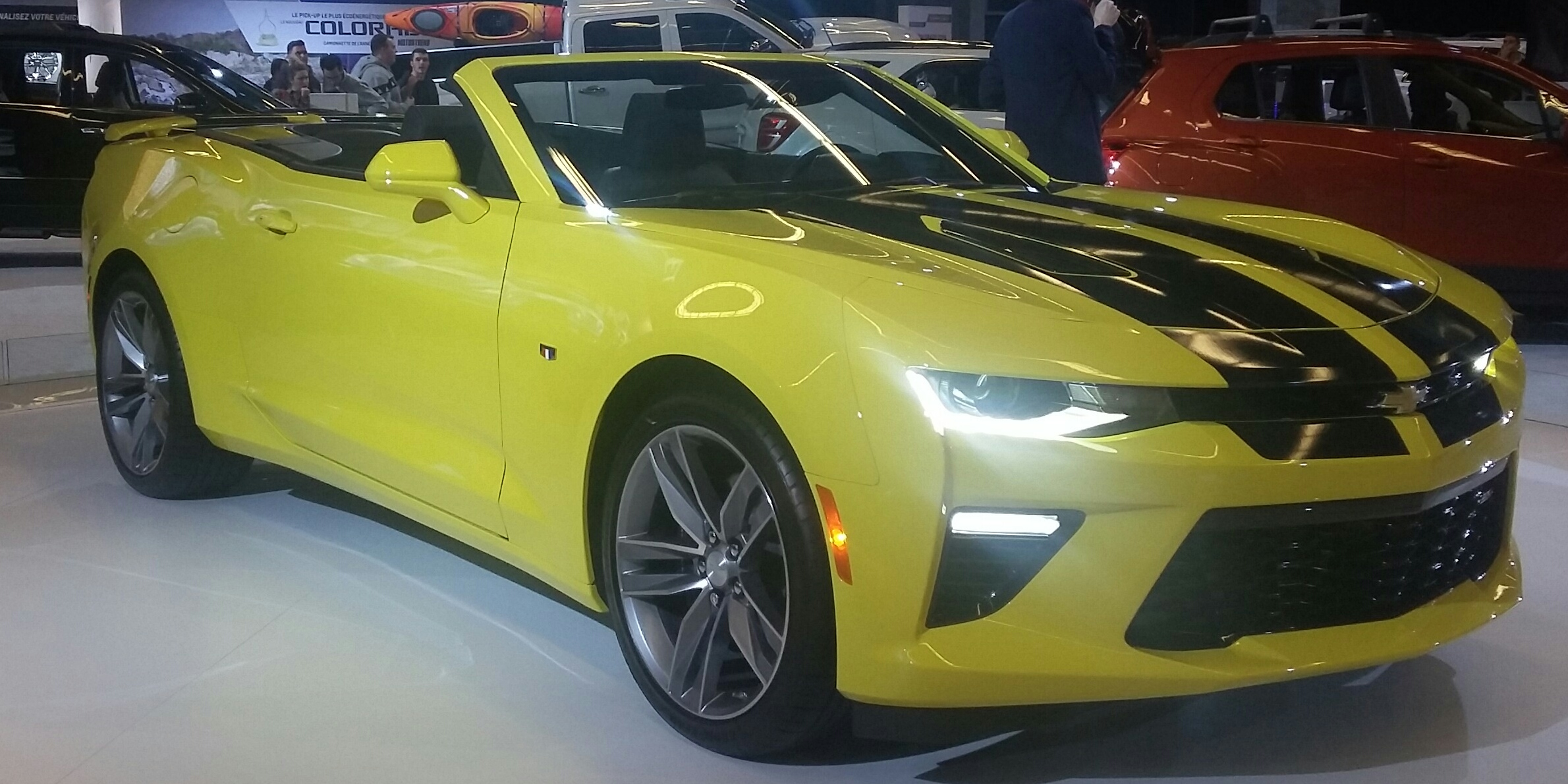
The Chevrolet Camaro is a sporty car made for driving with power and style. A “third gen” Camaro means a particular older version of the Camaro, from a specific time period. People often talk about those versions because they have a recognizable look.
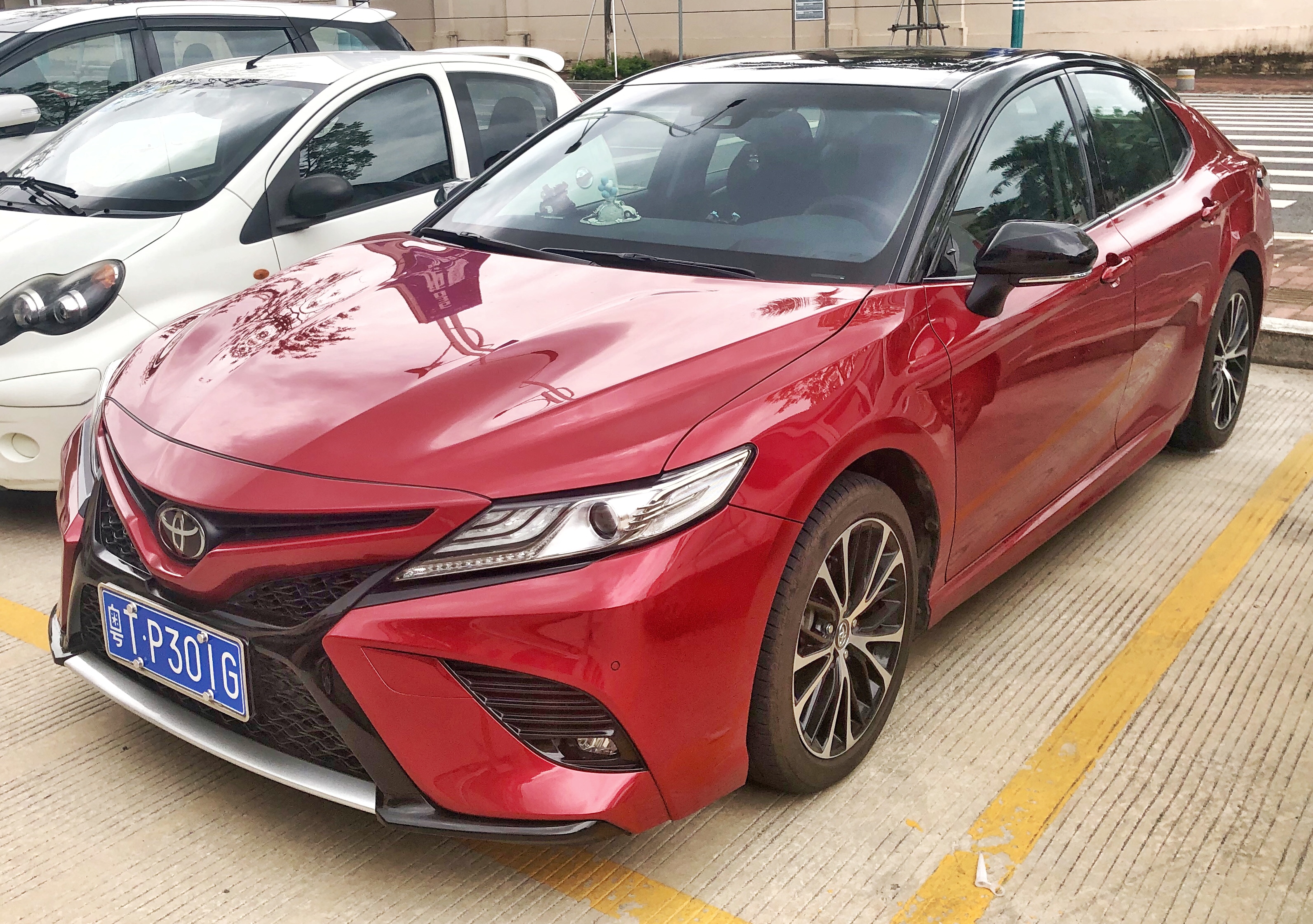
The Toyota Camry is a regular, everyday car that’s meant for comfortable commuting. In the podcast, it’s mentioned as a safer or more sensible option if things aren’t going well. It’s known for being practical to live with.
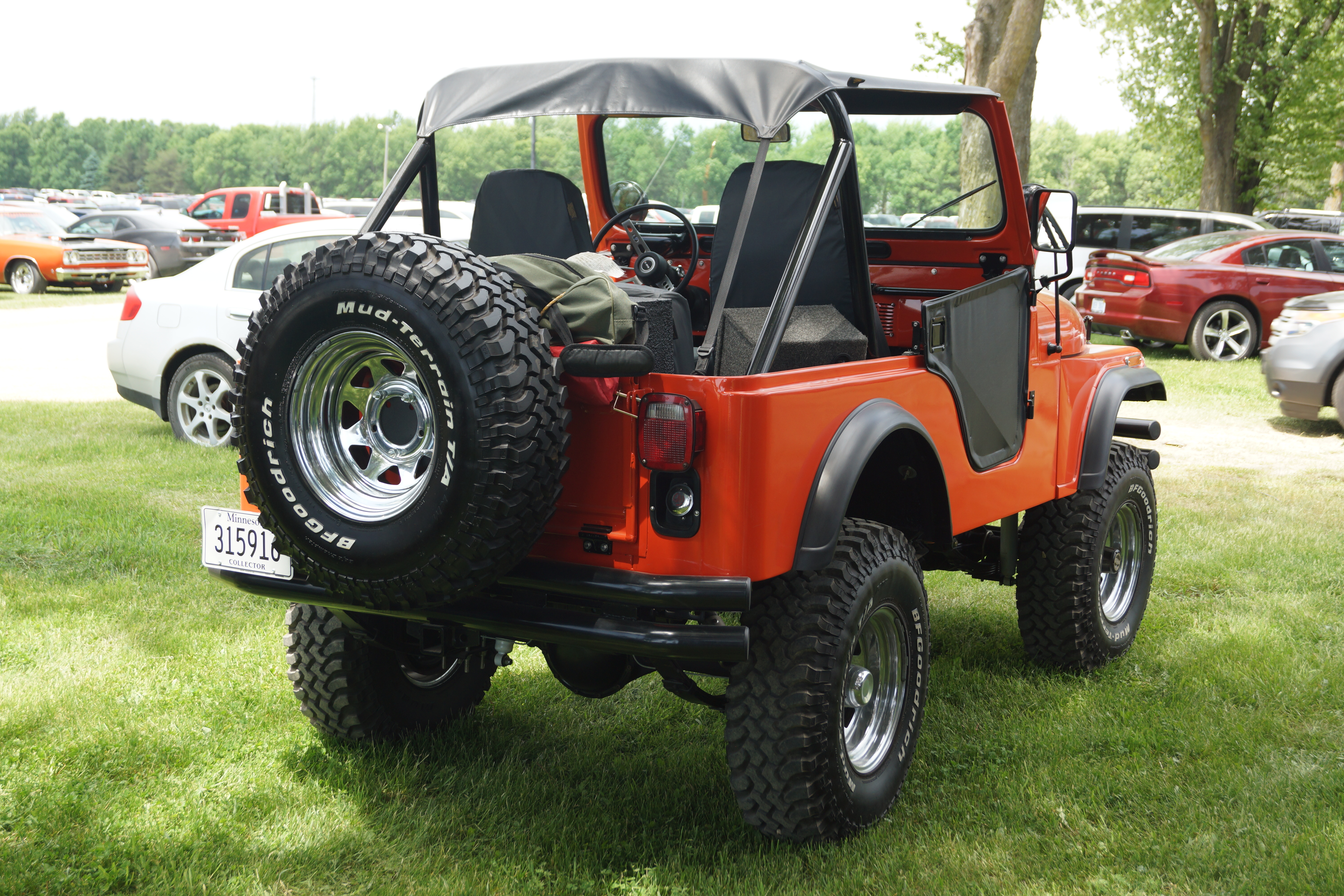
The Jeep CJ is an older Jeep model made for off-road driving. The podcast mentions specific years like 1986 CJ7 and 1981, which are different versions within the CJ family. People talk about them because they’re known for being tough and easy to modify for trails.
The Honda Stream is a family-style vehicle meant to carry people and gear comfortably. In the podcast, the word “stream” is used in a technical way about a link not working, so it may not be about the car at all. If it is about the car, it’s basically a practical passenger vehicle.
The Ford Maverick is a small pickup truck, meaning it has a truck bed but is easier to handle than big trucks. The podcast brings it up in connection with a group or event, which suggests people use it as a practical vehicle. It’s generally meant for everyday driving and light hauling.
The Jeep Renegade is a small SUV made by Jeep. It’s meant to be good for regular driving, and some versions can handle light off-road trails. The podcast mentions them being used on trails, which shows they can work in that kind of setting.
A front recovery point is a strong spot on the front of the Jeep meant for hooking up a tow strap or winch. It helps you pull the vehicle out safely instead of risking damage to random parts.
“32s” means tires that are about 32 inches tall. Bigger tires can help the Jeep roll over obstacles and grip better, but they may need extra clearance or setup.
Short wheelbase means the Jeep’s axles are closer together. That affects how it moves over rough ground, so people sometimes choose different tire sizes for it.
“Four low” means the Jeep is in a special slow gear for off-roading. It helps the wheels turn with more pulling power so you can crawl over tough terrain.
Lock-out hubs help a 4x4 truck decide when the front wheels should be powered. When they’re “locked out,” the front wheels spin freely; when you lock them in, the truck can drive all four wheels.
Mile Marker is a company that makes aftermarket parts for 4x4 trucks. Here, they’re being talked about in the context of lock-out hubs—parts that help control when the front axle is engaged.
A “one ton” series refers to heavy-duty truck applications (typically higher payload/towing classes) where 4x4 components are built for greater loads. Lock-out hubs in a one-ton lineup are generally designed to handle more torque and stress than lighter-duty versions.
The Jaguar XJ-S is a luxury sports car with a long, low front end and a focus on comfortable high-speed driving. The podcast mentions it in a comparison about size and shape. It’s basically a classic-style car meant more for touring than for off-road use.
The Rolls-Royce Phantom is a very expensive luxury car designed to feel extremely comfortable. In the podcast, it’s mentioned because people connected to an event are called “Phantom Volunteers.” That points to the Phantom being used or associated with something special rather than everyday driving.
If a fuel injector gets stuck open, it keeps spraying fuel. That can flood the engine with liquid fuel instead of letting it run normally.
Term
Hydrolocta cylinder
This sounds like “hydrolocked cylinder,” which means liquid got into the cylinder. Because liquids don’t compress, the piston can’t move normally and the engine can get badly damaged.
Gasoline is a liquid, and liquids don’t compress the way air does. If too much liquid gets into a cylinder, the engine can’t “push it down,” and that can cause major damage.
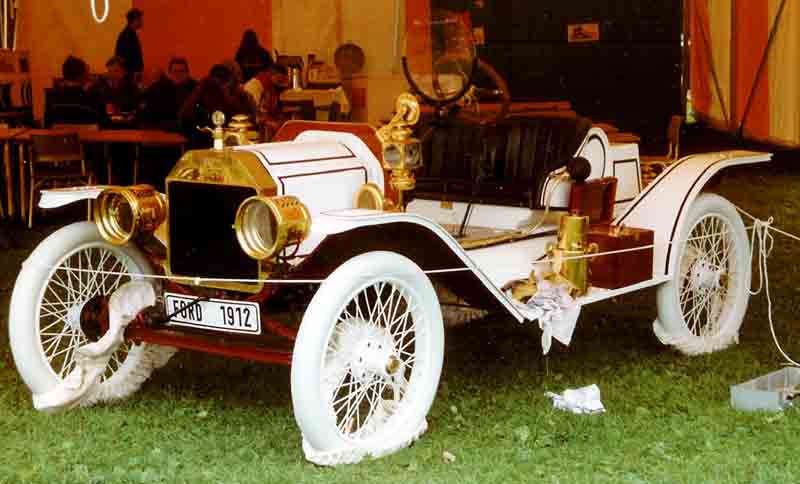
The Ford Model T is a very old car that became famous for making cars more affordable. In the podcast, it’s mentioned because someone used it as a starting point for something like a seat or parts. That’s typical when people restore or build classic cars.
LIVE
SFJ 4x4 Studios presents
In my oversized four-wheel drive Jeep
A Jeep podcast starring industry experts
Cure monocity
What? Say that again!
With mad scientist Scott Brown
I use my drill press as a sort of lathe
Our host, Neil Simpson
If one light goes on they all go out
And Phil was shenanigans
We are really professional with Jeeps
This is I Speak Jeep
Hey Jeffrey
Now there sound
Now there sound
Good morning, afternoon, evening
Wherever however you are joining us
This is the SFJ 4x4 podcast
I don't know what this is
This is the I Speak Jeep podcast presented by SFJ 4x4
This is SFJ 4x4
From the side because Gal Lee
And he missed it, but he is sure of that as well
I am sure
He is
And we are learning as we go
I think I need some rainbow sunglasses at this point
Yeah, you do
Specifically, you know, and here's the thing
I mean, if you're unfamiliar
First of all, the studio lights are bright
For my sensitive bionic eyes
I was telling him, now that I work in a dimly lit bar
Coming in here, it's like
Holy cow
For sure, sure, sure
Yeah, people always ask
I mean, I literally have light sensitivity issues
You know what I mean, so
It's the blue eyes
That is
What's my excuse then?
Well, you have a Coke bottle glasses
He does have a Coke bottle glasses
That's fine
But more importantly, as we indicated last time
Or one of the podcasts
Now I'm ringing
Why are you ringing?
Robert Sneddon
I'm sorry, Robert
We cannot get to your call right now
Because we're on the podcast
Folks, this is what we're going to do today
Because quite frankly, you know
Our degree of professionalism and decorum
Is out the window at this point
We're just hoping that when I switch screens
That there's somebody else on the camera
You know what, S&J 4x4, 2026
You know, we're back to our roots
Back to the basics
Jeffrey has left us
The Savage has left us
There's a bunch of not super tech
Not super tech friendly folks
Doing our thing thing
But we're really good with Jeep
So don't worry about that part
But I was back to the sunglasses
I have my cheap five below sunglasses
I have a whole slew
My wife picked out the most obnoxious
You need them all to go with those
I think the faux hawk is a point
And a third gen Camaro
I'd be okay with that
My wife picked out the most obnoxious
Five below sunglasses
Cheap, cheap things
So when I destroy them
I'm not heartbroken
That's what I'm rocking today, Avi
And it is the first day of summer
In my feeling
It's a thousand degrees
It'll be that until Wednesday
And then it's going to turn cold again
The roofs off the Jeep
So I'm happy
You know what?
I'm sorry
I'm going to celebrate
I took a very beautiful Jeep
From Jupiter, Florida
For a drive this morning
It was gorgeous
The weather was amazing
I was testing and vetting
Your transmission skills
And it was spectacular
So I had my glasses
And my first day of summer
You should say machining skills
Transmission we had down
I do want to get to introductions
But before I do that
The first comment
I have to read Corporal Collins
Jumping in the comments saying
67
67
No, still don't get it
Whatever
Anyways, you got Madness, Mad Scientist
Scott Brown sitting over there
Without the shades
Like the other two over here
Machining Mad Scientist
So mad
He is mad
You know what?
We all have to be nice to Scott
He has had a lot of family
Yeah
A lot of up and down recently
So
Lots of prayers
My bad dude
My bad
Jeffrey
And then we have the producer
The Italian stallion
Come flying in at the last minute
To save the day
On the live stream
And the interviews
Thank goodness
I got to make an introduction
We are intending to talk with
Mary Danielson
From Bantam
16.0
I actually think it's the 15th
Anniversary of Bantam
And don't let facts get in the way
Of a good story
Yeah, I don't know
She's going to tell us
Why don't we just jump over there
And see if she can find it
And then we're going to be talking
To Rob Morgan
Just so we're all on the same page
Rob is a frequent on this program
Daddy Jeep
Garage over on the YouTubes
And
He is
Has reinvented the playground
And some of the trail systems
At Bantam
That's like 100.0
At this point
Yes, that's what you have to look for
Today on TasteProbe
We're jumping over to Mary
Let's see where she's at
All right
You there Mary
I think you might be on mute
Let's see
What'd you do Jeffrey
What'd you do
We just got her working
And now she's frozen
No, she's not frozen
You don't think she's frozen
No, she's not frozen
Oh, she's not frozen
She's waving
Yeah
You know, for folks who are listening at home
They don't really give a flying fake
What she looks like
They can't hear
If you are listening in your ear holes
At a later date
First of all
We just genuinely and sincerely appreciate that
Because, you know, quite frankly
The podcast is worldwide
Which is super cool to think about
Have we gotten any penguins yet?
No, no penguins to my knowledge
But you know what?
We haven't ran the reports
I'm just barely getting by
You know, just thankful
That we're still producing podcasts
We are worldwide
And so the bulk of you
Who are listening to your ear holes
At a later date
It is obviously hypercritical
Because, you know, you are what makes this go round
With that said
You too can join us live
For the Crap Show
It's here every Monday morning
Honestly, I think Mary
Because we were on the phone
When you connected
You may have to disconnect and reconnect
Plug it and unplug it
And plug it back in
It's what I heard
Yep
Golly, son of a gun
So anyhow
You could jump on and see us sweat
In our attempt to bring you a professional
I was going to wait until
Video and audio experience
At the end with the weekend updates
But I feel this is pertinent
To know what you're up against
And Jeff will enjoy this
So this morning
As I was driving into work
I took the 36
Because it had gas
And the truck does not
We were 2026
Yes
And we were at 66,666 miles
Pecs?
Yeah
Pecs, yeah
That's totally Jeff
Jeff, if you don't
Folks who've been listening at home
Jeff's favorite number is six
And multiples thereof
Yeah
So that is perfect
For Jeffrey himself
Yes, I wanted to
I wanted to puke this weekend
I filled up my Jeep
Yeah
And three gas cans for mowing purposes
Ouch
$300 later
And yeah
I came through with a little trailer
Behind the JK
And I filled it up
And the mower
And I pushed $150
Well, there goes my paycheck
That was cool
Yep
Mary, are you there?
Can we hear you?
No, we can't hear you
I can read her lips
Remember that time when we did this?
You're going to add love to everything she keeps
Hi, Simpson family jeeps
We are so thrilled to have you at Bentham
2026
And
We've got a lot of great things happening this year
That's not what Mary sounds like
I just need everybody to know
She sounds way better than that
She is not abused by
If people at home could see her
I don't know
She has
Oh, she's got her shades on
She threw the shades on
She knows what's up
She knows what's up
I think at this point you may just have to call
And we'll do the microphone thing
Alright, we're going to do the microphone thing
This is
We are
You're my microphone this time
So that you don't have to keep back and forth
And I don't have to play slider games on the
Oh, we've lost her
Visually
Because now you're calling her phone
And she's on the phone
Hello
Hi, Mary
This is Neal with SFJ 4x4
How are you doing today?
I'm good
How are you?
Well, I've been better
To be honest
But
We are going to adapt
And overcome
And forge ahead
In the process
Okay
Alright
It's been an adventure so far
So, I'm excited
You know, typically we're a little better
At this here interview stuff
I'm going to blame the fact that Rob Morgan
Is coming on after you
Just blame the mileage
That's, I mean, that's why I brought it up
The mileage?
Oh, the 666666
From Sixville
Yeah
Yeah
Okay
Hi, hi, Mary
So what would you like to tell us about
About Bantam 2026
Yeah
Well, there
That's a hard starting point
Okay
What would you like to tell us
Of your favorite ice cream then?
Ice cream, okay
No, but, you know, we are
We're less than a month out now
So, I keep telling everybody
It's go time
I know there was a coin phrase
Back in the day
No sleep till jeep
And I think we're there
Sure
Sure
No, that makes perfect sense
And how
Are you still looking for volunteers
At this time?
Are you guys pretty well
Under way?
Yeah, so we
We're full for volunteers
We just shut off our volunteer registration
This past weekend
So we got everybody locked in
We are in our
Will call registration process
Right now
So our pre-registration
Shut off the end of April
We opened back up
The first week of May
So registration is still open
Basically with Will call
Anybody that registers
During this time period
They pick up their packets on site
During the festival
So that will be open here
For the next couple weeks
To see what comes through with that
And then, of course, we always do
On-site registration as well
That weekend
And how many years is this in Bantam?
Yeah, it's a big year for us
So we're celebrating 15 years
I hope you were asking about
The years of the festival
Or were you?
That's exactly what I was asking about
Yeah, so it's a big year
It's our 15th anniversary
And as a lot of you guys
Might know, too, it's a big birthday
For America this year
So we're tying in the
America 250 theme
Throughout the festival
For this year
Which is really exciting
It is exciting
It's a really cool...
Well, first of all, America 250
Is, you know, a great
Opportunity to be proud of
Our great heritage and tradition
In a very positive manner
And then, obviously, the big
Landmark 15 years
It's obviously, as I mentioned to you before
It's year 14
For SFJ 4x4
And our participation
With, you know, with Bantam
Scott and I were both
Actually at the very first one
At the Big Butler Fairgrounds
But we were not there as a
Registered business
But as professionals
As professionals
But as year two
Rolled around
With the fairgrounds
That was professional representation
On SFJ 4x4
Simpson Family Jeeps was there
Selling product
And talking with people
And we did, what, one or two years
At the Butler Fairgrounds
Before we switched over to Cooper's Lake
All of that is great history
And I think it would be fun to get into that
But I would love for you
Potentially to tell our listeners
Who the heck you are
Sure
So my name, yeah
I'm Mary Danielson
I'm a newbie
To Bantam
And the Jeep community in general
I always tell people I'm not a Jeeper
But I'm learning to be one
Sure
So
I started with Bantam
In the spring of last year
So right around March
And
Of 25?
Or 24?
Yeah, 2025
So, yeah
So you started and then
Immediately put your feet to the fire
And did the festival
You had like a couple months under your belt
And then you were like
I'm going to do this big old festival
Exactly
That's really what it was
But I was
You too are a masochist
I see
I had
Patty Jo as, you know, the
The biggest mentor
And, you know, she really guided me
Through getting on boarded
And
Ready for the festival last year
And it's so funny
I remember her saying
That she was baptizing me
By fire
And that is truly what it was like for me
You know, you think of a baptism
And you were like
Oh, I don't know if this changed me
But, you know, down the road you realize
Oh, yeah, it definitely changed me
For sure
For sure
And how was that, you know, you had
A couple months
How do you get involved with Bantam, you know
A couple months prior to the event
And then, you know, running into the event
How did you get involved?
Sure
So my background
Is in communications and marketing
And
The festival put out a call
Looking for someone to come in
To help with some of that
So, you know, it was right up my alley
And, you know, I was like
I'm gonna try this
And I live in Butler
So I have
Been to the invasion
Down on Main Street
You know, so many times
I've been involved in it
Through different organizations
And for the longest time
I thought that's what Jeep Fest was
Was just the invasion
Sure
I had no idea
About Cooper's Lake
And what goes on at the actual festival
Also didn't know that
The festival's open to the public
And, you know, it's actually a place
Where spectators can come in
And like check out what's going on
So that was like a huge eye-opener to me
Realizing how big the festival actually was
Apart from what we see downtown
Main Street Friday night
Okay, okay
And
It's good to have that perspective as well
Well, that's kind of why I'm trying to pull out
Because obviously she's
You know, we have this kind of
You know, we've been doing it for years
Years and years, right?
We know what to expect
We know what to expect
What's kind of the ropes
And that kind of stuff
But that shows that there is a demographic
That doesn't
She's also safe this year
Because Davey and I are not there
To steal her golf cart
Which is possible
As she is actually
We went ahead
Prior to Jeffrey and Davey leaving
We actually sponsored said golf cart
So Mary is actually in the process of helping us
Design the
The logo graphic stuff
To certify the stolen golf carts
Even if it's just in homage
To what once was
Your name's on them this year
Our name's literally on the golf cart
That's not as fun then
Anyways, Tony's in the comments
And he says you'll actually be baptized
In Pennzoil this year
There's always a good vendor there
There's always a good vendor
Baptized in Pennzoil, okay
Yeah, Pennzoil's always
Is Pennzoil on the vendor list?
The Amsoil is
I don't remember seeing Pennzoil
Pennzoil had participated
For years and
They used to bring a simulated driving trailer
I don't know if you remember that, Scott
But they had also bring a sound system
That they would pump towards
The people eating food
In the food truck area
And drown out the actual Bantam
You know, vendor or a announcer
Music guy
It was a little bit of a thing
I don't know
If they come cool
Pennzoil's a great product
But they're roadies
You know, maybe you could play a little bit better
With the other vendors
The food vendors and whatnot
Never bothered us at all
But they didn't know how to throw a good party
They would go to the invasion
And give out lots of freebies
They had just a bang and sound system
That was the big thing
But yeah, that would be the
Baptized by Pennzoil
If they were registered again
That's awesome
So you get involved
I got to be honest with you
I asked Patty Jo this many years ago
For our listeners who may or may not be aware
Patty Jo is no longer
Specifically involved
The day-to-day operations of the festival
Is that a fair statement?
Yes, she has been guiding us along there
Which has been extremely helpful
Correct
Wanted to, you know, kind of
Pay respects where due
But she's not involved in the day-to-day necessarily
And you've kind of assumed
A number of those responsibilities
Is that correct?
Yes, yes
Our team, yeah, we've been going through
A little bit of a transition
But Patty Jo's role consisted of a lot
Which has been
Split up amongst all of us
And we're making it work this year
Fantastic
And
For people who are
Relatively unaware, Patty Jo was
As there are many of these events
A primary point of contact
And lead organizer
Of said event, right?
And we used to
Have these individuals from
Coast to Coast with a number of these shows
And I remember
We've had Jerry Huber on here
While he's not the primary
Organizer
Of Toledo Jeep Festival
There is a lead woman there named Whitney
And
She fulfills that role
There was a guy at PA Allbreeds
His name was Rick, great
So these people are this main point of contact
Both for vendors and participants
And all that kind of stuff
So there's your 10 cent
On the shows and the organizers
For our listeners
And I asked this question of Patty Jo
Many moons ago
When she actually did not own a Jeep
Little did I know
Because I was so green, I thought everybody involved
In these events should own a Jeep
At that time, she didn't
But I'm going to put you on spot
Do you own a Jeep at this time?
I do not
So similar to Patty Jo
What are you driving?
I have a Mitsubishi
Outlander sport
Yeah
It's better than a
It could be worse
It could be a Camry
Nissan Sentra
It could be anything Ford
If she would have produced anything Ford
Unless it was a cool Ford
She would have said a new Bronco
I would have just said a new one
All right
That could have been way worse
It's passable
Let's be honest
So Avi
Again, as you mentioned
You're kind of new and fresh to it
What are some of the other things that are
Maybe
Newer people to the industry
Can expect out of the festival?
Yeah
A lot of people don't know
Like I said, I had no idea
The size of the festival
And what all takes place
But we actually have over
25 activities and attractions
And
You know some of our
As you know we have a
Planning committee
A group of 60 plus volunteers
That meet monthly
Throughout the year to help organize
The festival which is just
It's crazy
But within that committee we have
Volunteer managers overseeing
A lot of our activities
And attraction areas
But yeah
I think we have
We're moving forward with a lot of the same
Activities that were
You know done in the past
The fan favorites, the barbie deep race
This year
We did something a little bit
Different with our best
Of Bannham
Which has been the car show
In the past with
Judging and
We kind of split that off
And our best of Bannham
Is going to consist of classic deeps only
This year
And then we're doing a show and shine
In the old field that
Best of Bannham previously was held at
So we're excited
I think from what I can remember
Years ago
Bannham used to do a show and shine
And then that kind of merged into best of Bannham
So it's kind of like a flashback
That we're doing with this show and shine
This year and we're excited about it
True, that's true
Real quick, how do you
What's your qualification for a classic Jeep?
I think the qualification
Is anything below
1982
Oh, I feel good about that
I was going to say
That's a lot older than I thought she was going to say
Yeah, I'm a young buck, I'm good man
That's gravy
I was ready for it to be like 99
I was ready for it to be 99
I was ready for 2001 or 99
Let's put 25 years ago
Right, 25 years ago puts us at 2001
Last year of the XJ 2001
I was expecting
Literally you can register a 2001 XJ
Think about all the CJ guys that are
Just now hearing this and her
From what I see
Like again, I'm not the expert
But I know there's a lot of like controversy
With that
We're hoping this year like
Splitting that off and
Giving the participants two different
Types of shows
We'll see some benefit to that
For sure and the registration numbers
For both of those activities look really good
So we're excited
I come from the hot rod classic car world
And that is always
And will always be a thing of contention
An argument for the next
Thousand years
100% people think that their car is a special car
Absolutely
If you have something newer than that
Different than you're wrong
And I also know plenty of people
That were registering their cars as older
Because the body style hadn't
Changed and just to get into the shows
There's all kinds of craziness
That happens with that
Yes, people get real excited about that kind of stuff
Now I need my listeners
I need the listeners at home to understand
And Mary is very excited about this
And I want to support her in this process
And this is a salacious gossip
Peace
That I hear touted
By some vendors
And then participants
And all this kind of gobbledygook
Now here's the thing, I will have this conversation
With anybody face to face
Now Mary said there's 25 plus activities
To do at Bantam
We have all this stuff going on
There's on and off site trails
I've heard the argument made
That there's too much going on at Bantam
And that the vendors don't get a sufficient walk by rate
And my advice to you is suck it up
Buttercup
Because quite frankly
There's nothing more going on at Bantam
Than say Pigeon Forge
There is an off site activity
At Smokey Mountain Jeep Invasion
Like every second of the day
So like when I hear people talk about
All the positive multiple activities
Happening at Bantam
Like it is
A way to meet Jeepers where they're at
And when vendors complain
That there's not a sufficient walk by rate
Or there's not somebody
Participating in X, Y and Z activity
Listen that's just
Like it's just inaccurate
Because it's just a
Volume of Jeepers that we have
In a saturated placement
And I hear this
All too often from people
Talking about well the show used to be bigger this
Or we used to be able to go on this trail ride
And it's just like
Yes
That's true there was a
The vendor show was bigger back in like 18
And 19
But things evolve right
And just because it's not wide
It could be deep in experience
As well
And it is constantly
Trying to
The show itself over the years
And the volunteers have constantly been trying
To be responsive
To the feedback
That they receive from
The exit surveys
Whether it be the vendor exit survey
Or the participant surveys
And so if you want to
Make your voice be heard
Fill out those surveys at the end of the show
And or get involved in the planning process
But also don't turn it into
A lawn chair
Sitting being bored at an event
100%
We're Jeepers, we use our Jeeps
If you want to go to a car show
Where you fall asleep at your vehicle
There's plenty of those
That drives me nuts
Do things with it
Be involved in the festival
And not just complain that
Your campsite isn't as big as it once was
Or as populated as it once was
Or I promise you
There's an after party somewhere else
Or there's a group
Get together here or there
Or they're sufficient
If you're selling a good product
People are going to come to your booth
Or whatever it is
Real quick in the comments
Rob obviously did not
Win his vote on the
Classic vehicles
There for the show and shine
Because he goes no YJs, blasphemy
And then Tony quickly replies
Basically everything pre-YJ
Sort of
That's fair
82 excludes
Any of the old body XJs
And MJs
I'm going to need somebody
To fact check that for you
I want to know
Who made the decision
I'm surprised 86 as well
Because you've got an 86
CJ7 and 81
And I've got to be honest with you
I've been asked to judge some of these competitions before
I've got to be honest
There's going to be only a handful of people
Who would be able to
I could be the police
I know you could
But I thought it was funny
And I'll tell the story real quick
Because she's bringing up the car show
Back in
Like 16-ish
It must have been earlier than that even
14-ish because
They were at Cooper's Lake
So
Anyways they came over to the booth
And we were a relatively young business
In the process
And they came over to our booth
And they said
We really need a judge for
The
Jeep show
You forgot the interview process
They came up and you're like, hi are you breathing
You said yes
Do you know something about Jeeps?
They asked for my dad
They asked for my dad
I forgot that point
They asked for my dad
Because we were not old enough
And I was like
I can get you my dad
But he's just an enthusiast
Like anybody else
If you actually want to get to the nitty-gritty
Of what makes each and every Jeep unique
That's going to be me
The guy just kind of stared at me
That's what it is
The early years
Anything else
For the good of the order
Mary I know I've kind of talked
A little bit as well
That was helpful
I just want to say you made a really good point
About those surveys
And the feedbacks from both
Sponsors vendors
And participants
As well as volunteers
We actually read
We do read those surveys
We spend a lot of time going through them
And it really kind of
Steers the direction for the following year
So yeah
I just want to kind of piggyback off that
And encourage those who are coming
To ban them this year
To pay attention to things
And when you get your survey
After the event
Take some time and fill it out
And get your voice heard
So we can keep improving
And growing
I appreciate that
For people who might be hearing this
This podcast
And getting interested
To know what Bantam
Is
Or how they can get involved
As you mentioned
There are still the ability
To do admission and registration
Via will call
Correct?
So they can still come and participate
We're going to basically have
Admission available right up
Basically you could be like
I'm bored this Saturday afternoon
And you can come to the event
Correct?
You may not be able to participate
In some of the trail rides
Some events might be closed by then
There's definitely some
I always tell people
Back in the day when magazines
Were more prevalent
Bantam is among
One of the best
Events
Coast to coast
And I say this from a position
Of egocentricity
And
Overconfidence folks
I've been to
Arguably all the shows
I've not done Pomona Beach in California
So tap me out on that one
But I've been to basically all the shows
Coast to coast
And Bantam has a mixture
Of
Outdoorziness
History exhibit
Military encampment opportunities
And living history
With
Those restorationists
The only show with on-site trails
It has on-site trails
It has off-site trails
That are more technical
It has a sufficient
Vendor area where you can get
Some good deals
Last year I was surprised at how many
Tire wheel package businesses were there
While I don't want to
You know, not sell you tires
If you're looking for a good deal
There was definitely tire and wheel deals there
And people are having installations
Done at the show
There is eateries
So different food trucks and food options
To prize
Giveaways
There's always some used parts
Bill McWilliams just brought up
That there's usually an SFJ swag exchange
And he wants to know what it is this year
I don't know
If that's even a thing this year
Because without Savage
That makes that more challenging
This definitely is a challenge
We're at a challenging moment
In SFJ
Pivot
I'll figure it out
We'll survive
But
I don't know that Mary even knows
In the past we did the swag exchange
We did coffee cakes one year
And we had coffee cakes
For what, two years after that
I think we finally used them up
We did the meat exchange last year
Which was a great suggestion on behalf of our customers
Our own experience
Doing shows has changed
Because a couple of years prior to
Is when I did the
Shark fruity and charcuterie
It was part of my...
If you're on my personal socials
I had a bourgeoning
Love affair and I now just
Freaking love charcuterie
It's my thing
My own charcuterie skills have increased
Significantly thanks to Aldi's
She's not sponsored
But that's what started the first year
Then the coffee cakes the second year
Following a tragic
Terrible coffee cake incident
With a little lady who wronged me
Then the meat exchange
Based on customer feedback
And good friends and followers of the business
So this year
We'll see where we go
Interesting
Oh the places you'll go
Mary said she had no idea
We're all learning together
There we go
So yeah and like I said
My big thing go back to the
The Bantam as a whole
It was like a magazine
You used to crack open JP magazine
Or Peterson's four wheel on off road
And there was a little bit of something in there for everyone
And the best part is
Is they have such a good downtown
So many parts of the area
Really embrace the
The festivities
And I've been to places where
You're actually like wronging
The town that you've gone to
They don't want the extra traffic
They don't want the extra business
As crazy as that sounds
Or Bantam as a community gets together
And says we are excited
As you are to do this
Even if we don't have a clue
What it means to be this level excited
But they're here for it
And I think that really makes this show special
I couldn't agree more with you
And ultimately I mean
There's always going to be one
Crappy Patty in the bunch
But as a whole that downtown
Invasion is so special
Is so unique
And as a person who's been attending that
Invasion on and off for over a decade
Last year was one of the most
Efficient staging processes
They've ever done
It was impressive
Very impressive
And if anybody says differently
I will give you our text only number
Our contact number, our call number
I'll have that conversation with you
If somebody calls the complaint at the office level
Just forward them to me
And I will let them know what it used to be
I love that, you're hired
100%
I will take no shenanigans
In that conversation
We've been in some stuff
Without a doubt
And if anybody also wants to fuss about
The downtown party that used to happen
And whatnot, there was different restaurants
There was different vendors who used to
Book out rooms and spaces
And do sponsored stuff
That's part of the economy we're in right now
That those vendors are not doing those things
It's part of the market saturation that doesn't exist
Now that did exist at the peak
Of the JK
And it's even more reason to go and support
Those local eateries and that kind of stuff
Because of the economy
We need to build that back up again
100%
And a lot of those downtown spaces
Have dinner specials
They're selling food out
At the sidewalk
It's a cool environment
That no realistically
Is not replicated anywhere else
And I think Toledo downtown
Really supports their
Festival as well
Totally different experience
Bantam is the hometown
Kind of feel
Where Toledo is just a big town
And it's a big town feel
And Butler's
Bantam invasion
Is that hometown experience
But it's massive, it's saturated
It's very well put together
I think that all goes back to
The heritage, the deep heritage
We're trying to hone in on here
In Butler
Everybody loves that claim to fame
Being the birthplace
Of the Jeep
I think that really is what drives
The community to get involved
Get engaged and enjoy it
Like I said, that was me
Going down to the invasion
Just loving it, not really understanding it
That's super cool, yeah, it's great
For when a community can come together
And kind of a flagship experience
I suppose the last question I have for you
Is
Are your sunglasses name brand
Or are they from 5 Below
Gas station Dollar General
Oh, they're 5 Below
I do sunglasses
I can't get expensive sunglasses
That's where we're at
I agree
Thank you so much for coming on
And sharing about Bantam
And some of the nuts and bolts
Of the event itself
We need to get Rob on
The phone
If you're
Phone or the live stream
Or whatever the heck we're doing with Rob
If you're not aware
Rob Morgan
Again, he's a regular on the program
And Daddy Jeep
Daddy Jeep Garage on YouTube
And Rob got involved
I think about three years ago
Maybe pushing for
Working within
The leadership on the
Trail system itself
Now Bantam, as
One of the guys had mentioned, has on-site trails
Additionally having off-site trails
And those need
Maintenance, they need curated
They need designed
And Rob has spearheaded
Some of that
As a credit to the festival
And previous leadership
In that
Sphere
Bantam has always had
Fair on-site
Trail rides and off-site trail rides
And all that kind of stuff
But Rob has really taken ownership of it
With a number of folks
And it helps out because before
In the early years
I was on the trail system the first year
And he had a bunch of guys
That necessarily didn't wheel
They understand
They kind of looked at what a fare would have
For like a tough truck competition
So having someone with
The
Background that Rob has
With beating his YJ into
An inch of its life
And now the DubJ
Really helps because
He knows how you use your vehicle
He knows what challenges would be fun
To do and how you change it up
Well and in that sense
You were talking about the tough truck
And the arena stuff
Rob said the stream is not working
Did you see the second link email
Because we tried it again with Mary
So you should have a second one
In your email Rob
And with NPII
And talking about that
It is my understanding
That
That PA Allbreeds
Jeep show
And so PA Jeeps
Is a club
And was an incredibly
Influential
Their show ran for
25, 26 years
That was a club oriented show
Great event
Long time held in York
Pennsylvania
Love Love
And I miss going to that show personally
It then has been
Absorbed into the Carlisle
Space
But it's my understanding
That a number of the folks
Who were helping with
The on-site
Obstacle course that they
Offered is who came out
And who helped with the trail system
And on-site activities
At Bantam
Well, the thing is that
York, you had to create this
Obstacle course within the confines
Of basically a
Horse track, circle track
And so that would make sense
That basically what they brought
To Bantam initially
And then ultimately they had volunteers
From the community. Bantam has always been big
On having a large volunteer base
To assist
Doesn't mean they're exactly proficient wheelers
Right
And we also had
I can't remember to know
I'm just going to go ahead and call Rob
And we're going to play the show as much
We also had that other smaller show
I can't remember the name of it now
They had the little mud pit
And they would have a history
Boards up
We'll try it this way Rob
Hi Rob
Good morning
They had taken a year off
For the first Bantam
You're talking about Heritage Region
Jeep Associate down Newcastle
The Newcastle
And those folks were excellent
Organizers and they had
The little obstacle course as well
That was just what we did at that time
20 years ago at our Jeep shows
Since
We've come a long way in 20 years
As far as
Off-roading is concerned
What are we
Doing now
We're doing a lot of different stuff now
As far as
Just what we've rebuilt in Bantam this year
Yeah, yeah, yeah
That was a loaded question
Rob, would you just hear loaded questions
I know he is
I expected him to take that with better stride
I will
So Scott and I were reminiscing
About
On-site obstacle courses from 20 years ago
And how good of a job you do
And now how good you are doing
Because you actually know how to use the Jeep
And what would be fun in the Jeep
So what are these new things
The conversation because I was transitioning
To answering phone calls
Yeah, that's Jeff's fault
Yeah, that's fine
It was my fault earlier so it's Jeff's fault
So anyway, yes, the playground
So we
With help from
Dave Baird's company works for toy
Pipeline something or other
They let us play with a lot of their equipment
So we just scraped the entire
Playground away and started over
Wow
It was a pretty massive undertaking
Which is quite honestly not done yet
We're still working on it
A lot of the same materials
But also
Wayne Kovac our festival
Well, FPJA president
Has been out there
Found it on doors getting new materials
We have a bunch of different materials
That we've been playing with for the playground
So it's going to be
Drastically different
I want to take a quick moment
While Rob is gathering his thoughts and read that
Tony has said that HRJA
Is still a big part of
Making
Of helping Bantam happen
So a big shout out and there's a number of
Folks I know from that club
That listened to us
And they've always had a very special place
In my heart and that show that we used
To attend over in Newcastle at their public park
Was a big formative part
For both of us in a lot of ways
So shout out to a
Again PA Jeeps and HRJA
For being these
Longevity based clubs
And helping the community
Still continue to grow
Rob, how long have you been involved
In leadership with
Functional Jeep
Usage at the show
That's a hard question to answer
I don't know
That all just goes by so fast
But I've been
Co-manager of the trails
For a couple of years and then
Became the off-road manager
I think this is my fourth year as off-road manager
That's what I would say
Something like that
To your comment about
Clubs and their help so
Maverick Jeep Alliance has kind of taken over
The playground so
Maverick is awesome
They're staying very involved
Growing and
Being very active in the community recently
Yeah, for I think they're a relatively new club
I'm not positive
To my knowledge as well, yes
They've been up to our place a handful of times
Yeah, they come up for the frays
Right
But they have a few guys within their club
They run equipment so again with toys equipment
Some actual guys that know what they're doing
They've been killing it putting this playground together
I've only been down a couple of times
I went down to help lay out
My vision for the redesign
Okay
Which was just a loose idea
So basically by
Changing how it routes through the playground
I've increased the length of each trail by about
60%
So that was just more
Space to fill with more obstacles
So these guys have kind of filled in
The gaps so to speak
So some of the bigger obstacles that we worked together
As a team design happened
But then they filled in the blanks with
All kind of stuff just again based on the material
That we could scrounge up
I think I saw a nice cartoon
Rendering on your socials
Yeah, I originally did
Some sketches and some drawings just so we
I like to have a plan going into anything
So I put some sketches together
So we at least had a starting point
It was kind of fun to see that
From the vision board to
Application
Nick jumped in the comments at three years so far
Well thank you Nick
For fact checking
Rob's
Maverick
We're gonna have to have Nick clarify
That's fine
So
We're increased
The length of the trail by about
60%
Is what you're telling me
So now people who are doing on-site trail riding
Can expect that specifically the playground
Or that's on-site trails
That's specifically the playground
So each section to the playground is increased by
60%
As far as the on-site trails
We didn't do a whole lot this year other than
Fix what we destroyed last year
You remember last year it was a disaster
We had so much water, so much mud
We had
The trail work was mostly repairs
Now Kildew is a different story
We've done a bunch of work out there over the winter as well
For people who are not aware
Kildew is the off-site
Trail location
Which is owned by friends of
Bantam Jeep Heritage Festival
And it's a
Strategic investment in my
Opinion which happened
Back at or just before
Covid
I thought it was a great move on
Their behalf because again there's very
Few events and
Shows across
The country who have their own
Trail system
And that is a big
Difference maker in this particular event
So Kildew
You had
Revisioned it a few years ago as well
If I recall
Random backwards or something
I saw Joe commented before
I switched over to here that I changed
Traffic patterns at Cooper's to make it run
A whole lot better and really last year
It was so much better
Even with the train wreck
Because of the weather
We didn't have congestion on the trails
In years past we had
Two-way traffic in certain spots
And we had intersections that held people up
And that's what I've kind of done at both properties
Is just step back and look at it
From a traffic flow standpoint
Both properties run so much better
Without
Congestion
If there's problems on one trail it doesn't
Shut down the entire event and that's what we had years past
Sure
We have one problem and it just shut everything down
Sure
Again that's partially because I've been doing this
Since it started. I mean I've seen these problems
For the years
Yeah and I have to tell you
Again at a professional degree
That I see you
And I appreciate what you've done
That's no discredit
To any volunteer or anybody
Who's done any of this stuff in the past
And it's just a matter
Of that evolution that Scott
Had mentioned before
And say I remember being at shows
And we get a little rains pop up
And they literally would just have to stop
Like don't move your jeeps
Leave it there. We can't destroy the
Trail or whatever
And they go above and beyond
To try to keep things open
And working throughout
Some crazy weather we've had over the
Last year was really kind of funny
Because of course what is it
The green trails that you can be just a stalker
On
Yeah I remember somebody coming by
And they're like on the green trails
You had to have like 35s
Last year everybody was going crazy
Because you just couldn't
You know you can't drive off the dealership
Lot with the tires that they have given
Your vehicle and go do a green trail
Last year because of that sloppy
Water, clay, soil mixture
They were dealing with
Well and Nate's in the comments
Oh go ahead
I was going to say we're doing recoveries and staging
Yes
You recovered Paddy Joe last year
In the golf cart
Well yeah
Because you were doing the interview with us
And she's blowing up your phone
But Nate's in the comments saying
The empties came in handy last year
And he's debating if he leaves the RTT
On this year or finds a space in the garage
For it before coming
So what
Yeah that rooftop 10
I mean the big thing is just
The piece on the trails
And Bantam's not the worst
But it's also not the best
I've either was out in the vehicle with it
Or watched it happen
And somebody came by the booth and said something
But when you have an RTT or rooftop 10
The big thing is
The tight technical trails we have
East of the Mississippi and north of
Georgia
Is that as you get off camber
And you're pinning between trees
That tent, that roof rack
That kayak
It's a great removal service
The tree says I will take that from you
I would leave that in the garage
Myself
Especially when it gets sloppy and you start to slide sideways
Because you always have one expectation
When you're in the garage getting ready
And then you get there and the heat of the moment
You're like you know really think I could do that
And Bantam has
Had people flop their jeeps
Now sometimes that has to do with
You know with driver skill
Driver skill and communication
Any type of
Unfortunate situation
And I'm a big believer and we should talk about
Even when things don't go right we should talk about it
Because then how do we plan
You know for the future right if we don't
Any type of unfortunate situation
Literally somebody got themselves ran over
Last year
But again he was playing with the starter
And he was underneath the Jeep
And he's not the first time this happened to him
We've had the jeeps flop over
We have had a sleepy Jeep or two
On the trail systems over the years
And it's not what happens
It's not how many times things go perfectly
But how an organization
An individual responds when
Things don't go right
And that's as
A testament from again a professional standpoint
There is a great group
Of people there to ensure
A positive, safe, fun
Experience and even when things don't go right
They can appropriately
Mitigate the situation and trust the spotters
Because they've trained on those trails
They know those trails better than anybody
And they can see stuff that you can't from the driver's seat
Yeah and you can literally flop
In a parking lot so
Well we have had somebody do that as well
I actually do know
An individual who took
A Jeep nap in a parking lot
And it is a thing as well
Yeah
So tell us more about Kildoo
I jumped in on you and I started to share about that
What's happening over there
So
We've done work on every level
Of trail out there
We've added a whole new section to
Blue
One of the blue trails
We added a completely new section
Nice
A bunch of ups and downs
And I think
It was pretty challenging the last time
I was on it so hopefully it settled in
Because that was last fall
We had to make some tweaks to make that work
We added a new section
I think we're going to open it this year on the green trail
Which
Just has spectacular views
We've used a hill on the property that's never been used before
And then the black trail
We've reworked some obstacles
We've
The big feature, the waterfall
We've extended that rock garden quite a bit
So just
We touched everything
Every level of trails out there has some improvements
Which is always our goal
We want to improve and change our trails
As much as we can every year
The waterfalls
Isn't that where you were under hood welding
Yeah that's where I was lighting stuff on fire
That's what I thought
That's just
Ambience
Part of the package
So for people who might be new
Rob
Do you have loose
The rules and regs as far as
Who and how and what system
What's a green trail, what's a blue trail
What's a waterfall trail, you know that kind of stuff
Yeah absolutely that is a good topic
Because people don't always read
The things they're providing
What? No signs
Read the paper
Words
Audio is always better than visual
A green trail is
Designed for stock cheap
Our only real requirement for our stock cheap
Is they have four wheel drive
So
Technically my compass
Well my compass has four locks so I think it would qualify
We have had a compass on the trails
We actually have some renegades that are trail guides
I was gonna say there's some really equipped renegades
Out there, some sweet renies
I think Maverick actually has a couple
Of those unibody wheeler
I mean we might be able to get Mary's
Misubishi
Mary's Misubishi
Mary if you're listening still
We've got the Misubishi, we're going out
I'll drive
I don't know if that's a good choice
We'll try to get a Jeep afterwards
I was just saying you're gonna test the limits
I was gonna say let's up your insurance policy
In the process
Alright back to the trail
Sorry
So other than the actual four wheel drive
We do require at least a front recovery point
Because we always want to keep pulling forward
And I know you could strap day arms
Typically rip bumpers often do that stuff
So we require for every Jeep
Trails, playground
Everything we need a front recovery point
And that's really it for the greens
For the blues
Of course it's weather dependent
So tires may become a conversation
When things get wet
And for the blue trails we require
Of course larger tires
32s for a short wheelbase Jeep
Or 33s for a long wheelbase Jeep
I'm here for the 32s
Front, rear, front, rear
Such a weirdo
Who I want to know what meeting
Happened
Where Scott Brown's doppelganger
Was present
And was like well 32s
On a short wheelbase
Who
Wow, talk about splitting hairs
I just heard
Amy's Jeep can go on
The blue trails
The weirdos with 32s
Alright, alright, alright
So we have 32s on the short wheelbase
And 33s on the long
We had to make that extra complicated
Do we have to have toe points
Front and rear? Is that correct?
Yep, we like to see a winch
We don't necessarily require a winch for blues
But we like to see a winch
That's about it for blue trails
Of course we want four low
On a blue trail
None of this
All wheel drive, type four wheel drive stuff
We need four low on a blue trail
And then the black trails
Of course there are most extreme trails
We want to see, and again this is
Just for you I guess Neil
33s on a short wheelbase Jeep
For 35s on a long wheelbase Jeep
And
We definitely need a traction aid
For the black trail whether it's a limited slip
Or a locker and we definitely need a winch
In a black trail
And maybe no
M.M. hubs on
Oh
No
Shot, fire
But he can rebuild them so quickly
He's eliminated
Rob is the exception
But I think he's gone to dry plane just at this point
He's out of mile marker at this point
Though they have attempted to rebrand themselves
And market their hubs again
I did see that
I was going to reach out and ask how my claim was
With them
I wondered how much you had to do with that personally
I saw them attempt
I mean they are
Trying so very hard to rebrand themselves
Are they registered for the festival
I need to know if they're going to be a vendor
At the festival
That'd be interesting
They used to be, they used to come
Religiously and regularly to the festival
Up until
About COVID if I recall
And then
Shortly thereafter I don't think I've seen them
At the festival since
For our listeners that don't know
Daddy Jeep went with us
Wheeling at Southington
And I think rebuilt
17 of them
On the trail
Mile marker lock out hubs
Is who we're talking about folks
That was a hot minute to go
And honestly
Mile marker is a good company
That's all I had
Mile marker
You know what I mean they're a reputable company
Just like anything else
Maybe need to make their one ton series of lockouts
A little bit more beef
It was basically once he broke that third one
I was like alright guys I got to go home
I don't have any more parts
I put factory super duty ones back
And I've never broken one of those
Yup
Unlocked very good
So
So the black
Is a
Minimum of 33s on
A short wheel base
And 35s
On a long wheel base
We're worried about that break over angle
Hey guys
It's what I'm sorry
I said let's not talk about the XJs
Medium base
And long wheel base is based on
Doors
Just because I can't have
Our staging people
Out there with tape measures measuring wheel base
So our short wheel base is a two door jeep
I see
A long wheel base is a four door jeep
Or XJs you know what they're saying
What if I bring a CJ6
Or
A scrambler or an unlimited
Uh huh
Uh huh
I you know what
I just so much credit to the
Volunteers in the staging area
Who are trying to ensure
That everybody
Has a safe
And fun time because
As again I got
All hot and bothered when
You know when Mary was talking about
The multiple activities happening at
Phantom
Volunteers who are at the staging
Ensuring that you have the minimum qualifications
To go on that trail are there to make sure
That you do not become
Quote that guy
And nobody wants to be behind
That guy on the trail
And if we're honest that guy
At some point of being that guy
Has to rethink what
Made him that guy
They should at least I think sometimes
Sometimes and we've certainly been acquainted
With these folks in our wheeling experiences
Over the years who
And I love pulling
A derelict piece of crap out of a field
You spit shining it
And going off to wheel
But like doing that
At Sullington or
At
Any other type of open wheeling event
Where it's like hey
I know that my U-joint has been ejecting
Needle bearings for the last three trips out
But I'm just going to pretend
That I don't hear that clicking popping
And then I blow up on the trail
I'm not going to affect
Hundreds of other people behind me
You shouldn't have to stand in line
I'm sorry
I'm sorry
And I know that there's a number
Of people out there who enjoy
The on-side trail fix
They like
The idea that they're pushing the parts
The Jeep to its very
Inches
Of within its life and its limits
And I get that I find
Myself to be one of those individuals
But there has to be some
Degree of courtesy and decorum
When it comes with organized
Trail riding events
So the volunteers
Who are just ensuring that you have the bare minimum
Qualifications, leave them alone
Treat them nicely
Give them grace in the process
Don't come over to the booth
That you're not allowed to go on the black trail
Even though you paid for this in advance
And they knew that I actually had
32.5 inch tires
I've heard this before
Or if your 40s are only 37s
Now we're pulling them out
And measuring them
Anyways, do you have to have 40s
To run the black trail?
You said 33s
It always makes it better
Makes it more technically challenging
Well, I'm not so sure about that
I prefer the 33s
You want to be challenging
That's what I'm saying
That's what I'm saying
The 33s make it more technically challenging
Here we go
I want to pull some piece of junk
Vehicle together and go
Participate now
We don't have time for that
Makes me so sad
Such different
I had such different expectations
My bad
Anyways
All I heard is my daily driver
Can go on a black trail
Got lockers, a winch
And 35s
As it should
You should register at this exact moment
Rob, is there anything else you want to share
With our listeners?
I did want to circle back
Back to our willingness to do whatever we can
To keep the trails open
When bad things happen
As far as weather
I definitely want to shout out
To the owners of the property
Let us destroy their property
They know we're going to fix it
They help us fix it
But that's a huge thing
When it does get bad
We're in communication with them
We're not destroying their property
To the level that they're uncomfortable with
So they work very closely with us
And make decisions with us on that stuff
That's a good point
Because a lot of people don't realize
They use this property for lots of different events
And
It's not just for jeeping
There's tons of things
That go in and out of Cooper's Lake
Absolutely big massive events
That are actually
That would dwarf Bantam
Even though as big as Bantam is
And of course that goes to this
The story of me mowing our booths
Many, many years ago
Where I used to bring my own lawnmower
Because they were very conscientious of their property
And they had actually let the grass grow up
In my opinion too high
And so I would have to pull a mower out and mow my booth first
So I didn't have customers
Walking through eight inches of grass
However
Given the opportunity
To create perspective for our listeners
They may not
This is one of the things that you might take for granted
And just think like
Oh, it's a little bit of rain, the trail should stay open
That's not always the case
At other places
At other shows
Where there's obstacle courses
And that's a temporary
Dirt mound structure
Or at other trail systems
They might shut that
Property down or that
Trail system down
And you might just lose out on your registration monies
I'd say Bantam stays open the most
I would say they're the exception
And again
If you don't have that
Experience
Then that perspective of
Coast-to-coast
Wheeling show opportunities
You might not realize that
And think that you're the special snowflake
Who didn't get to wheel today
And you lost out on that 20 bucks that was the registration
Not the case
Bantam actually stays open more than others
And so kudos
To the festival grounds and volunteers
For making that happen
I can only think of one time
In our history that we ever truly
Shut down the trails and that was only
An hour or two early
Three or four years ago
I agree
Believe me
I had the guy wander over to the booth fussing
And moaning and he's not getting his money back
And you're welcome to continue to vent to me
I share this with my listeners
You're welcome to vent with me, I'll commiserate
We'll do our thing, but I do also want to
Help create perspective
All about the perspective
100%
So all right Rob, I really
Really appreciate you jumping in
And sharing with our listeners about the event
And
I can't say enough good things about your
Contributions and so thank you
For your
Insight and your vision and helping
Launch these different
Opportunities
On and offsite trails
One question
Is the WJ going to be ready for Bantam?
I hope to have a jeep
And
You're free time, right?
Rob, it's the same with me
Man, I
Just in a transitional moment
Everything's half working
How is the
I settle for half
How is the Amazon LS swap?
Give me a 30 second elevator pitch
So I got all the wiring done
I put the battery in it and I turned the key the other day
It was very exciting
And nothing happened
We've been there before
We've been there before
I'll learn some stuff
Hopefully tonight will be a different story
And I will share with you
The only worst case scenario
In my opinion was
We did this with Greg's XJ many moons ago
He had spent years and
Planning this swap
We turned the key, it fired up
And then immediately threw a rod
Through the side of the block
Injector stuck open
Hydrolocta cylinder
Gasoline is not compressible
Gasoline, not compressible
Liquid, not very easily compressed
Something to look forward to
Risking and rod
Exited the chat
Alright, well I really appreciate
Representatives from BANOMG Heritage Festival
2026, coming on the program today
Sharing with us
Hanging out through some of these technical difficulties
But for our listeners at home
For our viewers today
We really appreciate you hanging in there
And hopefully you found the program enjoyable
As always you can reach out to us
On our text only number 440-855-2100
You can email us
At contact
At
If you want to know what happened
In our personal lives
Hang on through the outro credit
Until then, thanks Rob
For coming on
Jeep on
So
So I'll do a
Two cent quick
We did have a family loss over the weekend
My wife's grandmother
Passed away on Saturday
So that kind of was all encompassing
To the weekend but I did
Force some maintenance
On to the little deer this weekend
And I changed the motor blades
I have the old ones if you need them
Jeff
They might be in better condition
They may be
So before I threw them away I wanted to offer that
Those are terrible
I did get
Well I know a metal worker that probably could sharpen them up too
Oh my god
Neal probably could sharpen those
I replace blades that don't sharpen them
I sharpen
And balance blades
Just FYI
You are supposed to balance them
I think I knew that
A long time ago
All my spindles feel good
Deck has no holes in it
I don't know why or how
Unbelievable
God bless little deer
Does have reverse
I don't remember
If I said that last time or not
But it magically now backs up
I'm happy about that
My wife has literally asked me
How I like my new tractor
Because it's like a new tractor
Because it's like a new tractor to you
At this point so that's good
And
Other than that
We did have
Greg made me a new base
From the Model T seat
And I was able to get
The back of the seat on a super clearance
It normally is like $350
Plus shipping
I got it for 40 bucks
Wow
That made me happy
I have to do varnishing
Or something I was told on this road
I don't know
It's kind of new to me
Greg's explanation
He gave me care instructions
I'm sure he did
There was probably how to
Put the oil on
Properly applied
And how often you have to apply it
Elaborate procedure
I'm probably going to screw that
All up but I'm going to try
And then we
Have foam for the seat
I have sliders for the seat
And I have a riser coming for the seat
So we should be able to
Sit in there
I know
But I'll have to properly be able to sit in it
And the seat will move forward and backwards
That'll be kind of exciting
Very cool
Awesome
Awesome
So I
My son turned 13
So he's official teenager now
As part of
His birthday present
We played Airsoft as a family
As a family
Oh boy
If you're not familiar
Airsoft is
300 feet per
Minute or second or something
A little plastic bead
A little biodegradable
So it's like a chalk more or less
Right?
Feels like plastic when you get hit by it
Oh my gosh, it is intense
Neil was talking a big game too
He was like are you going to have this
Wearing or that
I feel like Jennifer came in and just destroyed everybody
So ultimately
In true ballerina fashion
So
Speaking of
My 10 turning 11 year old ballerina daughter
Went out there
In a full
Pink, right?
So we have these guys in like ghillie suits
And
Tactical gear
And you know goggle mass and face breathers
And all this stuff
And my ballerina 10 year old
Daughter went out in a
Barbie hoodie
With pink snow suit
Pants, bottoms
And she competed
The entire
Friday night that all the games we played
In her complete top to bottom
Pink body suit
And she probably decimated all
And she was not thrilled at first
But then she was having a blast
Being able to shoot her brother and the boys
And the friends and all that stuff
Arguably somehow
It was totally unfair in explanation
But the boys
And his friends they all decided to team up
And be on the same team
And so then ultimately it was basically just
My wife and I and our daughter
Against all of them
So we did cook
I'm not going to lie we had a
Ball the big problem
I had I got shot in the crown of the head a couple
Times ouch that really smarted
Yeah
So while I'm not really looking to tiptoe
Into another expensive hobby
At the moment
He will take hand me downs
I will
And
Making some PPE
Yeah some PPE in the process
It's actually pretty cool
It totally reminds me of the jeep
Community it's very much a niche community
Lots of modifications
Technical stuff
I had a blast
Really cool local
Park that we played at
So there was that worked on the homestead
Stayed out at the property
Did lots of little you know keeping busy
Projects
Stayed very busy here at SSJ
4x4 as always we collected
Pokemon cards over the weekend
More jeeps showed up then left
It just seems to be going the opposite
Direction
Yeah
But we're here to help you with your jeep
Project and just need you to be a little
Patient with us but we will get to you
You know what everybody is being super patient
And I really appreciate that
Alright Jeffrey
Well last week I kind of
Quickly teased that I was mad at gas
But not the kind that goes in the vehicle
So I'll elaborate a little bit more
Because I spent a lot of time over the last week
Learning more about beer
Systems than I ever imagined
I would learn this early into it
Perfect sense
But air gas
Is being a very responsible company
And taking care of issues but they
Had delivered us a siphon CO2 tank
Instead of regular CO2
Despite my questioning it
They assured me it was a regular CO2
And just mislabeled on the bottle
Well a siphon CO2
Is liquid CO2
Which means it's super cold
So it froze my entire system
My entire system of 20 taps
And they're all leaking
Every coupler is leaking it
I mean it ruined every seal, every hose line
Everything
So they are purchasing all new
Regulator hose lines for the gas
Hose lines for the beer
The couplers for the kegs
So everything is getting replaced
Which is very nice of them to do that
I told them I would build the system myself
Because I want to set it up
The way that I want for how we manage it
In there
And that way they're saving a little money
In the labor that's involved in it
And I'm getting a new system replaced
Because they sent me the wrong thing
And ruined everything
Again they've been actually really good
Both my account rep
And her boss
Have stopped in at this point to check on things
And make sure that
I'm appropriately being taken care of
They're supplying us with CO2
At no charge until the system is corrected
So kind of a nice
Way for them to prove that they are
Trying to fix the situation
And you don't get to hear that often
In today's society with customer service
But you know
Initially I felt like I was getting the run around
But realistically
I just needed the managers
To be able to get involved and they were off
During that initial time
And what a
Interesting mechanical system
That you just didn't know about
Learn about the reason for the thickness
Of the lines, what type of lines
Everything has to be food grade
Even the gas has to be food grade gas
So there's a lot that goes into it
That you kind of take for granted
When you go to a bar
Or just get a beer poured
You have no idea that there's a balance of
Carbonation that has to be in there
There's a balance of the lines and the length of the lines
And if you make the lines too long
It'll change everything
I'm sure it can get very technical
What pressure you gotta run the lines at
It's very technical
Well as we've mentioned
We have quite a few Jeeps to get to
And we do again
Appreciate everybody's patience
And we are working through the process
And we'll continue to do so
With that said, we gotta go do it now
Until next time, Jeep on
Jeep on, Jeep on
About this episode
Banter and guest introductions set the stage for a deep dive into Bantam’s Jeep Heritage Festival planning and trail operations. Hosts and guests talk Bantam’s 15th anniversary, the America 250 theme, volunteer needs, and why Bantam stands out with “on-site trails.” The conversation shifts into practical trail rules—green/blue/black categories, tire and recovery-point requirements, and how traffic patterns and spotters keep events running. Along the way, they share community history, mentorship, and even a few off-road gear and trail-work details.
This fun filled episode features Mary of Bantam Jeep Heritage Festival for the first half and Rob, bantam's trail manager, for the second half. Be sure to tune in and learn about the updates for 2026 Bantam and some fun stories of past bantams.
Thanks for listening, give us a review and check us out on YouTube -SFJ4x4 and visit our website to grab some great gear or products for your Jeep, SFJ4x4.com. Don't forget, you can email [email protected] for special content requests, blind react videos, suggestions, special guests, or general questions. Check out our Patreon patreon.com/ISpeakJeep