
About this episode
Banter and guest introductions set the stage for a deep dive into Bantam’s Jeep Heritage Festival planning and trail operations. Hosts and guests talk Bantam’s 15th anniversary, the America 250 theme, volunteer needs, and why Bantam stands out with “on-site trails.” The conversation shifts into practical trail rules—green/blue/black categories, tire and recovery-point requirements, and how traffic patterns and spotters keep events running. Along the way, they share community history, mentorship, and even a few off-road gear and trail-work details.
We want to hear from you, Send us a Text
This fun filled episode features Mary of Bantam Jeep Heritage Festival for the first half and Rob, bantam's trail manager, for the second half. Be sure to tune in and learn about the updates for 2026 Bantam and some fun stories of past bantams.
Thanks for listening, give us a review and check us out on YouTube -SFJ4x4 and visit our website to grab some great gear or products for your Jeep, SFJ4x4.com. Don't forget, you can email [email protected] for special content requests, blind react videos, suggestions, special guests, or general questions. Check out our Patreon patreon.com/ISpeakJeep
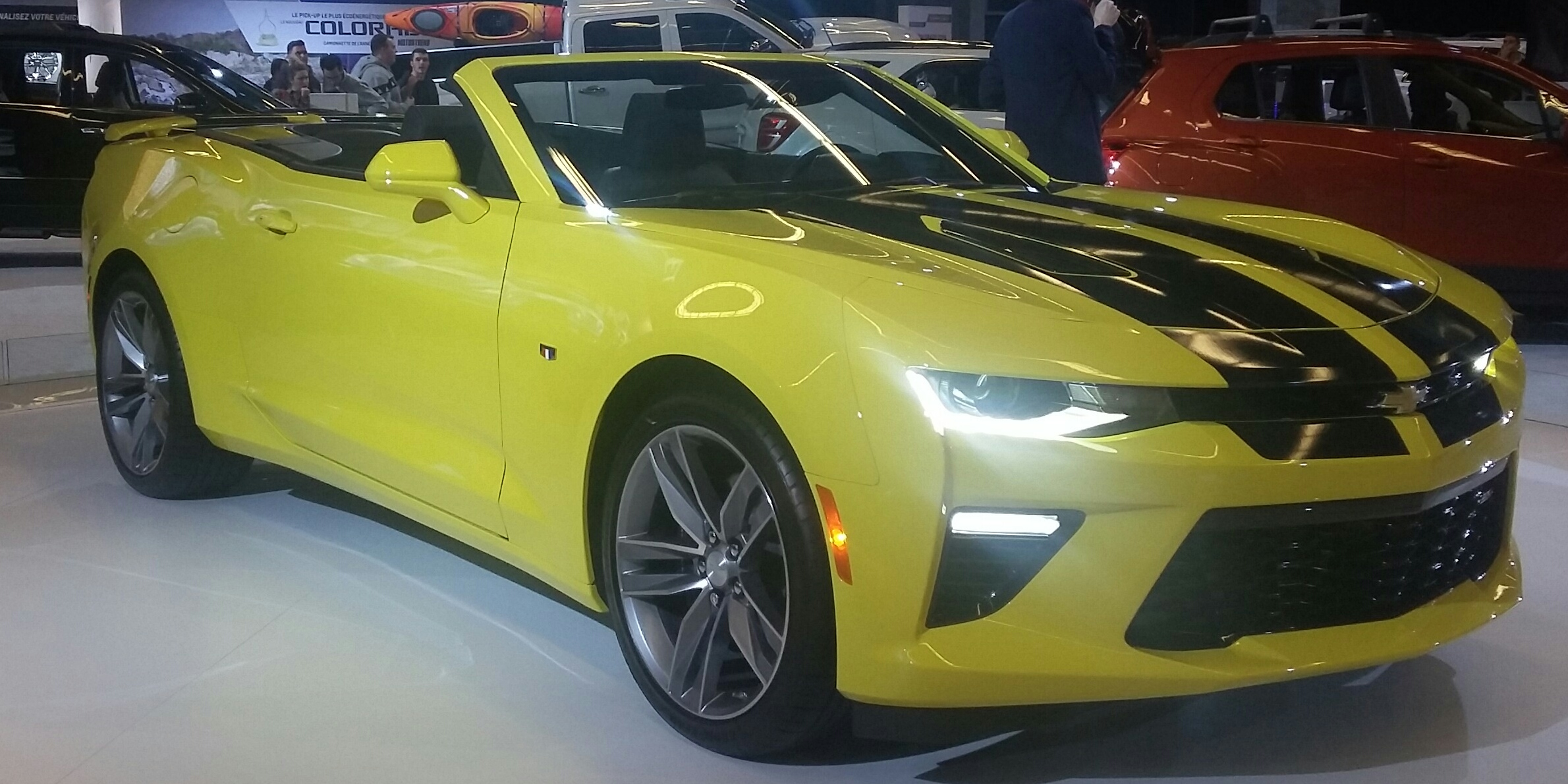
Chevrolet Camaro
"I think the faux hawk is a point And a third gen Camaro I'd be okay with that"
The Chevrolet Camaro is a sporty car made for driving with power and style. A “third gen” Camaro means a particular older version of the Camaro, from a specific time period. People often talk about those versions because they have a recognizable look.
The Chevrolet Camaro is a classic American muscle car known for its sporty styling and performance-focused design. In the podcast context, it’s being discussed in relation to a “third gen” Camaro, which refers to a specific generation that many enthusiasts like for its look and character. That makes it a natural topic when the conversation turns to vehicles with distinctive styling details.

Mitsubishi Outlander Sport
"I have a Mitsubishi Outlander sport Yeah"
The Mitsubishi Outlander Sport is a small SUV. People usually bring it up as a practical, everyday car option.
The Mitsubishi Outlander Sport is a compact crossover SUV from Mitsubishi. It’s often discussed as a practical, budget-friendly alternative to other small SUVs and sedans, especially when people are comparing everyday transportation rather than performance.
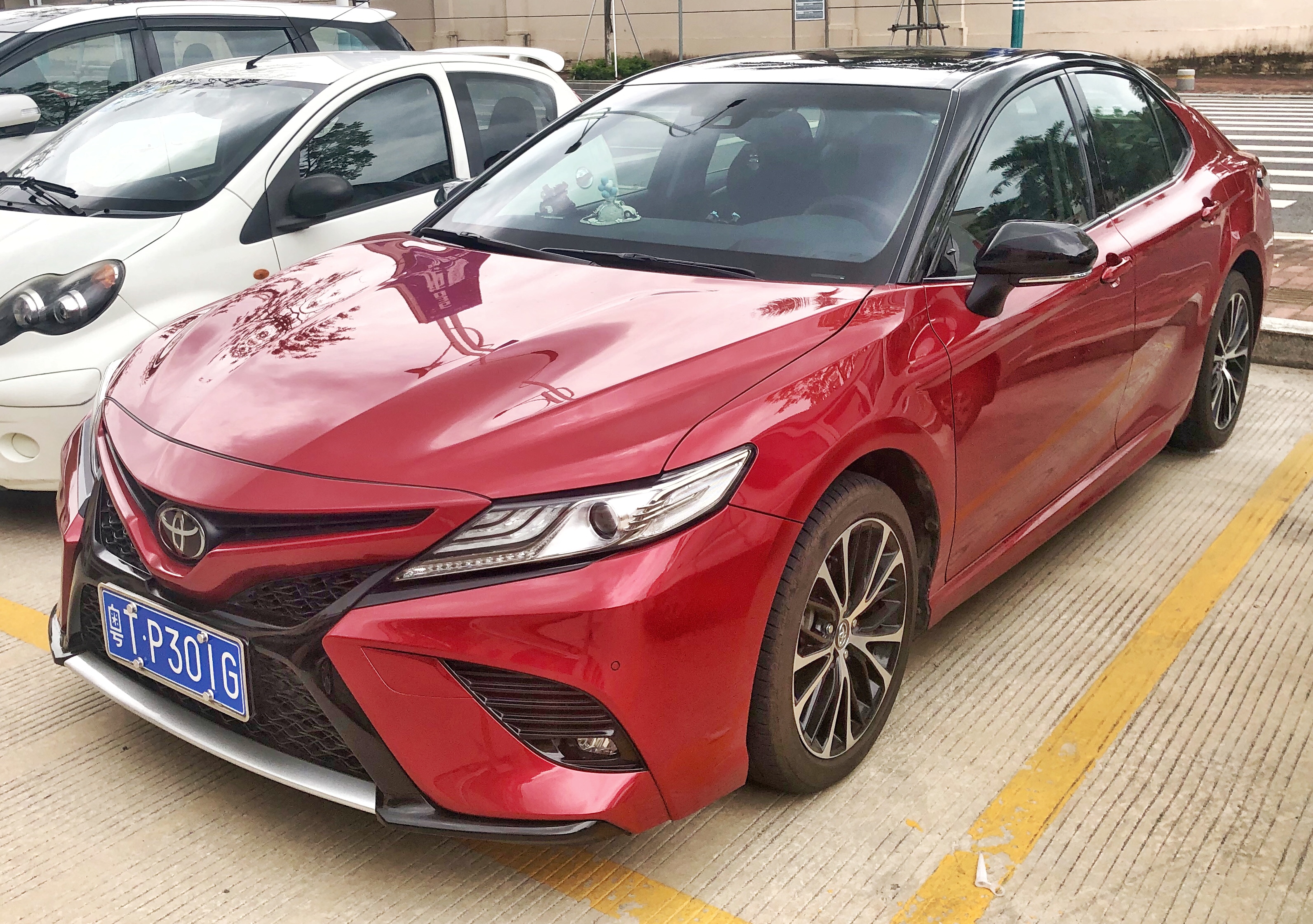
Toyota Camry
"It could be worse It could be a Camry Nissan Sentra"
The Toyota Camry is a regular, everyday car that’s meant for comfortable commuting. In the podcast, it’s mentioned as a safer or more sensible option if things aren’t going well. It’s known for being practical to live with.
The Toyota Camry is a mid-size sedan built for everyday commuting, comfort, and long-term ownership. The podcast mentions it as a “could be worse” alternative, which highlights how common and practical it is compared with other choices. It often comes up in conversations about reliable, low-stress daily driving.

Nissan Sentra
"It could be a Camry Nissan Sentra It could be anything Ford"
The Nissan Sentra is a regular, everyday type of car (a compact sedan). Here it’s mentioned as a possible alternative that wouldn’t be ideal.
The Nissan Sentra is a compact sedan known for being a mainstream, affordable daily driver. In the context of this conversation, it’s being used as an example of a “could be worse” car choice.

Ford Bronco
"Unless it was a cool Ford She would have said a new Bronco I would have just said a new one"
The Ford Bronco is Ford’s more rugged, off-road SUV. They’re using it as an example of a “cool” Ford you’d want.
The Ford Bronco is Ford’s modern off-road SUV line, built around the idea of trail capability and rugged styling. In this segment it’s referenced as the kind of “cool Ford” that someone would hope for instead of a less exciting choice.
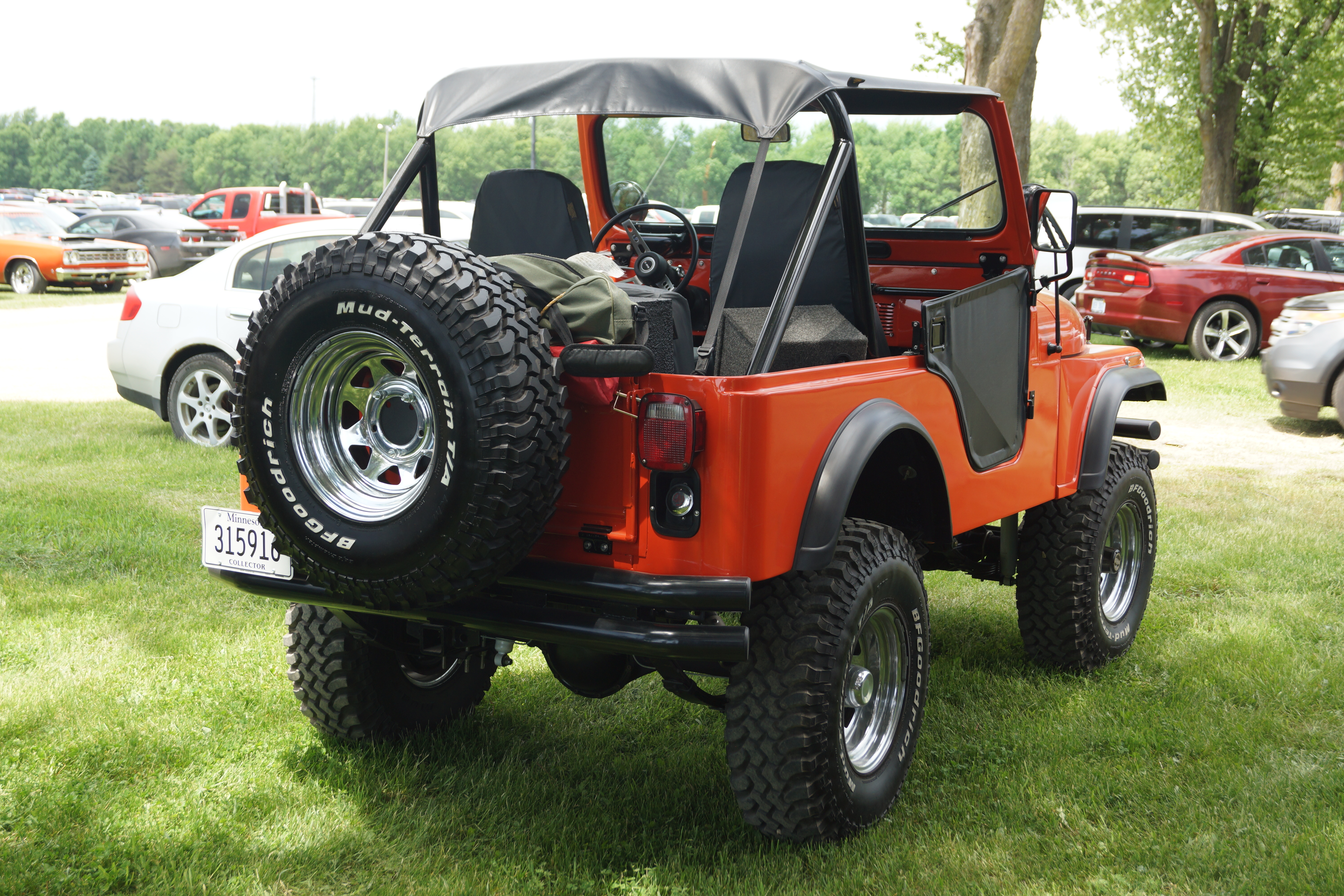
Jeep Cj7
"Because you've got an 86 CJ7 and 81 And I've got to be honest with you"
The Jeep CJ is an older Jeep model made for off-road driving. The podcast mentions specific years like 1986 CJ7 and 1981, which are different versions within the CJ family. People talk about them because they’re known for being tough and easy to modify for trails.
The Jeep CJ is a classic line of Jeep off-road vehicles known for its simple, rugged design and strong aftermarket support. The podcast specifically mentions an “86 CJ7” and an “81,” which are model years within the CJ family. That kind of reference usually comes up when comparing how different CJ years feel, look, or fit into off-road builds and ownership.

Honda Stream
"And the arena stuff Rob said the stream is not working Did you see the second link email"
The Honda Stream is a family-style vehicle meant to carry people and gear comfortably. In the podcast, the word “stream” is used in a technical way about a link not working, so it may not be about the car at all. If it is about the car, it’s basically a practical passenger vehicle.
The Honda Stream is a compact multi-purpose vehicle (MPV) designed to carry passengers comfortably with practical interior space. In the podcast, it’s mentioned in a troubleshooting context (“the stream is not working”), which appears to be about a media link rather than the vehicle itself. So the mention is likely incidental to the word “Stream,” not a discussion of the car’s features.

Ford Maverick
"Clubs and their help so Maverick Jeep Alliance has kind of taken over The playgrou..."
The Ford Maverick is a small pickup truck, meaning it has a truck bed but is easier to handle than big trucks. The podcast brings it up in connection with a group or event, which suggests people use it as a practical vehicle. It’s generally meant for everyday driving and light hauling.
The Ford Maverick is a compact pickup truck designed to be more affordable and easier to live with than larger trucks. In the podcast, it’s mentioned alongside a “Maverick Jeep Alliance,” suggesting it came up in a community or event context. That kind of mention usually points to how the Maverick fits into everyday driving and light-duty use.

Jeep Renegade
"...had a compass on the trails We actually have some renegades that are trail guides I was gonna say there's som..."
The Jeep Renegade is a small SUV made by Jeep. It’s meant to be good for regular driving, and some versions can handle light off-road trails. The podcast mentions them being used on trails, which shows they can work in that kind of setting.
The Jeep Renegade is a compact SUV from Jeep, designed for everyday driving with available off-road capability. The podcast context mentions Renegades being used as trail guides, which points to their practicality in organized off-road settings. That makes it a relevant topic when discussing which vehicles can handle trails while still being usable day to day.
front recovery point
"Everything we need a front recovery point And that's really it for the greens"
A front recovery point is a strong spot on the front of the Jeep meant for hooking up a tow strap or winch. It helps you pull the vehicle out safely instead of risking damage to random parts.
A front recovery point is a designated, reinforced place on a vehicle’s front end used to attach a tow strap, winch line, or recovery gear. It’s meant to handle the high loads of pulling a stuck vehicle without damaging the body or bumper structure.
32s
"Of course larger tires 32s for a short wheelbase Jeep Or 33s for a long wheelbase Jeep"
“32s” means tires that are about 32 inches tall. Bigger tires can help the Jeep roll over obstacles and grip better, but they may need extra clearance or setup.
“32s” is shorthand for 32-inch tires, a common way off-roaders talk about tire size. Larger tires can improve ground clearance and traction, but they also require fitment considerations like wheel well clearance and sometimes gearing or suspension setup.
33s
"32s for a short wheelbase Jeep Or 33s for a long wheelbase Jeep I'm here for the 32s"
“33s” means tires around 33 inches tall. They can help with clearance and grip on trails, but you may need to make sure they fit without rubbing.
“33s” is shorthand for 33-inch tires, another common off-road tire-size reference. Moving from 32s to 33s typically increases clearance and can help with traction on rough or wet trails, but it can also increase rubbing risk and may affect drivability if the Jeep isn’t set up for the larger diameter.
long wheelbase
"32s for a short wheelbase Jeep Or 33s for a long wheelbase Jeep I'm here for the 32s"
Long wheelbase means the Jeep is longer between the front and rear wheels. That can change how it handles obstacles, so tire choices may be different.
Long wheelbase means the distance between the front and rear axles is greater. On trails, that can affect turning ability and obstacle clearance, so tire sizing guidance may shift compared with a short-wheelbase Jeep.
short wheelbase
"Of course it's weather dependent So tires may become a conversation When things get wet And for the blue trails we require Of course larger tires 32s for a short wheelbase Jeep"
Short wheelbase means the Jeep’s axles are closer together. That affects how it moves over rough ground, so people sometimes choose different tire sizes for it.
Short wheelbase describes a Jeep with a smaller distance between the front and rear axles. That typically changes how the vehicle fits obstacles and how it behaves off-road, which is why tire size recommendations can differ versus a long-wheelbase setup.
winch
"Yep, we like to see a winch We don't necessarily require a winch for blues But we like to see a winch That's about it for blue trails"
A winch is a motorized cable that can pull your Jeep out when it gets stuck. It’s a common safety/recovery tool for tougher trails.
A winch is a powered cable-and-drum device used to pull a vehicle out of difficult spots. On off-road trails, it’s often used when traction isn’t enough to self-recover, especially on steep or muddy sections.
four low
"Of course we want four low On a blue trail None of this All wheel drive, type four wheel drive stuff We need four low on a blue trail"
“Four low” means the Jeep is in a special slow gear for off-roading. It helps the wheels turn with more pulling power so you can crawl over tough terrain.
“Four low” refers to a 4x4 low-range gear setting (often called low range) that multiplies torque for slow, controlled crawling. It’s typically used on steep, rocky, or muddy trails where you need maximum traction at low speeds.
limited slip
"We definitely need a traction aid For the black trail whether it's a limited slip Or a locker and we definitely need a winch"
A “limited slip” helps when one tire loses grip. Instead of just spinning, it sends more power to the tire that’s actually getting traction.
A “limited slip” differential helps prevent one wheel from spinning freely when traction is uneven. It biases torque toward the wheel with grip, improving control on slippery trails.
locker
"For the black trail whether it's a limited slip Or a locker and we definitely need a winch"
A “locker” forces both wheels on an axle to turn together. That way, if one wheel is slipping, the other wheel can still pull you through.
A “locker” is a differential that can mechanically (or electronically) lock the axle so both wheels rotate together. This maximizes traction when one wheel is slipping, which is why it’s commonly discussed for the most difficult trails.
lock out hubs
"On the trail [3461.7s] Mile marker lock out hubs [3464.0s] Is who we're talking about folks"
Lock-out hubs help a 4x4 truck decide when the front wheels should be powered. When they’re “locked out,” the front wheels spin freely; when you lock them in, the truck can drive all four wheels.
Lock-out hubs are a manual (or sometimes automatic) mechanism on a 4x4 axle that disconnects the front wheels from the drivetrain when you’re driving in 2WD. That reduces wear and can improve fuel economy, while still letting you engage 4WD when you need traction.
Mile marker
"And honestly [3469.7s] Mile marker is a good company [3473.0s] That's all I had [3475.1s] Mile marker"
Mile Marker is a company that makes aftermarket parts for 4x4 trucks. Here, they’re being talked about in the context of lock-out hubs—parts that help control when the front axle is engaged.
Mile Marker is an aftermarket brand known for 4x4 drivetrain components, especially lock-out hubs used on solid-axle trucks. In this episode, they’re discussed as a reputable option for trail use and durability.
one ton series of lockouts
"Maybe need to make their one ton series of lockouts [3482.3s] A little bit more beef [3484.1s] It was basically once he broke that third one"
A “one ton” series refers to heavy-duty truck applications (typically higher payload/towing classes) where 4x4 components are built for greater loads. Lock-out hubs in a one-ton lineup are generally designed to handle more torque and stress than lighter-duty versions.

Jaguar Xjs
"A long wheel base is a four door jeep Or XJs you know what they're saying What if I bring a CJ..."
The Jaguar XJ-S is a luxury sports car with a long, low front end and a focus on comfortable high-speed driving. The podcast mentions it in a comparison about size and shape. It’s basically a classic-style car meant more for touring than for off-road use.
The Jaguar XJ-S is a grand touring-style sports coupe known for its long hood, powerful performance, and classic luxury feel. In the podcast, it’s referenced alongside “long wheel base” and comparisons to other vehicles, suggesting the conversation is about proportions and vehicle layout. That makes it a notable mention when discussing how different cars “fit” certain roles or visual cues.

Rolls-Royce Phantom
"The multiple activities happening at Phantom Volunteers who are at the staging"
The Rolls-Royce Phantom is a very expensive luxury car designed to feel extremely comfortable. In the podcast, it’s mentioned because people connected to an event are called “Phantom Volunteers.” That points to the Phantom being used or associated with something special rather than everyday driving.
The Rolls-Royce Phantom is a flagship luxury sedan built for maximum comfort, quietness, and high-end appointments. The podcast mentions “Phantom Volunteers” in a staging context, which indicates the car is being referenced as part of an event or group. It’s discussed because the Phantom represents the top tier of luxury and is often used in high-profile or ceremonial settings.
threw a rod
"We turned the key, it fired up [4010.0s] And then immediately threw a rod [4012.5s] Through the side of the block [4014.8s] Injector stuck open"
“Threw a rod” means the engine’s internal metal rod broke and punched through the engine. It’s a serious, usually terminal kind of engine failure.
“Threw a rod” means an engine’s connecting rod breaks and exits the engine block, often damaging the block and surrounding components. It’s a catastrophic failure that usually points to severe internal damage or a major mechanical/combustion problem.
Injector stuck open
"[4012.5s] Through the side of the block [4014.8s] Injector stuck open [4017.2s] Hydrolocta cylinder [4019.6s] Gasoline is not compressible"
If a fuel injector gets stuck open, it keeps spraying fuel. That can flood the engine with liquid fuel instead of letting it run normally.
An injector “stuck open” means the fuel injector fails and keeps spraying fuel even when it’s commanded to close. That can flood a cylinder with liquid fuel, preventing normal compression and combustion.
Hydrolocta cylinder
"[4014.8s] Injector stuck open [4017.2s] Hydrolocta cylinder [4019.6s] Gasoline is not compressible [4020.9s] Gasoline, not compressible"
This sounds like “hydrolocked cylinder,” which means liquid got into the cylinder. Because liquids don’t compress, the piston can’t move normally and the engine can get badly damaged.
“Hydrolocta cylinder” appears to be a transcription error for “hydrolocked cylinder.” Hydrolock happens when liquid (often fuel or coolant) fills a cylinder and prevents the piston from compressing it, creating extreme mechanical stress.
Gasoline is not compressible
"[4017.2s] Hydrolocta cylinder [4019.6s] Gasoline is not compressible [4020.9s] Gasoline, not compressible [4023.0s] Liquid, not very easily compressed"
Gasoline is a liquid, and liquids don’t compress the way air does. If too much liquid gets into a cylinder, the engine can’t “push it down,” and that can cause major damage.
This describes hydrolock physics: liquid fuel (gasoline) can’t be compressed like a gas, so when it enters a cylinder, the piston can’t move through the normal compression stroke. The resulting hydraulic force can bend rods or break internal parts.
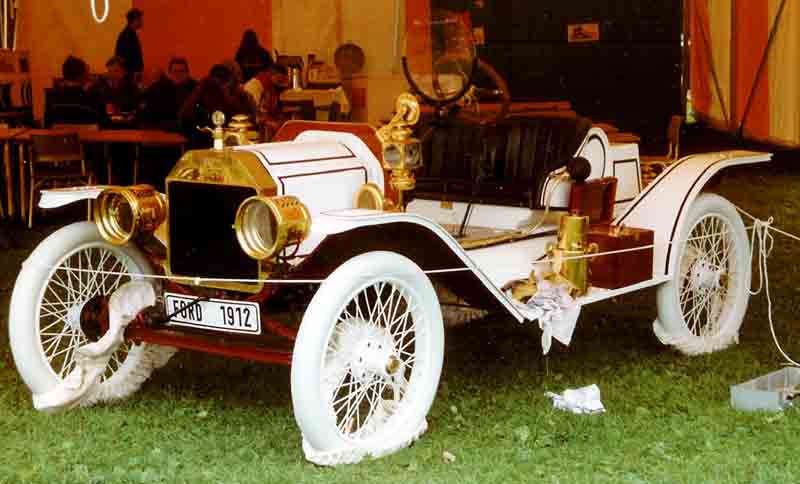
Ford Model T
"Greg made me a new base From the Model T seat And I was able to get"
The Ford Model T is a very old car that became famous for making cars more affordable. In the podcast, it’s mentioned because someone used it as a starting point for something like a seat or parts. That’s typical when people restore or build classic cars.
The Ford Model T is an early, iconic mass-produced car that helped popularize affordable personal transportation. In the podcast, it’s referenced as a “base” seat, implying the conversation is about using or adapting parts from a Model T for a build or restoration. That’s why it comes up: it’s a foundational vehicle in automotive history and a common reference point for classic-car projects.
Request an Explanation
Heard something you'd like explained? We'll add it to this episode.
Sign in to request explanations for terms you heard.
Want to learn more?
Browse our glossary for plain-English explanations of automotive terms, jargon, and concepts.
Help improve this episode
See something that's not quite right? Our annotations are AI-generated and can sometimes miss the mark. Click the flag icon on any annotation to suggest a correction.