Some race series require a certain number of near-identical road cars to be sold. Manufacturers build special versions of cars so they can race them, and those cars can be more interesting (and sometimes rarer) than the normal ones.
Some racing classes only allow cars that are officially approved and match the rules. Manufacturers may build special road versions so the race car is eligible to compete.
They’re talking about Crystal Palace, a place in London that used to host car racing. Even though it’s now a park, the old track area is still there, and the hosts are excited about its history.
Sometimes Formula 1 races were held that didn’t affect the season’s championship points. They were still very fast and important for racing history, but they weren’t “counted” in the standings.
Formula 2 is a racing series for open-wheel cars, usually seen as a ladder toward Formula 1. It’s the kind of racing that features skilled drivers and fast cars, even if it’s not the top F1 championship.
Car
Minis
They’re talking about the Mini, a famous small British car. It’s known for being fun to drive and for showing up in lots of classic racing.
The Ford Galaxie 500 is an older Ford car from the classic American era. The podcast is talking about it as something people like to see and enjoy in its original time period. It’s included because it’s part of that classic lineup story.
They mention the Ford Cortina, a well-known British car from the past that also did a lot of racing. It’s brought up as an example of the classic cars that were part of that track’s history.
On a race track, the “main straight” is the long straightaway where cars go fastest. If that section gets changed, the track experience and layout are affected.
They’re talking about how old race tracks can be easy to miss if there aren’t signs, but you can still spot clues like old track surfaces and damaged walls. Those details help you understand what happened there in the past.
Power oversteer is when you put your foot down coming out of a turn and the back of the car starts to slide outward. It happens when the tires can’t grip enough, so the car rotates more than you expect.
That concrete wall is the track’s barrier. When cars hit it, they leave scrape marks, and those marks can show how often or how severely impacts happened.
They’re using “Goodwood style” to mean a classic, motorsport-heritage look—like how famous British events make history feel visible and fun. Here they’re suggesting a small visual tribute to an old Grand Prix circuit.
They’re comparing older racing to later racing after WWII, when safety rules and track design became more strict. The key point here is that if a track is too close to houses, it can become unsafe and get shut down.
They’re saying race tracks need a safe buffer zone. If cars are too close to people’s homes—and the area is loud and risky—authorities may shut the circuit down.
Decibels are how we measure loudness. Because it’s a special scale, going up a bit can mean the sound feels dramatically louder—especially when the limit is measured from far away.
Racetracks have rules about how loud they’re allowed to be. If the sound measured near nearby homes is too high, authorities can force the track to stop or change how events are run.
Concept
noise box
A “noise box” is basically a defined zone where officials measure how loud the track is. If the reading is too high, the event can be stopped or the track can be forced to change.
Sometimes people move near a racetrack and then complain about the noise. Even if the track has been there for years, it can feel “new” to the people who just moved in.
The Peugeot 205 CTI is a sporty version of the Peugeot 205. It’s a small car that was made to be more fun to drive than a basic model. In the podcast, it’s mentioned as part of the wider 205 story.
The Audi Sport Quattro was one of the big rally stars of the Group B era. It was built to race, and it also influenced what “fast rally tech” looked like—especially with turbo power and all-wheel drive. People still talk about it because it was so important to the category.
The Renault 5 Turbo was a rally-focused car that Renault had to make road-legal to compete. It used turbo power and became one of the iconic “small car, big performance” Group B stories. That’s why it gets compared to other famous homologation specials.
The Peugeot 205 T 16 was a rally car that Peugeot had to make road-legal so it could race. It uses a turbocharged engine and a lightweight, rally-style structure. It looks wild, but the road version wasn’t as extreme as the race cars.
A central exhaust means the exhaust tip is placed near the middle of the car. It’s often done for packaging reasons—so the rest of the rally hardware can fit. Either way, it makes the car look and sound very different.
Group B was a rally class in the 1980s where cars were allowed to be extremely fast and extreme. It was stopped because it became too dangerous. Many legendary rally cars, including the Peugeot 205 T 16, were built for that era.
The Audi 200 is a performance car model from Audi. The podcast is talking about how racing rules require manufacturers to build a certain number of road cars. That’s why the Audi 200 comes up in a discussion about eligibility and homologation.
A space frame is a strong, lightweight skeleton that the car is built around. Instead of relying on the outer body panels to do all the work, the frame carries the loads. Rally cars use this idea to stay stiff and light.
A clamshell design means a big panel opens upward like a shell. It’s a convenient way to access the engine or mechanical parts. On cars like this, it also makes the car look extra special.
This means the engine is a straight-four (four cylinders in a line) and it uses one turbo to add extra power. The turbo forces more air into the engine so it can make more boost. It’s a common performance layout in rally cars.
People often compare cars by how fast they accelerate, like how long they take to go from 0 to 60. That helps you understand performance in a way that horsepower alone can’t. In this segment, they’re basically saying the old car isn’t as quick as modern cars feel.
Mid-engine means the engine sits closer to the middle of the car rather than at the front. That can help the car feel more balanced and “race-like” when you drive it.
Car
Peugeot T 16
The Peugeot T 16 is a very rare 1980s Peugeot that was basically built to bring rally tech to the road. It’s special because it uses a rally-style setup, so it feels more like a race car than a typical street car.
The XU 8T is the special engine Peugeot used in this rare T 16. It was built with rally in mind, and the idea was to make it last long enough to finish a rally, not necessarily to make the biggest number on a dyno.
Group B was a rally class in the 1980s where cars were pushed to be incredibly fast. The host is saying this engine was toned down at first, but with the right work you could bring it closer to what Group B cars were capable of.
Detuned just means the engine is made to produce less power than it potentially could. The goal is usually to make it last longer and not break during hard racing.
Fuel injection is how the engine gets fuel in a controlled way. Instead of relying on a carburetor, it uses valves/injectors to spray fuel based on sensors and engine needs.
The Peugeot 205 GTI is a classic hot hatch that many enthusiasts love for how fun it feels to drive. Here, the host is saying the T 16 looks even more aggressive and special than the already-cool 205 GTI.
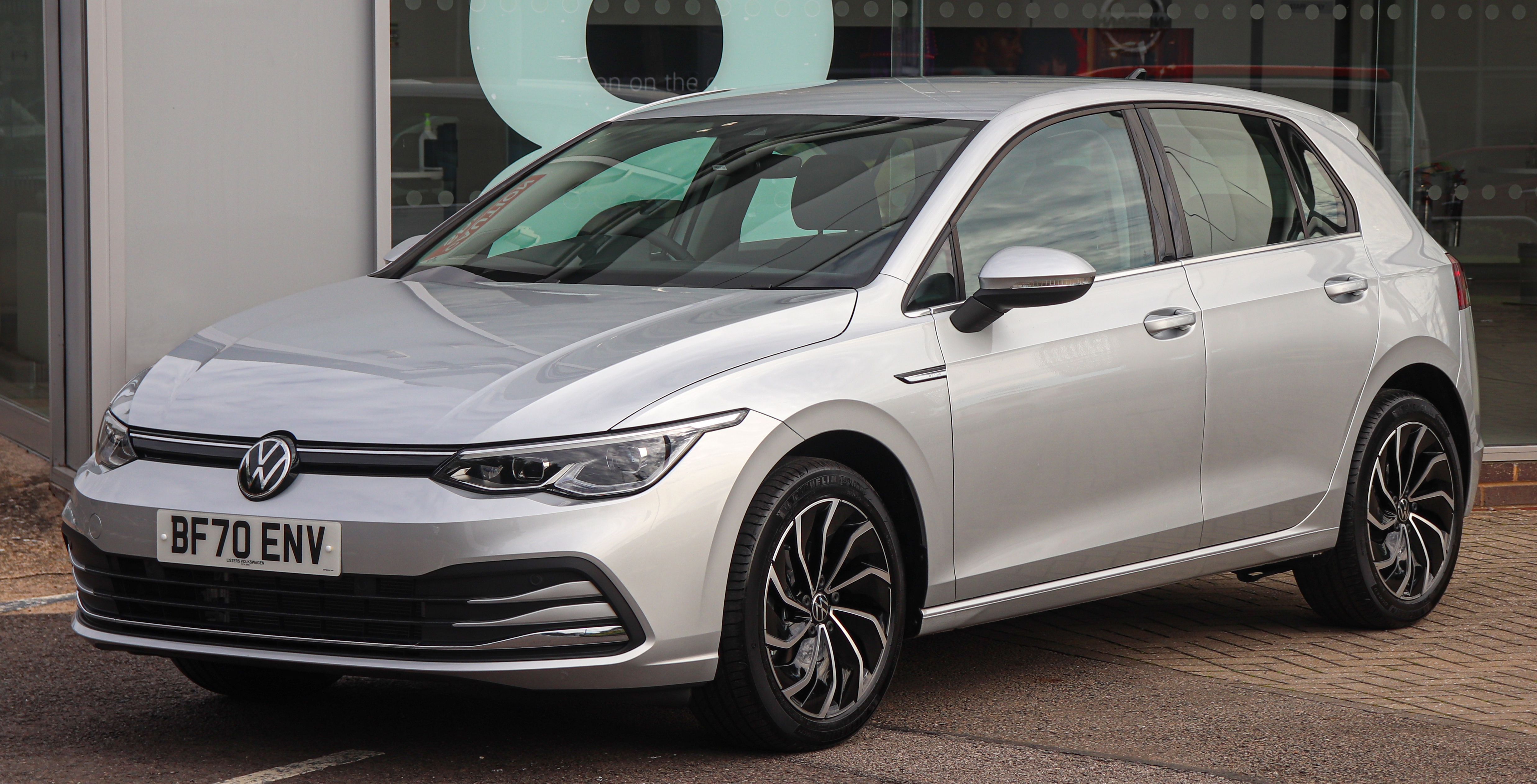
The Volkswagen Golf is a compact car that many people drive. The podcast mentions it because it looks especially cool and stands out. The discussion is about its appeal rather than deep technical details.
The Ford GT40 is a very famous race car from the past. People talk about it because it’s strongly linked to racing history and is hard to get. In the podcast, it’s mentioned to show how exciting it feels to have something like a GT40.
This is a Renault Clio variant that was set up for competition rules. The point is that it’s lighter and more track-focused—less comfort stuff like ABS and air conditioning—so it can be quicker.
A track car makeover is when someone modifies a car to be better suited for driving on a race track. That can include safety gear and performance parts so it handles harder driving.
Group N is a type of rally racing where the cars have to stay fairly “stock.” So the special parts are mainly about making the road car lighter and more durable for rally use.
ABS is a braking safety system that helps stop the wheels from locking up. If a track/homologation car doesn’t have it, braking is more demanding because the car can be easier to upset under hard stops.
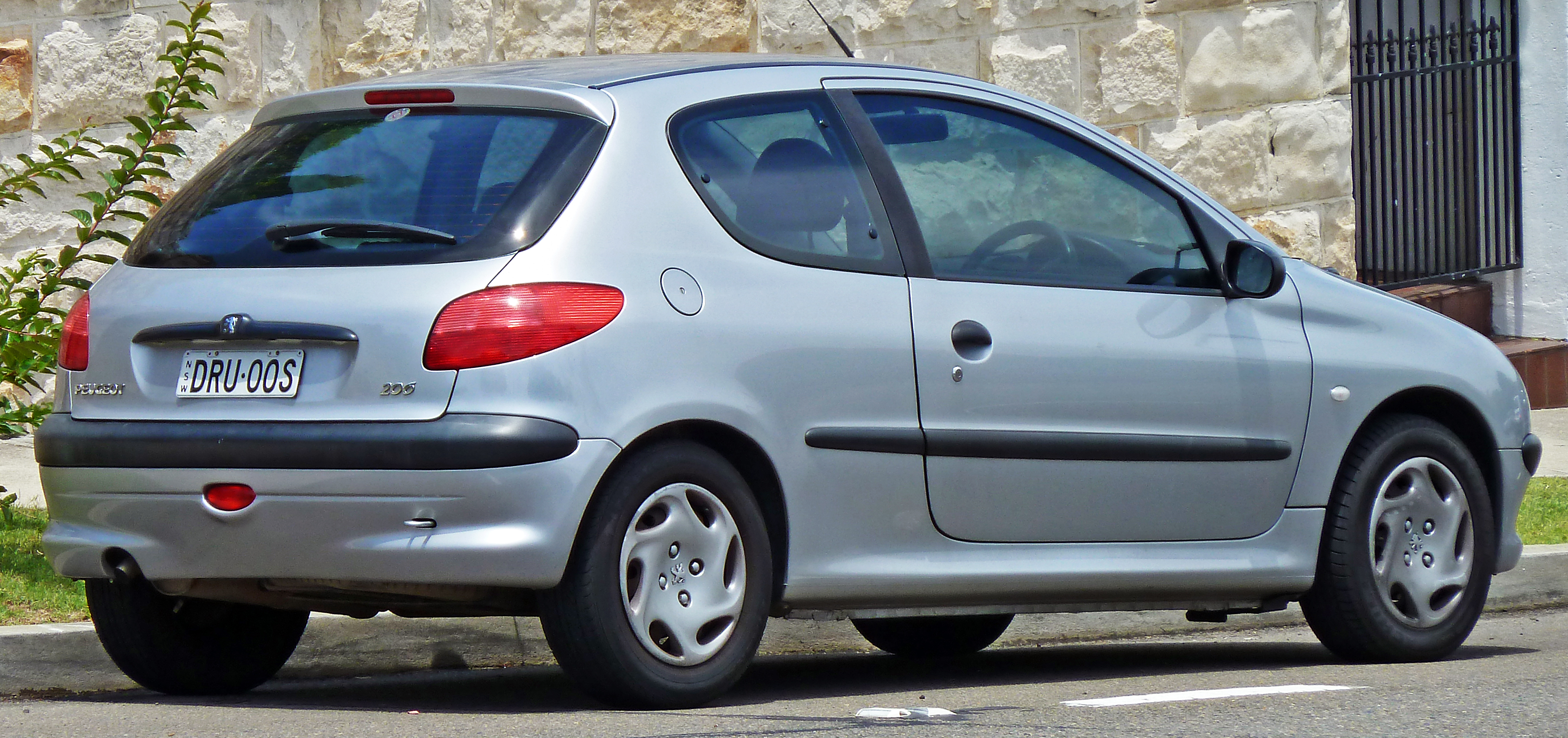
The Peugeot 206 GT here is a special “rally-approved” version of the 206. It’s not a totally different car under the skin—most of the point is meeting the rules for rally competition. The big giveaway is the extra chunky bumpers, and the car comes with paperwork confirming the rally homologation.
WRC homologation is the paperwork/rules approval that lets a rally car be raced. It often requires the manufacturer to build a matching road version in limited numbers. In this case, the rules even required the road car to be a specific length.
Extended bumpers are bigger, longer front and rear bumpers than you’d see on a regular version of the car. Here, they’re used to satisfy rally rules, not to make the car faster mechanically. So the car’s rally identity shows up mostly in the bodywork.
The hosts describe a specific design choice—tapering the roof line—to create packaging space for the rear wing. In rally-focused homologation builds, aero and wing mounting often drive body shape decisions more than styling does.
Rally2 cars are rally race cars that are closer to the production car than the top Rally1 class. They’re strengthened and modified for rallying, but they start from a more production-based platform.
A Rally1 car is the highest-spec rally race car. Even though it looks like the road model, it’s usually built as a purpose-built race car with a lot of custom engineering.
The Subaru Impreza WRX STI is a rally-inspired, high-performance Subaru. It’s famous for being grippy and quick, especially in bad weather, because it uses all-wheel drive. The hosts are using it as an example of rally-related special cars.
The WRX is a sporty Subaru car that was made to be quick and to handle well. Some versions were built so the car could race under rally rules. The podcast mentions it because it’s connected to that racing development.
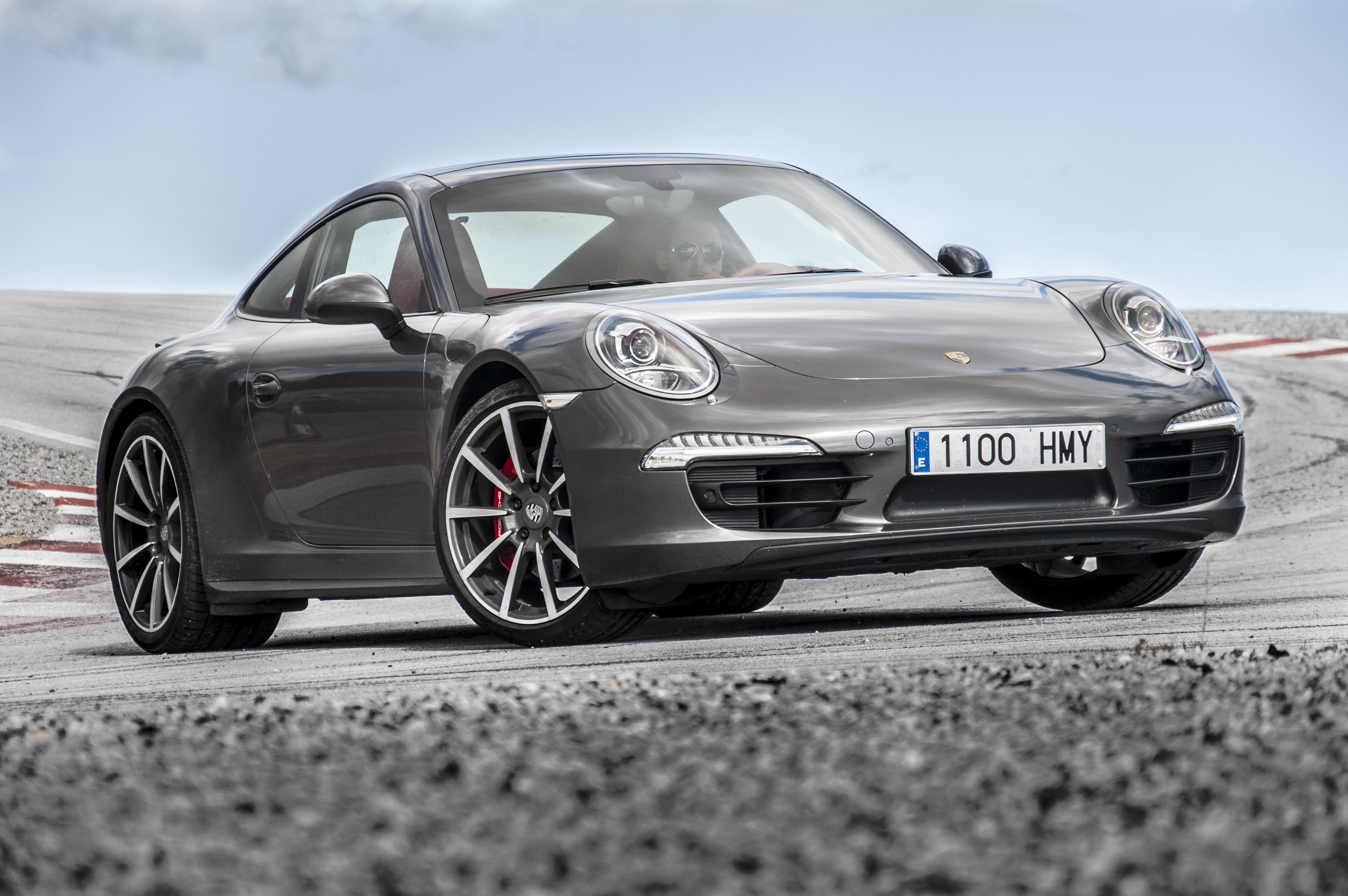
This is a Porsche 911 GT3 from the 996 generation. The hosts are talking about certain early versions that were more closely connected to racing rules, especially for Le Mans. They’re basically saying not every 996 GT3 you see is the “right” one for that homologation story.
Le Mans is a long-distance race, and the GT category is one of the classes for cars that are based on production models. To race in that class, the cars have to follow specific rules, which is why some road cars are built to qualify. The hosts are explaining that this is the racing goal behind the “homologation special” talk.
A flat-six is an engine with six cylinders laid out flat, like two rows facing each other. It’s part of why some Porsches sound and feel so distinctive.
The Subaru 360 is an old, very small Subaru car. Because it’s small and from a different era, it can sound and feel quite different from modern performance cars. The podcast is using it as part of a comparison of how cars sound.
This is a Porsche 911 GT2 from the 993 era. It’s a rare, track-oriented version of the 911, made in small numbers so it could be eligible for certain racing categories.
They’re talking about the Ford Escort RS Cosworth, a rare, turbocharged Escort made to be eligible for racing. It’s a rally-style performance car that collectors still chase today.
“Big turbo” means the car uses a larger turbocharger to push more air into the engine. That usually helps make more power, but it can also change how quickly the car feels responsive.
Group A was another racing class where the cars had to be closer to production models than the wildest rally era. The host is using it as a reference to the “special rules” era. It’s a way to explain why these cars feel race-derived.
Drag coefficient is a number that describes how “slippery” a car is through the air. A lower number usually means the car meets less air resistance. The host is saying the Evo two was designed to be more aerodynamic than the earlier version.
DTM is a German touring car racing series. The host is saying the Evo two actually won a championship there, which proves it was built to compete. It’s the “race results” part of the story.
The Alfa Romeo 155 was a race-bred version of a road car from the 1990s. People talk about it because it was built to help the brand compete in racing.
The BMW E30 M3 is a classic BMW performance car from the 1980s. It’s famous because it was closely tied to racing and became a benchmark for driver-focused cars.
They’re talking about the Corvette’s C8 generation in racing. The big takeaway is that the race version sounds different because of how the engine is built.
A flat-plane crank V8 is an engine layout that changes the way the cylinders fire. That firing pattern gives the car a sharper, more distinctive sound.
Cross-plane crank refers to how the crankshaft is shaped inside the V8. It affects the engine’s sound, and here it’s used as the comparison point versus flat-plane.
The Corvette is a sports car made by Chevrolet. The podcast mentions a specific Corvette model as a special version made for racing rules. It also talks about the engine’s internal design because that can change how the car sounds and drives.
Right-hand drive means the steering wheel is on the right side of the car. They mention it because it changes how you can buy a Corvette for the UK market.
Naturally aspirated means the engine doesn’t use a turbo or supercharger. It gets its air in naturally, and that’s part of why the power delivery can feel different.
The Lancia Stratos HF Stradale is a rare Lancia made mainly for rally racing, then made road-legal in limited numbers so it could compete. Because it was built for racing, it’s light and very focused, not like a normal everyday car. The big takeaway here is that the real rally cars are even rarer than the already-limited road versions.
The World Rally Championship is the big international rally racing series. When a car is built to compete in WRC, it’s designed for rough roads, traction changes, and fast stages. The hosts mention it to show how successful the Stratos was in the highest rally competition.
They’re talking about the rally look—wider fenders and bodywork that makes the car sit wider. But the point is that the look alone doesn’t prove the car was a real factory rally car. Some cars were modified later to look like rally cars.
They’re basically saying the car likely hasn’t been exposed to road salt, which can cause rust. If a car comes from a place without winter salt, it often has less corrosion than one imported from a salty climate. That can make a big difference on rare cars.
They compare the Lancia O37’s vibe to the Ferrari F40. The F40 is known for being a very hardcore, performance-first supercar. So the comparison is meant to tell you the Lancia feels similarly intense and track-oriented.
Car
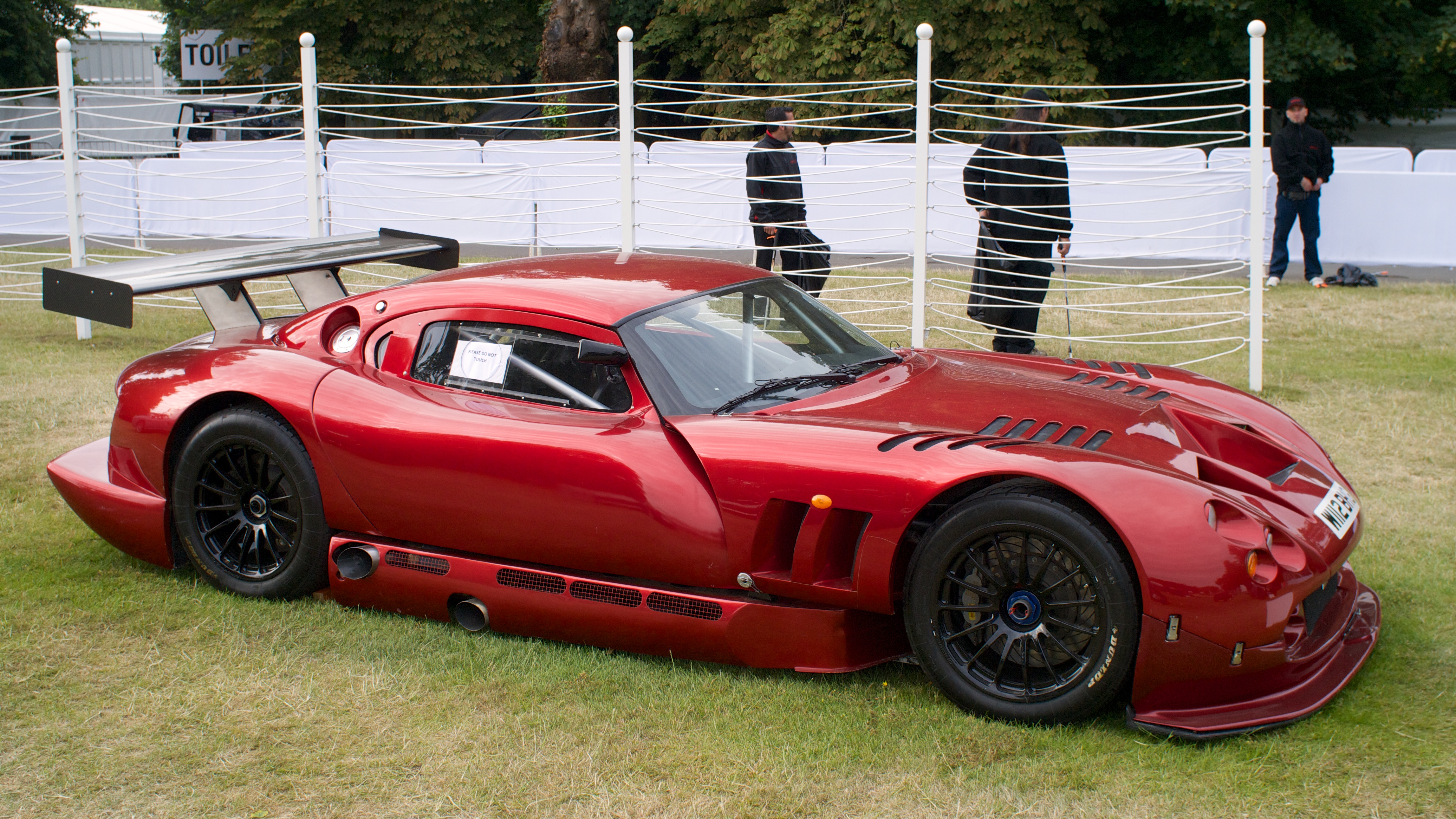
TVR T440R
They’re talking about a TVR T440R, which is a very rare TVR built with racing in mind. The big takeaway is that it’s part of a whole TVR racing story, and it’s the road version of that ambition.
GT1 is a racing class, and Le Mans is a famous endurance race. The story here is that TVR’s car plans depended on GT1 continuing, and when it didn’t, they had to adapt.
They’re referencing the TVR Speed 12, TVR’s attempt to race in the GT1 class at Le Mans. When that class plan fell apart, TVR had to pivot and build the next cars instead.
The speaker explains that TVR’s development path started with what was “known as the Tuscan R,” before evolving through other names. This highlights how TVR’s racing hardware and homologation goals drove rapid iteration across multiple related projects.
Car
TVR Typhon
They’re talking about the TVR Typhon as part of TVR’s evolving race-car plan. It’s basically one of the steps in the story before the final road-focused car.
Car
TVR T400R
They mention the TVR T400R as the race-car stage in the development chain. The point is that the road car isn’t random—it’s connected to a real racing effort.
Car
TVR T440
They’re describing the TVR T440 as a road car with lightweight carbon-fiber bodywork and a custom-built chassis. The takeaway is that it’s not just a normal TVR with a body kit—it’s a purpose-built special.
Carbon fiber is a lightweight material used for car panels. Using it helps the car weigh less, which can make it feel quicker and more agile.
Car
A45 AMG
The Mercedes-Benz A45 AMG is a hot hatch—basically a normal small car, but tuned for performance. It’s popular as a daily driver because it’s quick and fun without being a full-on track car.
Track days are events where you drive on a race circuit for fun and practice. They’re a good test of whether a car can handle fast driving repeatedly without overheating or losing grip.
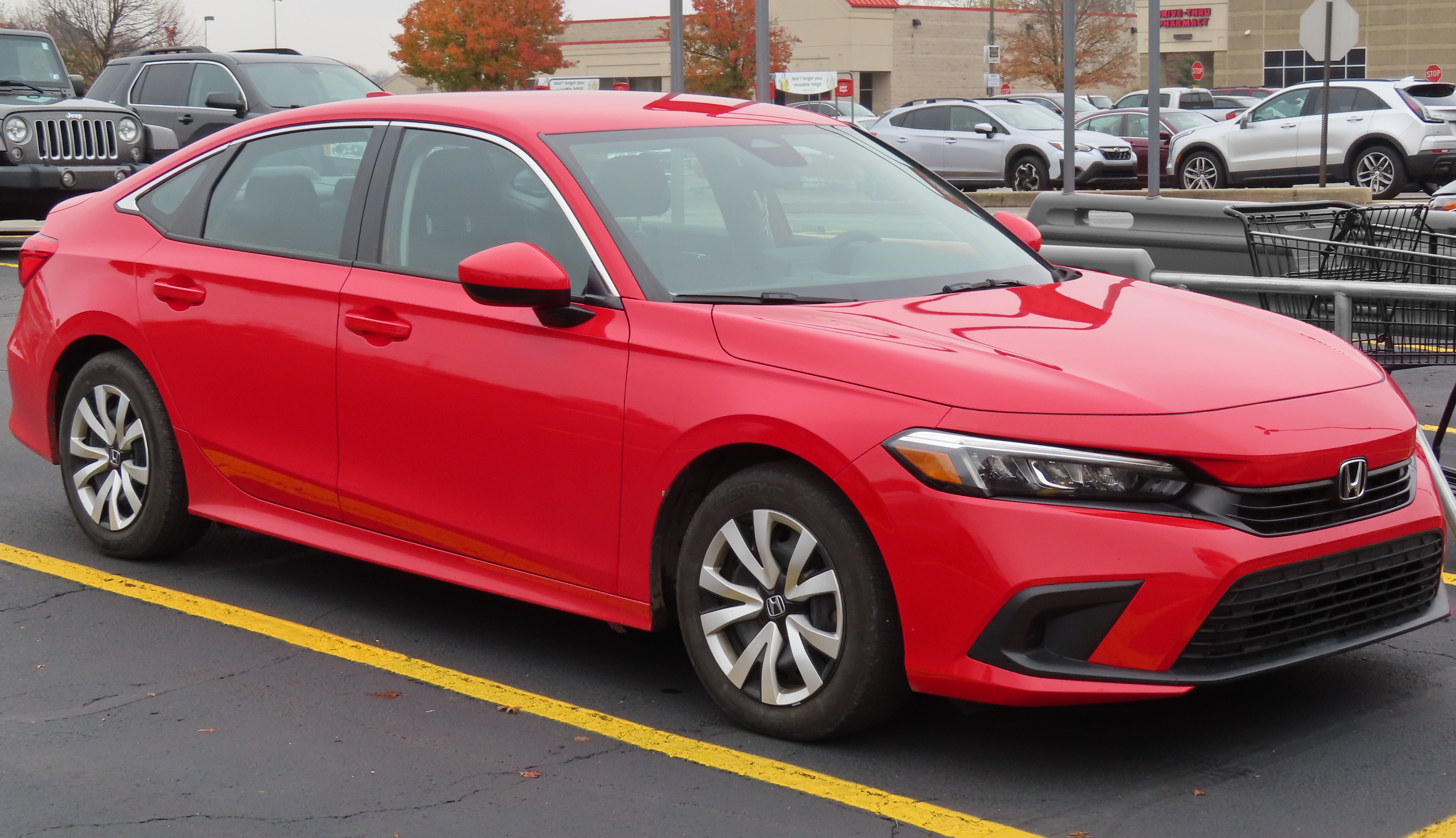
The Honda Civic Type R is the sporty, performance version of the Civic. It’s designed to feel planted and responsive, so it’s a good choice if you want something that can handle spirited driving and track days.
A limited edition is a special version of a car that’s made in smaller numbers. It usually has unique looks or extra features compared to the regular model.
They’re talking about the tires, and how the brand can change how the car grips the road. Better grip usually means the car feels more confident when you drive hard.
Continental is the tire brand that came on the car originally. If you switch to a different brand, the car can feel like it handles differently because the tires grip differently.
LIVE
Welcome back to The Gassing Station, the podcast that piles into the Pistonhead forums like people
are piling on support of an old racetrack that's potentially under threat, something that we hinted
at in the previous episode. Sam Sheehan, my co-host, that was the old year that you heard in the background.
But it's all to do with Crystal Palace, right? Yeah. The park. A local ish park to me a couple of
miles from where I live and it's a place I have banged on about for quite some time. Obviously,
a lot of other people have been doing it for even longer. I did do an article on Pistonheads
during the pandemic for anyone who read that. It was a secret history article about how the
entire circuit in both its early 20th century and post-World War II 20th century layouts is still
there in pretty much its entirety, albeit being misidentified or most people just walking around
it just think it's a dog walking path or a cycling path. It's actually the old racetrack
where the likes of Jim Clark and other iconic and legendary drivers, several F1 drivers,
they never had an F1 race there, but they did have... I think they had a non-championship race there.
I was just about to say that. They had a non-championship... Yeah, I like the glasses move
for the listeners. Cam did just race his glasses up his nose. Yeah, exactly that. They did race.
So they raced Formula 1 cars there in a non-championship round and they raced Formula 2 there,
I think, in championship rounds. So they were very, very fast single-seaters and the stuff I love
the most looking at through the archives is like the Cortinas and the Minis and the Ford Galaxies,
kind of like a good revival, but in period, in Crystal Palace, a racetrack right next to the
iconic, you know, the place where the actual palace would have stood with all the history of that
in London. So obviously, it's not many tracks that have ever been in London. I'm trying to think
of as anything else. You know, Brandt's hatch is close, but it's not in London. Nothing comes to
mind. So yeah, a really, really cool thing. Tracks still exist. There were, I think,
pre-pandemic, there were occasionally some sprint days where you were allowed to use
part of the circuit, but not all of it. There isn't even a blue plaque and I've been, honestly,
I've emailed a few people about this and spoken to some people saying, why can't we get a plaque
put up? Anyway, the reason this is now front of mind for me and sort of in the news stories,
I think motorsports sites are covering it, is that, and this is exciting for Crystal Palace,
there's a big investment fund going into the park to redevelop it. I think they're repainting and
sort of remoulding some of the dinosaurs that are there. Anyone who knows, they've got Victorian
dinosaurs, which are all wrong because the Victorian's got it slightly wrong. Worth going
for that if you've got kids especially. But the race track, because it's not recognized or remembered
by most people, there's no consideration to not necessarily even restore it, just even to retain
it during this upgrade to the park. So while most of the track will be untouched because,
as I mentioned, a lot of it is just footpaths and so they're still useful in some of the more
wooded and green areas, there's a bit with the big sports complexes where there's everything from
athletics to boxing and all the other kind of major sports. They've got a big sports facility
center that's going to be upgraded. Sounds super exciting, but it will probably involve some damage
or bulldozing of what used to be the main straight. And if you actually walk or cycle, or even you
can actually still drive down a bit of it because it's a car park, it really does feel like an arena
experience because there's kind of like walls either side. There's like a big gantry that goes over.
If you read my secret history article, you'll know that the original turnstiles to access the
race track if you were a punter coming in to watch it. They're all there, but overgrown in the woods.
Yeah, it's amazing. It's like going back, it's like watching 28 days, you know, like 28 days
later where they see bits of like the country just covered in woodland and being overgrown,
or it wasn't 28 days, it would have been 28 weeks or whatever by that point. But it's that, it's like
dystopian turnstiles all overgrown. It's worth going to see it. But anyway, a lot of that's under
threat because obviously this redevelopment is happening, which is exciting. But there is a
petition for people like us and hopefully our listeners and viewers to sign to say, look,
recognise it. Or I think you can put a comment actually on the develop, the development
discussion. And so you should, if anyone's listening to this and has any opinions on this
stuff, please do put in just saying, you know, can we recognise even if it's a plaque or a statue
or something? I think it needs something, doesn't it? Because it's, I guess it's not up there as a,
it's not like a haem in France of where there's still all of the original pit buildings and stuff.
It's a very, if you know, you know, or if you're Sam Sheehan, then you'll, you'll, you'll know
what's there. But I've, I've not been to the site. Is it very much one of those things where,
if you don't know, there's no signs of it really whatsoever. I guess that the original straight
is just a strip of concrete really, isn't it? It is, but it is quite wide and it's very noticeable.
My favourite bit is at the start of the straight. Firstly, if you cycle it, if you run it as well,
there's a little downhill onto the straight and you can just imagine how bloody quickly these
cars would be accelerating because there's a downhill off the last corner and it's quite
steep. I don't know what it is in percentage terms, but it's, it's like, it's, it's not far off paddock
hill bends exiting that. Yeah. So the amount of, I can just imagine the power oversteer moments
coming off and the emphasis on how much they probably did do the power oversteering is the
fact that there's a big concrete wall that was clearly put into, to stop cars probably
flipping off into the spectators, which I think did happen in the early days. There's a big
concrete wall with loads of gash marks like scrapes down it clearly from cars having impacted it.
That's amazing. And it's all still there. It's all got, you know, some would call it graffiti.
It's artwork because people, it's been allowed by the park. So it's like people have been allowed to
paint this wall in a very sort of urban way, but it's all lovely stuff. But you have to look a bit
closer and you see all these marks. So that history is all there, all literally there under your feet
and on the walls, as I said. So you wouldn't know what it is until someone like me came up to you
and went, did you know you're standing on a racetrack? And that's what you spend most of your weekends
doing. I do that. Three to four times screaming like an angry preacher. Just go, Joe, you know the
history of this place. Yeah. I mean, come on. How many parks does London have? A lot. It has a lot
of parks and almost all of them have some sort of wall with graffiti on it. Why can't you be
slightly different, Crystal Palace? Why don't you have like a little, like, I don't know, just do
like a hint of Goodwood. Just have a little area that kind of says, Hey, this was an old, old
Grand Prix. But what would be kind of cool is I don't know, maybe marking the outline of the
circuit just in white paint and then a black somewhere. Just it doesn't have to be like a full,
yeah, Goodwood style. Here's a completely preserved circuit. Just a little bit, just a little to be
like, Oh, yeah, this was kind of a cool place. You know, it was. Yeah. And obviously, as I said,
there were there were unfortunate people to die as well. And especially in the early days, there
were early 20th century racing, which, you know, and if you've seen images of early 20th century
cars, the tires were spindly. They still had crazy fast engines. People were crashing and dying. And
one of the corners in the more modern circuit, the sort of post World War Two circuit did get
within about 20 meters of someone's back garden. And I think that started to be an issue. And that
was one of the reasons why it eventually got shut down, I think, because naturally it was
loud and dangerous and basically in a residential area. Well, so there is it does sound like there's
a petition right that people can sign to keep. Yeah, I got it wrong by saying petition. Actually,
there might be one. It's a there's like a console. I can't remember what you call it now. If I search
for now, you can basically, you know, if any, any works being done at council level, you can,
you can, I talked to Crystal Palace and it's given me the scores for the latest game.
It's, it's, it's basically like a page you can put comments on pin some comments against
regeneration updates. There we go. Crystal Palace Park Trust or just go and lie down
on the straight. I don't know when they're tearing it up, but if you just go and lie down now,
that should give you, you know, enough time to really make a point and hopefully keep the straight.
Crystal Palace obviously has not held a race for, for, for many a year. However, speaking of, of
circuits that were doomed and now no longer are, we had a little bit when we ended the, the, the
last podcast, we kind of alluded to, you know, there's a, there's a circuit that's being closed
down. Well, good news for our Polish listeners. It's not happening anymore. The news this last week
was that a circuit in Poland called Tor Poznan. I'm, I'm sorry to anybody who is Polish or speaks
Polish for completely butchering the name, but from what I understand, it's, it's one of, if not
Poland's only international grade motorsport venues. According to this website, it is the only
one approved for top level international competition. Yeah. And so it was under threat
recently because it kept failing noise limits. It had an, a hypostrict noise limit of 50 decibels
from the nearby town. So that's not a sneeze. It is like a sneeze. Yeah. A mouse's sneeze.
Yeah. Now, obviously it's different to if you were to record it at the track side,
which is where you usually get the 100, 110 decibel limits. But still, you know, 50 decibels
from afar is, is really not much at all. So it seems like the local governments were like,
no, no, no, I'm not going to do this anymore. We're going to tear down the racetrack.
The most ridiculous thing about all of it is that Tor Poznan or however you pronounce it
is positioned within meters of an airport. Yeah. And a busy highway and a busy,
so, so they go, no, no, no, it's, it's that the racing is, is, is clearly the problem. It's so
loud. It's just, yeah, just definitely not the jets that are taking off. Well, but the good news
is, is it looks like that's no longer happening. It looks like Poland, Tor Poznan or however you
pronounce it is here to stay. Someone's managed to step in and save it, right? Yeah. Someone's
managed to step in and also they've highlighted, I mean, again, these are not my words. I'm not
invested in this scenario, but I'm happy to hear this. Apparently it sounds like it was a little
bit biased, the closing down of the temporary closing down because, and this fact really
makes me laugh and blows my mind a little bit. Oh, and I've just seen this circuit was established
in 77, which is about the time Crystal Palace was being shut down. So they sort of one, with one
end became a new beginning, albeit Poland, very far away. But still, but the fact that blew my
mind was that, you know, 50 decibels was the limit. Yes. So the circuit was closed during the period
of when, so when, when it breached its limits during one of the periods where the, the noise box,
whatever it was, which was outside the circuit a few miles away, I think, wasn't it, or wherever,
it breached the limit on a day when it was shut, telling you that the noise didn't come from the
circuit. It's just so clearly there are other things making noises that the circuit is being
blamed for. People get really wound up about other people having fun on racing tracks when
you're doing it in a safe environment. Yeah. And you're doing it not on the road. And you're also
doing it in a place that's like, you know, I've got people that will ride mopeds really loudly
next to my flat constantly. I'd much rather they went and did that at a racetrack. Yeah. So, you
know, that's what racer people are doing. They're not making any problems. And if you go and move
next to a racetrack, stop complaining. Here we go. Look, the railway lines and expressways
generate around 63 decibels. And also, do you remember Mallory Park? I do. That had that. I did
that years and years ago. I did a little radio piece for an assignment I did when I was, when I
was doing an MA and I went and interviewed some of the local residents at Mallory, all of the
residents who'd lived there when there was a period, I think it was 12 years ago when they were
attempting to shut the circuit for a similar reason to this Polish circuit, which was all to do with
noise complaints. The circuit was at that time, I think over 100 years old. So it's even more now.
And the residents who'd been there for 10, 12, 20 years, they were fine with it. They were like,
Oh, it's always been here. It's just part of the background noise of living here. You know,
we don't think anything of it. It was the new residents who just moved in in a new build area
around the corner who were then complaining and enough of them got together and then the council
listened and had to take action. Thankfully, that hit the news headlines, much like this
Polish story did. And a national discussion became the dominating factor. And obviously,
it lives on to this day, thankfully. Is that moving next to a sewage plant and complaining of the
smell? Exactly. On to our first topic, good news. If you've got a lot of money and you
like rally homologation specials, because we have the first time I've seen one for sale on pH
in my almost four years of being here, a Peugeot 205 T 16 road car for sale on piston heads.
Wow. At the time of recording. Wiles's trousers. Wiles's trousers indeed. This is
actually quite rightly put by Matt Bird in the spotted article that it's a bit of an under
appreciated homologation special because this is the era where the Delta S four was competing
and the Sport Quattro and even the Renault five turbo. I'd say all of those are more revered or
more celebrated homologation specials over the 205 T 16. Yeah. And I don't know why because of all
of them. It was the T 16 that was more successful. Yeah. And look how cool it looks. It is very
cool. It does have a pea shooter, which is one of the topics of our podcast recently.
Pepper pots and a pea shooter. Pepper pots and a pea shooter. It's a whole dinner table there.
Oh, that's a lot of a lot of peace. The rally car had a central exhaust, which was exceptionally
cool. But these were, I believe back to back WRC champion. So I mean, so one in 85 and 86.
But obviously in 1986, Group B rallying was shut down for the obvious, obvious reasons.
But again, like what Audi had to do and what Lancia had to do, Persho had to build at least 200
road going T 16s to make it eligible for the World Rally Championship. They couldn't do what they
would do with the 206 was just make a four wheel drive version of a car that didn't have four
wheel drive. So the big changes in fact that really there's not a hail of a lot that it shares in
common with a standard 205 the lights. And I believe the front of the chassis is a 205.
The rest of it. So kind of behind the cabin and back is all space frame. Wow. So in effect,
if you look at it, if you're unfamiliar with the 205 T 16, the actual the back of it like the S four
was is a clamshell design. So it lifts up like an F 40, which is extremely cool. Rather than
there being a twin turbo V8 in the back of it, this one has a single turbo inline four. The Group
B car would have produced many, many hundreds of horsepower's and was a right monster. The road
car not so much. In fact, it probably would have been quite peppy back in 1984 85 when it came out.
But instead, it's producing it. Well, by today's standard, it's not the best. It's 200 horsepower.
But what does it weigh? It's got to be 800 kilograms. If it's a space room, it'll be even
less than that. So it's about 1100. Yeah, especially indicates slightly lighter weight. Yes, or some
suggestions. So we're talking about around about a ton. So it's not a lot especially.
But the engine that was actually put in this. So yeah, it had a four wheel drive system, as you
would expect, mid engine, where obviously the regular two or five was front engine. The engine
itself was the XU 8T. This was an experimental prototype engine for the for the rally car and
only ever featured in road car form in the T 16. Nice road car. It didn't feature in any other
road car. It did feature in the Peugeot quasi concept, which was sort of a Group B style super car,
which was this amazing period in the 80s of where the two were sort of combining.
That never saw the light of day as an actual production car. It also featured in the Pikes
Peak car and something else that escapes me at the moment. But it was essentially a proper race
engine that wasn't featured in any other road car other than this T 16. My thinking is that if you
were extremely brave, as in wanting to chop up a car that's worth a hell of a lot of money,
265,000 in the case of this example, you could probably get that up to quite a bit more. I know
of the S4, they were drastically detuned. Yeah. And it didn't take a lot of work to unlock quite a
lot of power to bring it up to Group B standards. Does it run cut? I think it'd be fuel injection,
wouldn't it, 86? Yeah. So it was not going like it would need a chip, probably. I would imagine
so. Yeah. The other thing to bear in mind, though, is that being an 80s performance car,
based on a rally engine, that engine, I would assume, was only meant to last one rally.
Yeah. And that was the 80s, right? It was the one as well. So it's detuned probably just so it
doesn't completely blow itself up. That was the attitude to motorsport in the day. As long as it
gets you around to the finish. Absolutely. But it's a fantastic thing. They were available in
white as well. But this is one of the gray examples, which is the kind of, I love it. It is really,
really good gray. For the listeners, this looks so cool. Because obviously the 205
GTI is great anyway. But this just has that extra muscle with the swelled rear half,
the space frame end. And is obviously a, yeah, it's just such a good looking thing. So
only 200 were made. Very, very few came to the UK. This one was actually imported back in 2016,
I believe. And in that time, it's gone undergone at 15 grand's worth of maintenance and restoration
work. So it is an absolute peach of an example. Again, 265,000 pounds, which is quite a lot more
than what a Tolman 205 GTI would be. And a heck of a lot more than if you just bought a 205 with
a dimmer kit. Someone did actually message on social media, oh, is that just a dimmer kit?
And you think like, that's really impressive by, you know, to show you how good dimmers are.
But also if you bought that and someone goes, oh, I love the dimmer kit. I spent a quarter
of a million pounds on this. It's like having a real GT40 and everyone goes, oh, that would
definitely be a replica. Definitely a replica, isn't it? Based on the AMR2. So an incredible car,
but it did get me thinking, what other homologation specials can you buy right now
on the piston heads classifieds? So, Sam, we've been having a dig and come up with some of our
favorites. These are for, I would actually say, bearing in mind one of the cars on this list,
they are for all price points. So if you've got, I would say from, oh, if it was,
do you want to start off with the Renault actually? Start off with this. This is probably the cheapest
way, aside from the Persho that you've got, into a homologation special point. What does it say?
Yeah. Well, actually, and it's just reminding me, I haven't mentioned my Clio, an episode earlier,
I said I was going to update on the MOT status of the 182. It needs an MOT. I haven't had it done
yet. But this car is a 172 cup, which does have an MOT and also a full track car makeover, which
is kind of appropriate because these were homologated for group N rallying. So yeah,
which is why they didn't have ABS. And I mean, it all helped to save weight, but it was also
because that was the homologation spec of the car, right? No ABS and no air conditioning,
et cetera, et cetera. So these were the lightest version of the 172 facelift, certainly, that
you could get. And of course, it meant that this car was actually a few tenths quicker,
bit quicker around the track as well. This is a track spec car, and it's up for 8,950 quid.
That's a lot of fun. Now, these are actually going up in value in original form. So it potentially
would be worth even more in standard form, but certainly longer term. But I mean, you know,
it's the only one that currently on the pH classifies at the moment. I know we do sometimes
see these come through. They're not uncommon. They didn't make tons of them, but they do come
through quite often. So by the time this goes live, there may be more in the classifies. But yeah,
you've got over a grand in change from 10K on that one. And look, it's 84,000 miles. That's almost
half the mileage of my bloody car. See, you don't need to buy a 205 T16 to get your hands
on a homologation special. Exactly. In fact, you don't even need a T16 to get your hands on a
Peugeot homologation special because five bags, five grand here. This is a on Greek plates,
interestingly, but is located in the UK. This is a 206 GT, which for those who know is a WRC
homologation. And the thing that made me laugh was that it just needed to be 17 centimeters longer
than the standard car. It's probably most famously the most rubbish homologation special
of all time. But you know, it's not like we're putting a car down because it's a 5,000 pound
Peugeot 206. You can still get a regular 206 for probably not far off that. But with this,
you're getting a homologation special. The only difference being though, Sam, is
extended bumpers, extended bumpers. And of course, the WRC on the the paperwork as well,
because it does say that. I didn't know that. Yeah, that's what it said on the internet.
Oh, that's quite cool. Then actually, yeah, so you do get an acknowledgement to its WRC
homologation on the paperwork that comes with the car. 17 centimeters was mandatory for the
homologation because it was a four meter long class WRC became at that time. So you basically
have a 206 GTI, but with chunky bumpers. It's and they are exceptionally chunky because what's
especially funny about this is that mechanically, it was exactly the same as far as I'm aware. 140
horsepower, two liter. Yeah, the they really is a big old chin at the front and the rear.
But they didn't make it any wider. So if you look at the the WRC car, it's obviously much
beefier. It's really got its arms out. Yeah. And the it all worked the chunky bumpers work because
the rest of the car is chunky. This is literally just a chin. Yeah. And a backside. Exactly.
But if you want something with genuine rally purpose, and it's rare for and it is rare because
it's 1000 cars, as far as I'm aware, not sold in the UK. Yeah, I think you're right because
it says EU registration. Yeah, exactly. This is a late one as well, 3963 number out of 4000.
So this is in the last couple of months, probably a production. That is even rarer than a Toyota
GIR, which I believe also features in your list. It does, yes, because that's one we'll all know
because it's still, you know, it's more expensive than it was before, but it's still a very good car
that has homologation, a genuine homologation history. But as you rightly pointed out when we
spoke about it earlier, it was supposed to go rallying earlier, they developed it and then it
didn't actually immediately go rallying. It was it was on sale as a road car, but the rally car
was not this car because of the pandemic, right? Yeah, back all of the regulation changes in the
WRC. But even then, when it wasn't clear whether it would actually become a rally car, I think they
always said it would. But when we were sort of up in the air, we didn't know whether the world was
going to return to inverted commas normal. It still had genuine to a much greater extent than
the Clio and the Peugeot we just spoke about, genuine rally pedigree because this was developed
pretty much from the ground up using a bit of parts bin stuff, a bit of bespoke development
to be a rally car. So that's why it is absolutely bonkers. It's Tommy Mackinnon was pretty big
on the development of the car because he used to be the, not sure if he still is, but he used to
be the team principal of, he's not anymore because it's Yari Matty Latvila, but it used to be Tommy
Mackinnon and apparently he was adamant about the roof line tapering down because if you look at
the GI Yaris, it's got a much more slopey coupe like roof compared to a standard Yaris and the
idea was to basically fit a larger or open up a larger space for the rear wing. So everything
about that car was designed for the WRC. It did however get a slight, it did basically get involvement
in rallying after all because they released the rally two car. So rally one cars are basically
space frame prototypes. They bear, they look like the road cars, but they bear very little
similarities with them. I think a GI Yaris rally one car, the only thing it shares is part of the
A pillar and maybe a bit of the door skin and that's it. Everything else is bespoke. The rally
two car is a production car that's been beefed up to rally specs. So it did get its rally usage in
the end and yeah, such a great car. Absolutely adored all these. Yeah, they are so cool on
there. And I mean, they've gone up in value a fair bit now in terms of the new, they're still
making them aren't they? Yeah, I mean, obviously they're doing the gen two one is still being
produced. I drove the Aero version very recently at Goodwood and admittedly, it's when you've
only got a handful of laps, it's quite hard to really know if you're testing the Aero out.
But it was as fantastic as a GI Yaris always is. I was just looking through the Pearson
there's options because we usually have a GI Yaris or two up for sale. At the time of
recording, we don't. However, we do have two impreza WRX STIs, we've got an RB 320, which
sadly would have sold by the time that this podcast goes out. But we do also have a Type UK, WRX,
STI, the hatchback style. That wasn't necessarily a homologation special, but the whole point of
the WRX World Rally Experimental, I believe, was that it was a homologation special for rallying.
So there you go. But yeah, I'm sure we will have some GI Yaris to pick from in the near future,
even maybe even by the time that this podcast. Yeah, I was about to say they come in so often,
don't they? Absolutely. I certainly do. Any others to add before I go into mine? I'll just dive in.
We were looking for the GT3 996 GT3 to see if there were homologation spec ones. But as you
highlighted, it was the early car, not the update car that came in 02, I think it was.
First Pruning car. Or certainly in the early, yeah. Oh, was it? It was. It was talking to us.
Our mate, Andreas Pruning, Andy, as he likes to be known, was talking about it because yeah,
it was the first car he got his hands on. And obviously the early one is the one we were looking
for because that is the homologation special for Porsche to take its 996 GT3 into the Le Mans
GT category of the day. However, despite there being five 996 GT3s on PH, at the time of recording,
they're all the later car, which was not a true homologation special because by that point,
I guess they had homologated the early car, the rules of change, etc. But you won't bloody believe
what I did find in the classifieds. On PH, POA, though, so we don't know how much it's going to
cost, we found an actual race car, the actual 996 GT3 RSR race car, which is still an active
race car. An original build. I see a photo here. It competed at the Spa maybe the 25 hours or so.
In 2010, so it's got some history. And it's available pretty much as it would have left
the factory. So it's white. It's white. So I mean, you could put whichever livery you want on it.
We don't quite know the racing pedigree of this example. But I used to see these when I first
went racing as a kid in the early 2000s. These were racing in the British GT. Yeah.
And the guttural noise of those old Metzger flat sixes were just fantastic. So different to what
the today's screamers are like. Yeah. I just remember them sounding completely different to the
360s and Corvettes that were running around. Oh, that was a time. That was a time to listen to
as well. Yeah, Selina seven running when I would make your guts vibrate and a speed 12.
Yeah, very, very, very cool. And but if you did want a Porsche homologation special,
amazingly, we do have a 911 GT, which the 993 aka GT2 up for sale. It's only 1.3 million.
Oh, that's 1.325. That's a few Espresso's 100%. But I mean, it's, you know, they built so
few of these 57 road examples and only eight of those were right hand drive. This being one of them
is a right hand drive GT in black. An absolutely incredible thing, a proper monster again built
so that these could run in GT series around the world. And at Le Mans. I saw these at Goodwood
recently and yeah, proper. They just look like such brutes because they had the they had the
wing stacked on top of the whale tail in racing form. And so the massive wing on the road car
really does look quite small in comparison to what the racing cars had. Oh, it looks so good.
I mean, the stance, that's just, you know, it's a it's a combination of motorsport and the bad boys
movie era cars. Oh, it just looks amazing. 1.3 mil though. I mean, you know, these things are
and it's 16,751 miles. So it had it probably was used a bit more when it was newer. Yeah. And then
there's probably not been used a lot since then. I see you've got one more that's kind of more on
the quote affordable side. Yes. Yeah. Yes, we've got our group a homologation special, which is the
Ford RS Cosworth. Sorry. It's under those right here. Yeah. Yeah. Yeah. Which is the Ford Escort
RS Cosworth is what I meant to say. And it says in bold capitals, big turbo. I mean, they're pretty
turbocharged to come with. So I presume this one is even more turbocharged. So maybe it has a bit
more than its 224 horsepower. But 56k for this one. And of course, back in the period, I mean,
what was this in the 90s, these were getting stolen left front and center anything escort
Cosworth was being nicked three doors. I mean, were very, very desirable to thieves, I believe.
I was, I was just cruising along the motorway the other day and a bloke came on to the motorway in
the, you know, the kind of greeny blue example that they the greeny blue color that they had.
Yeah. He was in one of those and he pulls onto the motorway and just absolutely takes off. Yeah.
And he looked like he was having the best time in the world. And I was like, that is,
I mean, it was, it was an average speed limit. He was absolutely going to get nicked. Oh, no.
I mean, he was in a, he was in an Escort Cosy. Probably just woken it up. It's April. So he's
probably just woken up for this for the spring potentially. Yeah. Yeah. Yeah. Or it just nicked
it. Now, my ones are, I would say a little more on the, well, we've had a 993 GT. I don't think
I've got anything that's quite as much as that, but they're not far off. So I'm going to start off
with a 190 E. It's actually from the same seller as the 205 T 16. So if you fancy
a group B special and a group A special, but not from rallying, you've got them right here.
So it's a 190 E Evo two. So that's the one with the massive rear wing and arrow kit. So there were
some slight changes under the skin of this over the Evo one. The Evo one was again, built by
Cosworth, I believe, to be a proper homologation special. The Evo two continued that with the
arrow kit. And if I remember correctly, it had a drag coefficient of 0.29 CD, which was a big
improvement over. It's because I wrote about it about six months ago. That's a strange bit of
knowledge, but I just, there will be a pub with somewhere. Yeah, exactly. That will have that
question. What was the drag coefficient of an Evo two? And yes. So quiz on my face, right? Answer.
Yes. Good. Right. Yeah. If I'm correct, there's always a team with that. If there's, I think the
Evo one wasn't actually that successful, but the Evo two got a championship the year after it was
released. So it was a, it was a DTM championship winning car. That competed against the Alfa,
didn't it? There was the Alfa 155. It competed against that and the E30M3. One era. So if you
don't fancy an E30M3 and you fancy something different with rear doors, 190 Evo two,
epically rare, epically cool. This one, 275,000. Got that. That seller is on for a good couple
of months. Oh, big time. Yeah. Something a little cheaper and something you may not realise is a
homologation special because I need to double check this. But if you're a Le Mans nerd like I am,
and you have been watching the C8 Corvette race, you'll notice that they don't sound like a normal
Corvette. They have flat, flat plane crank V8s versus the standard Corvettes, which have cross
plane crank. Well, the Corvette 06 was the homologation special for the racing car. So it's
got the 5.5 litre flat plane crank V8, which then went into the C8R and is now in the C8 GT3.
Yeah. So there we go. So and you know, the one I found is a right hand drive example,
because with the C8s, you can obviously get them in right hand drive and they're for the UK.
There are a lot of money, one, three, nine, eight, nine, eight.
Bloody hell. The reviews of these talk about how fantastic this engine is. Yeah. I mean,
it is a really, really very special thing. I drove a Stingray, which doesn't have the flat plane
engine, but I love the interior in it. A lot of people don't like it when they see the images,
because it's got like that waterfall of buttons to the left of you. But it's so easy to use it on
the go. Yeah. One of those things, you just, you don't have to take your eyes off the road and
you just know where everything is. The interiors of Corvettes have got gradually better over time.
And I think the C8, the interior is really good. The exterior, a bit of a mixed bag. Yeah. I think
it looks better in 06 form versus the standard one. It just looks a little bit better. But
with this, you're getting 670 horsepower naturally aspirated. So you've not got any turbochargers
like you would get in the ZR1, which is, I mean, we've got one of those on PH as well,
and is ridiculous money. But if you just want something that's got a tie to the racing car,
it's the 06 that one you want to go for. And yeah. So the one that we've got here is in like proper
luminous blue. It looks great. It does look really very good. 1,519 miles on the clock.
Go and get it bought. The next two are going to be a little bit harder to get your hands on
because they're in Hong Kong. However, they were just too good not to mention and they are
hyper rare. And if you are in the market for these, I guess it's... Can I have some of your money
please? Yeah, can I have some of your money? But also, I mean, import fees are going to
probably be nothing to you. I mean, finding one of these is the most important thing.
Now that we've got them, go and get them. Go and drag them over from Hong Kong.
One of them is a Lancia Stratoff's HF Stradale. So Lancia built... I think that the aim was to
build around 500 cars from what it says here 492 were made for rallying. So it was one of the first
examples of a car built specifically for rallying, the World Rally Championship. And it won three
three championships. It was utterly dominant. It was a fantastic thing. Short wheel base,
ultra light, 2.4 liter for Idino engine sounded absolutely fantastic. But the interesting thing
I found out recently was that the... We all know the Alitalia Stratosses. They only made a handful
of those. Those were official factory rally cars built as a rally car. Every other Lancia
some people get funny about it. My pronunciation of Lancia. Every other one that you've seen in
the proper wide body kit rally mode is an original Stratoss. If it's a legitimate rally car that
raced in period, it would have been a road car converted to a rally car. So there aren't actually
that many Stratosses, HF Stratosses left in road car form. So many were converted into rally cars.
But this one is red. It's the Batoni design. It just looks absolutely fantastic. The gold wheels
absolutely immaculate, 19,200 miles. And yeah, it's also in a country that won't have any salt on
its roads. So it should be a very good... That's pre-import. I imagine so. Yeah, that's going to
be pre-import. It's going to cost you a lot of money, but it is a Lancia Stratoss. Or Lancia,
if you're going to get funny about it. The other car from the same seller is also a Lancia.
And it's also a homologation special. It is an O37 Stradale. This is my dream car and it's 100,000
pounds cheaper than the Stratosses. Arguably not as pretty. Oh, it's definitely not as pretty.
But it is extremely purposeful. These for me are a baby F40. Because yeah, they've got the Clamshell
rear, the Abarth four-part engine, supercharged. The noise these makes, just fantastic. Hearing one
of these come at a historic rally, you hear the wine before you see the car. That's what I absolutely
love about these. This one, again, finished in red. I believe they had like corduroy seats. Very,
very, very imperious. That's an O37 Stradale. If, however, you fancy something a little bit closer
to home. Oh, yes. This has actually appeared on PH a couple of times because there's only a handful,
and I mean two or three at most in the country. And this seems to be one that
goes between a few collectors. So the chance has come to buy it. It is a TVR T440R.
So this is the car that essentially followed on from the Speed 12 because the Speed 12 was designed
to be TVR's entry into GT1 at Le Mans. But by the time it was finished or canned, GT1 had died.
So that was a black car, wasn't it? I remember the race car, was it that? That was a black car.
There was a black TVR, wasn't there? There was a purple TVR Speed 12 that was...
Yeah, I think it was, yeah. So they raced the race at Speed 12 British GT after GT1 was canned.
But for Le Mans, they then created something that I was known as the Tuscan R to begin with. Then
it was also called the Typhon. It then raced as the T400R. And then the road car that we're looking
at here is the T440. So it's a car... I believe it's carbon fiber body. The chassis is completely
bespoke, doesn't share any components with... or doesn't share the core components with the Tuscan.
And again, it didn't compete all that successfully at Le Mans, but the fact is it went to Le Mans,
it competed there. TVR finally achieved its dream. And for £249,999 with 10,300 miles on the clock,
this one could be yours. This is my dream, dream, dream car. One of my dream cars. I kill to have
this. Sub-tum. It was under a ton. Oh, it's ridiculous. That's pretty bonkers if you think
about it. I mean, I guess the carbon fiber bodywork helps with that. Yeah. Sub-tum with that much
performance. Unbelievably cool car. Yeah. So there you have it. Those are some of our favorite
homologation specials that are for sale on Piston Heads. But I mean, we were literally
scratching the surface. There are so many on there. And there's also so many different ways in which
you could look at homologation special. So go have a dig through on the classifieds or on auctions,
because, yeah, I mean, they're the home of the homologation special. Go and get something with
a bit of racing pedigree. Yeah. I think you might struggle to find a homologation special for our
next challenge. But if you want to, I'm sure we could find something that fits the bill.
This one's been posted by Steve Carrs. And they say, I'm currently thinking of getting out of my
A45 AMG. It's been a great daily driver. And I'm only interested in having one car, really.
My situation doesn't allow for two. But it does allow for a budget of about £70,000,
but can stretch for the right car. This will be a daily driver. But I want it to be something
special. I don't want anything more than 10 years old. It will be a daily driver. So it'll be
school runs, weekend away, car shows, shopping trips. So needs to be able to hold up to four
people and some travel luggage. As always, it'll need to be compromised in the sense that it won't
be an out and out sports car, but has sports car credentials. Obviously sports car with storage
means it's compromised, but for a level of practicality. I love my driving, we'll be doing
track days, we'll be doing weekends through Wales, Scotland, Europe, etc. I want something that will
draw attention, look good at shows, be a talking point as well. Fundamentally, though, I don't
want an SUV or a big car. So I'm looking at mid-sized saloons, convertibles, coupes.
Interesting. Very interesting, Sam Sheehan. What you got?
Now, I've gone for, I think my list is a more track focus list than your list.
Right. That makes more sense, you're more of a track focus man.
Well, I think it's good because now we've got a selection for our our PH for Steve to go between
because the one I've gone for here is one of the most track focused. In fact, I would say
it is the most track focused car on our list because I've gone for an FK at Civic Type R,
but it's the limited edition model, which isn't just bright yellow. So it's going to work at your
shows because it's going to draw a lot of attention, mostly bumblevies, but it's also going to be
really, really quite firm. Have you driven one of these on the road? I have, yes. They are quite
firm. I have. I've driven them a couple of times actually. It is a fantastic car. It's one of the
things where admittedly when I drove it, I was like, this is a revelation. It's such a game
changing car. And I got out and then I remembered that the tires, they ran on Michelin tires versus
the originals, which are Continental's. And I think the tire difference was probably the
biggest of all, but not more mechanical grip. Yeah. But it's also lighter, bit lighter. Yeah.
It's it's firmer damping as well. You don't have because the FKA and obviously the FL5 even more,
you can soften them off quite a lot, which makes them really good daily drivers.
This is typically quite firm the whole way through. Yes. But it is obviously that gives
you your mechanical grip because working with the tires, with more grip in the tires, it means
there's absolutely no body roll. Really, really, really fast. Obviously with the diff, this engine,
this gearbox, fantastic driver's car. Unbelievable. Really, really. And actually quite spacious in
the back as well. Yeah. You can get people in the back seats of these without compromising away.
It's a four seater, but I think it means that you comfortably sit in the rear versus someone kind
of squished up in the middle. So that's it for four. It's absolutely brilliant. And for that Star
Factory at a car show, I mean, one of the best on the list, I think, because it really is a
God, they made hardly hardly any of them. This one is chassis number five for the UK.
Fantastic. 20 examples coming to the UK. Yep. And of course, finished in yellow, unlike any other
FK8. Yeah. Yeah. Really, really, really cool. 53 500. So way under budget and 7000 miles.
But it is brilliant. Yeah. I mean, I'm so normalized to this stuff now, you know,
without RS3, talked about that's 90 K. And the fact that you could buy them again,
not long ago for 70 with the wheels. Anyway, yeah. What a world we live in. What a world we live in.
I'll skimp past my second choice, actually, and then bring it up as one at the end,
because it doesn't fit the bill was within 10 years of age, but it is an iconic car.
Okay. But I'll skip straight to a lotus. So rear seats on in the Civic, you can have legs.
Absolutely. You probably don't want to have any legs if you are getting into the back of this
Evora. But this is a GT410. Yes. I mean, if you're if you're the one driving, you're having a great
time. If you're one in the passenger seat, you're having a great time. If you're one in the rear,
it's hell on earth. Yeah, it's not great for leg room. But they didn't clarify how much
what what sort of length you didn't say. So I'm going to assume the legs were that they don't
have very long legs. In which case, this car is absolutely perfect. And this really fits the
bill as a track car as well, because, you know, lotuses, as we know, are generally quite exceptional
at high speed. And this would just have that lovely mid-engine balance. It's got, you know,
track folk track oriented, especially with the GT410 chassis setup, but it's not too firm because
lotuses are actually quite comfortable. Yeah, absolutely. Wonderfully set up for the road.
Yeah, this looks spectacular. Yeah, the the 410. Again, we've we talked about an Aurora quite
recently on a pod. And it's these later ones that really do feel very special. Yeah, their value
bloody well as well. Yeah, 60 grand, 60 grand, you know, for 2,800 miles. So pretty brand new,
only one previous owner. Exactly. Fantastic car. Yeah, just hope that whoever's sitting in the back
is short. Exactly, exactly. Not getting much better for repair. Actually, they are a bit
better the back of these cars on there. They're not they're not the most spacious, but they're
better. I found a 2025. It's just 830 miles on the clock. Ford Mustang Dark Horse. Now, I must
admit, I've not driven a dark horse and not seen one in the metal. But I do know from, yeah, exactly
same. I know from previous goes in five liter V8 Mustangs with track or, you know, track setups
and stuff. They're really, really, very good. And so this seems to be going down really well
with everyone who's driven it. I think it looks fantastic. The only thing is these were really
throttled in the in Europe. Yeah, the US cars. And I think the dark horse only produced a smidgen
more than the standard car. However, with that in mind, I imagine it wouldn't take a huge amount
of work to get it up to your spec. Yeah. So if you cared about that sort of stuff, buy one of these,
take it to a specialist of some sort. Yeah, I'm sure it wouldn't take much to
really unlock. It's full potential. Exactly. Make a lovely sound. I love the wheels. I mean,
this has got Pirelli. It's got painted sidewalls. I'm not sure if that came from a factory, but
it is quite cool. I think this car really works it. And of course, you've still got like a pretty
standard Mustang interior. You've still got two screen, you know, if it's your daily driver,
you've still got full big screen Apple CarPlay, big cup holders, obviously a lovely manual.
The manuals in these are really good, actually. So it's, I mean, it's a 2025
naturally aspirated 5-liter V8 American muscle car with a manual gearbox that you can buy right now.
It's got 830 miles, so it's been very, very lightly used. Yeah. This is ridiculous.
Exactly. So I actually think this is a car. Given the lifestyle this
pH has, I actually think this car really, really ticks the boxes. I wanted to throw in,
but it's over 10 years. I just wanted to throw in that there's a lovely BMW 1M
that's on site. And I think this looks gorgeous, 60K, 60,000 pounds, 68,000 miles. And it's just
gorgeous. I mean, I love the 1M. Another dream car that's a lot cheaper than my other T4 40R
dream car. But this one's a bit too old. It falls at the 10 year test because it's a 2011 car.
I know. I know. How much did I pay attention to that? I think with one of my cars, not very much.
So, you know, I'm going to start with that. I'm going to start with it's a 2012, so it is a smidgen
over 10 years old. But I'm hoping that the engine more than makes up for it. And the badge.
And the kudos. And the badge. And the color as well, actually. It's a 2012 Ferrari FF.
Yeah. I mean, that's pretty. That's pretty beep. Impressive for 75K.
Flipping press. That's a lot of engine money. I was looking around like, oh, can I get a Ferrari
with rear seats for 70K? This one is 75,000, but 59,600 miles. That's why I didn't see it 75K.
I thought, how's he done it? I didn't see it. I've got a smidgen over budget. But he did say
a wiggle room. A little bit of wiggle room for the right car. And what is more right car than a
5.3 liter naturally aspirated Ferrari V12? You've got that one. Now, admittedly,
I don't think these are the prettiest Ferraris ever made. In fact, I think potentially the opposite.
However, as a family car, something to run around in, yes, it's going to cost quite a lot of money.
However, I mean, what a thing. So unbelievably cool. And let's not forget that the current GT
4-seater is a, what's the Ferrari way of calling it? A fast, high riding vehicle.
Oh, FUV. Ferrari utility vehicle. Not an SUV. That is like an SUV in every way.
We remembered it. A modern SUV. So, yeah, I mean, obviously you don't want an SUV.
Here you go. Naturally aspirated V12 Ferrari. And this one is in Maranello Red, which is a
slightly darker metallic red. Oh, is that matching with? Very smart. Is that, hang on a minute,
is that because you remember they had their, and I loved it when they did this in the Formula
1 cars, they had the darker shade of red. They did F2007 red. I loved that color.
And I think it was deeper red. Something to do with the way the color looks on TV.
This is after that. I can't remember why they changed it. But yeah, 2007 and 2008,
they ran a deeper red. Yeah. Tan interior as well. Gentle. The racing car didn't have a
tan interior, but I believe it had a tan leg protection around the cockpit. It did. Right.
Which I didn't. Well, yeah, I never thought it looked like tan leather. I thought it looked like
prosthetics. Did you? Yeah, I know it was probably for the tan, but I just thought it looked like a
phone. Whenever I saw the onboard, I was like, I didn't really like Ferrari at the time,
but I was like, that's pretty cool. I thought it just looked like medical spec stuff, but anyway.
If you fancied more power though. Yeah. The Germans have entered. We only have four litres.
However, it is twin-turbo charged. Yeah. And we have 603 horsepower on tap, and it is ridiculous.
Yeah, it's an E63S AMG estate with 35,000 miles on the clock, one previous or zero previous owners.
I mean, it's only just really gone onto the market in black with the black wheels and silver
lip around it. It looks like it's just going to thump you right in the face. It looks like
it's got a body in the boot. It does. It looks. And I thought it was on sale from Jules Holland.
I was like, oh, he's really switched up the different J. Holland. He could get a piano in
the back of one of these. It does seem like, you know, if you, that he would be some sort of
boss of some kind that would run around in it. He does have that kind of nice,
nice, he like East End guy, but you might get on the wrong side of him and three other blokes
emerge and then drop the piano on your head. Yeah, all that. And he'd drive one of these.
Absolutely. Probably drive a Jag. But anyway, so yeah, it's in completely black spec, black interior,
603 horsepower. Just such, for me, this is the natural step from what they've got. Yeah. The A45S.
Yes. Something like that. I know they said they don't want big cars, but it's not an S63. No.
So loads of space in the boot. It's just, it does everything 65, 900. That's the car I'm putting
forward. Oh, just does it. It's cool. Yeah. Well, I'll put forward just because then I get a coupe
because he did say he likes coupes. I'll do the dark horse Mustang. That isn't. Yeah. Just because,
because I'm thinking track, because that on track would be epic, but you would go through tires,
like, you know, tap water. Well, my analogy was terrible. Do we all drink a lot of water? I drink
tap water. Well, yeah, that's something that some people can relate to.
But I'll choose dark horse then. In that, with that in mind, though, you have it are two cars
that we're putting forward. If you like my E 63 S estate or Sam's dark horse, you can vote on it
if you're listening to this on Spotify. If not, if you go onto the homepage and click on the link
for this article, you can either just drop down in the comments. Oh, I really like cams E 63 s or
I like Sam's dark horse more. Or if you think we're both rubbish, go into the topic because I'll
leave a link to it in that story. You can put your own suggestions down and then say how rubbish we've
been. The other thing I was going to point out is that there is still time to get your tickets for
piston heads on the beach. This is going to be an epic event. We're basically taking over the
seafront at in Brighton. And yeah, it's going to be an epic morning Sunday, the 24th of May.
So yeah, go on to piston heads, hit our events page. Piston heads on the beach is really well
signed posted to just click on that and get signed up. Love to see you there.
To end on, we actually started this idea when we launched the podcast and we've kind of
strayed away from it recently, but it's basically it's trying to find a funny story that's
semi motoring related and bring it to your attention. And that has been done by mobile
chicane 22. That's a great name. Mobile chicane 22. There we go. That's hilarious. It's a great name,
but the story is brilliant. So they've linked to a BBC article, but there are many people that
are reporting on this of a Chinese brand called Ceres that has painted as far as the painting.
Is this what the world has come to for a mobile toilet for your car? So maybe this will be an
optional extra at some point. We're going to exit the planet. What is happening? Why?
Someone has pointed out in this thread that if it's an electric car, you're obviously going
to need to be stopping for a bit to charge up. Could you not just go to the loo then?
But yes, if you are caught short, there's a picture of the of the painting that's been filed
of quite a nice, seemingly well-bolstered and sporty seat with what looks like a conventional
squat toilet that you would see in 1980s France or parts of Asia. Which is even funnier,
because it's not like a loo that you just slip under the seat. It's a squat toilet,
so you could get out of your seat and squat on top of it to go. It's presumably for a number one as
well. There are no solids. Either way, it's a horrible thing to experience. Imagine if you're
driving and your passenger just goes, do you want a sandwich? What hasn't been included in this
painting is a curtain that goes between the front and rear. God hopes that this isn't for the front
passenger seat or the driver's seat. Can you just imagine like someone knocking on your window?
You got much longer on the charger, mate. Yeah, exactly. Charging's actually done.
Charging's done, but the stop is not. So you'd think that this was an April Falls joke,
but we are recording this on the 17th of April, and this story seems to have gone out on the same
day. So as far as we can see, this isn't an April Falls joke. So as far as I know,
Ceres is not selling in the United Kingdom yet. Oh, please. But maybe it will. As you can probably
guess, Sam, the replies have been utterly brilliant. Yes. So Monkey Legend says,
that's only, that's only on the bog standard models, though.
Jaco says something about a dump valve. Going back to our IX5 chat, you know, it's just,
yes, this is a, this has got an extra valve in it. Lawn Malvo, the irony being they're
designed for electric cars, which as yet need periodic stops. Yeah. Of course.
Hoofy says, what a crap idea. Nice. Thomas Crapper. I'm amazing. Friend of the pod.
Absolutely. Friend of the pod, Thomas Crapper. And I mean, it's, it is accurate because it is an
absolutely rubbish idea. Language Timothy says, good option to tick if you're feeling flush.
Very nice. Nice. There isn't a flusher, though. It just sits there and then it just slosh around.
I guess you have to take it out. And if you have to take it out, then that defeats the point.
Maybe there is. I don't know. I don't know. I like the next one, though.
I wonder if it's mentioned on the logbook.
Do you remember a website? I don't know if I can say the name of it, but it was RateMy.
Yes, I remember that. Yeah. Dot. Very 2000. Yeah. It was kind of, the more
pH friendly version of that was Rectexotics. Do you remember that? I do, yeah.
My neighbor had a Ferrari Enzo. Oh, no. At the time, he had a Ferrari Enzo,
and that quite famously featured on Rectexotics. What happened to it?
It was, as far as I couldn't tell, without trying to give away too much information of
who it was. I believe it was someone who was taking it to get it serviced.
Tried to take on a bus and lost out big time. It did quite a considerable amount of damage.
I bet it did. Yeah, when the Enzo was new. Right, fine.
Scrump, pH legend, Scrump has finished off with modern cars come with an ever-increasing
number of drive modes, sport mode, track mode, eco mode, and now comm mode. Bravo. Bravo,
Scrump. I think that's my winner. Language Timothy definitely had some blooming good ones,
though. I love that. So there you have it. That concludes an absolute crap filled episode of
the Gassing Station. Thank you ever so much for listening. I hope you weren't eating breakfast
while listening to that last part, because you probably have repeated most of it. If you had
this new Ceres toilet in your car, though, you wouldn't be as much of an issue.
Sam, have you got any toilet fitted cars that you're going to be testing out in the next seven
days? I hope not, because the one I'm driving on Tuesday is going to be quite a high G-Force
Mante related Porsche. Will that be good? If that has any toilet related stuff in it,
it will go everywhere. So I hope not. Yeah, it won't be very nice. That's a Thruxton. So I'll
have some stuff to talk about on that, which is quite exciting. A Mante 911 around Thruxton is
going to be... That's a Mante, sorry, Mante, yeah. That's going to be a... Yeah, it's a fast track.
It's a track that conveniently would make you need one of those things just through the old
G-Force and fear factor of it. It's fast. I think Thruxton and Goodwood are the only circuits I've
driven where I've gone. I really need to be braver for this. They both have minimal runoff,
but maximum in mid-corner speed. That's it. Maximum mid-corner speed and just... Minimal runoff. Yeah.
So that, yeah, so I might be coming back with stories of brown trousers, maybe.
Going, God, I wish I had one of those patented, you know, anyway. Does Sam Sheehan leave Thruxton
in one piece? We'll find out when we see you next Tuesday.
About this episode
Crystal Palace’s forgotten racetrack takes center stage, with the hosts urging listeners to support efforts to preserve its surviving straight during park redevelopment. They also celebrate Tor Poznan’s escape from closure after noise complaints, then dive into a classifieds treasure hunt for homologation specials: Peugeot 205 T16, Renault Clio 172 Cup, Toyota GR Yaris, Porsche 993 GT2, Escort RS Cosworth and more. The episode wraps with a listener challenge for a £70k fast daily, plus a bizarre Chinese EV toilet concept that sparks plenty of jokes.
It's not often that a Peugeot 205 T16 road car comes up for sale on PistonHeads.com, but one recently has and it could be all yours for north of a quarter of a million pounds.
And that got use thinking: what are the best used homologation specials currently up for grabs on PH? We've got every price point covered from £5,000 all the way up to numbers so big they can only be displayed as POA. We've got rally stars, touring cars, GT legends and many more.
If you'd prefer something that won't rattle you to pieces, we've got a buying challenge where a PHer is in need of a practical but fast family car for £70k, and if you're prone to getting caught short on long journeys then we've got you covered too. Who says we don't do consumer advice?
🏎️ Sell your car on PistonHeads auctions: https://www.pistonheads.com/sell/auctions
🎟️ Get your Annual Service 2026 tickets: https://www.pistonheads.com/events/annual-service
Chapters:
0:00 Intro
0:20 Remains of Chrystal Palace race circuit
7:44 Poland's Tor Poznan isn't closing!
12:01 Peugeot 205 T16 for sale
19:03 Clio 172 Cup, Peugeot 206 GT, Toyota GR Yaris, Subaru RB20, Porsche 911 GT3, 993 GT2, Escort Cosworth
30:46 Mercedes 190E Evo II, Corvette C8 Z06, Lancia Stratos, 037 Stradale, TVR T440R
39:44 £70k challenge
41:32 Honda Civic Type R FK8 Limited Edition, Lotus Evora, Ford Mustang Dark Hore, BMW 1M
47:30 Ferrari FF, Mercedes E63 S Estate
52:49 Chinese EV's in-car toilet patent
TOPICS:
205 T16 for sale: https://www.pistonheads.com/news/ph-spottedykywt/mon-dieu-theres-a-peugeot-205-t16-for-sale/51094