Best used homologation specials, £70k fast dailies and a Chinese EV's in-car toilet
About this episode
Crystal Palace’s forgotten racetrack takes center stage, with the hosts urging listeners to support efforts to preserve its surviving straight during park redevelopment. They also celebrate Tor Poznan’s escape from closure after noise complaints, then dive into a classifieds treasure hunt for homologation specials: Peugeot 205 T16, Renault Clio 172 Cup, Toyota GR Yaris, Porsche 993 GT2, Escort RS Cosworth and more. The episode wraps with a listener challenge for a £70k fast daily, plus a bizarre Chinese EV toilet concept that sparks plenty of jokes.
It's not often that a Peugeot 205 T16 road car comes up for sale on PistonHeads.com, but one recently has and it could be all yours for north of a quarter of a million pounds.
And that got use thinking: what are the best used homologation specials currently up for grabs on PH? We've got every price point covered from £5,000 all the way up to numbers so big they can only be displayed as POA. We've got rally stars, touring cars, GT legends and many more.
If you'd prefer something that won't rattle you to pieces, we've got a buying challenge where a PHer is in need of a practical but fast family car for £70k, and if you're prone to getting caught short on long journeys then we've got you covered too. Who says we don't do consumer advice?
🏎️ Sell your car on PistonHeads auctions: https://www.pistonheads.com/sell/auctions
🎟️ Get your Annual Service 2026 tickets: https://www.pistonheads.com/events/annual-service
Chapters:
0:00 Intro
0:20 Remains of Chrystal Palace race circuit
7:44 Poland's Tor Poznan isn't closing!
12:01 Peugeot 205 T16 for sale
19:03 Clio 172 Cup, Peugeot 206 GT, Toyota GR Yaris, Subaru RB20, Porsche 911 GT3, 993 GT2, Escort Cosworth
30:46 Mercedes 190E Evo II, Corvette C8 Z06, Lancia Stratos, 037 Stradale, TVR T440R
39:44 £70k challenge
41:32 Honda Civic Type R FK8 Limited Edition, Lotus Evora, Ford Mustang Dark Hore, BMW 1M
47:30 Ferrari FF, Mercedes E63 S Estate
52:49 Chinese EV's in-car toilet patent
TOPICS:
205 T16 for sale: https://www.pistonheads.com/news/ph-spottedykywt/mon-dieu-theres-a-peugeot-205-t16-for-sale/51094
£70 challenge: https://www.pistonheads.com/gassing/topic.asp?h=0&f=255&t=2139698
In-car toilet patent: https://www.pistonheads.com/gassing/topic.asp?h=0&f=23&t=2140372
CARS:
Sam's Ford Mustang Dark Horse: https://www.pistonheads.com/buy/listing/20187898
Cam's AMG E 63 S: https://www.pistonheads.com/buy/listing/19077194
FOLLOW US: 🗣 Facebook: https://www.facebook.com/pistonheads 📸 Instagram: https://www.instagram.com/pistonheads 🐦 X: https://twitter.com/pistonheads
homologation specials
"Podcast: The Gassing Station — Episode: Best used homologation specials, £70k fast dailies and a Chinese EV's in-car toilet"
Some race series require a certain number of near-identical road cars to be sold. Manufacturers build special versions of cars so they can race them, and those cars can be more interesting (and sometimes rarer) than the normal ones.
Homologation specials are road cars built (or modified) to meet racing rules so a manufacturer can enter a homologated race category. They often get performance-focused parts and tuning that you wouldn’t normally see on a regular road version.
homologated race category
"Podcast: The Gassing Station — Episode: Best used homologation specials, £70k fast dailies and a Chinese EV's in-car toilet"
Some racing classes only allow cars that are officially approved and match the rules. Manufacturers may build special road versions so the race car is eligible to compete.
A homologated race category is one where cars must meet specific rules and be officially approved (homologated) to compete. That approval process is why manufacturers sometimes create special road cars to match the race-spec requirements.
Pistonhead forums
"Welcome back to The Gassing Station, the podcast that piles into the Pistonhead forums like people are piling on support of an old racetrack that's potentially under threat"
They mention Pistonheads, which is a big UK car enthusiast website and forum. It’s where car people discuss cars, history, and buying advice.
The hosts reference the Pistonheads community as the audience that “piles into” the discussion. For listeners, this signals the show’s enthusiast base and the kind of used-car/historical motorsport conversations that typically happen there.
Crystal Palace
"But it's all to do with Crystal Palace, right? Yeah. The park. A local ish park to me a couple of miles from where I live ... I've emailed a few people about this and spoken to some people saying, why can't we get a plaque"
They’re talking about Crystal Palace, a place in London that used to host car racing. Even though it’s now a park, the old track area is still there, and the hosts are excited about its history.
Crystal Palace is discussed here as a historic motorsport venue in London, with the hosts describing how the circuit layout survived and how people often misidentify it as a park path. The segment focuses on the track’s racing legacy and current efforts/interest around recognition.
non-championship Formula 1 race
"They had a non-championship... Yeah, I like the glasses move for the listeners. Cam did just race his glasses up his nose. Yeah, exactly that. They did race. So they raced Formula 1 cars there in a non-championship round"
Sometimes Formula 1 races were held that didn’t affect the season’s championship points. They were still very fast and important for racing history, but they weren’t “counted” in the standings.
A non-championship Formula 1 race is an F1 event that doesn’t count toward the official championship standings. Historically, these races were more common and allowed teams to run cars and drivers outside the points-paying calendar.
Formula 2
"So they raced Formula 1 cars there in a non-championship round and they raced Formula 2 there, I think, in championship rounds. So they were very, very fast single-seaters"
Formula 2 is a racing series for open-wheel cars, usually seen as a ladder toward Formula 1. It’s the kind of racing that features skilled drivers and fast cars, even if it’s not the top F1 championship.
Formula 2 is a single-seater racing category that sits below Formula 1 and has historically been a stepping stone for drivers. The hosts mention it in the context of Crystal Palace hosting very fast single-seater racing.

Minis
"...the Cortinas and the Minis and the Ford Galaxies, kind of like a good revival, but in period, in Crystal Palace"
They’re talking about the Mini, a famous small British car. It’s known for being fun to drive and for showing up in lots of classic racing.
“Minis” refers to the Mini, the iconic small British car that became famous in motorsport due to its packaging and handling. The hosts use it as an example of the classic, period-appropriate cars associated with Crystal Palace racing history.

Ford Galaxies
"...chives is like the Cortinas and the Minis and the Ford Galaxies, kind of like a good revival, but in period, in ..."
The Ford Galaxie 500 is an older Ford car from the classic American era. The podcast is talking about it as something people like to see and enjoy in its original time period. It’s included because it’s part of that classic lineup story.
The Ford Galaxie 500 is a classic American full-size car associated with the brand’s older muscle-era lineup. The podcast compares it to other classic models like Cortinas and Minis, framing it as a kind of revival “but in period,” meaning it’s being appreciated in its original historical context. It’s mentioned because it represents a recognizable slice of classic Ford history.

Ford Cortina
"...looking at through the archives is like the Cortinas and the Minis and the Ford Galaxies, kind of like a good revival, but in period, in Crystal Palace"
They mention the Ford Cortina, a well-known British car from the past that also did a lot of racing. It’s brought up as an example of the classic cars that were part of that track’s history.
“Cortinas” refers to the Ford Cortina, a popular British saloon that became a staple in UK motorsport and rallying in the 1960s–70s. The hosts bring it up to illustrate the kind of period cars that raced at Crystal Palace.
main straight
"Sounds super exciting, but it will probably involve some damage or bulldozing of what used to be the main straight. And if you actually walk or cycle, or even you can actually still drive down a bit of it because it's a car park..."
On a race track, the “main straight” is the long straightaway where cars go fastest. If that section gets changed, the track experience and layout are affected.
The main straight is the longest straight section of a circuit where cars typically accelerate hard and set up for the next corner. Losing or altering it changes how the track layout feels and how the venue can be used.
racing circuit history / track-site preservation
"...can we recognise even if it's a plaque or a statue... I guess that the original straight is just a strip of concrete really... There's a big concrete wall with loads of gash marks like scrapes down it..."
They’re talking about how old race tracks can be easy to miss if there aren’t signs, but you can still spot clues like old track surfaces and damaged walls. Those details help you understand what happened there in the past.
The hosts discuss how a former racing site can be hard to recognize if it’s been repurposed or lacks signage, and how physical remnants (like concrete walls and scrape marks) preserve history. This is about interpreting track infrastructure as evidence of past racing and spectator safety measures.
power oversteer
"...you can just imagine how bloody quickly these cars would be accelerating because there's a downhill off the last corner and it's quite steep... So the amount of, I can just imagine the power oversteer moments coming off..."
Power oversteer is when you put your foot down coming out of a turn and the back of the car starts to slide outward. It happens when the tires can’t grip enough, so the car rotates more than you expect.
Power oversteer is when the rear of the car steps out because the driver applies enough throttle (often while exiting a corner) to overwhelm rear grip. It’s common on high-power cars and on tracks where traction is limited, and it can be intentional in motorsport driving.
concrete wall
"...the fact that there's a big concrete wall that was clearly put into, to stop cars probably flipping off into the spectators... There's a big concrete wall with loads of gash marks like scrapes down it..."
That concrete wall is the track’s barrier. When cars hit it, they leave scrape marks, and those marks can show how often or how severely impacts happened.
A concrete wall at a circuit is a hard barrier designed to protect spectators and limit how far a car can travel after losing control. The “gash marks” described are impact scuffs that can indicate how cars have struck the barrier over time.
Goodwood style
"like a hint of Goodwood. Just have a little area that kind of says, Hey, this was an old, old Grand Prix."
They’re using “Goodwood style” to mean a classic, motorsport-heritage look—like how famous British events make history feel visible and fun. Here they’re suggesting a small visual tribute to an old Grand Prix circuit.
The hosts reference “Goodwood style” as shorthand for the well-known British motorsport heritage and event presentation associated with Goodwood. In this context, they’re talking about how to mark or celebrate a historic racing circuit in a visually engaging way.
post World War Two circuit
"one of the corners in the more modern circuit, the sort of post World War Two circuit did get within about 20 meters of someone's back garden."
They’re comparing older racing to later racing after WWII, when safety rules and track design became more strict. The key point here is that if a track is too close to houses, it can become unsafe and get shut down.
The hosts distinguish between early racing eras and “post World War Two” circuits, implying changes in safety expectations and track design. They describe how modernized circuits still had safety problems when track boundaries got too close to homes, contributing to shutdown decisions.
track safety (residential proximity)
"did get within about 20 meters of someone's back garden... started to be an issue... it eventually got shut down... loud and dangerous and basically in a residential area."
They’re saying race tracks need a safe buffer zone. If cars are too close to people’s homes—and the area is loud and risky—authorities may shut the circuit down.
The discussion highlights how circuit safety can be compromised when racing sections run close to residential areas. The hosts connect loudness, danger, and limited run-off space to why the circuit was eventually shut down.
Tor Poznan
"was that a circuit in Poland called Tor Poznan... it kept failing noise limits..."
Tor Poznań is a race track in Poland. This part of the show is about whether it might have to close because of noise complaints and rules.
Tor Poznań is a motorsport circuit in Poland discussed here in the context of noise-limit enforcement and efforts to keep it operating. The episode segment focuses on how local authorities and measurement rules threatened the venue, and how it may now be preserved.
decibels
"...a hypostrict noise limit of 50 decibels from the nearby town... which is where you usually get the 100, 110 decibel limits."
Decibels are how we measure loudness. Because it’s a special scale, going up a bit can mean the sound feels dramatically louder—especially when the limit is measured from far away.
Decibels (dB) are a logarithmic measure of sound level, so small-looking changes can represent big differences in perceived loudness. The hosts contrast a very low 50 dB limit measured from town with typical higher track-side limits like 100–110 dB, highlighting how measurement location and rules can drastically affect compliance.
noise limits
"...it kept failing noise limits. It had an, a hypostrict noise limit of 50 decibels from the nearby town..."
Racetracks have rules about how loud they’re allowed to be. If the sound measured near nearby homes is too high, authorities can force the track to stop or change how events are run.
Motorsport venues are often regulated by local noise limits to reduce disturbance to nearby residents. In this case, Tor Poznań was reportedly failing a strict decibel cap measured from a nearby town, which can trigger enforcement actions like temporary shutdowns or required changes.
noise box
"...during the period of when it breached its limits during one of the periods where the, the noise box, whatever it was, which was outside the circuit a few miles away..."
A “noise box” is basically a defined zone where officials measure how loud the track is. If the reading is too high, the event can be stopped or the track can be forced to change.
A “noise box” is a designated measurement area or boundary used to determine whether a circuit is exceeding noise limits. If the track’s sound levels breach the allowed threshold during an event, regulators may require mitigation or temporarily close the venue.
noise complaints
"I went and interviewed some of the local residents at Mallory... when they were attempting to shut the circuit for a similar reason to this Polish circuit, which was all to do with noise complaints."
Sometimes people move near a racetrack and then complain about the noise. Even if the track has been there for years, it can feel “new” to the people who just moved in.
Noise complaints are a common flashpoint around racetracks, especially when new housing developments go up near existing circuits. The key issue is that residents may not have been exposed to the sound profile before moving in, so they interpret it as a new problem rather than background noise.
good news
"And a national discussion became the dominating factor... On to our first topic, good news. If you've got a lot of money..."
They’re switching topics here. After talking about track noise complaints, they move into the first “good news” segment about cars.
This is a segment transition into the episode’s first main topic. The hosts pivot from the noise/circuit story into used-car news and enthusiast buying discussion.
PistonHeads
"a Peugeot 205 T 16 road car for sale on piston heads."
PistonHeads is a website where people in the UK list cars for sale. Enthusiasts often use it to find interesting, sometimes rare, performance cars.
PistonHeads is a UK-focused online marketplace/community for car listings and enthusiast discussion. It’s commonly used by buyers to find rare performance cars and track-focused vehicles.

Peugeot 205
"...e on pH in my almost four years of being here, a Peugeot 205 T 16 road car for sale on piston heads. Wow. At ..."
The Peugeot 205 CTI is a sporty version of the Peugeot 205. It’s a small car that was made to be more fun to drive than a basic model. In the podcast, it’s mentioned as part of the wider 205 story.
The Peugeot 205 CTI is a hot-hatch variant of the Peugeot 205, known for being a fun, driver-focused small car. The podcast references it alongside other 205-related models and mentions a Peugeot 205 T 16 road car being for sale, which implies the CTI is part of the broader 205 enthusiast conversation. It’s discussed because the 205 lineup is a common entry point for classic French performance interest.

Audi Quattro
"“...this is the era where the Delta S four was competing and the Sport Quattro and even the Renault five turbo.”"
The Audi Sport Quattro was one of the big rally stars of the Group B era. It was built to race, and it also influenced what “fast rally tech” looked like—especially with turbo power and all-wheel drive. People still talk about it because it was so important to the category.
The Audi Sport Quattro is a legendary Group B rally car that helped define the era’s all-wheel-drive, turbocharged approach. It’s frequently compared with other homologation specials like the Peugeot 205 T 16 because they were built to meet rally rules and exploit the performance advantages of forced induction and traction. Its reputation is tied to both success and the dramatic styling of the period.

Renault 5 Turbo
"“...and the Sport Quattro and even the Renault five turbo. I'd say all of those are more revered or more celebrated homologation specials over the 205 T 16.”"
The Renault 5 Turbo was a rally-focused car that Renault had to make road-legal to compete. It used turbo power and became one of the iconic “small car, big performance” Group B stories. That’s why it gets compared to other famous homologation specials.
The Renault 5 Turbo is another famous Group B homologation special, built to compete in rallying with a turbocharged engine. It’s often mentioned alongside cars like the Audi Sport Quattro and Peugeot 205 T 16 because all of them represent how manufacturers chased rally success through road-legal versions. Its legacy is tied to its compact size and distinctive turbo-era character.

Peugeot 205 T 16
"“...it was the T 16 that was more successful. Yeah. And look how cool it looks. It does have a pea shooter... The rally car had a central exhaust... Persho had to build at least 200 road going T 16s to make it eligible...”"
The Peugeot 205 T 16 was a rally car that Peugeot had to make road-legal so it could race. It uses a turbocharged engine and a lightweight, rally-style structure. It looks wild, but the road version wasn’t as extreme as the race cars.
The Peugeot 205 T 16 is a Group B-era homologation special built to compete in the World Rally Championship. It’s known for its distinctive space-frame construction and turbocharged inline-four layout, plus rally-focused details like the central exhaust arrangement. Even though it’s often remembered for its Group B potential, the road car’s output was comparatively modest.
central exhaust
"“...It does have a pea shooter... The rally car had a central exhaust, which was exceptionally cool.”"
A central exhaust means the exhaust tip is placed near the middle of the car. It’s often done for packaging reasons—so the rest of the rally hardware can fit. Either way, it makes the car look and sound very different.
A central exhaust places the exhaust outlet near the middle of the car rather than routing it to one side. On rally cars, this can be packaging-driven (to clear suspension, drivetrain, or bodywork) and can also contribute to a distinctive look. The transcript calls out the Peugeot 205 T 16 rally car’s central exhaust as a standout feature.
Group B rallying
"“...But obviously in 1986, Group B rallying was shut down for the obvious, obvious reasons.”"
Group B was a rally class in the 1980s where cars were allowed to be extremely fast and extreme. It was stopped because it became too dangerous. Many legendary rally cars, including the Peugeot 205 T 16, were built for that era.
Group B was a high-performance rally category in the 1980s that allowed very powerful, lightweight cars. It was eventually shut down because the combination of speed, limited safety, and escalating competition led to serious safety concerns. The Peugeot 205 T 16 is one of the most famous cars associated with that era.

Audi 200
"...at Lancia had to do, Persho had to build at least 200 road going T 16s to make it eligible for the Wor..."
The Audi 200 is a performance car model from Audi. The podcast is talking about how racing rules require manufacturers to build a certain number of road cars. That’s why the Audi 200 comes up in a discussion about eligibility and homologation.
The Audi 200 is a performance-oriented model that’s historically important because it was used to meet racing eligibility requirements. The podcast mentions that Lancia had to build a certain number of road cars and that “Persho had to build at least 200 road going T 16s,” tying the Audi 200 discussion to homologation and rally eligibility. It’s brought up as part of the broader story of how manufacturers built road cars to qualify for competition.
space frame
"“...the front of the chassis is a 205. And I believe the front of the chassis is a 205. The rest of it... behind the cabin and back is all space frame.”"
A space frame is a strong, lightweight skeleton that the car is built around. Instead of relying on the outer body panels to do all the work, the frame carries the loads. Rally cars use this idea to stay stiff and light.
A space frame is a lightweight structural frame made from multiple interconnected members, designed to be very stiff while using less material than a conventional body shell. For rally cars like the Peugeot 205 T 16, this helps with strength, weight reduction, and packaging. The transcript notes that much of the car is space-frame rather than sharing the standard 205’s structure.
clamshell design
"“...the actual the back of it like the S four was is a clamshell design. So it lifts up like an F 40...”"
A clamshell design means a big panel opens upward like a shell. It’s a convenient way to access the engine or mechanical parts. On cars like this, it also makes the car look extra special.
A clamshell design refers to bodywork that opens like a clamshell, typically lifting a large section to access components. The transcript compares the Peugeot 205 T 16’s rear clamshell opening to an F40-style approach, emphasizing how unusual and dramatic the access method is. This is a practical design choice that also becomes part of the car’s identity.
single turbo inline four
"“...Rather than there being a twin turbo V8 in the back of it, this one has a single turbo inline four.”"
This means the engine is a straight-four (four cylinders in a line) and it uses one turbo to add extra power. The turbo forces more air into the engine so it can make more boost. It’s a common performance layout in rally cars.
“Single turbo inline four” describes a turbocharged straight-four engine using one turbocharger. Compared with multi-turbo setups, a single turbo can simplify packaging and control while still delivering strong boost. The transcript contrasts this with the idea that Group B race cars could be far more extreme in output.
0-60 time
"“...it probably would have been quite peppy back in 1984 85 when it came out. But instead, it's producing it. Well, by today's standard, it's not the best.”"
People often compare cars by how fast they accelerate, like how long they take to go from 0 to 60. That helps you understand performance in a way that horsepower alone can’t. In this segment, they’re basically saying the old car isn’t as quick as modern cars feel.
The transcript discusses performance in terms of horsepower and how it feels “by today’s standard,” which is part of how enthusiasts compare cars across eras. A common way to quantify that comparison is using acceleration metrics like 0-60 time, which translate power and weight into a real-world driving outcome. Even without exact numbers here, the idea is that the car’s pace is relative to modern expectations.
four wheel drive system
"it had a four wheel drive system, as you would expect, mid engine..."
Four-wheel drive means power goes to all four wheels. It helps the car grip the road better, especially on slippery or uneven surfaces.
A four-wheel drive (4WD) system sends power to both the front and rear axles to improve traction. In rally-derived cars like the T 16, 4WD is often used to help manage grip on loose or uneven surfaces.
mid engine
"it had a four wheel drive system... mid engine, where obviously the regular two or five was front engine."
Mid-engine means the engine sits closer to the middle of the car rather than at the front. That can help the car feel more balanced and “race-like” when you drive it.
A mid-engine layout places the engine near the center of the car, typically behind the front axle and ahead of the rear axle. The host contrasts this with “regular” front-engine layouts, implying the T 16’s handling and balance benefits from that racing-inspired packaging.

Peugeot T 16
"The engine itself was the XU 8T... only ever featured in road car form in the T 16. Nice road car... It also featured in the Pikes Peak car... But it was essentially a proper race engine..."
The Peugeot T 16 is a very rare 1980s Peugeot that was basically built to bring rally tech to the road. It’s special because it uses a rally-style setup, so it feels more like a race car than a typical street car.
The Peugeot T 16 is a rare, 1980s halo road car built around rally-derived technology. It’s known for using a mid-engine layout and an unusual experimental powerplant, making it a true homologation-adjacent oddity rather than a normal production hot hatch.
XU 8T
"The engine itself was the XU 8T. This was an experimental prototype engine for the for the rally car... only ever featured in road car form in the T 16... detuned probably just so it doesn't completely blow itself up."
The XU 8T is the special engine Peugeot used in this rare T 16. It was built with rally in mind, and the idea was to make it last long enough to finish a rally, not necessarily to make the biggest number on a dyno.
The XU 8T is the experimental prototype engine mentioned here, described as being developed for rally use. The host explains it was only used in road form in the Peugeot T 16, and that it was likely detuned for durability rather than maximum output.
Group B standards
"I know of the S4, they were drastically detuned. Yeah. And it didn't take a lot of work to unlock quite a lot of power to bring it up to Group B standards."
Group B was a rally class in the 1980s where cars were pushed to be incredibly fast. The host is saying this engine was toned down at first, but with the right work you could bring it closer to what Group B cars were capable of.
Group B was a high-profile rally category in the 1980s known for extremely powerful, lightly regulated cars. The host’s point is that the rally-derived engine could be “unlocked” to make more power, but it was originally detuned to survive the intended rally duty cycle.
detuned
"I know of the S4, they were drastically detuned... being an 80s performance car, based on a rally engine, that engine... was only meant to last one rally."
Detuned just means the engine is made to produce less power than it potentially could. The goal is usually to make it last longer and not break during hard racing.
“Detuned” means reducing an engine’s output (often via calibration, fueling, boost control, or internal limits) to improve reliability and longevity. Here, the host suggests the rally-derived engine was detuned so it could survive the stresses of motorsport duty cycles.
fuel injection
"Does it run cut? I think it'd be fuel injection, wouldn't it, 86? Yeah. So it was not going like it would need a chip..."
Fuel injection is how the engine gets fuel in a controlled way. Instead of relying on a carburetor, it uses valves/injectors to spray fuel based on sensors and engine needs.
Fuel injection is a modern method of delivering fuel to the engine using electronically controlled injectors. The host speculates that the setup would likely use fuel injection rather than requiring a chip to run, which points to how 1980s rally engines were managed.

Peugeot 205 GTI
"Because obviously the 205 GTI is great anyway. But this just has that extra muscle with the swelled rear half..."
The Peugeot 205 GTI is a classic hot hatch that many enthusiasts love for how fun it feels to drive. Here, the host is saying the T 16 looks even more aggressive and special than the already-cool 205 GTI.
The Peugeot 205 GTI is a landmark hot hatch from the 1980s, famous for its driving feel and tuning potential. In this segment it’s used as a baseline for why the T 16’s styling and “muscle” feel so appealing.
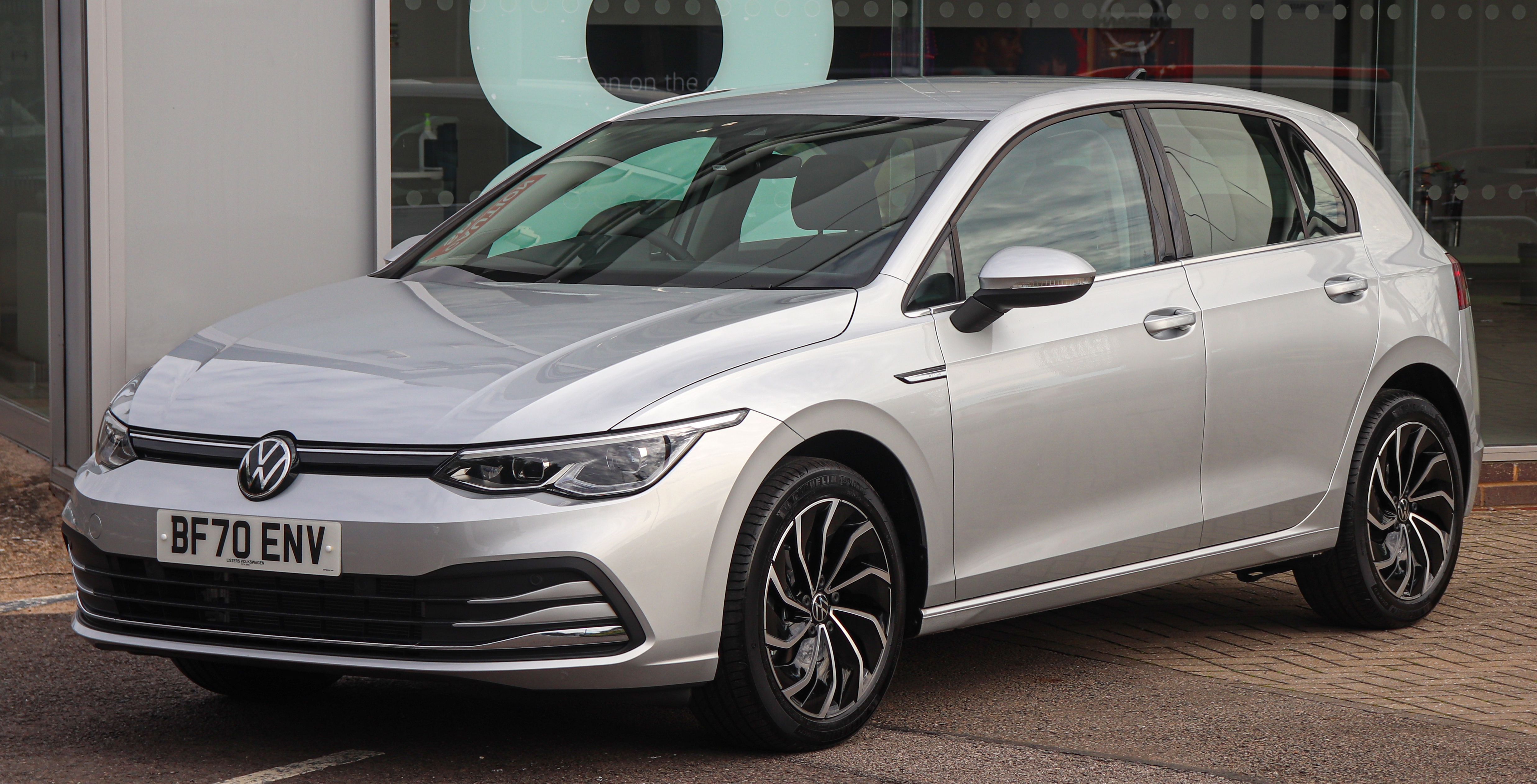
Volkswagen Gti
"...s, this looks so cool. Because obviously the 205 GTI is great anyway. But this just has that extra mus..."
The Volkswagen Golf is a compact car that many people drive. The podcast mentions it because it looks especially cool and stands out. The discussion is about its appeal rather than deep technical details.
The Volkswagen Golf is a widely known compact car platform that can be configured for everything from daily driving to performance builds. In the podcast, it’s mentioned because it “looks so cool,” and the speaker connects it to the idea that the 205 GTI is great but this Golf has an “extra” something—suggesting it stands out visually or character-wise. It’s discussed as an appealing, enthusiast-friendly car in its own right.

Ford GT40
"...a million pounds on this. It's like having a real GT40 and everyone goes, oh, that would definitely be ..."
The Ford GT40 is a very famous race car from the past. People talk about it because it’s strongly linked to racing history and is hard to get. In the podcast, it’s mentioned to show how exciting it feels to have something like a GT40.
The Ford GT40 is a historic race car best known for its success at endurance racing, and it has become an icon of 1960s motorsport. The podcast mentions it in the context of cost and excitement—“it’s like having a real GT40”—which underscores how special and rare it is to own or experience. It’s discussed because the GT40’s legacy makes even replicas or references feel meaningful to fans.

Renault Clio 172 Cup
"Start off with this. This is probably the cheapest way, aside from the Persho that you've got, into a homologation special point. What does it say? Yeah... this car is a 172 cup, which does have an MOT and also a full track car makeover... these were homologated for group N rallying. So yeah, which is why they didn't have ABS."
This is a Renault Clio variant that was set up for competition rules. The point is that it’s lighter and more track-focused—less comfort stuff like ABS and air conditioning—so it can be quicker.
The Renault Clio 172 Cup is a track-oriented hot hatch variant known for being homologated for Group N rallying. In this segment, the hosts highlight its “no ABS” and “no air conditioning” spec as part of the homologation rules, which also helps reduce weight and improve lap times.
MOT
"I said I was going to update on the MOT status of the 182. It needs an MOT. I haven't had it done yet. But this car is a 172 cup, which does have an MOT..."
An MOT is the UK’s official safety check for cars. If a car needs an MOT, it may not be road-legal until it passes.
In the UK, an MOT is an annual (or periodic) roadworthiness inspection required for most vehicles over a certain age. The hosts mention MOT status to indicate whether the car is currently legal to drive and how “ready” it is as a used purchase.
track car makeover
"But this car is a 172 cup, which does have an MOT and also a full track car makeover, which is kind of appropriate because these were homologated for group N rallying."
A track car makeover is when someone modifies a car to be better suited for driving on a race track. That can include safety gear and performance parts so it handles harder driving.
A “track car makeover” typically means converting a car for circuit use—often adding safety equipment, improving cooling, and fitting track-oriented tires/brakes/suspension. In this segment, it’s used to frame how the homologation base can be further developed for faster lap times.
Group N rallying
"because these were homologated for group N rallying. So yeah, which is why they didn't have ABS."
Group N is a type of rally racing where the cars have to stay fairly “stock.” So the special parts are mainly about making the road car lighter and more durable for rally use.
Group N is a rally category that requires cars to remain close to their production counterparts, with limited modifications allowed. That’s why homologation specs like the Clio 172 Cup often emphasize weight savings and removing non-essential systems rather than turning the car into a completely different machine.
ABS
"which is why they didn't have ABS. And I mean, it all helped to save weight, but it was also because that was the homologation spec of the car, right? No ABS and no air conditioning, et cetera."
ABS is a braking safety system that helps stop the wheels from locking up. If a track/homologation car doesn’t have it, braking is more demanding because the car can be easier to upset under hard stops.
ABS (anti-lock braking system) prevents wheel lockup during hard braking, improving stability and steering control. In homologation contexts like Group N, deleting ABS can reduce weight and simplify the car, but it also removes that safety/traction aid.
no air conditioning
"No ABS and no air conditioning, et cetera, et cetera. So these were the lightest version of the 172 facelift..."
Air conditioning adds weight and complexity. Some track or competition versions remove it to make the car lighter and simpler.
Deleting air conditioning is a common weight-saving move on track-focused or homologation cars. While it reduces comfort, it can also reduce complexity and potential maintenance items compared to a fully equipped road car.
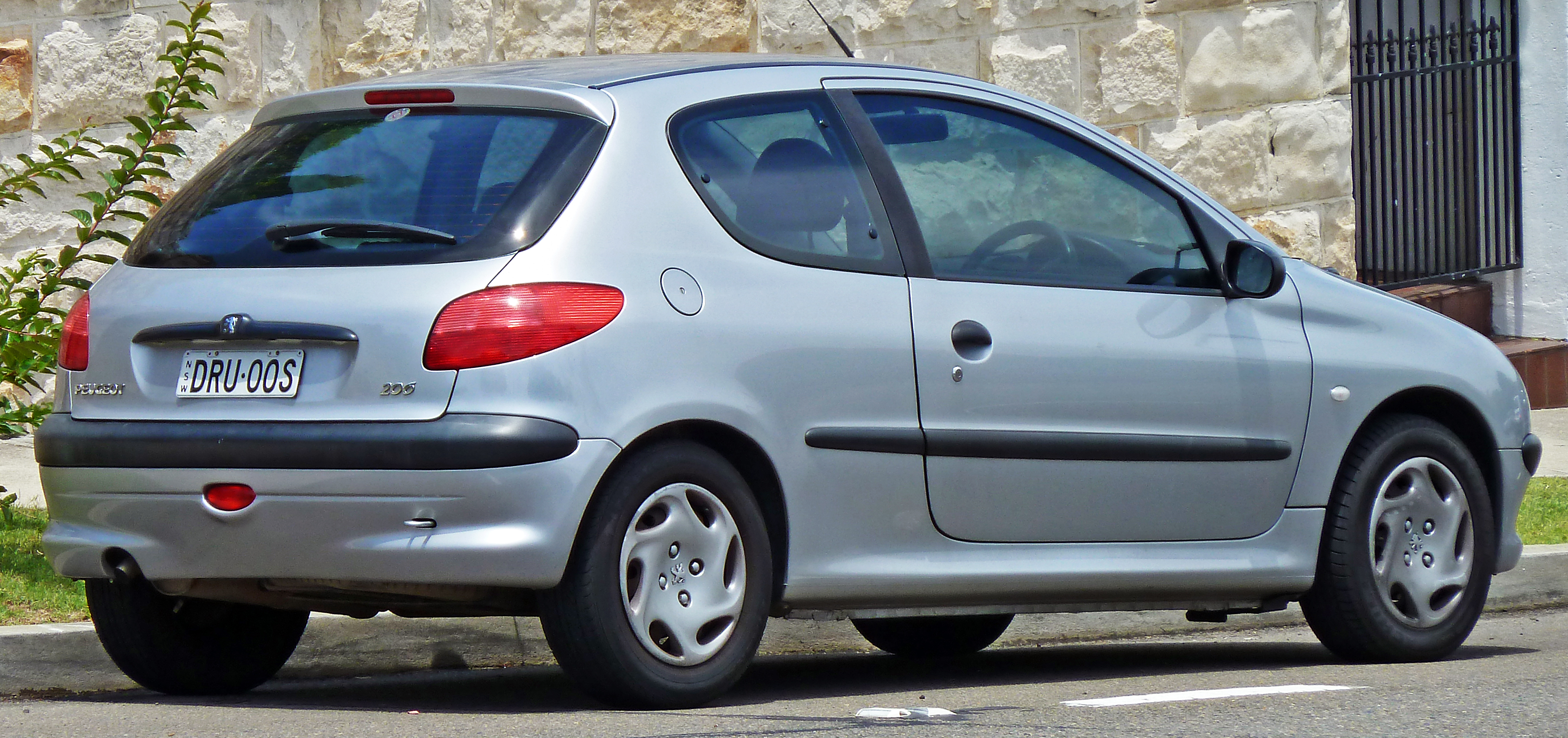
Peugeot 206 GT
"...because five bags, five grand here. This is a on Greek plates... This is a 206 GT, which for those who know is a WRC homologation... The only difference being though, Sam, is extended bumpers... and of course, the WRC on the the paperwork as well..."
The Peugeot 206 GT here is a special “rally-approved” version of the 206. It’s not a totally different car under the skin—most of the point is meeting the rules for rally competition. The big giveaway is the extra chunky bumpers, and the car comes with paperwork confirming the rally homologation.
The Peugeot 206 GT is discussed as a WRC-homologation road car: it’s essentially a standard 206 with specific changes required by rally rules. The hosts highlight that it’s rare (limited production) and that the paperwork acknowledges its WRC homologation. They also note the main visible differences are extended/chunky bumpers rather than major mechanical changes.
WRC homologation
"This is a 206 GT, which for those who know is a WRC homologation... 17 centimeters was mandatory for the homologation because it was a four meter long class WRC became at that time..."
WRC homologation is the paperwork/rules approval that lets a rally car be raced. It often requires the manufacturer to build a matching road version in limited numbers. In this case, the rules even required the road car to be a specific length.
WRC homologation is the process of certifying that a manufacturer’s road car (or a specific production version) matches the key requirements of a rally car that will compete in the World Rally Championship. Homologation rules can include strict production numbers and sometimes dimensional requirements. Here, the hosts explain that a length requirement (17 centimeters longer) was mandatory for the homologation at that time.
extended bumpers
"The only difference being though, Sam, is extended bumpers, extended bumpers... mechanically, it was exactly the same as far as I'm aware... 140 horsepower, two liter..."
Extended bumpers are bigger, longer front and rear bumpers than you’d see on a regular version of the car. Here, they’re used to satisfy rally rules, not to make the car faster mechanically. So the car’s rally identity shows up mostly in the bodywork.
Extended bumpers are a homologation-driven bodywork change used to meet rally rule requirements, such as minimum overall dimensions. In this segment, the hosts emphasize that the Peugeot 206 GT’s “specialness” is largely visual and dimensional—chunky/extended front and rear bumpers—while the mechanical package is largely the same as the base car. This is why the car can feel like a normal 206 until you look closely at the body.
roof line tapering down
"...he was adamant about the roof line tapering down because if you look at the GI Yaris, it's got a much more slopey coupe like roof compared to a standard Yaris and the idea was to basically fit a larger or open up a larger space for the rear wing..."
The hosts describe a specific design choice—tapering the roof line—to create packaging space for the rear wing. In rally-focused homologation builds, aero and wing mounting often drive body shape decisions more than styling does.
rally two car
"...they released the rally two car. So rally one cars are basically space frame prototypes... The rally two car is a production car that's been beefed up to rally specs."
Rally2 cars are rally race cars that are closer to the production car than the top Rally1 class. They’re strengthened and modified for rallying, but they start from a more production-based platform.
A “Rally2” car (called “rally two car” here) is a lower-spec rally class compared to Rally1, typically based more directly on production-car architecture. The hosts contrast it with Rally1 by saying Rally2 cars are production cars beefed up to rally specs, meaning more of the road-car DNA carries over.
rally one car
"...they released the rally two car. So rally one cars are basically space frame prototypes. They bear, they look like the road cars, but they bear very little similarities with them..."
A Rally1 car is the highest-spec rally race car. Even though it looks like the road model, it’s usually built as a purpose-built race car with a lot of custom engineering.
A “Rally1” car (referred to here as “rally one”) is the modern top-spec class of WRC rally car. The key point from the hosts is that Rally1 cars are space-frame prototypes that only resemble the road car externally, with very little shared structure or parts.

Subaru Impreza
"...we do have two impreza WRX STIs, we've got an RB 320... But we do also have a Type UK, WRX, STI, the hatchback style..."
The Subaru Impreza WRX STI is a rally-inspired, high-performance Subaru. It’s famous for being grippy and quick, especially in bad weather, because it uses all-wheel drive. The hosts are using it as an example of rally-related special cars.
The Subaru Impreza WRX STI is the performance-focused variant of the Impreza line, known for rally heritage and all-wheel-drive traction. In this segment, the hosts mention having multiple “WRX STIs” available and then connect the idea of “homologation specials” to rally-focused Subaru models. The discussion frames the STI as part of the broader rally-derived performance culture.
Subaru WRX
"...homologation special, but the whole point of the WRX World Rally Experimental, I believe, was that it ..."
The WRX is a sporty Subaru car that was made to be quick and to handle well. Some versions were built so the car could race under rally rules. The podcast mentions it because it’s connected to that racing development.
The Subaru WRX is a performance-focused compact sedan built for fast road use and rally-style competition. It’s often discussed because Subaru created special versions and programs tied to rally homologation rules, which helped shape the WRX’s motorsport identity. In the podcast, it comes up in the context of rally development and the WRX World Rally Experimental idea.
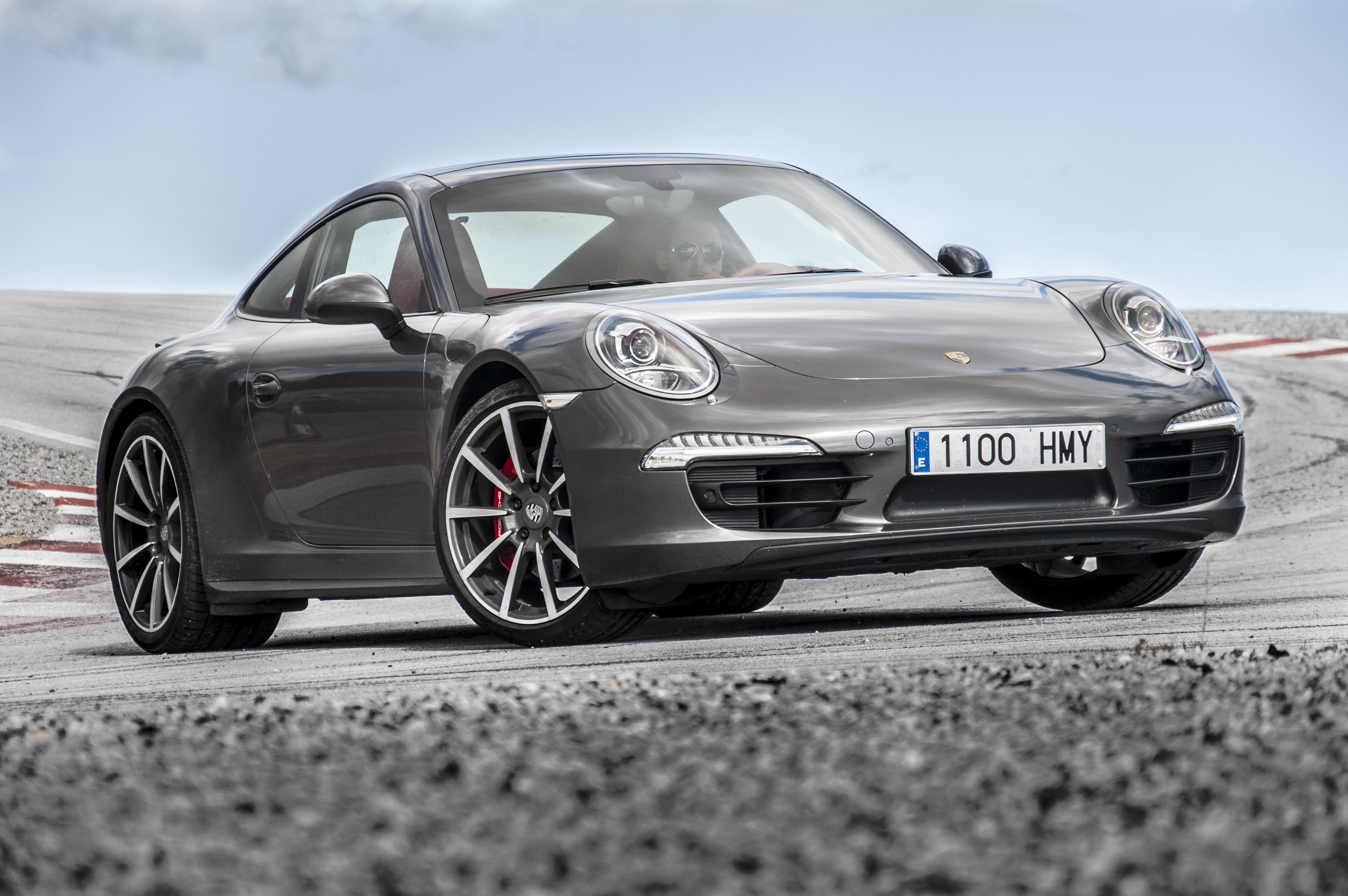
Porsche 996 GT3
"We were looking for the GT3 996 GT3 to see if there were homologation spec ones... the early car, not the update car that came in 02..."
This is a Porsche 911 GT3 from the 996 generation. The hosts are talking about certain early versions that were more closely connected to racing rules, especially for Le Mans. They’re basically saying not every 996 GT3 you see is the “right” one for that homologation story.
The Porsche 911 GT3 (996 generation) is a track-focused 911 variant that has multiple eras, including earlier cars that are often discussed in the context of motorsport eligibility. In the transcript, the hosts are specifically hunting for “homologation spec” examples, and they emphasize that the early 996 GT3 is the one tied to Porsche’s effort to compete in the Le Mans GT category. They also contrast it with later updates that no longer qualify as the “true” homologation special.
Le Mans GT category
"...that is the homologation special for Porsche to take its 996 GT3 into the Le Mans GT category of the day..."
Le Mans is a long-distance race, and the GT category is one of the classes for cars that are based on production models. To race in that class, the cars have to follow specific rules, which is why some road cars are built to qualify. The hosts are explaining that this is the racing goal behind the “homologation special” talk.
Le Mans is a major endurance race, and the “GT category” refers to the class where production-based sports cars compete. Homologation matters because cars must meet the series’ rules to be eligible, which is why certain road-going variants get special attention from collectors. The hosts connect the early Porsche 911 GT3 (996) to Porsche’s attempt to take it into the Le Mans GT category.
Spa 25 hours
"It competed at the Spa maybe the 25 hours or so. In 2010, so it's got some history."
That’s an endurance race at Spa where cars run for a long time. Endurance racing is tough, so it says something about the car’s setup and durability.
“Spa 25 hours” refers to endurance racing at Spa-Francorchamps, where cars run for about a day. Endurance events are a good indicator of how a car was prepared and used, since they demand reliability and consistent performance.
British GT
"These were racing in the British GT. Yeah."
British GT is a UK racing series for sports cars. If a car competed there, it means it was used in real race events, not just built for show.
British GT is a sports car racing series in the UK, featuring GT-class cars from manufacturers and private teams. Mentioning it helps place the car’s racing context and the kind of competition it would have faced.
flat six
"And the guttural noise of those old Metzger flat sixes were just fantastic."
A flat-six is an engine with six cylinders laid out flat, like two rows facing each other. It’s part of why some Porsches sound and feel so distinctive.
A flat-six is an engine layout where six cylinders sit horizontally in two banks of three, opposed to each other. In Porsche applications, it’s strongly associated with the classic 911 sound and balance characteristics.

Subaru 360
"...member them sounding completely different to the 360s and Corvettes that were running around. Oh, that ..."
The Subaru 360 is an old, very small Subaru car. Because it’s small and from a different era, it can sound and feel quite different from modern performance cars. The podcast is using it as part of a comparison of how cars sound.
The Subaru 360 is a small, classic kei car from Subaru’s earlier history, known for its compact size and distinctive character. The podcast mentions it in the context of sound—how it can seem different from other cars like Corvettes—suggesting the speaker is comparing the auditory feel of various vehicles at an event. It’s discussed because older kei cars have a very recognizable “period” presence.
Porsche 911 GT2
"And but if you did want a Porsche homologation special, amazingly, we do have a 911 GT, which the 993 aka GT2 up for sale."
This is a Porsche 911 GT2 from the 993 era. It’s a rare, track-oriented version of the 911, made in small numbers so it could be eligible for certain racing categories.
The hosts are referring to a Porsche 911 GT2 based on the 993 generation. The GT2 is the more track-focused, higher-performance homologation variant of the 911 line, built in very limited numbers and known for being extremely serious compared with regular 911s.
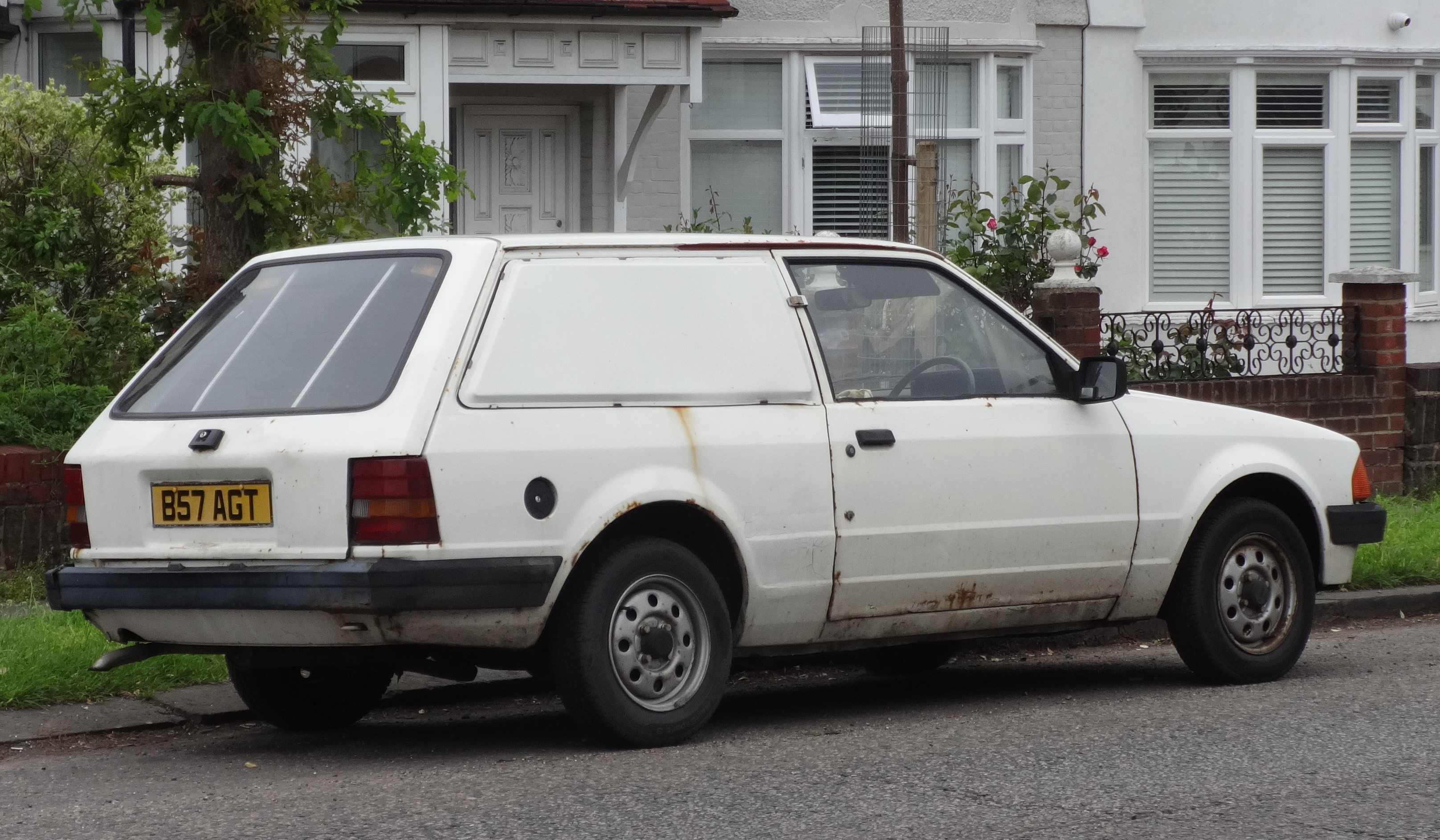
Ford Escort RS Cosworth
"there's probably not been used a lot since then. I see you've got one more that's kind of more on the quote affordable side. Yes. Yeah. Yes, we've got our group a homologation special, which is the Ford RS Cosworth. Sorry. It's under those right here. Yeah. Yeah. Yeah. Which is the Ford Escort RS Cosworth is what I meant to say."
They’re talking about the Ford Escort RS Cosworth, a rare, turbocharged Escort made to be eligible for racing. It’s a rally-style performance car that collectors still chase today.
The hosts pivot to another homologation special: the Ford Escort RS Cosworth. It’s a turbocharged, rally-bred Escort variant built in limited numbers to support competition, and it’s one of the most iconic “fast Ford” collector cars from that era.
big turbo
"Which is the Ford Escort RS Cosworth is what I meant to say. And it says in bold capitals, big turbo. I mean, they're pretty"
“Big turbo” means the car uses a larger turbocharger to push more air into the engine. That usually helps make more power, but it can also change how quickly the car feels responsive.
“Big turbo” refers to using a larger turbocharger than stock, typically to increase boost and power. In cars like the Escort RS Cosworth, turbo sizing affects how quickly the engine builds boost (response) versus peak power.
group A
"...So if you fancy a group B special and a group A special, but not from rallying, you've got them right here..."
Group A was another racing class where the cars had to be closer to production models than the wildest rally era. The host is using it as a reference to the “special rules” era. It’s a way to explain why these cars feel race-derived.
Group A was a touring car/rally homologation category that followed Group B, with stricter ties to production cars. In the transcript, the host groups Group A and Group B together as shorthand for “homologation specials,” even though the cars being discussed here are not rally cars. This helps listeners understand the broader motorsport lineage behind these road-legal performance models.
drag coefficient
"...And if I remember correctly, it had a drag coefficient of 0.29 CD, which was a big improvement over..."
Drag coefficient is a number that describes how “slippery” a car is through the air. A lower number usually means the car meets less air resistance. The host is saying the Evo two was designed to be more aerodynamic than the earlier version.
Drag coefficient (often written as Cd) measures how easily air flows around a car—lower numbers generally mean less aerodynamic drag. The host mentions a drag coefficient of 0.29 for an Evo two and frames it as a major improvement over the Evo one. This is a key performance concept because aero drag affects top speed and efficiency, especially at highway speeds.
DTM championship winning car
"...If I'm correct, there's always a team with that... Evo one wasn't actually that successful, but the Evo two got a championship the year after it was released. So it was a, it was a DTM championship winning car..."
DTM is a German touring car racing series. The host is saying the Evo two actually won a championship there, which proves it was built to compete. It’s the “race results” part of the story.
DTM (Deutsche Tourenwagen Masters) is referenced as the series where the Mercedes-Benz 190 E Evo two achieved championship success. The host uses this to reinforce that the Evo two wasn’t just a collectible road car—it was competitive in top-level touring car racing. This segment is essentially about motorsport validation and why homologation cars matter.

Alfa Romeo 155
"“didn't it? There was the Alfa 155. It competed against that and the E30M3.”"
The Alfa Romeo 155 was a race-bred version of a road car from the 1990s. People talk about it because it was built to help the brand compete in racing.
The Alfa Romeo 155 is a 1990s touring-car homologation special that helped Alfa Romeo compete in series like the DTM. In this segment it’s mentioned as part of the same era of hardcore European performance cars.
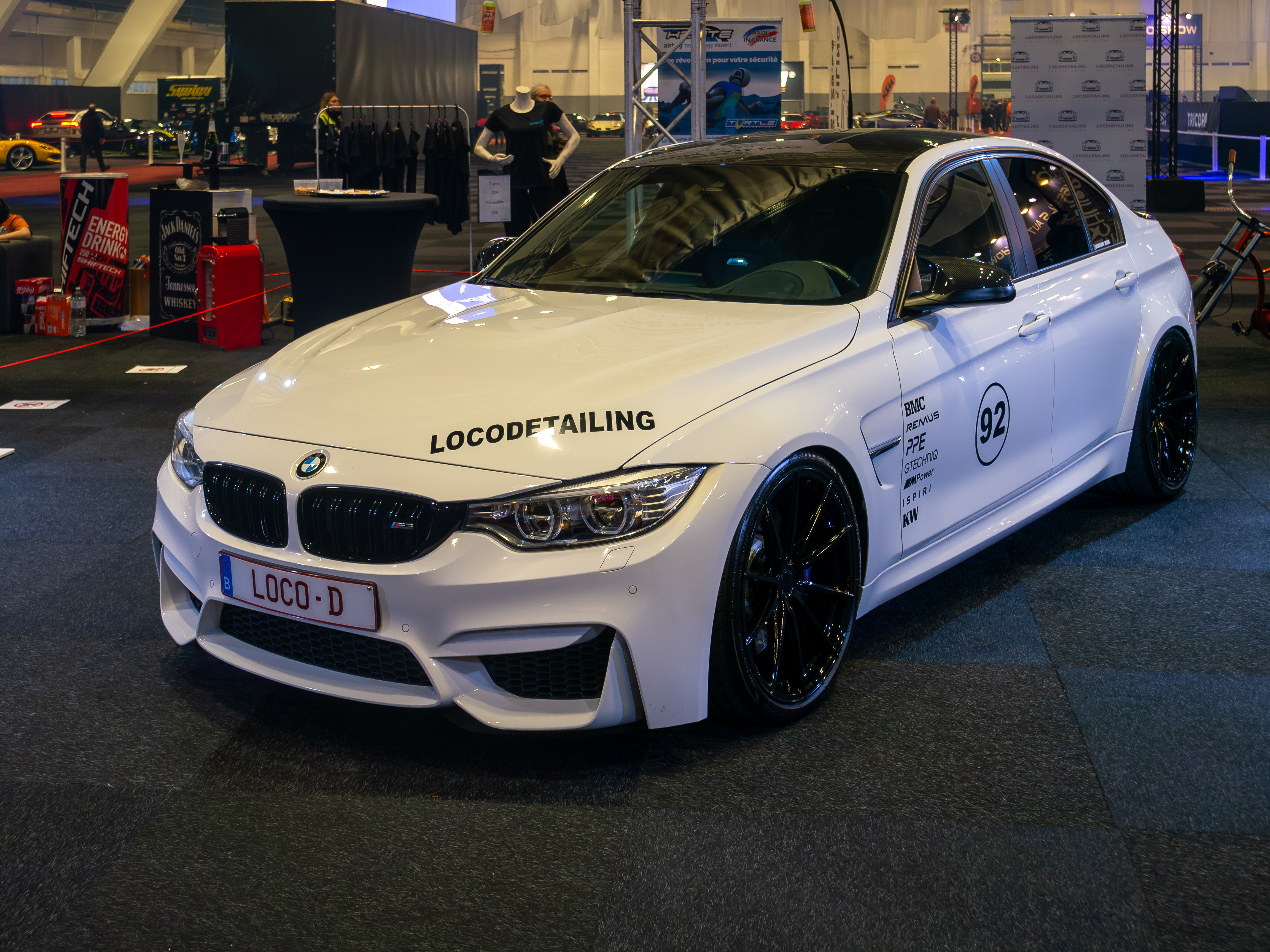
BMW E30M3
"“There was the Alfa 155. It competed against that and the E30M3. One era.”"
The BMW E30 M3 is a classic BMW performance car from the 1980s. It’s famous because it was closely tied to racing and became a benchmark for driver-focused cars.
The BMW E30 M3 is the iconic first-generation M3 from the 1980s, known for its lightweight feel and motorsport pedigree. It’s brought up here as a benchmark “homologation-era” rival to other special cars.

C8 Corvette race
"“...if you're a Le Mans nerd like I am... and you have been watching the C8 Corvette race, you'll notice that they don't sound like a normal Corvette.”"
They’re talking about the Corvette’s C8 generation in racing. The big takeaway is that the race version sounds different because of how the engine is built.
The C8 Corvette is the eighth-generation Corvette platform, and here the hosts are discussing its racing version. They note that the race cars use a flat-plane crank V8 sound, which is a key technical difference from the standard road cars.
flat plane crank V8
"“...you'll notice that they don't sound like a normal Corvette. They have flat, flat plane crank V8s...”"
A flat-plane crank V8 is an engine layout that changes the way the cylinders fire. That firing pattern gives the car a sharper, more distinctive sound.
A flat-plane crank V8 is an engine design where the crankshaft throws are arranged to create a distinct firing order and sound. In this segment, the hosts use it to explain why the C8 Corvette race cars don’t sound like typical Corvettes.
cross plane crank
"“...versus the standard Corvettes, which have cross plane crank.”"
Cross-plane crank refers to how the crankshaft is shaped inside the V8. It affects the engine’s sound, and here it’s used as the comparison point versus flat-plane.
A cross-plane crank is a different V8 crankshaft layout that typically produces a smoother, more “classic V8” sound. The hosts contrast it with the flat-plane crank to highlight why the race-spec C8 sounds different.
Corvette 06
"...rvettes, which have cross plane crank. Well, the Corvette 06 was the homologation special for the racing car. ..."
The Corvette is a sports car made by Chevrolet. The podcast mentions a specific Corvette model as a special version made for racing rules. It also talks about the engine’s internal design because that can change how the car sounds and drives.
The Corvette is a sports car line known for performance and distinctive engine character. The podcast specifically mentions “Corvette 06” as a homologation special for a racing car, and it also references cross-plane crank behavior, which is often discussed because it affects engine sound and feel. It’s brought up to connect Corvette models to racing eligibility and how the engine character changes between versions.
right hand drive
"“Yeah. So there we go. So and you know, the one I found is a right hand drive example, because with the C8s, you can obviously get them in right hand drive and they're for the UK.”"
Right-hand drive means the steering wheel is on the right side of the car. They mention it because it changes how you can buy a Corvette for the UK market.
Right-hand drive (RHD) means the steering wheel is on the right side of the car, which is common in the UK and some other markets. The hosts mention it because C8s can be sourced as RHD for the UK, affecting availability and buying decisions.
naturally aspirated
"“...with this, you're getting 670 horsepower naturally aspirated. So you've not got any turbochargers...”"
Naturally aspirated means the engine doesn’t use a turbo or supercharger. It gets its air in naturally, and that’s part of why the power delivery can feel different.
Naturally aspirated means the engine makes power without turbochargers or superchargers, relying on atmospheric pressure and engine design. The hosts highlight this to contrast the C8’s setup with turbocharged Corvettes like the ZR1.
Luminous blue
"“...in like proper luminous blue. It looks great. It does look really very good.”"
They’re describing the car’s paint color as Luminous Blue. Color can matter when you’re buying used because some colors are more popular than others.
Luminous Blue is a paint color mentioned as part of the car’s presentation. Color and spec details like this matter for used-car shopping because they can affect desirability and resale.
1,519 miles on the clock
"“...It looks great. It does look really very good. 1,519 miles on the clock.”"
That phrase means the car’s odometer reading. 1,519 miles is very low, so the car likely has minimal wear compared to most used examples.
“Miles on the clock” is the odometer reading, and 1,519 miles indicates an extremely low-mileage example. Low mileage can be a major factor in pricing and perceived condition for performance cars.

Lancia Stratos HF Stradale
"One of them is a Lancia Stratoff's HF Stradale. So Lancia built... I think that the aim was to build around 500 cars from what it says here 492 were made for rallying. So it was one of the first examples of a car built specifically for rallying, the World Rally Championship."
The Lancia Stratos HF Stradale is a rare Lancia made mainly for rally racing, then made road-legal in limited numbers so it could compete. Because it was built for racing, it’s light and very focused, not like a normal everyday car. The big takeaway here is that the real rally cars are even rarer than the already-limited road versions.
The Lancia Stratos HF Stradale is a rally-focused homologation special built by Lancia for competition. The “HF” refers to the high-performance engine, and the car’s short wheelbase and lightweight layout were key to its World Rally Championship success. In this segment, the hosts emphasize how rare the road-legal versions are compared with factory rally cars.
World Rally Championship
"So it was one of the first examples of a car built specifically for rallying, the World Rally Championship. And it won three three championships. It was utterly dominant."
The World Rally Championship is the big international rally racing series. When a car is built to compete in WRC, it’s designed for rough roads, traction changes, and fast stages. The hosts mention it to show how successful the Stratos was in the highest rally competition.
The World Rally Championship (WRC) is the top-level international rally series run under FIA rules. The hosts reference it to explain why the Stratos was built the way it was—rally eligibility and performance drove the engineering choices. Winning championships in WRC is a major credibility marker for a rally car’s design.
wide body kit rally mode
"Every other one that you've seen in the proper wide body kit rally mode is an original Stratoss. If it's a legitimate rally car that raced in period, it would have been a road car converted to a rally car."
They’re talking about the rally look—wider fenders and bodywork that makes the car sit wider. But the point is that the look alone doesn’t prove the car was a real factory rally car. Some cars were modified later to look like rally cars.
A “wide body kit rally mode” refers to the common look of rally-prepped cars with widened fenders and bodywork to accommodate tires and improve stance. The hosts use this phrase to argue that many cars you see with that look aren’t necessarily the original factory rally entries—they may be road cars later converted. That affects historical authenticity and value.
pre-import (no salt on roads)
"But this one is red. It's the Batoni design. It just looks absolutely fantastic. The gold wheels absolutely immaculate, 19,200 miles. And yeah, it's also in a country that won't have any salt on its roads. So it should be a very good... That's pre-import."
They’re basically saying the car likely hasn’t been exposed to road salt, which can cause rust. If a car comes from a place without winter salt, it often has less corrosion than one imported from a salty climate. That can make a big difference on rare cars.
“Pre-import” here implies the car has spent its life in a region where roads aren’t salted in winter, reducing corrosion risk. The hosts connect this to the car’s low mileage and overall condition, suggesting it should be a better starting point than a similar car that lived in salt-heavy climates. This is a common used-car buying consideration for rare European cars.

Ferrari F40
"This is my dream car and it's 100,000 pounds cheaper than the Stratosses. Arguably not as pretty. Oh, it's definitely not as pretty. But it is extremely purposeful. These for me are a baby F40."
They compare the Lancia O37’s vibe to the Ferrari F40. The F40 is known for being a very hardcore, performance-first supercar. So the comparison is meant to tell you the Lancia feels similarly intense and track-oriented.
The Ferrari F40 is used as a reference point for the Lancia O37 Stradale’s character. The F40 is famous for being a raw, purpose-built supercar with an aggressive, performance-first feel. Calling the Lancia a “baby F40” is a way to communicate that it’s similarly focused and dramatic rather than refined or comfortable.

TVR T440R
"And this seems to be one that goes between a few collectors. So the chance has come to buy it. It is a TVR T440R. So this is the car that essentially followed on from the Speed 12"
They’re talking about a TVR T440R, which is a very rare TVR built with racing in mind. The big takeaway is that it’s part of a whole TVR racing story, and it’s the road version of that ambition.
The TVR T440R is discussed as a rare, collector-moving TVR homologation-style special with a direct racing lineage. The hosts explain how it evolved from TVR’s Speed 12/GT1 efforts and then into the Tuscan R/Typhon/T400R naming chain, culminating in the road-going T440R they’re featuring.
GT1 at Le Mans
"So this is the car that essentially followed on from the Speed 12 because the Speed 12 was designed to be TVR's entry into GT1 at Le Mans. But by the time it was finished or canned, GT1 had died."
GT1 is a racing class, and Le Mans is a famous endurance race. The story here is that TVR’s car plans depended on GT1 continuing, and when it didn’t, they had to adapt.
GT1 was a top-level grand touring race category, and Le Mans is one of the world’s most demanding endurance races. The hosts’ point is that TVR’s plans were shaped by whether GT1 existed at the time, and when it was cancelled, TVR had to change direction.
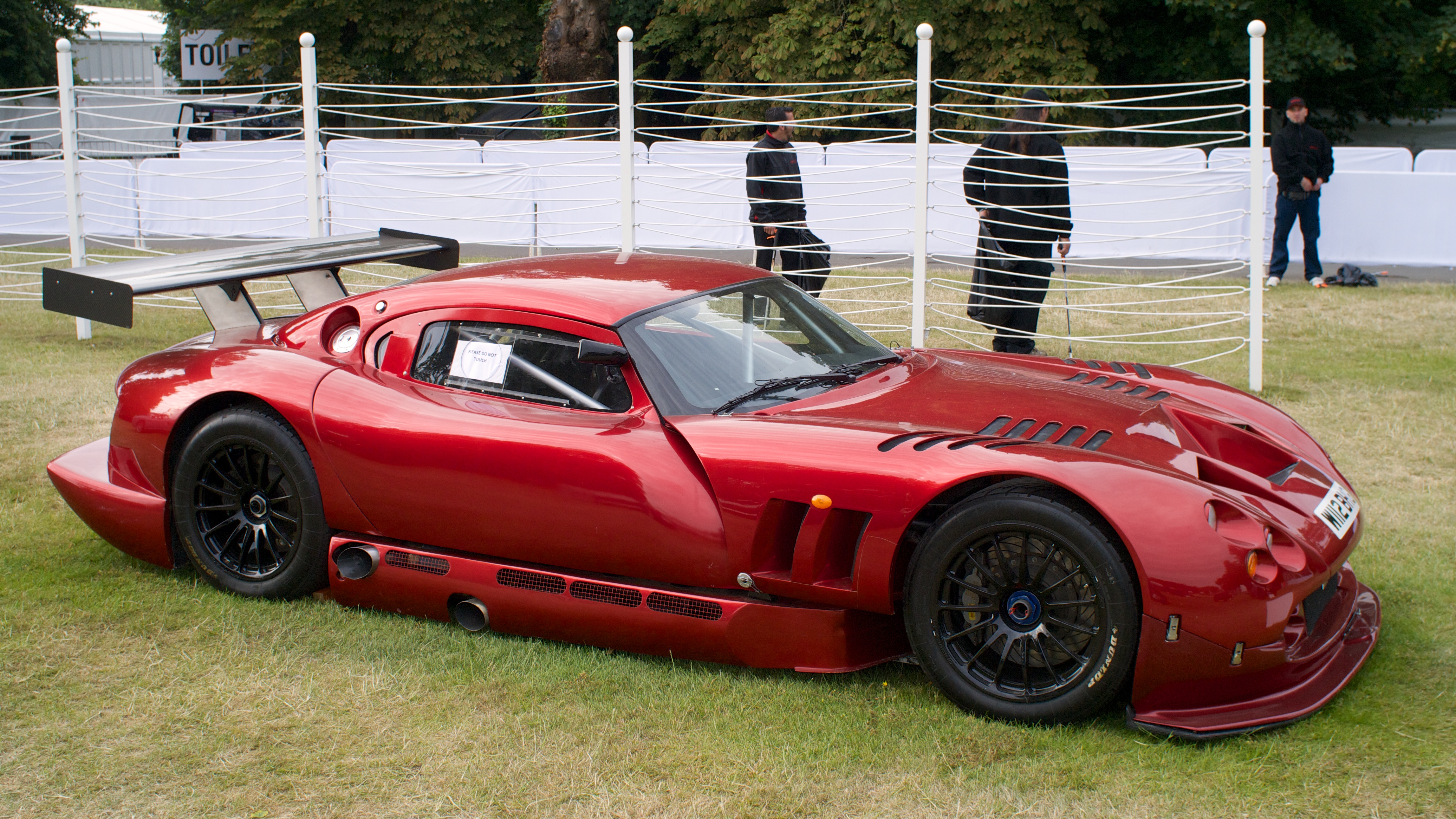
TVR Speed 12
"So this is the car that essentially followed on from the Speed 12 because the Speed 12 was designed to be TVR's entry into GT1 at Le Mans. But by the time it was finished or canned, GT1 had died."
They’re referencing the TVR Speed 12, TVR’s attempt to race in the GT1 class at Le Mans. When that class plan fell apart, TVR had to pivot and build the next cars instead.
The TVR Speed 12 is described as TVR’s intended entry into GT1 at Le Mans. The key context is that the Speed 12 program was affected by GT1 being cancelled (“canned”), which then pushed TVR to develop the next iteration of cars for racing and eventually road homologation.

TVR Tuscan
"But for Le Mans, they then created something that I was known as the Tuscan R to begin with. Then it was also called the Typhon. It then raced as the T400R."
The speaker explains that TVR’s development path started with what was “known as the Tuscan R,” before evolving through other names. This highlights how TVR’s racing hardware and homologation goals drove rapid iteration across multiple related projects.

TVR Typhon
"But for Le Mans, they then created something that I was known as the Tuscan R to begin with. Then it was also called the Typhon. It then raced as the T400R."
They’re talking about the TVR Typhon as part of TVR’s evolving race-car plan. It’s basically one of the steps in the story before the final road-focused car.
The TVR Typhon is mentioned as one of the names in TVR’s Le Mans-focused development sequence. It’s used to illustrate how TVR reworked the concept as the racing program evolved, before arriving at the T400R and then the road T440.

TVR T400R
"Then it was also called the Typhon. It then raced as the T400R. And then the road car that we're looking at here is the T440."
They mention the TVR T400R as the race-car stage in the development chain. The point is that the road car isn’t random—it’s connected to a real racing effort.
The TVR T400R is described as the racing version in the lineage that ultimately leads to the road car being discussed (the T440). This is important because it ties the road car’s identity to an actual Le Mans racing attempt.
TVR T440
"And then the road car that we're looking at here is the T440. So it's a car... I believe it's carbon fiber body. The chassis is completely bespoke, doesn't share any components with... or doesn't share the core components with the Tuscan."
They’re describing the TVR T440 as a road car with lightweight carbon-fiber bodywork and a custom-built chassis. The takeaway is that it’s not just a normal TVR with a body kit—it’s a purpose-built special.
The speaker describes the road TVR T440 as having a carbon-fiber body and a bespoke chassis that doesn’t share core components with the earlier Tuscan. That “bespoke chassis + carbon fiber body” approach is a big part of why these cars are so rare and expensive to build and maintain.
carbon fiber bodywork
"So it's a car... I believe it's carbon fiber body. The chassis is completely bespoke, doesn't share any components with... or doesn't share the core components with the Tuscan."
Carbon fiber is a lightweight material used for car panels. Using it helps the car weigh less, which can make it feel quicker and more agile.
Carbon fiber bodywork uses composite panels to reduce weight while maintaining stiffness. In a low-volume special like the TVR T440, that weight reduction can improve acceleration, braking, and overall responsiveness, which is why the hosts connect it to the car being “under a ton.”

A45 AMG
"I'm currently thinking of getting out of my A45 AMG. It's been a great daily driver."
The Mercedes-Benz A45 AMG is a hot hatch—basically a normal small car, but tuned for performance. It’s popular as a daily driver because it’s quick and fun without being a full-on track car.
The Mercedes-Benz A45 AMG is a performance-focused compact hatchback built by AMG. It’s known for strong acceleration and a sporty driving feel, which is why it can work as a daily driver while still feeling “special.”
daily driver
"This will be a daily driver. But I want it to be something special. I don't want anything more than 10 years old."
A daily driver is the car you use most days for normal life—school runs, shopping, and trips. It needs to be comfortable and practical, not just fast.
A daily driver is a car intended for everyday use—commuting, errands, and regular trips—rather than being a weekend-only toy. The trade-off is that it must balance comfort, practicality, and reliability with enough performance to still feel engaging.
track days
"I love my driving, we'll be doing track days, we'll be doing weekends through Wales, Scotland, Europe, etc."
Track days are events where you drive on a race circuit for fun and practice. They’re a good test of whether a car can handle fast driving repeatedly without overheating or losing grip.
Track days are organized events where drivers can use a circuit for performance driving without racing competition. They’re a common way to evaluate how a car’s brakes, tires, suspension, and cooling hold up under repeated hard use.
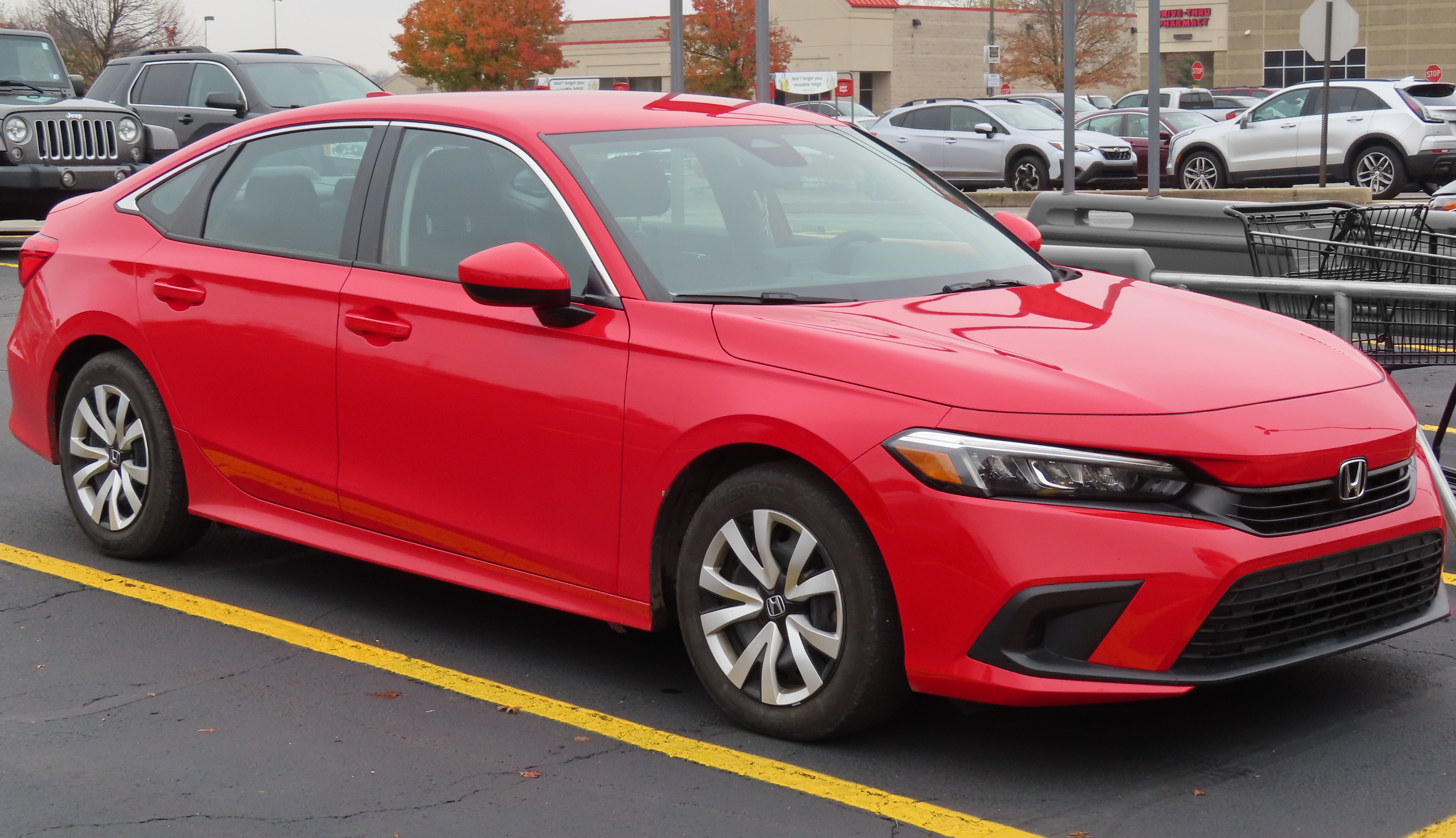
Civic Type R
"I've gone for an FK at Civic Type R, but it's the limited edition model, which isn't just bright yellow."
The Honda Civic Type R is the sporty, performance version of the Civic. It’s designed to feel planted and responsive, so it’s a good choice if you want something that can handle spirited driving and track days.
The Honda Civic Type R is Honda’s high-performance version of the Civic, built for sharp handling and track-capable driving. In this segment, it’s framed as the most track-focused option due to its firm setup and attention-grabbing presence.
limited edition
"I've gone for an FK at Civic Type R, but it's the limited edition model, which isn't just bright yellow."
A limited edition is a special version of a car that’s made in smaller numbers. It usually has unique looks or extra features compared to the regular model.
A limited edition is a factory-produced variant with a smaller production run and often unique styling, trim, or equipment. In performance cars, limited editions can also come with special paint, wheels, or setup details that make them more desirable.
Michelin tires
"...I remembered that the tires, they ran on Michelin tires versus the originals, which are Continental's. And I think the tire difference was probably the biggest of all..."
They’re talking about the tires, and how the brand can change how the car grips the road. Better grip usually means the car feels more confident when you drive hard.
The hosts are comparing tire brands to explain how grip and feel change. Michelin tires are often chosen for consistent traction and predictable performance, which can make a car feel sharper in fast driving.
Continental's
"...the tires, they ran on Michelin tires versus the originals, which are Continental's. And I think the tire difference was probably the biggest of all..."
Continental is the tire brand that came on the car originally. If you switch to a different brand, the car can feel like it handles differently because the tires grip differently.
Continental is the original equipment tire brand on the car they’re discussing. Swapping from the original Continental setup to Michelin can change grip, steering response, and overall confidence, even if the car’s mechanical parts are unchanged.
Request an Explanation
Heard something you'd like explained? We'll add it to this episode.
Sign in to request explanations for terms you heard.
Want to learn more?
Browse our glossary for plain-English explanations of automotive terms, jargon, and concepts.
Help improve this episode
See something that's not quite right? Our annotations are AI-generated and can sometimes miss the mark. Click the flag icon on any annotation to suggest a correction.
3 community members have helped improve this episode.