This is a high-performance version of the Dodge Charger. The “SRT8” badge means it’s built to be faster and more aggressive than a regular Charger, usually with a bigger V8 engine and sportier setup.
NASCAR is a popular form of car racing in the U.S., where cars race on oval tracks. The host is mentioning it to explain where their racing interest came from.
Topic
walking to dealerships and filling out applications
This part is about how the guest tried to get into the car business by going to dealerships and applying in person. It’s more about career path than car tech.
CarMax is a big used-car dealership chain in the U.S. They sell lots of different cars, so it can be a place to learn how the used-car business works and to get time around many vehicles.
Auction cars are cars that are bought at an auction. Instead of getting them through normal trades, the dealer gets them by bidding, so there’s often a wide variety of cars coming in.
The C8 is the Chevrolet Corvette generation that put the engine in the middle of the car instead of the front. That changes how it drives, especially the balance and cornering. Here, they’re just saying they were driving one around and had to follow the early “break-in” period.
“Break it in” means the first few miles/weeks of driving a new car should be done gently. The goal is to let important parts wear in smoothly before you drive it hard.
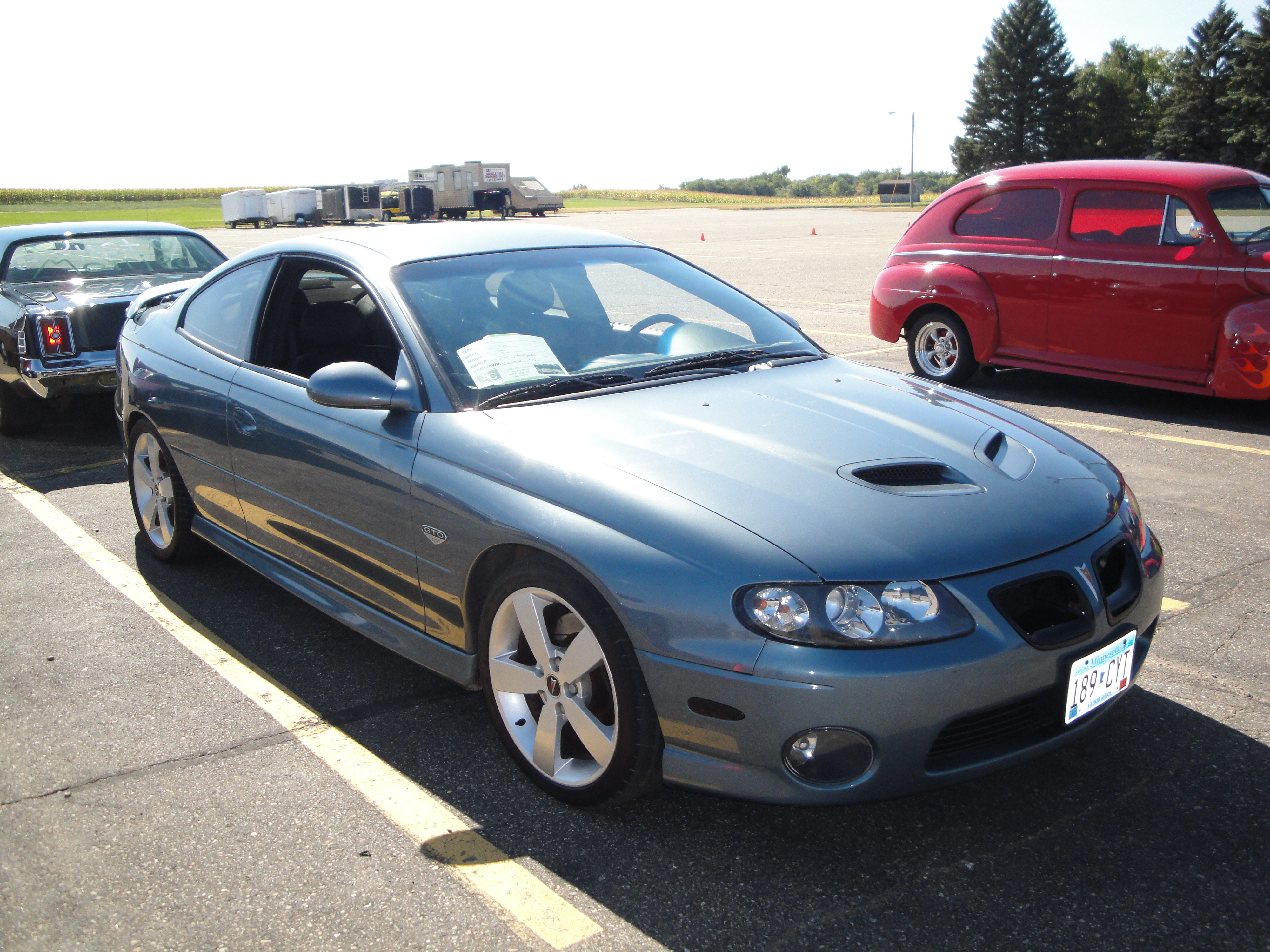
The Pontiac GTO is a famous muscle car. In this part, the speaker is talking about the 2005-era GTO they had access to, and how fun it was because it had a V8 and a manual transmission.
A “V8 muscle car” is a car with a V8 engine that’s built for quick, exciting power. The speaker is basically saying it felt like classic American performance—fast and fun.
The Ford Fiesta is a small, popular Ford car. The host is saying their early car coverage started with events where people had access to a Fiesta, which helped them learn how car media works.
A press release is an official announcement a company sends out to media. In this case, it gave the speaker the key details they could post right away.
An auto show is a big event where car companies reveal new cars and journalists go to report on them. The speaker is saying they weren’t there, but they still got the news out first.
The Ford GT is a high-end, supercar-style Ford. Here, the speaker mentions the 2015 Ford GT launch to explain how they used the official press info to get attention online even though they weren’t at the auto show.
A test drive is when you get to drive a car before buying it. Here, it’s how the guest was able to check out the Lincoln before anyone else reviewed it.
SEMA is a huge car show focused on aftermarket parts and custom builds. People go there to see wild trucks and unique projects that you usually don’t see anywhere else.
Here, authenticity means being real and original instead of just repeating what everyone else is posting. It’s about sharing a true passion for cars, not just following a trend.
Due diligence means doing your homework instead of just going along with what’s popular. In this case, it’s the effort to find the real, interesting stuff and not miss it.
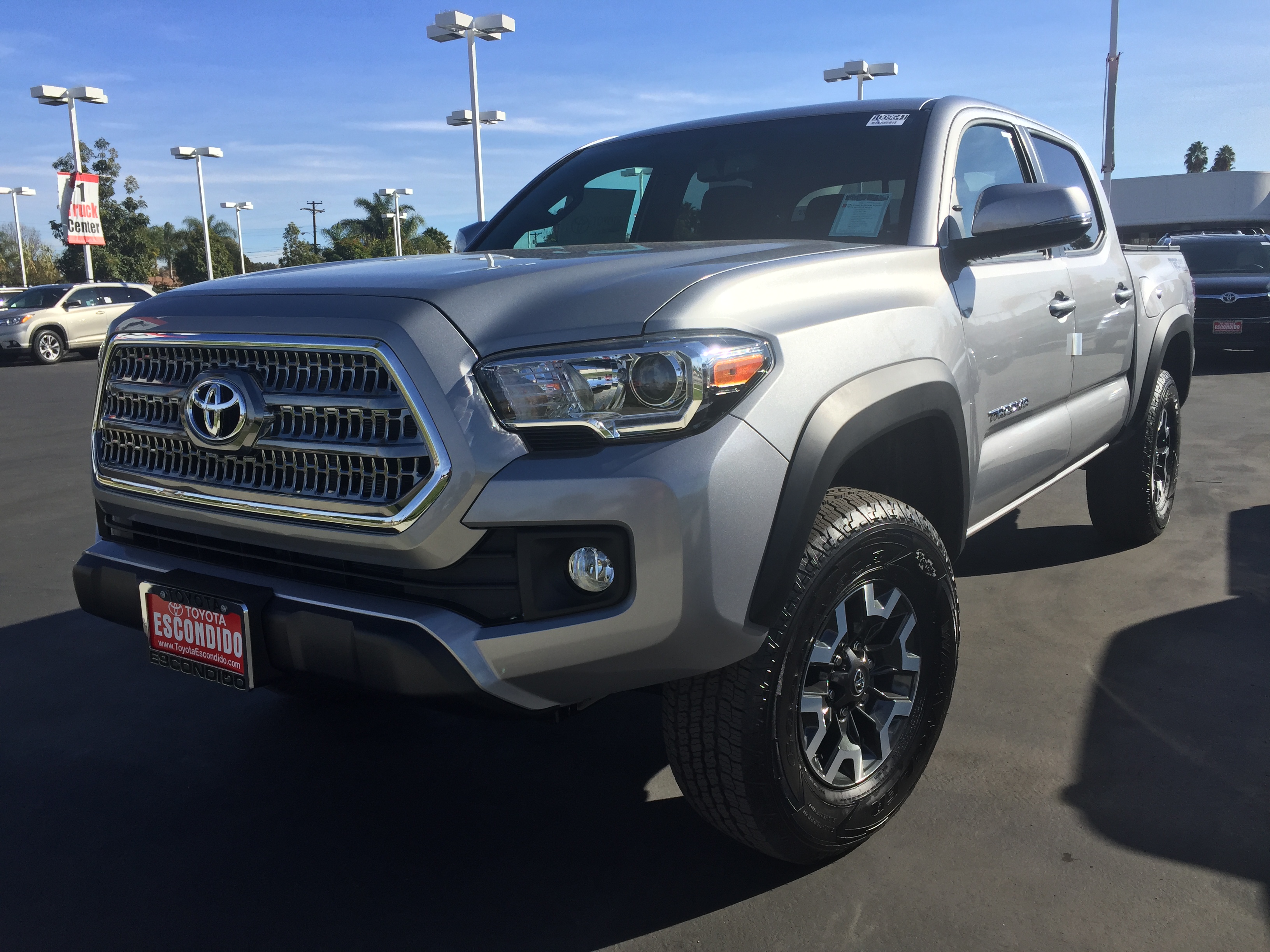
The Toyota Tacoma is a popular mid-size pickup truck from Toyota. Here it’s mentioned as an example of a truck you could feature for an event or partnership.
TRD is Toyota’s in-house brand for performance and off-road upgrades. If you hear “Tacoma TRD,” it usually means that Tacoma is set up with TRD off-road or sporty equipment.
MoTool is mentioned as a media/automotive platform the guest worked with during their career. The context suggests it was part of their ongoing involvement with automotive sites and content production.
Digital Trends is a consumer tech and automotive media outlet that covers cars alongside other technology topics. Here it’s referenced as one of the guest’s platforms while building automotive content.
Cars and Bids is an online car auction platform, commonly associated with enthusiast-focused listings and bidding. In this segment, it’s named as the latest major brand the guest has worked with.
Brand
Racer
Racer is referenced as another automotive media brand in the guest’s career timeline. It’s included to show the progression from blogging into larger automotive publishing platforms.
They’re describing a strategy where racing is used to make a car brand feel more credible. If people associate the brand with real competition, they’re more likely to pay attention and want to buy.
IMSA is a big sports-car racing league in North America. Car brands use it because it’s where racing fans pay attention, and it helps brands look serious about performance.
Brand
Plaid Porsche brand
They’re talking about a Porsche marketing campaign (the “Plaid” part is the campaign label). The idea is to connect Porsche with racing so people feel it’s more real and exciting.
Term
creator network
A creator network is a group of content creators who collaborate or are organized to produce marketing content. In automotive, it’s used to make brand messaging feel native to how enthusiasts already consume media.
The BMW M5 is a super-fast BMW sedan made by BMW’s performance team. People talk about it a lot because it’s quick like a sports car, but it still has normal-car practicality.
“Move up market” means aiming for a more expensive, higher-end audience. In car terms, it usually means showing more premium cars instead of only entry-level stuff.
Here, “velocity” just means speed—how fast the brand is trying to grow and move forward. It’s a business word, not something about how fast a car goes.
The Ferrari 430 Scuderia is a sportier, more performance-focused Ferrari than the regular 430. People like it because it’s built to feel more like a track car, not just a fancy car.
The R34 Skyline is a legendary Japanese performance car, especially the GT-R version. It’s known for being fast and for having a huge fan and modification community.
JDM means “Japanese Domestic Market.” It’s a way people talk about Japanese cars—especially the performance ones—that have a distinct style and enthusiast following.
Radwood is a car event that celebrates older cars and the fans behind them. The host uses it as an example of a community that welcomes lots of different cars, not just the expensive ones.
The Chevy Cavalier is a regular, affordable compact car from Chevrolet. The host brings it up to make the point that the community wants to see all kinds of cars, not just the rare or expensive ones.
LIVE
Hello, everybody, and welcome back to this week's episode of the Be Differential podcast.
I'm your host, Ava Gregory, and this week we are joined by the head of partnerships
of Cars and Bids, Nolan Browning.
Welcome.
Hi, thanks for having me.
I'm super excited to get into this conversation for the listeners.
I've known Nolan for a few years now from I wrote Atlanta Days.
And at that time, you were with a different company.
So it's cool to kind of circle back and see what's happening before we really get into it all.
Is there anything you'd like the listeners to know about you?
Just something high level.
Yeah, high level.
I'm known for being kind of the weird, quirky, random car guy.
So yeah, that's generally my mix is sort of people will say bad.
I think they're unique, I would say.
I think that's a good, good description of you.
I feel like I resonate, though, it's always like the weird, quirky.
I want the cars that have the character.
So I get it.
I'm into it.
Yeah, I always wanted things that no one had.
So like when everyone in high school wanted Honda Civics, I was like, I got to have something
totally different and weird.
So OK, wait, then let's kick off then.
What's like the weird want now?
Oh, like I have.
That's really strange, but like I really want a plum crazy Dodge Charger SRT8.
OK, seven.
Yeah, OK, like you never see them.
They'll let me like 250 of them, I believe.
So yeah, like there's like just weird color combos, weird stuff.
That's now like now it's my classic that stuff from like 20 years ago.
But I always want it off from classic.
So that's coming soon.
Yes, exactly. That's awesome.
Well, Nolan, why don't you tell us and tell the listeners?
How did you first get started?
I mean, again, your career since I've known you has changed and expanded quite a bit.
But talk to us about the intro.
Like what the hell got you introduced to motorsport and automotive?
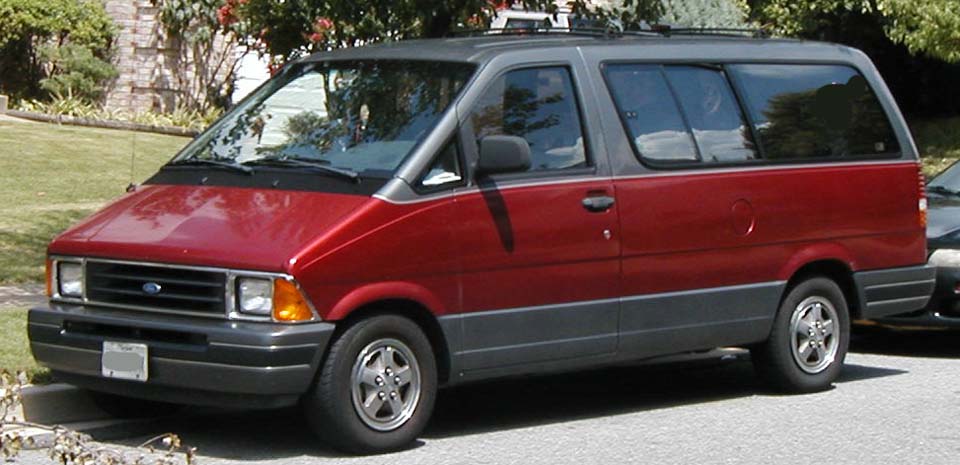
Yeah, like I came from interesting enough, like a family that was in a car personally
with the same Ford Aero Star for like 16 years.
But like early on, my dad actually worked for like Anheuser-Busch Budweiser.
Sorry, nothing.
As we all know, the good old 90s, alcohol, tobacco, all those things
were wildly involved with motorsport.
So like early pictures and memories of my dad, you know, like buddy was here
in the 500 winter, like seeing him when he would race up the little springs
kind of where I grew up.
So pictures with him, my dad would bring home like Bill Elliott, NASCAR inflatables
like from Budweiser to play with in the pool.
So like early on, you know, even though that's not necessarily a car family
still was exposed to motorsports, had some cousins that were kind of mechanics
and raised and things like that.
So kind of caught the bug early just from like,
you know, just sort of like roundabout way.
So that early on, that was kind of my my thing.
So I had in college.
Yeah, I love that.
That kind of exposure to it.
I feel like in this industry, there's a lot of people that it's either
like you're somewhere near it as a kid or you find it by total accident.
So how did you transition that from like, OK, it's I'm adjacent to it
to like getting started working in it.
Yeah, I think going to school initially went for engineering.
Like I thought mechanical engineering, like that's that's the pure automotive way.
And to be honest, I hated it.
Like I took some intro classes and it was like, you know, working on a tiny screw
for like two years or something like I just I was sort of scared off from it.
And then I started reading more on like, you know, Bob Lutz,
his books and Lee Iacocca, who like was an engineer, but pivoted to like more
of the management and marketing side.
So went to school for business and marketing and then just sort of like
had my eyes on like, how do I get involved?
So, you know, initially in college, it was like just be around cars.
So I would walk to every dealership and like fill out applications
back and it's like by hand and an Olympic car max initially, like just to be around
cars, like just like, well, it's going through school to be around the industry
in general, like not knowing really like where I wanted to land at that point.
Really. So. Yeah, honestly.
And I just have to say, you just said something that just made me like realize
when you fill it out by hand, like this application, like I did that.
Like that doesn't that wasn't that long ago.
And you know, really, when was the last time anyone did that?
That's crazy. Yeah, like the experience of like walking
a little like I would literally hit a row of dealerships nearby
and like just walk through each one and like fill it out and like had no job experience.
But it was like, I just wanted to be anywhere near a car. So that is so funny.
Yeah. Wow. OK, so did we land at any of the dealerships?
Yeah, CarMax was in CarMax for years, which is ironic and funny now that, you know,
Doug Dumiro was known for his CarMax past and now circling back around.
But yeah, I was there and I did love it.
Love being around it, like even the auction cars, like getting exposed to it, you know,
started with paperwork, then did sales.
So I was able to kind of like they let us test drive the car, so like learn vehicles.
So I got to like drive and be around all the things I love.
So like getting new M5 in or something like that.
And now we just kind of go out and like look around, drive a little bit.
So it was like everything I wanted while I was kind of going through college.
So I loved it. Isn't that so fun? Yeah.
You just I that just reminded me, too, during my time at Rhode Atlanta
is when the C8 came out and Rhode Atlanta got one of the first ones in Georgia or whatever.
And it was like, oh, we have to break it in before petite.
You know, so it's that's your little lunchmobile.
It's just me just riding around in the C8.
Exactly. We had a, yeah, like a Pontiac GTO at the time, which, you know,
I still love 2005 or whenever that fresh came out as a manual.
And I got to take it to like a store opening to help out.
And like, yeah, just like ripping around in a V8 muscle car.
Yeah. So it loved it.
It was a good thing.
And then as I tried to like pivot and finish school,
that was sort of like my job.
Yeah. No, honestly, you're so right.
It's like while you're in it, because I worked full time while I was in
or while I was working too.
So I totally resonated just this is getting the job done.
It's getting me through.
It's getting the foot in the door in my research leading up to interviewing you.
I learned that you started a blog while you were kind of working at CarMax.
Let's talk about that.
What what was the blog focused on?
What kind of made you push to like try it and what what did it scale to?
Yeah. So initially, it was headed towards graduation.
I was like, well, what am I doing?
Like there I have the business degree.
I've done some marketing stuff like where's the next stage?
And I honestly Twitter launched at that point.
And it was like and one of those weird things
were like all of a sudden you had access now until like at the time
was like Ray Ward and some of these guys from like Jalopnik and like
the ability to like ask them like, wait, you're getting you have a car.
Like, how did you get a new car to borrow for a week?
Like, how did that work?
Like, how do you get into these events?
And so it was just like being like right out of college and hungry.
It was like asking everyone these questions.
Like, I apologize to anyone back then that are like just sending DMs of like,
how did this happen? How did you get into it?
How do you do this?
And a lot of them were very great at being like, just show up,
like show up in your local market.
And I realize L.A. didn't have like a, you know, the term like lifestyle
is a veteran like lifestyle or like talking about the different culture
because there's so much going on in terms of like free events
and just general press launches.
So it started like, yeah, started the blog there.
And it was like, just show up at everything.
So like if Ford was launching, you know, a new car and it was, you know,
downtown L.A. and it was free for public, I would go and I would just write about it.
It was like they had the Fiesta movement.
I think it was what was called at the time was my first event ever covering.
And it was like a bunch of it was like really early, like for influencers
at a hundred, I think, micro influencers that had access to the Ford Fiesta.
And so went out there and it was like just networking,
like just getting around people and sort of covering things, you know,
figuring out like I wasn't necessarily a writer, like, you know,
so it was like figuring it out, just like trying to figure, you know,
understand what the tone was, like what to cover, working on a photo.
So yeah, you have to learn a lot in terms of like just being around,
showing up, networking, being around the industry.
And you were doing it all on your own at that point.
So where did the blog end up taking you?
What did that look like?
Yeah, I think it was one of the things where it started to pivot
where I, you know, I started growing, getting attention.
Like it would start trending on certain social media, like Reddit.
I, you know, initially got frustrated, like, oh, why am I not being invited
to X auto show? And then I realized, like, wait, I have the press release for this vehicle.
So I think they surprised launch, like the 2015 Ford GT,
like when the newer GT came out and I was like, wait, everyone is at the auto show
that I'm mad that I'm not at, but I have the press release.
Like let me get this out first and share it across social media.
So I started like sharing it, like and getting noticed and getting recognized.
And then like that would lead to like Rolls Royce would fly me out
for like the debut of the race.
And it was like sort of surreal.
Like I literally thought I was going to like get off the flight
and somebody was going to like kidnap me because I was like, there's no way that.
Paparazzi just wants Nolan.
Yeah, it was like surreal.
And so and then I would, I remember a funny story, too, is Lincoln at the time.
They had like a weird format where they wouldn't do press launches for their cars,
but they had like a new Lincoln Experience Center.
It's only started launching those like new kind of like Tesla asks
places and they had one down here in Newport Beach.
And they had the new Black Widow Continental.
I was like, wait, they have this here at a test drive for the public,
but they've never no one's ever done a review of this car.
So like I went and did a test drive and did like sort of an ad hoc,
like quick pictures and like on the side of the road.
And I remember like Lincoln's PR, like kind of being upset,
like calling the experience center.
They called me and we're like, hey, we didn't know you were a journalist.
We're, you know, they're kind of frustrated at us.
And I was like, that's not my problem, necessarily.
Like, you know, I kind of just saw this.
So there's instances like that where I just like found ways to kind of get noticed
or kind of be first.
And it was just sort of like paying attention to like what was happening,
what cars are being covered, what opportunities existed locally.
That didn't take any special access.
It was just like, Hey, this is open to the public.
Like, let's go and blog about this, essentially.
So that kind of got me more noticed.
And then eventually I landed, I guess what I would call my first like true
grown up job after CarMax was Internet Brands, which manages, you know,
100 plus automotive forums and carsdirect.com.
They kind of took notice and said, hey, can you help us sort of help manage
our content and automotive communities?
And so that was like a huge like, oh, wow, not only is this sort of a passion thing,
this could be a career thing.
So that was kind of the turning point.
I love that.
And I think just like a moment of reflection here, you were essentially
outranking like major automotive publishers on Reddit, Google, as you're
just kind of operating this one man show and figuring it out.
I mean, that's a huge accomplishment in itself.
And especially that era, I think all the time, like I wish I was born
just a few years earlier, so I could have really hopped on that train
as media was coming into what it is now.
But what do you think that you were doing things differently to your point
of it didn't require special access.
It was just, hey, we're doing this.
But why do you think that some of these bigger outlets were missing that?
Like that social strategy, the SEO, like it seems so obvious.
What do you think was either holding them back or what did you do differently
that just really did set you apart?
I think a lot of them you kind of, and it's even the same case today.
I think a lot of the major brands or publishers get caught up in the same
like formula.
It's very formulaic.
It's very much like, this is what we do.
This is the status quo.
We don't want to upset any of the manufacturers.
We don't want to ruffle any feathers.
And I think I was sort of like ears to the ground.
Like I was the reader and enthusiast for all these things.
So it was more of like, what do I want to see?
Like, what do I want to hear?
What do I want to see?
What's the angle?
Like I get a press release and I'd be like, OK, everyone's going to cover
the general stuff.
Like, what is the one weird thing in this press release that like, like, and so
that's kind of the angle from like a general content as a matter of its
YouTube or social media.
Now it's like, what's the weird thing or the interesting thing that
nobody's talking about?
And even if it's like upset to manufacture, it isn't necessarily the
right thing they want to get out.
Like, let's talk about it because from an issue like it's getting missed.
Like as an enthusiast, I want to know this.
So that's kind of what I always found is the edge is sort of like finding
the weird angle.
Like I would go to SEMA, like SEMA and SEMA is the sea of, you know, big trucks.
And, you know, we've all seen it, but then you would kind of, I would go
and I'd find like, what's the weird car like in the back?
What are the four random cars in the back lot that no one's
paid attention to that the owner is super passionate.
He's there and let's cover that just to like, just to kind of find the angle.
So that's been sort of my kind of stand out is like finding those, like what
I would want to see and what I would consume from like a fan perspective.
Yeah, I love that perspective and call out so much because I think a lot
of social media influencers, ambassadors, whatever one we want to
call them now creators, there's a lot of repetition, right?
It's like we're lacking that authenticity.
We're lacking the true creativity because it's like this AI spit out an idea
and now 800 of the same people are doing the same thing.
And so I think you're so right.
Instead of let's deviate from the formula, let's try something a little different.
And to your point, if you like consuming it, it's probable that someone
else is going to as well.
So eventually you start getting that compounding, you know, you just, you
got to do some due diligence and take the time to get there.
Yeah.
It's like I'm writing for essentially an audience of one, which is me.
It was like, I'm passionate about this.
And then you just find like, oh, wait, there are other subsets of people
that are very interested in like the take on this or my angle.
So it's not just me.
So I think that's the part is like, if you're passionate about it, like go
after like, like it's easier to write about.
Like I was still concerned myself a great writer, but like the passion
comes through in terms of like if you're writing something you generally care about.
So I think that was sort of like, yeah, how I found a way.
It's just like, let's write what I'm passionate about.
Yeah.
Your objective isn't the masses.
It's just like, this is what I enjoy.
So you mentioned something a minute ago, too, of you kind of started
shifting into internet brands and what that looks like.
Were you still doing the blog at that time?
Or was that kind of like, okay, blogs phasing out.
We're going into internet brands now.
Yeah, I still did it.
Like I still maintained it, you know, not to the same level, but it was
still like sort of a consistent thing to stay off.
And also even like, it helped me with my job because like, even in that part,
we were still doing like early partnerships.
Like we would launch a tire with DF Federation.
We would have like the Toyota truck guys out in the four trucks guys.
And like, I would stay connected to the brands and manufacturers and, you know,
help them like we wouldn't get a Toyota Tacoma, TRD or whatever to like go
on the event and kind of use it as a different outlet.
So we're still like staying connected, keeping it active, just to sort of
have additional touch points with like manufacturers and partners and things like that.
So I kept it going almost all the way up through.
Yeah, even like MoTool.
I think MoTool is when I finally got busy enough to kind of I had to sort of scale
back, but yeah, I kept it going for a while, even like doing digital trends.
Like I would do digital trends, freelance work, like doing tech and some other
autumn overview stuff through them too.
So like I was still trying to keep busy and kind of like work that muscle
as I was helping manage their automotive sites.
That's so fun.
Honestly, I enjoy like the side projects like this podcast.
So, you know, different things.
If one, it's an outlet, but it's also you're getting to build in different
ways and gain perspectives that you don't in your day job.
So let's take a second because I think your career and again, in my research
leading up to this, so we started at CarMax, right?
You went to you had your blog, you went to digital trends, internet brands,
MoTool, Racer, and now Cars and Bids.
This is, these are huge brands.
These are huge steps that you're taking from one to the next.
Which of those moves felt like it was the real turning point in setting
that trajectory for your career versus like this is just the next logical
step to where I'm at?
Yeah, I think MoTool was huge, right?
I think MoTool, you know, I came in with that one as my step from
internet brands and it was sort of, hey, we need to build a brand.
The brand was huge globally.
I think they struggled in the US market or they just really had to take
a big stride and like doing some big brand deals and doing partnerships.
And so that was a huge turning point for me because I think it like gave
clear indication like professionally of like which direction I want to head.
So, you know, we did a lot with influencers, which I was really proud about.
Like we were Amelia Hartford and Throttle and like did some of these
really big brand deals that were, you know, we did billboards in
down in Hollywood with Amelia, like as a brand, like when she broke the record.
Well, and she just became Queen of the Mountain and just broke
another record at Pikes Peak.
So that's incredible.
Yes, yeah, I just spoke to her on the phone.
She called me to check in on some racer stuff and just sort of like, you know,
let us know still that she's, you know, she broke another record
because at the time it was like she was the fastest C8 when the C8 came out.
So, but it was like really pivoting and like learning like, hey, similar,
similar thing, right?
It was like, hey, what would an oil brand do to like get me to pay attention?
Right.
And like there was brands that I love from like their motorsports
connection in the past.
So we did a lot with motorsports and IMSA and established teams,
like the fast motorsports guys and like how well that was sort of like those
guys were great and like partnering with them to kind of build that.
The Plaid Porsche brand and like all the sort of things it was like, oh,
this is what I love.
Like this is a building, a brand building some marketing messaging around.
It was still storytelling.
Like it came from that storytelling angle.
But it was like, how do I now resonate with somebody to get them passionate
enough to like purchase our products?
So it was like a different, it was like that shift, which was like has now
become essentially my career is like, how do we kind of create some content
that makes somebody passionate for your brand?
So like that was a through line.
That's sort of due to Racer is, you know, Paul Fanner and the team were kind
of going through this change of like the acquired Mac TV and the Racer TV was
launching and it was sort of like working with them and Taro Koki, who's great.
Sort of a creator network over there.
And it was like helping him like, hey, how do we, how do we sell this?
How do we kind of build these things that are authentic to creators and to brands?
And how do we, how do we make this seem real?
And so that was sort of it's taking that same thing of like, how do we then
take someone who's going to pay us to kind of use our outlet and make it seem
like it's real and fitting for our like content on the video side.
So yeah, that's like really where I found my niche.
Like I do love this.
I really enjoy figuring out that part of the like the business and math is like,
how do we, how do we connect?
How do we connect with it in audience?
It's like, yes, this is real.
This seems authentic.
So I think that kind of answers this question, but maybe you have
something you can add on to it.
Motul, Racer and Cars and Bids.
These are three different business models, right?
I mean, you're selling different products.
They're summer tangible, summer not.
What do you think the through line really is and how you approach partnerships,
regardless of what item is being sold?
Yeah, absolutely.
Like, honestly, like when I first started talking to Paul Fan and Racer,
it was like, it was more on the marketing side.
It was like, Hey, maybe you can help us social and help build the brand.
And then, you know, honestly, some of their team internally, it was like, Hey,
we really need like, you did the partnership side.
What are your thoughts?
And honestly, it was a more of like a sales role more of a like, and I was like,
Hey, like, yeah, I think I could do that.
I think I could transition more to that side.
I know what the brands want.
I know, um, I always famously joke.
Like, I know what emails will get instantly deleted.
If you send a proposal to multiple, uh, I know what'll get instantly deleted.
Um, so that was sort of the turning point of like, Hey, let's jump over
to the other side where I'm now pitching what, what essentially all the brands
that were sending me proposals for, you know, six figures or whatever,
multiple to sponsor their car or our program.
Um, I became the person building those.
So that was sort of the turning shifts.
And I realized it's very similar, right?
Like I was on the multiple side, it was different.
I was trying to figure out what partners we want to work with to connect
and kind of grow the brand.
Um, and then now on the racer and cars and pit side, it's similar.
It's like, how do we, how do we kind of share that?
How do we hop in the client seat, offer them something that is of value
that'll make them look good, that'll, that'll reflect well to our audience?
So, um, that's kind of the through line is sort of, again, goes back to like
finding what the audience wants to see, um, and aligning that.
So whether you're the client or whether you're the content provider, like
trying to reach the audience in a way that feels real is sort of like the
through line between the jumps in the past, you know, three roles.
I think that's a really good answer.
So let's look at now present day cars and bids that company brought you on as
their first dedicated head of partnerships.
I mean, this, that feels like a significant, you know, handshake and
nod to you and your accomplishments and your credibility.
But what is it like building that function from scratch versus coming into
something where there's already kind of an existing playbook.
You can kind of have, you know, mentors from previous roles.
How are you doing it differently?
Yeah, I think it's, you know, being a Doug fan of following him, being
like the early Jalopnik days, it's like, um, I knew his personality and I would
say it's, it's the best head of partnerships job and it's also the most
challenging because Doug famously hates ads.
He's a very authentic person, right?
So like, yeah, he's not going to be forced necessarily to do something.
Like it's, it's very clear when he's, he doesn't feel genuine about it.
So, um, him and his head of content, Sean, they've done it.
They did a great job of establishing some of these guidelines and some of
like the, the formats, the podcast was huge.
I was a listener on his side and I think they had sort of taken off as sort
of like the next stage for Doug.
So it was a cool challenge to kind of like take what I had learned to
race her and take what I'd seen at Motul from the other side and sort of be
like, Hey, here's a way, here's some brands, like here's the categories.
You know, um, Hey Doug, it was like literally just sitting down like,
what do you actually use?
Like what's your focus?
Right?
It's like, Hey, he priors family.
You know, he drives this, he likes these brands, he's into this and it was sort
of like then, okay, well, this seems authentic.
Let's go out and see what's out there.
And so it's been exciting to the good part is a lot of people do want to work
with Doug.
They do trust him and understand that people, um, um, take, take a huge support
in like what he's saying, right?
Like whether it's a car review, whether it's a brand, he's sort of endorsing.
Um, they trust his opinion.
So that's been the exciting part is to find ways and to see comments in the YouTube.
We'll see it every day.
It's like, Oh my gosh, just the first ad on YouTube have actually sat around and
watched because of, it's so interesting to me.
And so like that to me is a huge win.
Like that still gives me the same feeling of like, you know, trending on Reddit
or like whatever it is from like the blog days is like, we worked with the awesome
content team here.
It's like, Hey, we hit it.
We, we both all sat together.
We're like, what makes this seem real?
What makes this not seem forced and sort of paid for.
Um, and to see that kind of now you have the instant reactions with like social
media and comments and be like, this is great.
Love this.
We can, you can actually measure it.
You see the views go up.
So that's the exciting part now is like, um, you can instantly know what works
and what doesn't and people will definitely tell you if it's not authentic.
Yeah.
No, that's so true.
I feel like I'm even starting to see more exposure in my professional career.
And then also coming in on the podcast side, that data is fascinating.
Like it really is of what lands, what is the hook?
What is keeping people?
How long are they watching?
Where are they falling off?
Like it can get so acute in how you can break it down and I have just
genuinely enjoyed it.
Um, so I can only imagine at the scale that you guys are looking at how
interesting that information is.
Yeah, it's great.
And we joke internally about like, Hey, at the 45 minute mark, you end up talking,
you know, you long with it about talking about your BMW M5 or whatever.
Like you've kind of a hard time.
It's like, that's where we lost everyone.
We lost everyone when he started bringing up this topic.
So, um, yeah, it's a fun group.
Um, it's, you know, it's great to see the auction site growing and that part
of the business is another layer too of like, um, working with great brands like
Hagerty and stuff, like to, to kind of not only use them on the site, but also
share them the content too.
So it's, it's been a fun, a fun ride so far.
And, uh, yeah, we continue to grow and do some, hopefully some fun and
interesting things in the back half of this year and next year.
Yeah, absolutely.
Well, I kind of want to expand a little bit because you just talked about, you
know, okay, we're across different platforms here.
And I think that from someone coming into the space, there's this interest in
how are you doing things for different platforms?
So you're running partnerships across YouTube, this car pod.
Social live events, experiential marketing, all of these are simultaneous.
How differently are you thinking about brand integration for each of these?
I mean, video and short form is so different than an experiential marketing
activation.
So how are you planning that?
What kind of process goes into it?
Whatever you can share.
Yeah, of course.
No, I think it's, it's very much like, you know, it starts when I was
emotional, I started as a brand manager, right?
And it was sort of like establishing these clear brand guidelines for like,
what do we want from the brand?
And I think cars and business is very much like that.
When we talk about the content we're making or otherwise, it's like,
here's what the brand needs to look like.
So velocity, velocity, we want to move up market.
We wanted to like show that we can sell some higher value cars.
But ultimately, like we are known for being sort of like accepting of everyone
and quirky and interesting and like very diverse in the cars that we share.
So I think that that was reflected.
I think the cars there were like very premium, but it was like a 430
Scuderia and then like, you know, an R34 Skyline, like it was like a very good
mix of like JDM, new, old, like it was very eclectic.
And I think that was one of those things where like, okay, that, that personality
is shine through.
We want to show ourselves to being different and moving up market, but we
still want to be authentic to like, we're welcoming and open to like the whole community.
And like, we don't think there needs to be this like weird sex of like, I'm a
Corvette guy or like I'm a Ford guy, like you can be sort of a general
automotive enthusiast.
I think that's what Doug and team has done a good job of like ushering the new
era of like, it's like almost the Radwood.
I said like the Radwood guys, like it's, it's very much like, we don't care what
you have, you have a Chevy Cavalier or you have, you know, whatever it is, like
we want to see it.
So that's what we, yeah, I think it's having a clear brand message and it
doesn't matter what medium it is, making sure that reflects that ultimately, like
the core brand message.
Yeah, I think that's a really, really good response.
So now I want to ask, I think the state of motorsports and automotive media now
is so different than when you started, right?
What advice would you have for someone that's trying to get involved or break
into automotive media, motorsports, marketing or kind of marketing in general today?
Yeah, I think like some of it's cyclical.
I think it's, there's been so much like artificial, like pre-program, like
here's your script creator.
It's like weird because like creators used to be, you know, I'll say like this
sort of unique, you know, take on things and you had a bunch of different voices
and now it's almost become like they're almost like outlets.
So like they're told what to say.
They're told like how to read the press release and what to say at a launch.
So I think honestly, it's going back, like I think things are sort of like
need you're coming back to like be authentic and real, even social media.
Like I think the stuff that's sort of unpolished and doesn't look as
produced is doing really well.
Like just sort of the blog style content or blog.
So I think it's honestly just be authentic to you.
I think that's that the industry's coming back to that.
Like the people that are sharing sort of weird sides of the industry or like weird
fascination, like I see now it makes you feel old.
Like I see people doing builds, like fast and furious style builds
for like the 2000s, like using authentic, like stereo parts and things like that.
And I think it's really cool and it's different.
And yeah, I think just follow like what you're passionate about.
Like don't try to follow the mainstream.
I think, you know, you look at the algorithm and you want to like stay with the trends.
And I think that's unfortunately led to a lot of this sort of, you know,
every YouTuber is doing the same sort of builds and everyone's doing this.
So I think you're starting to see people sort of fraction off and realize
the algorithm is what it is.
I'm just going to sort of do what I think is interesting.
And then people are coming back to like, OK, like we want to see something.
We want to see your voice again.
So that's what I would say is sort of like have a voice,
even if it's not what you think is popular and kind of stick with it.
Yeah, I think that's good.
And like not I'm not trying to put myself in anyone's shoes here.
But I think I've seen that too of just building B differential in this brand.
It's very much like when you're starting out, it's such a slow growth
and it just feels tragic, you know what I mean?
And then eventually, you know, you start picking up some compounding
or there's this community and I think it really is getting out of that mind
instead of like, oh, this is for the masses and it truly is like this is for me.
And if people enjoy it, like I love building a deeper community with that.
So I totally agree.
Like I've experienced it personally.
I think I'm starting to see more of that too,
even on what the algorithms are feeding me now.
So yeah, absolutely.
I think you hit the nail on the head so perfectly there.
I would I would ask to, you know, maybe you have a very similar answer.
But I haven't gone from kind of the solo operation that you did
to your experiences with larger companies.
What's the most important lesson that you took away as a solo individual
compared to what you learned within these larger corporations?
Yeah, I think the interesting part is like you learned to do everything, right?
Like you have to then like, you know, figure out how to like build the website.
Like I figured out how to like do SEO, right?
And like play with that and learn Google.
And you learn social media, you know, you learn how to edit reels and things like that.
I learned to write some extent or get better at that, like project manager.
Like you have a bunch of different hats, you know, a lot of the companies
that I've been into, frankly, you know, Motul is about 30 people.
Of course, it's around the same.
So I think it helps you a lot in your future career
because you will need to wear a lot of hats.
That's just generally the nature of a lot of roles, even at big companies.
But I think especially like the my the muscle memory and stuff that I had
from like working as a solo operator, like it doesn't throw me off.
If someone's like, hey, can you quickly edit this?
Or like, you know, you don't have to be.
Yeah, I guess just it's just be the guy that they're like, oh, yeah,
he's going to get it done.
Doesn't matter what it is.
I think that there's a lot to learn from being a solo operator and being like,
I'll figure it out.
Like we just need to figure it out.
There's no other person like we're going to make this happen.
And yeah, I think that's key, too.
Like just learning, learning how to be everywhere.
I'll take advice is like, be helpful.
It's just in general, too.
Like be helpful, whether you're talking to a manufacturer,
or like be a solution provider, I guess.
Like don't ask the problem like removing.
Exactly. Yeah.
There's there's a lot of now in my professional career and I learned, you know,
or maybe I think there was times where I was like very in my head and aware of it.
And I think some people I love them, but they maybe not wear that
or you get an email or you're like, oh, like this is, you know,
I just say a burden and I try to be more helpful and kind of give direction.
But there are so many times that I knew it early on, too, where I like,
oh, that ask was like not ready, like not appropriate for the time.
Like definitely like making someone's week uncomfortable or their day difficult.
So yeah, I would say learn to do a lot.
Learn to be helpful is the big thing.
I think those are great pieces of advice as we're closing out here.
I would just ask to what would you want the listener to walk away with today?
It doesn't necessarily need to be another piece of advice,
but what do you hope that they would take away from this conversation and your experiences?
Yeah, I think it's, you know, beyond all what I kind of just kind of echoed is,
you know, I didn't grow up and I think sometimes it's a lot of this industry.
I didn't grow up like didn't have multiple cars, didn't go to classic car shows,
didn't have this and that, you know, I was still exposed on some level,
but I think and especially as I'm deeply involved with motorsports students,
like you think you have to come from a certain like.
Family or a background or someone, you know, there's plenty of times in college
they're like, you know, your car enthusiast, what cars do you have?
And it was like, had a Chrysler Seabring?
Like I had, I've had nothing like I literally just trying to get to school.
And so I think, you know, sometimes people don't think your passion is enough.
They think like, oh, there's a barrier to entry and there's things that I don't have.
And literally me was sort of like, you know, $20 hosting fee in a WordPress website
and sort of just writing what I was passionate about.
And I think that's true today, right?
Like I think, you know, social media and things like that.
It's sort of just like share what you know, it doesn't have to be,
you don't have to be the Instagram guy with the Ferrari.
Like you could just be who you are and I think you'll find an audience.
So I would say, you know, in addition to kind of finding and sharing the content
that you love is sort of there's you don't have to have a certain like
stereotypical background, I guess, to get into even racing.
Like I think you can be around motorsports or be around automotive
without having to be that like the person that I guess you imagine
you'd have to be growing up.
And I think that's such a good takeaway and piece of advice.
Nolan, thank you so much for taking some time sitting down and sharing your insights
and experiences with us listeners.
Thank you for listening in and we'll see you next week. Bye.
About this episode
Nolan Browning, head of partnerships at Cars and Bids, talks about carving an unconventional path into automotive media. Raised around motorsport via his dad’s racing connections and NASCAR-era memorabilia, he pivoted from mechanical engineering plans to business/marketing. He started a car blog while working at CarMax, initially chasing access by showing up, networking, and posting press material fast. His early traction led to surreal brand opportunities (including being flown out for debuts) and eventually a “grown-up” role at Internet Brands managing automotive forums and CarsDirect content.
What does it look like to build a career in automotive when there's no obvious door to walk through? This week, we sit down with Nolan Browning, Head of Partnerships at Cars & Bids, for an honest conversation about a career path that started not with a dream job, but with a CarMax business office.
Nolan shares how a passion for cars that had nothing to do with his day job led him to launch a blog — a side project he ran for nearly nine years while working full-time — and how outranking major automotive publishers on Google and Reddit with zero budget taught him lessons no marketing textbook could. From earning press vehicles as an independent blogger to eventually leading brand marketing at Motul for six years, building multi-platform campaigns at RACER, and now serving as the first dedicated Head of Partnerships at Cars & Bids, Nolan's journey is a masterclass in playing the long game.
We get into what it really means to build a partnerships function from the ground up, how brand integrations work differently across YouTube, podcasts, and live events, and what changes when you've sat on both sides of the negotiating table. Whether you're trying to break into automotive media, dreaming of a career in motorsports marketing, or just curious about how the business of car culture actually works — this one is for you.