
BONUS: The Tech Sheet (Pt1) - Why Do Cutting Edge EVs Have A 12 Volt Battery?
About this episode
Exploring the enduring presence of 12-volt batteries in modern electric vehicles, this episode delves into the historical context, technical necessities, and economic factors that have kept this legacy technology alive. Despite Tesla's push for a shift to 48-volt systems, the automotive industry remains largely committed to 12 volts due to established supply chains, safety standards, and the complexity of modern electrical systems. The discussion highlights the challenges of transitioning to new voltage architectures and the implications for vehicle design and manufacturing.
Welcome back to EV News Daily, welcome The Tech Sheet, the name we give to special bonus episodes which explain the tech behind EVs.
Despite the advances in electric vehicle technology, from massive lithium-ion battery packs to sophisticated power management systems, virtually every modern electric vehicle still carries what appears to be an automotive relic: the humble 12-volt lead-acid battery.
This seemingly anachronistic component, dating back to automotive conventions established in the 1950s, continues to play a critical role in even the most advanced electric vehicles. The persistence of 12V systems in cutting-edge EVs represents a fascinating intersection of legacy engineering, practical necessity, safety requirements, and economic considerations that have proven remarkably resistant to disruption.
The recent introduction of Tesla's Cybertruck with its groundbreaking 48-volt electrical architecture has reignited industry discussions about whether the time has finally come to abandon the decades-old 12V standard. Tesla's decision to share its 48V implementation documentation with other automakers has created both opportunity and controversy, raising fundamental questions about the future of automotive electrical systems. Yet two years after the Cybertruck's launch, the industry has largely remained committed to traditional 12V architectures, revealing deep-seated challenges that extend far beyond simple technical preferences.
A reminder our bonus shows are exclusively for our Patreon supporters. For the first 7 days, only Patreon insiders get early access, their name on the list of legends for Executive Producers and above, and the power to shape future shows. If being in the know and recognised as a supporter sounds like you, join us now at patreon.com/evnewsdaily and become part of something special.
6-Volt Era (1920s–1950s): Early cars used simple 6-volt systems for lighting, ignition, and basic accessories.
Electric Starter Innovation (1912): Cadillac’s electric starter replaced hazardous hand cranking, creating the first real demand for onboard batteries.
Primitive Battery Tech: Early lead-acid batteries were heavy, maintenance-intensive, but crucially rechargeable, forming the backbone of automotive electrification.
Transition to 12 Volts (1953–1956): GM pioneered the switch to 12 volts to handle more powerful engines, advanced lighting, and growing accessory loads.
Efficiency of Higher Voltage: Doubling voltage reduced current needs, allowing thinner wiring, cost savings in copper, and improved reliability.
Industry Standardization: By 1956, nearly all US automakers adopted 12 volts, though some European brands (e.g., VW) stuck with 6 volts into the 1960s.
Failed 42-Volt Push (1990s–2000s): Attempts to move to 42 volts collapsed due to entrenched 12-volt supply chains, high transition costs, and improvements in electronics that stretched 12-volt capacity.
Dual Systems in EVs: Modern EVs use high-voltage packs (400–800V) for propulsion plus a separate 12-volt system for safe, standardized accessory power.
Critical Role of 12 Volts in EVs: Powers ECUs, startup systems, safety features, and even contactors that enable the high-voltage battery—failure immobilizes the car.
Manufacturing & Service Dependence: Wiring harness complexity, global supply chains, technician training, and standardized safety/service procedures all lock in 12-volt dominance.
Economic & Regulatory Inertia: Supplier ecosystems, cost-benefit barriers, and established safety frameworks have long prevented alternative low-voltage standards from taking over.
Tesla’s 48-Volt Revolution (2023, Cybertruck): First production vehicle to adopt full 48-volt architecture; reduces current loads, wiring weight, and improves efficiency but required custom components outside traditional supplier chains.

Tesla Cybertruck
"...f disruption. The recent introduction of Tesla's Cybertruck with its groundbreaking 48-volt electrical archi..."
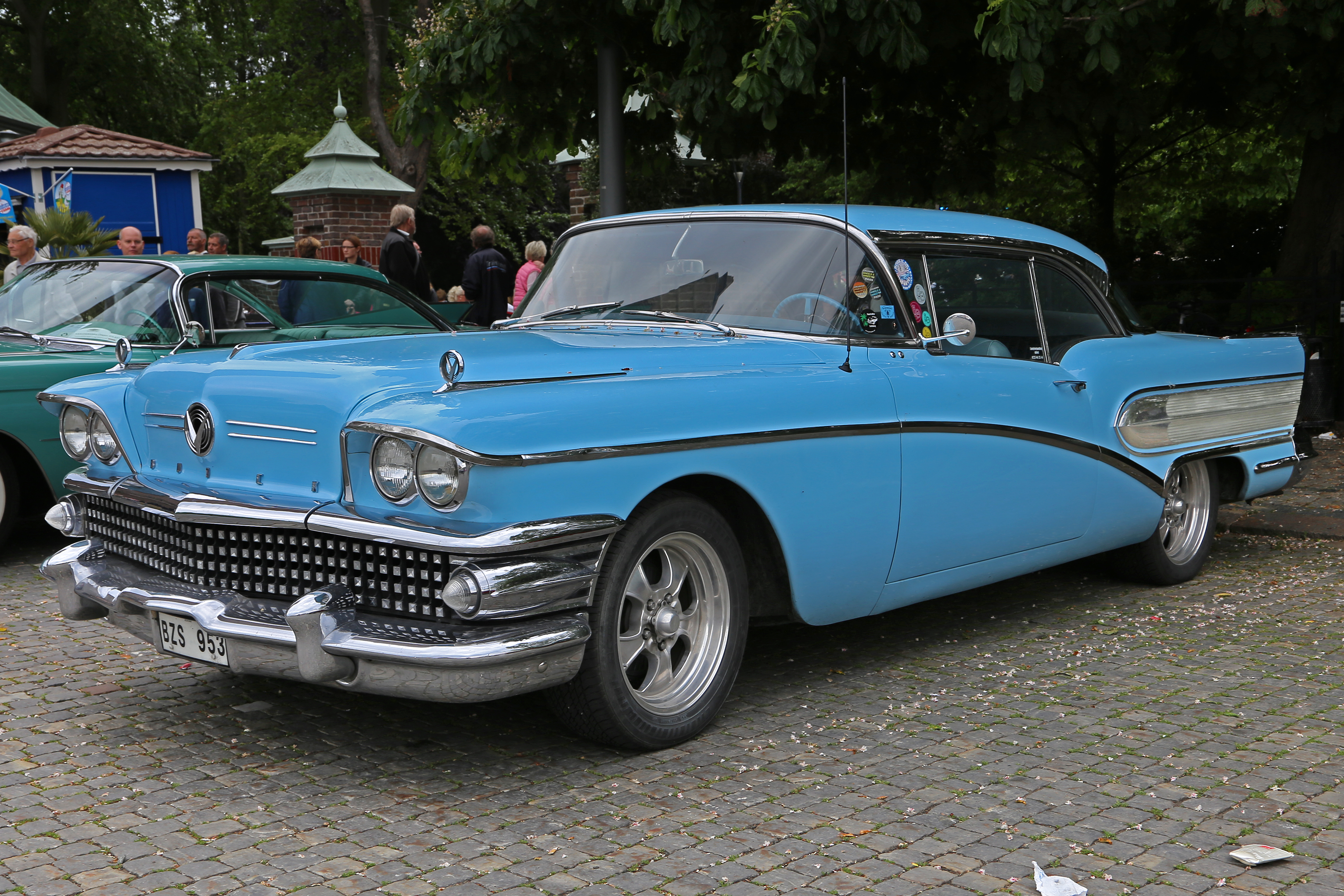
Buick Century
"...y that would remain largely unchanged for over a century. These early automotive batteries were heavy."

Buick Roadmaster
"like the Cadillac, the Oldsmobile and Buick Roadmaster in 1953. The changeover was not arbitrary,"

Hyundai Kona
"... go flat. And gosh, mine did twice in my Hyundai Kona that I owned for the year that I had it."

Dacia Spring
"... only today at this car, wow. And I see that the Dacia Spring has now dipped below 12,000 pounds in the UK."
Request an Explanation
Heard something you'd like explained? We'll add it to this episode.
Sign in to request explanations for terms you heard.
Want to learn more?
Browse our glossary for plain-English explanations of automotive terms, jargon, and concepts.
Help improve this episode
See something that's not quite right? Our annotations are AI-generated and can sometimes miss the mark. Click the flag icon on any annotation to suggest a correction.