
DAILY: ID. Polo GTI, BMW V2H and GM Cuts Bolt Costs | 18 May 2026
About this episode
Volkswagen’s ID Polo GTI lands as the first EV to carry the GTI badge, with 105 kW DC charging and a 10–80% top-up in 24 minutes. BMW expands its SolarWatt home energy push for vehicle-to-home energy flow, while GM says it keeps costs down by building in batches and using spare “clones.” The show also digs into UK insurance friction for Chinese models, EPA emissions rollbacks, Kia’s PV5 Wav accessibility, and new battery recycling that targets LMFP.
You can read all the latest news on the blog here: https://EVne.ws/blog
Subscribe for free and listen to the podcast on audio platforms:
➤ Apple: https://EVne.ws/apple
➤ YouTube Music: https://EVne.ws/youtubemusic
➤ Spotify: https://EVne.ws/spotify
➤ TuneIn: https://EVne.ws/tunein
➤ iHeart: https://EVne.ws/iheart
VOLKSWAGEN PUTS GTI ON AN EV https://evne.ws/4dAHkSu
BMW AND SOLARWATT PUSH V2H PLANS https://evne.ws/495oUaV
GM CUTS BOLT COSTS WITH BATCH BUILDS https://evne.ws/4dwamT5
UK INSURERS SHUN MANY CHINESE CARS https://evne.ws/4uNQ26C
BMW TIES IONNA DISCOUNT TO US CHARGING https://evne.ws/4dhioQP
EPA DELAYS TIER 4 BY TWO YEARS https://evne.ws/4nx8b6d
KIA DEBUTS PV5 SIDE-ENTRY WAV IN EUROPE https://evne.ws/4tA6aHP
COULTHARD DRIVES FORMULA E GEN4 AT MONACO https://evne.ws/3RhctCP
RECYCLING LIFTS OLD BATTERIES INTO BETTER CATHODES https://evne.ws/4usJdHV
vehicle-to-home (V2H)
"Welcome back to EV news daily on the podcast today the ID Polo GTI BMW's vehicle to home and General Motors cuts bolt costs"
Vehicle-to-home (V2H) lets an EV power your house. Instead of only charging the car, the car can also send electricity back to help run the home or provide backup power.
Vehicle-to-home (V2H) is a system where an EV can send electricity back to a home, effectively using the car’s battery as backup power. The episode tees up BMW’s V2H work with SolarWatt, focusing on integrated home energy storage and energy management.

Volkswagen ID Polo GTI
"Volkswagen has unveiled the ID Polo GTI the first electric vehicle to carry the iconic GTI badge that matters because Volkswagen had previously used GTX for performance EVs... the ID Polo GTI sits above the standard ID Polo... chassis changes over the standard car include adaptive suspension retuned steering... Volkswagen lowers the suspension and fits bigger brakes to the ID Polo"
The Volkswagen ID Polo GTI is an electric version of the small “GTI” style Volkswagen is known for. It’s meant to feel more fun to drive than the regular ID Polo, with extra tuning and stronger braking.
The Volkswagen ID Polo GTI is an electric small hatch that uses Volkswagen’s ID platform and carries the classic GTI performance badge. It’s positioned above the standard ID Polo with a higher output, revised chassis tuning, and GTI-specific driving modes and braking.
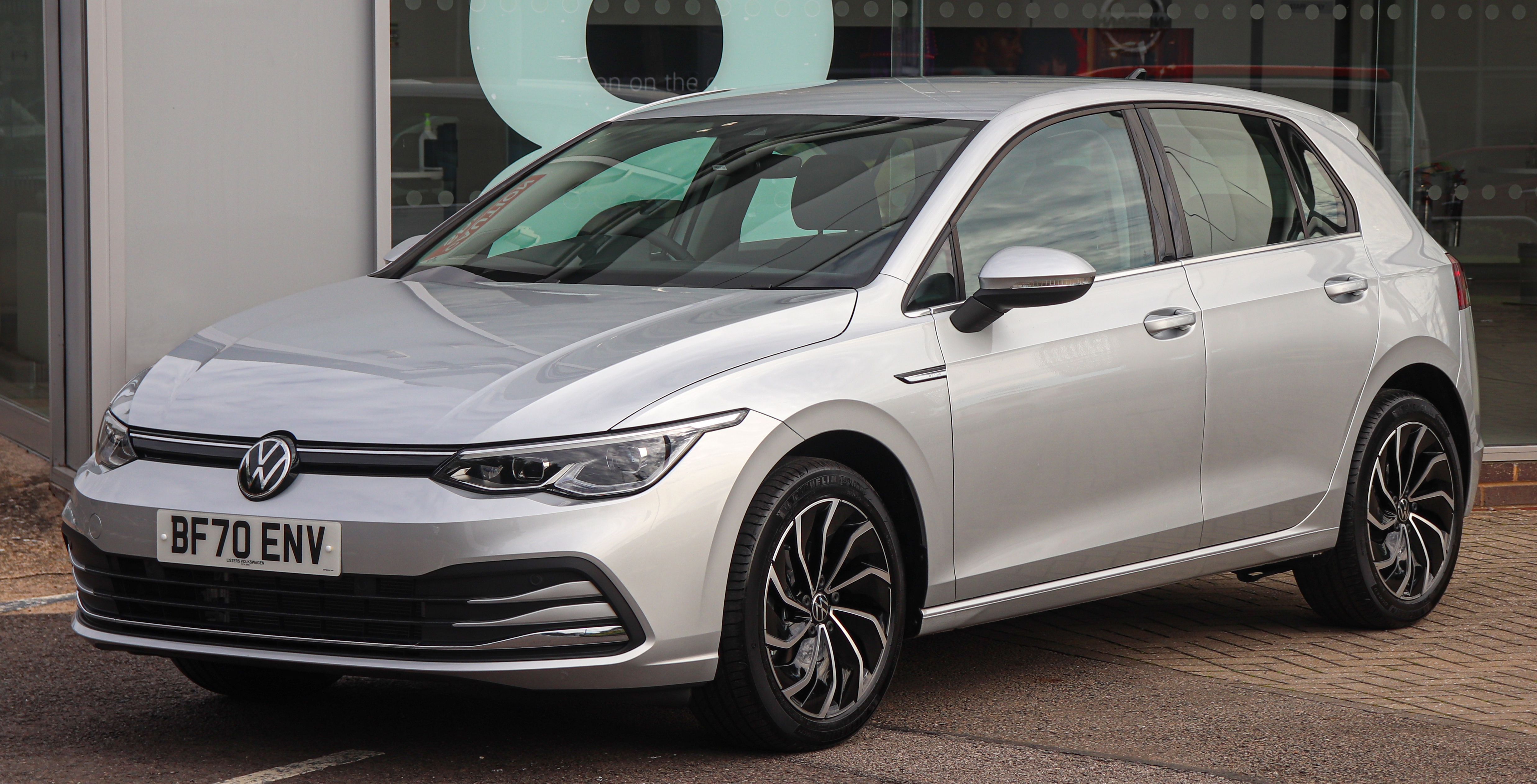
Volkswagen Gti
"...s get into it Volkswagen has unveiled the ID Polo GTI the first electric vehicle to carry the iconic GT..."
The Volkswagen Golf is a popular compact car model. The podcast is talking about an electric version that uses the “GTI” performance name. That matters because it’s bringing a well-known style of car to electric power.
The Volkswagen Golf is a long-running compact car nameplate known for being widely used and easy to live with. In this podcast context, the discussion is about Volkswagen’s electric “GTI” direction, which ties the familiar Golf performance branding to an EV approach. That’s why it’s relevant: it shows how established model identities are being adapted for electric power.

Plymouth GTX
"...at matters because Volkswagen had previously used GTX for performance EVs it also marks the first time ..."
The Plymouth GTX is a car name that was used for higher-performance versions in the past. In this podcast, it’s mentioned because “GTX” is being used on performance EVs by Volkswagen. The focus is on the name and what it signals about performance.
The Plymouth GTX is a performance-oriented nameplate associated with the brand’s muscle-car era. In the podcast context, it’s referenced because Volkswagen has used “GTX” for performance EVs, and the episode notes that this is the first time the GTX label is being applied in that specific way. That makes it a branding and product-marketing point rather than a typical current EV model discussion.
DC charging
"the pack is 52 kilowatt hours... the DC charging is not heroic it's 105 kilowatts that's a 10 to 80 in 24 minutes"
DC charging is the fast-charging kind of charging you do at higher-power stations. It’s what determines how quickly you can add a lot of battery in a short time.
DC charging is fast charging that uses direct current from a charger to quickly refill an EV’s battery. The episode quotes a 105 kW DC charging rate and a “10 to 80” time, which are key real-world indicators of how quickly you can top up.
10 to 80
"the DC charging is not heroic it's 105 kilowatts that's a 10 to 80 in 24 minutes"
“10 to 80” is a standard way to compare fast-charging speed. It tells you how long it takes to go from low battery to a fairly high level, without measuring the slowest part near 100%.
“10 to 80” is a common EV charging benchmark that measures how long it takes to charge from 10% battery to 80%. It’s used because charging is typically faster at lower states of charge and slows as the battery approaches full.
adaptive suspension
"chassis changes over the standard car include adaptive suspension retuned steering a dedicated GTI mode reach by a steering wheel button"
Adaptive suspension is a suspension system that can change how stiff or soft it feels while you drive. The goal is better handling and control without making the ride too harsh.
Adaptive suspension uses sensors and control logic to adjust damping characteristics to match driving conditions. On the ID Polo GTI, it’s part of the chassis changes meant to improve handling and ride control compared with the standard model.

Peugeot E208 Gti
"it puts the GTI in line with the Alpine A290 or the Peugeot E208 GTI"
The Peugeot E-208 GTI is an electric hot-hatch variant of the 208. The episode brings it up to show the ID Polo GTI is aiming at the same kind of sporty, compact EV buyers.
The Peugeot E-208 GTI is an electric version of Peugeot’s 208 with a GTI-style performance badge. It’s referenced as a direct comparison point for the Volkswagen ID Polo GTI’s pricing and positioning.

Alpine A290
"it puts the GTI in line with the Alpine A290 or the Peugeot E208 GTI and it won't be sold in North America"
The Alpine A290 is another small electric hatch that competes in the same general “affordable sporty EV” space. The hosts mention it to compare where the ID Polo GTI lands on price.
The Alpine A290 is a small electric hot-hatch competitor used here as a pricing benchmark. Mentioning it alongside the Volkswagen ID Polo GTI frames the GTI’s target market as budget-friendly “fun” EVs.
SolarWatt
"all right let's move on BMW and SolarWatt will widen their long-running partnership with integrated home energy systems linking BMW solar storage and smart energy"
SolarWatt makes solar and home energy storage systems. Here, it’s mentioned because it’s working with BMW to connect an EV with home energy setup like solar and battery storage.
SolarWatt is a company known for solar and home energy storage products. In this episode, it’s paired with BMW to expand a partnership around integrated home energy systems that connect solar, storage, and smart energy management.
bidirectional charging
"bidirectional charging to the Neuerklasse vehicles so that's IX3 and I3 to begin with ... the BMW wall box lets the Neuer Klasse vehicles charge but also send energy back to the home not the grid"
Normally you plug in an EV to charge it. Bidirectional charging means the car can also send electricity back to your house (and sometimes the grid) when you need it.
Bidirectional charging lets an EV send electricity back out through the charger, not just take power in. In this episode it’s described as vehicle-to-home (and potentially vehicle-to-grid), where the EV can support household loads using energy stored in the battery.
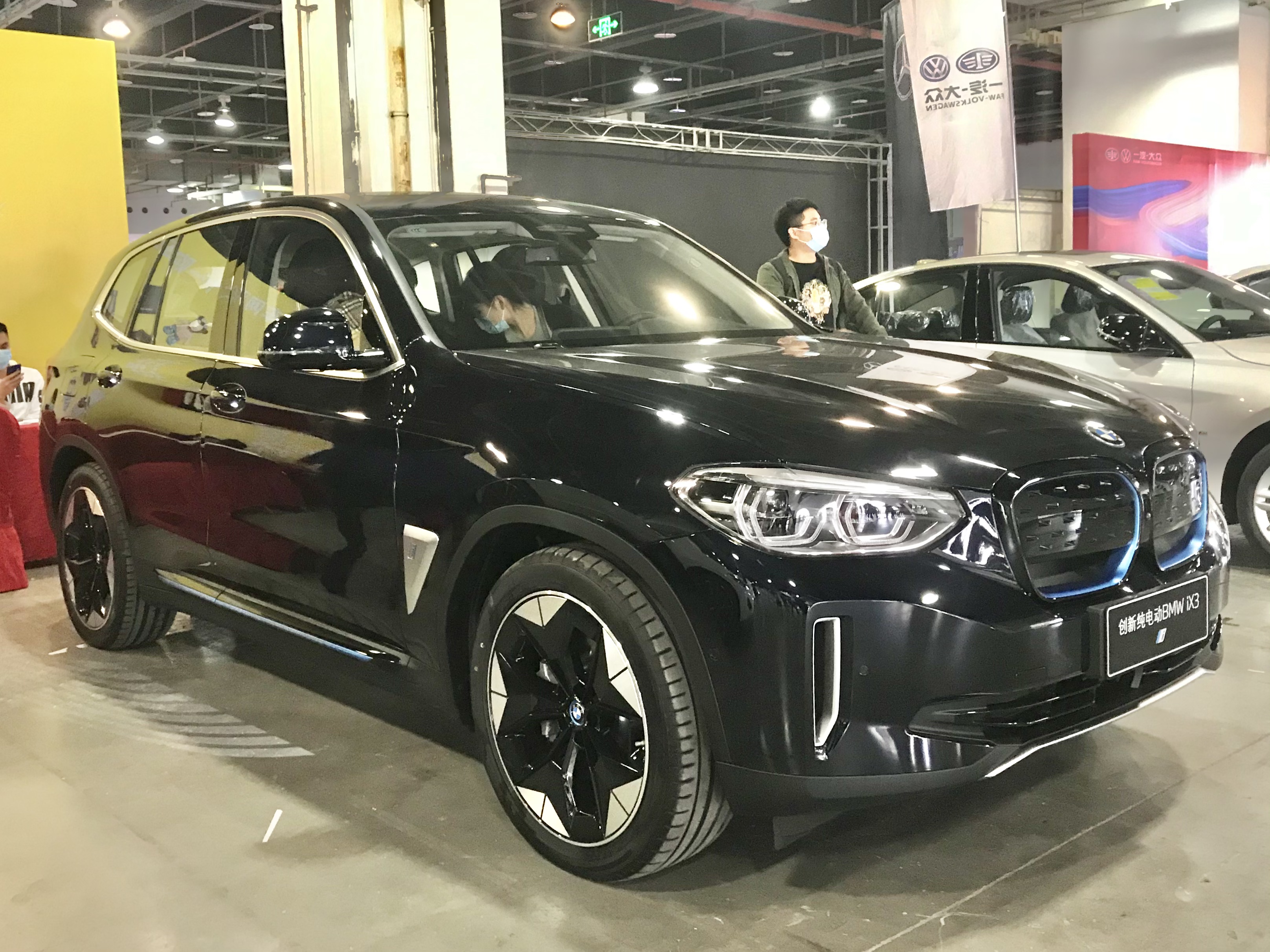
iX3 (G08)
"...al charging to the Neuerklasse vehicles so that's IX3 and I3 to begin with at least the first ones to s..."
The iX3 is an electric SUV made by BMW. The podcast brings it up because it’s one of the early electric models and it’s part of a plan for charging and future EV development. It’s discussed to explain what electric BMWs will support first.
The iX3 (G08) is an electric SUV model from BMW. The podcast mentions it in the context of charging and upcoming platform plans, grouping it with other early electric models to explain what’s coming first. It’s relevant because it represents BMW’s early electric SUV strategy and how charging capabilities are being rolled out.

BMW i3
"bidirectional charging to the Neuerklasse vehicles so that's IX3 and I3 to begin with ... your home battery your IX3 or your I3 and your household loads"
The BMW i3 is an electric BMW. Here it’s mentioned because it can work with bidirectional charging so the car can help power your home.
The BMW i3 is an electric BMW hatchback, and this episode calls it out as one of the “Neuer Klasse” vehicles that can support bidirectional charging. The point is that the i3 can be integrated into a home energy system to supply household loads using its battery.
dynamic EV tariffs
"the system factors in dynamic EV tariffs and solar forecasts SolarWatt says it manages works on an open platform"
Dynamic EV tariffs mean the electricity price isn’t fixed—it can go up and down. The charging system can use those changing prices to decide the cheapest or most beneficial times to charge or use the EV battery.
Dynamic EV tariffs are electricity pricing plans that change over time, often based on real-time grid conditions. The segment says the system uses these tariffs to decide when to charge the EV and when to send energy back to the home.
General Motors
"now General Motors says a key part of how they've kept the bolts below $30,000 is because they build them in batches"
General Motors is the car company in this story. They’re explaining how their factory method helps keep costs lower by making cars in more controlled batches.
General Motors is the automaker described as using a batch-production strategy to keep vehicle costs down. The segment attributes the approach—building identical-spec cars in groups and using standby bodies—to GM’s manufacturing planning.
VIN order
"GM also keeps the bolts below $30,000 is because they build them in batches not VIN order that breaks with the usual assembly line logic"
VIN order is a way factories can line up cars in a sequence based on their identification numbers. The episode says GM is doing something different by building batches of the same exact car spec.
VIN order refers to building vehicles in sequence tied to their Vehicle Identification Numbers, which is a common way to organize production scheduling. The segment contrasts GM’s approach—batching identical specs—with the usual assembly-line logic that mixes trims and configurations.
assembly line logic
"usual assembly line logic so traditional auto assembly lines build mixed trims mixed colors and configurations ... GM say because they don't have too many options and specs to worry about"
Assembly line logic is how a factory decides what cars to build in what order. This story says GM is changing that order to reduce problems when something goes wrong on the line.
Assembly line logic is the standard production strategy for sequencing cars—often mixing trims, colors, and configurations on the same line. The segment explains that GM’s batch approach reduces the impact of mistakes or line stoppages by limiting how many different variants are being built at once.
batches of 30
"they can build 30 cars at a time of exactly the same spec of their Fairfax plant in Kansas City batches of 30 roll down the line with the same parts again"
A batch is a group of cars built with the same setup. GM says they build 30 at a time with the same parts to make production more consistent and avoid errors.
Building in fixed-size batches means producing multiple vehicles with the same specification back-to-back. Here, GM describes rolling 30 cars at a time with the same parts, aiming to cut mistakes and reduce the need to pull vehicles off the line for rework.
clones
"GM also keeps two spare bodies or clones if you like for every possible configuration on standby so that if a vehicle coming down the line has to get pulled ... the clone gets slipped in"
Here, “clones” means extra pre-made car bodies for different versions. If one car has to stop for a fix, the factory can swap in a prepared body so production doesn’t stall.
In this manufacturing context, “clones” are spare vehicle bodies prepared in advance for different configurations. The idea is that if a car needs to be pulled for an intervention, a pre-prepared body can be swapped in so the line keeps moving.
insurance quotes
"car wow requested insurance quotes for four Chinese models from five major insurers they gave the specs of a 27 year old male driver living in the county of Hampshire"
An insurance quote is the price an insurance company offers to cover your car. The segment is about comparing those prices across different car models and insurers.
An insurance quote is an insurer’s estimated price for covering a vehicle, based on risk factors like driver profile, location, and the specific car model. In this segment, the hosts describe requesting quotes from multiple insurers to compare how Chinese EVs and hybrids are priced.

X9 Xpong
"... models they quoted were the jku 7 plug-in hybrid xpong g6 all-electric byd seal u plug-in hybrid and the..."
The podcast mentions an “X9” as one of the cars in a group of different electrified models. It’s likely being discussed alongside plug-in hybrid and fully electric versions. The main point is that it’s part of the lineup being compared in the episode.
The “X9” in this podcast context appears to be a reference to a model lineup that includes plug-in hybrid and all-electric options. The episode groups “X9” with other vehicles when listing what’s being discussed or compared, suggesting it’s part of a broader EV/plug-in strategy. Without more detail in the excerpt, the key significance here is that it’s one of the named models in the EV business and technology conversation.

Byd Seal
"...he jku 7 plug-in hybrid xpong g6 all-electric byd seal u plug-in hybrid and the sky well be 11 now the b..."
The BYD Seal is a fully electric car. The podcast mentions it while talking about different electric and plug-in models and what’s happening in the EV market. It’s included as one of the current EV options being discussed.
The BYD Seal is an all-electric sedan that’s often discussed as part of BYD’s push into mainstream EV segments. In this podcast excerpt, it’s mentioned alongside other electrified models when talking about what’s coming “now” and how different vehicles fit into the broader EV market. That makes it relevant to technology and business discussions because it represents BYD’s competitive EV offerings.

Hyundai Kona
"...nd a viva would even ensure an xpong g6 a Hyundai kona similar kind of car was 639 pounds a year the byd..."
The Hyundai Kona is a small SUV-style car. Some versions are electric, and it’s discussed because it’s a common, practical EV option. The podcast mentions it when comparing how much these cars can cost to run.
The Hyundai Kona is a compact crossover that’s offered in multiple powertrains, including an electric version. It often comes up in EV discussions because it’s a mainstream, practical size that’s used to compare real-world costs and charging needs. In this podcast context, it’s mentioned alongside other EVs when talking about pricing and ownership economics.
repair data
"insurers said a lack of repair data underdeveloped parts network supply chains and limited long-term claims history doesn't give them enough data to work with"
Repair data is information about how expensive and how common repairs are for a particular car model. If insurers don’t have enough past repair information, they may charge more or avoid offering coverage.
Repair data refers to historical information about how often a vehicle needs repairs and how costly those repairs are. Insurers rely on it to estimate claim risk; the segment says insurers lack repair data for Chinese cars, which makes pricing and coverage decisions harder.
limited long-term claims history
"insurers said a lack of repair data underdeveloped parts network supply chains and limited long-term claims history doesn't give them enough data to work with"
Long-term claims history means how often insurance claims have happened for a car model over time. If there isn’t enough history yet, insurers can’t predict risk well, so they may charge more or not offer coverage.
Long-term claims history is the record of insurance claims over many years for a specific vehicle model. With limited history—especially for newer or less common models—insurers have less evidence to predict future claim frequency and cost, which can reduce availability of coverage or raise premiums.
parts network
"insurers said a lack of repair data underdeveloped parts network supply chains and limited long-term claims history doesn't give them enough data to work with"
A parts network is how easily replacement parts for a car can be found and delivered. If that network is weak, repairs can take longer and cost more, which affects insurance decisions.
A parts network is the supply chain of replacement components (and where they can be sourced) for a given vehicle. The segment links an underdeveloped parts network to insurers’ concerns, because it can increase repair time and cost after accidents.

MG ZS EV
"i've as you long-term listeners know used to own a first-generation mg zsev the mighty mighty mg i still missed that car"
The MG ZS EV is an all-electric SUV. The host is talking about what it cost to insure their first version of this car, as a real-life comparison to newer EVs.
The MG ZS EV is an all-electric compact SUV from MG (a Chinese brand owned by SAIC). In this segment, the host specifically mentions owning a first-generation MG ZS EV, using it as a personal example for how insurance pricing can change over time.

Polestar 2
"and when we changed to the Polestar 2 it was 600 and that makes no sense because"
The Polestar 2 is an electric car. In this story, the host says their insurance cost went down after switching to it.
The Polestar 2 is a battery-electric liftback from Polestar, positioned as a premium EV with a focus on efficiency and tech. Here it’s used as a personal insurance example: the host says their insurance dropped from the MG ZS EV to the Polestar 2.
dual motor
"the Polestar is obviously what is that 300 kilowatts of power it's dual motor it's ridiculously fast"
A dual-motor EV has two electric motors working together. That usually helps the car launch faster and grip the road better.
A dual-motor EV uses two electric motors (typically one per axle) to drive the wheels. That setup can improve acceleration and traction because the car can distribute torque more precisely than a single-motor layout.
no claims history
"i've never had an accident and i'm and that's not two backs i passed a 17 because i grew up in the countryside and i wanted to leave as quick as possible ... still that's a big no claims history for me"
No claims history is an insurance term meaning you haven’t filed claims for accidents or damage. Insurers often use it to price premiums lower, since it suggests lower risk.
Ionity
"bwm is launching a new preferred partner program with iona of course they are part owners of iona for bmw and mini drivers 20 off if you use the network"
Ionity runs a network of fast EV charging stations. BMW is partnering with them so BMW/Mini drivers can get a discount when they charge.
Ionity is a fast-charging network for EVs, known for high-power charging stations across Europe and expanding in the US. In this segment, BMW’s partner program uses Ionity pricing/discounts to reduce charging costs for BMW and Mini drivers.
0 to 62 miles an hour
"horsepower it also moves quickly it does 0 to 62 miles an hour it's 100 kph in 1.8 seconds"
This is a simple test of how quickly a car speeds up from a stop. Faster times usually mean the car feels quicker when you put your foot down.
“0 to 62 mph” is a common acceleration benchmark: how fast a car can go from a standstill to 62 mph. It’s used to compare how quickly different cars build speed in real-world driving terms.
attack mode
"and 200 kph in 4.4 seconds in attack mode it delivers a 71 increase in power over the gen"
“Attack mode” is a driving mode meant to make the car feel more aggressive. It usually makes acceleration quicker and more responsive.
“Attack mode” is a performance driving setting that typically changes throttle response and power delivery to make the car accelerate more aggressively. In EVs, it often corresponds to higher power output and more immediate torque.
all-wheel drive
"three evo cars and it now uses all-wheel drive kiltard said in every corner exits and the"
All-wheel drive means power goes to all four wheels. It can help the car grip the road better, especially when you accelerate quickly.
All-wheel drive (AWD) sends power to both the front and rear axles. That can improve traction and stability, especially when accelerating hard or on low-grip surfaces.
power to rate ratio
"benchmark he drove gen three evo on its debut the power to rate ratio of these new gen four cars is"
This is basically a “how much power you get for how much the car weighs” idea. A higher number usually means the car accelerates more strongly.
“Power to rate ratio” appears to refer to a power-to-weight ratio (often expressed as power per unit of mass). It’s a key metric for acceleration feel because more power per kilogram generally improves how quickly the car can speed up.
Formula One
"even by formula this quicker than a formula one car by the way formulary hasn't just focused on raw pace"
Formula One is the highest level of race car competition. Mentioning it is a way to say the performance is on a very serious, top-tier level.
Formula One (F1) is the top tier of open-wheel racing, known for extremely advanced aerodynamics and powertrains. Comparing a car’s acceleration to an F1 car is a way of emphasizing how extreme its performance is.
power steering
"formulary hasn't just focused on raw pace they're adding power steering and new cockpit redesign as well"
Power steering helps you turn the steering wheel with less effort. It makes parking and low-speed driving easier.
Power steering uses a motor or hydraulic system to reduce the effort needed to turn the wheels. Modern systems can also be tuned for different driving modes to improve feel and control.
lithium ion battery packs
"final story global eevee adoption keeps rising and millions of lithium ion battery packs monday will reach the end of their life now there's a couple"
EVs store energy in lithium-ion battery packs. Over years of use, their capacity can drop, and eventually they may need replacement.
Lithium-ion battery packs are the energy storage systems used in most modern EVs. Over time they degrade, and the episode notes that many packs are reaching the end of their service life.
second and third life
"of options they go on to a second and third life because they can go into grid storage and home [1070.3s] storage and things like that where you don't need to pull 300 kilowatts from it"
Second and third life means using an EV battery again after it’s worn out for driving. Instead of throwing it away, it can be used for things like storing electricity at home or supporting the power grid.
Second and third life refers to reusing EV battery packs after they no longer meet the performance needs of a vehicle. Instead of scrapping them, the packs can be repurposed for stationary uses like home energy storage or grid storage.
grid storage
"of options they go on to a second and third life because they can go into grid storage and home [1070.3s] storage and things like that where you don't need to pull 300 kilowatts from it because well if you"
Grid storage is when batteries are used to save electricity from the power grid for later. Then the stored power can be used when demand is higher or renewable power drops.
Grid storage means using batteries to store electricity from the power grid and then release it later. It helps balance supply and demand, especially when renewable generation (like wind and solar) is variable.
kilowatts
"where you don't need to pull 300 kilowatts from it because well if you [1076.0s] boil your kettle it's three kilowatts right so you can just take the battery pack out and do more"
Kilowatts (kW) measure how much power something can deliver at a given moment. It’s a way to compare how hard a battery or charger is working right then.
Kilowatts (kW) measure power—how fast energy is used or delivered. In EV and battery discussions, it helps compare how much instantaneous power a battery must provide for tasks like charging or home backup.
lithium ion phosphate
"battery recycling process covers converts lithium ion phosphate and lithium manganese oxide packs [1106.8s] into lithium manganese iron phosphate lmfp and that matters because increasingly we're seeing"
Lithium ion phosphate (LFP) is a type of EV battery chemistry. It’s popular because it tends to be safer and lasts a long time, even if it may not pack as much energy per size as some alternatives.
Lithium ion phosphate (often shortened to LFP) is a common EV battery chemistry using iron phosphate as the cathode material. It’s known for good safety and long cycle life, though it can trade off some energy density versus other chemistries.
lithium manganese iron phosphate
"into lithium manganese iron phosphate lmfp and that matters because increasingly we're seeing [1112.8s] lfp packs in a lot of evs now lmfp offers higher performance with more energy density"
Lithium manganese iron phosphate (LMFP) is a battery chemistry used in the cathode (the battery’s positive side). The idea is to improve performance and energy density while still keeping the safety advantages that people like about LFP batteries.
Lithium manganese iron phosphate (LMFP) is a newer battery cathode chemistry that blends manganese and iron with lithium. The episode claims it can deliver higher performance and energy density than older LFP-style approaches while retaining safety benefits.
leaching assisted upcycling strategy
"the process uses what the study calls a leaching assisted [1126.0s] upcycling strategy i'll take that word for it it breaks down the source materials while preserving [1131.5s] the original microscopic structure"
This is a battery recycling method that uses chemicals to extract and transform materials. The goal is to turn old battery material into something more valuable again, rather than just scrapping it.
A leaching-assisted upcycling strategy is a recycling approach that uses a chemical leaching step to break down battery materials while aiming to preserve useful structure. In this study, it’s presented as converting spent cathode materials into a new cathode chemistry without fully dissolving everything.
hydro metallurgical recycling
"the original microscopic structure which is a clear break from the current hydro metallurgical [1138.2s] recycling which tends to dissolve materials into basic chemical salts"
Hydro metallurgical recycling is the more traditional way of recycling batteries using liquid chemicals. It often dissolves the battery materials so they can be processed again, but it may lose some structure compared with newer methods.
Hydro metallurgical recycling is a conventional battery recycling route that uses aqueous (water-based) chemical processes to dissolve battery materials. The episode contrasts it with the new method, saying hydro-metallurgical approaches tend to dissolve materials into basic chemical salts.
self-charging hybrid
"have a good and sitamara and remember there's no such thing [1203.8s] as a self-charging hybrid"
A self-charging hybrid is one that says it can recharge its battery on its own. The key point is that it still needs energy from somewhere—usually the engine and braking—not a plug-in charger.
A self-charging hybrid is a hybrid vehicle that claims to recharge its battery without plugging in. The episode’s punchline suggests there’s no such thing—meaning the energy still comes from the engine and/or regenerative braking rather than an external charger.
Request an Explanation
Heard something you'd like explained? We'll add it to this episode.
Sign in to request explanations for terms you heard.
Want to learn more?
Browse our glossary for plain-English explanations of automotive terms, jargon, and concepts.
Help improve this episode
See something that's not quite right? Our annotations are AI-generated and can sometimes miss the mark. Click the flag icon on any annotation to suggest a correction.