Vehicle-to-home (V2H) lets an EV power your house. Instead of only charging the car, the car can also send electricity back to help run the home or provide backup power.
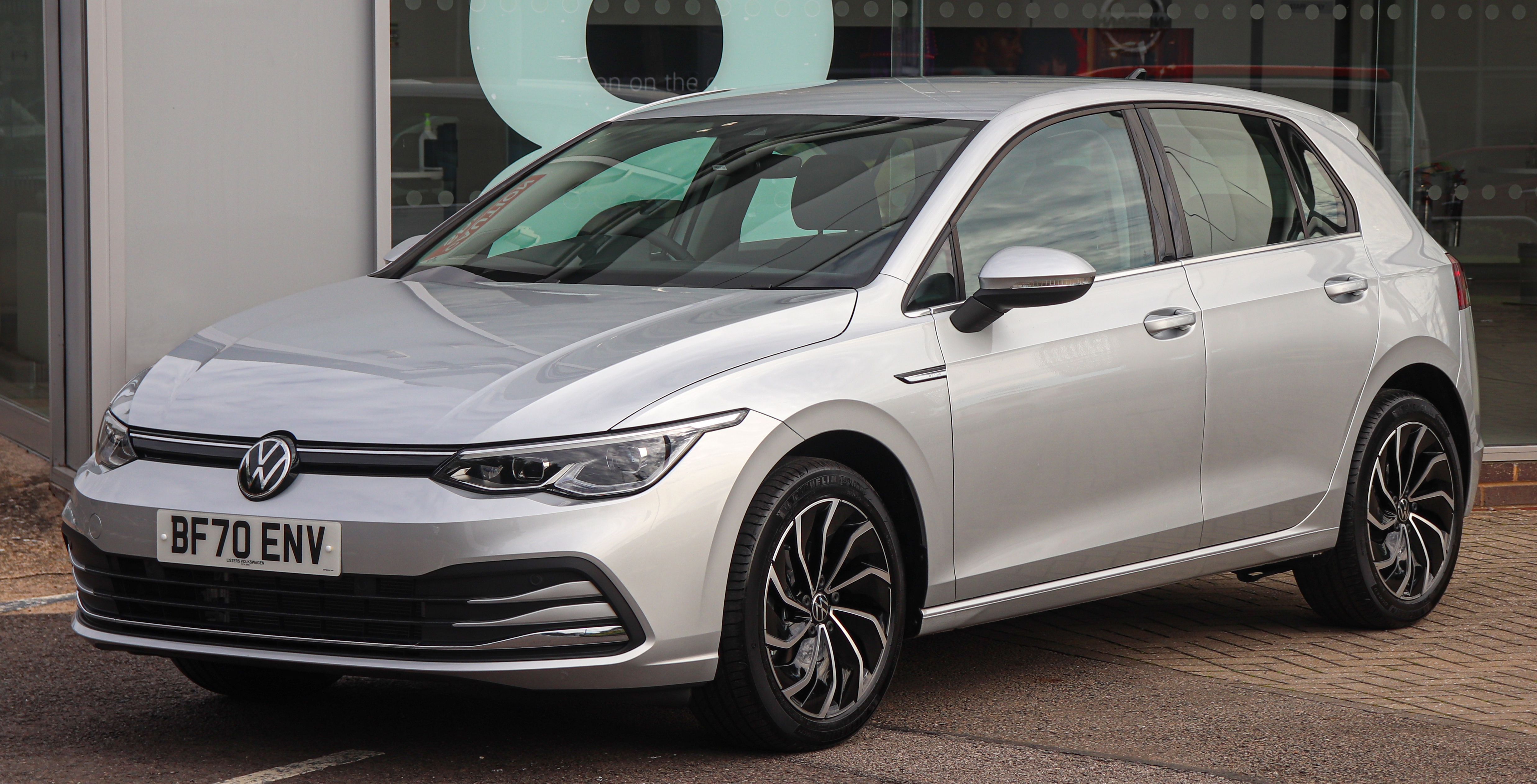
The Volkswagen ID Polo GTI is an electric version of the small “GTI” style Volkswagen is known for. It’s meant to feel more fun to drive than the regular ID Polo, with extra tuning and stronger braking.
The Volkswagen Golf is a popular compact car model. The podcast is talking about an electric version that uses the “GTI” performance name. That matters because it’s bringing a well-known style of car to electric power.
The Plymouth GTX is a car name that was used for higher-performance versions in the past. In this podcast, it’s mentioned because “GTX” is being used on performance EVs by Volkswagen. The focus is on the name and what it signals about performance.
DC charging is the fast-charging kind of charging you do at higher-power stations. It’s what determines how quickly you can add a lot of battery in a short time.
“10 to 80” is a standard way to compare fast-charging speed. It tells you how long it takes to go from low battery to a fairly high level, without measuring the slowest part near 100%.
Adaptive suspension is a suspension system that can change how stiff or soft it feels while you drive. The goal is better handling and control without making the ride too harsh.
The Peugeot E-208 GTI is an electric hot-hatch variant of the 208. The episode brings it up to show the ID Polo GTI is aiming at the same kind of sporty, compact EV buyers.
The Alpine A290 is another small electric hatch that competes in the same general “affordable sporty EV” space. The hosts mention it to compare where the ID Polo GTI lands on price.
SolarWatt makes solar and home energy storage systems. Here, it’s mentioned because it’s working with BMW to connect an EV with home energy setup like solar and battery storage.
Normally you plug in an EV to charge it. Bidirectional charging means the car can also send electricity back to your house (and sometimes the grid) when you need it.
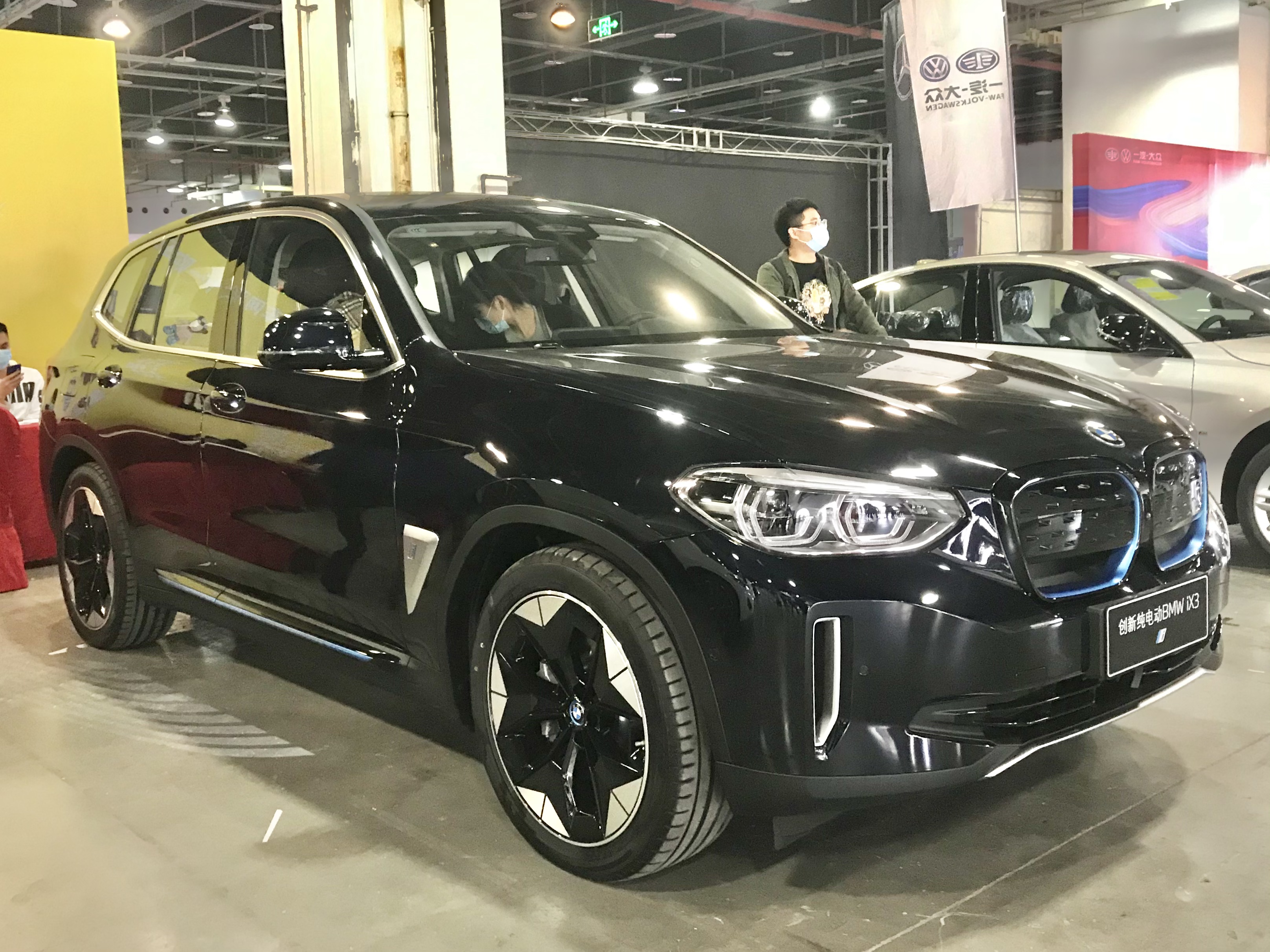
The iX3 is an electric SUV made by BMW. The podcast brings it up because it’s one of the early electric models and it’s part of a plan for charging and future EV development. It’s discussed to explain what electric BMWs will support first.
Dynamic EV tariffs mean the electricity price isn’t fixed—it can go up and down. The charging system can use those changing prices to decide the cheapest or most beneficial times to charge or use the EV battery.
General Motors is the car company in this story. They’re explaining how their factory method helps keep costs lower by making cars in more controlled batches.
VIN order is a way factories can line up cars in a sequence based on their identification numbers. The episode says GM is doing something different by building batches of the same exact car spec.
Term
assembly line logic
Assembly line logic is how a factory decides what cars to build in what order. This story says GM is changing that order to reduce problems when something goes wrong on the line.
A batch is a group of cars built with the same setup. GM says they build 30 at a time with the same parts to make production more consistent and avoid errors.
Here, “clones” means extra pre-made car bodies for different versions. If one car has to stop for a fix, the factory can swap in a prepared body so production doesn’t stall.
Term
insurance quotes
An insurance quote is the price an insurance company offers to cover your car. The segment is about comparing those prices across different car models and insurers.
The podcast mentions an “X9” as one of the cars in a group of different electrified models. It’s likely being discussed alongside plug-in hybrid and fully electric versions. The main point is that it’s part of the lineup being compared in the episode.
The BYD Seal is a fully electric car. The podcast mentions it while talking about different electric and plug-in models and what’s happening in the EV market. It’s included as one of the current EV options being discussed.
The Hyundai Kona is a small SUV-style car. Some versions are electric, and it’s discussed because it’s a common, practical EV option. The podcast mentions it when comparing how much these cars can cost to run.
Repair data is information about how expensive and how common repairs are for a particular car model. If insurers don’t have enough past repair information, they may charge more or avoid offering coverage.
Long-term claims history means how often insurance claims have happened for a car model over time. If there isn’t enough history yet, insurers can’t predict risk well, so they may charge more or not offer coverage.
A parts network is how easily replacement parts for a car can be found and delivered. If that network is weak, repairs can take longer and cost more, which affects insurance decisions.
The MG ZS EV is an all-electric SUV. The host is talking about what it cost to insure their first version of this car, as a real-life comparison to newer EVs.
No claims history is an insurance term meaning you haven’t filed claims for accidents or damage. Insurers often use it to price premiums lower, since it suggests lower risk.
Second and third life means using an EV battery again after it’s worn out for driving. Instead of throwing it away, it can be used for things like storing electricity at home or supporting the power grid.
Grid storage is when batteries are used to save electricity from the power grid for later. Then the stored power can be used when demand is higher or renewable power drops.
Kilowatts (kW) measure how much power something can deliver at a given moment. It’s a way to compare how hard a battery or charger is working right then.
Lithium ion phosphate (LFP) is a type of EV battery chemistry. It’s popular because it tends to be safer and lasts a long time, even if it may not pack as much energy per size as some alternatives.
Lithium manganese iron phosphate (LMFP) is a battery chemistry used in the cathode (the battery’s positive side). The idea is to improve performance and energy density while still keeping the safety advantages that people like about LFP batteries.
This is a battery recycling method that uses chemicals to extract and transform materials. The goal is to turn old battery material into something more valuable again, rather than just scrapping it.
Hydro metallurgical recycling is the more traditional way of recycling batteries using liquid chemicals. It often dissolves the battery materials so they can be processed again, but it may lose some structure compared with newer methods.
A self-charging hybrid is one that says it can recharge its battery on its own. The key point is that it still needs energy from somewhere—usually the engine and braking—not a plug-in charger.
LIVE
Welcome back to EV news daily on the podcast today the ID Polo GTI BMW's vehicle to home
and General Motors cuts bolt costs plus stay tuned because later in the podcast I'll tell
you why recycled batteries can actually be better than the originals over on our podcast
that a EV news China the spinoff show we're talking about BYD's battery bottleneck the
on-vote L 80 a huge five-seat version of the L 90 but without the third row if you
simply must have a massive boot and densors 500,000 deliveries let's get into it Volkswagen
has unveiled the ID Polo GTI the first electric vehicle to carry the iconic GTI badge that
matters because Volkswagen had previously used GTX for performance EVs it also marks the
first time in its GTI badges 50 year history that Volkswagen has put it on an electric
vehicle the ID Polo GTI sits above the standard ID Polo using the electric seventh gen Polo
platform where the standard ID Polo has 208 horsepower the GTI gets 223 same as the Coupre
Revell Volkswagen quotes a largely pedestrian time 0 to 62 miles an hour 100 kph 6.8 seconds
and a top speed of 108 but that misses the point of a GTI if you worried about those
specs this is about small car fun handling throw it around on a budget but that budget
isn't as low as GTI is used to be curb weight is 1500 kilograms or 3400 pounds the pack
is 52 kilowatt hours and that'll be good for 263 miles down from 283 miles on the non
GTI the DC charging is not heroic it's 105 kilowatts that's a 10 to 80 in 24 minutes
chassis changes over the standard car include adaptive suspension retuned steering a dedicated
GTI mode reach by a steering wheel button sharpening up the dynamic systems and the
on-screen graphics Volkswagen lowers the suspension and fits bigger brakes to the ID Polo goes
on sale in Germany this autumn and it's priced at 39,000 euros that's 33,000 pounds or $45,000
it puts the GTI in line with the Alpine A290 or the Peugeot E208 GTI and it won't be sold
in North America like the standard ID Polo it will be a Europe only model all right let's
move on BMW and SolarWatt will widen their long-running partnership with integrated
home energy systems linking BMW solar storage and smart energy the next step centers on
bidirectional charging to the Neuerklasse vehicles so that's IX3 and I3 to begin with
at least the first ones to support bidirectionality Germany's first commercial vehicle to grid
offer launched in March this year BMW and SolarWatt now want vehicle to home to follow
in that setup SolarWatt's home energy manager will control the energy flow between your solar
your home battery your IX3 or your I3 and your household loads the BMW wall box lets the Neuer
Klasse vehicles charge but also send energy back to the home not the grid the system factors in
dynamic EV tariffs and solar forecasts SolarWatt says it manages works on an open platform so
integrates with third-party home storage systems as well as their own the initial rollout will be
Germany Austria and the Netherlands now General Motors says a key part of how they've kept the
bolts below $30,000 is because they build them in batches not VIN order that breaks with the
usual assembly line logic so traditional auto assembly lines build mixed trims mixed colors
and configurations sometimes in sequence on the same line but that's if there is a mistake
or a line stoppage can have a knock on effect GM say because they don't have too many options and
specs to worry about that they can build 30 cars at a time of exactly the same spec of their Fairfax
plant in Kansas City batches of 30 roll down the line with the same parts again and
that cuts mistakes and reduces the need to pull vehicles off a line to fix something GM also keeps
two spare bodies or clones if you like for every possible configuration on standby so that if a
vehicle coming down the line has to get pulled for a reason an intervention the clone gets slipped in
and takes its place the line carries on moving there's only three roof line configurations
and seven colors so in fact there's 21 clones they need on standby at any one time batch assembly
cuts floor space because the plant needs fewer part racks and less storage letting paint booths
switch colors less often fewer color changes save time and materials suppliers work to a fixed
seven day schedule at the Fairfax plant GM says that improves delivery consistency and it makes
things simpler for them all right this is an interesting story from the UK that I have some
personal experience with half of all quotes for Chinese EVs were declined outright by UK insurers
and car wow research says that those brands are gaining ground in the UK but insurance is expensive
car wow requested insurance quotes for four Chinese models from five major insurers they gave the
specs of a 27 year old male driver living in the county of Hampshire the models they quoted were
the jku 7 plug-in hybrid xpong g6 all-electric byd seal u plug-in hybrid and the sky well be 11
now the big insurance company aXa declined to quote on all four vehicles hastings offered only
cover for the byd direct line declined to quote for two of the four and admiral declined to quote
for one a viva offered cover for all four but the prices were bad across all four Chinese models
the average annual premium was 901 pounds across the petrol equivalents of those cars it was 646
that made the Chinese cars 255 pounds on average more expensive per year to ensure the most expensive
was the jku 7 hybrid the comparable car to that something like a schodder carrock in combustion
terms uh was 577 versus the jku's 1100 per year xpong g6 was 936 a year but only admiral and
a viva would even ensure an xpong g6 a Hyundai kona similar kind of car was 639 pounds a year
the byd seal u 876 and car wow zian read said availability of cover is a bigger problem than
the fact that Chinese cars are more expensive to ensure insurers said a lack of repair data
underdeveloped parts network supply chains and limited long-term claims history doesn't give them
enough data to work with i have some personal experience with that i i've as you long-term
listeners know used to own a first-generation mg zsev the mighty mighty mg i still missed that car
it's a great great car to run around him but that for me as a whatever it was then but now
i'm a 47 year old married dad of two with a garage in a very quiet bit of a county in southern
england um it's a quiet cul-de-sac and no one comes down our road and then if anyone does we
will look out the window and go who's that then so i live in a really quiet part of a pretty quiet
town um you know there's good bits and bad bits of my town i kind of i live in an okay bit i love
it like in in a you know in it well actually it's quite a nice place but in a cheap house in it and
so i mean it can be better but it could probably it could definitely be worse and my mg insurance
was 900 pounds and when we changed to the Polestar 2 it was 600 and that makes no sense because
the mg was what a 13 grand car and the Polestar was a 25 grand car when we bought it's probably
worth like 15 now and so that was i don't know why i was told it was to do with chinese supplied
chains with saic who own mg um and the fact that post you know lockdowns and stuff supplied chains
were messed up and the Polestar is effectively all volvo bits if you've been in a volvo or a
Polestar it's all the same that was the reason i was given not by the insurer but by other people
who know these things and so i don't know that's my own personal experience of a chinese car albeit
an mg which people think is british um of being very expensive compared to a much more premium
car and also that the mg love it to bits was not a very high performance vehicle the Polestar is
obviously what is that 300 kilowatts of power it's dual motor it's ridiculously fast and i've never
dinged a car touch wood someone's dinged me when i had an oudie tt and went in the back of it but
i've never had an accident and i'm and that's not two backs i passed a 17 because i grew up in
the countryside and i wanted to leave as quick as possible i lived in the middle of nowhere so i had
like nine driving lessons and was gone but so i've been very lucky i've never dinged a car yet but
still that's a big no claims history for me and i still pay a lot of money for insurance but many
my american listeners will be going you pay how much that's nothing so yeah i know i should be
grateful to hey we pay more for petrol over here so it works out uh and electricity let's move on
bmw is launching a new preferred partner program with iona of course they are part owners of iona
for bmw and mini drivers 20 off if you use the network through to the end of september and it's
an automatic discount so you haven't got a subscribe to anything or opt in you can use your plug and
charge or the bmw app and you'll get a 20 discount on iona which is backed by eight major
automakers including bmw a thousand charging bays across the us and they're expanding really
quickly and they're very reliable and honestly iona is the real deal they're getting such rave
reviews right now nice little discount for bmw drivers now the epa the united states environmental
protection agency uh wants to delay the previous president biden era emission standards for light
vehicles and medium duty vehicles the move was meant to clean up the air but the epa is pushing
that back by at least two years to model year 20 29 the epa said this was all about freedom of choice
for buyers the epa administrator uh someone called lee zeldin said and i quote freedom is the foundation
of this nation and this includes the freedom to choose the car you drive and quote that is no secret
that the uh the current administration that was voted in by the good people of america are incredibly
anti-ev will do i mean even with all of musk's money that some say got him elected uh i didn't
do any good did it so uh it's going to be an interesting four years three v's uh we're part
way through that of course and the epa saying that they have to roll back emission standards
to give you the choice to buy dirty diesels and gas guzzlers the agency says the change
saves the car makers 1.7 billion dollars doesn't comment on the effects of air quality and then
all of the cascading health care costs down the line but who cares because the automakers will
save 1.7 billion dollars and that's what matters right the wider shift goes much further though
the epa even revealed repealed the 2009 endangerment finding that was effectively the legal basis
uh that recognized greenhouse gas regulations so it strips out the whole underlying legal basis
for federal levy mandates dismantled the framework that supports any later tightening in future years
and the same rollback applies to diesels as well the epa scrapped the diesel exhaust fluid sensor
mandate which had the ability to derate a diesel engine if there was a malfunction again they say
that this was for you know the benefit of american farmers and the direction that the us is going
is the opposite direction to the rest of the world at least for europe and asia and well actually
and the rest of the world i should say so yeah the us will do some catching up i think at some
point there's no doubt everyone will be driving an ev one day the speed at which we'll do it
we'll work that out won't we right we'll take a break and we'll come back we'll talk about
formulary and recycling and more stick around back in a moment
welcome back to the podcast now this is going to be welcome news kia is debuting the pv5 side
entry a purpose built pv5 that's their van by the way for wheelchair accessible urban mobility
the model made its european debut on the 15th of may three days ago in Birmingham the key point is
the layout the pv5 side entry which kia calls a first for the segment lets users board straight
from the curb kia argues that gives it an edge in urban areas where rear access often gets blocked
it can be more safe to go straight from the pavement into your vehicle up a ramp system
which is a manual ramp system using a two-step design uh kia says it's designed to suit various
roads and pavement conditions kia's reinforce the floor structure as well for high-duty use
and an integrated wheelchair anchorage system too the pv5 uh wav it's called includes an
integrated floor lighting system to improve visibility for wheelchair users and kia pitches it
had also not any uh motability scheme or private owners but uh taxi operators shuttles and fleet
mobility as well as of course private buyers and that matters because the firm is not treating
accessibility as an afterthought they're bringing it right at the beginning of that vehicle which i
know many wheelchair users have commented on and have just given massive props to kia for not just
coming with you know the five seat version the seven seat version etc etc oh and down the line
that they're bringing the wheelchair version the side entry with the ramp and everything
very early in that vehicle's life you know within the first few months and that
well kia should be applauded for that that's brilliant news now next david kiltard formula
formula one driver and these days you'll see him not only in the formula one paddock and doing the
commentary for the official f1 stream and on channel four but also formula e now
he got a chance to put the helmet back on and drive a formulae gen four car around the streets of
montecarlo which is useful because i gather that's where he lives these days along with many of the
formula one racing drivers for a two-time monaco grand prix winner and a 13-time formula one race
winner it's interesting that he said it felt unlike anything he'd driven in his career so
that carries some weight right the gen four car debuts at the end of this year the formulary season
is always called because it spans two calendar years it'll be formulae 26 27 13th campaign
and on paper the numbers do explain why kiltard was blown away the car has a top speed of 205
miles an hour that's 335 kph it weighs under a thousand kilograms and it's got almost a thousand
horsepower it also moves quickly it does 0 to 62 miles an hour it's 100 kph in 1.8 seconds
and 200 kph in 4.4 seconds in attack mode it delivers a 71 increase in power over the gen
three evo cars and it now uses all-wheel drive kiltard said in every corner exits and the
monaco track that he drove it on in the gen four it delivers acceleration that has no equivalent
in his lifetime of experience of racing cars he said it's a clear step up from gen three evo
incomparable to gen three in his view although gen three and gen three evo were state-of-the-art
at the time gen four's all-wheel drive redefines formulary and that matters because he knows the
benchmark he drove gen three evo on its debut the power to rate ratio of these new gen four cars is
impressive even by formula this quicker than a formula one car by the way formulary hasn't just
focused on raw pace they're adding power steering and new cockpit redesign as well and we'll see
the car on show at goodwood the festival of speed ninth to the twelfth of july i will see you there
it is going to be fascinating to see if this is the turning point for formulary which maybe like you
i've tried to watch formulary i've given it a really good shot i mean i've actually sat down
to me let's watch a season and it's good but there's something about it as a massive Formula
One fan and dabbling in sports cars and whatnot dabbling in rally but i'm not an expert in those
areas um there's something different about the racing and it will it will be different when
they are not on purely street courses and they're increasingly on normal racetracks but when they
are just on the normal racetracks that a lot of us race fans know and love and they can do a distance
or they have some some flash charging some rapid charging that's all good it's just the noise
isn't it it just sounds like it doesn't doesn't stir you it must be amazing to drive them as
david kult out of Formula One driver says it's incomparable um he's blown away doesn't quite
translate so i think a bit of work to do on how it's presented a bit of work on the camera angles
bit of work on the ferociousness of this new car and i'll definitely be giving gen 4 a proper go i
really want to love Formula re let's move on final story global eevee adoption keeps rising and
millions of lithium ion battery packs monday will reach the end of their life now there's a couple
of options they go on to a second and third life because they can go into grid storage and home
storage and things like that where you don't need to pull 300 kilowatts from it because well if you
boil your kettle it's three kilowatts right so you can just take the battery pack out and do more
things with it or you can do recycling and conventional recycling now hasn't always pulled
all of the value from the spent packs researchers at the wuster polytechnic institute working with
argon national laboratory have now found in a study published in chem circularity that the new
battery recycling process covers converts lithium ion phosphate and lithium manganese oxide packs
into lithium manganese iron phosphate lmfp and that matters because increasingly we're seeing
lfp packs in a lot of evs now lmfp offers higher performance with more energy density
and it retains a lot of safety the process uses what the study calls a leaching assisted
upcycling strategy i'll take that word for it it breaks down the source materials while preserving
the original microscopic structure which is a clear break from the current hydro metallurgical
recycling which tends to dissolve materials into basic chemical salts the researchers report
recovering more than 95 percent of the key chemical elements that recovery rates rivals
or exceeds existing operations but the process also runs at normal temperature and pressure
so that's better and just as important the method fits existing recycling infrastructure
factories and lines recyclers don't need to build a new factory to adopt this new way of doing it
and the recycled cathode material didn't just survive in performance testing it actually showed
higher energy density than the original batteries from which it came there we go
things get better with age keep telling my wife that doesn't believe me and that's your podcast
for today thanks to our premium partners national car charging on the u.s mainland and the loha
charge in hawaii and test ev avalue's trusted partner for independent ev battery health testing
in australia in new zealand have a good and sitamara and remember there's no such thing
as a self-charging hybrid
About this episode
Volkswagen’s ID Polo GTI lands as the first EV to carry the GTI badge, with 105 kW DC charging and a 10–80% top-up in 24 minutes. BMW expands its SolarWatt home energy push for vehicle-to-home energy flow, while GM says it keeps costs down by building in batches and using spare “clones.” The show also digs into UK insurance friction for Chinese models, EPA emissions rollbacks, Kia’s PV5 Wav accessibility, and new battery recycling that targets LMFP.