
BRIEFLY: ID. Polo GTI, BMW, Bolt & more| 18 May 2026
About this episode
Volkswagen puts a GTI badge on an EV with the ID Polo GTI, while BMW expands vehicle-to-home plans via directional charging on Neue Klasse models. GM targets a sub-$30,000 Chevy Bolt using batch production. Pricing and risk remain messy: UK insurers decline many quotes for Chinese EVs, and BMW’s Iona-linked plug-and-charge discount can apply automatically. Elsewhere, Kia unveils the motability-focused PV5 side-entry EV van, and researchers claim LFP upcycling can yield even better-quality packs.
It's EV News Briefly for Monday 18 May 2026, everything you need to know in less than 5 minutes if you haven't got time for the full show.
Patreon supporters fund this show, get the episodes ad free, as soon as they're ready and are part of the EV News Daily Community. You can be like them by clicking here: https://www.patreon.com/EVNewsDaily
VOLKSWAGEN PUTS GTI ON AN EV
Volkswagen has unveiled the ID. Polo GTI, the first-ever electric vehicle to carry the iconic GTI badge — a near-50-year-first — sitting above the standard ID. Polo with a 223hp front-mounted motor, 0–62mph in 6.8 seconds, and a 263-mile WLTP range from its 52 kWh battery. It goes on sale in Germany from autumn 2026, priced from €39,000, competing with the Alpine A290 and Peugeot E-208 GTi, but will not be sold in North America.
BMW AND SOLARWATT PUSH V2H PLANS
BMW and SOLARWATT are expanding their partnership to bring Vehicle-to-Home bidirectional charging to BMW's Neue Klasse line-up, starting with the iX3 and i3, following Germany's first commercial Vehicle-to-Grid launch in March 2026. The integrated system will use SOLARWATT's energy management platform, the BMW Wallbox Professional, and both brands' apps to coordinate solar, home storage, dynamic tariffs, and EV charging — launching first across Germany, Austria, and the Netherlands.
GM CUTS BOLT COSTS WITH BATCH BUILDS
GM is achieving its sub-$30,000 target for the 2027 Chevrolet Bolt EV in part by assembling cars in batches of 30 identical units at its Fairfax plant in Kansas City, rather than building mixed trims in sequence, reducing errors and line stoppages. The approach, part of GM's "Winning with Simplicity" strategy, also includes keeping clone spare bodies on standby, cutting floor space needs, reducing paint booth colour changes, and locking suppliers to a fixed seven-day delivery schedule.
UK INSURERS SHUN MANY CHINESE CARS
Carwow research found that half of all insurance quote requests for Chinese vehicles were declined outright by UK insurers, with AXA refusing to quote on all four tested models and Hastings Direct covering only one. Beyond availability, Chinese models averaged £901 per year to insure versus £646 for petrol equivalents — a £255 gap — with insurers citing limited repair data, underdeveloped parts supply chains, and a lack of long-term claims history as key reasons.
BMW TIES IONNA DISCOUNT TO US CHARGING
BMW has launched a preferred pricing programme with IONNA, giving BMW and MINI EV drivers a 20% discount on public charging sessions across the network's 1,000-plus US bays, running through 30 September 2026. The discount applies automatically via Plug & Charge or the My BMW App, with no subscription or RFID card required, as part of BMW's broader strategy to build out home, workplace, and public charging infrastructure.
EPA DELAYS TIER 4 BY TWO YEARS
The EPA has proposed pushing Biden-era Tier 4 light- and medium-duty vehicle emissions standards back two years, from model year 2027 to 2029, framing the move as a "freedom of choice" measure that the agency says will save automakers and consumers over $1.7 billion. The rollback goes much further than a delay, however — the EPA has also repealed the 2009 Endangerment Finding and all vehicle greenhouse gas regulations, dismantling the legal framework for future federal EV mandates.
KIA DEBUTS PV5 SIDE-ENTRY WAV IN EUROPE
Kia unveiled the PV5 WAV Side Entry at the Motability Scheme Live exhibition in Birmingham on 15 May 2026, claiming a segment first with its side-entry wheelchair access that allows kerb-side boarding — an advantage in dense urban areas where rear access is often blocked. Built for taxi operators, shuttle services, and fleet providers, the van features a reinforced floor, integrated wheelchair anchorage, floor lighting for boarding visibility, and a two-step manual ramp suited to varied road conditions.
COULTHARD DRIVES FORMULA E GEN4 AT MONACO
David Coulthard drove Formula E's upcoming GEN4 car on the streets of Monte Carlo, describing the experience as unlike anything in his career — a significant claim from a two-time Monaco Grand Prix winner. The GEN4, set to debut in the 2026/27 season, tops 205mph, weighs under 1,000kg, produces over 800bhp, hits 0–100kph in 1.8 seconds, and delivers a 71% power increase over GEN3 Evo in Attack Mode, with all-wheel drive and a redesigned ergonomic cockpit; it will make its first public show appearance at Goodwood Festival of Speed from 9–12 July.
RECYCLING LIFTS OLD BATTERIES INTO BETTER CATHODES
Researchers at Worcester Polytechnic Institute and Argonne National Laboratory have developed a recycling process that upcycles spent lithium iron phosphate and lithium manganese oxide cells into higher-performance lithium manganese iron phosphate cathode material, recovering more than 95% of key elements — rivalling or exceeding most commercial operations. Crucially, the process runs at normal temperature and pressure, requires no energy-intensive equipment, fits existing recycling infrastructure, and produces cathode material with higher energy density than the source materials it came from.

Volkswagen ID Polo GTI
"Volkswagen have put a GTI badge on an EV, unveiling the ID Polo GTI, the first ever [15.6s] electric vehicle to carry the iconic badge in its 50 year history, sitting above the [20.3s] standard ID Polo, a 223 horsepower front mounted motor, 0-62 in 6.8 seconds, so it's not rapid [27.6s] on the dash, but that's not the point of a GTI, is it?"
This is Volkswagen putting the “GTI” name on an electric small car. It’s meant to feel like a fun, sporty hatchback, not just a slow commuter.
Volkswagen ID Polo GTI is an EV that uses the GTI badge on Volkswagen’s ID Polo platform. The segment highlights its front-mounted electric motor and the idea of a “GTI-style” hot-hatch experience, even though the stated 0–62 mph (or km/h equivalent) time isn’t the fastest on paper.
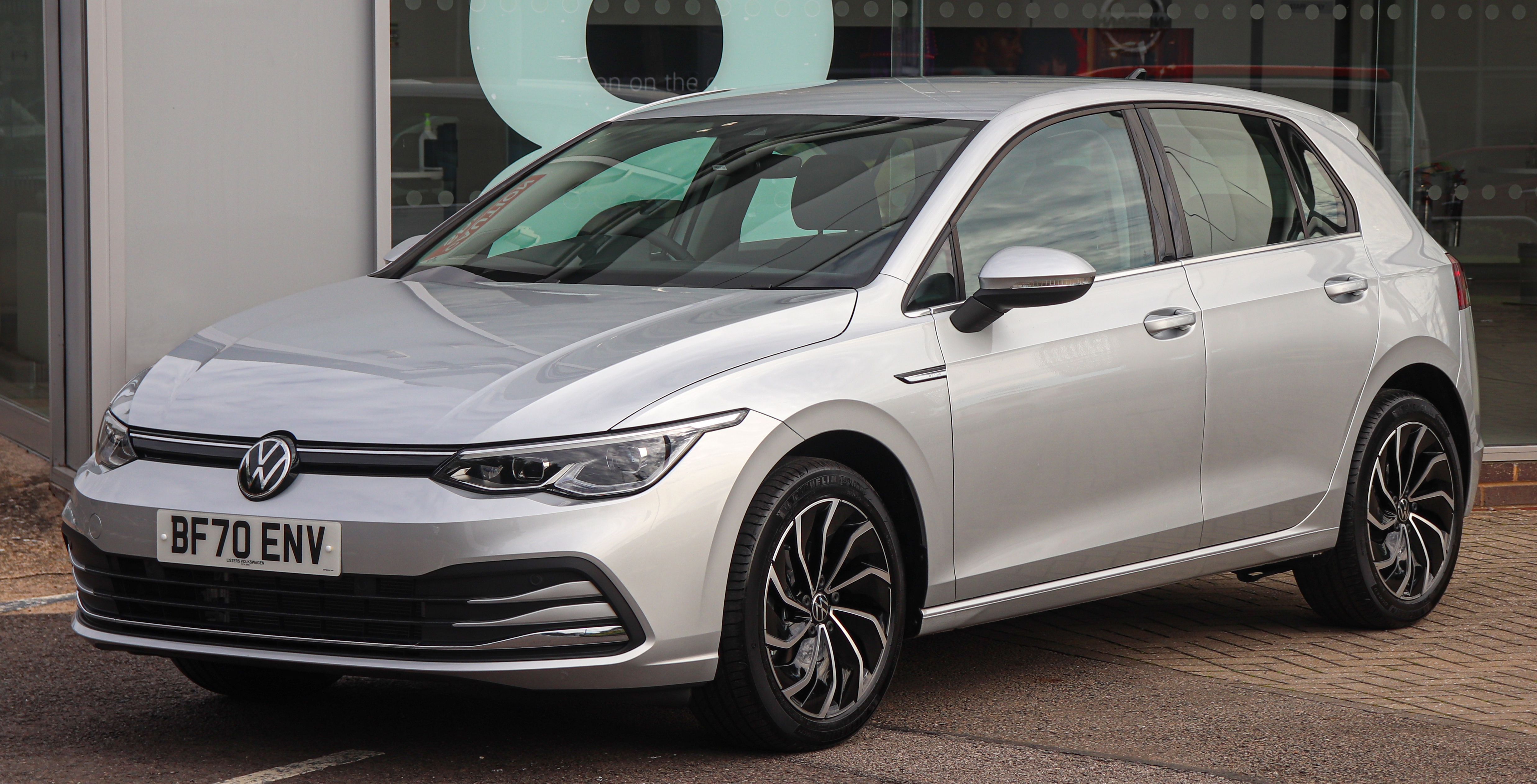
Volkswagen Gti
"... get you fully up to speed. Volkswagen have put a GTI badge on an EV, unveiling the ID Polo GTI, the fi..."
The Volkswagen Golf is a common compact car that many people use for everyday driving. In this episode, it’s mentioned because Volkswagen is exploring an electric version with a performance-style GTI badge. The point is to show how the Golf’s “sporty” identity could carry over to EVs.
The Volkswagen Golf is a widely known compact car line that’s often used as a benchmark for practicality and everyday usability. In this podcast context, it’s mentioned because Volkswagen is applying performance branding—like a GTI badge—to an EV concept (the ID Polo GTI), which signals how the Golf family’s identity could evolve in electric form. That’s why it’s discussed: it’s about how familiar nameplates and performance cues translate to EVs.

Alpine A290
"...s a 39,000 euro budget. Competing with the Alpine A290 and Peugeot E208 GTI, this vehicle will not be so..."
The Alpine A290 is a small electric car made to feel sporty. It’s being talked about as a competitor in the same price range as other fun compact EVs. The main idea is that it’s meant to deliver a more exciting drive than a typical small EV.
The Alpine A290 is a small, performance-oriented EV from Alpine, positioned as a sporty alternative in the compact hot-hatch segment. The podcast mentions it in a pricing/budget context, framing it as one of the cars competing for buyers looking for an energetic EV experience around a specific euro amount. It’s discussed because it represents how “hot hatch” performance expectations are being adapted to electric powertrains.

Peugeot E208 Gti
"...0 euro budget. Competing with the Alpine A290 and Peugeot E208 GTI, this vehicle will not be sold in North America."
The Peugeot 208 GTI is a sporty version of the Peugeot 208. In this episode, it’s discussed as an electric hot-hatch, and the podcast says it won’t be sold in North America. That matters because it limits where you can buy it.
The Peugeot 208 GTI is a performance-focused variant of the Peugeot 208, and in this podcast context it’s specifically discussed as an EV hot-hatch competitor. The episode notes it won’t be sold in North America, which is relevant to buyers because availability affects pricing, support, and where you can purchase one. It’s mentioned alongside other sporty EVs to frame the competitive landscape for compact performance EVs.
directional charging
"BMW and SolarWatt are expanding their partnership to bring vehicle to home by directional charging [52.3s] to the Neue Klasse vehicles, those will be the iX3 and the i3, following Germany's first [59.1s] commercial vehicle to grid launch in March this year. [63.3s] The integrated system with the BMW wall box professional, coordinate solar home storage [68.3s] and dynamic tariffs as well, launching in Germany, Austria and the Netherlands."
Directional charging means the car can send power out, not just take power in. It lets your EV help run your home or store energy depending on the setup.
Directional charging is the ability to control the direction of power flow between the EV and other systems (like a home or the grid). In practice, it allows the EV to supply electricity back to a home setup, which is why it’s paired with home chargers and energy storage.
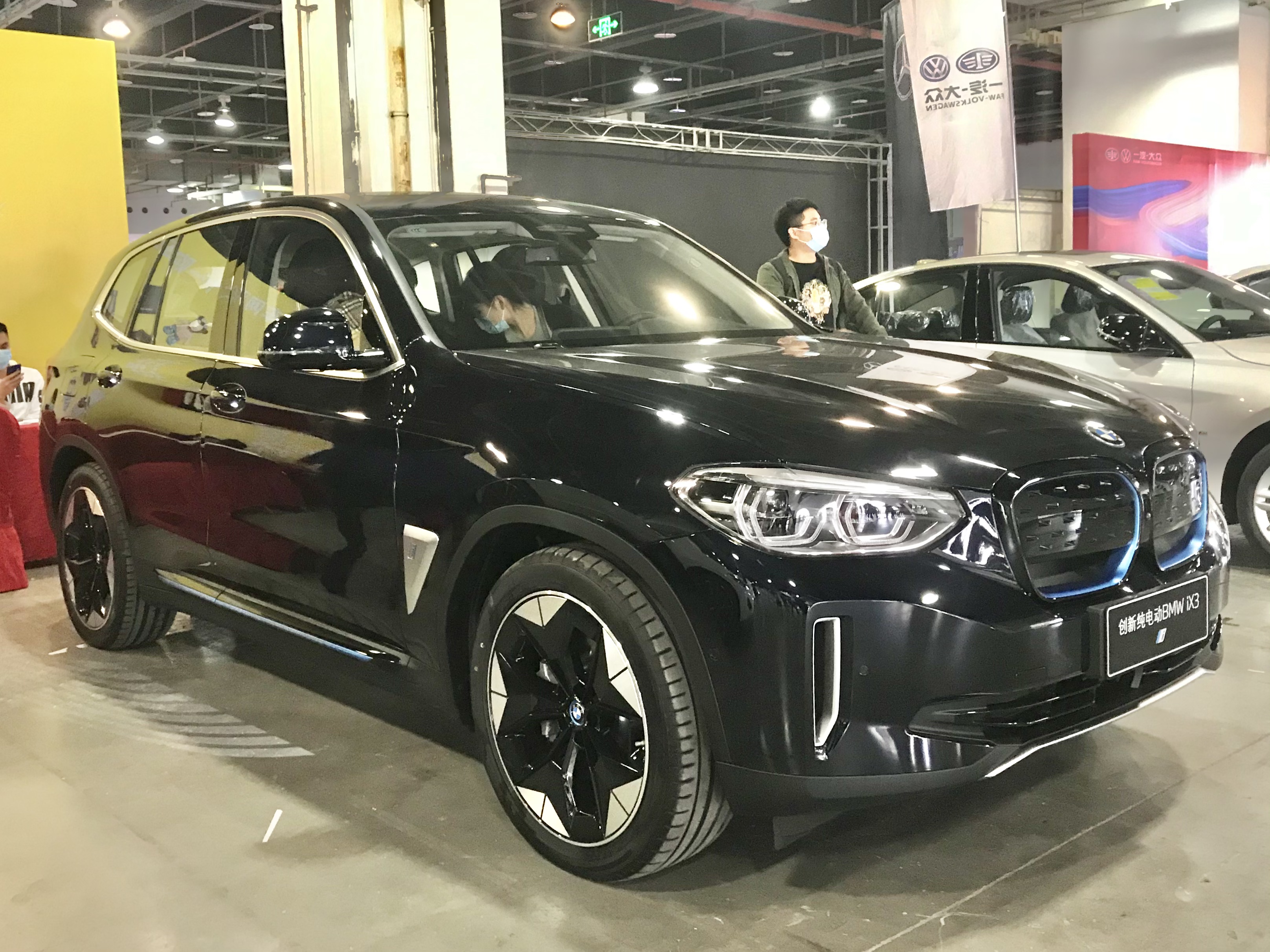
iX3 (G08)
"...ng to the Neue Klasse vehicles, those will be the iX3 and the i3, following Germany's first commercial ..."
The BMW iX3 is an electric SUV based on the X3 shape. It’s mentioned because BMW plans to use its Neue Klasse approach for future EVs, and the iX3 is part of that discussion. The goal is to make an EV SUV that fits everyday driving needs.
The BMW iX3 (G08) is an electric version of BMW’s X3-based model, aimed at bringing EV technology to a compact SUV format. In the podcast, it’s referenced as one of the vehicles expected to come from BMW’s Neue Klasse direction, which suggests future improvements in platform efficiency and charging-related capabilities. It’s discussed because it connects BMW’s broader EV strategy to a specific, already-recognizable model type.

BMW i3
"BMW and SolarWatt are expanding their partnership to bring vehicle to home by directional charging [52.3s] to the Neue Klasse vehicles, those will be the iX3 and the i3, following Germany's first [59.1s] commercial vehicle to grid launch in March this year."
The BMW i3 is an electric BMW. In this news item, it’s brought up because BMW wants it to support smart charging that can work with your home’s energy system.
BMW i3 is BMW’s compact electric car, and this episode ties it to BMW’s “Neue Klasse” direction for smarter energy interaction. The emphasis is on EVs that can participate in home energy management through directional charging.

BMW Neue Klasse
"...ng vehicle to home by directional charging to the Neue Klasse vehicles, those will be the iX3 and the i3, follo..."
BMW’s Neue Klasse is BMW’s plan for a new way to design and build future EVs. The podcast connects it to upcoming iX3 and i3 models. The idea is to make the cars work better and to support features like charging that can interact with home electricity.
BMW’s Neue Klasse is a next-generation vehicle platform strategy aimed at improving how future BMW EVs are built and how they perform. The podcast ties it to specific upcoming models, mentioning the iX3 and i3, and also discusses charging concepts like “directional charging” that can interact with the home power system. It’s significant because platform changes usually affect cost, efficiency, and how quickly new EVs can be developed.
vehicle to grid
"BMW and SolarWatt are expanding their partnership to bring vehicle to home by directional charging [52.3s] to the Neue Klasse vehicles, those will be the iX3 and the i3, following Germany's first [59.1s] commercial vehicle to grid launch in March this year."
Vehicle to grid means an EV can act like a power source. Instead of only charging from the grid, it can also help the grid when electricity demand is high.
Vehicle to grid (V2G) is a charging concept where an EV can send electricity back to the power grid (not just take it). That enables the car’s battery to support grid demand and can pair with time-of-use or dynamic electricity pricing.
dynamic tariffs
"The integrated system with the BMW wall box professional, coordinate solar home storage [68.3s] and dynamic tariffs as well, launching in Germany, Austria and the Netherlands."
Dynamic tariffs mean the price of electricity can go up and down more often than a simple “day vs night” plan. Smart EV charging can take advantage of those changes.
Dynamic tariffs are electricity pricing plans that change based on real-time or near-real-time grid conditions. Pairing an EV/home system with dynamic tariffs can shift charging or power use to cheaper or more grid-friendly times.

Chevy Bolt
"General Motors say they can achieve a sub $30,000 price for the Chevy Bolt by building [79.0s] the cars in batches of 30 identical units at the Kansas City plant."
The Chevrolet Bolt is GM’s affordable electric car. Here, the news is about GM trying to make it cost under $30,000 by changing how they build it.
The Chevrolet Bolt is GM’s mass-market electric hatchback/compact EV, and this segment focuses on GM’s plan to hit a sub-$30,000 price target. The “how” is manufacturing strategy—building cars in large batches of identical units to cut costs.
VIN order
"Rather than sending each one down the line in VIN order, they send them down the line [89.9s] in batches, reduces human error and line stoppages because the batch of vehicles you're making"
VIN order means the cars are lined up based on their unique car ID numbers. The point here is that GM isn’t building them strictly one-by-one in that ID sequence.
VIN order refers to sequencing vehicles by their Vehicle Identification Number, a unique code assigned to each car. In assembly, changing the order can affect how the line is run and how often workers or equipment need to switch between different configurations.
clones
"because the batch of vehicles you're making [96.2s] are all absolutely identical, they're clones basically, reducing paint booth color changes [102.7s] and floor space needs and everything because all the parts are exactly the same for this [107.1s] batch of cars."
Here “clones” just means making many cars that are basically the same. If the cars use the same parts and colors, the factory can build them more efficiently.
In this manufacturing context, “clones” means producing multiple vehicles with identical parts and configurations. That reduces complexity on the assembly line—fewer paint color changes and less variation in components—so production can be faster and cheaper.
CarWow
"CarWow says that half of all insurance quotes for Chinese vehicles are being declined by [114.5s] UK insurers with AXA refusing to quote on all four of the tested models, they tested"
CarWow is mentioned as the group that did tests and reported insurance quote results. The takeaway is that some insurers are refusing quotes for certain Chinese EVs.
CarWow is referenced here as a source of testing/claims about insurance outcomes for Chinese vehicles in the UK. The episode uses that data point to highlight how insurers may be reluctant to quote certain models.
AXA
"CarWow says that half of all insurance quotes for Chinese vehicles are being declined by [114.5s] UK insurers with AXA refusing to quote on all four of the tested models, they tested"
AXA is an insurance company. In this story, they’re refusing to offer insurance quotes for some tested Chinese EV models.
AXA is an insurance company mentioned as refusing to quote on all four tested models. In the context of EV news, this is used to illustrate how insurance availability can become a barrier for certain vehicle brands or markets.
plug and charge
"[173.2s] if you're using plug and charge or the My BMW app, haven't got to have a subscription [178.1s] or anything, it's all automatic."
Plug and charge means you plug in and the car handles the start/authorization automatically. You don’t have to tap through an app to begin charging.
Plug and charge is an EV charging method where you connect the cable and the car automatically authenticates and starts charging without manually selecting a tariff in an app. In this segment, it’s mentioned as one way BMW owners get the automatic discount.
light and medium duty vehicle emissions standards
"[180.6s] The EPA is pushing back the Biden era, light and medium duty vehicle emissions standards [187.5s] by at least two years..."
These are government rules that limit how much pollution new cars and small trucks can produce. The host says the EPA is delaying those rules by about two years.
Light and medium duty vehicle emissions standards are government rules that limit pollutants from everyday vehicles like cars and smaller commercial vehicles. The segment says the EPA is pushing back the Biden-era timeline by at least two years, which affects how quickly automakers must meet cleaner-air targets.

Chevrolet Monte Carlo
"... E's upcoming Gen 4 car, did it on the streets of Monte Carlo last weekend, said it's unlike anything he's expe..."
The Chevrolet Monte Carlo is a type of car from Chevrolet that’s been around for many years. It’s usually described as a sporty-looking coupe. In a podcast, it may be mentioned because the name is well known and can be used to describe a new project or event.
The Chevrolet Monte Carlo is a classic American personal coupe known for its sporty styling and long-running presence in the Chevrolet lineup. It comes up in EV news contexts when people reference the nameplate as a cultural or design touchstone, or when discussing how new vehicles are being tested or showcased in specific locations. In a podcast, it’s likely mentioned because the Monte Carlo name carries recognition that helps frame a story about a new car’s development or public debut.
upcycles spent lithium ion phosphate batteries
"[239.4s] And researchers say they've developed a recycling process that upcycles spent lithium [244.1s] ion phosphate batteries and in fact the recycled packs are even better in terms of quality"
Upcycling means recycling in a way that makes the result as good as—or better than—the original. The segment says researchers have a process to recycle used LFP battery packs into new packs.
Upcycling is a recycling approach that turns used materials into new products of equal or better quality, rather than simply breaking them down. Here, researchers claim they’ve developed a process to upcycle spent lithium iron phosphate (LFP) batteries, with recycled packs reportedly even better in quality.
Request an Explanation
Heard something you'd like explained? We'll add it to this episode.
Sign in to request explanations for terms you heard.
Want to learn more?
Browse our glossary for plain-English explanations of automotive terms, jargon, and concepts.
Help improve this episode
See something that's not quite right? Our annotations are AI-generated and can sometimes miss the mark. Click the flag icon on any annotation to suggest a correction.