

Volkswagen ID Polo GTI
This is Volkswagen putting the “GTI” name on an electric small car. It’s meant to feel like a fun, sporty hatchback, not just a slow commuter.
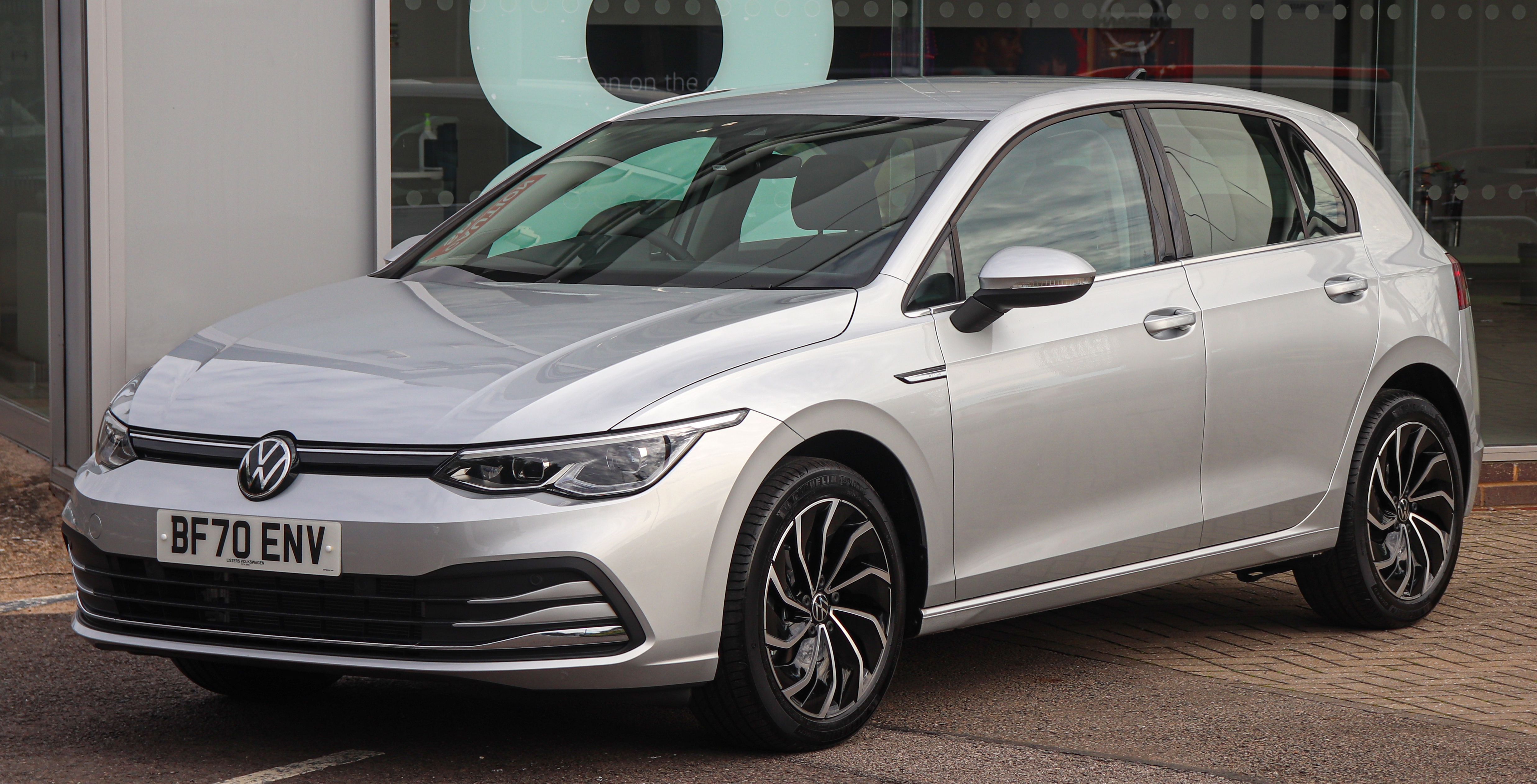
Volkswagen Gti
The Volkswagen Golf is a common compact car that many people use for everyday driving. In this episode, it’s mentioned because Volkswagen is exploring an electric version with a performance-style GTI badge. The point is to show how the Golf’s “sporty” identity could carry over to EVs.

Alpine A290
The Alpine A290 is a small electric car made to feel sporty. It’s being talked about as a competitor in the same price range as other fun compact EVs. The main idea is that it’s meant to deliver a more exciting drive than a typical small EV.

Peugeot E208 Gti
The Peugeot 208 GTI is a sporty version of the Peugeot 208. In this episode, it’s discussed as an electric hot-hatch, and the podcast says it won’t be sold in North America. That matters because it limits where you can buy it.
directional charging
Directional charging means the car can send power out, not just take power in. It lets your EV help run your home or store energy depending on the setup.
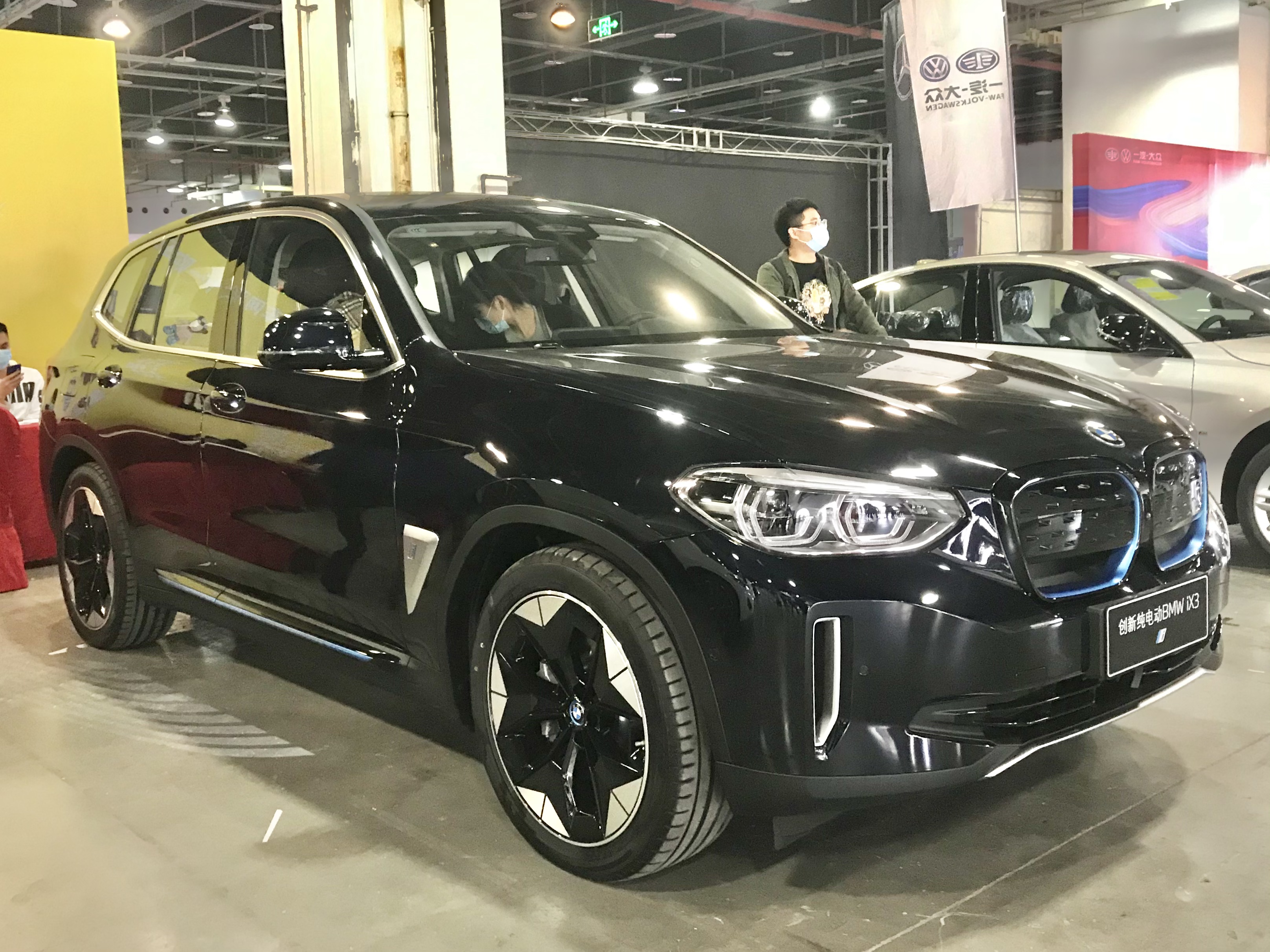
iX3 (G08)
The BMW iX3 is an electric SUV based on the X3 shape. It’s mentioned because BMW plans to use its Neue Klasse approach for future EVs, and the iX3 is part of that discussion. The goal is to make an EV SUV that fits everyday driving needs.

BMW i3
The BMW i3 is an electric BMW. In this news item, it’s brought up because BMW wants it to support smart charging that can work with your home’s energy system.

BMW Neue Klasse
BMW’s Neue Klasse is BMW’s plan for a new way to design and build future EVs. The podcast connects it to upcoming iX3 and i3 models. The idea is to make the cars work better and to support features like charging that can interact with home electricity.
vehicle to grid
Vehicle to grid means an EV can act like a power source. Instead of only charging from the grid, it can also help the grid when electricity demand is high.
dynamic tariffs
Dynamic tariffs mean the price of electricity can go up and down more often than a simple “day vs night” plan. Smart EV charging can take advantage of those changes.

Chevy Bolt
The Chevrolet Bolt is GM’s affordable electric car. Here, the news is about GM trying to make it cost under $30,000 by changing how they build it.
VIN order
VIN order means the cars are lined up based on their unique car ID numbers. The point here is that GM isn’t building them strictly one-by-one in that ID sequence.
clones
Here “clones” just means making many cars that are basically the same. If the cars use the same parts and colors, the factory can build them more efficiently.
CarWow
CarWow is mentioned as the group that did tests and reported insurance quote results. The takeaway is that some insurers are refusing quotes for certain Chinese EVs.
AXA
AXA is an insurance company. In this story, they’re refusing to offer insurance quotes for some tested Chinese EV models.
plug and charge
Plug and charge means you plug in and the car handles the start/authorization automatically. You don’t have to tap through an app to begin charging.
light and medium duty vehicle emissions standards
These are government rules that limit how much pollution new cars and small trucks can produce. The host says the EPA is delaying those rules by about two years.

Chevrolet Monte Carlo
The Chevrolet Monte Carlo is a type of car from Chevrolet that’s been around for many years. It’s usually described as a sporty-looking coupe. In a podcast, it may be mentioned because the name is well known and can be used to describe a new project or event.
upcycles spent lithium ion phosphate batteries
Upcycling means recycling in a way that makes the result as good as—or better than—the original. The segment says researchers have a process to recycle used LFP battery packs into new packs.