The Toyota GR Yaris is a small, sporty Toyota that’s designed to handle really well. People like it because it’s light and feels lively when you drive it aggressively.
Drifting is when a driver intentionally makes the car slide sideways while still steering it. It’s usually done on slippery surfaces or track areas so it’s safer.
Understeer is when you steer into a corner but the car doesn’t turn as much as you want. It usually happens when the front tires don’t have enough grip.
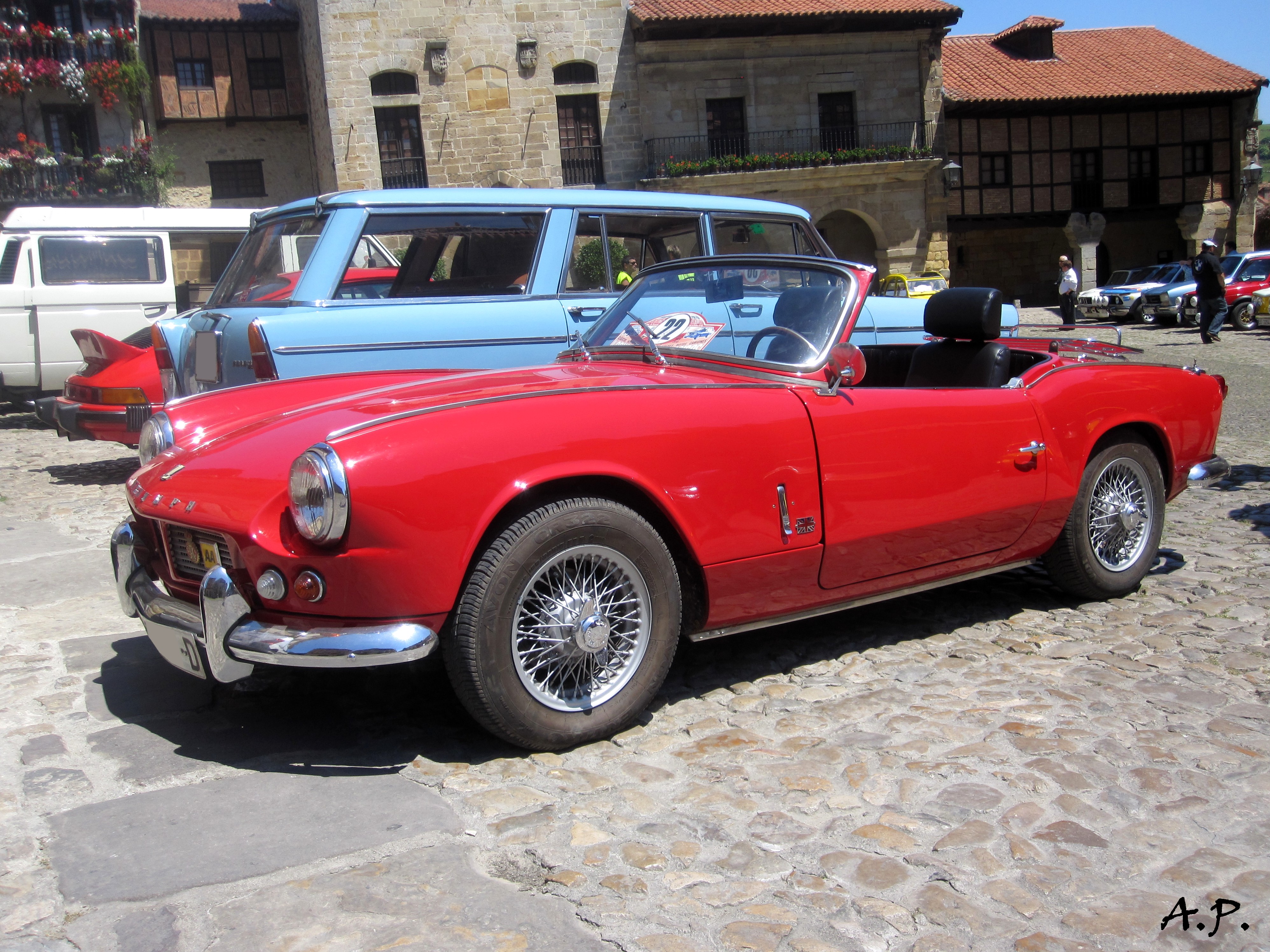
The Triumph Spitfire is a classic small British sports car. A 1969 one is a popular restoration project, and people often use them for events like hill climbing.
Analog dials are the dashboard gauges that look like traditional meters. They’re easier to read at a glance because you can quickly see where the needle or dial is pointing.
They’re talking about how car dashboards can be made to feel old-school. The discussion compares dial-style gauges and retro-looking screens versus purely modern displays.
The Volkswagen ID. Buzz is a van that runs on electricity instead of gasoline. It’s meant for carrying people and everyday use, but with an electric drivetrain. It often gets mentioned when talking about how EVs handle things like dashboards and controls.
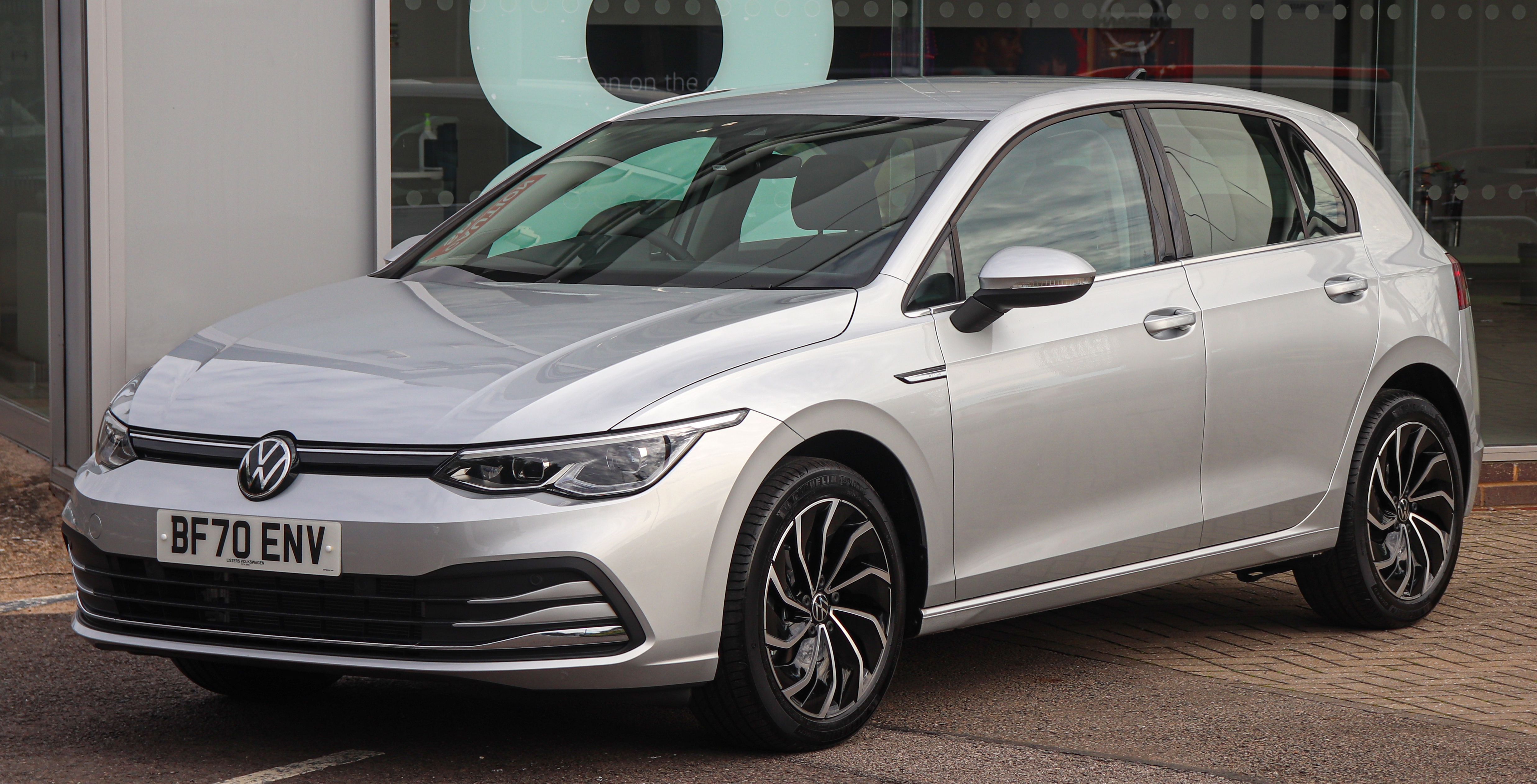
The Volkswagen Golf is a compact car that’s built for everyday driving. It’s known for being practical and comfortable for regular commuting and errands. It may be mentioned when people talk about what the dashboard and controls are like.
The infotainment screen is the main touchscreen in the middle of the dashboard. It’s where you control things like music and media, and here they’re describing a fun retro-style display.
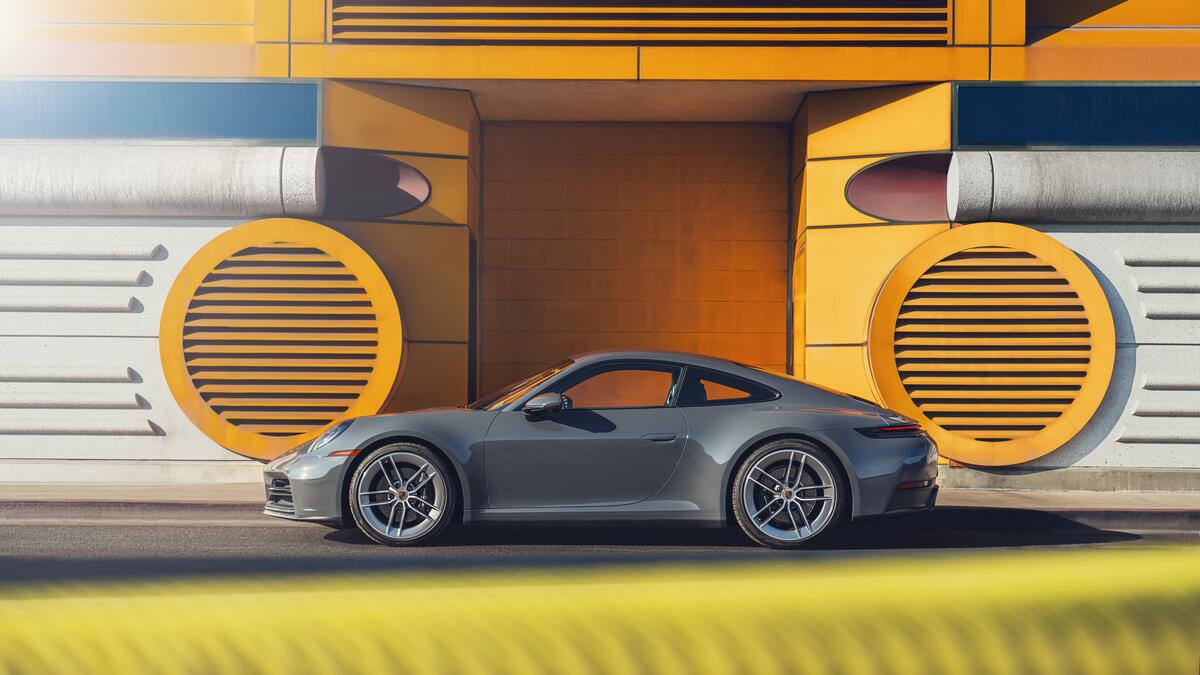
The 911 GT3 is a Porsche built for track driving. In this segment, they’re talking about the dashboard gauges—how the car can show different dial-style information like oil temperature and oil pressure.
The speaker describes a hill climb course feature—an effectively U-shaped bend with a large drop-off on one side—highlighting the kind of cornering and elevation changes that make hill climbs distinctive. This is treated as a driving context rather than a technical component.
Hill climbing is a motorsport where cars race against the clock up a steep course, often on closed roads or purpose-built tracks. Because the course is short and traction matters, setups and vehicle size/weight can be very different from circuit racing.
The Lotus Seven is a very light, simple sports car that people often modify. The hosts are using it as an example of something fun to own and tinker with.
Car
Austin Seven
The Austin Seven is a small old British car that people sometimes use as the foundation for custom builds. The host is suggesting it as another possible project idea.
Steer-by-wire means the steering wheel doesn’t have a direct mechanical connection to the front wheels. Electronics interpret your input and move the wheels for you.
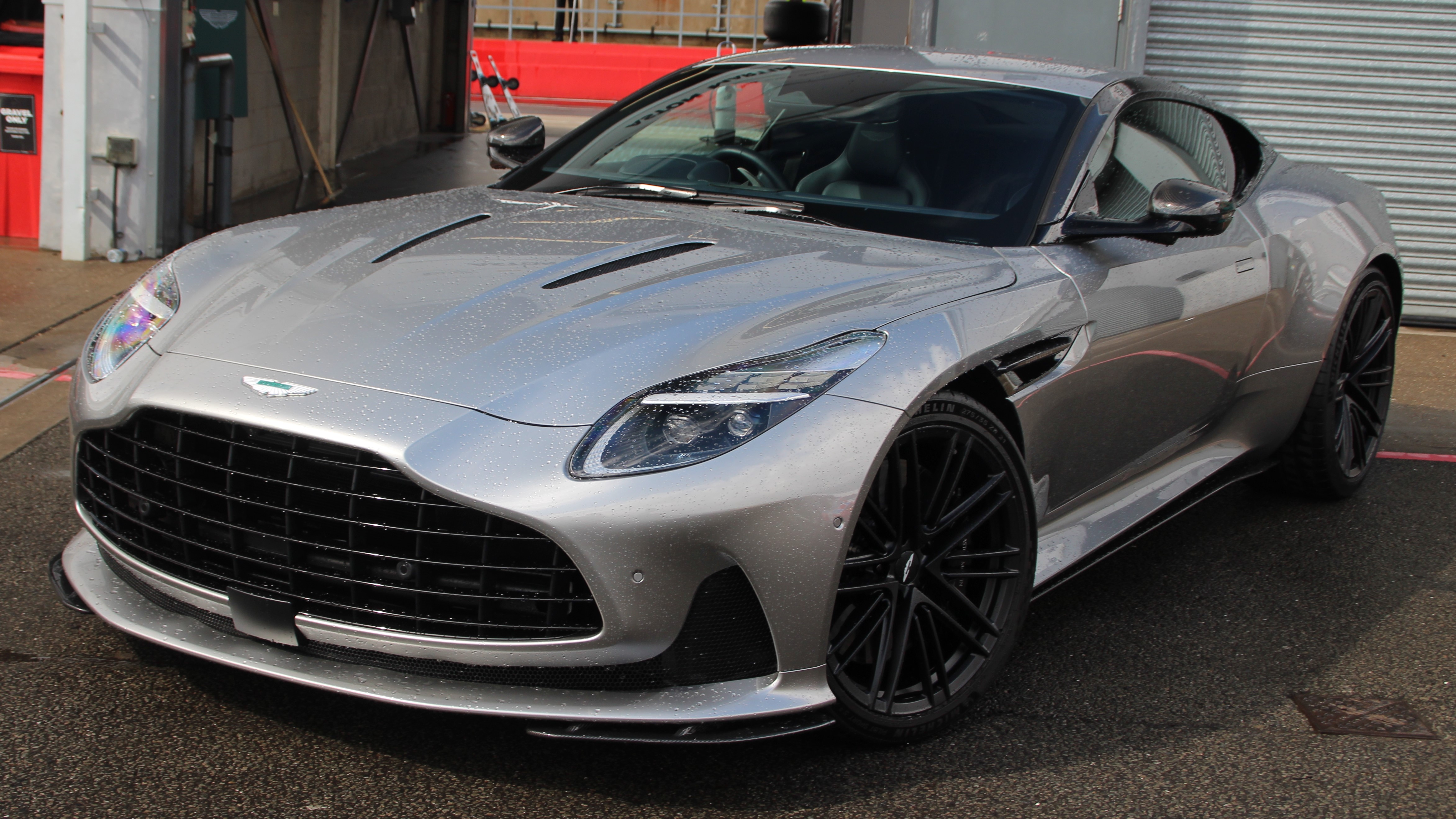
The Aston Martin DB12 is a luxury sports car. In this discussion, it’s just used as an example while they talk about a steering system that can be tuned electronically.
The DB2 is an older sports car made by Aston Martin. It’s from the early days of the brand and is known for being a performance-focused car. People bring it up when talking about classic Aston Martin history.
A yoke is a steering shape that looks more like a bar than a normal steering wheel. Some cars use it with electronic steering so you don’t have to turn the wheel as much, but it can feel weird if the steering response doesn’t match what you expect.
Steering ratio is basically how “quick” the steering feels—how much you turn the wheel to get the front wheels to turn. If it changes a lot, it can throw you off and make parking or low-speed driving harder.
ADAS is the car’s “driver help” technology. It can monitor you and the road, and it may warn you or even make small corrections if it thinks you’re not paying attention.
“Lane keeper” is the feature that helps keep you in your lane. The host is saying it might also affect when the car decides you’re not driving attentively.
Driving monitoring refers to systems that watch the driver’s behavior—often using cameras and sensors—to judge whether you’re attentive. Here it’s linked to the car’s reactions when the driver’s hands/position or attention signals don’t look right.
Screen wash is the fluid-and-sprayer system that cleans your windshield. They’re saying the car they got from the dealer didn’t have that working properly.
Washer jets are the nozzles that spray screen-wash fluid onto the windshield. If they’re blocked, the washer system may seem like it “doesn’t work,” even though the fluid reservoir isn’t necessarily empty.
It’s a dealer’s checklist they’re supposed to do before they sell a used car. The idea is to catch problems early so the buyer isn’t stuck with obvious issues right away.
They mean a speed where the wind starts fighting the car so much that it feels like it won’t keep accelerating as easily. It’s basically the point where aerodynamics become the limiting factor.
Power-to-weight compares how much power the car has to how heavy it is. A lighter car with strong power can accelerate quickly even if it isn’t very slippery.
The Ariel Atom is a very light, track-oriented car that feels raw and exciting to drive. Here, they’re saying this Atom felt incredibly quick and responsive, while still keeping that classic Atom “how it drives” character.
A chicane is a section of track with a quick series of turns that makes you slow down and steer more than a straight. It’s usually a tricky spot where braking and turning have to be spot-on.
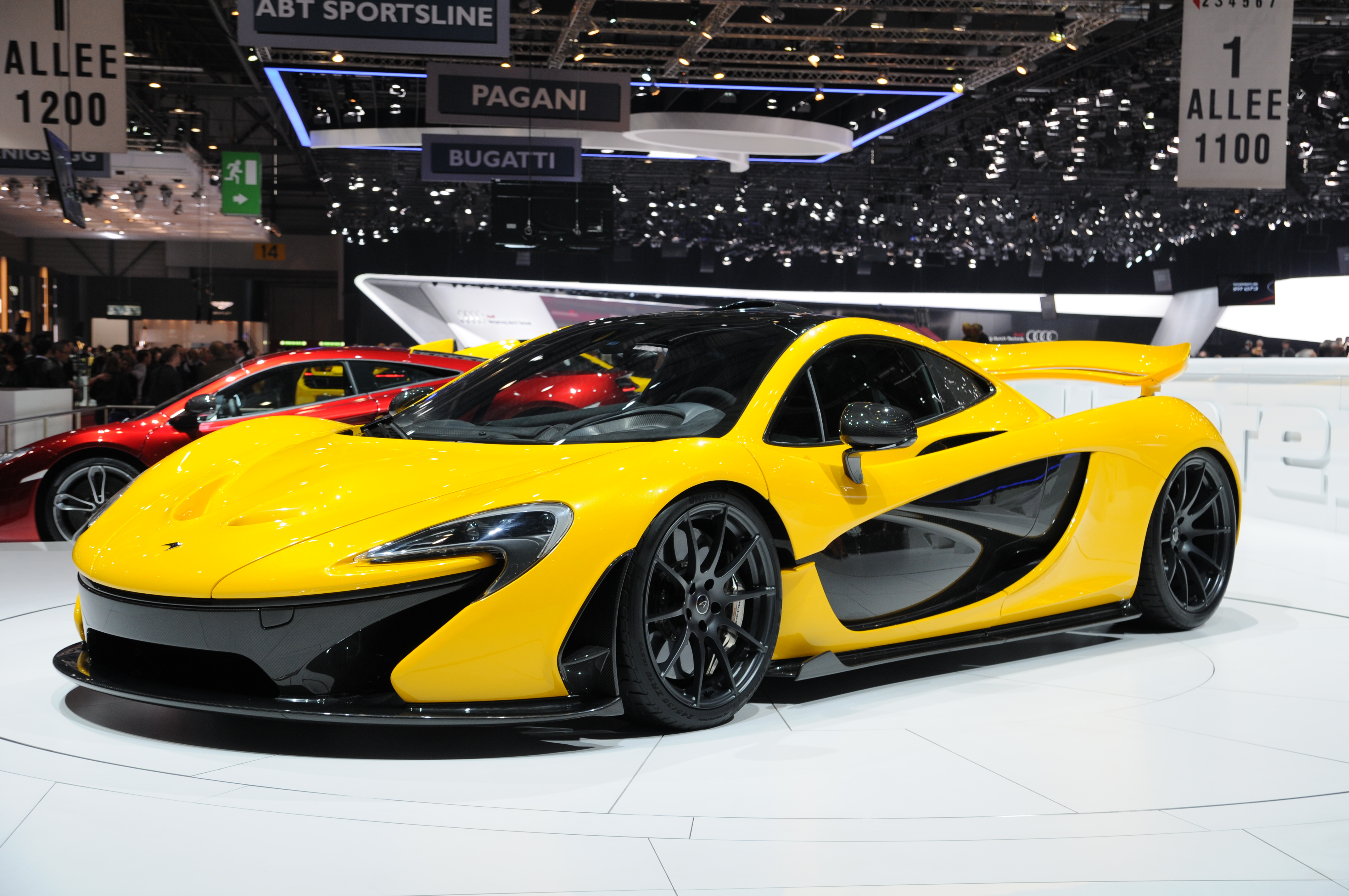
The McLaren P1 is a very high-performance supercar, and it uses both gasoline and electric power. In this conversation, it’s used as a benchmark for how fast certain cars can be on track.
The Ferrari LaFerrari is a top-tier, limited-run supercar that also uses hybrid power. They mention it as one of the few cars that can be quicker than the Atom on that track section.
An off-camber corner is a turn where the track slopes in a way that makes tire grip less consistent. The car can feel less stable, so it’s easier to lose traction if you’re not careful.
Downforce is the “suction” effect from the car’s shape and wings that presses the tires to the ground. More downforce usually means better grip when you’re going fast.
Throttle travel just means how far you press the gas pedal. Here, the host is saying they needed a couple of tries before they felt ready to press it all the way.
Lift is the opposite of downforce—air pressure that can make the car feel like it’s being pulled up. Wings are used to counter that so the tires keep gripping.
“Build from scratch” here means taking on the full project—planning the spec, sourcing parts, and assembling the car—rather than buying a completed vehicle. The hosts discuss the tradeoff: more control and fun, but a higher risk of mistakes and wasted time before you’re actually driving it.
Car
Triumph Speed Triple
The Triumph Speed Triple is a motorcycle. They’re talking about using its engine in a kit-car project, mainly to get a different sound and driving feel.
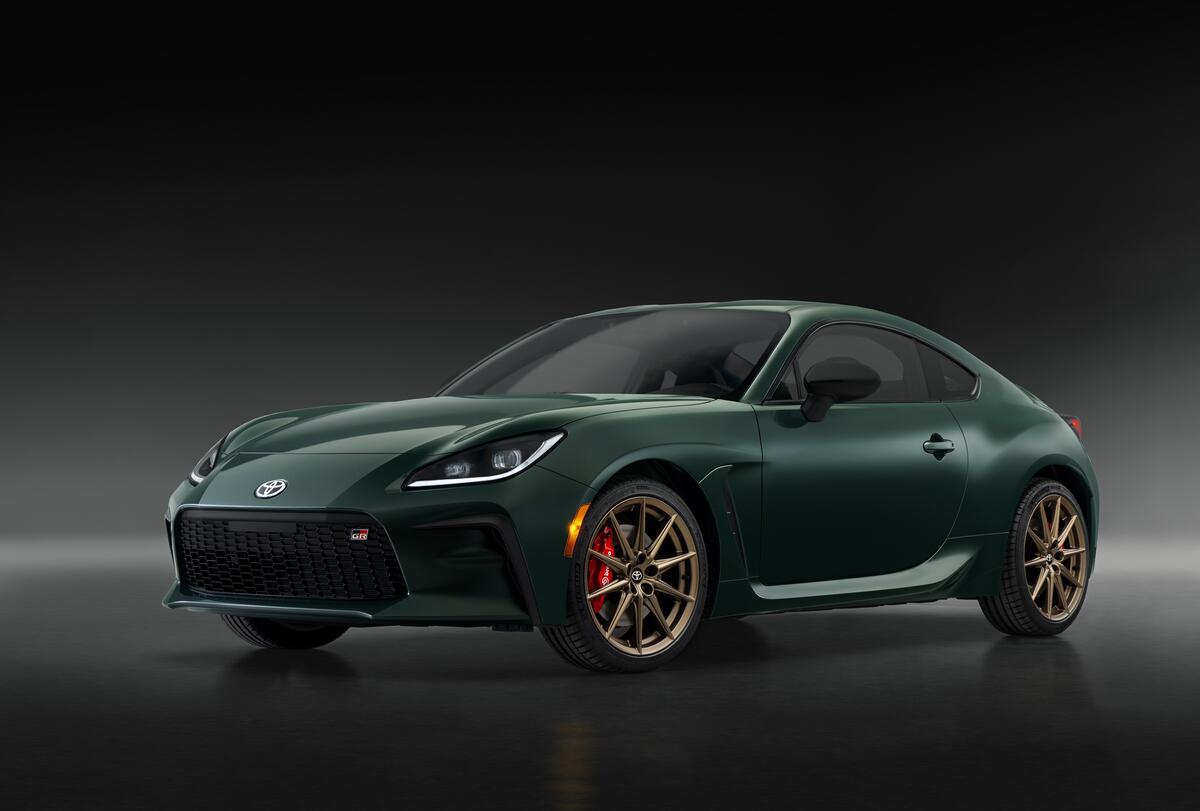
The Toyota GR 86 is a small sports car made to be fun to drive. It’s designed to handle well and feel responsive, especially on twisty roads. People mention it when they’re comparing different affordable sports cars.
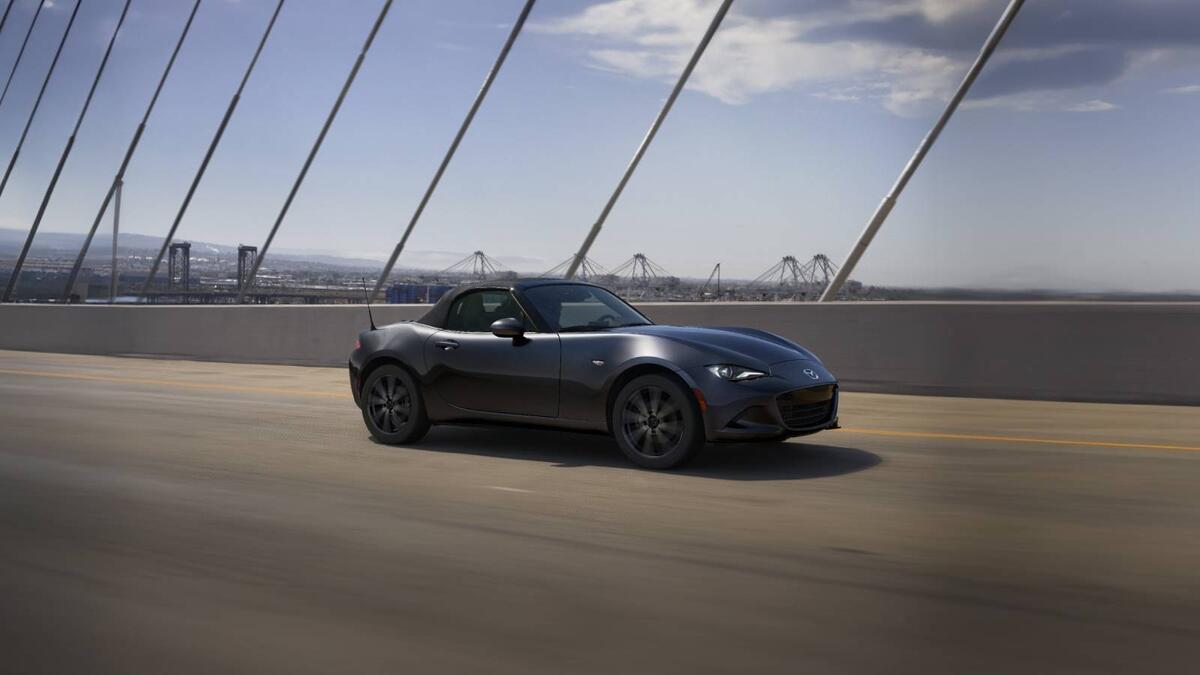
The Mazda MX-5 is a small two-seat roadster that’s meant to be fun and easy to drive. The person here is talking about possibly getting one so they can work on it in their garage.
Homologation is basically the paperwork and testing a car needs to be allowed on public roads. If a car hasn’t done that process, it may not be legal to drive on the road.
Hypercars are the very top tier of performance cars—fast and expensive, usually made in small numbers. They’re also harder to make street-legal because regulations are strict.
“Show and display” is a way some special cars can be brought into the U.S. for display purposes. It’s typically for cars that don’t meet all the normal rules for everyday driving.
A road test is when reviewers drive a car on normal roads to see how it feels in real life. Here, they’re saying only road-legal cars get tested because they need to be usable on public roads.
The 2009 Ford Fiesta Ztec S is a small Ford hatchback that people like because it feels fun to drive. The hosts are talking about how it works well for normal roads, and it can even handle track use pretty well.
A “five-speed box” just means the car has five forward gears. The host thinks having more gears—or gears that are spaced differently—would make the driving feel smoother.
LIVE
Do you keep hearing podcast ads, like this one for example,
but always wonder how you actually get involved with them for your own brand or organization?
Well, it's easier than you think. We're Acast, and we give you the platform to do it all yourself.
Browse thousands of popular podcasts, choose the shows that match your perfect audience,
set your budget, and launch. And if you want a hand, our podcast specialists are there to help
you launch with confidence. This is Podcast Advertising Without Barriers. Get started at acast.com
Hello, welcome to a bonus episode of the AutoCarp podcast with Pry here.
Matt Saunders-Rotest. This podcast is brought to you as is the
normal My Week in Cars pod by our kind sponsors Anderson, Anderson-EV.com. They make
sort of premium design focused EV charges, and they have various different offers. If you visit
their website, just search Anderson. They've also got a concierge service that will look after you
all the way. There is a GR Yaris just reversing up there, the good looking cars.
So anyway, we've got some of your questions this week, which Matt has very kindly volunteered to
talk about with me. If you can hear a car in the distance, there's a BMW on a sort of,
well, it's a Bowser's skid pan, isn't it? Yes, it's not quite level, is it? No, some experience,
it's some, what do they call them, challenge drivers experience? It's a driving experience,
isn't it? And some people are trying to drift these, and they put us, actually some of them
do pretty well, aren't they? Some of them are doing all right. Some of them are just
understeering majestically, I would say. Yes. So if you hear the torture of
front tyres, then that is somebody who is not doing it. Douglas writes to us to say,
talking about analog dials in your podcast from the 22nd of April, coincidentally, I was in my
garage fitting the putting the final touches to the dials of my 1969 Trump Spitfire that I'm
restoring while I was listening. I hope to use the car for hill climbing later this year in the
pre 1973 road car class, which made me wonder what car would you restore or have restored
to go hill climbing in? If you do need a budget, let's say 15 grand, but if you don't need a budget,
then carry on, says Douglas. Douglas, thanks for the letter. AutoCart at haymarket.com.
If you want to write to us, Matthew. What do you do? Well, a quick aside on analog dials.
I drove the new Volkswagen ID Polo GTI the other week, and that's got some very cool
Mark I Golf style analog dials. It's got like a sort of a retro mode for the digital instruments,
and it makes those look like, you know, it's just this fun little display mode where it just brings
up golf mark one dials. And then on the infotainment screen in the middle, you get a little sort of
80s cassette player for your media. And you sat now in like a little kind of CRT television screen.
It's just twee, isn't it? But I quite liked it. That's good. Anyway, I like it. I like an analog
looking dial because I've talked about this before, I think you can see because it shows you the
limits of your range that you're like a temperature gauge can go through. It shows you where you are
on it and the direction of travel and how fast the direction of travel. So in just one small
analog dial, it tells you everything you need to know. And I really like it as well. I drove here
today in the latest 911 GT3 and that they've just put a mode, I'm sure it's new for the digital
instruments, which is the old, who's it? How many was it? Were they all together? The big central
one and then two and then another two. And then perhaps two hung off up or down or perhaps there
was four and then three in the middle. I forget. It was a big centre of breath capital on it and
then a speedo one side temperature gauge, maybe? And then ancillary gauges beyond the side.
Yeah, because some of them were split. So you had oil, temp and pressure. And then you had,
anyway, it's beautiful, beautiful to look at. And I thought that's basically what's been missing
from this car. Just some nice dials to look at. Anyway, without wishing to digress any further,
hill climb car. Well, it would have to be something small, I think. The last hill climb I did,
that's one I drove was, I think, shells and Welsh, which is the one with the big
cutting at the top and, you know, the narrow somewhere you think. Is that the sort of,
is that the like the, hang on, is that the effectively U shaped bend with a very large
drop off of one side of it? Yes. And then it goes up and through this cutting, which looks
just sort of narrow enough that you could get something wedged in it if you had enough slip
hang. If it was long enough. Yeah. So it has to be something small. So I guess people do a lot
of hill climbing in sort of like sevens and things, don't they? I don't know how seriously,
how seriously I would be prepared to take it, but I've always liked the idea of owning and
fettling a TR6 for some reason. I don't, I've never had one. I know nothing about them. I've
but I don't know if that is old enough, is it? Well, I suppose yours wouldn't have,
I think they are. So Douglas is doing a pre-73 class, but I suppose you don't have to if you
don't want to. Yeah. If you wanted to do something newer, but then it does say what would you restore
or have restored, which implies there is some years on it. Well, it's a good question.
It's a good question that. Yeah. I don't know. I fancy, I'd quite fancy
wasting some money on a TR6 at some stage in my life. Yeah. Imminent. Oh, mate. I've got a lot
of money to waste before I get anywhere near that. Other things. Yeah. I would, what would I do? Maybe
a, yeah, maybe another catering or Lotus seven or actually even an Austin seven based special.
I could quite fancy doing again. Maybe some, yeah, maybe a pre-war special or something.
I'd love the idea of a bigger aero engine special, but they're a bit too big for a hill climb,
I think. Yeah. In the UK, at least because you could definitely get one of those
weights at the top of shells. Yeah, you come to a percent. Yeah. But I do like some of those.
If I, yeah, if I was just doing something a bit bonkers, I think if you, if you were never going
to drive it on the road, if you're just going to trailer it there, then yeah, some kind of slightly
bodyless, lightweight. It'd be amazing. I went to one hill climb once and a bloke had built,
I maybe had a bike engine. I want to say it had six wheels and it had a wooden chassis.
I know. It's pretty, it looked petrifying, honestly. Andrew Bulma writes to say,
question, Tesla, apparently Toyota and now Mercedes are bringing forward steer by wire.
I still want a direct mechanical link between me and the front wheels.
What is your wise view, a technological breakthrough or a cost slash convenience
win for manufacturers that we customers don't want? Thanks, Andrew.
I think it, like a lot of these things, it depends who's doing it and
what their priorities are. I was on, I was on a job a couple of weeks ago,
might have been, it might have been the Aston Martin DB12s or, yeah. Anyway, I was speaking to
somebody, I was speaking to sort of dynamics engineer who was basically saying in theory,
steer by wire gives us much more potential for tuning. It gives us, you know, if the technology
is good enough and all the electronics work quickly enough and you can, you can actually
ensure that the driver gets the right feedback at exactly the right time in the right proportion,
you know, da, da, da. And you could actually, you know, you can cure the sort of funny little
delays and the losses of feedback or, you know, you can basically deliver exactly
the right amount of feedback to the driver if you try and do it with the right agenda.
You know, you're aiming to reproduce the perfect conventional
steering system, the most intuitive system you can create, not something that's out for novelty
appeal, which, which I rather fear is what, you know, Tesla's done, perhaps I don't,
haven't driven the Toyota or the Lexus, but they do, the ones that are on the market already do seem to be
dialled up a bit. Yeah. You know, you don't need to sort of mess about with yokes and
aim for, you know, 180 degrees of, of, of steering angle from one lock to the other.
You don't need to change the rules in any way. You could just use the technology
to produce a better and more intuitive, conventional feeling steering system.
Yeah. Yeah, that's interesting. I have, I have driven that Lexus not very far. It was delivered
to me for, I think, one of the other road testers to collect, but it was at my house,
and I drove the bloke to the station and ran into the car twice doing it because it,
yeah, because the steering ratio changed so greatly. Yeah. And so it's got a yoke-ish type
thing as next because they just go, well, you, you, you'll never need more than an arms turn of
a lock. My beef with that though, you know, is if you're driving along and you've got a round
steering wheel, you would typically hold it at quarter to three or thereabouts, but you don't
have to if you don't want to. So if you're on a long journey and your arm gets a bit achy from
doing it, you can hold it at the top and you can hold it at the bottom. I know you kind of shouldn't,
but people do, don't they? I mean, and I, it's, it's a lack of understanding of how people use
cars somehow. You will find, mate, we're sitting in Matthew's new Skoda Long-Turma here. You will
find if you don't hold the wheel at quarter to three on this car, the ADAS system really takes
a dislike to it, mate. It'll give you a sudden dab of the brakes on the motorway, check you're awake.
Yeah, literally, if you don't, if you're not at quarter to three, if you, if you're, if one of
your hands drops to whatever, 45 o'clock. 20, 20 past four. No, hang on, 20 past eight.
It will have a real sense of humour feeling you're about to make. Crikey. Well, well, I will look
forward to that. Hasn't done it yet. Mind you, I do switch the, whatever the first two options are.
It hasn't gone off yet, but maybe I've switched off the lane. Keeper says maybe that does it as
well. It's got to be reading my eyes, hasn't it surely? Yeah, it's got driving monitoring. It's got
lane keeping. It's got, but all the whole shooting match, mate, but I'm not sure you can turn that
bit off. Oh, okay. Oh, well, I must be behaving because it's, hasn't told me anything so far.
Which I know because I'm living with one of these cars. Listen, because I've recently put one myself.
Well, on that note, mate, that what a fine segue that is to Stephen Offley's note to say it was
pleasing to learn what another AutoCast staffer has chosen as a daily driver, which is your new
Skoda, which is the 22nd of April issue has a story in about it. Go to the magazine shop.com
for access to the AutoCast digital archive in which you can find that. There are special offers on
deals for the four AutoCast subscriptions. There is a link in the show notes
for this episode. But if you go to the magazine shop.com, you can find it.
It was appalling to learn of your experience, Matthew, with supplying dealer. Let's be clear
that lack of an operative screen screen wash. What's wrong with it? Oh, mate, where do you want to
start? I mean, it was supposed to be an approved use Skoda, which means it's supposed to come with
checklist of things that they've checked before they sent it to you. Now, because of the circumstances
of the way that I found it and bought it, I knew it was literally just fresh coming onto the
four court. They hadn't had it long and I went and thought, well, that's the one I want. And I
acted pretty quickly. So perhaps they had a bit of a shortage of prep time with it. I'm prepared
to accept that that might be a factor, but they clearly hadn't put this car through the checks
the used car is supposed to go through because they're supposed to present you with this checklist
and all these things that they've checked. So I got into it on the, you know, on the four court
there and it just hadn't been cleaned properly on the inside. And then not long after having left
with it, discovered the washer just didn't work. So it wasn't as if it, it wasn't that it had just
run out of screen washers? No, they were just blocked. It turned out, but I had to book it
into my local Skoda dealer, which is Lister's in Coventry, having bought it from Marshalls in
Milton Kings. They cleared out the washer jets, no problem. They also checked the car over and
discovered that it had very little coolant for the engine and also both of the front tires had
sidewall damage, which are things that probably would have been picked up had they checked it
over properly. So, so yeah, Marshalls in Milton Kings haven't covered themselves in glory mate,
but they are now providing me with a new pair of front tires at least. I've got to go and get them.
So it's not all bad news. Oh, that's right. Yeah, that's okay. Yes, anyway, Stephen Offley says,
let's be clear that left with operative screen wash means the car was supplied in an unrowed
condition. This is surely ground in which to secure immediate repair, which you have got,
as you say, dealers do need to, but not by no means all, as you say, dealers need to raise
their game. In this case, the multi-point pre-sale check hasn't been completed properly or at all.
Do you want to talk? Well, I was talking to
Cropley yesterday as a Cessner of some kind, maybe? Yeah.
Hopes into, we're at Thruxton. Shall we say, can we say, shall we, can we say what we're here for?
Unless you want to. Yeah. Yeah. What have we done today?
We've been testing the new AeroLatom 4RR. Oh, yeah, because there's no embargo on that, can
I? No. What if you've got to write that? Because you're writing that, aren't you?
I'm writing, so we've done a little track twin test today, basically Thruxton's the faster
circuit in the UK. That is a new super duper fast atom I wanted to find out just how fast it would
go around the faster circuit in the UK. And also, what you have to do as a driver to make it go that
fast, because I know atoms fairly well and I've driven them around circuits fairly, a fair bit.
And most of them, well, they're very physical car to drive, but they also have this
sort of aerodynamic wall that they hit around about 110, 120 miles an hour, because they're,
you know, they are the way they are. They're small, they're sort of exposed, they've got
exposed wheels, they've got, they're not particularly aerodynamic, and they generate
their performance by being small and light and having lots and lots of power for, you know,
power to weight, but obviously coming across a bit when there's a lot of air to move in front of
them. So I thought, well, this one could be different, and what better place to come and do that
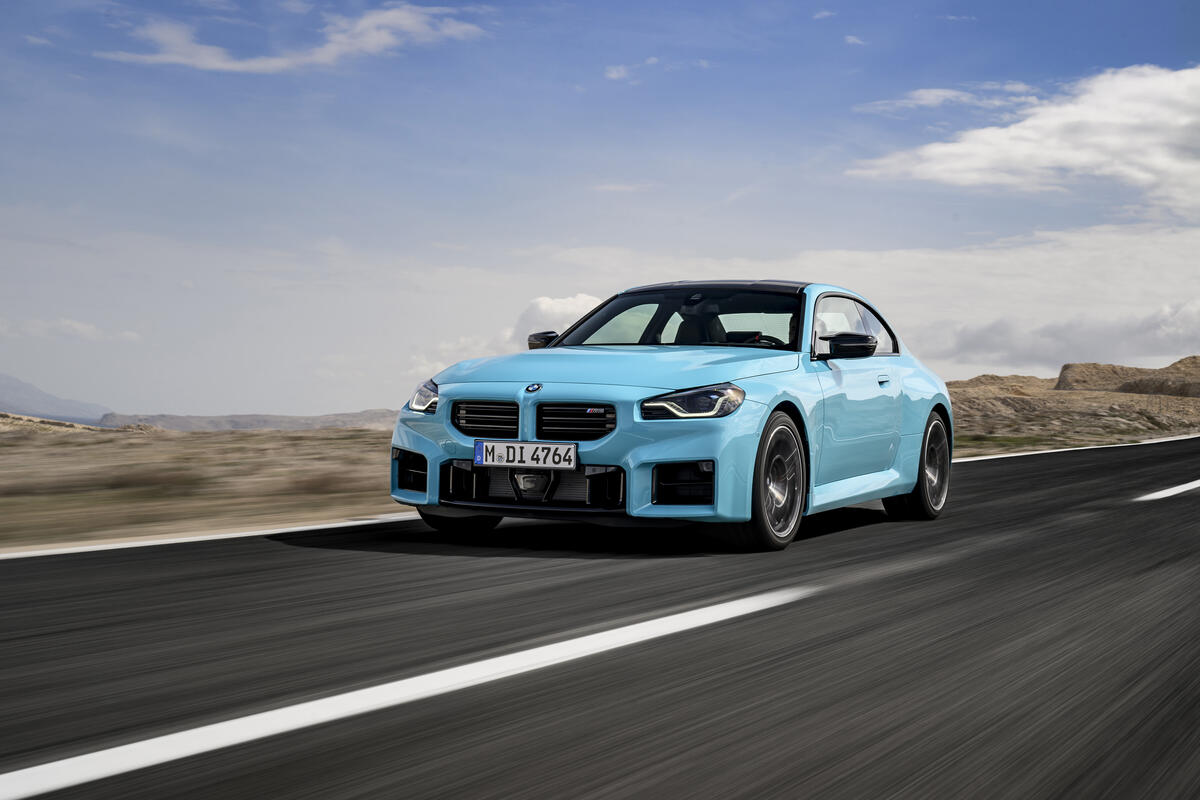
than the fastest circuit in the country. So we've been here doing that today, and we've had an M2,
BMW M2 CS to sort of sense check it against, which is a very fast BMW, but a conventional car with
a roof, and, you know, probably a more sensible coefficient of drag. And the verdict is, how fast
did it go? Well, without wanting to let too many cats out the bag, it went a lot faster than I
thought it would. It went faster than the BMW did by a long way. And I just, I'm still a little bit
just dumbfounded by how fast it went, you know, and how they can make it go that fast,
because it is just an atom with a load more power and some more specialized axle bits.
Because it's what, 515 or 25? 525 horsepower, I think.
And being aerial, being aerial, that would be a modest, it's not like they overstate things,
is it? No, I bet you will have that, mate. And that must be something like 30, 40 percent more
power than an Atom 4 has. Which doesn't need, which never struck me as a slow car. But I was
expecting it to hit that wall, you know, because an Atom 4 probably gets to 121.30, and then you
just feel like you're skydiving through a hurricane. And I thought, well, it's going to come in a
minute. It's going to hit the wall in a minute. And, you know, at the back, at the back of the
circuit coming up towards the little chicane, and then when you go past the pit lane, before you
brake for that chicane, it was north of 160 miles an hour. Which for an Atom is wild, isn't it?
It focused the mind. Yes. The feature is going to be in the mag at some point
in the next few weeks. And there'll be some social footage on video. There will be video,
basically. But I don't think it's going to be a conventional long form YouTube video. It'll be
more like social stuff. You will find a short on YouTube, but look elsewhere on our socials for a
minute. I can't remember the last time I drove a car that felt that urgent
and responsive. Yeah. And it takes something, I think Henry from Ariel was saying that around
the Silverstone National Circuit, the only sort of things that are quicker are things like McLaren P1,
LaFerrari and Porsche 918 Spyder. And I suspect they keep going even longer, I guess.
But yeah, I can't, I don't know. It's just felt so, just, well, remember driving an Atom V8 and
thinking this is just ridiculous. This is absurd and ridiculous. And this is the same as, but with
an engine that doesn't need a rebuild every 20 minutes. Yeah. Yeah. I mean, the really special
thing to me was that it still felt like an Atom, even though it was one capable of doing 160 miles an
hour at Throgston. It was just doing everything an Atom does, but faster. Yeah. And therefore,
it was sort of moving around a bit and just sort of expressing itself a bit and feeding back
everything, absolutely honestly, and making you properly drive it and rewarding you when
you're in the right place on the right line and you've timed all your inputs really well.
And then not punishing you a bit when you don't. You know the way that the front end of those cars
can get away with you a bit if you're just not quite in sync with them. I had a moment like that.
Where you were running a bit wider. A couple of off-camber corners here,
Throgston's wide, but if you get offline on some of the off-camber ones.
And they're a bit mucky offline as well, aren't they? Yeah. You can find yourself understeering
towards a verge at 130 miles an hour. Yes, which is suboptimal. Because I drove the Atom a lot
before I'd driven the BMW. Getting in the BMW after driving the Atom, the steering suddenly
feels really light. The car feels soft and squidgy and an M2 CS is not a soft and squidgy car.
But somehow it felt much more adjustable and playful just because the intensity of the Atom
and ferocity of the Atom experience just made it feel like, I don't know, just made it.
It just sort of, as the BMW started to move around, which had I got into that first,
I'd be going, oh, Greg, this is quite quick. You suddenly go, oh, this is fine.
Did you notice the body control problems? Not problems, but suddenly you knew that you were
a 1.6 tonne car over the really fast bumps and things because you can feel the suspension
really struggling to keep the thing on the ground. And in the Atom, you just don't bloody know.
This thing is so light. It's not jumping around at the first place. It is a remarkable car. How
well you can just, if you're brave enough to get the throttle all the way to the first place.
It took me into my second go in it before I was prepared to put my foot all the way to the end
of the throttle travel. Do they make a claim for downforce because it's got a wing, hasn't it?
It's not just offsetting list. Henry was a little bit mysterious, wasn't it? I think they're
basically still sorting it out. And I think they've got as far as probably balancing out the lift
with the wings that they've got, which is a bit remarkable when you see the size of them, you
know, they're not small wings. And he sort of suggested they were producing a little bit of
downforce, but perhaps not as much as you might think. So perhaps they might be working on a
development to actually create a bit more of it. Yeah. So we've got two, it's sort of,
I can make them a sort of related questions. Calla from Finland, who wrote a couple of weeks ago,
has written a follow up to say that he really loves cater rooms, especially since the 90s,
but they're really expensive to import from the UK. Examples from Europe have a big premium
on them. And the Donkavort, which is from the Netherlands, is also a no go price wise.
Love a Donkavort though, I've got to say. I think that new one's available right hand drive,
isn't it? It may be, I think. I don't even know about that. Yeah, we do need to go and have a go.
Anyway, there is a solution, says Calla, which is that in our local market, there is a low cost
racing series where you can race these low cost kit cars, I suppose, and take them to the track
sometimes. It's Finland, it is impossible to have one on the road, but that would be okay in this
instance. My dilemma, do I do the reasonable route and go ahead and buy a ready built car?
Or would I be mad enough to start a project on my own and gather parts and possibly source a chassis
slash build myself and make it as my own car, even with the risk that my own version might be a bit
garbage or silly or uncompetitive? I'm sure it wouldn't be, but it would be mine. I'm in my late
30s and have a small growing family, but would have the time and finally the funds to do both routes,
even had a crazy idea of one or buy a Triumph Speed Triple Engine'd one that would be a bit slower,
but the sound would be something else. Which would you do in my shoes, or if you had to,
and if you needed to make the decision of getting a ready-made one or do it from scratch?
Which would you do if you had the time and space? Would you have the inclination?
Yes, I think I'd probably take the easier route if it was my first go at it.
Because you just want to know what to do and what not to do, don't you? And you want some experience
of what actually using the thing is going to be like. So you know how to define your own spec,
I think. If you've got a clear idea of what you want or would need for the formula you're thinking
about, then that would be different. I'd say, well, ultimately building your own thing
would be a lot of fun in itself, and then you'd end up with exactly what you wanted.
But if it was me, I might well try and do something easy to begin with. Ultimately,
I'd probably do both, but I might. Yeah, a bit one first. Yeah, that's not a bad idea,
because then you know exactly what you are going to want when you come to build it yourself,
because if you start from scratch, you could get three quarters of the way through,
or even finish it, start using it and go, no, I wish I'd done that.
Yeah, I don't know exactly. You need to be able to shortcut the, oh, I've done all this wrong.
So you just need a sort of a way to get a sort of an idea of what good looks like.
Yeah. Yeah. Have you
stopped me and let it out if you don't want me to say, but have you got any plans? Because you've
recently got a garage. Is that right? Do you mind me asking you?
Not at all, mate. No, have you got any plans for it?
I was thinking this morning about how we would do this. Ultimately, I would like,
I've got a very good sized garage. I'd like it to be bigger,
because I suppose I'd like to stick a few of the bits and bobs in it, but also have room for a car
in it and to be able to work on something in it. So the long term plan is to extend the garage
and then still have room for some off-street parking next to it and then put something in it.
And I don't, I'm not sure it'd be a real project car. I just want to be able, you know, if it's
a GR86 or a MX-5 or, you know, I want to be able to do mess about with wheels and brakes and
all changes and things. I don't think I'd go much bigger than that, really, but I just want to be
able to have the space to get it off its wheels and learn, you know, learn bits and bobs about it,
but also involve the kids and they can learn as we go. I think that would be a cool thing to do.
I haven't exactly decided what it is yet. We've recently tested a road test at an MX-5.
I didn't actually get to drive the one we road tested, but it's reminded me what a bloody great
car those are. So, and I've got close to buying one plenty of times, and I know it's, you know,
something a lot of us have been through. I just feel like they won't be around forever.
Yeah, you're over 626 nearly six-four. I mean, is that, do you feel okay?
A Mark I is probably a little bit uncomfortably tight. I'm fine. I fit in an MX-5,
whatever it is, but a Mark I is perhaps too close for comfort, whereas a Mark, you know,
and then whatever is an ND, the latest one is fine. I've got, you know, plenty room, one of those,
and even a Mark II. I think there was quite a big difference between Mark I and Mark II.
So, I remember driving, you know, 20 years ago, I remember driving a Mark II for the first time,
thinking, oh, great, I fit in one of these. I was worried I didn't. So, yeah, I certainly wouldn't
be put off for that reason. I think, I think actually they're pretty, they're pretty practical
things. They're so, they are, yeah, and they're so, when there's so many bits you can get for them.
So, because they're, because they were built in such huge numbers and so many people still look
after them. And yeah, two seats in a boot, and the hood goes up and down in no time at all.
Yeah. I mean, you can see why it's got one, can't you?
Plus, my better half is already letting it be known that she's not enjoying parking the Skoda.
So, if I got something smaller, she might well end up using it as much as I did,
and that probably wouldn't be the worst thing in the world.
Yeah, no, that's quite good.
It's funny, isn't it? You spend a five-figure someone a new car, and all of a sudden,
very quickly come up with a reason to buy another one.
Yeah. Is it much, is the Skoda much bigger than your previous Mazda?
I don't think it is. I don't think it is, but some of us do. It is a little bit.
It's got a bigger boot. That's kind of why I thought it suited us as a, as a family.
But yeah, I won't deny that it is a slightly longer car, and you know, car parks,
multiple car parks aren't fun, are they? Especially if you've got a park in one that's
particularly busy, and you're not always sure you're going to find, you know,
a space on the end of the row, or, you know, or you've got to get around a multi-story.
And it's funny, isn't it? Because I was funny. Cropby was talking about this yesterday.
He's like, a four-meter car is really, really small, and a five-meter car is really, really big,
but there's not that. It's only a meter, you know what I mean? It's, it's, a meter is not that.
And I always think like 20 centimeters of width is a huge difference, really.
All right. Finally, what an incredible car, says Peter Taylor. Hello, Peter.
Is the new Red Bull RB17, eye-catching appearance, jaw-dropping performance,
extreme in so many features. Just one question. What is it for?
What are they for? for, Matthew? It is, well, it's, so this is the new
Red Bull, Adrian Newie, originally designed, but he's not there anymore. And I think the bloke
who is now in charge of it is still very good friends with Adrian, but is running the project
very adeptly. It's all he's doing. He's not involved in Formula One,
as well. He's just, he's just working on this. So it's going to be unbelievable, I'm sure.
We did, we did, yeah, Cropby and I did touch on this yesterday,
oh wait, last Wednesday it's gone. What, what are they, what,
how do you feel about these cars like this? I think I've maybe just seen a few too many.
I do have the same reservations about them, I would say, Peter, I just don't know
how you would use them. And every time I see another one, I, you know, I want to ask the same
questions like why, why isn't this road legal in that case? I'm not sure if it is or it isn't,
presumably it isn't, because I've had a quick look at it and it doesn't look like it could possibly
be road legal. So that means it hasn't been through any kind of global homologation process,
presumably. I mean, in order to just exist, you know, people would argue that these cars exist
sort of above requirements like that, you know, these are wild flights of what if, you know,
I get that. But if you can't, you know, if you can't drive it on the road anywhere, if you have to
have it kept for you and be laid on to drive two or three times a year,
do you have, you know, or maybe you do take the liver of it, but you only use it to decorate the
helipad of your, your massive yacht. Yeah, it's not really what a car's for, is it?
I don't know. I think ultimately it's harder to make a really out a really, you know, a really
landmark performance car that also satisfies these regulations. That's part of the challenge.
And I know it's harder and harder to satisfy them these days. And that's why so many of these,
you know, kind of on a botanium hypercars have to be have to go into the States on
what are they called? The show and display. Yeah. And they don't pass crash and
yeah, for me, I want to come back to is the requirements of the road test because of my
road tester, I suppose. And whenever I see cars like this, I always think, well, if it's not been
designed for road use, then it'll never be in a road test because because our requirement is
we have, you know, you have to be able to drive on these cars on the road for it to be in a road
test, right? And that is, we've never road tested a track only. I don't think we have. Not that I'm
aware of. No, I don't think so either in my time. I certainly would need a very good reason to do that
because I don't think you're, you sort of judging life for like really. And while
a car like a, a, a spearling or a, you know, a Valkyrie or they're all fantastic,
you know, innovative things. If you take away the restrictions, I'm not sure you're necessarily
producing something that is as good really, or as impressive, ultimately. Yeah, one of the things
I've always sort of liked about Bugatti is that you, you buy one and you, you, you buy one,
wherever you live, you buy one and it turns up and you put number plates on it and that's it,
you have a road car. By the way, it also has 2,000 horsepower. Yeah. And I think that that is,
yeah, the more impressive bit than say the Bollied, which, you know, is much lighter and
everything else, but you can't drive them on the road. So of course it can do what it likes.
I like that. There's still the best, the best car I've made, the 2009 Ford Fiesta Ztec S,
great driver's car, great road car, not bad on track, 15,000 pound, whatever it was. I mean,
that's, that is a, an achievement of automotive engineering in a way that I think
some things are not. It is. Was that a five-star car? I can't remember. It could have done with
either a sixth gear or a longer fifth from memory, but other than that, I don't remember what I
would have changed about it. Well, it's really fuzzy. We did a job, I don't know whether we did
like a, a, an affordable performance car up in maybe up in the Lake District or the borders
or something, but I remember driving it home from that and thinking, this is quite fuzzy.
But, because it only had a five-speed box, but it'd be nice to find a, it'd be nice to find
one that felt new now, but I suppose they just don't exist. And I suppose actually the ones,
if you did find even a good one now, it is nearly 20 years old and starting to feel it, I guess.
Yeah. Well, I'd like to try them. Yeah. I mean, this is it, mate. The name on the head stuff,
you know, I think to be able to conform to so many, you know, it's so hard to make cars that are,
that are, that pass all those tests and are, are sort of globally viable and you can sell
anywhere, that's the real genius of the car industry. And it should have been an irony to me
that when you get to the real top end, these, you know, the real kind of flights of fancy can only
exist because people say, oh, well, let's just forget the rules. Let's ignore that. Yeah. Let's
just ignore that. Yeah. Yeah. Thanks, mate. That's good. I enjoyed this. My pleasure.
But Croppley and I and Peter Robinson are here on Wednesday. Did you know that?
I didn't know that. Yeah, he was in the office yesterday. Wow. So Croppley and I spoke to him.
So that poll is coming up in a few days time. I don't know what will be on next weekend's bonus
if there is one. Sorry for the absence of bonuses the last couple of weeks, but I've
been away. Steve's not been around. We've just not crossed paths, but I'll talk to you again soon,
mate, because this has been good fun, this. Lovely. In the meantime, listening, you can find us at,
if just search AutoCar, but we're at themagazineshop.com. If you want to access the full 131 year
AutoCar archive, go through all the road tests. Tell us if we have road tested something that
isn't road legal. I bet somebody has at some point. I don't think so in my 20 years.
Yeah. Well, I've said it. So it's almost certain to have happened.
Yeah. Well, I'll have a look. look because at some point it'll...
Actually, I do know somebody who knows. I'll drop them a note later. I'll drop Keith a note later.
Hello, Keith. Thanks for listening. Thanks to our sponsors, Anderson, makers of very good
design-focused premium home electric car chargers. Visit Anderson-EV.com. I think there is a deal
with Intelligent Octopus Go where you get 4,000 free miles or six months of free, worth of free
miles if you, on all orders after you, after March, I think. So anyway, their concierge service
here's a tip for you. There's a podcast out there with fans waiting to be your next customer.
They tune in every week. They trust the host and that host wants to talk about brands like yours
in their own words to their audience. The problem is, you just haven't been introduced
We're ACAST, where that introduction happens.
As the world's largest podcast marketplace, we let you browse shows, see who's listening,
and book hostread sponsorships or run your own ads all from one platform.
Start advertising on podcasts by visiting acast.com slash advertise.
About this episode
Hosts Prior and Matt Saunders field listener letters, moving from skid-pan drifting and classic Triumph Spitfire restoration to practical garage and parking dilemmas. The conversation then turns technical: steer-by-wire’s potential for tuning steering feel, and how ADAS can intervene if you don’t hold the wheel correctly. Road-test editor notes also cover dealer and used-car inspection failures, plus track testing of extreme, aero-limited cars and the question of what counts as a proper road test.
In this weekend's bonus episode of the Autocar podcast, Matt Prior is joined by Matt Saunders, Autocar's road test editor, to chat your correspondence.
They answer your questions about whether to build or buy, going hillclimbing, steer by wire, what the point of some hypercars is, and Saunders' new Skoda.
Did you know you can subscribe to Autocar through a pod listener offer? It includes SIX issues of Autocar for just £6 if you click here.