BONUS: Your letters with Prior and Matt Saunders, road test editor
About this episode
Hosts Prior and Matt Saunders field listener letters, moving from skid-pan drifting and classic Triumph Spitfire restoration to practical garage and parking dilemmas. The conversation then turns technical: steer-by-wire’s potential for tuning steering feel, and how ADAS can intervene if you don’t hold the wheel correctly. Road-test editor notes also cover dealer and used-car inspection failures, plus track testing of extreme, aero-limited cars and the question of what counts as a proper road test.
In this weekend's bonus episode of the Autocar podcast, Matt Prior is joined by Matt Saunders, Autocar's road test editor, to chat your correspondence.
They answer your questions about whether to build or buy, going hillclimbing, steer by wire, what the point of some hypercars is, and Saunders' new Skoda.
Did you know you can subscribe to Autocar through a pod listener offer? It includes SIX issues of Autocar for just £6 if you click here.
Hosted on Acast. See acast.com/privacy for more information.

Toyota GR Yaris
"There is a GR Yaris just reversing up there, the good looking cars."
The Toyota GR Yaris is a small, sporty Toyota that’s designed to handle really well. People like it because it’s light and feels lively when you drive it aggressively.
The Toyota GR Yaris is a compact hot hatch built around rally-style performance, with a focus on traction and controllability. It’s especially known for being small, light, and fun to drive hard on twisty roads and track-style events.
skid pan
"If you can hear a car in the distance, there's a BMW on a sort of, well, it's a Bowser's skid pan, isn't it? Yes, it's not quite level, is it?"
A skid pan is a special test area where the road surface is slippery on purpose. It lets drivers practice how a car behaves when tires lose grip.
A skid pan is a controlled surface used to teach or test car handling on low-grip conditions. Drivers can practice things like braking, steering inputs, and managing oversteer/understeer without the risk of normal road traffic.
drift
"And some people are trying to drift these, and they put us, actually some of them do pretty well, aren't they?"
Drifting is when a driver intentionally makes the car slide sideways while still steering it. It’s usually done on slippery surfaces or track areas so it’s safer.
Drifting is a driving technique where the driver intentionally keeps the car rotated so the tires slide laterally while maintaining control and speed. It requires balancing throttle, steering angle, and grip—often on low-traction surfaces like a skid pan.
understeering
"Some of them are just understeering majestically, I would say."
Understeer is when you steer into a corner but the car doesn’t turn as much as you want. It usually happens when the front tires don’t have enough grip.
Understeer (here described as “understeering”) is when the front tires lose grip first, so the car turns less than the driver expects. On a skid pan, it’s a common sign that the front end is overloaded or traction is limited.
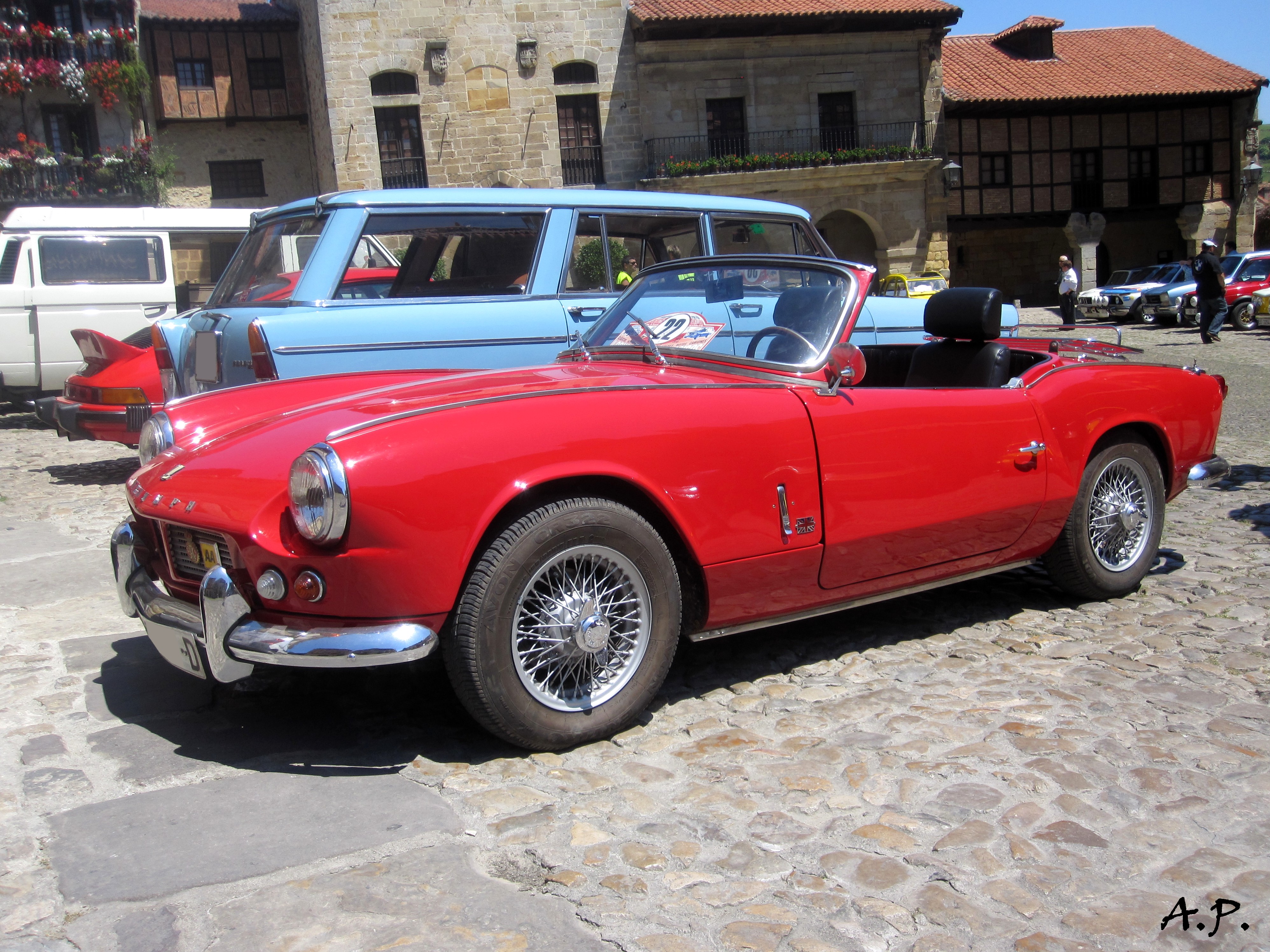
Triumph Spitfire
"coincidentally, I was in my garage fitting the putting the final touches to the dials of my 1969 Trump Spitfire that I'm restoring while I was listening."
The Triumph Spitfire is a classic small British sports car. A 1969 one is a popular restoration project, and people often use them for events like hill climbing.
The Triumph Spitfire is a classic British roadster known for its lightweight, simple, open-top driving feel. A 1969 Spitfire is especially popular with restorers and hill-climb enthusiasts because it’s relatively straightforward to work on and can be tuned for period-style competition.
analog dials
"What do you do? Well, a quick aside on analog dials. ...I quite liked it. That's good. Anyway, I like it. I like an analog looking dial..."
Analog dials are the dashboard gauges that look like traditional meters. They’re easier to read at a glance because you can quickly see where the needle or dial is pointing.
Analog dials are physical-style gauge displays (or dial-like graphics) that show information such as speed, temperature, and other vehicle status. In modern cars, they’re often recreated on digital screens to preserve the quick, glanceable “read the needle” feel.
retro dashboard modes and dial-style instrument clusters
"What do you do? Well, a quick aside on analog dials... I drove here today in the latest 911 GT3... they've just put a mode... for the digital instruments..."
They’re talking about how car dashboards can be made to feel old-school. The discussion compares dial-style gauges and retro-looking screens versus purely modern displays.
This segment focuses on how modern cars can use retro-inspired instrument cluster designs. The hosts discuss analog-style dial graphics, retro media presentation, and how digital clusters can be configured to feel more “gauge-like.”

Volkswagen Id
"...l, a quick aside on analog dials. I drove the new Volkswagen ID Polo GTI the other week, and that's got some very..."
The Volkswagen ID. Buzz is a van that runs on electricity instead of gasoline. It’s meant for carrying people and everyday use, but with an electric drivetrain. It often gets mentioned when talking about how EVs handle things like dashboards and controls.
The Volkswagen ID. Buzz is an electric version of the classic, boxy people-mover concept, updated with modern EV technology. It’s significant because it blends a practical family-van layout with an all-electric powertrain, which changes how it’s used day to day. It may be discussed in relation to how the cabin feels—especially the move toward digital displays instead of traditional analog gauges.
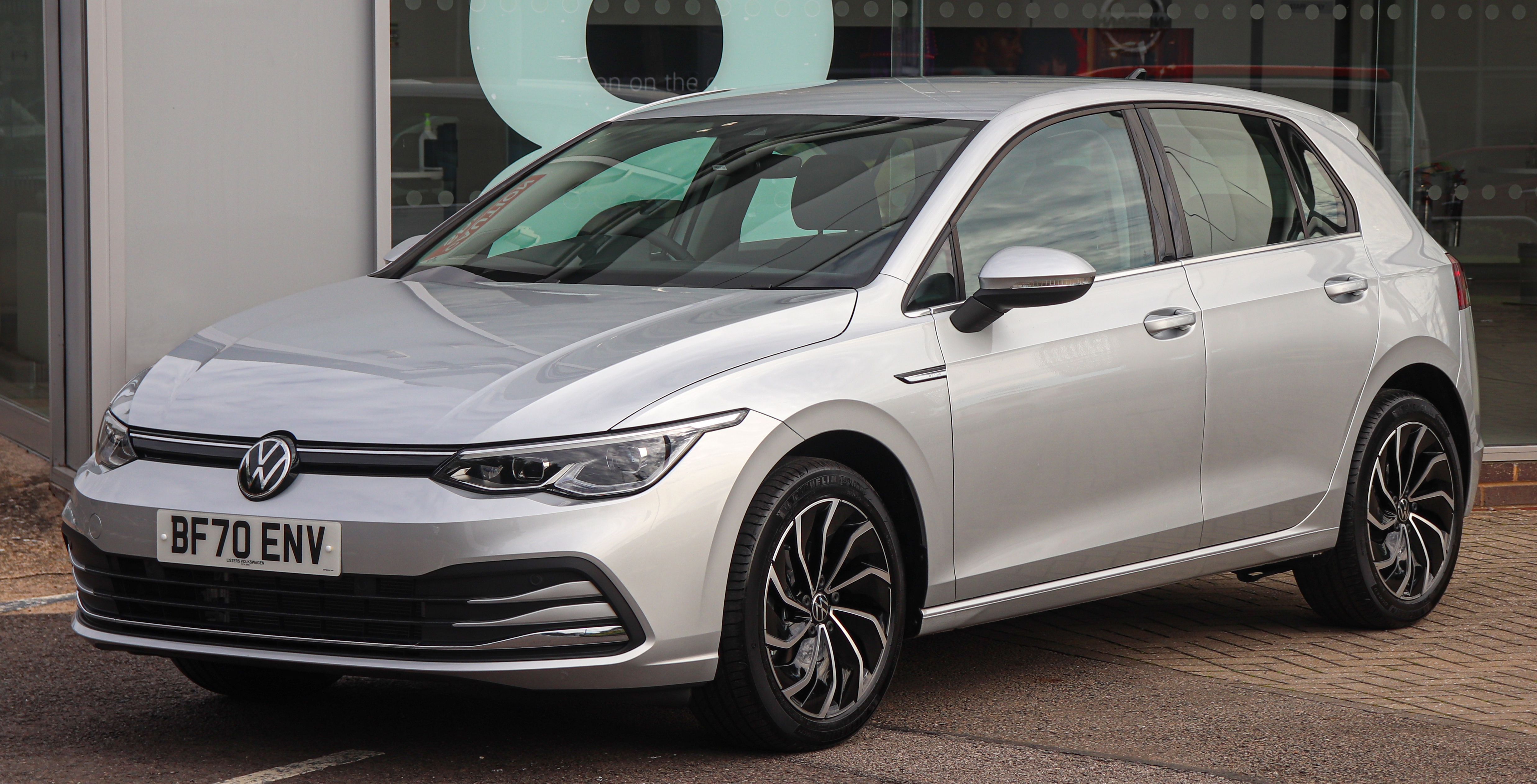
Volkswagen Gti
"... analog dials. I drove the new Volkswagen ID Polo GTI the other week, and that's got some very cool Mar..."
The Volkswagen Golf is a compact car that’s built for everyday driving. It’s known for being practical and comfortable for regular commuting and errands. It may be mentioned when people talk about what the dashboard and controls are like.
The Volkswagen Golf is a mainstream compact car known for being practical, easy to live with, and widely available in many versions. In a podcast context, it can come up when discussing driving feel and interior design choices—like the contrast between traditional analog-style gauges and newer digital approaches. It’s frequently referenced as a benchmark for everyday car design and usability.
infotainment screen
"And then on the infotainment screen in the middle, you get a little 80s cassette player for your media."
The infotainment screen is the main touchscreen in the middle of the dashboard. It’s where you control things like music and media, and here they’re describing a fun retro-style display.
An infotainment screen is the central display in a car that handles media and vehicle-related functions like audio, navigation, and settings. In this segment, it’s specifically described as showing a retro-styled “80s cassette player” interface.
CRT television screen
"And you sat now in like a little kind of CRT television screen."
CRT is an old-school TV screen type. They’re saying the car’s display looks like that classic TV style, not like a modern flat panel.
A CRT (cathode-ray tube) is an older type of television display technology known for its curved glass and “screen glow.” The speaker is using it as a visual comparison for how the car’s digital interface looks in this retro mode.

Porsche 911
"I drove here today in the latest 911 GT3 and that they've just put a mode, I'm sure it's new for the digital instruments, which is the old, who's it?"
The 911 GT3 is a Porsche built for track driving. In this segment, they’re talking about the dashboard gauges—how the car can show different dial-style information like oil temperature and oil pressure.
The Porsche 911 GT3 is a track-focused version of the 911 known for its performance-oriented setup and driver-centric cockpit. Here, the discussion centers on its instrument cluster design—specifically how digital gauges can be configured to show multiple “dials” and gauge groupings like oil temperature/pressure.
hill climb course description (U-shaped bend with a large drop)
"hill climb car. Well, it would have to be something small... The last hill climb I did... shells and Welsh... Is that the sort of, is that the effectively U shaped bend with a very large drop off of one side of it?"
The speaker describes a hill climb course feature—an effectively U-shaped bend with a large drop-off on one side—highlighting the kind of cornering and elevation changes that make hill climbs distinctive. This is treated as a driving context rather than a technical component.
hill climbing
"I guess people do a lot of hill climbing in sort of like sevens and things... I'd love the idea of a bigger aero engine special, but they're a bit too big for a hill climb, I think."
Hill climbing is a motorsport where cars race against the clock up a steep course, often on closed roads or purpose-built tracks. Because the course is short and traction matters, setups and vehicle size/weight can be very different from circuit racing.

TR6
"I've always liked the idea of owning and fettling a TR6 for some reason. I don't, I've never had one. I know nothing about them."
TR6 is a classic British sports car (a Triumph). The hosts are talking about possibly owning one and tinkering with it, like a hobby project.
The TR6 refers to the Triumph TR6, a classic British sports car known for its inline-six engine and classic roadster styling. In this segment, it comes up as a potential project car for hill climbing or restoration.

Lotus Seven
"Maybe another catering or Lotus seven or actually even an Austin seven based special."
The Lotus Seven is a very light, simple sports car that people often modify. The hosts are using it as an example of something fun to own and tinker with.
The Lotus Seven is a lightweight, minimalist sports car platform famous for being easy to modify and for its track-focused, “barely there” feel. In this segment, it’s mentioned as another kind of small, project-style car suited to enthusiast tinkering.

Austin Seven
"Maybe another catering or Lotus seven or actually even an Austin seven based special."
The Austin Seven is a small old British car that people sometimes use as the foundation for custom builds. The host is suggesting it as another possible project idea.
The Austin Seven is a small, early British car that became a popular base for “specials” (custom builds) because it’s compact and relatively simple. Here it’s mentioned as an alternative starting point for a hill-climb or project car.
steer by wire
"Tesla, apparently Toyota and now Mercedes are bringing forward steer by wire. I still want a direct mechanical link between me and the front wheels."
Steer-by-wire means the steering wheel doesn’t have a direct mechanical connection to the front wheels. Electronics interpret your input and move the wheels for you.
Steer-by-wire replaces the traditional mechanical steering linkage with electronic controls and actuators. Instead of a direct physical connection between the steering wheel and the front wheels, sensors and software command steering movement.
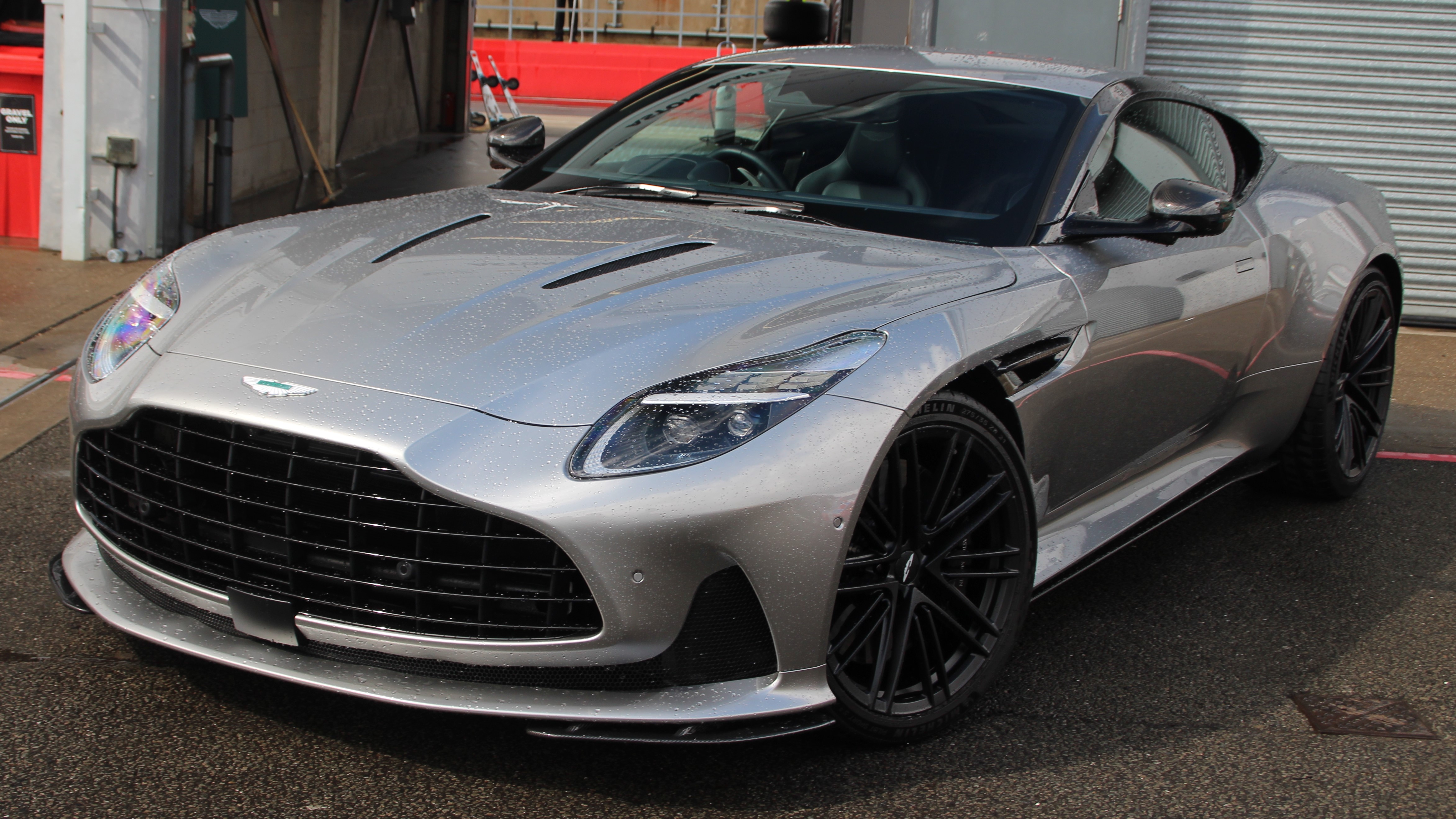
Aston Martin DB12
"I was on, I was on a job a couple of weeks ago, [451.6s] might have been, it might have been the Aston Martin DB12s or, yeah. Anyway, I was speaking to somebody, I was speaking to sort of dynamics engineer..."
The Aston Martin DB12 is a luxury sports car. In this discussion, it’s just used as an example while they talk about a steering system that can be tuned electronically.
The Aston Martin DB12 is a modern Aston Martin grand tourer, and it’s mentioned here as an example of a car that could be using advanced steering tech. In this segment, the focus isn’t on the DB12 itself, but on how steer-by-wire could enable more precise steering feel and feedback.

DB2 Aston Martin Db12S
"...eeks ago, might have been, it might have been the Aston Martin DB12s or, yeah. Anyway, I was speaking to somebody, I w..."
The DB2 is an older sports car made by Aston Martin. It’s from the early days of the brand and is known for being a performance-focused car. People bring it up when talking about classic Aston Martin history.
The DB2 refers to an early Aston Martin sports car from the 1950s, known for establishing the brand’s reputation for performance and grand touring. It’s often discussed in historical car conversations because it represents the start of Aston Martin’s modern identity. In a podcast, it may come up when the host is recalling classic models and comparing them to more recent Aston Martin cars.
yoke
"You don't need to sort of mess about with yokes and aim for, you know, 180 degrees of, of, of steering angle from one lock to the other. [544.1s] You don't need to change the rules in any way..."
A yoke is a steering shape that looks more like a bar than a normal steering wheel. Some cars use it with electronic steering so you don’t have to turn the wheel as much, but it can feel weird if the steering response doesn’t match what you expect.
A yoke is a steering-wheel style where the driver grips a central bar (often with two arms) instead of a conventional round wheel. The segment links yoke-style steering to steer-by-wire designs that aim to reduce the amount of steering-wheel rotation needed, but the host argues that this can be disorienting if the steering behavior isn’t intuitive.
steering ratio
"It was delivered to me for, I think, one of the other road testers to collect, but it was at my house, [561.3s] and I drove the bloke to the station and ran into the car twice doing it because it, [566.2s] yeah, because the steering ratio changed so greatly."
Steering ratio is basically how “quick” the steering feels—how much you turn the wheel to get the front wheels to turn. If it changes a lot, it can throw you off and make parking or low-speed driving harder.
Steering ratio is how much the steering wheel turns relative to how much the wheels turn. If a car’s steering ratio changes a lot (or feels inconsistent), it can make the steering feel odd and can affect how quickly you can place the car precisely.
ADAS system
"You will find if you don't hold the wheel at quarter to three on this car, the ADAS system really takes a dislike to it, mate. It'll give you a sudden dab of the brakes on the motorway, check you're awake."
ADAS is the car’s “driver help” technology. It can monitor you and the road, and it may warn you or even make small corrections if it thinks you’re not paying attention.
ADAS (Advanced Driver-Assistance Systems) is the umbrella term for safety and convenience tech that helps the driver. In this segment, it’s specifically described as intervening—like applying a brief brake pulse and checking driver alertness—when steering-wheel handling or attention signals don’t match what the system expects.
lane keeper
"Mind you, I do switch the, whatever the first two options are. It hasn't gone off yet, but maybe I've switched off the lane. Keeper says maybe that does it as well."
“Lane keeper” is the feature that helps keep you in your lane. The host is saying it might also affect when the car decides you’re not driving attentively.
“Lane keeper” is a common shorthand for a lane-keeping ADAS mode. The speaker suggests it may be tied to whether the system triggers warnings or interventions based on steering-wheel/driver behavior.
driving monitoring
"It's got driving monitoring. It's got lane keeping. It's got, but all the whole shooting match, mate, but I'm not sure you can turn that bit off."
Driving monitoring refers to systems that watch the driver’s behavior—often using cameras and sensors—to judge whether you’re attentive. Here it’s linked to the car’s reactions when the driver’s hands/position or attention signals don’t look right.
lane keeping
"It's got driving monitoring. It's got lane keeping. It's got, but all the whole shooting match, mate, but I'm not sure you can turn that bit off."
Lane keeping is safety tech that helps keep the car from drifting out of its lane. It can nudge the steering to keep you centered.
Lane keeping is an ADAS feature that helps keep the car centered in its lane by steering corrections. In this segment it’s mentioned alongside driver monitoring, implying the car may combine lane assistance with attention checks.
operative screen wash
"It was appalling to learn of your experience, Matthew, with supplying dealer. Let's be clear to that lack of an operative screen screen wash. What's wrong with it?"
Screen wash is the fluid-and-sprayer system that cleans your windshield. They’re saying the car they got from the dealer didn’t have that working properly.
“Screen wash” refers to the windshield washer system (reservoir, pump, and nozzles) that sprays cleaning fluid onto the glass. The transcript implies a dealer-supplied/approved-used car issue where the washer system wasn’t working as expected.
washer jets
"They cleared out the washer jets, no problem. They also checked the car over..."
Washer jets are the nozzles that spray screen-wash fluid onto the windshield. If they’re blocked, the washer system may seem like it “doesn’t work,” even though the fluid reservoir isn’t necessarily empty.
sidewall damage
"...and also both of the front tires had sidewall damage, which are things that probably would have been picked up had they checked it over properly."
Sidewall damage is harm to the tire’s outer part. That area is important for strength and grip, so damaged sidewalls are a safety concern.
Sidewall damage means the tire’s outer wall has been cut, cracked, or otherwise harmed. Because the sidewall is structurally important, this can reduce safety and may require replacement rather than repair.
coolant
"They also checked the car over and discovered that it had very little coolant for the engine..."
Coolant is the fluid that helps keep the engine from getting too hot. If there’s not enough of it, the engine can overheat.
Coolant is the liquid that carries heat away from the engine so it doesn’t overheat. Low coolant level can indicate a leak or an incomplete pre-sale check, and it’s a safety/engine-protection issue.
multi-point pre-sale check
"In this case, the multi-point pre-sale check hasn't been completed properly or at all."
It’s a dealer’s checklist they’re supposed to do before they sell a used car. The idea is to catch problems early so the buyer isn’t stuck with obvious issues right away.
A multi-point pre-sale check is a standardized inspection checklist dealers are expected to complete before selling a used car. It typically covers key safety items and basic operational checks so the buyer receives the car in a known, road-ready condition.
aerodynamic wall
"they also have this sort of aerodynamic wall that they hit around about 110, 120 miles an hour... because... they generate their performance by being small and light and having lots and lots of power... but obviously coming across a bit when there's a lot of air to move in front of them."
They mean a speed where the wind starts fighting the car so much that it feels like it won’t keep accelerating as easily. It’s basically the point where aerodynamics become the limiting factor.
“Aerodynamic wall” is the point where wind resistance (drag) becomes so strong that acceleration slows dramatically. On small, exposed cars, this often shows up around a particular speed range where the car’s shape and lack of aerodynamic efficiency limit further gains.
power to weight
"they generate their performance by being small and light and having lots and lots of power for, you know, power to weight"
Power-to-weight compares how much power the car has to how heavy it is. A lighter car with strong power can accelerate quickly even if it isn’t very slippery.
Power-to-weight is the relationship between engine output and vehicle mass, often used to predict acceleration and how hard a car can pull. The hosts connect it to why small, light cars can feel fast even if they’re not very aerodynamic.
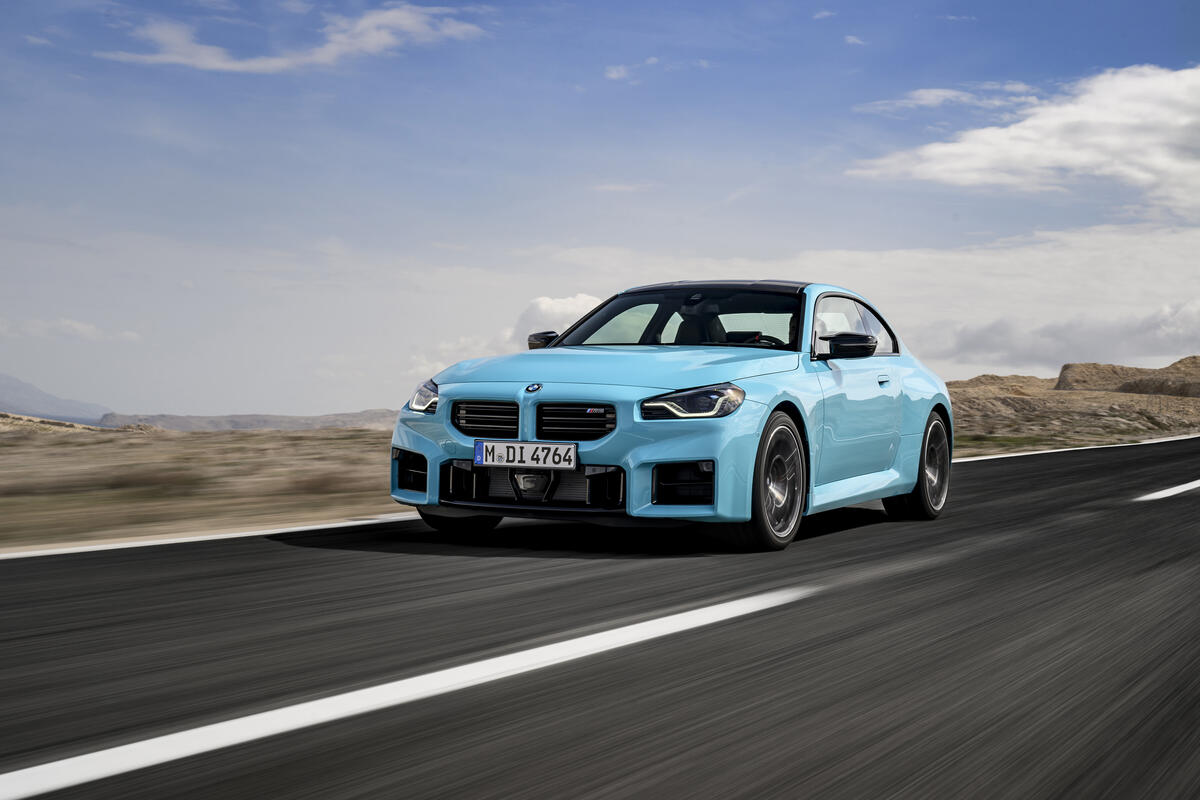
BMW M2 CS
"we've had an M2, BMW M2 CS to sort of sense check it against... a conventional car with a roof... And the verdict is... it went faster than the BMW did by a long way."
The BMW M2 CS is a sporty BMW coupe they use as a comparison car. They’re basically saying the AeroLatom 4RR outperformed it by a lot on the track.
The BMW M2 CS is a track-capable compact coupe from BMW’s M division, used here as a baseline “conventional car” comparison. The hosts say the AeroLatom 4RR was dramatically faster than the BMW on the same faster UK circuit, emphasizing the difference in aerodynamics and power-to-weight approach.
coefficient of drag
"a conventional car with a roof, and, you know, probably a more sensible coefficient of drag."
Coefficient of drag is a way to measure how much the car shape pushes against the air. Lower drag helps the car keep going faster with the same power.
The coefficient of drag (Cd) is a number that describes how aerodynamically “slippery” a vehicle is. A lower Cd means less drag force at a given speed, which helps top speed and reduces the “aerodynamic wall.”

Ariel Atom
"Which for an Atom is wild, isn't it? ... remember driving an Atom V8 and thinking this is just ridiculous. This is absurd and ridiculous."
The Ariel Atom is a very light, track-oriented car that feels raw and exciting to drive. Here, they’re saying this Atom felt incredibly quick and responsive, while still keeping that classic Atom “how it drives” character.
The Ariel Atom is a lightweight, track-focused sports car known for its extreme driving feel and minimal bodywork. In this segment, the hosts describe an Atom variant that feels “urgent and responsive,” with very high speed through circuit sections and a strong sense of feedback while driving.
chicane
"at the back of the circuit coming up towards the little chicane, and then when you go past the pit lane, before you brake for that chicane"
A chicane is a section of track with a quick series of turns that makes you slow down and steer more than a straight. It’s usually a tricky spot where braking and turning have to be spot-on.
A chicane is a deliberate sequence of turns that forces the car to slow down and change direction, usually to reduce speed before a straighter section or to manage safety. In racing, it’s a key braking-and-turn-in point where setup and driver precision matter a lot.
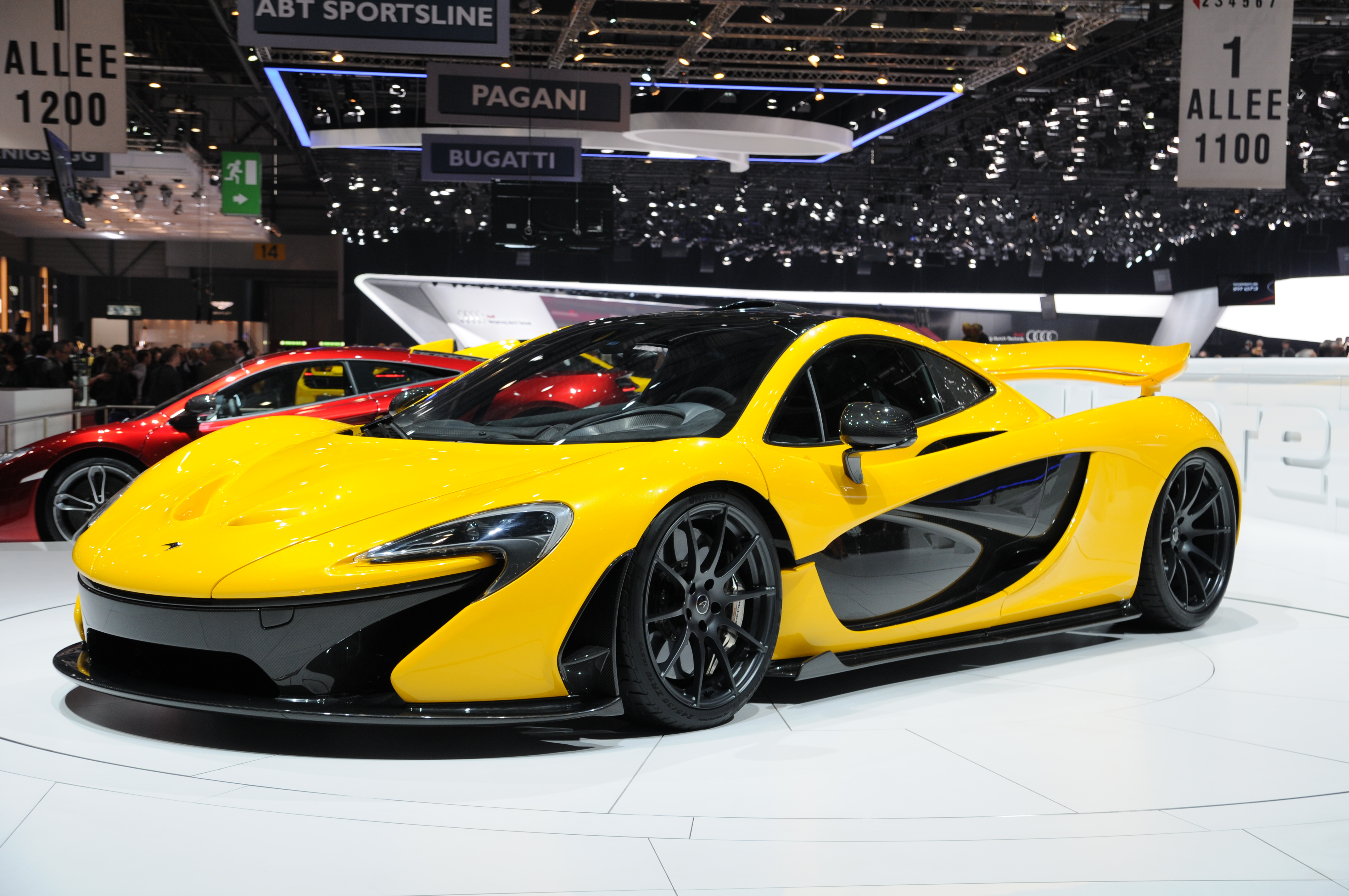
Mclaren P1
"Henry from Ariel was saying that around the Silverstone National Circuit, the only sort of things that are quicker are things like McLaren P1,"
The McLaren P1 is a very high-performance supercar, and it uses both gasoline and electric power. In this conversation, it’s used as a benchmark for how fast certain cars can be on track.
The McLaren P1 is a hybrid supercar famous for combining a high-revving performance engine with electric assistance for rapid acceleration and track-capable dynamics. Here it’s mentioned as one of the few cars that can be quicker around the Silverstone National Circuit than the Atom being discussed.

Ferrari LaFerrari
"the only sort of things that are quicker are things like McLaren P1, LaFerrari and Porsche 918 Spyder."
The Ferrari LaFerrari is a top-tier, limited-run supercar that also uses hybrid power. They mention it as one of the few cars that can be quicker than the Atom on that track section.
The Ferrari LaFerrari is a limited-production hybrid hypercar known for its extreme performance and advanced aero/track-focused engineering. The host brings it up as another reference point for lap pace around the Silverstone National Circuit.

Porsche 918 Spyder
"McLaren P1, LaFerrari and Porsche 918 Spyder. And I suspect they keep going even longer"
The Porsche 918 Spyder is a super-advanced hybrid hypercar. The hosts mention it to show how rare it is for other cars to be faster on that track.
The Porsche 918 Spyder is a hybrid hypercar celebrated for its high-end performance and sophisticated traction/engine management. In this segment, it’s used as a benchmark car for how few vehicles are quicker around the Silverstone National Circuit than the Atom.
off-camber corners
"A couple of off-camber corners here, Throgston's wide, but if you get offline on some of the off-camber ones."
An off-camber corner is a turn where the track slopes in a way that makes tire grip less consistent. The car can feel less stable, so it’s easier to lose traction if you’re not careful.
Off-camber corners are turns where the road surface tilts away from the direction of the turn, so the tires don’t sit on the ground as evenly. That reduces grip and makes the car more likely to slide or understeer if you’re not perfectly aligned and smooth with inputs.
downforce
"Do they make a claim for downforce because it's got a wing, hasn't it? ... balancing out the lift with the wings that they've got, which is a bit remarkable when you see the size of them"
Downforce is the “suction” effect from the car’s shape and wings that presses the tires to the ground. More downforce usually means better grip when you’re going fast.
Downforce is the aerodynamic force that pushes a car’s tires harder onto the road, improving grip—especially at speed. The host discusses whether the Atom’s wing is producing meaningful downforce, and how it might be balancing lift with the wing’s effect.
throttle travel
"It took me into my second go in it before I was prepared to put my foot all the way to the end of the throttle travel."
Throttle travel just means how far you press the gas pedal. Here, the host is saying they needed a couple of tries before they felt ready to press it all the way.
Throttle travel is how far you move the accelerator pedal (or, more precisely, how much the throttle valve opens). The host is describing how long it took them to be confident enough to use the full range of throttle in the Atom.
lift
"And I think they've got as far as probably balancing out the lift with the wings that they've got, which is a bit remarkable when you see the size of them"
Lift is the opposite of downforce—air pressure that can make the car feel like it’s being pulled up. Wings are used to counter that so the tires keep gripping.
Lift is aerodynamic force that tends to reduce tire contact by pushing the car upward. The host frames the wing as working to counter lift, implying the car’s aero setup is actively managing how much the car wants to “float” at speed.
kit car
"Anyway, there is a solution, says Calla, which is that in our local market, there is a low cost racing series where you can race these low cost kit cars, I suppose, and take them to the track sometimes."
A kit car is a car you build yourself from a parts kit. Instead of buying a finished car, you assemble it—often with some parts you choose yourself.
A kit car is a vehicle assembled from a set of parts rather than bought fully manufactured. The segment contrasts buying a ready-built car versus sourcing parts and a chassis to build your own, which is the core “kit car” ownership path.
chassis
"Or would I be mad enough to start a project on my own and gather parts and possibly source a chassis slash build myself and make it as my own car..."
The chassis is the car’s main frame. It’s the foundation that the rest of the parts bolt onto.
A chassis is the vehicle’s main structural frame that everything else mounts to—engine, suspension, body panels, and so on. In a build-from-scratch kit-car approach, sourcing a chassis is a major decision because it determines fitment, rigidity, and how the car will behave.
build from scratch
"My dilemma, do I do the reasonable route and go ahead and buy a ready built car? Or would I be mad enough to start a project on my own... and if you start from scratch, you could get three quarters of the way through... start using it and go, no, I wish I'd done that."
“Build from scratch” here means taking on the full project—planning the spec, sourcing parts, and assembling the car—rather than buying a completed vehicle. The hosts discuss the tradeoff: more control and fun, but a higher risk of mistakes and wasted time before you’re actually driving it.

Triumph Speed Triple
"Or would I be mad enough to start a project on my own and gather parts and possibly source a chassis slash build myself and make it as my own car... even had a crazy idea of one or buy a Triumph Speed Triple Engine'd one that would be a bit slower, but the sound would be something else."
The Triumph Speed Triple is a motorcycle. They’re talking about using its engine in a kit-car project, mainly to get a different sound and driving feel.
The Triumph Speed Triple is a British naked motorcycle known for its inline-three-cylinder engine and aggressive, street-focused character. In this segment, it’s mentioned as an engine swap idea for a kit car project, implying a different sound and performance feel than a more typical powerplant.
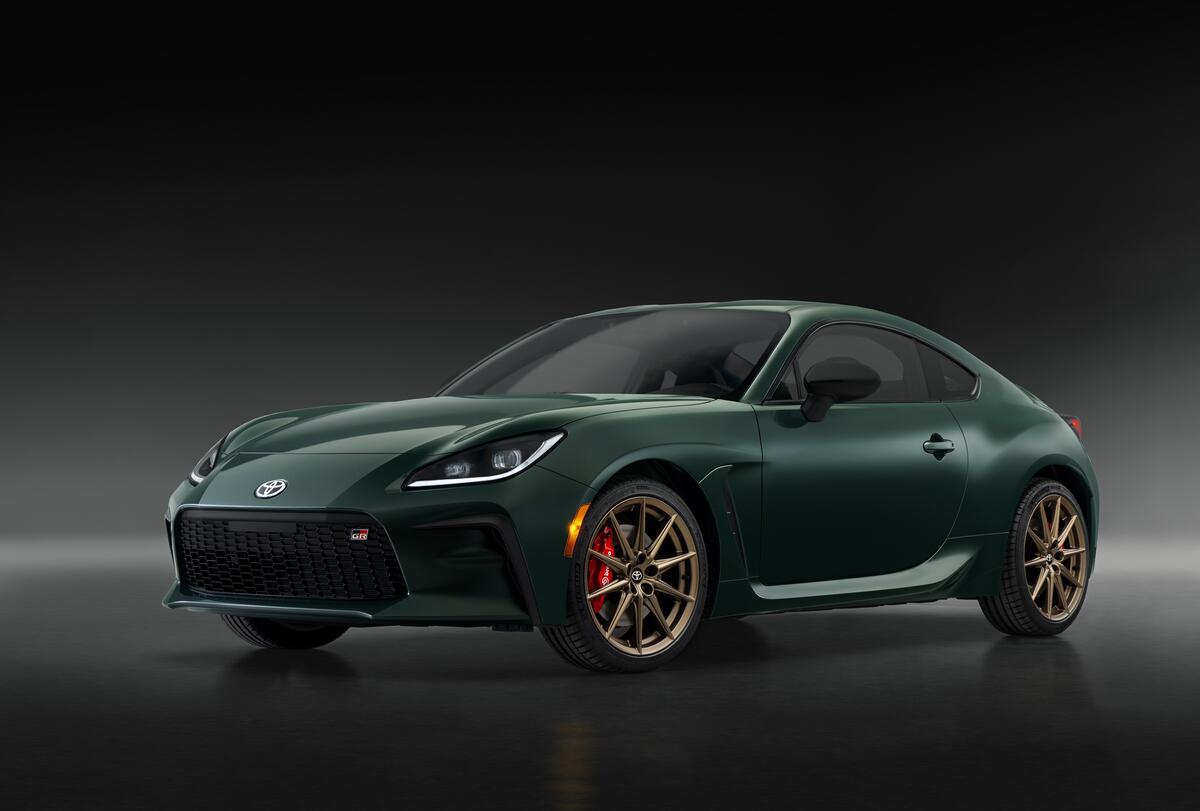
Toyota Gr86
"... car. I just want to be able, you know, if it's a GR86 or a MX-5 or, you know, I want to be able to do m..."
The Toyota GR 86 is a small sports car made to be fun to drive. It’s designed to handle well and feel responsive, especially on twisty roads. People mention it when they’re comparing different affordable sports cars.
The Toyota GR 86 is a compact, rear-wheel-drive sports coupe built for driver-focused handling and an engaging driving feel. It’s often discussed alongside other small roadsters/coupes because it aims to deliver “fun per mile” rather than outright luxury or power. In a podcast, it comes up when people talk about choosing a car that’s easy to enjoy and rewarding to drive.
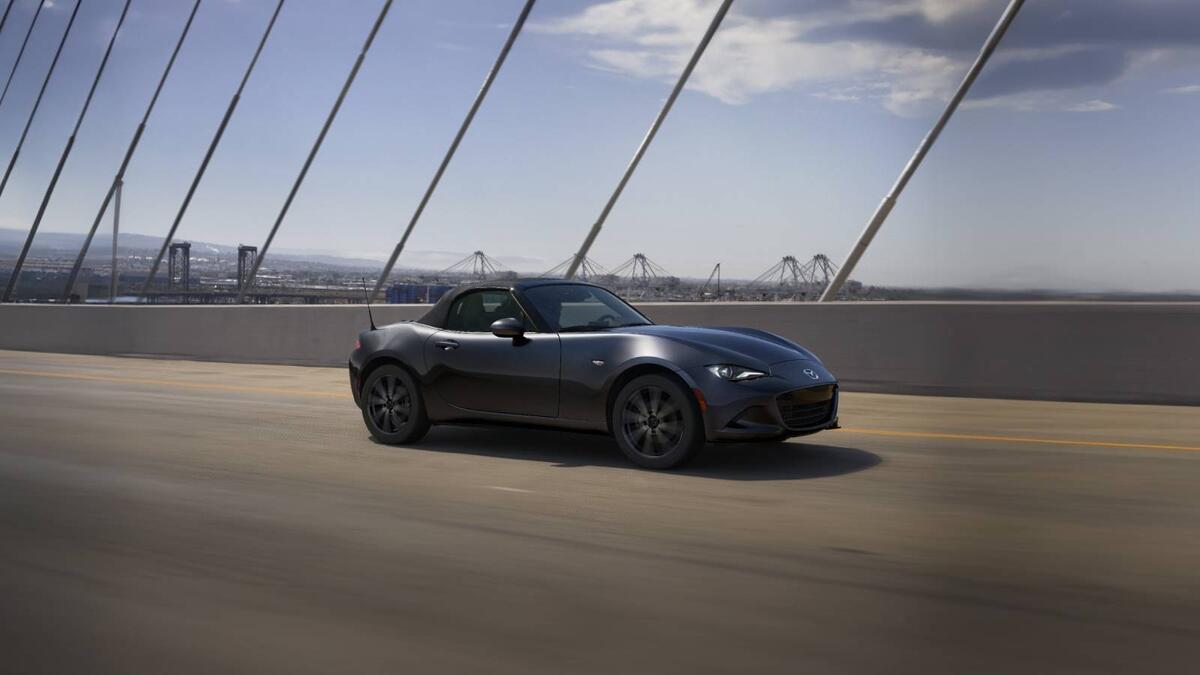
Mazda MX-5
"if it's a GR86 or a MX-5 or, you know, I want to be able to do mess about with wheels and brakes and all changes and things... We've recently tested a road test at an MX-5."
The Mazda MX-5 is a small two-seat roadster that’s meant to be fun and easy to drive. The person here is talking about possibly getting one so they can work on it in their garage.
The Mazda MX-5 is a lightweight, driver-focused roadster known for its simple, fun-to-drive character and strong “small car, big smile” reputation. In this segment, it’s the specific kind of car the listener wants space to work on—wheels, brakes, and general tinkering.
boot
"And yeah, two seats in a boot, and the hood goes up and down in no time at all. Yeah. I mean, you can see why it's got one, can't you?"
“Boot” just means the trunk—where you put luggage and other stuff in the back of the car.
In UK usage, the boot means the car’s rear cargo area for luggage and everyday storage. The speaker highlights that the car has “two seats in a boot,” meaning the boot area is being discussed as a practical space for people or gear.
multi-story
"Especially if you've got a park in one that's particularly busy, and you're not always sure you're going to find, you know, a space on the end of the row, or, you know, or you've got to get around a multi-story."
A multi-story car park is a parking garage with multiple levels. It can be harder to park in because the spaces and routes are tighter.
A multi-story car park is a stacked parking structure with ramps and tight maneuvering spaces. The speaker mentions it to explain why slightly larger dimensions can make parking feel harder in real life.

Red Bull RB17
"All right. Finally, what an incredible car, says Peter Taylor. Hello, Peter. Is the new Red Bull RB17, eye-catching appearance, jaw-dropping performance,"
The Red Bull RB17 is a special Red Bull race car. The discussion is about how striking it looks and how impressive it’s supposed to be.
The Red Bull RB17 is a purpose-built, high-profile race car concept associated with Red Bull’s motorsport branding. The speaker is teeing up a discussion about its look and expected on-track impact (“eye-catching appearance” and “jaw-dropping performance”).
road legal
"why, why isn't this road legal in that case? I'm not sure if it is or it isn't, presumably it isn't, because I've had a quick look at it and it doesn't look like it could possibly be road legal."
“Road legal” means the car is allowed to be driven on public streets. If it isn’t, it may only be used for track days or special displays.
“Road legal” means the car meets the legal requirements to be driven on public roads, not just on private tracks or events. In practice, that usually depends on safety equipment, emissions, and vehicle type-approval rules.
global homologation process
"presumably it isn't, because I've had a quick look at it and it doesn't look like it could possibly be road legal. So that means it hasn't been through any kind of global homologation process, presumably."
Homologation is basically the paperwork and testing a car needs to be allowed on public roads. If a car hasn’t done that process, it may not be legal to drive on the road.
A global homologation process is the set of approvals a vehicle must pass to be legally sold and driven in different countries. It typically involves meeting safety and emissions rules, so a car that hasn’t gone through it may not be road-legal anywhere.
hypercars
"And that's why so many of these, you know, kind of on a botanium hypercars have to be have to go into the States on what are they called? The show and display."
Hypercars are the very top tier of performance cars—fast and expensive, usually made in small numbers. They’re also harder to make street-legal because regulations are strict.
Hypercars are ultra-high-performance, low-volume cars that are often designed to push technology and aerodynamics to the limit. The trade-off is that meeting modern road regulations (safety, emissions, and crash requirements) can be harder than for less extreme cars.
show and display
"And that's why so many of these, you know, kind of on a botanium hypercars have to be have to go into the States on what are they called? The show and display."
“Show and display” is a way some special cars can be brought into the U.S. for display purposes. It’s typically for cars that don’t meet all the normal rules for everyday driving.
“Show and display” refers to a U.S. import/registration pathway that allows certain vehicles to be displayed rather than fully certified for normal road use. It’s often used for niche cars that can’t meet all the usual crash and emissions requirements.
road test
"And whenever I see cars like this, I always think, well, if it's not been designed for road use, then it'll never be in a road test because because our requirement is, [1911.8s] we have, you know, you have to be able to drive on these cars on the road for it to be in a road test, right?"
A road test is when reviewers drive a car on normal roads to see how it feels in real life. Here, they’re saying only road-legal cars get tested because they need to be usable on public roads.
A road test is an evaluation done on public roads (or road-legal routes) to judge how a car behaves in everyday conditions like traffic, real speeds, and normal driving surfaces. In this segment, the hosts emphasize that their road-test requirement is that the car must be drivable on the road to qualify.

2009 Ford Fiesta Ztec S
"There's still the best, the best car I've made, the 2009 Ford Fiesta Ztec S, [1996.2s] great driver's car, great road car, not bad on track, 15,000 pound, whatever it was."
The 2009 Ford Fiesta Ztec S is a small Ford hatchback that people like because it feels fun to drive. The hosts are talking about how it works well for normal roads, and it can even handle track use pretty well.
The 2009 Ford Fiesta Ztec S is a compact, front-wheel-drive hot hatch that’s praised here as a genuinely engaging “driver’s car.” The discussion highlights how it can be both a road car and reasonably capable on track, even with limitations like a five-speed gearbox.
five-speed box
"I remember driving it home from that and thinking, this is quite fuzzy. [2040.8s] But, because it only had a five-speed box, but it'd be nice to find a, it'd be nice to find one that felt new now..."
A “five-speed box” just means the car has five forward gears. The host thinks having more gears—or gears that are spaced differently—would make the driving feel smoother.
A “five-speed box” means the car’s manual or automatic transmission has five forward gears. The host is saying the car feels “fuzzy” partly because it only has five gears, and they’d prefer either an extra sixth gear or a different gearing strategy (like a longer fifth).
Request an Explanation
Heard something you'd like explained? We'll add it to this episode.
Sign in to request explanations for terms you heard.
Want to learn more?
Browse our glossary for plain-English explanations of automotive terms, jargon, and concepts.
Help improve this episode
See something that's not quite right? Our annotations are AI-generated and can sometimes miss the mark. Click the flag icon on any annotation to suggest a correction.