Live at the Festival of Speed, Bentleys, Australia
About this episode
At the Goodwood Festival of Speed, the hosts describe their soundproof Bentley pod studio and the odd moment an older Formula E car “went past completely silently.” They bounce between on-site debuts like the “Roof B8” flat eight and the first public showing of the Gordon Murray Automotive T33 Spyder, plus MG’s small EV preview. Later, the conversation turns to Australian road hazards—“Bullbars” for roos, emus and “galas”—and how modern crash tech affects fitting them. The Bentley segment also spotlights the upcoming Torcal EV and Crewe heritage collection rules.
In this week's Autocar Podcast, My Week In Cars, our hosts Steve Cropley and Matt Prior are at the Goodwood Festival of Speed, talking new model launches, Bentley's heritage and factory tours (we hear from head of the Heritage Collection Mike Sayer), the Alfa Romeo 33 Stradale, and much more besides.
We also dive into the Autocar archive. For details of a subscription special offer which includes archive access and gives you SIX issues of Autocar for just £6, click here.
Hosted on Acast. See acast.com/privacy for more information.
Goodwood Festival of Speed
"It is the Goodwood Festival of Speed, and I was lining up for a car to go past that we were here in the background, but it was an old Formula E car..."
The Goodwood Festival of Speed is a big car event in the UK where automakers and racing teams show off cars. It includes a hillclimb and lots of special vehicles you don’t normally see.
The Goodwood Festival of Speed is a major motorsport and automotive hillclimb event held at the Goodwood estate in the UK. It’s known for manufacturers bringing out special cars and prototypes, plus demonstrations of racing technology.
Formula E
"...but it was an old Formula E car, so it went past completely silently."
Formula E is a racing series where the cars are fully electric. Electric race cars are usually much quieter than gas-powered race cars, which is why it went past silently.
Formula E is the FIA’s all-electric single-seater racing series. Because it uses electric powertrains, cars are typically much quieter than traditional combustion race cars—hence the “silent” pass described in the segment.
Formula One car
"“...at some point a Formula One car will go past making some racket...”"
A Formula One car is a high-tech race car built for the top level of auto racing. It’s designed to go very fast and handle hard cornering at speed.
A Formula One car is a purpose-built open-wheel race car designed for the FIA’s top tier of motorsport. These cars are engineered for extreme acceleration, high cornering loads, and sophisticated aerodynamics.
flat eight-cylinder engine
"“...the Roof B8, where they've developed a flat eight-cylinder engine.”"
A flat eight-cylinder engine has eight cylinders arranged in two sides that sit opposite each other. Because it sits low in the car, it can help the car feel more balanced and stable when driving.
A flat eight-cylinder engine (often called a “boxer” in some configurations) places cylinders in two opposing banks laid out horizontally. This layout can reduce vibration and helps keep the engine’s mass low, which benefits handling balance.
revs
"“...they're firing up the engine in the pits to give it some revs...”"
“Revs” means the engine is spinning faster, like raising the RPM. When they “give it some revs,” they briefly rev the engine to hear it and show how it sounds.
“Revs” refers to engine speed, usually described as how quickly the engine spins (RPM). When someone “gives it some revs,” they briefly raise engine RPM to demonstrate sound or response.
pits
"“...they're firing up the engine in the pits to give it some revs...”"
The pits are the area at a race track where the team works on the car during stops. Mechanics can do things like tire changes and quick repairs there.
The pits are the service area at a race circuit where teams work on cars during stops. It’s where mechanics refuel, change tires, and perform quick repairs under strict timing.

Hennessy Venom F5
"And there's also things like the Hennessy Venom F5, which is the world's most powerful manual car these days."
The Hennessey Venom F5 is a very rare, very high-performance supercar. The host brings it up to illustrate how extreme today’s cars can be, especially when it comes to power and driving feel.
The Hennessey Venom F5 is an extreme American supercar built around a high-output V8 and a focus on top speed. In this segment, it’s used as an example of how wild modern performance claims have become, with the host calling it the most powerful manual car.

Gordon Murray Automotive T33
"T33, Gordon Murray Automotive T33, Spyder gets its first public showing here."
The Gordon Murray Automotive T33 is a new, performance-focused supercar. The host is saying this is the first time it’s being shown publicly, so it’s a big moment for fans.
The Gordon Murray Automotive T33 is a track-focused supercar from Gordon Murray’s company, known for its lightweight design and driver-focused engineering. Here, the host notes it’s getting its first public showing, which matters because it’s a new, highly anticipated model.
MG GO
"The one that I'm interested in is this MG GO. Is it called the little... The little one? Yeah, the Renault 5-sized MG."
The MG GO is a small upcoming MG electric car idea. The host compares its size to a Renault 5 and says it may be a preview of the next MG2 model.
The MG GO is an upcoming small MG electric car concept/preview, positioned as a compact alternative “Renault 5-sized.” The host frames it as part of the shift toward smaller, capable battery cars, and discusses whether it could preview the future MG2.
battery cars
"But it's just the arrival of small, capable battery cars, [311.0s] I see as a positive, especially."
“Battery cars” means cars that run on electricity stored in a battery. You charge them, and they don’t use gasoline like a typical car.
“Battery cars” refers to vehicles powered by electricity stored in onboard battery packs, rather than gasoline or diesel fuel. In everyday terms, this is the same general category as electric cars, often discussed as “EVs” in automotive media.
Carl Gotham
"And the usual MG studio, sort of in opposite Madame Tussauds in London, by Carl Gotham and his team, you know, a bloke who learned his trade in Coventry."
Carl Gotham is a person the host mentions as being involved with the MG studio. The host is basically saying he’s part of the team and has experience from Coventry.
Carl Gotham is named as part of the team behind the MG studio mentioned in the segment. The host credits him with learning his trade in Coventry, framing him as a design/engineering talent connected to MG’s work.
Madame Tussauds in London
"And the usual MG studio, sort of in opposite Madame Tussauds in London, by Carl Gotham and his team, you know, a bloke who learned his trade in Coventry."
Madame Tussauds is a well-known wax museum in London. The host is using it like a landmark to explain where the studio is.
Madame Tussauds is a famous wax-museum attraction in London, used here as a reference point for where the MG studio is located. Mentioning it helps listeners picture the physical setting behind the brand’s design/production presence.
bull bar
"Yeah. And of course, a bullbar. [590.0s] I spent an hour or two touring my hometown with Paul. [595.7s] He just took me on a tour of bullbars and there's they come in all shapes and sizes."
A bullbar is a heavy-duty guard that bolts onto the front of a car or SUV. People use it to help protect the front of the vehicle if something hits it.
A bullbar is a reinforced front guard mounted to the front of a vehicle. It’s typically designed to protect the vehicle’s front end (like the radiator and cooling system) in impacts, especially in regions where wildlife or debris strikes are a concern.
five poster
"But the, you know, the premium 24 karat bullbar is a thing called a five poster, [607.0s] which has got five vertical pieces of steel and some some horizontal bits."
A “five poster” is a type of bullbar built with multiple vertical steel supports. The idea is to make the front guard strong, while still keeping things like the radiator protected.
A “five poster” is a bullbar design that uses five vertical steel members for the main structure. In the description, it’s paired with horizontal sections and often includes a mesh to help prevent debris from reaching the radiator.
radiator
"But there's it also has a mesh across it so that nothing can get to your radiator. [618.3s] The big problem is a radiator. [620.2s] Apparently, he says bullbars are not about looking after your lovely coach built"
The radiator helps keep the engine from overheating by cooling the hot fluid that circulates through the engine. If it gets hit and damaged, the car can overheat fast.
The radiator is the heat exchanger that removes heat from the engine’s coolant. If the radiator is damaged, the engine can overheat quickly, which is why protecting it is a major reason bullbars are discussed.
crash software
"because crash software and and airbags and and all that stuff [660.9s] was just coming into cars."
Crash software is the car’s computer logic for safety systems during an accident. It helps decide what safety features should activate, and the speaker suggests bullbars can affect that.
Crash software refers to the vehicle’s electronic control logic that decides how to respond in a collision (for example, which restraints to deploy and when). The speaker implies that newer crash-calibration can be less compatible with adding a big structural bullbar.
air bags
"because crash software and and airbags and and all that stuff [660.9s] was just coming into cars."
Airbags are safety cushions that pop out during a crash to help protect you. The speaker is saying that big front structures can interfere with newer crash safety design.
Airbags are supplemental restraint devices that deploy rapidly in a crash to reduce injury. The speaker’s point is that adding a large rigid structure like a bullbar can conflict with how modern crash protection systems are designed to work.
anchor it into the chassis
"They'll run some bars along the side of the car and anchor it into the [686.4s] anchor them into the chassis halfway down. [688.4s] I see the impact is spread."
They mount the bullbar to the car’s main frame, not just the outer bumper. That way, if you hit something, the force is spread out instead of damaging the front end.
This describes the mounting method for a bullbar: it’s bolted or fixed to the vehicle’s chassis structure rather than just the bumper. Proper anchoring helps spread impact loads and reduces the chance the front end gets pushed back into the grille area.
Tough Australia
"There was a there's a rather excellent website called Tough Australia, [708.3s] to you, Double F Australia, which and there's a huge selection of these things."
Tough Australia is a website the hosts mention for buying vehicle protection parts like bullbars. It’s basically a shopping source for this kind of gear.
Tough Australia is referenced as a website with a large selection of bullbars/protection gear. It’s mentioned as a practical source for finding these products.

Ford Ranger Raptor
"Because it was developed in Australia, the Ford Ranger Raptor. [724.1s] Oh, yes. And yours, which is going to be replaced."
The Ford Ranger Raptor is a tougher, off-road-oriented pickup truck from Ford. It’s built for rough conditions, and the conversation ties it to the kinds of front protection people fit in Australia.
The Ford Ranger Raptor is a performance-focused version of Ford’s Ranger pickup, developed for tough off-road use with stronger suspension and durability. In this segment, it’s brought up as an Australian-developed vehicle that the hosts connect to bullbar/protection culture.

F-150 Raptor
"...se it was developed in Australia, the Ford Ranger Raptor. Oh, yes. And yours, which is going to be replace..."

Ferrari
"I still like the idea of Ferrari, although Ferrari's don't. Go down that far, really."
Ferrari is a famous Italian brand that makes high-end sports cars. The host is saying they still like the idea of Ferrari, but it doesn’t really work for their situation.
Ferrari is the Italian supercar brand known for high-performance, driver-focused cars and strong brand identity. In this segment, it’s brought up as an alternative the speaker still likes, but with a comment that Ferrari ownership doesn’t “go down that far” (i.e., doesn’t fit the budget/usage plan).
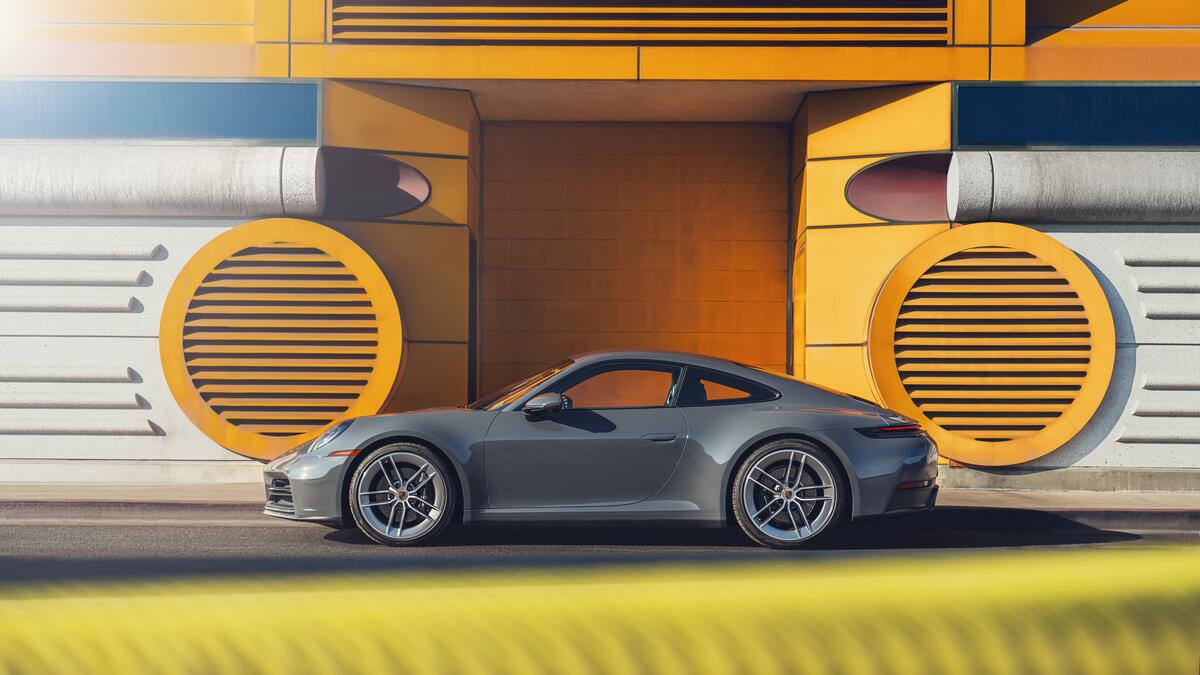
Porsche 911
"You know, I think Porsche is it comes down to Bentayga versus 911. OK. I think that's in my head."
The Porsche 911 is Porsche’s famous sports car with a long history. The hosts are comparing it to a Bentley SUV as two very different kinds of cars to own.
The Porsche 911 is Porsche’s iconic rear-engine sports car, famous for its distinctive shape and long-running evolution across generations. Here, it’s used as a direct alternative to the Bentley Bentayga, framing the choice between a sports car and a luxury SUV.

MGB
"[963.8s] I drew. Oh, no, let's talk when you got back. [967.3s] One of the first things you saw was an MGB. [970.3s] Yeah. [971.2s] They do look great, don't they?"
The MGB is a classic British sports car from MG, famous for its simple, lightweight roadster layout and huge enthusiast following. In this segment it’s mentioned as something they saw at the event, and the hosts agree it looks great—reflecting the car’s enduring visual appeal.
shark nose
"[1085.2s] I know, if you think we're distracted, listen, it's because there is a Ferrari. [1090.1s] Sharknose. [1090.9s] Yes, the thing that has just gone up the hill."
“Sharknose” is a nickname for a race car front end that looks long and pointy, kind of like a shark’s snout. People use it to describe the car’s shape and aerodynamics, not a specific mechanical part.
“Sharknose” is a nickname for a specific front-end styling used on some classic race cars, where the nose shape looks long and pointed, like a shark’s snout. It’s usually associated with distinctive aerodynamic bodywork rather than a single engine or mechanical component.
Damon Hill
"[1111.0s] Something looking like. [1112.4s] Oh, it's Damon Hills. [1113.1s] David Hills lead."
Damon Hill is a famous Formula 1 race driver. He won the F1 championship in the 1990s and later became well-known as a commentator, and the hosts are linking him to a Williams car here.
Damon Hill is a former Formula 1 driver who won the World Championship in 1996. He’s often associated with the Williams team, which is why the hosts connect him to a Williams car in this segment.
Alan Jones Williams
"[1127.5s] I mean, this, this, this location we're in, where, where we've got a elevated. [1135.5s] Oh, there's a Alan Jones Williams."
Alan Jones is a famous former Formula 1 driver who won the World Championship. The hosts are likely saying the car they’re looking at is a Williams tied to his racing era.
Alan Jones is a former Formula 1 World Champion (1980) who drove for Williams during the era when the team was winning championships. The “Williams” mention suggests the hosts are identifying a classic Williams car associated with Jones.

Ferrari 308 GTB
"Okay. I mean, I was on that cast for buying a, I was going to buy either a 911 or a Ferrari 308 GTB and the cars were there, presented"
The Ferrari 308 GTB is an older Ferrari sports car with an engine in the middle. It’s well-known among car fans because it’s a true Ferrari that still feels special to drive.
The Ferrari 308 GTB is a classic mid-engine V8 sports car from Ferrari, built around a compact 3.0-liter V8 layout. It’s a key “entry point” Ferrari for enthusiasts because it combines real performance with an era-defining design and driving feel.
shooting
"anybody that can buy a Ferrari and doesn't need shooting, which is a, you know, and I must say that"
Here, “shooting” is being used as part of a car body-style name. A “shooting brake” blends the sporty look of a coupe with the space of a wagon.
In this context, “shooting” is shorthand for “shooting brake,” a specific body style that combines the look of a coupe with the practicality of a wagon. It’s a named design category, not just a generic description of a car’s shape.

Audi A2
"And, but I'm glad I did it. I need to write a column for Felix Page, our deputy editor, because you know, you have the YI Love on the back page... And I'm, I sort of get that because it, I got a bit of work done on the Audi A2, which"
The Audi A2 is a small Audi hatchback that was designed to be lighter and more efficient than many cars of its time. It’s also the kind of car people sometimes work on themselves.
The Audi A2 is a compact, aluminum-intensive hatchback from Audi that’s remembered for its lightweight construction and efficiency focus. It’s a more unusual choice than mainstream Audis, and it often comes up in conversations about DIY-friendly ownership.
Nomex
"Three layer Nomex is not the fashion choice that makes sense when it's 30 degrees outside."
Nomex is a special heat-resistant fabric used in racing gear. It’s designed to help protect people if there’s fire or extreme heat, even though it can be uncomfortable in hot weather.
Nomex is a heat-resistant aramid fiber used in racing and fire-protection clothing. In motorsport, it helps protect drivers and crew from brief flame or high-heat exposure, which is why it’s worn even though it can feel hot in warm weather.
Goodwood Fessel at speed
"We're overlooking the track at Goodwood Fessel at speed."
Goodwood is a well-known motorsport venue in the UK. They’re talking about being able to see the track from where the show is happening during a big driving event.
This refers to Goodwood, a famous UK motorsport venue and event location. The segment is describing the track view from the live show, and the “at speed” phrasing indicates they’re at a high-profile driving event environment.
Super Sport
"A little super sports, one of the 18 original super sports, but since fitted with a four"
“Super Sports” here means a specific type of early, high-performance Bentley race car. The speaker is also implying only a small number of the original ones were built.
“Super Sports” is a named category of early high-performance Bentley race cars. In this context, the host says it’s “one of the 18 original super sports,” pointing to a specific limited run of early Bentley competition cars.
Le Mans
"You were telling me the engine that won Le Mans. Exactly."
Le Mans is a very famous long-distance race in France that lasts 24 hours. Winning there is a big deal because the cars have to stay fast and reliable for a whole day.
Le Mans is the famous 24-hour endurance race held in France, known for testing cars over long distances and extreme reliability demands. The hosts reference an engine “that won Le Mans,” using it as a credibility marker for the historic racing pedigree.
Crew
"There's stuff to tell us about recent developments at Crew... The big news from Crew before the event was the official naming of our upcoming EV..."
Crewe is where Bentley builds and develops cars in the UK. The speakers are saying the big news came from that team.
Crewe refers to Bentley’s manufacturing and engineering base in the UK. In this segment, it’s used as shorthand for the team behind the brand’s new model naming and development work.
EV
"The big news from Crew before the event was the official naming of our upcoming EV, which has just been announced as the new Torcal..."
EV means electric vehicle. It’s a car that runs on electricity from a battery, not a gas engine.
EV stands for electric vehicle, meaning a car that’s powered primarily by an electric motor and a battery rather than a gasoline engine. In this segment, the hosts are talking about an upcoming Bentley EV.
Torcal
"The big news from Crew before the event was the official naming of our upcoming EV, which has just been announced as the new Torcal, really positive response both from the media and from the customers that have seen the car already."
Torcal is the name of a new electric car that Bentley is getting ready to launch. They’re saying people have already reacted positively to the name and early look.
Torcal is the name announced for an upcoming EV from Bentley’s Crewe operation. The segment frames it as a major product reveal, with media and customer reaction driving confidence ahead of launch.

Bentayga
"It's five metres long, so it's slightly smaller than a Bentayga, slightly different set of attributes to a Bentayga as well."
Bentayga is Bentley’s big luxury SUV. They mention it here because they’re comparing the new car’s size to it, so you can picture how large it is.
Bentayga is the Bentley brand’s flagship luxury SUV. In this segment, it’s used as a size reference point (the new car is described as slightly smaller than a Bentayga), which helps listeners understand the vehicle’s overall footprint.
design DNA
"it's very much a Bentley first, so you're not going to see it and go, that doesn't look like a Bentley, it's going to be recognisably a Bentley, admittedly with design DNA that's been evolved."
“Design DNA” just means the signature look that makes a Bentley a Bentley. They’re saying the new car will keep those recognizable design features, even if the style has been updated.
“Design DNA” is a marketing term meaning the recognizable design traits that define a brand. Here, it suggests the new Bentley will look unmistakably Bentley, even though its styling has been updated (“evolved”) for the next generation.
EV third
"So it's a Bentley first, it's a great car second and it's an EV third and that philosophy we think is what's driven this initially very positive reaction to the car..."
They’re saying the car should feel like a Bentley first, be a great car to drive second, and be electric third. In other words, the electric part matters, but it’s not the only thing they want you to notice.
“EV third” is a positioning philosophy: the speaker frames the car as a Bentley first (identity and design), a great car second (overall driving/engineering), and only then an electric vehicle. It’s about prioritizing brand character and product quality rather than treating electrification as the main selling point.
visitor experience
"Previously headquarters was in terms of becoming a visitor to Bentley, you had to either be an existing customer or someone that was about to become a customer."
“Visitor experience” refers to how a brand organizes tours and access for people to experience the company’s facilities. In this segment, Bentley’s headquarters access is described as changing from being limited to existing or prospective customers to a broader programme.
Bentley
"but the thing that most people don't realise is that everything that is Bentley is in crew so it's yes it's where the cars are built but it's also where they're designed"
Bentley is a luxury car brand from the UK. Here, they’re talking about Bentley’s factory campus and how the cars are made and developed there.
Bentley is a British luxury automaker known for handcrafted grand touring cars and a strong heritage in motorsport. In this segment, the hosts are discussing Bentley’s campus in Crewe and how cars are built, designed, and developed there.
camouflage prototypes
"you could see a camouflage prototype drive past you that's going out for a development drive because we've got a thousand engineers there"
A camouflage prototype is a test car that’s disguised so people can’t tell exactly what it will look like when it’s finished. Companies do this while they’re still developing and testing new cars.
A camouflage prototype is a pre-production test car covered in disguising patterns to hide its final styling and details. Automakers use them during development drives so competitors and the public can’t easily identify what’s being tested.
development drive
"you could see a camouflage prototype drive past you that's going out for a development drive because we've got a thousand engineers there"
A development drive is when engineers take a test car out to check how it behaves in normal driving. It helps them confirm the car’s systems and changes work before production.
A development drive is a test run of a prototype or pre-production vehicle to evaluate engineering changes in real-world conditions. It’s part of the validation process for things like drivability, durability, and system calibration.
restomod
"But of course that is not a Resto mod And it's not a retro because it's an all new car"
A restomod is basically a classic car that’s been updated with newer technology. The host is saying this isn’t that kind of “update an old car” approach.
A restomod is a restyled and modernized classic car: it keeps the original body/identity but updates key mechanicals and electronics for better drivability and reliability. The host is saying this “new Alpha 33 Stradale” isn’t just a restomod.

Maserati MC20
"It is effectively Maserati MC20 Oh so proper car Yes, but it's an MC20 Which is Maserati's 2 seat mid-engine supercar"
The Maserati MC20 is a modern supercar with its engine mounted in the middle. The hosts are saying the new car they’re discussing is effectively based on the MC20.
The Maserati MC20 is Maserati’s mid-engine supercar, built around a modern performance platform rather than retro styling. Here, the hosts explain that the new Alfa Romeo 33 Stradale uses the MC20’s core engineering as its basis.
carbon fibre
"They take the carbon fibre tub from the convertible version of that Because it's been strengthened over the coupe"
The carbon-fiber tub is the main structural body section that the driver and passengers sit inside. Carbon fiber is strong and light, so it helps the car feel more rigid and responsive.
A carbon fibre tub is the car’s structural “safety cell” made from carbon-fiber composite. Using it helps reduce weight while maintaining stiffness and crash protection, and the host says they take this tub from the MC20 convertible and adapt it.
dihedral slash butterfly doors
"Because it's got dihedral slash butterfly doors Whatever you want to call them"
These are the fancy doors that open upward like wings. The host is saying you might hear them called different names, but they’re the same basic door style.
Dihedral (butterfly) doors are a type of scissor-style door that hinges at the front and swings upward, often with a dramatic “wing” motion. The host is describing the door mechanism on the car and noting there are different ways people refer to it.
MC20
"...o it can feel really bright and airy It's got the MC20 engine and transmission But the rear subframe has..."
The MC20 is a high-performance sports car made by Maserati. It has its engine in the middle and is built to feel quick and responsive when you drive. The talk about the rear subframe is about the parts that support the back of the car and help it handle properly.
The Maserati MC20 is a modern Italian supercar designed for a lightweight, driver-focused feel, with a mid-engine layout. It’s discussed because its packaging and chassis behavior are central to how it drives, including how the rear structure is engineered. The podcast mention of the “MC20 engine and transmission” and the rear subframe points to the mechanical design that shapes performance and ride feel.
rear subframe
"But the rear subframe has been strengthened As well as it's got cross braces"
The rear subframe is like a strong metal base that holds the back suspension and related parts. If it’s reinforced, the car can feel tighter and more stable, especially when cornering or accelerating.
A rear subframe is the structural mounting frame that supports the rear suspension and drivetrain components. Strengthening it helps the car handle higher loads and improves rigidity, which can translate to more consistent handling.
cross braces
"As well as it's got cross braces Was it convincing Alpha?"
Cross braces are extra metal supports that connect sections of the car’s structure. They help the body resist twisting, which can make the handling feel more precise.
Cross braces are structural members that connect different parts of the body or frame to reduce flex. Adding them is a common way to improve stiffness, which can help the suspension work as intended.
mid-engine coupe
"And it's been tweaked for the fact That this is a mid-engine coupe not a saloon car"
A mid-engine coupe has the engine closer to the middle of the car. That helps the car balance better, so it can feel more agile in corners than a similar car with the engine farther forward.
A mid-engine coupe places the engine near the center of the car, typically behind the front seats and ahead of the rear axle. That layout changes weight distribution and balance compared with a front- or rear-engine design, which affects handling and how suspension is tuned.
saloon car
"That this is a mid-engine coupe not a saloon car"
A saloon car is basically what many people call a sedan. The point here is that a sedan’s layout is different from a mid-engine coupe, so the suspension and structure need different tuning.
A saloon car is a three-box passenger car body style (engine compartment, passenger cabin, and trunk) commonly called a sedan in some markets. The hosts contrast it with a mid-engine coupe because the packaging and weight distribution differ.
630 horsepower
"It's got only only It's got 630 horsepower And weighs about a ton and a half"
Horsepower is a number that tells you how strong the engine is. Higher horsepower usually means the car can accelerate more quickly, all else equal.
Horsepower is a measure of engine power—how much work the engine can do over time. Here, “630 horsepower” is used to characterize the MC20’s performance level in a way listeners can compare across cars.
a ton and a half
"It's got 630 horsepower And weighs about a ton and a half So many supercars have got"
This is basically the car’s weight. Heavier cars usually need more power to feel quick, while lighter cars can feel more responsive.
Curb weight (often described in everyday terms like “a ton and a half”) is how heavy the car is when it’s ready to drive. Weight matters because it affects acceleration, braking, and how much grip the tires can use effectively.
Park electrification
"So many supercars have got Park electrification Power going here, there, everywhere"
This means more cars in a lineup are becoming electric (or more electric). The speaker is saying some supercars are getting complicated or tech-heavy compared with older-style cars.
“Park electrification” refers to electrifying a car lineup—adding electric powertrains (or more electrified systems) to what’s offered in a given market or “park” of vehicles. In context, the host contrasts that trend with a more traditional, straightforward supercar approach.

Mercedes-Benz Aclass
"And they sell the They sell an A-class at under 30 Or around 30"
The Mercedes-Benz A-Class is a smaller luxury car meant for everyday driving. It’s designed to be more affordable than bigger Mercedes models, which is why people mention its price. It typically focuses on comfort, convenience, and modern features.
The Mercedes-Benz A-Class is a compact luxury hatchback/sedan line aimed at buyers who want a premium badge and modern tech without stepping into larger, more expensive models. It’s often discussed because it sits near entry-level pricing for the brand, making it a common choice for people comparing mainstream cars with “luxury” features. The podcast’s mention of selling it around the $30k range highlights its accessibility.
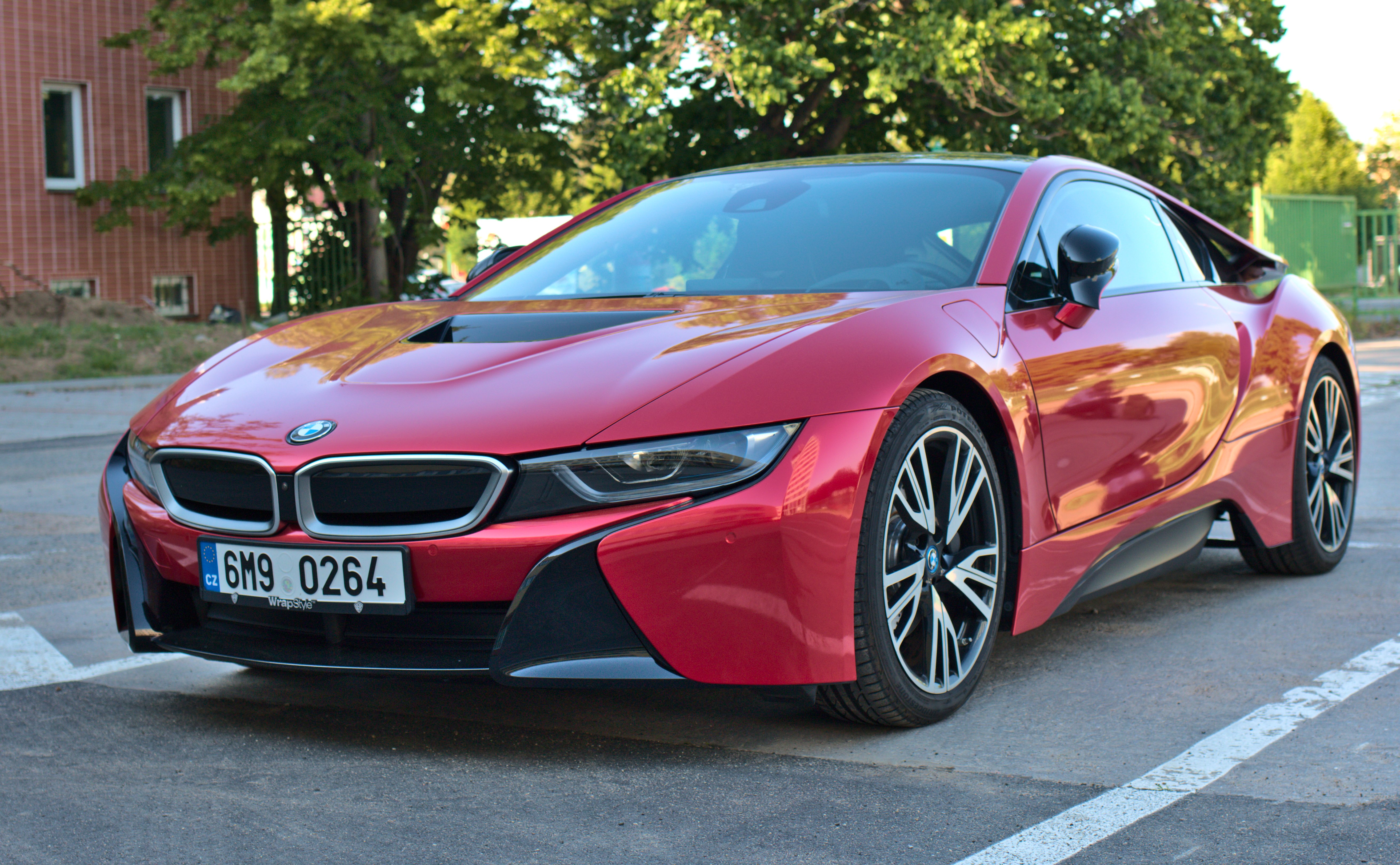
i8 (I12)
"...pose the most niche car They've done since is the i8, is it? i8, yeah"
The BMW i8 is a sports car that uses both electricity and fuel to move. It’s designed to be different from typical sports cars, which is why people call it niche. The hybrid system helps it combine electric driving with a gasoline engine.
The BMW i8 is a niche plug-in hybrid sports car known for its distinctive design and advanced hybrid layout. It’s often brought up because it was a unique, limited-appeal model that stood out from more conventional sports cars. The podcast calling it the most niche car since the i8 highlights how unusual it is in the lineup.

Ford F-150 Lightning
"Yeah Lightning McQueen has just pulled off the hill It went up p..."
The Ford F-150 Lightning is a pickup truck that runs on electricity instead of gasoline. It can feel very quick because electric motors provide strong power right away. The hill-climb comment is about how well it can drive under load.
The Ford F-150 Lightning is an all-electric version of the F-150 pickup, built to bring EV power and torque to the truck segment. It’s often discussed because it changes how a pickup can be used—especially for acceleration and for charging planning. The podcast’s “Lightning McQueen” and hill-climb reference points to its strong real-world drive performance.

Ford Gt
"They've did a... I mean, I know the Ford GT is only In VertiCom as sort of 4,500,000"
The Ford GT is a very expensive, high-speed sports car made in small numbers. It’s built to be fast and exciting, and that rarity is part of why people talk about it. Because there aren’t many of them, the price can be extremely high.
The Ford GT is a high-performance supercar built by Ford, designed to deliver serious track-style performance in a very limited production run. It often comes up in podcasts because it’s a halo car with a strong motorsport connection and because its rarity makes it a notable collector and investment topic. The discussion about its price/availability reflects how exclusive it is.

Honda NSX-R
"I thought Toyota Honda Probably could Honda would be an interesting Honda, wouldn't it? They have a... I can't put a face to a really, really expensive Honda No, I mean, an NSX-R was expensive"
The Honda NSX-R is a more hardcore, track-style version of the Honda NSX. Because it’s limited and aimed at enthusiasts, it tends to be very expensive today.
The Honda NSX-R is a track-focused, lighter, more hardcore version of the Honda NSX supercar. It’s known for being a limited, enthusiast-oriented variant, which is why people often talk about it in the context of high collector value.

Porsche Macan
"Where's the cheapest Porsche? That's probably a bog standard Macan or something like that Oh, yeah, it's probably too... It was too much for me to think that they were part of it"
The Porsche Macan is Porsche’s smaller SUV. It’s often seen as the “regular” way to get into Porsche ownership compared with the super-rare, super-expensive cars.
The Porsche Macan is Porsche’s compact luxury SUV, positioned as the brand’s more accessible entry point. In the conversation, “bog standard Macan” is used to contrast everyday Porsche pricing with the much higher prices of rare halo cars.
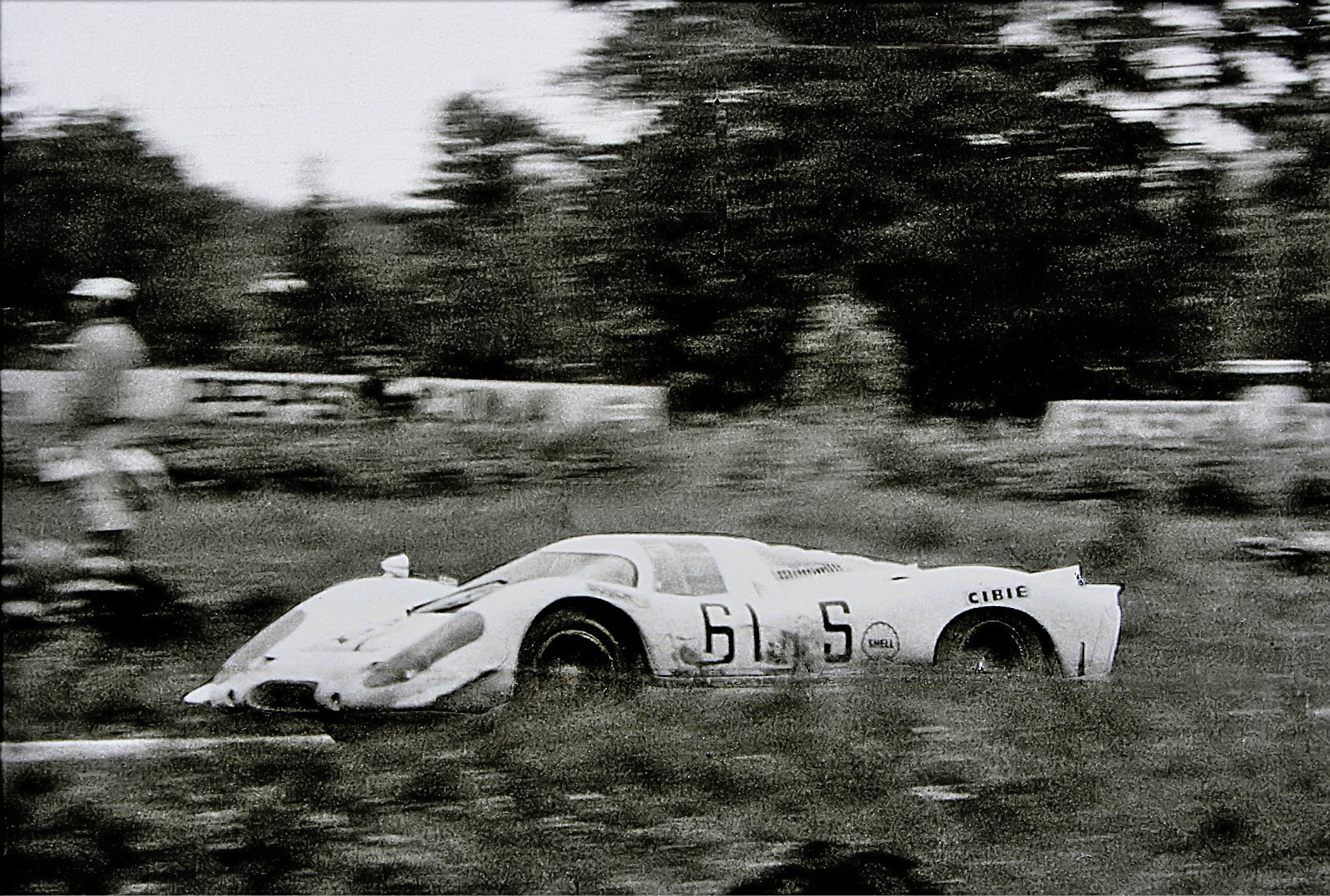
Porsche 917
"Whatever they liked, if they made, I don't know 10 modern road going 917s Yeah And said, well, they're 10 million pounds each"
The Porsche 917 is one of the most famous race cars Porsche ever built. It’s so iconic that people use it as a benchmark for something extremely rare and extremely valuable.
The Porsche 917 is a legendary 1970s endurance-racing prototype that helped define Porsche’s dominance at the top level of motorsport. It’s famous enough that even “modern road-going 917s” is shorthand for an ultra-rare, ultra-expensive collector fantasy.
Stalantis
"Some of the bosses at Stalantis didn't really know about it [2493.6s] So they did a sketch [2495.5s] A few sketches"
This is referring to Stellantis, a big car company that owns multiple brands. The speaker is saying some of the company leadership didn’t know about the project at first, then approved it.
Stalantis appears to refer to Stellantis, the multinational automaker formed from the merger of Fiat Chrysler Automobiles and PSA. In this segment, it’s used as the corporate “bosses” behind approving the limited-car initiative.
Alfa Romeo
"And they found a group of enthusiasts and owners [2501.3s] And people with big collections that also love Alfa Romeo [2504.3s] And they went to them and they said"
Alfa Romeo is an Italian car brand famous for making sporty cars. Here, they’re talking about a special plan to build only a few custom cars for fans.
Alfa Romeo is an Italian car brand known for sporty engines and distinctive styling. In this segment, it’s mentioned in the context of a small, enthusiast-focused program to build limited or one-off cars.
Bottega
"And they've since established a thing called Bottega [2529.9s] Which is a niche thing that is for both Alfa Romeo and Maserati [2535.8s] And the idea is that they will make few off or one-off cars"
Bottega is described here as a niche division within the Alfa Romeo/Maserati ecosystem. The idea is to produce very limited “few off” or one-off cars—essentially small-batch or bespoke builds for enthusiasts.
one-off cars
"And the idea is that they will make few off or one-off cars [2538.9s] Through this little division that they've got"
A “one-off” car means there’s only one of that exact car. It’s basically a custom build instead of something many people can buy.
“One-off cars” are vehicles built as a single unique example, rather than a production run. In this context, the speaker is explaining that Bottega will create rare, bespoke cars for Alfa Romeo and Maserati fans.
Alfa Romeo T-33 Stradale
"And a car that I had to go in was a T-33 Stradale [2569.2s] And it was... [2570.4s] I mean, it was misfiring and all that"
The Alfa Romeo T-33 Stradale is an old, very rare Alfa built for racing. It’s famous for being lightweight and for having a small V8 engine—people often talk about the engine size (like 2.2 liters) when describing it.
The Alfa Romeo T-33 Stradale is a rare, race-bred Alfa Romeo built around the T33 prototype racing program. It’s known for its lightweight, track-focused design and a small-displacement V8 that’s typically discussed by engine size (like 2.2 liters) rather than modern turbo/EV specs.
misfiring
"And it was... [2570.4s] I mean, it was misfiring and all that [2572.2s] I was embarrassed because I got..."
Misfiring is when the engine doesn’t ignite fuel in one or more cylinders the way it should. That can make the car feel jerky and lose power, especially when you’re trying to accelerate out of a turn.
Misfiring means one or more cylinders aren’t burning fuel correctly, so the engine produces uneven power and can run rough. In a track context, it can also hurt acceleration and make the car harder to drive out of corners.
2.2
"Was it small 2.2 or 2.2 or something? [2592.7s] Small, isn't it?"
“2.2” here is likely the engine size, meaning the engine is around 2.2 liters. Bigger or smaller engine size affects how the car feels when you press the gas.
When enthusiasts say “2.2” in this context, they’re usually referring to engine displacement—about 2.2 liters. Engine size strongly influences how an older race car makes power and how it responds to throttle.
270 horsepower
"Because I read online somewhere 270 horsepower at 9 or something But then actually from the AutoCast story"
Horsepower is a way to describe how much “work” the engine can do. Higher horsepower usually means the car can accelerate more strongly, though gearing and weight also matter.
Horsepower is a measure of engine output—how much power the engine can produce. When people quote horsepower for older cars, it’s often tied to a specific engine speed (RPM), which is why you’ll sometimes see it paired with a number like “at 9.5” or similar.
240 something horsepower
"It said 240 something horsepower At 9.5 or whatever it is 9.8"
Horsepower numbers can differ depending on how they were measured or which version of the car is being discussed. That’s why you might see different horsepower claims for the same model.
Horsepower figures can vary depending on the source and the test method used (and sometimes even the exact engine configuration). In enthusiast discussions, comparing “claimed” versus “reported” horsepower is a way to understand what the car actually produced.

Jaguar Dtype
"You know, you could borrow a D-Type I've done the D-Type, the C-Type Yeah, I've driven a D-Type up here"
The Jaguar D-Type is a famous old race car from the 1950s. People love it because it was built for endurance racing and became a big deal at Le Mans.
The Jaguar D-Type is a legendary mid-1950s Le Mans race car known for its aerodynamic body and straight-six engine. It’s often remembered as one of the most influential sports-racing designs of the era, especially for its success at Le Mans.

Jaguar Ctype
"I've done the D-Type, the C-Type Yeah, I've driven a D-Type up here And an E-Type"
The Jaguar C-Type is another famous Jaguar race car from the 1950s. It was built for long-distance races like Le Mans, and it’s part of the same “Jaguar racing” story as the D-Type.
The Jaguar C-Type is Jaguar’s earlier mid-1950s Le Mans sports racer, designed specifically for endurance racing. It’s closely related to the D-Type era and is part of Jaguar’s famous run of Le Mans-winning cars.

Jaguar Etype
"Yeah, I've driven a D-Type up here And an E-Type"
The Jaguar E-Type is a very famous sports car from the 1960s. It’s known for its beautiful design and for being a “dream car” for a lot of enthusiasts.
The Jaguar E-Type is a 1960s British sports car celebrated for its sleek body and performance-per-dollar reputation. It’s one of the most iconic designs ever made, and it’s often cited as a benchmark for how a sports car should look and feel.

Maserati GT2 Stradale
"I think that's a Maserati GT2 Stradale [2697.3s] Is my guess on that one?"
This is a special Maserati meant to feel more like a race car than a normal road car. The name “Stradale” usually means it’s the street version of a more track-oriented idea.
The Maserati GT2 Stradale is a track-focused, limited-production Maserati built around the idea of a lightweight, high-performance grand tourer. It’s notable because “GT2” points to a racing-inspired performance tier, and “Stradale” is Maserati’s label for a road-going, street-usable version of that concept.
911 Porsche Gt3
"And I've written about the Porsche GT3 SC [2804.7s] Which is a soft-top GT3"
This is a Porsche GT3 that’s made as a soft-top convertible. The point is that it keeps the GT3’s sporty, track-style feel, but with the top down.
The Porsche GT3 SC is a special, soft-top (convertible) variant of the 911 GT3 line. It’s notable because it combines the GT3’s track-focused chassis and engine character with an open-top body style, which is unusual for a car that’s otherwise built around lap-time performance.
soft-top GT3
"And I've written about the Porsche GT3 SC [2804.7s] Which is a soft-top GT3"
This just means a GT3 that you can open up like a convertible, using a fabric roof. It’s still meant to drive like a very sporty GT3, but with the top down capability.
A soft-top GT3 refers to a GT3 model configured as a convertible using a fabric roof rather than a hard roof. That matters because it changes the car’s structure and weight distribution compared with a coupe, while still aiming to keep the GT3’s sporty, track-oriented feel.
Britain's best Driver's Car Contest
"And then when we run Britain's best Driver's Car Contest I go into it thinking"
They’re talking about a competition that picks the best “driver’s car” in Britain. The idea is to choose cars that are fun and satisfying to drive, not just fast on paper.
This is a named judging event where cars are evaluated for how well they deliver an engaging, skill-rewarding driving experience. The hosts are describing how their selection criteria feed into the contest and how they think about choosing a car for the next year.
Handling day
"Our big sort of, you know Handling day, as we call it I sort of, one of my criteria"
A handling day is a structured test session focused on how cars behave dynamically—steering, balance, grip, and driver feedback—rather than just acceleration or braking in isolation. Here, it’s used as the hosts’ internal evaluation event before they decide what to take forward for the next 12 months.
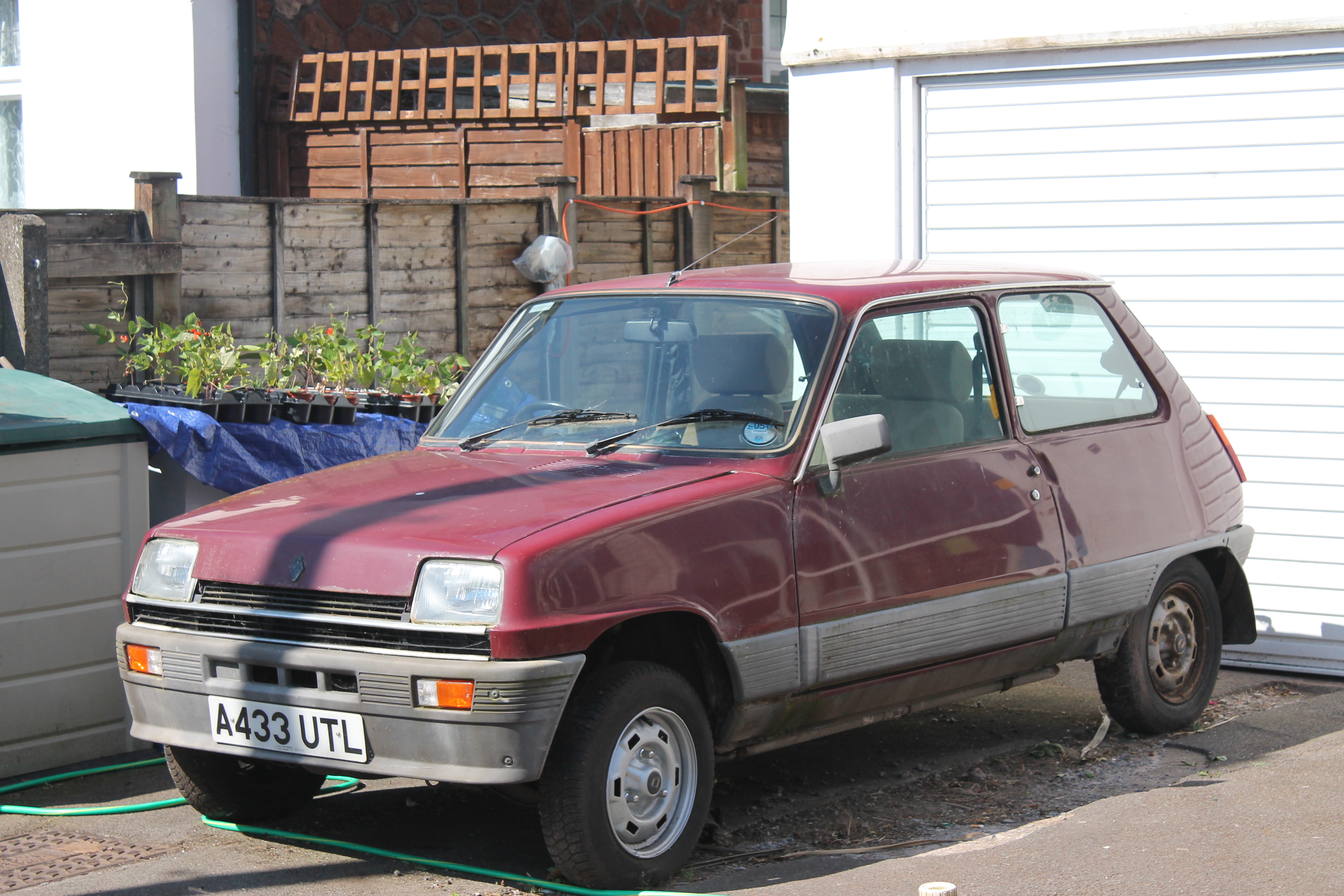
Renault 5
"Who can tell us The story of the Renault 5 And 20 years of Renault"
The Renault 5 is an older small car model from Renault. It’s remembered because it was practical and popular, and people still talk about it today. The episode is likely looking back at its history and why it mattered.
The Renault 5 is a classic small car that became well known for its practicality and broad appeal during its era. It’s discussed in modern automotive conversations because it represents a significant chapter in Renault’s history and because it’s still remembered by enthusiasts. The podcast framing about “the story of the Renault 5” and “20 years of Renault” suggests a retrospective look at its legacy.
Pierre Gasly
"Well, Pierre Gasly ... And of course ... He racked up some points the other day ... Which takes him to 500 Career points in total ... What, half a dozen podium finishes And a win to his name"
Pierre Gasly is a professional race driver in Formula 1. He drives for Alpine, and he earns points when he finishes races in certain positions. More points and podium finishes usually mean he’s doing better and moving up the standings.
Pierre Gasly is a Formula 1 driver who races for Alpine. In F1, drivers earn points based on race finishing positions, and those points add up over a career. The hosts mention his career points and podiums to highlight his recent progress.
career points
"He racked up some points the other day Which takes him to 500 Career points in total"
Career points are the total points a Formula 1 driver has earned over their whole F1 career. You get points for finishing in the right positions in each race. Reaching 500 points is a way to show how much success the driver has had overall.
Career points are the total number of Formula 1 championship points a driver has earned across all their F1 races. Points are awarded based on where you finish in each race, so a higher career points total generally indicates more consistent results over time. The hosts use the milestone of 500 career points to quantify Gasly’s progress.
podium finishes
"He's got What, half a dozen podium finishes And a win to his name"
A podium finish is when a driver places in the top three in a race. It’s a big deal because it usually means the car was fast and the driver executed well. The hosts are using it to describe how often Gasly has been among the very best.
Podium finishes in Formula 1 means finishing a race in the top three positions—typically first, second, or third. Podiums are a key performance indicator because they require both speed and reliability, and they earn significant points. The hosts mention Gasly having “half a dozen podium finishes” to summarize his competitiveness.
Alpine
"And Alpine are getting better and better I think he's pretty confident"
Alpine is the racing team Pierre Gasly drives for in Formula 1. The team builds and develops the car, so when the team improves, the driver often performs better too. The hosts are saying Alpine’s car and results are trending upward.
Alpine is the Formula 1 team/brand the hosts associate with Pierre Gasly. In F1, the team matters because it supplies the car and engineering support that determine how competitive a driver can be. The comment that “Alpine are getting better and better” frames Gasly’s improved results as part of the team’s progress.
Goodwood Pebble Beach Road Racing Club
"“And Pebble Beach stuff, isn't there?” [3234.0s] Goodwood Pebble Beach Road Racing Club [3236.2s] Okay"
It’s a motorsport event brand tied to Goodwood and Pebble Beach. Think of it as a themed racing/enthusiast program that takes over parts of the Festival of Speed area.
Goodwood Pebble Beach Road Racing Club is an event brand/club associated with Goodwood and Pebble Beach, focused on road racing and motorsport culture. In practice, it’s used to describe a specific racing-and-enthusiast program that spreads across the Goodwood Festival of Speed grounds.
Request an Explanation
Heard something you'd like explained? We'll add it to this episode.
Sign in to request explanations for terms you heard.
Want to learn more?
Browse our glossary for plain-English explanations of automotive terms, jargon, and concepts.
Help improve this episode
See something that's not quite right? Our annotations are AI-generated and can sometimes miss the mark. Click the flag icon on any annotation to suggest a correction.