Episode 200! Porsche anniversary, midnight Mog, US pickups, airships
About this episode
Brian and Steve kick off a lively 200th episode with a mix of motoring diary chat and listener notes. They swap stories about Porsche’s 75th anniversary celebration at Silverstone—hundreds of Porsches, color-coded parking, bands and BBQs—and debate what it says about the brand’s enduring value. The conversation also drifts into fuel-economy bragging rights (a 2018 Skoda Superb hyper-mile attempt), plus frustrations with UK roadworks, potholes, and traffic politics. A midnight drive and “keep calm” mindset round it out.
This week's My Week In Cars podcast is the 200th Wednesday episode! Not that our hosts, Steve Cropley and Matt Prior, remembered at the time they were recording it. Perhaps they'll remember to celebrate next week.
Meantime, then, they talk about the 91mpg Skoda Superb, Porsche GB turning 75, driving a Morgan at midnight, American pickups, Zeppelin airships, and, er, "end of the year" Road Tests.
Prior and Cropley also have your letters and chat about the archive. And for details of a special offer which gives you SIX issues of Autocar for just £6, click here.
Hosted on Acast. See acast.com/privacy for more information.
chargers
"If you go to Anderson-EV.com you can see the full range of chargers. They start at 695 pounds even though they're premium chargers and they have a concierge"
Here, “chargers” means the equipment used to charge an electric car. The host is talking about a premium charging setup, including installation details like cable routing.
In an EV context, “chargers” are the equipment used to replenish battery energy in an electric vehicle. The segment frames them as part of a premium home/installation setup, including concierge-style service and options like hidden cabling.
Anderson-EV.com
"If you go to Anderson-EV.com you can see the full range of chargers. They start at 695 pounds even though they're premium chargers and they have a concierge"
Anderson-EV.com is a website the host points to for electric-car charging equipment. They’re describing it as a service that helps from start to finish, not just selling a charger.
Anderson-EV.com is referenced as a source for a range of EV charging products and services. The host mentions pricing and a concierge service, implying a turnkey approach rather than just selling hardware.

Audi A2
"I remember I tried and succeeded in getting 100 miles to the gallon out of my Audi A2."
The Audi A2 is a small Audi made with efficiency in mind. Here, the host is talking about getting extremely high fuel economy—around 100 miles per gallon—in that car.
The Audi A2 is a compact, efficiency-focused hatchback from Audi, known for its lightweight design and fuel-economy focus. In this segment, it’s notable because the host claims they managed 100 miles per gallon in an Audi A2, which is an extreme real-world economy target.

Audi 100
"...umns. I remember I tried and succeeded in getting 100 miles to the gallon out of my Audi A2. Certainly ..."
The Audi 100 is a comfortable sedan made by Audi. In the episode, it’s brought up because someone tried to drive it in a way that would use very little fuel. The point is about fuel economy and how people test it.
The Audi 100 is a mid-size luxury sedan line that became known for comfort, refinement, and efficient engineering across multiple generations. It’s mentioned in the podcast in the context of achieving very high fuel economy—specifically, a reported attempt to reach 100 miles per gallon in an Audi A2. That makes it relevant to discussions about real-world efficiency and how owners measure it.
100-mile-to-gallon
"Marvin Hurst writes to say, after reading about Matt's 100-mile-to-gallon effort, I thought I'd try to achieve the same in our company's 2018 Skoda Superb."
“100 miles to the gallon” means the car goes about 100 miles on one gallon of fuel. It’s an unusually high number and usually comes from special “hypermiling” driving techniques.
“100-mile-to-gallon” describes an extremely high fuel-economy target, measured in miles per (US) gallon. It’s commonly associated with hypermiling attempts, where drivers use careful throttle/braking and route choices to maximize efficiency.

Skoda Superb
"Marvin Hurst writes to say, after reading about Matt's 100-mile-to-gallon effort, I thought I'd try to achieve the same in our company's 2018 Skoda Superb. I failed."
The Skoda Superb is a bigger Skoda meant for everyday family use. In this story, someone tried to drive it to extreme fuel economy (like the Audi A2 attempt) and reports what the car’s fuel display showed.
The Skoda Superb is a large, family-oriented sedan/estate from Skoda, typically chosen for practicality and comfort. Here it matters because the speaker tries to replicate a “100 mpg” style hyper-mileage run in a 2018 Skoda Superb, then reports a still-very-high result using the car’s fuel computer.
fuel computer
"I can only manage 91.1 on the slightly optimistic fuel computer, over 117 miles, still impressive in a large car and it was my first hyper-mile effort."
The fuel computer is the car’s dashboard display that estimates how efficiently you’re driving. It can sometimes be a bit too optimistic compared with what you’d calculate from actual fuel used.
A fuel computer is the dashboard system that estimates fuel consumption and range based on sensors and driving data. In this segment, the host notes the reading is “slightly optimistic,” which is a common issue with onboard estimates versus real-world calculations.
hyper-mile effort
"I can only manage 91.1 on the slightly optimistic fuel computer, over 117 miles, still impressive in a large car and it was my first hyper-mile effort."
A “hyper-mile effort” means trying to get the best possible gas mileage using special driving habits. People do it by driving very smoothly and planning around traffic and road conditions.
A “hyper-mile effort” refers to hypermiling: driving techniques aimed at maximizing fuel economy far beyond normal driving. It often involves smooth acceleration, minimizing braking, and using traffic/road conditions to reduce losses.
50-mile-an-hour restrictive road works
"It was a trip on the M1 from Leeds, the last eight miles in 50-mile-an-hour restrictive road works, which pushed the average to over 90."
Road works often mean temporary speed limits. In this story, those slower, controlled conditions helped the driver keep the car efficient and raise the overall average.
“Restrictive road works” refers to temporary speed limits and traffic control zones created during construction. For hypermiling, these limits can matter because lower, steadier speeds and fewer acceleration events can improve average fuel economy.
M1
"It was a trip on the M1 from Leeds, the last eight miles in 50-mile-an-hour restrictive road works, which pushed the average to over 90."
The M1 is a big UK highway. Here it’s mentioned because the route and speed restrictions (from road works) change how efficiently the car can be driven.
The M1 is a major motorway in the UK, often used for long, steady-speed driving. In this segment, it’s relevant because the described route includes motorway travel plus slowdowns from road works, which strongly affects average fuel economy.
XMOD
"The car has an XMOD, very basic 1.6 diesel, attached as a photo of the fuel computer."
XMOD sounds like a specific add-on or setting the speaker used with the car. The episode doesn’t explain it fully here, but it’s mentioned alongside the fuel-computer photo, so it’s probably related to how the efficiency run was set up.
XMOD appears to be a specific device or configuration the speaker associates with the car’s fuel-economy setup. Because the transcript doesn’t define it, it’s likely a named module/tool that affects how the car is monitored or tuned for efficiency.
HGVs
"I slipped streamed a few HGVs, not too close."
HGVs are big freight trucks. Driving close behind them can reduce wind resistance (drafting), which can help fuel economy—though it’s risky if you’re too close.
HGVs are Heavy Goods Vehicles—large trucks used for freight. The speaker mentions “slipped” HGVs, which implies drafting/positioning behind trucks to reduce aerodynamic drag and improve fuel economy.
manual gearbox
"I presume it's a manual gearbox. It must be."
A manual gearbox is a car transmission where you choose the gear yourself. You use the clutch and the shifter to control how the engine and wheels work together.
A manual gearbox is a transmission that requires the driver to select gears using a clutch pedal and a gear lever. It gives more direct control over engine speed and gear choice than an automatic.
1.6 diesel
"Yeah, base 1.6 diesel, I would imagine that would just keep going and forever."
“1.6 diesel” means the engine is 1.6 liters and runs on diesel fuel. Diesel engines work differently than gasoline engines and are often built for good fuel economy and pulling power.
“1.6 diesel” refers to a 1.6-liter diesel engine. Diesel engines use compression ignition (rather than spark plugs) and are often tuned for efficiency and torque.

Porsche 356
"I think the UK was a very early import market for Porsche and some very early 356s around. And they celebrated at their driving centre."
The Porsche 356 is an early Porsche sports car that helped define what Porsche became known for. It’s a classic model from the brand’s early days, and it’s historically important for Porsche fans.
The Porsche 356 is Porsche’s early sports car, known for helping establish the brand’s lightweight, rear-engine identity. It’s especially famous historically because it’s one of the first Porsche models to gain traction with European and early UK buyers.
Silverstone circuit
"And they celebrated at their driving centre. You know, they've got their separate circuit and quite a big elaborate building where you can go, we get taken by your dealer if you want to try some Porsches. Yeah, inside Silverstone circuit."
Silverstone is a famous race track in the UK. It’s the kind of place where major racing events happen, and here it’s being used as the setting for Porsche activities.
The Silverstone Circuit is a major motorsport venue in the UK, famous for hosting Formula 1 and other high-profile racing events. In this segment, it’s referenced as the location for Porsche-related activities.
Porsche Silverstone
"Not to be confused with Porsche Silverstone, which is in toaster. Yes, of course."
“Porsche Silverstone” is a Porsche-branded location or event setup near the Silverstone race track. The point here is that it’s different from the track, even though the names sound similar.
“Porsche Silverstone” refers to Porsche’s branded presence connected to the Silverstone area—likely a Porsche-run venue or event space. The host is clarifying it isn’t the same thing as the circuit itself.
values keep going up
"Because you'd be nutty to scrap one, wouldn't you? Because the values keep going up."
They’re talking about collectible cars getting more valuable over time. If a car is worth more later, throwing it away (scrapping it) would be a bad financial move.
This is a reference to classic-car market appreciation: the idea that certain collectible vehicles increase in price over time. When the host says it would be “nutty to scrap one,” they’re implying these cars are financially and culturally valuable enough that scrapping would destroy value.
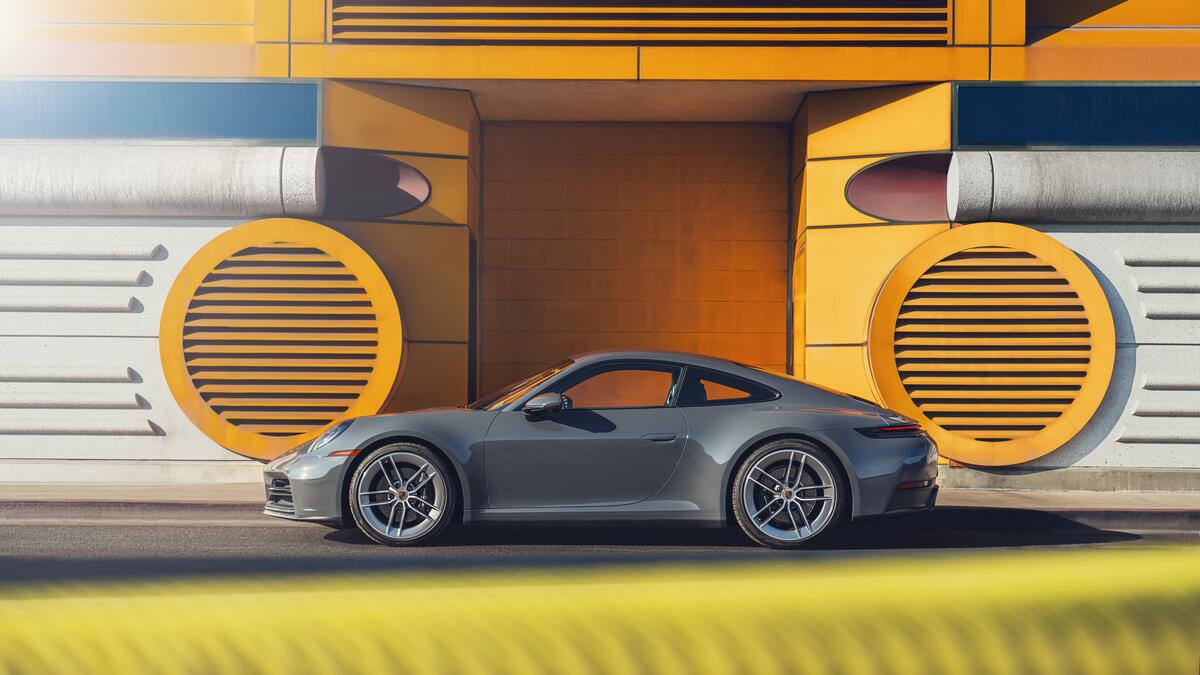
Porsche 911 Carrera 3.2
"We were walking around inevitably looking, I've only owned one Porsche and it was a 88 F plate Carrera 3.2."
This is an older Porsche 911 called the Carrera 3.2. It’s famous because it has a 3.2-liter flat-six engine and it’s the kind of 911 many enthusiasts consider a benchmark for “classic” 911 driving.
The Porsche 911 Carrera 3.2 is a classic air-cooled 911-era model known for its 3.2-liter flat-six engine and analog driving feel. In this segment, the host mentions owning a specific example identified by the UK “F plate” registration and the Carrera 3.2 designation, which enthusiasts use to pinpoint the exact 911 variant.
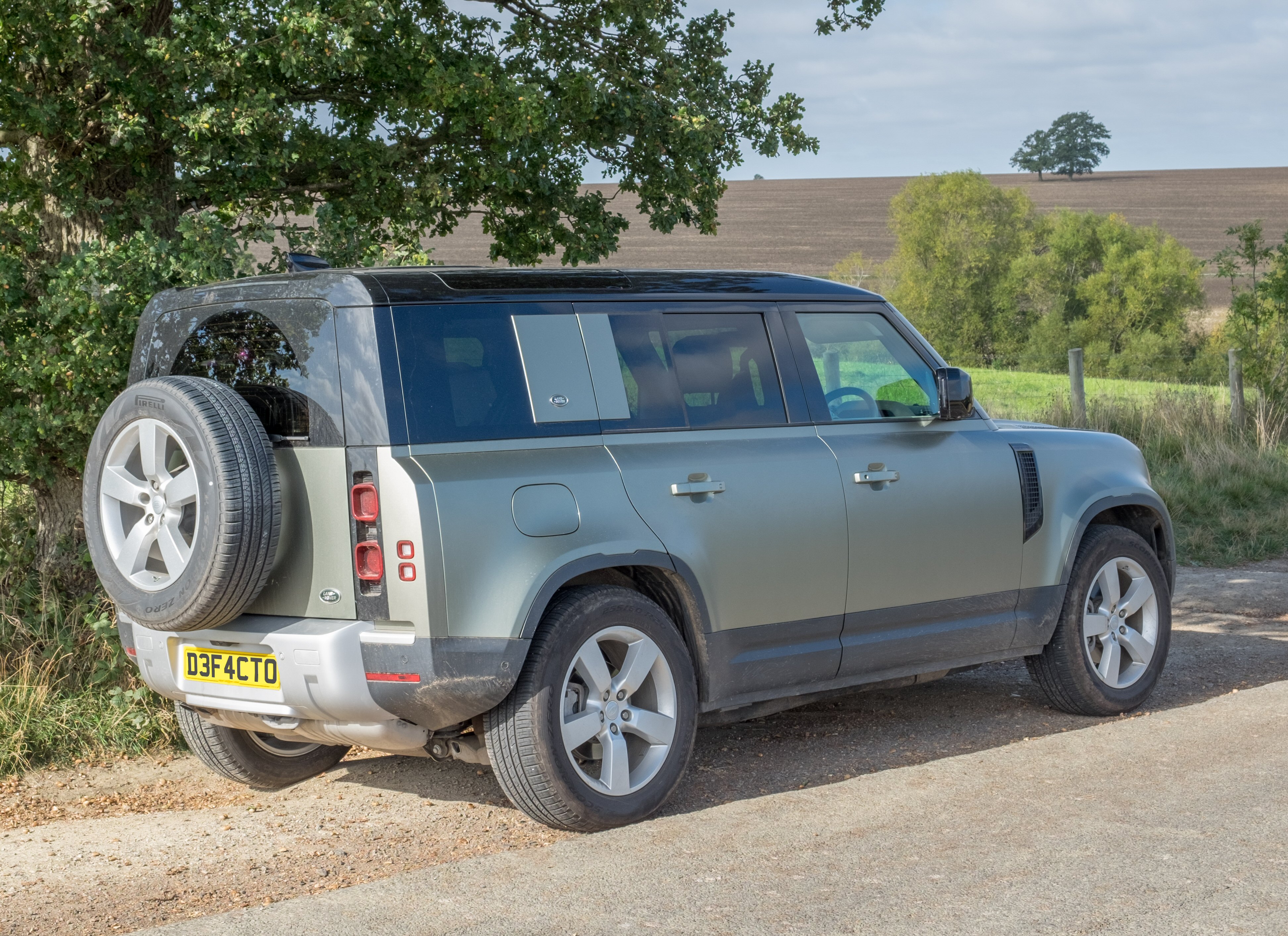
Land Rover
"Yeah, that is, how long have I had the Land Rover? 12 years? 14 years?"
“Land Rover” is the British SUV brand known for off-road-focused vehicles and rugged construction. In this segment, they’re talking about how long they’ve owned their Land Rover, implying it’s been a long-term keeper.
MOT check
"Can you do that on the MOT check? I think so. Yeah, I think you can do that."
In the UK, an MOT check is the yearly inspection most cars must pass to be allowed on the road. It checks safety and emissions, and it’s often where you confirm vehicle details.
An MOT check is the UK’s mandatory annual roadworthiness test for most vehicles. It’s used to confirm the car meets safety and emissions requirements, and it can also be a point where registration/history details are checked.
Rugged Roads
"and I think whole bikes as well, in the south called Rugged Roads, and they do really good stuff."
Rugged Roads sounds like a local shop that sells motorcycle parts (and maybe complete bikes). The hosts mention them because they do good work on adventure/Dakar-style setups.
Rugged Roads is referenced as a dealer in the south that sells parts and possibly whole bikes. In this context, they’re being used as a source for Dakar-leaning adventure motorcycle gear and builds.

Africa Twin
"And these are real Africa twins, aren't they? Yeah, yeah, yeah. So the early..."
The Honda Africa Twin is a motorcycle built for adventure riding—comfortable for long trips but also capable off-road. Here, they’re saying the bike they’re discussing really is an Africa Twin, and they’re imagining different versions for different kinds of riding.
The Honda Africa Twin is an adventure motorcycle known for being able to handle long-distance touring and serious off-road riding. In this segment, the hosts are talking about “real Africa twins” and comparing an older Dakar-focused setup to a more airport/road-biased setup.
Dakar spec
"And the idea is that you could have one in full Dakar spec and one in kind of airport spec."
“Dakar spec” means the bike is set up like it’s meant for the Dakar Rally. That usually translates to extra durability and off-road-focused gear so it can handle rough terrain for long stretches.
“Dakar spec” means a configuration inspired by the Dakar Rally—typically focused on durability, long-range capability, and off-road hardware. It usually implies things like rally-style protection, suspension tuning, and fuel/weight setups intended for harsh, sustained terrain.
airport spec
"And the idea is that you could have one in full Dakar spec and one in kind of airport spec."
“Airport spec” is a joking way to say “set up for travel,” not hardcore rally racing. Compared with “Dakar spec,” it implies a bike that’s easier and more comfortable for normal roads and getting around.
“Airport spec” here is a casual shorthand for a more road-oriented, travel-friendly setup—less rally-focused and more about everyday usability. The contrast is with “Dakar spec,” suggesting one bike is optimized for extreme off-road use while the other is optimized for commuting/road travel and convenience.

Ram 2500S
"where they import some US spec vehicles like Chevy Tahoe's and Ram 2500s."
The Ram 2500 is a big pickup truck made for heavy work. People buy it when they need to tow a lot or carry heavy loads.
The Ram 2500 is a heavy-duty pickup truck from Ram (a Stellantis brand). It’s built for towing and payload work, so it’s a common choice for people who need a “work truck” rather than a light-duty commuter.

Chevrolet Tahoe
"where they import some US spec vehicles like Chevy Tahoe's and Ram 2500s."
The Chevrolet Tahoe is a large SUV. It’s popular for families and for towing, so it’s a common US vehicle people import.
The Chevrolet Tahoe is a full-size SUV from Chevrolet. It’s typically used as a family hauler and tow-capable vehicle, which is why it often shows up in “US spec” import discussions.
Scatterpacks
"and they've got some Challenges with Scatterpacks and all sorts."
Scatterpacks are when parts arrive in separate pieces instead of one complete set. It’s a common way importers source components to finish a vehicle or match the right configuration.
“Scatterpacks” are shipments where parts (often wheels or other components) are sent separately rather than as a single complete kit. In the context of importing US vehicles, it usually refers to sourcing parts in a piecemeal way to build or complete a vehicle to spec.
Kidlington
"They're Kidlington. We can be called there. They're only in Kidlington."
Kidlington is a place in England. The hosts are saying the dealership/importer is located there.
Kidlington is a town in Oxfordshire, England. In this segment, it’s mentioned as the location where the importers/dealer are based.

Dodge Charger
"But I think I saw him the other day when he was rather boastfully going on about a Dodge Charger [1153.8s] that he drives around."
A Dodge Charger is a well-known American car model. It’s famous for powerful engines, and the hosts are talking about someone who has one in the UK.
The Dodge Charger is a classic American muscle/sedan model known for its big V8 options and rear-wheel-drive (in many generations). In this segment, it’s mentioned as a car someone “drives around,” highlighting the UK presence of US-style cars.
big American pickups
"But also, if you have one of these big American pickups, they're not off-roaders. [1179.9s] They're towing cars effectively."
This is talking about large American pickup trucks. The point is they’re often used for towing things, not necessarily for off-roading.
“Big American pickups” refers to large US-market truck models (typically full-size pickups) designed around towing and carrying capability. The hosts connect this to how these trucks are used in the UK—more for towing than for off-road driving.
towing cars
"They're towing cars effectively. [1181.9s] And if the alternative is that you're driving a small lorry, but you need to do sensible"
Towing cars means pulling another vehicle behind you. It usually needs a strong engine and the right setup so the truck can handle the extra weight safely.
Towing cars is the practice of pulling another vehicle using a hitch and tow setup, which requires enough engine torque and proper transmission gearing. The hosts use it to explain why full-size pickups are popular for practical UK needs.
V8
"What about the V8? [1203.2s] One was a V8. [1204.3s] One was a Cummins diesel."
A V8 is an engine with eight cylinders. It’s often associated with strong, smooth power, and here it’s being compared to a diesel engine.
A V8 is an engine with eight cylinders arranged in a “V” shape, typically known for smoothness and strong power delivery. The hosts contrast a V8 with a Cummins diesel to illustrate different engine choices in these large pickups.
Cummins diesel
"One was a V8. [1204.3s] One was a Cummins diesel."
Cummins diesel means a diesel engine from Cummins. Diesel engines like this are often used in trucks because they can pull heavy loads well.
Cummins diesel refers to diesel engines made by Cummins, a major US engine manufacturer known for durability and strong low-end torque. In pickup/truck contexts, Cummins diesels are often chosen specifically for towing and hauling work.
inline 6
"So that was, I suppose, a 6? [1209.1s] Is it an inline 6? [1210.2s] I guess."
An inline 6 is an engine with six cylinders in a straight line. The host is guessing the engine type based on what they remember.
An inline 6 (I6) is an engine layout where six cylinders are arranged in a single straight line. The hosts are speculating that the pickup’s engine might be an inline-six, which is a common configuration in some diesel and petrol truck engines.
cubic inches
"They used to make an Cummins 6 called a 6354, and a 354 was 354 cubic inches."
Cubic inches measure how big an engine is. More cubic inches usually means the engine can move more air/fuel per cycle, which often relates to power and torque.
“Cubic inches” is a displacement unit used in the US to describe engine size. When the speaker says “a 354 was 354 cubic inches,” they’re talking about the engine’s total swept volume.
Cummins 6
"They used to make an Cummins 6 called a 6354, and a 354 was 354 cubic inches."
Cummins makes diesel engines. “Cummins 6” means it’s a six-cylinder engine, which usually helps it make strong pulling power for heavy work.
Cummins is a diesel-engine manufacturer, and “Cummins 6” refers to a six-cylinder Cummins diesel. The “6” is shorthand for the engine having six cylinders, which affects its smoothness and torque characteristics.
Ram pickup
"Yeah, this, I think, is about that in a Ram pickup."
A Ram pickup is a big American work truck. People buy them for hauling and towing, especially if they’ll be using the truck for long days.
A Ram pickup (from Ram Trucks) is a US full-size truck known for hauling and towing. The context here is about using it all day to move stuff, which is where these trucks typically shine.

Dodge Ram
"... in here. Yeah, this, I think, is about that in a Ram pickup. And they're just, you know, if you haul s..."
The Dodge Ram is a large pickup truck. It’s made for tasks like hauling cargo and towing. The podcast mentions it in connection with pickup trucks and what they’re used for.
The Dodge Ram is a full-size pickup truck line built for hauling and towing. It’s commonly discussed because it’s designed to do real work—carrying loads, towing trailers, and handling everyday driving. In the podcast, it’s referenced as the kind of vehicle you’d expect to see in the context of hauling-related talk.
dual tyres
"Because if the alternative is a short truck with a, you know, with a dual tyres on the rear axle."
“Dual tyres” means having two tires on the rear wheels instead of one. That helps the truck grip better and handle heavier loads.
“Dual tyres” refers to dual rear wheels (twin tires on each side) commonly used on heavy-duty trucks. It increases traction and load-carrying capacity, which matters when hauling all day.
Shelsley Walsh
"I remember now. [1241.3s] I saw it, but there was a bit of a do at Shelsley Walsh, and Paul showed up in this car."
Shelsley Walsh is a well-known hillclimb track in the UK. Cars race up a hill, so good grip and strong acceleration matter a lot.
Shelsley Walsh is a famous UK hillclimb venue known for short, steep runs and tight competition. It’s the kind of place where cars with good traction and acceleration out of bends can look especially impressive.
poke out of the bends
"There was plenty of poke out of the bends, which is what you need. [1273.7s] No, it was good."
It means the car feels quick when you come out of a corner. You can accelerate and move forward fast after the turn.
“Poke out of the bends” is a driving description meaning strong acceleration as you exit a corner. It’s essentially about how quickly the car can build speed after turning.
low frontal area
"which is mainly concerned with low frontal area being squeezed down on the road, you [1366.9s] know, you should start with, with the perfect driving position and they reckon that the"
It’s how much of the car’s shape faces the wind when you look at it from the front. A smaller front “profile” makes it easier for the car to move through the air, so it can be more efficient.
Frontal area is the “shadow” a vehicle makes when viewed from the front. Lower frontal area reduces aerodynamic drag, which helps efficiency and top speed—especially at highway speeds.
perfect driving position
"you [1366.9s] know, you should start with, with the perfect driving position and they reckon that the [1372.9s] perfect driving position or a perfect driving position is the, is the posture that you take"
They mean the best way to sit while driving to get the car (and you) working efficiently. In this context it’s mostly about reducing wind resistance and improving how you can see.
“Perfect driving position” here is about optimizing posture for aerodynamics and control. The idea is that how you sit—head forward, body shape, and visibility—can affect both airflow around the driver and perceived safety.
recumbent bicycles
"actually on one [1423.4s] of those recumbent bicycles, which people will say, are they much better from a, an [1428.3s] efficiency point of view, you present a lower center of a lower frontal area to the wind."
These are bikes where you sit reclined instead of upright. Because you’re lower and more stretched out, the wind resistance can be lower.
Recumbent bicycles place the rider in a reclined, laid-back position rather than upright. That posture can reduce the rider’s wind-facing profile, improving aerodynamic efficiency compared with traditional upright bikes.
aerodynamically efficient
"recumbent bicycles, which people will say, are they much better from a, an [1428.3s] efficiency point of view, you present a lower center of a lower frontal area to the wind. [1433.8s] So it's more aerodynamically efficient and also you get more efficiency at your legs"
Aerodynamic efficiency is about how well the car cuts through air. If the shape is designed to reduce air resistance, the car needs less energy to keep going.
Aerodynamic efficiency means the vehicle wastes less energy pushing through air. In practice, it’s driven by drag reduction (like lower frontal area) and smooth airflow around the body.
lower center of
"recumbent bicycles, which people will say, are they much better from a, an [1428.3s] efficiency point of view, you present a lower center of a lower frontal area to the wind. [1433.8s] So it's more aerodynamically efficient"
They’re talking about sitting/positioning lower to the ground. Being lower can help the wind “see” less of you, and it can also make the vehicle feel more stable.
The speaker is describing a lower body position that reduces the vehicle’s effective height and wind-facing profile. In vehicle design discussions, a lower center/stance generally helps reduce aerodynamic drag and can improve stability.
car ergonomics
"But they, I think they need, you know, some practical car ergonomics help."
Car ergonomics is how the car is set up so the driver can sit and reach everything comfortably. If it’s done well, you don’t get tired as fast and you can drive more easily.
Car ergonomics is about how the driver’s body fits the vehicle—seat position, steering reach, pedal placement, and overall posture. Good ergonomics reduces fatigue and helps the driver control the car comfortably and consistently.
sports bikes
"It is a sort of super bikey style position, except the legs are a bit more extended, aren't they really? I think the thing about sports bikes is that they can be, with that lean forward position,"
Sports bikes are performance-focused motorcycles. They often make you lean forward a lot, which can strain your wrists and arms—especially when you’re not moving fast enough for wind to help.
Sports bikes are motorcycles designed for aggressive riding positions and performance handling. The forward-leaning posture can put a lot of load on the rider’s wrists and arms, which affects comfort and control.
harnessed
"Because also in a crash, surely you need to be harnessed. Protected, yeah."
Harnessed means you’re strapped in so you can’t fly around in a crash. The goal is to keep you in the right position to reduce injury.
Being harnessed means the driver is restrained by a safety harness (or seat belt system) so the body stays positioned during a crash. In a cockpit, proper restraint helps prevent excessive movement and reduces injury risk.
cockpit
"In a cockpit, in a way that, in a motorcycle, only motorcycles are dangerous, but they'll, if you crash on one on a circuit, they'll throw you off."
A cockpit is the driver’s area—where you sit and operate the car. In race-style cars, it’s often more enclosed and built around keeping the driver positioned.
A cockpit is the enclosed driver area in a vehicle, especially in race cars or performance cars with a more “racing” seating position. It’s where the driver’s controls and restraint system are positioned relative to the body.
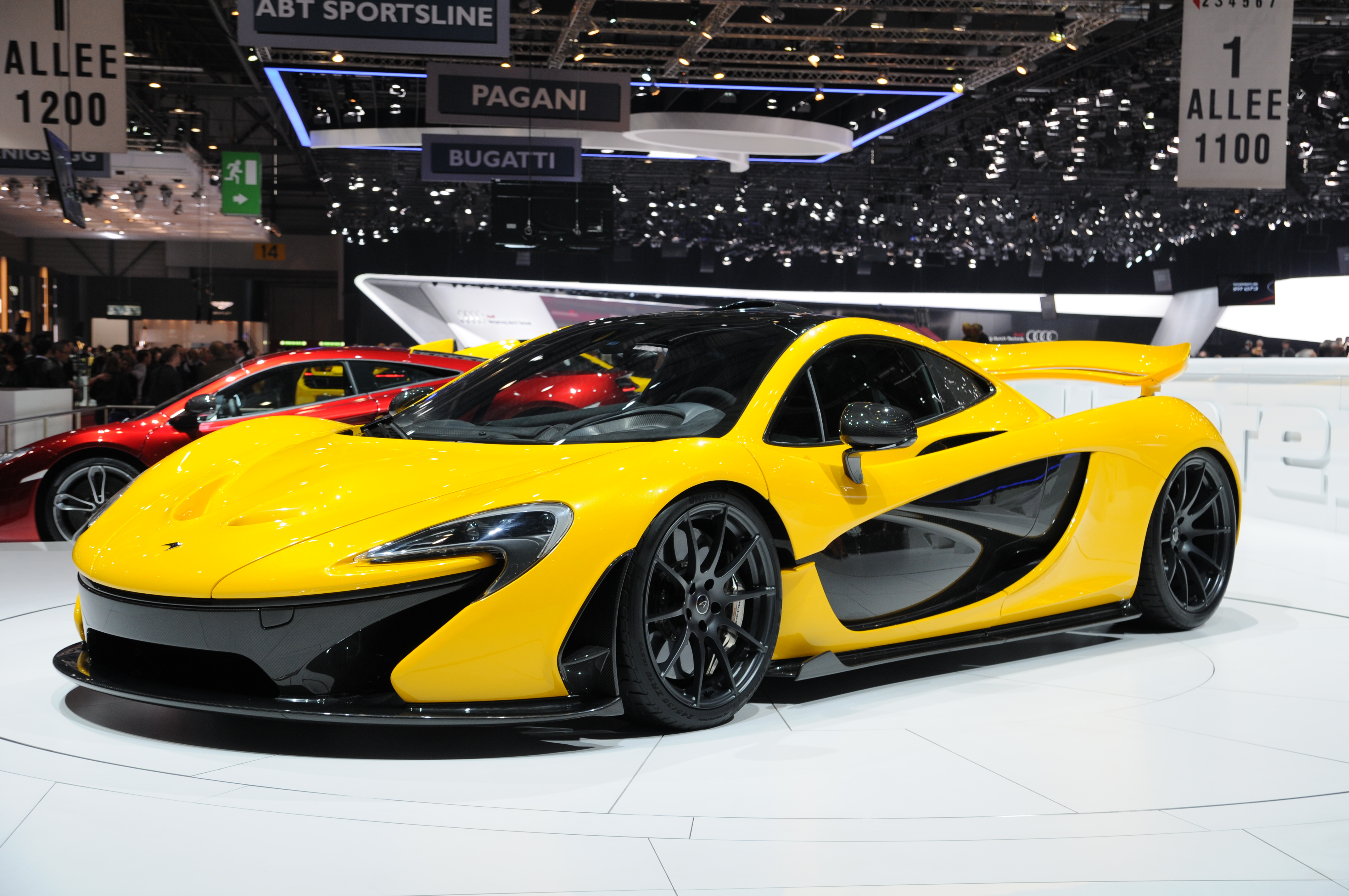
Mclaren P1
"The bump in you has said that there's a bloke from McLaren P1. Yeah. P1 project leader who is, whose name is Paul Oxton."
The McLaren P1 is a very high-end supercar/hypercar from McLaren. It’s famous for its aggressive shape and aerodynamic design, and it’s built to feel very focused and special to drive.
The McLaren P1 is a modern-era hypercar known for its extreme aerodynamics and track-focused engineering. It’s a flagship McLaren project that helped define the “hypercar” formula of the 2010s: very wide stance, lots of aerodynamic devices, and a driver position that emphasizes low, central seating.
Paul Oxton
"P1 project leader who is, whose name is Paul Oxton. Yeah. Thank you very much."
Paul Oxton is the person they’re talking about in connection with the McLaren P1. The hosts say he’s been a key engineering leader on major performance-car projects.
Paul Oxton is described here as the P1 project leader and as having engineering leadership roles across multiple high-performance brands. The segment frames him as someone with direct experience in hypercar development and engineering management.
McLaren Special Operations
"He was VP of engineering at Singer, head of engineering at McLaren Special Operations, ...and project leader for the P1 hypercar."
McLaren Special Operations (MSO) is McLaren’s in-house customization and bespoke program. The segment uses it to underscore that Paul Oxton’s engineering leadership spans both special projects and the P1 hypercar program.
Singer
"He was VP of engineering at Singer, head of engineering at McLaren Special Operations, ...and project leader for the P1 hypercar."
Singer is a company that makes special, highly modified Porsche 911s. Here, it’s mentioned to show the guest’s engineering experience.
Singer is a specialist automotive brand known for building highly curated, modernized Porsche 911s. In this segment, Singer is mentioned to highlight Paul Oxton’s engineering background before moving into McLaren’s hypercar work.
hypercar
"is the interesting thing, you know, a hypercar is, is a, I mean, I hesitate to denigrate them, but it's a, in a way, it's a rather predictable format these days. It's just a very wide car, very squeezed down on the road, lots of air collecting devices,"
A hypercar is an extremely expensive, extremely fast performance car—usually limited and packed with advanced tech. In this discussion, they’re saying many modern hypercars look and feel similar because they follow the same aerodynamic and layout ideas.
A hypercar is a top-tier, ultra-high-performance car category aimed at the highest levels of speed, technology, and exclusivity. The hosts describe the modern hypercar “format” as predictable: very wide packaging, heavy use of aerodynamic devices, and a low, driver-centric seating position.
air collecting devices
"It's just a very wide car, very squeezed down on the road, lots of air collecting devices, how huge poke in the back."
These are aerodynamic parts that grab airflow and use it to help the car grip the road and cool important components. The idea is that the car’s shape and add-ons are doing real work, not just looking aggressive.
“Air collecting devices” refers to aerodynamic components that capture and manage airflow around the car. In hypercars, these parts are used to generate downforce and improve cooling by directing air to the right places.
downforce
"It's just a very wide car, very squeezed down on the road, lots of air collecting devices, how huge poke in the back."
Downforce is what presses the car down onto the road so the tires can grip better. Aerodynamic parts help create it by shaping how air flows around the car.
Downforce is the aerodynamic force that pushes a car’s tires toward the road. When the hosts talk about “air collecting devices,” they’re describing how hypercars use airflow management to increase downforce for better grip at speed.

McLaren W1
"One, the seat, the seating thing in hyper cars, that new McLaren W1, also the Aston Valhalla and the Morgan Super 3, in fact, the, the biggest advance in seating tech is the fact that the seats are effectively molded into the chassis."
The McLaren W1 is a very high-end super/hypercar. The point here is that its seat design is tightly built into the car’s structure, so the driver sits more securely without needing extra space for the seat hardware.
The McLaren W1 is a modern hypercar known for its extreme performance and advanced packaging. In this segment, it’s used as an example of “hyper car” seating design where the seat structure is integrated into the chassis for better space efficiency and driver fit.

Aston Martin Valhalla
"that new McLaren W1, also the Aston Valhalla and the Morgan Super 3, in fact, the, the biggest advance in seating tech is the fact that the seats are effectively molded into the chassis."
The Aston Martin Valhalla is a very serious, high-performance Aston hypercar. In this discussion, it’s brought up as another example of how modern hypercars are redesigning the seat to be part of the car’s structure.
The Aston Martin Valhalla is a hypercar that’s notable for its track-focused design and advanced carbon-fiber construction. Here it’s mentioned alongside other hypercars to illustrate a seating approach where the seat structure is molded into the chassis for packaging and driver support.
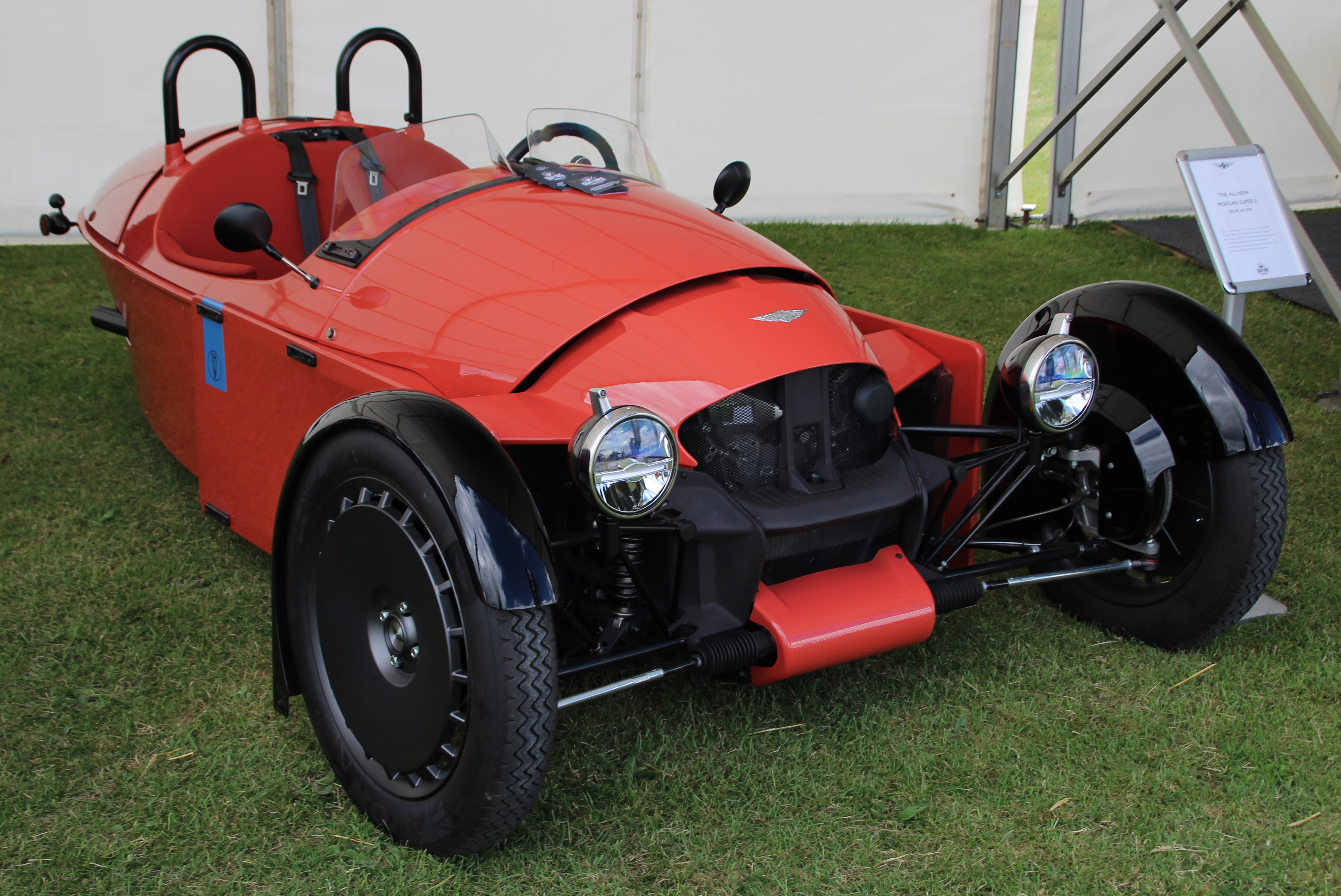
Morgan Super 3
"the pedal, the pedal, yeah, like the Super 3, and then the pedal box moves instead."
The Morgan Super 3 is a lightweight, driver-focused performance car. The host is using it as an example of how these cars can reposition the pedal area to fit the driver, instead of relying on a traditional seat that moves a lot.
The Morgan Super 3 is a lightweight, track-oriented supercar that’s known for its minimalist design and driver-focused layout. In this segment, it’s referenced specifically when discussing how the pedal area can be packaged differently—contrasting with the idea of moving the pedal box rather than moving the seat.
carbon frame
"And then they put cushions, you know, it's just carbon, carbon frame effectively molded into the chassis for the seats."
A carbon frame is a strong, lightweight structure made from carbon fiber. Here it’s part of the seat build, helping the seat stay rigid and light while still fitting into the car’s main structure.
A carbon frame refers to a structural support made from carbon fiber composites. In hypercar seats, using a carbon frame that’s integrated into the chassis helps keep weight down and improves how the seat and body structure work together under high loads.
pedal box
"the pedal, the pedal, yeah, like the Super 3, and then the pedal box moves instead."
The pedal box is the part of the car that mounts the pedals and connects them to the drivetrain controls. The idea here is that designers can adjust where the pedals sit rather than moving the seat around.
The pedal box is the structural assembly that holds the accelerator, brake, and clutch pedals (and their linkages) in a fixed position relative to the chassis. In this segment, the host says the pedal box moves instead of the seat, which is a packaging strategy to control driver fit and headroom.
1.8 G
"If you've got hyper car levels of performance, and it's doing 1.8 G of peak cornering or whatever, the seat will flex, whereas if you just mount it rigidly, it's part of the chassis, it won't flex."
“G” is a way to measure how hard a car is accelerating compared to gravity. “1.8 G” means the cornering forces are extremely high—so the seat and car structure have to be built to handle that stress.
“G” is a unit that describes acceleration relative to gravity. Saying the car is pulling “1.8 G of peak cornering” means it’s generating very high lateral forces, which is why the seat and chassis must be designed to handle flex and load without compromising driver support.

Ariel Atom 3
"But yeah, I had an Atom 3, do you remember, an Aerial Atom 3, and that admittedly, you could move the seat on a rail, but it was bolted in place, and it was a one-piece..."
The Ariel Atom 3 is a very lightweight, track-oriented car. The host is saying that even though the Atom 3’s seat could move on a rail, it was still a more traditional bolted-in design compared to the newer “seat molded into the chassis” idea.
The Ariel Atom 3 is a lightweight, track-focused car known for its exposed, minimal cabin and emphasis on driver feel. The host contrasts its seat setup—adjustable on a rail but still bolted—with the newer hypercar approach of integrating the seat structure into the chassis.
passenger footwell
"We went to the Isle of Wight for a weekend in an Atom one time... possibly because all the luggage had to go in the passenger footwell."
The passenger footwell is the space under the dashboard where the passenger’s feet go. The host is saying they had to put luggage there, which tells you the car doesn’t have much normal trunk space.
A passenger footwell is the recessed area in front of the passenger where the feet sit. In this segment, it’s also being used as a practical storage spot for luggage, showing how the car’s interior packaging can be unconventional.

Super 3
"You look in the Super 3 and you just see how great it is... Super 3 does not get wider behind you."
The Super 3 is a very light, narrow sports car in the Caterham “Seven” tradition. Because it’s narrow and you sit close to the front wheels, it can feel different when you’re trying to line it up in tight parking spots.
The Caterham Super 3 is a classic lightweight “Seven-style” roadster built around a narrow, exposed driving layout. Here, the host compares it to the Atom and talks about how its width and seating position affect maneuvering and reversing into a parking space.
depreciate
"the values the fact that they just do [2073.1s] not depreciate or at least the the choice one. [2076.1s] So people, you know, I was standing next to a bunch of blokes talking about some GT3"
Depreciation means how much a car’s value drops as it gets older. The host is saying Porsche cars tend to keep their value better than many other cars.
Depreciation is the reduction in a car’s value over time. The host is arguing that certain Porsche models (and especially GT3s) have strong resale value, meaning they don’t lose value as quickly as many other cars.
GT3
"So people, you know, I was standing next to a bunch of blokes talking about some GT3 [2081.2s] or other because there's quite a few GT3s out there. [2084.7s] But, you know, this particular persuasion of GT3 just changed hands for 500 grand."
GT3 is a Porsche track-focused version of their sports cars. It’s the kind of car people buy for serious track days and racing, and it can be very expensive on the used market.
GT3 refers to Porsche’s GT3 racing specification, a track-focused model family built around customer racing and track use. In the segment, the host mentions GT3 cars as examples of high-demand Porsches that can change hands for very large sums.
value of this car
"He says, look, you know, yes, all right, the the value of this car is now X and 10 years ago."
They’re talking about what the car is worth in the market—basically the price you could sell it for. But the point is that owning it costs money too, so the “profit” idea often doesn’t work.
“Value of this car” here means the car’s market price (what it’s worth to buy or sell), which can change over time based on rarity, condition, and demand. The speaker contrasts that with the real costs of ownership during the holding period.

Ferrari 250 GTO
"Yeah, he's an absolute expert on, I think, particularly when events like Goodwood come around and he sees 250 GTOs racing and he'll say, by the way, that isn't one."
The Ferrari 250 GTO is one of the most famous old Ferrari race cars ever made. It’s rare and highly prized, so people talk about it like a special piece of racing history.
The Ferrari 250 GTO is a legendary limited-production grand touring race car from Ferrari, best known for its 1960s racing success and extreme collectability today. When someone says they’re “250 GTOs racing” at an event, they’re referring to this specific model’s reputation and scarcity rather than just “a Ferrari.”
Goodwood
"Yeah, he's an absolute expert on, I think, particularly when events like Goodwood come around and he sees 250 GTOs racing..."
Goodwood is a famous UK event venue where car fans go to see classic and racing cars. It’s known for big historic-car shows and races.
Goodwood refers to the Goodwood events in the UK, where classic and performance cars are showcased and raced. In enthusiast circles, it’s especially associated with historic racing and high-profile appearances of rare cars like the Ferrari 250 GTO.
salt exhaust sort of system
"And it was the, the, the system, the salt exhaust sort of system was designed by a bloke, very senior, died not so long ago, was involved in thrust two and, you know, thrust SSC"
This is a special exhaust setup that uses salt to change how the exhaust behaves in the air. The goal is to make the high-speed run more controllable and easier to measure safely.
A salt exhaust system (often discussed in the context of high-speed land vehicles) refers to using salt in the exhaust stream to help manage condensation and improve visibility/measurement conditions. In practice, it’s about controlling how exhaust interacts with the air so the vehicle can be tested and operated more effectively at extreme speeds.
land speed record cars
"but he was a great theoretician of, of, of, of land speed record cars."
These are special cars built to set speed records on a straight, measured course. They’re designed to be very stable and controlled at very high speeds, not just fast in normal driving.
Land speed record cars are purpose-built vehicles designed to achieve extremely high top speeds over a measured stretch of land. They’re engineered around stability, aerodynamics, and power delivery because small changes at high speed can dramatically affect control and safety.

Jeep Commander
"...ng operations here when I was a. When he was Wing Commander or whatever it was at the time. There was less, t..."
The Jeep Commander is an SUV made by Jeep. It’s meant for carrying people and gear, like a family vehicle. The podcast mentions it because the word “Commander” is used in another phrase.
The Jeep Commander is a mid-size SUV designed to carry passengers and handle everyday driving with the practicality Jeep is known for. It’s often discussed because it sits in the family-SUV space—bigger than a compact, but aimed at versatility rather than pure sports performance. In the podcast, it appears as a wordplay reference to “Wing Commander,” using the “Commander” name.
Zeppelin museum
"They're based on the Lake Constance in Friedrichshaven, but there's a brilliant Zeppelin museum nearby as well."
A Zeppelin museum is a place that shows the history of Zeppelin airships. These were big floating aircraft that used gas to stay in the air.
A Zeppelin museum is a museum dedicated to airships (Zeppelins), which are lighter-than-air aircraft. In this context, it’s tied to the history of Zeppelin airships and their engineering and operations.
transatlantic journey
"And some of the pictures of, because Zeppelin ran a transatlantic journey, but in those old airships, the Myback engines were well outboard, and the engineers would have to go..."
A transatlantic journey means traveling across the Atlantic Ocean. Here, it’s about airships making long-distance trips over the ocean.
A transatlantic journey is a trip that crosses the Atlantic Ocean. In the segment, it’s used to describe Zeppelin airships traveling between continents, which was a major feat for early aviation.
Myback engines
"but in those old airships, the Myback engines were well outboard, and the engineers would have to go, have to walk out on these stalks to check that the engines were, you know, to check the engines were running properly, things like that."
The “Myback engines” are the engines that power the airship. They were placed out to the sides, so people had to reach them to check they were working.
“Myback engines” refers to the propulsion engines used on the Zeppelin airships being discussed, mounted well outboard from the main structure. The outboard placement affects how engineers access and inspect the engines during flight.
gondola underneath
"And then they're driven from the gondola underneath. Right. Not driven from, you know, I mean, piloted from."
The gondola is the part hanging below the airship where the crew sits and operates it. It’s like the “cab” underneath the big gas-filled body.
An airship gondola is the crew/passenger compartment suspended beneath the main lifting body. In this segment, the speaker contrasts where the airship is “driven from” versus being “piloted from,” emphasizing the gondola’s role as the control/operational area.
hydrogen
"And everything's designed to be incredibly light, because it has to be lifted by hydrogen."
Hydrogen is a gas that’s lighter than air. Airships used it to float, which meant the rest of the vehicle could be built lighter.
Hydrogen is a very light gas used in many early airships to provide buoyancy. Because hydrogen can lift the airship, the vehicle can be designed to be extremely light overall.

Pontiac Solstice
"...d. We've just had, what was it, two days from the solstice. Yeah."
The Pontiac Solstice is a small sports car with room for two people. It was made to be fun to drive without being a huge, heavy car. The podcast brings it up because it sounds like “solstice,” which is the seasonal event mentioned.
The Pontiac Solstice is a compact two-seat sports car that was produced by Pontiac in the mid-2000s. It’s discussed because it offered a lightweight, fun-to-drive layout at a relatively accessible price compared with many sports cars. In the podcast, it’s mentioned around the wordplay of “solstice,” tying it to the timing of the episode.
customer center
"And their latest is to open up their customer, what do you call it, kind of customer center, ... which is on the edge of their factory called CW1"
A customer center is a place a car company sets up to welcome visitors. It’s where they can meet staff, get a tour, and learn about the brand’s history.
A customer center is a dedicated visitor facility where a brand hosts customers and guests, often for tours, product history, and guided experiences. In this segment, it’s described as being on the edge of the factory, with a front area for arrivals and a back area for deeper brand history.
lineage
"But in the back, there is a, there's a thing that's now called lineage, which is, which is an opportunity to really get stuck into the history of Bentley."
Here, lineage just means the brand’s history—where it came from and how it developed over time. It’s presented as a way to learn about Bentley’s past.
In this context, lineage means the documented ancestry and historical development of Bentley—its origins, key eras, and racing background. The speaker frames it as an interactive opportunity to dig into Bentley’s history using period photos and historically important cars.
WO
"Lots of beautiful photographs, period photographs, history of WO, racing history of Bentley."
WO is shorthand connected to Bentley’s early racing history. The speaker is basically saying the display includes photos tied to Bentley’s motorsport roots.
WO refers to Bentley’s early racing identity associated with the company’s founder and early racing efforts—often used as shorthand for Bentley’s pre-war racing marque. In this segment, it’s mentioned alongside “racing history of Bentley,” tying the photos to motorsport heritage.
crash gearbox
"plenty of performance, good brakes, a bit of a handful, but you know, you've got to know how to work a crash gearbox, but you can do that."
A crash gearbox is an old-style manual transmission. It doesn’t have the modern synchronizers that make shifting easy, so you have to shift carefully and at the right time.
A crash gearbox is an early manual transmission design where gears are engaged directly without modern synchronizers. Because there’s no synchronization, shifting requires timing and technique—hence the comment that you “got to know how to work” it.
factory
"they've got, which is to invite people into the factory where you can see cars being built."
Here, “factory” just means the place where cars are made. They’re talking about being able to visit and watch cars being built.
In this context, “factory” means the car manufacturing plant where vehicles are assembled and built before delivery. The hosts are describing a tour plan that lets visitors see cars being built inside the factory.
leather steering wheels
"I don't know if I've told it on the pod, but in the, in the bit where they sew and stitch all the leather steering wheels together because they're all stitched by hand."
This is the steering wheel rim covered in leather. The interesting part is that the leather is stitched by hand, so each customer’s wheel can end up being unique.
A leather steering wheel is the wheel rim covered in leather, typically stitched and finished to match the vehicle’s interior. In this story, the key detail is that the leather is assembled by hand, so the stitching pattern can be tailored to the individual customer’s materials.
stitched by hand
"I don't know if I've told it on the pod, but in the, in the bit where they sew and stitch all the leather steering wheels together because they're all stitched by hand."
“Stitched by hand” means a person sews the leather together instead of a machine doing it. On luxury cars, that can make the finished part look more precise and more tailored.
“Stitched by hand” means the leather pieces are joined using manual sewing rather than an automated machine process. For luxury cars, this often allows more customization and tighter control over the final look and feel of trim like steering wheels.
workshop manuals
"John Haynes was a bloke that got into publication, publishing workshop manuals when there were big news, you know, everybody with a Cortina would, you know,"
Workshop manuals are like repair guides for a specific car. They explain what to check and how to fix it, so owners could do the work themselves.
Workshop manuals are detailed service books that show how to diagnose problems and perform repairs step-by-step. In the era being described, they were especially important because many owners did their own maintenance rather than relying on dealer service.
chokers
"everybody with a Cortina would, you know, change their own chokers and all that sort of thing, as they needed to do probably every year or two."
A “choker” is an old-school cold-start helper. When the engine is cold, it makes the fuel mixture richer so the car starts more easily.
A “choker” is a colloquial term for a choke device used on older carbureted engines. It temporarily enriches the fuel mixture to help the engine start when it’s cold.

Lotus
"of ambition and lots of desire to go racing and absolutely no opportunity. [3267.2s] You know, they couldn't go by a Brabham or something or a Lotus or and so they built"
Lotus is a well-known British racing and sports-car brand. Here it’s mentioned as an example of the kind of racing car/team people wanted but couldn’t easily get.
Lotus is a racing-focused British brand known for lightweight sports cars and motorsport engineering. In this context, it’s referenced as a kind of high-end racing option that wasn’t realistically available to most people.

Brabham
"when people had lots of ambition and lots of desire to go racing and absolutely no opportunity. [3267.2s] You know, they couldn't go by a Brabham or something or a Lotus or and so they built"
Brabham is a famous racing team name from Formula 1. The point here is that regular people couldn’t just go race with the top teams back then.
Brabham is a motorsport brand best known for Formula 1 racing cars and the team founded by Jack Brabham. The speaker is using it as an example of top-level racing that ordinary people couldn’t access in that pre-war/early post-war era.
specials
"And this country is half full of interesting specials and a hell of a lot of them are based one way or another on Austin 7s."
A “special” is a car that someone has customized or built up themselves, often from an older base car. In this case, the host is talking about Austin 7-based custom builds.
In classic-car culture, “specials” are custom-built or heavily modified cars, often using a donor chassis/engine and then reworking the body, suspension, and drivetrain for a specific purpose like racing or hillclimbs. The context here suggests Austin 7-based specials built by enthusiasts.

Austin 7
"And this country is half full of interesting specials and a hell of a lot of them are based one way or another on Austin 7s."
The Austin 7 was a famous early small car that lots of hobbyists built on. People still talk about it because it became a starting point for custom and race-prepped versions.
The Austin 7 is a landmark small car from the 1920s/1930s that became the foundation for a huge enthusiast and racing scene. Many later “specials” and lightweight builds trace their design ideas back to it, which is why the segment keeps referencing Austin 7-based cars.
John Miles
"I've raced the famous John Miles. John Miles, one of the ones he built after his retirement, he built, I think, a few."
John Miles was a racing driver. Here, the host is saying Miles built an Austin 7-based car after he retired from racing.
John Miles was a well-known British racing driver, and the segment refers to a specific Austin 7-related car he built after retirement. The host’s mention implies Miles was involved in building/using these lightweight, high-character cars for competition.
80 horsepower
"I've raced the famous John Miles... 80 horsepower, but felt like a proper car."
Horsepower is a way to describe how much power the engine makes. The host is saying that even at about 80 horsepower, the car still feels like a real, usable machine.
Horsepower is a measure of engine power output. In this context, the host is comparing the Austin 7-based car’s power level (80 hp) to how “proper” it feels to drive, emphasizing character over raw speed.
extension lead
"And I'd have to trail down an extension lead any time I wanted to do something to get power down there..."
An extension lead is just a long electrical cable. The host is explaining that their garage was far away, so it was a hassle to get power out there when they wanted to work on the car.
An extension lead is a portable power cable used to reach an electrical outlet farther away. The host mentions it because their garage was far from the house, making it inconvenient to access power for tasks—an everyday detail that affects how they could use the car.
A-shaped frame
"Well, the thing that's remarkable is that you see so many versions of cars that are basically based on this little A-shaped frame with a perfectly simple front axle."
It’s a simple metal frame shape the car is built on. The idea is to keep the structure light and easy to build, while still being strong enough to support the suspension and body.
An A-shaped frame refers to a simple ladder-style chassis layout where the main rails form an A-like shape. In lightweight sports cars, this kind of frame is often paired with straightforward suspension mounting points to keep weight and complexity down.
front axle
"Well, the thing that's remarkable is that you see so many versions of cars that are basically based on this little A-shaped frame with a perfectly simple front axle."
The front axle is the part that links the two front wheels together. It helps the wheels steer and (if the car drives the front) also helps deliver power to them.
The front axle is the component that connects the front wheels and transmits steering and driving forces (depending on drivetrain). When a speaker calls it “perfectly simple,” they’re highlighting a basic, lightweight layout rather than a complex suspension or steering system.
rear axle
"And I love the way the springs grow, the rear springs grow out of the ends of the chassis rails to support the rear axle."
The rear axle is the part that connects the two back wheels. It’s important because it takes a lot of the forces when you accelerate, brake, or turn.
The rear axle connects the rear wheels and carries the loads from acceleration, braking, and cornering. In the context of this segment, it’s mentioned alongside how the rear springs mount to the chassis rails to support that axle.
Request an Explanation
Heard something you'd like explained? We'll add it to this episode.
Sign in to request explanations for terms you heard.
Want to learn more?
Browse our glossary for plain-English explanations of automotive terms, jargon, and concepts.
Help improve this episode
See something that's not quite right? Our annotations are AI-generated and can sometimes miss the mark. Click the flag icon on any annotation to suggest a correction.
2 community members have helped improve this episode.