Brent Crews talks about the early chaos that shaped his path to NASCAR, from go-kart weekends and a first day on track where he quit after spinning out, to practicing three days a week and chasing dirt-racing opportunities. He explains why a tough NASCAR weekend felt impossible—“No practice, no qualifying”—and how Toyota’s driver development and sponsor-funded facility access helped him progress. The conversation also compares European and U.S. racing ladders, plus what it takes to climb toward the top.
Brent Crews joins the show to talk about his rise through the Toyota pipeline, competing against top talent, and what it really takes to make it to Cup.
From quitting racing his first day to winning on the world stage, Brent shares the mindset, pressure, and path behind becoming one of NASCAR’s most promising young drivers.
"... O'Reilly series by StormDrive, the 19-young life Camry for Joe Gibbs Racing. Please help me welcome Bren..."
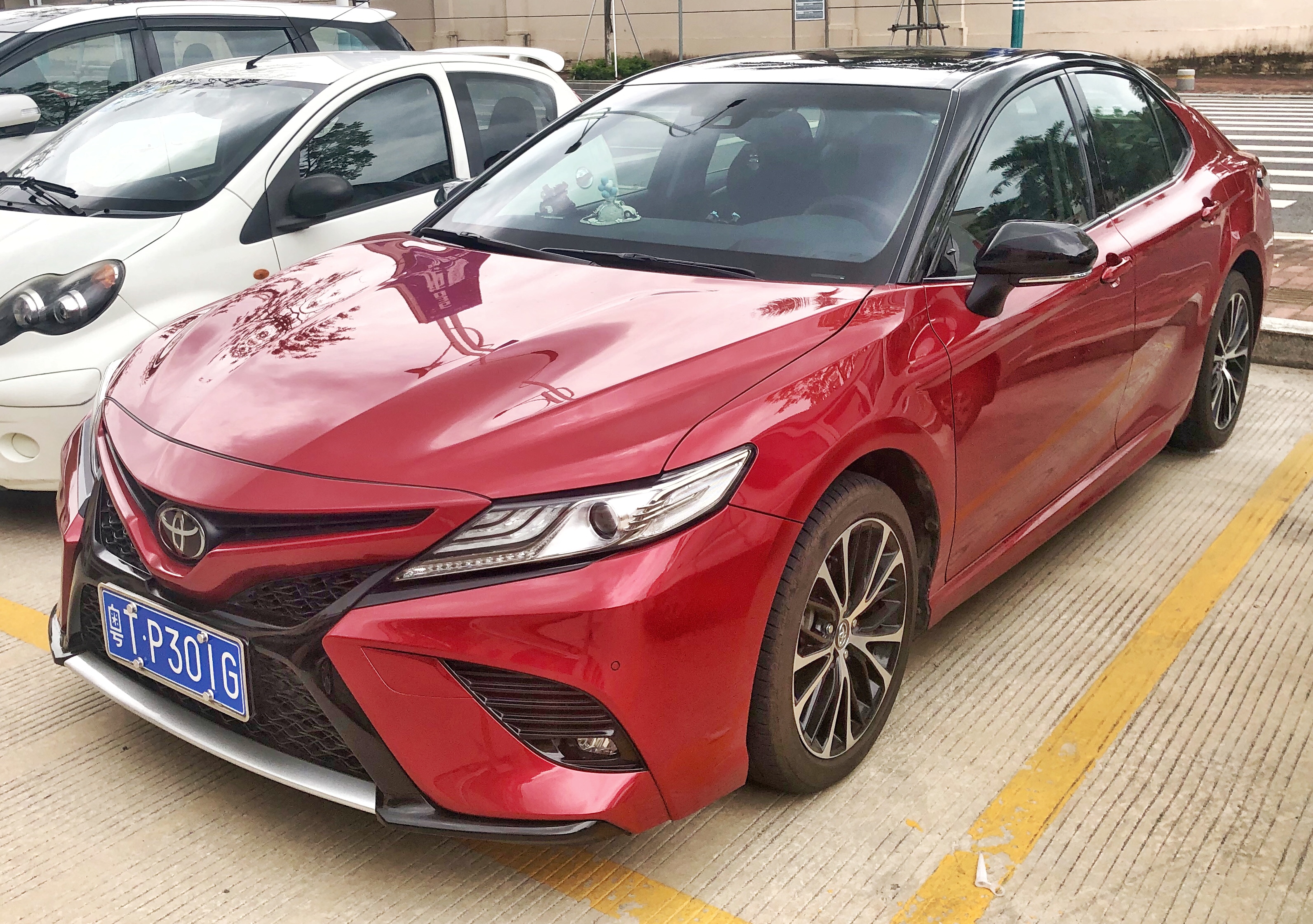
The Toyota Camry is a regular passenger car (a sedan) made by Toyota. In racing, teams can use a Camry-based car that’s built for track competition, so you may hear it discussed in motorsport contexts. The podcast likely refers to a specific Camry race car number and driver.
The Toyota Camry is a midsize sedan that’s widely used as a basis for NASCAR stock-car racing, including by Joe Gibbs Racing. In a podcast, it may come up when discussing how a “Camry” is prepared and driven in competition, and how teams build performance around a recognizable model. The mention of a “19-young life Camry” points to a specific racing entry and driver context within that series.
"did go-karting, nothing about anything to do with dirt, had no plan whatsoever.
[379.6s] My dad had been watching, um, once he realized I was good was when I was like"
Go-karting is the basic form of racing with small, lightweight karts. A lot of racers start here to learn how to drive and race effectively.
Go-karting is a common entry point into motorsports where drivers learn car control at low speeds and on tight tracks. It’s especially useful for building fundamentals like steering inputs, braking timing, and learning racing lines before moving up to cars.
"[416.1s] and he was like, Hey, have you guys ever heard of Millbridge?
[418.9s] It might, it was a Wednesday in the middle of the day.
[420.9s] There was a Millbridge race that night."
Millbridge is the name of a local race event they went to watch. For young racers, events like this are often the first step into real competition.
The “Millbridge race” is a specific local race event the hosts mention as the night his dad decided to go watch. In grassroots motorsports, these kinds of local races are often where drivers get their first real exposure to competitive driving.
"So we went out there and watched dirt.
[434.5s] And I was like, Dad, this looks way more fun than what we're doing right now."
Dirt karting is go-kart racing on a dirt track instead of pavement. Because the surface is grippier in some spots and slippery in others, driving technique matters a lot more.
“Dirt karting” means racing go-karts on dirt surfaces (like clay or packed dirt), not asphalt. The loose surface changes grip and traction, so drivers use different lines and throttle/braking habits to keep the kart stable through corners.
"...he time had played basketball forever and, uh, he juke me out at the, at the top of the key and I went t..."
The Nissan Juke is a small crossover SUV made by Nissan. It’s called a “Juke,” which is also a word people use for a quick fake-out move. In the podcast snippet, it sounds like the term is being used for that kind of quick move.
The Nissan Juke is a compact crossover designed to be smaller and more agile than many family SUVs, with a distinctive styling and upright driving position. It may be mentioned in a podcast because the name “Juke” can also be used as a casual verb for quick moves or feints, which fits the “juke me out” type of wording in the context. That makes it likely the car name is being used for wordplay rather than a deep dive into the vehicle itself.
"...at Millbridge, but then there was, it seemed like Toyota laid out a plan for you to get with Nick Tucker and go..."
The Toyota Land Cruiser is a large SUV made for tough driving, including off-road and long trips. It’s known for being sturdy and dependable. The podcast likely mentions it in connection with a personal story or plan rather than detailed car specs.
The Toyota Land Cruiser is a full-size SUV known for durability and off-road capability, built for long-distance and rough-terrain use. In a podcast, it may be referenced as a dependable “go anywhere” vehicle, or as part of a story about getting together with someone—matching the context about a plan to connect with Nick Tucker. Because it’s a well-known model, it often comes up when people talk about practical, reliable transportation.
Term
nitro stuff
"…there was, it seemed like Toyota laid out a plan for you to get with Nick Tucker and go run the nitro stuff."
They’re talking about a racing style that uses nitro fuel (nitromethane). That fuel changes how the engine makes power, so it’s a different kind of racing than normal gas-powered series.
“Nitro” here refers to racing categories that use nitro-fueled engines (nitromethane), which is common in drag racing and some other motorsports. The key idea is that the fuel and engine calibration are very different from gasoline racing, so the driving and setup demands change too.
"…when I turned 12 to 13… I went full-time midget racing with Chad boat."
Midget racing is short-track racing in small, powerful cars. The races are usually on short tracks, so drivers have to be very good at handling and passing close to other cars.
Midget racing is a form of short-track motorsport run with small, high-power cars on short ovals. Because the cars are light and the tracks are tight, races emphasize momentum, quick setup changes, and aggressive but precise driving.
Company
pristine auction
"…and then I signed with Toyota right after that, but that was all through pristine auction, being able to do that."
They mention “Pristine Auction” as part of how the driver got the chance to race with Toyota support. It sounds like it helped make the opportunity possible.
“Pristine Auction” is referenced as the mechanism that enabled the driver’s Toyota-backed path at that time. In motorsports, auctions like this are often tied to funding or access to equipment/entries.
"…to it is like, we want to do more asphalt stuff. So I ended up doing…"
“Asphalt stuff” means racing on paved tracks. The tires and car handling can feel different than on dirt, so drivers often have to adjust their setup and driving style.
“Asphalt” refers to racing on paved tracks, which typically changes tire behavior, grip levels, and how the car’s setup works compared with dirt. Drivers often treat asphalt and dirt as different disciplines because traction and surface evolution are different.
"…we want to do more asphalt stuff. So I ended up doing, I think like 10 pro late model races…"
Pro late model races are short-track stock-car races on asphalt. Drivers often use this as a path to bigger stock-car series because it teaches how to set up and race cars over a full race.
Pro late model racing is a popular short-track stock-car category where cars are based on late-model body styles and compete on asphalt ovals. It’s a common stepping stone toward bigger NASCAR-style stock-car series because it builds experience with setup, tire management, and race strategy.
"So you've raced, right?
[1270.0s] Wheel to wheel with Kimmy Antonelli.
[1271.5s] Yep."
“Wheel to wheel” means two cars are racing side-by-side really closely. It’s a high-pressure situation where tiny driving differences can make one car win or crash.
“Wheel to wheel” describes racing side-by-side with the cars very close together, typically with drivers competing for the same piece of track. In that situation, small mistakes in braking, throttle, or line choice can decide the outcome.
Topic
Kimmy Antonelli vs NASCAR development
"Wheel to wheel with Kimmy Antonelli.
[1272.3s] Yep.
[1272.3s] How would he, if he was in a NASCAR ladder system, how would he like is his
[1277.9s] raw talent, would he would just acclimate to whatever you think?
...
[1322.1s] than us on track."
They’re talking about how Kimmy Antonelli races and whether his skills would carry over to NASCAR. They also compare how much drivers practice in Europe versus the United States.
This segment compares Kimmy Antonelli’s driving strengths and how they might translate from European-style development to NASCAR. It also discusses differences in practice habits and what that means for adapting to new racing environments.
"How would he, if he was in a NASCAR ladder system, how would he like is his
[1272.3s] raw talent, would he would just acclimate to whatever you think?"
“Raw talent” means a driver is naturally fast and makes good decisions without needing as much practice. It’s different from “race craft,” which is the learned skill of racing smart and making passes.
In racing talk, “raw talent” refers to a driver’s natural speed and instincts before they’ve fully adapted to a specific car, series, or setup. It’s often contrasted with “race craft,” which is the learned skill of executing passes, defending, and managing tire and track position.
"How would he, if he was in a NASCAR ladder system, how would he like is his
[1272.3s] raw talent, would he would just acclimate to whatever you think?"
A “ladder system” is a series of racing steps that helps drivers grow. You start in smaller series and work your way up as you learn how to race at the next level.
A “NASCAR ladder system” refers to the development pathway of feeder series that prepare drivers for higher levels of NASCAR. The idea is that drivers acclimate to stock-car racing step-by-step, building skills and experience before reaching the top series.
"Like everybody has their strengths and Kimmy's strength was that his race
[1286.9s] craft wasn't like, like when I would race him one on one, I was like, this
[1291.1s] kid is incredible, but it wasn't like, I wasn't blown away."
“Race craft” means the smart, practical skills of racing—like when to pass and how to defend. It’s what turns speed into actual race wins.
“Race craft” is the set of driving skills used to win races—things like timing passes, defending positions, and choosing the right lines under pressure. The speaker contrasts it with pure speed, implying that a driver can be fast but still need race craft to consistently convert that speed into results.
"Connor will tell you too of just making raw speed, like being on the limit
[1310.1s] of the tire and just being so good and what's so different with Europe over"
It means the driver is driving as fast as the tires can handle. If they push a little more, the car starts to lose traction, so it’s a very precise skill.
“On the limit of the tire” means the driver is pushing the car right up to the point where the tires lose grip. That’s a key skill in racing because it determines how fast you can go through corners without sliding or losing control.
Select text to request an explanation
All right, friends, we're back joined by a special guest this week.
First time, I believe, on Stag and Penny's in here in the Nonsense Garage.
This guy is taking the O'Reilly series by StormDrive, the 19-young life Camry for Joe Gibbs Racing.
Please help me welcome Brent Crews.
Stagging them deep, selling them cheap.
They taste like gasoline, grubber, and victory.
Where's that here, Stag and Penny?
Good morning, buddy.
Good morning. Thank you, guys.
Good run again.
I mean, Top 5's for you, just, you know, you just unload.
I feel like you're going to be Top 5, and that's kind of what you've been doing the last couple of weeks.
Yeah, that sounds easier than it's been.
It's been fun.
This weekend especially was tough.
No practice, no qualifying.
The only experience I have on anything bigger than that is an arc of test at Daytona.
So that doesn't get you very far.
But no, it's been good.
Obviously kind of heading into this year watching how dominant J.R.M. has been these past two years.
It was like a little bit more stress on me, wondering how good the cars were going to be.
And I jumped right in and they were really fast.
Before we talk about what you're currently doing, let's give our fans a little introduction onto who you are.
Right, so I think that you have been, how old are you?
1818 just turn.
Just turned 18, fresh.
Rockingham weekend, I believe, or like the week leading up to Rockingham?
Two days after Martinsville.
Okay.
Yeah, so the weekly note.
But you've been in the Toyota system for how long now?
Five years.
Okay.
Yep.
And you grew up racing, I mean you're from here, right?
Yeah, I was born in Hickory.
Hickory?
Oh boy.
Same place as Dale Jarrett.
That's right.
Hail, yeah.
That's right.
So what was your cliff notes of racing experience?
Similar, I believe, is like a zillage, right, with road racing and all sorts of different stuff.
Yeah, so kind of starting from the beginning, my family was never in racing.
I met my stepdad when I was three years old.
We had nothing to do with racing whatsoever.
I was just a normal kid who went to, you know, normal school.
I played football and soccer growing up.
What position?
Well, I played so young that I just played everything but wide receiver and football
when I was a little kid at the YMCA.
But I love soccer.
I love football.
And I remember like kind of the starting point to get into racing was I left the soccer field one day.
We won.
I scored like five goals or something and I was pumped.
That was the only sport I was good at.
And my stepdad was like, why are you so upset?
Like you just, you just smoked everybody.
And I was like, oh, my team just like doesn't care about winning or anything.
Like hated participation trophies.
I was always really competitive.
And two weeks later, he was like, Hey, like, do you, what do you think about playing a sport
where it's like you versus everyone else?
And as a five year old kid, you're like, that's the best idea I've ever heard.
So now thinking about it, I'm like, well, is that why didn't he take me to a golf course
or to go play tennis or something?
And he brought me to the go kart track.
What go kart track go pro motorplex at the time.
It's now called track house.
And I watched Denny Hamlin and Ashley, her hero is a name that's not very familiar,
but she was very good in karting.
She ended up being me and Connors coach growing up.
Denny started on the brottson's wife.
Yes.
Okay.
Yep.
So the car chief for Sam Hunt, they're now married.
And I went there.
I watched it.
It was freezing.
It was like 30 degrees and somehow I enjoyed it.
So he bought me a little go kart, a little kid card at the time.
Took me out to the go kart track.
I went and ran 22 laps around the full track, which is longer than you run when
you're an adult, like the races that you would go run now is like 20 laps.
Bro.
And I ran eight minutes on a shifter or a tag card out there is all I want.
Yeah.
Yeah.
So seven laps.
I ran 22 laps.
It almost ran out of gas and I was waving to my dad in the stands every single lap.
Like I'm done.
I'm done like lap five.
I'm, I remember it was like PTSD.
I was toast.
I was like waving to my dad every lap.
I was like, get me out of here, get me out of here.
And he just kept waving back.
He thought I was enjoying myself and I hated it.
I was, I was ready to be done.
So I didn't know where to pull off the track.
So that's why it got to that point is my first time ever out there.
I spun out more times than I encountered my hands.
Um, I ended up parking directly on the front straightaway right where the start
finish line was and I got out.
I was crying.
I ran to the truck.
I said, I was never doing this again and I quit.
So I quit for six months.
You quit on your first day?
Quit on my first day.
Yeah.
So that's a lot of heart.
So was, uh, was done for six months straight and snowed in North Carolina.
Um, that was either like 2013 or 2014 somewhere in there.
Um, a lot of snow in Denver, North Carolina.
And my dad had this little ATV and he was doing donuts with his buddies and I was
like, Hey, can I drive it?
And he was like, no.
I was like, please.
He said no.
He was like, but you can take the go-kart out that I bought you that you only
ran one time.
And I was like, sure.
So I did a bunch of donuts in the snow and I had a blast.
He ended up convincing me to go back to the go-kart track for some reason.
Um, we ended up going back to the go-kart track when the weather got nice and I've
refilled in love with the sport.
Um, and we went to the go-kart track.
We were practicing three days a week for, um, up till I started racing car.
Taught you where to pull off the track.
If you're over it, just pull off.
Yeah.
His convincing was the weather will be nice and you'll know where to pull off
the track and that was all I needed.
So then you did.
It's not WK anymore.
What, like, what, what is the sanctioning body that?
So right as I was getting into it, WK was still big and then it fell off really
hard by the time I was like seven or eight years old.
So we did some WK, um, I'll just tell you the whole story.
So I met Connor when I was seven years old.
He would have been just like turning nine and we started racing each other
like everywhere we went.
It was like me and Connor everywhere.
Um, traveling all over the world, um, just carting at the time.
And this, the story actually kind of, um, follows along with coach, but we only
did go-karting, nothing about anything to do with dirt, had no plan whatsoever.
My dad had been watching, um, once he realized I was good was when I was like
nine years old, he started watching like what the really good drivers like
Christopher Bell, Tony Stewart, what all those guys did and what their path looked
like.
Um, and then Ty was out there racing go-karts every week as well.
He was like the only other guy that was practicing during the week at GoPro.
Connor was normally going to Florida to practice.
Um, and my dad was watching on the stands and coach and, and Koi were,
were watching Ty too.
Coach actually introduced himself to my dad, right?
Coach is just a great guy.
And he was like, Hey, have you guys ever heard of Millbridge?
It might, it was a Wednesday in the middle of the day.
There was a Millbridge race that night.
Um, and my dad was like, No, we have no idea what that is.
And he was like, Oh, well you should, you should go watch Millbridge tonight
and go watch Ty.
Ty will be racing.
My dad was like, Sure.
So we went out there and watched dirt.
And I was like, Dad, this looks way more fun than what we're doing right now.
So, um, we went and watched that had a blast.
We ended up buying a, or my dad bought a little dirt card at the time to go
around laps at Millbridge, um, all because of, of coach suggesting that at
the time it's crazy.
I'm racing for him now, but that's how the whole dirt deal started.
And my dad kind of realized that the more things he could get me to drive,
the better I would be just adapting.
And he noticed when I would go run a dirt car and get back in a go car,
I would be better.
Um, so that's kind of how like everything got out of control to where
I was racing five different things at once.
But Harvick was in the fold to help me out a little bit.
Where, where did that, where he fit in?
Yeah.
So when Keeland kind of got into the sport, we were racing for the same go
cart team.
I was racing with Nitro, um, Nick Tucker owns that Keeland was just getting
into that, um, Connor actually raced with Nick as well.
And Connor doesn't tell the story very much, but Connor was actually
going to quit and go to college.
He was going to go, uh, yeah, he, Connor's very smart, but he was going
to.
Why would you want to educate yourself?
He can be a race.
Yeah.
Well, can he support?
So well, I see what cup racing is going to do to me.
He's probably wishing he went to school right now.
Yeah.
He was fully talking about going to college and well, how it happened
with me with Kevin was I want to race on Saturday or Sunday in a go car.
I want to shift a race in homestead.
I remember it was on Sunday and then Keeland was there with Kevin.
Kevin saw that and Kevin didn't say anything.
And then I went and won a Milberg race on Wednesday and I don't know
if he called my dad or what happened, but they figured out something at
the end of the week.
Um, and I ended up being with KHI.
Um, and then a couple of weeks later, um, Connor was still talking
about like being done and my dad saw the text messages of him texting.
My dad was texting Connor's dad and was like, your kid's like way too
good to go to college.
Like, let's, let's figure something out.
Yeah.
Yeah.
So my dad was talking to Kevin too, like kind of the second I got signed
and was like, Connor's really good and they figured something out too.
And me and Connor were both at KHI.
Um, and we were both coaching Keeland.
So Keeland was getting coached by me and Connor sometimes at the same time.
Normally we'd split it up.
Yeah.
I remember flying to Florida with Keeland and running labs coaching
Keeland as well.
And that's kind of how everything got tied with, with Kevin.
Um, I signed with Toyota when I was, I had like just turned 13.
Um, and signed, you know, a long deal to be with them.
I'm curious on how, and you don't have to peel the veil back too much,
but what does it mean to be, because it seems like to me, look at the
outside in that there's, you know, Josh wise has his program of
driver development through GM, right?
And you get access to his knowledge and Scott speeds knowledge on
the simulator to grow as a, as a road racer and just as a person in
general, but there's really, there's not very much financial backing
to open up these opportunities.
Toyota seems to invest all of that when they sign somebody.
So when you get on board a Toyota, what's it look like?
Yeah.
I mean, it's obviously dependent on your success and, you know, whether
you bring any money or not, obviously, like they have their sponsors.
Um, and it's not just Toyota, right?
Like Toyota is the Toyota facility center that all the drivers have
access to go work out in is fully sponsor funded, which is incredible.
And that's why they're able to do what they do.
The team they have over there to work with sponsorships like mobile
on JBL, safe flight, um, all the, the big ones that they have over
there gives us that access to be able to have everything we have.
I heard they have somebody making smoothies in there.
Yeah.
We have a nutritionist.
She's actually just had a kid.
So been missing her.
She's been out for a little while, but yeah, they have a nutritionist
there, um, two strength trainers at all times.
Um, Tammy's there doing PT with us.
Are you allowed to play basketball anymore?
Gosh.
Yeah.
I didn't tell this story, but I broke my foot playing basketball.
I was actually totally my fault.
My last year, right?
It was either last year.
I think it was two years ago.
Um, the trainer that was there at the time had played basketball forever
and, uh, he juke me out at the, at the top of the key and I went to chase down
a block and I ran into the wall.
So I haven't played as much basketball since, but, and then that trainer got fired.
Oh, no, no.
Yeah.
But that's kind of how the story all went.
Like kind of started with Toyota, but it's all just, it's been a steady gain
of control and, uh, being able to have success with them and, and all that's
been up to now.
So at what point, like, I remember you kind of being like the hot shoe at
Millbridge, but then there was, it seemed like Toyota laid out a plan for you
to get with Nick Tucker and go run the nitro stuff.
So like, when did it become like, okay, this is fun.
We're going to try to be a race car driver too.
Hey, this is your plan to get here.
Like what, at what age did Toyota lay that out for you?
So Toyota laid that out for me when I was like, when I realized that it was
like really, really serious with Toyota when I was 14.
So to kind of break down, I did karting from ages five to 12.
Um, and then when I turned 12 to 13, was that like weird age range where
you like couldn't really race anything.
So I went full-time midget racing with Chad boat.
Um, and that was with Toyota.
We didn't have any Toyota funding that year.
I still joke around with Jack Irving, which about, he told, uh, he told
everybody that I was too young trying to midget and then I won five races
that year and finished second in the championship.
Um, and then I signed with Toyota right after that, but that was all
through pristine auction, being able to do that.
I did the midget stuff.
Um, and then to it is like, we want to do more asphalt stuff.
So I ended up doing, I think like 10 pro late model races alongside
the train, Sam stuff at the same time.
And part of the story that I think is kind of a little bit misunderstood was
I grew up racing go-karts with Nick Tucker against some crazy teams.
And now Nick per context just bought Ventureenie and that's Nitro Motorsports.
So yeah.
So I started out, right?
Yeah.
Yeah.
He ran an Xfinity team.
So I started with Nick when you literally was just having a go-kart team showing
up with four or five drivers per week.
And now he's got a full blown arc a team for you to, uh, be a race car driver.
And then I felt like it all came to fruition at Bristol.
It was like 20 to go.
Zillich is leading your second, Kyle arson third.
It's like, go ahead boys have at it.
What was that like there two weeks ago?
It was really cool.
And honestly, it was like a full circle moment.
I've raced Connor my whole life, his first year in Xfinity at the time now
being O'Reilly was, was different.
It was watching him kind of from a view from afar and it was weird because
I had raced Connor my whole life.
Like me and Connor race each other every single weekend.
We saw each other at the track every single weekend.
And like it was, there was a lot of good drivers in karting, but it was really
like me and Connor and then like everybody else was really good too.
But me and Connor were like, I would say, yeah, right.
And the best way to say it.
Um, and then Connor with his age got to take the next step when I was just like
kind of watching.
So that was a little different, but yeah.
So that was cool.
And being able to race Connor and Kyle, I raced Kyle a little bit in the dirt
stuff, um, not as much as I've raced Christopher, but I've raced both of
them before.
So then being able to race them on like a really big stage was, it was
honestly just full circle.
And then you guys are proud of the young kids at Millbridge when Larson
showed up like, Holy shit, it's Larson.
Yeah.
The bet the.
So I asked my dad one of my favorite, my favorite question I ever asked my dad.
I asked him about six months ago.
I said, dad, like, when did you realize that like I could maybe do this
professionally?
Like I was better than just like the average kid.
He's like, well, when you're 10 and I was like, okay, take me through it.
So there's a 51 lap race at Millbridge.
Um, Kyle had just won the million dollar all star race and a chip can
ask you cart Charlotte that weekend that race was on the dirt race was on
the Wednesday night.
And I had been running laps out there every week racing every week there.
Um, I wound up finishing third.
Kyle ended up winning this guy from California finish second.
And it was like a really big deal.
Like everyone was pumped.
People were calling my dad saying like, this is ridiculous.
How good he ran.
And I got in the truck and I was really, I was pissed.
Like I remember being really angry.
My dad looked over and he was like, why are you so upset?
And I was like, remember like almost crying.
I was like, dad, I just don't understand how Kyle Larson can come out
here like twice a year and just beat me.
I was, I was 30 years old crowned in the trailer almost every weekend.
Yeah.
See that good?
Yeah.
So he's like, I realized that you had like something else in you and something
that like wasn't right that you could be that upset about Kyle Larson beating you.
You have to have something almost not right in terms of competitiveness to
constantly want to keep after keep going right.
And everybody will say this is like you, you lose way more than you win.
And you have more bad days than you have good days, no matter how good you are.
I a little bit more of that story too.
Were you with us that Monday after the, so he wins the All Star race.
When you won the All Star race, we were on the boat.
We were on the Lake Norman.
Well, that was the next week when Joey beat.
That was the next year.
Joey beat.
Okay.
So yeah, yeah, we were on, we were on Joey's boat.
We were on Joey's boat.
We pulled up and Larson was next to us and Joey beat Joey beat him.
Yeah.
He's like, I think when you fucking moved up, I was down.
He's like, or Kyle was like, I knew when you moved up.
I was like, yeah, I got you.
Like, you know, Joey is, I don't know.
So it just looking at like it's almost looking at Connors and your track.
And the racecraft that you guys learn and some of us, you've rewrote the book.
Is that fair to say of like when, if you're trying to get your kid experience across
all sorts of things from chili bull midgets to European world, you know, to
world championship road racing go-karts, like the dog fighting that you learn the
racecraft that you learn and you're racing against a 10 years old race racing.
It's Kyle Larson and you're learning again.
You're racing against future F1 drivers.
You know, Kimmy, Kimmy Antonelli over there.
That's like, you can't even like just race in a pro late model at Hickory.
Granted, it's all a lot of people can do, but like that is such a unique breath
of experience.
What do you think translates the most all of it?
Honestly, all of it.
And yeah, like all credit, honestly, for one goes to the Lord to be able to put
all everything in place to have that path playing for me.
But my dad did like such a great job of working really hard on for one of just
like watching how everybody did everything.
And I'm grateful now that I did all the crazy different things that I did.
But yeah, like me and Connor, like it's a sacrifice to our families.
Not from like necessarily just a financial standpoint, but me and Connor got
sent out to Europe with no parents.
I remember me and Connor just had two mechanics.
My mechanic was Italian that lives in Florida now.
And his mechanic is just a good old Florida boy.
And we were in Italy for a month, like just me and Connor and our mechanics
just hanging out with two people to speak English.
Yeah, chap your ass a little bit.
See Kimmy Antonelli making that much money crush.
He makes way more money than any of us do.
But I mean, are you more stoked for like a buddy?
How do you feel on that?
I'm honestly more stoked.
There's no sense of like jealousy or anything.
So it was Kimmy and me were like the two guys that were racing for free.
He was with Mercedes.
I was with factory drivers, essentially.
Yes.
Yeah, correct.
That's right.
Way to say I was with nobody.
I was just an American kid and I went over there and was racing for
free with Cart Republic and there was a chance to go with a team called
Sauber and Sauber had it was like Kimmy was Mercedes Cart Republic with
Mercedes decals and then this kid named Uga Uga Chukwu, who I think is an
F2.
Sorry, what?
This kid's name is Uga Uga Chukwu.
Where are you from?
I don't even know.
Is it Bobway?
It's somewhere crazy.
He was really, really good.
He I think he's an F2.
I don't.
He's with somebody market a name like that.
I'm about to follow him on Instagram.
He's I think he might be with McLaren now.
Junior driver really good and he was with Sauber.
But there's a chance to go with Sauber and go down that path.
And my dad was like, let's do it and then COVID hit and he asked me.
He was like, what do you want to do?
And I was like, I don't want to try to go F1 racing.
Would that look like you moving to Europe at 14?
For sure.
Yeah.
If I if we would have wanted to do that, that's what it would.
And then what's that like?
What's the what's that ladder look like?
So you would have went.
So what you could do as an American is go F4 racing here and then you
would go to Europe and go F4 racing.
So the ladder would be F4, F3, F2 and then F1 and in order to go to F1,
you either have to have a dad who's worth billions of dollars to be able
to buy out race teams or you literally have to win a lot of races in F4
and win the championship.
When the championship F3, when the championship F2, like that's the
only way is when every single championship and get lucky that there's
a there's a seat potentially available.
Yeah, you have to hope there's a seat available to you.
Yeah.
So Kimmy me, Kimmy didn't really do that.
Kimmy was like a mid pack F2 guy, wasn't he?
Or was he a dude?
I didn't, didn't watch it enough honestly to tell you the, to
tell you the truth, but I'm pretty sure he did get really good at F2 right
before he went to F1.
But when he was like, when my Toyota deal got signed and everything, like
really early on and I was still racing him a little bit.
There was a race in Vegas.
That's the biggest race in America and it was Kimmy, me and Connor and we
were all racing each other on the last lap and I ended up winning.
Kimmy finished second on the last lap.
Connor's motor like died on the exit and we were three wide with two to go.
So you've raced, right?
Wheel to wheel with Kimmy Antonelli.
Yep.
How would he, if he was in a NASCAR ladder system, how would he like is his
raw talent, would he would just acclimate to whatever you think?
Um, you know, that's hard to answer.
So when people ask me like, who are the best people you ever raced against?
Like everybody has their strengths and Kimmy's strength was that his race
craft wasn't like, like when I would race him one on one, I was like, this
kid is incredible, but it wasn't like, I wasn't blown away.
The thing that was so special about him was he was so fast.
Like him and Connor are similar in that area of just being like so ridiculously
fast and Kimmy was the fastest kid I've ever seen.
Connor will tell you too of just making raw speed, like being on the limit
of the tire and just being so good and what's so different with Europe over
there and to compare to the United States is those kids practice way more
than us on track.
Yes.
And what is given able for them to do that is like when you go there on a random
Wednesday in the middle of the day, there's like 60 go-karts there practicing
where like when we were growing up practicing like and we'd go out in the
middle of the day, it was me and nobody else.
So like eventually you get, no matter how much you love the sport, you get bored
just running laps.
Well, you don't have anybody to chase.
Yeah.
So like I wouldn't even want to go to the go-kart track as a kid.
If I didn't have anybody to chase.
So like my dad would try to line stuff up to be able to do that.
But in there and Europe like the whole team would have their whole tent set
up like every single day you'd go test with the team like you were during
a race weekend and that would be all week long.
We're like here.
You don't have that.
Like if you want to go test like I mean and be financially reasonable like you
just have a car in the back of your truck and you just go practice all day
with your dad and that's what we did.
All right.
Well, we've got between Ryan and I six kids that are young, right?
Harper's in softball.
I'm coaching assistant coach.
We even talk about that.
We scored 12 runs.
First first time.
We have to score to run all year and now these fireballs we're getting
after bats for swinging pitches were right where they need to be.
Anyways, when we're doing quarter midget stuff to and it's like you leave
the track or you leave a game and it's like you want to be dad or you want to
be the coach and it's super relevant because we were talking about Kyle
Bush earlier.
Yes.
And there was a in my opinion when I watched it cringy video on Instagram
and it was like they it was put up just displaying how intense Kyle is with
his coaching of brexton.
And to each their own and brexton might go on and be a NASCAR Cup champion
one day.
Do you have us up?
Let's run it.
Right here.
Super easy on entry like not even trying to get in the corner.
Rise off the corner just fine.
Like you're slow.
You are slow are not slow.
You slow like you are so easy getting into the corner.
You're not even driving it into the corner.
Brex.
My point here is you have way more car potential than what you're giving it
super secure on entry.
No problem.
I'm sorry, Brex, but I have to be able to tell you where it's at and it's
you go look at the data now.
So like if you're going to give up a little bit of entry at least you got to
be able to roll the center of the corner so you're not giving up the entry
and you're slow.
Okay, I've heard enough.
You think that's cringy?
Yeah, but you know your old man talk to you.
Yes.
That's exactly why it's crazy.
Well, Michael, but also my old man wouldn't then turn it around and post
on Instagram for like wow.
That's where I like you could say that.
So how was your dad to you?
My dad was way worse than that.
So like watching that video to me like yeah, it's cringy because it's on
Instagram but like trying to remember the moment because it was only a couple
of years ago for me was a lot worse than that.
And when I saw that video, I was honestly like that's perfect.
Right?
Because if you don't have anybody that's hard on you in life, like especially
in racing, like it's harder to get better and Connor like his dad was never
that hard on him, but his mechanic that was like a second dad to him was really
hard on him and my dad was one of the hardest people on me like ever and it
goes back to that like just like you said earlier, like you want to be a dad
or do you want to be a coach?
So like trying to find the middle ground and going back and forth is really
difficult.
Like my dad is on paper like is my stepdad, but he's treated me like a dad
since the day I've met him and that's what I'm so blessed to have.
But my dad like Kyle was a lot nicer to Brexton than my dad was to me.
Like my dad wouldn't apologize when he would would rip me apart like that.
But now like I told my dad a couple weeks ago that I was so grateful that
he did that.
But what's your dad know about driving?
So my dad didn't ever drive anything or anything, but he was really there's
really good coaches that can't do it, right?
Like Bill Belichick can't throw an 80 yard spiral perfectly and drop it on the
dime, but he can teach you how and that's how my dad was.
I remember being a little kid like Brexton's age, you know, 10 or 11 and
being like, if it's so easy, then why don't you just do it?
And my dad would be like, okay, let's just load our stuff up and go home then.
He's like, I'll sell everything and I'd be like, I don't want to do that.
I remember like pulling off the track one time and finishing 10th or so in a
go-kart race and I'd complain about the motor or something and he was like,
I'll just sell everything then.
And I was like, no, no, let's not do that.
So like there's a level of like being a dad, but also being hard and coaching
and Kevin's really hard on Keeland too.
But that stuff like isn't publicized for the media to share.
I'm sure like Kyle wasn't the one sharing or anything.
I don't even know if he sees it, but I think it is good.
It's important to have context because I think as a parent being on the other
side of it, there is, it's like you got to know when to hold them,
know when to fold them, right?
Like there's times to be a hard ass and there's times to be supportive.
Based on your kid's wiring.
And like there, what I see there is, I think you can just pull it up and be like,
oh, he's hard, super hard, hard all the time.
I wouldn't say that.
I wouldn't say it's overly hard.
I would say that that's not constructive.
Yeah, I thought it was constructive.
That's where I'm disagreeing because he was like,
I thought that he was like, look, man, I'm like,
I've given you everything I can give you.
You're not driving the car.
And he even said like, I'm sorry, but you got way more car than what you got.
So I thought that that was like, that's how I'll get with my daughter even.
And playing sports like, yeah, you know how to do it.
You're just not doing it.
So like, if you can't focus or you don't, we can just go home.
Like, and it should be dad.
And it's like, okay, I'm not trying to be too hard, but like you're either
going to do it or we're going to stop wasting our time.
And you have to, you have to be that way, but there's also times when
they need a little bit of a pat on, but okay, it's okay.
You get back up.
But then it's, it's, and I think that's the hardest part of parenting.
Yeah, you don't see both.
And we're on the other side of it now of knowing when your kid needs
a compliment or kicking the ass.
And that figuring that out, it's not always consistent, but figuring
that out is the biggest hustle I have as a father.
It's tough.
And, and Kyle like kind of went back and he was like, Hey, like,
I'm, I'm sorry.
And then he would go back and tell him and you need that.
Like, gosh, I, like, I remember literally three years ago, Nick
Tucker doing the same thing to me and TA too, while we were dominant,
like me complaining on their idea about the car being bad, us going
to look at the data and him being like, look like you have the car,
like, and literally saying the same thing.
And that's me being a 15 year old kid and I'm not even as kid and
him doing the same thing.
And I think it's a lot different.
And I'm glad that social media is actually seeing it as much as
that sounds weird and I didn't think I'd say that, but like, it's
good for fathers to see that of seeing that like, that is how
you can be towards your kid.
And that's how you get better and learn.
And like social media has never seen that side before of and the
fans have never seen that side of like how our parents are on us.
Well, like, I mean, I didn't get more asked humans from anybody
in my life than I did from Randy LaJoy, right?
So in a way, it pushed me to be quote unquote successful in many
ways, but also just teaches either work ethic and to be able to
take criticism and apply it.
And I don't know the other side of that, right?
If he puts his arm around him after a hey, good job son.
Let's keep working on it, right?
But I think I'm probably I'm on.
There's 22 against one here.
I don't think I've been against you, but I think yes, you have
to get your ass chewed because you inherently as a kid, you
think that you're better than everybody.
Then it's either the world's going to punch you in the face.
Eventually you're going to check yourself and figure out how
to get better or your dad does because he knows that you're not
right, right?
And then balancing that though, based on each because I got
four kids now and all four of them are wired completely different.
And I think it's dependent on how you're wired too, right?
Like if you have a kid that's, you know, softer and he can't
take that criticism and it makes him go into shutdown mode.
Then obviously you can't give that, but like I acted like my
dad was the hardest person on me ever, but he always told me
he was like, you work better when I am like that on you.
And like now I'm really grateful for it because it pushed me
to be better, gave me motivation and I always listen better
when he was hard on me.
Like I needed that and some kids don't.
My kid needs to be challenged.
Yeah, do anything good, right?
And then my other one doesn't.
So it's you just figure out what makes him tick, but then they
get mad because I go, why do you treat him like this and not me?
And it's like, well, you're different.
I did the same thing with my brothers and my brothers are
six years younger than me.
Yeah.
Are they going to race?
No, they hate it, but I still I up to about a year ago.
I would tell my, tell my dad, I'd be like, you're so hard on me,
but you're not hard on them and he would just be like, you don't
understand now I do.
Yeah.
Yeah.
I mean, we can sit here and talk about this all day.
And I was going to say this is a whiskey conversation, but
you're not allowed to drink that are the best are the best.
Yeah.
And I think that's it goes unnoticed.
Yeah.
All right, buddy, three questions for you.
All right, I'm ready.
Question number one, buddy.
Let's go ahead and rifle through it.
Let's do it.
Yep.
Three questions number one.
If you had to pick one race car and one race track to race on
the rest of your life, what do you go with?
Honestly, O'Reilly is the most fun car of driven in my life.
And I think a lot of people do say that and I'm not saying that
because I'm in the sport, but probably an O'Reilly car at
Bristol and I don't know if this is a part of the question,
but I'd probably just get to pick all the other guys I get to
race against and I'd have Connor in there or Stappen, some F1
guys and then some cup guys.
I think getting to race like Kimmy in a stock car and Kyle
Larson and Christopher Bell and Connor and Jesse would be would
be pretty cool.
All right, buddy.
Question number two.
What's the most embarrassed you've been at the race track?
Oh, truck test at Rockingham.
My first my first ever test in a truck with Tricon in the one
truck, we were testing at Rockingham and Rockingham is pretty
big and pretty fast.
I went in to turn one and repaved and repaved.
I went in to turn one and I entered in a little bit higher.
I got free in and I went up there and tail, tail slapped the
wall about as close as you can be to back in the fence, tore
up the right side on it and couldn't practice for the rest
of the day.
I was so embarrassed and that was last year.
Like I was like, I'm terrible.
Like I just wanted to leave.
Oh, yeah.
Being the crush was that on it.
Oh, my God.
Custom you this kid the next been there.
Question number three.
You don't probably get this reference, but there is a there
was a movie in the early 2000s called Men in Black.
You ever heard of that?
Okay, they got the pen.
Yep.
You click it.
That's your memory.
Yep.
If I you are young and you're I think you're better racing
memories are ahead of you.
But if you had to lose all of your racing memories right now
and keep one, what do you keep?
Probably my first world championship was in France and it
was like a full circle moment.
It was one of the first times I'd ever been to Europe and it
was like when I was first like kind of getting recognized.
I guess you could say I think I was nine or 10 and it was
against like all the best kids in the world and I actually
finished fourth and everyone in front of me got penalties
and I ended up winning the race and had my first world
championship because of that and that was like just the fondest
memory.
Very religious Christian man and we've been praying a lot and
I got baptized that week heading into there and my mom was
like, I think you're going to win this race.
I don't know what's going to happen, but I think you're
going to win and I pulled off the racetrack and I got fourth
and I was like talking to my mom and then everybody got
dequeued and it was like super weird and random and we ended
up winning.
So that was like one of the most coolest deals I've been
a part of.
Always spirit making them go carts in front of you a little
lighter.
That's right.
Tossed.
That's exactly right.
Well, I appreciate that.
I appreciate that time buddy.
If fans want to follow along the journey of Brent Cruz, how
do they do it?
Brent Cruz racing on everything on Instagram and Twitter and
X now Facebook and all that stuff.
Well, cool.
Go check out my man.
Give him a follow follow along with this young guys early
journey in the O'Reilly series.
It's going to be a long cup career for this guy in the
future and you're going to hear him here first and welcome
back anytime Brent.
Thank you.
I appreciate you guys.
Thanks for having me.
Request an explanation for:
3 cars
3 cars featured
Request an Explanation
Heard something you'd like explained? We'll add it to this episode.
Sign in to request explanations for terms you heard.
Want to learn more?
Browse our glossary for plain-English explanations of automotive terms, jargon, and concepts.
See something that's not quite right? Our annotations are AI-generated and can sometimes miss the mark.
Click the flag icon on any annotation to suggest a correction.