
car shopping
They’re talking about using AI to make buying a car easier. Instead of doing everything yourself, the system helps you find cars and then set up the next steps.
Chat Concierge
Chat Concierge is an AI assistant that helps people shop for cars. It’s designed to guide you from choosing a car to setting up a test drive and financing.
US EV sales were down year on year in Q1
They’re saying EV sales in the first three months of the year were lower than last year. “Year on year” just means compared to the same time period last year.
federal tax credit
A federal tax credit is money the government can take off your taxes for buying an eligible EV. If it’s no longer available, EVs can cost more upfront, which can affect sales.
market share
Market share is how big a slice of all car sales EVs represent. If it drops, EVs are selling a smaller portion of the total.

Alpine A106
The Alpine A106 is an older sports car model from the Alpine brand. The podcast mentions it in the context of vehicle registration and tax credit changes, which can influence how many cars get sold. Even though it’s not an EV-specific topic, those market factors can still affect interest and registrations for different vehicles.

Volkswagen Id3
The Volkswagen ID.3 is an electric hatchback, so it uses a battery instead of gasoline. The podcast is saying Volkswagen plans a new version and that the first version had problems. That’s important because it shows the company is trying to improve the car for buyers.
return to names like Golf and Polo and Tiguan and Cross
The speaker is talking about Volkswagen reusing well-known car model names. That can make it easier for buyers to recognize the type of car, even if it’s electric.

Volkswagen Tiguan
The Volkswagen Tiguan is a small-to-midsize SUV made by Volkswagen. It’s brought up because it’s a recognizable model name. When a podcast says Volkswagen is “bringing back” names, it means they plan to use those familiar labels for newer vehicles.
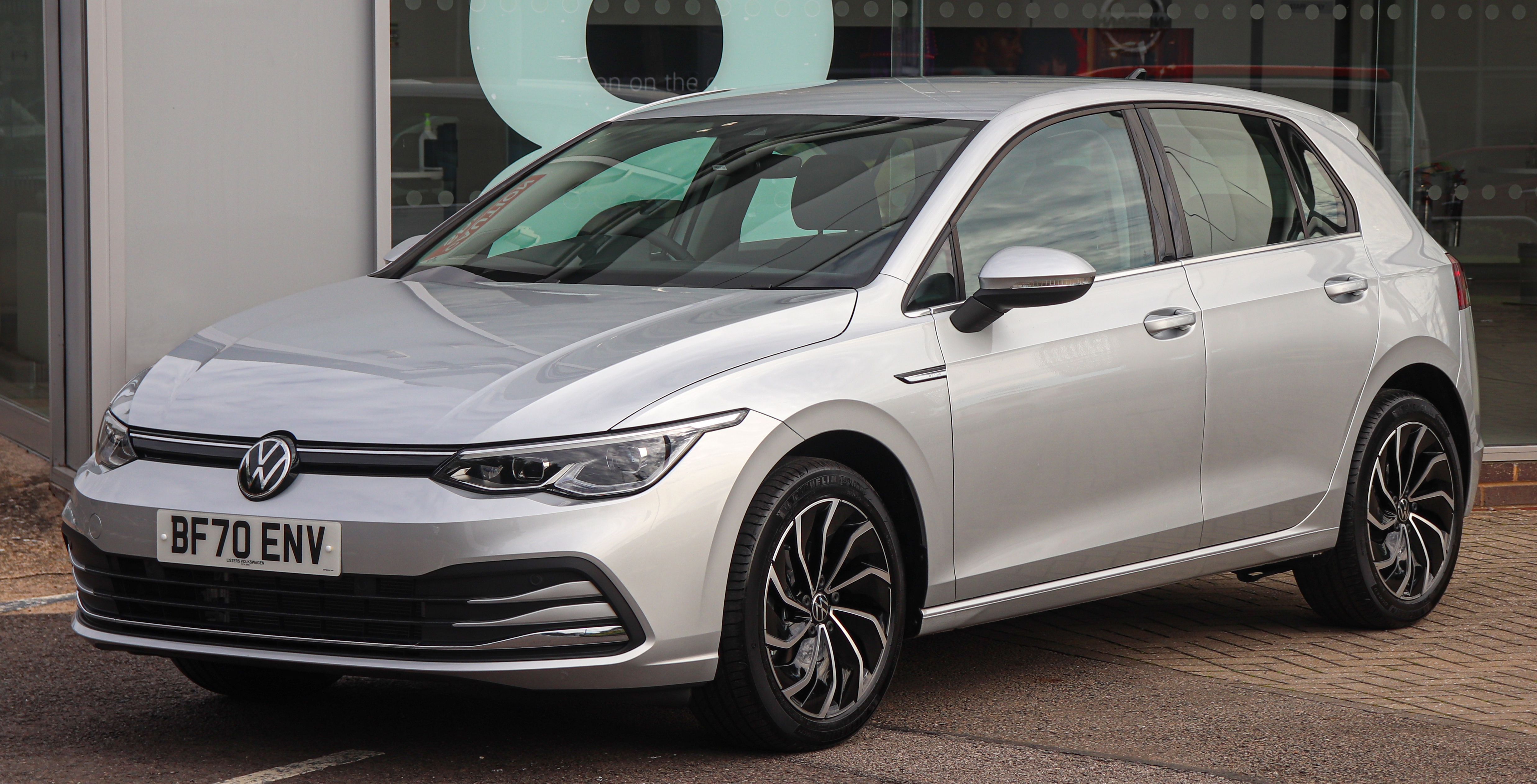
Volkswagen Golf
The Volkswagen Golf is a small car (a hatchback) that Volkswagen has been making for many years. It’s often mentioned because the name “Golf” is a well-known model line. When people talk about bringing back names, they mean using that familiar model identity again for newer cars.
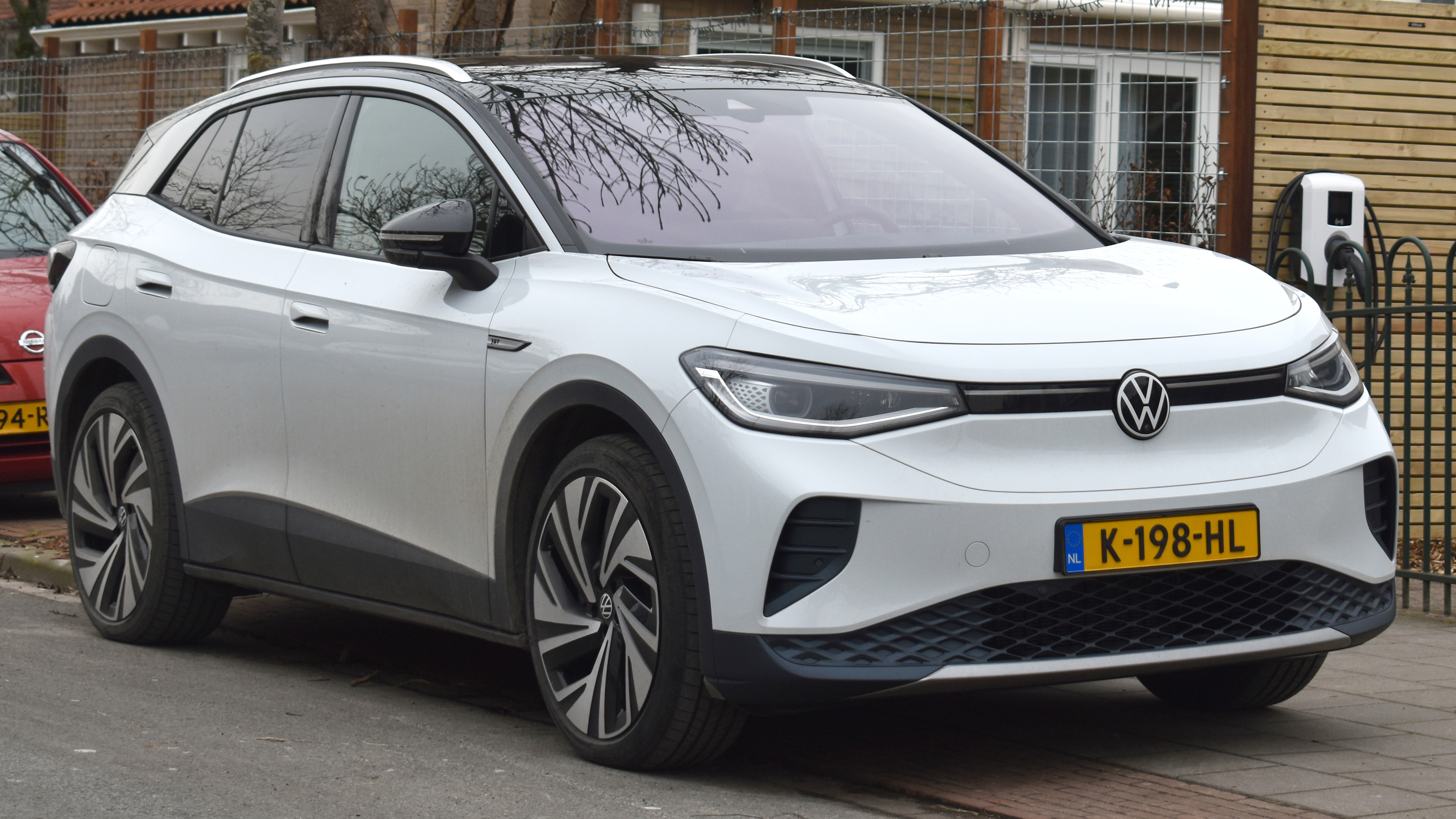
ID4
The ID.4 is Volkswagen’s electric SUV. The speaker is saying Volkswagen wants it to look more like their regular gas cars, but it stays electric.
all-time low in the first three months of this year
This is about sales trends. The speaker is saying the Cybertruck’s recent early-year sales were the worst they’ve ever been for that time period.

Tesla Cybertruck
The Cybertruck is Tesla’s electric pickup. The speaker says sales in the US have been very low recently, and a cheaper version could help sales later.
cheaper one that did go on sale recently
The speaker says there’s a cheaper version of the Cybertruck now. Lower prices usually help more people buy, so deliveries can rise.
Slate Auto
Slate Auto is an EV company mentioned in the news. They’re raising money so they can build their factory and start delivering their trucks at a targeted price.
funding round of $650 million
This is about money a company raised to keep building and producing vehicles. For new EV makers, that cash is usually needed for factories and getting cars into customers’ hands.
mid-20,000 dollar price point
This is about how much the EV is supposed to cost—around the mid-$20,000 range. The idea is to make it affordable enough for more buyers.

Xiaomi SU7
The Xiaomi SU7 is an electric car made by Xiaomi. The podcast mentions a newly updated version of it, shown in red. That matters because updates can change what the car includes and how it performs.
90% reduction in emissions by 2035
It’s a goal for how much pollution needs to be reduced by 2035. If the target changes, car companies may adjust their plans and product timelines.

Kia EV3
The Kia EV3 is an electric car from Kia that’s planned to go into production. The podcast is talking about timing and how it fits into Kia’s newer EV lineup. That’s important because it affects when you can buy one.
EV rental days
They’re using a rental metric: how many days electric cars were rented. It’s a way to measure how much people are actually using EVs.
BYD
BYD is a company that builds electric cars and batteries. Seeing BYD in rental fleets suggests more people are getting access to its EVs.
Hyundai
Hyundai is a car brand they’re talking about in relation to EVs. If Hyundai adds more EVs, more people can try them through rentals.
multi-agentic AI
Multi-agentic AI means the AI is made of multiple parts working together. Instead of one chatbot doing everything, different parts handle different steps of the process.
Capital One
Capital One is a company that provides financial products. Here, they’re using AI to help people shop for cars and handle steps like scheduling and financing.
pre-approved for financing
Pre-approval means a bank or lender checks you first and tells you what kind of loan you might qualify for. It can make buying smoother because you know your financing options ahead of time.
test drive
A test drive is the in-person driving evaluation that helps buyers confirm fit, comfort, and real-world drivability. Many shopping tools now automate scheduling so you can move faster from research to evaluation.
trading value
“Trading value” refers to the estimated value of your current vehicle if you trade it in. Online tools typically use market data and vehicle details to estimate what you might receive, which affects your out-the-door cost.
Progressive
Progressive is an insurance company. They’re advertising a website tool that helps you find an insurance rate and coverage that fits your budget.
Name Your Price tool
The “Name Your Price” tool is a way to pick a price you want for insurance and see options that match it. It helps you compare coverage without starting from scratch every time.