
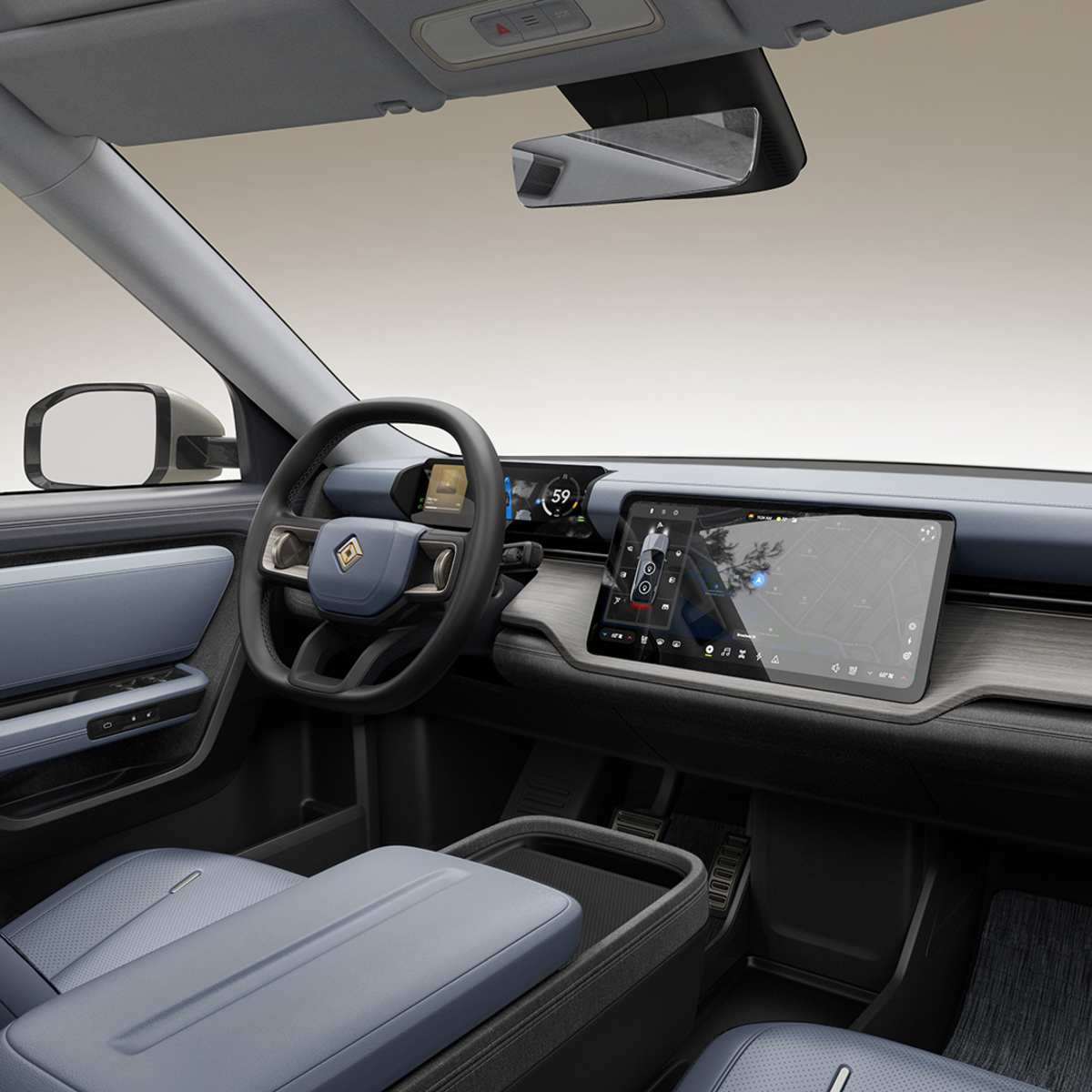
Rivian R2
The Rivian R2 is an all-electric Rivian vehicle meant to be more affordable than their earlier models. Here they’re talking about the performance version and what it’s claimed to deliver for power, range, and acceleration.
0-60
“0-60” measures how fast a car can go from 0 to 60 miles per hour. Lower time usually means quicker acceleration.
AI-powered voice assistant
An AI voice assistant is a system that understands what you say and lets you control the car by voice. Here, it’s used for things like navigation, music, and climate settings.
firmware
Firmware is the built-in software that controls parts of the car. When it gets updated, the car can gain new features without replacing physical parts.
Amazon's Alexa
Amazon’s Alexa is a cloud-connected voice assistant platform used in many consumer devices and some vehicles. Here, the host says Rivian replaced Alexa with its own AI voice assistant experience for existing R1 owners.
Connect Plus subscription
A “Connect Plus subscription” is a paid service tier that unlocks connected features in the vehicle. In this segment, the host ties it to the voice assistant’s functionality and ongoing service access.
processes voice on device
“Processes voice on device” means the car’s system interprets your speech locally rather than sending everything to a remote cloud server. This can reduce delay (latency) and can improve privacy because less audio data needs to leave the vehicle.
used EVs led the UK-UKR market for price growth
The host is saying that used electric cars are getting more expensive faster than other fuel types in the UK. They think it’s because energy costs are rising and more people want EVs.
bi-directional electric vehicles
Normally, an EV only takes power to charge its battery. Bi-directional charging lets the EV also give power back out—so it can help run other equipment when needed.
level one
Level 1 is the slowest way to charge an EV at home, usually using a regular wall outlet. It can be fine for overnight charging, but it takes longer than faster home chargers.
level two
Level 2 is a faster home EV charging setup than using a regular outlet. It usually involves installing a dedicated charger, so you can recharge more quickly.
utility smart charging programs
Utility smart charging programs coordinate EV charging with the electric grid, often to reduce peak demand or shift charging to cheaper/off-peak times. They may involve incentives or controls through the utility or charging provider.
Disneyland replacing Autopia petrol cars with EVs
They’re talking about Disneyland switching the Autopia ride cars from gas to electric. It’s a big, visible example of EVs showing up in everyday public places.